Tag: Retail

  • Hong Kong’s retail leasing market easing

    Hong Kong’s retail leasing market easing

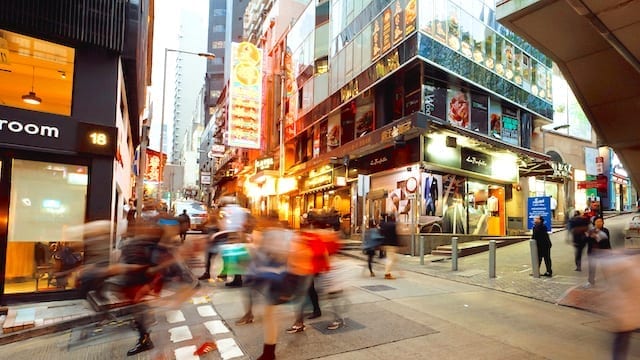
    Hong Kong’s retail leasing market is showing signs of slowing in tandem with easing retail sales.

    According to real estate advisor Savills says shopping-mall rents changed little in the second quarter, while prime streetfront retail rents fell by 1.9 per cent.

    Savills does not expect any “big headline deals” in retail rentals during the second half of this year.

    “The market lacks the momentum for active growth with unstable external factors having a powerful effect,” said Nick Bradstreet, MD and head of leasing.

    Hong Kong retail sales are down 1.8 per cent during the first five months of this year. Over a similar time frame, prime shopping street rents fell by 1.2 per cent quarter on quarter, with Central district dropping the most, by 3.8 per cent.

    In the major shopping-mall segment, base rents remained generally steady. This was helped by deals with major food-and-beverage tenancies at the newly opened OP Mall in Tsuen Wan:  Ruby Tuesday taking 5000sqft of space and Hadilao Hotpot 8000sqft at HK$400,000 per month.

    The lull in Hong Kong’s retail leasing market comes at a time shopping-centre landlords and retailers are reviewing their offer to shoppers.

    Savills says new market trends are emerging rapidly in Hong Kong and Southeast Asia: brands are turning to augmented reality (AR) to enhance the customer experience and retailers are thinking of new green initiatives with consumers responding positively.

    “Despite the slowdown in retail figures, we see that new technologies are being adapted to upgrade the customer experience, changing the retail landscape,” said Bradstreet.

    AR examples include an Ikea app which allows users to ‘place’ 3D furniture in their homes to scale, Benefit Cosmetics is encouraging customers to try on different eyebrow shapes before they shape their real ones; and MAC has launched an AR Beauty Try-On campaign.

    On the green front, the use of banana leaves for packaging vegetables and other fresh produce was initiated by Rimping Supermarket in Thailand, and then adapted by major supermarkets in Vietnam and Indonesia (including Big C, Lotte Mart and Bintang). Although still in its testing phase, the idea is being well received by shoppers and retailers have reported a boost in sales for products packaged this way.

    Simon Smith, senior director, research & consultancy at Savills, said trade tensions are hitting businesses across southern China and consumers are spending less on big ticket items as a result.

    “Landlords today seem to be more flexible when renewing existing tenants and are open to reducing rents if necessary.”

  • Saigon Co.op takes over Auchan Vietnam

    Saigon Co.op takes over Auchan Vietnam

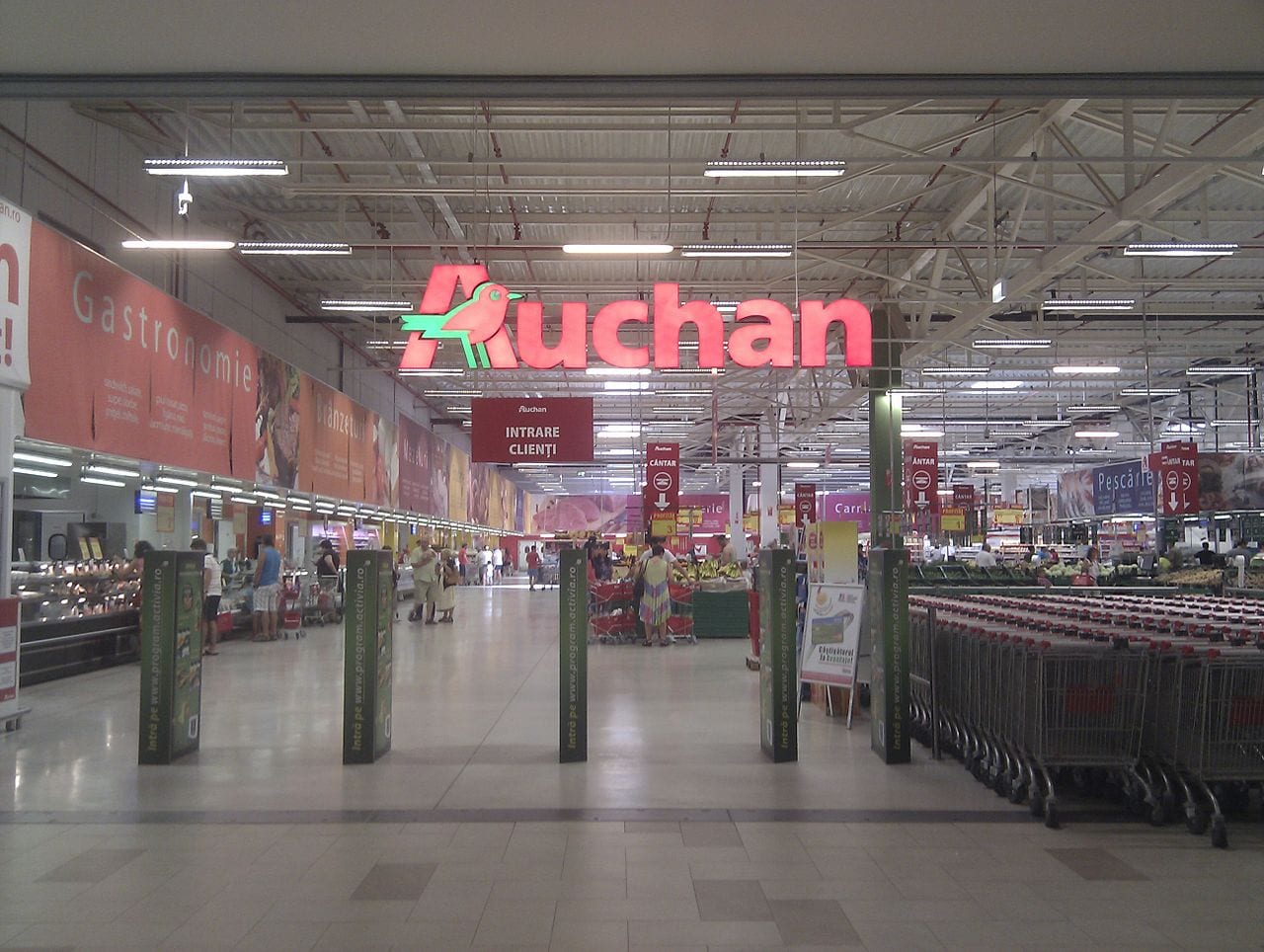
    Local retail group Saigon Co.op has acquired the Auchan Vietnam business.

    Auchan will transfer its 15 closed store spaces and the three remaining stores still trading in Ho Chi Minh City’s Districts 7 and 1, along with its e-commerce and supply-chain retail system to Saigon Co.op.

    According to the arrangement, Saigon Co.op will renovate the closed stores and restore operations under their own brands which include Co.opMart, Finelife and Co.opXtra.

    The three stores still trading will maintain their Auchan branding until next Lunar New Year.

    In May, Auchan decided to pull out of Vietnam after consistent losses.

  • South Korean retail sales up as summer season arrives

    South Korean retail sales up as summer season arrives

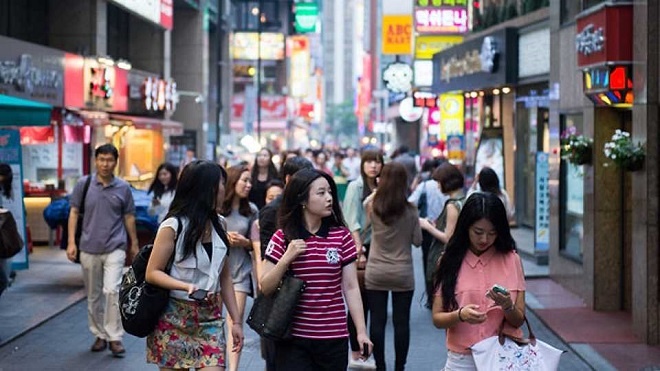
    South Korean retail sales increased by 3.4 percent year on year in May.

    Online sales reportedly surged by 18.1 percent in May, far faster than offline sales, which increased buy just 1.9 percent.

    A government spokesperson said the increase in sales for the month was driven by growing demand for seasonal products such as air conditioners, as summer arrived.

    There was also strong demand for electronics and gifts for Parents’ Day and Children’s Day.

    May’s 3.4 percent rise in South Korean retail sales was below the mean average monthly rate of 3.9 percent recorded from 1996 until this year.

  • Robinsons Retail favours pets over fashion

    Robinsons Retail favours pets over fashion

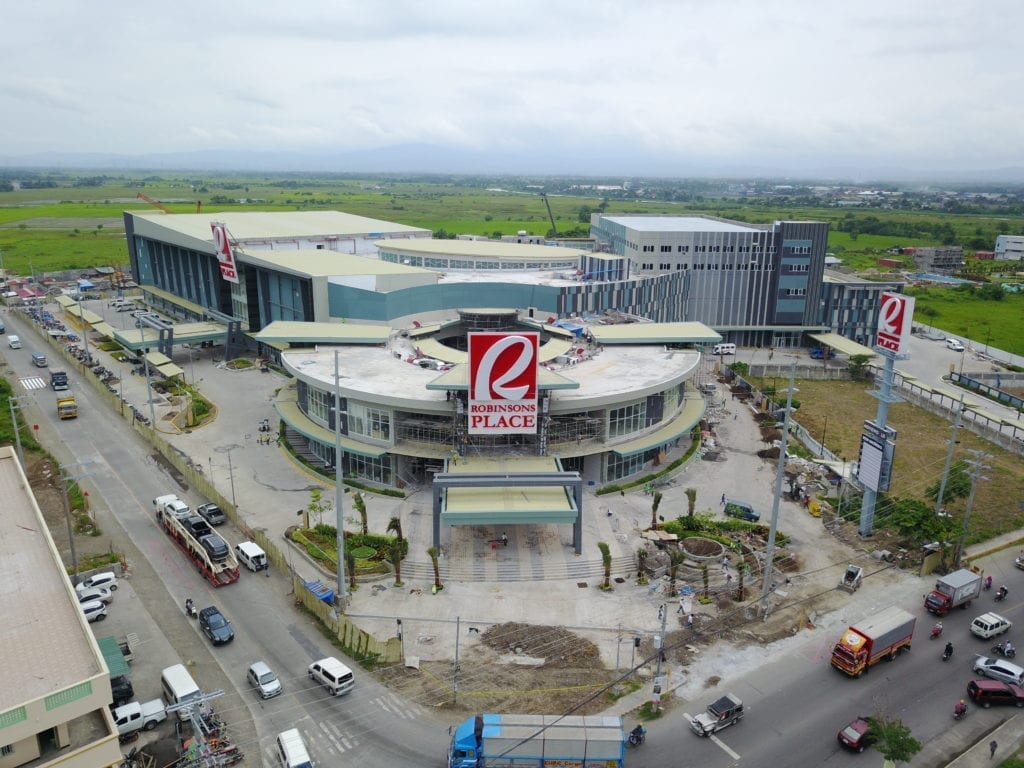
    Robinsons Retail is looking to shrink its fashion business as competition with cheaper chains gets tougher.

    “We are shrinking fashion, for it has become very difficult,” said the firm’s CEO Gokongwei-Pe. “There are other brands that came in who are more progressive and cheaper. We are already reducing the number of stores and we have to think if we move out altogether.”

    The firm is reporting stronger returns from pet, health and beauty products where there is growing demand.

    “Pets have become very big,” added Gokongwei-Pe. “Dogs now are very spoiled. Just look at Instagram and Facebook, it’s all about dogs. You should put money where the money is, which is food, drugstores, hardware, and growing businesses like pets and beauty.”

    The firm is also making moves into high-end groceries as well as growing its beauty and pet care franchises overseas. It is reportedly seeking 15 per cent annual revenue growth in these sectors within five years.

    Robinsons Retail is also investing PHP3–5 billion (US$58.59–97.65 million) on expanding its store network by 100–150 outlets per year from its current 1911 stores during the same period.

  • Hong Kong retail sales declined again in May

    Hong Kong retail sales declined again in May

    Hong Kong retail sales fell again in May, but the rate of decline was significantly less than in April.

    According to the Census and Statistics Department the value of retail sales in May, provisionally estimated at HK$40 billion (US$5.1 billion), decreased by 1.3 percent year on year, well below April’s 4.5 percent decline.

    For the first five months of this year, Hong Kong retail sales were down 1.8 per cent compared with the same period last year. After netting out the effect of price changes over the same period, sales for the five months were down 2.2 per cent.

    For the three months to May, sales fell by 0.8 per cent.

    For once, the jewelry, watches and valuable gifts category – which traditionally has the greatest effect on overall retail sales fluctuations – registered one of the lowest falls in May, down 2.7 percent.  Apparel sales fell 4.6 per cent, electrical goods by 14.8 per cent, optical shops by 11.3 per cent, furniture by 1.3 per cent and supermarket sales by 0.8 per cent.

    In contrast, sales of medicines and cosmetics rose 1 per cent, of food, drinks, alcohol and tobacco by 3.1 per cent, footwear and accessories by 1.6 per cent, Chinese medicines by 0.7 per cent and books, newspapers, stationery, and gifts by 0.1 per cent.

    A government spokesman said narrower decline of Hong Kong retail sales in May was partly due to the late timing of the Labour Day holidays in Mainland China this year, which had led to a visibly larger year-on-year rise in visitor arrivals during the month.

    “Overall, the performance of retail sales remained subdued in recent months.”

    Retailers will be waiting for the June figures, the month when the protests over the extradition bill stepped up, disrupting access to stores on Hong Kong Island at certain times and possibly dissuading overseas visitors.

    The spokesman said that in the near term, the outlook for retail sales will likely be clouded by the still-cautious consumption sentiment amid an uncertain global economic environment. “Nevertheless, the sustained expansion in inbound tourism and the largely stable local labor market should continue to provide some support.”

  • Bleak reaching for Hong Kong luxury goods market

    Bleak reaching for Hong Kong luxury goods market

    Analysts are warning of challenging times ahead for the Hong Kong luxury goods market.

    In a research note, Kathryn Parker and Flavio Cereda, equity analysts at Jefferies, say sentiment within Hong Kong has almost unanimously worsened since March due to the lingering effects of the trade war reducing high-quality tourism traffic into the territory, the rebalancing of prices after Mainland China’s VAT cut, ongoing Hong Kong protests and closer monitoring of the daigou by the central government.

    “We are concerned that there is an elevated reliance on mainland Chinese consumers within luxury stores in Hong Kong,” the pair said.

    Luxury-goods stores in Hong Kong commonly receive as much as 60 percent of their sales from mainland visitors – yet more and more mainlanders are choosing to shop at home where tax cuts have seen prices ease.

    “We were concerned to see further investment such as the opening of the new K11 Musea mall [in Kowloon], rather than a contraction of the retail footprint,” the analysts said.

    “Discussions with mainland Chinese consumers, particularly those in Shanghai, showed continued optimism in terms of both sales data and wider sentiment, which is despite the record-breaking first half.

    “An abundance of new malls within Hong Kong, Shanghai and Beijing means rents are not going up, but it is imperative that brands keep their store footprints dynamic and have a presence in the lux malls with the most traffic,” said Parker and Cereda.

    “All malls are increasing the proportion of food and beverage and experiences, such as cinemas and wellness, to drive footfall so there is relatively less space for retail.”

    While the Hong Kong luxury goods market suffered a downturn in the second half of last year, official retail sales figures for the first five months of this year show a modest 1.8 per cent decline against a higher base last year. But the latest figures are from May, prior to the acceleration of street protests in June and reflecting the later timing of the Mainland China Labour Day holiday period.

  • Suning.com ranked China’s most-valuable retail brand

    Suning.com ranked China’s most-valuable retail brand

    Suning Holdings’ retail subsidiary Suning.com has been ranked China’s most valuable retail brand, finishing 13th on World Brand Lab’s 16th “China’s 500 Most Valuable Brands” list.

    This was the second consecutive year Suning finished in 13th place with its brand value totaling RMB269.198 billion (US$39.093 billion), an increase of 17 percent compared to last year. Its listed brand value has increased by a factor of six since 2009.

    In the past year, Suning.com announced operational revenue of RMB244.96 billion ($36.479 billion), up 30.35 percent year on year; and a sales volume of RMB336 billion ($50.16 billion), an increase of 38.39 percent.

    By the end of March this year, the company owned 12,329 offline brick-and-mortar stores in Mainland China, Hong Kong, Macao and Japan, covering diversified consumption scenarios that include Suning Retail Cloud Franchise Stores, SuFresh (fresh food supermarkets), Suning Xiaodian (providing neighbourhood products and services) and Redbaby (maternal and child supplies stores).

    Last February, the company announced the acquisition of 37 Wanda department stores nationwide and in June, it acquired 80 percent of Carrefour China to improve its full-scenarios ecosystem and expand its all-categories merchandise retailing by reinforcing its market competitiveness in fast-moving consumer goods operations.

  • Hong Kong airport Retail revamp Finalised

    Hong Kong airport Retail revamp Finalised

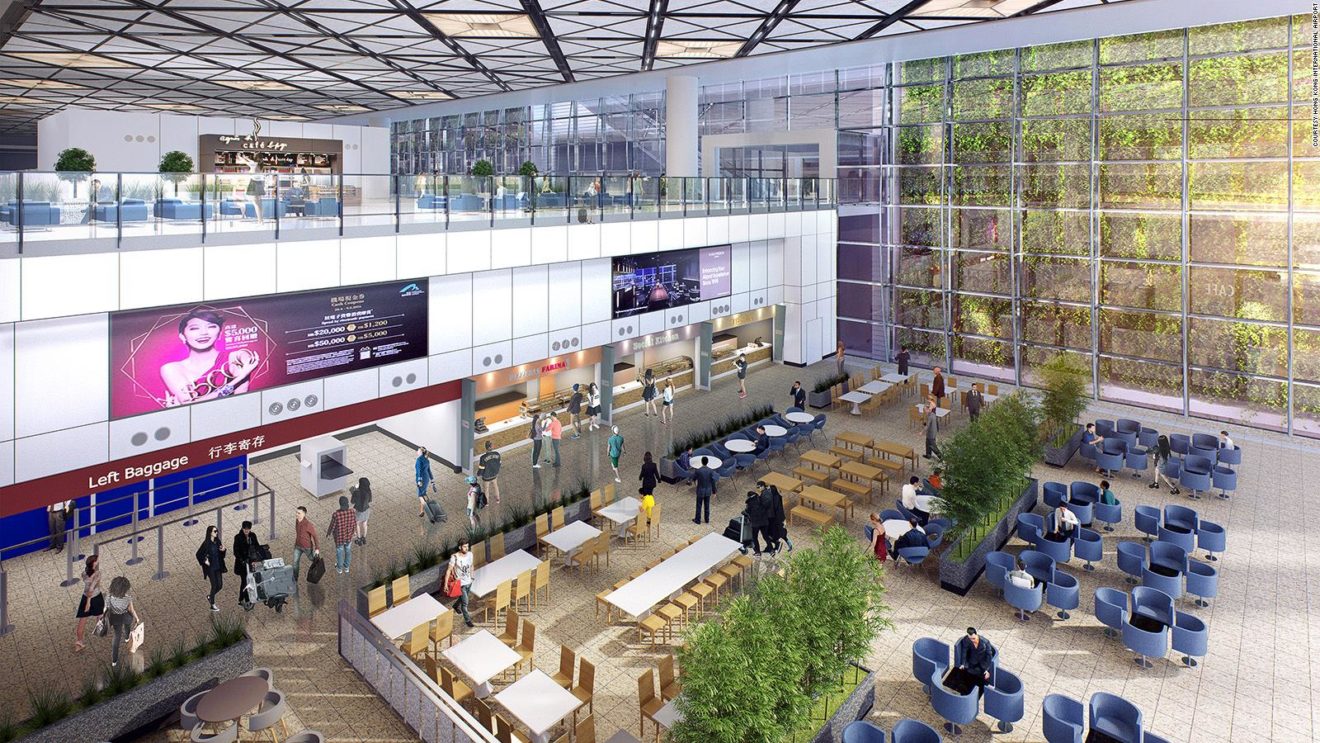
    A major Hong Kong airport revamp is planned spanning passenger facilities and retail spaces.

    Architectural firm Lead8 has been appointed lead designer for the planned Hong Kong International Airport (HKIA) Terminal 1 renovation.

    Working with Airport Authority Hong Kong, Lead8 will spearhead a collaboration of international consultants to deliver a “transformative upgrade” to the passenger halls of the 21-year-old aviation hub.

    The Boarding Gate Transformation project is expected to be completed in 2021. Lead8’s design scope includes a total overhaul and upgrade of the 49 boarding gates and adjacent areas of the Level 6 departure concourses.

    The renovation work will include upgraded technologies at all boarding gates, along with new and refreshed beam seating across all departure waiting areas. Retail and service cabins will be upgraded with more convenience for passenger access, all aimed at delivering “a more fluid experience for travelers”.

    “The refreshed look of the terminal will bring an inviting ambiance that combines new technological features to convey convenience and comfort to the terminal’s local and international travelers when transiting to and from Hong Kong,” said Lead8’s co-founder & executive director Chris Lohan.

    Contemporary seating designs with upgraded charging facilities will provide passengers with convenient and comfortable waiting experiences. The retail and service cabin facilities will also be upgraded to offer a rejuvenating environment for waiting passengers.

    Lead8 have also curated a number of entirely new experiential zones that will provide places of entertainment, relaxation, on-the-go work and general down-time spaces for passengers awaiting flights.

    “The combined enhancements of the transformed facilities at Hong Kong International Airport’s signature Terminal 1 building will further solidify our city’s status as a key international and regional aviation hub,” added Lohan.

  • Woolworths expands Scan&Go to five more stores

    Woolworths expands Scan&Go to five more stores

    Following the first successful trial of Scan&Go at Woolworths’ Double Bay store, the supermarket giant has expanded the smartphone shopping trial to five more locations. Four Metro stores in Sydney’s CBD will offer a checkout-free experience from Thursday along with the supermarket’s Mona Vale store on the Northern Beaches.

    Customers will have the option to scan products with their smartphone and pay in the app, before tapping off at a dedicated kiosk. But those who prefer the human experience or are a little less tech savvy will still have the option of traditional and self serve checkouts at each of these stores.

    Woolworths became the first major supermarket in the country to offer a checkout-free shopping experience when it launched the first Scan&Go trial at Double Bay over 10 months ago.

    Head of payments Paul Monnington said the Double Bay trial was a success with “positive feedback” from customers and team members, and expects time-poor shoppers in Sydney’s business district to appreciate the convenience of the new service.

    “Most customers in our CBD Metro stores just want to duck in and out for a few items, so we expect the speed and ease of Scan&Go will be quite a popular offer in this setting,” Monnington said in a statement.

    The Metro stores selected for the trial include Pitt Street, Met Centre, George Street and York Street.

    The retailer is also keen to see how consumers beyond the CBD take to the technology, with another trial in operation since last week at its recently renewed Mona Vale store on the Northern Beaches.

    “This will allow us to test the offer with even more customers in a different setting, so we can determine the best role for it in the future,” Monnington said.

    Last month 7-Eleven Australia opened its first cashless and cardless convenience store in Melbourne, in which customers choose products, scan the barcodes at checkout counters and pay via the app.

    The convenience chain is hopeful the technology will free up workers to now focus on customers and delivering its food offerings. It was first trialed at 7-Eleven’s Exhibition Street Melbourne store while still having the traditional point of sale system, before going the fully cashless and cardless offering.

    The Scan&Go app, developed by the WooliesX digital team, is available on the App and Google Play stores, with customers required to upload a credit or debit card prior to shopping.

  • Black forecast for Hong Kong retail sales

    Black forecast for Hong Kong retail sales

    Hong Kong retail sales will shrink by 5 per cent this year according to projections by PWC.

    Citing uncertainty clouding consumer markets across Mainland China and Hong Kong, PWC also says macroeconomic uncertainty has prompted Chinese retailers to refocus on customer experience.

    “Hong Kong retail sales is estimated to fall by 5 per cent to approximately HK$460 billion this year, as the ongoing Sino-US trade dispute, equity market turbulence and volatility of Renminbi continue to cast a long shadow on consumers sentiment and actual spending”, says Michael Cheng, PWC’s Asia Pacific and Hong Kong/China consumer markets leader.

    PWC had earlier forecast a 3-per-cent decline in Hong Kong retail sales and says its downgrade reflects a weaker outlook for the second half of the year, due to a combination of factors including external headwinds, economic instability, as well as the projected decrease in tourist arrivals and spending.

    The projections are included in the consultancy’s report Back to the Core: Reinvigorate Experience-driven Retail at a Time of Uncertainty.

    Government data shows Hong Kong retail sales for the first four months of this year fell by 2 per cent, with electrical and luxury goods among the sectors suffering the biggest decline, against the backdrop of a weak Renminbi and waning consumer confidence. On the back of the completion of major infrastructures such as the Hong Kong–Zhuhai–Macau Bridge and the Guangzhou–Shenzhen–Hong Kong Express Rail Link, mainland tourist arrivals grew steadily in the last quarter of last year, reaching a record high in January, aided by the Chinese New Year holiday-shopping season. However, mainland tourist arrivals started to drop from the peak three months in a row since February.

    “Local retail sales and mainland tourist arrivals are expected to continue on a downward trend through the rest of this year, indicating a slowing consumer market in Hong Kong,” says Cheng.

    “Electrical and luxury goods are set to shrink further, while consumer goods like health-and-beauty products will hold well with a modest growth. The recent political and social unrest, temporary closure of the Peak Tram due to renovations, coupled with a lack of new tourist attractions might lower mainland tourists’ appetite to visit Hong Kong in the short term. Meanwhile, a weakening economy as well as uncertainty surrounding the trade dispute present risks to the outlook in the medium to longer run,” he says.

    Adapt or suffer

    Cheng says this year’s tough Hong Kong retail climate underlines the importance for retailers to adapt to changing consumer preferences and spending patterns in order to maintain competitiveness and profitability.

    “As shoppers nowadays have put a bigger focus on consumer experience, more and more retailers are moving to create a more engaging and experience-driven shopping journey with innovative and unconventional retail strategies such as ‘retailtainment’ and ‘coopetition’. Moreover, brands are increasingly tapping the power of emerging technologies like AR and VR to appeal to a new generation of tech-savvy shoppers who value personalised experience.”

    The report, which builds on the survey findings of PWC’s Global Consumer Insights Survey 2019, also points to an increasing emphasis on customer experience among retailers in China, who are refocusing on business fundamentals such as profitability and cost management in the light of growing economic headwinds.

    He says this year continues to be challenging for mainland Chinese retailers amid uncertain outcome of trade negotiations with the US and a slowdown in the economy. Mainland retail sales growth fell to a 15-year low at 9 per cent last year, signalling sluggish demand among Chinese consumers. As part of its wider efforts to transition towards a consumption-driven economy, the Chinese government has rolled out a range of stimulus policies including tax cuts, reduction in social insurance costs and incentives for high-tech consumption, with a view to building a more resilient domestic economy to mitigate external risks.

    “In the face of a slowing economy and consumer market, retailers are going back to basics by pursuing a more defensive strategy, characterised by profitability focus, consumer-centricity and operational excellence,” says Phil Lai, PWC China consulting partner. “The story of New Retail continues, as retailers strengthen digitisation along the retail value chain through smart supply chain management enabled by technology and big data, with a laser focus on experience.”

    Thanks to extensive mobile connectivity and established technology infrastructure, digital-savvy Chinese consumers tend to accept and embrace emerging technologies to a greater extent than their global counterparts. Sixty-eight per cent of Chinese consumers surveyed purchase products online at least once a week.

    Technology enablement consequently fuels the hunt for new experiences that integrate digital into the offline environment. Close to 40 per cent of Chinese respondents said their in-store experience would be enhanced by the use of technology including IoT scanners, tablet and mobile checkout, and self-service kiosks.

    As Chinese shoppers seek to redefine their experience with a frictionless purchase journey and a blend of both physical and digital interactions, retailers are thinking beyond the traditional return on investment (ROI) metrics to adopt a consumer-centred return on experience (ROX) strategy.

    “Specifically, retailers need to map out their consumers’ purchase journey, isolate key customer touch points and factors that drive experiential moments, and invest more in aspects which directly impact those interactions and yield measurable results,” said the report.

    Lai concludes: “From end-to-end digitisation to the rise of experience-based business models, the New Retail evolution in China has come a long way. To thrive in the world’s largest consumer market, we see retailers and brands becoming more digitally-agile and data-driven, using new technologies to fuse customer experience across the entire value chain, while monetising discrete moments and building communities with a purpose to ensure long term profitability and sustainability.”

  • Lagardère Travel Retail partners with AirAsia’s OurShop to develop e-marketplace in APAC

    Lagardère Travel Retail partners with AirAsia’s OurShop to develop e-marketplace in APAC

    Lagardère Travel Retail and AirAsia’s e-marketplace OurShop have created a new partnership in Australia to allow travelers to pre-order and collect duty free items from arrival and departure points.

    As reported, OurShop, launched in July last year, is AirAsia’s online marketplace offering a wide selection of products from duty-free, high street and local retailers from across the world. The initiative was introduced to the industry via an exclusive interview by The Moodie Davitt Report with AirAsia CEO & Co-Founder Tony Fernandes.

    Introduced at the recently opened Aelia Duty Free at Avalon Airport in Victoria, the partners said the move allows “greater flexibility and freedom for travelers, alongside the ability to shop for international and local brands all year round”.

    “This is a new and exciting partnership developed with AirAsia, and we’re delighted to bring this to the Pacific region,” said Lagardère Travel Retail Pacific Region CEO Przemek Lesniak. “We believe it highlights endless benefits for our customers who choose to travel with AirAsia as it opens up a new world of accurate marketing, products and convenience within the travel retail sector.”

    Customers who purchase products on ourshop.com will also earn AirAsia BIG Points, which can be used to redeem free flights on AirAsia, creating a cycle of value.

    Lagardère Travel Retail Partnership Director for Pacific Josh Thompson said the collaboration represents “a win-win” for AirAsia, Avalon Airport and Lagardère Travel Retail, and most importantly their customers. “Customer satisfaction is a key driver for our business and as part of that, this exciting online shopping experience ensures our customers can access convenience shopping, while increasing their own benefits from AirAsia,” he said.

    OurShop Head of Acquisition Hassan Choudhury said: “What used to be a 20-minute shopping experience as travellers rush to their boarding gates is now 365 days of shopping indulgence at the tip of their fingers. I want to thank Lagardère Travel Retail and Aelia Duty Free for partnering with us to deliver this unique online shopping experience and we look forward to sharing incredible success together.”

  • E-commerce sales up in New Zealand with 16 per cent last year

    E-commerce sales up in New Zealand with 16 per cent last year

    New Zealand consumers spent $4.2 billion online last year, a 16 percent increase in 2017, according to the latest e-commerce report from NZ Post.

    This compares to just 2 percent annual growth in bricks-and-mortar shopping, the postie said in a statement released last week.

    The rise in spending was driven by Kiwis shopping online more often, with consumers hitting the ‘buy’ button 22 times each.

    Last year also saw the emergence of ‘super shoppers’ – with nearly 10 percent of the 1.8 million Kiwis who shopped online last year spending over $9000.

    The report found that spending with New Zealand online stores grew nearly twice as fast as spending with international online stores, though roughly a third of the dollars consumers spent online in 2018 overall went overseas.

    Around 12 percent of online shoppers used to buy now pay later methods, such as Afterpay, last year – with younger users and women being the majority of users.

    The most prominent online shoppers in New Zealand are women aged between 30 and 45 who live in rural areas, NZ Post found.

    “NZ Post is delivering well over half of all parcels bought online in New Zealand and we’re proud to be integral to that moment of joy when your online shopping parcel arrives,” Bryan Dobson, NZ Post’s chief marketing officer, said.

  • Battle for HK Retail Customers Begins as HSBC Scraps Fee

    Battle for HK Retail Customers Begins as HSBC Scraps Fee

    As banks in Hong Kong brace for fierce competition from virtual banks, HSBC on Wednesday said it is scrapping minimum balance fees and associated charges.

    HSBC announced on Wednesday that it will scrap the minimum balance fee that applies to its 3 million customers in Hong Kong. From August 1, it will be the first bank in Hong Kong to go back to providing free basic banking services to retail customers who hold its passbook accounts, statement accounts, personal and advance integrated accounts and super ease accounts.

    To reinforce HSBC’s commitment as Hong Kong’s leading bank, it will also waive off associated charges faced by small depositors, like counter transaction fees.

    «More than 3 million retail banking customers will benefit from the removal of our below-balance fees, counter transaction fees and annual fees for most our personal savings accounts,» said Greg Hingston, HSBC’s head of retail banking and wealth management in Hong Kong, who was quoted in «South China Morning Post».

    Introduced 18 years ago, the monthly charge of HK$50 for small depositors with a passbook savings account and other basic accounts with a balance below HK$5,000 (US$640), is seen as a penalty on some of the bank’s most loyal customers.

    The move comes as the Hong Kong Monetary Authority (HKMA) issued eight virtual bank licenses since March. The virtual bank licensees, who operate solely online, are not allowed to charge a minimum balance fee to small depositors. Such zero-cost bank accounts would likely lure millions of customers away from banks who are still charging small depositors.

    The move is likely to be followed by other big lenders as they brace for the intense competition from the virtual banks due to come online later this year. Hang Seng Bank, a unit of HSBC, is also considering a plan to scrap its minimum-balance fee, according to a spokesperson.

    «Banks should draw up their fees structures in accordance with their own corporate strategies, service models and costs,» an HKMA spokesperson said. «However, the HKMA has constantly reminded banks to keep in mind the public’s expectations and needs in basic banking even while they run their banks based on business principles.»

  • Tokopedia enters wedding industry, buying Bridestory

    Tokopedia enters wedding industry, buying Bridestory

    Indonesian e-commerce platform Tokopedia has acquired local wedding-service marketplace Bridestory, which allows users to plan their big day on their smartphones.

    Bridestory targets the Southeast Asian wedding market, connecting couples with venues, organizers and vendors/service providers in the wedding industry. It has reportedly connected more than 3.5 million customers with at least 27,000 wedding vendors annually.

    “It all started with a web application,” said Bridestory CEO Kevin Mintaraga, “then we slowly saw the change in behavior as people became more mobile-centric. We also wanted to help brides to plan their wedding anywhere and anytime with their smartphone”.

    The Tokopedia acquisition includes Bridestory’s new service, Parent story, which help parents and expecting parents connect with age-specific activity providers for their kids.

    Tokopedia has stated that the site will continue to operate independently, while Kevin Mintaraga will join Tokopedia’s management in a VP role.

  • Octopus’ retail management solutions now implemented in Asus stores across China

    Octopus’ retail management solutions now implemented in Asus stores across China

    Octopus Retail Management (Octopus), the retail technology provider used by leading businesses to make retail smart and personal, today announced that its cutting-edge point-of-sale (POS) suite of solutions has been successfully implemented in Asus locations across China.

    Octopus’ solutions have been rolled out for Asus stores across 16 cities in China — including Beijing, Shanghai, Guangzhou, Shenzhen and Hangzhou, among others — creating a connected infrastructure and eliminating the complexity of managing its network of stores. Octopus’ smart retail technology gives Asus real-time visibility over the cloud to monitor sales, run promotions and manage inventory more efficiently.

    Importantly, Octopus’ customizable solutions have been integrated with the Alibaba iStore system, including Customer Relationship Management (CRM) integration and payment integration.  This seamless integration allows Asus to drive omnichannel sales and enhance the customer experience both in store and online.

    “The retail space is transforming rapidly. We wanted a retail software solution that would integrate with Alibaba CRM and allow seamless promotions and inventory management across our network of stores in China. Partnering with Octopus will enable us to achieve that and deliver an enhanced shopping experience for our customers,” said Wu Rui, Project Director at Asus.

    “We are proud to be selected by Asus to deliver our software solutions to drive their retail business forward,” said Ong Whee Shiong, Managing Director of Octopus. “More than ever, customers expect retailers to provide a personalized and seamless shopping experience across all channels. Octopus’ smart retail technology will enable Asus to manage their store network across China to enhance their business productivity and drive store experiences that exceed their customers’ expectations.”