Tag: Retail

  • Shopee signs Cristiano Ronaldo

    Shopee signs Cristiano Ronaldo

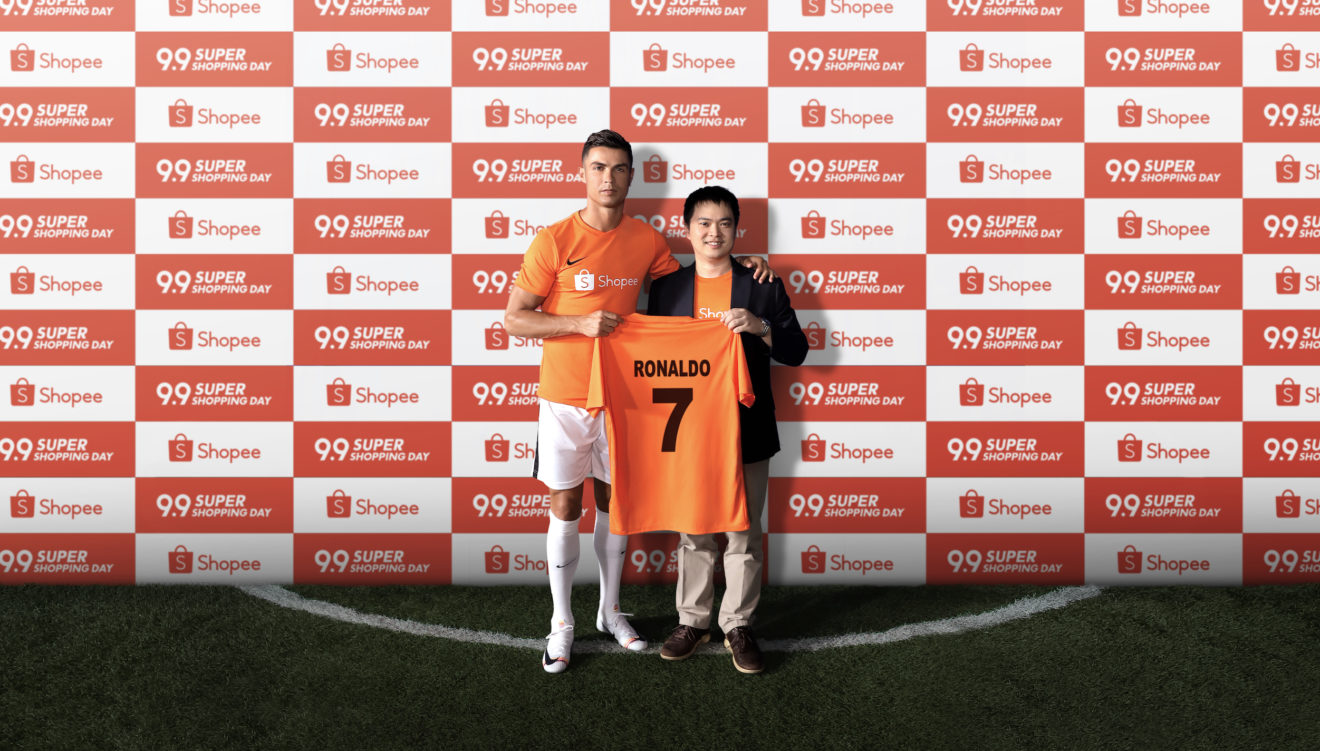
    Southeast Asian/Taiwanese e-commerce platform Shopee has appointed global football icon Cristiano Ronaldo as its newest brand ambassador.

    Ronaldo will work with Shopee on a wide range of initiatives to engage and inspire customers in the region, starting with Shopee’s annual shopping event, 9.9 Super Shopping Day.

    “Cristiano Ronaldo is one of the greatest athletes of our time,” said Shopee CEO Chris Feng. “He is an inspiration to many, and his dedication to football matches the deep commitment we have towards our users. Together with Cristiano Ronaldo, we look forward to creating a lasting positive impact on our region.”

    “I am proud to be Shopee’s brand ambassador as we share the same ambition to be the best in our fields,” said Ronaldo. “I am always improving my game for my fans and my team, just as Shopee innovates to benefit their users in this region. I am excited by this partnership, and I look forward to creating more special moments for my fans together with Shopee.”

    Cristiano Ronaldo stars in Shopee’s newest 9.9 TVC, which will air in all seven Shopee markets in the region.

  • US retail sales up solidly

    US retail sales up solidly

    The US Commerce Department says retail sales rose a healthy 0.7 per cent last month, a sign of consumer confidence.

    US consumers have spent more at retail stores and restaurants in July, a sign that concerns over slower global growth that have roiled financial markets haven’t dampened consumer confidence.

    The Commerce Department says retail sales rose a healthy 0.7 per cent last month, after a 0.3 per cent gain in June. Online retailers, grocery stores, clothing retailers and electronics and appliance stores all reported strong gains.

    Consumer spending, the primary driver of the US economy, remains healthy even as other sectors of the economy, such as business investment, have weakened amid growing uncertainty over the US-China trade war.

    Job growth is steady, the unemployment rate is near a 50-year low, and wages are rising modestly, which bolsters Americans’ spending power.

    Even department stores reported solid sales increases despite Wednesday’s anaemic earnings report by Macy’s.

  • Growth rate down for China retail sales in July

    Growth rate down for China retail sales in July

    Chinese retail sales in July rose at a slower rate than in June, although the decline was largely attributed to falling sales of new motor vehicles.

    Official government retail sales figures include motor vehicles, making it difficult to assess the true trend of ‘real’ retail sales in the market.

    Chinese retail sales in July rose by 7.6 per cent year on year, compared to a 9.8-per-cent increase in June. The growth rate was slower than analysts had been forecasting.

    July marked the 13th consecutive month of decline in China’s new-car market, affected by the imposition of stricter environmental controls and a generally cooling economy.

  • Vodafone named ‘national retailer of the year’

    Vodafone named ‘national retailer of the year’

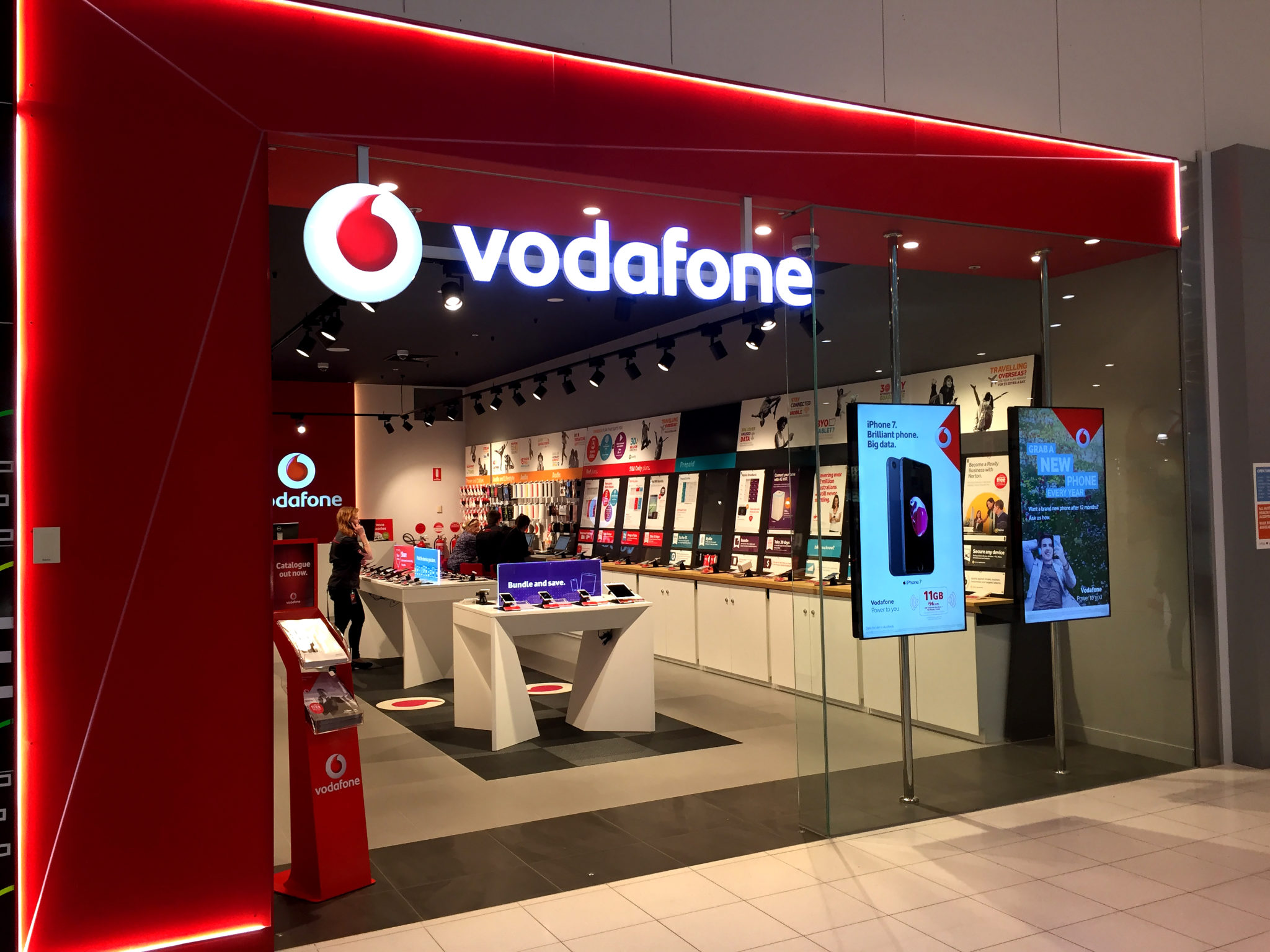
    Vodafone was crowned ‘national retailer of the year’ at the Australian Retailers’ Association’s annual awards in Melbourne on Thursday.

    The telecommunications company said it had made significant improvements to its business and customer experience since a low point a few years ago by making common sense decisions and backing its people.

    This was a fitting result, given this year’s theme, ‘Retail Morphosis’, which is all about how retailers adapt to change in order to succeed.

    “Although the retail landscape will continue to be disrupted by emerging technology and international competitors, it is truly gratifying to see the industry filled with hardworking retailers who continue to power retail through innovation and adaption,” Russell Zimmerman, executive director of the ARA, said.

    Retailers including Petstock, Bakers Delight, Birdsnest, Coles Group and Biome were recognised for their achievements in innovation, marketing, customer experience and more. The winners in all 12 categories are listed below.

    The awards took place at Myer Mural Hall on Thursday morning, and featured fashion parade capturing the history of Australian retail from the 1920s to the 1990s, with outfits curated by Myer and hair and make-up created by Chiseled Hair.

    Consumer futurist Amanda Stevens delivered a keynote speech on what the latest consumer research insights reveal about the opportunities for growth in the sector, and host Steve Plarre, CEO of Ferguson Plarre Bakehouses, entertained the audience with a rendition of ‘Uptown Funk’.

  • Strong retail interest in Asia, but very little action

    Strong retail interest in Asia, but very little action

    More than 80 percent of Australian businesses have Asia on their radar, but most are failing to generate significant revenue from Asian markets, a new report from Asialink Business has found.

    Of the businesses surveyed, 83 percent generate less than half of their annual revenue from Asia, and 55 percent generate less than 5 percent of their annual revenue from Asia. This is because they haven’t taken the necessary steps to grow.

    These include hiring staff with the right language skills and experience to operate in Asia, keeping up with Asian customers’ fast-changing preferences and having a presence on the ground – three characteristics that top performers in the Asian market share.

    “The business opportunities that exist in Asia are well known and well versed. But while many Australians businesses are including Asia as part of their strategy, we know that majority of these organizations don’t optimize their operations to maximize revenue streams,” Jonathan Yeung, head of Asian business banking at Commonwealth Bank of Australia, which sponsored the report, said.

    One business that is tapping into the Asian market successfully is Australian health and beauty brand G&M Cosmetics, which was profiled in the report.

    The Sydney-based business, which has been manufacturing and selling to national and global retailers for over 22 years, first started exporting to China in 1998, and now exports 600,000 units of skincare products to the country every week.

    CEO Zvonko Jordanov said it is crucial to understand the customer in each market you sell in.

    For instance, Emu oil-based products are best-sellers in Taiwan and Malaysia, but Lanolin is preferred in China. This changes quickly, though, and Jodanov said avocado, goat’s milk, and manuka honey products are on the rise.

    At its laboratory in Australia, G&M also looks at the suitability of certain skincare products for different markets based on local conditions, including weather and humidity.

    “We’re all humans. The number one thing is that you respect the consumer. Give them a proper product and don’t promise the impossible,” Jordanov said.

    According to the Asialink Business survey, businesses that tailor and adjust their product or service and marketing earn, on average, more than eight times the revenue from Asian markets than those that sell the same offering using the same marketing.

    Businesses that always mention these Asian language skills and experience in the Asian market in job ads earn, on average more than five times the revenue from Asia than those that do not.

    And 33 percent of businesses that earn more than 5 percent of their annual revenue from Asia undertook in-country visits at least once a month – more than double that of businesses earning less than 5 percent of their revenue from Asia.

    The businesses most likely to be doing well in Asia were professional services firms, according to the report, followed by private education and training organizations.

    China was the top Asian market for 44 per cent of respondents, followed by the ASEAN countries, which include Indonesia, Malaysia, Philippines, Singapore, Thailand, Vietnam, Laos, Brunei, Cambodia, and Myanmar, for 32 per cent of respondents.

    Overall business sentiment towards Asia remains positive, despite the ongoing China-US trade tensions, the report found.
  • Falling spend by mainland Chinese lowers Sogo sales

    Falling spend by mainland Chinese lowers Sogo sales

    Sogo department store parent Lifestyle International has been impacted by falling spending by mainland Chinese visitors and the early stages of the extradition bill protests.

    Direct sales at the group’s two stores in Causeway Bay and Tsim Sha Tsui were down 2.8 percent in the six months to June, while total gross sales, including those of concessions, fell by 2.4 percent.

    Executive director Lau Kam Shim said China’s economic slowdown and global political uncertainties cast a damper on the consumer spending during the six months to June. Sogo Causeway Bay recorded a 4.8-per-cent decline in sales after footfall decreased 3.7 percent, however, the average ticket size at the store remained stable at approximately $910. He said the anti-extradition protests that took place in June also played a part in bringing down the traffic footfall and sales revenue of the store.

    Despite the sluggish territory-wide retail sentiment, Sogo Tsim Sha Tsui achieved a 9.5-per-cent increase in sales during the period, having established itself as a popular shopping destination for tourists. Cosmetics and skincare products were the leading growth driver for the store, recording 14.3-per-cent growth.

    The Sogo Rewards program continued to gain traction, with membership increasing to 657,000 as at June 30.

    “The program has helped keep customers engaged and reinforced the group’s brand equity,” said Lau. Sales to members accounted for 55 percent of the total revenue at the Causeway Bay store during the period, up from 52 percent for all of last year.

    Lau said the launch of the massive HD LED screen on the street-facing facade of the Causeway Bay Sogo department store has proven to be an effective advertising platform, reinforcing the flagship’s position as a prominent retail landmark in Hong Kong.

    The group’s gross profit margin as a percentage of turnover remained stable at around 74 percent, and gross profit of HK$1.557 billion, was down 1.3 percent year on year. The net profit attributable to shareholders was $1.286 billion, up 44.8 percent, due to a positive investment income of $427 million being recorded during the period, compared with an investment loss of $56.2 million recorded for the same period last year.

    Lifestyle International expects a challenging second half of the year as geopolitical tussles and waning global growth momentum further undermines business confidence and dampens consumer spending across the globe.

    “Whilst prolonged China-US trade tensions and heightened economic uncertainties would pose challenges towards the Hong Kong economy, the city’s ongoing political and social unrest will cause further damage to the local economy, souring consumers’ appetites and suppressing investor sentiments in both the property and stock markets,” said Lau.

    “Moreover, the anticipated weakening of the Chinese currency would also weigh upon inbound tourism and the spending of Chinese tourists.”

  • Reliance-Tiffany partnership in India wins the right approval

    Reliance-Tiffany partnership in India wins the right approval

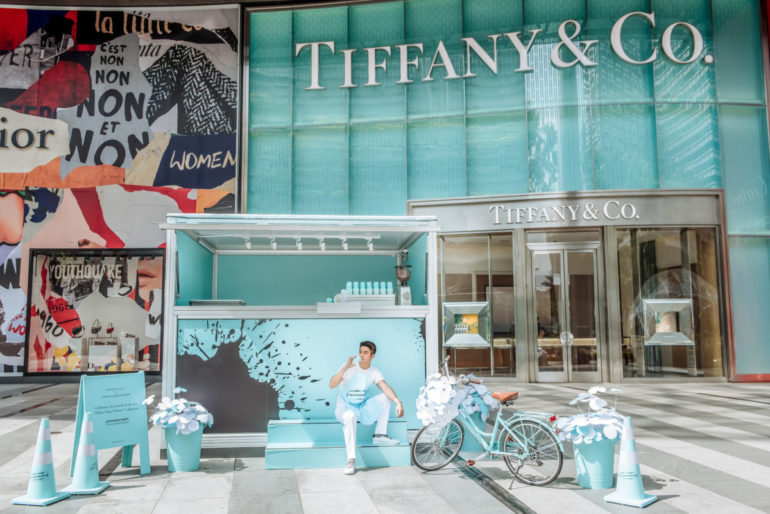
    The Reliance-Tiffany partnership in India will allow Tiffany & Co to offset subdued demand in US and Europe, says data and analytics company GlobalData.

    The US-based luxury jeweler Tiffany & Co formally announced last week it was forming a joint venture with India’s Reliance Brands Limited (RBL), a part of the Reliance Industries Limited (RIL), to open a line of stores in India. That move was widely predicted earlier.

    Shagun Sachdeva, consumer insights analyst at GlobalData, says India is the fastest-growing luxury market in the Asia-Pacific region, expected to grow at a compound annual rate of 14.2 percent between 2017 and 2022, to reach US$7billion by then.

    “The projected healthy growth can be attributed to the positive economic outlook, growing younger upper-middle-class population coupled with growing brand-consciousness, and the increasing popularity of the online channel for luxury shopping.”

    Sachdeva said Tiffany & Co, famous for its diamond engagement rings and famous blue boxes, has been trying to enter the Indian market for a long time.

    “By leveraging Reliance’s long-standing brand presence and product positioning, it will be able to expand globally and offset the subdued demand in the US and Europe.

    “After the deployment of omni-channel model and the introduction of the iconic British toy retailer Hamleys in India earlier this year, the latest move by Reliance to open Tiffany stores in Delhi later this year and in Mumbai in 2020 through a joint venture is in line with its strategy to bring the best-in-class products to the emerging Indian luxury market,” she said.

    “It provides a unique opportunity for Reliance to bolster its consumer-focused units, retail, and telecoms, to match the strength of its leading oil and gas business.”

  • Singapore retail sales slip in June

    Singapore retail sales slip in June

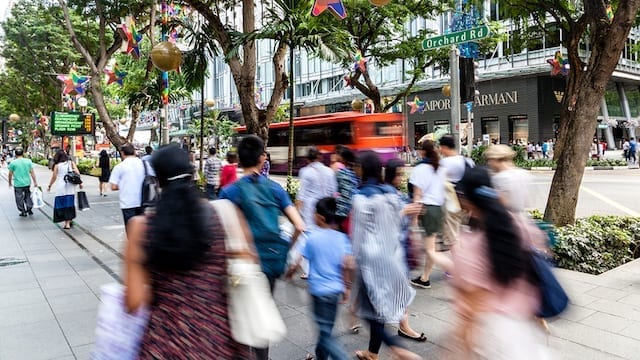
    Singapore retail sales – excluding motor vehicles – decreased by 2.7 percent in June, according to Statistics Singapore.

    The headline figure, which includes motor vehicles, was down 8.9 percent, reflecting the high volume of cars sold in June last year and a lower COE quota for May to July this year.

    Month-on-month, Singapore retail sales were down 0.4 percent, excluding vehicles.

    Online accounted for 5.5 percent of the S$3.5 billion in retail spending for June.

    Sales of furniture & household equipment declined 15.1 percent year on year, attributed to higher sales in the sector during last year’s Hari Raya festive season. Similarly, the computer & telecommunications equipment and watches & jewelry sectors reported sales down by 7.7 percent and 4.8 percent respectively, driven in part by lower demand for handphones and jewelry.

    Sales of medical goods & toiletries and of apparel & footwear both grew by 1.4 percent.

    Compared to the same period last year, sales of food & beverage services grew by 5.3 percent in June, estimated at $864 million, compared to $820 million in June last year.

    Sales by fast-food outlets grew by 10.6 percent compared to June last year, due partly to the opening of new outlets by some major fast-food chains. Food caterers, restaurants and other eating places (such as cafes)were up by between 3.2 percent and 5.7 percent during the period.

  • Retail sales in Indonesia decline

    Retail sales in Indonesia decline

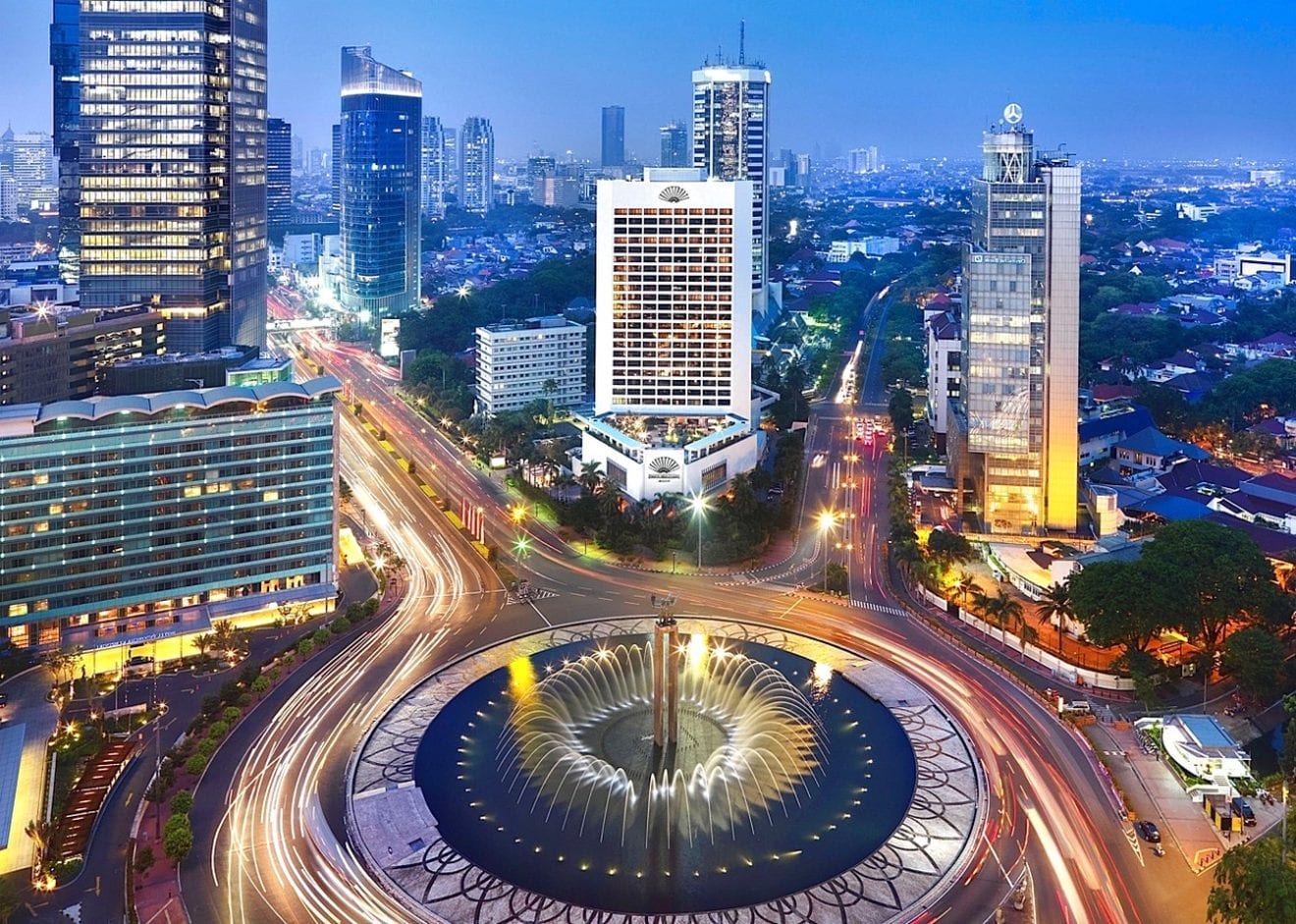
    Retail sales in Indonesia declined 1.8 percent in June, compared with an annual growth rate of 7.7 percent a month earlier, a central bank survey showed on Thursday.

    The last decline from a year earlier was in January last year when retail sales also dropped 1.8 percent.

    The survey predicted retail sales would rise 2.3 percent on an annual basis in July, when the new school year begins.

  • South Koreans start boycotting Japanese retail goods

    South Koreans start boycotting Japanese retail goods

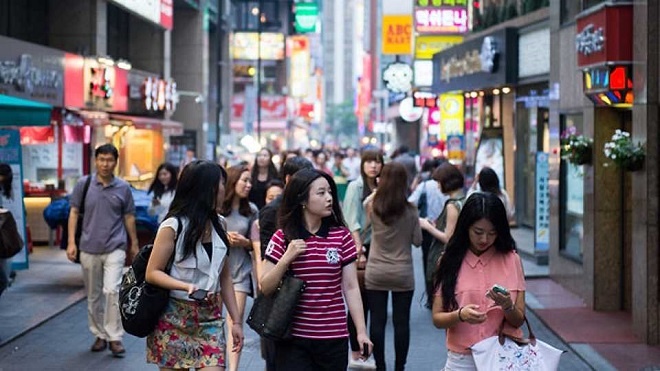
    As a South Korean consumer boycott of Japanese goods gains momentum, consumers are starting to share information on new and upcoming Japanese retailers coming to the country.

    The intention, reports Korea Bizwire, is to include the retail brands on the boycott list and hurt sales as soon as the stores open. Among them, Japanese brands GU and Muji are being mentioned online as possible targets.

    GU is Uniqlo’s sister brand, owned by Fast Retailing. It plans to open its second and third stores in Yongin, Gyeonggi Province and Seoul’s Times Square Mall by early next month.

    Netizens are posting articles that emphasize the relationship between Uniqlo and GU as well as FRL Korea, which currently operates the Uniqlo Korea business.

    Discord between the two countries dates back to Japan’s colonial occupation of the Korean Peninsula before and during the Second World War and controversy over forced labor and sexual slavery. It expanded into a diplomatic crisis last week when Japan threatened to throttle exports of materials essential to South Korean industries.

    Last weekend, thousands of protestors marched in Seoul, accusing Japan of an “economic invasion”. The boycott campaign against Japanese retailers has stemmed from there.

    South Korea’s Lotte Shopping and Japan’s Fast Retailing invested US$19.7 million to establish FRL Korea, owning 49 percent and 51 per cent of the company’s shares, respectively.

    That business partnership is being subject to public criticism for taking the lead in importing Japanese goods into South Korea after GU set up its flagship store at Jamsil’s Lotte World Mall and its second franchise at Lotte Mall in Yongin.

    Muji, one of the best-known Japanese brands on the boycott list, is planning to renovate its store in Times Square Mall later this month.

    The news is being shared on social media, and many netizens are already calling for a boycott of the new store.

    GU and Muji have no current plans to suspend expansion or shut down stores already in operation. However, experts who spoke to Korea Bizwire agree that the new stores won’t be able to attract customers through the ‘grand opening’ effect unless the boycott movement subsides.

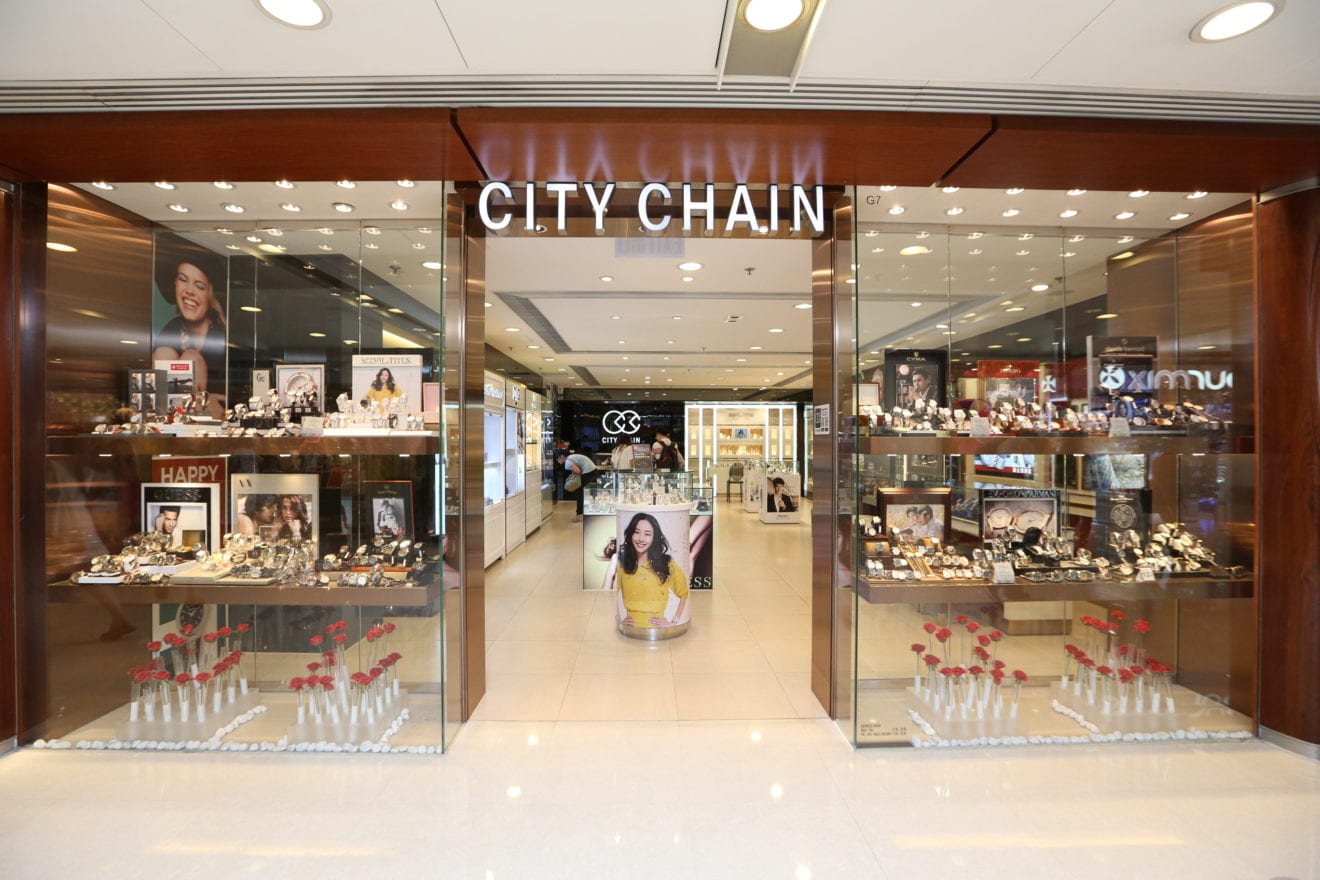
  • City Chain sales down as store network shrinks

    City Chain sales down as store network shrinks

    City Chain sales plunged 20 percent across Greater China in the three months to June.

    Hong Kong-headquartered parent Stelux International – which spun off its eyewear business last year – said the watch-retailing chain’s poor performance was due to a 14.8-per-cent contraction of its store network and “softened consumer demand”.

    Group-wide turnover fell 18.8 percent to HK$235.3 million for the June quarter.

    City Chain sales in Greater China reached $167.1 million in the quarter, down 20.1 percent, with the store network down from 135 at the end of June last year to just 102.

    Sales in Southeast Asia fell 15.3 percent to $68.2 million with the store network down 36 over a year to 208.

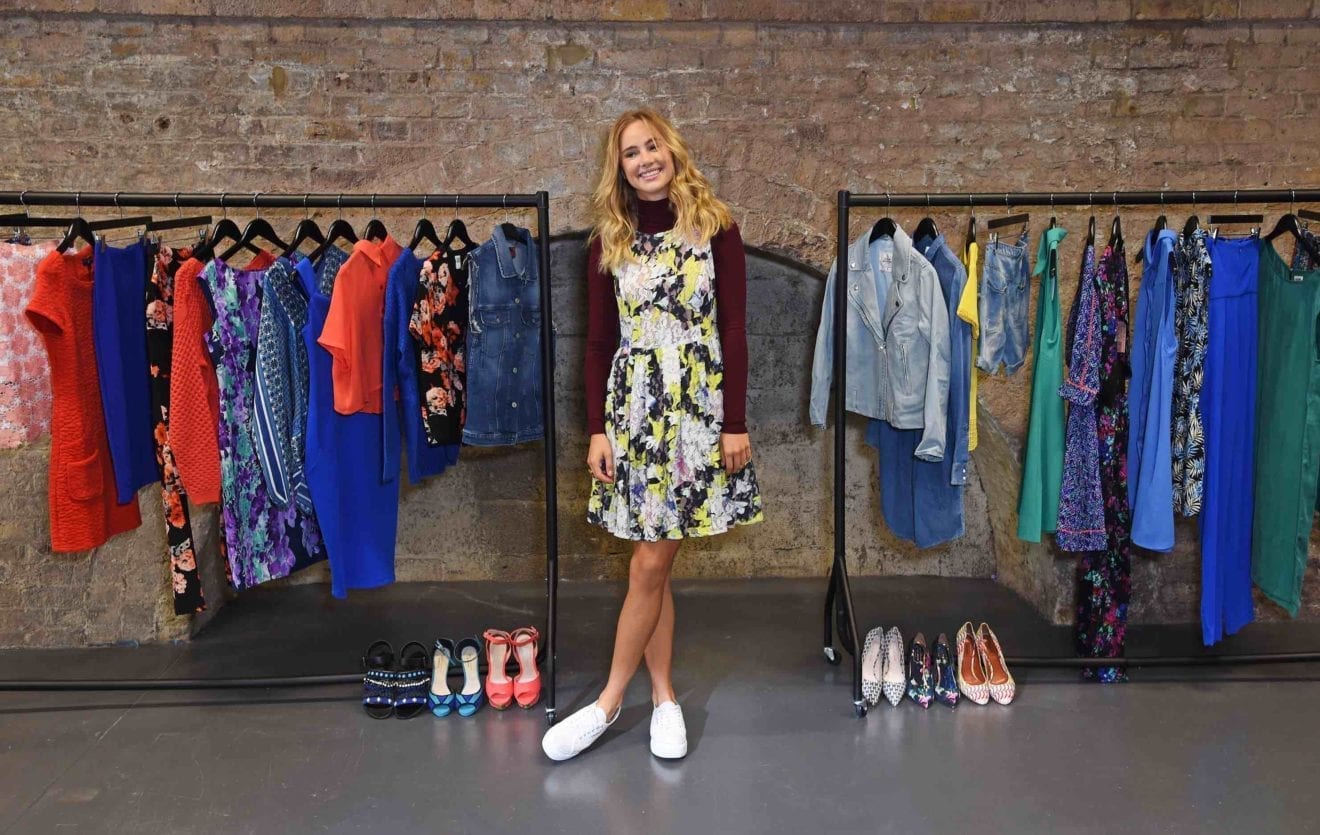
  • Online fashion retailer Boohoo ready to buy Karen Millen and Coast

    Online fashion retailer Boohoo ready to buy Karen Millen and Coast

    Fast-growing pure-play online fashion retailer Boohoo is preparing to acquire the Karen Millan and Coast brands.

    According to sources quoted by Sky News, Karen Millen will be placed in administration as early as today, UK time, in what is termed a “pre-pack administration” where the new buyer acquires the assets relatively unencumbered.

    The deal – assuming it proceeds – is remarkable in that it reflects the power of new-generation online retailers being in a place to pounce on struggling brands like Karen Millen, itself an icon of the high-street fashion scene.

    Boohoo Group, listed on AIM, a subsidiary of the London Stock Exchange, owns a controlling share in PrettyLittleThing. Last month, thanks to an association with reality TV series Love Island and high-profile celebrity endorsements, Boohoo overtook Asos as the most valuable online fashion retailer in the UK, its valuation touching £2.35 billion. Its share price has surged 29 percent this calendar year.

    According to Sky News’ sources, Karen Millen is about to appoint Deloitte as administrator of the business, preparing the way for Boohoo to proceed with the purchase.

    The two fashion labels have been on the market for six weeks during which management attempted to secure a sale of the business while it remained solvent. Karen Millen bought Coast out of administration last October. Karen Millen and Coast were both previously owned by Icelandic bank Kaupthing.

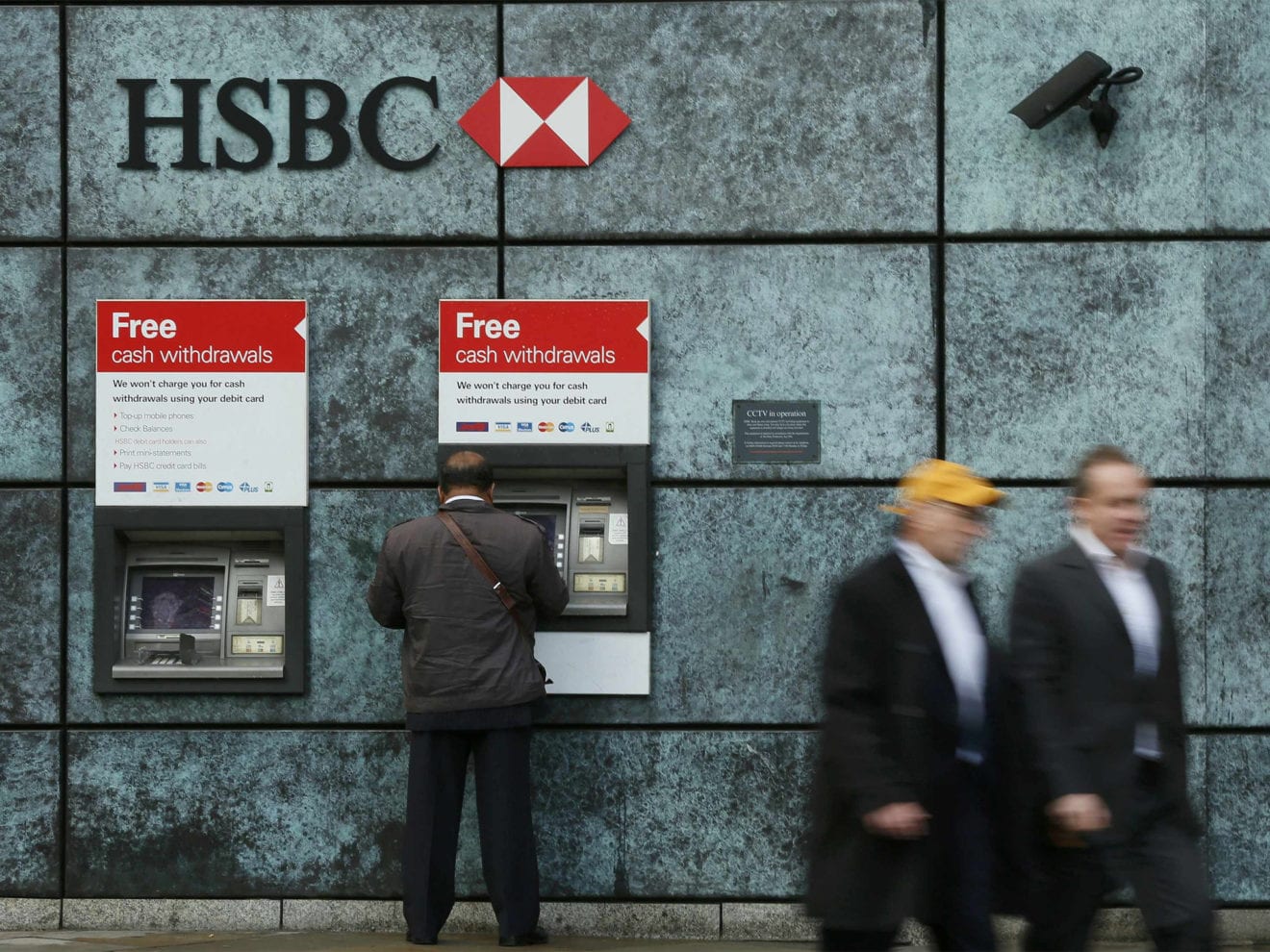
  • HSBC Tops Retail Banking Satisfaction Survey

    HSBC Tops Retail Banking Satisfaction Survey

    HSBC received the highest score among banks in three of the six factors measured in the study: product offerings, fees and problem resolution.

    HSBC Bank ranks the highest in retail banking customer satisfaction among banks in Singapore, according to results of a survey of retail banking customers published on Thursday.

    The 2019 Singapore Retail Banking Satisfaction Study, published by consumer insights company J.D. Power, was conducted among 2,515 customers from May to June 2019. It looks at their satisfaction with the products and services provided by their primary financial institution.

    The study measures overall satisfaction in six factors: account activities (39 percent weight); account information (17 percent); facility (12 percent); product offerings (12 percent); problem resolution (11 percent); and fees (10 percent). HSBC had an overall score of 769 out of 1,000, which was above the average of 749. In all, eight banks were ranked. OCBC Bank placed second with 764, and DBS placed third with 752.

    In contrast to its high score in Singapore, HSBC fared poorly in Hong Kong – the bank scored 677 in the J.D. Power 2019 Hong Kong Retail Banking Satisfaction Study, released in February – below the study average of 688 and only one point above the bottom-ranked bank. The leader, Citibank, scored 722.

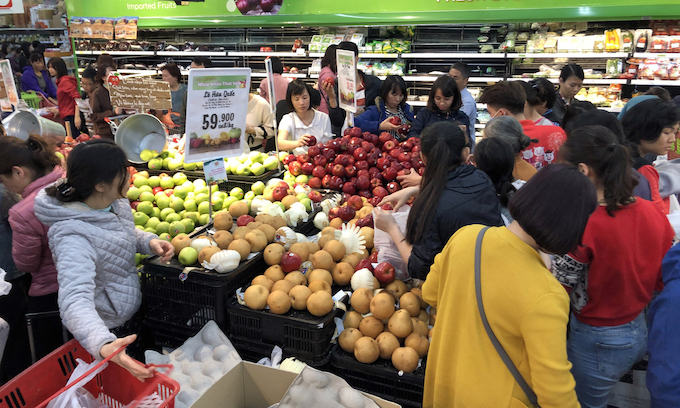
  • Double-digit leap for General Vietnam retail sales

    Double-digit leap for General Vietnam retail sales

    Vietnam retail sales surged by 11.6 percent in the first seven months of this year, according to figures from the nation’s government.

    According to the General Statistics Office of Vietnam, sales of goods and services reached US$120.57 billion from January through July, with 76.1 percent of that figure ($91.76 billion) spent on goods – 12.5 percent up year on year.

    In July alone, according to the government estimates, sales of retail goods and services reached $17.84 billion, 1.7 percent up on June and 12.4 percent ahead of July last year.

    By category, Vietnam retail sales of food and foodstuffs rose by 12.8 percent year to date, with clothing and textiles up by 10.7 percent.

    Accommodation and restaurant services grew 10 percent year on year to $14.51 billion. Travel services rose 12.5 percent to $1.1 billion.

  • Amazon in talks over Reliance Retail

    Amazon in talks over Reliance Retail

    Amazon is in talks with Reliance Industries Ltd’s retail unit to buy a stake in India’s biggest brick-and-mortar retailer, two sources with knowledge of the talks told Reuters.

    Amazon’s massive online presence could help bolster Reliance’s consumer and private labels business. More importantly, a partnership would help the duo counter Walmart, which last year invested US$16 billion in India’s Flipkart, in the battle for a bigger share of India’s fast-growing e-commerce market.

    In late December, India modified rules around foreign direct investment (FDI) in e-commerce, creating additional hurdles for companies such as Amazon and Flipkart, and giving companies such as Reliance an edge.

    Amazon had made the proposal to Reliance – controlled by Mukesh Ambani, India’s richest man – for the partnership, but it was not clear whether a deal would materialize, said one of the sources.

    The second source said Amazon had been pondering a proposal to purchase an up to 26 percent stake in the Reliance unit since at least February.

    “For Amazon, it is about neutralizing a major rival and allowing itself to grow,” said the second source, who added the company envisions helping Reliance’s roughly 40 brands and grocery products go online.

    Further details of the possible deal, first reported by India’s Economic Times newspaper last week, were not immediately clear.

    Amazon did not immediately respond to request for comment while Reliance said it would make any disclosures to stock exchanges as and when necessary.

    Reliance could potentially leverage Amazon’s global experience in technology, supply chain and logistics as it aims to connect grocery stores across the country digitally through its Jio telecoms network – the biggest in India by subscribers.

    For Amazon, picking up a stake in a Reliance unit could mean getting access to the Jio telecoms platform and its vast retail footprint of more than 10,600 stores across India. It might also add more firepower to their lobbying efforts, as the Ambani family is viewed as being well-connected politically.

    Seattle-based Amazon is keen to get a bigger share of India’s e-commerce market, which Deloitte expects to more than treble to $84 billion between 2017 and 2021.

    Reliance was previously in talks with China’s Alibaba to sell a stake in Reliance Retail, but a deal could not be sealed due to differences in valuation, according to a person familiar with the matter.