Tag: Retail

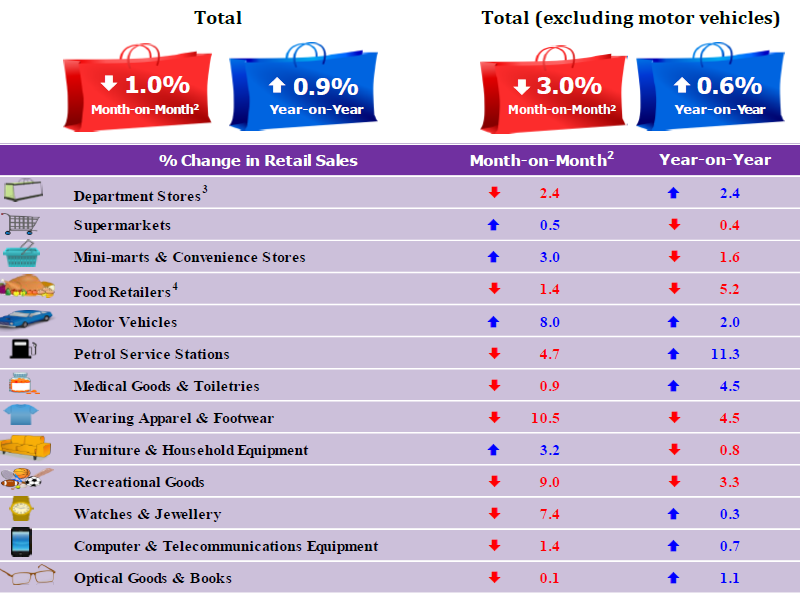
  • Singapore retail sales up 0.9% in May

    Singapore retail sales up 0.9% in May

    A surge in takings at petrol pump stations lifted Singapore‘s retail sales in May, though a broad fall in sales by food retailers and other consumer goods sellers has left shops and restaurants here worried.

    Total retail turnover in May was S$3.7 billion, up 0.9 per cent from May last year, according to Department of Statistics data out on Wednesday (July 12).

    This was due mainly to a 11.3 per cent jump in sales at petrol service stations, a 4.5 per cent rise in sales of medical goods and toiletries, as a well as a 2 per cent rise in motor vehicle sales.

    Singapore Retail sales - Retail in Asia

    Excluding motor vehicles, retail sales rose 0.6 per cent from May last year.

    On a month-on-month, seasonally adjusted basis, retail sales dropped 1 per cent in May over the previous month. Excluding motor vehicles, takings were down by a bigger margin of 3 per cent.

  • Hong Kong retail expansion ahead

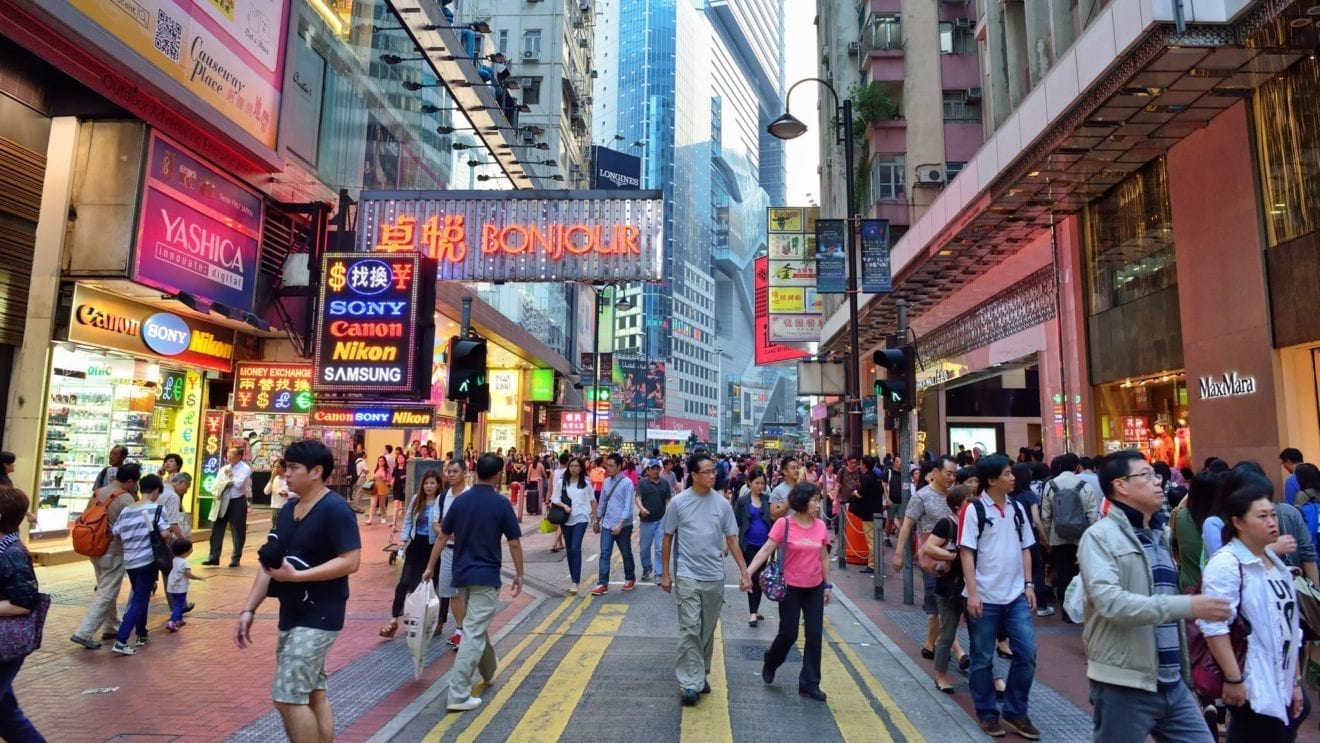
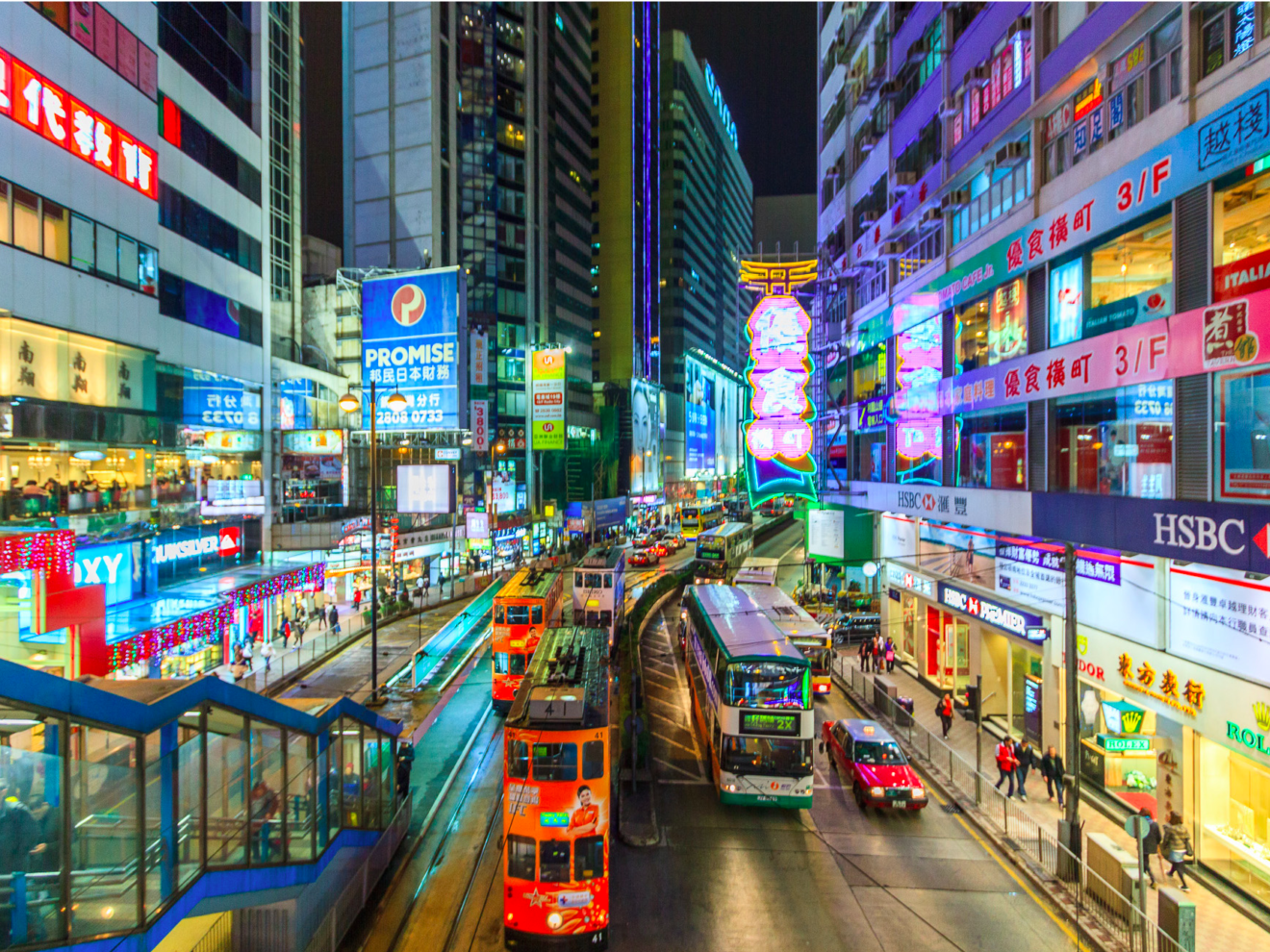
    Hong Kong retail expansion ahead

    Many Hong Kong retailers plan to open more stores next year, a new JLL survey shows.

    The realty consultancy firm found that 62 per cent of overseas and local retailers in its survey plan new stores despite predicting a recovery in retail rents in core shopping precincts like Causeway Bay, Central and Tsim Sha Tsui.

    Rates have plummeted more than 40 per cent from the market peak in 2014, says the survey, but half of the 50 retailers surveyed last month believe Hong Kong’s retail market will bottom out and recover next year.

    While all respondents believe high-street rentals are overvalued, there is an equal balance between retailers who prefer to open a store in a shopping mall and those who favour a street-level outlet.

    “Hong Kong’s retail market is still challenging, but the mood among retailers has changed from pessimistic last year to believing the worst is over and there are now opportunities,” says JLL Asia Pacific director James Assersohn.

    He says the city’s prominence in the global map of retail and luxury goods has not been diminished amid a strong domestic consumer market and its exposure to the Mainland Chinese market.

    More tourists

    Statistics from the Hong Kong Tourism Board offer more reasons for optimism: total tourist arrivals in the first five months this year rebounded 3.2 per cent year-on-year to 23.6 million. Moreover, visits by overnight tourists, who spend double on shopping than same-day tourists, rose 5.7 per cent to 11 million.

    “Tourist numbers are bouncing back. Hong Kong’s rentals have come down and still need a small amount of correction to create an equilibrium. However, business is booming for many retailers and the reduced rentals have left a great opportunity to obtain prime retail space,” says Assersohn.

    “Retailers are seeing this as a great time to take advantage of the market conditions and acquire more space.”

    Meanwhile, Hong Kong is lagging in online shopping. Of the surveyed retailers, 22 per cent believe consumers still prefer brick-and-mortar shops, though almost all key retailers and chains have been running online platforms for sales and promotion for years.

    “Hongkongers believe it’s still more convenient and more enjoyable to just pop into a mall,”  Assersohn said.

    Malls are transforming into community hubs by offering more entertainment and improving dining options, he says.

    JLL Hong Kong head of retail Terence Chan says landlords are now willing to offer flexible leasing terms to the retailers with a good brand image.

    Also, the rental correction allows more retailers to enter the market and for landlords to diversify their tenant mix. “It has also helped many retailers to open crossover stores to create a new shopping experience.”

  • RIP high street retailers, faced by the relentless onslaught of mobile

    RIP high street retailers, faced by the relentless onslaught of mobile

    I overheard a young Hongkonger say recently, “I rarely buy anything at shops anymore. I only shop online.” It is not hard to notice the profound effect that e-commerce has had around the world and especially in an emerging and fast-growing market like China.

    But this phenomenon has yet to fully hit Hong Kong’s major luxury malls and department stores that are crammed with overpriced purses and overwrought window displays.

    Despite a restructuring of Hong Kong retail outlets by major luxury brands, the city still hosts more flagship stores than any other place. The lucrative wave of mainland shoppers has long receded and on any given day the luxury stores in Landmark and Pacific Place and other high-profile malls appear awfully sleepy.

    The fate of Hong Kong’s luxury malls against the online shopping onslaught has not yet unfolded.

    I don’t expect them to become ghost towns, but even they cannot avoid downward trends.

    But they are like the fixed fortifications on Frances’s doomed Maginot Line that were bypassed by the German army on the second world war – intimidating and monolithic, but easily made irrelevant by technological disintermediation.

    E-commerce has radically changed shopping habits in the US. Hudson’s Bay department store posted a US$152 million quarterly loss. Ralph Lauren is closing its fabulous and iconic Fifth Avenue flagship store. What is occurring goes beyond an economic cycle, but rather it represents technology enabling generational change. Millennials are conducting their entire lifestyle on smartphones.

    Will Hong Kong’s malls become obsolete or changed so much they will not mean the same thing.

    Sites like deadmalls.com chronicle the slow, but sure death and irreversible evolution of shopping malls in the US.

    Although not all of them are dying, certain segments in urban and suburban areas are empty, hastened by the rise of online. Changing consumer habits and online shopping is decimating the mall as a central retailing concept or necessary gathering place for the community.

    JD.com’s recent acquisition of a US$397 million stake in Farfetch, the London-based luxury fashion and boutique e-commerce service provider, marks a major milestone in the development of luxury retailing. The company, which reported gross sales of US$800 million last year, runs nine local language e-commerce sites, which include the mainland, South Korea and Japan.

    The two companies described their strategic partnership as a means to dominate market share in the estimated US$80 billion market in domestic and travel-related purchases of luxury goods by mainland consumers.

    “We’re just scratching the surface of China’s US$80 billion luxury market,” said Jose Neves, Farfetch’s CEO and founder after the announcement.

    “In China, there’s a huge movement from offline to online [shopping] and there are millions of new millennial luxury shoppers who live their lives digitally.”

    I met its Portuguese founder Jose Neves in 2012 after he raised US$23 million from venture capitalists. Four years into its start-up he expected to close the year with over US$100 million annual sales growth rate of 204 per cent and 56,000 customers in over 100 countries. Today, its online marketplace sells to about 1 million customers in more than 190 countries and territories.

    Farfetch demonstrates the irreversible momentum of change that is possible in shopping habits when shoppers are technologically enabled.

    Furthermore, disintermediation – the reduction in the use of intermediaries between producers and consumers – is an almost imperceptible event when it takes hold.
    What looks like an insignificant catalyst is like observing a distant car in your car’s rear-view mirror. Suddenly, it sling shots past you at great speed and is never seen again as it no longer competes directly with you. Rather it has redefined and recreated a new industry.

    Hong Kong retailers and shoppers have been slow to adopt e-commerce. During internet 1.0, department store owner tycoons woefully misinterpreted the idea by spawning “Dickson CyberExpress”, a misguided attempt to cross a website with a physical mall.

    It only showed how our retail tycoons cannot visualise retailing beyond renting floor space, seeking profits per square foot and abusing “cyber” and “e”.

    By waiting for the trend to materialise and prove itself rather than adapting, leading and innovating Hong Kong mall owners only ensure their extinction.

    The best malls will probably survive as every major city has a high street, but tenant mix and rent levels may not remain the same. But then again, if technology has taught us anything, it is that you still have to worry about some obscure person toiling away in a garage or flat somewhere, inventing the new killer platform.

  • June Retail Inflation for India Slowest in More Than Five Years

    June Retail Inflation for India Slowest in More Than Five Years

    India’s annual retail inflation eased in June to its slowest pace in more than five years, as food prices fell, building pressure on the central bank to cut interest rate when it meets for a monetary policy review on August 2.

    The consumer price index rose 1.54% in the 12 months through June, down from an increase of 2.18% in the previous month and slower than the forecast of economists in a Reuters poll, data released by the Ministry of Statistics showed on Wednesday.

    Economists in a poll had predicted inflation to ease to 1.7% last month.

    This is the lowest inflation rate since India started releasing retail inflation data in January 2012 based on a combined CPI index for rural and urban consumers.

    Elsewhere in Asia, China’s annual consumer prices remained subdued at 1.5% in June.

    With headline inflation remaining below the Reserve Bank of India’s mid-term target of 4% for the past eight months, industry participants and the government have sought a cut in interest rates to support economic expansion.

    Economists expect that the central bank to cut interest rates in its next policy review.

    The economy grew at an annual 6.1% in January-March quarter, the weakest growth since late 2014, hit by Prime Minister Narendra Modi’s surprise decision to scrap 86% of the currency in circulation in November.

    Some analysts, though, say an increase in charges of services after the launch of a new tax system this month, could push up core inflation, which excludes food and energy prices, and has remained stubbornly stayed above 4 percent for years.

    Separately, industrial output grew 1.7% in May from a year earlier, data showed.

    The pace of expansion, however, was slower than a revised 2.8% annual rise in April and compared with a 1.9% growth forecast by economists in a Reuters poll.

    Bumper foodgrains

    Analysts say expected good rains this year could lead to bumper grain production and a further slide in food prices in Asia’s third largest economy.

    Retail food prices fell 2.12% last month from a year ago, compared with a 1.05% fall in May. Falling food prices present a worry for the government because of the hit on millions of farm households.

    The central bank now expects retail inflation to come in a 2.0-3.5% range for the first half of fiscal year 2017/18 and 3.5-4.5% in the second half, down from 4.5% and 5.0%, respectively.

    Expert opinions

    “The continued softness in core inflation should comfort the MPC that underlying price pressures have eased, in addition to the collapse in food prices over the past few months.

    Accordingly, we expect the MPC (monetary policy committee) to cut the repo rate by 25 bps in their August review.

    Subsequently we expect the MPC to be on a wait and watch mode through this financial year. We expect headline inflation to top around 4 percent by March 2018 as food inflation reverts to more normal levels.

    Further price data is likely to be clouded by both GST (goods and services tax) and government house rent allowance increases.

    Lastly, with major central banks likely starting to contract balance sheets by last quarter of this calendar year, global financial markets could turn more volatile from hereon. Taking all this into consideration the MPC would prefer to stay on sidelines after easing rates in August.”

    “Given the current inflation trajectory we reiterate our call of a 25 basis points rate cut in August policy.

    The momentum of overall inflation will pick-up slightly from August given higher housing allowances but it is unlikely to pose any upside risk to the upper band of RBI’s 3.5-4.5 percent inflation target in the second half of the year (October-March).

    Core inflation is at a series low since 2012, which might go up slowly but we don’t see any sharp upside as a pick-up in demand is still not robust and the output gap is negative.”

    “It is slightly higher than my expectations. I was at 1.4%, and that is largely because of vegetable prices. I was expecting the increase to be on the lower side.

    Otherwise, we do expect a rate cut of 25 basis points in the August policy. There is a significant possibility that overall inflation will be significantly lower than RBI’s forecast. Unless, there is some major disappointment in monsoon, I don’t see any upside risk to inflation by March 2018.”

    “RBI does not believe that GST will increase inflation yet, but if you observe other countries where GST was implemented, it definitely created an upward pressure on inflation.

    We also have the 7th Pay Commission which increased the house rent allowance (HRA). Both factors would create upside risk for the baseline inflation.

    The RBI will be monitoring the progress of GST and the monsoon this year.”

    “This print will provide room for RBI to cut repo rate by 25 bps, but scope for further rate cuts would be restricted as the RBI would likely wait-and-watch the impact of HRA (house rent allowance) increases over the next few months.

    Recent increase in vegetable and cereals prices would also keep the RBI cautious. Further, developed markets have been signalling a reversal in their policy stances for some time.
  • Japanese Retail Giant Accepts Bitcoin Nationwide after Successful Trial

    Japanese Retail Giant Accepts Bitcoin Nationwide after Successful Trial

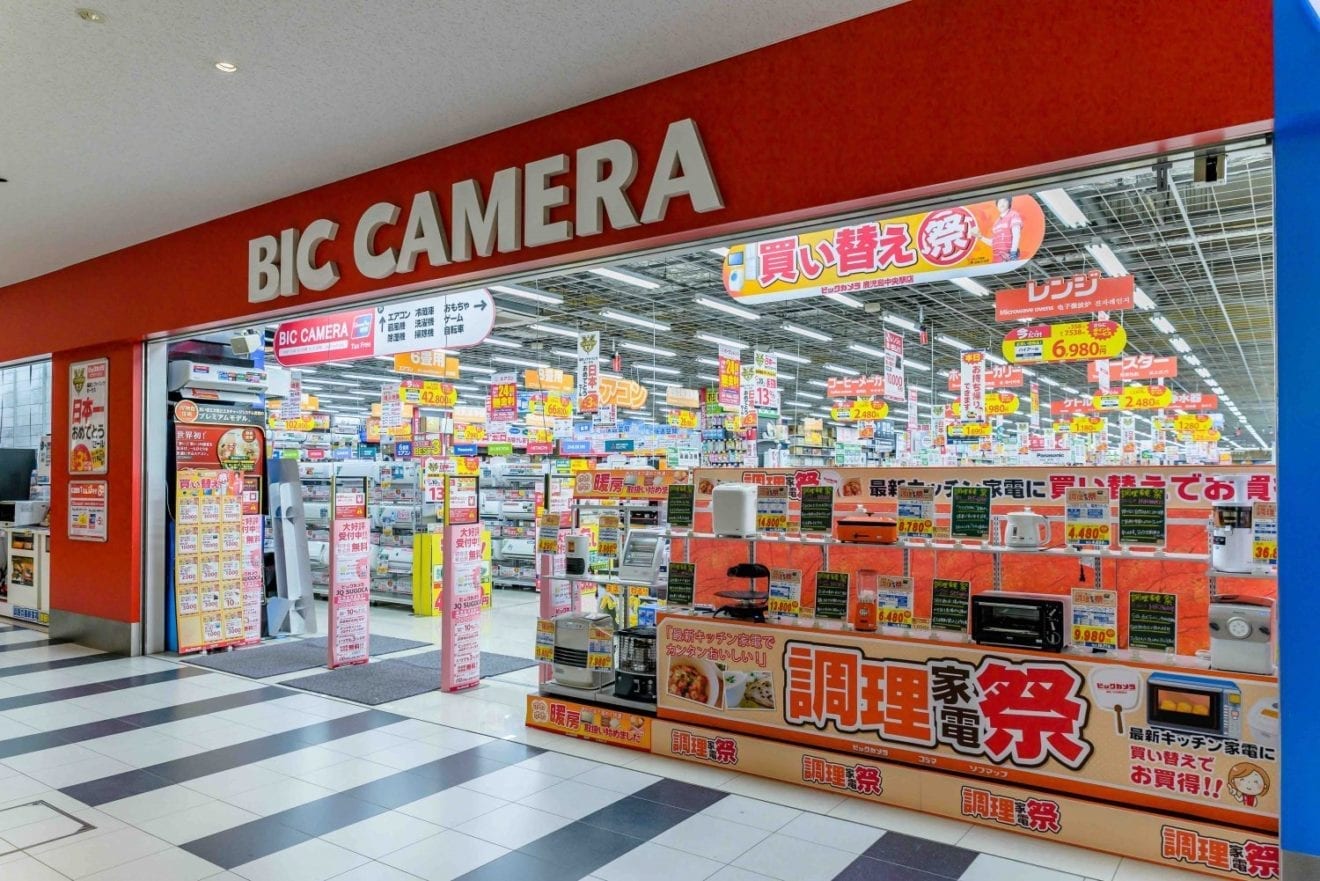
    Japanese electronics retailer Bic Camera will enable bitcoin payments across all stores in the country this month. Tokyo-based consumer electronics retail chain Bic Camera becomes the latest major retailer to accept bitcoin throughout Japan, a report confirmed today.

    The trial proved to be beyond successful.

    According to today’s report, the ‘more-than-expected’ popularity of bitcoin payments has led to Bic Camera expanding bitcoin payments at more than 40 stores domestically.

    Bic Camera first announced a trial run of accepting bitcoin payments from shoppers at the retail group’s flagship store in Tokyo and another store in the city. Customers could pay up to ¥100,000 (approx. $900) for purchases of consumer electronics such as cameras, laptops, audio equipment and more.

    The retailer partnered Tokyo-based bitFlyer, an industry startup and Japan’s largest bitcoin exchange, to install the point-of-sale (PoS) payments infrastructure. As a payments processor, bitFlyer’s gateway converts the bitcoin into fiat immediately upon payment. These fiat funds are then transferred to the retailer the following day. bitFlyer charges a 1% service fee on transactions.

    Bitcoin’s growing popularity in Japan, following recent legislation that acknowledged bitcoin as a legal method of payment, will also see Bic Camera accept bitcoin at 139 subsidiary Kojima stores in suburbs across Japan.

    Last month, bitFlyer’s chief financial officer Midori Kanemitsu revealed that the number of retail storefronts accepting bitcoin is “expected to rise to 300,000” this year. Japanese bitcoin startup BITPoint was revealed to be in discussions with a payments terminal operator that could see digital currencies accepted at hundreds of thousands of Japanese retailers.

    Japan also ended the 8% consumption tax on bitcoin purchases in July, making adoption attractive for new investors and consumers preferring cashless payments.

    All of this, at a time when the Japanese government is making marked moves toward embracing cashless payments by mandating a growth strategy to double digital payments over the next decade.

  • Japan retailers’ profit growth slows to 0.6% in March-May

    Japan retailers’ profit growth slows to 0.6% in March-May

    Japan’s retail sector has seen earnings growth slow notably from a year earlier in the March-May quarter due to lackluster increases in sales combined with greater labor and other costs.

    The aggregate pretax profit of 61 retailers that announced their March-May results by Tuesday increased 0.6% on the year, according to a compilation. The figure, which translates to a nearly 3 percentage point drop from a year earlier, was the smallest over the past two years. About 40%, or 26 companies, booked profit increases.

    Are winners losing their grip?

    Convenience stores, which had been the winners in retail, are perhaps at a turning point. FamilyMart Uny Holdings, which was created through the merger between UNY Group Holdings and FamilyMart last September, said Tuesday its operating profit was 12.5 billion yen ($109 million), down 31% from the combined profits of its two predecessors a year before. Renovation costs were a major factor behind the profit drop, as the company turned some 750 Circle K and Sunkus convenience stores into FamilyMarts in the quarter.

    Lawson’s pretax profit declined even with a sales increase, partly due to the costs it shoulders for its store operators for the disposal of unsold packaged meals.

    Industry leader Seven-Eleven Japan was the only one among the top three players that booked profit growth. Its operating profit climbed 2% to 59.5 billion yen.

    Meanwhile, even within the same Seven & i Holdings group, general merchandise store operator Ito-Yokado struggled, with its existing-store sales shrinking 3.2%.

    “We will reform food operations by setting up a dedicated team,” said Yuji Kaneko, an executive officer of Seven & i.

    Aeon Retail, a general merchandise unit of Aeon group, sustained an operating loss for the quarter despite slashing advertising and other costs. The company cut prices of as many as 254 food and household items in April. President Soichi Okazaki says “sales would have slid even deeper were it not for the price cuts.” To spur sales, the company plans to lower prices again as early as August.

  • Gucci launches China e-tail site

    Gucci launches China e-tail site

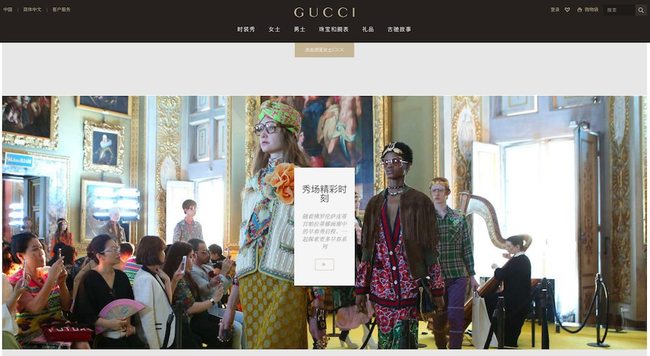
    Gucci has launched gucci.cn, its e-tail site for the Chinese market. In the words of the Italian luxury label, it will be Gucci’s only official Chinese website, created to “allow consumers a better access to Gucci products, without the limitations imposed by store location or opening hours. To optimise service speed, goods are shipped from local warehouses, and each transaction is assisted by a China-based customer service team, via live chat or phone.” In addition, payments on gucci.cn can be made using popular providers such as Alipay and WeChat.

    Content-wise, the site offers a wealth of images and a narrative with a strong visual impact, culminating in the ‘Stories’ section, which takes an in-depth look at  the sources of inspiration which influenced Creative Director Alessandro Michele’s collections, offering an exclusive glimpse of the designer’s own world.

    “Combining editorial content with commercial features – said Gucci – is an approach which has already proved effective in North America, Europe, the UAEs and Australia, where the new website was launched back in 2015.”

    As of today, Gucci’s e-tail sites are active in the USA, Japan, South Korea, Australia, Canada, the UK, Italy, Ireland, France, Germany, Spain, Portugal, Switzerland, the Netherlands, Austria, Belgium, Sweden, Norway, Denmark, Finland, the Czech Republic, Poland, Hungary, Romania, Bulgaria, Slovenia, Turkey and the UAEs.



  • Japan’s retail sales growth slows in May, June looks more positive

    Japan’s retail sales growth slows in May, June looks more positive

    Retail sales in Japan lifted 2% for the month of May, as shopping revenue growth slowed in the archipelago nation, compared to April’s increase of 3.2%.

    The May result came in below a median forecast of 2.6% compiled by Reuters.

    The biggest contributors to the rise were sales of motor vehicles, followed by fuel, medicine and toiletries, according to the Economy Ministry.

    Offsetting the gains, sales at supermarkets and department stores dipped 0.6% in May, after growing for the first time in nine months in April at a pace of 1.1%

    Month-on-month, sales fell 1.6% from April, when they rose 1.4% on March.

    However, June looks to be more positive on the retail front for major apparel and accessories players.

    A report by WWD said big-name fashion retailers in Japan recorded a positive sales month in June, on the back of early clearance sales and an increase in shopping tourists to the nation.

    Fast Retailing said Tuesday that same-store sales at its Uniqlo stores in Japan were up 4.1% on the year last month, while Isetan Mitsukoshi Holdings, the country’s largest department store operator, said same-store sales among its Tokyo metropolitan area gained 1.1% year-over-year in June.

    After releasing a soaring first-quarter profit result last week, Takashimaya said June sales at its 17 department stores in Japan grew 4.6% compared with the same month last year, while H2O Retailing Corp, which operates the Hankyu and Hanshin chains of department stores, said sales at those stores were up 4.6% on the year last month.

    Finally, the 18 Daimaru and Matsuzakaya department stores in Japan, operated by J. Front Retailing, posted a 4.8% sales rise on the year in June.

  • Australia’s retail sales lift more-than-expected in May

    Australia’s retail sales lift more-than-expected in May

    Australian retail sales increased 0.6 per cent, on seasonally adjusted basis, surpassing expert expectations of just a 0.2 per cent gain, according to data released this week.

    While the May results were down on the 1 per cent growth recorded in April, economists were pleased with the May increase, saying it signaled a solid second quarter for Australia after a poor start to year. Year-on-year, sales increased 3.2 per cent.

    With the majority of categories strengthening, department stores continued to have problems with turnover falling 0.7 per cent.

    Clothing, footwear and personal accessories rebounded from a recent weakness, largely held up by the demand for personal accessories and shoes, as apparel sales fell.

    Supermarket sales rose 0.5 per cent, while liquor sales dwindled, down 2.1 per cent.

    Finally, there were strong gains in electronic goods, furnishings and garden supplies.

    By state, shoppers in New South Wales and Victoria were the biggest spenders, while retail sales in Queensland fell for the sixth time out the last seven months.

    Analysts said the much stronger-than-expected rise in retail sales in May, coupled with the leap in sales over April, suggests Australia’s consumption growth surged in the second quarter. However, it may not be sustained.

    “With consumer confidence continuing to trend downwards, households’ incomes facing an additional squeeze from rising energy bills and household indebtedness at a record high we expect that real consumption growth will slow from around 2.6 per cent year-on-year in the second quarter to 2.0 per cent by the end of the year,” Capital Economics analyst, Kate Hickie, told The Australian.

  • e-retail brands out of the social media loop in SE Asia

    e-retail brands out of the social media loop in SE Asia

    Over 85% of consumers in Singapore, Malaysia and Indonesia, who mention e-retailer brand names in their social media posts don’t tag brand handles, according to Digimind.

    This means brands need to be vigilant in monitoring their brand reputation in the wider social media space to ensure they aren’t missing out on key conversations and trends, and are able to act upon any customer service concerns quickly.

    With the rise of empowered consumers and an increasing adoption of online shopping, e-retailers need to adopt customer-centric strategies in order to thrive. With so much of our daily conversations happening online, data from social media can provide key insights for e-retailers wishing to optimize customer experiences.

    Digimind’s study, Social Shopping in 2017, assessed the state of the e-retail industry in the three countries by monitoring 15 local and regional e-retailers, including Lazada, Zalora, and Berrybenka.

    “It’s no secret that brands who implement customer-centric strategies are excelling. With 2.8 billion active social media users in Southeast Asia, it is crucial for e-retailers to listen to what is being said about their brand, competitors and the industry online,” said Stephen Dale, general manager of APAC at Digimind.

    “Understanding what consumers are saying on social media can provide companies with an arsenal of insights that can be used to develop content strategies, improve customer service, build brand advocacy, and increase sales,” said Dale.

    He added that when analyzed in conjunction with other data such as web page visits and browsing behavior, this can further inform marketing plans and Voice of the Customer programs.

    The study also revealed that while the majority of e-retailer’s followers in the countries studied were on Facebook, consumers were most actively publicly posting their opinions and experiences on e-retailers on Instagram and Twitter.

    This means while Facebook is the ideal channel for brands to communicate with followers, Instagram and Twitter are key channels for community engagement.

  • Indian retailers lure customers with discounts as GST kicks in

    Indian retailers lure customers with discounts as GST kicks in

    Some of India’s biggest retailers announced price cuts on Saturday as Asia’s third-largest economy switched to a new nationwide sales tax at the stroke of midnight, replacing a host of provincial and national levies.

    The Goods and Services Tax (GST), India’s biggest tax reform in the 70 years since independence from British colonial rule, unifies the $2 trillion economy and 1.3 billion people into one of the world’s biggest common markets.

    Hypermarket Big Bazaar, owned by Future Retail Ltd, announced discounts of 2 percent to 22 percent on groceries and household supplies across its stores in 26 states.

    Fashion portal Myntra, part of India’s biggest online retailer Flipkart, was also offering GST discounts.

    In Bhubaneswar, the capital of eastern Odisha state, customers queued up outside shops and malls, which remained open until late Friday night to clear stocks of watches, electronic gadgets, cosmetics and gold at discounted rates before the GST regime kicked off at midnight.

    Members of Prime Minister Narendra Modi’s Bharatiya Janata Party (BJP) were seen celebrating the launch of the GST with firecrackers on Friday evening and by painting “Welcome GST” slogans on roads.

    The federal government is encouraging all business to migrate to the new GST system but its complexity – four rates and several exemptions – has still kept many at bay.

    “We will continue as usual unless we see trouble,” said a 35-year-old grocer in Bhubaneswar who has not yet registered for the GST.

    India’s northern Muslim-majority state of Jammu and Kashmir is yet to implement the GST as the provincial government grapples to arrive at a consensus with the opposition and other stakeholders.

    Traders in Kashmir Valley have called for a day’s strike on Saturday to protest the GST.

    “Though we have missed the (July 1) deadline, we will wish to take everybody along before taking any decision,” Public Works Minister Naeem Akhtar said.

  • Vietnamese consumers among most demanding on e-commerce

    Vietnamese consumers among most demanding on e-commerce

    Nielsen has forecast that the Vietnamese e-commerce market will grow 22 per cent this year and 13.2 per cent by 2020.

    According to the Vietnam E-commerce Association (VECOM), the local e-commerce sector will become a 10-billion-dollar business in the next five years.

    However, local consumers are also demanding, with many complaints about price, product information and authorisation, which should be addressed by merchants to improve customers’ trust.

    A research conducted by iPrice and Trusted Company based on more than 30,000 reviews on 5,000 websites in Viet Nam, Malaysia, Singapore, Indonesia and the Philippines found that Vietnamese customers have the lowest trust on e-commerce and spend less money on shopping online.

    Vietnamese customers complain the most about “fake products”, 15 per cent higher than Thailand, the country with the second maximum complaints, given that fact that Thailand ranked 4th worldwide in the fake goods trade.

    The second maximum complaints on e-commerce sites by Vietnamese customers are about the price of products. Despite being an aggressive promotion hunter, the Vietnamese still think products listed by e-commerce merchants are overpriced.

    Given that 80 per cent of consumers prefer cash on delivery (COD) payment, the country also has the highest order cancellation rate, with 30 per cent of products not being accepted due to product failure, the research said.

    Unlike consumers in other Southeast Asian countries such as Singapore and Indonesia that have shared concerns on buying products, the most common queries of the Vietnamese are on product authorisation (store address) and availability. They are revealed to often use feedback forms to ask about products.

    Of all Southeast Asian countries, Viet Nam has an average rating of 3.7 out of five stars, the research has revealed. This is due to the fact that only large merchants have developed a rating scheme for a better shopping experience for consumers.

  • Hong Kong retail sales extend growth to three months

    Hong Kong retail sales extend growth to three months

    Retail sales rebounded modestly for the third consecutive month in May, edging up 0.5% on the year to reach 35.9 billion Hong Kong dollars ($4.6 billion). That was slightly higher than the 0.2% sales increase in April, according to official data released on Thursday.

    Leading the gain was an improvement in the sales of luxury goods including jewelry and watches, which rose for the third straight month at 1.4%. This was followed by a 3.8% increase in department store sales, while sales of vehicles jumped 8% as demand surged ahead of more stringent pollution regulations imposed on diesel vehicles.

    Clothing sales swung back to negative territory and fell 0.4% from a year ago. Sales of electrical goods and consumer durables like cell phones remained in the doldrums, slumping 14% and 12% respectively.

    A government spokesperson said the figures indicated the “relative improvement in inbound tourism” and the “resilience of local consumption demand.” Boosted by long weekends including the three-day Labor Day Holiday and Dragon Boat Festival, the number of mainland tourists in Hong Kong grew 3.7% on the year in May, compared with a 1.8% increase in April.

    But industry players remain cautious on the outlook of nonessential items such as electrical goods, as mainland tourists tighten their purse strings. “Their travel pattern is no long the same — what they want is something more experiential than just shopping,” said Thomson Cheng Wai-hung, chairman of Hong Kong Retail Management Association. “The chance of a quick turnaround for this market is slim.”

    Some luxury retailers in Hong Kong are eyeing overseas expansion to make up for the sluggish business at home. Jeweler Luk Fook is working with local partners to open two shops in Cambodia this year, including a 30,000 sq. ft (2,787 sq, m) flagship store in Phnom Penh, in the hope of bringing the total number of retail outlets there to seven in five years.

    Luk Fook reported an 8.7% decline in revenue to HK$12.8 billion for the year ended in March, dragged lower by a near 20% slump in Hong Kong retail revenue. But same-store sales in the territory turned around in the last quarter of 2016 after falling 12 consecutive quarters.

    But Luk Fook has no plans to expand in Hong Kong despite signs of recovery. “Our expansion will focus on mainland China in the medium- to long-term. We are particularly bullish on the growth of the country’s middle-class population,” said Chief Financial Officer Kathy Chan. The group is planning another 50 shops on the mainland this year to add to its sales network of 1,500 spanning the U.S., Malaysia and South Korea.

  • The Challenges For Global Retail Franchises in Indonesia

    The Challenges For Global Retail Franchises in Indonesia

    Research company Spire in 2016 found Indonesia is viewed as the region’s largest franchise industry, with experts predicting at least 60 percent of franchise business operated in Indonesia last year with the majority of foreign franchises.

    Amir Karamoy, Chairman of the National Committee for Franchising and Licenses at the Indonesian Chamber of Commerce and Industry, said regional headquarters based in Indonesia should be encouraged as it benefits the country through taxes and human resource development. But at this stage, Indonesia’s complicated regulations regarding retail businesses and franchises limit foreign involvement, particularly for foreign businesses hoping to base a regional headquarters in the country.

    These regulations, as well as strong competition, can spell trouble for even the biggest global brands. The recent announcement that US convenience store giant 7-Eleven will close its doors in Indonesia has prompted speculation on further reforms.

    Modern Sevel Indonesia (MSI), the local arm of 7-Eleven Indonesia, opened its first store in Bulungan, South Jakarta, in 2009.

    “The business model that 7-Eleven implemented made underlying products such as snacks, beverages and cigarettes popular. This had made several other mini markets struggle to compete,” University of Indonesia academic and businessman Rhenald Kasali said.

    The chain introduced the hang-out concept to Indonesia, which saw young people gather to spend time together and snack, which in turn disrupt traditional models where customers would purchase food and then leave.

    Kasali speculated the Indonesian government does not support the business concept, which could have been a factor in MSI closing all stores by the end of June.

    He said government regulations typically ‘take sides’ in support of older retailers.

    “Sixty percent of 7-Eleven’s income came from youngsters who hang out at the store. 7-Eleven suffered because of bureaucracy and regulators that don’t understand the business model,” Kasali added.

    7-Eleven faced tough questioning from the Ministry of Trade when it first launched about the concept and whether the outlets were convenience stores or restaurants. A government regulation which prohibited the sale of alcohol at convenience stores is also believed to be a factor in the shutdown.

    The convenience store brand is not the first international giant to struggling to do business in Indonesia. Last year Swedish furniture retailer IKEA struggled to keep its franchise in Indonesia due to copyright problems with a firm called IKEA Surabaya.

    The Surabaya-based IKEA had registered the name in 2013, while the Swedish firm had registered in 2013. But Indonesian regulators defended the Surabaya business, saying the Swedish IKEA had been commercially inactive. As a result, Swedish IKEA paid a royalty to the Surabaya IKEA.

    Similarly, French fashion brand Pierre Cardin sued Jakarta businessman Alexander Satyo Wibowo who had been using the name for his brand in Indonesia. Like the IKEA case, the courts sided with the local business and ruled Pierre Cardin had lost the rights to the name due to inactivity.

    Although Pierre Cardin is a famous brand globally, the company registered its name in Indonesia in 2009 while Wibowo registered his brand in 1977. As a result, France’s Pierre Cardin no longer open outlets in Indonesia under that name.

  • China economy growing but harder times beckon

    China economy growing but harder times beckon

    China’s economy continued to improve in the second quarter, with corporate profits rising and hiring up, a private survey showed, but it suggested the Asian giant may have to brace itself for tougher times ahead even though firms have been able to weather a tighter financing environment.

    The quarterly survey of thousands of Chinese firms by China Beige Book International (CBB) showed yesterday that while the property sector slowed, manufacturing improved further and the retail and service industries bounced back after a difficult first quarter.

    That reinforced a flurry of recent data and policymakers’ comments that indicated the authorities were working to curb financial risks and keep the economy on an even keel heading into a key political meeting this year. The survey showed surprisingly strong performance in the commodities sector despite some price weakness in the second quarter, with the aluminium sector particularly strong.

    Yet signs of stress in the corporate sector pointed to a bumpy ride for businesses. CBB said cash flow was negative for many companies and inventory levels in the second quarter was at the highest in the history of the survey.

    That is in line with official data showing growth in industrial inventories picked up to over 10 per cent in April, sparking worries of weak demand. CBB said there are signs that tougher times could be ahead for Chinese companies during a period of deleveraging and rising interest rates.

    “It remains true that either rates have to come plunging back down, as the (state planner) recently called for, or the present level of corporate activity is headed for a cliff,” CBB said in its report.

    As the government stepped up its campaign to curb debt risks and stabilise the financial sector, growth of China’s broad money supply came in at the slowest in at least two decades in May, though bank lending remained solid.

    The survey showed the corporate sector started to feel the effect of tighter credit conditions in the second quarter. Borrowing was not impacted much, CBB said, likely due to positive business outlook for the next six months.