Tag: Retail

  • Vietnam retail sales soar this year

    Vietnam retail sales soar this year

    Vietnam retail sales soared 10.3 per cent in the first eight months of this year, according to figures released by the General Statistics Office.

    Even after the effects of inflation were removed from the data, sales were up by 8.9 per cent, total spending estimated at US$114.7 billion.

    The rise was higher than for the same period last year and underline the significant improvement in the local population’s disposable income levels.

    Excluding hospitality and catering sales from the data, Vietnam retail sales totalled $86.1 billion, three quarters of the total trade. Strongly performing categories included apparel, appliances and food, up 14 per cent, 11.6 per cent and 10.6 per cent respectively.

    Vietnam’s total retail market is forecast by the Association of Vietnam Retailers to reach US$179 billion by 2020.

  • Vietnam’s government steps in to suspend sweeping new tax hikes

    Vietnam’s government steps in to suspend sweeping new tax hikes

    The proposed increases would make it harder for the country to hit its ambitious economic growth target this year.

    The Vietnamese government has instructed the Ministry of Finance to put on hold a series of proposed tax hikes to make life easier for local businesses and the growth target more achievable.

    The ministry is planning to increase a number of different taxes and fees, including raising value-added tax (VAT) from 10 percent to 12 percent.

    It insists that raising indirect taxes such as VAT is essential and an international norm, according to the ministry. The higher taxes were designed to make up for an inevitable shortfall that would occur when Vietnam fulfils its commitments to free trade agreements and removes import tariffs, and will also help tackle rising public debt, the ministry said.

    However, the government has said that in order for the country to reach its economic growth target of 6.7 percent this year, a goal that some experts say is unrealistic, taxes should remain unchanged for now.

    Vietnam has been working hard to realize its growth target.

    The central bank in July reduced its lending interest rate by 0.25 percent to 6.25 percent for the first time in three years to boost economic growth, as many Vietnamese companies still rely heavily on bank loans.

    In early June, the government put forward fresh plans to tap more oil and gas, despite warnings from lawmakers of becoming over-reliant on the mining industry to fuel growth.

    The Ministry of Industry and Trade will increase the amount of crude oil exploited this year by 8 percent to 13.28 million tons, and gas by 10.4 percent to 10.6 billion cubic meters. This will help add around 0.25 percent to economic growth.

    But outsiders view Vietnam’s economic prospects a bit differently.

    In July, HSBC revised down its previous forecast of 6.4 percent, saying the country’s economy is likely to grow by only 6 percent this year.

    Earlier, the Asian Development Bank raised its forecast for Vietnam’s economic growth this year from 6.3 percent to 6.5 percent, while the World Bank reversed its prediction from 6.5 percent to 6.3 percent, and the International Monetary Fund also lowered its forecast to 6.3 percent.

  • Saigon Co.op to launch retail startup TV reality show

    Saigon Co.op to launch retail startup TV reality show

    Vietnam grocery retailer Saigon Co.op has launched a TV reality show on retail startups.

    The show called “One Billion Start up With Saigon Co.op’’ aims to find and train the next generation of successful entrepreneurs. It will kick off on October 15 and run until December 31 this year.

    Broadcasted weekly on HTV9, the show expects to attract around 5000 candidates with three finalists standing a chance to receive the Grand Prize of VND1 billion (US$44,000), and become the owner of a Co.op Smile modern grocery store.

    A typical Co.op Smile store has flexible operational space suitable with urban and suburban residence and stocks 750 – 1300 products across various categories.

    Saigon Co.op aims to work with the Ho Chi Minh City government to drive entrepreneurship and make the city the birthplace for start-ups.

    Qualified challengers will compete against one another in a “common house” on specific knowledge, creativity and situation management, which are crucial factors for a successful start-up.

    “With the growing start-up trend, we are looking to encourage the younger generation to participate in the challenge to gain more knowledge towards having a successful business,” said a Saigon Co.op representative.

    During the competition, Saigon Co.op will provide competitors with useful advice, including retail business models, mobile sales tips, store design and advertising and marketing concepts to drive customers into stores.

  • Nike India still feeling pinch

    Nike India still feeling pinch

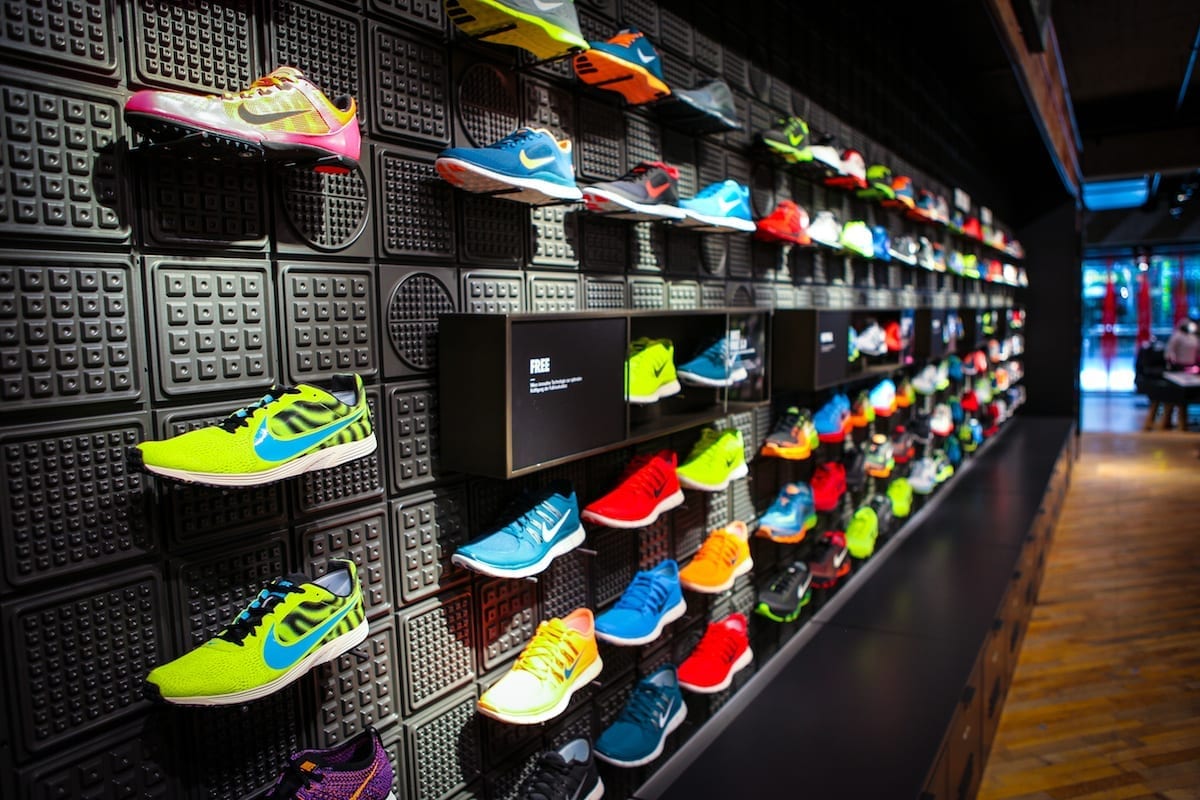
    Nike India is planning to further trim back its business activities to stem losses.

    A year ago the US sportswear major had already closed about 35 per cent of its stores, leaving it with about 200 outlets.

    While the sportswear market is expected to touch US$8 billion in sales by 2020, according to Euromonitor, global firms like Adidas and Nike are finding it hard to make profits in the otherwise lucrative Indian market, reports Fashion Network. Even the German sportswear maker Puma had losses in India this financial year, after three years of profits.

    Fashion Network says that while India is a booming market for sportswear, it is price sensitive and dominated by domestic brands like HRX, YWC and Zeven.

    Nike was an early entrant in the Indian market in 2005, but has had losses there for the past few years. It sales plummeted to Rs764 crore (about $119.2 million) last year from Rs803 crore, and its losses widened from Rs101 crore to Rs170 crore.

    In damage-control mode, the company is trying to minimise losses by trimming costs and cutting down on sponsorship deals. It has also let go of 20 per cent of its employees in India.

    It has its headquarters in Bangalore and offices in Delhi and Mumbai.

  • BluJay Solutions partners with NMB Solutions

    BluJay Solutions partners with NMB Solutions

    BluJay Solutions announced a strategic partnership with NMB Solutions, a Microsoft partner specialising in third-party parcel and LTL shipping integration with Dynamics AX/365 for Operations.

    NMB Solutions has been providing Dynamics AX integration for BluJay’s Parcel (formerly Kewill Flagship) and other third-party parcel solutions for nearly ten years, starting with Dynamics AX 4.0. NMB’s flagship product, the Packing Workbench, provides AX users with powerful tools that integrate BluJay’s Parcel directly into AX’s sales order, pick/pack, and finance functions.

    The partnership brings together BluJay’s global transportation management strength and experience with NMB’s robust Dynamics AX integration and in-depth knowledge of AX/365 for Operations, to create even more powerful solutions for the Microsoft Dynamics 365 community.

    “This is a really exciting time for us – the partnership allows us to focus our development on the integration of the incredible tools BluJay has to offer, not only for parcel shipping, but for TMS as well,” said Chris Morgan, Managing Director at NMB. “The ability to integrate features like AES filing, denied third-party screening, and hazardous material labeling will make our Packing Workbench even more efficient, and allows clients to realize their ROI faster.”

    BluJay is the only vendor that offers these supply chain solutions in a single platform, with connectivity to the world’s largest Global Trade Network.

    “Working with the BluJay team has been fantastic,” Morgan added. “As we move toward releasing our 365 for Operations version, we will have the capability to integrate into BluJay’s Parcel cloud offering. This enables us to offer a complete parcel shipping solution on the Microsoft Dynamics Marketplace.”

    In the next phase, NMB will provide similar integration to BluJay’s global Transportation Management platform, combining the full suite of BluJay’s shipping tools with the power, ease-of-use, and global reach of Microsoft Dynamics 365.

  • Vietnamese retailers look to foreign retail markets

    Vietnamese retailers look to foreign retail markets


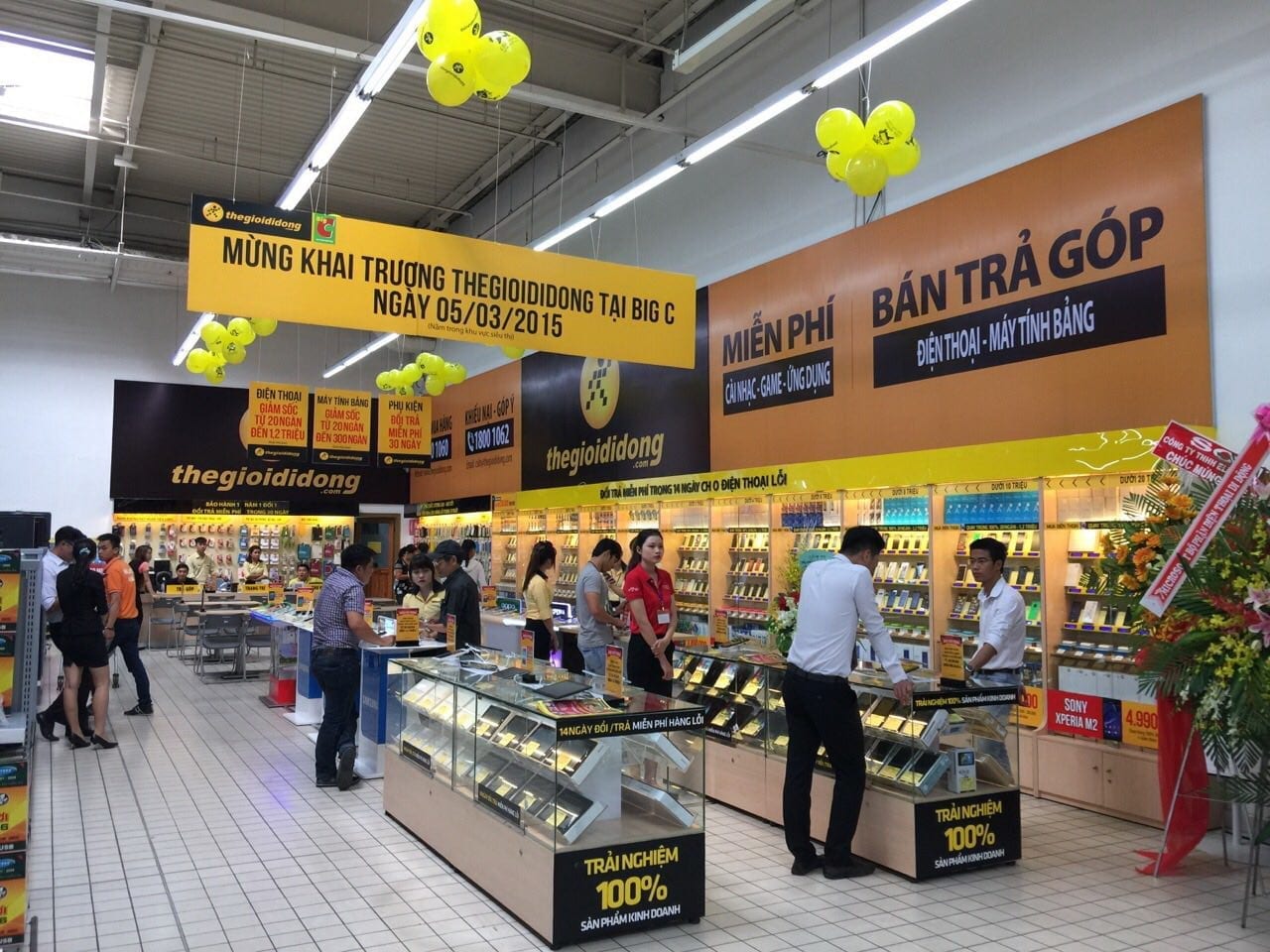
    In late June, The Gioi Di Dong JSC, which owns the largest mobile phone distribution chain in Vietnam, opened its first shop in Phnom Penh, Cambodia. The shop in Cambodia is named BigPhone, but it has a brand identity like The Gioi Di Dong shops in Vietnam.

    The Gioi Di Dong hopes it can earn $100,000 a month from the first shop, and plans to open 10-15 shops in Cambodia this year.

    A senior executive of Pico, a home appliance distribution chain, in early 2016 told the press that the chain was considering penetrating markets like Myanmar, Laos and Cambodia. Of the neighboring markets, Myanmar is the first choice because of favorable conditions of the market: it is easy to find retail premises, and there is less competition.

    Nguyen Ngoc Hoa, when he was chair of Saigon Co-op, affirmed the importance of foreign markets for Saigon Co-op, saying that the retail chain targets Laos and Cambodia for its plan to expand the network.

    “The most important thing in implementing the expansion plan is that Saigon Co-op find reliable partners in doing business overseas,” he said.

    A senior executive of Pico said he can see that there would be both economic and non-economic barriers in the Cambodia and Myanmar markets. He said it would take time to learn about the consumption habits, local culture, the laws and economic factors of the target markets.

    Ho Viet Dong, CEO of The Gioi Di Dong in Cambodia, said though the retail chain has good relations with mobile phone manufacturers, it still faces difficulties in doing business in Cambodia.

    “The mobile phone market here is very complicated,” he said. “Besides, the training of the labor force for long-term business plan also needs consideration.”

    Meanwhile, according to Saigon Co-op’s CEO Nguyen Thanh Nhan, the plan to open a supermarket in Cambodia has been delayed because of the change of the Cambodian partner.


  • Sunkist Growers seeks to bear fruit in Thai market

    Sunkist Growers seeks to bear fruit in Thai market

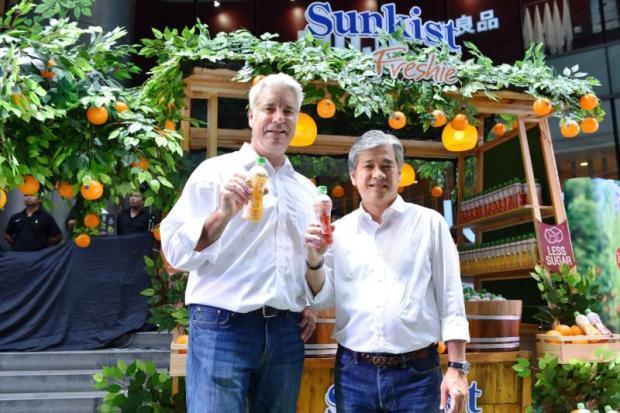
    David Bolton Director – Global Licensing, Sunkist Growers Inc (left) and Apirak Kosayodhin Chairman & CEO, V Foods Corporation Co

    Sunkist Growers Incorporated, a US-based citrus growers’ non-stock membership cooperative, has expanded its Sunkist Freshie brand to the Thai market.

    Thailand is now the 49th licensee country to make and market the products being produced by the 120-year-old cooperative, which brings together 6,000 members from California and Arizona.

    Sunkist has signed a contract with Thai firm V Foods Corporation to produce and market its drinks in Thailand for 10 years, with an option for another five-year renewal.

    V Foods Corp is owned by former Bangkok governor Apirak Kosayodhin.

    Sunkist brand product, including orange fruit juice and snacks, have been available in Thailand for over a decade, said David Bolton, director of global licensing at Sunkist Growers Inc, during a visit to Thailand yesterday.

    But this is the first time the company is launching two new orange juice flavours — Blood Orange Juice and Navel Orange Juice — in the Thai market. The drinks, with reduced sugar content, are aimed at more health-conscious consumers.

    Sunkist Freshie has been co-developed by Sunkist Growers Inc and V Foods Corporation exclusively for Thailand.

    Starting this month, the company began selling two Sunkist Freshie drinks at 7-Eleven convenience stores in Greater Bangkok, as well as in the East, said Mr Apirak.

    The beverage is expected to be available via all modern retail channels next year, he said.

    V Foods hired General Beverage Co to manufacture the beverage, while DKSH is handling the distribution.

    Mr Apirak said that the company added Sunkist to its product portfolio as a part of efforts to enhance V Foods as one of the country’s leading food and drink companies.

    “With over 20 years of experience in Thailand’s drink market, we believe there is still room for growth, due to the increasing number of health-conscious people, he said.

    Thailand’s beverage industry was valued at 13 billion baht last year, of which 2 billion baht belongs to the refreshment drink market. The segment boasts annual growth of 3-5%.

    Mr Apirak set up V Foods Corporation Co three years ago to distribute its own products, including “V Corn” brand sweetcorn, “V Farm” dried fruit and “V Kitchen soup”.

    The company also markets the popular Laotian ready-to-drink coffee, “Dao”, in Thailand.

    Sales of all products under V Foods was 200 million baht last year and is forecast to reach 250 million this year.


  • Chinese firms are increasingly shopping abroad

    Chinese firms are increasingly shopping abroad

    It was a flurry of activity this month in the Chinese investment sector as the battle for market share intensifies among fashion players.

    No longer content with national domination, Chinese companies are increasingly shopping abroad as they look for ways to build their presence overseas while strengthening their reputation at home.

    This month’s deals are just the latest in a succession of rounds where Chinese firms have targeted brands based outside China’s borders.

    Menswear giant Septwolves, for instance, while the name might not ring many bells outside China, the brand’s parent company Fujian Septwolves Industry Co. Ltd. announced that it will acquire an 80 percent share in Karl Lagerfeld Greater China Holdings (KLGCH).

    Last year the firm reported a net profit of 267 million yuan ($40.5 million at current exchange). Due to KLGCH’s late entry into the market, the deal will likely provide the company with a much-needed boost thanks to its experience in distribution and local resources.

    The deal is a feather in the cap of the Fujian Septwolves chairman, Zhou Shaoxiong: not only will he gain access to the international networks of fashion icon Karl Lagerfeld, but he will also benefit from an increased international brand awareness of his Chinese portfolio.

    However, what may at first glance appear to be a prestige target is in fact a decidedly strategic investment.

    According to Jing Daily, Fujian Septwolves’s representatives suggested that its move into the accessible luxury sector could accelerate the transformation of the company’s retail model.

    Fujian Septwolves already distributes international luxury brands in China including Italian labels Versace and Canali, and in March of this year the firm diversified into media, acquiring a 30 percent minority share of Modern Media’s digital division.

    Another examples is Shenzhen Ellassay Fashion Co. Ltd. that has been building up its portfolio since 2015.

    Earlier this month it purchased a majority stake in Vivienne Tam’s China rights. The deal includes plans to open a number of stores in China before the end of the year, with further openings planned for 2018.

    Gangtai Group also purchased an 85 percent stake in Italian jewellery brand Buccellati in December 2016, while Chinese textile company Shandong Ruyi acquired British heritage brand Aquascutum, as well as a major stake in SMCP, the French company that owns contemporary brands Maje and Sandro.

    While earlier acquisitions raised some eyebrows in fashion industry circles, Booker believes that this month’s increasingly aggressive M&A pace demonstrates that many more China-based players are interested in flexing their investment muscle abroad.

  • Why retailers want you to ‘click and collect’

    Why retailers want you to ‘click and collect’

    Retailers are starting to realise the benefit of combining online and in-store shopping. And by encouraging you to buy online first and collect later, these businesses are saving in a number of areas.

    Despite historically lagging behind the rest of the developed world, Australian retailers are beginning to embrace this approach. From groceries, alcohol, fashion and accessories, sports clothing and even automotive parts, more and more retailers are adopting this strategy. KPMG research found that by 2014, 64 per cent of customers in Australia had ordered online and picked up in-store.

    In Australia 42 per cent of retailers are now offering click and collect, and perhaps in response to the impending threat from Amazon’s entry, this number is up from 24 per cent in 2015. To supplement their pick up in store service, 38 per cent of retailers also allow customers to return their online purchases in-store.

    By comparison, 36 per cent of Western European and 31 per cent of North American retailers offer a click and collect service. The UK’s click and collect market is expected to grow 78 per cent by 2020, to £8.2 billion. This is not surprising given the intense competition among retailers within the British market and the strategic shift away from price to convenience.

    Why you click and collect

    Customers are embracing buying online and picking up in store because it offers them immediate gratification but with cost savings on delivery. Click and collect provides an immediacy that traditional home delivery usually can’t match, particularly in Australia where delivery times have traditionally been slow relative to international standards.

    Depending on the type of merchandise customers are buying, the costs of delivery can be high. In the US, 73 per cent of supermarket shoppers reported they would pick up items in store to avoid shipping costs and 30 per cent said they were not prepared to wait around for delivery of their online order.

    The sort of in-store pickup service also helps customers avoid problems with unprofessional delivery services and dodge the dreaded “card in the mailbox”, where parcels are returned to the depot.

    In-store pickup is especially handy for customers purchasing online just prior to the weekend or at peak shopping periods such as Christmas and Easter when timing is paramount. It can also help solve delivery problems for many customers living in apartment blocks, or living or working in properties that are difficult to access. More and more customers are finding it convenient to order online and then pick up their purchases during their lunch hour or on the commute home.

    Online shopping doesn’t allow for tactile purchasing – actually touching the products – in-store collection enables customers to check the quality, as well as assess the colour, style and size prior to leaving the store. Any problems can be resolved immediately in-store and returns can even be processed at the same time if products don’t meet customer requirements.

    With many retailers increasingly moving away from the traditional online “price wars” and recognising the importance of connecting with customers through multiple channels and touch points, click and collect is the natural progression to encourage customers back into physical stores.

    Why retailers are adopting click and collect

    Retailers can save a lot on click and collect. It reduces operational costs and leverages impulse purchases. Retailers are finding that in-store collection also provides them with additional opportunities to connect with customers and enhance the customer experience.

    One of the main benefits for retailers from shoppers who come into the store to collect their online purchases is that almost 50 per cent make an unplanned purchase. A study by company Bell and Howell of 530 shoppers found 49 per cent of customers were likely to purchase an additional item when picking up their online order.

    The International Council of Shopping Centres found 61 per cent of shoppers who bought items online and picked up in-store, made an additional purchase. This was higher for younger shoppers, with three-in-four millennials making impulsive purchases when popping in to collect.

    Offering click and collect also means customers feel more comfortable about returns as well. A report from packaging company UPS found 82 per cent of shoppers are more inclined to purchase online if they can return the product in store.

    Average parcel delivery costs in Australia are around $25 for a 5kg parcel (for next business day delivery) with courier services even more expensive, particularly for large and bulky items.

    The majority of retailers provide in-store collection free of charge, however some retailers are charging a fee for pickup in order to recoup staffing and storage costs. At the cheaper end of the scale Kmart charges a A$3 fee while Ikea Australia recently announced its fees which range between A$59 and A$149.

    “Bricks and mortar” retailers see click and collect as a way to differentiate and defend themselves from online players. In the US, Walmart announced last month it would offer discounts on products shoppers ordered online, but picked up in stores as a tactic to combat Amazon.

    Now Amazon has started its roll out in Australia, any edge over this competition will be an advantage. Deploying click and collect into a store allows retailers to compress sale time.

    Australian retailer, Super Cheap Auto recently announced shoppers could click and collect their online purchases within 90 minutes – and is now exploring how it can reduce that time down to 60 minutes.

    While shoppers continue to seek convenience, the frequency of online shopping (forecast to hit 12.5 per cent of total retail sales by 2025), will also increase. But getting the product to the customer will continue to be a challenge for retailers.

    So you can expect more retailers to adopt a click and collect strategy. If you can’t get the products to the customers, get the customer to the products.

  • GSK Shopper Science Lab opens in Singapore

    GSK Shopper Science Lab opens in Singapore

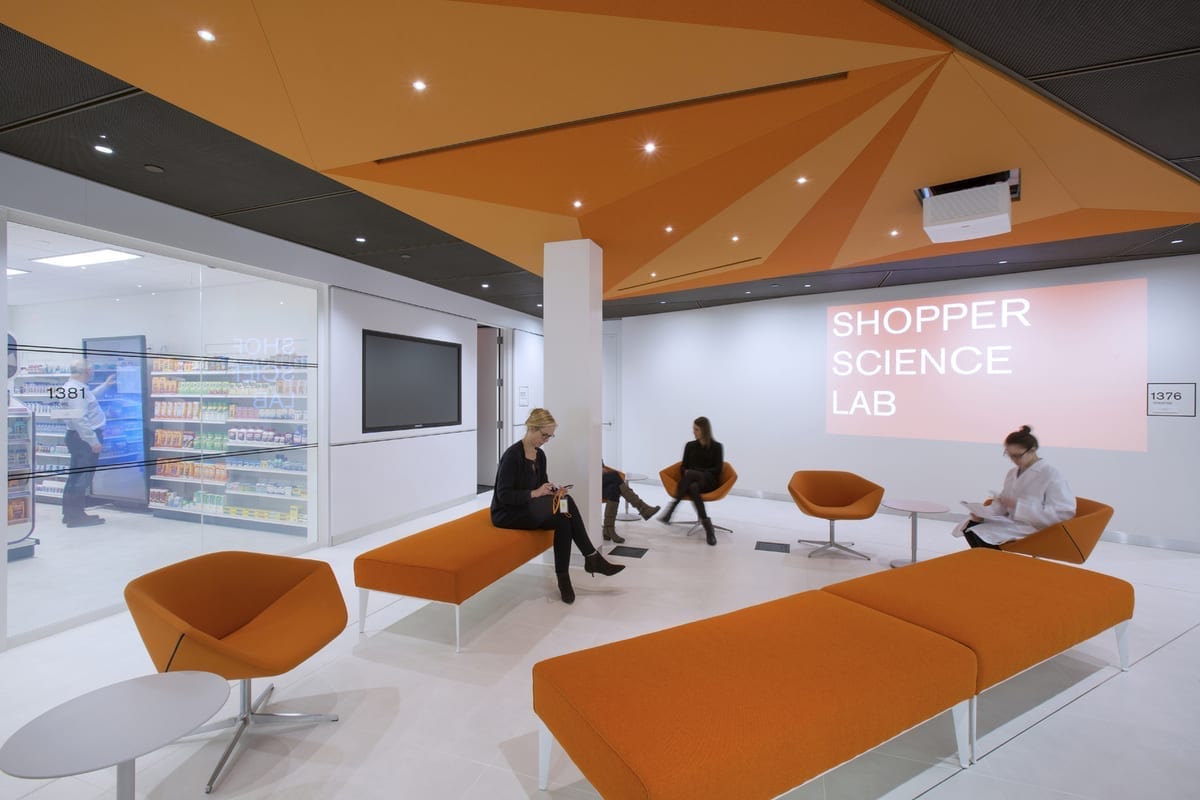
    A new GSK Shopper Science Lab opened in Singapore will help drive business growth across Asia-Pacific, the company says.

    GlaxoSmithKline (GSK) Consumer Healthcare describes the research centre as a “cutting edge facility” which will deliver unique shopper insights and collaborations with retailers.

    “The Shopper Science Lab is a world-class shopper insight facility, equipped with state-of-the-art digital technology. With virtual reality, eye-tracking, facial biometrics, and data visualisation as some of the tools employed in-house, GSK will invite its trade partners, internal business teams and researchers to use the Lab to recreate retail environments; evaluate shoppers’ responses to online and in-store initiatives; and identify winning strategies and initiatives to enhance the shopping experience,” the company said in a statement.

    “As more shoppers join the global middle class, there is an increased demand for trusted, global brands particularly in the emerging markets. The GSK Shopper Science Lab has close proximity to large emerging markets like India and China, enabling GSK and its retail partners to study diverse emerging shoppers closely, with local data collected on the ground.”

    The GSK Shopper Science Lab consists of three labs integrated seamlessly:

    • A 1215 sqft Retail Lab, an immersive retail environment that allows the re-creation of modern and traditional retail environments such as a pharmacy or supermarket, allowing GSK and its partners to quickly test and evaluate shopper responses.
    • A Digital Lab which is a collaborative space which has the ability to test stimuli such as pack designs, point-of-sale materials, brand assets, TVCs, or content across all platforms.
    • A Collaboration Room, which provides a space to convene key decision makers, enabling them to embark on virtual and fully interactive simulations that include relevant data for faster and more informed decision making.

    “Traditional market research is often time-consuming and expensive,” explained Sidharth Singh, VP of commercial excellence, GSK Consumer Healthcare Asia, Middle East and Africa. “By leveraging the latest advances in virtual reality and biometric technology, we are now able to gather insights more efficiently and effectively.”

    An example of such technology is eye-tracking glasses which can be transported to various cities to provide researchers with an indication of how shoppers shop locally. Technology such as virtual reality, tracking sensors and software that can decode the hotspots, can help analyse this highly localised data to understand shopper behaviour in diverse markets.

  • Vietnamese shoppers no longer the world’s thriftiest

    Vietnamese shoppers no longer the world’s thriftiest

    Consumer spending seems to be on the rise with less people interested in saving. Vietnamese consumers have just lost their crown as the world’s most avid savers to penny-pinching shoppers in Hong Kong after three years reigning supreme, according to the latest report on consumer confidence conducted by Nielsen, a global information and measurement company.

    During the first half of this year, only 63 percent of surveyed Vietnamese shoppers said they would put their spare cash into savings, comparing to the 76 percent who said they would save during the same period last year.

    Around 80 percent of people in Hong Kong said they chose to save money rather than spending it on leisure activities, figures from Nielsen revealed.

    The Vietnamese are still securing money for the future, but they are also spending more on leisure activities.

    “Vietnamese consumers’ lifestyles are evolving fast and consumers are more willing to spend on big items to upgrade their living,” said Nguyen Huong Quynh, managing director of Nielsen Vietnam. “This reflects their strong desire for a better life.”

    Saving requires a stable job, which is still a top priority for Vietnamese people. For half of the respondents, securing a position at a company is a big deal.

    “A financial guarantee is considered one of the top priorities among Vietnamese consumers,” Quynh added. “Hence, job stability as well as economic prospects directly influence the level of consumer spending. This explains why job stability is important to Vietnamese people.”

    Vietnam’s Consumer Confidence Index in the second quarter this year reached 117, helping the country secure fifth position on the global optimism table. Indexes above 100 indicate optimism.

    This is also a five-year high for the country, suggesting that Vietnamese consumer sentiment is improving. The surge illustrates the optimistic perception of personal finance and immediate spending intention, the report said.

    It should be noted that the index is calculated by Nielsen based on respondents with online access in 60 countries.

  • Exposing the cost of lost sales

    Exposing the cost of lost sales

    Lost sales can be an enormous drain on a retailer’s profitability. Apart from the the direct loss of gross profit, there is also a pretty good chance that the customer won’t come back, could share negative stories about their experience and so on. The life-time cost of losing one lost sale could actually multiply out several times higher than just the gross profit alone.

    As consumers, we can all think of examples when we’ve left a store, with full intention of making a purchase, empty handed. For whatever reason – poor service, poor range, out-of-stocks – we’ve gone elsewhere.

    For retailers, the good news is that these things can be addressed. I don’t intend to talk about customer service as it’s a topic well covered. However, the cost of out-of-stocks is not so well understood.

    Think of a bakery that sells on average 20 loaves of bread in the last hour of the day. If the baker starts the last hour with exactly 20 loaves of stock, on average they’ll sell out just on closing time. Perfect!! Unfortunately for the baker, the 20 average sales is an average – it’s not going to happen every single time. The actual data might be made up of say, 10, 20 and 30 loaves over three days, which on average is 20.

    On the quiet day, the baker will sell 10 and have 10 left over. The cost to the business is the production cost of the loaves thrown out x 10. Say $1 x 10 = $10.

    On the busy day, the baker will have lost 10 sales, so the cost to the business is the lost profit. Say ($4 – $1) x 10 = $30.

    On the day the baker sells 20 exactly, there is no cost.

    Given that each scenario has a one third chance of happening, the cost on average works out to be:

    0.33 x $10 + 0.33 x $0 + 0.33 x $30 = $13.20

    If the baker carried 30 loaves into the last hour, the cost would be

    0.33 x $20 + 0.33 x $10 + 0.33 x $0 = $9.90

    Much better to carry the extra 10 loaves.

    With accurate data and a bit of statistics, you can create some incredibly powerful models to help calculate the cost of lost sales. One technique is using Monte Carlo Simulation, which takes its name from its famous namesake casino. The technique uses random numbers to represent the probability of an event occurring (just as the baker identified that one third of the time they would sell 10 loaves of bread).

    Here’s an example that fashion retailers might identify with:

    Imagine that the size curve of your customers is exactly 1:1:1:1:1:1 (that is, sizes 8, 10, 12, 14, 16 and 18 are all equal). You know this because you have lots of aggregate data (either lots of stores or lots of styles). We can now simulate customers coming in through the door wanting to buy the latest style. You’ve only bought one pack (6 units in the given size ratio). As there are six units and each is an equal probability, we can use a dice to run the simulation.

    Each roll represents a customer coming in and each number on the dice represents their size. Roll one will never be disappointed as we are fully stocked so they make a purchase. However, we are now sold out of one size already. Roll two has a 1/6 chance of being disappointed (roll two equals roll one) and a 5/6 chance of being able to buy (roll two is different to roll one).  Roll three has a 2/6 chance of being disappointed and only a 4/6 chance of being able to buy. After six rolls of the dice, the chance of customers coming into the store exactly as per the size curve (ie that you have rolled one and only one of each of the numbers on the dice) is just 1.5 per cent.

    Without going into the details, the chance of having rolled any number twice in six rolls is 13 per cent. This is the chance of losing one customer. The chance of rolling other combinations, eg three of one, two sets of doubles and so on, make up the balance of the probability and represent losing even more sales.

    The reason we lost sales wasn’t because the size curve was incorrect but because averages calculated using large data sets breakdown when applied to small data sets.

    What should the retailer do? The answer to that question is going to depend on the real life scenario. Gross Margin, cost of transferring from another stores, cost of unit replenishment, cost of extra stock etc all come into the equation. For example, carrying an extra pack of stock goes a long way to meeting the need of the first six customers (you can still get stock-outs but the probability is reduced) but now the retailer has to clear the remaining six items.

    It’s always a fascinating exercise and well worth the time spent in building a model that represents the particular circumstances.

    You might be shocked at how much lost sales are costing your business.

  • Sales rebound as Parkson Retail transformation plan pays off

    Sales rebound as Parkson Retail transformation plan pays off

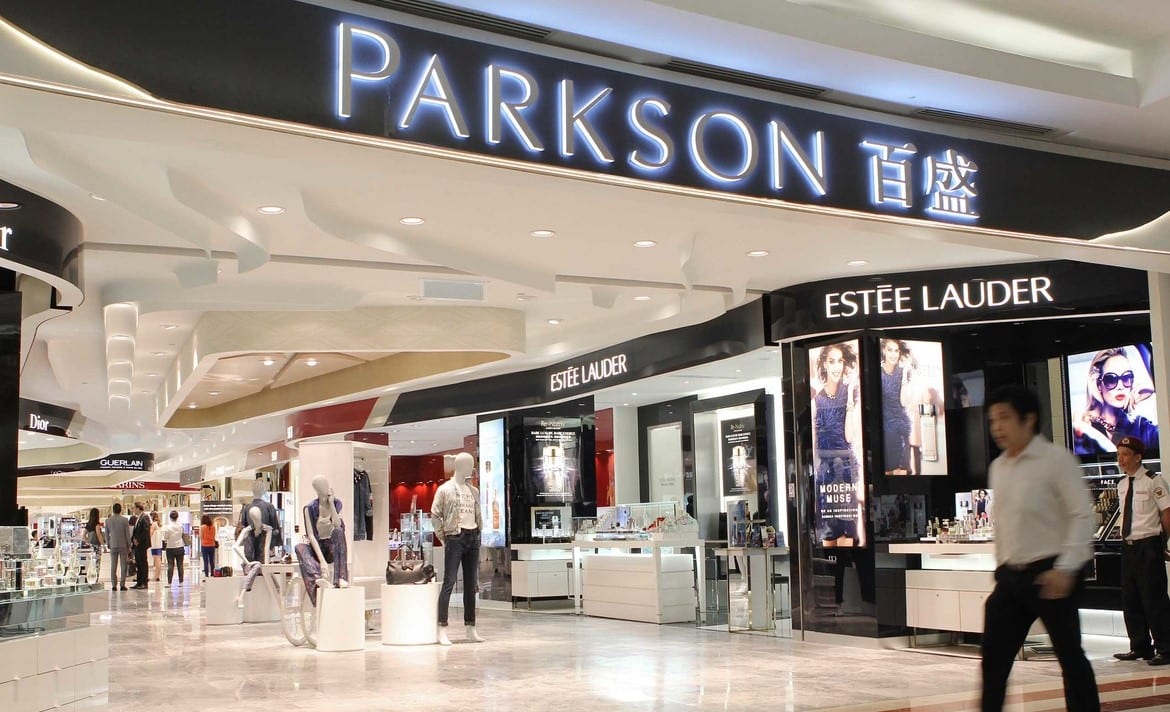
    With a rebound in same-store sales, lifestyle retailer Parkson Retail Group had a 1.9 per cent increase in half-year operating revenue to RMB2.3 billion (US$ 344.9 million).

    The figures reflect the impact of the transformation plan under which the company is redefining its image and spinning categories off into stand-alone concepts.

    Second-quarter same-store sales grew by 2.4 per cent, following a 2.2 per cent drop in the first quarter, according to its unaudited interim results.

    Total operating revenue for the half-year rose by 1.9 per cent to RMB2.3 billion, leading to an operating profit of RMB70.6 million – an increase of RMB122 million from a loss of RMB51.4 million for the same period last year.

    Total merchandise sales totalled about RMB6.5 billion while concessionaire sales contributed about 84.8 per cent. Direct sales contributed the balance of 15.2 per cent.

    The cosmetics and accessories category became the biggest contributor (46.2 per cent) to first-half sales, with the previous leader, fashion and apparel, contributing about 45.1 per cent. Groceries and perishables contributed about 5.4 per cent, while household and electrical about 3.2 per cent.

    Total operating revenues of the group increased 1.9 per cent to RMB2.3 billion, mainly attributable to a RMB14.2 million boost in rental income from the Qingdao Lion Mall, plus a RMB19.3 million tax refund.

    Business revitalised

    Parkson says its business was revitalised during the period thanks to progress with its transformation plans. While China’s economy was stable, the retail market was still challenging and competitive but with positive signs of a rebound.

    There was a 4.3 per cent decline in total gross sales proceeds at RMB8.1 billion, including value-added tax. This was mainly attributable to four stores being closed during the half.

    “Over the past few years, the Chinese retail market has seen an unprecedented evolution,” says Parkson. This presented one of its most challenging periods.

    “We came to China with a department store concept 23 years ago to serve the Chinese middle class which was looking for quality products. Today, we are still serving the fast-growing Chinese middle class, whose focus has shifted to comfort and healthier lifestyles. To ensure we continue to realise our mission, we have made every effort to evolve and adjust by launching multiple retail formats, improving our merchandise and service portfolio, and enhancing our operations and portfolio management.

    “We have refined specific business unit operations, identifying cosmetics, F&B and supermarkets as key units to be developed as standalone businesses. These units can run both within our network of department stores and outside the Parkson ecosystem.

    “A good example is Parkson Beauty, which we will launch as a specialty standalone concept store in Changsha International Financial Square, Hunan province. This concept was specifically designed to target customers who prefer to shop offline and enjoy lifestyle experiences with fashionable products and personalised services. Parkson Beauty will showcase our cosmetics brands and help us to capitalise on the segment’s growth. It is one of the most resilient retail segments against market headwind.”

    Move into malls

    The group launched Qingdao Lion Mall last year, marking its move into the shopping mall segment. The mall offers more than 200 brands with Parkson’s department store, a supermarket, fashion labels and F&B. “There is high occupancy, an excellent tenant mix, innovative marketing campaigns and efficient management.”

    Meanwhile, the group has been contacted by commercial property developers with the first managed shopping mall expected to open this year.

    In May, the group launched its second Parkson Newcore Citymall, in Nanchang, following the success of the Shanghai Newcore Citymall and extending its partnership with E-Land Group to offer Korean-themed merchandise and lifestyle elements. “This off-price city-mall format is an example of our efforts to attract young and fashionable consumers, with more Citymall concept stores to be launched.”

    The group’s first gourmet supermarket, the Parkson Supermarket, was launched in the Qingdao
    Lion Mall in September last year. “This Parkson-branded standalone supermarket offers a broad variety of premium local and imported products, and caters for emerging middle-class and family consumers who are looking for quality lifestyle choices.”

    A third supermarket will be launched before year’s end.

    “In the F&B segment, our strategy is to build a brand, gain recognition then incorporate it with our other retail formats to create synergy. The third Hogan Bakery outlet was opened in Shanghai Parkson after gaining popularity, and the group will speed up expansion of this brand, opening more stores in Shanghai and expanding to other provinces.”

    Department stores will also open in Changsha and Chenzhou this year.

  • Consumer confidence up in August

    Consumer confidence up in August

    New Zealand consumer confidence rose in August with little sign that a cooling housing market is hurting consumer sentiment.

    The ANZ-Roy Morgan consumer confidence index rose to 126.2 in August from 125.4 in July.

    Of that, the current conditions index was unchanged at 124.9 and the future conditions measure rose 1.3 points to 127.1.

    ANZ Bank New Zealand chief economist Cameron Bagrie said that on a seasonally adjusted basis, confidence rose to its highest level since July 2014 and that Thursday’s survey shows consumers remain in a “buoyant mood”.

    The consumer confidence survey follows the release of business confidence for July which showed a net 19 per cent of firms surveyed in the ANZ Business Outlook expect general business conditions to improve over the coming year, down from 25 per cent in June.

    The latest housing data from the Real Estate Institute showed a sharp slowdown in house sales with volumes dropping 25 per cent nationwide last month compared to July 2016, with Waikato sales dropping 32 per cent and Auckland sales down 31 per cent.

    Bagrie noted, however, the moderation across the housing market “is not taking the wind out of consumers’ sails”.

    Among other things, house prices outside of Auckland are still lifting, albeit more modestly and “outside of the housing market, jobs are plentiful, and commodity prices are strong – it’s no accident that the South Island (excluding Canterbury) is now the most upbeat region”.

    ”The Budget put $2 billion on the table for families and the election lolly scramble is underway,” he said.

    A net 12 per cent of those polled felt financially better off than they did a year ago.

    For the economy as a whole over the next 12 months, a net 25 per cent expected better times financially.

  • Japan economy posts longest expansion in over a decade

    Japan economy posts longest expansion in over a decade

    Economy expansion was driven by robust domestic demand and capital spending. Japan’s economy grew 1.0 percent in the April-June period, notching up its sixth straight quarter of growth and its longest economic expansion in over a decade, government data showed Monday.

    The growth in Japan’s GDP — 4.0 percent at an annualized rate — blew past market expectations for a 0.6 percent rise, and was well up from a 0.4 percent expansion in the first quarter, according to figures from the Cabinet Office.

    The world’s number three economy has been picking up steam, mainly on the back of a surging exports including smartphones parts and memory chips, with investments linked to the Tokyo 2020 Olympics also giving growth a boost.

    But the latest GDP figures were driven by robust domestic demand and capital spending, which offset a quarterly decline in exports.

    Private consumption picked up 0.9 percent in the second quarter — individual spending accounts for more than a half of Japan’s GDP.

    The labor market is tight and business confidence is high but efforts to lift inflation have fallen flat despite years of aggressive monetary easing by Japan’s central bank.

    The latest reading nonetheless means Japan’s economy has had its best string of gains since 2006, during the tenure of popular former prime minister Junichiro Koizumi.

    Monday’s figures are good news for the current prime minister Shinzo Abe — whose brief and underwhelming first term as Japan’s premier came directly after Koizumi.

    A string of short-term leaders followed before Abe swept back to power in late 2012 on a pledge to reignite Japan’s once-booming economy with a plan dubbed Abenomics.

    The scheme — a mix of huge monetary easing, government spending and reforms to the economy — stoked a stock market rally and fattened corporate profits.

    But critics have cast doubt on the plan, as heavily-indebted Japan grapples with low birthrates and a shrinking labor force.

    Abe has seen his public support rating plummet in the past few months over an array of political troubles, including allegations of favoritism to a friend in a business deal.

    Japan has been struggling to defeat years of deflation and slow growth that followed the collapse of an equity and property market bubble in the early nineties.

    The Bank of Japan, aiming to create two-percent inflation as a key part the growth bid, now expects to reach that goal by sometime in the year to March 2020 — four years later than planned.

    Falling prices can discourage spending by consumers, who might postpone purchases until prices drop more or look to save money instead.

    That puts pressure on businesses, creating a cycle in which firms then cut back on expanding production, hiring new workers or boosting wages.