Tag: Retailers

  • Uniqlo to quadruple SE Asia retail store network

    Uniqlo to quadruple SE Asia retail store network

    Japanese casual wear retailer Uniqlo plans a four-fold increase in its Southeast Asian store count during the next decade.

    Tadashi Yanai, chairman, and CEO of the firm’s parent company Fast Retailing said in an interview with Nikkei that Uniqlo is seeking a much faster rate of expansion than it took to build its 800-strong network of stores in greater China.

    “Asia, from China to India with 4 billion people, is the world’s only region that is showing steady growth,” said Yanai.

    He said that for the time being, Cambodia, Laos, and Myanmar are not being considered as potential markets for the brand because there are too many opportunities outside those countries.

    Next month the Japanese retailer will open its first store in Vietnam. Located in Ho Chi Minh City, the store will be its largest in Southeast Asia and located across the road from Zara’s two-year-old Vietnam flagship and a rival H&M’s store.

    Uniqlo operates around 2200 outlets internationally.

  • Japan and South Korea battle for Vietnamese retail market

    Japan and South Korea battle for Vietnamese retail market

    South Korean companies are engaged in a fierce battle with Japanese rivals in the Vietnam retail market, which has emerged as a “post-China.”

    According to the Korea Trade-Investment Promotion Agency, the Vietnam retail market has been growing rapidly, with an annual average growth rate of 10.9 percent between 2013 and 2018.

    Currently, South Korea and Japan lead the market in all areas, including convenience stores, department stores and online shopping.

    Lotte Group has had a presence in the Vietnam retail market since 2008 and has invested US$390 million so far.

    Currently, the company has 14 shopping malls, one department store, and two duty-free shops operating across the country.

    Japanese rival Aeon entered Vietnam in 2011 with a capital of $190 million. Since then, it has built and operated shopping malls in three centers: Ho Chi Minh City, Hanoi and Binh Dương.

    Besides Aeon, Japanese companies such as 7-Eleven, Fuji Mart are also operating in Vietnam.

    The channels that are growing rapidly in the local market are convenience stores and e-commerce.

    In particular, the growth of the convenience-store market is steep due to rapid urbanization, rising income levels and the expansion of the young consumer population.

    IGD Research ranked Vietnam as the top country among the fastest-growing convenience store markets in Asia by 2021.

    The South Korean convenience store chain GS25 entered Vietnam in January last year when it opened a store in Ho Chi Minh through a joint venture with SonKim Group, a Korean company that has emerged in the region.

    It currently operates about 50 stores but plans to expand to 70 by next year and to 2000 over the next decade.

    South Korea’s BGF Retail, which operates the convenience store chain CU, also recently signed a master franchise contract with Vietnam’s CUVN to start making inroads into the Vietnamese market.

    Japan’s 7-Eleven entered Vietnam in 2017 and is currently operating 24 stores. It aims to build 1000 new stores, mostly focused for now on Ho Chi Minh City and Hanoi. It followed Circle K and FamilyMart which have gained considerable traction in Ho Chi Minh City.

    South Korean conglomerates such as Lo

  • Nike culls Indian retail partner network

    Nike culls Indian retail partner network

    Sneaker giant Nike India has more than halved the number of its retail partners, from around 350 to just 150.

    The cull is part of a global strategy to reduce the number of physical sales points to focus online and on its own flagship stores. Nike has singled out 12 major cities internationally where it will focus on building brand awareness and market share, including Tokyo and Shanghai, in Asia.

    Moving forward, Nike India will work with just a single reseller partner which will operate the brand’s offline stores. Nike will run its own online store.

    The consolidation of the Nike India network began in 2016 but has gathered pace in recent months as the international initiative gained a higher profile.

  • Tesco Malaysia marks 60-store milestone in country

    Tesco Malaysia marks 60-store milestone in country

    Tesco Malaysia has opened its 60th store. The more-than 2000sqft store at Wangsa Walk is the retailer’s largest in the country, with recent changes in regulations reducing costs for an operation of this size and opening the path for similar formats going forward.

    “In providing a 2000sqft superstore with a targeted range of our famous value for money pricing, we are providing convenience and value for money to the customers in this area who were not able to enjoy all these before,” said Tesco Malaysia CEO Paul Ritchie as reported in the New Straits Times.

    “Going forward, we plan to keep expanding in Malaysia within this format as it believes that there is still a lot of growth opportunities in this country.”

    Tesco Malaysia has been operating for 17 years.

  • Amazon has no specific time frame for Vietnam website

    Amazon has no specific time frame for Vietnam website

    A senior Amazon official says the firm sees Vietnam’s potential but has not decided on a time to launch services for Vietnamese buyers.

    Bernard Tay, head of Amazon Global Selling Southeast Asia, Australia and New Zealand, said at an event Thursday that the global e-commerce giant sees Vietnam has a potential market.

    He noted that after launching Amazon in Singapore, they would look at opportunities to expand their services to more countries, including Vietnam.

    Amazon Thursday established a team of specialists in Vietnam to support Vietnamese sellers in taking their products to global customers. The company stated that it sees the majority of Vietnamese businesses are small and medium enterprises with large demand for global sales.

    Many Vietnamese leather, footwear, handmade and consumer goods items are selling well on Amazon’s website, Tay said.

    Vietnamese sellers can reach up to 300 million Amazon accounts in 185 countries and territories. Amazon also has 175 fulfillment centers worldwide, he added.

    Bui Kim Thuy, owner of a textile company whose products are being sold on Amazon, said that the e-commerce giant has strict criteria on product origin and quality which Vietnamese sellers will have to meet.

    An apparel product that suits Vietnamese customers might not suit Americans, therefore Vietnamese sellers need to make careful research for international sales, she added.

    Amazon launched a Singapore website last week, the first in Southeast Asia. Vietnamese shoppers can access Amazon.com, but many products are not available for shipping to Vietnam, and those that are available typically involve high shipping fees.

  • ‘Unprecedented’ South Korean boycott damaging Japan’s retailers

    ‘Unprecedented’ South Korean boycott damaging Japan’s retailers

    Having now run for more than 100 days, the scale and impact of the South Korean boycott movement against Japanese products is unprecedented.

    It is costing retailers, importers, airlines and travel companies millions of dollars as a largely volunteer group of consumers rally citizens to their cause, popularised by its slogan ‘I Will Not Buy, I Will Not Go, and I Will Not Wear”.

    The South Korean boycott is rooted in discord between the two countries dating back to Japan’s colonial occupation of the Korean Peninsula before and during the Second World War and controversy over forced labor and sexual slavery. It expanded into a diplomatic crisis in July after Japan threatened to throttle exports of materials essential to South Korean industries.

    Prior to July, Japan was South Korea’s largest source of imports by value. Shortly after the boycott began, its ranking fell to third in July and to 13th in August. Last month it fell to 28th.

    Emforce, a South Korean digital marketing firm, has reported that the word ‘boycott’ appeared 1.18 million times on social media networks this year, which was 10 times the size of the previous boycott movement following Japan’s celebration of Takeshima Day in 2013.

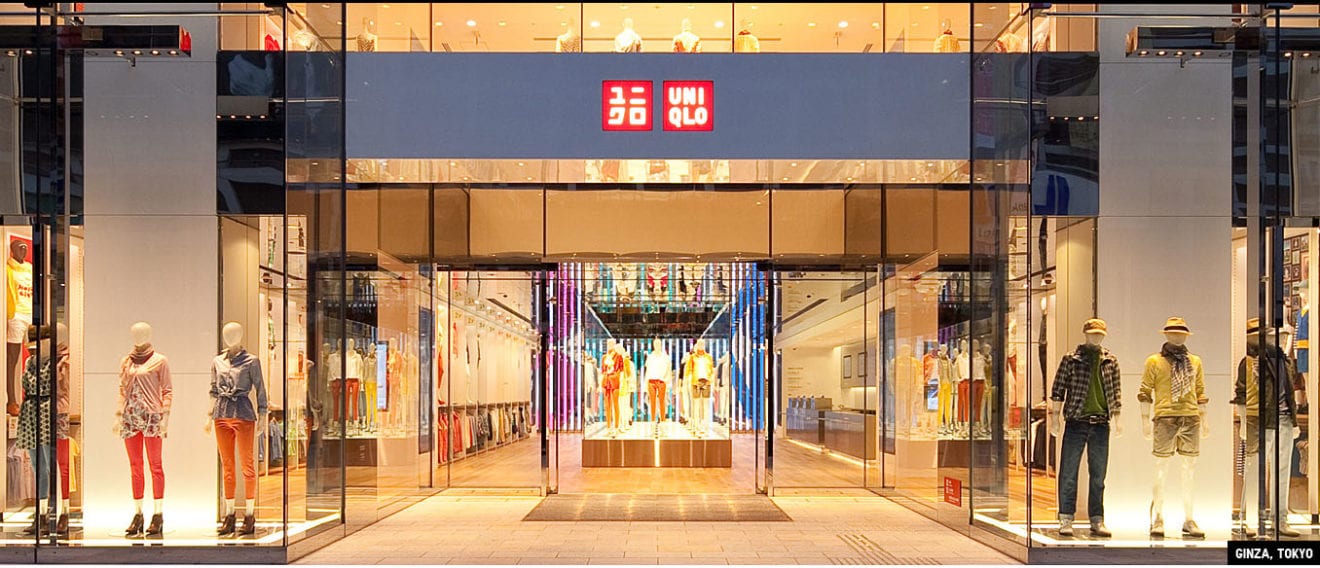
    Japanese retailer Uniqlo is a prime example of the impact of the ‘I Will Not Wear’ boycott movement. Uniqlo has closed four Uniqlo stores since July and the number of people visiting stores that remained open has plummeted.

    According to records from eight credit-card companies, Uniqlo sales plunged by 70.1 percent to 1.77 billion won (US$1.49 million) in the fourth week of July from 5.94 billion won ($5 million) in the last week of June.

    However, amid the decrease in brick-and-mortar store sales, there is a sign of consumption picking up at Uniqlo’s online mall, with its popular winter products, heat-retaining underwear called Heattech and light-weight padded jackets selling out.

    Uniqlo is still expected to experience mixed fortunes in Korea this winter, as social media is still awash with messages urging users not to buy Japanese products and support the boycott.

    According to the Emforce analysis, among some 1.28 million posts on Twitter related to the boycott movement between July and August, 93.3 percent were retweets, and 6.7 percent were new posts. While retweets still account for the majority, there were 85,000 new posts about the boycott movement between July and August, which was eight times more than the total number of relevant tweets posted in the entire year of 2013.

    “It shows the scale of the movement and how each participant is taking deep interest in the matter from various standpoints,” said the report.

    “Netizens retweeted posts made not by the media or civil groups, but by other netizens advancing their own opinions and sharing the boycott list of Japanese products.”

    Data Lab, Line parent Naver Corp’s big-data platform, reported a decrease in the number of clicks on Japanese products throughout almost all sectors at online shopping malls.

    “The initial drive that’s been leading the movement is weakening. Nevertheless, it is now being replaced with a collective habit of rejecting Japanese products since more consumers are less inclined to buy due to the bad economy,” Data Lab said.

    “The aftereffects of the movement are expected to continue.”

    While some South Koreans are still purchasing Japanese products, the voluntary participation of the public still leaves little room for Japanese companies, according to Korea Bizwire.

    Japanese beer has all but disappeared from store shelves, with the Korea Customs Service, reporting just $6000 worth of Japanese beer crossed the border in September.

    The South Korean boycott of travel to Japan has also sent shockwaves through the Japanese economy. Passengers on flights bound for Japan dropped 30 percent in September from a year earlier during the Chuseok holiday season, the peak travel season.

    According to the Korea Economic Research Institute, there was a 27.6-per-cent drop in the number of South Korean tourists visiting Japan in July-August which cost the Japanese economy an estimated US$292 million.

    The October reservation rate also dropped and despite a reduction in the number of flights, occupancy was just 60 per cent on those still scheduled.
  • Singapore retail sales down in August

    Singapore retail sales down in August

    Singapore retail sales eased down by 1 percent year on year in August, after excluding motor vehicle sales.

    A 20.3-per-cent fall in the value of motor vehicles sold during the month caused the topline figure to decline by 4.1 percent.

    However, month on month, real retail sales rose by 2.2 percent (they fell by 1.3 percent with motor vehicle sales included in the data).

    On a year-on-year basis, sales of furniture & household equipment and watches & jewelry fell by 9.8 percent and 8.6 percent respectively, largely attributed to lower demand for household equipment and jewellery, according to Statistics Singapore.

    Other retail industries that recorded declines in sales included petrol service stations (down 3.3 percent), recreational goods (down 2.7 percent) and food retailers (down 2.3 percent).

    Conversely, sales of apparel & footwear, in department stores, and of medical goods & toiletries rose by between 4 percent and 4.9 percent.

    Online sales comprised 5.5 percent of the total.

    Sales of food & beverage services

    Meanwhile, sales of food & beverage services grew by 3.6 percent year on year in August.

    On a seasonally adjusted basis, sales rose by 1.4 percent, month on month.

    Turnover of fast-food outlets, restaurants and food caterers increased by between 3.7 percent and 10 percent, while sales of other eating places (such as cafes) decreased by 0.4 percent.

  • French Connection sales fail to inspire customers

    French Connection sales fail to inspire customers

    The latest French Connection sales figures will do little to inspire prospective bidders as the company searches for a white knight.

    Pippa Stephens, retail analyst at GlobalData, says that despite the French Connection sale process being extended by three months in June, the ailing retailer has prolonged this further, as it continues talks with “several interested parties”.

    Group sales for the first half were down £7.1 million – by 12.2 per cent – to £51 million, and underlying profit remains in the red.

    “Its performance is doing little to assure prospective buyers of its future potential, however new ownership should allow for an essential revamp of its ranges and store estate to try to regain appeal among shoppers,” says Stephens.

    “French Connection’s product offer lacks originality and direction, with limited newness across seasons, lagging behind other premium competitors like Whistles and Reiss, so a fresh perspective from its design team is crucial to reignite shopper interest.”

    Although group sales are still declining due to store closures and a shift in wholesale orders into the second half of the year, the retailer’s UK/Europe like-for-like sales show an improvement having shuttered nine underperforming locations in the first half, including two off-price outlets.

    “French Connection must continue to review its remaining estate and carefully plan to transition customers to its online platform to avoid shopper desertion – especially its department store concession customers,” says Stephens.

    “Its new concept store in London, which opened in July, has shown reassuring results, with exclusive products, a large homewares offer and a coffee shop supporting footfall. If successful, this should be rolled out to a handful of its large regional stores to help reinvigorate the brand and improve shopper perception.”

    French Connection sales online have continued to decline, down £600,000, or 9.6 per cent, during the first half, despite the UK online clothing market forecast to grow by 7.4 per cent this year.

    “With a greater focus previously put on third party operations, such as Next and Asos, French Connection must ensure that this does not cannibalise its own sales. It needs to invest in its own website, with shorter delivery lead times, and enhanced style inspiration to increase engagement,” concludes Stephens.

  • Hong Kong retailers may close as protests impact sales

    Hong Kong retailers may close as protests impact sales

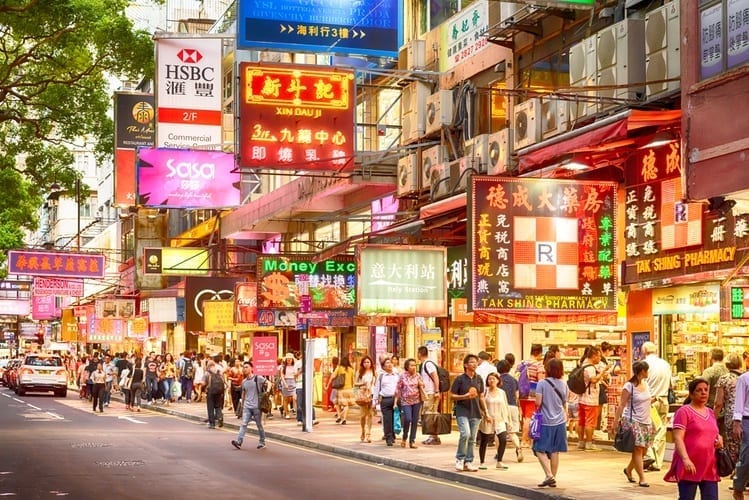
    “Dozens” of smaller Hong Kong retailers may be forced to close their doors as ongoing protests – now into their 15th week – impact trade.

    The Hong Kong Retail Management Association has repeatedly been warning of critical impact on the retail sector as store owners in areas frequently hosting protests have had to shutter their shops for safety reasons.

    Now, the South China Morning Post has reported that “several dozen small retailers are likely to shut shop as soon as the end of this month” because overseas shoppers have been deterred from entering Hong Kong by news of protest activity.

    Alexa Chow Yee-ping, MD of AMAC Human Resources, told the SCMP her clients were considering laying off staff to keep afloat.

    “It is just too hard to survive,” she told the paper, saying she feared “thousands of layoffs”.

    Annie Yau Tse, chairman of the HKRMA said last month that damage to retail business has directly impacted the frontline staff’s take-home income. “Some member companies reported that their staff’s income, which is paid on a commission basis, has also declined accordingly because of the tremendous sales drop caused by significant business disruptions,” she said in a message posted on the association’s website.

    “Furthermore, retail-related industries, such as the import and export trade, wholesale, transportation and storage sectors, will also suffer from the subdued retail market.”

    Tse was commenting after the release of June’s retail sales data for Hong Kong, which showed a 6.7 decline year on year. Since then July figures have shown an 11.4-per-cent drop. There is a widespread expectation that sales in August will be down even further, given 851,000 fewer passengers used Hong Kong International Airport and the number of mainlanders entering through land-based border crossings continues to decline while the protests roll on.

    The HKRMA has called on landlords to extend relief to embattled retailers given the circumstances.

    “As the recent incidents have made an immediate and profound impact on the retail industry, the Association has issued a letter to call for all landlords to collaborate at these critical moments by offering rental and management fee relief measures,” Tse wrote.

    “Facing such an unprecedented crisis, retailers are in critical need of the support from our stakeholders to sail through the challenges without going out of business or cutting headcount.”

  • Coach, Kate Spade parent strikes strategic alliance with Tmall China

    Coach, Kate Spade parent strikes strategic alliance with Tmall China

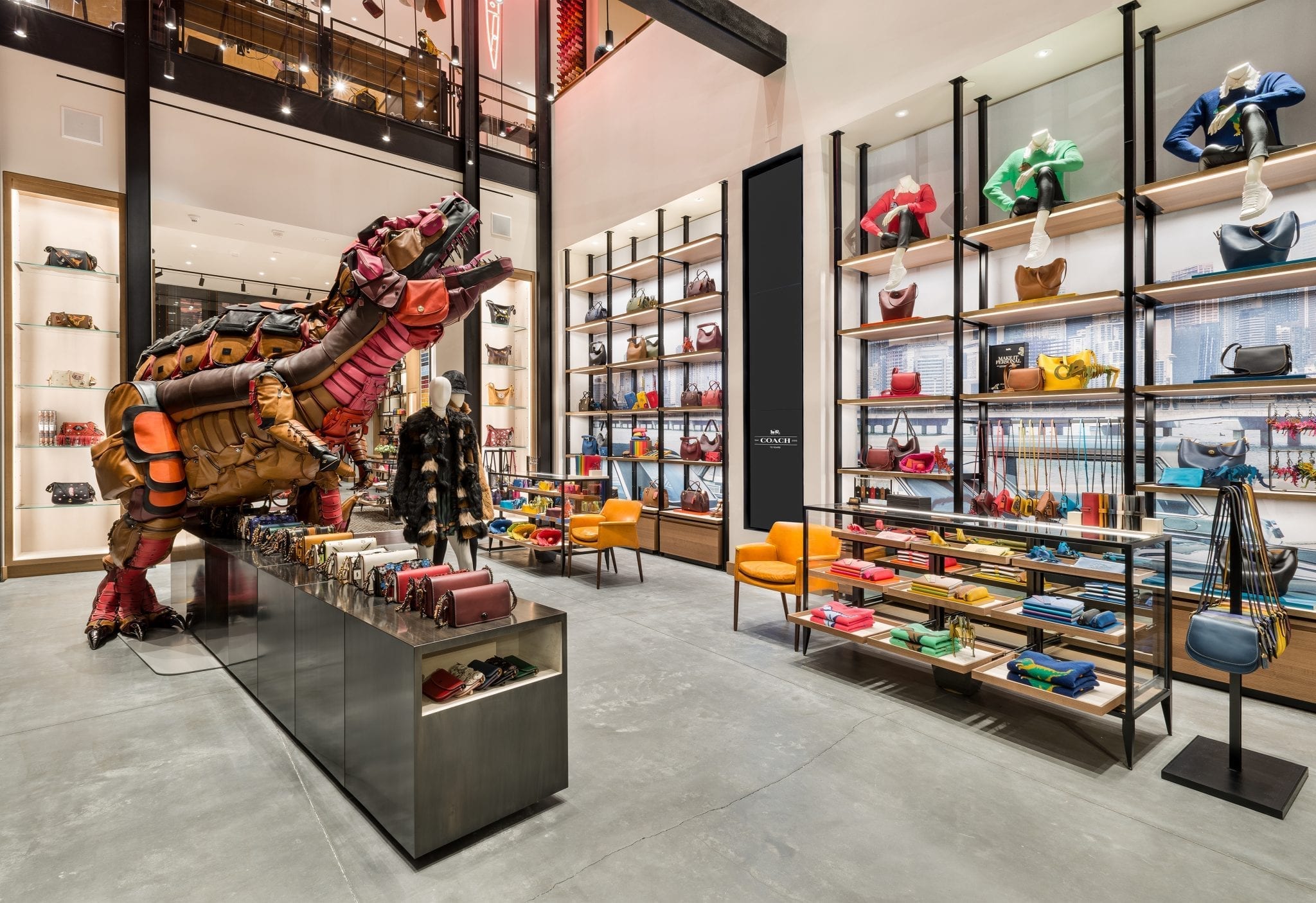
    US-based luxury retail company Tapestry has entered into a strategic alliance with Alibaba’s Tmall platform to boost the sale of its Coach, Kate Spade, and Stuart Weitzman products online in China.

    The partnership, announced last week, will see Tapestry unveil flagship stores for its suite of luxury brands on Tmall later this month, where it will offer exclusive products and personalized content and services to Chinese shoppers.

    The partnership reflects a step forward in Tapestry’s ChinaNext strategy, which aims to grow the company’s China business and gather digital learnings that can be leveraged in other markets.

    Currently, less than 20 percent of Tapestry’s revenue comes from China. The company is looking to increase that figure by tapping into Tmall’s active user base of over 750 million shoppers.

    “Tapestry is committed to the Chinese market. We have a leadership position in China and all of our brands have a tremendous opportunity for further growth,” Jide Zeitlin, Tapestry CEO and chairman, said in a statement.

    “Given Tapestry’s focus on customer experience, creating innovative strategic partnerships with leaders such as Tmall helps us to connect our unique lifestyle brands with the important fashion and digitally savvy Chinese consumer,” he said.

    Beyond the new digital flagships, Tapestry is also working with Alibaba on intellectual property rights protection. Coach is a member of the Alibaba Anti-Counterfeiting Alliance and leverages the e-commerce company’s tools, technology and cooperation initiatives to protect its brand.

  • GIC buys into Vietnam’s Vingroup retail group

    GIC buys into Vietnam’s Vingroup retail group

    A GIC-led investment group has purchased a minority shareholding in a Vingroup JSC retail business for US$500 million.

    The Vietnamese business, VCM Services and Trading Development JSC, is a recent venture set up to oversee the group’s VinMart-branded supermarket and convenience store chains.

    A statement by the Singapore sovereign wealth fund released last week stated that the subsidiary and its parent firm had “established themselves as reputable retail companies with attractive brands in Vietnam’s fast-growing consumer market”

    GIC’s investment is intended as a signal of confidence in the growth outlook for disposable incomes and household consumption in Vietnam.

  • Singapore retail sales down again in July

    Singapore retail sales down again in July

    Singapore retail sales in July fell by 2.4 percent after motor vehicles were excluded from the data. Month on month, sales were down by a marginal 0.7 percent.

    Total Singapore retail sales in July were estimated at about S$3.6 billion, with online sales accounting for an estimated 5.6 percent of that total.

    Year-on-year basis, sales of the furniture and household equipment, and computer and telecommunications equipment industries declined by 8.3 percent and 7.7 percent respectively, due mainly to lower demand for household equipment and handphones, according to Statistics Singapore.

    Sales of watches and jewelry and recreational goods, as well as department stores, all registered declines of between 3.6 percent and 6.2 percent. In contrast, sales of medical goods and toiletries registered a growth in sales of 1.9 percent, while sales by supermarkets and hypermarkets increased by 0.9 percent.

    Year-on-year, sales of food and beverage services grew by 3.2 percent in July.

    Month on month, sales were down by a marginal 0.7 percent.

    Total Singapore retail sales in July were estimated at about S$3.6 billion, with online sales accounting for an estimated 5.6 percent of that total.

    Year-on-year basis, sales of the furniture and household equipment, and computer and telecommunications equipment industries declined by 8.3 percent and 7.7 percent respectively, due mainly to lower demand for household equipment and handphones, according to Statistics Singapore.

    Sales of watches and jewelry and recreational goods, as well as department stores, all registered declines of between 3.6 percent and 6.2 percent. In contrast, sales of medical goods and toiletries registered a growth in sales of 1.9 percent, while sales by supermarkets and hypermarkets increased by 0.9 percent.

    Year-on-year, sales of food and beverage services grew by 3.2 percent in July.

  • Hong Kong retail sales down last month

    Hong Kong retail sales down last month

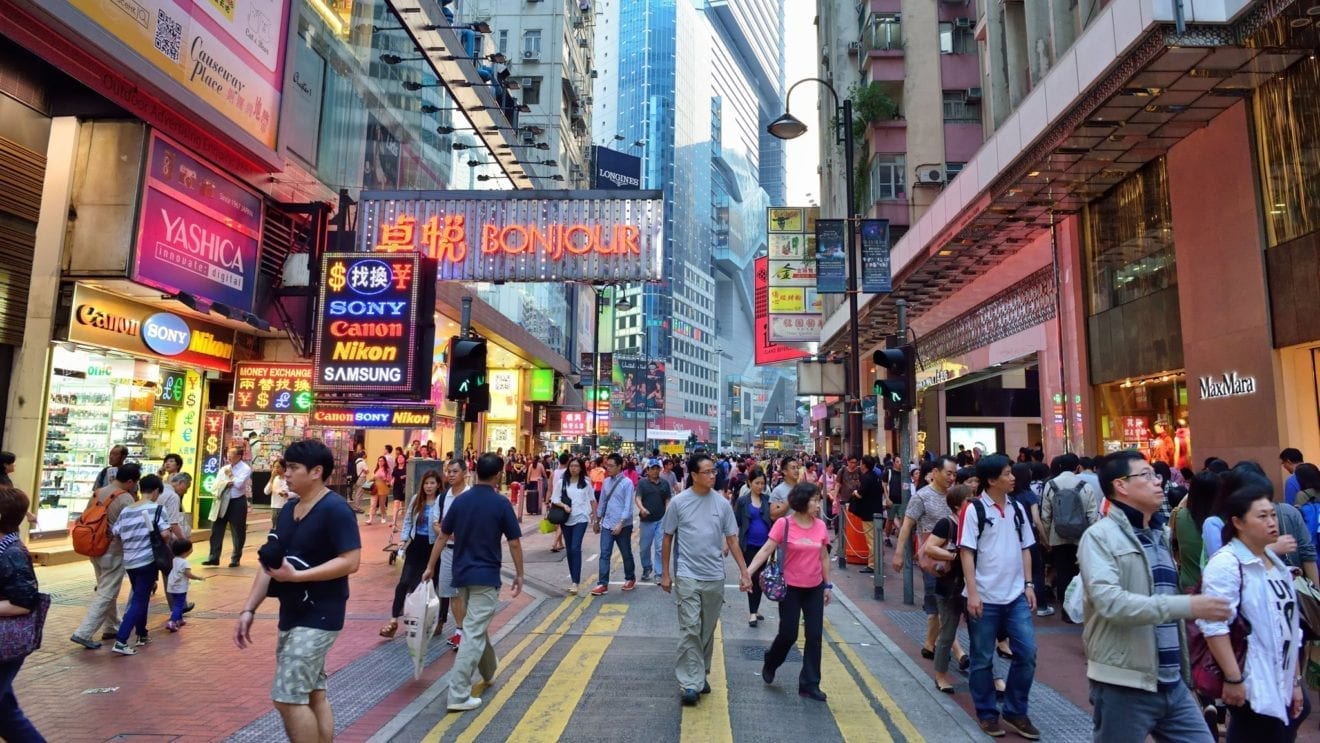
    Hong Kong retail sales in July plunged by 11.4 percent as ongoing protests and the China-US trade war took their toll.

    The fall was widely expected with several large retailers projecting double-digit declines based on their own internal monitoring during the month.

    A government spokesman said the decline in retail sales reflected “weak local consumer sentiment and significant disruptions to inbound tourism and consumption-related activities arising from the recent local social incidents”.

    He said the Census and Statistics Department (C&SD) expected Hong Kong retail sales will likely stay weak in the near term, as escalated US-Mainland trade tensions and subdued economic conditions continue to dampen consumer sentiment.

    “The situation may even deteriorate further if the social incidents involving violence do not come to a stop.”

    July’s decrease followed a 6.7-per-cent decline in June when the current round of protests commenced. For the first seven months of the year, sales are down by 3.8 percent year on year.

    After netting out the effects of price changes, July’s figure was even bleaker, down 13 percent compared with a decline of 7.6 percent in June and a year-to-date 4.4 percent.

    Retail sales to visitors usually account for about 50 percent of the total market in Hong Kong, so the key category of watches, jewelry, and luxury goods – the largest category – plummeted by 24.4 percent in July.

    Apparel sales fell by 13 percent, medicines, and cosmetics by 16.1 percent, and commodities in department stores by 10.4 percent.

    Categories less reliant on visitors performed better: sales of food, alcoholic drinks, and tobacco were down by 2.3 percent, consumer goods, not classified elsewhere by 1.4 percent, and books, stationery, newspapers, and gifts by 6 percent.

    Sales of electrical goods fell by 17.4 percent, of footwear and accessories by 10.1 percent and of furniture and fixtures by 8.7 percent.

    The only category to post growth year on year was supermarket sales, which rose by a modest 1 percent.

  • Ted Baker appoints Sojitz Infinity as its partner for Japan

    Ted Baker appoints Sojitz Infinity as its partner for Japan

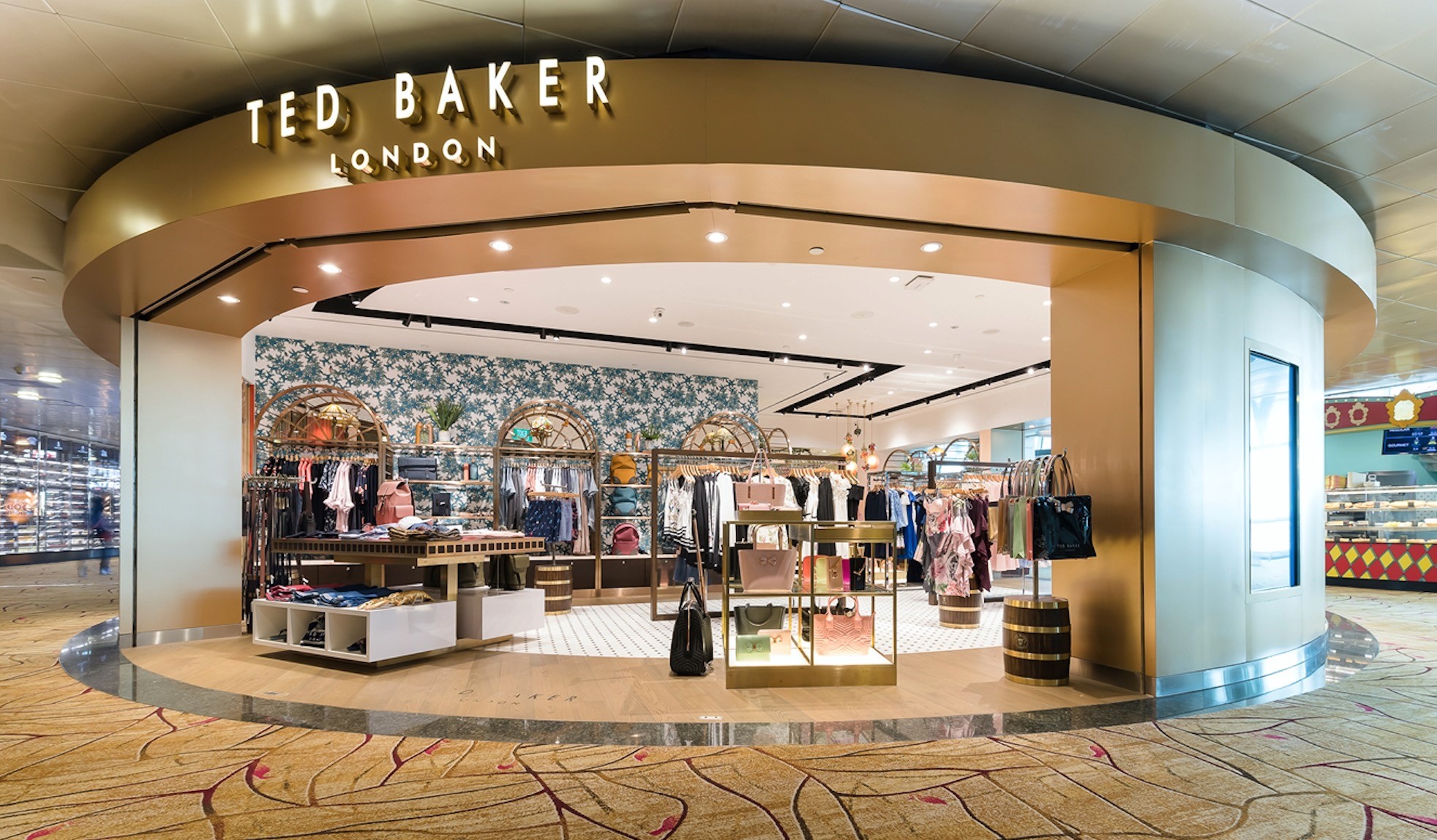
    Lifestyle fashion brand Ted Baker has signed an exclusive retail license deal for Japan with local apparel manufacturer and distributor Sojitz Infinity, initially for five years.

    Sojitz Infinity will drive the long-term expansion of the Ted Baker brand in the region, combining its local expertise – especially within the department store sector – with the buying, merchandising and brand-building expertise of Ted Baker.

    The licence, expected to commence on October 1, marks Ted Baker’s 17th retail license partner globally.

    Over recent years, the firm has invested in introducing and developing the Ted Baker brand in the Japanese market, having opened five stores in the territory to date. Sojitz Infinity intends to build on Ted Baker’s existing store portfolio, expanding the concession network and investing in Ted Baker’s online presence.

    The deal will kick off the brand’s next growth phase in Japan, said Ted Baker CEO Lindsay Page. “Over recent years, we have invested in introducing Ted Baker to Japanese customers and we are confident that our new Japanese retail-license partner will build on this platform and deliver meaningful long-term growth.

    “In Sojitz Infinity, we have an extremely capable partner that brings local market expertise to our brand alongside our already well-established design, buying and merchandising skillset. This combination will drive an acceleration in the performance of the business. We firmly believe that Japan has the long-term potential to be an important market for the Ted Baker brand.”

    As part of the appointment, Ted Baker will transfer certain existing assets relating to its Japanese business (which includes existing non-current stock, fixed assets, and leases) to Infinity at nil value to support the successful transition of the operations.

    As a consequence, Ted Baker anticipates exceptional transaction-related costs of approximately £4 million (US$4.88 million); the costs include onerous lease expenses, restructuring charges, and deal-related costs. The non-cash charges of about £1 million ($1.22 million) include the transfer of non-current stock and fixed assets. Current season stock is being transferred on commercial terms.

    It is expected that the appointment of the license partner will be accretive to the group’s pre-tax profit in the current financial year. The positive impact of profit will increase during the later years of the contract.

    Sojitz Infinity CEO Kohei Ono said Ted Baker is a brand the company has followed since its arrival in Japan.

    “We believe it has the potential to appeal to more consumers in this market. Our knowledge and experience in building fashion brands through stores, concessions and online should add value to Ted Baker and we look forward to working together.”

  • Noni B Group looks at rebranding

    Noni B Group looks at rebranding

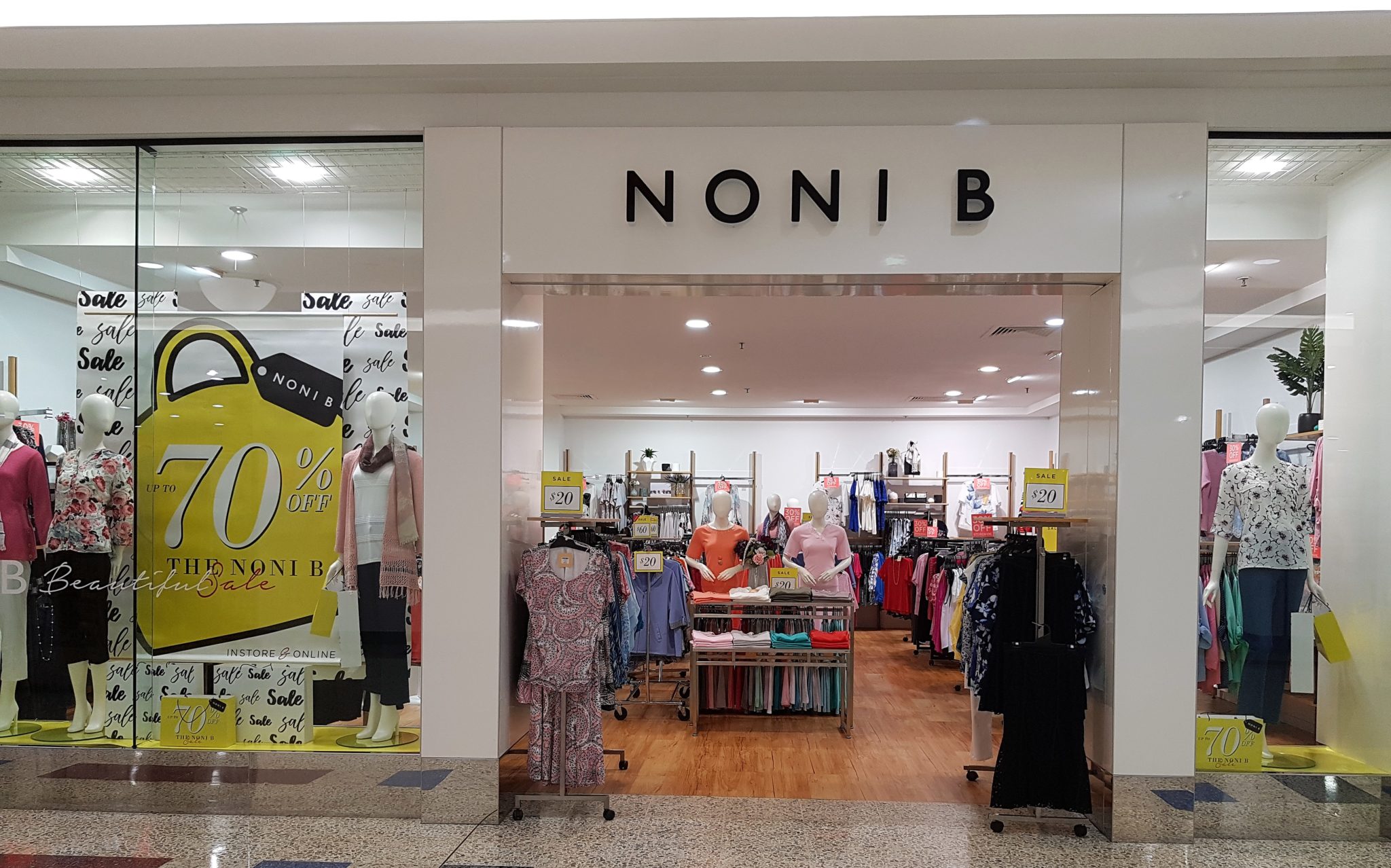
    Fashion retailer Noni B Group enjoyed the benefit of its first year of trading as a significant multi-brand retail group during FY19 and is seeking to push further into this direction: floating a name change to Mosaic Brands Ltd.

    According to Noni B Group chairman Richard Facioni, this change is another significant milestone for the group, and reflects the synergistic and complementary collection of brands that are now part of its portfolio.

    Noni B Group currently operates the Millers, W.Lane, Noni B, Rivers, Katies, Autograph, Rockmans, Crossroads and BeMe brands.

    While the five former-Specialty Fashion Group brands acquired in July 2018 made a collective positive earnings contribution to the group, ongoing costs relating to the acquisition, as well as restructuring, hit the group’s bottom line for FY19.

    Noni B Group announced on Tuesday net profit had fallen 52 per cent to $8.2 million from $17.3 million the year prior, while EBITDA rose 22 per cent to $45.5 million, and revenue grew to $881.9 million, from $372.4 million the year prior – a 136 per cent increase.

    “This result, at a time of considerable change within the business and an uncertain economic climate globally and domestically is a significant achievement,” Facinoni said.

    “When we announced the acquisition of the Specialty brands, we conservatively expected them to break-even on an EBITDA basis in FY2019, returning to profit in FY2020.

    “We achieved anticipated synergies and merger benefits ahead of schedule and identified additional efficiencies, resulting in the five brands, collectively, making a positive earnings contribution for the year.”

    Noni B Group managing director Scott Evans said that he was pleased with the result, and that lessons learned through operating nine separate brands across an expanded footprint had enhanced the group’s understanding of its customer’s product preferences, shopping habits, and behaviours.

    “These insights have guided our decisions across the group to improve all aspects of our customers’ journey,” Evans said.

    “In summary, we are a very different company than a year ago. The changes we have made have created a stronger and more profitable business which is financially stable, generates cash and provides a solid platform for future expansions.”

    “We are excited about the potential to be unlocked by greater analysis of our group’s data, store expansion and online strategies.”

    Evans expects the group’s omni channel strategy will be a pillar for growth moving forward.

    Online sales grew to 9.8 per cent of total group sales in FY19 from 4 per cent in FY18, having reached comparable sales growth of 21 per cent – which the acquired brands saw sales growth of 15 per cent, up from 9 per cent in FY18.

    This result has prompted further investment in the online space – with Noni B Group looking to expand the online team, add further digital marketing channels and improve its customer experience.

    For FY20, Noni B Group is expecting underlying EBITDA to reach $75 million – in line with market consensus.

    Shareholders will be able to vote on the potential name change at the group’s AGM in November.