Tag: retailing

  • Kidsland launches FAO Schwarz store in Beijing

    Kidsland launches FAO Schwarz store in Beijing

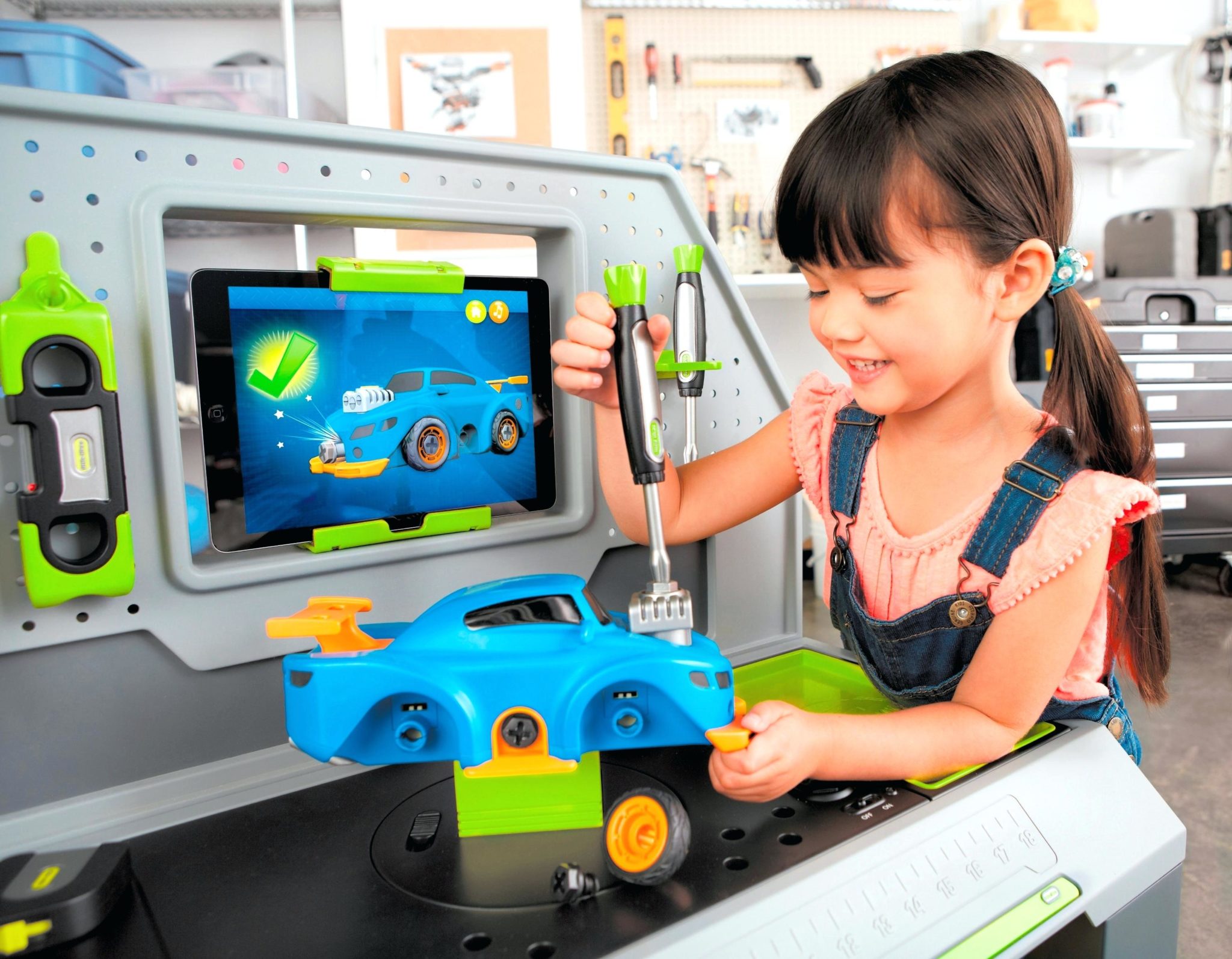
    China’s largest toy retailer and distributor Kidsland has introduced FAO Schwarz, an international toy brand store with 157 years of history, in its first Asian flagship store.

    The FAO Shwarz Beijing flagship is located inside the Kidsland flagship store at China World Mall in a prime shopping and lifestyle district.

    Staff wearing soldiers’ uniforms from Grimm’s Fairy Tales are positioned at the entrance to greet and escort customers into the 30,000sqft store, interacting with customers throughout the shopping experience. The store also features “toy demonstrators” who invite customers to play with the toys. The “Toy Soldiers” and demonstrators are overseas-trained and make up 20 per cent of the staff.

    Founded in 1862, FAO Schwarz is one of the oldest toy stores in the world. The brand returned to New York last November with a new 20,000sqft flagship at Rockefeller Center in Manhattan.

    Kidsland has a comprehensive online and offline integrated sales network within China. In December it counted 257 independent stores in 44 cities within the region, along with 519 self-operated consignment counters and 931 distributors covering more than 3000 additional points of sale. Kidsland also represents multiple brands in operating 18 online stores in China.

    “The introduction of FAO into China reflects our confidence in the potential of the Chinese economy and market development,” said chairman and CEO of Kidsland Lee Ching Yiu. “We believe there is strong demand for quality toys among families and young people, so this is an important advantage for Kidsland to provide quality experiential retailing there. In this way, we hope to serve as a bridge, enabling Chinese consumers to experience the latest and best toys in the world.

    “FAO Schwarz plans to open a large flagship and several medium-sized stores in China in the next two years. We will also establish a kidsland experiential retail flagship store, and in the coming one to two years, we will open a mid-sized kidsland retail store to bring an enriched retail experience to wider spectrum of the public.”


  • Vietnamese retailers Growing at a Lightning Fast Pace

    Vietnamese retailers Growing at a Lightning Fast Pace

    Local retail firms are expanding quickly while foreign counterparts stagnate or quit due to fierce competition. The number of convenience stores in the country from April last year to April this year had risen by 72 percent year-on-year to over 3,100, according to Ho Chi Minh City market research firm Q&Me. That means 1,300 convenience stores came to the market in just one year.

    Half of them, 660, came from Vinmart+, a convenience store chain of Vietnam’s largest conglomerate Vingroup. This is a growth of 82 percent. In the same period, supermarket chain Vinmart saw its number of store risen by 82 percent to 120 outlets.

    Bach Hoa Xanh, a retail unit of the country’s major phone seller Mobile World (MWG), now has over 500 department stores after incorporated in 2015. It is seeing strong growth with VND4.3 trillion ($184 million) in revenue last year, three times that of 2017.

    The market has recently seen strong merger and acquisition activities, with Vingroup’s retail arm VinCommerce buying out convenience store chain Shop&Go last month and supermarket chain Fivimart last October.

    Vietnam’s retail market has become increasingly crowded with both local and international players over the last five years. Although experts have said that the market has a lot of growth potential, many foreign businesses have quit or scaling back expansion plans.

    French supermarket group Auchan Retail might be the newest player to withdraw from the market.

    Auchan’s 15 out of 18 supermarkets will stop operating on June 3. Its CEO Edgar Bonte said that their business in Vietnam generated revenues of 45 million euros ($50.4 million) last year, but was making losses. He did not provide figures of the losses.

    A source from the company, who wished not to be named, said the firm is negotiating with a few retailers to sell the outlets and the negotiations “are expected to end before Auchan withdraws from Vietnam early next month.”

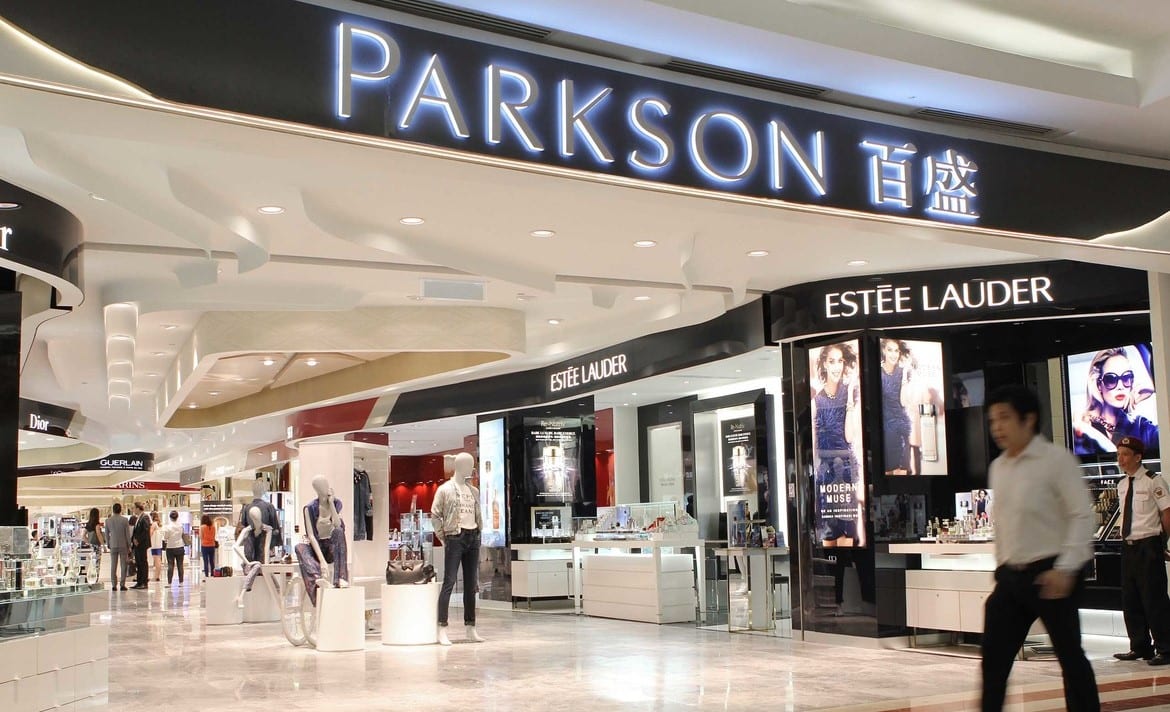
    Germany-headquartered Metro was sold to a Thai investor in 2014 and disappeared from the market ever since, while Malaysia’s Parkson has been closing down its malls since 2015.

    Other convenience store chain has failed or will unlikely meet its initial expansion target. Japanese Ministop had only 115 stores as of April, even though it had planned to have 800 by last year.

    Japanese convenience store chain FamilyMart saw its store number dropped by nine to 151 from last April to this April, while its initial plan was to have 1,000 stores by next year.

    Vietnam’s revenue from selling goods last year rose by 11.7 percent from 2017 to $142 billion, up 12.4 percent from 2017.

  • HKairportshop.com offers ‘world’s fastest airport pickup’ for Ecommerce Shoppers

    HKairportshop.com offers ‘world’s fastest airport pickup’ for Ecommerce Shoppers

    Hong Kong International Airport’s one-stop online-shopping platform HKairportshop.com is making orders purchased via the platform ready for pickup at the airport 90 minutes after the purchase is made – including duty-free hard liquor.

    The e-commerce platform brings together more than 3000 products including popular makeup and fragrances, travel exclusive collections, wines, electronic goods, souvenirs and HKIA’s exclusive smart luggage tag MyTag – which alerts passengers of their arriving bags when paired with the HKG My Flight app.

    The site is now offering travellers who spend more than HKD1000 (US$127.40) on the platform a saving of HKD200 ($25.48) when they use the promo code “UP200” from now till June 30.

  • Parkson Retail to open store above Chinese railway station

    Parkson Retail to open store above Chinese railway station

    Parkson Retail Group is preparing to occupy a complex above Nanjing Railway Station in Chinese Jiangxi.

    The group, a Hong Kong-listed firm controlled by Malaysian Parkson Holdings Bhd, won its US$6.1 million bid for the tenancy of buildings above the Bayi Guan Station of the Nanchang Rail Transit Line 1 in the city.

    The 12-year tenancy will allow a 42,903sqm retail space for the firm, although no formal agreement on the tenancy has been signed as of yet.

    A statement from the firm read: “The tenancy, if materialised, may constitute a discloseable transaction for PRGL,” given its alignment with the firm’s development strategy for the province.

  • Turning data into information in the age of IoT

    Turning data into information in the age of IoT

    If you think about what your home was like even just a few years ago, life was very different.

    Think about what grocery shopping was like. You’d open your fridge door to check out what’s missing, scribble down on a notebook a shopping list of what you need, turn off the aircon and switch on the alarm before you left the house and leave.

    Now, your smart fridge automatically knows when you’re running low on milk and will order the specific brand and size that you prefer and have it delivered to your front door. Left home and forgot to switch the aircon or alarm on or off? Simply view the app on your smartphone and tap your appliances on or off.

    Known as the Internet of Things (IoT), people are consuming information from more connected devices and as a result, marketing practices are rapidly changing. Retailers need to learn how to speak to customers through more channels than before.

    As IRI’s product solution director Adam Fisher explains, while more devices are creating more communication, marketers are getting blocked where they weren’t before. What happens when your fridge starts ordering groceries for you? Where a marketer could previously capture customers at the shelf in a grocery store, they now need to work out how to get your attention when the fridge automatically orders milk to your doorstep.

    “From a marketer’s standpoint, there are so many devices vying for people’s attention —How do you get the right person’s attention at the right time?” Fisher says.

    According to Fisher, one of the biggest challenges for retailers is knowing how to turn all the data into actionable information.

    “It’s knowing how do I bring [the information] in, how do I make sense of it, but on top of that, how do I know when I need to do something when it’s signalling something?” he points out.

    Marketing automation can give brands more insights and data into how people are responding to these different channels and how they should be approached, suggests Fisher. It’s one of the biggest trends in retail today

    and can help businesses engage with their customers by programmatically finding the optimal marketing and promotional activities for defined customer segments.

    A major benefit of IoT is the fact that based on all this new information from devices, brands and retailers are able to bring products to market faster, allowing them to keep up with the ever-changing retail landscape.

    However, it is vital that businesses have the right infrastructure in place in order to deliver real business growth.

    Fisher says: “It is important that they have the technology and right partner in place. In order to do this, brands and retailers will have to combine mobile and cloud technology infrastructure and go entirely digital to build a new business model by connecting people, things, processes, and data to keep up with technological innovation. That is the essence of what we do at IRI, is connecting the dots to help make faster and stronger business decisions.”

  • Singapore retail sales lags last Month

    Singapore retail sales lags last Month

    Singapore retail sales slid by 1.5 percent in March, after excluding motor vehicle sales from the data. According to Statistics Singapore, most retail categories recorded lower sales for the month compared with the same period last year. Sales of optical goods and books fell by 6.4 percent and of computers and telecommunications equipment by 4.9 percent.

    Food retailers, watch and jewelry retailers, and department stores reported sales declines of between 4.6 percent and 5.7 percent.

    In contrast, sales of medical goods and toiletries rose by 2.8 percent, due in part to higher demand for cosmetics. Supermarkets and hypermarkets registered sales growth of 0.9 percent.

    Month on month, Singapore retail sales were essentially stable.

    The total market for March was estimated at $3.8 billion, with online sales comprising about 5.3 per cent.

    Year-on-year sales of food and beverage services in Singapore rose by 0.7 percent in March.

    On a seasonally adjusted basis, sales of food and beverage services increased 1.3 percent month on month.

    Total sales value for the sector was $868 million, compared to $863 million in March last year.

  • Hong Kong online retailers ‘ignoring’ Gen Z consumer needs

    Hong Kong online retailers ‘ignoring’ Gen Z consumer needs

    Hong Kong online retailers are ignoring Gen Z consumers, according to a new report on the local payments market by unified commerce platform Tofugear and financial technology firm Wirecard.

    The research found that the territory’s e-commerce sites are not catering to Gen Z consumers when it comes to the payment options they offer.

    In contrast to older millennial and Gen X consumers, credit-card ownership rates among this demographic – those born between 1997 and 2012 – are low. As a result, one in three Gen Z consumers (35 percent) prefer to make online purchases via a cash-on-delivery option.

    The Digital Payments Landscape in Hong Kong 2019 report finds that while Hong Kong online retailers such as Zalora are already catering to this trend, they are in the minority as only around 5 percent of all retailers in the territory offer a cash-on-delivery option for online purchases.

    “Retailers should ignore Gen Z at their own peril,” says Tiffany Lung, retail analyst at Tofugear.  “Much focus has been on millennials, but the consumer behaviors of Gen Z are radically different – particularly when it comes to payment preferences. They think traditional payment methods are as lame as Facebook.”

    Digital wallets such as AlipayHK are also an important means of transaction for this young demographic, with 86 percent using this payment method – typically for purchases of less than HK$500.

    “Rather than passively waiting for years to qualify for a credit card like millennials have done, Gen Z has been much more proactive,” says Lung. “They have turned to digital wallets to solve the barriers they face when it comes to in-store and online payments. I believe this habit will stay with them as they come of age.”

    Based on a survey of 1000 Hongkongers, the report compares the payment habits of Gen Z, millennial and Gen X consumers and finds that while many perceive Hong Kong to be a laggard when it comes to smart payments, there is a genuine willingness to adopt new payment methods such as digital wallets – regardless of the consumer’s age.

    “After years of complacency, the payments ecosystem in Hong Kong is finally waking up to the fact that cash might be knocked off its throne – or at least see its dominance challenged by a plethora of new payment methods,” says Lung.

    Alongside the consumer survey, key players in Hong Kong’s digital payment industry were interviewed including Google Pay, Octopus Card, TNG FinTech Group, BBPOS Merchant Services, as well as online retailers such as Zalora and SkyMart.

  • Long wait times driving bad CX experiences

    Long wait times driving bad CX experiences

    Nine out of 10 customers say a bad experience with a company impacts their future buying decisions, with 42 percent saying it stops them buying from a brand altogether, according to new research by customer service software company Zendesk.

    The firm’s Quantifying the Business Impact of Customer Service in Australia Report found that companies that fail to deliver quality customer service experiences may be losing loyal customers, as well as sales.

    “Businesses are always competing to offer the latest and greatest products or services,” said Zendesk ANZ managing director Amy Foo. “But what is often overlooked is how quality customer service remains to be a cornerstone of business success.”

    “What this data suggests is that businesses can no longer afford to overlook the importance of delivering consistent excellence in customer service.”

    The research also found that customers are four times as likely to remember an unfavorable experience compared to a positive one for as long as two years, dramatically impacting a customer’s desire to return to a store.

    Some customer service lowlights include being expected to wait too long or failing to have an issue resolved at all. Highlights, on the other hand, include fast service and not having to explain an issue multiple times.

    “Providing positive experiences can mean the difference between poor, short-term and positive, long-standing customer relationships,” Foo said.

    “This inevitably has a significant impact on sales and revenue in the long-term.”

  • Singapore retail sales slipped last Month

    Singapore retail sales slipped last Month

    Singapore retail sales slid by 1.5 percent in March, after excluding motor vehicle sales from the data.

    According to Statistics Singapore, most retail categories recorded lower sales for the month compared with the same period last year.

    Sales of optical goods and books fell by 6.4 percent and of computers and telecommunications equipment by 4.9 percent.

    Food retailers, watch and jewelry retailers, and department stores reported sales declines of between 4.6 percent and 5.7 percent.

    In contrast, sales of medical goods and toiletries rose by 2.8 percent, due in part to higher demand for cosmetics. Supermarkets and hypermarkets registered sales growth of 0.9 percent.

    Month on month, Singapore retail sales were essentially stable.

    The total market for March was estimated at $3.8 billion, with online sales comprising about 5.3 percent.

    Year-on-year sales of food and beverage services in Singapore rose by 0.7 percent in March.

    On a seasonally adjusted basis, sales of food and beverage services increased 1.3 percent month on month.

    Total sales value for the sector was $868 million, compared to $863 million in March last year.

  • The Body Shop launches plastic recycling Endeavor

    The Body Shop launches plastic recycling Endeavor

    Beauty and body care retailer The Body Shop is stepping up its sustainability efforts with the launch of its new recycling scheme that helps consumers recycle their empty packaging. The new initiative, which will launch in Australia on June 10, allows customers to return their empty bottles, jars, tubs, tubes, and pots in The Body Shop stores for recycling.

    The scheme, established in partnership with recycling company TerraCycle, was introduced in the UK, Canada, and France on May 10. It will be introduced in Germany soon.

    In a bid to tackle plastic pollution, the global personal care brand has also announced it plans to purchase 250 tonnes of community-trade recycled plastic from Bengaluru, India, and use them in nearly three million 250ml haircare bottles by the end of 2019.

    According to The Body Shop, it has already started using community-trade recycled plastic in 250ml haircare bottles in partnership with Plastics for Change and soon, the retailer said it will include its bestselling Ginger Shampoo. The bottles will contain 100 percent recycled plastic, excluding the bottle caps.

    Fifteen percent of that will be community-trade recycled plastic; the remainder will be recycled plastic from European sources.

    “The Body Shop will increase the amount of community trade Recycled plastic over time,” the retailer said. “Working with a start-up company and small waste picker communities means starting small and scaling up in a responsible and sustainable manner.”

    This move marks the start of a wider ambition for The Body Shop, which is to introduce community-trade recycled plastic across all plastic used by The Body Shop within three years.

    The company said over the course of three years the program will scale up to purchasing over 900 tonnes of community-trade recycled plastic and help empower up to 2500 waste pickers in Bengaluru.

    The retailer’s new campaign uses experiential marketing to tell people about the plight of waste-pickers in India and how it aims to help them by paying a fairer price for their work.

    “They will receive a fair price for their work, a predictable income and access to better working conditions,” The Body Shop announced. “They will also get help in accessing services such as education, financial loans and healthcare services, and the respect and recognition they deserve.”

    As part of their campaign, The Body Shop has commissioned a portrait of a female waste-picker made from 1500 recycled plastic items hand-collected by waste-pickers in Bengaluru. The installation was on display in London’s Borough Market from May 10 to 11.

    “As a company, we’ve always had the conviction to stand up for our principles when it comes to helping empower people, especially women while protecting our planet,” said Lee Mann, Global Community Trade manager for The Body Shop.

    “Our new partnership with Plastics for Change and our other partners will not only help support waste pickers but also champion plastic as a valuable, renewable resource when used responsibly.”

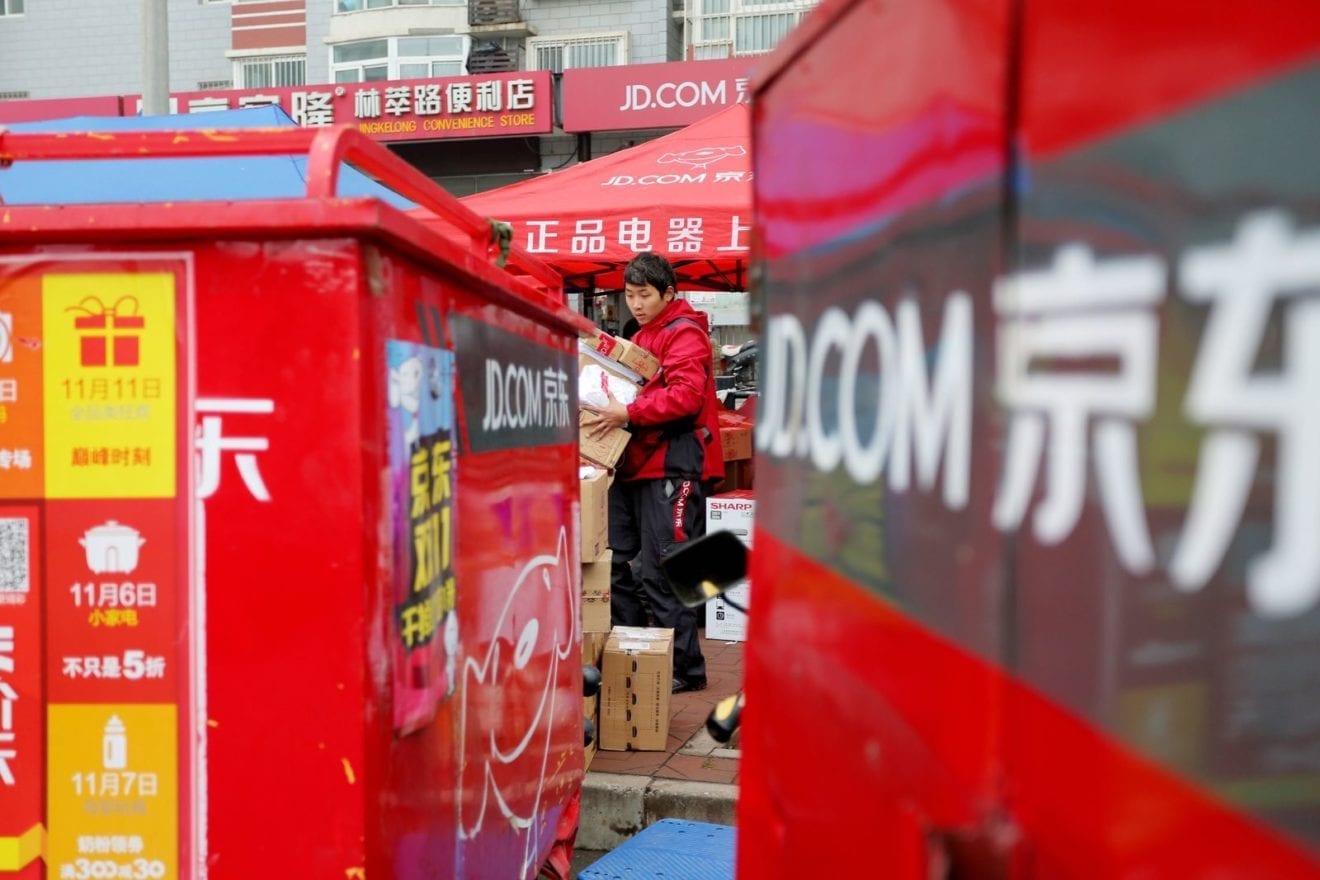
  • JD.com Closes Australian branch Store

    JD.com Closes Australian branch Store

    Chinese online marketplace JD.com has closed its local branch after only 15 months in the market.

    The e-commerce giant launched its Australian office in Melbourne in February 2018, after its competitor Alibaba opened an office in Melbourne in 2017.

    At the time, the opening was seen as a way for JD.com to work more closely with the Australian and New Zealand brands on its platform, and to pitch its business to new brands looking to expand into China.

    A JD.com spokesperson confirmed that the online marketplace is integrating its Australian office into the business in China. The spokesperson said the move didn’t reflect the business’s performance in Australia, nor the region’s importance.

    The retailer’s head of Australian operations Patrick Nestrel is no longer with the business, likely in an effort to ensure management in China is able to fully integrate Australian operations.

    The online retailer is set to report its first-quarter sales results on May 10. It has had a difficult few months recently after founder Richard Liu was arrested in September 2018 in the US for sexual misconduct. He was not charged.

    In April, the Chinese university student who accused Liu of misconduct filed a civil lawsuit against him.

  • Pricing Tactics to Boost Sales in E-Commerce

    Pricing Tactics to Boost Sales in E-Commerce

    More than 80% of the purchasing decision depends on price. Especially in the ultra-fast e-commerce arena where businesses showcase and change their prices every 3 to 6 hours. But before changing prices out of the blue you must know that there are certain conditions to do that. Decrease your prices to very low and you’ll leave a lot of money on the table raise them up high and you’ll end up hunting flies.

    The Importance of Pricing

    Let’s start by going through each insight down below to understand why pricing needs more attention ever than before.

    • 90% of consumers invest their time to hunt the best online deals.
    • 80% of “first-time” consumers say it’s important to be able to see and compare prices from different sellers.
    • 70% of consumers believe they’ll get a better deal online than in brick&mortar stores.
    • 50% of consumers will purchase products left in shopping carts if those products are offered at a lower price.

    As you can see pricing is very, very important.

    Let’s get into some tactics on how you can approach pricing to increase your profits margins and sales numbers.

    Charm Pricing

    Have you ever heard about the power of 9s? That is the strategy, where you end a price with a “9” instead of a “0” on the price tag. This is a very common tactic especially in physical stores, but you may also come across it in online stores as well.

    Here’s why! Our brain perceives $50.00 and $49.99 as different values. According to consumer perception, $49.99 seems closer to $40.00, which is cheaper than $50.00 and product prices ending with a “9” are considered “the” deal to not miss.

    Prestige Pricing

    This is suitable for high-end, luxury, emotion-triggering products, where you should apply round prices such as $500, $750, opposite of charm pricing. Setting round prices on products which evokes emotions converts better.

    A study by Kuangjie Zhang and Monica Wadhwa, claims that “A rounded price ($100.00) encourages consumers to rely on feelings when evaluating products, while a non-rounded price ($98.76) encourages consumers to rely on reason. When a purchase is driven by feelings, rounded prices lead to a subjective experience of feeling right,”

    Bundle Pricing

    This psychological trick makes online shoppers search for getting an extra item with the purchased product at the same price. This presents a golden opportunity for the wise e-commerce seller. To reduce this pain and encourage online shoppers to buy your products, use bundling, set your prices accordingly and get these customers to reach deeper into their pockets.

    For example, Amazon has an advanced bundling strategy; it always suggests two or three related items that you may want to purchase at the same time. Most of the online shoppers jump onto these types of offers because they’re amazed by the simplicity of purchasing them all at the same time. Bundle two or three items together with a single price set an adequate discount, and you can start selling less-popular items.

    What’s Next?

    All of the tactics above are some part of the common approaches laid out from the people of Prisync. To learn more about other pricing strategies take the time to read most of their blog posts. When you’ve successfully implemented a strategy, you’ll either address your customer’s emotions or logic. Either way, you will start winning and boosting your conversion rates, sales, and eventually revenue. And if you want to automate that, we recommend you start using a pricing software sooner before its too late.

  • Omnichannel startup CitiXsys Opening Offices

    Omnichannel startup CitiXsys Opening Offices

    Fresh from a US$20 million funding injection, omnichannel-solutions startup CitiXsys plans to open six offices across Asia, eyeing region-wide expansion. CitiXsys’ new offices will be located in Singapore, Jakarta, Ho Chi Minh City, Manila, Bangkok, and Kuala Lumpur.

    “Southeast Asia offers an ideal business climate today, with massive opportunity in this important region,” said Kamal Karmakar, CitiXsys CEO.

    “Purchasing a retail-management solution is one of the most important decisions a retailer can make since the future of the entire business hangs on its success.”

    Southeast Asia is the world’s fastest-growing internet region with the e-commerce market expected to reach US$53 billion by 2023.

    “By opening up more local offices and bringing on local product expertise we will be able to better support the needs of our fast-growing client, partner, and distributor base in Southeast Asia,” added Paula Da Silva, executive VP of global partnerships and alliances at CitiXsys.

    “Already this year, the CitiXsys channel partner ecosystem in this region has grown by 30 percent, signaling a need for solutions designed to complement the way retail works in Asia today.”

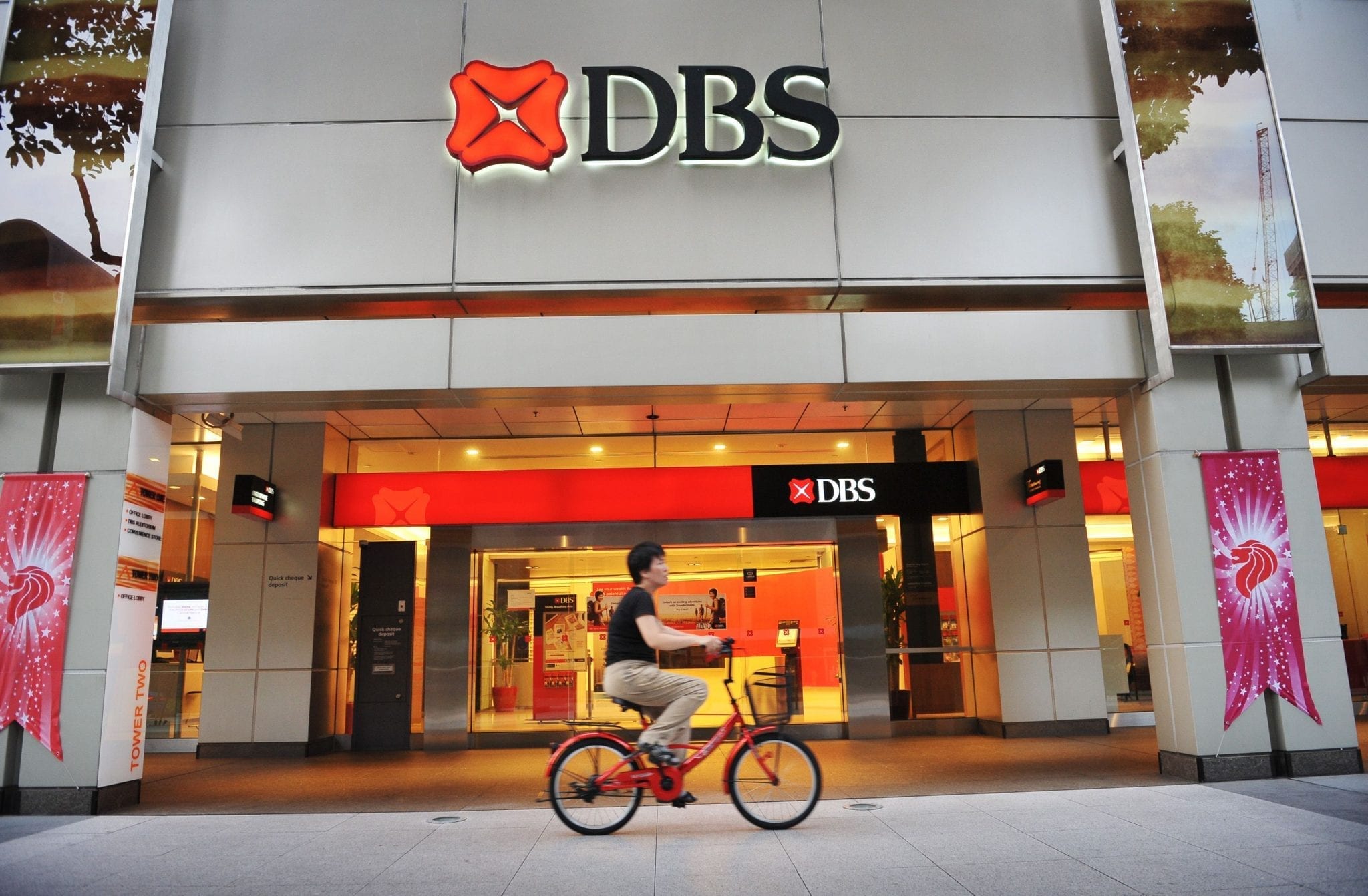
  • DBS Rolls Out Customer Center of the Future

    DBS Rolls Out Customer Center of the Future

    DBS has retrained its customer center employees to take on new roles as customers become more digitally savvy. Voice biometrics specialists, live chat agents, and customer experience designers are among the 13 new job roles that DBS Bank has introduced in recent years as it creates the customer center of the future, the bank said in a media statement on Thursday.

    As it creates the customer center of the future, the bank has upskilled and retrained over 500 customer center employees and eliminated common customer pain points such as long waiting times. «By investing in our people, we have been able to transform from a labor-intensive department with a high turnover rate to one that is technology-enabled where employees are more fulfilled and armed with future-forward skills,» said Geeta Sreeraman, DBS’ Head of Customer Centre, Singapore.

    Customer centers are traditionally labor-intensive departments. At DBS Singapore, its customer center processes over four million inbound customers’ calls every year. But with new digital initiatives and new roles created, call volumes have dropped 12 percent over the last year. Over the next three years, the bank predicts call volumes will drop by a further 20 percent.

    As customers become more digitally-savvy, DBS has expanded its service channels online and on social media to serve its customers. DBS’ customer center has also incorporated technologies such as voice biometrics, chatbots, and data analytics so that callers can experience shorter call waiting times and opt to resolve their banking queries independently via the bank’s website, on their mobile banking app or through the bank’s Facebook or Twitter channels.

    In 2017, DBS committed to investing S$20 million over five years to equip employees with digital skills to become a future-ready workforce. Since then, the bank has rolled out a company-led Professional Conversion Programme (PCP), an AI-based learning tool available 24/7 and scholarships that encourage peer-to-peer learning.

    The new roles in DBS’ Customer Center are:

    1. Social media relations manager
    2. ‘Live’ chat agent
    3. Customer experience designer
    4. Demand manager
    5. Mobile app developer
    6. Business intelligence lead
    7. Content creator
    8. Knowledge platform designer
    9. Voice biometrics specialist
    10. Natural language processing engineer
    11. Scrum master
    12. Digital evangelist
    13. VTM manager
  • Sprayground opens Chinese Stores

    Sprayground opens Chinese Stores

    Retailer Sprayground eyes global expansion

    “Creative rebel” travel-and-fashion label Sprayground opened three retail stores in China on May 1, and is eyeing global expansion.

    The brand presents niche offerings as limited-edition collectibles in its capacity as an “authority in fashion-forward backpacks and accessories”.

    With distribution to more than 30 countries and a growing fanbase, the new Chinese locations have already made an impact. The brick-and-mortar stores are in Beijing’s Xicheng district, Hefei’s Shushan district, and the Minhang District in Shanghai – and more than 100 retail stores are set to launch there over the next three years.

    Sprayground’s founder and creative director David Ben David will visit all three stores during the simultaneous grand openings and plans to greet team members and shoppers throughout the initial week before attending China’s very first Sneak-Con, which kicks off on May 18.

    Part of Sprayground’s mission is to expand the creativity to the “creative outcasts of the country” and elevate the game in China by infusing New York-style streetwear and hip-hop.

    Sprayground collaborations have featured some of hip hop’s favorites such as Saweetie, Young Dolph, Young Thug, and Dave East.