Retail News CRM

Tag: retailing

  • Vingroup buys Vietnam c-store chain Shop&Go

    Vingroup buys Vietnam c-store chain Shop&Go

    Vingroup has acquired 87 Vietnamese Shop&Go convenience stores for just US$1.

    Vingroup’s retail arm VinCommerce, which manages Vinmart supermarkets and Vinmart+ convenience stores, will upgrade infrastructure, staff and goods at the acquired stores by the end of next month.

    According to a VinCommerce statement, Shop&Go made the approach and offered to sell itself.

    “The competition is more intense than we imagined; that is why we’ve decided to leave,” a Shop&Go spokesperson said, admitting Vietnamese retail market still has potential for growth.

    “We have sold our stores to Vingroup so it can continue to develop them.”

    Opened in 2006, Shop&Go was one of the earliest convenience store chains in Vietnam.

    By 2016, it had aggregated losses of almost VND205 billion (US$8.81 million).

    VinCommerce runs 108 VinMart supermarkets and 1900 VinMart+ convenience stores.

    Last year, it acquired supermarket chain Fivimart with 23 outlets.

    In a report last year, Nielsen Vietnam observed a rise in visits by Vietnamese to convenience stores. The average shopper uses a convenience store 4.5 times per month – three times the frequency of 2010.

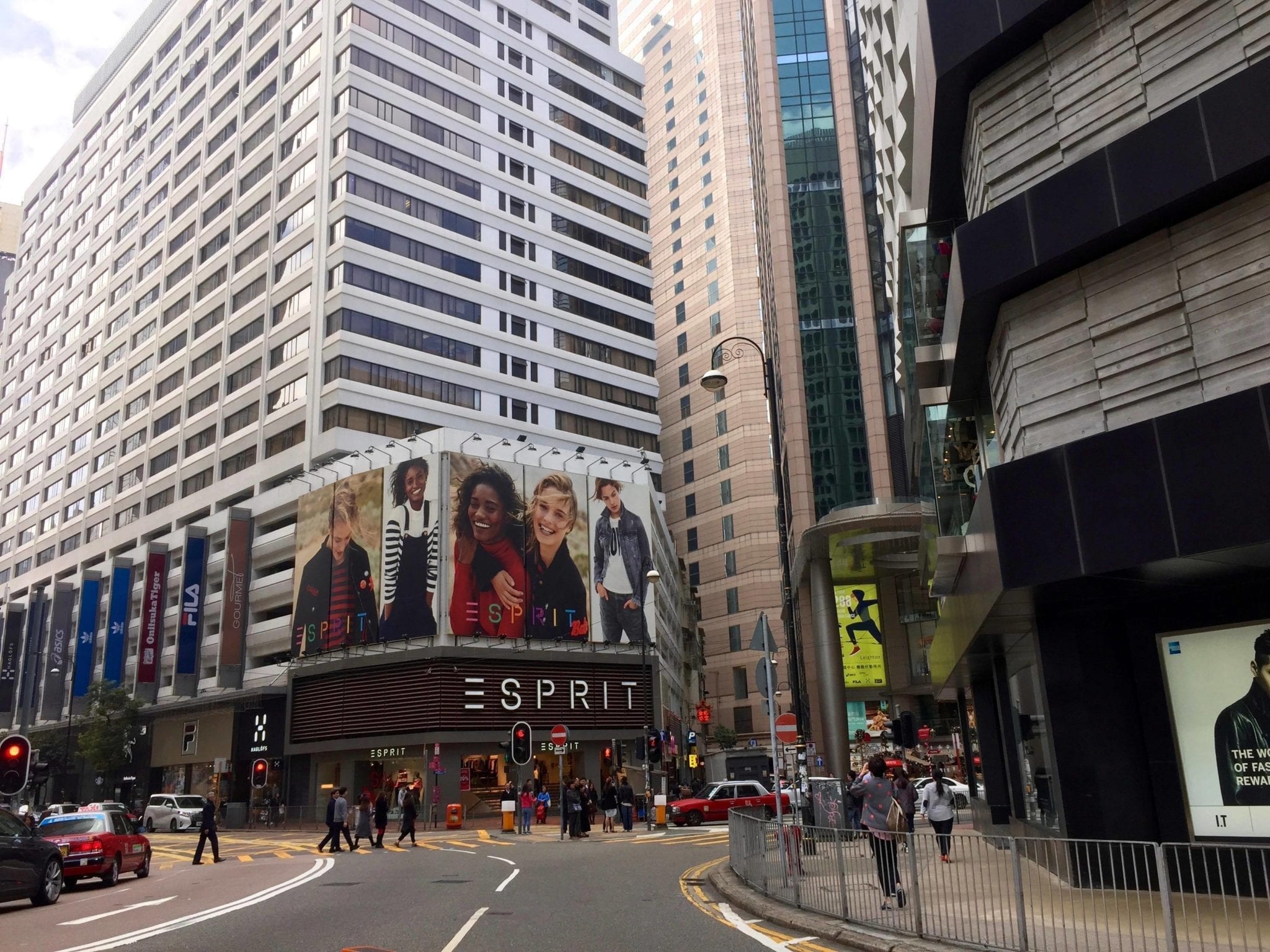
  • Drop in Hong Kong retail sales

    Drop in Hong Kong retail sales

    Hong Kong retail sales fell 1.6 per cent in the first two months of this year.

    February’s sales were always expected to be down on last year due to the timing of Lunar New Year. They fell 10.1 per cent, while the revised figure for January was an increase of 7 per cent.

    As always, the Census and Statistics Department (C&SD) warned not to read too much into either month’s performance alone, asserting the combined January-February figures for each year provide a more accurate assessment of the state of retail sales growth.

    A government spokesman said the weak performance of retail sales in recent months reflected that consumer sentiment remained cautious amid “various external uncertainties”.

    “The near-term outlook for retail sales should continue to be affected by moderating global economic growth and various external uncertainties, but the full-employment situation and the sustained growth in inbound tourism should provide some support.”

    After netting out the effect of price changes over the same period, Hong Kong retail sales for the first two months of the year decreased by 1.8 per cent year on year.

    Combining the two months, sales of jewellery, watches and clocks decreased by 2.8 per cent. Other categories to fall included apparel down 3.7 per cent; food, alcoholic drinks and tobacco down 1 per cent; electrical goods and other consumer durable goods down 18.3 per cent; Chinese drugs and herbs down 1.7 per cent; and optical shops, down 2 per cent.

    However sales of medicines and cosmetics increased by 2.3 per cent; department store sales rose 4.2 per cent; supermarket sales by 1.5 per cent; footwear and accessories by 1.3 per cent; furniture and fixtures by 3.4 per cent; and books, newspapers, stationery and gifts by 1.7 per cent.

    The C&SD estimated the value of retail sales decreased by 0.6 per cent during the three months to February compared with the preceding three months, while the volume declined by 1.2 per cent.

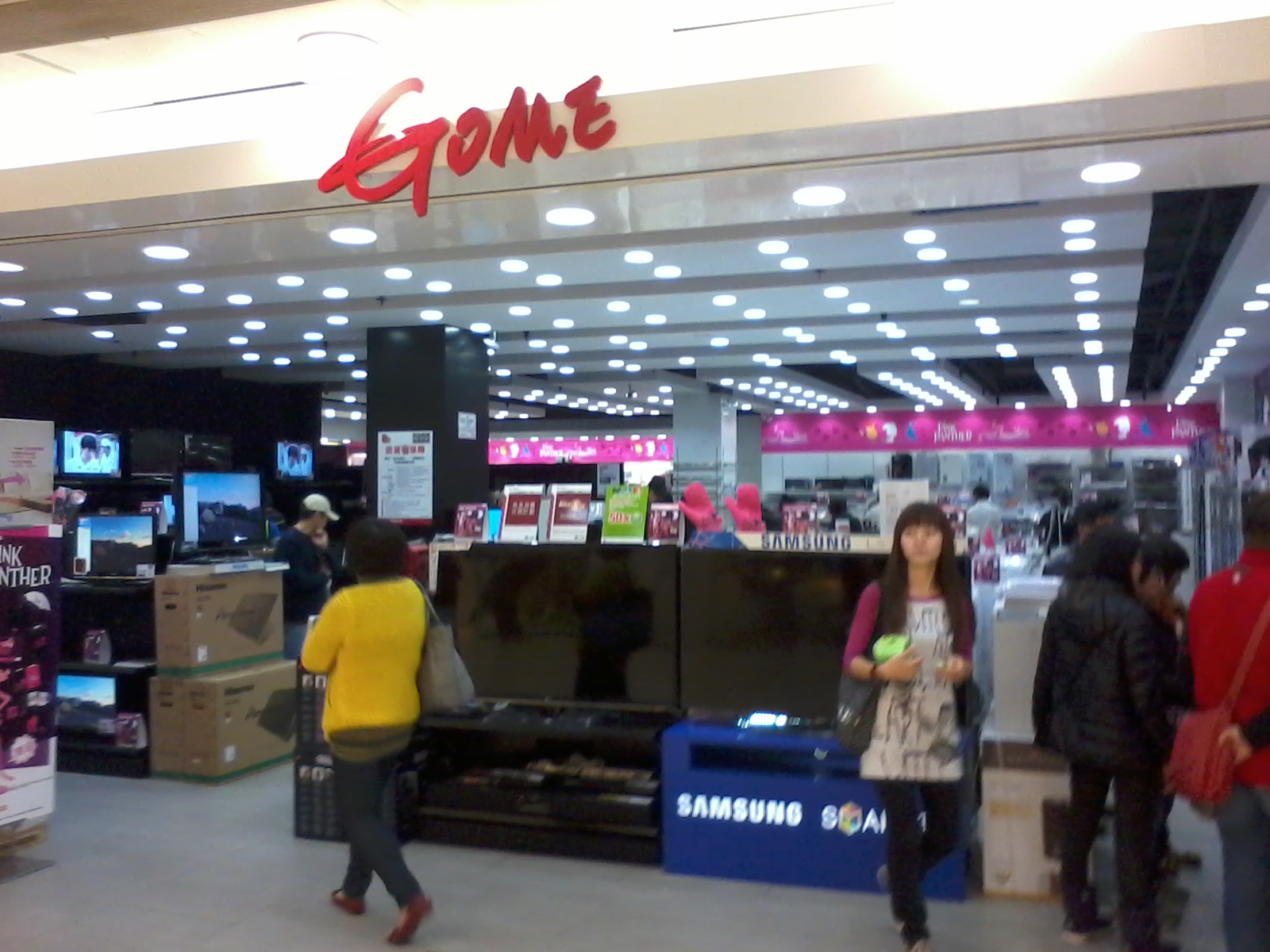
  • Gome Retail’s loss soars tenfold After Restructuring

    Gome Retail’s loss soars tenfold After Restructuring

    Gome Retail’s loss tenfold last year to RMB4.887 billion (US$728 million), compared with RMB450 million in the previous year.

    The loss – projected early last month in a profit warning – was largely due to massive write downs as the once brick-and-mortar based retailer continued its transformation into a New-Retail-era business, with its focus moving online. On a day-to-day trading basis, the company has almost broken even.

    During the reporting period, GMV (gross merchandise volume) from its ME Shop increased by 368 per cent, while GMV from new businesses such as home solution and integration of kitchen cabinets with electrical appliances increased by 116 per cent and from smart products by 89 per cent. Services GMV rose by 51 per cent.

    “The booming new business indicates that the group’s strategic transformation is progressing well,” the company said in an earnings statement.

    Overall sales revenue fell 10 per cent to RMB64.356 billion, and consolidated gross profit margin of 16.8 per cent was down on the 18.26 per cent of 2017.

    “Looking forward, Gome will continue to focus on major large-scale integrated flagship store projects in the first- and second-tier cities in an effort to provide one-stop comprehensive household solution, from home appliance to decoration, construction and household services,” the Hong Kong-listed company said.

    The group expects to open 16 large-scale integrated flagship stores and 200 home-decoration materials and home furnishing shops this year.

    “Gome will step up the output of its supply-chain service in the third- to sixth-tier cities to achieve swift development of store coverage in county-level cities, with an emphasis on franchising. It is expected that 500 franchise “new retail stores” and 200 self-operating county-level stores will be opened this year.”

  • Six great marketing lessons Learned from MarketingPulse

    Six great marketing lessons Learned from MarketingPulse

    “Great ideas should be scary,” advocates Marcelo Pascoa, head of global brand marketing at Burger King, one of the keynote speakers at the recent MarketingPulse event in Wanchai. “When new things come to be, it is often associated with fear. So, my advice to marketers is: be very afraid! If you sleep well the night before your project launches, then the promotion wouldn’t be too spectacular.”

    Pascoa’s projects are known to be bold and daring, even making fun of competitors in the market. One example was a marketing stunt in which people were asked to open the Burger King app at a McDonald’s to win a free burger. As a result, there was a huge leap in interest in the Burger King app and it became the most downloaded app on the store. He said that knowing your work aligns with the brand value is key when facing challenges and criticism. “My biggest fear is being irrelevant. Marketers live in fantasies where they control everything, but social media has proved that we cannot control everything.”

    MarketingPulse second edition

    Pascoa was one of many speakers at the second edition of MarketingPulse, Asia’s premier conference for marketers and brands, held at the Hong Kong Convention and Exhibition Centre. Organised by the Hong Kong Trade Development Council (HKTDC), the key morning session at the event, “Dear Brands, Let’s Sail to the Future!”, featured a heavyweight line-up of industry experts who shared their tricks and tips on how to keep ahead of marketing trends to develop successful brand stories.

    Respect cultural differences

    Endeavor is a brand focusing on entertainment, sports and marketing services. Bozoma Saint John, the company’s chief marketing officer, shared her success stories at Endeavor and in previous high-profile marketing roles at Uber and Apple Music.

    St John recounted some of the marketing stunts that helped to push her brands, from inviting Beyonce to perform at the Super Bowl and promoting Apple Music’s breakup song services through private chat messages between three famous black actresses, to featuring two superstar athletes sharing their thoughts on cultural differences during an Uber ride. These stunts were not only successful in capturing the attention of consumers, but also raised discussions on cultural issues relevant to society as a whole.

    “I am addicted to popular culture,” she declared. “I am always fascinated by the latest and most trendy things and would like to know how they come to be and how they connect with history. People working in the marketing sector represent various cultural differences between different places. We have to know its meaning, why it comes to be, and how cultures interact in order to use popular culture as a marketing tool.”

    Saint John pointed out that there are currently tensions in society which make it important for marketers to understand different communities well and build connections through various emotions in order to avoid controversies such as cultural appropriation.

    Think before you speak

    One of Hong Kong’s best-known creative talents, Juno Mak, creator at Kudos Films, began his presentation by sharing his experience in the entertainment industry and explaining how marketing became part of his everyday life.

    “We do not need to be a businessman to do marketing, as we are already marketing ourselves in our daily lives − our sitting posture, our favourite colours, and our watches, these are all making a promotion out of a life. When you know yourself better, you will know how to do marketing,” he said.

    Mak also made the bold suggestion that we should abandon two things: our resumes, and thoughts that come from the mouth, not the head.

    “Things you write in your resume are tasks completed in the past. But we have to think: what’s next? We should also give up on thoughts that come from our mouths, as they might be copies of other people’s ideas. Thoughts should come from your head − a creation that you agree with.”

    Storytelling techniques

    Jonathan Mildenhall, co-founder and CEO of TwentyFirstCenturyBrand and former chief marketing officer at Airbnb, offered the audience a whole new definition of marketing in the 21st century. “Marketers create assets for the company, including its finance, consumers, employees and cultural assets. Marketing with a clear focus creates unparalleled value,” he said.

    Mildenhall emphasised that storytelling techniques are key to any marketing campaign.

    “I am 100 per cent a supporter of emotional storytelling. If a marketing campaign does not contain a story behind it, it is only market pollution. Stories help us build a signature super-brand that people care about.”

    He shared his experience at Airbnb to illustrate how consumption begins with emotion − for example, bringing the room in a Van Gogh painting to life, or sharing true stories from the community to bring out cultural values.

    “We rationalise our choice of consumption after we create the emotion,” he explained.

    Understanding local tastes

    Keiei Sho, executive officer, GM of overseas business division at Calbee, distributed his company’s popular grilled corn sticks to conference visitors to demonstrate how market tastes can change.

    “People used to say that the corn sticks were too hard and that consumers would not like them,” he said, before revealing that sales were now in the region of US$300-400 million. Sho recounted Calbee’s history, explaining that after the Second World War, Japan was left with devastated industries and faced food shortages. Calbee stepped in to manufacture prawn crackers using the flour left behind by the US Army and shrimps from the Seto Inland Sea, which proved to be a hit.

    The company continues its creative legacy, recently working with 47 Japanese prefectures to create a successful campaign by developing 47 different flavours of chips.

    “We collaborated with local governments to learn about local tastes, hoping to know what would resonate with consumers, while showcasing promotions from various prefectural governments on the back of the bag,” he explained.

    Using its advantages in the areas of food safety and convenient packaging, the brand has continued to push the envelope by launching breakfast food items to attract Chinese visitors and promoting Kyoto’s breakfast culture using online celebrities.

    Embracing consumer insights

    The lingerie brand created by Michelle Cordeiro Grant, founder and CEO of Lively, has embraced the concepts of female empowerment and body acceptance. The company created a new definition of what sexiness means, building a brand that brings community, experience and products together.


    Advocating “high style and comfort”, the brand has been communicating with 100 brand ambassadors right from the start to learn about consumers’ needs and elicit useful feedback. Many of Lively’s new underwear lines are launched in accordance with customer preferences.

    Grant said Lively is an experience-focused brand, with its retail stores devoting only 30 per cent of the space to products while the rest is used for events such as hip-hop experiences and movie nights.

    “Lively is an organism with a human soul,” she said. “Normally, females purchase underwear once or twice a year, while our consumers purchase underwear on average four to five times per year. This shows that they are purchasing not out of their ‘needs’, but their ‘desires’.

    “This is key to how we create our market share.”

  • Octopus inks partnership with JD.com providing retail innovations

    Octopus inks partnership with JD.com providing retail innovations

    Octopus Retail Management (Octopus), a Singapore-based company and a pioneer in offering a holistic suite of retail management solutions, today announced that it has partnered with JD.com for its cutting-edge Point of Sales (POS) suite of solutions which has benefitted a variety of businesses spanning the retail, F&B and ecommerce sectors.

    With Octopus’ partnership with China’s largest retailer, JD.com, Octopus will be the first B2B software provider for the retail industry and will have access to more than 300 million active customers that shop on JD.com. This strategic alliance is in light of Octopus’ vision to digitally transform the retail industry.

    Octopus is a Cloud-Based Retail Management Company that offers a comprehensive Point of Sale solution to brick and mortar SMEs. With a presence across 7 countries — Singapore, Malaysia, Philippines, China, Sri Lanka, Indonesia and the USA, Octopus generates around $2 billion of GMV on their platform from over 20,000 retail points across 3000 customers.

    Ong Whee Shiong, Founder and Managing Director, Octopus said, “The digital age has thrown several challenges at businesses today. It has become critical for retailers to have an efficient retail management system to enhance their business productivity. Our products aim to empower the retailers to embrace digitalisation and streamline their online business.”

    The company’s cloud-based retail management solution helps firms to leverage social media interactions to curate personalised offerings based on consumer’s shopping and dining behaviours. The solutions can also synchronise inventory, support customer promotions, and offer loyalty points to add more value propositions to their customers. The solutions also allow its customers to onboard a mobile platform through its cloud offering. This enables real-time visibility over the network to monitor sales, the performance of staff, and inventory which leads to efficiency and better decision-making.

    According to an article citing joint research by Google and Temasek in 2017, more than half of Southeast Asia’s population is a millennial and of that, 70 per cent are under the age of 40. The retail space per capita remains low, indicating limited access to offline stores and products. Whilst the report shows that consumers in the region show the interest and willingness to shop online, there have been emerging trends focussing on omnichannel and online-to-offline solutions.

    “We believe online and offline need to go hand in hand today. Through our integrated solutions, our clients are able to offer their customers enhanced seamless shopping experience and create more value,” he added.

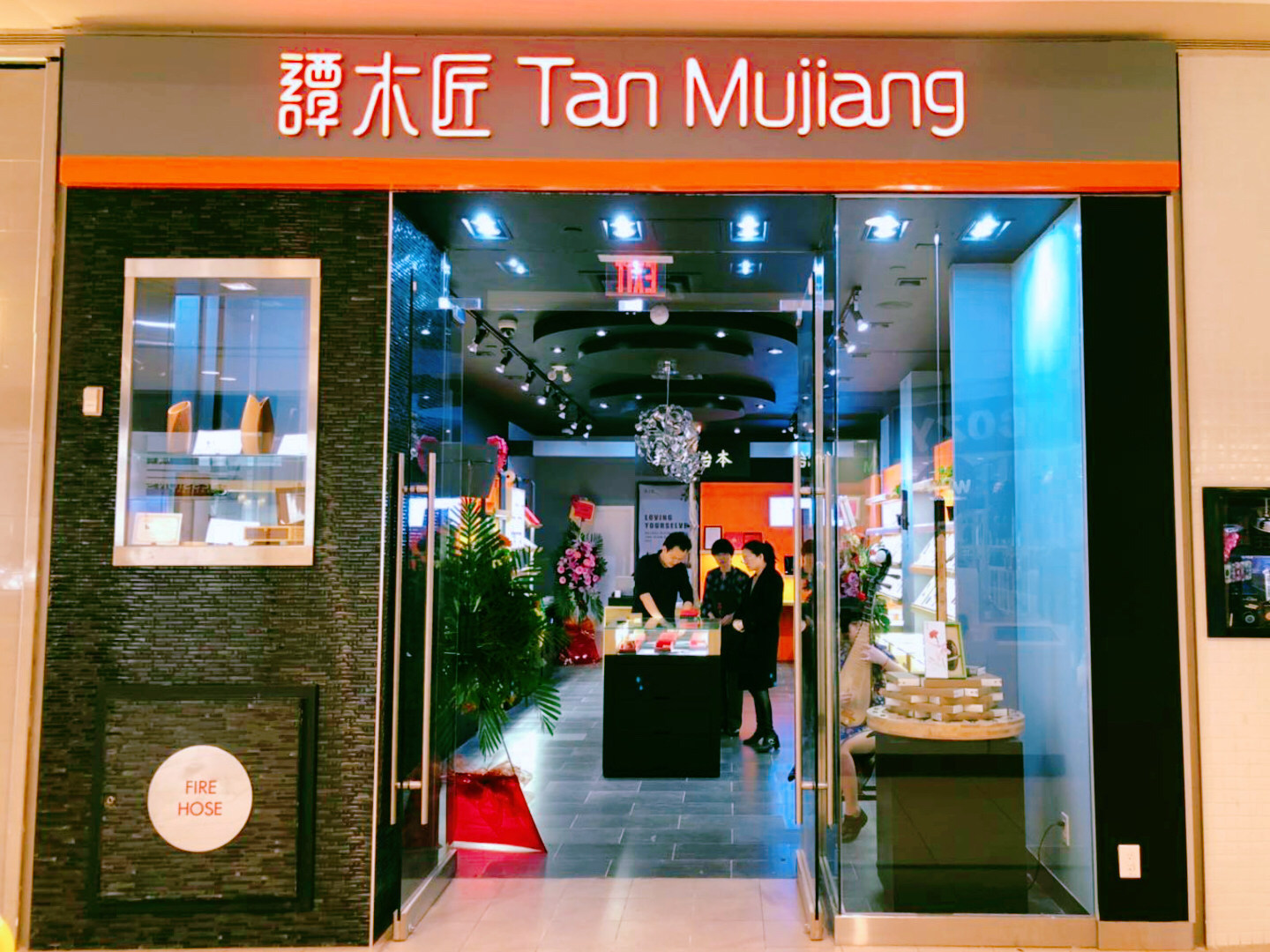
  • Tan Mujiang opens a new flagship store in Toronto

    Tan Mujiang opens a new flagship store in Toronto

    Mainland Chinese retailer Tan Mujiang has opened its first flagship store in Canada.

    Tan Mujiang is the only listed company in the world making wooden combs. It has created more than 40 processes to improve its products, which are made from natural materials of traditional Chinese handicrafts, integrating traditional culture with modern fashion.

    The company opened at Toronto’s Scarborough shopping centre earlier this month, taking space right next to jeweller Pandora.

    Dubbed H002, the Canadian store is Tan Mujiang’s second overseas, following one opened at Hong Kong’s Telford Plaza. Twelve more overseas stores are planned this year.

    Zhang Chuanjin, Tan Mujiang’s offline market director, said the company’s goal is to popularise the brand by operating its own franchise shops all over the world.

    Since December 2013, Tan Mujiang has acquired more than 80 patents and supplies more than 1200 shops all over Mainland China, four in Hong Kong, one in Singapore, and some online stores, such as Amazon and eBay.

    Chuanjin said that on the Toronto store’s opening day, Tan Mujiang attracted many customers with its eye-catching Chinese logo and a lute performance.

    “Many Chinese were surprised to see traditional Chinese wooden combs abroad, and many locals were impressed by the oriental charm and exquisite craftsmanship of the combs. They found that besides just combing their hair, the exquisite combs could also be a great gift for family and friends.”

    Tan Mujiang has set up a national general franchising model and hopes to find franchisees interested in their brand.

    Tan Mujiang says it plans to increase its investment in overseas market promotion. In addition to participating in grand international exhibitions, the company will release its brand and product information on popular social media platforms and organise promotional activities for overseas stores.

  • Strong potential’ for sharing economy in China

    Strong potential’ for sharing economy in China

    New research suggests strong potential for the sharing economy in China, with just 30 per cent of consumers there saying they only want to use brand-new products.

    Mintel says the figures highlight the significant market for selling second-hand products and targeting consumers who will rent out rather than buy.

    Mintel says 91 per cent of Chinese consumers said they have rented or bought second-hand bicycles/electric bicycles in the past year. This was followed by cars (61 per cent), books/audio-visual products (25 per cent), digital products such as mobile phones and cameras (25 per cent), furniture (18 per cent) and home appliances such as fridges (12 per cent). While the clothes and accessories sharing category has been making headlines, just 9 per cent of urban Chinese consumers have rented or bought them second-hand.

    “The current consumer landscape in China shows great potential for the sharing economy to develop further,” said Mintel China associate research analyst Scarlett Zhao. “Largely driven by substantial promotions and subsidies, high penetration in rental and second-hand businesses is more focused on the transportation industry; including cars and bicycles. But while the sharing economy in China is dominated by transportation, we see this trend slowly extending to knowledge sharing through books or audio-visual products.

    “At the moment, consumers are not as open to other product categories in the sharing economy space such as clothes and accessories, probably because consumers have not yet cultivated the habit to rent or buy second-hand products. China’s sharing economy still stands in an emerging to growth stage, where market rules and regulations need to be further improved. As a result, this has caused many to remain on the sidelines just like when e-commerce was first introduced.”

    Mintel research reveals that the majority of consumers in China acknowledge the benefits of the sharing economy, with as many as 86 per cent of them appreciating the convenience that sharing products and services bring. Meanwhile, 59 per cent of Chinese consumers cite affordability as a reason to participate in the sharing economy, making it the greatest motivation for them to choose renting or buying second-hand products.

    Environmental factors are also proving important to consumers. Fifty-one per cent of urban Chinese consumers say that they will rent or buy second-hand products as it is good for the environment.

    “Under the healthy wave, consumers today not only look inward to their body health, but are also paying more attention to the whole ecosystem they are interacting with,” added Zhao. “When communicating with and marketing to consumers, companies in the sharing economy space can make consumers feel good about themselves by emphasising how this concept can help reduce the carbon footprint – benefiting the public and the environment.”

  • Nearly half of Vietnamese shoppers buy premium products online

    Nearly half of Vietnamese shoppers buy premium products online

    Forty-eight percent of Vietnamese consumers buy premium products online from local retailers, with cosmetics the top category, a report says. Although the majority of survey respondents, 69 percent, said that they still purchase their premium products at local physical stores, the online ratio was higher than the global rate of 45 percent, says a global report by market research firm Nielsen.

    Nielsen’s Changing Consumer Prosperity study also found over a quarter of Vietnamese respondents, 27 percent, were inclined to buy online from overseas e-retailers, and 23 percent even travel overseas for these premium goods.

    Cosmetics are the top premium products that Vietnamese consumers spend their money on, according to 46 percent of respondents, following by clothing/shoes (44 percent), electronics (43 percent), body care (41 percent) and meat or seafood (38 percent).

    What Vietnamese people care most about a premium product is its high quality, according to 65 percent of respondents, and superior performance, 58 percent. Over half the respondents also seek premium products that contain environmentally friendly materials or natural/organic ingredients.

    When it comes to trying new premium products, Vietnamese rated peer recommendations as the most influential factor.Half of the respondents said that recommendations and encouragement by friends and family influenced their decision, followed by product research (46 percent), online advertising (42 percent), television advertising (39 percent) and in-store advertising (39 percent).

    In another survey released recently, Nielsen said that Vietnamese people remain among the most optimistic consumers even as global confidence fell in Q4 2018. Despite considerable increase in savings, Vietnamese consumers are still willing to fork out just as much or possibly even more money on big-ticket items such as new clothes, holidays or out-of-home entertainment, it said.

    Vietnam’s e-commerce sector has been booming in recent years. E-commerce revenue reached $2.26 billion last year, a growth of 30 percent over 2017, according to Germany-based data portal Statista. It estimated that this figure will reach $2.7 billion this year.

  • Vietnam’ E-commerce revenue forecast to hit $15 bn in 2020

    Vietnam’ E-commerce revenue forecast to hit $15 bn in 2020

    With 53 per cent of its population using the internet and nearly 50 million smartphone subscribers, Vietnam’s e-commerce market is expected to beat the previous revenue forecast of $10 billion in 2020 and may reach $15 billion, according to experts. The country’s e-commerce sector records annual average growth of 35 per cent; 2.5 times higher than the figure in Japan, making it one of the countries with the fastest e-commerce growth in the world.

    Mr. Dang Hoang Hai, Director of the E-Commerce and Information Technology Agency under the Ministry of Industry and Trade,  as saying that retail sales from e-commerce earned $8 billion in 2018, much higher than the forecasted figure of $7 billion.

    Therefore, revenue from e-commerce in 2020 could surpass the projected $10 billion, he said.

    A report on online shopping in 2018 conducted by market researchers Q&Me shows that Shopee accounts for the lion’s share of the domestic e-commerce market, at 35 per cent, with over 700 active brands and sellers, according to the news agency.

    It quoted Mr. Le Anh Huy, Deputy General Director of the Sen Do Technology JSC, the operator of the Sendo online commerce platform, as reporting that it recorded a threefold surge in 2018 over the previous year, serving more than 10 million consumers around the country.

    Experts have said, however, that e-commerce in Vietnam still faces various obstacles, including legal issues, skills for e-commerce development, security rights for concerned parties, and infrastructure for the sector.

    Support for e-commerce development in Vietnam’s remote and mountainous regions also remains modest.

    According to experts, Vietnam should consider the establishment of a State management agency to tackle those challenges and bolster the development of logistics in line with the digital economy, or assign such tasks to a ministry.

    Vietnam should also regularly update its legal system as well as develop synchronous infrastructure and a national payment system for e-commerce development, the experts suggested.

  • Australia’s C/MEO Collective Lifts Off on Tmall

    Australia’s C/MEO Collective Lifts Off on Tmall

    Women’s fashion label C/MEO Collective has started selling on Chinese online marketplace Tmall.

    The move is part of a broader strategy of parent company Australian Fashion Labels to focus on China.

    “China is now really at the forefront of retail innovation and we see localisation of channels as crucial to being relevant in this market,” said Dean Flintoft, Australian Fashion Labels founder and chairman, in a statement.

    Prior to launching on Tmall, C/MEO Collective was already stocked in approximately 300 brick-and-mortar stores across Greater China, along with Australian Fashion Labels’ other brands: Keepsake The Label, Finders Keepers and The Fifth.

    But with more than 700 million people shopping on Alibaba’s retail marketplaces, including Tmall, this represents a significant expansion in reach.

    According to the company’s statement, C/MEO Collective was chosen because it is the brand with the greatest appeal in the China market, thanks to its innovative signature style, premium fabrics and approachable price point.

    “With C/MEO already having gained such strong traction in China via social media and via its marketplace presence, we wanted to respond to the enthusiasm for the brand and make it more accessible to our customer base in China,” said Mei Ping Doery, CEO of Australian Fashion Labels China.

    C/MEO Collective showcased the first of its collections for Tmall at VAMFF in Melbourne on March 8.

    While demand for Australian brands and products in China is most concentrated in areas such as health and wellness, beauty and food, and wine, fashion brands are increasingly seeing success.

    Brands including Seafolly and Lorna Jane have made headway in China through Tmall, and the addition of C/MEO Collective suggests there is a market for more fashion-forward Australian design.

    Australian Fashion Labels was founded in 2007 by Dean and Melanie Flintoft with the introduction of Finders Keepers. The company has since developed C/MEO Collective, Keepsake, The Fifth and Jaggar.

    The brands are available in 1700 stores worldwide, including major department stores, as well as to customers directly through an online retail platform, which ships globally.

  • Competition increases in Bangkok market

    Competition increases in Bangkok market

    Competition is increasing in the Bangkok retail-property market, according to international property consultant CBRE.

    The competition is focused on the bricks vs clicks sector as e-commerce grows, and the bricks vs bricks market, as developers build new malls.

    “All over the world, e-commerce is challenging traditional retail stores, and Thailand is no exception,” said CBRE in a report.

    Currently e-commerce only forms a small percentage of total retail sales in Thailand, but CBRE expects that to change rapidly.

    In the UK, 18 per cent of retail sales are now online rather than through traditional stores.

    Globally, retail tenants are having to pursue an omnichannel approach with both online e-commerce sales and offline traditional sales in stores. In many cases, this has led to a rationalisation of their retail portfolio and a reduction in the number of stores.

    In the Bangkok retail-property market, the threat to landlords is not just from the rise of e-commerce, but also from the increase in supply.

    2019-03-18 - Retail Supply in Bangkok

    Based on the latest survey by CBRE Research, there is more than 600,000sqm of space under construction due for completion by 2023, mainly in large-scale shopping malls like EmSphere, Bangkok Mall and One Bangkok. There are also new malls being planned where construction will start soon, such as the redevelopment of the Dusit Thani Hotel.

    Competition in the Bangkok retail-property market is going to be fierce and landlords are going to have to adapt to the new environment to survive. That, according to CBRE Research, will mean big changes to their business model.

    Historically, landlords have leased out space on three-year leases at monthly rents. Landlords have set rents based on the tenant’s ability to pay driven by business type, size of shop, which floor in the building and which location on the floor. Landlords have tried to extract as much rent as the tenant can afford to pay with the tenant bearing the obligation of a fixed amount of rent and assuming much of the business risk.

    Now the business model is changing with tenants wanting the landlord to share more of the risk by basing the rent on a percentage of the tenant’s revenue, known in Thailand as a Gross Profit (GP) rent.

    The landlord, along with the tenant, will benefit if business is good, but suffer if business is bad, with the landlord not only taking a risk on the ability of the mall to attract customers but also on the success of tenant’s business.

    Landlords are also now expected not just rent space but to be data providers and analysts.

    Tenants now want landlords to collect, analyse and share data on how many people come to the mall, how often and what they are spending their money on along with many other details, said CBRE.

    Tenants are going to be increasingly demanding about the quantity and quality of information that they get from the landlord so they can best match their products and services to the mall’s customers.

    In the current era, online retailers have to give people a reason to visit their store and not just to buy online.
    Increasing the volume of food outlets providing “retailtainment” is one way to get more foot traffic into malls, but restaurants cannot pay the same rents as luxury brand retailers.

    “Creating limited time opportunities through pop-up stores or events is another emerging trend giving people a reason to get up and go to a mall because they will not be able to get the product or have the experience elsewhere or at another time,” said CBRE Thailand’s head of advisory and transaction Jariya Thumtrongkitkul.

    “The revolution in retailing with the coming of e-commerce and competition from new supply means that landlords will have to be a lot more sophisticated in what they provide both in terms of mall format and data”.

  • Singapore retail sales up with 5.3 per cent

    Singapore retail sales up with 5.3 per cent

    Singapore retail sales rose by 5.3 per cent in January, underpinned by consumers stocking up ahead of the Lunar New Year holiday.

    When motor vehicles are included in the data, the official topline figure was a 7.6 per cent increase.

    Lunar New Year fell two weeks earlier this year compared with last year, which means some volume of pre-holiday stocking up was completed in January rather than the first half of February.

    According to Statistics Singapore, the total retail sales value in January was about S$4.2 billion. Online retail sales accounted for a solid 4.8 per cent of sales.

    Most retail industries recorded higher sales in January this year compared to last. Sales of apparel & footwear, medical goods & toiletries and by department stores, supermarkets & hypermarkets and food retailers registered growth rates of between 8 per cent and 10.5 per cent, as a result of higher demand during the Lunar New Year lead up.

    In contrast, sales of computer & telecommunications equipment declined 11.5 per cent, due in part to lower demand for mobile phones during this period.

    Sales of food & beverage services increased 5.9 per cent in January, reaching $862 million, compared to $814 million in January last year.

  • Fung and JD launch Hong Kong’s first AI checkout

    Fung and JD launch Hong Kong’s first AI checkout

    JD has partnered with Fung Retailing Group to unveil Hong Kong’s first AI checkout solution in a retail store environment.

    The AI-powered checkout technology is a result of a strategic deal between the firms signed last year. It represents the first AI checkout experience featuring image recognition technology in the territory. This technology is currently installed at the AI Retailing Zone in two Circle K stores in Hong Kong.

    Designed to make the checkout experience as easy and hassle-free as possible, customers can complete checkout using the AI-powered solution in just four seconds with three simple steps, including placing the products on the counter, scanning, and paying via Octopus card.

    The advanced AI algorithm enables the checkout counter to recognise up to five products within one second with an accuracy rate of more than 97 per cent, reducing the overall checkout time by 30 per cent.

    “This is an important milestone for Fung Retailing as the first in the industry to unveil the first AI-powered checkout pilot experience in a convenience store environment,” said group MD Sabrina Fung.

    “This underscores our ongoing commitment to experiment with new technologies like AI and to build partnerships like the one with JD to enhance the end-customer experience, further transforming the future of retail for Greater China.”

    “AI will continue to play a critical role in transforming the retail landscape,” said JD VP Dr Bowen Zhou.

    “Retailers who are able to capitalise on this trend, will have a competitive edge among their peers. Leveraging Fung Retailing’s offline retail expertise and JD’s leading retail technology, this pilot project represents a critical first step in collectively realising our vision for smarter and more convenient retail.”

  • Why retailers struggle to expand globally

    Why retailers struggle to expand globally

    Global retail may be becoming more homogeneous due to international expansion by various chains, but the success of internalisation is patchy within and across retailers, and there have been failures on an industrial scale.

    This made me curious as to why a retailer fails in some markets and not others. It turns out there are a few common themes. Here’s what I’ve been able to discern from some of the more notable and/or recent failures and market withdrawals.

    Walmart loses the culture wars

    The Arkansas-based behemoth closed 269 stores worldwide in 2016, just over half of which (154) were in the US. Its efforts in Germany and Korea were two examples of a lack of cultural understanding and demonstrate why cut-and-paste is ineffective.

    Walmart pulled out of Germany in the late noughties, having learned that what is “customer service” in one country may be offensive in another. German customers, for example, were offended by greeters and Walmart’s 10-foot rule (greeting/interaction/eye contact if coming within 10 feet of a customer). Germans didn’t like having their groceries bagged or taken to their cars. Walmart was also using plastic bags in a country that’s very eco-conscious. Walmart’s employee policies and lack of understanding of German labour laws and unions resulted in it being considered anti-democratic, and its employee “no fraternisation” policy grated. To add insult to injury, EDLP pricing wasn’t a differentiator in a country with Aldi, Lidl and Kaufland.

    Walmart also pulled out of South Korea in the late noughties. The retailer didn’t understand the cultural importance of Korea’s local fresh food markets and that Koreans understood the nature of supermarkets as having a dry-goods focus rather than food and beverage. Koreans are frequent shoppers doing top-up shops, not the stock-up trip nature of a Walmart format. And the company’s locations outside cities didn’t work because Koreans wouldn’t travel to shop.

  • The future of retail has arrived

    The future of retail has arrived

    Once upon a time, the future seemed a long way off. Remember Tom Cruise in 2002’s Minority Report? And the famous shopping centre scene?

    Director Steven Spielberg recruited a panel of futurists to predict a far-off tomorrow that included responsive, personalised advertising and sales assistants, triggered by iris and facial recognition.

    Well, today, we’re living in that future. Geo-location is ho-hum, facial recognition is a feature built into our phones and Alibaba in China has already tested “smile to pay” in kiosk screens in KFC stores, that replace the need for a wallet.

    Way back in 1994 (was that really 25 years ago?) American phone carrier AT&T ran a TV ad that forecast a future where shoppers could check out “a whole shopping cart at a time” through a scanner, and you could receive “a phone call on your wrist”.

    Fast forward to today, and frictionless grocery retail is a reality with Amazon Go stores (now rolling out across the US), and when I visited one in Seattle recently the receipt was pinged to my Apple Watch along with my trip time. Shoppers are actively gamifying grocery shopping, seeing how fast they can get in and out of the store.

    AmazonGo receipts are pinged to your wrist.

    The future, as science fiction writer William Gibson famously wrote, is already here. It’s just not very evenly distributed. Or, as Matt Thompson from American grocery giant Kroger put it even more succinctly: “The future is now”.

    I see examples of the “future of retail” in the US every day. Creator Burger in San Francisco has a burger-making robot. Nordstrom’s “Local” retail concept centres around click-and-collect, and services, and has no stock in store. Amazon’s 4-Star stores stream ratings and reviews live to the shelf. Kroger is testing self-driving grocery delivery vehicles with Nuro in Arizona.

    China takes things to a whole new level. When I attended Singles’ Day in China last year, I witnessed first-hand a shopping culture that was more “Bladerunner” than suburban mall. There, the mobile rules and stores are not destinations but “nodes”, designed to be interacted with both physically and virtually as the need fits. (My colleague in China ran out of garlic while cooking at home. No problem – he jumped on his app, and had the ingredient delivered in time to finish preparing the meal.)

    As I write this, I am about to return to Australia for a visit. I can’t wait to share my experiences and observations of perhaps the most dynamic time in the history of retail. At the same time, I’m also looking forward to seeing what’s new and exciting in our part of the world. The truth is that, particularly today, the future of retail is not limited to a geographic region. From Telstra stores to innovative supermarket and convenience store design, there is a lot to learn from what’s going on in the Southern hemisphere. You just have to look. Because the future is already here.