Retail News CRM

Tag: retailing

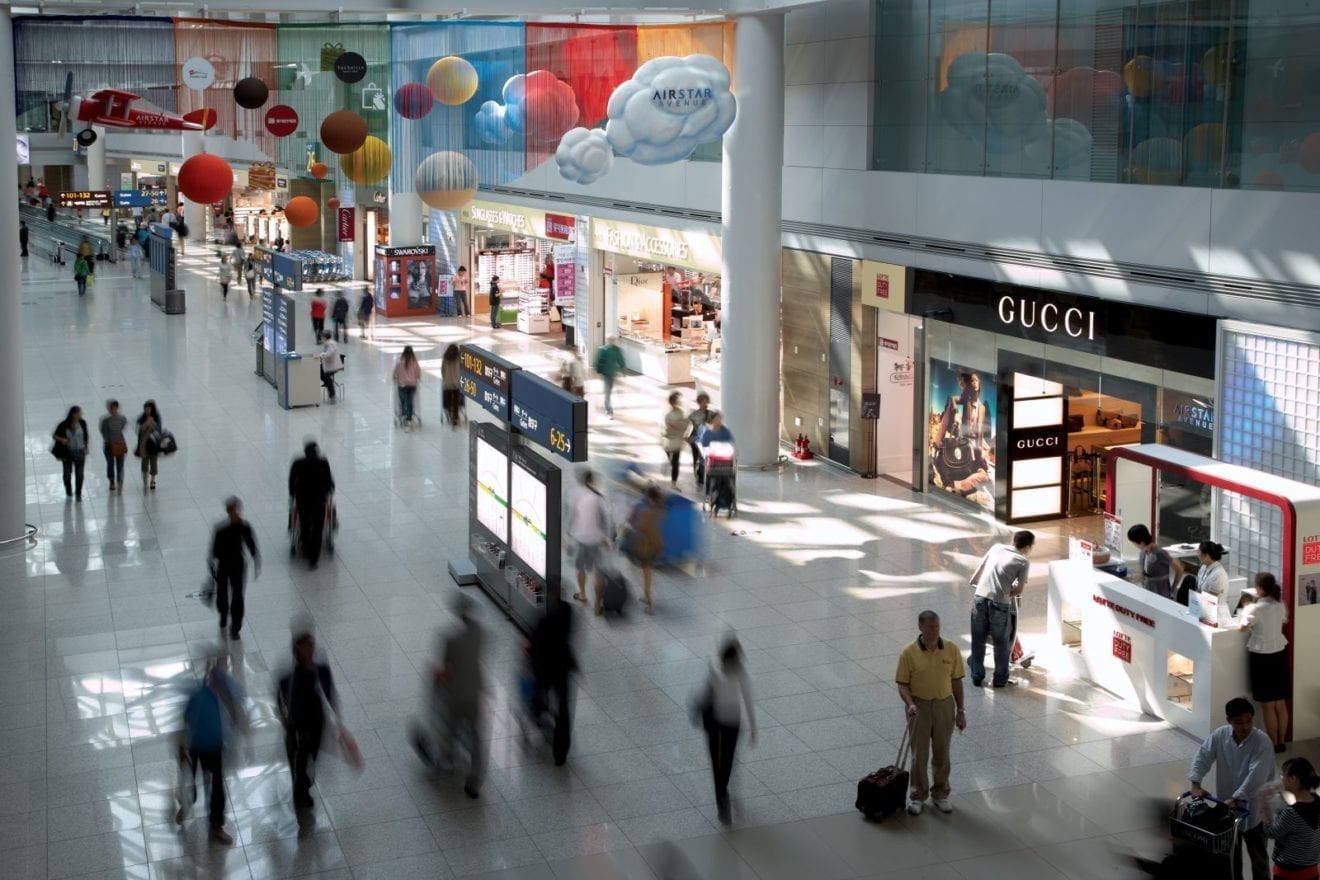
  • Luxury retailers ‘missing out on customer engagement’

    Luxury retailers ‘missing out on customer engagement’

    No one can accuse luxury retailers of cutting corners where advertising spend is concerned. On average, they divert 8 per cent of their turnover into funding advertising initiatives. In the US for example, luxury brands invested more than $5 billion in advertising last year, accounting for a significant portion of overall marketing expenditure.

    Love it or hate it, advertising is a principal ingredient of business success. How else would you make customers be aware of your brand and build an inspirational image? Advertising is also essential for increasing brand equity and driving traffic to point of sales, which is how you boost your revenues.

     The twist 

    So, assuming we can agree that advertising remains important, let’s explore the issue through some numbers to see whether luxury brands are extracting maximum value from their advertising investments.

    Here’s one number: the average conversion rate in retail is about 10 per cent, which is to say that merely one out of every 10 customers entering a store will buy something. The best-in-class brands can boast a 20 per cent conversion rate, but that still leaves anywhere between 80 per cent and 90 per cent of store visitors exiting without a purchase.

    On the bright side, these numbers are not necessarily a harbinger of doom because nowadays a store has become more of a touchpoint along the customer journey. A transaction may occur on the premises during the visit, but it may also take place at a later time in another brand store (think airport outlets, for instance) or online. Therefore, a visit without a purchase is not really the issue.

    But we truly have a problem when non-buying customers go away without leaving their personal information. This should be ringing all sorts of alarm bells because it means the brand cannot continue its conversation with these customers. Our research shows that in 2017, an average of 65 per cent of non-buying customers were not invited to leave their personal information. In other words, this is nearly 60 per cent of store visitors who cannot be engaged in further conversation.

    Advertising is only one of many budgetary considerations for luxury brands when it comes to attracting customers to a store as it also entails expenditure on rent, fittings, and staff salaries, among other things.

    When you add it all up, you start questioning the rationale behind these investments. Not because they no longer matter in the grand scheme of things, but because the current retail landscape has rendered existing advertising budget allocation practices inefficient.

    When you think back to the nearly 60 per cent of clients not engaged at all during a store visit, it becomes painful to think of the revenue opportunities missed, not to mention the “waste” of money spent to get those customers cross the store threshold in the first place.

    Luxury brands now operate in a world where consumers are starting to sidestep advertising and increasingly count on referrals and recommendations to choose a product or a service. Think of it in this way: marketing is no longer about what you say to customers but how you influence what they say to each other. 

    The fix

    With that in mind, it seems clear to us that luxury brands should spend more on creating unique and memorable customer experiences (both in-store and post-purchase) for buyers and non-buyers alike.

    Front-line team members should be considered an additional marketing channel, or at least an extension of one. While brands make substantial investments in PR and special events, they need to spend more to make a positive, lasting impression on the customers who come into the store instead of striving to draw even more customers inside.

    Part of the advertising budget should go into delivering customer experiences and providing value to store visitors, surprising and delighting them at the same time. You can guess what will follow, can’t you? Conversations sparked by viral tweets, social media shares, and likes, which is as good as advertising gets for luxury brands.   

    The help

     The gist so far is that luxury brands need to pivot from a push to a pull strategy. Carving out a larger portion of the advertising budget to invest in customer experiences is the way forward, but multiple factors need to interact for effective execution and tangible results.

    For one thing, brands need to put the right people on the shop floor. This may require investment in proper training and ongoing support. Other necessary ingredients are decent pay plus the right KPIs and incentives.

    Last but not least, luxury brands should empower their teams to do whatever is required to deliver a high-quality customer experience – one that will be remembered, shared, and seen by many. When the social media and word-of-mouth mills start churning, luxury brands will have all the vindication they need for having aligned their advertising budgets with the new realities of retail.


  • Hong Kong retail rents set for ‘early lift’

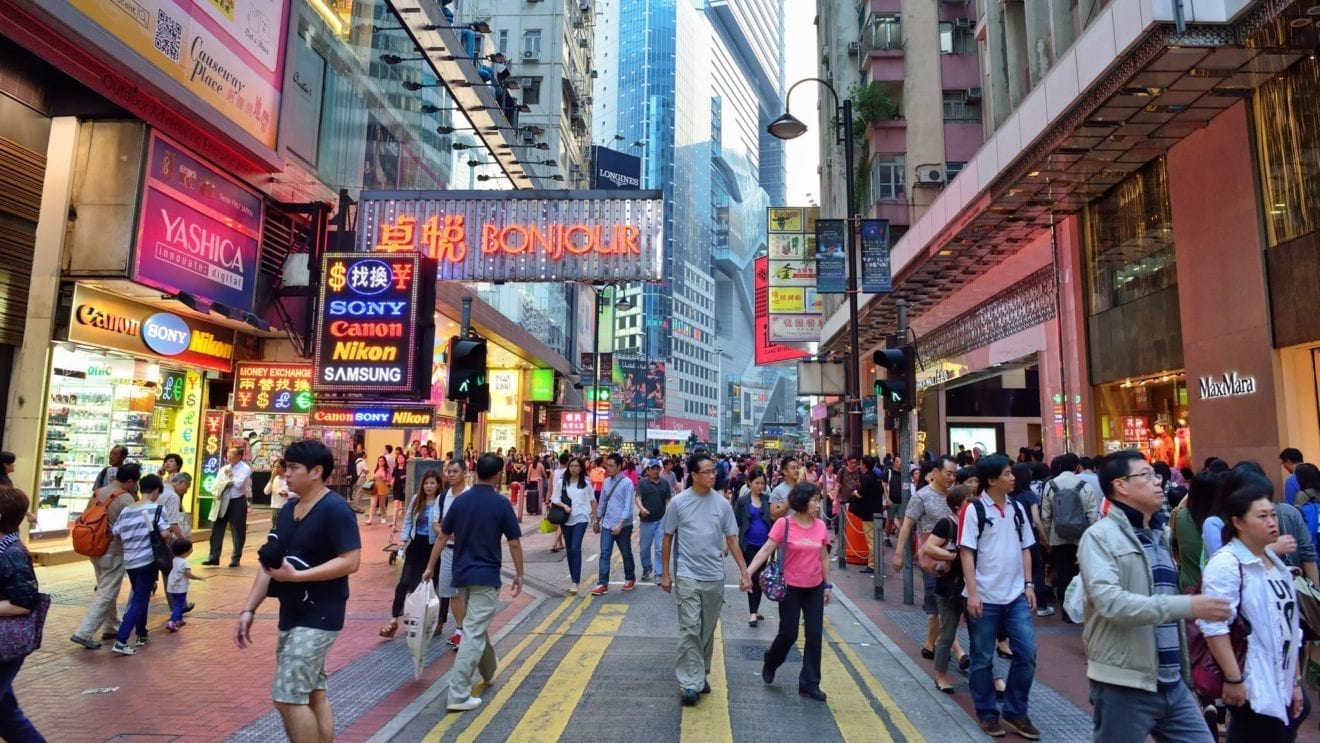
    Hong Kong retail rents set for ‘early lift’

    Hong Kong retail rents are expected to move into an “early upswing cycle” this year according to a regional real estate market briefing prepared by Savills.

    The report details commercial and residential property leasing trends across major Asian markets and as the accompanying tables show, compares occupancy costs of space as well.

    It groups major cities by upswing and downswing, late and early, showing that Hong Kong is at the end of its downswing in retail rental rates. Cities currently in early upswing are Manila, Guangzhou, Jakarta and Singapore. Hong Kong is grouped with Taipei, Hanoi, Ho Chi Minh City and Seoul, suggesting all those markets are about to turn.

    Savills says regional prime retail rents moved by between a decline of 1.8 per cent in Beijing and an increase of 5.9 per cent in Guangzhou last year.

    “Strong local retail consumption growth of 9.5 per cent year on year in the second half of the year following 10.5 per cent in the first half of the year supported the Guangzhou leasing market, while prime shopping malls began to re-position and upgrade, focusing more on entertainment and food & beverage,” said Savills in a brief commentary.

    “Again, Hong Kong’s prime shopping mall rents are considerably ahead of all other Asia-Pacific markets and are expected to move into an ‘early upswing’ cycle this year.”

    Savills says economic growth across Asia-Pacific continued to picked-up moderately in the second half of last year and the International Monetary Fund estimates that the “Emerging and Developing Asia” economies grew by 6.5 per cent over the year as a whole while China grew by 6.8 per cent and Japan’s economy grew by 1.8 per cent last year, from 0.9 per cent in 2016.

    “The improving global economic outlook and an accommodative monetary policy created momentum for business expansion,” said Savills.

  • Retail News Asia makes it to Final with a Selection in the Top Asia Pacific Best News Websites

    Retail News Asia makes it to Final with a Selection in the Top Asia Pacific Best News Websites

    Retail News Asia is selected as one of the winners of the Top Asia-Pacific News websites list! This is the most comprehensive list of best Asia-Pacific News websites on the internet and we’re honoured to be there! Retail News Asia is the leading Retail News portal in Asia Pacific since many years and we show deep respect and bow for being selected as one of the most influencing medias in Asia Pacific.

    RetailNews.asia has always been committed to providing both local and global retailers with the latest breaking retail news throughout the Asian market on a daily base since many years. With over 20 post per day with relevant Retail News, we can proudly say that we’re the leading media in the Retail industry.

    We have resources for everyone from the independently owned business owners, online-only retailers, and major chains expanding their reach throughout the Asian market.

    We Are Stronger Together

    You can quickly and easily search for the latest breaking retail news by country, or come here to keep an eye on the latest local, global and seasonal trends on our portal, watch video’s and/or follow uw with both local and international Retail Events.

    You can network, engage, and share invaluable information with other retailers. Our retailers come from a wide range of industries and expertise, meaning that whatever the question may be—we have you covered!

    We keep you apprised of the upcoming retail events, and even provide coverage and updates during many retail events.

    Thank You

    Retail News Asia wishes to congratulate all the team members, editorial and advertising departments for all hard work, overtime and sweat. We did it together says Sven, Founder of Retail News Asia

  • South Korea’s service sector investment focused on wholesale, retail and restaurants

    South Korea’s service sector investment focused on wholesale, retail and restaurants

    South Korea’s investment in the service sector has been focused on low value-added areas, such as wholesale, retail and restaurants, official data showed Monday.

    The gross fixed capital formation for the service sector was tallied at 256.1 trillion won ($239.6 billion) in 2015, the findings by the Bank of Korea and the National Assembly Budget Office showed. This represents a solid 13.9 percent increase to 224.8 trillion won reported in 2006.

    The GFCF refers to the net increase in assets that takes into account both investments and deductions within a set period of time.

    The tally, however, showed investments in high value-added areas, such as cultural and education industries, backtracking.

    An injection of funds into this sector reached 18.1 trillion won in 2015, or a 69.2 percent spike from 10.7 trillion won tallied in 2006.From 2006 through 2015, when investment in the service sector shot up the steepest, investment was centered on restaurants and catering, as well as retail and wholesale.

    The increase rate is five times faster than gains for the entire service industry as a whole in the same time period.

    The central bank said the sharp rise has allowed restaurants and catering businesses, and retail and wholesale to make up 7.1 percent of all service sector investments in 2015 from 4.8 percent in 2006.

    On the other hand, investment in the cultural sector contracted 20.8 percent to 7.6 trillion won in 2015 from 9.6 trillion in 2006, with 15.2 percent drop being reported for education-related outlays in the same period.

    Hong Joon-pyo, a senior analyst at the Hyundai Research Institute , said areas where investment has focused on in recent years is closely associated with self-employed posts.

    “Many people who retire and do not have any skill sets often go into these businesses so there has been a natural rise in investment,” he said.

    The economist said that this trend has led to an over saturation of certain service sectors that has eaten into profits.

    Statistics Korea said operating profits of restaurants and catering industries stood at 13.4 percent in 2015 or down 9 percentage points from five years earlier, while numbers for retail and wholesale correspondingly stood at 5 percent or down 2 percentage points.

    The statistical office said this has led to such stores’ average survival rate three years after opening standing at an average of just 39.1 percent. Such dismal numbers are not conducive to sustainable growth for the economy as a whole.

  • Stop DDoS from ruining your retail Brand’s sales momentum

    Stop DDoS from ruining your retail Brand’s sales momentum

    On 11 November 2017, Alibaba’s Singles’ Day sales hit a new record high with a 39% increase from last year’s sales. The company’s 2017 profits broke world records of Black Friday and Cyber Monday, marking this Asian sales day as one of the highest revenue sales in history.

    With increasing internet-user penetration, consumer behavior is quickly transitioning in Asia today. Shoppers make most of their retail purchases on-the-go, through mobile applications or via websites. In fact, 90% of this year’s Alibaba sales were made through mobile phones.

    Now more than ever, retail businesses in the Asia-Pacific region need to tap onto an omni-channel approach to be aligned with these changing customer demands. Based on the 2016 e-commerce study, Google and Temasek foresee Southeast Asia to be the next region to boom in this market. The predictions indicated that e-commerce will make up 6% of the region’s total retail sales by 2025.

    Beware of business bullies

    While these statistics show a positive growth for the region, businesses going digital must be aware of the lurking threat factors. The physical shoplifters that pained businesses – especially during big sales such as Great Singapore Sale and Black Friday – have now evolved to become cyber criminals. Unlike thieves, businesses are not physically able to discern these criminals, especially since they attack over the network.

    One of the most devastating kinds of cyberattack for e-commerce businesses today is Distributed Denial of Service (DDoS) which aims to bring down websites, therefore, disrupting online services and businesses. DDoS attacks occur when an unusual and unexpected spike in traffic and connection requests overwhelms a website, slows down the network, or in the worst-case scenario, shuts down the entire system.

    A reliable website that guarantees a good user experience is what defines a successful e-commerce business as it is the main platform for acquiring customers and generating revenues. The damage caused by a network failure or a complete site outage will directly and immediately impact business assets. For instance, Alibaba made US$7 billion within the first 30 minutes of the Singles’ Day sale3. Imagine if they had been hit by a DDoS attack; Alibaba would have lost US$233 million per second. Not only would this be a massive loss, the attack would have also caused long term damage to Alibaba’s brand image and customer loyalty. According to KPMG’s annual consumer survey, one fifth of consumers will turn away from a cyber-attacked company4.

    Don’t fall victim

    With the festive period approaching, online retailers can expect an approximately 20% increase in their web traffic5. To make the most out of this sale period, businesses need to ensure that they are ready to protect themselves against DDoS attacks. This includes re-evaluating their network security to assure they are taking the best protective measures.

    Monitor and Detect

    Businesses cannot fight what they do not know. Monitoring network traffic and flow data with DDoS detection alerts security pros to anomalies before they become full-blown catastrophes.

    One way to get a better understanding of what is happening on the network is baselining to know what the traffic looks like during peacetime. This allows organizations to take the appropriate wartime countermeasures when an attack happens. Effective DDoS detection needs to be able to discern the human traffic from the bots.

    Additionally, organizations need a detection solution that can scale given that attacks are increasingly getting larger in size. The best class solution should not only be able to process the data, but also be equipped with the ability to quickly make intelligent decisions with that data.

    Mitigate and Protect

    DDoS protection requires having the right mitigation in place. Businesses should look for a modern DDoS solution that empowers them to automate defenses – from reports to packet captures to mitigation. This can help security pros reduce stress and thwart attacks quickly.

    Communicate

    As with all security procedures, effective DDoS defense involves a human element, as well. It is imperative for businesses to have a communication plan in place in the event of an attack. This includes critical information such as who to notify during, and after an attack. For example, who should be the first to know if the site goes down due to a DDoS attack? Is that the same person notified if a DDoS attack shuts down the online retail site? Who else is notified if an attack happens? Having communications ironed out ahead of time can reduce time to remediation and lower stress levels.

    Make the most of this year’s sale season

    For businesses, these next few months are the time to peak your revenue and customer traffic. It may be a chance to raise brand awareness or even expand the business. Whichever the case, a DDoS attack can be a fatal roadblock to an organization’s goals. Reacting in an efficient manner is key. Online retailers need to ensure they have an emergency response plan that makes good use of anti-DDoS technologies for unforeseeable attacks. For a happy holiday for all, be on the lookout for any dangers and take the right cautionary actions to protect against any potential threats.


  • Macau retail sales continue to climb

    Macau retail sales continue to climb

    Macau retail sales are on the rise with businesses reporting increased turnover year-on-year. Data from the Statistics and Census Service (DSEC) shows 68 per cent of interviewed restaurants and similar establishments registered a year-on-year rise in receipts or a stable business performance in October, a six percentage point rise from September.

    And the proportion of interviewed retailers reporting a year-on-year sales increase in October rose by eight percentage points from September to 59 per cent.

    The best performing retail categories were cosmetics, with 78 per cent of retailers reporting an improvement, leather goods, (80 per cent), and apparel, (60 per cent).

    Some 21 per cent of interviewed retailers registered a year-on-year sales decline, down by three percentage points over September. Of department stores, 11 per cent reported a decline and 22 per cent of watch and jewellery vendors.

    Generally, retailers expected their sales to be stable in November, with 77 per cent predicting a year-on-year sales increase or a steady business performance, the same proportion as in October.

    Dining out data

    The proportion of western restaurants (25 per cent) reporting a year-on-year growth in receipts went up by nine percentage points, while that of Japanese & Korean Restaurants (44 per cent) was down by 13 percentage points. On the other hand, the share of establishments recording a year-on-year decline in receipts decreased by six percentage points over September to 32 per cent.

    Restaurants and similar establishments interviewed were cautious about their business prospects, with 68 per cent expecting a year-on-year rise in receipts or a steady performance in November, up by four percentage points from October. Among the various types of establishments, 50 per cent of the western restaurants and 73 per cent of the Chinese restaurants predicted their receipts to increase or to remain stable in November, up by 10 and three percentage points respectively from October.

    The DSEC says the sample of the Business Climate Survey on Restaurants & Similar Establishments and Retail Trade was selected based on the value of receipts of the establishments, comprising 167 restaurants and similar establishments (accounting for 53 per cent of the industry’s receipts) and 135 retailers (accounting for 70 per cent of the industry’s receipts).

  • Vietnam retail sales already faced a growth with 10 per cent

    Vietnam retail sales already faced a growth with 10 per cent

    Vietnam has seen a surge in retail sales, which topped VND 3258 trillion (US$106.9 billion) for the first 10 months of this year.

    This was year-on-year growth of 10.7 per cent, says the General Statistics Office (GSO) in releasing statistics of retail sales of consumer goods and services. Excluding inflation, the increase evens out at 9.4 per cent.

    These sales make up 74.9 per cent of the total for the sector.

    Accommodation, restaurant and catering services raked in an estimated $18 billion, accounting for 12.5 per cent of the total as well as being a 12.5 per cent improvement on the same period last year.

    Spending on travel for the 10 months reached about $1.3 billion, 15.2 per cent more than the same period a year ago, and making up 0.9 per cent of the total.

    Sales of textiles and garments rose 9.8 per cent, home appliances by 8.8 per cent, and transport services by 8.4 per cent.

    Other services totalled $16.8 billion to be 11.7 per cent of the total and 9.2 per cent up from last year.

    During the 10 months, international arrives rose by 28.1 per cent year on year to reach nearly 10.5 million, according to the Vietnam National Administration of Tourism.

  • Healthy jump in Hong Kong retail sales

    Healthy jump in Hong Kong retail sales

    Hong Kong retail sales rose at their fastest rate in more than 30 months in September, underlining the industry’s steady recovery.

    The Census and Statistics Department (C&SD) estimated retail sales totalled HK$35.7 billion during the month, up 5.6 per cent on the same month last year.

    That follows a revised estimate of August’s sales increase of 2.7 per cent.

    For the first nine months of 2017, retail sales are running at a more modest 0.9 per cent higher.

    Even after netting out the effect of price changes year-on-year, sales were up by 5.5 per cent, said C&SD.

    A government spokesman describe September’s improvement as “notable growth”.

    “This reflected the upbeat consumer sentiment and continued improvement in inbound tourism, as most broad types of retail outlets registered varying degrees of year-on-year rises. The performance of retail sales in the near term should continue to be bolstered by the prevailing favourable job and income situation as well as the recovery in inbound tourism,” the spokesman said.

    The recovery was driven by watches and jewellery, with sales up 14.7 per cent, cosmetics and medicines, up 12.7 per cent and department store sales up 9.4 per cent. Supermarket sales rose 2.6 per cent.

    Apparel and footwear sales lagged at just 1.7 per cent and 1.2 per cent respectively, while furniture and homewares were up 5.2 per cent and optical shops by 5 per cent.

    The only major sector to post a decline in sales was electrical goods and photographic equipment, likely to receive a boost in October and November from the launch of new Samsung models and the iPhone X.

  • Singapore retail sales rise 3.7 per cent in August

    Singapore retail sales rise 3.7 per cent in August

    Real Singapore retail sales – those excluding motor vehicles – rose by 3.7 per cent in August, compared with the same month last year.

    Compared with July, they fell by 1.2 per cent.

    Adding motor vehicles into the data, August sales rose by 3.5 per cent year-on-year and eased 0.3 per cent month-on-month.

    Statistics Singapore estimates total retail sales in August at $3.7 billion, higher than the $3.5 billion in August last year.

    Sales by petrol service stations, department stores and supermarkets and of recreational goods, medical goods and toiletries, apparel and footwear, computer and telecommunications equipment and furniture and household equipment rose between 2.8 per cent and 9.5 per cent in August.

    In contrast, retail sales of optical goods and books and watches and jewellery, and sales by food retailers, mini-marts and convenience stores, fell by between 0.4 per cent and 4.1 per cent.

    Sales of food & beverage services increased 3.7 per cent in August 2017, year-on-year, to $729 million.

  • Global e-commerce expected to double in next five years

    Global e-commerce expected to double in next five years

    Global e-commerce continues to revolutionise the air cargo industry, and is forecast to increase 19 per cent a year over the next five years, from US$1.9 trillion in 2016 to US$4.5 trillion in 2021, according to the annual E-Commerce Revolution Report released recently by Air Cargo Management Group (ACMG). The 2017 E-Commerce Revolution Report provides an in-depth look at the explosive growth of global e-commerce air logistics.

    The report features fresh and insightful analysis of the major marketplaces, sellers, and logistics providers that are fuelling this revolution. It is not just the best-known participants, such as Amazon and Alibaba, driving this revolution, but also global express airlines, along with players lesser known outside their home countries, such as JD.com in China and Otto in Germany. The report tracks the companies using and providing e-commerce air logistics, and offers insights on global trends in the industry.

    “E-commerce has disrupted retail and is now revolutionising logistics,” said Alan Hedge, senior director of Air Cargo Management Group. “This, our second annual report, builds on the strengths of the first and covers new territory by offering descriptions of additional e-commerce companies and additional discussion of fulfilment networks in China, the largest e-commerce market on the planet.”

    New for the E-Commerce Revolution Report this year is a web-based companion database tool for exploring relationships between major e-commerce players and logistics providers. The tool allows users to search particular logistics providers and users to isolate logistics transactions worldwide. Additionally, the tool can be used to quantify e-commerce air logistics transactions on a global basis.

  • Why retailers want you to ‘click and collect’

    Why retailers want you to ‘click and collect’

    Retailers are starting to realise the benefit of combining online and in-store shopping. And by encouraging you to buy online first and collect later, these businesses are saving in a number of areas.

    Despite historically lagging behind the rest of the developed world, Australian retailers are beginning to embrace this approach. From groceries, alcohol, fashion and accessories, sports clothing and even automotive parts, more and more retailers are adopting this strategy. KPMG research found that by 2014, 64 per cent of customers in Australia had ordered online and picked up in-store.

    In Australia 42 per cent of retailers are now offering click and collect, and perhaps in response to the impending threat from Amazon’s entry, this number is up from 24 per cent in 2015. To supplement their pick up in store service, 38 per cent of retailers also allow customers to return their online purchases in-store.

    By comparison, 36 per cent of Western European and 31 per cent of North American retailers offer a click and collect service. The UK’s click and collect market is expected to grow 78 per cent by 2020, to £8.2 billion. This is not surprising given the intense competition among retailers within the British market and the strategic shift away from price to convenience.

    Why you click and collect

    Customers are embracing buying online and picking up in store because it offers them immediate gratification but with cost savings on delivery. Click and collect provides an immediacy that traditional home delivery usually can’t match, particularly in Australia where delivery times have traditionally been slow relative to international standards.

    Depending on the type of merchandise customers are buying, the costs of delivery can be high. In the US, 73 per cent of supermarket shoppers reported they would pick up items in store to avoid shipping costs and 30 per cent said they were not prepared to wait around for delivery of their online order.

    The sort of in-store pickup service also helps customers avoid problems with unprofessional delivery services and dodge the dreaded “card in the mailbox”, where parcels are returned to the depot.

    In-store pickup is especially handy for customers purchasing online just prior to the weekend or at peak shopping periods such as Christmas and Easter when timing is paramount. It can also help solve delivery problems for many customers living in apartment blocks, or living or working in properties that are difficult to access. More and more customers are finding it convenient to order online and then pick up their purchases during their lunch hour or on the commute home.

    Online shopping doesn’t allow for tactile purchasing – actually touching the products – in-store collection enables customers to check the quality, as well as assess the colour, style and size prior to leaving the store. Any problems can be resolved immediately in-store and returns can even be processed at the same time if products don’t meet customer requirements.

    With many retailers increasingly moving away from the traditional online “price wars” and recognising the importance of connecting with customers through multiple channels and touch points, click and collect is the natural progression to encourage customers back into physical stores.

    Why retailers are adopting click and collect

    Retailers can save a lot on click and collect. It reduces operational costs and leverages impulse purchases. Retailers are finding that in-store collection also provides them with additional opportunities to connect with customers and enhance the customer experience.

    One of the main benefits for retailers from shoppers who come into the store to collect their online purchases is that almost 50 per cent make an unplanned purchase. A study by company Bell and Howell of 530 shoppers found 49 per cent of customers were likely to purchase an additional item when picking up their online order.

    The International Council of Shopping Centres found 61 per cent of shoppers who bought items online and picked up in-store, made an additional purchase. This was higher for younger shoppers, with three-in-four millennials making impulsive purchases when popping in to collect.

    Offering click and collect also means customers feel more comfortable about returns as well. A report from packaging company UPS found 82 per cent of shoppers are more inclined to purchase online if they can return the product in store.

    Average parcel delivery costs in Australia are around $25 for a 5kg parcel (for next business day delivery) with courier services even more expensive, particularly for large and bulky items.

    The majority of retailers provide in-store collection free of charge, however some retailers are charging a fee for pickup in order to recoup staffing and storage costs. At the cheaper end of the scale Kmart charges a A$3 fee while Ikea Australia recently announced its fees which range between A$59 and A$149.

    “Bricks and mortar” retailers see click and collect as a way to differentiate and defend themselves from online players. In the US, Walmart announced last month it would offer discounts on products shoppers ordered online, but picked up in stores as a tactic to combat Amazon.

    Now Amazon has started its roll out in Australia, any edge over this competition will be an advantage. Deploying click and collect into a store allows retailers to compress sale time.

    Australian retailer, Super Cheap Auto recently announced shoppers could click and collect their online purchases within 90 minutes – and is now exploring how it can reduce that time down to 60 minutes.

    While shoppers continue to seek convenience, the frequency of online shopping (forecast to hit 12.5 per cent of total retail sales by 2025), will also increase. But getting the product to the customer will continue to be a challenge for retailers.

    So you can expect more retailers to adopt a click and collect strategy. If you can’t get the products to the customers, get the customer to the products.

  • GSK Shopper Science Lab opens in Singapore

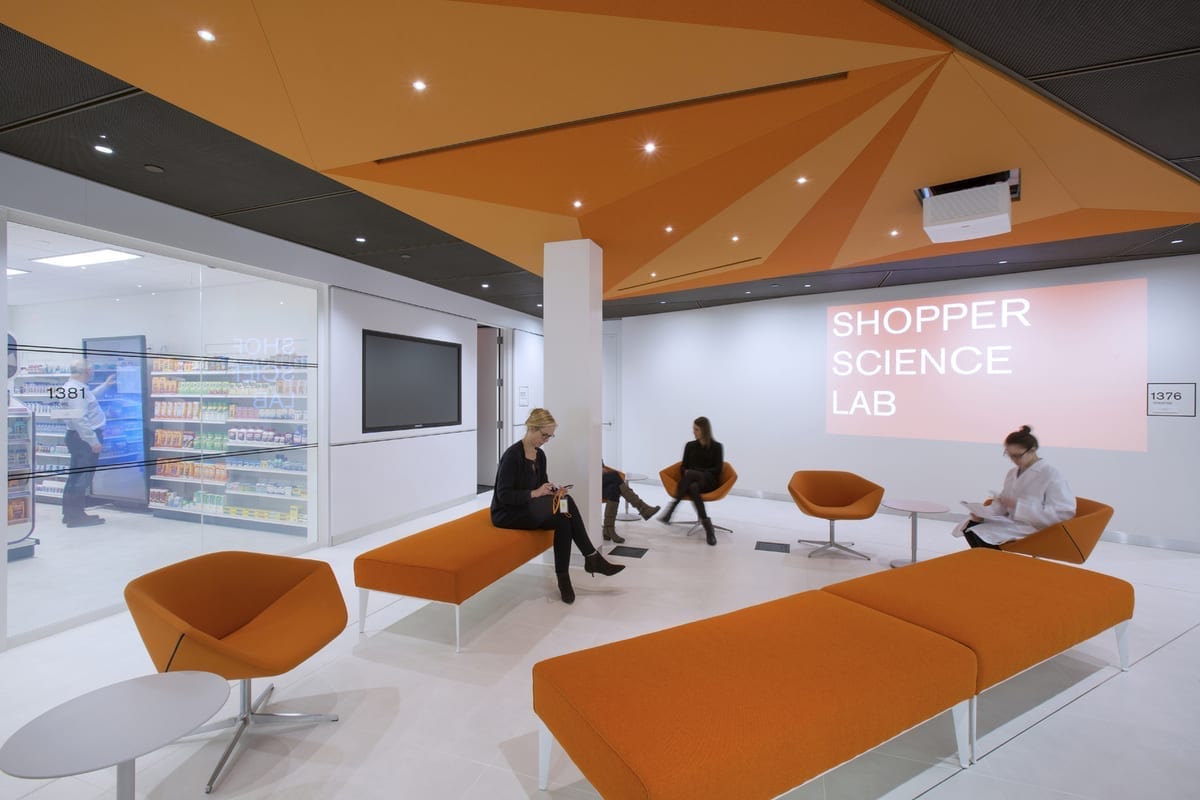
    GSK Shopper Science Lab opens in Singapore

    A new GSK Shopper Science Lab opened in Singapore will help drive business growth across Asia-Pacific, the company says.

    GlaxoSmithKline (GSK) Consumer Healthcare describes the research centre as a “cutting edge facility” which will deliver unique shopper insights and collaborations with retailers.

    “The Shopper Science Lab is a world-class shopper insight facility, equipped with state-of-the-art digital technology. With virtual reality, eye-tracking, facial biometrics, and data visualisation as some of the tools employed in-house, GSK will invite its trade partners, internal business teams and researchers to use the Lab to recreate retail environments; evaluate shoppers’ responses to online and in-store initiatives; and identify winning strategies and initiatives to enhance the shopping experience,” the company said in a statement.

    “As more shoppers join the global middle class, there is an increased demand for trusted, global brands particularly in the emerging markets. The GSK Shopper Science Lab has close proximity to large emerging markets like India and China, enabling GSK and its retail partners to study diverse emerging shoppers closely, with local data collected on the ground.”

    The GSK Shopper Science Lab consists of three labs integrated seamlessly:

    • A 1215 sqft Retail Lab, an immersive retail environment that allows the re-creation of modern and traditional retail environments such as a pharmacy or supermarket, allowing GSK and its partners to quickly test and evaluate shopper responses.
    • A Digital Lab which is a collaborative space which has the ability to test stimuli such as pack designs, point-of-sale materials, brand assets, TVCs, or content across all platforms.
    • A Collaboration Room, which provides a space to convene key decision makers, enabling them to embark on virtual and fully interactive simulations that include relevant data for faster and more informed decision making.

    “Traditional market research is often time-consuming and expensive,” explained Sidharth Singh, VP of commercial excellence, GSK Consumer Healthcare Asia, Middle East and Africa. “By leveraging the latest advances in virtual reality and biometric technology, we are now able to gather insights more efficiently and effectively.”

    An example of such technology is eye-tracking glasses which can be transported to various cities to provide researchers with an indication of how shoppers shop locally. Technology such as virtual reality, tracking sensors and software that can decode the hotspots, can help analyse this highly localised data to understand shopper behaviour in diverse markets.

  • South Korea tips fastest growth in three years in 2017

    South Korea tips fastest growth in three years in 2017

    The forecast for 2017 marks the strongest projected growth of the South Korean economy since GDP expanded by 3.3 percent in 2014. South Korea said Tuesday its economy is set to grow at its fastest rate in three years in 2017, on the back of strong exports and a $10 billion stimulus package aimed at creating jobs and bolstering welfare.

    South Korea has enjoyed a decades-long boom, but expansion has slowed more recently and economic and social frustrations were among the drivers of left-leaning President Moon Jae-In’s election in May.

    The finance ministry raised its forecast for Asia’s fourth-largest economy, saying gross domestic product was expected to expand by 3.0 percent — up 0.4 percentage points from an earlier projection in December.

    The forecast for 2017 marks the strongest projected growth of the South Korean economy since GDP expanded by 3.3 percent in 2014.

    Authorities also cited a recovery in the country’s exports for the improved outlook as the global economy rebounds.

    “We believe the 3.0 percent growth will be possible if the economy continues to undertake reforms for consumption-led growth,” deputy finance minister Lee Chan-Woo told reporters.

    The tweaked forecast comes after the government passed a giant stimulus package over the weekend promising 110,000 new jobs in response to record-high youth unemployment.

    Unemployment among under-30s hit 11.2 percent in April, more than double the rate for the entire working population.

    Economic frustrations were among the factors that fuelled mass anti-corruption protests that saw former president Park Geun-Hye impeached and arrested over corruption.

    Among the new jobs being targeted are firefighters, police, assistant teachers and social workers, while young job seekers, small businesses and tech startups will also be helped.

    Financial assistance will be increased for women on maternity leave, more daycare centers and nursing homes for the elderly are to be opened, and businesses hiring more full-time workers are to be given extra funding.

  • The economics of the money-back guarantee

    The economics of the money-back guarantee

    “Returning the product to Amazon ASAP!” complained one disgruntled Amazon customer as they gave a one-star review for a digital camera on the company’s site. This is despite the same product having an average rating of four-and-a-half stars out of five from 242 other customers.

    Companies like Amazon aren’t just ignoring these disgruntled customers and their product-returning ways. In fact, retailers are increasingly offering extra services such as warranty plans, free shipping and guarantees to reassure them. Selling with the “money-back guarantee” is a prime example of this.

    This is because the economics of the money-back guarantee can work for retailers. These businesses allow customers to return products that do not meet their expectations — as a result of poor quality or a mismatch in taste — for a full or partial refund. Essentially offering their customers an insurance against the perceived risk of the product.

    And research shows these retailers make a profit with this type of guarantee, given specific conditions. Other research also shows the money-back guarantee increases customers’ feeling of satisfaction with their purchase experience, making them likely to return to the store.

    This type of guarantee is particularly important for retailers who sell products online or through mail-order catalogues. This is because customers can’t enjoy the benefits of the traditional “touch-and-feel” shopping experience, to reassure them they are making the right decision.

    Customers rorting the scheme

    Customer returns cost retailers more than US$260 billion (equivalent to 8 per cent of total retail sales) annually in the United States alone. The return rates vary significantly by category, and by channel type. It can reach as high as 35 per cent for high fashion apparel sold in traditional stores, and the rates are higher again for internet and catalogue sales.

    However, in most cases, the returned products are not defective. Customers abuse the money-back guarantee, so much so that buying a product with the intention of returning it has become a trend known as wardrobing or barrowing. In the US, fraud associated with returns costs retailers around US$2 billion during the holiday season alone (US$9 billion annually).

    Retailers try to get around this by offering partial instead of full money-back guarantees for products. The refund is usually less a “restocking fee” charged for returns.

    For example, compare the 30 day money-back guarantees from two Australian furniture retailers, Zanui and Rogerseller. Zanui offers a full refund, whereas Rogerseller charges its customers a 15 per cent restocking fee (it pays back only 85 per cent of the selling price rather than the full amount).

    In most cases, restocking fees can range between 10% and 20% of the original purchase price, some even as high as 50 per cent.

    A survey by professional services company Accenture reported that in the computer electronics industry, most customers returned their products because they simply “did not meet expectations.” More specifically, for 68 per cent of returns, there was “no trouble found” by the customers; 27 per cent of the products were returned due to “buyer’s remorse”.

    And only 5 per cent of the products returned were truly defective. However, regardless of the reason, returned products cannot be sold as “new,” even though the product could be new in the sense that it was never used.

    Major consumer electronics retailers such as Best Buy and Walmart restock these returned items and sell them as “open-box items” at discounted prices. Open-box simply means the product is marked as being opened or used previously. A retailer’s ability to sell returned products as open-box creates an opportunity to attract more price conscious consumers.

    The downside of such product differentiation is that open-box products can have a negative impact on the demand for the new products in a store. The retailer might also have to incur additional costs for handling returns and repackaging them as open-box.

    Making or losing money on the money-back guarantee

    Balancing the benefits and costs of the money-back guarantee is a delicate task for retailers. In studying the guarantee we worked out how retailers could use it to increase sales and profits.

    We looked at product pricing, refunding and inventory stocking decisions in money-back guaranteed sales. We took into account uncertainty in demand, the possibility of a customer’s dissatisfaction with the product after purchase, as well as the lower value customers place on an open-box product, relative to brand new products.

    Using this model, we figured out the best prices retailers could use reselling returned products and the restocking fees to encourage or discourage returns, for the highest possible net profit.

    Even though reselling returned products meant less stock for the retailer it also reduced inventory-related costs adding to profits. In essence, retailers can claim back at least some of the costs associated with return fraud, with reselling.

    In areas of retail with higher risk of returns, the temptation is to tighten returns policies, to limit them. This is especially true for highly innovative products, new technologies, or fashion-driven products (especially high-end ones).

    Interestingly, our study shows that reselling returns complements the money-back guarantee. So these type of high-risk products are likely to give retailers the most benefit, when they are resold after being returned.

    Retailers also feel the benefit of reselling when there are more price conscious customers who are more inclined to buy a product that is being resold, because it’s at a discount.

    So the economics of the money-back guarantee can work for retailers by improving brand value and through reselling via open-box products

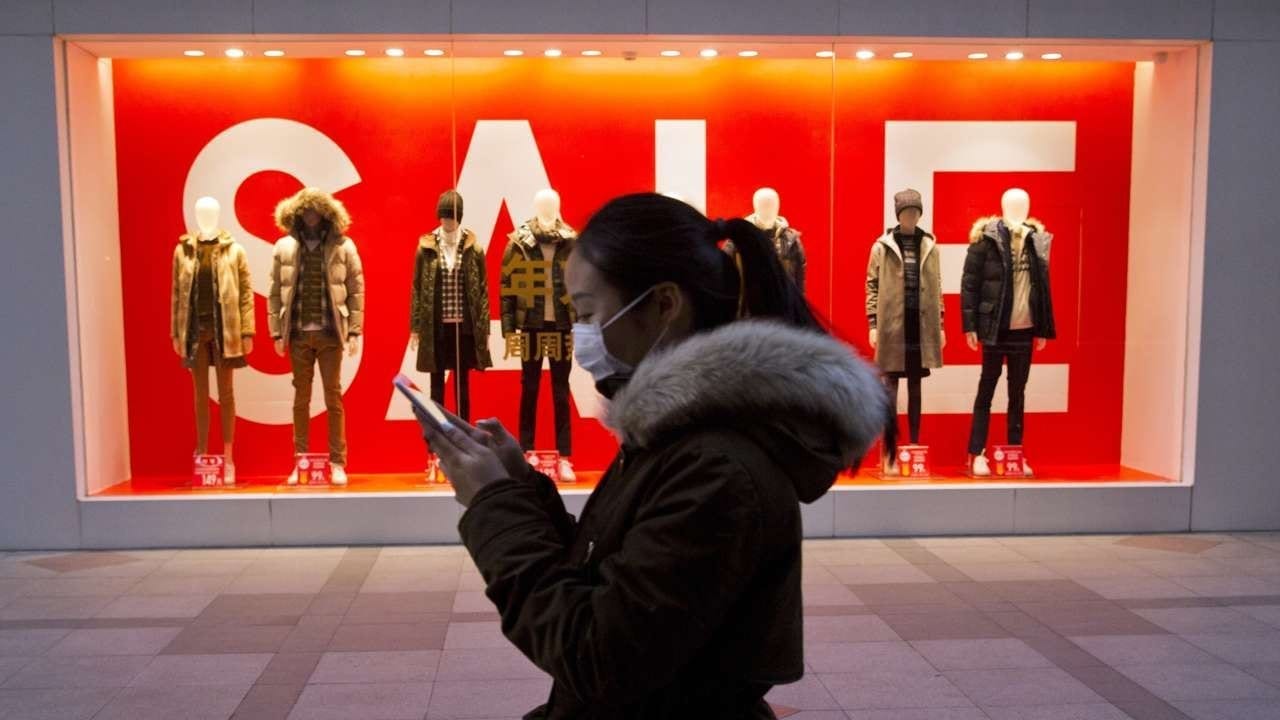
  • China’s retail sales grow 10.4 per cent

    China’s retail sales grow 10.4 per cent

    China’s retail sales of consumer goods grew 10.4 per cent year-on-year in the first half of this year to RMB17.24 trillion (US$2.55 trillion), new official data shows.

    The pace was slightly faster than the 10 per cent for the first quarter, the National Bureau of Statistics (NBS) says.

    Retail sales last month grew by 11 per cent year-on-year, the fastest rate since December 2015.

    The NBS attributes the pick-up in growth partly to online sales, which surged 33.4 per cent year-on-year in the first half, 1.3 points higher than in the first quarter.

    Online sales of goods rose 28.6 per cent to RMB2.37 trillion, accounting for 13.8 per cent of China’s total retail sales, up from a share of 11.6 per cent for the first half of last year.

    NBS spokesman Xing Zhihong says the larger share proves new growth sources in the economy are rising.

    Retail sales in rural areas rose 12.3 per cent in the first half, outpacing the 10.1 per cent expansion for urban areas.

    Booming retail sales are behind China’s stabilising economy, which grew 6.9 per cent in the first half.

    The contribution of final consumption to GDP growth stood at 63.4 per cent, slightly down from last year’s 64.6 per cent.

    “Consumption demand is the most important engine of our economic growth,” says Xing.