Tag: retailing

  • Little Dip in Hong Kong Retail Sales Last Month

    Little Dip in Hong Kong Retail Sales Last Month

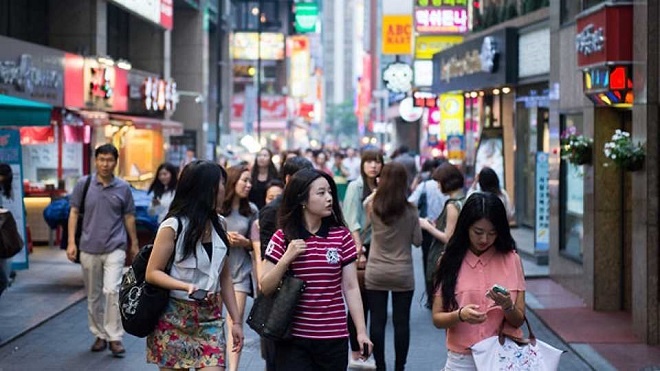
    Hong Kong retail sales in March slipped by a negligible 0.2 percent, a slower decline than the 1.6 percent of January and February combined.

    But figures from the Census and Statistics Department show first-quarter retail sales were still down 1.2 percent year on year.

    After netting out the effect of price changes over the same period, the provisional estimate of the volume of retail sales in March decreased by 0.8 percent compared with a year earlier, and for the first quarter by 1.6 per cent.

    March’s decline was driven largely by the watches, jewelry and valuable gifts sector, which fell by 2.6 percent, and apparel, down by 2.3 percent. Sales of electronic goods fell by 15.6 per cent, of optical shops by 5.7 per cent and of books and stationery by 2.5 percent.

    Conversely, sales by supermarkets increased 3.3 percent, of medicines and cosmetics by 2.5 percent, in department stores by 5 percent, and of food, liquor and tobacco by 3.6 per cent.

    Footwear and accessories sales rose by 7.1 percent, furniture by 4.3 percent and Chinese drugs and herbs by 1 percent.

    A government spokesman said the decline in Hong Kong retail sales in March “reflected the cautious consumption sentiment amid various external uncertainties”.

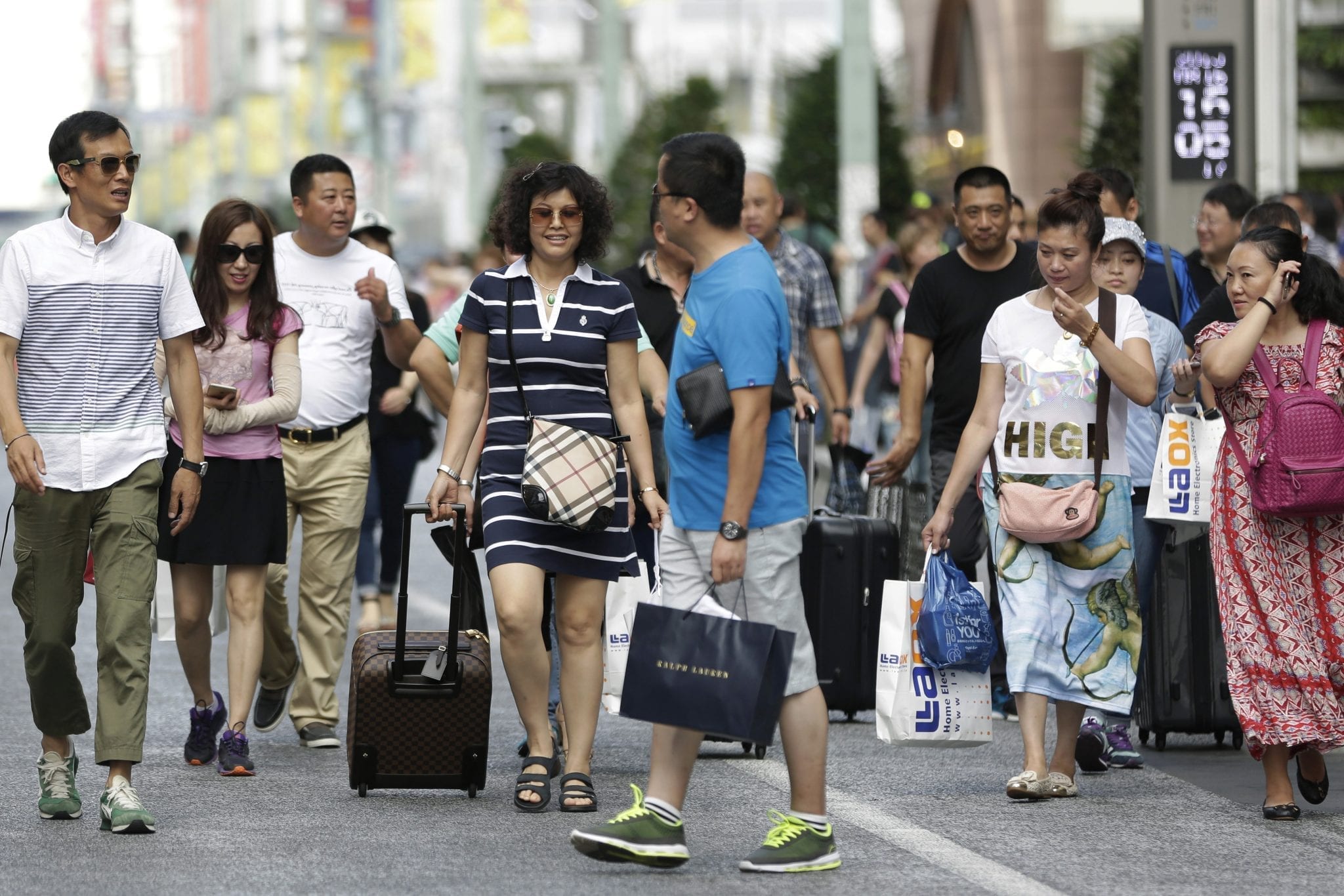
    He said that looking forward, retail sales business will likely continue to be affected by various external uncertainties in the near term, but the largely stable labor market and the sustained growth in inbound tourism should provide some support.

  • Sephora Hong Kong plans Eight More Store Openings

    Sephora Hong Kong plans Eight More Store Openings

    Sephora Hong Kong has confirmed not one, but eight stores in its return to brick-and-mortar retailing in the territory – but shoppers will have to wait until August for the first outlet to open.

    As previously reported, the LVMH-owned chain will open a 4200sqft store in IFC Mall after a 10-year absence from the city.

    In an announcement confirming its plans, Sephora Hong Kong says it will open a second store at Windsor House in Causeway Bay in the fourth quarter of this year and expand its online offer.  Six more stores will follow over a three-year timeframe, their locations as yet not revealed.

    In a statement, Benjamin Vuchot, president of Sephora Asia, said the company currently operates in 12 countries and during the next three years sees its retail presence expanding by almost 50 per cent across Asia.

    “Hong Kong, being strategically located in the Greater Bay Area, allows us to meet the growing demands from Hong Kong consumers, as well as tourists from Mainland China and Southeast Asia,” he said.

    “We believe that Hong Kong will be a key market … giving Sephora the opportunity to amplify global beauty trends locally, elevate the in-store retail experience and to bring in digital touch points within the brick-and-mortar format to create a virtuous customer centric cycle.”

    Sephora said the retail landscape in Hong Kong has changed significantly over the 10 years since Sephora last had a store there.

    “Conventional retail with a physical presence has proven higher chances of winning in a market with strong digital development. Moreover, the re-launch of Sephora brings to Hong Kong’s department store-focused retail landscape a much-needed prestige retail chain for an authentic omni-channel experience,” the statement said.

    Sephora Hong Kong plans to make beauty “more personalised, fun and interactive” upon its return, allowing customers “the freedom to experience products that work for them, learn tips and tricks, as well as to have access to unbiased beauty services from beauty advisors”.

    The company plans more than 40 brands of cosmetics exclusive to Sephora stores in the city, along with its own in-house label Sephora Collection. It has promised to include local Hong Kong brands in its offer as well, over time.

    Digital innovation will play an integral role in Sephora’s traditional retail experience, with vending machines to be located in stores to support the Beauty Pass loyalty program, an app powered by member insights to drive seamless customer service, a digital skincare consultation for immediate and accurate recommendations, and the opportunity to go online to book in-store makeovers.

  • Walmart trials new Online Store Format

    Walmart trials new Online Store Format

    Supermarket retailer Walmart has launched a new technology called Intelligent Retail Lab (IRL) that allows it to monitor its physical stores more efficiently and keep costs under control.

    The retail giant is testing this new technology, which includes artificial intelligence-enabled cameras, interactive displays and a massive data centre, in its 50,000-square-foot neighborhood market grocery store in Levittown, New York.

    According to IRL CEO Mike Hanrahan, the location is one of Walmart’s busiest stores and has more than 30,000 items and this allows them to test out the new technology concept in a real-world environment.

    “We’ve got 50,000 square feet of real retail space. The scope of what we can do operationally is so exciting,” Hanrahan said.

    IRL is set up to gather information about what’s happening inside the store through an array of sensors, cameras and processors. It has a combination of cameras and real-time analytics that will automatically trigger out-of-stock notifications to internal apps that alert associates when to re-stock, detect the products on the shelf and compare the quantities, among others.

    Hanrahan said the first thing this equipment will help the team focus on is product inventory and availability. In short, the team will use real-time information to explore efficiencies that will allow associates to know more precisely when to restock products, so items are available on shelves when they’re needed.

    “Customers can be confident about products being there, about the freshness of produce and meat. Those are the types of things that AI can really help with,” Hanrahan said.

    Walmart said with its new IRL technology, customers can trust that the products they need will be available during the times they shop.

  • The new golden rule for retailers to be Succesful

    The new golden rule for retailers to be Succesful

    The retail climate in Australia has long been a concern, but could there be a secret sauce to help brands reclaim valuable real estate in the minds of their consumers?

    Let’s face it — which brand doesn’t want to be like Nike? Its mass market, appeal and unique ability to stay relevant throughout its 50-year history have made it one of the most valuable brands amongst sports organisations. If Nike hadn’t already cemented its position as one of the biggest culture catalysts in the world, Colin Kaepernick has definitely made sure it has now.

    Commentators have waxed lyrical about the Kaepernick campaign and marketers have taken to it big time. But retail businesses too can take a leaf out of this book. You can’t fault the way Nike engaged with consumers on the basis of what motivates them, summed up by the campaign’s tagline: “Believe in something. Even if it means sacrificing everything.”

    This is the crux of value-based engagement: engaging consumers on the basis of what they want to do, not necessarily what they want to buy. Australian retailers need to think beyond the product, and instead provide experiences and solutions that support and enable fundamental consumer needs, desires and aspirations.

    Between the brand and consumer, the latter now has more influence over the other. The growth of online shopping means the challenge for retailers to surprise and delight is getting harder, and thanks to technology, consumers are more informed and more in control at every stage of the purchase process. They are more aware of what they want and don’t want, and their attention span depends on how well you can teach, entertain or guide them at every given moment they interact with your brand.

    Consumer loyalty and advocacy is won and lost through the quality of experiences that retailers can provide. Whether your consumer comes to you to be inspired, be motivated to do good, alleviate frustrations, fulfil desires or solve a problem, retailers now need to create and invest in experiences to retain their customers.

    There are four main types of in-store experiences:

    • Convenient: These involve removing unwanted friction and inconvenience in the shopping journey. Amazon set a new standard for frictionless retail with Amazon Go, where consumers can walk in, shop and leave without ever going through a checkout line. With time as the new currency, the retailer that removes the most painful features of the shopping journey and increases overall convenience can go a long way towards building consumer loyalty and trust.
    • Communal: Turn the store into a destination for loyal customers to gather, who orient themselves to particular causes, affinities or cultural distinctions. In Tokyo, Adidas’ RunBase concept stores work extremely well as a local runners’ hub on which customers can test new gear and receive customised training ahead of purchase.
    • Curated: The future of retail will not be about having a proliferation of choices as it has been in the past; rather, it will involve winning consumers over with thoughtful curation of products and experiences. With OPSM reminding you to order more contact lenses for the next three months, would you consider moving to another optometrist? No!
    • Immersive: While this type of experience is still in infancy, it’s a safe bet that more retailers are going to invest heavily in this space as the need for experience-based differentiation becomes paramount to survival and future growth. To promote Deadpool 2, 7-Eleven launched its first augmented reality (AR) in-store experience, which consisted of different points of engagement and encouraged customers to spend more time in-store. Deadpool could be seen through the app as guiding users around the store, and a selfie filter was available, plus scannable codes that unlocked in-store activities and loyalty points.

    The next frontier of retail will have shopper demands and desires be foreseen, processed and fulfilled before they are articulated or even consciously realised. The creation of unique experiences represents a chance for retailers to achieve true, meaningful engagement with their consumers. And by committing to helping them achieve what they want to achieve, retailers will ensure their relevance over a greater period of time.

  • Asians show greater propensity amongst global consumers in new technology adoption

    Asians show greater propensity amongst global consumers in new technology adoption

    Asians have emerged as the most enthusiastic adopters of new and innovative technology products globally. The latest findings released by GfK from the first of its kind study—the New Tech Adoption Index (NTAI)1, highlights Asia’s prominence in driving global new technology advancement; with the region’s high demand fueling growth of overall product category in majority of the region’s market by at least 35 percent in both volume and value terms in the past year.

    GfK unveiled detailed findings of their first ever study conducted around the New Tech Adoption Index, which provides a relative measure of the inclination by Asian consumers towards adopting technology and consumer products with advanced features or technology.

    The NTAI leverages GfK’s proprietary point-of-sales data to specifically analyze new consumer technology take-up across over 250,000 products in the consumer durables and technology industry across nine Asian and six key European markets. New consumer technology products categorized into four main baskets2 —Fun, Comfort, Freedomand Essential are analyzed accordingly, including hardware items and those with software-led features such as Ultra HD/4K and Gaming (Fun), Smart Appliances (Comfort), True Wireless, Wearables and AI Speaker (Freedom) and Screen sized larger than 5.5” for Smart + Mobile Phones (Essential)

    “To be competitive, more and more brands are introducing products with innovative features or functionality. In order to succeed in their innovation efforts, it is important for brands to understand where they can find their greatest potential of early adopters, who can then create a network effect for their products,” said Vishal Bali, Managing Director for Client Solutions and Innovation, APAC. “The New Tech Adoption Index can help brands identify these markets, and even pinpoint the specific cities and regions within each market.”

    New Technology Adoption: Different Shades of Asia

    GfK reported a wide ranging spectrum of NTAI between 46 and 146 for the nine Asian markets, highlighting the vast differing levels of new technology adoption in the region.While showcasing the rise of key markets in new tech adoption, it also reveals the fact that the region is home to some of the laggards in this area. The top three markets with the highest overall NTAIs are China (146), Singapore (134) and South Korea (128), while India (46) and Indonesia (67) took their positions at the opposite end of the scale.

    “The New Tech Adoption Index indicates a market’s propensity in new technology adoption based on how much higher or lower their calculated index is positioned from the baseline of 100. We see an obvious trend of market clustering among the developed and developing markets, whereby NTAIs are higher for the more mature markets, and lower for emerging ones,” observed Bali.

    A deeper dive into the Asia’s NTAI reveals that 24 of the total 70 cities evaluated in the study showed above average readings, with the 8 top cities all hailing from China (NTAI range:161-196) —led by Beijing (196) and Shanghai (193). Eight of Korea key cities followed next (NTAI range: 147-156) with Seoul (156), Chungcheong (156) and Inchon (153) showing the highest new tech adoption propensity within this market. Most diverse market within Asia is Indonesia ranging from 33 to 118 with Botabek being the city which sees the highest level of new tech adoption.

    Composition of the index analyzed by the four baskets reveals significant variations from country to country. Asia is clearly a “mobile first” region, which is why the Essentialcategory is the main driver of NTAI across the region. Unique market traits take center stage when it comes to adoption of new tech products for the other categories. For instance, NTAI for the Freedom category is led by Vietnam where the local populations are generally younger, while the mature markets of Korea, China and Singapore exhibit higher NTAIs for the Fun category due to their greater spending power. It is interesting to note that new technology adoption in Comfort category is only significant within Developed Asia.

    New Technology Adoption Index: Asia versus Europe

    GfK also did a comparison of new technology adoption trends between East (Asia) and West (Europe). Amongst the six European markets, the four which have indices reflecting higher propensity in new tech adoption are Great Britain, Spain, Italy and Germany, although their ranking still lag behind four of Asia’s markets. In addition, the gap between the highest and lowest NTAIs is much narrower, in comparison, for European countries—ranging from 80 to 111.

    Another notable difference between the two regions is the higher share of Fun, Freedom and Essential categories existing in the European region, whereas Comfort is practically a nonexistent category here.

    Bali added, “The wide variation of new tech adoption in Asia as compared to Europe continues to lend credence to the notion that there is no one Asia, but it is in fact a complex fabric of distinct countries. And the complexity deepens when we consider sub-national characteristics.”

    Implication for Brands in Asia

    GfK’s NTAI study also highlighted the distinct traits of Asian consumers that set them apart from the rest of the world. For instance, evidence from various GfK reports reveal that Asian shoppers tend to be less loyal, more experimental, and are growing in sophistication when it comes to making purchase decisions thereby making the markets in Asia an ideal haven for new product test marketing.

    GfK Asia’s NTAI offers a view on the market’s receptivity to new consumer technology products and help businesses make crucial decisions pertaining not just to market selections to launch innovative new products, but also provide valuable market intelligence that can help brands in their product conceptualization process to ensure that the new tech product features will go down well with their target market.”

    According to findings from another GfK study, nearly two in every three (64%) respondents surveyed in Asia said that they are less loyal to any one brand—a seven percentage point jump from two years ago. In comparison, the proportion of respondents in US and Europe who shared the same sentiments were significantly lower.

    “However, a one-size-fits-all strategy will not work for Asia’s highly diversified and fragmented marketplace,” emphasized Bali. “Instead, focusing on pivotal factors such as perfecting their distribution and pricing strategies across different cities and channels, and gaining a good grasp of their different consumers’ needs and adoption behaviors, will significantly up the success rate of new technology brands in the consumer tech and durable space.”

  • Suppliers call on ACCC to investigate retailers

    Suppliers call on ACCC to investigate retailers

    Suppliers have called on the Australian Competition and Consumer Commission (ACCC) to investigate whether retailers are complying with the Food and Grocery Code of Conduct,following a turbulent few weeks in which major brands were withheld from supermarket shelves.

    In early April, some of Australia’s favourite pet food brands like Whiskas, Pedigree, My Dog and Dine as well as Uncle Toby’s cereals vanished from shelves around the country in what appeared to be an ongoing price war between supermarkets and suppliers.

    The ACCC said in a statement that it “is aware of the issues and is assessing the matter”.

    The ACCC’s code of conduct contains rules relating to grocery supply agreements, payments, termination of agreements, dispute resolution and a range of other matters. It is a voluntary code, under the Competition and Consumer Act, and therefore only applies to retailers or wholesalers that have elected to be bound by the Code, something that Woolworths, Coles, Aldi and About Life have done.

    While the code requires both retailers and suppliers to act “in good faith”, there may be grounds for a retailer to delist a product that is withheld by a supplier or unobtainable for an extended period of time.

    Industry sources told that this area is open to potential abuse as most suppliers do not have enough market data to argue their case.

    The ACCC invites suppliers to report alleged breaches of the Act or Code and has also made submissions to a recent review of the Food and Grocery Code.

    A spokesperson for Woolworths told that its team members are trained to comply with all the requirements of the code of conduct.

    “We treat our obligations under the Food and Grocery Code very seriously and train our teams to comply with its requirements in all our dealings with suppliers,” a spokesperson for Woolworths said in a statement.

    “If a supplier has concerns with any aspect of our conduct, there are a range of channels available, including anonymous reporting lines, for those to be raised and properly investigated.”

    “While we will always endeavour to limit increases to the cost of groceries for Australian families, we have reached agreements with many suppliers to pay many millions more for the products they supply to us in recent times.”

  • Amazon to close China mainland store

    Amazon to close China mainland store

    Amazon China is about to stop selling local goods to local shoppers. According to multiple financial-news services, the global e-commerce giant is about to announce the closure of its dedicated Mainland China store, however Chinese consumers will still be able to order goods from Amazon’s global store.

    The dedicated Amazon China platform will close in July, meaning shoppers will no longer be able to buy goods listed by third-party local suppliers.

    According to “people familiar with the matter” quoted by Bloomberg, exiting the intensively competitive Mainland China market will allow Amazon to shift its focus to more lucrative businesses selling imported goods to Chinese and developing its successful cloud services operation.

    The withdrawal comes 15 years after Amazon entered China, purchasing local online store Joyo.com for US$75 million. Seven years later it rebranded the site under its own banner.

    The company estimates it will take about three months to close down its mainland fulfilment centres and delist local vendors as appropriate.

    With Alibaba and rival JD accounting for a combined 82 per cent of the Mainland China online market, there was little room for Amazon to eke out a commercially viable market share within a reasonable time frame.

    Michael Pachter, an analyst at Wedbush Securities, said Amazon was pulling out of the Chinese domestic market, “because it’s not profitable and not growing”.

    “The domestic Chinese online retailers just have huge advantages that Amazon can’t compete with.”

    Amazon has yet to officially confirm the China plan.

  • Habitat by Honestbee Flies High with global Retail Innovation

    Habitat by Honestbee Flies High with global Retail Innovation

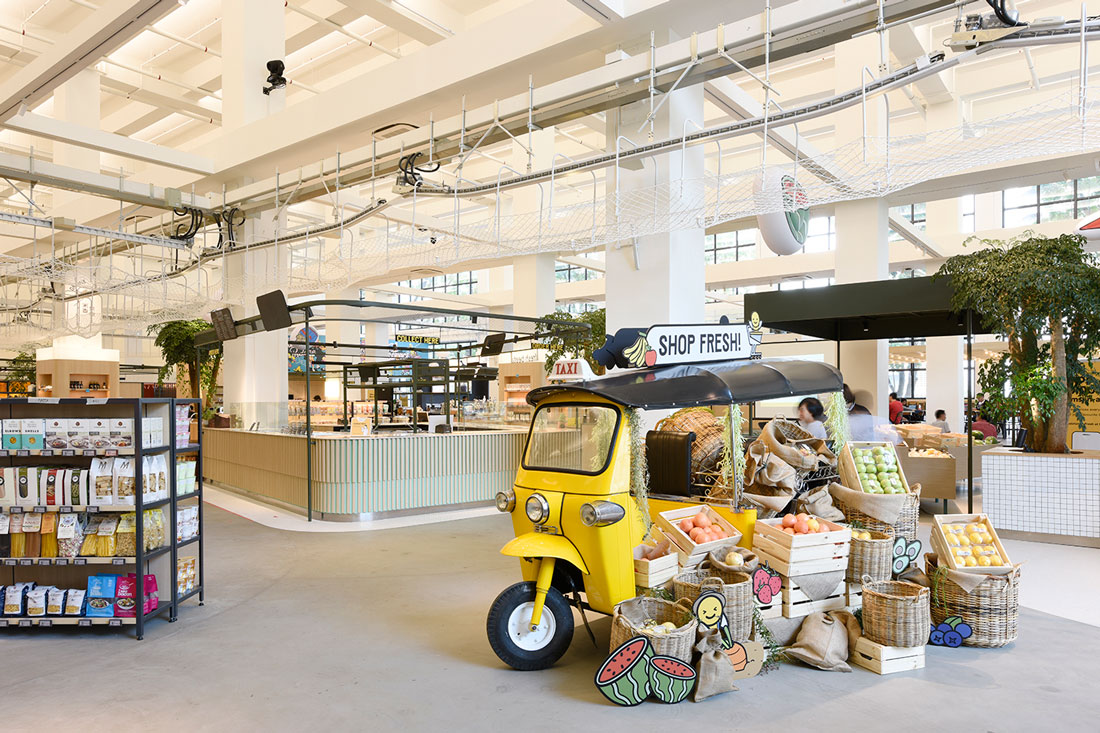
    Habitat by Honestbee has been voted one of the must-see retail innovations in the world this year. The concept was listed among the top 16 stores to visit in the world by IGD, and Google reports it among the top 10 trending searches in Singapore last year.

    The 60,000sqft flagship store opened last October, offering more than 20,000 essential and unique food and grocery products.

    The store is billed as the world’s first tech-enabled food-and-grocery concept which uses technology to provide a seamless shopping experience with human interaction.

    According to Honestbee, customers are spending an average of two hours at the store – considerably more time than people spend in a single visit to any other supermarket in Singapore.

    Close to 500,000 people spanning all age groups have visited the store, despite its remote location. The two largest demographic groups of customers fall between the ages of 26 – 35 years old (41 per cent) and 36 – 45 (28 per cent). Two in three customers are family groups who visit the store, attracted by the mix of grocery and dining and its friendly neighbourhood feel.

    “We are pleased to have had such a resounding success since the launch, not just with customers, but also with the business community in retail, property, grocery and F&B,” said Pauline Png, Habitat by Honestbee MD.

    “Strong sales growth pushes us to continue delivering a memorable experience for customers to visit, try new products and return. This tactility that Habitat by Honestbee provides ignites a curiosity for our products, which are also available online.”

    Future growth plans

    Png says Honestbee will soon be providing an option to combine food carts on the app, enabling orders from multiple F&B concepts at the store on one receipt.

    More engaging product information and content will be added in time, along with personalised recommendations.

    “The launch of Habitat by Honestbee has allowed us to elevate our business into an omnichannel platform and work with partners like no other online player can,” said Joel Sng, CEO and founder of Honestbee.

    “Habitat by Honestbee has built on our brand’s promise and expertise in using data to optimise the customer experience.”

    Sng says the company is confident it can expand the concept into other markets.

    “In the second quarter of the year, we will be extending our food-retail leadership in Asia by launching a scalable, multi-concept kitchen and convenience store powered by data.”

    Honestbee started in early 2015 as an online concierge and food-delivery service.

  • Tmall Reinforces Go-to Platform Status for Product Debuts

    Tmall Reinforces Go-to Platform Status for Product Debuts

    Alibaba Group’s Tmall today announced it will launch a dedicated gateway for customers to discover new products through the Taobao mobile app, looking to cement its position as the “go-to” platform for such launches.

    From Wednesday, customers clicking on the “Tmall” icon in their Taobao app will be directed to the “Tmall New Products” channel, which includes a full array of new features, such as Tmall’s “Most Sought-after New Items,” “The Next New Things,” “Limited Editions” and “New Flagships.” Working with brands and key opinion leaders, the channel will provide customers with in-depth information and recommendations on new products.

    Tmall has long been an effective platform for showcasing new products, a one-stop shop for consumers to find the hottest new items online, and a creative, experiential channel to interact with and learn more about new products.

    The new channel for product launches is powered by Tmall’s already impressive suite of marketing tools, such as “Hey Box” and the Tmall Innovation Center (TMIC). In the past year, 82% of new products tailored by TMIC became a top-three “hot” item in its category within 30 days of launch. TMIC has also reduced the product development cycle by half, to an average of nine months.

  • Singapore retail sales plunge due to Chinese New Year

    Singapore retail sales plunge due to Chinese New Year

    Singapore retail sales plummeted 10 per cent year on year in February – but the sudden drop was largely due to the timing of Chinese New Year celebrations.

    After excluding motor vehicles from the figures, sales dropped by a slightly higher 10.7 per cent.

    Chinese New Year fell in the middle of the month last year, and early in the month this year, resulting in a shifting of some seasonal spending back into January this time around. Figures combining January and February sales in both comparable periods were not released.

    According to Statistics Singapore, sectors such as food retailers, apparel & footwear, supermarkets & hypermarkets, department stores, furniture & household goods, and medical goods & toiletries registered declines in retail sales of between 10.4 per cent and 24.8 per cent this year.

    Sales of watches & jewellery, optical goods, and books fell by between 7.2 per cent and 9.2 per cent.

    Statistics Singapore estimated total retail sales in February this year at $3.3 billion, with online retail sales comprising about 5 per cent of those.

    Sales of food & beverage services decreased 2.3 per cent year on year. The total sales value of food & beverage services in February was estimated at $855 million, compared to $875 million in February last year.

  • A narrative-driven Retail Concept Shop Opened by Macy’s Story

    A narrative-driven Retail Concept Shop Opened by Macy’s Story

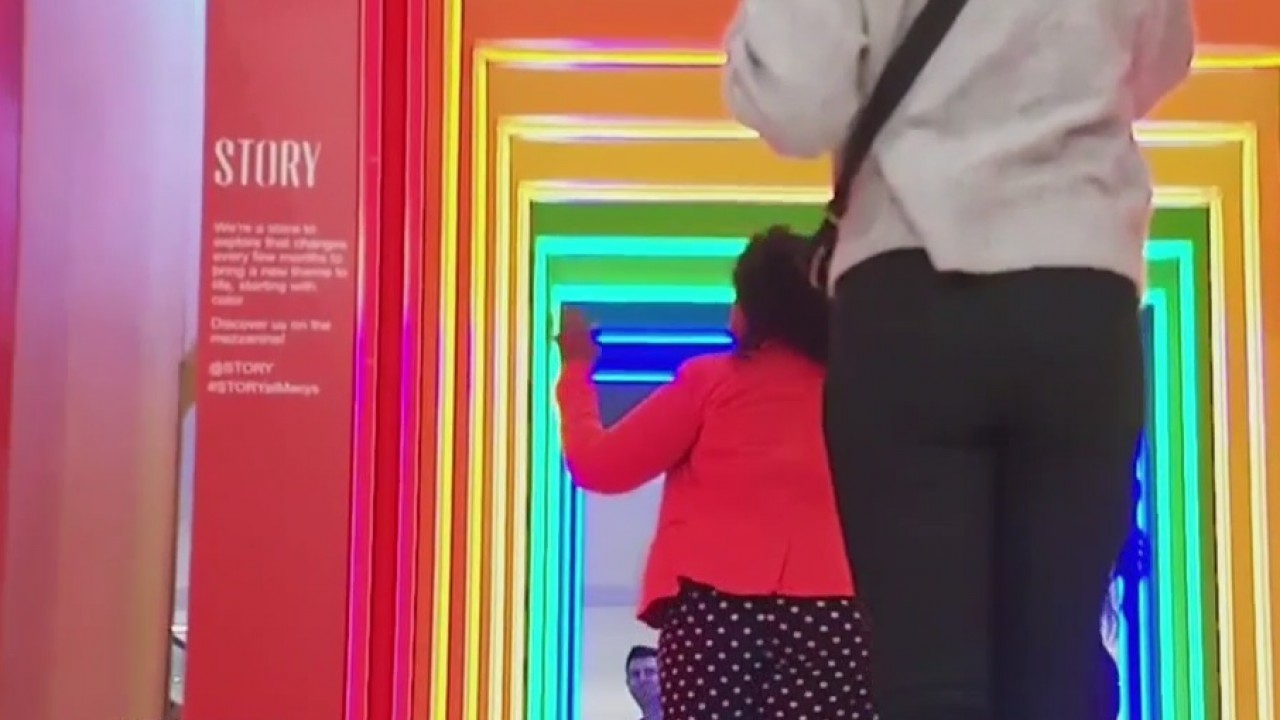
    US department store Macy’s has opened its “narrative-driven retail concept shop” Story in 36 locations across the US.

    The store concept takes an editorial approach to retail, launching with “colour” as an inaugural theme, inviting customers to explore and experience colour through a rainbow of curated, giftable products and more than 300 colour-inspired events.

    “The discovery-led, narrative experience of Story gives new customers a fresh reason to visit our stores and gives the current Macy’s customer even more reason to come back again and again throughout the year,” said Macy’s chairman & CEO Jeff Gennette.

    Story themes will change every few months with new concepts featuring unique collaborations, narrative-driven merchandising and dynamic event programming.

    “The simultaneous launch of Story at Macy’s in 36 stores across 15 states is the successful outcome of a reimagined approach to cross-functional collaboration and the work of more than 300 Macy’s colleagues who contributed to creating this new, scalable business model nationwide,” said Story founder and Macy’s brand experience officer Rachel Shechtman.

    In the lead up to launch, more than 270 dedicated Story managers and “storytellers” were hired and participated in an experiential retail training program that immersed staff with integrated roles on everything from building fixtures to customer engagement and event production.

    Story at Macy’s averages 1500sqft, cumulatively representing more than 55,000sqft of main-floor retail space across all 36 stores. Herald Square serves as the flagship location, where Story at Macy’s covers more than 7500sqft of continuous retail space on the main floor and mezzanine levels. The expanded space showcases a broader range of partners and interactive experiences than in other locations.

    “The Story at Macy’s experience feels a lot like a real-life version of scrolling through Instagram,” added Shechtman. “You discover things you weren’t looking for, but are inspired by all the fun finds – the second you see it, you need it!

    “We aspire to create that feeling with the breadth of the narrative-driven merchandise edit we are bringing to life with the launch of Story at Macy’s across the country.”

  • Uniqlo Parent Cuts Financial Outlook

    Uniqlo Parent Cuts Financial Outlook

    Uniqlo parent Fast Retailing has cut its annual operating forecast amid heavy discounting to offload winter clothes.

    The apparel company has struggled with a shortage of popular winter items in the past, and overcompensated last winter by ordering too much inventory.

    The unseasonably warm weather hit sales of winter clothes which led to the decline of Fast Retailing’s first quarter profit.

    The company is undergoing the biggest revamp of its logistics and supply chain network to resolve the challenge it faced over winter.

    The Japanese retailer said it now expects an operating profit of  ¥260 billion (A$3.2 billion) for the financial year through August, compared to its previous forecast of  ¥270 billion in January. The revised outlook would still be a record high and represent a 10 per cent year-on-year rise.

    For the quarter ending February, Fast Retailing posted a double-digit increase in sales and profit in China, which has helped the brand turn in a better-than-expected rise in operating profit to ¥68 billion.

    The company reported declines in both revenue and profit in the first half of fiscal 2019, with revenue totaling ¥491.3 billion yen, down 5 per cent from the previous corresponding period, and operating profit totaling ¥67.7 billion yen, down 23.7 per cent from the previous year.

    First-half same-store sales, including online sales, declined 9 per cent.

    Online sales, which now account for 9.9 per cent of Uniqlo sales in Japan and 20 per cent in China, rose 30.3 per cent in the first half.

  • Mountain Designs relaunches witch New E-commerce Platform

    Mountain Designs relaunches witch New E-commerce Platform

    Australian adventure brand Mountain Designs has officially relaunched, with a new e-commerce website sporting the brand’s full range.

    Spotlight Group chief executive of leisure brands Chris Lude said the business was committed to maintaining its 45 year heritage.

    “We are dedicated to ensuring the iconic Mountain Designs brand remains Australian owned, operated and designed,” Lude said.

    The relaunched brand also offers a renewed range, with the business having redeveloped 14 of its best sellers, as well as newly designed apparel and gear.

    “Adventure is in the Mountain Designs DNA, and the new range will continue to provide quality, technical, multi-functional gear that people know and love,” Lude said.

    Acquired in early 2018 by Spotlight Retail Group for an undisclosed sum, Mountain Designs confirmed it would offer a selection of goods, including thermals, apparel and equipment, within the Spotlight-owned Anaconda chain.

    Prior to being acquired by Spotlight Retail Group, Mountain Designs had been shuttering its bricks-and-mortar locations to focus on a purely online model to create a more sustainable platform for the business moving forward.

    During this period, the brand’s website was also closed to facilitate this shift, remaining offline until earlier this week.

    Spotlight Retail Group has recently indicated a larger push into the New Zealand market amid a larger revamp of its brands, with craft retail chain Spotlight to open a Christchurch flagship later in the year.

    It remains to be seen if this initiative extends to Anaconda or Mountain Designs – both of which operate solely in Australia.

  • China’s Coffee Consumption Keeps Growing

    China’s Coffee Consumption Keeps Growing

    China’s coffee craze has gained pace with the growth rate in consumption on premise 25 per cent higher last year.

    According to research from Mintel, China’s on-premise coffee market value reached RMB64.7 billion (US$9.6 billion) last year, up 7.5 per cent on the year prior, when the growth rate was 6 per cent. It is predicting growth to resume to 6 per cent annually from this year until 2023.

    However, while sales by value are thriving, Mintel estimates that the number of on-premise coffee house outlets shrank by 2 per cent as fewer new stores opened than closed. But that is half the decline of a year earlier.

    “Like many industries across China, the on-premise coffee market is not immune to the influence of New Retail,” said Belle Wang, associate food and drink research analyst at Mintel.

    “The quick expansion of New Retail coffee businesses across the country has stimulated more coffee consumption among consumers, resulting in strong sales volume. With the growing momentum of New Retail coffee shops, and an increasing number of international and domestic brands entering the market, consumers today have more options when it comes to coffee. As such, the industry will see positive growth rates over the next two years.

    “However, this growth will slow down, largely due to Chinese consumers’ traditional behaviour of drinking tea and the country’s thriving tea shops,” said Wang.

    Mintel expects positive volume growth in the next two years, at 0.6 per cent from last year to this year and a further 1.2 per cent between this year and next, to reach an estimated 74,000 coffee houses by 2020.

    Convenience versus traditional

    When it comes to choosing where to get their caffeine fix, more Chinese consumers today are purchasing coffee from convenience stores than traditional coffee house chains. Mintel’s research reveals that 52 per cent of Chinese consumers (survey sample of 3000) buy coffee at convenience stores compared to just 44 per cent who purchase it from a traditional coffee-house chain.

    About 23 per cent of consumers who drink on-premise coffee at least once a month have done so at new retail coffee houses.

    “Our research shows that more on-premise coffee users get their coffee from convenience stores than from traditional chain coffee houses. This is perhaps due to Chinese consumers associating convenience stores with a full range of breakfast options. Convenience stores are also viewed as easily accessible and more affordable. Given this upward trend, other coffee vendors could introduce unique features, like providing various food and coffee pairings, in order to compete,” said Wang.

    “While New Retail coffee is experiencing a lot of growth at the moment, consumer engagement remains low – partially because they are still relatively new. However, there is an opportunity for New Retail coffee houses to catch up in terms of popularity by offering aggressive discounts and delivery service.”

    That said, big discounts alone will not be sufficient, as discounting is neither the best nor a sustainable strategy for a long-term business plan. There needs to be other merits such as offering healthy mix-and-match meal deals,” Belle added.

    Latte the top choice

    Mintel’s research reveals the favourite coffee beverages consumed in China’s coffee craze. More than half of on-premise coffee consumers order lattes (54 per cent) or cappuccinos (52 per cent). These are followed by mocha (45 per cent), Americano (38 per cent), flavoured coffee (36 per cent), espresso (26 per cent) and cold-brew coffee (23 per cent).

    A relatively new concept in China’s coffee craze is coffee mixed with plant-protein milk, with 22 per cent of on-premise coffee consumers ordering it.

    “Lattes and cappuccinos are the most popular drinks in coffee houses as they are generally very palatable due to their creamy texture and rich dairy flavour. Furthermore, as they are usually widely available, they are often a first step into coffee appreciation,” said Wang.

    “Once consumers fully appreciate these basic beverages, they are more likely to try non-milk based drinks, like an Americano or cold brew coffee. However, only offering basic coffee selections makes it difficult to stand out in the homogenous coffee marketplace and attract more coffee consumers.

    “As such, coffee houses can take inspiration from tea shop drinks by making their offerings more visually appealing and ‘instagramable’ in order to draw attention and pique consumer interest,” Belle concluded.

  • Indonesian retail sales growth speeds up

    Indonesian retail sales growth speeds up

    Indonesian retail sales surged 9.1 per cent in February – a rate higher than anticipated.

    The growth rate appeared to be driven by shoppers splurging on Lunar New Year celebrations as well as an increase in apparel sales during the month.

    February’s rise followed a 7.2 per cent improvement in January and government statisticians have predicted a rise of 8 per cent for March.