Tag: Sales

  • Chow Tai Fook takes it slow in China after profit slump

    Chow Tai Fook takes it slow in China after profit slump

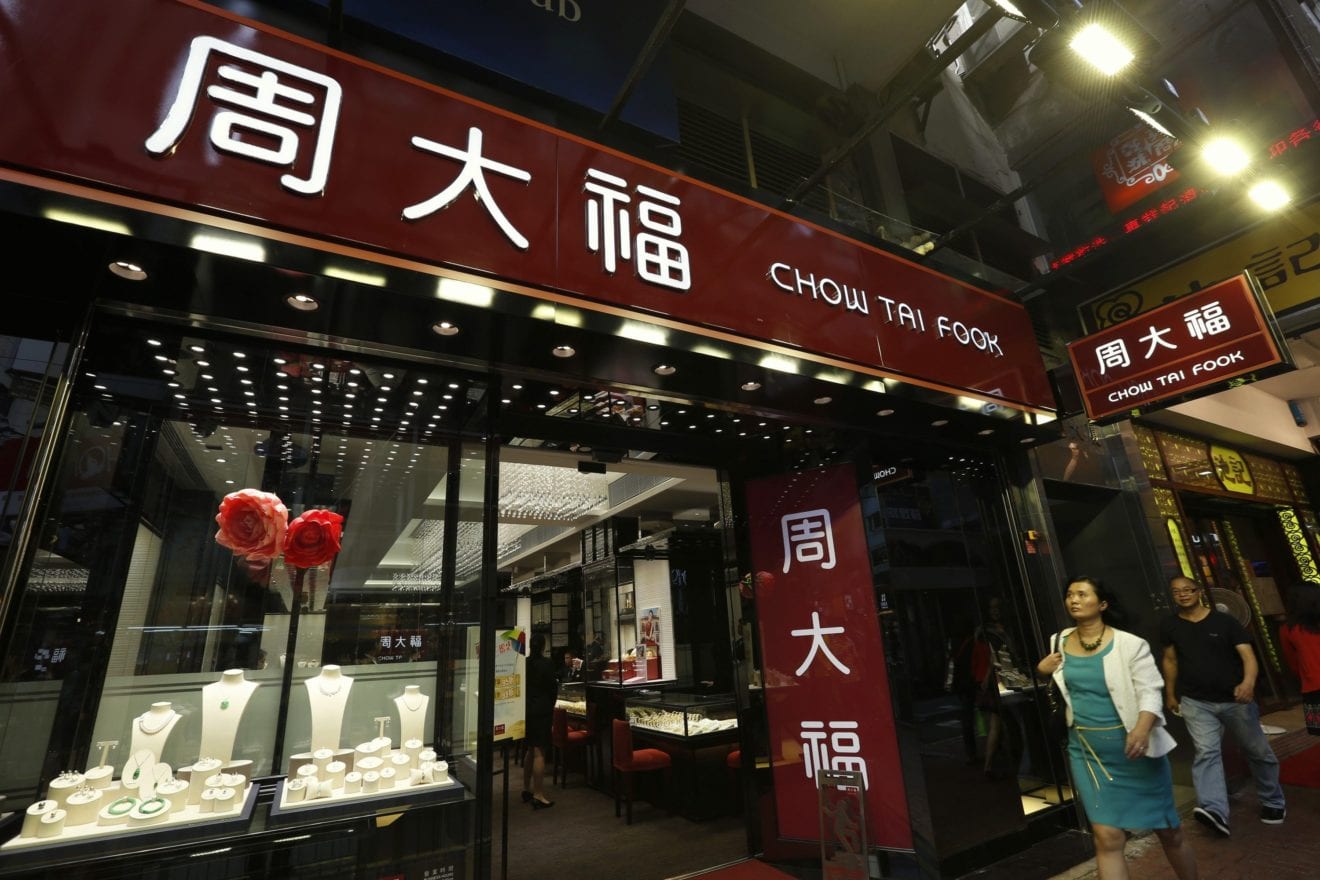
    Chow Tai Fook Jewellery Group, the world’s largest listed jewelry chain, will be more “selective” in expanding in mainland China, after it posted on Tuesday the steepest decline in full-year profit since it listed locally due to the economic slowdown.

    Listed in 2011, the jeweler saw its net profit plunge 46% to 2.94 billion Hong Kong dollars ($379 million) for the 12 months ended in March, in line with its profit warning issued on May 12. Full-year revenue fell 12% to HK$56.59 billion from a year ago. Its mainland business contributed more than half of its revenue.

    “The market is still subject to short-term volatility,” said Chairman Henry Cheng Kar-shun, son of Hong Kong billionaire Cheng Yu-tung whose business empire includes developer New World Development and transport companies. “But we are cautiously optimistic about the long-term growth prospects in the greater China market.”

    Chow Tai Fook’s retail network expanded to 2,300 points of sales in mainland China, Hong Kong, Macau, Taiwan and South Korea as of end-March, with a net addition of 62 from a year ago. Managing Director Kent Wong Siu-kee told reporters that net store openings will be similar to last year, but a majority of them will be in third- and fourth-tier Chinese cities, citing lower business costs there.

    The group will shut down seven to eight stores in Hong Kong and Macau to cut cost, although it does not have large-scale layoff plans this year. Last year, it lost about 9% of its staff in Hong Kong and 6% in mainland China. “The pie [of luxury retail] is so much smaller than before,” said Cheng, but added that the retail downturn was cyclical rather than structural.

    Hong Kong retailers still face challenges as sales fell for the 14th consecutive month in April, with a dwindling number of tourists from mainland China. Sales of jewelry and watches fell 16.6%, according to official statistics, although the decline has narrowed.

    Michael Cheng, Asia-Pacific retail and consumer leader at PricewaterhouseCoopers, expects the luxury sector to recover in 2017 due to a low base effect. “Luxury is a sector so much subject to volatility in the macro market,” he said on Tuesday, adding that more luxury retailers would offer deeper discounts and turn to the “affordable luxury” segment for opportunities.

    Other retailers have a more aggressive China strategy. Rival Tse Sui Luen Jewellery reported a 40% fall in net profit last year, dragged down by a slackening retail market in Hong Kong. The Hong Kong-listed jeweler is counting on the domestic mainland market to drive revenue growth.

    “At least half of our income will come from mainland China,” TSL’s Financial Officer Estella Ng told reporters in late May, adding that the group would open at least 100 sales points there in the next two years.

    Chow Tai Fook’s shares closed 4.8% higher at HK$5.87 on Tuesday before the earnings announcement. Their shares have plummeted 34% from a year ago, widely underperforming the benchmark Hang Seng Index. Analysts at JP Morgan gave it an “underweight” rating with a price target of HK$3.50 as of mid-May, citing “no positive catalysts” for the stock in the short term.

    Despite its weak earnings performance, the jeweler declared a special dividend of HK$0.22, bringing total dividends for the year — including its interim and final payout — to HK$0.8, up from HK$0.28 last year. Analysts said the special dividend was a sweetener to boost its share price, but the management justified it as a move to reward shareholders.

    Nikkei staff writer Joyce Ho in Hong Kong contributed to this story.
  • Carrefour China beefs up distribution

    Carrefour China beefs up distribution

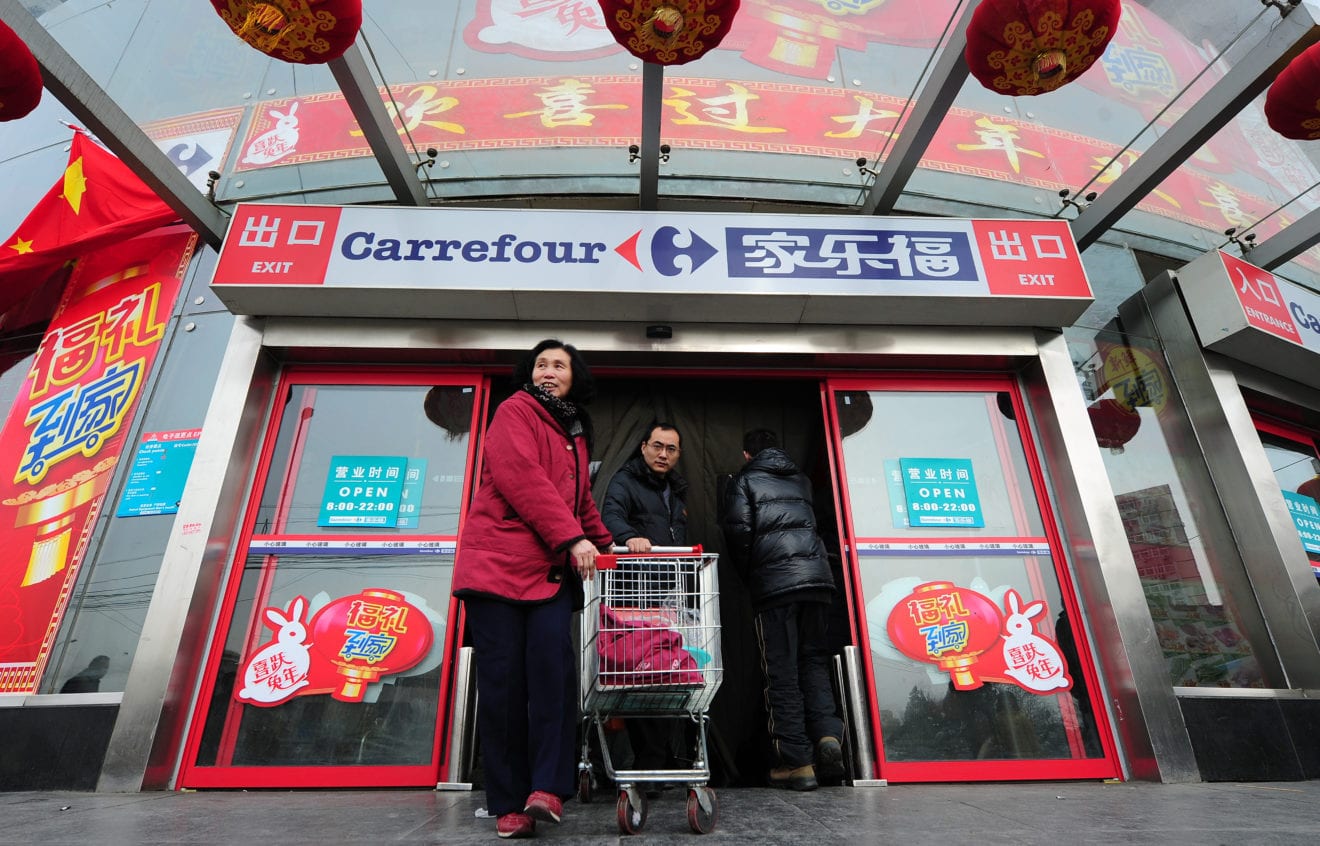
    Carrefour China has opened a new distribution center is in Hongmei Town, Dongguan, Guangdong province.

    It says the centre will play an important role in the supply chain of Carrefour China in South China area, by forming a logistics network covering the Pearl River Delta as well as Fujian and Hainan province, which can increase the logistics efficiency and support stores.

    Carrefour is focused on long-term development in China. Since a new development strategy was implemented in March 2015, Carrefour has  gradually introduced new formats and initiatives, such as an O2O business, convenience stores and opening hypermarkets in new cities. It says strengthening the supply chain network is the key to implementing the new strategy.

    The Carrefour China Logistics Center will provide full support to the 30 stores in Guangdong, Hainan and Fujian province.

    During the last two years, Carrefour China has established four distribution centers in eastern, western, northern and central China.

  • Giorgio Armani Asia suffers in China

    Giorgio Armani Asia suffers in China

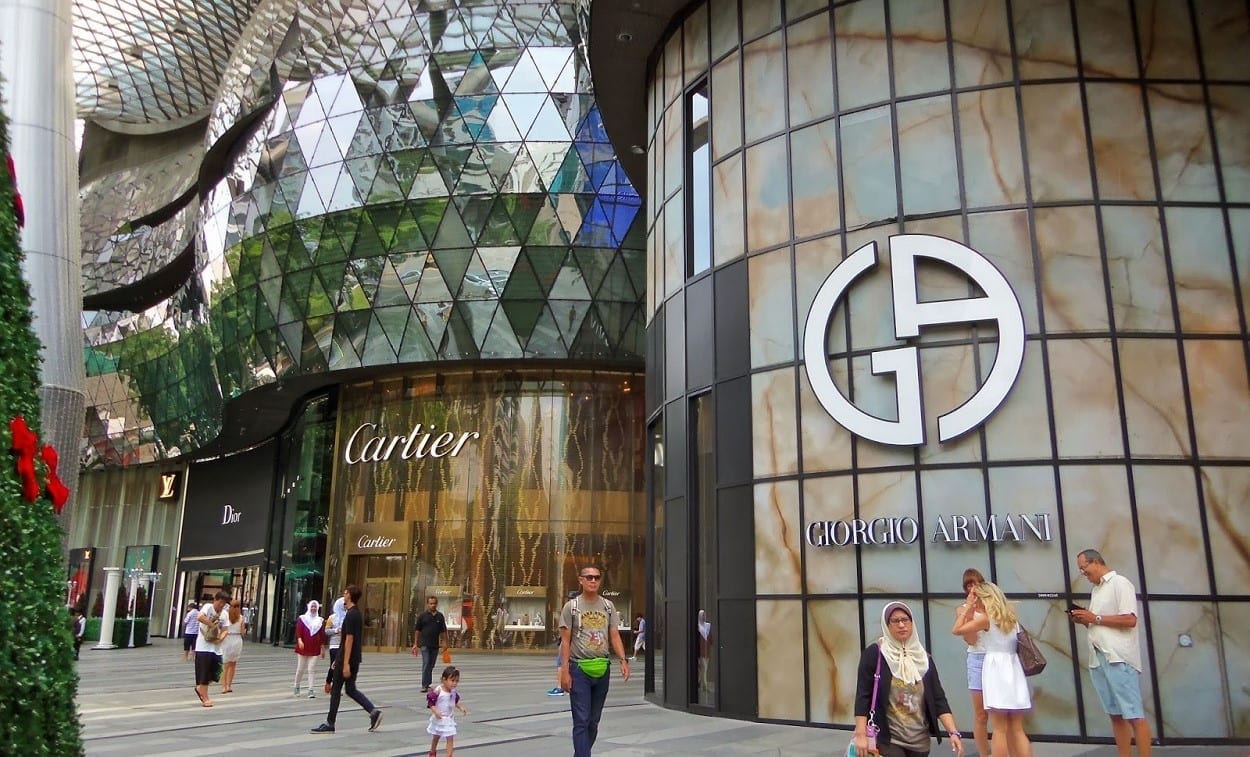
    Italian fashion house Giorgio Armani Asia is the latest luxury retailer to cite greater China as the cause of a downturn in sales.

    Burberry and Hugo Boss have also been hit by China’s economic slowdown, leading to Hugo Boss cutting its prices in Asia.

    Armani says revenues grew 4.5 per cent last year, a 16 per cent drop from the year before. Revenues totalled €2.65 billion (US$ 2.95 billion). Prada had sales of €3.55 billion.

    The Milan-based group, whose products include accessories, cosmetics and furniture, and the more affordable Armani Exchange range, says earnings before interest, tax, depreciation and amortisation edged up 1 per cent to €513 million last year, from €507 million in 2014.

    Despite the slowdown, the firm says its cash reserves of €640 million allowed it to step up investments in its brands to “further strengthen its competitive market position”.

    “These results are the outcome of an attentive diversification policy for the group’s lines, paired with the co-ordination of distribution channels and enhancement of the role that our trade partners play,” says president Giorgio Armani, who founded the company in 1975. The 81-year-old designer is still actively involved in the business.

  • Sales of Educational Products Popular among Korean Workers

    Sales of Educational Products Popular among Korean Workers

    Korea’s unyielding economic slump and more frequent corporate restructuring are driving employees to quickly prepare for a hazy future. These employees are referred to as saladents – a portmanteau of the words salaryman and student.

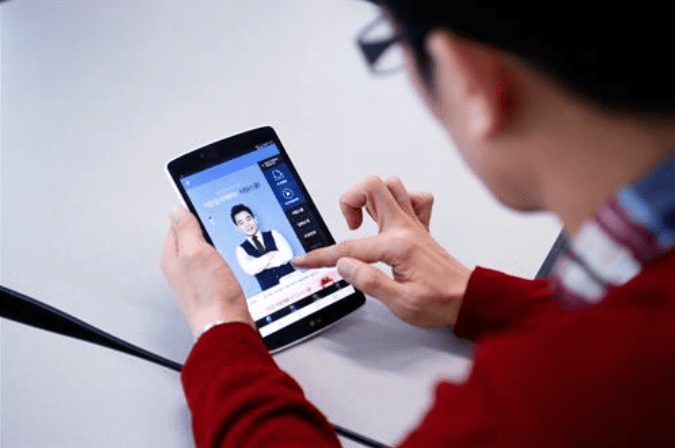
    According to a retail industry watcher, Hyundai Home Shopping generated 30 billion won in revenue from sales of the Siwon-school Tab, an English-learning device. The device was first introduced on its channel in January, and has been aired 31 times in the past five months.

    The device is based on LG’s G-pad 8.0 with an internal SD card, and offers its users a variety of English lectures without having to connect to any networks.

    However, the more intriguing part of its popularity is that 59.8 percent of the purchasers were men. In Korea, there are usually twice as many female home shoppers as male customers, with a male-to-female ratio of 22:78.

    Furthermore, 50 percent of all customers were in their 40s.

    Hyundai Home Shopping explained that there is a greater number of male customers who are studying prior to retirement, or with hopes of getting a promotion. And they tend to prefer such devices that offer more convenient and unrestricted means of study in contrast to visiting private academies before or after work hours.

    “In the past, parents would purchase learning devices for their children,” said Lee Sung-gu, senior merchandiser (MD) for Hyundai Home Shopping. “But more recently, it’s the saladents who want to improve their competitive advantage in society.”

  • Michael Kors result ‘disappointing’

    Michael Kors result ‘disappointing’

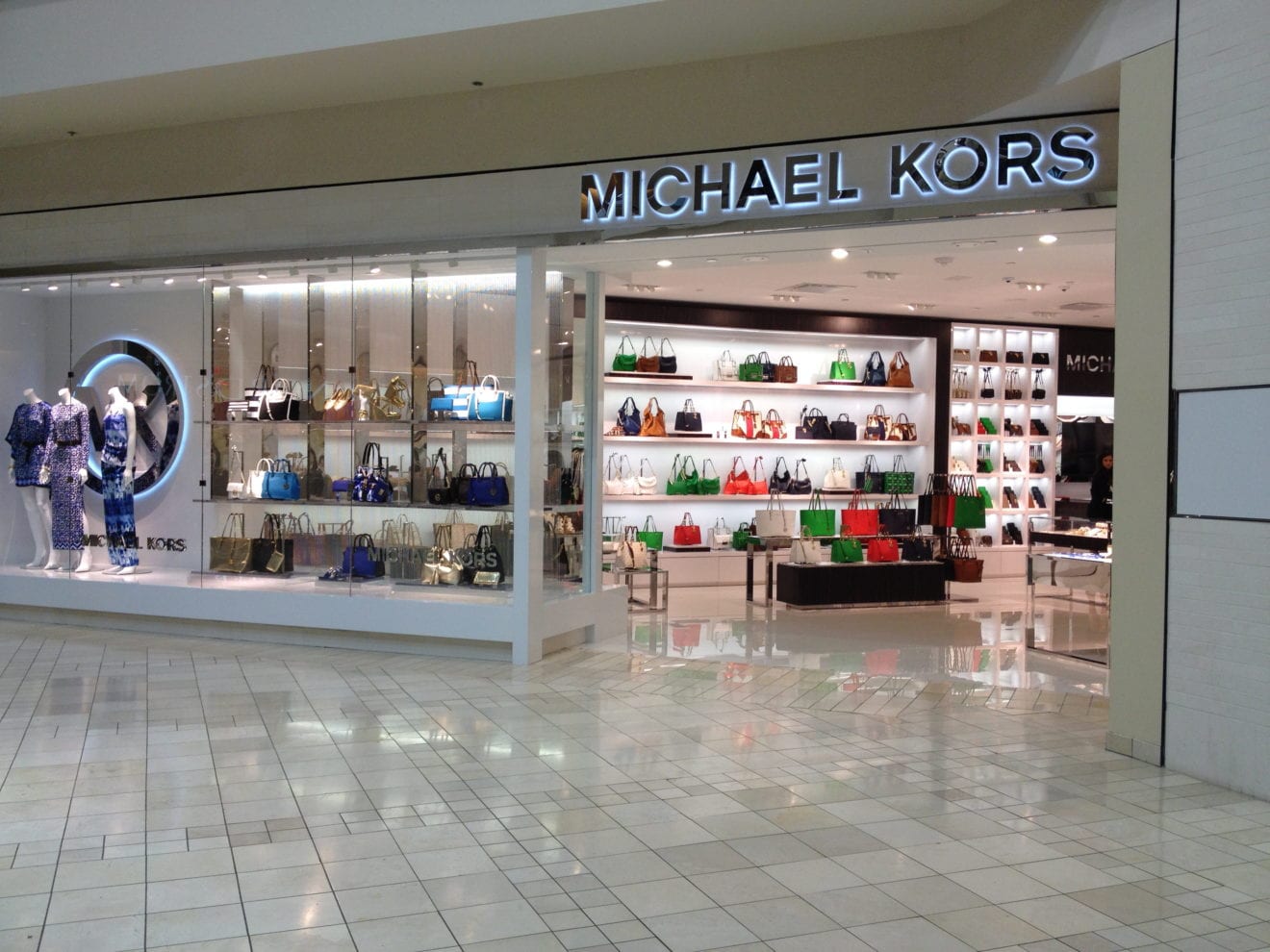
    At headline level Michael Kors has ended its fiscal year on a strong note with total revenue up by 10.9 per cent, underpinned by a robust increase of 22 per cent in retail sales.

    However, most of the uplift is thanks to the fact the company opened some 142 new stores over the past year and has also expanded its online operations. When these are factored out, underlying growth is anemic – rising just 0.3 per cent over the prior year.

    Such a soft comparable number is disappointing, especially as it comes off the back of a very weak comparative in the prior year when same-store sales dropped by 5.8 per cent. Licensing revenue also shrank, down by 13.6 per cent on a year-on-year basis. That growth only came from expansionary activities rather than from underlying productivity gains shows on the bottom line where net income fell by 3.5 per cent.

    Michael Kors’ numbers are also something of a mixed bag on a regional basis. In North America, which remains the company’s biggest market, revenue rose by a respectable, but fairly modest, 4.6 per cent. Europe came in slightly stronger with a 15.6 per cent increase, but Asia was the star of the show with a 216.4 per cent increase over the prior year. This variance is no coincidence and reflects the differences in maturity of the Michael Kors brand in terms of both physical coverage and saturation levels with consumers. That said, even with the variances, Michael Kors is showing a much better growth story than many rival brands, including Coach.

    While North America remains in growth Michael Kors will struggle to boost its sales in the US over the next few years, mainly because consumer interest in the brand seems to have peaked. It is notable that Nordstrom has started to cut back on Michael Kors inventory, while a number of other department stores are offering heavy discounts on its product. This underlines the continued issues of saturation and ubiquity in the home market.

    This dynamic means it is fortunate that Michael Kors has other regions to turn to for growth, with Asia having the most potential. Here we are encouraged that Michael Kors has acquired Michael Kors (Hong Kong), which was previously a separate operation licensed to sell into China and a number of other Asian countries. This will, allow the business to ramp up the pace of expansion in the region and, over the medium term, boost earnings potential. That said, in the short term investments in new openings and marketing are likely to act as a brake on bottom line growth, as indeed will the continued impact of the strong dollar.

    Given that it will take time to ramp up growth in Asia, and that pressures at home continue, the start of the new fiscal year is likely to see a slight dip in comparable sales accompanied by a deterioration in profit.

    Longer term, the outlook is more positive as Michael Kors reaps the benefits of its growth program.

  • Hermes Korea buck luxury downturn

    Hermes Korea buck luxury downturn

    Hermes, the French high fashion brand, has proven to be an exception to the downturn in South Korea’s luxury market, industry officials said last Tuesday.

    Compared to other luxury brands that had one to three per cent sales increases over the past three or four years, Hermes Korea has shown growth of 20 to 30 per cent, according to global consulting firm Bain & Company. The company’s sales rose 25.7 per cent in 2012, 31.1 per cent in 2013, 32.7 per cent in 2014, and then 27.9 per cent in 2015.

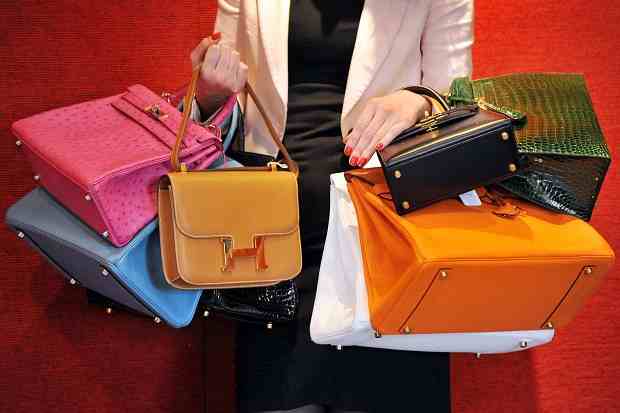
    Department store officials say much of Hermes’ popularity comes from its handbags – in particular, its Birkin bag. Retail sources report 1000 people in South Korea are currently on the waiting list for one of the bags, but three to four years ago, unable to meet the impossibly high demand, the stores stopped taking reservations.

    “We are hard-pressed to be able to deliver on reservations made years ago,” an official at a Hermes store in Seoul said. “So we stopped taking reservations altogether.”

    A Birkin bag is locally priced at 13 million won (US$10,975), with crocodile-skin models selling for as much as 70 million won.

  • Asia drops Burberry profit

    Asia drops Burberry profit

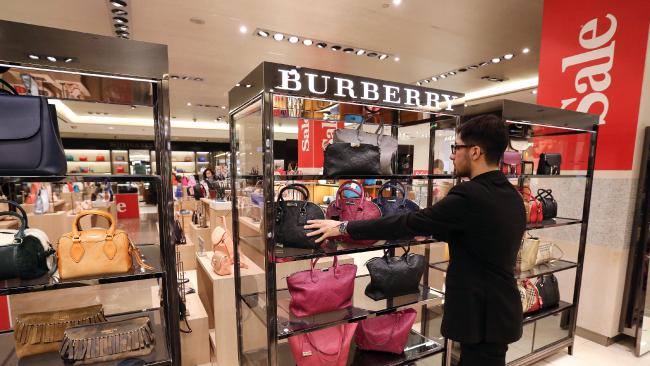
    Hong Kong has been blamed for a further decline in Burberry profit and a consequential cutback of staff and products.

    The British luxury goods brand has reported an 8 per cent fall in adjusted pre-tax profit to £421 million in the year to March 31 on flat revenue of £2.5 billion.

    In an earnings call, CFO Carol Drinkwater said trading in Hong Kong and Macau, which account for about 8 per cent of sales, remained tough, but the group’s stores there are still profitable, and all luxury brands were affected.

    “Conditions remain extremely challenging,” she said.

    As Andy Hall, explains, retail like-for-like sales were down by 1 per cent globally.

    But that was entirely due to falling demand in Hong Kong and Macau, where Burberry and its peers have had to contend with a collapse in demand for luxury goods. Excluding the two territories’ figures, same store sales rose a more respectable 3 per cent.

    “While the Burberry brand retains appeal globally, wider economic conditions and trading in traditionally lucrative Asian markets has dampened footfall, and hurt luxury players like Burberry the most,” said Hall.

    CEO Christopher Bailey is now looking to create a more efficient retail operation – with a £100 million cost reduction plan to be implemented over the next two years to restore profit growth and appease increasingly nervous shareholders while it weathers the Hong Kong storm.

    The company plans to cut between 15 and 20 per cent of its products across all its range, focus more on handbags and eliminate about 100 jobs.

    “I am mindful we are embarking on this plan at a time when our industry is facing significant challenges,” said Bailey, who has seen the company’s market value fall by about 37 per cent over the last 12 months.

    Handbags have higher margins and the company is not selling as well as rivals Louis Vuitton and Prada in that category.

    Furthermore, Burberry is aware it needs to increase its sales per square foot, currently estimated at around 1600 euros a year, a third that of Louis Vuitton and also well behind Moncler and Prada.

    Bailey has conceded Burberry is not as good as its rivals in “retailing basics”. It now plans to make its stores more productive by further tailoring ranges for local customers, improving customer service, increasing staff training and reviewing merchandise to highlight a reduced, simpler range of product.

    Hall says a renewed focus on in-store service and productivity would bring Burberry in line with the focus of luxury peers and would create a leaner, fitter operation with which to take the blows being dealt by a declining global demand.

    “Burberry’s decision to streamline its product ranges, at the same time as introducing some new products such as its Scarf Bar and new male fragrances, demonstrates its commitment to innovation, and attempts not to be left behind by other luxury fashion players.”

    Hall says Burberry has a lot of attributes in its favour and the collapse in demand in Hong Kong is unlikely to be its undoing.

    “However, with the retailer now re-focusing its efforts on retail (which accounts for 73 per cent of group revenue), it is crucial it continues to make pro-active improvements to the business. Examples of this – such as its reshaping of the fashion-show calendar, and imminent relaunch of its Burberry.com website, will help the brand to retain strong recognition, and ensure it holds its appeal even as the wider trading backdrop remains challenging,” said Hall.

  • Slow growth for Victoria’s Secret parent

    Slow growth for Victoria’s Secret parent

    Victoria’s Secret parent L-Brands has kicked off its new fiscal year with a reasonable set of numbers.

    However there is a distinct softness to the total growth rate which is significantly down on the last quarter even against a fairly reasonable prior year comparative. Same store sales growth has also halved since the end of the last fiscal year.

    More worrying is net income, which fell by 39 per cent over the prior year. Although the bulk of this decline is related to the one-off gain from last year when the company sold its interest in a third-party apparel sourcing business, a decline in operating income also contributed to the fall. In essence, cost growth outstripped sales growth during the first quarter.

    The reason for the softness is mostly down to a weaker, though still positive, performance at Victoria’s Secret. Here comparable sales increased by just 2 per cent – an uncharacteristically slow pace, and one significantly down on the 5 per cent attained last quarter. Despite the net addition of a handful of new stores over the past year, total growth from shops was virtually flat, with a comparatively subdued rise of 1 per cent in same store sales. Performance at the direct part of the operation was only somewhat better with a  2 per cent uplift in sales.

    There are a few reasons for the downtick in growth at Victoria’s Secret. The first was an aggressively promotional market, against which despite its usually loyal customers Victoria’s Secret had to work hard to compete. The second was a somewhat less interesting product assortment which, while still reasonable, did not have hits like last year’s Bombshell bra. And the third was a weaker performance from non-core categories like swimwear, which the company has indicated it will cease selling by the year end. Combined, these things helped to erode growth.

    As genuine as these excuses are, there is also a question mark over whether the brand is reaching saturation point, especially within a market that has become more competitive with nimble players like American Eagle Outfitters’ Aerie. Victoria’s Secret still has headroom for growth, but there is no doubt that it is now having to work a lot harder to secure it. Key to achieving better numbers will be a very disciplined approach to categories outside of lingerie – an area where the company has struggled with both apparel and more recently swimwear. By getting rid of these failing areas, a focus on the more logically adjacent activewear category holds better potential.

    Performance at L-Brands’ other main division, Bath & Body Works, was robust with comparable sales up by 6 per cent. Bath & Body Works success is down to a consistently strong product offering, good gifting ideas which boosted performance over Easter, accessible price points, and friendly store environments with good service levels. All of these ‘ticked boxes’ helped the company to do well, in a competitive environment.

  • Tencent Holdings revenues grow 43 per cent

    Tencent Holdings revenues grow 43 per cent

    First-quarter Tencent Holdings revenues grew 43 per cent to RMB31,995 million (US$4893 million).

    The Chinese company’s subsidiaries provide media, entertainment, internet and mobile phone value-added services and online advertising services in Asia.

    Revenues from its value-added service increased by 34 per cent to RMB24,964 million, while its online games business achieved 28 per cent growth, primarily driven by new smartphone games and key PC titles.

    Tencent’s social networks attracted a 48 per cent rise in revenue to RMB7879 million, mainly through the growth of virtual item sales and also from digital content subscription services and QQ membership subscription services.

    Revenues from online advertising business ballooned 73 per cent to RMB4701 million, while performance-based advertising, mainly driven by its mobile social and media platforms, had 90 per cent growth to RMB2532 million.

    Brand display advertising revenues grew by 56 per cent to RMB2169 million, reflecting higher revenue contributions from Tencent’s mobile media platforms such as Tencent News and Tencent Video.

    Mobile QQ usage benefited from enhanced features in areas such as video messaging and virtual gift exchanging. User activity in Interest Tribes, the interest-based communities embedded in QQ, benefited from enriched content discovery features, such as targeted feed-displays.

    Tencent says the volume of commercial payments via Weixin Pay, such as eCommerce payments and O2O service transactions, grew significantly, while C2C transactions also increased in volume.

  • SSI Group profit dives

    SSI Group profit dives

    SSI Group saw its profit slashed by more than half – or 54.5 per cent – to P122 million (US$2.6 million) in the first quarter, from the same period a year ago.

    The Philippines’ largest specialty store retailer recorded a 7 per cent increase in revenues to P4.3 billion in the first quarter of 2016 – outperforming forecasts after the group added Mont Blanc to its brand portfolio and increased its network by 29 stores, SSI said.

    “SSI posted better-than-expected sales growth during the first quarter of the year as we leveraged on the strength of our brand portfolio and our store network,” said SSI president Anthony Huang.

    In the first quarter, SSI was operating 117 brands and 775 specialty stores covering more than 146,000 sqm, a 6 per cent year-on-year increase in the company’s retail footprint.

    “Through the rest of the year, we will continue to focus on top line growth and on maximizing the efficiencies of our store network,” said Huang.

  • Hong Kong Sees Signs of Improving Retail Sales

    Hong Kong Sees Signs of Improving Retail Sales

    The latest figures show retail sales in Hong Kong continued falling in March. However, signs of improvement are in sight, with sales of drugs and cosmetics rising slightly.

    However, the biggest question on the minds of many in Hong Kong is how long the overall downturn in Hong Kong’s economic fortunes is going to continue.

    Retail sales in Hong Kong have been suffering through a year-long contraction, the longest decline since 1999. Overall retail sales are down around 10 percent in March compared to a year ago. However, March’s figures are far better than the 20-percent drop in sales registered through February.

    Through the first quarter of this year, retail sales in Hong Kong have fallen 12.5 percent compared with the same period last year. The Hong Kong government attributes the severe drag on retail sales to the slowdown in inbound tourism.

    However, there are some signs of life for the struggling city. The just-concluded three-day May Day holiday saw tourism numbers from the mainland come in 10 percent higher than most observers had been forecasting.

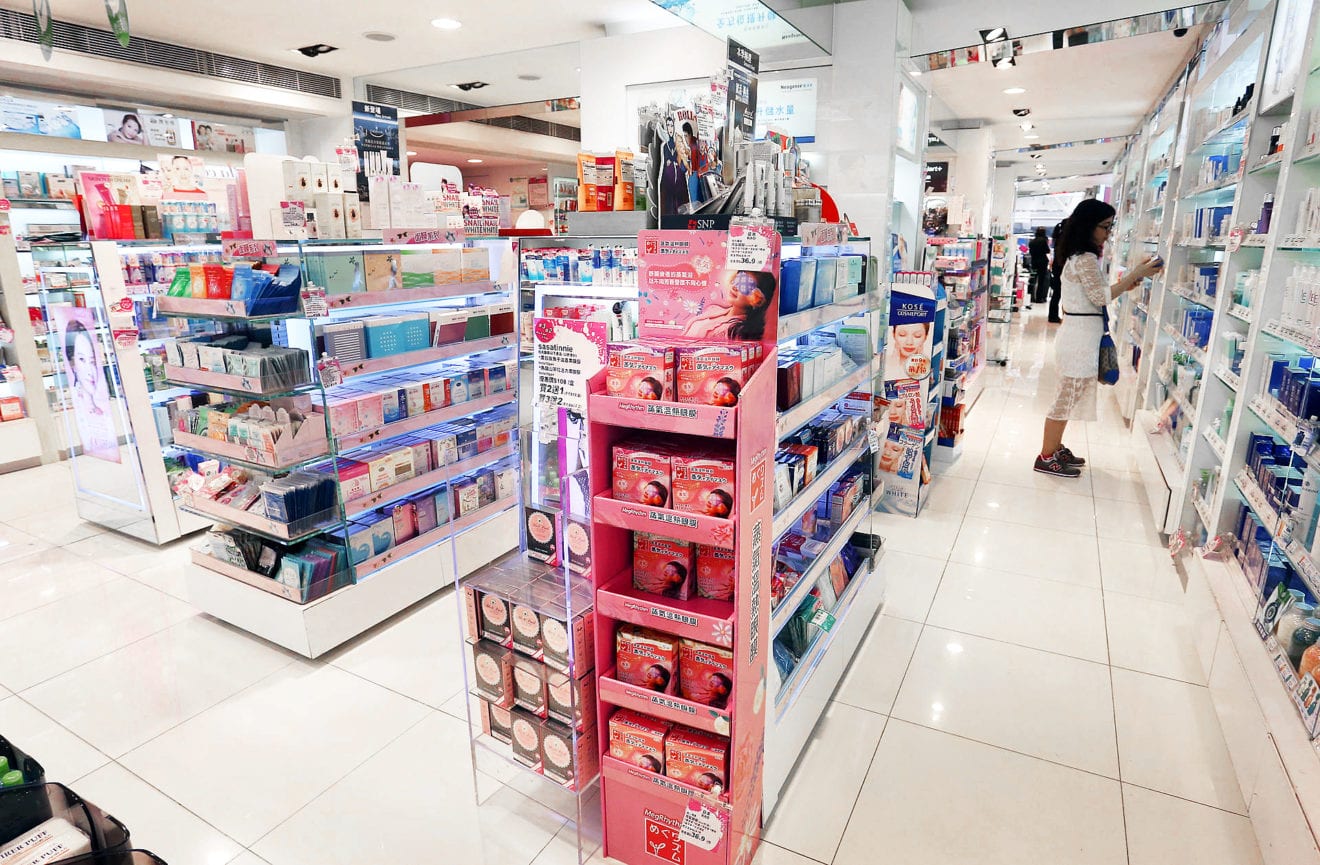
    At the same time, cosmetics firm Sasa has registered a slight growth in same-store sales. Cheng Wai Hung, Head of Hong Kong’s Retail Management Association, says even though there are signs of improvement, retailers still need to do more to keep people buying.

    “Retailers know it is hard to run businesses this year, so stores will start promotions earlier than usual to make up for the losses. It is likely that we will see sales starting from this month. Even some big brands will follow suit.” However, Banny Lam, co-Head of Research at Agricultural Bank of China International Securities, believes retail sales in Hong Kong are not likely to pick up in the short term.

    “I believe the rate of decline will narrow a little bit, but it won’t be a significant change, and sales won’t get back to positive territory any time soon. The current economic environment is rather weak, which has led to a sluggish overall retail performance. Another factor that’s worth noting is that the Disneyland in Shanghai is going to open soon. So the question is, is this going to affect Hong Kong’s tourism? ”

    At the same time, Deputy Director of Hong Kong Department Stores and Commercial Staff General Union, Tung Cheong Sing, says retailers in Hong Kong have to transform their business models to appeal to the changing demands of mainland tourists.

    “For example, stores should be selling middle or low-range priced watches, rather than luxury ones. Despite a decline in rents, many stores may have to close down some of their branches to adapt to the new environment.”

    Even though times have been tough for Hong Kong retailers, some are performing better than others.

    One store selling Japanese products has witnessed a 30 percent spike in sales through the first three months of this year.

    Store Manager Chuang Tin Chi says they’ve been able to keep their finger on the pulse of what’s been trendy this year.

    “There have been a number of movies released over the past couple of months which have featured a wide range of digital, video products or cell phone accessories. So to capitalize on that, we order in these products right away into Hong Kong from Japan, which has significantly increased our sales.”

    One bright spot for Hong Kong retailers has been the recent rise in the value of the renminbi to the US dollar, as the Hong Kong dollar remains pegged to the value of the greenback.

    This means mainland shoppers are getting a more favorable exchange rate when converting from the yuan into Hong Kong dollars, which may prompt more shoppers to cross the border.


  • Esprit sales flat

    Esprit sales flat

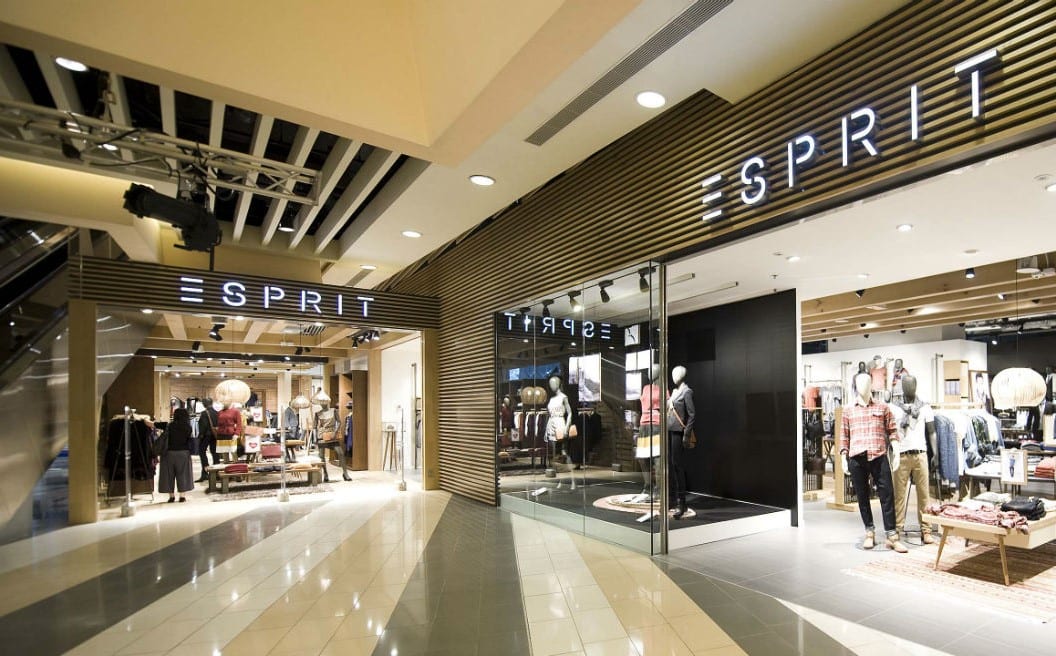
    Reporting “flat” revenue for its third quarter, Hong Kong-listed clothing retailer Esprit Holdings points the finger at negative growth in its Asia Pacific stores, as well as weakness in its wholesale channel.

    There was a marginal decline of 0.1 per cent in Esprit sales for the three months but the company continued to benefit from improved product performance, as well as improved marketing and channel operations.

    Retail revenue (63.3 per cent of the group’s income) grew 3.1 per cent year-on-year, primarily driven by the European region.

    Particularly encouraging for the group was the continuation of the positive trends in several areas. The women’s divisions (including Esprit and EDC branded products) had retail revenue growth of 6.6 per cent for the quarter; plus comparable stores sales growth (including online) was up 10.3 per cent; while online sales totalled HK$984 million (US$126.8 million) – 35.4 per cent of the group’s retail revenue and an increase of 11.7 per cent.

    Performance, meanwhile, was still weak in Asia Pacific (15.2 per cent of the group’s revenue), with revenue tumbling 15.3 per cent.

    Esprit says the performance of Asia Pacific continued to be undermined by a combination of unfavourable macro-factors, including volatility in the financial markets, weak consumer sentiment amid the slowdown of economic growth in China, and reduced tourist flow in the region.

  • Tourists invisible to Hong Kong retailers

    Tourists invisible to Hong Kong retailers

    While more tourists have been crossing the border for the ongoing Golden Week, there has not been much gold in it for Hong Kong retailers.

    Visitor numbers jumped more than 14.1 per cent on Saturday, the start of the holiday, according to the Hong Kong Immigration Department (IMMD).

    This has mainly been attributed to visitors from the neighbouring Guangdong province, with cheaper hotel rooms and convenient travel making Hong Kong an accessible choice, says the South China Morning Post.

    Statistics show that more than 200,000 visitors arrived on the first day of the national holiday, a jump from last year’s 177,000. But despite the rise, the visitors have been spending less – hardly good news for Hong Kong retailers, who have already been feeling the pinch. With Hong Kong no longer riding the wave as the first port of call for Chinese tourists, retailers were warned last month that they need to discount or die.

    For the new influx of visitors, their travel and buying patterns differ from previous mainland tourists as they are familiar with Hong Kong and tend to visit relatives, go sightseeing and buy from stores in residential areas. Family visitors and Shenzhen residents spiked more than 40 per cent on the first day of the holiday, while those crossing the border on the “L visa” dropped 5 per cent.

    Hong Kong retailers are already branding this the worst-ever Golden Week, with many reporting lower numbers of mainland tourists, fewer tour buses and less spending.

    However, Travel Industry Council executive director Joseph Tung Yao-chung says the divergence between tourist numbers and luxury sales is a “good sign”.

    “The city’s tourism sector is normalising,” he says, with high-quality individual tourists compensating for the loss in mainland tour groups, which have long been criticised for forcing visitors to buy high-priced products at designated shops.

  • Hermes sales rebound

    Hermes sales rebound

    Hermes sales rebounded globally in the first quarter of this year, exceeding analysts expectations.

    But the best news seems to be from Hong Kong where the French luxury goods label reported sales had “stabilised” after last year’s serious decline.  Sales fell in Macau, Hermes said, without providing further details.

    In the broader picture, the company saw respite in its home market after shoppers began to return to stores following the nervousness fuelled by the terror attacks late last year.

    Hermes sales for the quarter rose 6.2 per cent on a constant currency basis, to reach 1.19 billion euros (US$1.35 billion)

    CEO Axel Dumas said during an earnings call that the fallout from the terror attacks – in both Brussels and Paris – was still hurting luxury goods retailers. Footfall had returned to normal in Milan and London, but remained down in Paris, causing a 9.2 per cent drop in sales of ties and silk scarves in the quarter.

    Leather goods was the only category to show a rise in sales – a healthy 15 per cent.

    “There’s a lot of volatility,” Dumas said. “We have to adapt to circumstance.”

  • Amazon Q1 profits surge

    Amazon Q1 profits surge

    E-commerce giant Amazon.com posted its fourth straight profitable quarter, boosted by a 28 per cent sales increase and a surging growth in its Amazon Web Services division.

    Amazon reported a net income of $513 million for the first quarter, or $1.07 per share, compared with the net loss of $57 million, or $0.12 per diluted share, in first quarter 2015.

    The Seattle online retailer saw a 28 per cent increase in its net sales for the first quarter compared with the $22.7 billion in the previous corresponding period. Excluding the $210 million unfavourable impact from year-over-year changes in foreign exchange rates throughout the quarter, net sales increased 29 per cent compared to first quarter 2015.

    “Amazon devices are the top selling products on Amazon, and customers purchased more than twice as many Fire tablets than first quarter last year,” said Jeff Bezos, founder and CEO of Amazon.com.

    “Earlier this week, the $39 Fire TV Stick became the first product ever — from any manufacturer — to pass 100,000 customer reviews, including over 62,000 five star reviews, also more than any other product ever sold on Amazon. Echo too is off to an incredible start, and we can’t yet manage to keep it in stock despite all efforts,” Bezos said.

    Bezos added they are building premium products at non-premium prices, and they are thrilled many customers are responding to their approach.

    Amazon’s retail business saw a 31 per cent increase for the quarter to $20.5 billion, up from the $15.6 billion from the previous corresponding period.

    Amazon Web Services, with customers that include Netflix, Airbnb, Yelp and Expedia, saw a 63 per cent increase to $2.6 billion, up from the $1.6 billion from the same period the previous year.

    For the second quarter of 2016, the company expects its net sales to be between $28.0 billion and $30.5 billion, or to grow between 21 per cent and 32 per cent compared with the previous corresponding period. Operating income is expected to be between $375 million and $975 million, compared with the previous period’s $464 million.