Tag: Sales

  • Chinese beauty retail market predicted to reach $50bn

    Chinese beauty retail market predicted to reach $50bn

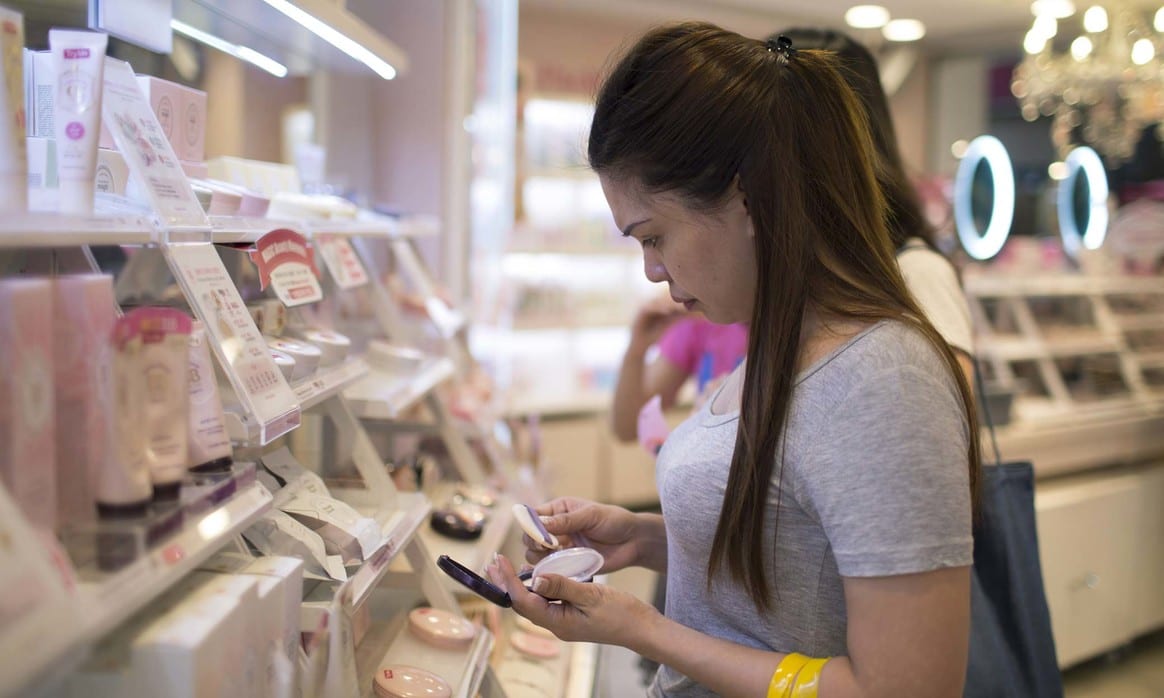
    Despite less frequent purchases, the high demand for skincare products will see the Chinese beauty retail market continue strong growth to reach 338 billion yuan (US$50 billion) in value by 2020, says a new report.

    Research by Mintel shows that 65 per cent of consumers spent more on facial skincare last year than in 2014, despite consumers buying beauty products less often.

    Purchase rates for all beauty and personal-care categories surveyed by Mintel slowed during the three months to October last year. The categories most affected are hair beauty products, beauty supplements and fragrances, falling 32 per cent, 28 per cent and 26 per cent respectively.

    Total retail sales of cosmetics in China grew 12.3 per cent to reach 204.9 billion yuan last year.

    “The beauty retailing market seems resistant to decline, and this is mainly because the dynamic development of the facial skincare market,” says Mintel senior beauty and personal care analyst Chen Wenwen.

    “To leverage their passion and spending power, it is essential for both retailers and manufacturers to engage consumers via mobile platforms.”

    As many as 44 per cent of consumers used a mobile device to pay for beauty/personal care products online in the three months to October – double the number since 2014.
  • Store roll-out boosts Starbucks Asia

    Store roll-out boosts Starbucks Asia

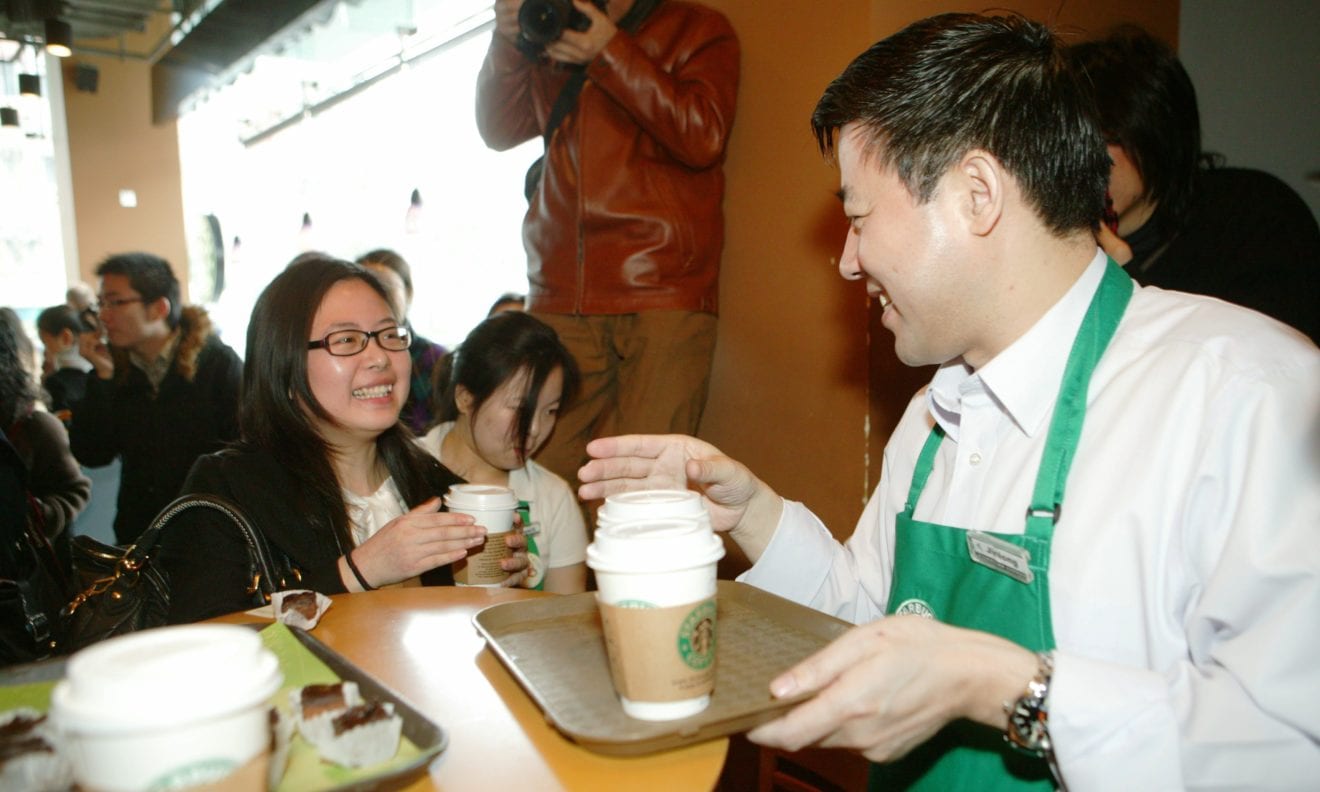
    A massive Starbucks Asia store roll-out has boosted the global coffee company’s third quarter results.

    Across China and the Asia-Pacific region, Starbucks opened 888 new stores in the first nine months of the current financial year. That helped lift revenues by 18 per cent in the region.

    However, underlying same-store sales were a far more modest 3 per cent up on the same quarter last year.

    “The concern is that some of this is related to a general slowdown in China which, if part of a longer term trend, could harm company earnings,’ observed retail analyst Neil Saunders, CEO of Conlumino.

    The company’s Channel Development division – which encompasses the sale of Starbucks branded products in grocers and other stores- also posted positive numbers, with revenues rising 9 per cent. This was aided by strong sales of single-serve Starbucks products following a new agreement with Keurig Green Mountain to push branded K-Cups into more channels. A new partnership with Nespresso to launch Starbucks-branded pods should provided a further uplift to this division in the quarters ahead.

    “Unfortunately, the stronger performances in Asia and in the Channel Development Segment were not enough to offset the weakness in the Americas, which remains larger than all other divisions combined,” said Saunders.

    “And therein lies the forward issue for Starbucks: it has to increase momentum in this part of its business if it is to get back into high growth territory and if it is to avoid a future squeeze on profits.”

    Globally, Starbucks seemed to lose momentum in the third quarter, with overall growth slowing to 7 per cent and global same-store growth moderating to 4 per cent – both below forecast.

    “Worryingly, the slowdown took hold across all regions with even the Americas division, which usually puts in a fairly robust performance, posting a lacklustre same-store increase of 4 per cent. The fact that the company appears to have run out of steam somewhat overshadows its nonetheless impressive achievement of breaking the $1 billion operating income barrier for the first time in a non-holiday quarter.”

  • Sales fall 19pc for L’Occitane International

    Sales fall 19pc for L’Occitane International

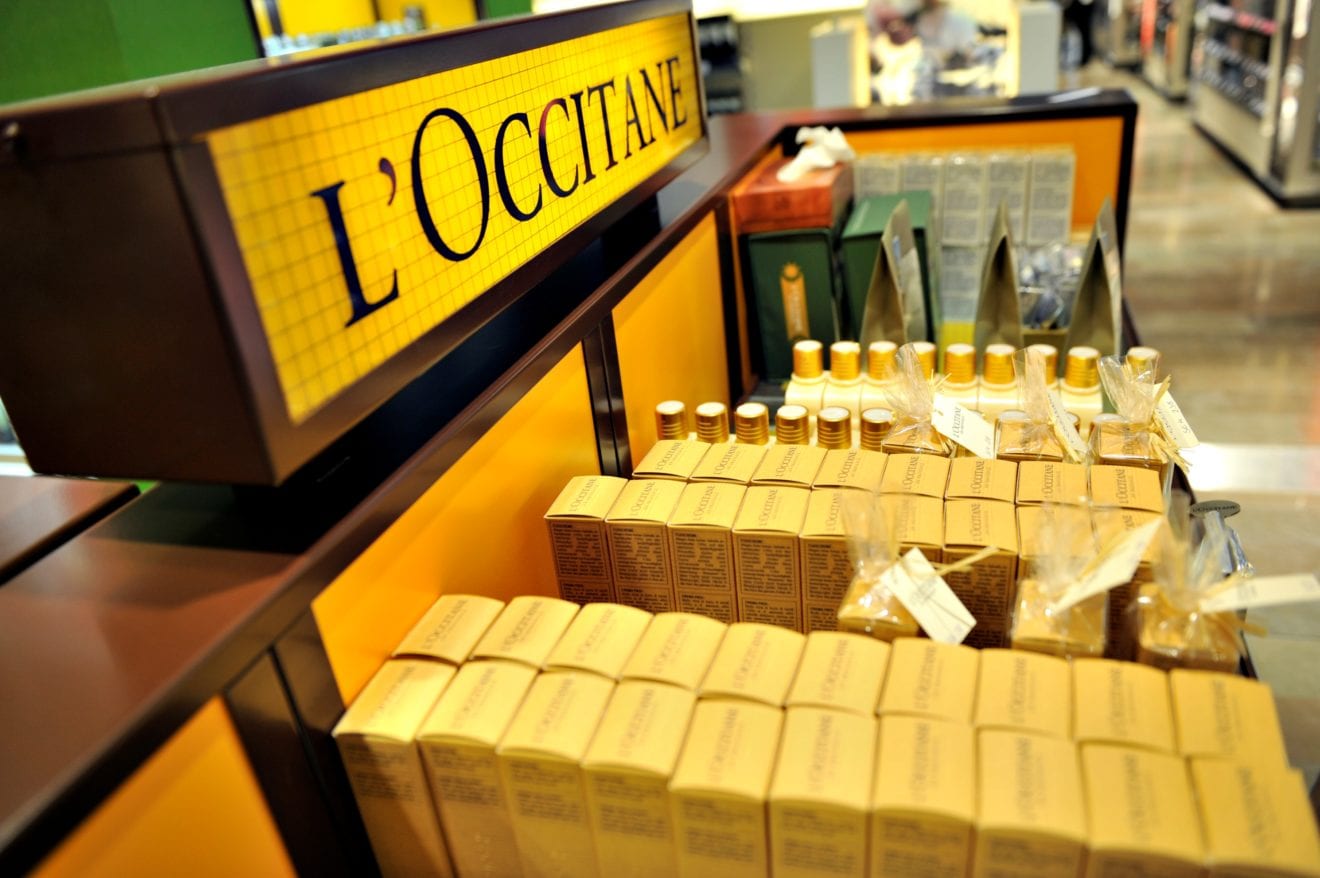
    A 19.8 per cent drop in sales in Hong Kong and Macau has been recorded by French skincare retailer L’Occitane International for its first fiscal quarter.

    This amounts to €22.8 million (MOP175.3 million/US$21.9 million), according to its filing with the Hong Kong Stock Exchange.

    Its same-store sales in the two regions for the three months ended June 30 dropped by 11.7 per cent year-on-year. The company had 33 stores in Hong Kong and three in Macau at the end of June.

    Total net sales reached €268.5 million for the period, down 2.2 per cent. Of the total, sell-out sales brought in €200.4 million.

    L’Occitane says the soft performance was because of “lower sales to travel retail operations in the Asia region” as well as the global economic downturn and overall unfavourable foreign exchange impact.

    Meanwhile, the company’s sales on the mainland decreased 5.3 per cent during the quarter to €24 million. Same-store sales, however, eased by only 0.4 per cent year-on-year.
    The company had 195 stores on the mainland at the end of June, eight more than at the same time last year.

  • H&M sales rise, profit falls

    H&M sales rise, profit falls

    H&M sales rose 7 per cent in local currencies during the first six months of the financial year. But profit failed to follow suit.

    Converted into Swedish kronor, H&M sales rose by 5 per cent to SEK 104.9 billion, (US$12.176 billion).

    Karl-Johan Persson, CEO, said the sales increase in March and April was significantly below plan, negatively affected by cold spring weather in many markets. In May, sales were much better with an increase of 9 per cent.

    After tax profit was SEK 5.357 billion, (US$621.4 million) down 17 per cent year-on-year.

    “Profits in the second quarter have been affected by a continued negative US dollar effect, but also by increased markdowns and the costs of our long-term investments. The fact that the sales increase in the quarter was below plan, naturally also had an impact on profits,” he said.

    “It has been a challenging half-year for fashion retail in many markets, but we have great confidence going forward and are continuing to develop our offering further within all our brands.”

    H&M has opened nine new online markets so far this year – in Slovenia, Croatia, Estonia, Latvia, Lithuania, Luxembourg, Ireland, Japan and Greece. Canada and South Korea will follow later this year.

    The fashion retailer has more than 4000 physical stores in 62 markets with plans to add 425 more this year. New markets this year are Puerto Rico, New Zealand and Cyprus, while Colombia will be one of four or five new destinations next year.

  • ‘Dire’ Hong Kong market cripples Burberry sales

    ‘Dire’ Hong Kong market cripples Burberry sales

    A “dire” Hong Kong market has damaged Burberry sales for the latest quarter.

    Retail revenue remained unchanged at £423 million, but like-for-like sales fell 3 per cent.

    “Whilst sales declined across all three regions (Asia Pacific, EMEIA and the Americas), a dire performance in Hong Kong and Macau stood out as a particularly stubborn thorn in the side of the luxury player,” observed Andrew Hall, an analyst with Verdict Retail.”

    Burberry has appointed a new CEO, Marco Gobbetti, who inherits sales weakness across all regions from Christopher Bailey, who remains on as president and chief creative officer.   Gobbetti’s appointment is seen as a direct response to growing frustration with Bailey’s inability to turn Burberry’s poor performance around.

    “One of Gobbetti’s priorities must be examining operations in these far eastern markets and considering new avenues for growth especially given there has been a renewed crackdown on gift giving in China, accompanied by the growing popularity of ‘Daigous’ – overseas shoppers who buy luxury goods and ship them to China for clients,” said Hall.

    Britain’s exit from the EU is likely to benefit Burberry in the short term, as international tourists to the UK rush to capitalise on the weakened pound. However, long term,  Burberry’s UK operations may well suffer from a reduced flow of wealthy tourists as travel to the UK becomes more regulated, making it imperative Burberry finds a way of turning this evolving geopolitical drama to its advantage.

    “While Gobbetti faces a number of challenges as he attempts to revive flagging retail sales, his experience at Celine will stand him in good stead,” said Hall.

    “Burberry’s strength in digital and the continuing appeal of its brand are good foundations to work with and the clear segmentation of leadership between Bailey and Gobetti will benefit Burberry’s strategic direction.”

  • Primark sales flourish on new store openings

    Primark sales flourish on new store openings

    Despite third quarter like-for-like sales being hit by unseasonal weather, especially in April, UK-based discount apparel chain Primark has posted a solid 40-week performance – with a strong third quarter boosting overall growth.

    Primark sales benefitted from the weakness of the pound towards the end of the quarter, and from the 800,000 sqft in selling space added since the beginning of the financial year.

    The company ended the period with 310 stores and 12 million sqft of selling space. Primark is continuing its march throughout Europe and the US, and opened 11 stores in the quarter, including three in the UK, its third in the US and its first in Arese, northwest of Milan in Italy.

    Early trading in these new stores has been promising, especially in its recent US and Italian ventures – while new stores in France continue to impress, highlighting the appetite for the brand in the country. Having previously been overly cautious with its store expansion strategy, Primark’s recent bold attitude is set to continue with plans to add a net 300,000 sqft of space in the fourth quarter – including two more stores in the US, and also doubling its Creteil store in Paris.

    Despite the uncertainty brought on by the UK’s EU referendum result, Primark remains optimistic and will forge ahead with its expansion plans. Given its strong value proposition and the clear demand for its offer, Primark is well placed to benefit as shoppers’ discretionary spend comes under further pressure – though retaining its competitive pricing will be crucial.

    Consumers now place far more importance on quality and value for money – ensuring Primark cannot scrimp on fabric, quality or fit. While Primark continues to shun the online channel, it must invest in its in-store experience, with focus needed on reducing queuing times at fitting rooms and at the till, as well as customer service.

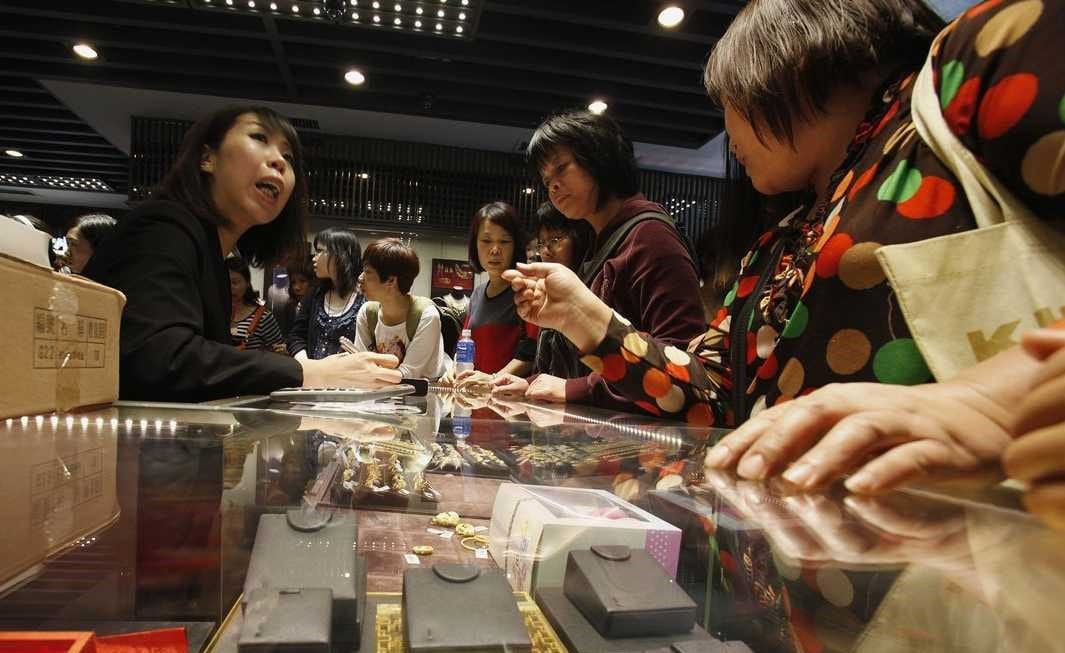
  • Hong Kong jewellers to feel Brexit hit the most

    Hong Kong jewellers to feel Brexit hit the most

    The retail sector in Hong Kong is finding it difficult to keep their boat afloat amidst the decline in mainland tourists since a year ago. Now, the Britain’s vote to leave the EU is likely to make matters from bad to worse for the Hong Kong’s retail sector, says reports.

    A recently released Hong Kong government report showed retail sales slipping to 12.5 per cent Y-O-Y in the first quarter to HK$115.2 billion, from HK$131.6 billion in the same period last year. The total number of retail establishments also dropped sharply to 64,498, fewer by 1,400 from the first quarter last year. And there have been 10,000 retail sector job losses in the past year, with the number of employees also down to 320,400 by the end of first quarter.

    Apart from the decreasing number of tourists, outbound travel is expected to grow on the back of a stronger US dollar and weaker Chinese yuan, resulting in less spending in Hong Kong, say industry experts.

    Industry analysts have predicted for a much worst conditions for the upcoming future, after Brexit triggered global uncertainty. The situation is expected to push higher the value of U.S. dollar. Also, the experts have forecasted for an outright recession in Hong Kong this year.

    Hong Kong being financial hub and its currency peg, their economy is expected to be hit the hardest in Asia, say experts. The Hong Kong dollar, meanwhile, which is pegged to the greenback, is expected to appreciate significantly after the Brexit, say reports.

    In its latest note, the Morgan Stanley analysts say demand, too, for commercial property is likely to be impacted by weaker Hong Kong economic growth and the sluggish labour market, says reports.

    The experts further predict that the only the only bright spots in the overall retail market gloom, however, were recommendations from Bank of America Merrill Lynch and China International Capital Corp to invest in Hong Kong jewellery makers, which they said should benefit from the rising price of gold, amid global risk aversion fuelled by the Brexit.

    As per the reports, both maintained ‘buy’ ratings recently for Luk Fook Holdings, a Hong Kong gold-jewellery retailer. “Luk Fook would be the biggest beneficiary from the recent upward trend in the gold price due to its smallest hedging ratio of 15 per cent to 20 per cent,” BoA Merrill Lynch analysts said as per reports.

  • Xiaomi taps China Unicom to boost offline sales

    Xiaomi taps China Unicom to boost offline sales

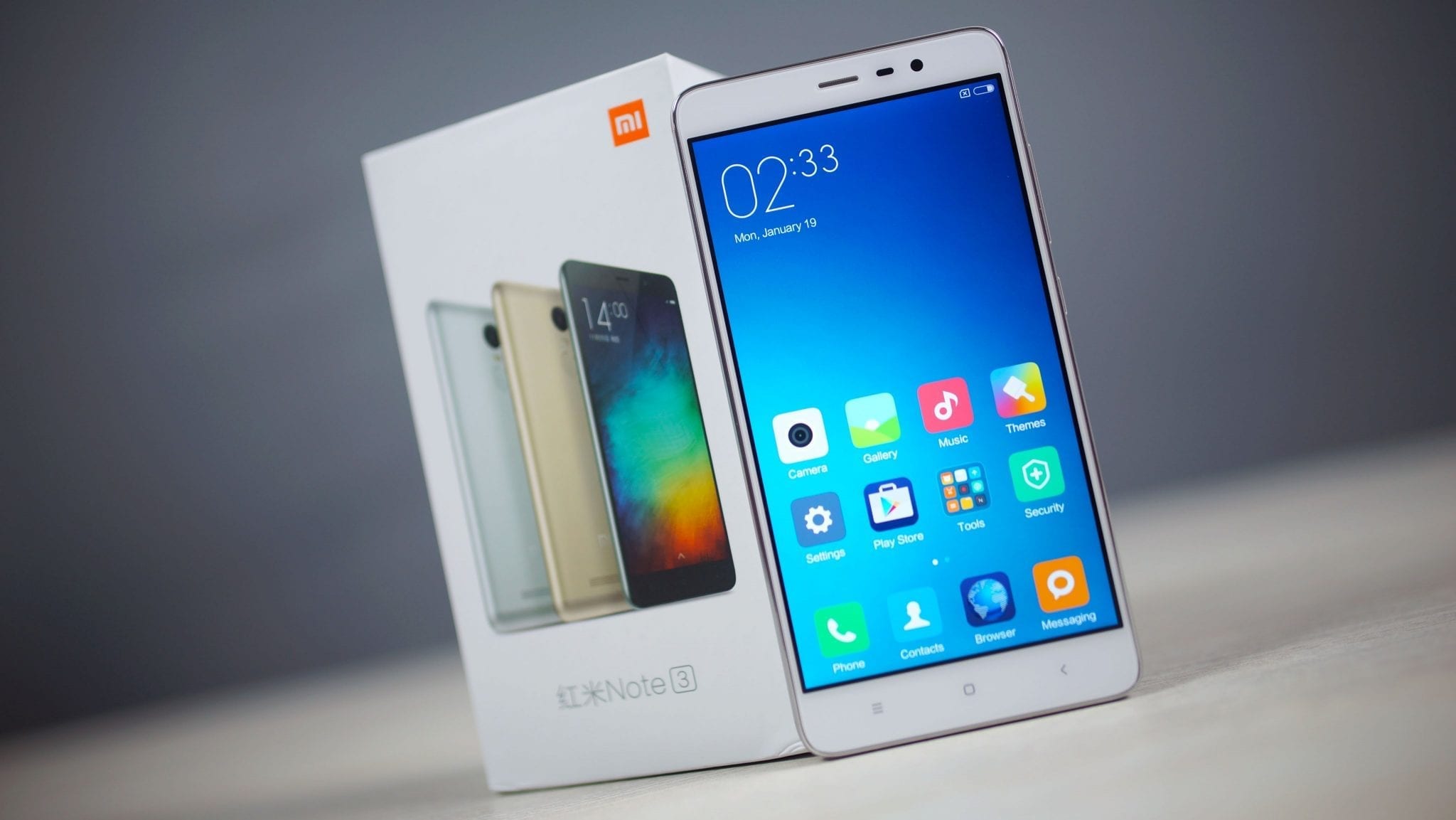
    Chinese smartphone maker Xiaomi has teamed up with the country’s second largest mobile carrier, China Unicom, to expand its sales through offline retailing channels.

    The partnership with Unicom signals a move to a more conventional sales operation for Xiaomi, whose sales have been heavily relied on internet channels.

    Xiaomi launched a new customized 4G smartphone Redmi 3X for Unicom, as part of a strategic alliance the pair announced last Wednesday.

    The Redmi 3X smartphone, powered by 1.1GHz octa-core Qualcomm Snapdragon 430 processor and a 4100mAh non removable battery, will go on sale for 899 yuan ($136) through Unicom’s 30,000 own retail stores and more than 230,000 retailing partners.

    Xiaomi CEO and founder Lei Jun said so far more than two-thirds of the company’s smartphones have been sold through e-commerce platforms and the company’s official website.

    “The proportion of online sales is too big,” Lei said. “To maintain the rapid growth we have seen in the past four years, expanding offline retailing channels becomes the key.”

    Xiaomi said earlier this year it will open 200 to 300 of its own retail stores to bolster sales.

    Xiaomi and Unicom will also expand their cooperation beyond handsets to a wide range of products, such as Xiaomi TV, routers, wearable devices and air purifiers.

    China Unicom deputy general manager Xiong Yu said all of these Xiaomi products will be available at the operator’s offline retail stores across the country.

    The move fits into the operator’s broad efforts to transform its abundant bricks-and-mortar assets into a big retailing platform of various electronic products, Xiong added.

  • Strong growth for Mulberry

    Strong growth for Mulberry

    British fashion retailer Mulberry has reported a strong set of results as it takes more direct control of its Asian distribution.

    With 2015/16 being the first full year with CEO Thierry Andretta and Creative Director Johnny Coca in charge, the results are a crucial indicator of the efficacy of their strategy. Thankfully, they did not disappoint, as the brand unveiled strong sales growth across both its UK and international divisions – though UK results are inflated due to weak comparatives. Retail sales led the way, with UK retail sales up 9 per cent to £97.4 million and international retail sales up 3 per cent to £21.3 million. Wholesale sales were down 4.1 per cent as Mulberry takes action to rationalise its wholesale distribution network in Asia – a positive step towards taking better control of its brand in the region.

    Digital sales were strong, boosted by a newly-upgraded website and improved fulfilment operations, following investment in its UK factories, but there is much more potential for growth especially as Mulberry plans to extend its digital offer into key international markets through local language websites and local fulfilment over the next few years.

    The brand’s overall strategy of limited but well-considered store openings and a strong focus on refining its multichannel experience is a wise one, and will allow the brand to better engage with its core customers and grow international sales.

    Mulberry reiterated its promise of sticking to its core £500-£995 price bracket in handbags, and alongside Johnny Coca’s continued efforts to modernise the brand while respecting its heritage, Mulberry is on its way to regaining its trademark ‘classic but cool’ credentials – essential for recruiting new shoppers as well as retaining loyalty among core customers.

  • Astra doubts car sales would increase

    Astra doubts car sales would increase

    The country’s largest car manufacturer, PT Astra Internasional, expresses doubt that sales of automotive products would increase in 2016.

    Car and motorcycle sales would not increase under the economic slowdown, Astra’s investor relation officer, Ira Ardianti, said here on Monday night.

    Sales of both two and four wheeled motor vehicles have been flat in the past five months, she cited. The people’s purchasing power is still weak and have no fund to spare for luxury, she said.

    Sales of motorcycles dropped in the regions mainly because of the commodity price fall such as palm oil and rubber prices, Ardianti said.

    In the first quarter of 2016, Astra’s car sales dropped to 127,000 units from 137,000 units in the same period last year. In April and May, Astra’s sales of cars totaled 31,000 units and 33,000 units respectively.

    Its sales of motorcycles also shrank to 1.1 million units in the first quarter of 2016. In April and May sales were recorded at 348,000 units and 338,000 units respectively.

    “We could not make prediction , but hopefully the economy would improve and the people’s purchasing power would be stronger,” she said.

    The Indonesian Automotive Industry Association (Gaikindo), however, said car sales in Indonesia (from factories to dealers) surged 11 percent to 87,919 units in May 2016, the second straight month of rising car sales year-on-year.

    Gaikindo chairman Jongkie Sugiarto attributed the increase mainly to delivery of new models ahead of Idul Fitri holiday.

    In April car sales in Indonesia grew 4.6 percent to 84,703 units from 81,000 units in the same month last year.

    This is encouraging after being on the decline for 16 straight months previously.

    Stakeholders in the automotive industry hope that this is the start of a rebound, in line with accelerating economic growth.

    In the first quarter of 2016 Indonesias economic growth accelerated to a growth pace of 4.92 percent yoy), higher than the 4.73 percent GDP growth pace in the same quarter last year.

  • Revenue up for Global Brands Group

    Revenue up for Global Brands Group

    Branded apparel, footwear, fashion accessories and lifestyle product company Global Brands Group Holding has had a US$4118 million revenue increase for its latest reporting period – covering 15 months because of a change of the financial year end date to March 31.

    Its revenue growth was partially offset by a decrease in the euro exchange rate, the tail-end impact of exiting underperforming brands, and an unseasonably warm winter in North America.

    The core operating profit and net profit for the period were $75 million and $25 million respectively, reflecting the typically weak first quarter.

    “Since Global Brands’ independent listing two years ago, our business has progressed along a steady growth trajectory,” says CEO/vice-chairman Bruce Rockowitz. “We have focused on leveraging our competitive strengths as we grow around our core segments. Today, we enjoy a unique position in our industry as no other company operates in the same space in the categories in which we specialise, at our vast scale, across so many countries and regions.”

    Its total margin has continued to trend up since 2013, reaching $1379 million, or 33.5 per cent as a percentage of revenue. As a result of the group’s investment in key controlled brands and adding new licences to the portfolio, running costs grew to $1304 million.

    “We continue to sharpen our focus on our key product categories and high-performing brands, while expanding our platforms where relevant,” says president/COO Dow Famulak. “Our kids category remains a highly successful franchise delivering consistently positive results, while our footwear and accessories business also performed well, particularly our key footwear brands.

    “We made excellent progress expanding the direct-to-consumer reach and increasing the product offering of our key controlled brands, such as Frye, Spyder and Juicy Couture. Under Seven Global, we extended the David Beckham brand to the menswear product category through a partnership with Kent & Curwen, and recently to the men’s grooming category through a partnership with the men’s skincare brand Biotherm Homme.”

    Rockowitz says the group is committed to global growth. “We will continue to expand our footprint in Europe and in Asia, as well as look for new avenues to further build upon our already strong presence in the US.”

  • Zara parent company boosted profit and sales

    Zara parent company boosted profit and sales

    Spanish clothes retailer Inditex, has reported its net profit for the first fiscal quarter of 2016 rose 6 per cent, after global sales lifted by 12 per cent.

    Inditex said profit for February through April was 554 million euros ($A843.61 million), up from 521 million euros for the same period last year.

    The company’s shares were up 2.7 per cent at 28.74 euros in Wednesday morning trading in Madrid.

    The company said sales reached 4.88 billion euros, a 12 per cent increase on the same period in 2015.

    Inditex says it opened 72 new stores in the period for a total of 7085 and added 11,900 jobs in the process. During the first quarter, the retailer expanded its reach to 90 markets, having opened inaugural stores in Aruba and Nicaragua. At the end of the first-quarter, the Group reported 7085 physical stores.

    Founded in 1975 by Amancio Ortega, Inditex operates eight store brands including Massimo Dutti, Bershka and Oysho.

  • Lenovo eyes India as sales plunge in China

    Lenovo eyes India as sales plunge in China

     As part of its plans, Lenovo aims to increase its market share from less than 10% during the January-March quarter by expanding its reach of smartphones in retail outlets. (Reuters)

    As sales slide in its home country China, Lenovo Group is planning to ramp up its presence in India, the world’s second largest smartphone market including expanding its retail presence for its smartphones, extending apps for the local market, and increasing local manufacturing.

    “India for most of our product categories is a key strategic market” said Aymar de Lencquesaing, senior vice president, Lenovo Group, who also leads the Chinese company’s mobile business including R&D, product and supply chain management.

    “We believe this market will continue to grow not only in volume but also in the line-up of premium products,” he said.

    As part of its plans, Lenovo aims to increase its market share from less than 10% during the January-March quarter by expanding its reach of smartphones in retail outlets.

    The company had been predominantly focussing on selling through online channels to increase sales, since it gives better margins by saving on inventory and supply chain costs.

    Lenovo also plans to increase manufacturing of its handsets within India as and when the demand increases, he said.

  • Uniqlo sales bounce back

    Uniqlo sales bounce back

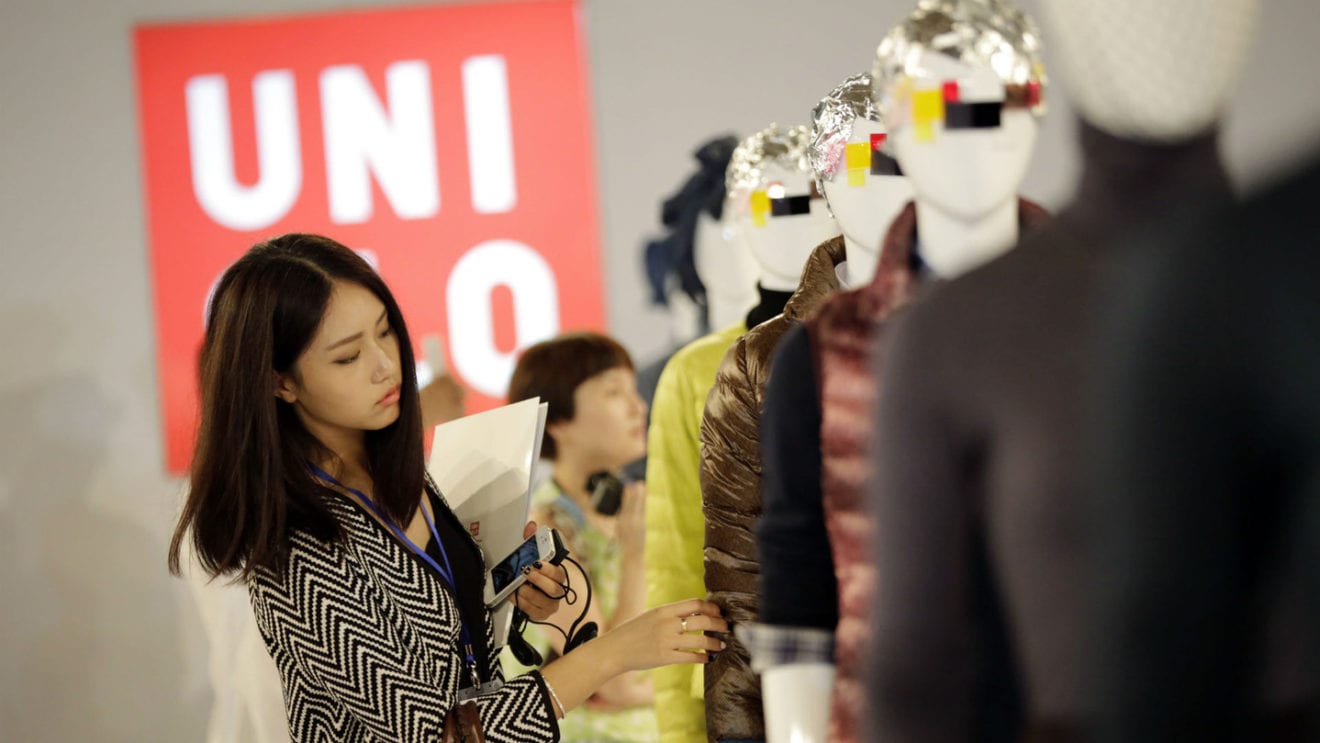
    Uniqlo sales have bounced back from decline, giving parent Fast Retailing a much-needed round of good news for May.

    Same-store Uniqlo sales in Japan rose 5.9 per cent year-on-year, even though customer traffic fell 3.6 per cent. The average purchase increased by 9.9 per cent to make up for the customer shortfall.

    Total sales including online increased by 7.6 per cent.

    The figures show only trading in Uniqlo’s Japan division.

    Analyst Masafumi Shoda of Nomura Securities said in a research note that Fast Retailing’s sales decline appeared to have bottomed.

    “While jogger pants remained strong, trendy merchandise such as women’s t-blouses and embroidered t-shirts also emerged as drivers. Another contributing factor was the successful expansion of the mainstay Airism line to bottoms. Even factoring out the boost from the customer appreciation sale at the end of the month, signs are beginning to emerge that the company is successfully asserting leadership on both price and fashion.”

    But Shoda said profitability will be likely to decline both overseas and in Japan in the March to May period, due to retooling, “but we think it will improve in June to August thanks in part to the likelihood of a rebound from prior-year results dampened by unseasonable weather”.

  • Michelin plans 20% increase in tyre sales by 2020

    Michelin plans 20% increase in tyre sales by 2020

    Michelin said ahead of an investor day on Monday that it aims to increase tyre sales by 20 percent by 2020, pledging to outpace the growth of the market.

    The group also said it aimed to double services and solutions revenue to 2 billion euros ($2.27 billion) over the same time period.