Tag: Sales

  • GM Korea sales plunge 12.4 pct on-year in September

    GM Korea sales plunge 12.4 pct on-year in September

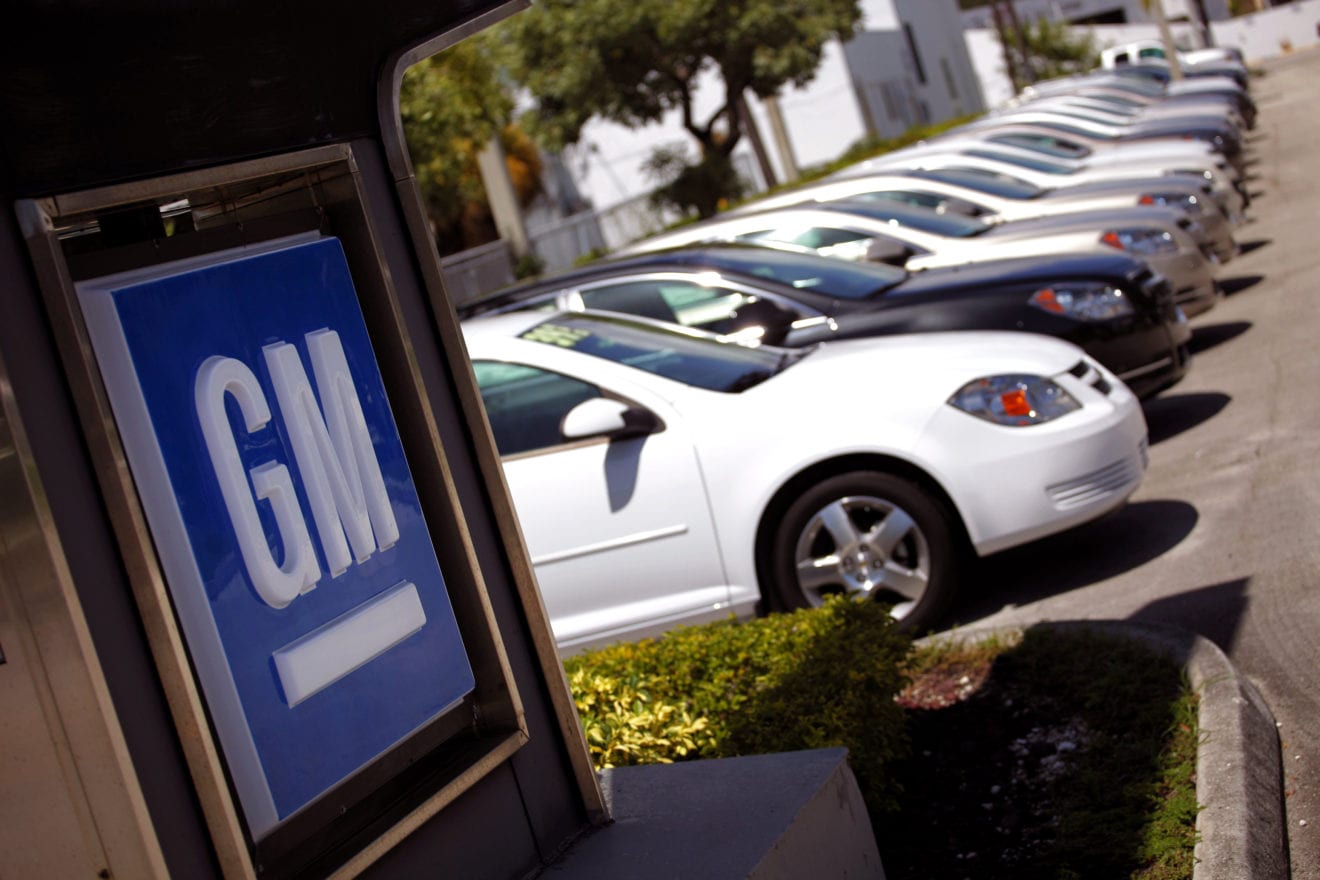
    GM Korea Co., the local unit of U.S. automaker General Motors Co., said Tuesday its sales dropped over 12 percent from a year earlier last month as both its domestic sales and exports suffered heavy losses.

    In September, the company sold 45,113 vehicles globally, down 12.4 percent from the same month last year, the company said in a press release.

    Domestic sales tumbled 14.1 percent on-year to 14,078 cars, while exports retreated 11.16 percent to 31,035 vehicles.

    In the first nine months of the year, the company’s global sales slipped 4.4 percent to 434,573 cars despite a 12.3 percent on-year spike in domestic sales as its outbound shipments plunged 10 percent on-year to 306,583 units over the cited period.

  • Jimmy Choo Asia sales rises

    Jimmy Choo Asia sales rises

    Jimmy Choo Asia sales are soaring, despite the downturn in the luxury market.

    While the company does not break down its Asian sales figures by market, analysts are reporting “record growth” in Hong Kong and China, in part aided by the opening of a new store in Macau.

    Total revenues from Asia (excluding Japan) rose 22.1 per cent on a reported currency basis in the six months to June 30, reaching £27.1 million. Jimmy Choo opened two new stores of its own in Asia during the six months and six franchised stores.

    Next year the company plans new flagships in Tokyo, Shanghai and Beijing.

    Sales in Japan increased by 18.2 per cent on reported currency basis with men’s footwear sales and the strong yen driving growth.

    The company plans 200 stores Asia-wide to take advantage of the region’s “untapped growth potential”.

    The UK-based company recently marked 20 years since it was founded by Malaysian cobbler of the same name, who was later forced out of the business in controversial circumstances and now runs his own exclusive, unrelated Jimmy Choo Couture boutique in London.

    One of the reasons for the brand’s success in Asia is its unconventional marketing activities.

    Last September, brides in the Philippines were able to order customised shoes from its stores, selecting texture, style and colour and adding a personal monogram. This year, the concept was expanded to include handbags.

    In Malaysia, customers can customise the color, texture and finishes of their heels and add names, initials or even dates to their handbags.

  • Tesla posts 70 percent rise in quarterly deliveries, backs 2016 target

    Tesla posts 70 percent rise in quarterly deliveries, backs 2016 target

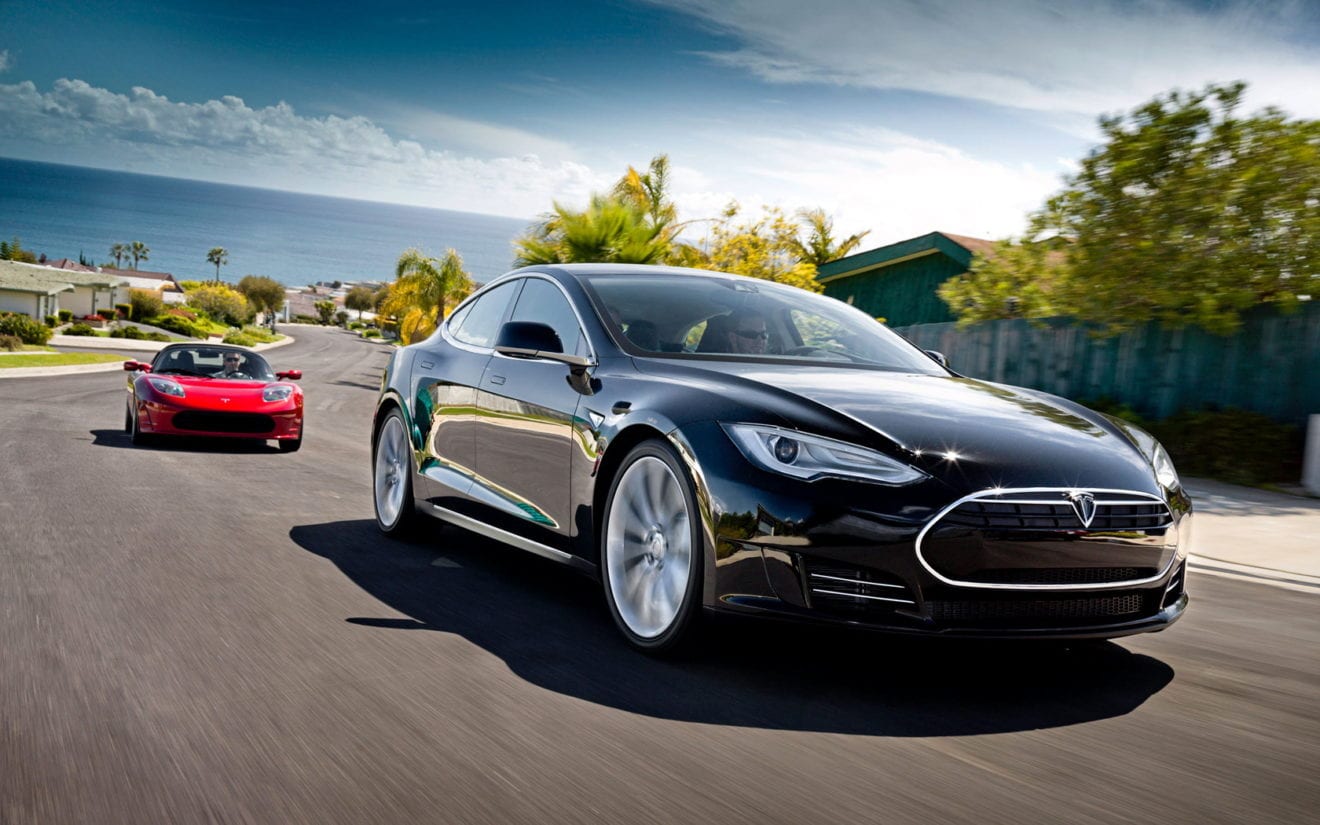
    Tesla Motors Inc said on Sunday its third-quarter deliveries rose 70 percent to 24,500 cars, following production improvements, cheaper lease deals and reports of discounts on some vehicles.

    Deliveries are a key metric of performance for the luxury electric vehicle manufacturer, which had missed these targets in the previous two quarters.

    The improved deliveries for the third quarter bring Tesla closer to meeting its second-half 2016 target of 50,000 vehicles, which it reiterated on Sunday. It said in a statement that fourth-quarter deliveries would be “at or slightly above” the third quarter’s.

    However, the third-quarter figures included 5,150 vehicles in transit at the end of the second quarter, as Tesla reported in July. Another 5,500 cars in transit would be counted in the fourth quarter, it said.

    Meeting the third-quarter target was a priority for the money-losing Silicon Valley carmaker, which is hoping to raise funds from the equity market later this year for multiple efforts, including building out its factory for the Model 3 mass-market sedan due in late 2017 and the planned acquisition of SolarCity Corp (SCTY.O).

    Tesla experienced production problems earlier this year and began to resolve them in June. It said in July that production would improve from 2,000 cars a week to 2,200 in the third quarter and 2,400 in the fourth.

    Production rose in the third quarter to 25,185 vehicles, implying just shy of 2,000 vehicles per week.

    The company will release third-quarter financial results in early November.

    Chief Financial Officer Jason Wheeler said in August that if second-half production and delivery targets are met, the company had a “great chance of being non-GAAP profitable,” without specifying a time period.

    In September, Tesla began advertising its inventory cars, for showrooms or test drives, “at favorable prices and ready for expedited delivery.”

    Some analysts expressed concern that discounts, reported extensively on online Tesla forums, would undermine margins.

    Last week, Chief Executive Officer Elon Musk published a memo telling employees to follow the company’s policy of not offering discounts on new cars.

    Musk was responding to a research note published on Tuesday by Pacific Crest Securities analyst Brad Erickson criticizing Tesla for offering discounts on Model S inventory cars, not those built-to-order for specific customers, to boost third-quarter sales.

  • Cost-cutting isn’t cutting it anymore for Singapore’s struggling retailers

    Cost-cutting isn’t cutting it anymore for Singapore’s struggling retailers

    Profits plummeted by 30% over the last 5 years.

    Retail firms have been thinking out of the box in terms of cost-cutting to constrain cost growth, but they can only do so much on back of the struggling retail industry.

    According to a report by BNP Paribas, retail trade firms have seen persistent erosion of profit margins.

    “Aggregate revenue growth for the roughly 22,000 retailers has been hard to come by (5-year nominal CAGR of 1.2%). This likely reflects slower domestic growth and the impact of macro-prudential tightening,” the report noted.

    Additionally, retailers have also grappled with labour market policies spurring strong wage gains (5Y CAGR of 7%) and, more recently, rising debt service.

    “As a result, we estimate industry-wide pre-tax profits fell by 30% over the last 5 years,” the report added.

    Meanwhile, similar sinking trends in profit margins are also manifest in the services sector, as labour market data indicates firms are now attempting to pass the problem on to households by shedding jobs.

    “In turn, these developments allude to slower wage income growth and a potential vicious cycle as highly-indebted households struggle with their own debt service,” the report noted.

  • Esprit posts profit in major recovery

    Esprit posts profit in major recovery

    Esprit Holdings (0330) posted a net profit of HK$21 million for the financial year ended June, marking a sharp turnaround from a HK$3.7 billion loss in the previous financial year.

    Chairman Raymond Or Ching-fai said the company’s return to the black was driven by the strong performance of its online and offline retail channels, reduction in the cost of operations and an exceptional gain from the sale of office premises in Hong Kong.

    “We have achieved what we wanted to do, we have stopped the ‘bleeding.’ For the first time, we were able to stop the continuous decline,” said chief executive Jose Manuel Martinez Gutierrez.

    It returned to profitability even if revenue fell 8.41 percent year-on-year to HK$17.79 billion. Sales from Germany, its biggest overseas market, slid 5.9 percent to HK$8.56 billion. Revenue from the rest of Europe, representing 37 percent of the group’s total sales, amounted to HK$6.58 billion, down 7.4 percent.

    In the Asia Pacific, including Hong Kong, revenue dropped 17.6 percent to HK$2.65 billion. Or said the overall market conditions remain challenging. He said the clothing industry was going through significant changes fueled by the development of online [marketing] channels and aggressive price competition.

    Europe’s macroeconomic prospects look uncertain, while the Asian market has turned weaker than before, Or added. In the financial year ended June, Esprit closed down 185 retail stores globally, reducing its net sales area by 10.90 percent. Gutierrez said Esprit will step up the closure of loss-making retail outlets.Over the next two years, it also plans to cut operating expenses by HK$1 billion. He said he expects the strong growth momentum of its online business in Europe and in Asia Pacific to continue. Revenue from its online e-shop grew 6.9 percent to HK$4.15 billion.

    Online sales made up 23.3 percent of total revenue, up from 20 percent in the previous fiscal year. Earnings per share was HK$0.01 and no dividend was declared.

    Chief financial officer Thomas Tang Wing-yung said no dividend was declared as profit was not significant, but Esprit will consider giving out dividends if it makes better profit in the next financial year.

  • Zara owner Inditex profits rise on clothes sales surge

    Zara owner Inditex profits rise on clothes sales surge

    Spain’s fashion retail giant Inditex, owner of popular brand Zara, on Wednesday posted an eight-percent rise in first-half profits thanks to a surge in clothes sales around the globe.

    One of the world’s largest fashion retailers said profit for the six months from February to July rose to 1.3 billion euros ($1.4 billion) from the same time a year earlier.

    “All of the group’s brands increased their international presence during the period, with 83 new stores in 38 countries,” Inditex said in a statement, adding that it ventured into three new markets — Aruba, Paraguay and Nicaragua.

    Sales in the first half rose 11 percent to 10.5 billion euros.

    The results of the company, which operates eight store brands including Zara, upmarket label Massimo Dutti and teen chain Bershka, beat analyst expectations, but only slightly.

    All brands posted a rise in sales.

    Zara and home decoration brand Zara Home were the clear winners, posting a 13-percent and 17-percent rise in sales respectively.

    The retail empire was founded in 1975 by the discreet, publicity-shy Amancio Ortega, who has since become the world’s second richest man after Bill Gates.

    Its main competitor, Sweden’s H&M, regularly challenges it for the global number one spot.

  • Furla reports 38% H1 travel-retail sales increase

    Furla reports 38% H1 travel-retail sales increase

    Italian luxury leathergoods brand Furla has reported a 38% travel-retail sales increase in H1 2016.

    Furla currently has 223 travel-retail points of sales in 52 countries, the most recent openings in Bucharest Henri Coandă International airport and Singapore Changi airport terminal two with Lagardère Travel Retail.

    Following record results in 2015 in terms of sales and profitability, the Furla Group overall has continued growth in the first half of 2016 registering €194m ($217m) in sales versus €151m in H1 2015, an increase of 28%.

    This increase is equal to +27% at constant exchange rates and proves Furla Group’s growth is well distributed worldwide thanks to increases in sales ranging between +22% and +34% in all geographical areas where the brand is present.

    The Furla Group now counts 425 mono-brand stores, up from the 415 units registered at the end of 2015. Around 50% of these mono-brand stores are composed of property and franchising points of sale.

    Counting multi-brands and department stores, the Furla Group is present in more than 1,200 other locations worldwide. It is directly present in more than 100 countries with its products.

    Furla Group, recently opened new mono-brand stores in locations such as Citic Mall in Shanghai, Mira Mall in Hong Kong, GUM in Moscow and in Nice. In the second semester of 2016, the Furla Group plans to open new stores in London (Brompton Road) and in Paris (Rue du Faubourg Saint Honoré).

    Japan remains its strongest market, representing 26% of total sales in the semester with a 30% increase just like the US. In Europe, sales excluding Italy—that alone is responsible for a 34% sales increase—have increased by 26%. Asia/Pacific sales have risen 22%, equal to almost 20% of the total sales for the Group. Like-for-like sales have also surged significantly with well-balanced results across all regions.

    In 2016, Furla Group, which boasts a 1,500-strong workforce, intends to increase investments in areas that already appreciate the brand and where the Group sees even more potential: marketing, communications, digital and e-commerce markets.

    Furla Group general manager Alberto Camerlengo said: “We’re extremely proud of our results for the first half of the year. The Furla Group continues to grow exponentially both geographically and across the different product categories, continuing to assert itself on a global level as one of the leading Brands in all markets.

    “The quality, freshness and innovative aspects of our products are recognised all over the world and we have been able to achieve these results thanks to the commitment and dedication of our team. We will continue to work towards new growth goals, opening new distribution channels, reinforcing existing relationships and focusing on new projects for the future.”

  • A bonfire of the Swiss watches

    A bonfire of the Swiss watches

    Ever since the Chinese government cracked down on “gift giving” as part of its anti-corruption campaign, Swiss watch exports have taking a beating.

    Here’s the trend, courtesy of a UBS European luxury note out Wednesday:

    As the analysts note, that slump follows a more than 100 per cent rise in the value of Swiss watch exports over 2010 and 2011.

    Ground zero for the demand destruction, meanwhile, is Hong Kong. And it’s there that UBS got some insight on the scale of the downturn from three major retailers:

    We recently met three Hong Kong/ China watch retailers: Hengdeli, Oriental and Emperor Watch & Jewellery. All three companies commented that current trading remains tough, and there is not expected to be any significant recovery this year. Destocking continues as retailers reduce replenishment rates on weaker brands and adjust inventory price mix. More store closures are also ahead with the only silver lining that there appears to be a little more room for rent reductions in Hong Kong of ~10%-40%.

    Recent company commentary has continued to be weak: Swatch reported H1 results on 21st July. Organic sales declined -12.5%, with multi-brand retailers cautious to re-order or cancelling orders. CEO Hayek commented that own retail was better than wholesale and retail in Hong Kong has potentially bottomed out with sales between +10% and -10% depending on the stores. Local Hong Kong retailers, however, do not see the same trends. These results again confirm the difficult market conditions, and follow Richemont reporting April sales -15%.

    Unsurprisingly, for a market where the perception of scarcity underpins all value, the likes of Richemont have even taken to buying back inventory. According to UBS, the new Cartier CEO has specifically looked to clean out high end inventory from the Hong Kong market. This, we’d argue, is quite something. (Or at the very least a new asset purchase idea for QE?) From UBS:

    We estimate that Cartier watches declined -25% in H2 to March 2016 (~€240m) decelerating from closer to a -10% decline in H1. How much of this was “negative sales” due to the buy in is unclear. A rebasing of stock levels in the channel remains key for a medium term reacceleration. Stock levels have been high in the channel in the industry notably in Greater China.

    Hong Kong retail sales figures for watches, jewellery and clocks, meanwhile, registered a 26 per cent year-on-year decline in July following a 20 per cent decline in June:

    A comparable trend can also be seen in the diminishing number of visitor arrivals to Hong Kong from the Chinese mainland:

    The situation seems to be desperate enough for some Chinese luxury retailers to be breaking lease agreements and closing up shops, says UBS. On the up side, however, mainland sales seem more robust of late than Hong Kong, with Cartier watches seeing growth in the last quarter. Nevertheless, since luxury spending in mainland China is a small portion of the total of Chinese sales (about 25-30 per cent), the improved sales picture there is not necessarily offsetting the slowdown in other areas.

  • Jimmy Choo sales outperform Burberry and Mulberry

    Jimmy Choo sales outperform Burberry and Mulberry

    British footwear brand Jimmy Choo has outperformed luxury peers such as Burberry and Mulberry to post a strong set of growth figures for the first half of 2016.

    While competitors struggle with declining luxury demand in Asian markets, Jimmy Choo has bucked the trend and reported an impressive 22.1 per cent growth in Asia (ex-Japan) with China leading the way with double digit like-for-like growth; proving its measured approach to store expansion and brand building is successful without over exposing the brand.

    Europe, Middle East and Asia revenue grew by 12.2 per cent – commendable given it is one of Jimmy Choo’s most mature markets – with the UK performing well as domestic demand remained robust, supported by a renovated store portfolio.

    The recent uptick in luxury goods demand in the UK, as international travellers take advantage of the weaker pound, will further benefit Jimmy Choo’s UK performance in the second half.  The Americas, however, is proving a tougher nut to crack though, as sales declined 3.4 per cent; affected no doubt by the continuing volatility in the US department store market which has led wholesale orders to decline.

    Creative director Sandra Choi has led a strong half year of product design, building upon Jimmy Choo’s British identity to produce ranges which continue to resonate with consumers across the globe. The brand’s recent decision to focus on expanding men’s footwear is proving fruitful, as it’s now its fastest growing category, representing 8 per cent of total revenue. That will continue to grow as the brand opens dual gender stores and invests in the product and marketing of men’s collections.

    Globally, Jimmy Choo sales grew 9.2 per cent at reported currency and 3.8 per cent at constant currency. Improved gross margins and cost controls drove adjusted EBITDA growth of 13.7 per cent. Reported operating profit rose 42.6 per cent to £25.3 million.

    Jimmy Choo is in prime position to continue its growth momentum with its multi-pronged focus on eCommerce (bolstered by growing social media engagement and a robust distribution network) and conversion of retail outlets to new concept stores – all supported by a stellar product offer that is effective in both design and range.

    *Nivindya Sharma

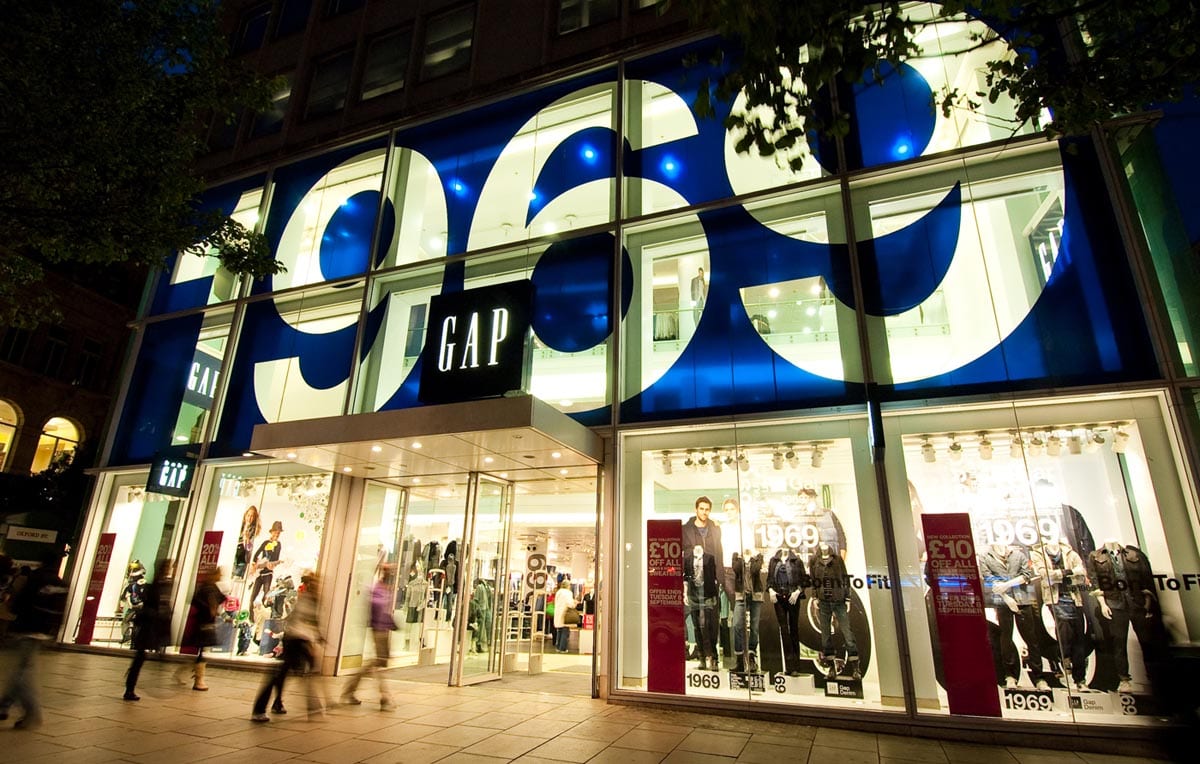
  • What lies behind the Gap sales decline

    What lies behind the Gap sales decline

    That the overall pace of the Gap sales decline has moderated since both last quarter and last year is the only – very small – crumb of comfort for Gap Inc in its latest set of results.

    Gap last week reported a profit of US$125 million for the quarter, down from $219 million a year earlier. Total revenue declined 1.2 per cent to $3.85 billion.

    The total sales decline in the US is actually worse than last year with much heavier declines at Banana Republic and flat growth at Old Navy dragging down performance.

    Looking in stores it is not hard to see why this is the case. The Gap brand has no sense of newness and heavy discounting and constant promotion still appear to be the only tools the company has to drive trade. From Conlumino’s data it is clear that in the US Gap is not only losing customers but the customers it has retained are visiting less and spending less – mostly thanks to taking advantage of offers and deals. This is a dangerous position that erodes sales and profit, and suggests Gap has not even begun to remedy its underlying problems.

    Although it is clear the company is serious about creating a step change at its main brand, and while the autumn “#DoYou” campaign and its associated merchandise represent a small step forward, Gap has failed to convince it has done enough to correct the problems in its business.

    While Gap has troubles, Banana Republic is even more problematic. Over the quarter total sales in the US fell by 7.1 per cent, and on a global basis comparable sales for Banana shrunk by 9 per cent off the back of a 4 per cent decline in the prior year. The assortment is at the heart of Banana’s issues and symbolises a brand that has simply lost its way. The spring and summer collection is best described as predominantly bland with a generous sprinkling of oddness thanks to garments with strange cuts and patterning. Customers are confused and, of course, increasingly unwilling to pay the premium that Banana Republic once commanded. As a consequence the brand is falling into exactly the same trap as Gap as it resorts to discounting and deals to shift merchandise.

    Banana Republic is a smaller part of the group, but it is one in which a turnaround will be difficult to engineer. For this reason, it is getting set to completely shutter its UK, and possibly European, operations. As much as this retrenchment is an admission of failure, it is a necessary contraction given the parlous state of the business.

    Old Navy, which once delivered consistently positive numbers, spluttered again this quarter with flat growth in the US. While this brand is in a much better position than its siblings, it has become much less consistent in its marketing and instore merchandising, something which is reflected in its choppier sales numbers.

    Gap Inc is a troubled retailer without much of a plan – a plan that is desperately needed as its net profit decline of 43 per cent in this quarter aptly shows.

  • Estee Lauder’s quarterly sales miss on lower retail traffic

    Cosmetics maker Estee Lauder Cos. reported a smaller-than-expected rise in quarterly sales, hurt by a slowdown in sales in the Americas as fewer customers visited department stores and tourist spending declined.

    Shares of the company were down about 4 percent at $91.34 before the bell on Friday. Up to Thursday’s close, the stock had risen 13.5 percent in the past year.

    Sales in the Americas, its biggest market, rose 1.4 pct to $1.1 billion on a reported basis, its slowest growth in four quarters.

    Lower retail traffic mainly affected the company’s “heritage” brands Estee Lauder and Clinique, and a few M.A.C freestanding stores.

    Demand for its skin care products continued to weaken, as the company cited overall global slowdown in the category. Sales from its namesake brand and Clinique were also hurt by lower sales in some Asia-Pacific countries, mainly Hong Kong.

    “Social and political issues, currency volatility and economic challenges are affecting consumer behavior in certain countries, such as Hong Kong, France and some emerging markets,” the company said.

    Rival L’Oreal SA earlier reported second-quarter sales growth marginally below forecast as the company said Western Europe was being held back due to a “very difficult market in France.”

    Net income attributable to the company fell to $93.5 million, or 25 cents per share, in the quarter, from $153 million, or 40 cents per share, a year earlier.

    Net income was hurt by restructuring and other charges. Excluding items, the company earned 43 cents per share. Net sales rose to $2.65 billion from $2.52 billion. Analysts on average had expected a profit of 40 cents per share and revenue of $2.66 billion.

    New York City-based Estee Lauder said its expects fiscal 2017 adjusted profit to be between $3.38-$3.44 per share, missing analysts’ estimates of $3.53.

    The company also said it expects to incur restructuring charges of about $80 million-$100 million in fiscal 2017, related to its Leading Beauty Forward strategy.

    As part of its Leading Beauty Forward strategy, the company had earlier approved restructuring initiatives to exit businesses in certain markets and channels of distribution while also reducing its workforce globally.


  • VW’s Audi posts 2.3 percent rise in July sales

    VW’s Audi posts 2.3 percent rise in July sales

    Audi sold 2.3 percent more cars in July on growing demand for the redesigned top-selling A4 saloon, though kept trailing behind German luxury rivals BMW (BMWG.DE) and Mercedes-Benz (DAIGn.DE).

    Audi’s global sales increased to 149,400 cars and sport-utility vehicles from 146,073 a year earlier, the Ingolstadt-based carmaker said on Thursday, with its year-to-date deliveries up 5.2 percent to 1.10 million cars.

    Daimler’s Mercedes-Benz last week posted a 9.4 percent increase in sales to 163,770 cars, its best-ever July result, compared with a 4 percent gain at BMW’s core brand to 153,392.

    After seven months, Mercedes-Benz is on course to become the world’s biggest luxury carmaker by sales, replacing BMW which has kept the lead since 2005.

  • BMW worldwide sales increases by 4 percent in July

    BMW worldwide sales increases by 4 percent in July

    German car manufacturer, BMW Group has announced its sales number for the month of July. The automaker in total sold 180,080 vehicles around the world with an increase of 4.0% when compared to same month last year. After a sluggish first half of the years, the automaker reported a solid start to the third quarter with year-to-date sales climbing 5.5% with 1,343,217 vehicles delivered worldwide.

    “The BMW Group continues to deliver sustainable, profitable sales growth month after month,” said Dr Ian Robertson, Member of the BMW AG Board of Management with responsibility for Sales and Marketing BMW. “While we see growth across our range, the fact that the planned production for our electrified 7 Series, 3 Series and 2 Series Active Tourer models is already sold out this year demonstrates our strategy of rolling out electrification on all models is the right one. We will, of course, now respond to this high customer demand,” he added.

    In a press statement, the company stated that BMW brand sold 153,392 units, an increase of 4.0% in the July. This brings year-to-date sales for the brand to 1,139,947 units, an increase of 5.6% compared with the first seven months of last year.

    On other hand, MINI achieved record sales of 26,439 units in July with a rise of 4.0%. A total of 201,337 MINIs were sold in the first seven months of the year, an increase of 5.2% and the first time the brand has sold over 200,000 vehicles by this point in the year. According to the company, the biggest growth drivers for Mini as a brand are the Convertible and the Clubman.

    In Europe, combined monthly sales of BMW and MINI totalled 79,815 in July, up 5.6% compared with the same month last year. Year-to-date sales in Europe are up 10.5% with a total of 622,664 vehicles delivered. Almost all markets in the region have contributed to this strong growth with the three biggest markets, Germany (182,390 / +7.8%), the UK (136,914 / +9.6%) and France (49,755/ +13.0%) playing a significant role.

    Sales of BMW and MINI vehicles in Asia also saw strong growth last month with a total of 56,819 vehicles delivered to customers in July (+7.9%). In the first seven months of the year, a total of 417,730 BMW and MINI vehicles were sold in Asia, an increase of 7.4% compared with the same period last year. The region’s biggest market, Mainland China, achieved an 8.5% increase compared with the first seven months of last year, with a total of 287,753 vehicles sold. Year-to-date sales in Japan (41,750 / +8.2%) and South Korea (34,569 / +9.9%) also show strong growth.

    Sales of BMW and MINI in the Americas decreased 3.9% in July compared with the same month last year, with a total of 38,097 vehicles delivered to customers in the region. Year-to-date sales of BMW and MINI vehicles in the region total 260,621, which is down 7.4% compared with the same period last year. While sales in Canada (25,524 / +7.3%) and Mexico (18,308 / +9.1%) are up, the increasingly competitive market in the USA has seen year-to-date deliveries decrease 9.5% with a total of 209,131 BMW and MINIs delivered to customers.

    This year continues to be the best ever for BMW Motorrad, with year-to-date sales up 2.1% compared with the same period last year: 94,546 motorcycles and maxi-scooters were delivered to customers in the first seven months of the year. Monthly sales for July achieved almost the same extremely high level as last year with 13,792 units sold, a slight decrease of 2.7%.

  • Parkson Retail Asia cuts Q4 loss by 80%

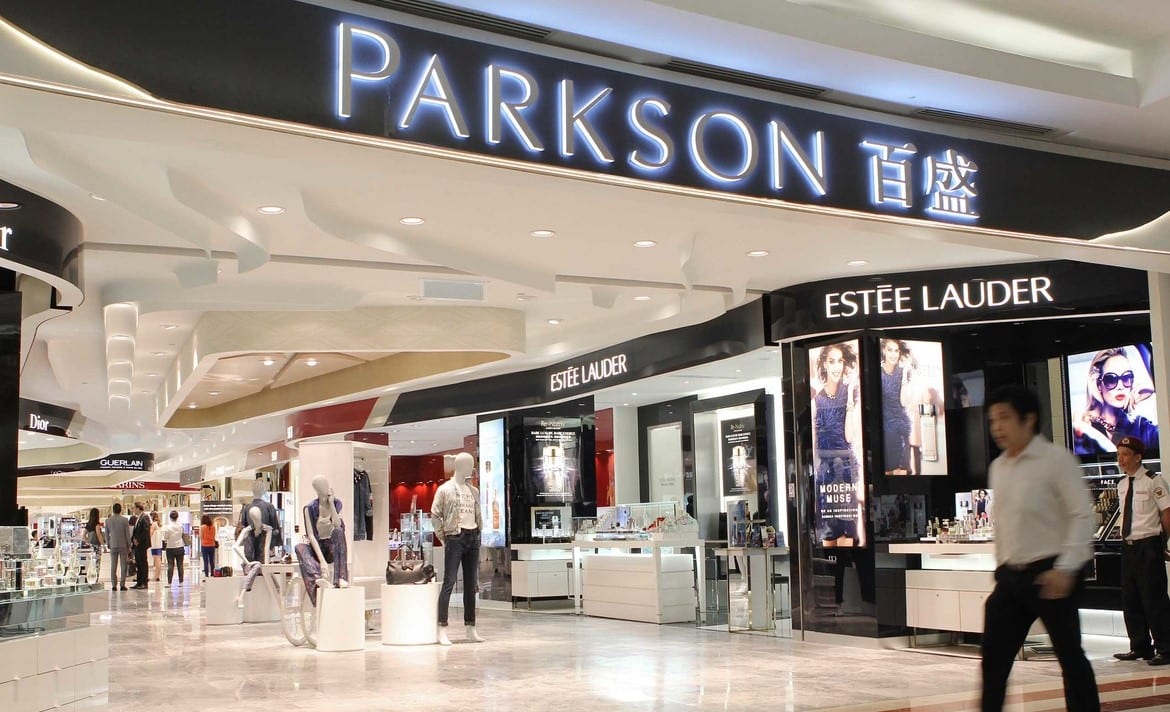
    Parkson Retail Asia cuts Q4 loss by 80%

    South-east Asian department store operator Parkson Retail Asia narrowed its fourth quarter net loss by 80 per cent, owing to the absence of costs associated with a store closure a year earlier.

    Parkson, which does not have stores in Singapore, reported a net loss of $12 million for the three months to June 30.

    Revenue was up 10.9 per cent to $93.9 million from a year earlier, it added yesterday.

    The closure of a store at Landmark 72 in Hanoi, Vietnam in January last year had cost the firm $68.4 million. This went under other expenses – which include advertising, selling and administrative expenses, for instance – which improved 70.4 per cent to $27.6 million.

    Owing to this, the firm added in a statement that “as a percentage of revenue, the other expense ratios for the fourth quarter and the full year declined substantially year on year”.

    For the 12 months to June 30, Parkson reversed a net loss of $34.7 million to a net profit of $33 million, while revenue dipped 9.4 per cent to $388.4 million from a year earlier.

    Parkson has department stores in cities across Malaysia, Vietnam, Indonesia and Myanmar.

    Malaysia reported same store sales growth being up 21.5 per cent, thanks to “early festive buying arising from the shift in the Hari Raya calendar”. The growth also came from a low base a year earlier, where consumers bought less after the 6 per cent goods and services tax was introduced on April 1 last year.

    Even though consumer sentiment remains subdued in Malaysia, the firm said it has initiated new concepts such as introducing South Korean apparel, affordable private labels and shoe speciality stores to diversify earnings.

    Parkson added: “We have been consolidating our department store space by identifying non-performing stores with the view to closure upon tenancy expiry.”

    The Myanmar operations’ same store sales growth, however, took a 25 per cent hit in the fourth quarter.

    Parkson added that there are plans to close the store in FMI Centre in Yangon for re-development, and this upcoming closure has affected sales.

    “The landlord has not confirmed the timing for the re-development,” the firm added.

    Overall, it expects the first quarter of the next financial year to remain challenging.

    Quarterly loss per share stood at 1.78 cents, up from a loss of 8.82 cents in the same period last year. Net asset value per share was 24 cents as at June 30, up from 19 cents as at the same date last year.

    Parkson proposed a final dividend of 0.5 cent.

    Its shares closed 0.3 cent lower at 15.6 cents yesterday.

  • Pokemon Go game changer in Malaysian retail scene?

    Pokemon Go game changer in Malaysian retail scene?

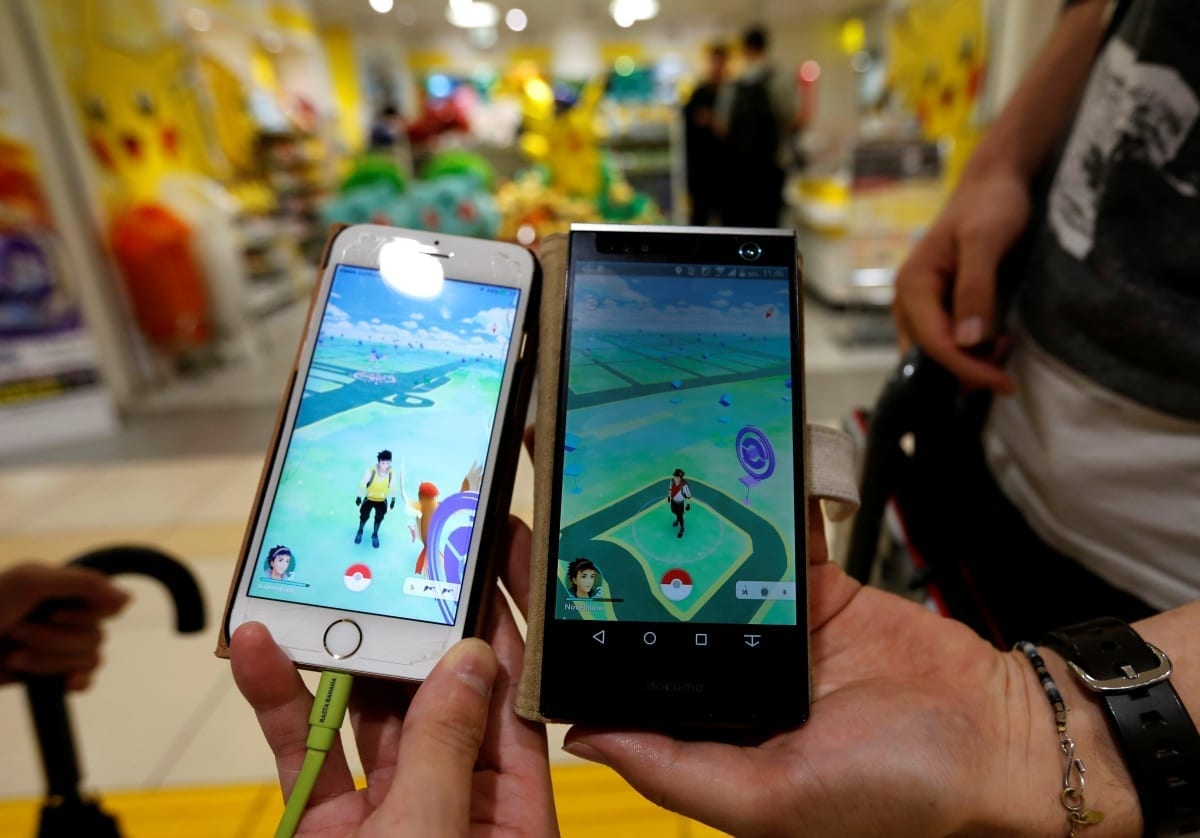
    The runaway success of augmented reality game Pokemon Go can be a potential game changer in the local retail scene.

    UOBKayHian said in a report that the game could also be seen as a revenue booster for retail real estate investment trusts (REITs) and modestly positive for food and beverage (F&B)/convenience store retailers and cellular companies.

    “Pokemon Go creates higher footfall in malls. Although turnover revenue accounts for less than 10% of retail REITs’ revenue, sustained higher footfall leads to better rental reversion.

    The research house said Sunway REIT has reportedly experienced a double-digit hike in average footfall at its malls.

    “Car count has increased by 10%. Similarly, Suria KLCC and Pavilion have also garnered attraction from Pokemon Go ‘hunters’.

    UOBKayHian said F&B retailers like Starbucks, OldTown and other F&B retail chains surveyed saw minimal impact with sales being consistent before and after Pokemon Go’s launch.

    “Nevertheless the higher footfall in the malls and shoplots could eventually translate into higher sales for the F&B retailers.”

    As for convenience stores, the research house said KK Supermart, which operates a chain of 223 convenience stores in shoplots, had reportedly seen a surge in footfall, with the sales of some store shooting up by up to 20%.

    “Approximately one-third of both 7-Eleven and Bison’s stores are located in the malls. The higher footfall in the malls may translate into higher sales for these convenience stores.

    “However, we note from these companies that at this juncture, impact on earnings is minimal.”

    UOBKayHian said it was “potentially marginally positive” on the telecommunications sector on higher data usage and pre-paid reloads.

    It pointed out that Pokemon Go had hastened the adoption of smart phones, currently accounting for around 30% of global mobile phones.

    “The game could hasten global conversion to smart phones, which benefits Malaysian electrical and electronics component suppliers like Inari. Among the potential beneficiaries, our top pick is Sunway REIT.”

    The research house noted that public response to Pokemon Go, which was released on Aug 6, has been overwhelming in Malaysia.

    Pokemon Go, which is by far the highest revenue grossing game in history, can provide at least a short-term lift to various Malaysian companies.

    “Although widely seen as a fad, this game’s shelf life could well exceed common expectations; 90% of players who downloaded the app continue to play after its launch,” according to a media report.