Tag: Sales

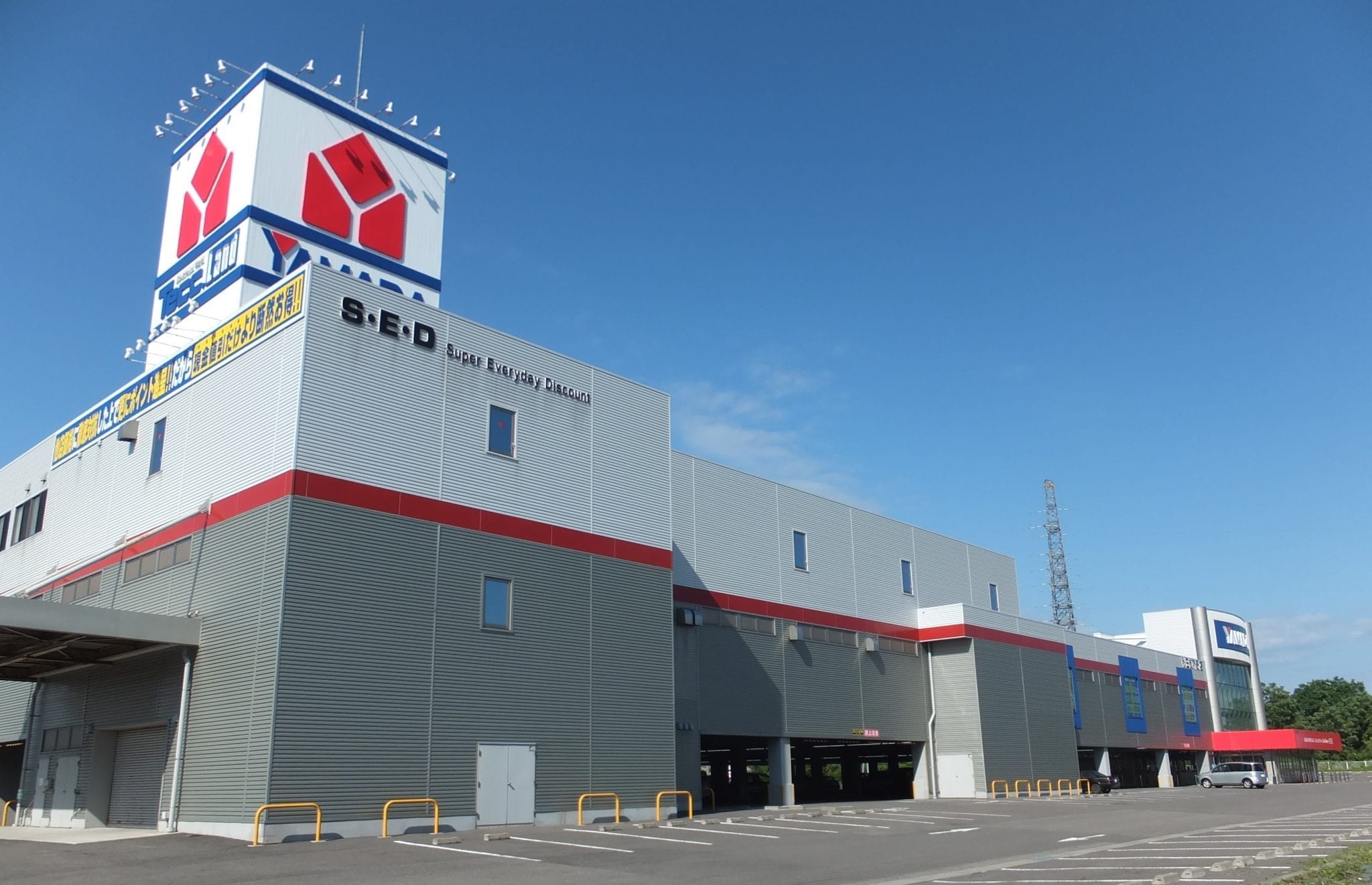
  • Yamada Denki profits from strategy change

    Yamada Denki profits from strategy change

    Japanese electronics retailer Yamada Denki saw its operating profit surged to 2.5 times the year-earlier level in its latest quarter.

    The company says this reflects a strategic pivot to highly profitable white goods from digital electronics, which are susceptible to price drops.

    Logging 6.4 billion yen (US$62.4 million) in operating profit for the April-June period, the company says air conditioners sold briskly, as did ultra-high-resolution 4K televisions ahead of the Olympic Games in Rio de Janeiro.

    However, sales for the quarter fell 2 per cent to 363.7 billion yen. Widespread clearance sales ahead of store closures last year account for part of the comparative drop.

    Yamada Denki’s gross margin widened 0.4 points to 28 per cent following the closure of about 60 unprofitable locations last year. It has also remodelled about 200 stores a year since 2014, allowing more space for home appliances such as refrigerators and washers at the expense of personal computers.

    Coming from a human resources background, the company’s new president appointed in April, Mitsumasa Kuwano, has spearheaded reforms to the company’s staffing strategy, such as putting more workers on the sales floor during busy periods.

  • Apple and Samsung continued to lose smartphone market share in China during Q2

    Apple and Samsung continued to lose smartphone market share in China during Q2

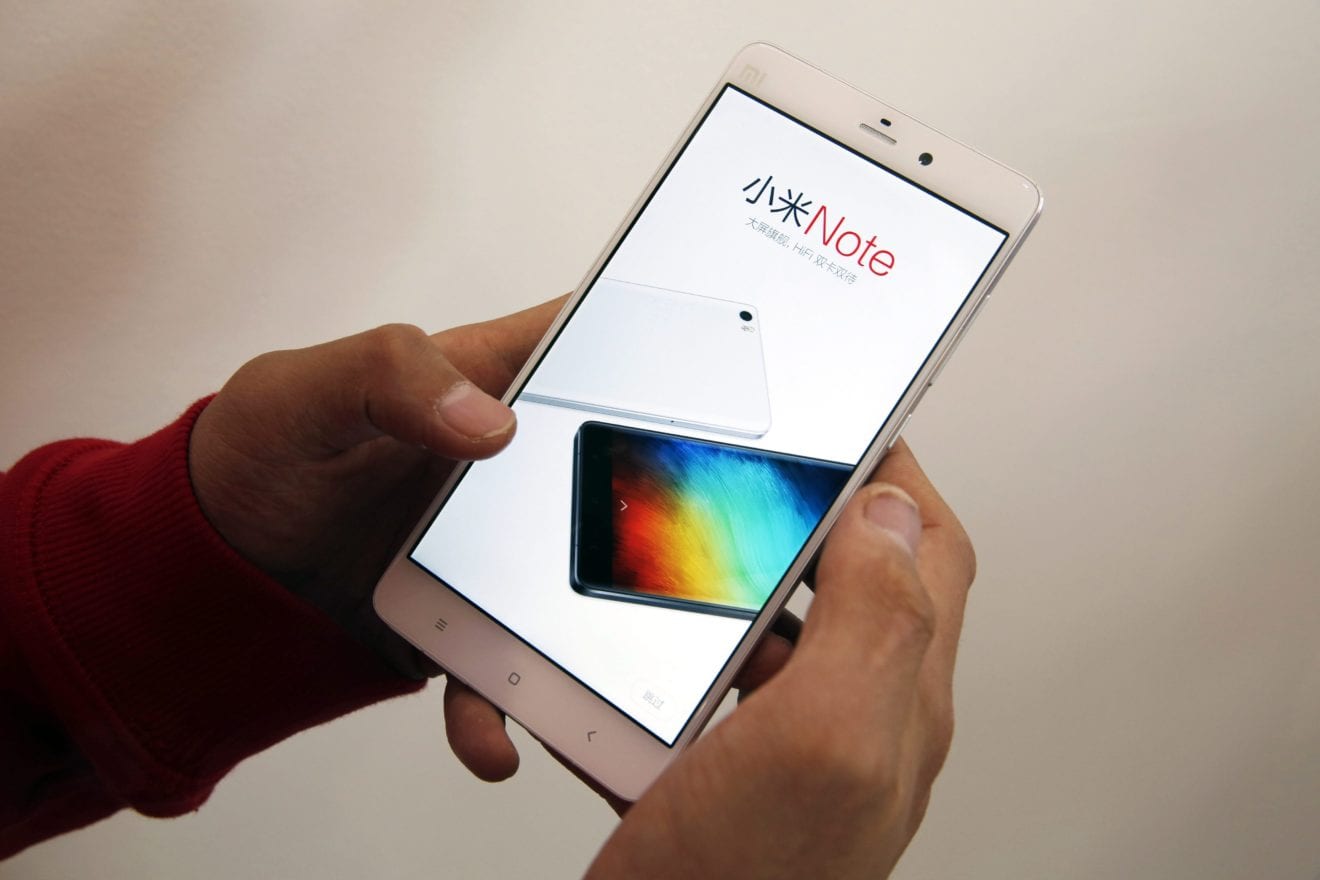
    Smartphone shipments in China during the second quarter rose 14.9% on a year-over-year basis to 149 million units. Sequentially, shipments rose 2.7%. This growth is not coming from high-end manufacturers like Samsung and Apple. Instead, entry-level handsets and mid-range 4G models are capturing attention from subscribers to the nation’s three major carriers. China Mobile, China Unicom and China Telecom are each offering subsidies on these less expensive models.

    This has resulted in a build up of inventory in the country’s retail channels. During the first two quarters of the year, manufacturers shipped more phones than the number that consumers were buying. As a result, analysts expect an “inventory correction” during the fourth quarter. This should result in manufacturers slowing down shipments of smartphones to retail channels in order to keep inventories lean.

    Digitimes own research has Huawei listed as the top smartphone producer in China with a 14% market share from April through June. The 12.7% share earned by Oppo during the same time period was next, followed by Vivo and Xiaomi with 11.2% and 10.4% of the market, respectively. Apple was fifth with a single digit slice of the pie.

    In an earlier report, Apple was said to have claimed 10.8% of the Chinese smartphone market during the first quarter of this year. That was a decline from the 12% share Apple controlled in the first quarter of 2015. Now in single digit territory, the company is looking at India to provide future growth in iPhone shipments.

    source: Digitimes

  • Circle K Hong Kong sales defy downturn

    Circle K Hong Kong sales defy downturn

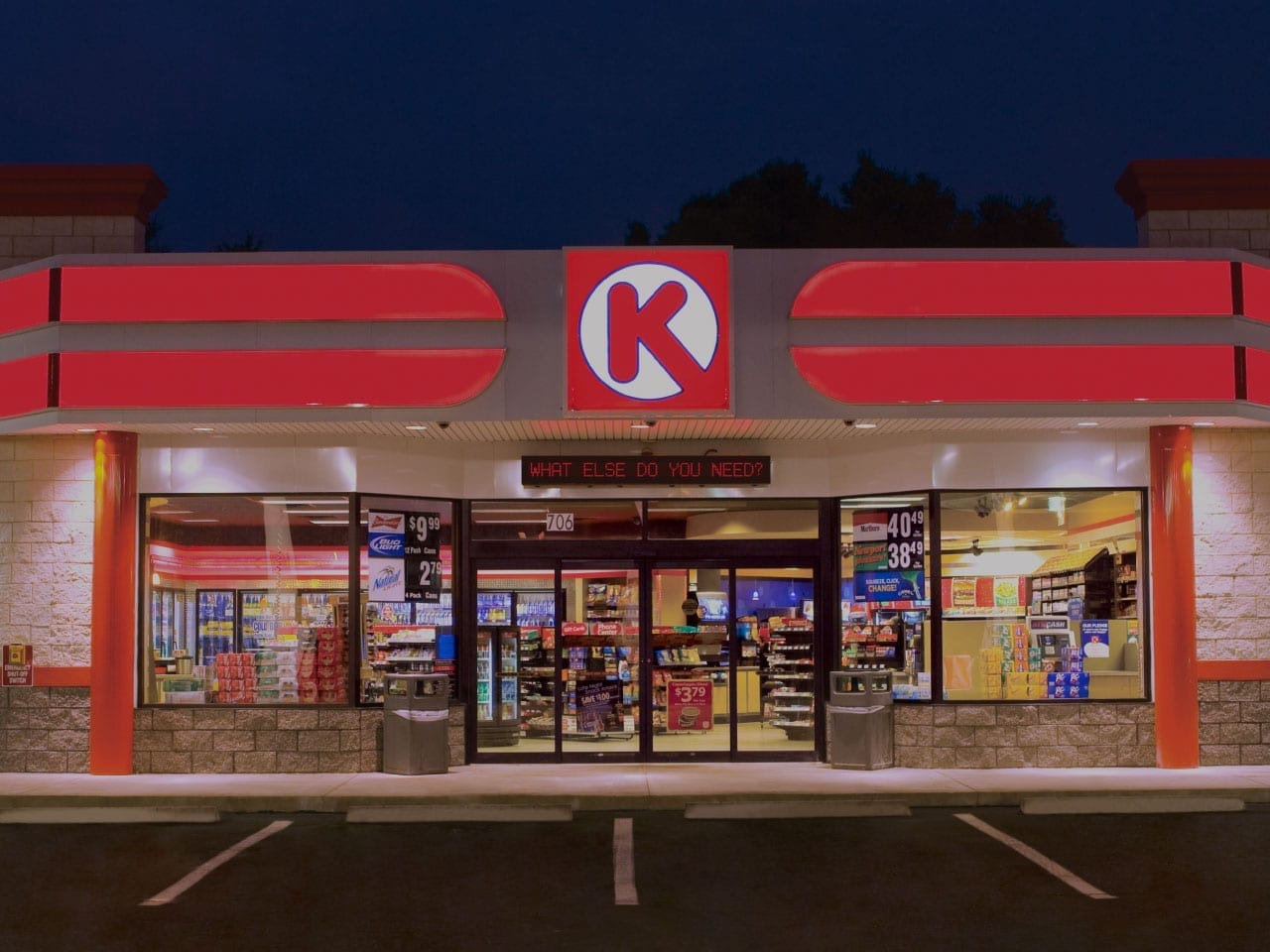
    Circle K Hong Kong sales rose 4.7 per cent in the first half of this year, defying the retail downturn.

    Parent Convenience Retail Asia has reported an overall turnover boost of 3.4 per cent to HK$2.339 billion. Same-store sales grew 5.2 per cent year on year in the six months to June 30.

    Turnover in the company’s Saint Honore bakery business decreased slightly, by 0.5 per cent to $496 million, with low-single-digit growth in comparable store sales in Hong Kong.

    Convenience Retail Asia has 324 Circle K stores in Hong Kong, 118 in Macau, Zhuhai and Guangzhou; and 94 Saint Honore stores in Hong Kong and 50 in Macau, Shenzhen and Guangzhou.  In the first half of this year, it opened six new Circle K stores in Hong Kong and closed 10 for a net decrease of four, and it opened seven new Saint Honore stores in Hong Kong and closed two for a net increase of five.

    The group’s net profit increased 68.4 per cent to HK$52 million for the six months, primarily due to the disposal of Circle K business in Guangzhou last year..

    “Despite weak retail market sentiment, convenience store and bakery operations achieved

    satisfactory comparable store sales growth in Hong Kong,” the company said in a stock exchange filing. “Core operating profit increased 7% on back of stabilised operating costs and improvement in Saint Honore operations.”

    With the stabilisation of the commercial property rental market, store expansion has become a key growth strategy for the Saint Honore chain.

    Convenience Retail Asia says during the second half of 2016, it will seek to grow profit at existing stores “by continuing to improve efficiency, reduce costs, and drive sales through innovative product development, marketing and category management”.

    “With the commercial rental market on the downswing, cautious store expansion will play a role in driving revenue across the convenience store and bakery businesses.

    “Although the business environment has been challenging, the group’s core operations remain

    strong and healthy, and it has a solid balance sheet with a good cash position. We will continue to monitor the market closely for merger and acquisition opportunities that can help us grow our business, at the same time as we strive for healthy organic growth.”

  • Ralph Lauren sales tumble

    After a slight uptick in performance at the close of last year, Ralph Lauren sales have tumbled.

    Compared to 2015 – when total revenues declined by 5 per cent, wholesale by 9 per cent, and retail by 3 per cent – the latest sales figures are decidedly weak.

    In the first quarter of the new fiscal year, net revenues fell for a fifth straight quarter, dropping 4 per cent to US$1.6 billion

    The wholesale numbers are wholly understandable and are thanks, in large part, to the car-crash that is the American department store channel. While Ralph Lauren has representation in stores like Macy’s the fact that its sales areas look like a flea-market do nothing to help the brand or its revenues. This is further exacerbated by the generally weak customer traffic at department stores across the past few months.

    The retail numbers are much more of a disappointment, and a concern given that this division delivers the largest chunk of revenue. Ralph Lauren has been keen to emphasise its Way Forward Plan, which it says is changing the operational structure of the business so that it can deliver growth. As much as many of the actions are prudent, it feels like the company has been turning itself around in perpetuity. At some point, these actions need to deliver growth – something they are currently failing to do at either the sales level, or on the bottom line where the company posted a $31 million operating loss for the quarter.

    Decisive action is needed to put the brand on the right track. This includes withdrawing from department stores like Macy’s which are now actively damaging the Ralph Lauren brand, and focusing only on more upscale department stores like Nordstrom and Neiman Marcus as sales channels.

    A proper brand review is also needed as Ralph Lauren has become muddled and confused and is simply not competing effectively against brands like Vineyard Vines, which have good traction with younger, high spending consumers. Some action has already been taken to simplify the brand structure but much more clarity is needed in communicating the various parts of the offer to consumers. At present the various parts of Ralph Lauren are too hit and miss.

    Reconnecting with younger consumers is also a priority. Rather like Tiffany, Ralph Lauren is seen as an older, established brand that, while not actively disliked, is less relevant than it was a generation ago. Spin-offs like Club Monaco and RRL have helped to remedy this, but the company needs to put more energy and effort around extending and expanding their reach.

    That said, current plans should deliver some cost savings over the course of this fiscal as operations are streamlined. However, expect the plan’s impact on revenue to be negative across at least the next quarter.

    • Håkon Helgesen is a retail analyst at Conlumino.
  • India to capture 13.5% of smartphone sales by 2019

    India to capture 13.5% of smartphone sales by 2019

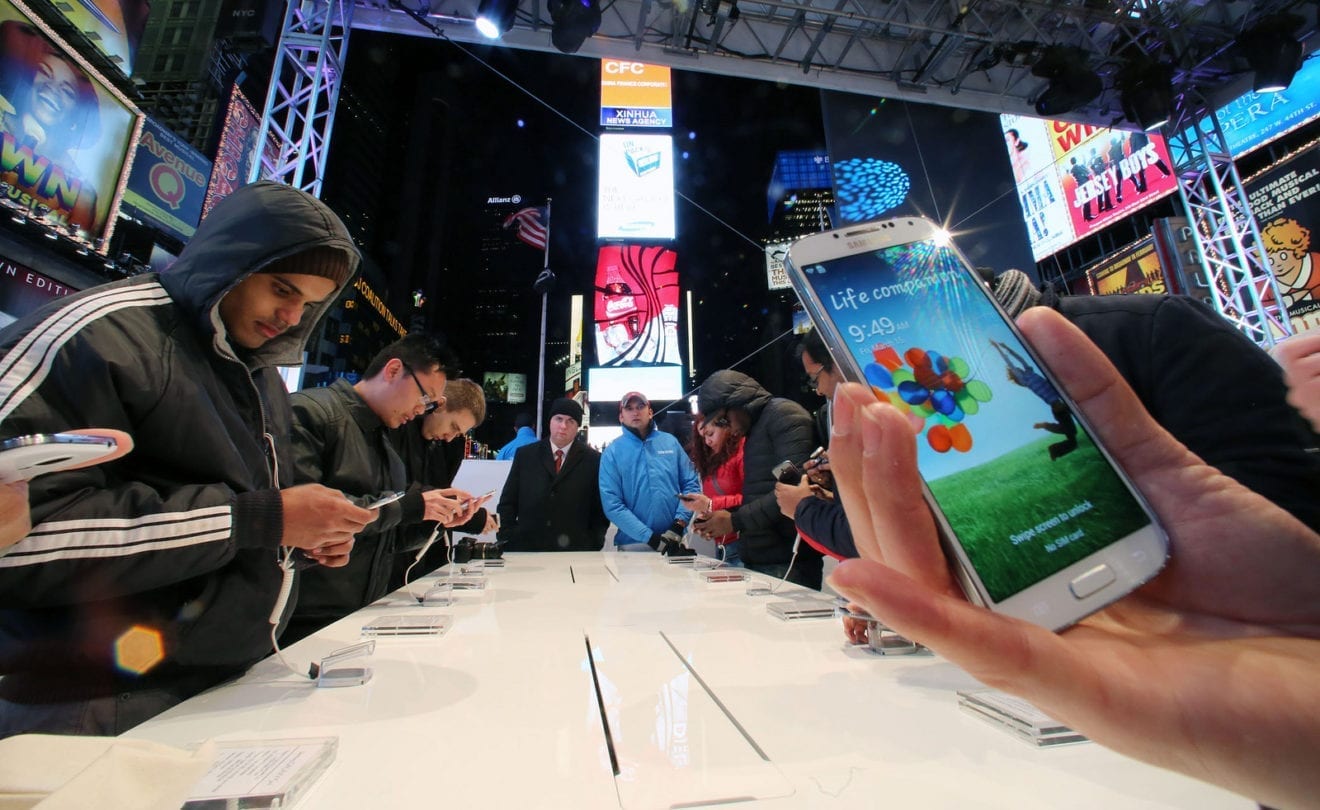
    India is on track to corner a 13.5% share (approximately 180 million smartphones in circulation) of the total global smartphone market by 2019, up from 7.5% today.

    This was revealed by a joint study conducted by the Associated Chambers of Chambers of Comerce & Industry of India (ASSOCHAM) and KPMG.

    The study noted that the advent of affordable smartphones designed for the Indian user and low-cost data connectivity options, more people are shifting to smartphones and mobile Internet.

    The average selling price of a smartphone in India in 2015 was 12,285 rupees ($183.70), a 25% year-on-year increase. The affordable models sell between 3,000 rupees and 10,000 rupees ($44.80 to $149.50).

    “The smartphone shipments in India grew a healthy 23% annually in the first quarter of 2016 compared to the global growth, which stalled for the first time ever since smartphones first began to sell,” ASSOCHAM said in a report posted in its website.

    “The increase in smartphone sales has changed the face of e-commerce industry in India in the last two years,” it added. “Mobile transactions accounted for 41% of total e-commerce sales in 2014. Developing a mobile (sometimes mobile only) strategy has been an important agenda for many of the leading e-commerce players in the country over the last two to three years.”

    The government has launched its ‘Digital India’ initiative in July 2015 for the different stakeholders to work together to transform the economy. Several international device vendors have also set up manufacturing facilities in India, supporting the government’s ‘Make in India’ initiative aimed at boosting local manufacturing.

  • Alibaba sales soar on international expansion

    Alibaba sales soar on international expansion

    Alibaba sales have soared in the first quarter of its new fiscal year, with overall revenue growth pushing even higher than last quarter’s stellar result.

    Streaming entertainment and cloud computing boosted the business, driving revenue up 59 per cent in the June quarter to 32.15 billion yuan (US$4.8 billion).

    In a contrast to the last reporting period, it is international that has shown the most growth, with revenues rising by 123 per cent. Although this figure is aided by the consolidation of the Lazada business, it is also the result of some good numbers from AliExpress.

    That said, China retail remains the largest part of the group, accounting for just over 73 per cent of revenues. Here performance was strong, with revenues rising by 49 per cent – partly thanks to a combination of the addition of 11 million more active buyers and higher average transaction values over the prior quarter. A sharp increase in marketing spend by those brands and merchants using Alibaba’s various sites also made a significant contribution to the hike in revenues.

    Alibaba’s role as a facilitator for Western brands wanting to sell into China continues to be the company’s main commercial advantage. Its ability to work closely with those merchants to improve performance will benefit the revenue streams of both parties, as well as creating a more attractive and compelling offer for consumers.

    Despite its success at home, Alibaba has struggled to gain traction in already established markets like the US. While this was once a stated ambition, and perhaps remains a long term goal, it is off the agenda for the short term. This is the correct strategy: chasing lower margin, profit eroding international gains for the sake of vanity makes little sense.

    That said, this does not mean that Alibaba’s international ambitions are entirely on hold – as the latest results show. Tactically, Alibaba has decided to focus on high growth markets where commerce is more embryonic. The acquisition of a controlling interest in Lazada, the Southeast Asian eCommerce group, is testament to this.

    While Lazada has grown into a sizeable business, it has a number of challenges including on the delivery, payment and fulfilment front, where it has struggled to optimise the offering. Alibaba, through its expertise and financial muscle, should be able to remedy this. It will also, over the medium term, strengthen the international brands available making the site more compelling and interesting for shoppers.

    The Lazada model represents the approach Alibaba is likely to take to international growth and expansion, and this will yield good long term results.

    With both international and domestic sales forging ahead, and with new areas like cloud computing making a better contribution, Alibaba is firmly on an upward trajectory.

  • Hour Glass Q1 net profit falls amid tough retail environment, slower economy

    Hour Glass Q1 net profit falls amid tough retail environment, slower economy

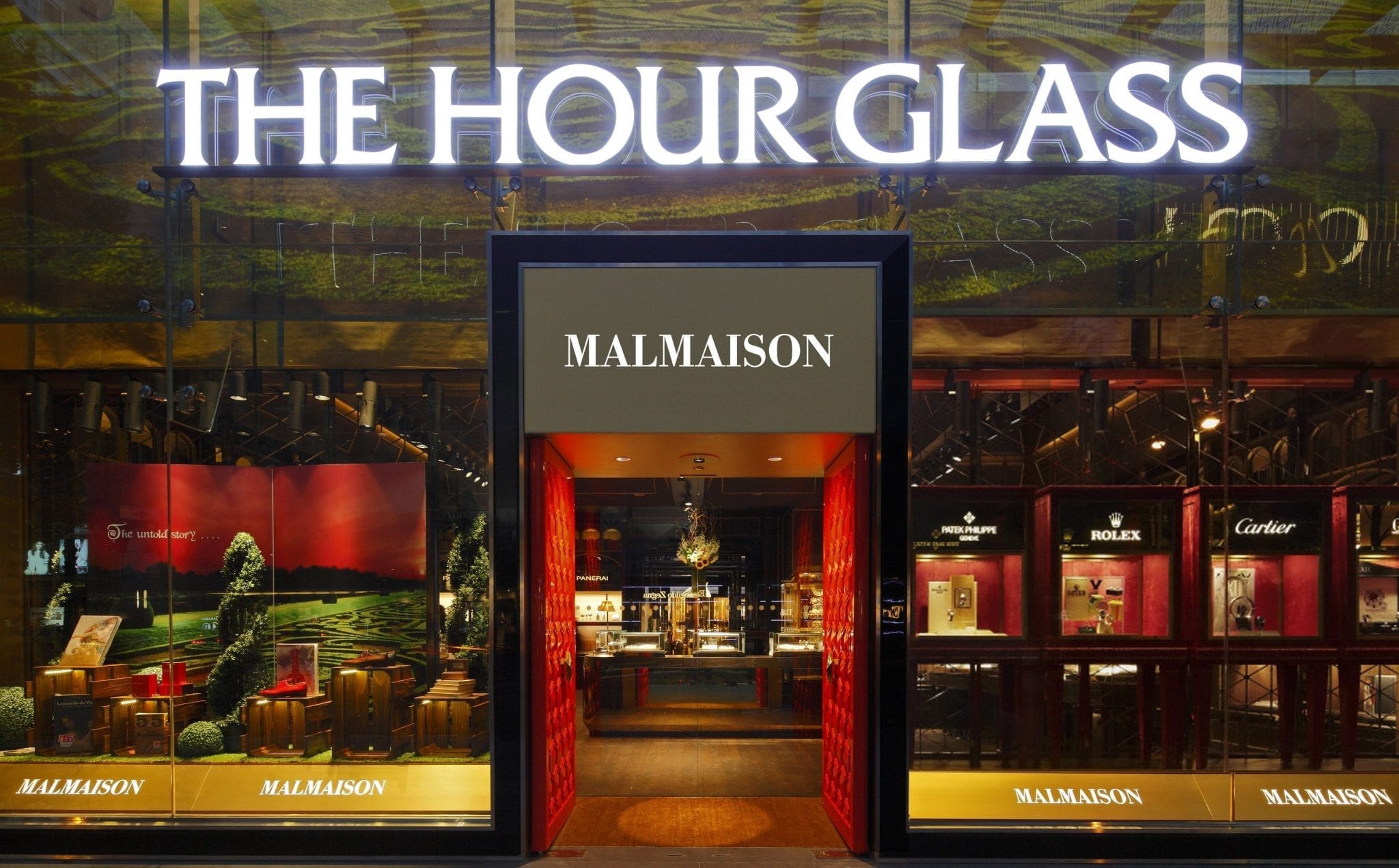
    The Hour Glass’ first-quarter net profit tumbled 22 per cent year on year to S$8.19 million.

    For the three months ended June 30, total revenue and other income fell 7 per cent to S$149.43 million from the previous year. The decline in revenue reflected the economic slowdown and tougher regional competition, it said.

    Q1 earnings per share slid to 1.16 Singapore cents from 1.49 Singapore cents in the preceding year.

    For the quarter, gross margin edged up to 22.9 per cent from 22.8 per cent a year ago.

    Meanwhile, rental costs were higher due to the expanded retail network.

    The Hour Glass said: “The continuing global economic uncertainty is expected to affect consumer sentiment and the demand for watches and luxury goods. Barring any unforeseen circumstances, the group expects to remain profitable for the financial year.”

  • Jollibee sales strongest in years

    Jollibee sales strongest in years

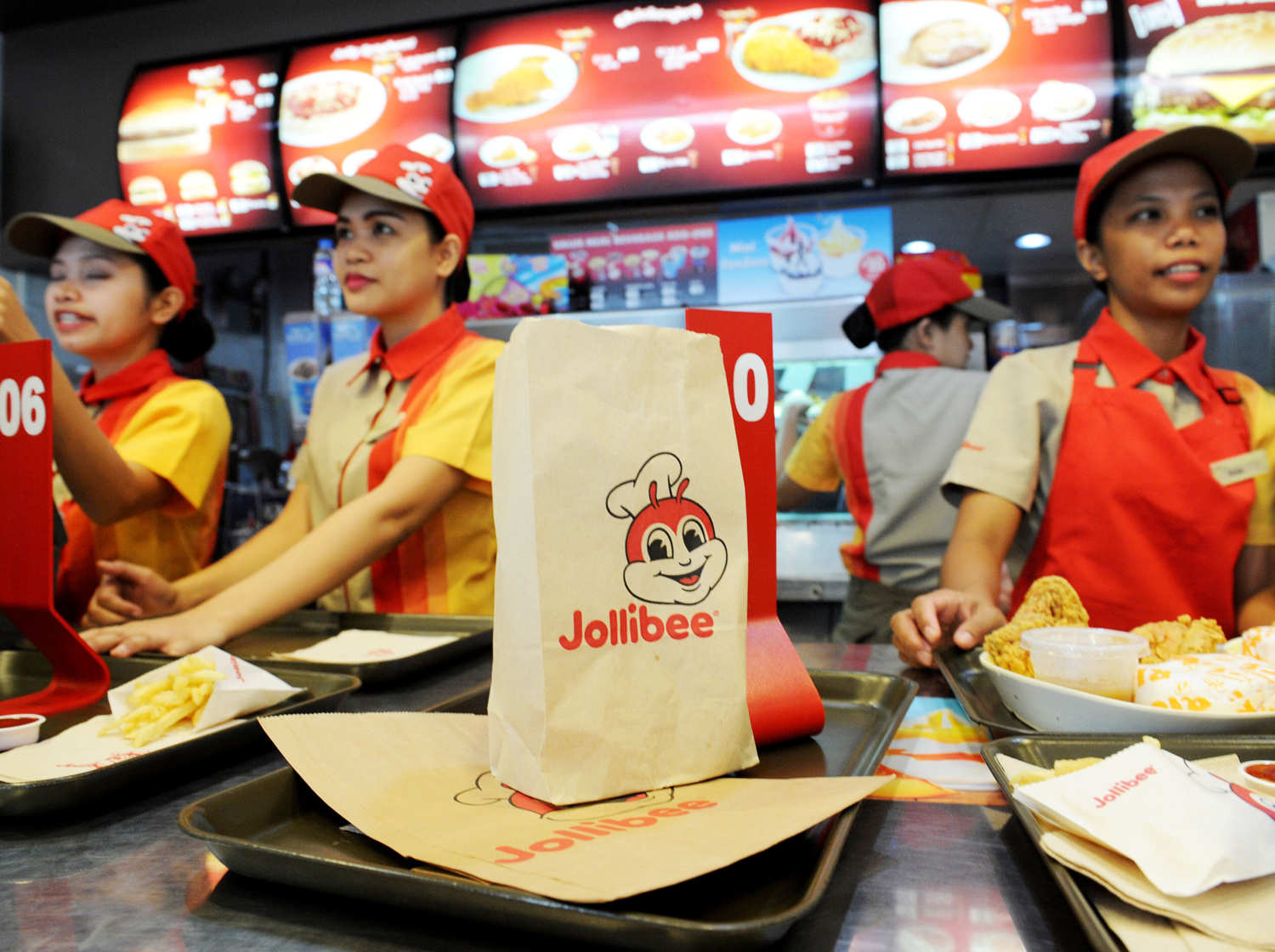
    Jollibee Foods Corp (JFC) has reported that its system-wide sales grew by 15.1 per cent in the second quarter compared to sales for the same period of 2015.

    For the first half of the year, sales of the Philippines’ largest foodservice company grew by 14.9 per cent to Php71 billion, while revenues grew 13.7 per cent to Php54 billion, compared with the first half of 2015. In the same period, profits rose by 14.8 per cent to Php3.1 billion from Php2.7 billion.

    JFC CEO Ernesto Tanmantiong said the Philippine business, which accounts for at least 80 per cent of the company’s worldwide sales, has been experiencing its strongest organic growth in many years.

    Tanmantiong said all brands performed ‘very well’ and he attributes the record growth to continued improvement in product quality and value offering supported by focused marketing campaigns, store expansion and renovation, low inflation rate, healthy growth of the country’s economy and election-related spending.

    Sales growth in the Philippines accelerated to 17.9 per cent in the second quarter, with brands growing in double digits.

    “Our business abroad had mixed performance. Southeast Asia grew by 37 per cent, led by Singapore with 56 per cent and Vietnam with 49 per cent. The Middle East rose by 17 per cent and the US increased by 11 per cent. China’s sales decreased by 5.7 per cent due to competitive pressure on Yonghe King, our largest brand there,” said Tanmantiong.

    “We look forward to a strong recovery of our Yonghe King business in the months ahead with the launch of new products with high value and taste scores supported by strong marketing campaigns and continuously building  a significant business in the People’s Republic of China and other parts  of the world.”

    JFC CFO Ysmael Baysa said:  “We look forward to continued strong profit growth while preparing for likely higher inflation rate in 2017 in the Philippines and other parts of the world and improving the profitability of our joint venture businesses.”

    JFC has a 50 per cent  interest in the following joint ventures with the number of stores indicated: Highlands Coffee (Vietnam, Philippines) 131, Pho 24 (Vietnam, Indonesia, Cambodia, Korea and Australia) 32, 12 Hotpot (China) 20, others 8; and a 40 per cent interest in Smashburger that has 366 outlets, mostly in the US.

    As of June 30, JFC was operating 2528 restaurant outlets in the country: Jollibee 939, Chowking 457, Greenwich 237, Red Ribbon 378, Mang Inasal 455 and Burger King 62. Abroad, it had 655 stores: Yonghe King (China) 321, Hong Zhuang Yuan (China) 40, San Pin Wang (China) 59, Dunkin’ Donuts (China) 4, Jollibee 151 (US 33, Vietnam 79, Brunei 14, Saudi Arabia 10, Qatar 2, Kuwait 4, Hong Kong 1, Singapore 4,  Bahrain 1 and UAE 3), Red Ribbon in the US 33, Chowking 44 (US 16, UAE 20, Qatar 4, Oman 2, Kuwait 1 and Saudi Arabia 1), Jinja Bar (US) 3.

    The JFC Group has 3183 stores worldwide.

  • Asia leads Burger King sales growth

    Asia leads Burger King sales growth

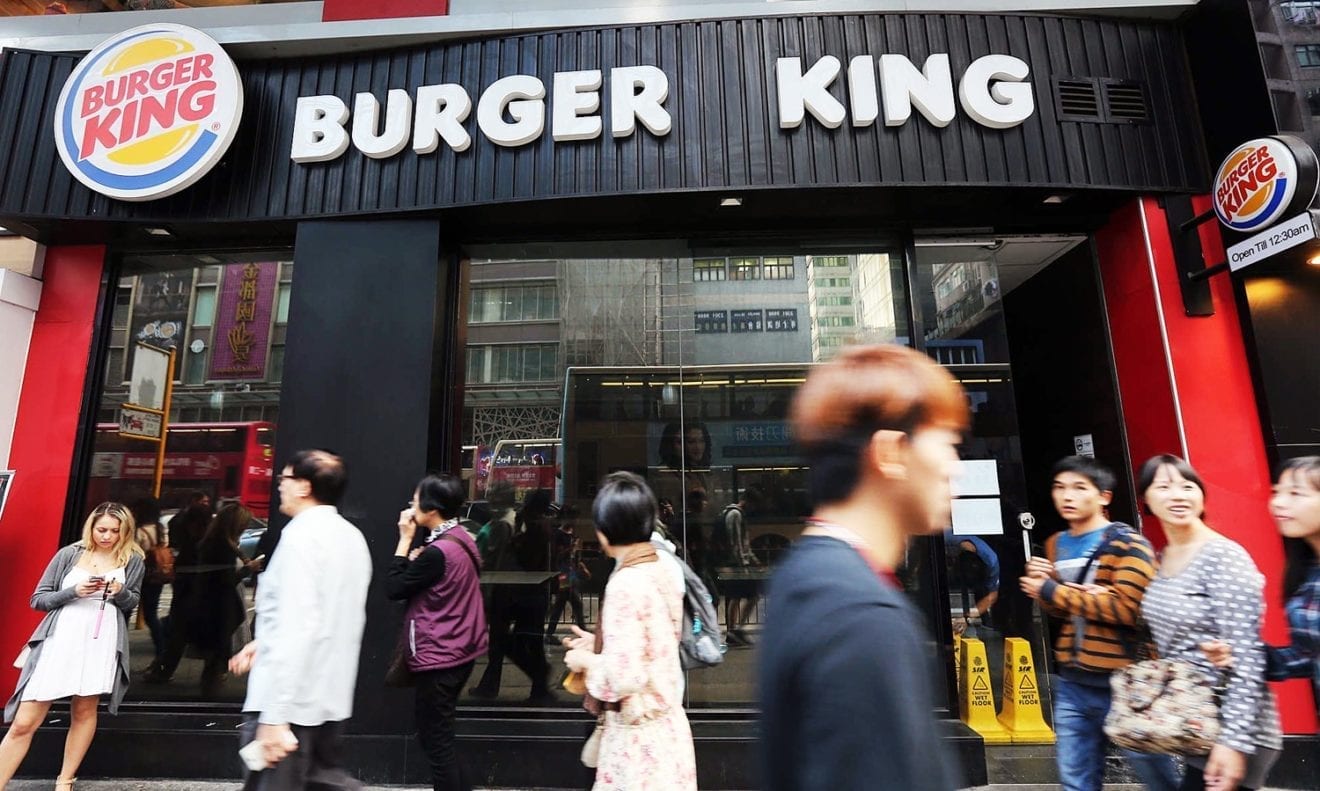
    Burger King sales are growing faster in Asia than in any other part of the world, reports parent Restaurant Brands.

    Sales in Asia rose 5.3 per cent, according to the company’s second quarter earnings data released overnight. Latin America sales rose 4.9 per cent. The performance in those two markets was enough to offset a 0.8 per cent decline in same-restaurant sales across the US and Canada, resulting in flat global systemwide sales growth.

    The success in Asia comes at a time when rivals Yum Brands (parent of KFC and Pizza Hut) and McDonald’s are struggling to maintain growth in Asia, where both companies are trying to sell long-term franchise rights.

    It also partly explains why Restaurant Brands this week announced a priority of expanding its Tim Hortons coffee cafe brand into Asia, with the Philippines the first stop.

    The Asia and Latin American figures were high points in a result best described as “adequate”.

    However, Neil Saunders, CEO of Conlumino, observes that although the headline result of a 0.2 per cent decline in overall revenue looks somewhat gloomy, this is mostly the consequence of a strong US dollar and weak Canadian dollar, which especially affected revenues from Canadian-based Tim Hortons.

    “The underlying numbers are slightly better, with both divisions in positive territory on a comparable sales basis and system-wide sales up by 0.6 per cent even after the impact of exchange rate fluctuations.”

    Saunders says the loss of sales momentum from previous quarters is in line with recent numbers from rivals like McDonald’s and Yum.

    “This trend is being driven, primarily, by a slowdown in spending on eating out by American consumers.  The softness in the US market is disappointing given the initially positive reaction to menu changes and the introduction [by Burger King] of hot dogs. It underlines the fact that menu change and innovation is not now something that can be done periodically: fast food players need to see this as a constant process that has to be supported by ongoing promotions and marketing activity.”

    Saunders believes McDonald’s continues to hold a slight edge over Burger King, and is doing more to shake up its traditional business model to maintain consumer interest and drive growth.

    “All that noted, the one saving grace for Burger King is good cost control which allowed [pre-tax earnings] to grow by 3.7 per cent this quarter.

    “Overall, Restaurant Brands continues to make progress; but with spend tightening and competition intensifying it now needs to up the pace of innovation if it is to grow further,” concluded Saunders.

  • Expansion brings some cash for VinMart

    Expansion brings some cash for VinMart

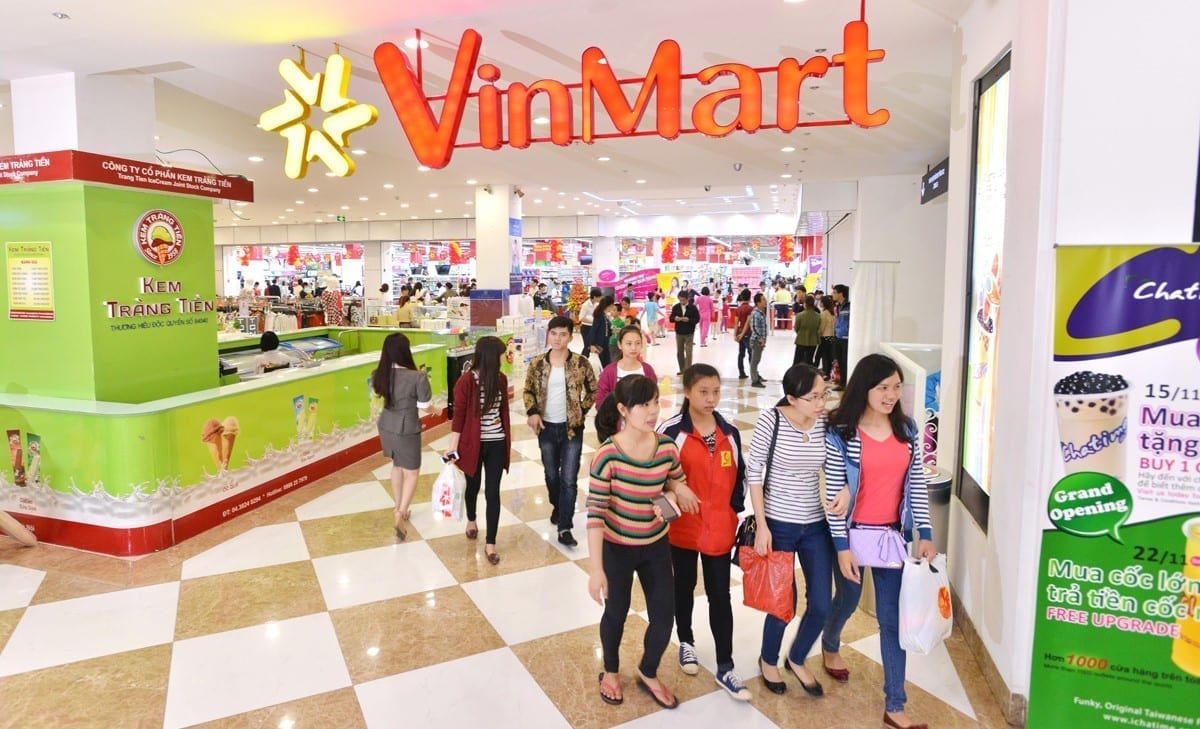
    Vietnamese supermarket chain VinMart has tripled its revenue in the second quarter of this year.

    Parent VinGroup says the group achieved VND2,465 billion (US$110.6 million) in sales of its supermarkets and convenience stores, a 226 per cent increase compared to the same period last year.

    One of the reasons for VinMart’s growth is the group’s strategy to bring its convenience stores VinMart+ to “every corner of Vietnam”, making it a part of consumers’ daily shopping routines.

    Up until July, after almost two years of operation, VinMart has 50 supermarkets and 830 convenience stores nationwide, which means the company has been opening three supermarkets a month and 46 c-stores.

    A standout of VinMart+ is the fresh food, distributed by green brand VinEco. The products are exclusive greenhouse vegetables, grown using Israeli technology.

    With this self-supply and self-control strategy, VinGroup has been creating a strong competitive strength in the market.

    Besides VinMart, its other divisions contributed to VinGroup’s profit in the quarter of VND 2,926 billion ($131.2 million): VinHomes, Vincom Retail, Vinpearl Land, Vinschool, Vinmec, and VinPro.

  • Is Nike golf equipment journey ending?

    Is Nike golf equipment journey ending?

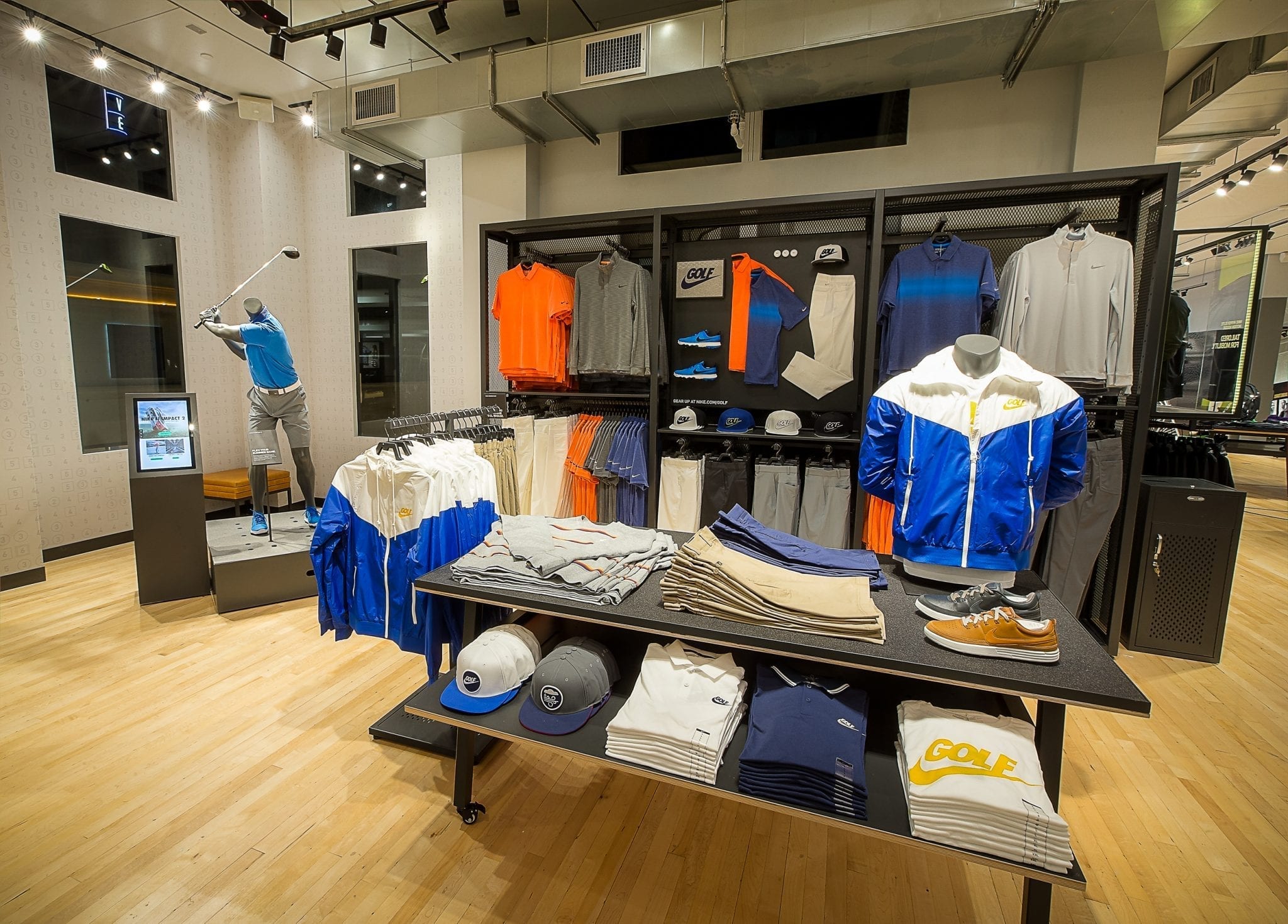
    Nike is phasing out its golf equipment business to focus on shoes and apparel.

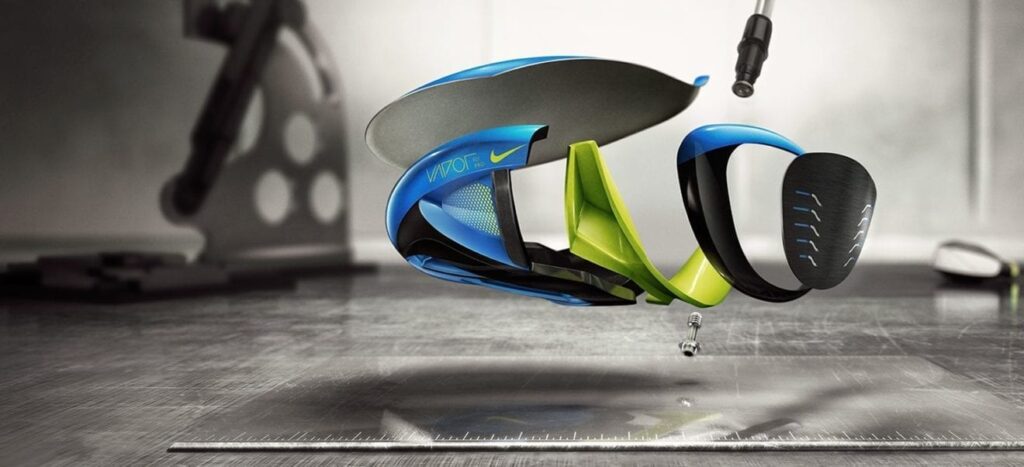
    The company has announced it is accelerating its footwear and apparel business and will transition out of Nike golf equipment range – including clubs, balls and bags.

    “We’re committed to being the undisputed leader in golf footwear and apparel,” says Trevor Edwards, president, Nike Brand. “We will achieve this by investing in performance innovation for athletes and delivering sustainable profitable growth for Nike Golf.”

    The global giant said it will continue to partner with more of the world’s best golfers as part of its changed golfing segment strategy.

    “Athletes like Tiger, Rory and Michelle drive tremendous energy for the game and inspire consumers worldwide,” says Daric Ashford, president of Nike Golf.nike golf

    “Over the past year the MM Fly Blade Polo, the Flyknit Chukka and Air Zoom 90 have all connected strongly with golfers. We’ll continue to ignite excitement with our athletes and deliver the best of Nike for the game.”

  • Burgers and beers lead Hong Kong restaurant industry growth

    Burgers and beers lead Hong Kong restaurant industry growth

    Restaurant industry analysts remain sceptical about the sector’s growth prospects despite promising year-on-year figures.

    Census and Statistics Department figures show restaurant receipts in Hong Kong increased 3.1 per cent year on year, at the end of the second quarter 2016.

    Fast food and bars did the best while Chinese restaurants saw fewer diners and lower spending, according to the figures.

    Fast food receipts increased 6.4 per cent year on year, bar sales increased 4.3 per cent, other drinking venues’ sales increased 3.9 per cent and Chinese restaurants increased 1.7 per cent.

    But the upwards trend for the local restaurant industry could be short lived, according to Simon Wong Ka Wo from the Federation of Restaurant and Related trades.

    There will be a 2 to 3 per cent “slight decrease” in the restaurant sector in terms of its overall performance for the whole year, Wong forecast. He warned that some Hong Kong restaurants might have to “suffer a little bit” over coming months, but the industry will bounce back in the fourth quarter.

    “The increase seems a little bit surprising to me as the performance of the economy for the past six months does not seem so promising,” Wong said.

    “The major reason is people tend to spend more on some middle to low-end restaurants like McDonald’s instead of high-end ones due to the stagnant economy, contributing to the increase in overall value of total receipts.”

    The optimistic figures come against a backdrop of slowing retail trade, which registered an 8.9 per cent decrease year on year.

    Professor Terence Chong Tai-Leung from the Chinese University of Hong Kong said rising incomes could help the city rebound from the retail slump.

    “As you can see from the low unemployment rate and the increased average income figure recently, Hong Kong people still have large purchasing power,” he reasoned.

  • Apple China’s quarter sales slump

    Apple China’s quarter sales slump

    Apple China’s sales fell 30 per cent in what one retail analyst described as “another fairly rotten quarter” for the tech giant globally.

    Apple’s international decline has accelerated with total sales revenue sliding by 14.6 per cent and operating income by 28.2 per cent.

    “That the numbers are down come as no real surprise given that Apple has launched very few significant products or initiatives since the last reporting period. However, that they are sequentially worse than last quarter is a cause for some concern, especially so as all geographies, bar Japan, are now in strong decline,” observed Neil Saunders, CEO of Conlumino.

    But Apple’s current problems are a lot more worrying for the company than a couple of bad sets of  quarterly figures, even though the company remains highly profitable and cash-rich. At the core of Apple’s challenge is the long period of sustained innovation and ingenuity seems to have dried up.

    The same day as Apple announced its latest results, one of the most reliable Apple leak sources, Evan Blass, revealed the next iPhone scheduled for release on September 16 will now be called the iPhone 6SE, because there are insufficient upgrades to warrant a new generation 7 model number. The iPhone – once the mainstay of Apple’s stellar rise – used to be the most-coveted smartphone handset on the market. But Samsung’s Galaxy Edge has well and truly evolved into the most beautiful handset on the market, and a raft of brands around Asia are producing phones with features and specifications equal to or better than the iPhone 6, usually at prices substantially lower.

    That partly explains why iPhone sales fell 23 per cent in revenue terms in the latest quarter: it’s just not as sexy as it once was; customers have a wider choice now, and owning an Edge has as much street cred as owning an Apple in many parts of the world.

    Laptop sales are weak globally as more and more consumers who do not need computers for work purposes find Phablets and tablets are more portable and just as convenient for social networking, email and watching videos. Mac sales fell 13 per cent last quarter – and again Apple has offered little reason to upgrade in recent years, save the high-resolution retina screens. New models are slated for later this year, but expect this to be another round of higher spec for a reduced price as Apple tries to hold its own against the likes of Samsung and arguably the biggest innovator in Windows-platform computers, Lenovo.

    Sales of other Apple physical products fell by 16 per cent.

    The only ‘innovation’ from Apple in the last two years is the Apple Watch, which, as Saunders observes, was supposed to be “the next best thing”.

    “However, its performance has been disappointing [because] it doesn’t really do very much.

    “In most cases it simply replicates what can be done on a phone, albeit less effectively. As such, other than as a status symbol, most consumers do not see the value in spending hundreds of dollars simply to remove the effort of having to lift up their phones. This is a great example of Apple’s genius in producing what remains a technically impressive and aesthetically pleasing device, while missing the bigger picture of how that device fits into people’s lives.”

    Ouch. But he is right: The Apple Watch is a solution searching for a problem. It is not a ‘must-have’, life-changing product, merely a gimmick; an expensive, flashy replacement for a pedometer which, wait, you can download onto your iPhone for free on iTunes…

    “All of this is characteristic of a company that, while still highly successful, has simply lost the edge that once persuaded consumers to continually upgrade and buy into more expensive pieces of kit.  Apple has become too obsessed with the technical minutiae of products rather than developing radically new devices which capture the imagination, and cash, of consumers,” says Saunders.

    Services a bright spot

    Saunders says the one bright spot in an otherwise gloomy set of Apple figures comes from the services segment. Here revenue grew by 19 per cent, thanks to more Apple Music subscribers and the strong performance of the App Store. “However, the ground gained here is nowhere near enough to make up for the decline in product revenue, which is where Apple takes the bulk of its sales and makes most of its profit.”

    Just what Apple is working on behind the scenes as it seeks its next life-changing product is uncertain. There have been long-running reports it is developing a motor vehicle, for example, a huge investment which the company certainly has the cash reserves to fund. But reinventing the motor vehicle is a hard concept to conceive. Elsewhere it seems to be searching for acquisitions which could aid its growth – among the recent rumours is a bid for Formula 1, one of the world’s most-watched televised sports which could bring access to technical innovation, and most importantly content for a planned TV concept and its existing devices. Neither F1 or Apple has denied those rumours.

    Saunders argues that if the company is to return to its once stellar growth, it needs either a radical step change in its existing product line-up or needs to come up with a completely new device that creates a whole new market.

    “This is easier said than done, but there are emerging areas of technology – like virtual reality – where Apple should be at the forefront of developments.”

    Saunders also praises Apple’s latest incarnation of its retail store.

    “Apple’s latest store format is impressive and provides just the type of experience that modern consumers enjoy and will engage with. However, without great products this new format will not deliver very much. As such, Apple needs to put the same sort of forward thinking into its kit as it has done its new shops.”

    He concludes: “As much as this may all sound harsh and critical, it is simply because Apple set such a high benchmark to begin with. It remains a very impressive business and retailer, but it is one that is in desperate need of that magical ‘one last thing’ to transform its trend of declining sales.”

  • ‘Pokemon Go’ catapults c-store sales in Korea

    ‘Pokemon Go’ catapults c-store sales in Korea

    Convenience stores in some areas in South Korea are enjoying a boom in sales brought by the latest mobile game craze ‘Pokemon Go’.

    ‘Pokémon Go’, an augmented reality app developed by Niantic, requires players to walk around and catch creatures called Pokémon using one’s smartphone.

    The hit game is not yet available in the country but a technical glitch made it accessible in a few locations such as Sokcho, Ulsan, and Busan driving people to flock to these areas, according to The Korea Herald.

    Top South Korean c-store operator CU reported that its outlets in Sokcho saw a jump in sales notably in battery charging services which rose by 388 percent and mobile accessories such as portable batteries and earphones by 82.4 percent.

    A rise in demand for ice cream and cold beverages due to summer heat has also been seen so the Sokcho branch of retail chain E-mart offers free ice water, as part of its marketing campaign, to ‘Pokémon Go’ players who can catch Pokémon creatures on its premises.

    Travel agencies, hotels, and retailers selling Pokémon merchandise are also cashing in on the game phenomenon.

  • Shilla Duty Free downtown and off-shore stores contradiction performance

    Shilla Duty Free downtown and off-shore stores contradiction performance

    The Shilla Duty Free posted a +29.0% year-on-year rise in second-quarter revenues for its Korean downtown duty free operations, reflecting a strong rebound from the MERS-ravaged corresponding period last year.

    Downtown store revenue climbed to KW538.2 billion (US$473.6 million) for the quarter, with growth outstripping the +23.5% increase in the total Korean duty free market (see Mirae Asset Daewoo chart below) for the period – encouraging news for Shilla given the increase in competitors following last year’s government licence additions.

    However, Korean airport sales fell -19.2% to KW198 billion (US$174.2 million), driven by a downturn in Incheon International Airport revenues caused by reduced floor space in the wake of last year’s tender results.

    Overseas duty free revenues (principally Singapore Changi Airport and Macau International Airport) rose by +16.3% year-on-year to KW121.3 billion (US$106.7 million). More pertinently, however, Shilla posted a KW12.3 billion (US$10.8 million) operating loss on those operations, reflecting in particular the high cost of entry at Changi.

    The offshore losses put a big dent in The Shilla Duty Free’s overall operating profits, which fell -51.4% to KW15.4 billion (US$13.6 million). Even profits on the more lucrative Korean downtown business fell sharply, down -39.0% to KW27.7 billion (US$24.4 million).

    A key factor in that decline has been, as we reported recently, the rocketing costs of commissions to Chinese travel retail agents – up from between 7% and 100% to around 23% since the advent of new duty free retailers last year. As one leading luxury brand executive told The Moodie Davitt Report recently, “The real winner in Korean duty free is the Chinese travel agent.” These numbers bear out that view.

    shilla July 2016 2

    shilla July 2016 3

    shilla July 2016 6The Shilla Duty Free is the key revenue and profits contributor to parent Hotel Shilla, whose consolidated revenues rose +13% year-on-year to KW954.1 billion (US$839.6 million), while operating profits tumbled -36.04% to KW18.7 billion (US$16.5 million).

    Group operating profit margin was 2.0%; with travel retail overall at 1.8%, Korean travel retail at 3.8% (6.1% downtown) and offshore duty free operations -10.1%.

    shilla_changi_opening_10feb2015_shilla5

    The Shilla Duty Free’s overseas airport operations once more posted heavy losses. The major problem lay with the heavy concession fees at Singapore Changi Airport (above). Pictured below is Shilla’s smaller operation at Macau International Airport, a joint venture with Hong Kong’s Sky Connection.

    NWS_Holdings_shop_0216_600_2MIXED REACTION FROM ANALYSTS

    MIRAE ASSET DAEWOO : Regina Hahm, Equity Analyst (Cosmetics, Hotels & Leisure, Fashion) at Mirae Asset Daewoo Research Center, said: “2Q earnings were way weaker than the market estimates.

    “However, I do think that it is positive that Shilla has further strengthened its existence in the market. It seems pretty apparent that group tourists have been absorbed by the Jangchung store [Shilla’s flagship Seoul shop -Ed], especially since the absence of Lotte World and WalkerHill.”

    In a review of Hotel Shilla’s results, Ms Hahm noted: “The domestic duty free business, which was hurt by the impact of MERS, resumed robust growth. Revenue from the downtown duty-free operation [of Shilla] climbed +29.0% YoY to KW538.2 billion during the quarter, meeting our expectation (+27.7% YoY). In the corresponding period, the overall duty free market saw revenue growth of 23.5% YoY, even as new entrants began full-fledged operations.

    “We think this shows the performance gap between major duty free players and less competitive, new players is widening further, which is natural given the importance of scale effects, the quality of sourced products, as well as experience in the duty free industry.

    Looking forward to Q3, typically a peak season for both inbound and outbound tourism demand, Ms Hahm foresees strong growth potential in Shilla’s duty free business, particularly given the low base line from the MERS-hit comparative quarter in 2016.

    She commented: “Airport revenue is likely to turn around in 3Q16, aided by the dissipation of high base effects.”

    Commenting on the group share price, she concluded: “Hotel Shilla shares have long been weighed down by a series of negatives, such as controversies over domestic duty free industry policies, the loss of licences by a few major players, and MERS.

    “In 2H, with the performance gap between new entrants and major existing players widening further, we expect Hotel Shilla to solidify its position as a leading player. Also, in our view, the stock could see a re-rating, given peak-season effects and strengthened market dominance.”

    Accordingly, Mirae Asset Daewoo maintained its ‘Buy’ rating on Hotel Shilla with a target price of KW110,000 (currently US$96.80), the stock brokerage and investment bank company’s top pick in tourism. By mid-afternoon today (26 July) it was trading at KW61,700, off by -0.80%.

    NOMURA: Analysts Cara Song and Jiun Im took a very different view, downgrading the stock from a buy to a reduce, and cutting their target price from KRW100,000 a share to just KRW47,000.

    In comments quoted by Barron’s Asia, they noted: “Operating profit margins at the domestic downtown duty free stores (Hotel Shilla’s sole profitable business) declined sharply to 6.1% in 2Q16 (vs. 8.8% in 1Q16, 10.3% in FY15). The company attributed this to a bigger contribution from lower-margin group tourists (from 70% in FY15 to 85% in 2Q16).

    “Considering that it is easier to attract group tourists than individual travellers by: 1) paying higher sales incentives to travel agencies; 2) more aggressive price promotions, Hotel Shilla’s customer mix has deteriorated, in our view.”

    HDC_Shilla_600_004 (1)

    Shilla IPark duty free is a stunning addition to Korea’s travel retail landscape. But Shilla’s overall reliance on group tourists, as opposed to higher-spending FIT customers, concerns Nomura.

    The analysts were particularly alarmed by the airport losses in Singapore, commenting: “Contrary to company guidance, Changi Airport DFS continued to struggle, with persistent losses in 2Q16. With the [Korean] government’s plan to issue additional DFS licences in 4Q16F, the DFS business environment could be dampened further.

    “Reflecting this, we cut our net profit estimate by 49.5%/36.5% respectively for FY16F/17F. Our FY16F/ 17F net profit estimates are c.33% lower than Street expectations (Fig.11).”

    Nomura also suggested there could be an added hit to earnings if Hotel Shilla’s planned part-acquisition of Miami-based DFASS Group in the third quarter falls through. The Moodie Davitt Report understands that constructive dialogue continues on that deal, though it is still some way from closing.

    shilla July 2016 1


    shilla July 2016 4

    shilla July 2016 5