Tag: Sales

  • China retail sales stabilise

    China retail sales stabilise

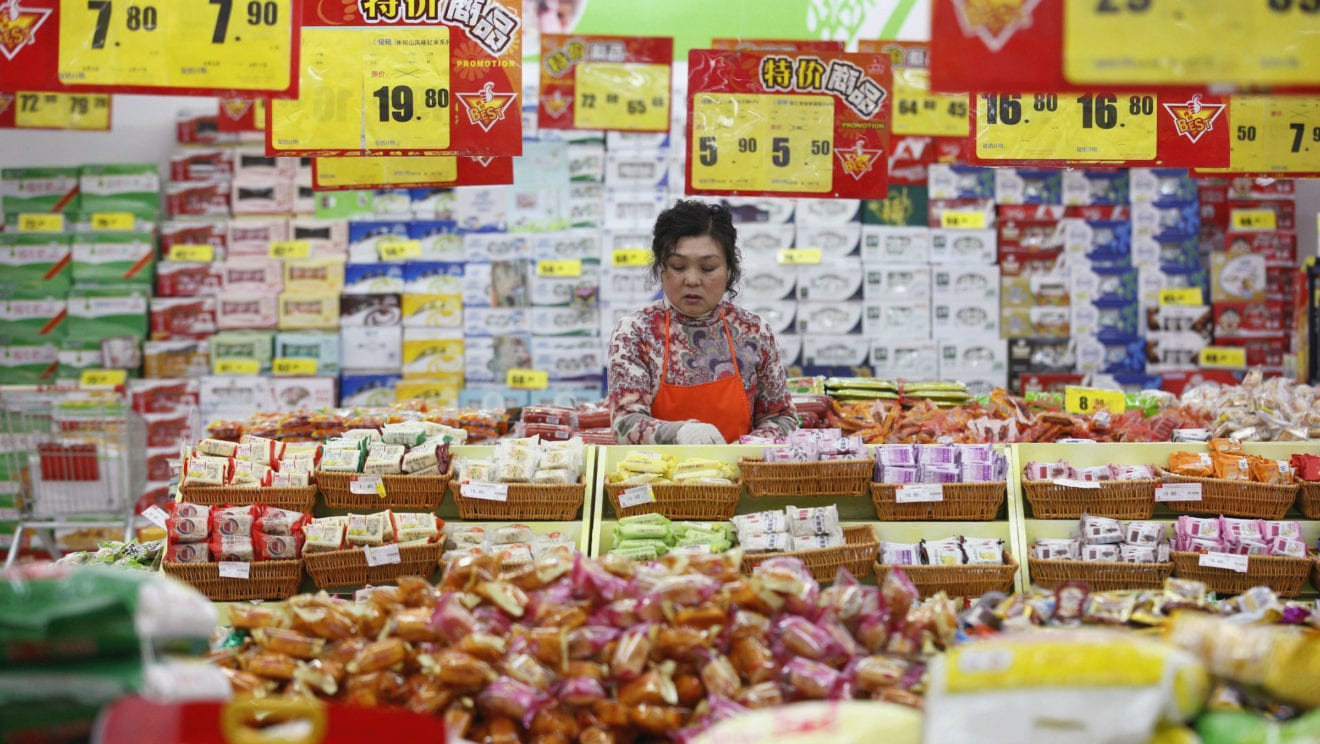
    China retail sales growth is stabilising.

    Figures from the National Bureau of Statistics show a 10.4 per cent year on year growth rate in the first half of 2015, to US$2.32 trillion.

    That rate is a negligible 0.2 percentage points lower than the rate seen in the first quarter.

    In the latest month, June, retail sales rose by 10.6 per cent, half a percentage point ahead of May.

    The biggest mover was the catering sector, which recorded an 11.5 per cent year on year rise in the first six months of 2015. ‘Other consumer products’ was the next best performing category with growth of 10.3 per cent.

    Online retail sales soared 39.1 per cent.

  • Burberry Hong Kong sales still falling

    Burberry Hong Kong sales still falling

    Burberry Hong Kong was the only apparent dampener on a solid quarter for the British luxury fashion retailer.

    Global retail revenue reached £407 million in the three months to June 30, representing an eight per cent increase, or 10 per cent at reported foreign exchange rates.

    But Hong Kong, where sales fell at a double-digit percentage rate, dragged the broader Asia-Pacific market down by the “low single-digit percentage”.

    “Mainland China comparable sales grew by a low single-digit percentage and Japan saw exceptional growth, albeit off a small base,” said Burberry in its sales statement issued Wednesday.

    Christopher Bailey, CEO and chief creative officer said Burberry was pleased with its underlying six per cent same store sales growth.

    “While mindful that the external environment remains challenging, we will continue to focus on growth opportunities across channels, regions and products, with exciting plans for the year ahead.”

    Bailey said the sales growth – outside Hong Kong – reflected the company’s ongoing emphasis on serving customers more effectively on and offline, and continued innovation in design and marketing – “particularly around the iconic, British-made products that performed so well in the period”.

    By region, there was double-digit percentage comparable sales growth in EMEIA, with strength from the travelling luxury customer in France, Italy and Spain in particular. The Americas delivered high single-digit percentage comparable growth, with footfall recovering through the quarter after a soft start.

    By product, heritage trench coats and cashmere scarves drove growth, as well as ponchos, an emerging key category for the brand.

    During the first quarter, Burberry opened five mainline stores and closed three. Openings included a new store in Brookfield Place, New York and relocations in the Mall of the Emirates, Dubai and Westfield White City, London. It also expanded its Regent Street flagship, adding an area dedicated to gifting.

  • Optical 88 reports strong Hong Kong sales

    Optical 88 reports strong Hong Kong sales

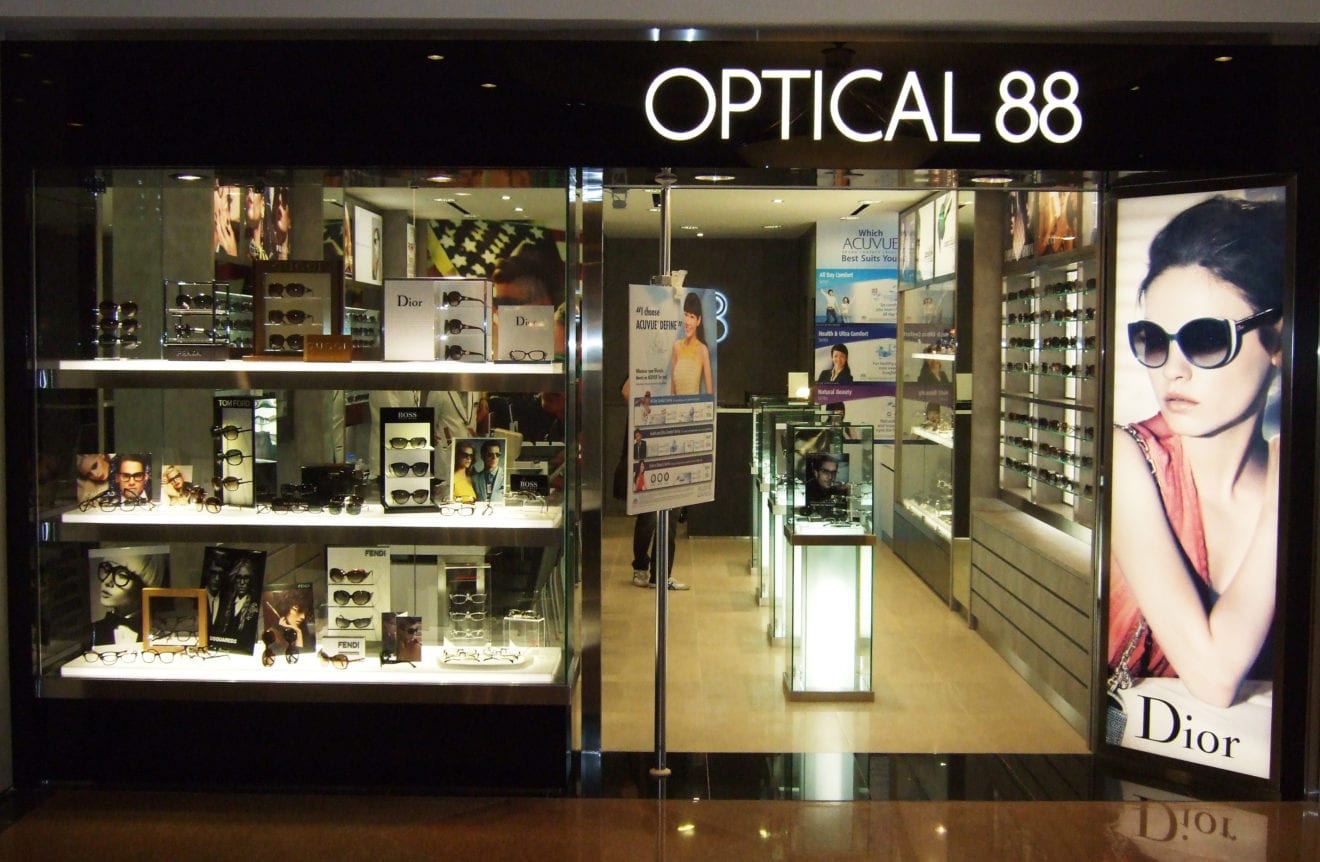
    Eyewear chain Optical 88 is narrowing its Mainland China losses as its sales improve.

    A subsidiary of Hong Kong-listed Stelux Holdings, Optical 88 has 227 stores in Hong Kong, Macau, Mainland China, Singapore, Malaysia and Thailand.

    Group sales rose just one per cent in the year to March 31, and its store network shrank by seven.

    Trading was mixed across the markets, with China and Malaysia standouts.

    China sales rose 4.7 per cent and the loss narrowed by 10 per cent to HK$27.5 million.

    “In line with our Greater China strategy, resources have been strengthened to accelerate shop opening in Southern and Southwestern China as we have relocated out from expensive cities, like Shanghai,” parent Stelux said in a stock exchange filing.

    “In addition, as we increasingly cater for the ageing demography and children, sales in progressive and functional lenses have improved whilst myopia control lenses have also been introduced.”

    In its home market of Hong Kong and Macau, the soft economy in Macau together with the accelerated slowdown in Hong Kong in the second half after a strong first six months, saw sales rise 3.9 per cent for the full year to $835.6 million.

    Profit rose 19.5 per cent to HK$95.4 million and gross margin improved to 64.2 per cent.

    “Though less affected by the decline in Mainland tourist spending, a cautious approach has nonetheless been adopted to review our store portfolio in key tourist locations.”

    Optical 88 recorded a loss for its Southeast Asian stores, but there were mixed results by market.

    Overall, Optical 88 lost $6.7 million in the three markets but on an exchange neutral basis, the loss was reduced to $1.4 million. Operating costs declined 2.2 per cent, with shop rentals falling 3.8 per cent.

    “In the second half of the year, a Hong Kong team was parachuted in to strengthen operational management and to improve operational efficiencies in all three regions. Initiatives were introduced to increase store productivity, improve gross margin and tighten procurement control. We will continue to see progressive improvements as a result of the above measures in the next year,” Stelux said.

    Singapore stores reported improved sales per shop as the brand focused on strengthening its customer base. Malaysian reported earnings of around $1.8 million, but excluding an

    exchange loss the profit would equate to $4.8 million.

    “In the medium term, we will be opening new stores to increase market coverage and to grow business scale.”

    The profit from Thai stores fell from $13.8 million to $8.6 million.

    “Given the poor economy and the unstable political situation, a cautious approach will be adopted towards shop leasing,” said Stalex.

    Optical 88’s total profit for the year rose 12.8 per cent to HK$61.2 million due to Hong Kong and Mainland China operations.

  • Indonesia retail sales continue to soar

    Indonesia retail sales continue to soar

    Indonesia retail sales soared 19.8 per cent May on May, according to bank of Indonesia data.

    While that is slower than the revised rate of 23.1 per cent in April (the bank had earlier estimated 22.4 per cent), it remains a figure developed economies can but dream about.

    Sales rose a healthy 19.7 per cent in March.

    The figure is based on data collected from 650 retailers in 10 major cities who are also quizzed on sentiment in the months ahead.

    Despite the healthy rates of April and May retailers expressed sales growth will slow in June and soften further in August after the end of the Ramadan fasting month, largely over July.

    They also expect inclement weather to disrupt distribution of stock during the next six months.

    But consider this: Last month, the retailers surveyed said they expected sales growth to slow in May, weakened by the vehicle fuel, spare parts and accessories categories. They said they expect inflationary pressure in July to soften due to retail discount programs linked to Ramadan.

  • HKIA retail growth halves to 10.8% but still flies high

    HKIA retail growth halves to 10.8% but still flies high

    The retail licences and advertising revenue segment at Hong Kong International Airport (HKIA) rose by a respectable +10.8% to HK$6,820m/$880m in 2014/15, with an upswing that was lower than the year before when it shot up by +23%, largely reflecting a full year of contributions from DFS Group as its anchor tenant.

    The segment now represents 41.7% of turnover – a marginal share increase on the previous year. Retail was a key component that allowed operator Airport Authority Hong Kong (AAHK) to generate record revenue of HK$16,367m/$2,111m (+10.5%) and rocketing profit of HK$7,254/$936m – a rise of +12.4% (see chart below and click to enlarge).

    Retail licences and advertising contributed nearly half of the rise in AAHK’s turnover for the year and the authority specifically highlights higher retail concession revenue as a major contributor to the above figures.

    AAHK does not split out its retail and advertising income, but from its comments it seems that the shopping units – in particular its well-trodden high-end boutiques – have delivered good gains. They have also been more of a focus in FY2014/15.

    STILL SEEING GOOD LUXURY DEMAND
    AAHK says: “This increase (of +10.8%) was a result of the commencement of new luxury retail licences; better sales performance for luxury brands, liquor and tobacco, perfumes and cosmetics, commercial catering and financial services categories; higher advertising revenue from new clients and categories; and joint promotional initiatives with major brands and China UnionPay.”

    Other terminal commercial revenue grew +5.2%, to HK$1,160m/$150m and mainly represents income from leasing offices and airport lounges to airlines and other tenants.

    HKIA enhanced its shopping experience in 2014/15 with the opening of 33 new luxury boutiques, with 10 new brands making an entry at T1.This latest luxury cluster includes the first Harrods store in Hong Kong, plus Balenciaga, Blancpain, Bulgari, Christian Dior, Givenchy, Jaeger Le Coultre, Miu Miu, Moncler and Tory Burch.

    HKIA is still attracting Chinese passengers in big numbers

    With a strong Chinese PRC mix at the airport and numbers in the last fiscal year up +22% (bettered only by passengers from southeast Asia) HKIA has, so far, managed to leverage high-end sales to this group. Whether the authority can maintain that successfully this year, in the light of the luxury downturn being seen in the local Hong Kong market, remains to be seen.

    Looking ahead, AAHK believes that traffic demand will continue to grow, but at a slower pace. “As a result, some of HKIA’s facilities, such as aircraft parking stands and other terminal facilities will soon reach capacity in the existing two-runway system,” it warns.

    MIDFIELD TO THE RESCUE

    To meet immediate needs, the expanded west apron is now fully operational with 28 aircraft parking stands. The Midfield development, which includes a five-level concourse and 20 aircraft parking stands, will provide added capacity when it enters service later this year for up to 10m passengers.

    AAHK expect profits to grow at a slower pace this year largely due to its current capacity constraints. Nevertheless, it has its eye firmly fixed on increasing non-aeronautical revenue “by optimising HKIA’s retail space, revamping the overall retail experience for our passengers, introducing innovative marketing, and supporting our business partners while they expand their operations”.

    HKIA is the world’s third busiest international hub after Dubai International and London Heathrow – and in FY 2014/15 it handled 64.7m passengers, up +6.6%.

  • Bauhaus in sales slide

    Bauhaus in sales slide

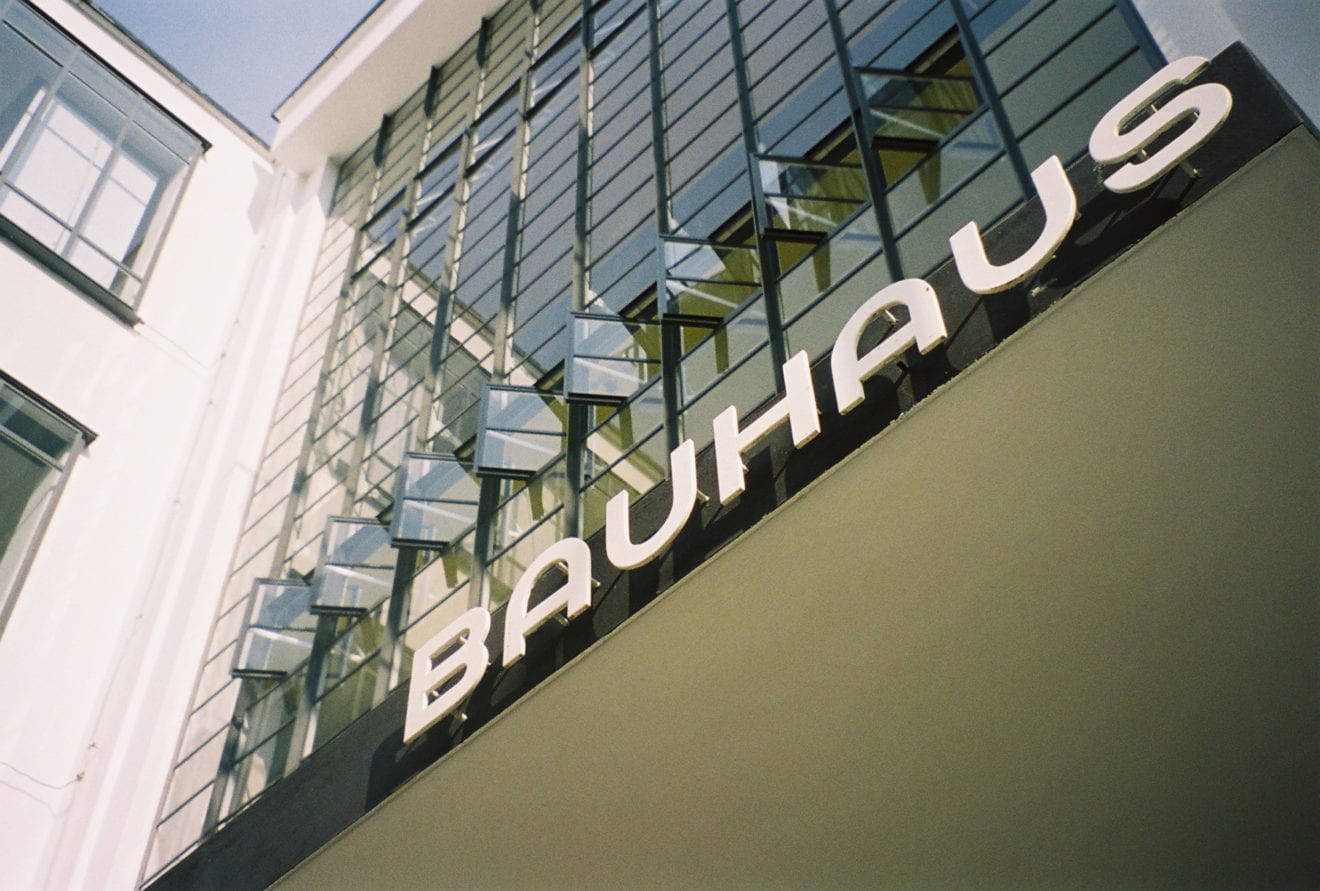
    Denim retailer Bauhaus says its same store sales have slumped in Taiwan and Hong Kong in the last quarter.

    Same store sales fell 17 per cent in Taiwan and nine per cent in Hong Kong, but remained stable in Mainland China.

    The Hong Kong-listed street fashion retailer has 211 self-managed stores – 96 in Taiwan, 86 in Hong Kong and Macau and 29 in the mainland.

    Quarter on quarter it added three in Hong Kong-Macau, one in Taiwan and closed two in the mainland.

    Bauhaus did not offer any commentary on the figures.

    The retailer sells a range of imported denim and t-shirt brands including Desigual, Evisu, Superdry, True Religion and Red Pepper.

  • Vietnam tablet market soars

    Vietnam tablet market soars

    The rapid growth of the Vietnam tablet market is boosting the potential of eCommerce in the fast-maturing Southeast Asian nation.

    New figures from GfK this week show the growing number of lower priced entry level tablets has seen a double digit growth in sales in first five months of this year – or 149,000 extra units – to reach 582,000.

    GfK projects the media tablet market will achieve even higher sales in the third quarter of the year with the anticipated back to school promotions, with annual sales estimated to hit 1.9 million for the year.

    Yet the total amount spent on tablets has fallen by about five per cent, due to the greater contribution of those lower value media tablet models.

    “Over three in every four (76 per cent) media tablets sold so far in 2015 cost less than US$300, as compared to just one in two (50 per cent) in 2014; signifying a strong shift in market trends towards the low-end segment,” observed Tran Khoa Van, MD of GfK in Vietnam.

    “The result of more media tablets being sold at lower prices brought about a shrinkage in the total market value in spite of strong consumer demand for the gadget.”

    On the other hand, high-end media tablets priced above US$500 which accounted for 29 per cent of the total market’s sales volume had reduced by half to make up only 14 per cent share in the first five months of this year. A similar trend is seen in the US$300-500 segment, where its 22 per cent share last year was reduced to 11 per cent in 2015.

    According to GfK findings, the average price of media tablets declined by 30 per cent from US$367 last year to US$259 this year. Although the number of brands catering to the Vietnamese market reduced from 56 to 49, the remaining players have introduced 20 more new models – from 278 to 298.

    Another emerging trend is the rising popularity of smaller screen sized media tablets, specifically the 7.9” and below segment. Over seven in 10 (71 per cent) of media tablets purchased this year were of this size, up from its 62 per cent market share last year.

    On the other hand, it was the 9-10” segment which reported a dwindled market share by half – from 26 to 13 per cent.

    “Price erosion is a natural progression of a tech product’s lifecycle and the average price of media tablets will definitely be drifting down further from the low of US$250 reported in the latest tracked month of May,” said Van.

  • Ford’s Retail Sales in China Increase 4% in May

    Ford’s Retail Sales in China Increase 4% in May

    Ford Motor Co. F sold 91,013 vehicles in China in May 2015. This reflects a 4% year-over-year increase from 87,887 units sold in May 2014. Sales of Ford in the world’s largest automobile market totaled 459,982 units in the first five months of 2015, up 1% from 456,594 vehicles sold in the same period of 2014. It is worth noting that Ford has started reporting only retail sales from May as opposed to wholesale figures reported earlier.

    Meanwhile, Ford’s passenger car joint venture, Changan Ford Automobile (“CAF”) witnessed a 3% year-over-year rise in vehicle sales to 67,357 units in May 2015. Sales of CAF inched up 1% to 332,999 vehicles in the first five months of 2015.

    Further, Ford’s commercial vehicle investment in China, Jiangling Motors Corporation (“JMC”), sold 20,910 vehicles in May. Sales improved 7% from 19,569 vehicles sold in May 2014. Moreover, JMC’s sales in the first five months of 2015 grew 4% year over year to 114,638 vehicles.

    In order to support the demand in China, Ford inaugurated an assembly plant – Changan Ford Hangzhou Plant – in Hangzhou in March. Changan Ford Hangzhou, Ford’s sixth assembly plant in China, required an investment of $760 million. It has a production capacity of 250,000 vehicles.

    Ford currently carries a Zacks Rank #3 (Hold). Better-ranked automobile stocks include The Goodyear Tire & Rubber Company GT , PACCAR Inc. PCAR and U.S. Auto Parts Network, Inc. PRTS , all carrying a Zacks Rank #2 (Buy).


  • Retail Sales Hit Hard by MERS

    Retail Sales Hit Hard by MERS

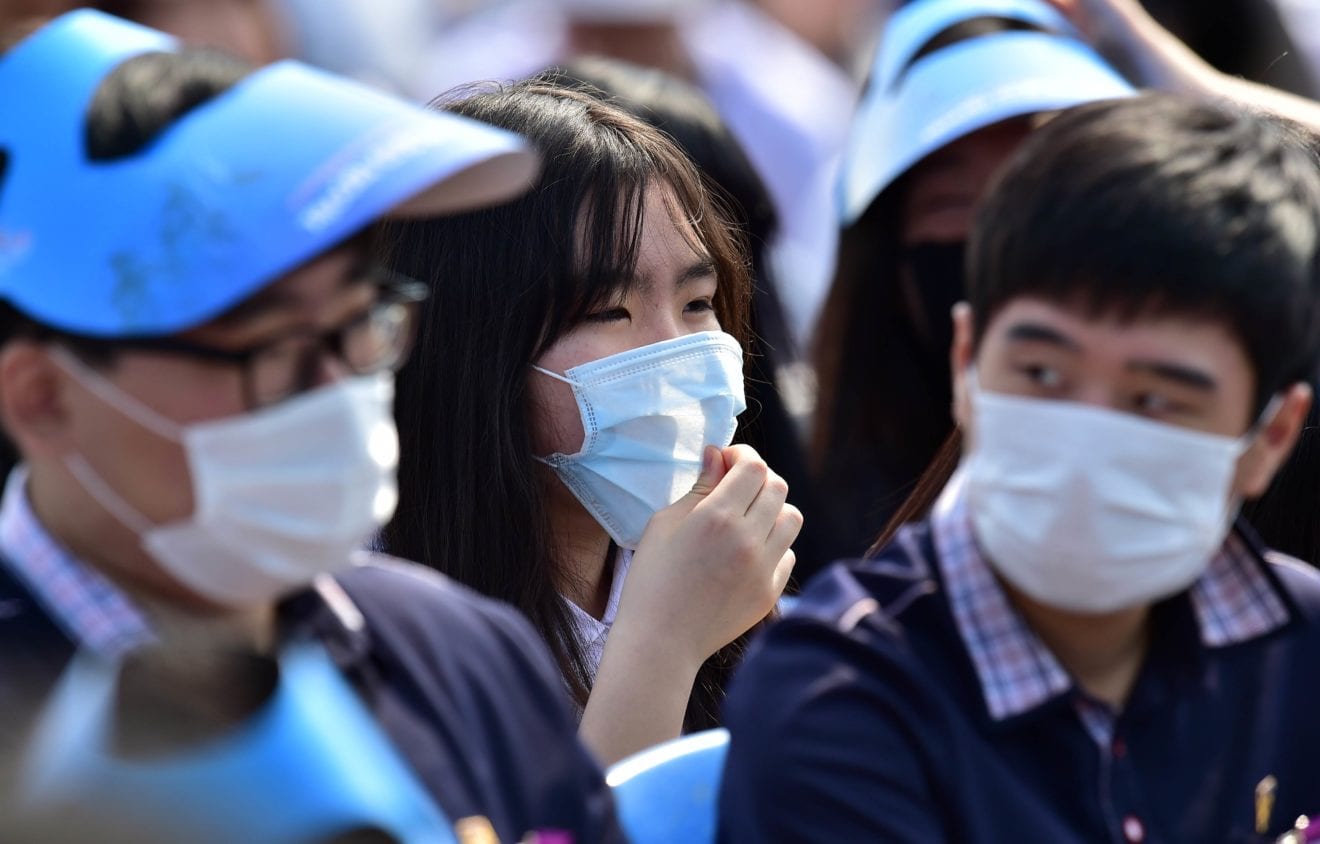
    The ripple effect of the Middle East respiratory syndrome (MERS) is spreading throughout Korea’s retail industry, including department stores, discount stores, restaurants, and cosmetic shops.

    Amid rising concerns about possible infection by the MERS virus, an increasing number of consumers are avoiding crowded places, dealing a blow against the sales of offline stores, including department stores.

    As the MERS crisis prolongs, the number of foreign tourists, including Chinese ones, declines, giving a negative impact on the cosmetics industry. According to industry sources on June 5, Lotte Department Store suffered an 8.4-percent decline in sales during the period from June 1 to 4, compared to a year ago.

    Shinsegae Department Store also suffered a 3.7-percent decline in sales during the same period. E-Mart, the largest discount store in Korea, recorded a 7.8-percent plunge in sales during the period. In particular, its outlet in Dongtan and Pyeongtaek, in southern Gyeonggi Province where the highest number of MERS cases were reported, suffered a 19.7-percent and a 16.2-percent plunge in sales during the period.

  • Chow Tai Fook Quarterly Retail Sales Fall 6% on Hong Kong, Macau

    Chow Tai Fook Quarterly Retail Sales Fall 6% on Hong Kong, Macau

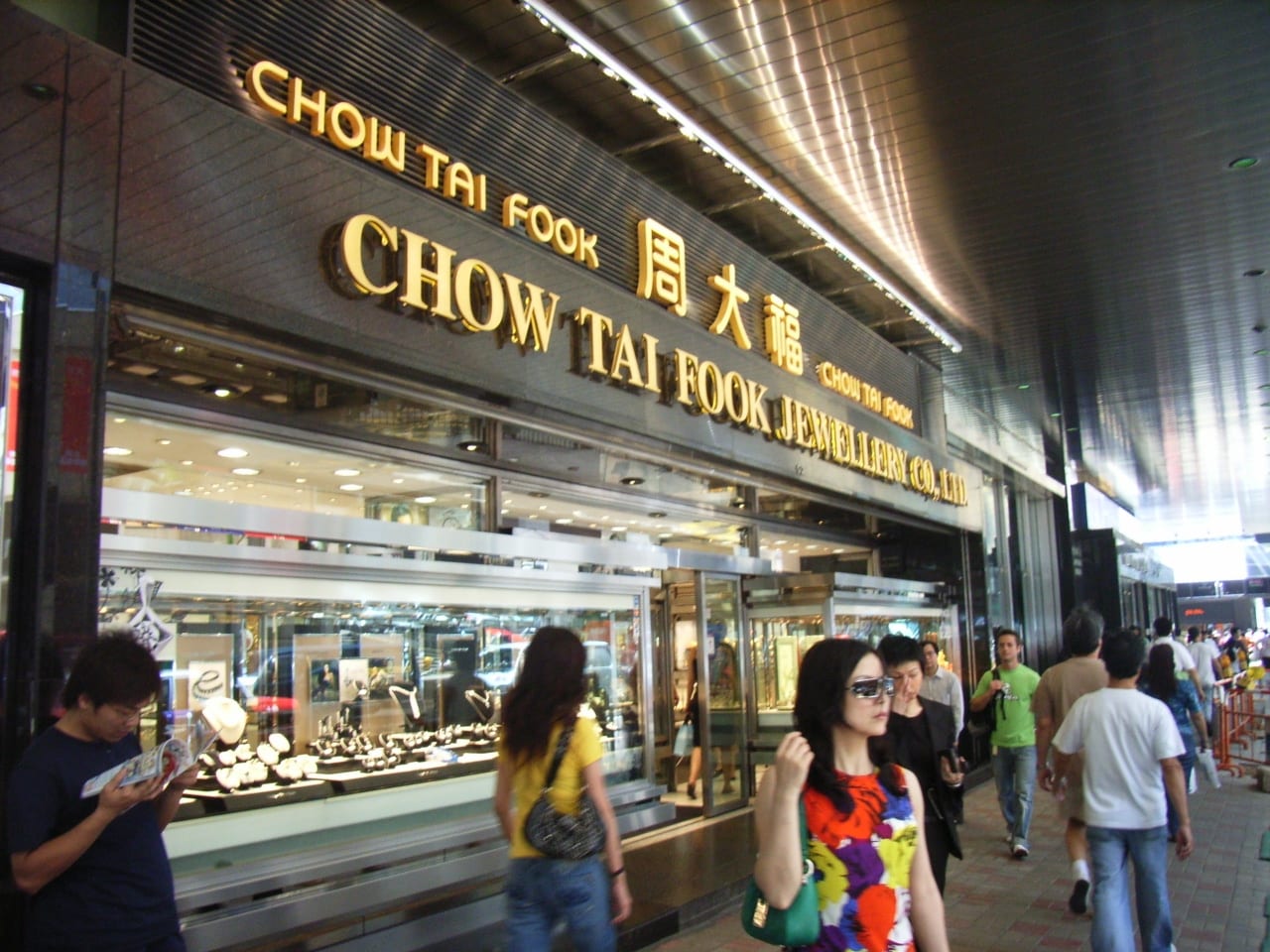
    Same-store sales fell by 7 percent in mainland China, and were down 24 percent in Hong Kong and Macau in the fiscal first quarter ending June, the jeweler said in a statement Thursday.

    Hong Kong-based Chow Tai Fook has been hurt by China’s slowing economic and a government-led austerity campaign, which prompted shoppers to cut back on luxury purchases. The jeweler saw net income plunge 25 percent for its fiscal year ending March as stores in mainland China, Hong Kong and Macau suffered.

    The jeweler had cut prices for some of its diamond-set products by as much as 30 percent in June, in a bid to reduce inventories bloated by weaker-than-expected sales in the city.

  • Oriental Watch profit plummets

    Oriental Watch profit plummets

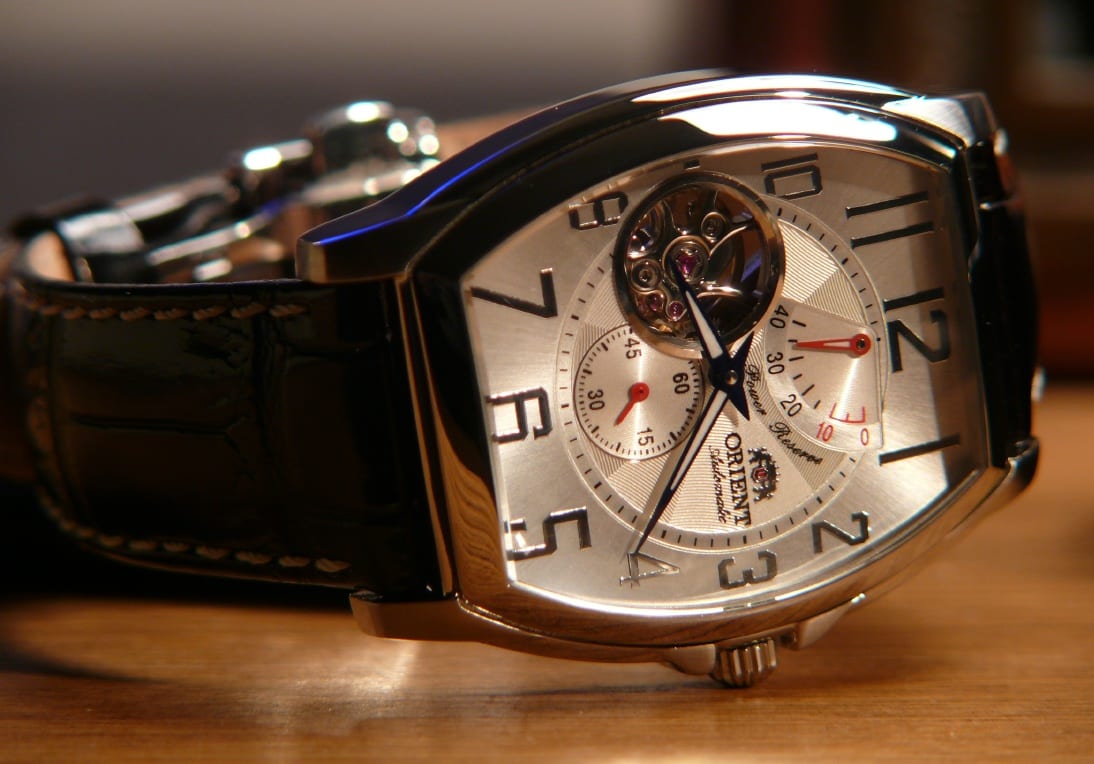
    Listed retailer Oriental Watch Holdings says its net profit fell 78 per cent in the year to March.

    The company, which had issued a profit warning earlier in the year, has been hit by the slump in demand for luxury watches from mainland Chinese, in turn a result of the mainland government’s clampdown on gift giving.

    OWH says its net profit fell to HK$5 million, (US$641,000) on turnover down 11 per cent to around HK$3.11 billion.

    The company said luxury brand shoppers had changed preferences and attitudes and blamed slimmer margins on intense competition from watch retailers competing for a shrinking customer base.

    Oriental Watch has 68 stores in mainland China, 13 in Hong Kong, three in Macau and three in Taiwan.

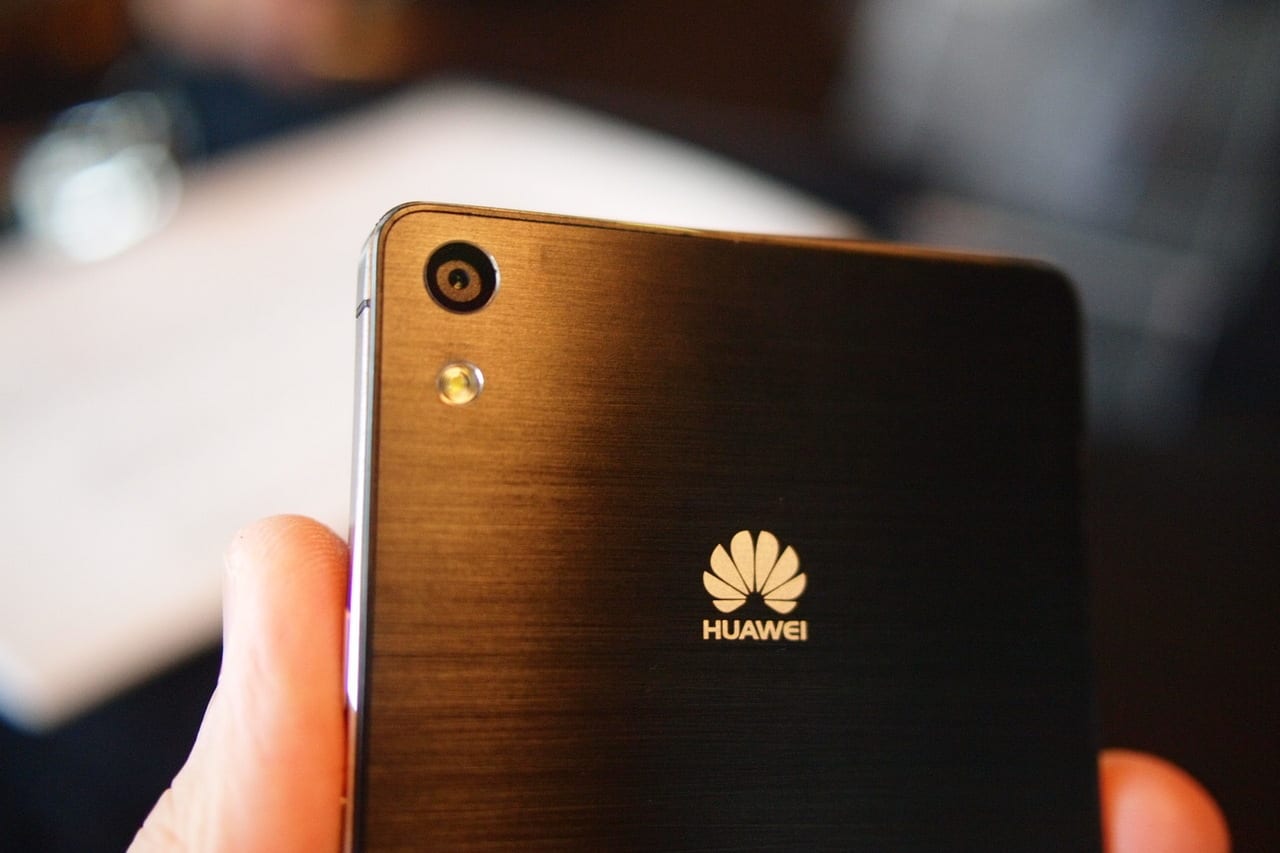
  • Huawei hails SE Asia success

    Huawei hails SE Asia success

    Smartphone maker Huawei says its determination to concentrate on Southeast Asia is already bearing fruit.

    With the profitable Southeast Asia regional launch of the Huawei P8 and wearable units in Bangkok Thailand in late Might, Huawei is retaining the momentum going by introducing the P8, P8Max, P8Lite, Talkband B2 and AP007 energy financial institution to Myanmar, Laos, and Cambodia, Hong Kong, Taiwan and different Southeast Asia nations and areas.

    The corporate says it set a brand new gross sales document in Myanmar when it launched the P8 handset there on June 6.

    After two weeks of pre-orders of Huawei’s newest flagship merchandise, the primary batch of P8s turned obtainable in 28 outlets throughout Myanmar – all of them bought out by 10am.

    “The regional gross sales supervisor from one among telephone store famous that the P8 has set a brand new gross sales document and has turn into the best-selling handset of their store’s historical past and that they have been amazed by the variety of preorders,” stated Richard Yu, CEO of Huawei Shopper BG.

    says Southeast Asia is now one of many key markets for Huawei, and the corporate is optimistic concerning the potential within the area.

    “Southeast Asia is likely one of the most promising and high-potential financial entities on the earth, each now and sooner or later. It’s considered a strategic market and an engine driving the quick progress of Huawei’s Shopper Enterprise,” Yu stated.

    “In 2014, Huawei noticed over 10 million complete shipments on this area. With the launch of the P8, P8Max and P8Lite this yr, we anticipate complete shipments to succeed in eight million models, a 167 per cent improve.”

    The corporate has seen substantial progress in regional shipments within the area. Thomas Liu, president of Huawei Shopper Enterprise Group Southeast Asia, stated within the first quarter of 2015, smartphone shipments in Southeast Asia rose 120 per cent over final yr.

  • Malaysian attire retail gross sales strong

    Malaysian attire retail gross sales strong

    The Malaysian attire retail business has posted compound annual progress price of 9.9 per cent between 2010 and 2014.

    In accordance with a brand new report the sector achieved complete revenues of US$1.eight billion in 2014.

    However one of the best is but to return. The efficiency of the business is forecast to speed up, with an anticipated CAGR of 10.three per cent for the 5 years from 2014 to 2019, which is predicted to drive the business to a worth of $2.9 billion by the top of 2019.

    Not surprisingly, the womenswear phase led the best way with complete 2014 revenues of $800 million, equal to 47.5 per cent of the business’s general worth, based on the report.


  • Singapore retail gross sales enhance

    Singapore retail gross sales improved in April, in response to knowledge from the Division of Statistics.

    In March, retail gross sales excluding motor automobiles, slumped three.2 per cent. However in April they recovered a bit of, rising zero.eight per cent.

    Yr on yr gross sales have been down zero.7 per cent on April 2014, though with motor automobiles included within the determine they rose 5 per cent.

    Complete retail gross sales in April 2015 have been an estimated $three.three billion – $200 million greater than the earlier month.

    Gross sales of meals & beverage providers (seasonally adjusted) elevated zero.three per cent over the earlier month, however declined 1.7 per cent in contrast with April 2014.

    The full gross sales worth of meals & beverage providers in April 2015 was estimated at $615 million, decrease than the $626 million in April 2014.

    By class, after seasonal adjustment, gross sales of telecommunications equipment & computer systems,
    optical items & books, medical items & toiletries, furnishings & family gear and
    supermarkets elevated between 1.four per cent and eight.6 per cent month on month.  Gross sales of attire & footwear rose zero.9 per cent.

    On the opposite aspect, gross sales of meals & drinks, watches & jewelry, mini-marts & comfort shops, leisure items and department shops decreased between 1.four per cent and 6.eight per cent in April 2015 in comparison with March 2015.

    Yr on yr, gross sales of telecommunications equipment & computer systems, department shops, watches & jewelry and medical items & toiletries additionally elevated between 2.four per cent and three.eight per cent. In distinction, retail gross sales of petrol service stations decreased 21.1 per cent, partly because of decrease petrol costs.

    Equally, Singapore retail gross sales of meals & drinks, leisure items, attire & footwear, furnishings & family gear, mini-marts & comfort shops and optical items & books declined between 2.6 per cent and seven.zero per cent in April 2015 over April 2014. Supermarkets recorded a lower of zero.5 per cent in gross sales throughout the identical interval.

  • Chinese language shopper sentiment rebounds in Might

    Chinese language shopper sentiment rebounds in Might

    Chinese language shopper sentiment rebounded in Might with favorable inventory market performances boosted shopper sentiment.

    The Bankcard Consumption Confidence Index edged up zero.32 factors from a month in the past to 83.99, China UnionPay stated in a report at present.

    Expenditure at eating places and eateries have been up four.9 % from a month in the past whereas spending measurement at malls and purchasing facilities rose 13.75 %.

    Shoppers’ sentiment was in a secure situation with each the inventory market and property sector rebounding in current months and is predicted to select up additional with Buying Managers Index and different macroeconomic knowledge suggesting enchancment.

    The warming up of the property market in current months additionally pushed up house home equipment gross sales, which rose four.09 % in Might from a month in the past.

    Spending at main home vacationer locations and scenic spots surged 43.four % whereas spending worth at fuel stations additionally rose 9.6 % as commuting and touring picked up prior to now month.

    Current worth cuts by international trend homes resembling Burberry and Gucci of their home retailers pushed up luxurious luggage and leather-based gross sales by 32.9 %.