Tag: Sales

  • South Korea retail sales easing upwards

    South Korea retail sales easing upwards

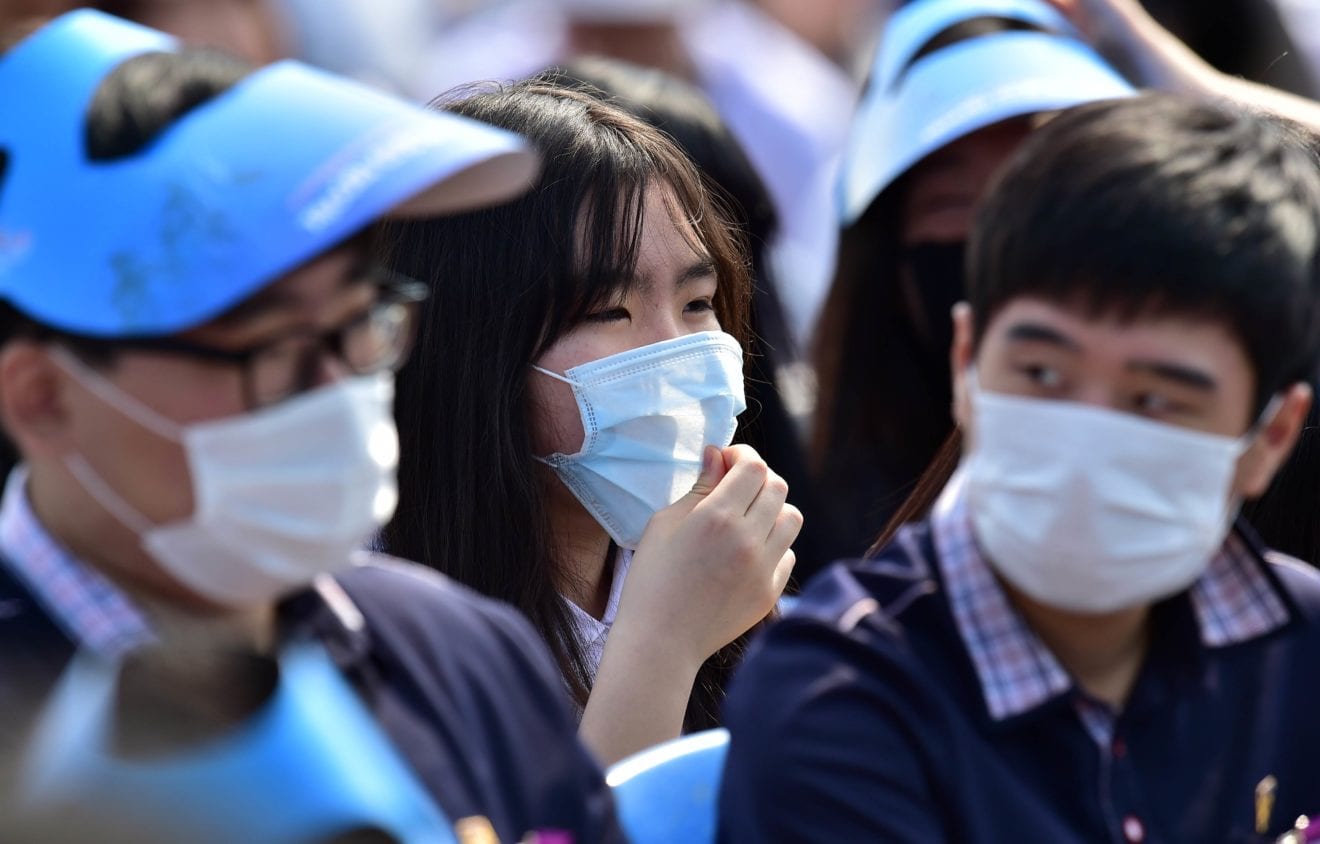
    South Korean retailers are breathing a sigh of relief as consumers return to stores in the wake of the MERS scare receding.

    South Korea retail sales rose 0.5 per cent in July to 30.14 trillion won (US$25.6 billion) after receding 0.6 per cent in June.

    Statistics Korea said sales rose month on month as well as year on year.

    “The fallout of the MERS outbreak that caused demand to slump seems to have receded in July, leading to a slight rise in consumer spending,” a spokesman for Statistics Korea said.

    “While things have not returned to normal, sales are rising in areas that were most affected by the outbreak.”

    The MERS outbreak hit in late May. Thirty-six people subsequently died and a further 186 were infected before the outbreak was brought under control and confirmed over by health officials in July.

    The value of online transactions rose by 21.2 per cent, driven by sales of food and cosmetics as cautious shoppers opted to have products delivered rather than visit stores and risk exposure.

    Online shopping accounted for 15.8 per cent total retail sales in July.

    In stores, food and beverage sales rose 3.8 per cent year on year in July and electronics sales by 3.2 per cent. Department store sales rose 0.4 per cent, having fallen 12 per cent in June.

    Sales at convenience stores rose 33.6 per cent and at supermarkets by three per cent.

  • European Markets Dropped On Renewed China Worries

    European Markets Dropped On Renewed China Worries

    The European markets ended Monday’s session in negative territory, as renewed concerns over China weighed on investor sentiment. Concerns over the upcoming snap elections in Greece and the likelihood of a near-term U.S. interest rate hike also contributed to the negative mood at the start of the new trading week.

    The Financial Times reported that the Chinese government has decided to abandon attempts to boost the stock market through large-scale share purchases. Senior regulatory officials told the Financial Times China’s leaders feel they mishandled their efforts to rescue the stock market.

    The Chinese government resumed large-scale stock buying late in the trading day last Thursday to help the Shanghai Composite Index finish sharply higher, but officials said the government will refrain from further large-scale buying of equities.

    The Euro Stoxx 50 index of eurozone bluechip stocks decreased by 0.52 percent, while the Stoxx Europe 50 index, which includes some major U.K. companies, lost 0.30 percent.

    The DAX of Germany dropped by 0.38 percent and the CAC 40 of France fell by 0.47 percent. The SMI of Switzerland finished higher by 0.45 percent, but the FTSE of the U.K. was closed for a banking holiday.

    In Frankfurt, Volkswagen decreased by 1.14 percent. Japan’s Suzuki Motor Corp said that it would buy back the 19.9 percent stake it sold to the German automaker after an international court settled a dispute between the automakers over their soured partnership.

    BMW fell by 0.90 percent and Daimler lost 0.97 percent.

    Insurer Allianz rose by 0.18 percent, on reported that its infrastructure arm is weighing bids for London City Airport.

    RWE sank by 4.25 percent and E.ON dropped by 1.60 percent.

    In Paris, Renault surrendered 2.28 percent and Peugeot weakened by 1.19 percent. Car parts maker Valeo also decreased by 1.45 percent.

    Total tumbled by 0.91 percent and Technip lost 0.99 percent.

    Givaudan gained 0.73 percent in Zurich, after it agreed to acquire Induchem Holding, a cosmetic ingredient producer.

    Shares of NeuroVive Pharmaceutical AB plunged by 39.13 percent in Stockholm after the mitochondrial medicine company announced that it would not pursue development of CicloMulsion in the indication of acute myocardial infarction.

    Eni SpA climbed by 1.53 percent in Milan. The company announced over the weekend that it has discovered a massive natural gas discovery off the coast of Egypt.

    Eurozone inflation remained unchanged at a very low level in August as further fall in oil prices curbed its ability to move upward. Inflation came in at 0.2 percent in August, the same rate as seen in July and June, preliminary data from Eurostat showed Monday. It was forecast to ease to 0.1 percent.

    Germany’s retail sales rebounded in July to grow at the fastest pace in nine months, signaling that consumer spending boosted economic growth at the start of the third quarter. Retail sales advanced 1.4 percent on a monthly basis in July, Destatis reported Monday. This was the fastest growth since October 2014, when sales climbed 1.8 percent.

    Italy’s retail sales dropped for the second straight month in June, figures from the statistical office Istat showed Monday. Retail sales fell a seasonally adjusted 0.3 percent month-over-month in June, following a 0.2 percent decrease in the previous month. In April, sales had risen 0.7 percent.

    Greece’s retail sales declined in June after rising in the previous month, preliminary figures from the Hellenic Statistical Authority showed Monday. The volume of retail sales decreased 0.4 percent year-over-year in June, in contrast to a 4.1 percent sharp gain in May, which was revised down from 4.2 percent. In April sales had fallen 1.8 percent.

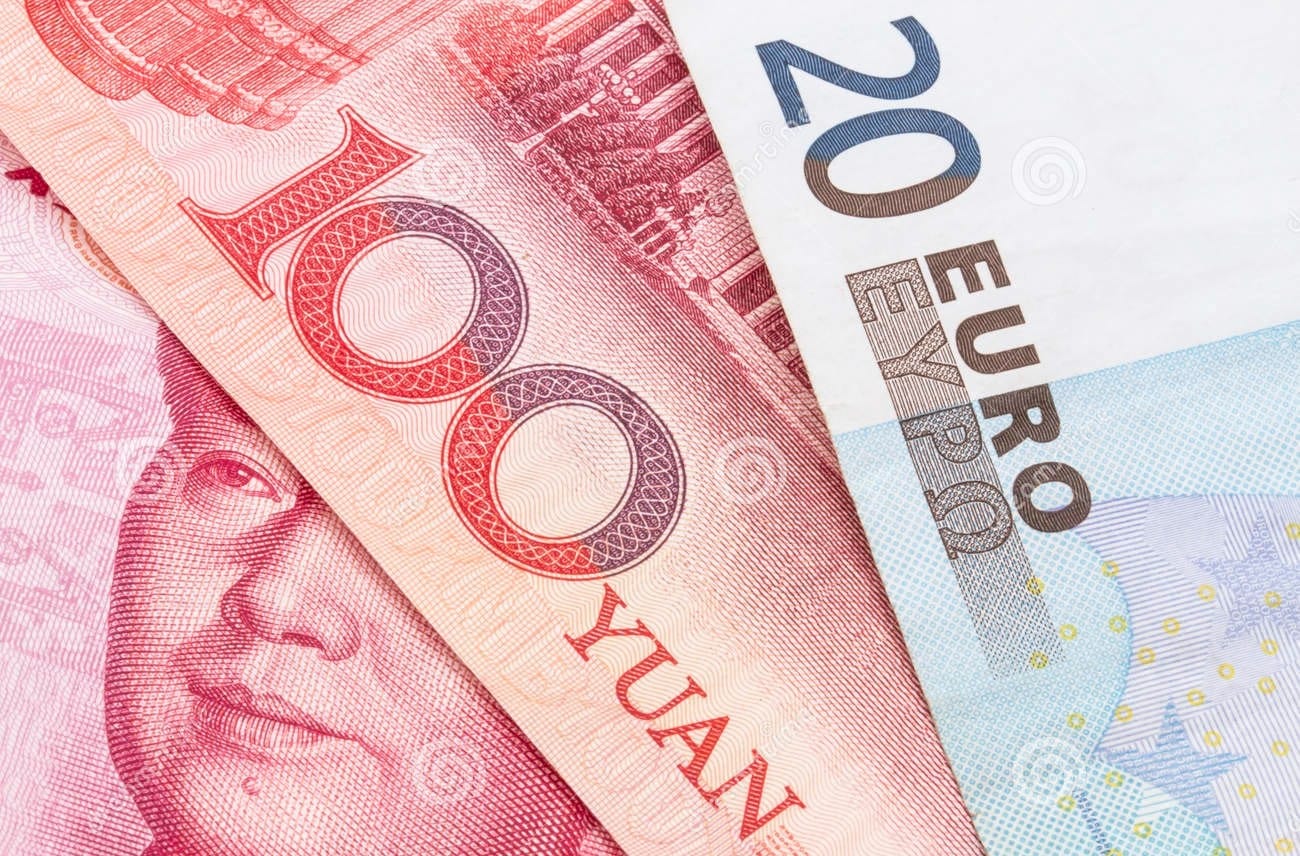
    China’s trade deficit in services widened in July, the State Administration of Foreign Exchange said Monday. The deficit on trade in services increased to $17.6 billion in July from $14.9 billion in June. At the same time, the merchandise trade showed a surplus of $46 billion in July.

    Business activity in the Chicago area unexpectedly grew at a slower rate in the month of August, according to a report released by MNI Indicators on Monday. MNI Indicators said its Chicago business barometer dipped to 54.4 in August from 54.7 in July. While a reading above 50 indicates growth, economists had expected the index to inch up to 54.9.
  • F J Benjamin narrows FY15 loss

    F J Benjamin narrows FY15 loss

    Retail group F J Benjamin’s net loss for the financial year ended 30 June narrowed from S$22.1 million to S$16.99 million.

    Revenue slid 20 per cent year on year to S$293.41 million amid a challenging year on the back of reduced business in North Asia, currency volatility as well as lower tourist arrivals. The group rationalised its store portfolio, which caused it to incur impairment charges for store closures, early termination of leases, stock provisions and redundancies.

    “While this has impacted turnover, it has yielded significant improvements in the productivity of its stores across the region,” the group said.

    Loss per share came to 2.99 Singapore cents, versus a loss per share of 3.89 cents a year ago.

     No dividend was declared for the current year. In the corresponding period a year ago, a first and final dividend of 0.25 cents per share was announced.

    It said: “The group will complete its rationalisation and planned closure of two remaining stores by end December 2015. To address the shift in consumer trend and structural change in retail environment, it has also undertaken a restructuring of its in-house brand, Raoul, to improve performance on a reduced cost base.”

    It expects consumer sentiment to remain muted given global economic and political uncertainty. Meanwhile, it is striving to further improve inventory management and cost efficiencies.

  • Chinese medicines drive Zhongzhi growth

    Chinese medicines drive Zhongzhi growth

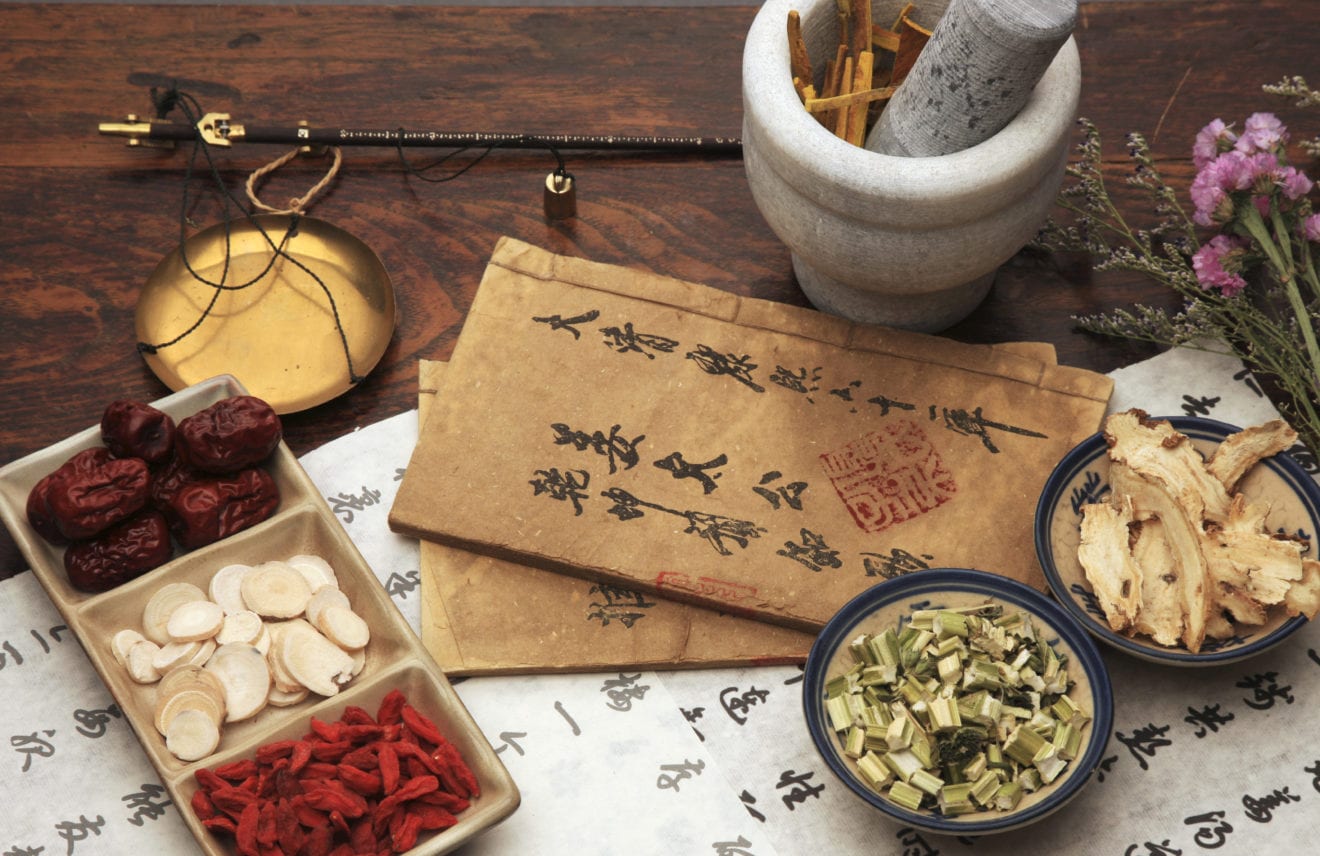
    Zhongzhi Pharmaceutical Holdings, which operates a network of pharmacies in the Guangdong province of China, has reported strong sales and earnings growth.

    Zhongzhi develops, manufactures and sells Chinese patent medicines, herbal remedies and food products sold under the core brands of Zeus, Liumian and Caojinghua.

    In the six months to June, the group achieved sales of RMB347.3 million, an increase of 20.6 per cent on the same period last year. Sales of ‘modern’ herbal remedies rose 44.5 per cent as a result of the group’s effort to expand its distribution and marketing network.

    “The continuous growth in the PRC pharmaceutical industry has been driven by favourable demographic trends, continuing urbanisation, the overall economy’s healthy expansion, and income growth which encourage greater public health awareness and consumption of pharmaceutical products,” the company said in its half year report.

    “The demand on pharmaceutical products will remain high and the related consumer expenditure is expected to increase year by year, which is beneficial to the further growth and development of the group. As such, it is anticipated that stable sales growth of our own-branded products in the PRC will continue in the near future.”

    In the year ahead, the company plans to expand its pharmacy network in the Guangdong province, boost its distribution network and expand its production capacity at the same time as putting more resources into researching new products and brand awareness marketing.

    Zhongshan has been operating chain pharmacies in Zhongshan under the Zeus banner for the sale of pharmaceutical products since 2001. As at June 30 it had 201 self-operated chain pharmacies in Zhongshan, five more than last year. Pharmacy sales increased by 15.9 per cent to RMB171.5 million for the six months, contributing 49.4 per cent of the company’s total revenue.

  • Samsonite sales soar globally

    Samsonite sales soar globally

    Samsonite sales soared 16.6 per cent in the first half of this year.

    The Hong Kong-based travel luggage retailer says it has benefited from “robust growth in travel and tourism worldwide” achieving sales of US$1.197 billion in the six months to June 30.

    Excluding the effects of foreign currency exchange rates, Samsonite’s profit attributable to shareholders increased by 8.9 per cent.

    Fresh from bedding down the acquisition of Rolling Luggage in February, Samsonite says it will continue to evaluate further potential acquisition opportunities “that offer both a compelling strategic and financial rationale”.

    Rolling Luggage is one of the world’s leading airport retailers of branded luggage and travel products. The acquisition provides Samsonite with a significant retail footprint in some of the leading airports in Europe and the Asia Pacific region, and establishes a strong multi-brand platform to showcase the group’s brands and collections.

    Samsonite chairman Tim Parker said behind the strong numbers for the first half year, “some strong foundations are being laid for future growth”.

    “It is worth bearing in mind that Samsonite, our flagship brand, is still number one in most markets of the world. One of the key strengths of our business is its diversity in terms of brands, segments and geographical markets. Thus, in the first half of 2015, pockets of local market pressure were more than compensated for by good performances elsewhere.”

    CEO Ramesh Tainwala added: “Samsonite achieved a very encouraging set of results for the first half of 2015 despite challenging economic and trading conditions in almost all of our major markets. All of our operating regions posted solid constant currency net sales growth, underscoring the resilience of our multi-brand, multi-category and multi-channel business model.”

    Samsonite’s net sales in Asia continued to grow across all markets within the region, reaching US$471.4 million for the six months, an increase of 17.2 per cent year on year. The growth was driven by both Samsonite and American Tourister, whose net sales grew by 15.1 per cent and 9.6 per cent, respectively.

    The group’s Samsonite Red sub-brand was the driving force behind the 42.3 per cent increase in the casual product category in the Asia region. The group also recorded net sales of US$7.1 million from the High Sierra brand in the region during the first half of 2015, representing an increase of 64.4 per cent from the previous year.

    Samsonite introduced the Kamiliant brand in Asia during the second half of 2014, which has contributed US$1.0 million of net sales in the first half of 2015. All of the group’s brands continue to benefit from products and marketing campaigns that are designed specifically for the region.

    Driven by Samsonite and Samsonite Red through the eCommerce channel and strong business-to-business sales, China saw first half net sales increase by 29.8 per cent year on year. South Korea continued to grow, recording a 4.8 per cent increase in net sales despite the negative impact from the MERS outbreak.

    India, Japan, Hong Kong and Australia all recorded strong year-on-year net sales growth of 13 per cent, 44.6 per cent, 8.1 per cent and 33.5 per cent, respectively.

    “Aside from additional points of sale and increased product offerings, the success of the group’s business in Asia has been bolstered by its continued focus on country-specific products and marketing strategies to drive increased awareness of, and demand for, the group’s products,” the company said in a statement.

    For the second half of 2015, the Group will continue to leverage the strength of its diverse portfolio of brands to gain market share across all of its markets. Those brands include Samsonite, American Tourister, Hartmann, High Sierra, Gregory, Speck and Lipault.

  • Jumei sales double

    Jumei sales double

    Jumei, the Chinese online retailer, says its sales rose 99.5 per cent in the second quarter to June 30.

    The e-tailer achieved net revenues of US$308.1 million and its GMV rose by 30 per cent to $376 million as its customer base grew 28 per cent and orders by 58.2 per cent.

    But its gross profit as a percentage of net revenues decreased to 30 per cent from 46.3 per cent in the same period of 2014 reflecting the company’s shift in strategy from beauty product marketplace sales to general merchandise sales that started last September – along with promotional activities associated with baby and maternity products.

    Leo Chen, Jumei’s founder and CEO, said the company was “thrilled” with its quarter.

    “This very strong growth was driven by Jumei Global during what is typically a seasonally light quarter. We continue to strengthen our position as a leading import cross-border eCommerce platform in China – a milestone we achieved last quarter. We are pleased to see both active customers and number of orders grow rapidly while maintaining a high repeat purchase rate.”

    Chen said since transitioning into cross-border eCommerce during the third quarter of 2014, the frequency of customer purchases has grown significantly, increasing 34 per cent from the third quarter of 2014 to the second quarter of 2015, due primarily to Jumei’s diverse global product offerings and expansion into other women’s categories such as baby and maternity and health and wellness.

    “We are confident that our continued investment in category expansion will enhance the customer experience, increase user stickiness and strengthen loyalty to our platform,” said Chen.

    “We recently announced a strategic investment in BabyTree, the largest online parenting community in China and the largest globally as ranked by traffic volume, with daily active users (“DAU”) exceeding 10 million. By integrating Jumei’s supply chain and logistics expertise in cross border ecommerce with BabyTree’s large and growing user base, we believe we will be able to leverage the significant cross-selling opportunities across all Jumei categories to become the dominant female-focused ecommerce platform in China.”

  • China grocery boom accelerates

    China grocery boom accelerates

    The China grocery boom is accelerating – but India and the so-called MINT countries are chasing.

    Chinese grocery sales are set to grow by a third between now and 2020 and reach US$1.5 trillion per year, according to new forecasts from IGD. While China will comfortably retain its position as the largest grocery market in the foreseeable future, other markets will grow faster.

    IGD predicts:

    • The grocery sector in India will grow by nearly 80 per cent and be worth just over US$900 billion by 2020.
    • Nigeria’s grocery market will achieve the fastest growth of the largest markets, increasing in value by 85 per cent to hit just over US$300 billion by 2020.
    • The other ‘MINT’ countries will also experience rapid growth – grocery sales in Mexico, Indonesia and Turkey will increase by nearly 40 per cent, 63 per cent and 61 per cent respectively.
    • Indonesia’s grocery market will be worth almost as much as the UK’s (ranked seventh in the world) at US$351 billion by 2020.

    IGD CEO Joanne Denney-Finch says while grocery industry growth prospects appear limited in Europe at the moment, this is a time of tremendous opportunity for grocery companies further afield.

    “The vast majority of global grocery growth will come from Asia, Africa and the Middle East supported by increasing affluence, urbanisation, and rising population. With many European products and brands highly regarded in these regions, this will be a boom time for companies with export skills.”

    On China, she observed: “Although the Chinese growth rate is slowing, it’s still very impressive, particularly in ‘tier three and four cities’. These are regional, medium-income cities, undergoing rapid development. There are many more opportunities for retailers and Western brands. For example, online grocery will enjoy explosive growth in China, though from a modest base, tripling in size between now and 2020. This will be powered by more Chinese having access to the internet through smartphones and other devices.”

    Denney-Finch said in India, while traditional stores will continue to take the lion’s share of the grocery market, consumer spending per capita in real terms will grow faster in the subcontinent than in any of the top grocery markets.

    “Combined with an expanding working-age population this will support the growth of modern convenience and supermarket retailing. Retailers are also rapidly setting up online grocery services hoping to tap into the potential of India’s half a billion smartphone users. Despite restrictions on foreign direct investment (FDI), international retailers continue to see the potential of investing in India.

    “If the expected effects of inflation are stripped out, then India would be the fastest growing of the largest grocery markets while most of the MINT countries would also appear higher up the growth rankings,” she said.

  • Gap Inc sales slip

    Gap Inc sales slip

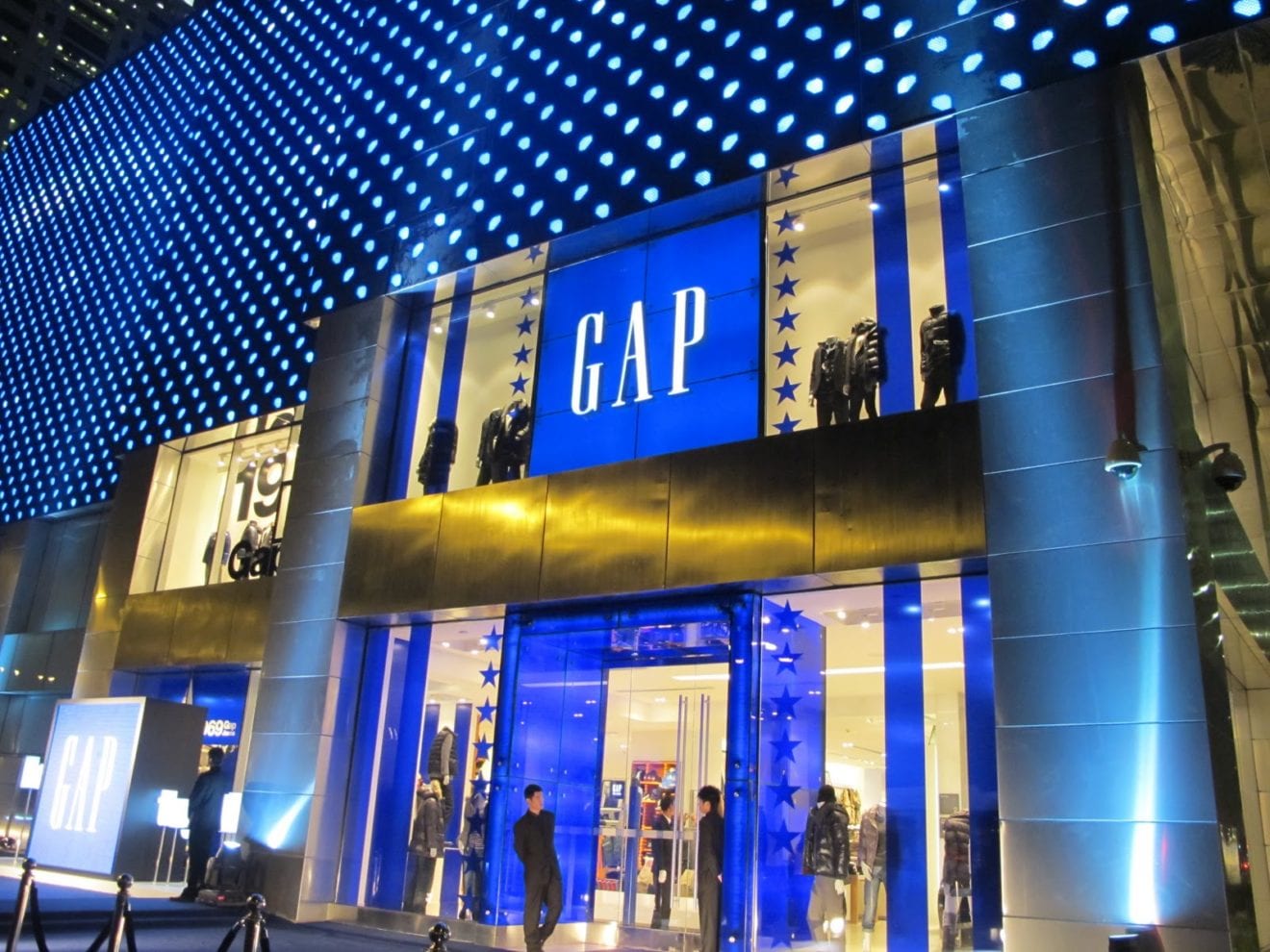
    Gap Inc has reported a two per cent fall in global sales in the second quarter – but says its turnaround is on track.

    “I remain confident in our strategies to improve business performance and drive loyalty going forward,” said CEO Art Peck. “Our evolving product operating model is laying the foundation to more consistently deliver on-trend product collections across our portfolio.”

    Gap Inc’s comparable sales by global brand fell six per cent for its primary Gap brand, (compared with a five per cent drop in the same period last year), Banana Republic fell four per cent, (flat last year) and Old Navy grew three per cent (up four per cent last year).

    But the company says it delivered earnings per share growth of 12 per cent in the first half year. While Old Navy is clearly gaining momentum, the Gap brand continues to make progress against its strategic actions, including “right-sizing its North America store count to create a smaller, more vibrant fleet of stores”, the company said.

    “The brand’s leadership team remains focused on an aggressive agenda designed to improve business performance, including the implementation of a clear, on-brand product aesthetic framework and a new product operating model to increase speed, predictability and responsiveness.”

    Gap’s global store count continued to rise outside North America, as the chart below shows.

    Gap chart

  • Korea on sale

    Korea on sale

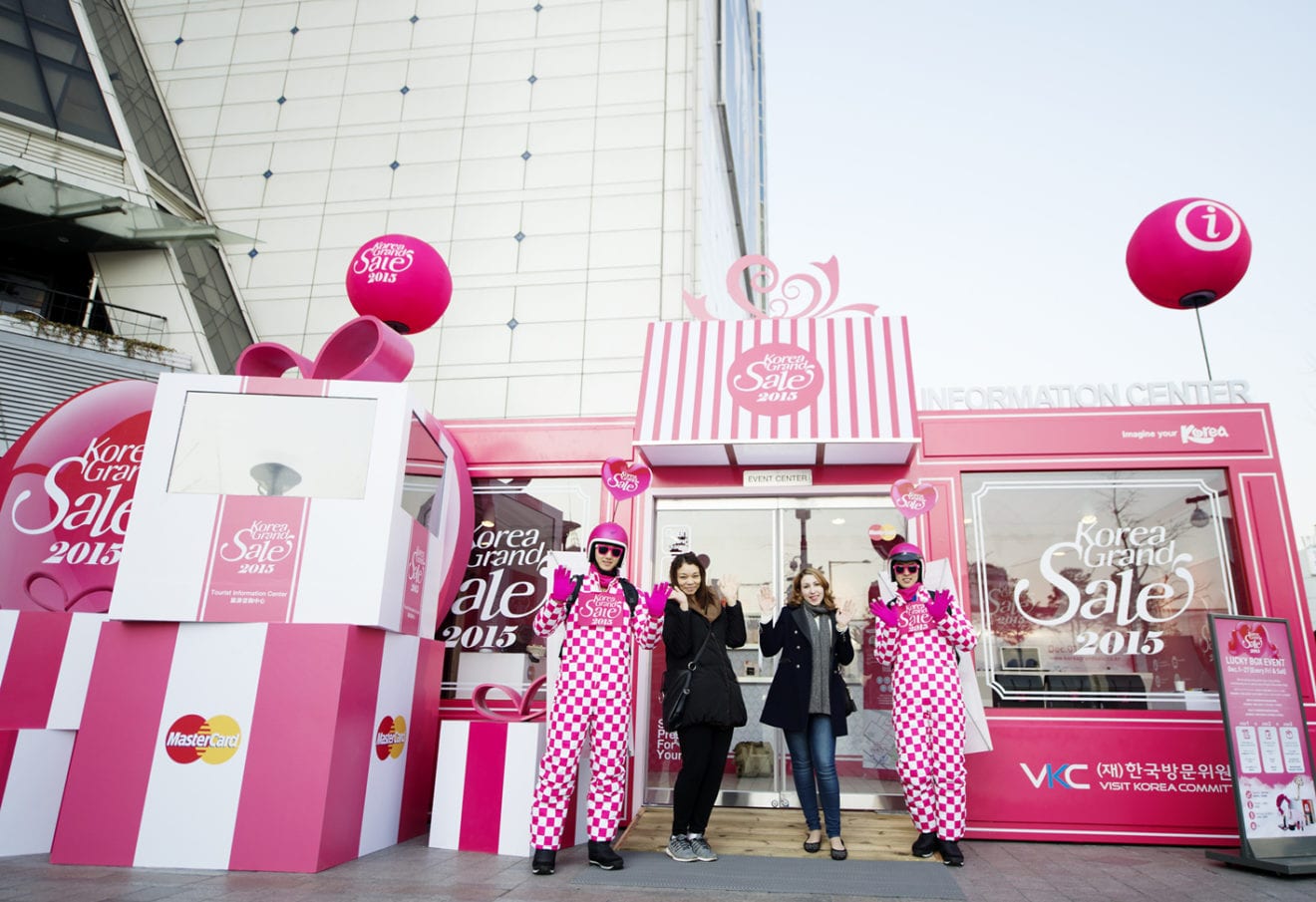
    In a bid to revitalise the national tourist market and domestic economy, withering in the wake of the Middle East Respiratory Syndrome (MERS) outbreak, Korea will go on sale.

    Branded the ‘Korea Grand Sale’, the 10 week long promotion will run from August 14 to October 31.
    Officials say that the sale will be the largest in scale since the event started.

    “We advanced the date of the Grand Sale, which usually took place in winter, out of desperation. We hope the sale can continue to bring tourists back to Korea instead of ending as a one-time event.”

    Criticised for offering discounts only to foreigners, officials said they are persuading participating companies to give discounts to local consumers as well.

    “Businesses in traditional markets and some convenience stores are showing positive responses towards the idea.”

    Benefits such as discounts for transportation and free WiFi modem rental services will be provided. In addition, the Korea Grand Sale Event Center located at Doota Square in Dongdaemun will provide translation services, information about tourism, beverages and special events.

    Han Kyung-ah, the executive secretary of the Visit Korea Committee, explained the intentions of the Korea on sale event: “We intend to attract tourists headed to Hong Kong and Japan towards Korea by providing abundant benefits.”

    Various promotions introducing Hallyu content and traditional culture will also occur.

  • Fusionex eyes Philippines, fuelled by 26% jump in revenue

    Fusionex eyes Philippines, fuelled by 26% jump in revenue

    BIG data and analytics software company Fusionex International Plc will be widening its footprint in South-East Asia by expanding to the Philippines over the next few months, its fourth market in the region.
    The company, listed on the London Stock Exchange’s Alternative Investment Market (AIM), has a presence in Hong Kong, Macau, the United Kingdom and the United States; as well as its home base of Malaysia and South-East Asian neighbours Singapore and Thailand.

    Its expansion strategy is somewhat conservative, but it is already close to securing an anchor customer, Fusionex cofounder and managing director Ivan Teh told Digital News Asia (DNA) in Kuala Lumpur recently.

    “We have been spending time to ensure that we got the right partner, the right place, the right kind of ecosystem, infrastructure and setup.

    “We want to know the market first, so we don’t want to go in and waste two years only to realise the market is not suitable,” he said.

    One may wonder why Fusionex is eyeing the Philippines, where ICT spending is significantly lower than its home market even though its population is triple Malaysia’s.

    According to an IDC report, Philippines’ ICT spending is expected to reach US$6.76 billion this year. In contrast, according to a Gartner report, Malaysia’s ICT spending is estimated to be around RM65.1 billion (US$16.42 billion).

    But Teh, an inaugural DNA Digerati50, said Philippines is a good expansion destination for various reasons.

    “The retail market is booming over there. The shared services and outsourcing markets are exploding too,” he argued.

    According to a Manila Bulletin report, citing the Philippines Retailers Association, the country is expected to see 40 new malls open in 2014 and 2015. The association projected retail sales would reach P1.61 trillion (US$35 billion) by 2016 and P1.78 trillion (US$38 billion) by 2017.

    “Malaysia will remain to be our centre of excellence – a lot of the research and development will be done from Malaysia. Nevertheless, the Philippines is undeniably a booming market,” said Teh.

    For the six months ended March 31, 2015, Fusionex’s revenue increased 26% to RM31.6 million, while gross profit jumped 31% to RM24.9 million. [RM1=US$0.25 at current rates]

    The strong performance was mainly driven by its flagship big data analytics product Fusionex Giant , which has found over 25 customer wins since launch. These companies include the domestic unit Japanese retailer Aeon.

    Fusionex has managed to get other big-name customers this year, including AirAsia; Brother Industries Ltd, a multinational electronics and electrical equipment company headquartered in Nagoya, Japan; and Islamic insurer Syarikat Takaful Malaysia Bhd in Malaysia.

    But for now, all of Teh’s attention will be on ensuring its Philippines expansion goes according to plan, and also that the business runs smoothly post-launch.

    “It’s important for us to set up the right team and to hire the right people. We will also get some of our Malaysian employees to be there for a period of time, just to make sure we have a cultural transition.

    “Then, we want to grow the local talent as well,” he said.

  • Indonesia retail sales surge in June

    Indonesia retail sales surge in June

    Indonesia’s retailers appear to be among Asia’s most pessimistic.

    One month ago after government data showed a 19.8 per cent rise in May retail sales, the 700 retailers polled to create the index said they expected sales growth would slow in June.

    This week, the government has released revised figures showing a 20.6 per cent increase in May – and a massive 22.9 per cent rise in June, only just behind April’s 23.1 per cent.

    In this month’s poll, they said they expected sales growth to slow in September as demand returned to normal after the Ramadan festivities.

    The Bank of Indonesia said June’s Indonesia retail sales  increase was largely attributable to greater demand for food, beverages and tobacco, in line with increased consumption during the Muslim fasting month of Ramadan.

  • Matahari has strong half

    Matahari has strong half

    Indonesia’s PT Matahari Putra Prima (MPPA) says its first half year sales rose 6.6 per cent on the back of new stores.

    Like for like sales rose 2.1 per cent in a period of softening economic conditions and when several stores were closed for renovation.

    Matahari has continued with a strong focus on upgrading its store formats, rolling out its new G7 format with brighter, more upmarket store designs and increased range. It also opened the first of its new Foodmart Primo format stores during the half year.

    In the next six months Matahari will open the first of another new concept – a SmartClub wholesale store.

    Operating profit surged 29.4 per cent in the half (excluding extraordinary items) as the retailer continued to improve its infrastructure, boosting internal efficiencies and developing a solid platform for future growth.

  • Japan retail sales growth slows

    Japan retail sales growth slows

    Japan retail sales grew 0.9 per cent in June – ahead of expectations but much slower than May’s three per cent.

    Analysts had been tipping a rise of just 0.5 per cent after the relatively strong May growth.

    Government data showed rising fuel prices could have unduly affected the figures in the first half of the year – fuel accounts for about eight per cent of total retail sales, and fuel prices have risen by about six per cent since January.

    Capital Economics, in a research note, warned not to pay too much attention to retail sales data as a measure of consumer sentiment.

    “We would instead pay more attention to core household spending, due on Friday. This measure of consumer expenditure has done a good job lately in explaining moves in the Cabinet Office’s synthetic consumption expenditure, the monthly equivalent of private consumption as measured in the national accounts.”

    A Reuters survey of economists projects a 1.7 per cent growth in household spending year on year in June – far lower than the 4.8 per cent of May.

    Nevertheless, May’s retail spending increase marks the third month in a row of growth after mixed results for a year.

    In March, retail sales fell nine per cent, although that was largely due to an irregular March 2014 when consumers brought forward spending prior to a sales tax increase on April 1.

  • Hong Kong residential property prices reached record high in May

    Hong Kong residential property prices reached record high in May

    Residential property prices in Hong Kong reached a record high in May, increasing more than 20% compared with the same month last year.

    The growth in values continues despite the government’s series of property market cooling measures.

    The transaction volume of new homes reached over 8,700 for the first half of 2015, the data from the Rating and Valuation Department shows.

    According to an analysis by international real estate firm Knight Frank it is a result of strong housing demand, ample liquidity partly attributable to the previous rally in the Mainland and Hong Kong stock markets and the continual return of wealthy Mainland investors to the city’s residential sector.

    Amid positive market sentiment, property developers have been actively acquiring residential sites this year, in line with the government’s target to boost housing supply. In early July, a large residential site in So Kwun Wat in Tuen Mun, estimated to require an investment of up to HK$8 billion, was sold for HK$3.82202 billion, representing the second highest ever accommodation value in the area.

    During the third quarter of this year the Hong Kong government will release three residential sites for sale. It has indicated that additional land may be launched by the end of September, depending on the market situation and progress of preparatory work.

    ‘The annual private housing supply target of 19,000 flats is considered achievable this year. Despite the rising supply, we expect home prices to continue rising this year, as it will take time for the new sites to be developed into flats,’ the Knight Frank report concludes.

    Meanwhile in Greater China the Grade-A office market remained active in June, driven by continual expansion demand from Chinese financial institutions, most notably fund and asset management companies.

    Knight Frank believes that Grade-A office rents in Central will continue rising steadily in the second half of 2015.

    Last month, with rents in prime retail districts softening, mid-range retailers gained opportunities to enter high profile streets at lower rents. Retail sales are not expected to recover in the near term.

    Knight Frank says that prime retail rents will continue to come under downward pressure for the remainder of the year.

  • Hermes weathers storm

    Hermes weathers storm

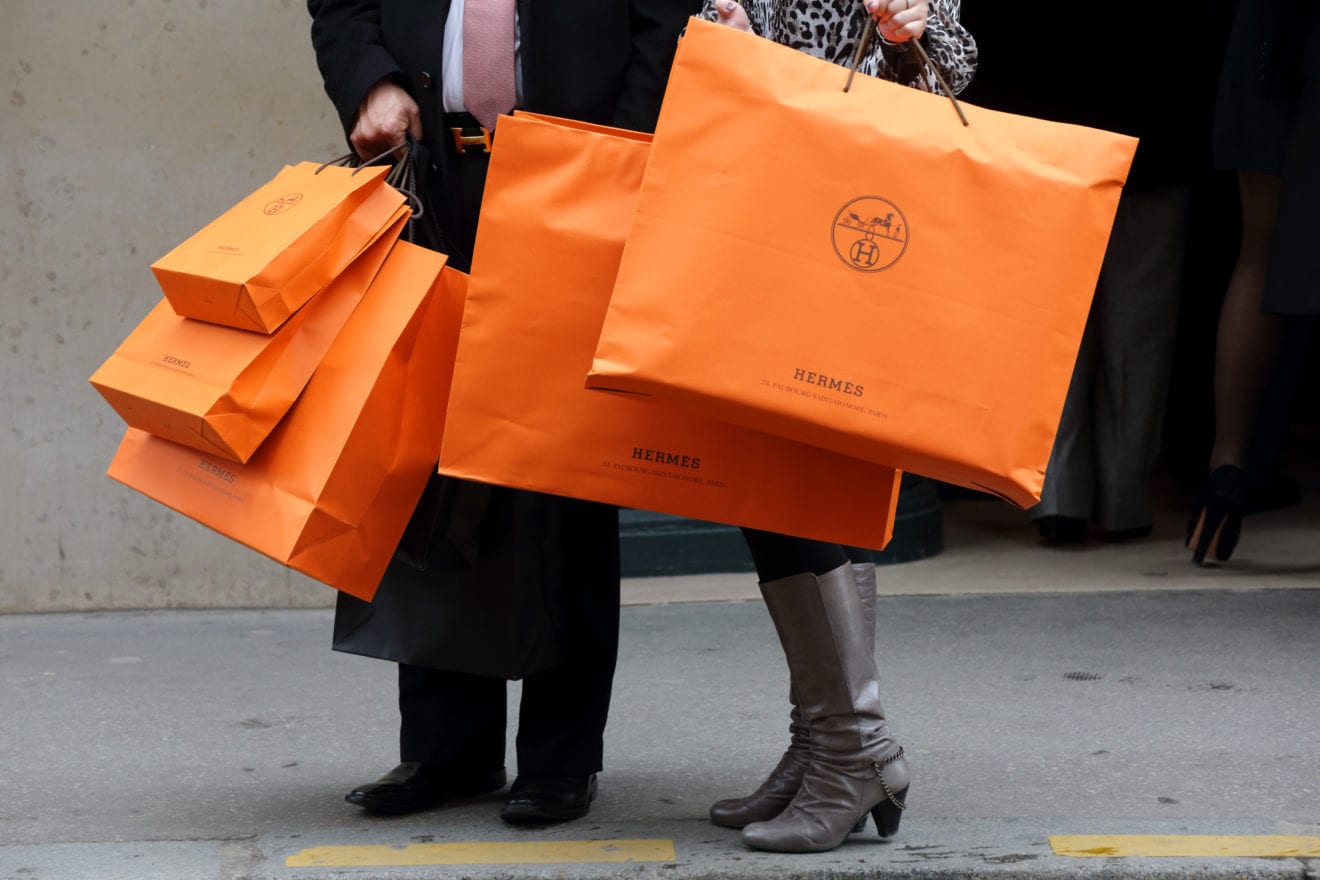
    Luxury goods retailer Hermes says a slowdown in sales in Hong Kong has been more than offset by solid Japanese trade.

    Hermes International has reported a 22 per cent increase in second-quarter sales as growth in Japan took off, consumers finally opening their wallets on luxury goods after a long season of economic malaise.

    The Parisian company said sales rose to 1.17 billion euros (US$1.27 billion). When currency exchange effects are removed from the result, sales climbed 10 per cent, two percentage points faster than in the preceding first quarter.

    The company says wealthy Chinese are preferring to shop in Japan or Europe, rather than in Hong Kong as goods there are perceived to be cheaper, largely due to favourable currency exchange rates.

    Hermes has seven stores in Hong Kong.