Tag: Sales

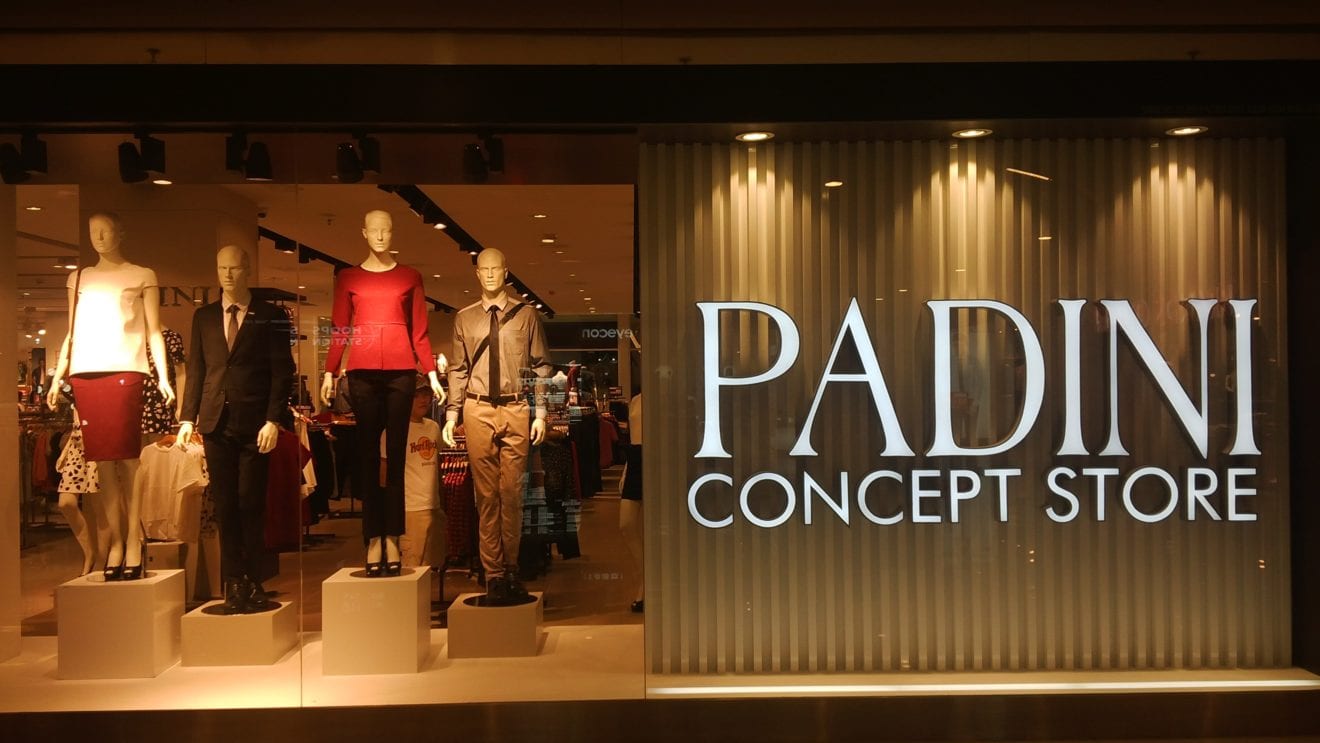
  • Padini fears margin squeeze

    Padini fears margin squeeze

    Malaysia-based Padini Holdings expects an even tougher year ahead as it deals with a double whammy of having to cut prices and pay more for its stock.

    Padini owns the brands Vincci, Seed and Miki as well as stores trading under its own brand.

    The company has revealed margins reduced by between three and five per cent across its brands during the year to June 30 – and it fears even more reductions in the current year. It’s margin is now sitting at around 40 per cent.

    The company has had to absorb the additional six per cent GST applied on retail prices on April 1. At the same time, stock costs have risen due to the rapid deterioration of the value of the ringgit.

    “This financial year is going to be more difficult than FY15 as the weakening ringgit is affecting the cost of goods due to higher import costs,” CEO Chan Kwai Heng said in a news conference after the group’s annual meeting.

    But Chan says the market won’t accept price increases given deteriorating consumer sentiment.

    “We are more focused on driving top-line growth, and have no plans to increase our prices in the short term in order to remain competitive,” he said.

    In the year ahead the company will focus on boosting its online sales (which carry lower overheads than stores), and searching for cheaper supply sources.

    Padini plans to open 16 new stores in 2016, including nine outlet stores, mostly in new malls under construction.

    The company had earlier reported an 11.8 per cent reduction in net profit last year, blamed on aggressive promotional and discounting activities.

  • China forecast to lead APAC in online spending

    China forecast to lead APAC in online spending

    China will lead the Asia-Pacific region in online spending this holiday season with $150 billion in sales forecast, new research from Adobe Digital Index reveals.

    China’s booming economy has led to the highest anticipated online spend in the region (55 percent), with nearly half of the country’s consumers surveyed (49 percent) predicting an increase in their online spend for the period.

    The average Chinese Internet user is predicted to spend a total of $210 online during November and December, driving one-fifth of total online sales for the year.

    Adobe’s global Online Shopping Prediction is based on an analysis of 55 million product SKUs and aggregated and anonymous data of more than one trillion retail websites over the last seven years. The holiday season represents 20 percent of worldwide online spending – with Austria and the US at the top of the list.

    Across the rest of APAC, consumer spend is expected to remain steady year-on-year with 14 percent and 16 percent of Australians and Singaporeans respectively, anticipating they will increase their total spend this holiday season.

    Japan is expected to see the second highest online spend in the region with $37 billion in online sales (a 5 percent year-on-year growth) predicted, followed by Australia at $7 billion.

    The survey found that consumers in APAC are not only shopping online more, they are also becoming increasingly efficient, with 20 percent or more in each country surveyed saying they expect to spend less time holiday shopping this year compared to last – a saving that could give them more time to spend with their families and friends.

    “Holiday shopping is a huge investment and consumers get more sophisticated every year with their online and mobile shopping in order to secure the most popular gifts at the best prices,” said Tamara Gaffney, principal research analyst, Adobe Digital Index.

    Meanwhile, Gaffney said Southeast Asia is expected to lead the charge in mobile shopping with 21 percent of e-commerce purchases to be transacted via smartphones and around 10 percent via tablets.

    Japanese shoppers won’t be too far behind, with 24 percent of e-commerce purchases predicted to be made via smartphones and 6% via tablets.

    Consumers are also finding online shopping less stressful than heading to the stores. In Australia, almost one-in-five (19 percent) consumers rated offline shopping as extremely stressful, compared to only 6 percent who said the same about online shopping. China is the only country in the region where online and offline shopping are seen as equally stressful.

  • Yue Yuen sales rise on retail rollout

    Yue Yuen sales rise on retail rollout

    The world’s largest branded athletic and casual footwear manufacturer and retailer Yue Yuen Industrial says retail and wholesale sales of sportswear in Greater China rose 19.6 per cent in the first nine months of this year, due to an expanding store network.

    Yue Yuen operates more than 6000 retail stores and concessions across Greater China under its own name as well as the international brands it manufactures for.

    Total sportswear sales reached US$1.7 billion compared to US$1.456 billion in the same period last year. Other factors in the growth were the company’s efforts to increase efficiency and a better merchandise selection.

    Sales of athletic shoes were up by 3.4 per cent and sales of casual shoes were down by 5.6 per cent. The total volume of shoes sold increased by just 1.1 per cent to 231.4 million pairs for the period.

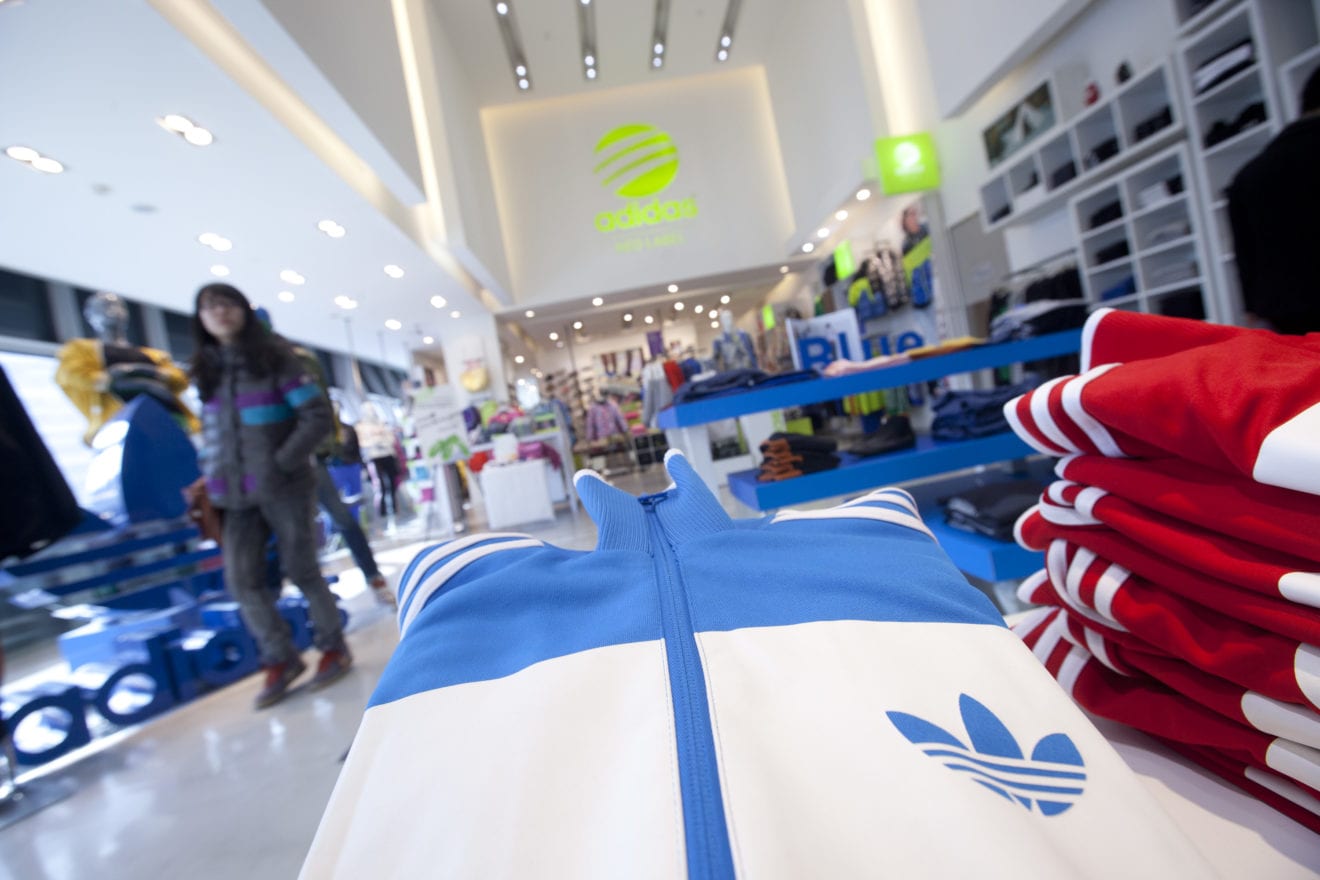
    Hong Kong listed Yue Yuen designs and makes shoes for brands including Nike, Crocs, Adidas, Reebok, Asics, New Balance, Puma, Timberland and Rockport as well as operating its own network of retail stores under the YY Sports brand, through subsidiary Pou Shen.

    The increased athletic shoes and sportswear sales helped boost Yue Yuen’s overall revenue by 5.8 per cent to US$6.3 billion and gross profit by 9.1 per cent to $1.422 billion. Total net profit attributable to owners of the company was $285.6 million, up 36.6 per cent year on year, according to figures filed with the stock exchange.

    Pou Shen, which opened 771 new points of sale during the nine months, increased its gross profit by 32.5 per cent to $566.5 million due to management’s strategy to concentrate on the retail business, improved operating efficiency, and better procurement of inventory.

    YY Sport instore wide

  • Ever-Glory in sales slump

    Ever-Glory in sales slump

    Nasdaq-listed, Chinese fashion retailer Ever-Glory International Group has reported a third quarter plunge in same store sales of 21 per cent.

    Wholesale sales fell 10.9 per cent with total company revenue down 15.3 per cent to US$118.6 million.

    Wholesale sales fell the most in Mainland China, Germany and Japan and in European markets in general.

    The company operated 1188 stores at the end of September, compared to 1137 a year earlier.

    Gross profit decreased 4.4 per cent to $32.3 million, compared to $33.8 million last year, with gross margin up 310 basis points to 27.3 per cent compared to 24.2 per cent last year.

    Gross profit for retail business increased 3.6 per cent to $22.4 million. Retail gross margin increased 1130 basis points to 47.5 per cent from 36.2 per cent.

  • Hermes Asia sales rise despite downturn

    Hermes Asia sales rise despite downturn

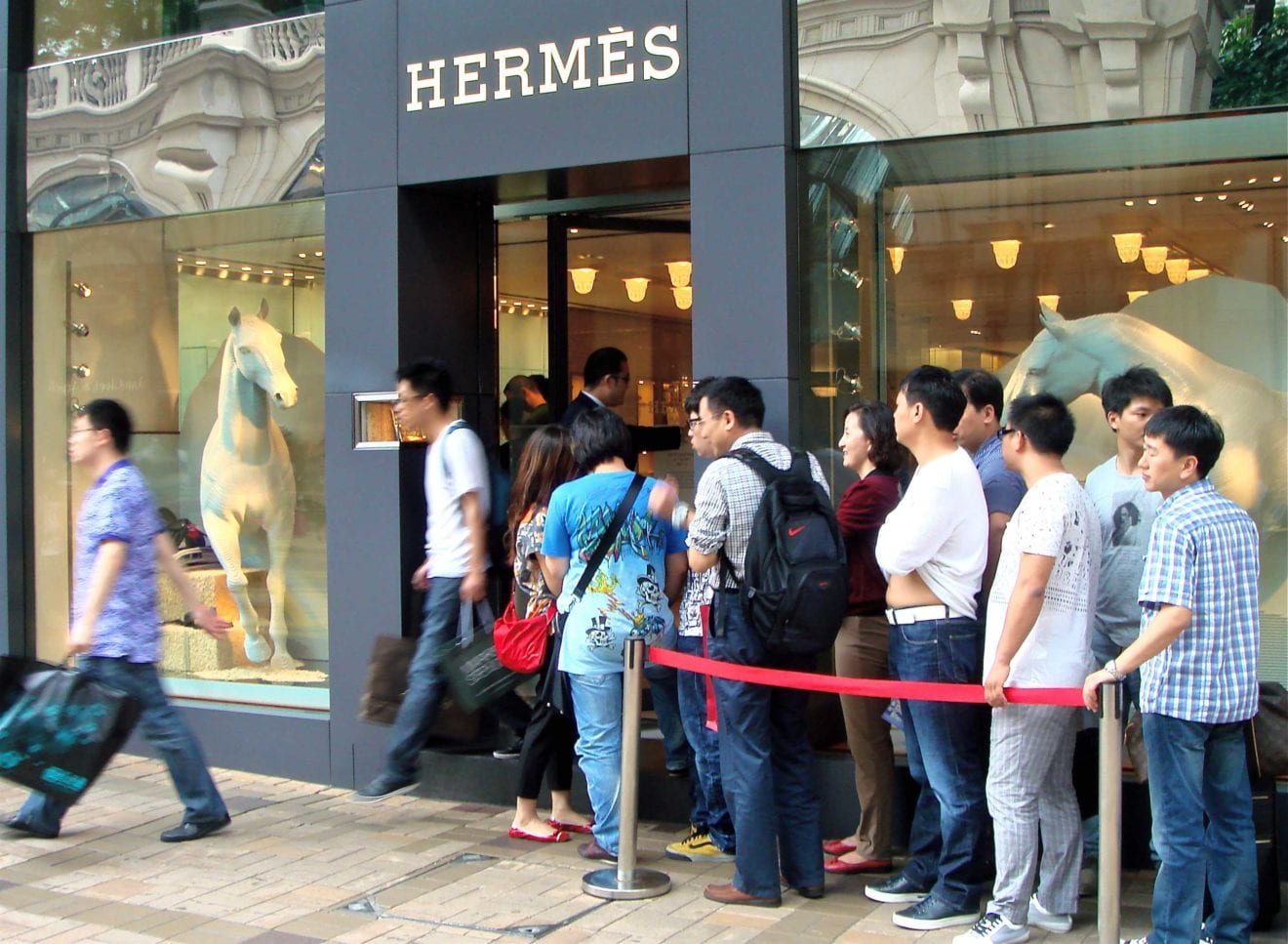
    French luxury label Hermes has managed to increase its sales in Asia despite the challenges in Hong Kong and the Mainland.

    The company says it achieved five per cent sales growth during the first nine months of this year in Asia excluding Japan – where sales rose a whopping 19 per cent.

    The Hermes Asia performance was due to the opening of the Maison Hermès in Shanghai in September 2014. Sales in the region improved “in spite of a difficult context in Hong Kong, Macao and to a lesser extent in continental China”.

    Globally, the brand posted sales growth of 19 per cent at current exchange rates and nine per cent at constant exchange rates, consolidated revenue reaching €3.443 billion.

    The brand’s leather goods and saddlery products grew the most – up 12 per cent – sustained by the increase in production capacities at two new sites in Isere and Charente.

    Dynamic sales in ready-to-wear and accessories –  up nine per cent – stem mainly from the success of fashion accessories and the latest ready-to-wear collections.

    The silk and textiles division grew by three per cent, despite challenges in China, and the perfume division rose six per cent.

    Watch sales fell two per cent, largely due to the category’s decline in Asia, excluding Japan.

    Gold jewellery sales helped its ‘other’ category to achieve 12 per cent growth.

    Hermes says despite the economic, geopolitical and monetary uncertainties around the world, the group is sticking with its medium-term goal for 2015: revenue growth at constant exchange rates of eight per cent.

  • New Look China powers ahead

    New Look China powers ahead

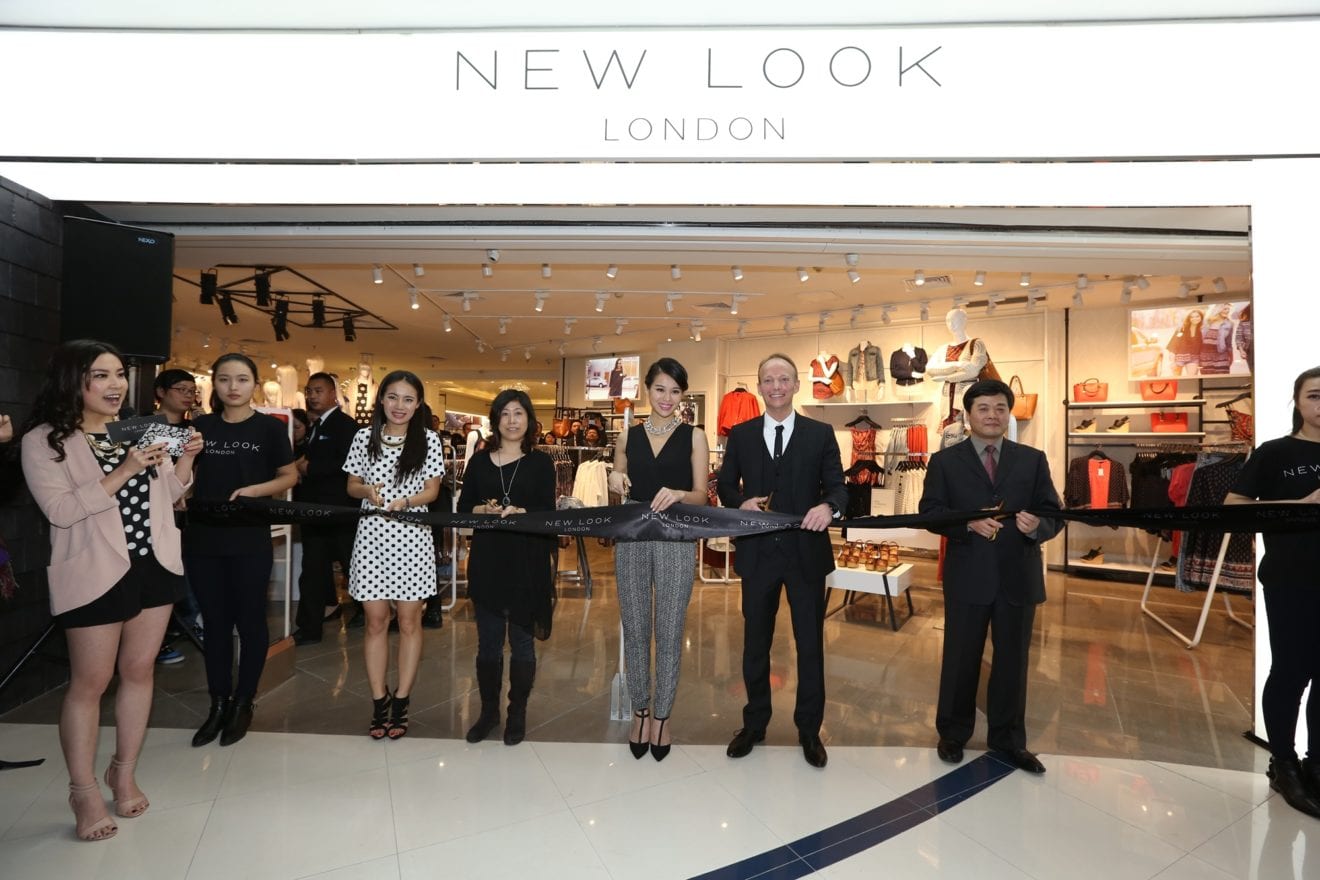
    New Look China sales are soaring on the back of a rapid mainland rollout of the UK fashion brand.

    Globally, New Look recorded a stellar rise in both sales and profits in the first half of this financial year – driven by fast growth in China and the successful launch of the fast fashion brand’s first standalone menswear stores

    New Look was bought by South African investment company Brait in June, which said at the time a focus on Chinese expansion was a priority. In the last six months it has opened 52 stores in China and has signed leases for a further 33 stores scheduled to open by next March.

    Sales for the 26 weeks to September 26 climbed 5.9 per cent to £756 million. Pre-tax profit climbed 40.6 per cent, despite a whopping  £93.2 million bill for costs relating to the takeover of the business.

    “Our Chinese stores continue to perform well as customers continue to react favourably to our fashion-forward offer,” CEO Anders Kristiansen said in the company’s results statement. “We remain on target to have 85 stores open in the country by [financial] year end.

    “With the support of our new owners, Brait, we are planning to increase investment in our strategic initiatives to accelerate our growth,” he said.

    Globally, New Look has 385 stores, and it plans to continue to open more in its home market. It also plans to continue to grow its online business. Some 31 per cent of New Look customers buying online use the ‘click and collect’ service – collecting their purchases in a physical store rather than waiting for delivery.

  • China’s Retail Sales Rose in October

    China’s Retail Sales Rose in October

    China’s total retail sales of consumer goods rose 11.0% year-over-year (or YoY) to 2.8 trillion yuan in October. The data indicated better-than-expected growth in retail sales and a slight improvement from September’s rise of 10.9%.On a year-to-date (or YTD) basis from January to October, the total retail sales of consumer goods reached 24.4 trillion yuan, up by 10.6% YoY.

    The sale of mobile phones, building materials, and household products led to the strong growth in retail sales.

    Chinas Retail Sales Continue to Rise 2015-11-17Enlarge Graph

    A rise in retail sales is a step toward the transition of the Chinese economy from an export-oriented to a consumer-driven economy. This is highly recommended because export orders are falling due to weak global demand. This is the aim of Chinese authorities as well. However, with the slowdown in Chinese local and foreign sales, an increase in retail sales comes as a surprise and a bright spot in the Chinese economy.

    E-commerce played a major role in driving up retail sales. From January to September, the national online retail sales of goods and services grew 34.6% YoY to 3.0 billion yuan, according to the National Bureau of Statistics of China.

    Some of the leading players in China’s e-commerce segment are Alibaba Group Holding, Baidu, JD.com, NetEase, and 58.com.
    Urban retail sales of consumer goods rose 10.8% YoY to 2.4 trillion yuan in October. On a YTD basis, urban retail sales rose 10.4% YoY to 21.0 trillion yuan.
    Rural areas have become a major source of retail sales growth. Retailers are focusing on rural China to increase the penetration of e-commerce. In October, rural retail sales rose 12.2% YoY to 0.38 trillion yuan. On a YTD basis, they rose 11.8% to 3.4 trillion yuan.

    The Clough China Class A ETF (CHNAX), the Guinness Atkinson China & Hong Kong ETF, and the Eaton Vance Greater China Growth Class A ETF (EVCGX) have more than 10% exposure to the consumer discretionary sector. So a rise in retail sales would benefit them the most.

    However, the John Hancock Greater China Opportunities Class A ETF (JCOAX) had only 6.4% of its assets invested in the consumer discretionary sector. So a rise in retail sales will have a lesser impact on the performance of that fund.

  • Michael Kors Japan sales soar

    Michael Kors Japan sales soar

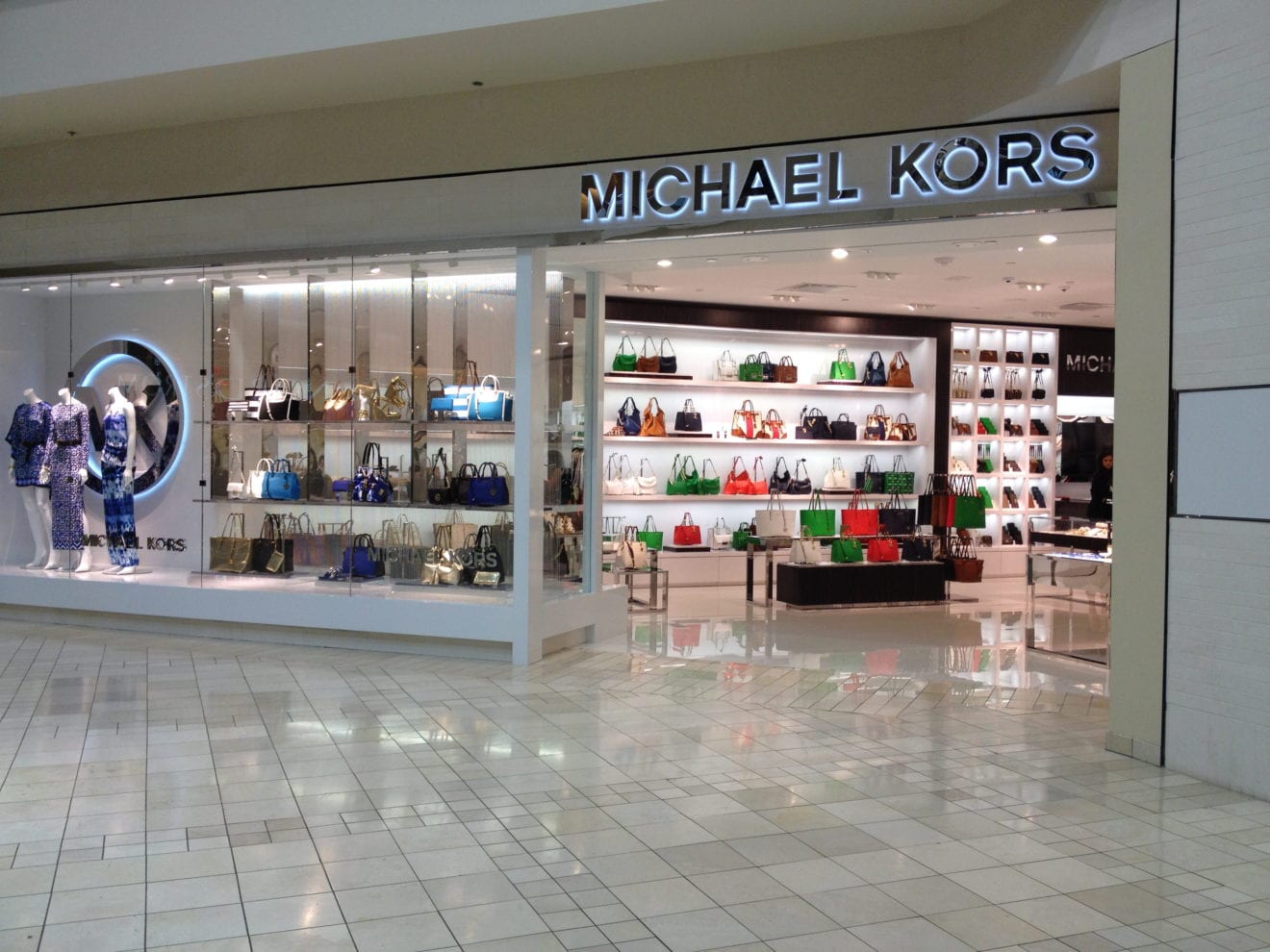
    Michael Kors Japan sales continue to soar as rising US fashion player expands its global success.

    Revenue in Japan for the last quarter rose 60.7 per cent on a constant currency basis.

    While that figure was carved back to 36.1 per cent after the exchange rate was taken into account, it shows stellar growth in the Asian nation, which is now Michael Kors’ second largest market behind the US.

    Globally, although still in positive territory, sales growth at Michael Kors continues to slow. Total revenue was up by 6.9 per cent during the quarter, a sequential worsening of the 7.3 per cent growth posted during the first quarter, and a long way down on the double digit increases recorded across the prior fiscal year.

    But while some of this is due to currency fluctuations, according to Conlumino CEO Neil Saunders, this does not explain away all of the decline.

    “Of particular concern are the same store sales numbers which were down by a sharp 8.5 per cent over the same period last year. While this represents a slight improvement on the 9.5 per cent dip recorded last quarter, it is still a dismal outcome and one which has diminished productivity and profitability. At total level retail sales remained in positive territory, saved only by the addition of some 116 new stores over the past year,” he said.

    “All that said, while Michael Kors is now feeling some pressure on the bottom line, with net income falling by 6.8 per cent over last year, it remains in a much better financial position than a number of its luxury rivals. Indeed, its return on invested capital is over 10 percentage points higher than Coach and some 20 percentage points higher than Ralph Lauren,” noted Saunders.

    “Margins, while having weakened due to both exchange rates and discounting, remain comparatively robust. As such, Michael Kors’ capacity to weather the slowdown in demand for its products is, in our view, reasonable.”

    But demonstrating it is capable of dealing with slowing demand does not mean Michael Kors wants to be in such a position, said Saunders.

    “One of the current issues for the company is that its brand simply does not have the cachet that it once did and is, to some extent, suffering from over-exposure. Nowhere is this truer than in the North American market where the proliferation of the brand over recent years has diluted its value.

    “Steps have been taken to remedy this, including lessening the reliance on traditional products like handbags by introducing more contemporary accessories like oversized wallets and cross body satchels. However, while these are helpful additions which balance out the range, they do not necessarily address the problem of ubiquity that the brand faces.”

    While Michael Kors can look to overseas for growth, as it is successfully demonstrating in Japan, the problem is that with unfavorable exchange rates this translates into a less helpful boost than it once did.

    “Europe is a case in point: here sales on a local currency basis rose by a fairly good 20.6 per cent. However, when exchange rates are factored in this growth is reduced to a paltry 2.3 per cent.

    “Given these dynamics, it is difficult to see how Michael Kors can return to strong growth in the near future,” concluded Saunders.

  • Chile salmon JV benefiting from Norway, China trade troubles

    Chile salmon JV benefiting from Norway, China trade troubles

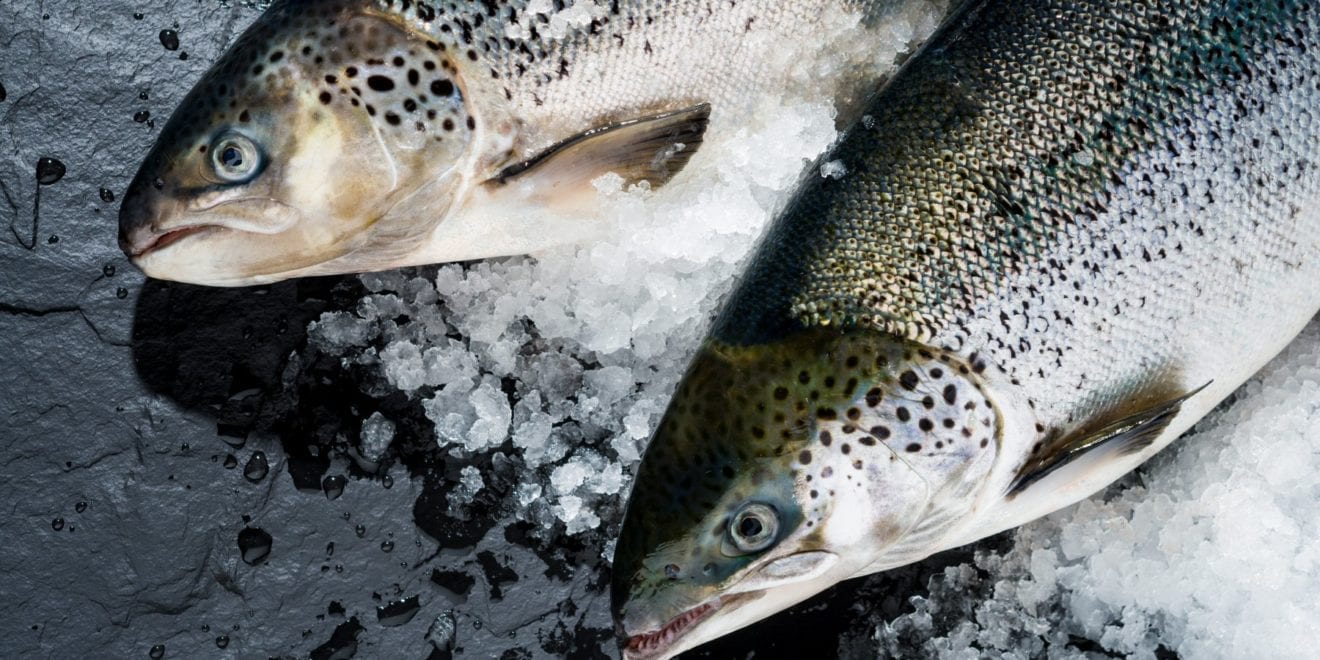
    Chile’s salmon joint venture New World Currents, comprised of Australis Seafoods, Blumar Seafoods, Pesquera Camanchaca and Cultivos Yadran, has met this year’s target to sell salmon to the Chinese market.

    In 2014, the venture already exceeded the expectations of its partner companies. The JV’s sales volume target for the year was originally 2,000 metric tons, but it had already hit 3,000t as of Nov. 6 last year.

    So far this year, the company has sold about 5,000t of salmon to China, of which 70% was frozen and 30% fresh, Eduardo Goycoolea, executive director of the New World Currents venture told Undercurrent News.

    “We have increased our sales 40% year-on-year already and we’ll keep growing in China. Chilean salmon has become an attractive alternative after the conflict between Norway and China,” Goycoolea said.

    Norway’s salmon exports to China have been fraught with difficulties since the 2010 Nobel peace prize. In March this year China delivered another blow to Norwegian producers: it announced it would ban all imports of whole head-on salmon from three Norwegian counties — Nordland, Troms and Trondelag.

    Although China and Norway agreed on a new certificate formula that meant exports of salmon to China could be maintained a month later, Chile has benefited from Norway’s difficulties for trade into the Asian country.

    “Fresh salmon account for 30% of our total sales volumes to China, and we want to send more fresh product as we are working to improve our logistics for air freight shipments,” Goycoolea said.

    New World Currents has done freight shipments from Chiloe once per week, but due to higher demand of fresh salmon from China, the JV has began to send salmon through additional flights out of Buenos Aires, Argentina, from October 1.

    The venture is also looking to export more value-added products in China’s retail segment, Goycoolea said.

    The commitment of the venture with China’s market is clear, as it has already two sales offices in the country, one in Shanghai and another Shenzhen. By the end of November, the JV plans to open a third sales office in Qingdao, Goycoolea said.

    “By the next three years we want to sell about 10,000t to China, as consumption in this country is growing,” he said.

    Despite salmon falling prices, China is a “very interesting market”, as it consumes the largest sizes, which are more profitable as they have higher prices.

    New World Currents represent about 25% of salmon production in Chile, and it is having requests from other Chilean companies to join the venture, although it wants first to consolidate its brand and ties with local distributors before expanding, Goycoolea said.

    China’s growth potential

    Chile’s salmon farmers aim to double sales to China within the next five years, taking advantage of its potential market growth.

    The Chinese market for salmon has significant prospects for growth not only because the country has more than 1.3 billion population, but also because salmon consumption is still low, leaving space for further market penetration.

    In 2014, Chilean salmon exports to China totaled $147 million, which was up by 4.18% year-on-year. China, however, represents just 3.37% of total salmon exports from Chile.

    Chilean salmon companies export to more than 65 markets, but just three countries — the US, Japan and Brazil — account for 68.2% of total exports.

  • GM China sales up 15% in October

    GM China sales up 15% in October

    The automaker said its sales were up 15 percent year-over-year in October and Buick sales jumped 42 percent from a year ago. Monthly sales for the brand hit more than 100,000 for the first time.

    “GM is well-positioned to capture the growth opportunities in the SUV, MPV (multi-purpose vehicles) and luxury segments, and our new products are gaining market share,” GM China President Matt Tsien said in a statement. “The recently announced government incentive for vehicle purchases helped boost buying sentiment starting in October.”

    Cadillac sold an October record 5,757 luxury vehicles, up 23 percent year-over-year, while Baojun brand sales soared 113 percent to 51,589 vehicles, also a record for October. Chevrolet sales fell 8.4 percent to 51,173 vehicles, which GM blamed mostly on vehicle model changeover. Wuling brand sales also decreased 6.8 percent to 116,786 vehicles because of a decline in the mini-commercial vehicle market, GM said.

    Through October, GM says its retail sales in China are up 2.9 percent year-over-year to a record nearly 2.82 million vehicles.


  • SM Retail posts solid sales growth

    SM Retail posts solid sales growth

    SM Retail of the Philippines has reported a 6.5 per cent increase in sales over the first nine months of the year to PHP145.3 billion (US$3.1 billion).

    Profit rose 21 per cent to PHP4.6 billion (US$98.2 million).

    Reviewing its operating divisions over the period, the company said its SM Food Retail Group (SM Markets) continued to expand in both urban and rural communities in various parts of Luzon, Visayas and Mindanao, adding 20 new stores, most of which are standalone Savemore stores.

    From historically operating anchor stores based in malls, SM Markets now follows a multi-format growth strategy to address the lack of organised retail in many parts of the country.

    SM Markets also recently invested in the minimart business with Alfamart, a successful minimart operator in Indonesia, and forged partnerships with WalterMart and Citymalls to further facilitate its provincial growth. Acquisition of existing chains of stores is another part of its growth strategy, the latest of which was the three stores of Cherry Foodarama.

    The SM Store will maintain its strategy of growing as an anchor store in SM Malls which are targeting expansion in the provincial areas. The SM Store continues to be the leading player in the country’s department store business, enjoying a wide-reaching and loyal customer base. It competes by providing the widest assortment of products and services, complemented by well-designed stores.

    As at the end of September, SM Retail had 294 stores, comprising 51 The SM Stores, 41 SM Supermarkets, 43 SM Hypermarkets, 130 Savemore stores and 29 WalterMart stores

  • Le Saunda Hong Kong sales plunge

    Le Saunda Hong Kong sales plunge

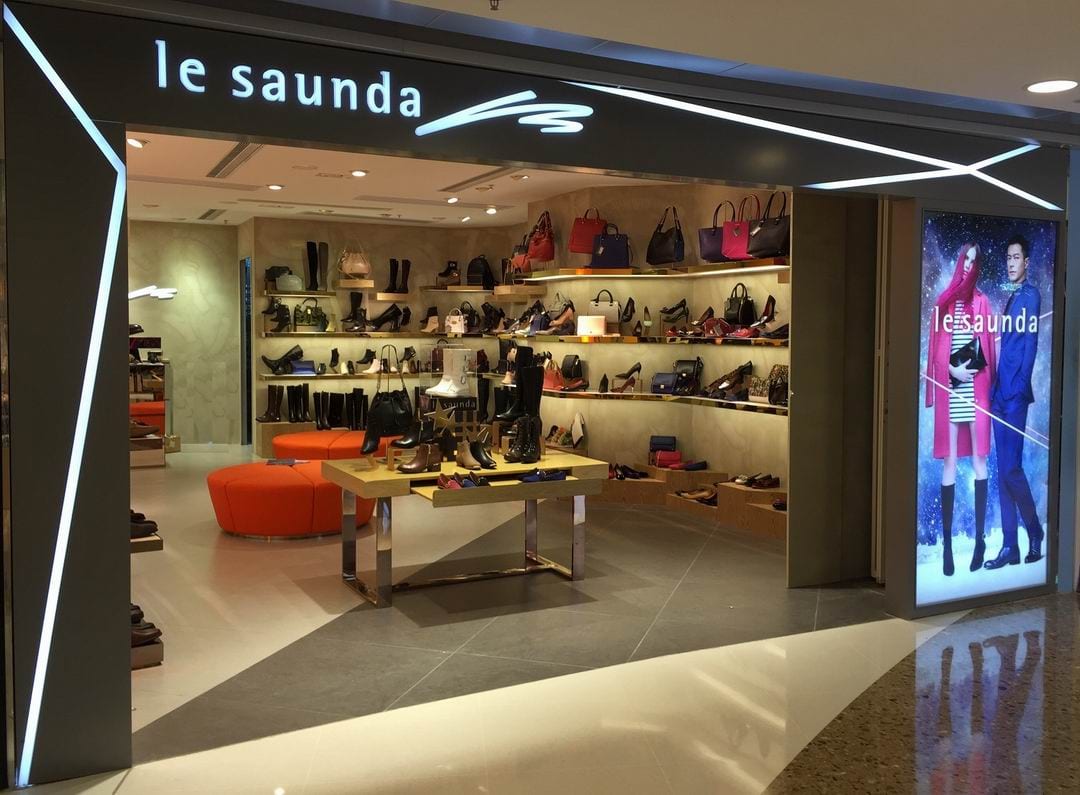
    Le Saunda Hong Kong and Macau sales plummeted 26.6 per cent in the first half of this year as tourist spending declined.

    Le Saunda manufactures and sells shoes, handbags and fashion accessories and sells them in Hong Kong, Macau and Mainland China under the brands of Le Saunda, Le Saunda Men, Linea Rosa and CNE. The company in also involved in property, trade-mark and management services. It has 833 stores, 20 fewer than at the same time last year.

    In its half year results, Le Saunda said sentiment in Hong Kong’s retail market is deteriorating, as the number of tourist arrivals in the city continued to fall and consumer confidence weakened.

    “Meanwhile, unyielding rental for commercial premises further aggravated the burden of retailers.”

    Le Saunda closed five stores in Hong Kong and Macau during the period, reducing the total store network in the two cities to 16.

    It was a better picture in Mainland China, however, where the company achieved retail sales growth of 3.8 per cent.

    Total group revenue for the six months increased by 0.4 per cent to RMB755.8 million and consolidated gross profit decreased by 0.4 per cent to RMB501.8 million. The overall gross profit margin decreased by 0.5 percentage point to 66.4 per cent.

  • I.T. Limited sales rise despite Hong Kong

    I.T. Limited sales rise despite Hong Kong

    Apparel business I.T. Limited has boosted sales by 5.1 per cent to HK$3.393 billion in the first half year despite a slowdown in Hong Kong.

    But the company recorded a net loss of $31 million due to a non-recurring foreign exchange losspreviously reported totaling $79.6 million. Without that, profit would have increased by 32.8 per cent to $48.6 million.

    Gross profit increased by 1.4 per cent to HK$2.026 billion at a gross profit margin of 59.7 per cent, slightly down on the 61.9 per cent of a year ago.

    In Hong Kong, retail sales slipped 3.6 per cent to $1.571 billion, but I.T. Limited noted that was a lesser fall than the broader apparel market in the city. Same store sales fell by 0.9 per cent.

    But in China, where it has more than 580 stores, the company increased sales by 19.1 per cent to $1.336 billion.

    Total Macau sales rose 6.2 per cent to $101 million despite lower than expected tourist traffic.

    And Japan continued to outperform with total retail sales of HK$222.4 million, representing 6.9 per cent increase in Hong Kong dollars, or 27.5 per cent in local currency.

    The company said in the Hong Kong market, a slow economic recovery alongside diminished inbound tourist traffic growth (from Mainland China in particular), which was attributed predominantly to the strength of the HK dollar and the easing of immigration in multiple tourist destinations such as Europe, Japan and Korea, has placed “unprecedented challenges on the consumer retail market”.

    “Similarly, Mainland China, where domestic headwinds continued to cause considerable impact on consumer appetite and maintained lingering concerns about the economic prospect of the country, demonstrated by the depression of external import demand, has created a challenging economic environment for retailers in the region,” I.T. Limited said in its filing.

    “At this juncture, consumer sentiment across these regions remained weak, and retail sales growth was largely boosted by sales promotions.”

    The company said having a multifaceted business model with “inherent flexibility” will allow it to remain resilient in the face of the market challenges.

    “We also believe that innovation and differentiation are among the most relevant tools to support our position as a fashion leader across our operating regions and allow us to adapt to the rapidly changing fashion markets. To that end, the group continues to focus and invest in further strengthening its fashion platform through a combination of international brands assortment upgrades and new fashion concepts establishment within the in-house brands segment.

    “Today, we have a balanced portfolio showcasing a collection of the latest distinctive international brands alongside multiple innovative in-house brands, all of which have their own unique identities that complement each other well.”

    In the first half year, I.T. Limited’s house brands accounted for 56.8 per cent of its revenue.

  • Apple’s ‘best year ever”

    Apple’s ‘best year ever”

    Tech giant Apple has reported its fourth quarter results – and concluded its “best year ever”.

    In the three months to September 26, the company achieved sales of $51.5 billion and a quarterly net profit of $11.1 billion. That compares to sales of $42.1 billion and a net profit of $8.5 billion, in the same quarter last year.

    The company’s gross margin was 39.9 per cent compared to 38 per cent a year ago. International sales accounted for 62 per cent of the quarter’s revenue.

    Apples says its growth was fuelled by record fourth quarter sales of iPhones, the expanded availability of the Apple Watch, and all-time records for Mac sales and revenue from services.

    “Fiscal 2015 was Apple’s most successful year ever, with revenue growing 28 per cent to nearly $234 billion,” said CEO Tim Cook.

    “This continued success is the result of our commitment to making the best, most innovative products on earth, and it’s a testament to the tremendous execution by our teams,” he said.

    “We are heading into the holidays with our strongest product lineup yet, including iPhone 6s and iPhone 6s Plus, Apple Watch with an expanded lineup of cases and bands, the new iPad Pro and the all-new Apple TV which begins shipping this week.”

    Luca Maestri, Apple’s CFO, said the company’s record September quarter results drove earnings per share growth of 38 per cent and operating cash flow of $13.5 billion.

    “We returned $17 billion to our investors during the quarter through share repurchases and dividends, and we have now completed over $143 billion of our $200 billion capital return program.”

    In the quarter ahead, Apple is predicting revenue of between $75.5 billion and $77.5 billion and a gross margin which could reach 40 per cent.

  • L’Occitane China sales soar

    L’Occitane China sales soar

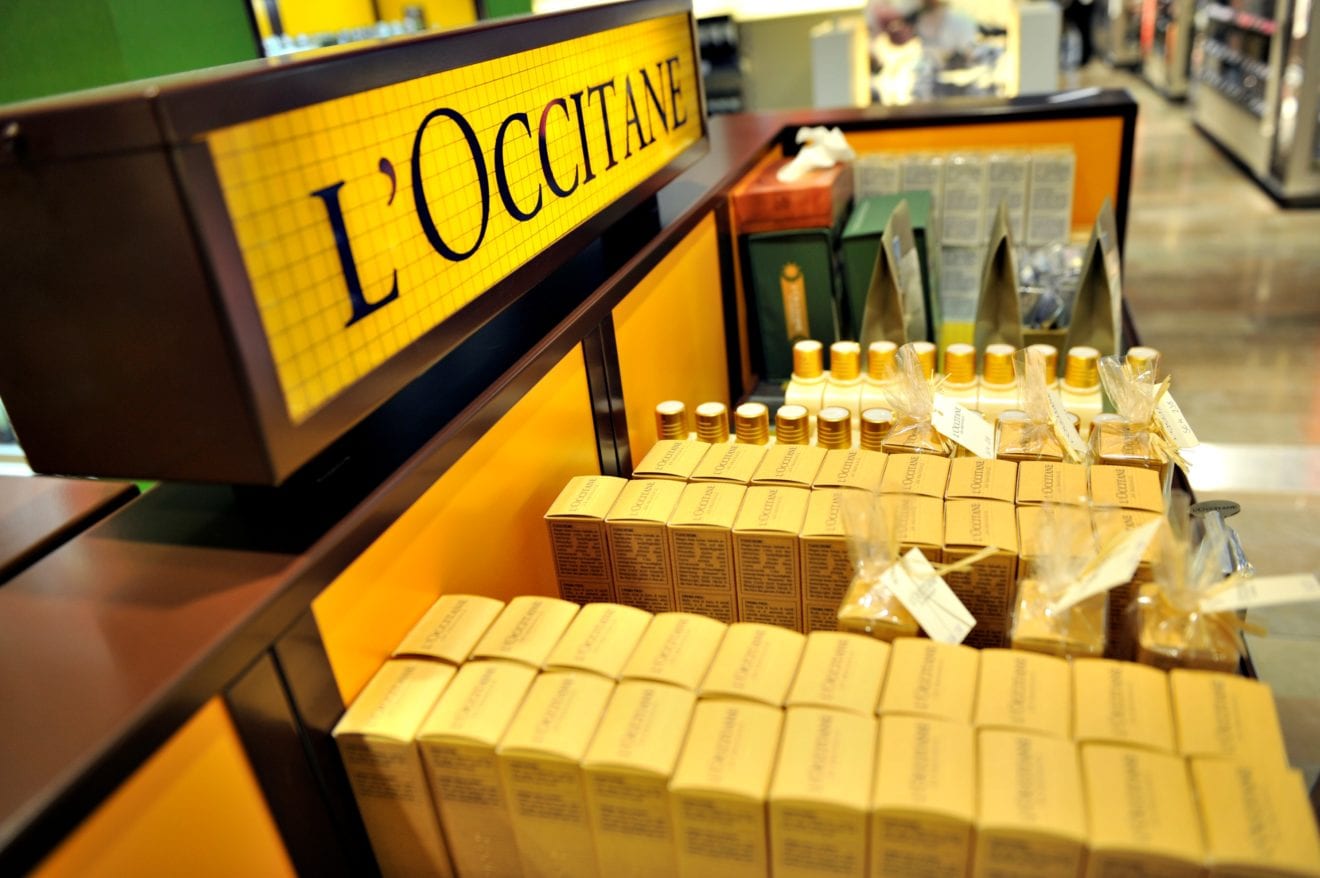
    L’Occitane Hong Kong and Macau sales are still falling, but in the mainland they soared 20.4 per cent in the last six months.

    Unveiling its results for the half year to September 30, L’Occitane said worldwide sales rose 12.5 per cent to US$546.7 million. In local currency, sales rose 5.8 per cent.

    But in Hong Kong, the retail operation remained impacted by the weak market sentiment and a drop in Mainland Chinese tourists.

    “During the second quarter, Hong Kong travel retail sell-through was sluggish due to the lagging effects of Mers in Korea and a drastic drop in traffic in Hong Kong and Macau,” the company said in its filing.

    China was the fastest growing country with 20.4 per cent growth in local currency, mainly contributed by new stores opened last year and in the first half of this year. Sales via T-mall also contributed to the sell-out growth in China.

    Japan, its third fastest growing market behind France,  posted a sales growth of 8.2 per cent at constant exchange rates with same store sales growth at 6.9 per cent.