Tag: Sales

  • Toyota Thailand industry auto sales seen down 10 pct in 2016

    Toyota Thailand industry auto sales seen down 10 pct in 2016

    Thailand’s total domestic car sales are expected at 720,000 in 2016, down 10 percent from 2015, Toyota Motor Corp’s Thai unit said on Thursday.

    Toyota, which commands about a third of the Thai market, sees a 9.8 percent fall from 2015 in its annual automotive sales in the Southeast Asian nation to 240,000 in 2016, it said at a news conference.

    Kyoichi Tanada, president of the Toyota Thai unit, said the reason for the fall in both domestic car sales and Toyota’s own car sales were a weak global economy and a new Thai excise tax which would increase the retail prices of vehicles in 2016.


  • Starbucks Asia performance concerns

    Starbucks Asia performance concerns

    Starbucks’ latest overall figures look impressive- but this first set of results of its new fiscal year show a marked polarisation in performance around the globe.

    In the Americas, the company’s largest market, sales and profits powered ahead. However, the same cannot be said of both Europe and China, where the results were far more subdued.

    Turning first to China and Asia Pacific, at first glance the results do not look too bad, with revenues up by a very solid 32 per cent. However, most of this increase is attributable to incremental revenues from the acquisition of Starbucks Japan early in the last fiscal year.

    A significant 885 net new store openings across the region also helped to boost top line growth.

    Despite this there are two areas for concern. The first is underlying sales growth, which at 5 per cent has come in below expectations; the concern is that some of this is related to a general slowdown in China which, if part of a longer term trend, could harm company earnings.

    The second is the margin position which has deteriorated because of higher wage costs and the change of ownership of the Japanese operation.

    Turning to the Americas: Despite having been accused of “declaring war on Christmas”,  Starbucks’ results showed much more holiday cheer than its generic red cups. Across the region revenue rose by a very respectable 11 per cent, underpinned by 9 per cent comparable growth.

    Operating income also rose by 14 per cent. Tweaks to the menu which saw the inclusion of some more expensive drinks options and an enhanced range of food helped to drive up average ticket across the period.

    The American results were particularly impressive given the warmer weather across most of the holiday period. That this did not deplete sales underscores the habitual nature of Starbucks and its importance as a small indulgence for many of its regular customers. This loyalty has, in our view, been further strengthen by strong take-up of the mobile app which encourages and stimulates regular buying.

    Within Europe and the wider EMEA region, the net addition of 79 stores did little to bolster overall revenue which declined by 6 per cent on a year-over-year basis. Admittedly much of this was related to unfavorable exchange rates but some is also attributable to weak underlying sales growth at existing shops. The impact on profits has been negative, something further exacerbated by the shift to developing more licensed stores which operate at a lower margin than company-owned outlets.

    Looking ahead, initiatives such as the evening sale of alcoholic beverages and an enhanced food menu, will help to further drive productivity in US stores.

    However, Starbucks will need to work harder to ensure that these gains are not diminished by the deteriorating environment in Asia and the lackluster performance in Europe.

  • Ford to exit Japan, Indonesia on poor sales outlook

    Ford to exit Japan, Indonesia on poor sales outlook

    Ford Motor will close down all operations by the end of this year in Japan and Indonesia, where the United States carmaker says it has no path to boost sales or earn profits.

    The step is being taken “after pursuing every possible option”, Ms Karen Hampton, Ford’s Asia-Pacific spokesman, said in an e-mailed statement. The company will provide ongoing support to customers for service, spare parts and warranties, she said.

    “It has become clear that there is no path to sustained profitability, nor will there be an acceptable return over time from our investments in Japan or Indonesia,” Ms Hampton said. Ford is committed to restructuring parts of its business that “have no reasonable path to achieve sales growth”, she said.

    The exits by Ford are the latest examples of a carmaker losing patience in struggling car markets in parts of Asia that are dominated by Japanese manufacturers.

    General Motors last year closed down its factory in Indonesia, the largest car market in South-east Asia. For 16 straight months, four- wheeler sales on the archipelago have shrunk. If the decline continues, the country will soon lose the distinction of being a one-million-cars-a-year market.

    NO PATH TO GROWTH

    It has become clear that there is no path to sustained profitability, nor will there be an acceptable return over time from our investments in Japan or Indonesia.”

    MS KAREN HAMPTON, Ford’s Asia-Pacific spokesman

    Industrywide sales in both Indonesia and Japan slumped in each of the last two years.

    While Indonesia is the largest economy in South-east Asia, Toyota Motor and its affiliate Daihatsu Motor dominate by accounting for about half of all vehicles sold, according to LMC Automotive. Including Honda Motor and Suzuki Motor, the companies have market share of about 80 per cent.

    Japan’s more developed car market peaked in 1996 with almost 7.3 million vehicles sold and has declined during much of the last two decades. Carmakers sold about five million vehicles in Japan last year, and foreign brands had less than 6 per cent market share.

    Ford is not alone in struggling in Indonesia or Japan. Hyundai Motor and Kia Motors combined to sell fewer vehicles than Ford in Indonesia last year. Each of GM’s brands also trailed Ford by registrations in Japan last year.

  • China, e-commerce bolster Burberry’s sales growth

    China, e-commerce bolster Burberry’s sales growth

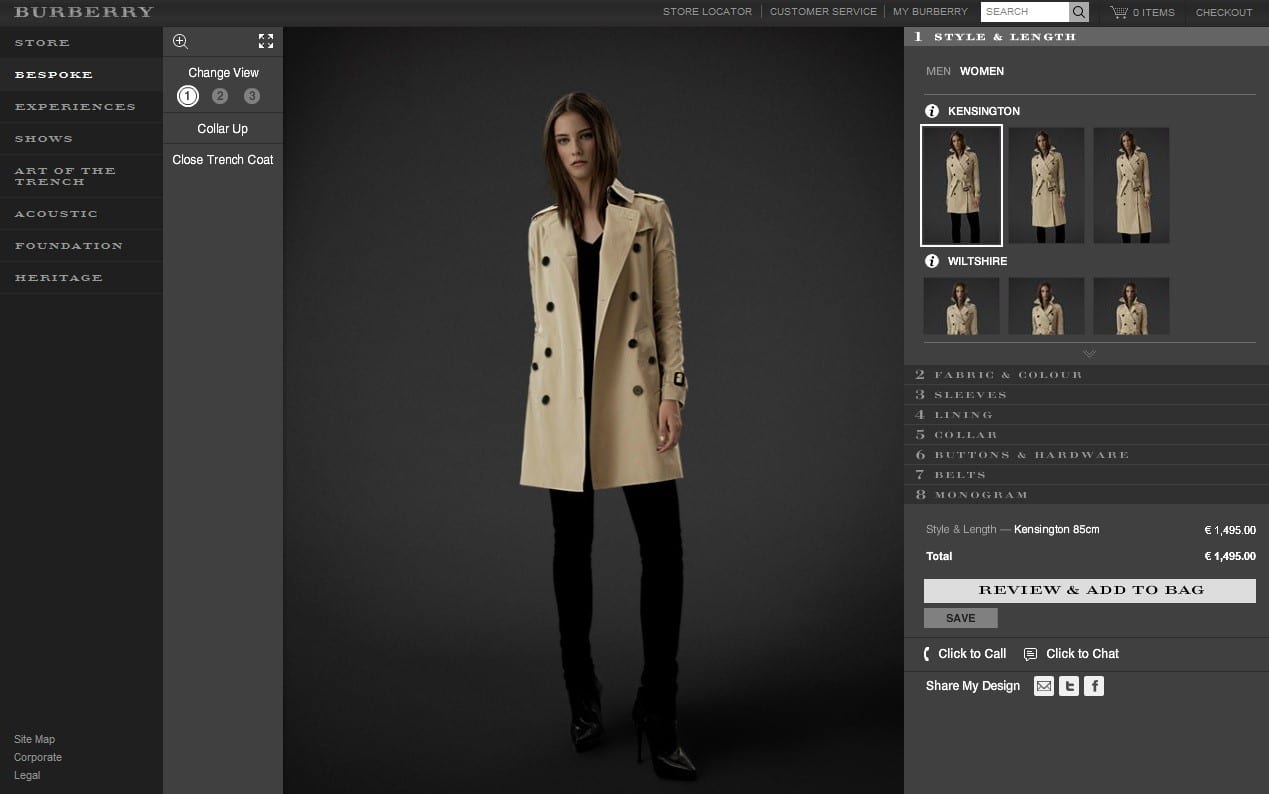
    The mobile and e-commerce news from Burberry is an indication that luxury fashion brands can succeed in the space, despite initially struggling to do so. Luxury brands have historically avoided e-commerce due to the demands of building and managing online operations, preferring to outsource those functions whenever possible.

    However, Burberry’s movements show that these high-end brands can successfully build a strong digital presence. Fellow luxury brands such as Hugo Boss and LVMH’s Fendi and Dior are starting to develop their own e-commerce capabilities as growth in China becomes sluggish, according to a report.

    Meanwhile, China’s economic uncertainties haven’t hit Burberry too hard, but the brand was not immune to the slowdown. While traffic at its bricks-and-mortar stores slowed significantly (20%) in the former protectorates of Hong Kong and Macau due to a decrease in tourism, consumers in Mainland China continued to buy outerwear, scarves and apparel from the luxury brand. China accounts for about one-third of Burberry’s global revenues, according to estimates.

    Burberry will find out if that renewed momentum in Asia can spread to Hong Kong and Macau during the upcoming Lunar New Year celebrations. Burberry will focus on cost controls and mobile to meet analyst expectations.

  • Spending at Changi Airport hits record high to reach $2.2 billion in 2015

    Spending at Changi Airport hits record high to reach $2.2 billion in 2015

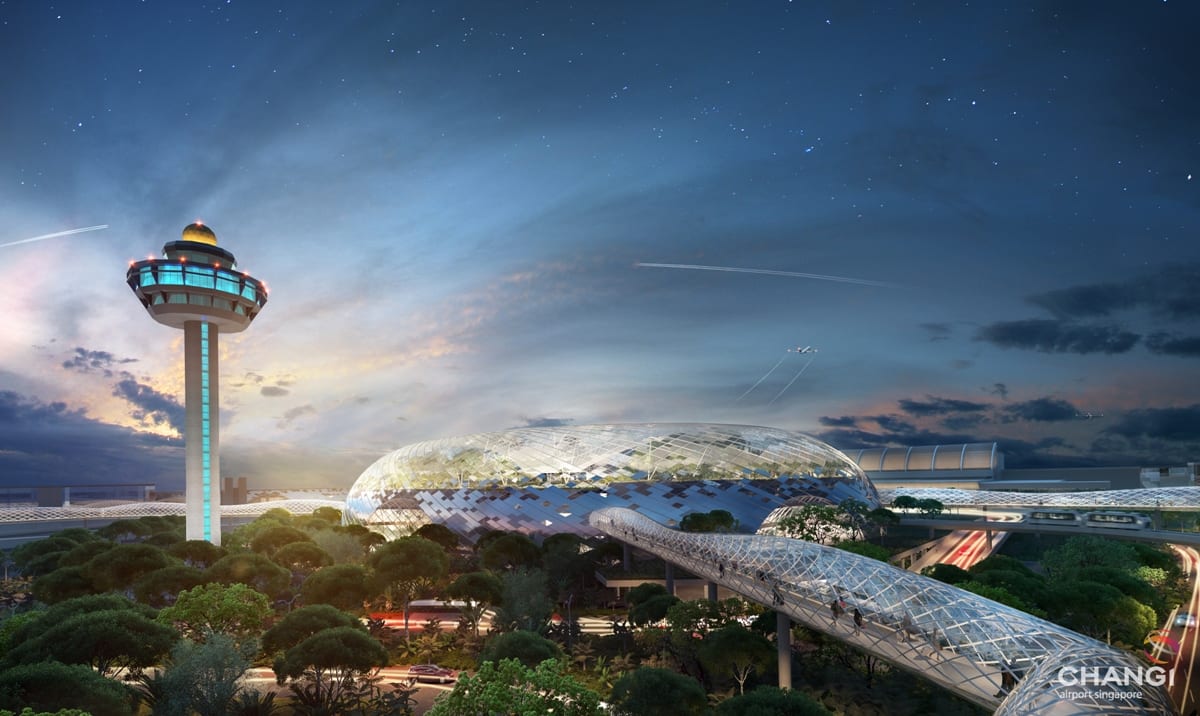
    Sales at Changi Airport has hit another record high of $2.2 billion last year, placing it along the top three airports in the world in terms of retail business performance.

    Spending at the airport’s retail and food stores grew by 8 per cent year on year, on the back of a growing number of passengers using the airport. Passenger traffic figures are expected to be released next week.

    Travellers from China accounted for a third of the airport’s retail market, followed by Singapore consumers, who made up one-fifth. The other top spenders were from Indonesia, India and Australia.

    Ms Lim Peck Hoon, executive vice-president of commercial at Changi Airport Group, said on Sunday (Jan 24): “We are delighted to achieve yet another record high for concession sales at Changi Airport in 2015. This is positive for the Singapore air hub as profits from our retail business help to offset the cost of our aeronautical operations.”

    At Changi, shoppers’ favourite buys are liquor, tobacco, cosmetics and perfumes. They are followed by luxury goods, electronics and equipment and chocolates and candies.

    Ms Lim said last year’s retail performance was due to a successful commercial strategy, which saw the introduction of liquor and beauty duplex stores that are the first in the world. These two-storey stores have their own bar lounges and wine tasting corners.

    Last year also saw well-known brands such as Zara and Samsung launching their first stores at Changi Airport.

    Other promotions such as the Star Wars soft toys promotion during the year-end holidays and the “Be a Changi Millionaire” draw also contributed to the retail buzz.

    This afternoon, one traveller would walk away a million dollars richer from the sixth annual Changi Millionaire contest.

  • Korea eyes nationwide sales event to boost consumption

    Korea eyes nationwide sales event to boost consumption

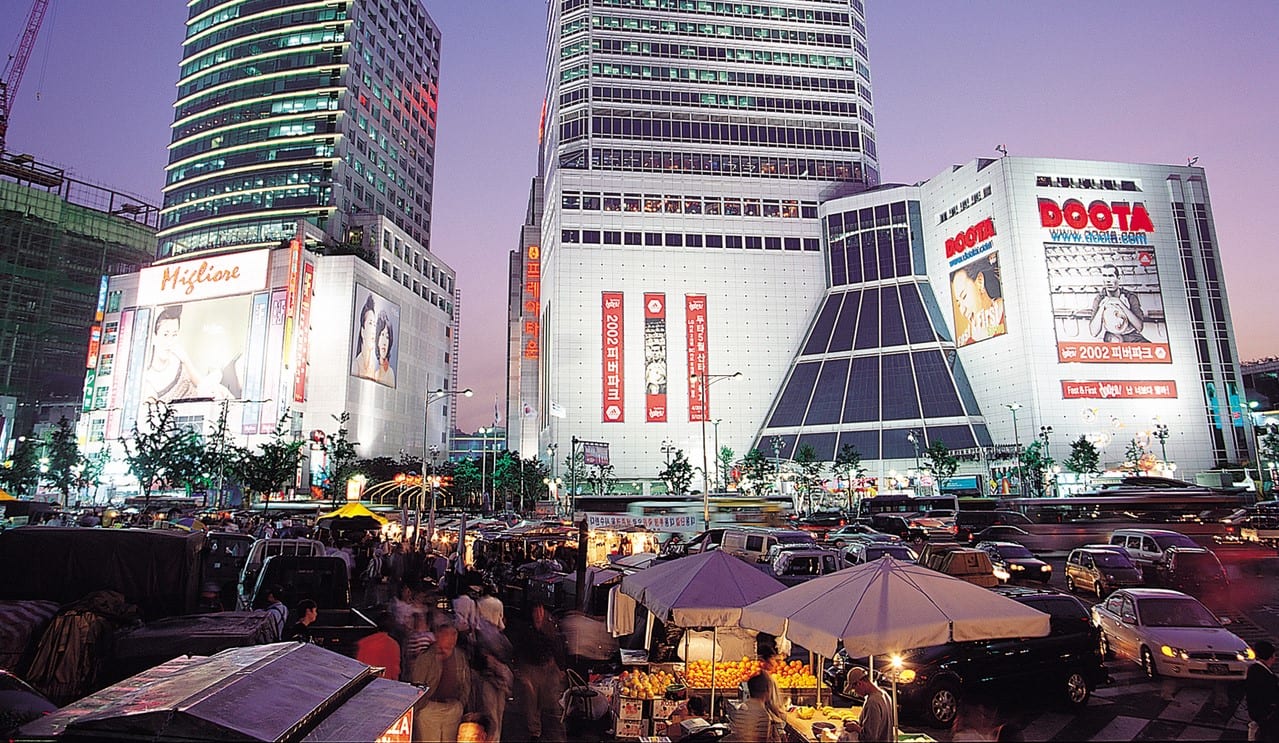
    South Korea will start another round of nationwide discount events later this month in a bid to boost domestic consumption around the Lunar New Year’s holiday, the finance ministry said Tuesday.

    The so-called Korea Grand Sale will begin on Jan. 25 and run through Feb. 7 across the nation before the holiday, with the participation of 300 local traditional markets, according to the Ministry of Strategy and Finance.

    For foreign tourists, the event will take place from Feb. 1 in duty-free shops and other retail stores to celebrate the start of the Visit Korea Year 2016-2018.

    The Lunar New Year, which shifts year to year, falls on Feb. 8 this year, with a five-day break.

    The ministry said the sales event is aimed at maintaining an uptrend in consumption that was seen in the third quarter of last year.

    Last year, the country hosted such events three times, including the K-Sale Day and Korea Black Friday, and saw local retailers post sharp sales increases, along with the government’s excise tax cut programs.

    The rise in sales helped push up the country growth to a five-year high of 1.2 percent in the third quarter, successfully escaping the sluggish mode stemming from the Middle East Respiratory Syndrome outbreak.

    “We’ve come up with plans to keep the pace of private consumption alive and revitalize domestic demand as a whole,” the finance ministry said in a release. (Yonhap)

  • Ted Baker shines over Holiday Season

    Ted Baker shines over Holiday Season

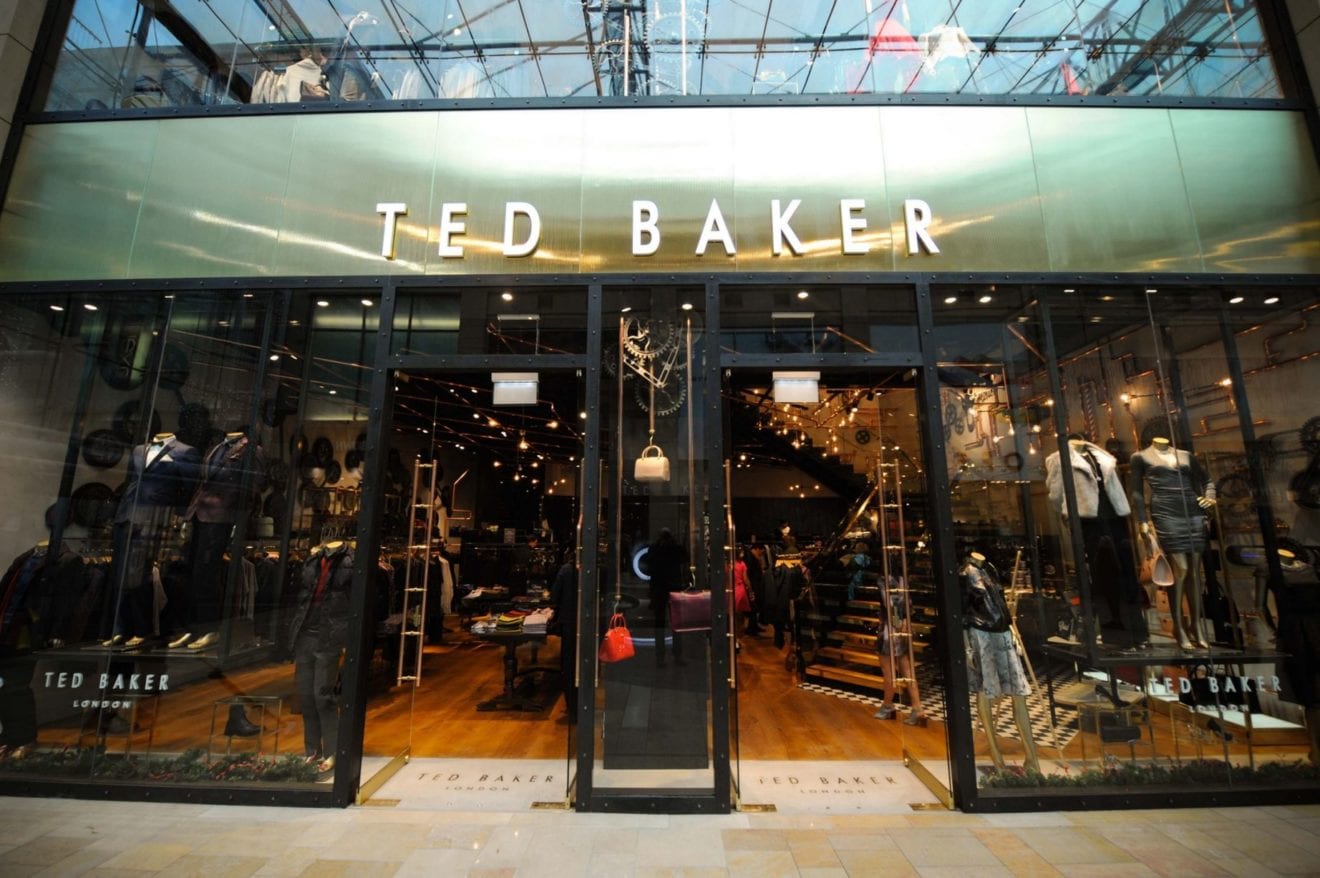
    Quirky fashion and lifestyle label Ted Baker has announced enviable Christmas trading results, with retail sales rising 10.1 per cent (10.6 per cent at constant currency) for the eight weeks to January 9.

    Over the period, the group added 355,907 sqft to its selling space. This helped to augment sales opportunities in the run-up to Christmas, but also highlights that trading during the busiest time of the year did not hold back Ted Baker’s rapid expansion plans.

    The group added concessions in the UK, France, Spain and California, in addition to licensed openings in the form of a new full-line store in Saudi Arabia, a concession in Mexico and outlets in Melbourne and Sydney.

    This geographical spread once again highlights not only Ted Baker’s ambitions to be a truly global brand, but also its willingness to be flexible in its approach as it enters new markets.

    Customer engagement was supported by the success of its ‘Wonders Never Cease’ video campaign, which showcased the brand’s Autumn/Winter range in typical Ted Baker story-telling fashion.

    Despite tough trading conditions and a highly competitive landscape, the company managed to avoid significant discounting, ensuring that expectations around gross margins were met. Furthermore, its eCommerce business witnessed dazzling results, with a 39.1 per cent increase in sales signifying strong performance across all of the group’s sites.

    A winning Christmas will help the company to secure a strong set of full-year results when the year closes on 30 January.

  • Ford Philippines delivers record sales in 2015

    Ford Philippines delivers record sales in 2015

    Ford Philippines sales last year jumped a record 25 percent to 25,372 units, firmly establishing Ford as the number three-selling automotive brand in the country.

    EcoSport, Everest and Ranger each deliver record full-year sales in the Philippines.

    Record December sales soar 48 percent to 2,824 units, capping record quarterly performance with jumping 50 percent to 8,691 units.

    The record sales year and continuing momentum helped Ford jump one spot to become the number three-selling automotive brand in the Philippines in 2015.

    “It’s been a breakthrough year for Ford in the Philippines. We launched more global Ford vehicles that showcased the very best of Ford, and expanded our retail presence across the country to make the Ford brand closer to our customers through a strong dealer network,” said Lance Mosley, managing director, Ford Philippines. “We’re truly proud of how the Ford brand is being embraced by our Filipino customers.”

    The EcoSport compact urban SUV’s continuing impressive run made it Ford’s best-selling nameplate in the Philippines in 2015. December retail sales of EcoSport rose 49 percent to 799 units, helping drive full-year sales up 67 percent to 8,702 units – the highest full-year total for a single Ford nameplate.

    The highly capable and versatile Ranger finished 2015 as the second best-selling pickup truck in the Philippines with total retail sales that increased six percent year-over-year to 8,445 units.

    “We launched the new Ranger here in August, and it really helped to build on an already strong reputation as the most capable, powerful and smartest pickup in the market,” explained Mosley.

  • 2 Reasons Why China’s Macro Woes Won’t Affect Apple, Inc. as Much as You Think

    2 Reasons Why China’s Macro Woes Won’t Affect Apple, Inc. as Much as You Think

    The market certainly woke up on the wrong side of the bed for 2016, and most fingers are pointed to troubling macro-economic data out of China along with The Middle Kingdom’s brutal market sell-off. The Shanghai Composite Index is already down 10% year to date, and it’s only been a week. You probably also saw those headlines about the day that the Chinese market was only open for less than 30 minutes before circuit breakers (which have since been suspended) were triggered, ending the day down 7%.

    Meanwhile, pessimism surrounding Apple continues to build as well, in part because China is such an important market for the Mac maker. But there are two important reasons why all of the China-related storylines won’t affect Apple as much as you might think.

    China’s stock market participation is very low
    It’s true that China’s stock market is largely dominated by retail investors instead of institutional investors (a stark contrast to the U.S.), with an estimated 90% of all capital accounts owned by retail investors. Chinese investors also tend to be short-term traders instead of long-term investors, which contributed to heightened volatility.

    But it’s also true that overall stock market participation is fairly low in China, so the gyrations aren’t directly affecting the average consumer. For example, the Southwestern University of Finance and Economics in Chengdu conducts a regular China Household Finance Survey led by professor Gan Li. According to the survey, just 6% of households in China owned stock during the first quarter of 2015.

    So while the volatility of the Chinese stock market makes for some panicky headlines, the average Chinese consumer’s discretionary spending and income is just fine. They can still go out and buy that iPhone.

    China’s slowing GDP growth is not affecting the mainstream consumer
    The other recurring theme is China’s slowing macroeconomy, as evidenced by decelerating GDP growth rates. But again, these GDP figures aren’t directly translating into reduced income or spending on the consumer level. Quite the contrary, in fact.

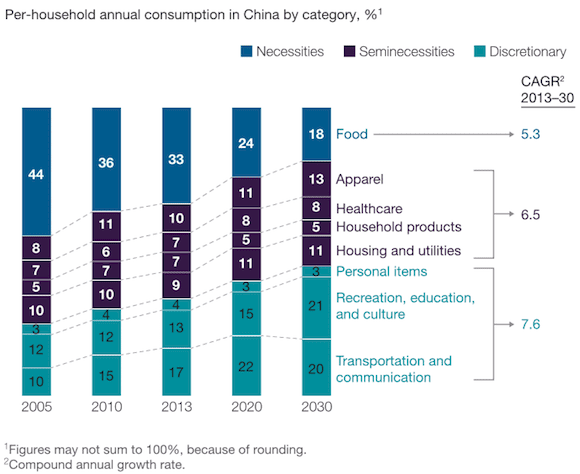
    Much of China’s GDP growth over the past decade has been driven by investing and exports, but China’s economy is now transitioning toward consumer consumption, which will only benefit consumer-oriented companies like Apple. Consider per-household annual consumption by category from 2005, along with forecasts through 2030, where discretionary categories are growing the fastest:

    China Spending

    Source: McKinsey.

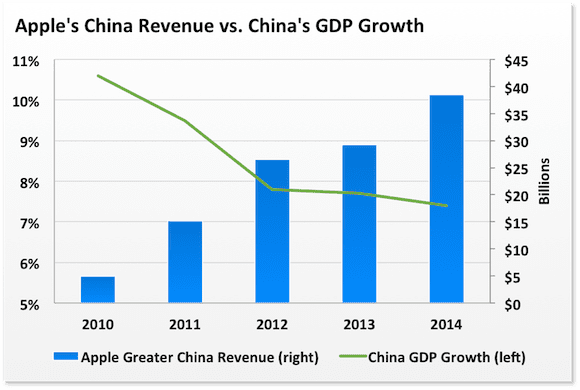
    Or consider the fact that Apple’s China business has grown incredibly against a backdrop of slowing GDP:

    Aapl Gc Vs Gdp

    Source: SEC filings and The World Bank. China GDP growth measured in constant local currency. Calendar years shown.

    The rising middle class in China won’t be stopped, and that’s good news for Apple.


  • Burberry sees return to sales growth in China

    Burberry sees return to sales growth in China

    Luxury fashion group Burberry on Thursday announced a return to retail sales growth in China despite an economic slowdown, boosting overall results in its third quarter.

    The British handbag and clothing company reported overall retail sales of £603 million ($866 million, 794 million euros) in the October through December period, “as (sales in) mainland China returned to growth”, Burberry said in an earnings statement.

    China is in sharp focus for markets amid an overall slowdown for the world’s second largest economy.

    In the three months to the end of 2015, Burberry saw total underlying retail sales growth of 1.0 percent, an improvement on the 4.0-percent decline in its second quarter.

    Burberry’s financial year runs from April to the end of March

    On the downside, sales in Hong Kong fell by more than 20 percent owing to long-standing protests against China.

    All of Burberry’s Hong Kong stores remain profitable however thanks to cost controls, the company said in the statement.

    “The outlook for our sector remains uncertain,” said chief executive Christopher Bailey.

    “However, we are anticipating and responding to these changes through an intense focus on new growth opportunities.”

    Chief financial officer Carol Fairweather told a conference call with reporters that Burberry’s performance in France had been impacted by fewer tourists visiting from China and the Middle East following the Paris terrorist attacks in November.

  • Uniqlo struggles with currency and weather

    Uniqlo struggles with currency and weather

    Uniqlo, Asia’s largest apparel retailer, has delivered a disappointing set of results for the quarter to November 30.

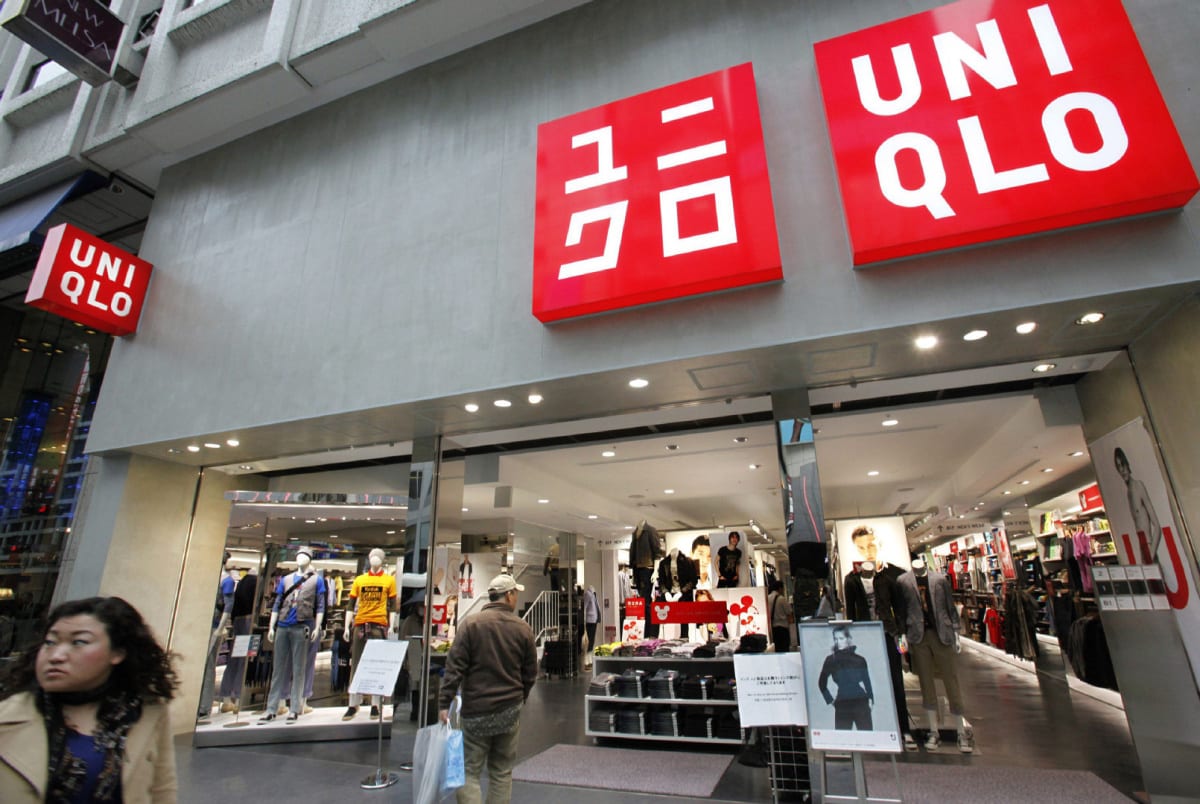
    While revenue rose 8.5 per cent year on year to ¥520.3 billion (US$4.44 billion), profit fell 16.9 per cent to ¥75.9 billion ($647.1 million). Considerable depreciation of the Japanese yen was the main factor in a ¥29.0 billion fall in pre-tax profits, the company said.

    Uniqlo International sales also fell short of target in the first quarter, reporting a rise in revenue but a decline in profit (revenue: ¥196.9 billion (+17.2 per cent year on year), operating profit: ¥20.8 billion (-14.2 per cent)).

    “Unseasonal warm winter weather around the globe adversely impacted same-store sales at Uniqlo Greater China (encompassing operations in mainland China, Hong Kong and Taiwan), Uniqlo South Korea and Uniqlo US in particular, resulting in a lower than expected first-quarter performance and declining profits in all three of these areas.

    Meanwhile, Uniqlo Europe reported higher than forecast gains in both revenue and profit, and Uniqlo Southeast Asia and Oceania reported a steady operating profit, as expected.

    New store openings proceeded as planned, with a net 66 stores opened during the first quarter, mainly in Greater China and Southeast Asia. As a result, the total number of Uniqlo International stores had expanded by 169 year on year to 864 stores as at November 30.

    Uniqlo Japan fell short of expectations in the first quarter, declining in both revenue and profit Revenue was ¥230.9 billion (-0.7 per cent), operating profit ¥44.8 billion (-12.4 per cent).

    “While online sales expanded 23.2 per cent year on year, same-store sales declined 2.3 per cent, resulting the fall in revenue,” the company said.

    “In September and October, fall winter items such as cashmere sweaters, merino sweaters, gaucho pants and wide pants got off to a great start and sales proved strong, pushing same-stores sales higher as a result. However, the unexpected heatwave in November stifled demand for winter items, and led to a sharp drop in revenue.

    “On the profit side, hefty discounting of winter items in November squeezed the first-quarter gross profit margin, while lower than-expected first-quarter sales inflated the selling, general and administrative expenses to revenue ratio.”

    The number of directly run Uniqlo Japan stores, excluding 38 franchise outlets, totaled 806 stores at the end of November 2015. While that represents a net decrease of 18 stores year-on-year, 10 of these stores were converted from directly-run stores to new employee-franchise outlets.

    The group reiterated its goal of becoming the globe’s largest apparel retailer.

    “To this aim, we have focused our efforts on expanding Uniqlo’s global operations, boosting store numbers in each country where we operate, opening global flagship stores and large-format stores in major cities around the world, and offering exciting joint collections with well-known designers from around the world, such as Ines de la Fressange. This strategy is designed to both boost awareness and visibility of the Uniqlo brand and strengthen our global operational base. We are also actively promoting our GU brand by accelerating the opening of new stores in Japan and launching the label in the Chinese market.

    “We believe the GU operation has reached a key turning point in its growth and development as a second pillar brand for the group,” the company concluded.

    Uniqlo’s Global Brands division exceeded expectations in the first quarter by reporting a 17.4 per cent year on year gain in revenue to ¥91.8 billion, and a 29.7 per cent year on year gain in operating profit to ¥12.4 billion.

    “Within the Global Brands segment, our low-priced GU fashion casualwear label reported significant rises in both revenue and profit that surpassed our initial forecasts. GU reported double-digit growth in same-store sales on the back of strong sales of heavily advertised campaign items such wide pants, baggy sweaters and knitted bottoms.

    “Meanwhile, our Theory fashion brand and J Brand premium denim label both fell slightly short of target when they reported a decline in profits.”

    The company’s France-based Comptoir des Cotonniers and Princesse tam.tam labels reported lower-than-expected sales and a decline in profit, after the November terrorist attacks in Paris forced some stores to close temporarily.
  • Chow Tai Fook sales slide continues

    Chow Tai Fook sales slide continues

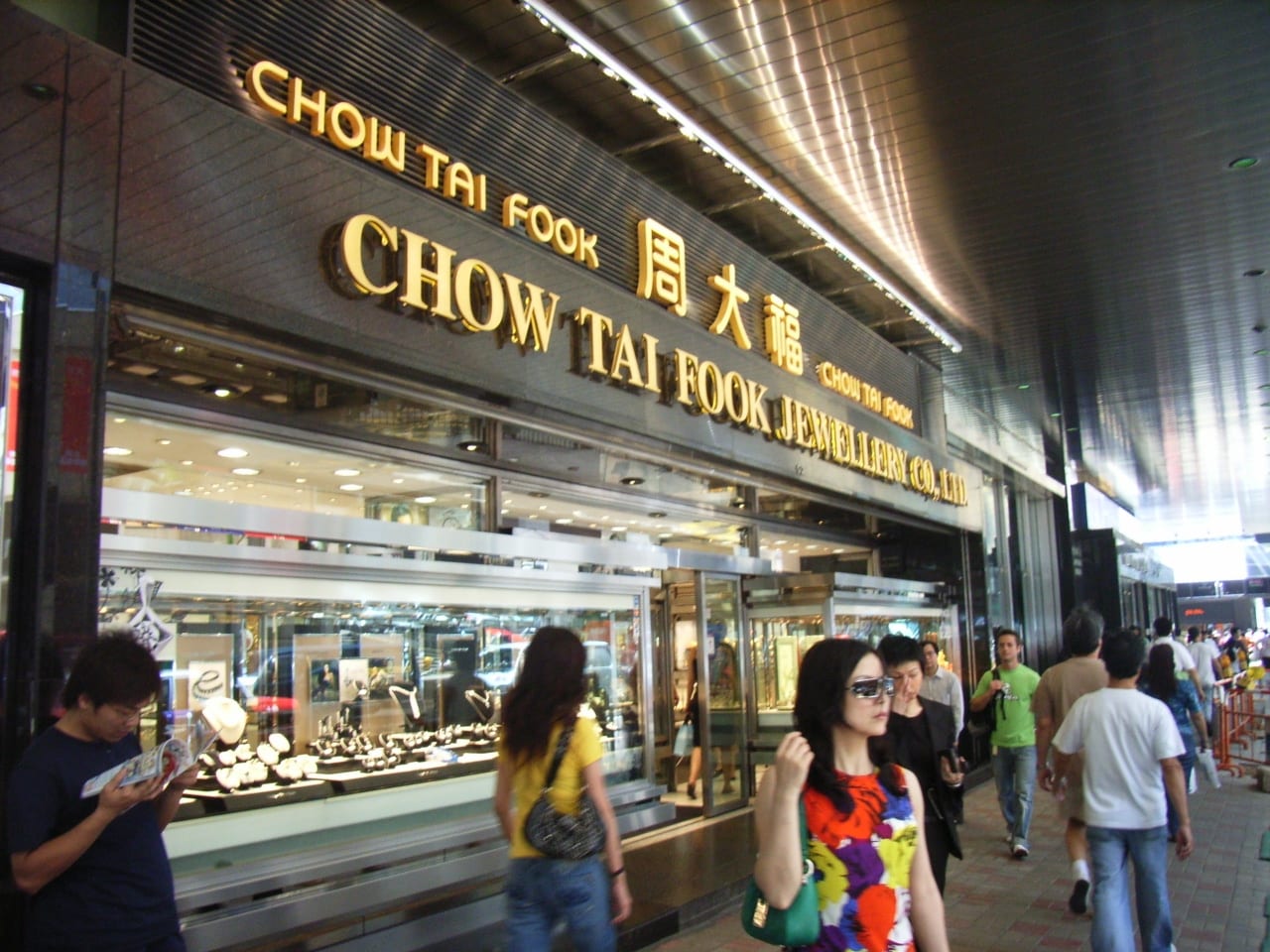
    Jeweller Chow Tai Fook continues to be battered by the declining number of wealthy Mainland Chinese tourists visiting Hong Kong and Macau.

    The Hong Kong listed retailer has revealed its same store quarterly sales slumped 23 per cent in Hong Kong and Macau in the three months to December 31 and by 6 per cent in Mainland China. It said those figures were “similar to the same store sales sales performance” of the preceding quarter.

    In total value, after currency effects were taken into account, total sales fell 11 per cent, compared with 10 per cent in the preceding quarter. Mainland sales, on a constant currency basis, were down two per cent.

    The group opened a net 31 points of sale during the quarter, including 28 jewellery outlets and two watch stores in Mainland China, and a net one store elsewhere, taking its total point of sale count to 2317 as at December 31.

    Meanwhile, Chow Tai Fook MD Kent Wong said on a conference call that the company expects to close five or six stores in Hong Kong during the next three months as it adjusts its network to reflect the changing shopper demographic.

    He said the domestic market remained challenging with the local currency pegged to the US dollar which is widening the gap between the Hong Kong dollar and China’s renminbi.

  • Chow Tai Fook’s Hong Kong, Macau Sales Plunge on Fewer Chinese

    Chow Tai Fook’s Hong Kong, Macau Sales Plunge on Fewer Chinese

    Chow Tai Fook Jewellery Group Ltd., the world’s largest listed jewelry chain, said same-store sales in Hong Kong and Macau plunged 23 percent in the final three months of 2015 as fewer mainland Chinese tourists visited the two cities.

    Same-store sales, for outlets open at least a year, fell 6 percent for those in mainland China, bringing the total decline to 15 percent for the fiscal third quarter ending December, the company said in a statement Friday. The retail sales value for all of the company’s outlets slumped 11 percent in the period, it added.

    The operating environment in China as well as sales outlook for the Lunar New Year holidays in February remain challenging, and the company will continue to focus on cost-cutting measures in the rest of the current fiscal year ending March, Managing Director Kent Wong said on a conference call with reporters Friday.

    “The retail jewelry industry is now in a consolidation stage after the rapid growth in the past decade,” Wong said. “What we can do now is to better control cost structure on both rentals and staff costs, while expanding our high-end product lines.”

    Chow Tai Fook in November declared its first-ever special dividend even as it posted the steepest decline in semi-annual profit since it went public, after its shares fell to about 70 percent before its offer price since its 2011 share listing. China’s economic slowdown, as well as campaigns against corruption and extravagant spending have hurt luxury retailers and casino companies.

    The retailer of gems and watches has said it will shut outlets that do not perform well, but doesn’t plan to lay off workers. Still, the number of employees may fall further after it dropped 8 percent in the first half, reducing staff costs by 13 percent, Wong said Friday.

    Chow Tai Fook Chairman Henry Cheng said in November the company has shelved its overseas expansion plans and will focus on the Hong Kong, Macau and mainland China businesses.

    Mainland Chinese tourists to Hong Kong, who accounted for more than 70 percent of the total in November, have dropped 16 percent in the month, according to the city’s tourism board.

    Chow Tai Fook may request rental reductions of 30 percent on average, for the roughly one-third of its Hong Kong stores that renew their lease agreements each year, it had said in November. Wong said the company is in talks to renew leases for three shops in the city.

    The luxury chain’s retail network expanded to 2,317 points of sales as of end-2015, including a net opening of 28 jewelry, and 2 watch outlets in mainland China. It will open between 50 to 60 points of sales in China in the rest of the fiscal year, Wong said.

    Competitor Chow Sang Sang Holdings International Ltd. said it won’t cut prices even as it expects same-store sales to slide during the Lunar New Year holidays, amid a strong Hong Kong dollar that has turned mainland tourists away, the Standard newspaper reported Friday citing Lau Hak-bun, the company’s general manager of Greater China retail.

    Chow Tai Fook’s Wong also said the company has no plan to cut product prices in the future.

  • There’s no stopping the e-commerce boom in Singapore

    There’s no stopping the e-commerce boom in Singapore

    Sales will top $1.4 billion this year.

    Singapore’s e-commerce sector will continue to expand at a breakneck pace in coming years, according to a report by CBRE.

    Sales have grown at a record rate over the past five years, rising from just $800 million in 2012 to over $1.34 billion in 2015.

    Citing data from a report by Euromonitor International, CBRE noted that 2014’s internet retail sales grew 12.5% year-on-year to $1.08b, while mobile internet retail sales surged by 53.9% to $280.9 million.

    CBRE believes that the strong growth in online retail will drive demand for industrial space in Singapore.

    “All these indicate that Singapore’s e-commerce sector is poised to expand further, which could potentially emerge as the next underlying demand driver for the industrial market,” said CBRE.

  • Macau gaming revenue falls 34% in 2015 due to corruption crackdown

    Macau gaming revenue falls 34% in 2015 due to corruption crackdown

    Macau’s gambling revenue ended 2015 with a whimper, falling for a second straight year as mainland China’s corruption crackdown continued to keep high rollers from the Asian gaming hub.

    Revenue slid 34.3 percent to a five-year low of 230.84 billion patacas (US$28.92 billion), according to numbers released by Macau’s Gaming Inspection and Coordination Bureau. Gaming revenue fell 2.6 percent in 2014.

    December saw gaming revenue fall 21.2 percent, declining for the 19th consecutive month as China suffers a painful growth slowdown and Beijing’s hard-hitting campaign against corruption has hammered Macau’s key VIP sector.

    The figure for 2015 was in line with expectations of nine analysts polled by Bloomberg News who predicted a decrease of 35 percent.

    The city’s VIP section is also expected to fall 13 percent in 2016, analysts told Bloomberg.

    “Macau has been hit hard by China’s anti-corruption campaign which has deterred wealthy customers from visiting Macau,” Aaron Fischer, head of consumer and gaming research at CLSA, told AFP on Saturday.

    “2016 is not likely to be a very good year. However, after a 34 percent decline in 2015, consensus expects revenues to be roughly flat, which is a big improvement,” Fischer added.

    The slowdown in Macau, a semi-autonomous Chinese city, has been in part attributed to a high-profile corruption crackdown led by mainland Chinese leader Xi Jinping with Beijing making it clear it wants the former Portuguese colony to move away from gambling.

    Casino operators in Macau — the only place in China where casino gambling is allowed — are trying to lure mass market visitors to make up for the drop in high-roller gamblers who comprise the bulk of the city’s gaming income.

    This has led to a slew of of mega-projects on former swamp land on the coastal Cotai strip.

    The latest launch was of the Studio City hotel and casino resort in October — featuring the world’s first figure-of-eight rollercoaster — that was fronted by Robert De Niro, Martin Scorsese, Brad Pitt and Leonardo DiCaprio.

    Wynn Resorts founder billionaire Steve Wynn has previously said the situation in Macau was “uncertain.”

    “There’s no question that uncertainty is the plaguing word of the day in Macau,” he said in April.

    Wynn Resorts in November said the opening of its new US$4.1 billion Wynn Palace — a floral-themed 1,700-room resort featuring a lake with gondolas — would be delayed by three months to June 25, 2016.

    Macau soared past Las Vegas as the world’s gambling capital after opening up to international operators in 2001 and raked in more than seven times its U.S. counterpart in 2014.

    However, it is now being forced to follow Las Vegas’ lead and transform from a hardcore gambling hub into a destination with much broader appeal.