Tag: Sales

  • Sales slide worst in 13 years for Hong Kong

    Sales slide worst in 13 years for Hong Kong

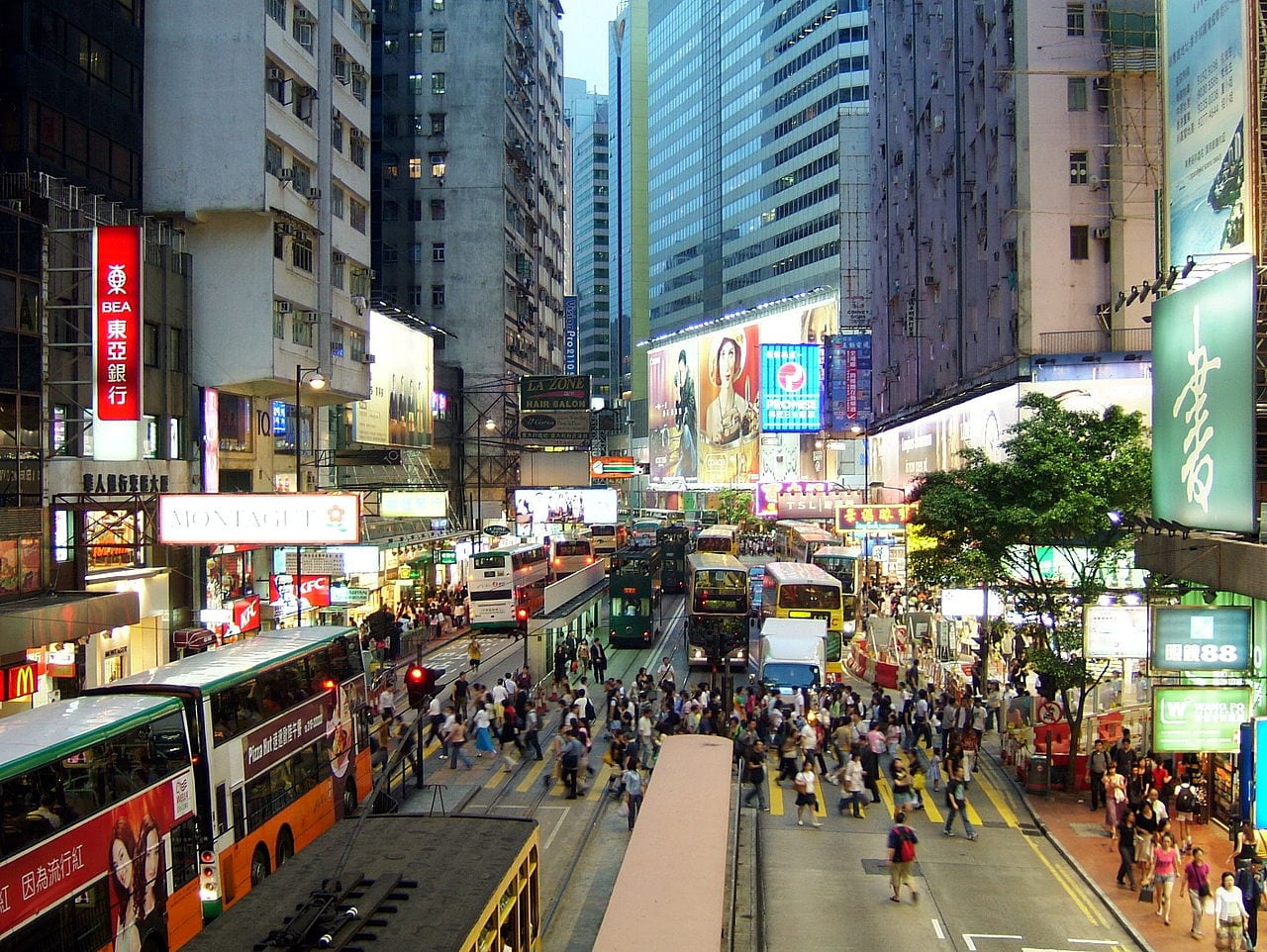
    Hong Kong retail sales fell 3.7 percent last year the worst in 13 years, including the 2.3 percent slide during the 2003 SARS epidemic with a gloomy outlook also forecast for this year.

    Retail sales fell to HK$475 billion, with volume slipping 0.3 percent, a second straight annual decline, the Census and Statistics Department said.

    In December, when the tourism board counted nearly 11 percent fewer visitors from a year earlier, total sales value fell 8.5 percent much worse than the 4.3 percent drop projected by analysts. The slump widened from 7.8 percent in November, and was the largest since January 2015.

    Sales of jewelry, watches, clocks and valuable gifts were among the hardest hit, slumping 17 percent in December and 16 percent for the full year. Clothing and department store sales also declined.

    Hong Kong Retail Management Association chairman Thomson Cheng said the situation, which fell back to the level seen in 2002, is “worrying.”

    Cheng expects a high single-digit slump in retail sales for the first quarter this year, and full-year retail sales to drop at least 3 percent.

    Erwan Rambourg, a retail analyst at HSBC in Hong Kong, said high-end watch and jewelry sellers suffered as mainland shoppers avoided lavish purchases, while falling currencies in other Asian nations reduced prices for goods bought elsewhere.

    Visitors from the mainland fell 16 percent in December from a year earlier, the tourism board said last week. Total visits to Hong Kong fell 2.5 percent last year to 59.3 million.

    ANZ noted visitor spending made up a large portion of more than 42 percent of retail sales in 2014.

    “Given the depreciation of the yuan and other currencies against the Hong Kong dollar, the tourism and retail sector will continue to face headwinds in 2016,” ANZ said.

    Retail sales were down on an annualized basis every month from March through December, according to Bloomberg data.

    Chow Tai Fook Jewellery Group (1929) said last month that sales during Lunar New Year would be challenging.

  • Amazon sales hits $100 billion

    Amazon sales hits $100 billion

    With total revenue growth of 22 per cent during its final quarter, Amazon has emerged as one of the clear winners in the battle for holiday spend.

    Even in its more mature home market, Amazon sales rose by 24 per cent, making it responsible for 22.6 per cent of all online retail spend in the US over the final quarter of the year.

    These impressive figures are accompanied by another achievement: Amazon has now comfortably passed the $100 billion annual sales mark. Taking some $107 billion in its latest fiscal year confirms Amazon’s status as an online behemoth.

    Fortunately for Amazon, this stellar topline performance has been joined by a continued improvement in profitability – something that has previously eluded the group. Across the year as a whole operating income was up by an impressive 1154 per cent, which helped turn a net loss of $241 million in the prior year into a net profit of $596 million this time around.

    That noted, by comparative retail standards Amazon’s level of profitability is still painfully weak. For every dollar the company takes, it makes just 0.75 of a cent in profit. However, this is a conscious decision by a company that uses a large chunk of its revenues to invest back into generating future growth. Clearly this is a strategy that is working, and it is one that is accepted by the market. That it is, makes life much more challenging for traditional players like Walmart which are much more constrained in terms of the degree to which they can erode profitability in order to boost their own online operations.

    Once again, one of the standout areas for Amazon has been Prime, where membership continues to grow strongly. In addition to the direct revenue it brings via the associated membership fees, Prime has also proved to be an important way of locking in customer loyalty. This is important because while Amazon is still a destination of choice for many online shoppers, it faces increasing levels of competition from both traditional retailers moving more aggressively into eCommerce and from new online startups. This is something underlined by the fact that despite its strong growth, Amazon’s share of all eCommerce sales in the US has fallen over the past five years.

    Creating an ecosystem of services and benefits, which include free delivery and access to special discounts and promotions, keeps Amazon top of mind by making it an integrated part of consumers lives. Arguably it also gives the company a whole host of ways in which it can increase its share of wallet from consumers, including via the sale of digital content and services.

    Despite its high share of online across many of the geographies in which it is established, Amazon’s actual share of many individual categories remains fairly low. This is especially so for areas such as grocery where, in share terms, Amazon remains an extremely small player. This demonstrates the extent to which Amazon has significant future headroom for growth, especially as it deepens its expertise and offer across key products.

    The warning for other retailers is that even as it passes the $100 billion milestone, Amazon is still only getting started.

  • General Motors China Sales Up 7.3 Percent In January 2016

    General Motors China Sales Up 7.3 Percent In January 2016

    General Motors and its joint venture partners in China reported 421,023 new retail vehicle sales during January 2016, a 7.3 percent increase on a year-over-year basis.

    “This year, GM and our joint ventures will continue to offer an unmatched choice of products across market segments along with new services to meet the needs of China’s car buyers,” said GM Executive Vice President and GM China President Matt Tsien. “Our new models, such as the Cadillac CT6 and Chevrolet Malibu XL, will be strong additions to our portfolio.”

    Increasing demand for SUVs and luxury vehicles continued to support GM’s robust sales last month. The Buick Envision and Baojun 560 led the growth in sales of GM’s SUVs in January, with demand growing 188 percent-year-over-year.

    Chevrolet

    Chevrolet sales in January declined 27 percent year-over-year to 56,133 units.

    The automaker attributes the drop to the end of the fuel economy subsidy for the Sail. Chevrolet sales are expected to improve with the arrival of several new models in 2016, including the Malibu XL on February 27.

    Buick

    Buick sales in January grew 39 percent year-over-year to 138,907 units.

    Sales of the brand exceeded 130,000 units for the first time, led by the Excelle GT and Envision SUV. Sales of the Envision more than doubled on a year-over-year basis.

    Cadillac

    Cadillac sales luxury cars increased 16 percent from a year earlier to 8,337 units, making January the sixth consecutive month of double-digit sales growth.

    Sales of the ATS-L advanced 14 percent. The Cadillac CT6 full-size prestige sedan is the full-size top-of-the-range prestige sedan was launched on January 27th and is offered at Cadillac dealerships across China. It is first model manufactured at SAIC-GM’s new Cadillac plant in Shanghai.

    Baojun

    Sales of Baojun vehicles jumped 101 percent from a year earlier to 78,367 units.

    The Baojun 730 MPV and Baojun 560 SUV led their respective segments, while the 2016 Baojun 630 family sedan with enhanced styling and upgraded performance was launched at the end of last month at a lower price.

    Wuling

    Wuling sales in the Chinese domestic market decreased 17 percent from a year earlier in January to 139,227 units. The brand was impacted by continued contraction of the mini-commercial vehicle market.

  • Alibaba Beats Profit, Sales Estimates on Rural China Push

    Alibaba Beats Profit, Sales Estimates on Rural China Push

    Alibaba Group Holding Ltd. beat analysts’ estimates for revenue and profit after an online-sales extravaganza and expansion into rural China helped the nation’s biggest e-commerce operator defy a slowing economy.

    Sales rose 32 percent to 34.5 billion yuan ($5.2 billion) in the three months ended December, the company said Thursday, compared with the 33.2 billion-yuan average of estimates compiled by Bloomberg. Net income more than doubled to 12.5 billion yuan, topping estimates of 10.3 billion. Shares rose more than 5 percent in premarket trading in the U.S.

    Record revenue during November’s annual “Singles’ Day” promotion drove transaction growth as Alibaba captured more sales from mobile e-commerce, which is replacing shopping from computers. Billionaire Chairman Jack Ma is trying to tap the spending power of the countryside with the Internet expected to blanket all of rural China by 2020, according to the China Academy for Rural Development at Zhejiang University.

    “Alibaba continues to grow as urbanization and an ever more ambitious middle class continues to drive up China’s cost of living and consumption,” said New York-based Brian Buchwald, chief executive officer of Bomoda, a consumer intelligence company with a focus on the Chinese market. “At the heart of it, is continued investment in mobile and simplifying payments for virtual and actual purchases.”

    Mobile Monetization

    Longer-term, Ma is investing in video content, media, on-demand services and cloud computing to generate new sources of income as he takes the e-commerce company global. Shares of Alibaba closed Wednesday at $69.54 in New York. The stock has declined 14 percent this year after a 22 percent slump in 2015.

    Gross merchandise volume in its China retail marketplaces rose 23 percent to 964 billion yuan in the quarter, while mobile GMV almost doubled to 651 billion yuan.

    More than half the purchases through Alibaba’s e-commerce platforms were done from mobile devices. While it’s crucial that Alibaba serve the growing ranks of consumers acquiring a taste for shopping through smartphones and tablet computers, smaller mobile screens typically generate less advertising revenue.

    “Alibaba is on track to gain more shoppers in rural areas and smaller cities in China,” said Li Yujie, an analyst at RHB Research Institute Sdn in Hong Kong. “The sales promotion in November also gave the company a boost.”

    The Nov. 11 Singles’ Day promotion logged a record 91.2 billion yuan in sales, a 60 percent increase from the year earlier. A third of buyers made purchases from merchants and brands outside of China during the one-day event.

    Overseas Push

    Ma has set a goal of getting 50 percent of the company’s revenue from beyond China with Michael Evans, a former Goldman Sachs Group Inc. partner, named president in August to lead the global push.

    Cloud computing revenue rose 126 percent to 819 million yuan, Alibaba said. Its AliCloud unit is staking $1 billion on the belief that demand for processing and storage from governments and companies will boost growth during the next decade as its tries to compete with Amazon.com Inc. in computing services. It plans to work with Nvidia Corp. on services and artificial intelligence, recently opened a second U.S. data center and plans its first in Europe this year.

    Alibaba is also expanding in the online-to-offline services market. Tencent, Alibaba and Baidu Inc. are competing for supremacy in a local-services industry primed for growth as more people turn to their smartphones or the Web to order food, schedule beauty treatments or hire domestic helpers. Users of those services could rise 29 percent to 400 million by next year, with sales expected to reach 7.28 trillion yuan by 2017.

    Last year, the company backed the merger of Didi and Kuaidi to create China’s biggest ride-hailing application.

    Investors have highlighted escalating scrutiny about the sale of counterfeits on its websites, such as Taobao Marketplace, as a key risk for 2016. Though the company has said it’s committed to combating fakes, cleaning up its image next year is crucial to Alibaba’s goal of winning the trust of merchants and shoppers overseas.

    In December, the U.S. Office of the Trade Representative warned the company it had to do better to stay off the “Notorious Markets” blacklist it escaped only in 2012. The federal agency issued a stern warning that Alibaba’s efforts to fight piracy and respond to complaints would be monitored in the coming year.

  • Hong Kong sales slump as mainland shoppers stay home

    Hong Kong sales slump as mainland shoppers stay home

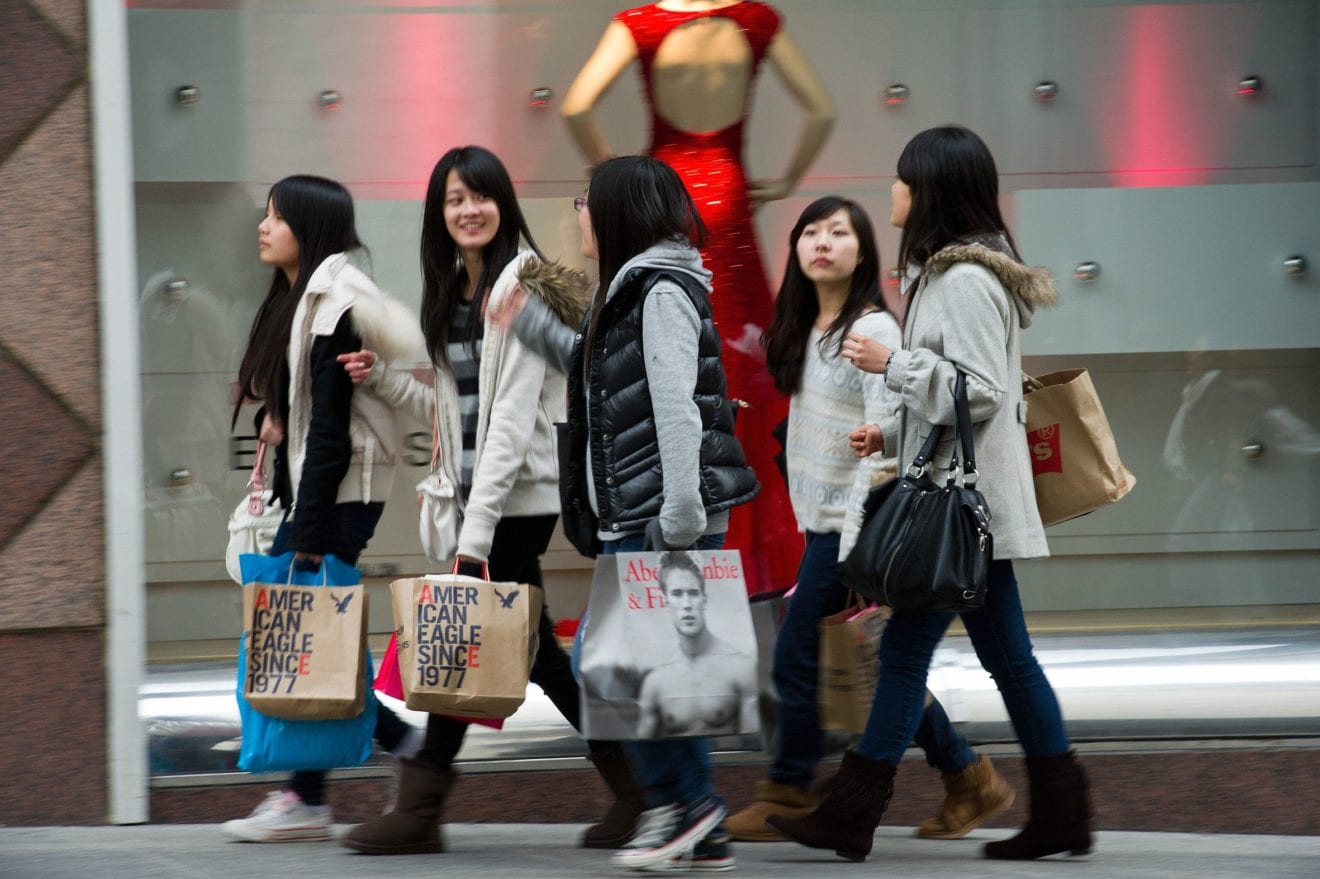
    Hong Kong retail sales posted a second straight annual decline despite sharp discounting, the Census and Statistics Department said, reflecting a sustained decrease in visitors from mainland China and the diminished buying power of a weaker yuan.

    Retail sales fell 3.7 percent to HKD475 billion (USD61 billion) last year, while volume dropped 0.3 percent. In December, when the tourism board counted nearly 11 percent fewer visitors, retail sales value fell 8.5 percent from a year earlier, worse than the 4.3 percent drop projected by analysts. The slump widened from 7.8 percent in November and was the largest since last January.

    Sales of jewelry, watches, clocks and valuable gifts were among the hardest hit, slumping 17 percent in December and 16 percent for the full year. Clothing and department store sales also declined. Erwan Rambourg, a retail analyst at HSBC Holdings Plc in Hong Kong, said high-­end watch and jewelry sellers suffered as shoppers from mainland China avoided lavish purchases and falling currencies in other Asian nations reduced prices for goods bought elsewhere.
    Hong Kong Tourism Board Executive Director Anthony Lau said late last month that same-day visitors to Hong Kong were “a bit weaker” than the same time last year, portending an inauspicious start to the Chinese New Year holiday next week.

    The Lunar New Year celebration is a peak season for tourism in Hong Kong, bringing in more than 5 million monthly visitors compared with about 4.5 million in an average month. Day trips before the holiday usually account for more than half those visits.
    Visits from the mainland fell 16 percent in December from a year earlier, the tourism board said last week. Total visits to Hong Kong fell 2.5 percent last year to 59.3 million.

    Hong Kong retail sales are down on an annualized basis every month from March through December, according to data compiled by Bloomberg Intelligence. The Hong Kong dollar has strengthened against the yuan, making it more expensive for mainlanders to shop.

    Chow Tai Fook Jewellery Group, the world’s largest listed jewelry chain, said last month that sales during Chinese New Year would be challenging. Emperor Watch & Jewellery Ltd blamed a preliminary 2015 loss on a drop in foot traffic caused by the strong Hong Kong dollar, high rental pressure in the city and austerity initiatives in mainland China.

  • Korea retail sales slide

    Korea retail sales slide

    Korea retail sales took a surprise turn for the worst in December after three consecutive months of solid growth.

    Reported sales by department stores run by Hyundai Department Store, Lotte Shopping and Shinsegae Co show a 5.7 per cent fall year-on-year, according to figures released by the the Ministry of Trade, Industry and Energy on Tuesday.

    For the whole 2015 year, department store sales fell a modest 1.2 per cent, mainly due to the outbreak of Mers mid-year, and a rise in online shopping.

    The government attributed the December fall to warmer weather compared with the previous year, which may prompt one to speculate on January’s figures given the unusual cold snap hitting the country this month. The warmer climate meant fewer sales of winter clothing.

    Sales of luxury watches, jewellery and household electronics also fell.

    The December fall was the largest monthly year-on-year drop since 6.5 per cent last August. Sales rose by 1 per cent in November.

    Sales at South Korea’s major discount department stores fell 5.1 per cent, the third consecutive monthly decline and the largest since August.

    For the whole of 2015, discount department store sales fell 2.1 per cent.

    The Ministry said discounters’ December performance was affected by the warm weather and softening demand for food products.

  • Apple sales stumble shrouded by record profit

    Apple sales stumble shrouded by record profit

    While it seems harsh to be negative about a company that has just taken $75.9 billion in revenue, the focal point of today’s quarterly update from Apple is inevitably the year-over-year growth rate. Here the rather lackluster 2 per cent uplift represents something of a misstep for a company that has built its reputation on impressive performances.

    It is certainly the case that a strong dollar diminished Apple sales growth, but even the increase of 8 per cent on a constant currency basis is fairly anemic when set against previous quarters. Of particular concern is the 4 per cent decline in revenue in the Americas, which remains Apple’s most important region in terms of sales.

    In our view, the fact that the weakest performance came from the most mature region with the highest levels of product penetration is no coincidence. The blunt truth is that Apple failed to persuade consumers to buy into its holiday product lineup in the way it has done in previous years.

    While there is no doubting Apple’s technical and design prowess, some consumers simply overlooked its new iPhone, seeing too few benefits over and above their existing models to convince them to upgrade.

    The new iPad, which even by virtue of its name was aimed at a more professional audience, also received something of a lukewarm reception among consumers.

    This translated into soft sales growth. Our own data show that this holiday was one of the weakest for personal electronics in recent history. Indeed, a number of players like Best Buy saw their own results dragged down by lower than normal demand for things like tablets – something that underlines the fact that when Apple sneezes, other retailers catch a cold.

    None of this is to diminish the impressive numbers, which continue to indicate that Apple is an immensely popular brand with desirable products, but it perhaps serves as an early warning that the company needs to work much harder at creating a step change in the new devices it launches. It must also ensure that these are squarely aimed at satisfying real consumer demand rather than internal egos: while Apple engineers may be excited about shaving a millimeter off the depth of a phone, such technicalities are far less appealing to everyday users.

    Fortunately for Apple, the lack of growth in the Americas was offset by continued strong growth in China, where product penetration is far lower and there is a much larger base of new consumers to capture. The same is also true of parts of Europe, although here the advancement in Apple sales was somewhat depressed by the strength of the dollar against local currencies.

    Nevertheless, the fact remains that 2016 is year when Apple needs to come up with revolutionary rather than evolutionary product. If it fails to do so, its growth is likely to be diminished still further.

  • Hong Kong sees worst retail sales since 2003

    Hong Kong sees worst retail sales since 2003

    Retail sales fell 3.7 percent in value last year, the biggest decline since the SARS outbreak in 2003, Hong Kong Retail Management Association chairman Thomson Cheng said.

    Cheng also said the value of retail sales this year is forecast to fall by at least 3 percent, the Hong Kong Economic Journal reported on Wednesday.

    Last year’s figure was further dragged down by the abnormally warm weather in December when sales slipped back to the level four years ago, Cheng said.

    Sales in 2015 reached HK$475.2 billion, with the figure for December down 8.5 percent year on year to HK$43.7 billion, government data showed.

    For last year, sales of luxury items, including jewelry and watches, posted the biggest drop of 15.6 percent among all categories while consumer durables recorded the highest gain of 6.1 percent.

    Cheng also said Lunar New Year sales could see a high single-digit fall over a year ago.

    Nonetheless, downsizing, wage cuts and shop closures are not expected to be widespread after the holidays, he said.

  • Selling Your Depok Home for the Best Price in a Tough Market

    Selling Your Depok Home for the Best Price in a Tough Market

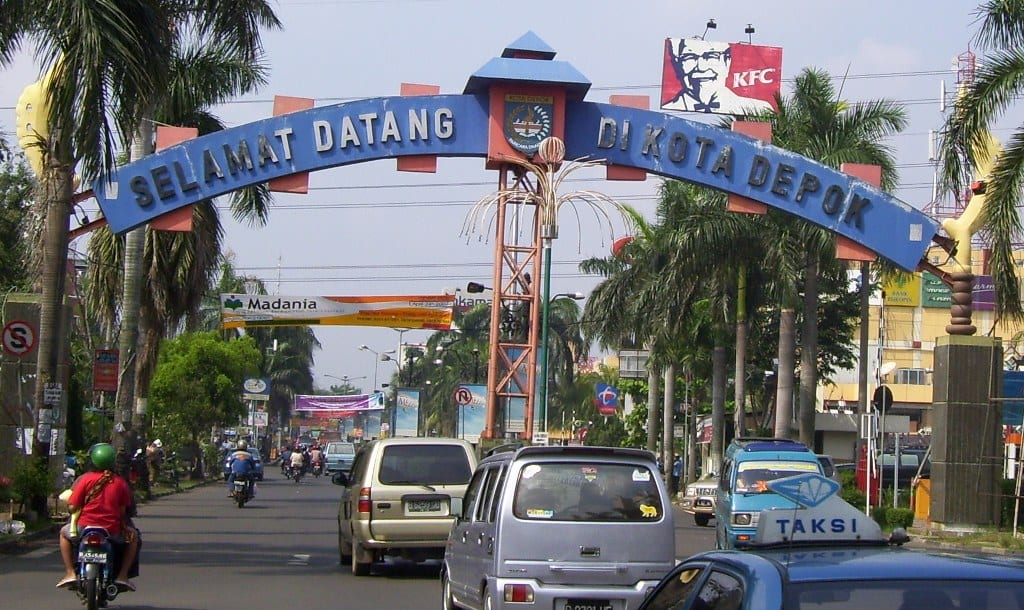
    Your home is more than just where you live, it’s an investment – especially in a city with a University like Depok. Just as with any other investment, when you go to sell, you want to make sure you are getting the best return that you can. This can be difficult, especially in a tough real estate market. Here are a few tips to get you started as you work on selling your home in Depok.

    Stay Realistic

    The market dictates the selling price of your home, so you have to prepare yourself by understanding what you home is worth and how much you can get for it. When the market is softer you cannot expect to get the price you could have a year or two earlier. You can save yourself a big headache by beginning with a price that is best for you home and best for the market at the time you plan to sell. This will save you time and ultimately money. Understandably, sellers are often reluctant to undercut the market, but it’s a guaranteed way to sell your home fast and for more money than you would probably get by keeping it on the market for an extended amount of time.

    A good rule of thumb is to list your home in a soft market for 10 to 15 percent less than the other houses for sale in your area. This is bring a lot of attention to your home and may just end up with two or more people in a bidding war – and that means more money for you!

    Give It a Facelift

    You need to the put the best face of your home forward if you want to sell it fast and get the most money you can out of it. Think about what you would look for in a home you were buying. Would you be more reluctant to buy a shabby home in need of repairs or a home that is in good condition? When the market is good this may not be as much of a problem in Depok since most properties will sell no matter the condition. However, it is always a good idea from an investment standpoint to present an attractive product to potential buyers.

    You will get the most return for you investment when you put money into updating kitchens and bathrooms. They tend to be the most expensive rooms in a home to update, but they also will attract the most interest of the people who are looking to buy. Make sure if you do attempt updates, however, you take the time to do them right. If new materials aren’t installed correctly, people can tell and this will not end up making your updates an attractive feature.

    For the kitchen, stainless steel appliances are a must, and potential buyers are also looking for granite countertops. If a slab of granite is out of your budget, try granite tiles to get the look of granite without the large cost. If you cabinets are in good shape you don’t need to replace them, simply refinish them or paint them to give them a facelift.

    Market the Property Well

    Marketing is one of the most important things to do if you want to sell your house quickly and for the most money. The best person to help you with marketing is a certified real estate agent. They have the connections and the know-how to market your property correctly and to the right people. Aside from placing ads, open houses are also very popular. This allows potential buyers to see your property for themselves and to see if they can envision themselves living there.

    If you do have an open house, make sure you make your property look as appealing as you possibly can. So, clean every nook and cranny. Another great tactic, though a lesser known one, is to advertise the open house well to make sure there are many people there. This has the psychological impact on people viewing the property because they see it as a demand for the home.

    Buyer Incentives

    If the market is slow then you need something that will attract buyers to your particular property, so incentives are a great tactic. Buyers want to feel as if they are getting a good deal and incentives are a way to create that feeling for them.

    You can throw in a free home inspection with the sale of your house or offer to pay a portion of the closing costs. There’s no hard and fast rule for this one, and you can get creative with it if you want to. The bottom line is that if your buyer feels they are getting favorable terms, they’ll be happy.

    If All Else Fails

    If you have tried everything to sell your home in a slow market and have had no luck then renting is always an option. In fact, in a city like Depok you may be able to make a nice income from the population of students or young people commuting to Jakarta.

    These are just a few of the things you should know to make sure your home sells fast and for the most money it an in a slow market. If you have other questions, you should contact a real estate agent.

  • Competition that hit Alibaba down

    Competition that hit Alibaba down

    Alibaba appears to be facing increasingly stiff competition from rival JD.com, which like Alibaba has worked to boost sales from foreign retail companies in China. While Alibaba has talked in recent months of the potential of reaching consumers in rural China, JD.com has focused on reaching the more affluent shoppers in urban areas.

    While it’s true that e-commerce is increasingly important in more remote areas of China, income there remains low, as does spending, and China’s recent economic turmoil is likely slowing down growth.

    In addition to its focus in more rural areas, Alibaba continues to face problems over sales of counterfeit items, more so than JD.com, an issue of increasing important not just to retailers abroad and the U.S. government, but also to wealthier Chinese shoppers.

    And JD.com enjoys a positive, Amazon-like reputation for fulfillment.

    “[JD] have faster shipping speeds, and the quality is more trustworthy,” Zoe Li, who works at a tech start-up in Beijing.

  • South Korea’s discount store sales fall at fastest pace in 4 mths

    South Korea’s discount store sales fall at fastest pace in 4 mths

    Sales at South Korea’s top department stores snapped three months of rises in December and marked their biggest annual fall in four months due to warmer weather compared with the previous year, government figures showed on Wednesday.

    Combined sales at department stores run by Hyundai Department Store, Lotte Shopping and Shinsegae Co fell 5.7 percent on-year, finalised data from the Ministry of Trade, Industry and Energy showed on Tuesday.

    This compared with a rise of 1.0 percent in November and was worse than a 3.8 percent decline estimated by the finance ministry. December’s drop was the biggest since a 6.5 percent fall in August last year.

    Warmer weather resulted in poor apparel sales as customers bought less winter clothes, the trade ministry said. High-end watches, jewellery and household electronics sales capped the decline.

    The average temperature in Seoul was 1.6 degrees Celsius (34.88°F) in December, compared to an average negative 2.9 degrees a year prior. The same data showed annual sales at South Korea’s major discount stores fell 5.1 percent in December in their third straight month of declines and the biggest fall since August.

    It was worse than a 2.1 percent fall estimated previously.

    Discount store sales also suffered from warm weather as well as softened demand for food products, the trade ministry said. On a whole for 2015, sales at department stores and discount stores fell 1.2 percent and 2.1 percent, respectively, mainly due to an outbreak of a deadly virus in the middle of the year and surging online shopping, according to the ministry.

    The trade ministry data came a day after fourth-quarter GDP slowed by more than half from the third quarter of 2015, as growth from private consumption was offset by poor construction investment.


  • L’Occitane China sales rise, the other drop by 14.5pc

    L’Occitane China sales rise, the other drop by 14.5pc

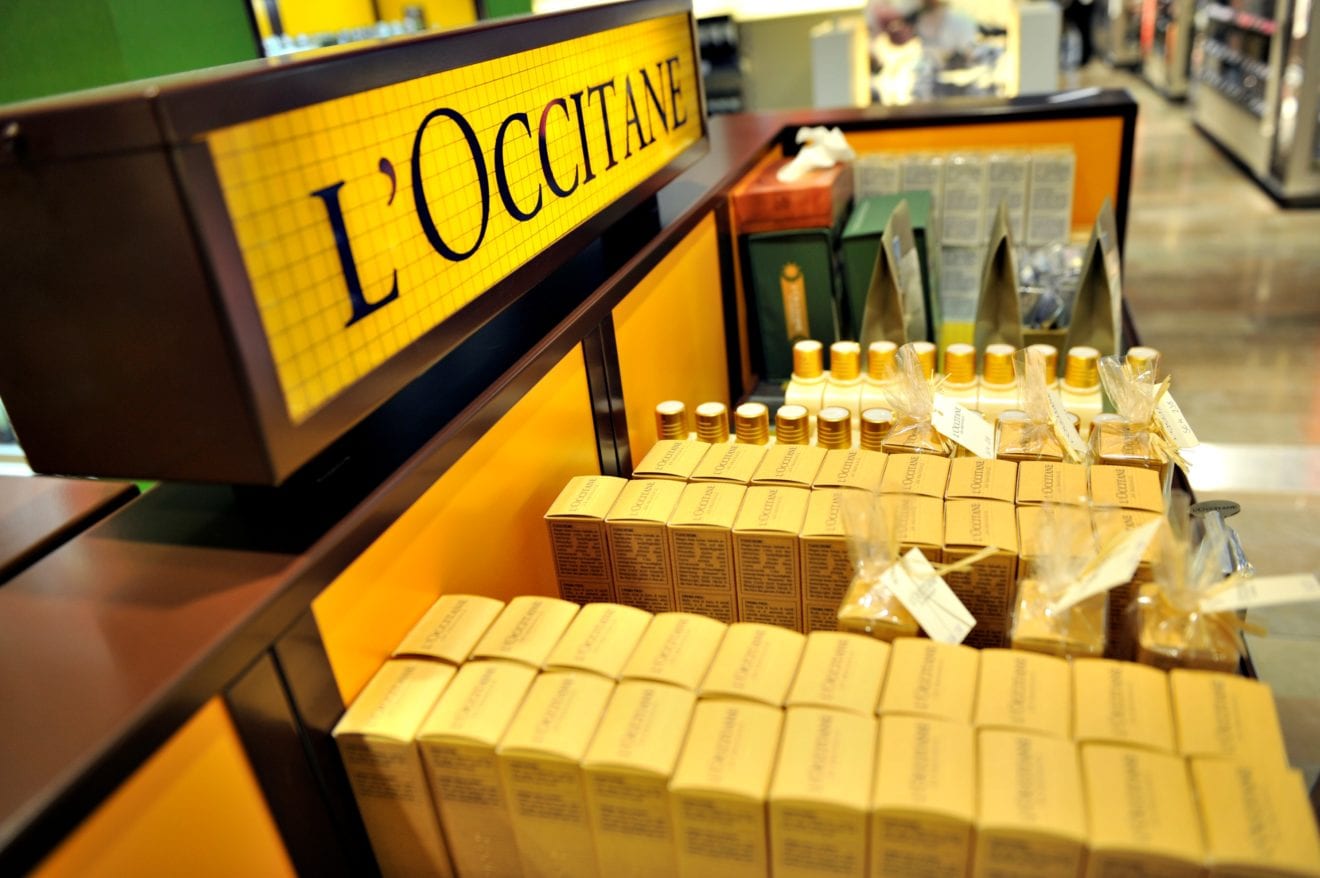
    Cosmetics and skincare products company L’Occitane International reported China was the main driver of sales in the nine months ended December 31. But Hong Kong and Macau retail sales dropped by 14.5 percent.

    Hong Kong travel retail business also suffered from the lower traffic in the Greater China region. In local currency terms, sales in China recorded the highest growth of 19.1 percent, the company announced.

    Overall net sales in China amounted to 94.8 million euros in the nine months. China remained the fastest growing country and the primary contributor to overall growth, followed by France, Brazil, Russia and Japan, the company reported. Overall group net sales were up by 11.6 percent to 984.7 million euros for the nine months of the financial year 2016. At constant exchange rates, the growth was 5.8 percent, L’Occitane said.

    China, France, Brazil, Russia and Japan were among the countries with highest sales growth in local currencies. Overall same store sales growth was 1.8 percent. Sales through the group’s e-commerce channels grew by 17.7 percent at constant exchange rates.

  • Tesla’s new Model X will cost you an arm and a leg in China

    Tesla’s new Model X will cost you an arm and a leg in China

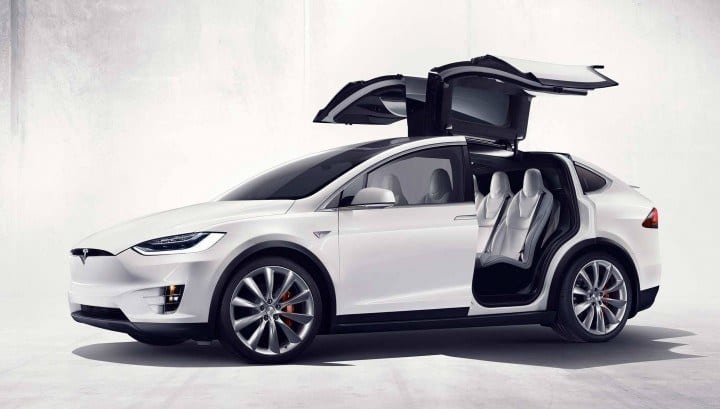
    Fans of affordable electric vehicles, avert your eyes. Tesla has announced its mainland China pricing for high-end models of its upcoming SUV, the Model X, and the numbers are not pretty. The 90D model, which will cost around US$100,000 in most other markets, will run Chinese consumers a whopping US$146,000. Chinese Tesla fans who want the fancy P90D Signature Red limited edition model can expect to pay almost US$225,000 (the Signature P90D reportedly costs US$132,000 in the US).

    This news shouldn’t come as a huge surprise. Prices for other Tesla models in China, like the Model S 70D it announced last year, feature similar markups.

    It’s not clear exactly who Tesla fans should blame for the consistently high prices. China does charge high import duties on luxury cars, reportedly around 25 percent. But Chinese state media has accused foreign automakers of price-gouging in China, and a 25 percent tariff doesn’t explain how the P90D Signature model seems to double in price somewhere between Tesla’s US home and Beijing.

    On the other hand, Tesla claims that it charges the same prices for all of its cars after accounting for transportation costs and import duties. And Tesla’s prices are pretty reasonable compared to other imported luxury cars. Tesla’s China markup for the Model X 90D is 53.7 percent. That’s nothing compared to the whopping 188.4 percent markup Chinese consumers pay to buy the BMW M5, for example, which costs under US$100,000 in the US and nearly US$300,000 in China. The China markup on a luxury SUV, the Porsche Cayenne Turbo, is even worse (194 percent).

    Even with the high costs, the Model X could do well in China. A fan tally (which almost certainly doesn’t account for all reservations) suggests the company has over 2,600 Model X units reserved in China already. Moreover, the car features an air-filtering biodefense system that could be a boon to urban Chinese drivers who want to ensure they’re not breathing in Beijing’s toxic haze.

    Lower costs coming?

    It will be interesting to see how Tesla prices its lower-cost Model 3 when that hits the market next year (or later). Currently, its offerings are all luxury-tier, and although the China prices are inflated, China’s luxury car consumers can generally afford to pay them. China has more than a million millionaires, after all. But the Model 3 is intended to be accessible to the middle class, at least in Western markets. Will Tesla price it aggressively to go after that market in China too, or will it become a low-end luxury offering thanks to China price inflation?

  • Strong Resale Market for iPhones Boosts Apple in China

    Strong Resale Market for iPhones Boosts Apple in China

    The Journal is detailing Apple Inc.’s remarkable success in China, particularly with the iPhone, and questions about Apple’s future as China’s economy slows.

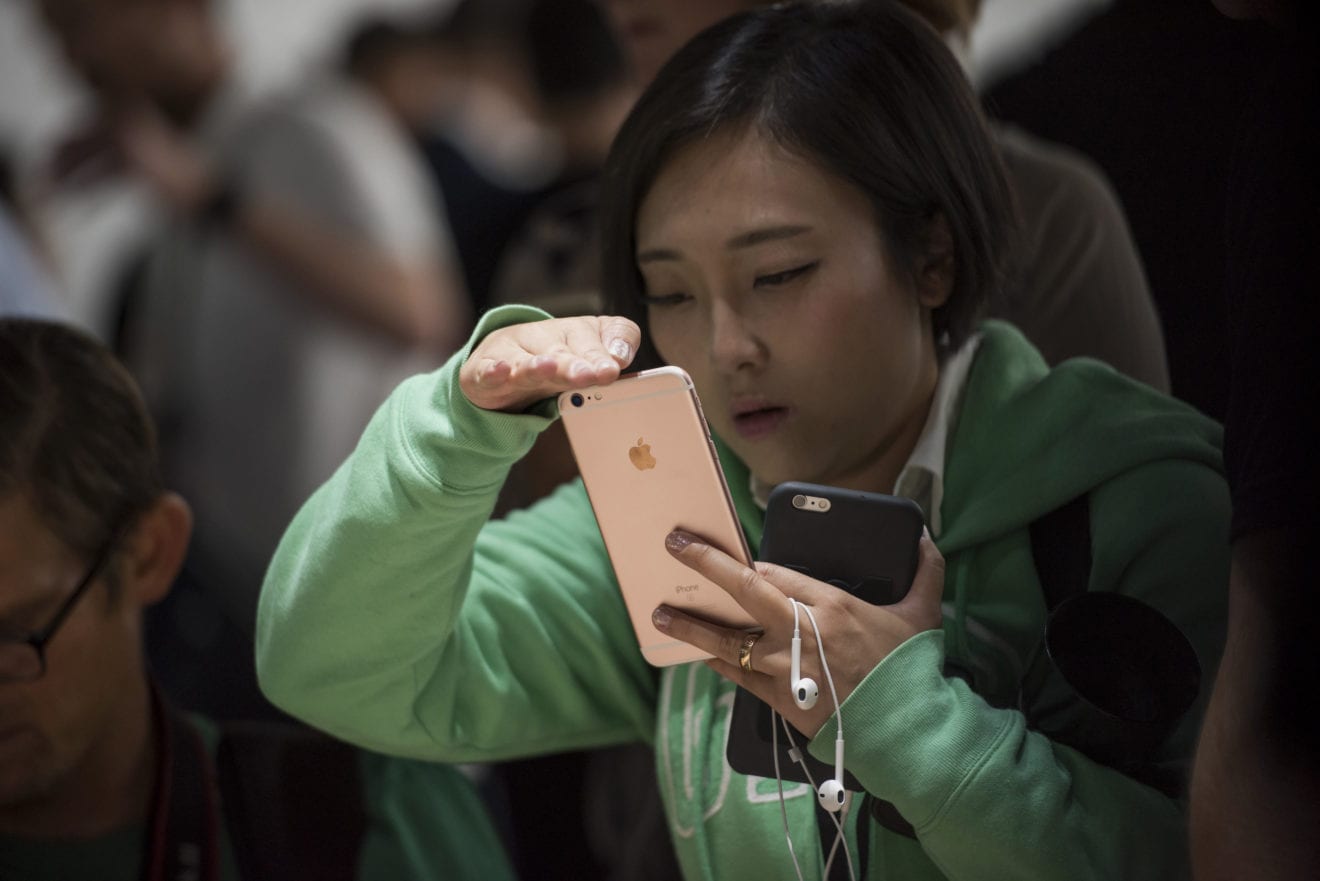
    Part of that success stems from the strong resale value of used iPhones, which many consumers view as a way to narrow Apple’s price premium, compared with most other smartphones. Unlike in the U.S., most Chinese purchasers pay for the iPhone in full up front.

    Apple offers its own trade-in program at its retail stores in China, where it offers store credit for used iPhones. But there’s also a massive network of small shops that buy and sell used iPhones.

    In Chongqing, the biggest city in southwestern China, Luo Lishan operates a stall in the basement of an electronics market only steps from an Apple store. She sells new and used iPhones and says that a year-old iPhone in good condition can fetch 3,000 yuan ($450) depending on the model, while other brands’ phones usually go for less than 1,000 yuan.

    “The iPhone keeps its value better than other phones,” she says, as she puts a SIM card into a new iPhone 6S Plus for a customer.

    To protect the resale value, Chinese consumers use their phones differently than many in the West. For example, they make more use of Apple’s “Assistive Touch” feature, which is intended for people with disabilities who have trouble pushing the home button to control the phone.

    Chinese users who worry about wearing out the home button instead tap Assistive Touch, which appears among other apps as a dimly lit gray square containing a white circle surrounded by two rings. Enabling the feature offers on-screen shortcuts to access Siri, raise the volume and other actions.

    To protect the screen, many Chinese iPhone owners also affix a screen cover. It’s so common that many electronics retailers affix the cover in the store at the time of purchase. Screen-cover vendors also set up booths outside Apple stores.

    Last October, a few weeks after Apple introduced the iPhone 6S and 6S Plus, hawkers waited outside Apple’s Sanlitun store in Beijing. Inside, Apple had sold out of metallic pink iPhones – a color Apple calls rose gold. Hawkers sold the hard-to-get phone outside at a mark-up.

    Prospective customers were directed to a man sitting on the steps next to the store. His job was to inspect the condition of an old phone offered for trade. If it was an iPhone, he’d check the screen for nicks and dings and look inside the phone software to verify details such as storage size and country of origin.

    After the inspection, he offered a price for the old phone. If the customer agreed to the price, the customer paid the difference between the cost of the new iPhone and the resale price of the old phone.

    After one trade, the man added the cash to thick bundle in his hand and tossed the old phone with other handsets purchased that day.


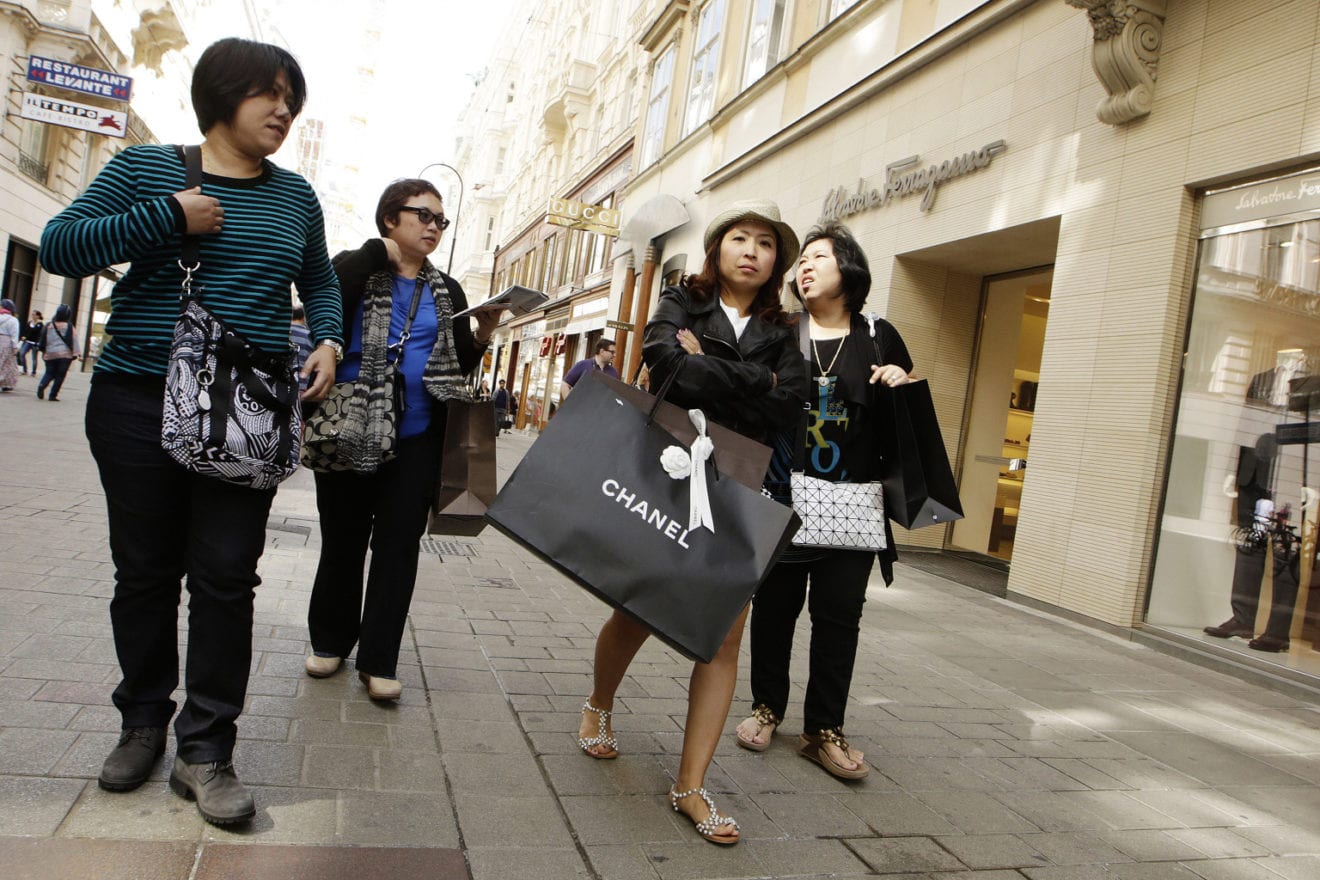
  • Is Time Running Out For Luxury in China?

    Is Time Running Out For Luxury in China?

    In 1992 Louis Vuitton made its debut in China with a store in Beijing’s bustling shopping district of Wangfujing, becoming the first luxury brand to set foot in the Middle Kingdom. The timing was perfect. The Chinese economy was just coming into its own, embarking on a spectacular journey of double-digit economic growth. This was the start of the consumerist boom that would shape the fortunes of many Western brands in China.

    Louis Vuitton’s signature monogram soon became ubiquitous in China as the company expanded its footprint across the country, first in all the major cities like Beijing, Shenzhen and Guangzhou, and then in second and third-tier cities. Gradually China became a big contributor to Louis Vuitton’s revenues globally. In a 2009 interview with Reuters, Jean-Marc Lacave, the then North Asia chief executive for LVMH Watches & Jewelry, said that the company aimed to strengthen its presence in China’s third- and forth-tier cities and gain market share.

    Several years have gone by, and now the legendary Louis Vuitton monogram seems to be losing some of its sheen in China.

    In 2015, Louis Vuitton closed three of its stores in China, including its flagship store in Guangzhou. Rumor has it that the Paris-headquartered company will continue to shutter more stores in the country.

    Louis Vuitton is not the only luxury brand that has run into rough weather. For most luxury brands, China is no longer the cash cow it once was. Multiple reports suggest that the luxury retail business in China is shrinking, leaving several big brands in a quandary.

    Two decades ago, when the likes of Louis Vuitton and Prada entered China, they had the much-coveted first-mover advantage in a market that was just starting to come into its own. Data from Euromonitor shows that the retail luxury market in China has grown from a very low base to $135 billion by 2013. But the tide seems to be turning. The size of the retail luxury market in China contracted slightly to $134 billion in 2014. And by all indications, this is just the beginning of a bigger slump.

    The top 10 global luxury brands as per market research company Millward Brown’s latest BrandZ report—a list that includes names like Louis Vuitton, Hermes, Gucci and Chanel—saw 6% of their total brand valuation evaporate in 2015. “Following a strong recovery from the global financial crisis, the pace of sales flattened for several reasons, including the economic slowdown in China, Brazil and Russia. In addition, China’s anti-corruption regulations trimmed luxury gift giving in that country,” the report said.

    In the first quarter of 2015, Italian luxury brand Prada experienced a 19% slump in sales from the Greater China region. The group also reported a 23% plunge in net profit in the first half of 2015. Similarly Burberry has hit upon hard times. According to a Financial Times report, the Greater China area contributes 25% to the classic English luxury brand’s sales numbers. But in 2015, demand in China (and from China) has been hit. “Burberry’s like-for-like sales in Hong Kong fell by more than 20 per cent in the three months to the end of September as fewer Chinese shoppers travelled to the region. Like-for-like sales in China fell by a mid single-digit percentage in the quarter,” said the report. The company blames the overall disappointing performance to an “increasingly challenging environment for luxury, particularly Chinese customers”.

    Confronted with an unstable market performance, several luxury companies have started shrinking their store numbers. In the past two years Burberry, Armani and Prada have reportedly shut down four, five and 16 stores respectively. Hugo Boss shut seven stores in China and Chanel is down to 11 stores in China, half the number it had during the good days.

    End of a Dream Run?

    Some of the reasons for China’s luxury slowdown are obvious, such as the Chinese government’s crackdown on corruption under President Xi Jinping’s regime. Cases of bribery, gifting, lavish purchases and ostentatious show of wealth have come under the scanner hurting luxury good manufacturers. The overall slowdown in the Chinese economy is also leading to belt-tightening measures further slowing luxury sales.

    But there’s another less obvious reason for the slowdown in China’s luxury market, according to Benoit Garbe, Senior Partner at Millward Brown. Till the slowdown hit China, this was a market on steroids and brands were expanding like crazy resulting in oversupply. “It’s been an easy ride for many luxury brands over the past 5-10 years when there was fast growing demand. [For brands] it was all about growing their distribution footprint, opening new stores. Now the market is a real market with more intense competition, more sophisticated demand,” says Garbe. “The best brands would think strategically in terms of differentiation and building relevance, and will be the brands that win.”

    As Chinese luxury buyers become more sophisticated, they don’t want to have the same luxury brand being used by every second person on the street. They are looking for more exclusivity. Adds Timothy Coghlan, Associate Director of Luxury Retail at Savills, “There’s a lot of evidence that the Chinese customer isn’t loyal. They will change between brands depending on which brand is trendy.”

    Another big factor that has been denting the China sales numbers is the trend of consumers shopping for luxury overseas in order to avoid paying high import taxes in China. “High import taxes within China are a big incentive for shopping abroad—the same luxury handbag can often cost a third more in Beijing than in Paris, for example. But, holidays also encourage more extravagant spending habits,” writes Fflur Roberts, Head of Luxury Goods at Euromonitor, in an email response. If you look at the annual reports of several luxury brands, you may find weakened sales performance in China, but improved performance in neighboring countries like Japan and Korea, or even the brands’ countries of origin, such as France. Some of this is due to demand from Chinese travellers. Roberts adds that “wealthy Chinese tourists have been key drivers of global luxury goods sales for more than a decade. According to Euromonitor International, the Chinese made over two million trips to the US in 2014, an increase of almost 12% on 2013 and a massive 286% increase since 2009….”

    However, getting a good bargain doesn’t always require travel. Thanks to China’s e-commerce revolution, haitaos and daigous, or cross-border buying agents, have become popular. In the case of daigous (literally translated as “substitute buyers”), individual professional buyers usually stationed abroad can fulfill customized orders for consumers in China. Usually the daigous are Chinese students studying overseas, tour guides or air hostesses, in short, people who fly in and out the country frequently. Professional daigous will usually first take orders from customers and then procure and send the goods to China. In the case of haitaos, instead of individuals, companies do the buying. According to a report from Bain & Company, luxury purchases through daigous amounts to up to 15% of Chinese consumers’ total spending on luxury.

    Daigous and haitaos exist in a legal grey area as they skirt the government’s tariff regulations. The goods they ship to China somehow skirt Chinese import tax regulations. Daigous are not licensed sellers, which leaves issues of consumer rights in a grey area as well. While the Chinese government is starting to crack down on daigous, it will be a while before it has any serious impact on luxury sales via the proper channels.

    Luxury market infographoic

    Engineering a Bounceback

    Clearly, the problems luxury brands are facing in the Chinese market aren’t going away anytime soon. So what can brands possibly do to ease the pain? A few suggestions:

    Narrow the Price Differential:

    In March 2015, Chanel shocked onlookers by announcing its decision to increase prices in Europe by 20% and reducing them by a similar percentage in China. Prada was quick to follow suit by lowering prices in China. While it is hard to predict the impact this will have, it can be safely assumed that it will undo some of the damage done by high import taxes in China, and hence, help brands narrow the price differential between China and overseas. After all, in some cases, goods are 60% more expensive in China than they are in Europe. This will also help brands counter daigous who have been undercutting them with a vengeance.

    Customized Offerings:

    For the super rich price may not matter all that much. Some Chinese customers probably don’t feel that they are being overcharged: as long as they enjoy good customer service here, they won’t bother going overseas for a better bargain. “Buying a luxury product is more emotional than functional,” says Millward Brown’s Garbe. As Chinese customers become mature, they want exclusivity, privacy and service, and it’s not so much about price anymore. This is where brands need to think in terms of tailoring the experience accordingly. As Garbe puts it: “How do you make sure you know the customer very well, and then you deploy strategy and operations that allow you to, in-store, instantly recognize them? So they walk in the stores, [and] automatically on your iPad you know them, you know what they’ve bought, and you can really tailor your offer.”

    Adds Coghlan from Savills, “One of the things that I think is very important for brands is to set up a CRM program so they can track their customers globally. They can do it to some degree through WeChat or things like that.”

    Abroad at least, some brands are going out of the way to make important customers feel special. In some US stores, brands like Gucci, Prada and Louis Vuitton have created a special space for important customers. One of the Louis Vuitton outlets has “a rooftop area where guests can sun themselves and enjoy Champagne”.

    ‘Affordable’ Luxury:

    High net worth individuals are a very small group of people but the biggest consumers of luxury brands. There’s another demographic that cannot be categorized as super rich but is affluent nevertheless and aspires for luxury. Luxury brands can think of catering to this target group by rethinking their portfolio. The big three luxury groups, LVMH (owner of Louis Vuitton and Moët & Chandon Champagne), Richemont Group (owner of Cartier and Chloe) and Kering Group (owner of Gucci and Yves Saint Laurent) have all created or acquired lower profile brands for those who still want luxury, but a little more affordable and understated. Affordable luxury brands include the likes of Baume & Mercier (Richemont), Pomellato (Kering) and Loewe (LVMH). Another benefit of having a diversified portfolio, apart from profits coming from different streams, is offering the customer greater exclusivity. A Miu Miu, after all, can be far more exclusive than a Prada.

    Aligned Businesses:

    Some brands are going a step further and tapping into new categories altogether. Gucci, for instance, opened a full-service restaurant  in Shanghai. 1921 Gucci Café, as the restaurant is called, is connected to the Gucci store in the mall by an elevator. After browsing in the store, customers can stop by for an Italian lunch or dinner. Globally, Prada and Chanel have tapped into food as a category too. In 2014, Prada bought a stake in iconic Milan cafe Pasticceria Marchesi. The café “serves everything form breakfast and lunch to aperitifs, with custom-made fine china, it aims at creating a very luxurious experience for its customers.” Restaurants and cafes might help improve the customer experience or add to the brand, though not everyone agrees with this view.

    Tapping E-Commerce:

    A couple of years back the widespread notion was that e-commerce is not for luxury, mostly because e-commerce was associated with discounts, something that doesn’t go with the idea of luxury. “For many years there was this belief that digital was not for luxury brands… and there [was] a lot of resistance to it,” says Garbe. Also, shopping online almost certainly meant sacrificing the customer experience. As Garbe puts it, for lots of luxury brands “digital and e-commerce was all about price and discounts, it [was] not experiential as a store experience”. The tide, however, is starting to turn.

    The reality is that given Chinese customers penchant for shopping online, luxury brands can no longer afford to ignore e-commerce. According to a Bain study on luxury behavior, 73% of luxury buyers search online before they purchase. “If you think of Tmall or how consumers actually behave, they really seek for peer inducement or they seek for recommendation or reviews. In a way e-commerce is very important because consumers now shop based on the reading or what is being said on the brand. You need to start those conversations as well to be able to get the positive review from people.” says Garbe.

    The e-commerce or digital space also give brands opportunities to experiment with different scenarios. “I think Tmall or any online platform allows you to try different things, some of which will be added value offers, some of it will be experiential offers, maybe pricing. But again you try multiple ones and you see what works and you adapt and you change. That’s the beauty of online platforms: that you can really learn and experiment,” says Garbe.

    Once a luxury brand sets up an online shop, the physical and online stores will play separate roles in tandem with each other. “One of the opportunities is making your retail (physical store) as a full experiential center, where consumers get to touch, feel, be transported,…. Maybe you don’t need to have as much inventory in the store, you use the store as a brand building platform where people can go and buy online, but it should be the same price (as the physical store), and vice versa people could go screen [the] shop [online], but they still want to touch the product and then they can go and pick it up at a store and make sure this is what they want.”

    Tailor to China:

    For some brands, tailoring their products or experiences to China might work wonders for their sales. Tiffany has a “tailor for China” strategy. “The Tiffany Keys Collection, a jewelry collection tailored for China, [has] been one of their fastest growing items [here]. Again it’s tapping into that Chinese value of the key representing the possibility to unlock which is very relevant to many women who want to wear the keys for what it means and what it stands for in the mind of Chinese consumers.”

    Relating your products to Chinese culture is another way to get Chinese customers interested. Dolce and Gabbana (D&G) did this in their 2016 Spring & Summer collection, which was inspired by Chinese motifs from the 17th century. “They were using all those visual Chinoiserie or Chinese motifs to really bring into the DNA of D&G. In a way it’s a European brand saying: ‘How do we win in China?’” Designers of Burberry were also inspired by Chinese culture, and customized their products especially for the Chinese consumers. During the 2015 Spring Festival, they launched a scarf collection with the Chinese character for ‘prosperity’ embroidered on it. That move, however, backfired as Chinese consumers felt it made the scarf look like a knockoff. So while tailoring for China is great in theory, it needs to be done carefully.

    The bottomline is that the Chinese market is too big for luxury brands to ignore. They just need to find new ways to tap the opportunity here.