Tag: Sales

  • Hypermarket sales could hit new high of more than NT$180 bil. in 2015

    Hypermarket sales could hit new high of more than NT$180 bil. in 2015

    Sales of hypermarkets in Taiwan are expected to hit a new high of more than NT$180 billion (US$33 billion) this year as chain operators have made great efforts to develop e-commerce platforms to boost sales, according to the Ministry of Economic Affairs (MOEA).

    In addition, the MOEA said that these hypermarket chain operators have worked with renowned brands in a wide range of industries, such as fashion items, restaurants and telecom service providers, to broaden their production lines, a move which is expected to attract more consumers.

    The ministry added that since the government launched short-term economic stimulus measures in November to encourage consumers to buy energy-efficient home appliances, hypermarket operators have been among the beneficiaries.

    In 2014, revenue of Taiwan’s hypermarket business stood at NT$175.8 billion, up 2.5 percent from a year earlier, the ministry added.

    On the back of their plans to add outlets countrywide, hypermarket operators in Taiwan witnessed their operations improve further in the first 10 months of this year, posting NT$153.9 billion in sales during the period, up 4.5 percent from a year earlier, statistics compiled by the MOEA showed

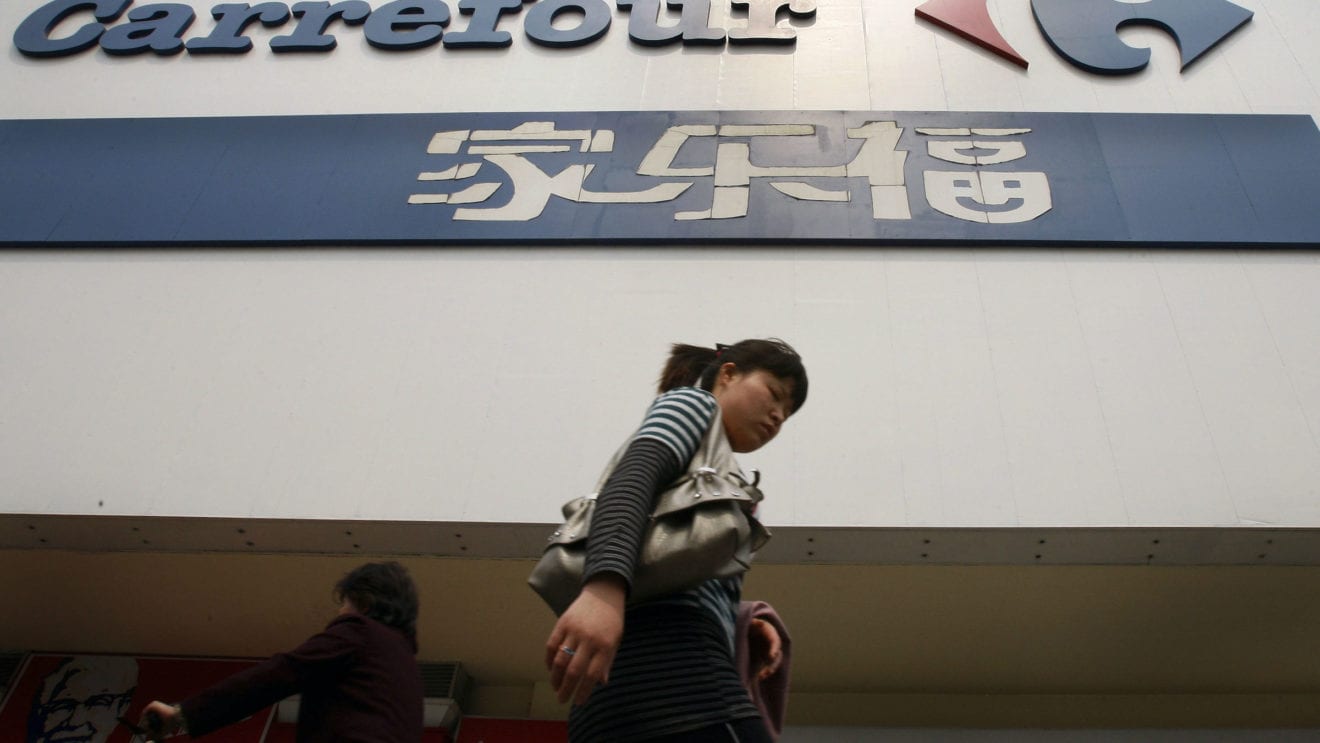
    Carrefour, the largest hypermarket operator in Taiwan, added 12 stores to its chain in the first 10 months of this year to boost its total outlets to 82 since the French retailer has intensified efforts to open smaller-sized stores in urban neighborhoods to take advantage of proximity to consumers, the MOEA said.

    RT-Mart (大潤發) ranked as the second largest hypermarket operator in Taiwan, running 26 outlets as of the end of October, unchanged from the end of 2014, ahead of A. Mart (愛買), which operated 20 outlets islandwide as of the end of October, up one from the end of 2014.

    Costco came in fourth, operating 11 outlets in Taiwan as of the end of October, up one from the end of 2014, followed by Taisuco (台糖量販), a retail business division of state-owned Taiwan Sugar Corp. (台糖), which operated five stores as of the end of October, unchanged from the end of last year.

    A total of 145 hypermarket outlets operated in Taiwan as of the end of October, up 14 from the end of 2014.

    The ministry said that the local hypermarket business accounted for 16.2 percent of sales posted by Taiwan’s retail industry in the first 10 months of this year, compared with 15.9 percent recorded in 2014.

  • Big C Vietnam revenue negligible, won’t be retained

    Big C Vietnam revenue negligible, won’t be retained

    Despite a sustainable growth rate, earnings from the Vietnamese arm are miniscule in comparison to other foreign businesses of the French retailing chain Big C, which is owned by Casino Group.

    On December 15 the French retailer issued a memorandum stating that it may seek a new owner for its supermarket chain Big C in Vietnam, as the company plans to strengthen its financial flexibility by selling assets in the country, as well as Thailand and Colombia.

    In 2016 Casino Group is expected to enact what it calls a ‘deleveraging plan’ of more than two billion euros (US$2.2 billion), mainly through real estate transactions and the disposal of non-core assets, according to the memo.

    The French group currently owns 10 retail brands across the globe, with a concentration in Asia. The Big C brand is used for the supermarket chain in Vietnam and Thailand.

    In multiple annual reports, Casino Group has assessed Vietnam as a market with high potential for growth in the future, once the economic slowdown is over and consumption begins to grow again.

    However, given the minor contribution of Big C Vietnam and the small market size, especially compared to neighboring country Thailand, the chain is now on the priority list to change hands.

    The contribution of Big C Vietnam in 2014 was just over one percent of the French parent company’s total revenue, much smaller than Big C Thailand during the same period.

    In 2014, revenue from the Asian operations of Casino Group reached 3.5 billion euros ($3.83 billion), accounting for seven percent of the total turnover of Casino Group. Breaking it down further, 98 percent of this figure was contributed by Big C Thailand, and less than two percent by Big C Vietnam.

    The revenue of Big C Vietnam last year was about $546 million, a seven percent year-on-year increase, according to data published by Retail Asia magazine using statistics compiled by London-based market research firm Euromonitor.

    In the first six months of this year, Big C Vietnam recorded a total turnover of 312 million euros ($340.66 million), up 26 percent over the same period last year, higher than the group’s total average growth rate in Asia, which was around 23 percent.

    Size that matters

    The revenue of the French retailer grossed from the Asian market is also small compared to other markets worldwide.

    Revenue from Asia accounted for less than 10 percent of its total global sales in the first six months, reaching more than 2 billion euros ($2.12 billion), 98 percent of which was generated by Big C Thailand, according to the group’s financial reports.

    In particular, revenues generated in Thailand in the first half of 2015 were 1.8 billion euros ($1.97 billion), nearly six times the earnings of Vietnam with 312 million euros ($341.46 million), a big gap between the two Southeast Asian neighbors that has been stable for the last five years.

    In terms of networks, through 2014, Big C Thailand had 123 large stores (Big C Supercenter, Extra, and Jumbo), 37 Big C markets, 324 Mini Big C convenience stores and 152 drug stores.

    Meanwhile, Big C Vietnam has 32 supermarkets and 10 convenience stores.

    In addition, the number of employees working at Big C Thailand was more than 26,600, three times the number of employees in Vietnam.

    In particular, Big C Supercenter Public Co. Ltd., the firm established to run Big C Thailand, was already listed on the stock exchange with a market capitalization of nearly 4.3 billion euros ($4.7 billion).

    On December 15, when Casino Group issued the memo in a document submitted to the Stock Exchange of Thailand, Big C Supercenter Public outlined its growth strategy next year, in which the emphasis will be on continuing to expand its network.

    In 2015, the company has opened 108 new stores, including two hypermarkets, and continues overhauling its supply chain. In 2016, it will keep enhancing its performance plan with the opening of six hypermarkets, three Big C Markets and 75 Mini Big C convenience stores.

    In addition, the global e-commerce segment, though newly developed, is yielding positive results with revenue equal to that of the Asian retail market.

    The sale of the Vietnam business could raise 750 million euros ($813.86 million), while setting up real estate investment trusts in Thailand and Colombia could net 550 million euros ($596.8 million) and 200 million euros ($216.98 million), respectively, Bloomberg reported on December 16, citing Bruno Monteyne, an analyst at Sanford C. Bernstein.

    The decision is consistent with what Casino Group shared in the memo, stating that the sale of Asian assets is a strategic move to help the French group focus on its core markets such as France with 18.8 billion euros ($20.57 billion) (38.76 percent) and Latin American with 22.6 billion euros ($24.73 billion) (46.6 percent).

    Casino Group, which is active in many other areas including e-commerce, finance and real estate, was founded in 1898 and is now one of the world’s leading retailers, with total assets of over 42 billion euros ($45.97 billion) at the end of June 2015.

    Like us on Facebook or follow us on Twitter to get the latest news about Vietnam!
  • Nike Defies Stagnation in U.S. Retail, China as Orders Surge

    Nike Defies Stagnation in U.S. Retail, China as Orders Surge

    Nike Inc. posted second-quarter results that showed the footwear and athletic-apparel giant remains largely immune to the shopper malaise that’s plagued much of retail.

    The world’s largest sporting-goods maker posted profit of 90 cents a share, topping analysts’ average estimate of 86 cents, as it continued to reap the rewards of a dominant brand and the ongoing fashion shift toward casual, sporty attire. It also defied concerns about slowing economic growth in China, with revenue there gaining 24 percent to $938 million.

    • Orders for the Nike brand for the next four months rose 20 percent, excluding the effects of currency. Analysts expected a 13.6 percent gain.
    • Net income increased 20 percent to $785 million.
    • Sales rose 4.1 percent to $7.69 billion. Analysts estimated $7.81 billion.
    • Gross margin widened 0.5 percentage point to 45.6 percent.

    The shares rose as much as 4.1 percent to $137.31 in late trading in New York. Nike had gained 37 percent this year through the close on Tuesday.

    “Overseas markets have great potential,” for Nike, said Paul Swinand, an analyst at Morningstar Inc. “Investors should take a read on Chinese consumers from the futures orders: There’s room to purchase new Western goods in people’s budgets. That highlights the potential for the long-term middle-class growth there.“

    $50 Billion

    The earnings report is Nike’s first since it announced a goal of increasing annual sales to $50 billion by fiscal 2020, up from $30.6 billion in its most recent fiscal year. The target implies an annual growth rate of 10.3 percent, slightly higher than the past two years. The company expects about a third of those gains to come from its online business. That trend played out last quarter, with sales through its websites surging 49 percent.

    In the most recent quarter, Nike’s China unit was the standout. Footwear sales there gained 30 percent to $600 million, while apparel revenue climbed 15 percent to $306 million. The strength looks set to continue, with futures orders for the segment increasing 34 percent, excluding currency effects.

    Part of Nike’s success in China has been a plan started two years ago to revamp its distribution and merchandise — like the fit of its apparel — after a glut of inventory after the Olympics weighed on results. It also has been selling more products through its own stores and websites, which is part of a companywide strategy. Revenue from those segments in China rose 51 percent last quarter.

    North America also turned in a strong performance, with sales increasing 9.4 percent to $3.55 billion. Footwear led the gain, with a 12 percent increase. North American futures orders grew 14 percent.

  • Superdry delivers stunning turnaround

    Superdry delivers stunning turnaround

    SuperGroup, owner of the global lifestyle brand Superdry, has achieved an impressive 22.3 per cent increase in sales for the first half year, to £254.7 million.

    SuperGroup’s retail arm represented its strongest division, generating 30.8 per cent growth to £172.1 million, reflecting the continued expansion of wholly owned stores in the EU. Additionally, retail same store sales saw a major turnaround, increasing rapidly by 17.2 per cent compared to a decline of 4.1 per cent during the same period last year.

    This was driven particularly by a strong eCommerce performance. Online retail sales grew by 19.2 per cent as its digital channel continues to be its fastest growing route to market.

    “That noted, SuperGroup’s core focus remains on significant physical expansion within its key markets – Europe, North America and China,” observes  Anusha Couttigane, senior consultant with retail analyst Conlumino

    As part of its full year strategy, the group has set out to expand own store space by some 130,000 sqft  (12,000 sqm) within Europe. So far, nearly half this target has been achieved, the company having opened 14 net new stores comprising 63,000 sqft (5850 sqm) of new trading space during the first half year.

    Elsewhere, its wholesale arm saw 23 international franchise and licensed stores open during this period, contributing to a 7.8 per cent growth in wholesale revenue. However, the seasonality of its products has caused the group to announce an expected £3 million to £3.5 million operating loss in its North American operation for the full year as it realigns its product offer for its customer proposition on the continent.

    “With a successful first half completed, SuperGroup has positioned itself well for the all-important Christmas trading period,” comments Couttigane.

    “In the run-up, product innovation has been leveraged to encourage new customers, including Superdry’s premium collaboration with Idris Elba and its Superdry Sport and Superdry Snow collections for women, making the brand a strong contender for Christmas wish lists.

    “However, while its first six months have benefited from soft comparatives, the second half is set to be more demanding,” she concluded.

    SuperGroup’s full year pre-tax profit projection remains stable at £72.1 million.

  • H&M blames weather for poor sales growth

    H&M blames weather for poor sales growth

    Hennes & Mauritz, the world’s second-largest apparel retailer, has reported a four per cent rise in sales in November.

    H&M says the increase was lower than expected due to unusually mild weather in the northern hemisphere, which lessened customer demand for winter clothing.

    Analysts are growing increasingly concerned about H&M’s margins, fearing they will come under pressure if stock has to be discounted to move inventory.

    Inditex, the world’s largest apparel retailer, last week reported sales in local currency terms increased 15 per cent in November, despite the weather.

    H&M’s net sales in September through November, the company’s fiscal fourth quarter, totalled 48.7 billion Swedish crowns (£3.83 billion), up from a year-ago 42.6 billion but below the mean forecast of 49.6 billion.

    Year on year, H&M has added 413 new stores, taking its global network to 3924.

  • Mulberry laments tough Hong Kong

    Mulberry laments tough Hong Kong

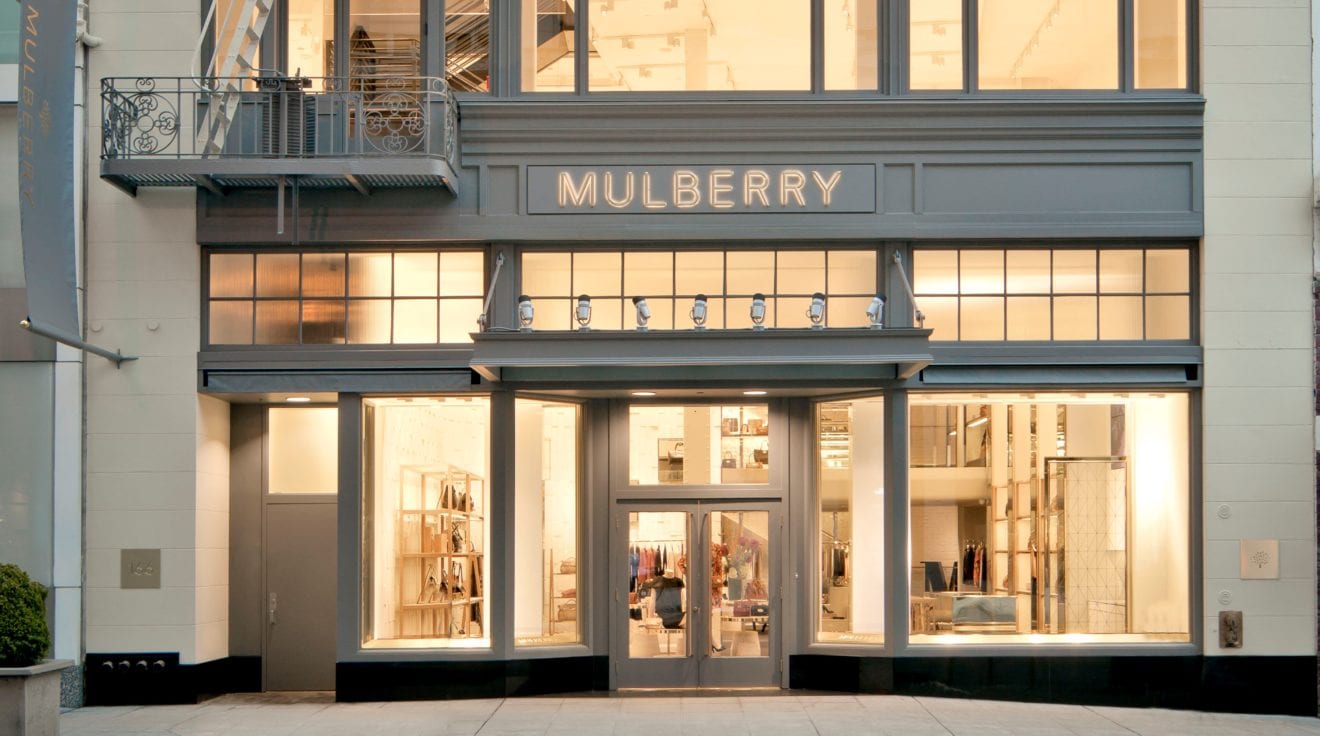
    Tepid demand for luxury products in the once insatiable Asian markets is the only blemish on a remarkable comeback by British fashion brand Mulberry.

    After a tumultuous 2015 that saw a change in leadership and a strategic U-turn on pricing strategy, luxury retailer Mulberry has posted first half results that indicate a return to stability and strategic clarity, bringing  the retailer back into profitability against a £1.1 million loss this time last year.

    Mulberry revealed overall revenue growth of five per cent and like for like sales growth of 10 per cent. UK trading was particularly strong, with same store sale up 14 per cent, including digital sales.

    However, strong store trading at home was offset somewhat by declining wholesale sales, largely due to decreasing demand in Asia.

    Wholesale performance remains a thorn in the side of luxury players, with Mulberry admitting wholesale declines of 11 per cent.

    “This could spell trouble ahead across the British luxury sector, including Mulberry,” observes Andrew Hall, consultant with retail analyst Conlumino.

    The decline in Asian sales – particularly notable in China and Hong Kong – “will remain a worrying sticking point for the likes of Mulberry and rival Burberry,” says Hall.

    “The crackdown on corporate ‘gift giving’ in China and Hong Kong has dampened demand for handbags and other designer luxury goods, as well as reducing the flow of affluent tourists from the area to international retail destinations. However, Mulberry will be hoping to renew appeal to this market in the second half of the year through the first collection produced by Creative Director Johnny Coca, to be showcased at London fashion week.”

    “Previously we have expressed concerned over Mulberry’s inability to foster a viable identity of luxury British heritage; however, the retailer has become more proactive over this half year, being keen to stress the importance of the UK factories in delivering a British product – as well as having a positive impact on gross margins. In addition, Mulberry has begun to reinforce this identity through its handbag designs; looking forward, this should be applied across the product range to strengthen a luxurious, international appeal,” says Hall.

    CEO Thierry Andretta has provided clear leadership, steering the retailer away from the inappropriate up-market prices toward more affordable price points.

    “No doubt this strategic turnaround has bolstered store performance, with consumers showing a strong preference for RRPs below £1000, which the majority of Mulberry products now have. A more sensible pricing strategy is also driving digital sales; this has proven an encouraging area of growth for the rejuvenated retailer, with digital sales up by 20 per cent and now accounting for 12 per cent of group sales.”

    Hall says despite the Asian market performance, Mulberry’s first half results paint an encouraging picture of a retailer growing on newly stabilised foundations.

    “This has positioned Mulberry for a strong Christmas period, with the nativity spoof Mulberry Miracle video having been viewed over 1.7 million times and innovative gifting packages or ‘chests’ of Mulberry products attracting attention.

    “This should help deliver a strong full year performance in 2016, although international reception to Coca’s first collection for the retailer will be critical to recouping a positive wholesale performance,” concludes Hall.

  • Several German companies interested to invest in automotive component industry

    Several German companies interested to invest in automotive component industry

    Several German companies have expressed interest to invest in automotive component manufacturing industry using aluminum as its raw materials, state enterprises minister Rini Soemarno said.

    “One of the companies is Rheinmetall Land System. We will discuss it further with them when I visit Germany later,” she said when asked for her confirmation about the news here on Sunday.

    She said Rheinmetall Land is currently building cooperation with PT Pindad to produce defense and security equipment.

    PT Pindad is cooperating with Rheinmetall Land System in overhauling, upgrading, servicing, maintenance and modification of a number of military combat vehicles.

    The cooperation covers several products such as MBT Leopard 2 RI, Leopard 2 A4, AIFV Marder aA3 RI, Gunnery/Driving Simulator and others.

    “But the big business that the company carries out also includes car components and many of them are exported across the world,” she said.

    She said she would follow up Rheinmetalls plan to invest in Indonesia especially in aluminum car components.

    “If they do decide to invest supply chain from upstream to downstream will be done by Indonesia,” she added.

  • Massive loss puts J Crew on the brink

    Massive loss puts J Crew on the brink

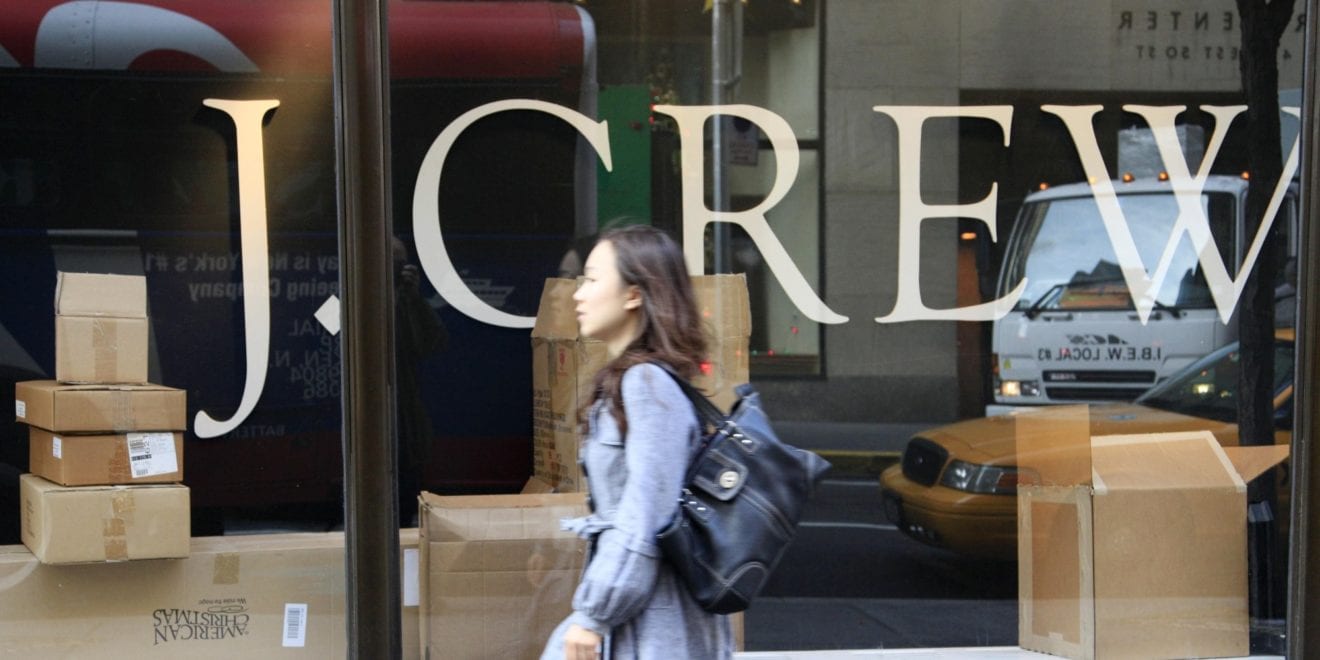
    As its latest set of results attest, J Crew is a mess.

    Not only have sales fallen across the board, but the drops are significant and come off the back of declines in the prior year.

    Even the relatively small Madewell division, which has traditionally performed well in sales terms had a poor quarter, with comparable numbers rising by a slim one per cent.

    Profitability, which was already lacking, has deteriorated further with a net loss of just shy of $760 million racked up over the quarter; this now brings the company’s total losses so far this fiscal year to an eye watering $1.2 billion. This performance comes on top of a balance sheet that is already weak and weighed down by $1.5 billion of long term debt.

    There is now a very serious question mark over the firm’s survival and it is likely that lenders may seek to take control if performance does not improve in the vital fourth quarter and beyond.

    Rebuilding the sales line after a series of fashion missteps is now looking like an insurmountable task. Many customers once loyal to J Crew defected elsewhere following the company’s move away from the classic, preppy basics that were once its heritage, and it is now proving extremely difficult to win them back.

    This is not helped by the still fairly premium price J Crew expects its customers to pay; given the brand has lost so much of its equity, and given that today’s more democratic fashion marketplace abounds with retailers selling on-trend, low-priced basics, this position is simply not tenable.

    In a sense, J Crew and its management are not sufficiently humble about the brand’s current status and are rather divorced from the realities of the retail marketplace. Nowhere is this truer than in the international expansion efforts where, for example, products in its UK stores often cost more in pounds sterling than they do in dollars in the US – a significant uplift over and above that accounted for by the UK’s higher sales tax rate.

    In today’s interconnected, digital world where prices can easily be checked on smartphones while standing on the shop floor, such a policy does nothing but alienate and annoy customers. And even without this comparison, by UK standards prices are highly uncompetitive for the type of product J Crew sells.

    To be fair some efforts have been made to respond to price sensitivity with the launch, for example, of the factory outlet Mercantile stores which the company has put into mainstream malls. However, as sensible as this may be, it does little to address the problem with the core J Crew brand.

    J Crew is now pinning its hopes on a better holiday season; however, this will not mark a turnaround in the company’s fortunes. The earliest possible date for a change is spring of next year when the first collection designed by Creative Director Somsack Sikhmounmuong will hit stores.

    Even if this is a hit, J Crew will still only be in the foothills of the mountain it has to climb to restore the company to financial stability.

  • Prolonged summer takes heat out of Uniqlo sales

    Prolonged summer takes heat out of Uniqlo sales

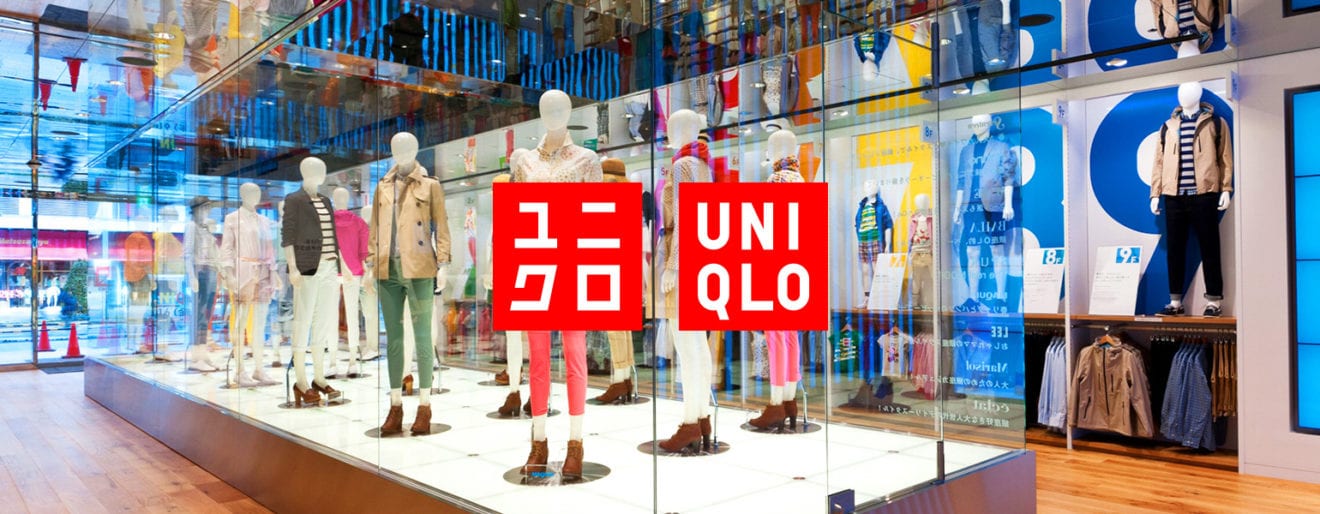
    Uniqlo parent, Japanese giant Fast Retailing, says its total sales dropped 8.1 per cent in November.

    “Same-store sales dipped year on year in November after unusually hot weather in mid-month stifled sales of winter clothing necessities,” the company said in a  brief trading statement which gave only percentages and not total sales data.

    The number of Uniqlo stores operating outside Japan exceeded the number of domestic stores last month – by 864 to 844.

    In November, same-store sales decreased by 8.9 per cent year on year while sales at its own-run stores (excluding franchises) decreased by 9.9 per cent. Total sales, including online, thus fell by 8.1 per cent.

  • eGG Optical continues stellar growth

    eGG Optical continues stellar growth

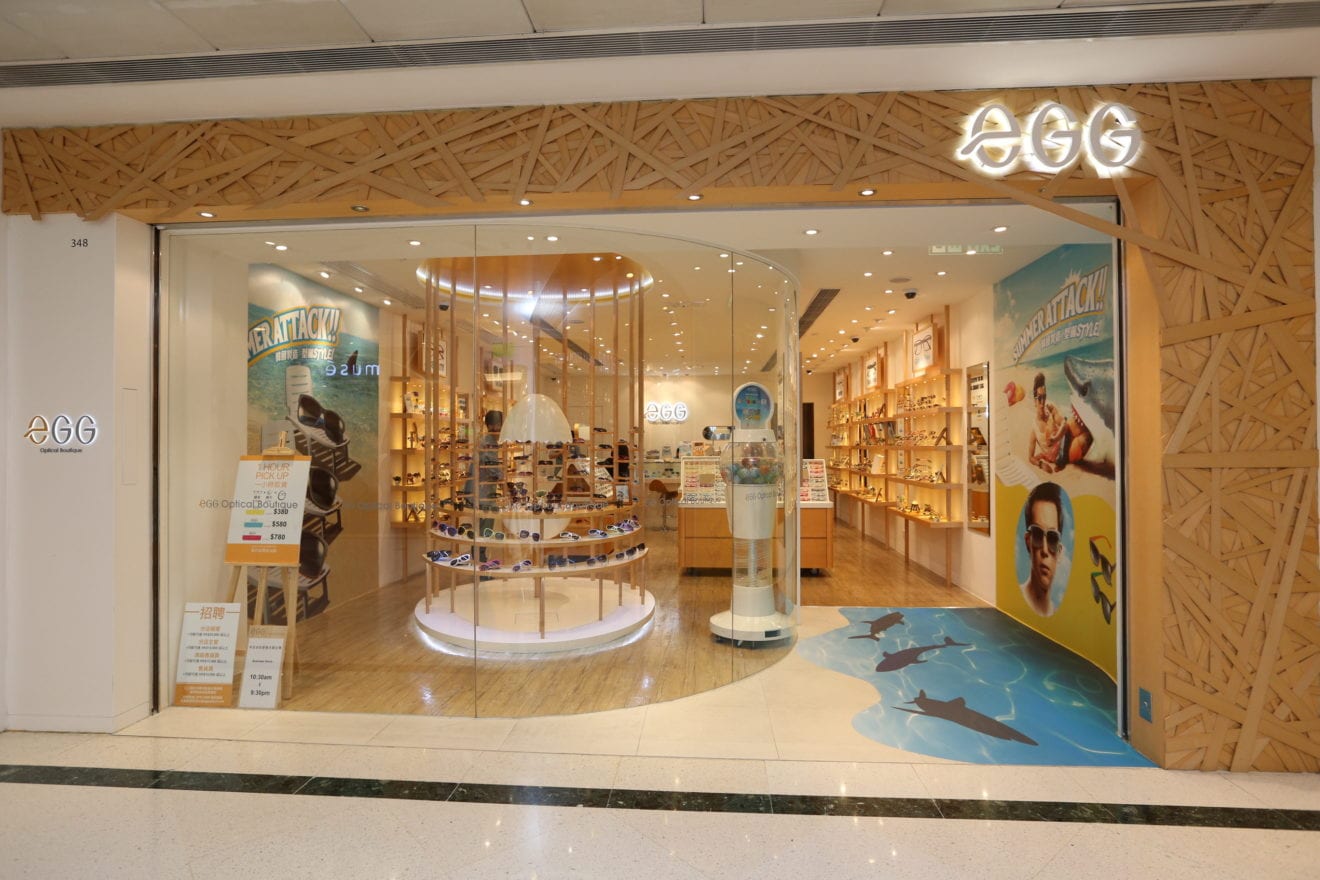
    Hong Kong based fashion eyewear chain eGG Optical Boutique is continuing its stunning growth trajectory.

    According to parent Stelux, the chain’s sales increased by 46.4 per cent to HK$80.5 million in the six months to September 30.

    Its 21 Hong Kong stores have now reached breakeven point and the 34 Mainland China stores cut their operating loss to just $3.3 million. Same store growth in all markets continued to grow.

    A further three stores have recently opened in Southeast Asia.

    Stelux believes the eGG Optical Boutique fast fashion eyewear concept has found favour with shoppers because it captures consumer preference for trendy and fancy optical eyewear.

    In the first half of last financial year the Hong Kong operations lost $500,000 and in the second half $200,000, finishing the year with just 15 stores. That a further six have been opened in the first six months of this year demonstrates the confidence Stelux has in the new brand. Its Hong Kong stores improved sales by 45 per cent due to both network expansion and increasing same store sales.

    In the mainland, eGG Optical’s sales rose 48.8 per cent to $31.0 million.

    “The loss was reduced to $3.3 million owing to significant operating improvements in Northern China and close to breakeven achieved in Southwestern China through turnover growth,” reported Stelux.

    “Combined with eGG’s attractive and eye-catching shop visual merchandising and ability to attract consumer traffic appreciating lifestyle and fashion design, the group will capture the opportunities in the current soft leasing market to further expand into Mainland China.”

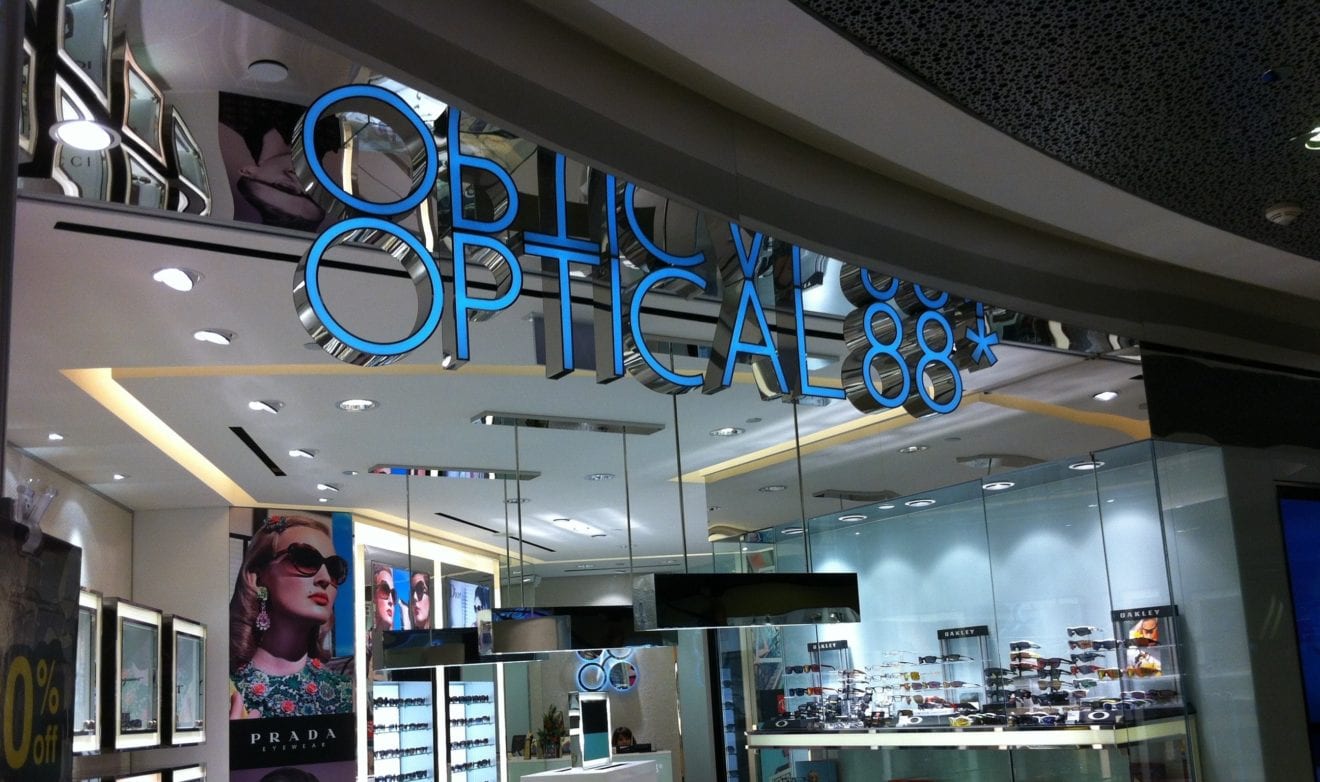
  • Optical 88 struggles

    Optical 88 struggles

    Eyewear chain Optical 88 has suffered a 10.5 per cent slump in sales in the first half, with profit down 53.2 per cent.

    According to the trading announcement of its parent company Stelux International, sales reached HK$579.1 million and EBIT $18.0 million.

    The company says exchange rate fluctuations and the subdued Hong Kong and Macau markets contributed to the downturn, although the business remains profitable.

    In Hong Kong and Macau turnover decreased by 8.9 per cent and profit by 32.6 per cent, despite efforts in cutting operating costs (other than shop rentals) by around 7.4 per cent. “The turnover performance was impacted by the softened demand from local customers and tourists but gross profit margin remained healthy and stable,” Stelux said in its filing.

    In Mainland China, sales declined by a modest 5.3 per cent. The company says it is building on Optical 88’s professional and healthcare positioning, and will continue to expand the store network in Mainland China in the second half of this year. It aims to accelerate network expansion in the Southern and Southwest regions to further strengthen its market share, paving the way for further expansion into other parts of China.

    Optical 88’s turnover in Southeast Asia dropped by 17.8 per cent (or by 7.1 per cent on a constant currency basis), and a loss of $11.5 million was recorded.

    The introduction of GST in Malaysia in April caused turnover to slip in the first quarter, but the company made up the lost ground in the second quarter.

    Store consolidation and productivity enhancement measures in Singapore paid off this year, with the loss narrowing by 10.7 per cent to HK$7.5 million through reduced operating costs.

    The Thai operations are still profitable, but recorded a drop in turnover by 19.1 per cent caused by the significant decline in consumer confidence and purchasing power in Thailand.

    “Severe competition driven by widespread sales promotions in the market has also led to narrowed margin. The tough market is expected to continue in Thailand, and we will… close non performing shops and continue with our cost control measures, which have reduced our operating costs by 15.7 per cent in the first half,” said Stelux in its filing.

  • Bosideng sales slumps

    Bosideng sales slumps

    Chinese down apparel brand Bosideng has seen sales revenue slump 10 per cent – and profit nearly halved in the first half year.

    Down apparel sales, which account for almost half the group’s turnover, fell 14.6 per cent.

    While Bosideng blamed its poor performance on “tremendous challenges” facing China’s apparel industry, there was one telling line in its interim report which suggests a deeper problem:

    “The increasing popularity of the Internet and online shopping that stimulated the proliferation of information, coupled with the speedy expansion of an increasing number of overseas brands in the PRC market, have not only offered more choices for consumers, but also made consumers more sensitive to product prices and styles.”

    “And styles”. Bosideng is having to face the reality that growing an apparel business so dependent on a functional, rather than fashionable, product range may have its limitations.

    But there are signs it is adapting.

    The company said that as Mainland China’s economic growth slows the gap is narrowing between first and second-tier cities and rural areas. That has prompted national brands to switch their development mode from one that relies on store opening to swift response in various stages of business operation, “including branding, products, logistics and retail sales, so as to meet the expectations of the market and consumers”.

    “The group has actively explored and gradually shifted from the traditional wholesale business model to a retail model that draws closer to the market and the consumers. This allows the group to build a more solid business foundation for future development and to seek healthy and sustainable development.”

    The down business, by nature, is seasonal, with demand naturally higher in winter months, prompting offseason sales and promotional activity in the first half of the year. Part of the reason for the sales decline in the last half was an increase in the discounting to reduce inventory.

    Bosideng also stepped up its efforts to implement more stringent production and product plans.

    “Through in-depth analysis of retail statistics, the group was able to arrange the production of various product styles more accurately to avoid unnecessary inventories… For instance, two brands – Snow Flying and Bengen – developed minimal new styles, whereas Combo devoted all efforts in stock clearance this year and did not design new styles.”

    It has also commenced trial marketing, ranging some new styles in physical stores prior to finalising production and sales plans to test and understand the market reaction in order to avoid excess inventory.

    The company is also continuing to optimise its retail network, shutting down underperforming stores to enhance store quality: the number of outlets in the down apparel business – both self operated and third party – fell by a net 548 in the period, to 6051.

    Some stores which are usually shuttered over summer, or sub-let by third party distributors, were kept open as outlets to help reduce inventory. Bosideng supplied the product, the distributors met the overheads, saving the group distribution costs and adding sales channels for stock clearance.

    Bosideng is also shifting its focus away from department stores more towards shopping malls, reflecting changing lifestyles of Chinese consumers.

    This year, it has opened pop up stores for the first time in six prime shopping centres to assess potential to showcase new lines.

    “The pop up stores attracted customer flow with innovative displays and eye-catching designs. Various live events, performances and games were introduced to increase interaction with consumers, thus enhancing brand recognition. The pop-up stores were well received by the market, which not only successfully became talk of the town with widespread media coverage, but also drove the group’s local sales performance. The group believes that it will accelerate store opening in large-scale shopping malls in the long run to allow the retail network of the group to better satisfy the needs of the consumers.”

    Meanwhile, diversification away from down appears to be bearing fruit.

    During the period, revenue from Jessie brand increased by 18.8 per cent year on year to approximately RMB158.3 million. Following the adjustment of the brand’s retail network over the past two years, the net number of Jessie retail outlets increased by five to 216 this year. Jessie has been focusing on enhancing the profitability of self-operated stores and implementing refined management and further optimised product mix.

    In wholesale, Jessie optimised the ordering system at the trade fairs and increased the mix and match references and provided more guidelines to distributors so as to increase associated orders. “As a result, revenue from self-operated and wholesale business recorded a significant increase.”

    But revenue from its Mogao brand  decreased by 21.9 per cent year-on-year to approximately RMB128.2 million, largely due to a net reduction of 21 stores to 284 during the period. It also dropped its womenswear lines to focus purely on menswear, so the last period was essentially one of repositioning. Bosideng says the change was well received by distributors and this year it will step up branding efforts, especially on new media.

    Internationally, Bosideng’s London flagship store has accumulated “considerable retail experience and deeper understanding of the consumer preference of the local market”.

    “The London flagship store will… step up its efforts in expanding the popular down apparel series this year. Fully utilising its extensive resources in down apparel products, the group will assist the flagship store to further optimise the product mix so as to drive its sales and profitability.”

    For the record, Bosideng reported total sales revenue of RMB2,563.7 million, a gross profit margin down 11.3 percentage points to 36.1 per cent, its operating profit margin down by 5.6 percentage points to 5.2 per cent and a profit attributable to shareholders down 48.3 per cent to RMB130.7 million.

    In the year ahead, Bosideng says it will continue to reduce inventory and significantly reduce the development of traditional and basic styles to avoid overlapping with old stocks.

    “At the same time, the group will introduce more hi-tech fabrics in order to satisfy the growing demand for functional down apparel in the market, providing more value-for-money, high quality and trendy down apparel products to customers.”

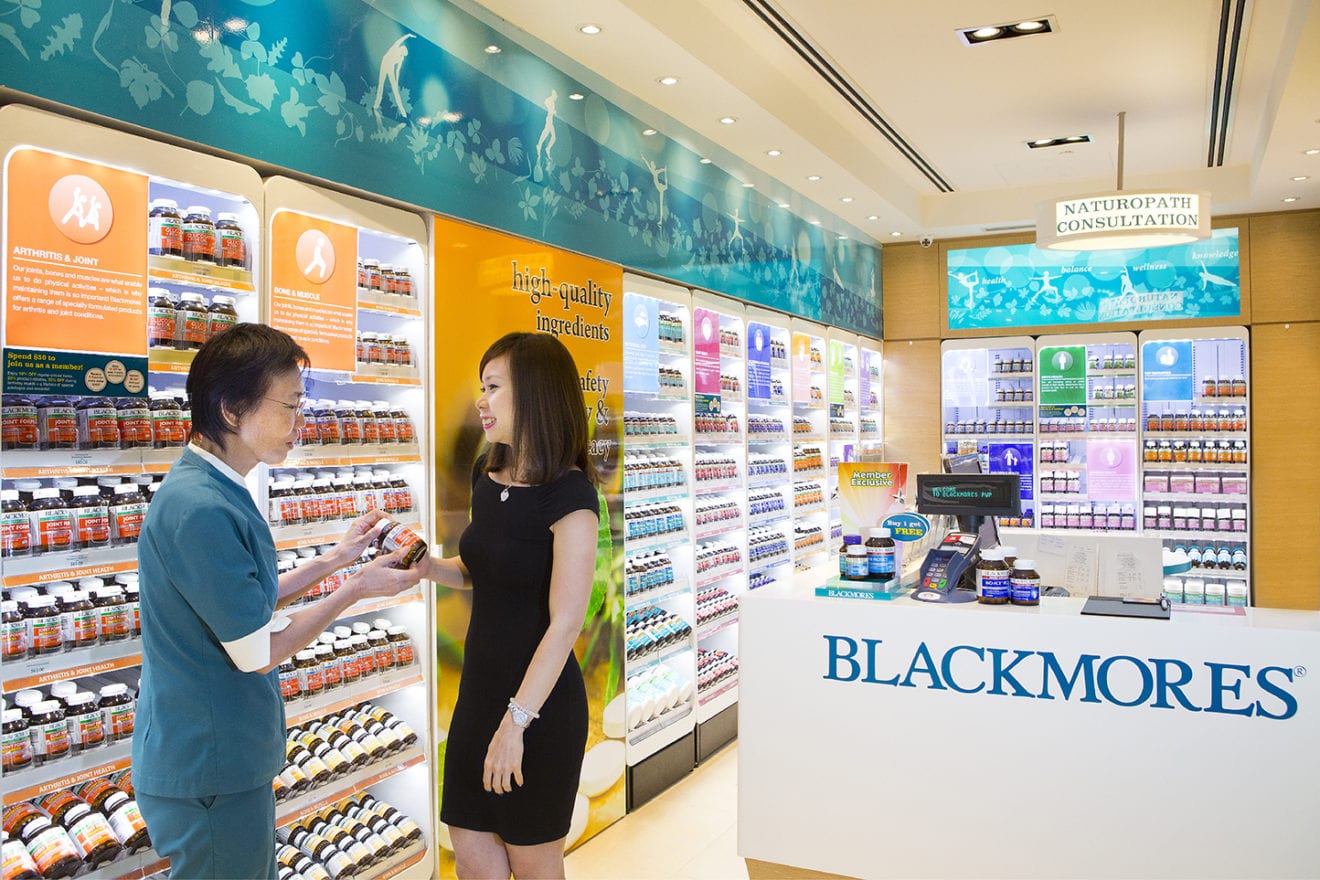
  • Blackmores cuts the ribbon on Bondi store amid mad China scramble

    Blackmores cuts the ribbon on Bondi store amid mad China scramble

    Blackmores chairman Marcus Blackmore admits he had no idea just how much the opening up of China would turbocharge sales of his company’s vitamins, creams and supplements.

    The ASX-listed natural health business has been showered with awards this year while booming sales have seen the stock light up the local sharemarket.

    Around 80 per cent of our products are sold through pharmacy in Australia and they give fantastic advice.

    Christine Holgate, Blackmores

    Shares in Blackmores, of which Mr Blackmore owns 24.5 per cent, have surged from $32 in January to around $189, giving the company a market value in excess of $3 billion.

    “It has been an unbelievable year,” Mr Blackmore told Fairfax Media at the unveiling of the company’s first retail store in Australia.

    Advertisement

    “It is beyond any expectations. We’ve been in China for four years but we had no concept of what China would deliver.”

    At a recent dinner in Shanghai Mr Blackmore met a man from Guangzhou who runs three hospitals treating 20,000 people a day with traditional Chinese medicine.

    He said that China’s long history of using traditional medicines means customers in that market are much easier to win over.

    “Chinese people have a very clear understanding of the philosophical values of natural health,” he said.

    Blackmores floated on the ASX 30 years ago, and for most of that time the company sold 3000 tubs of vitamin E cream a month. In November 2015 the company sold 800,000 tubs of vitamin E cream.

    For the three months to September 30, Blackmores reported a 64.7 per cent increase in sales to $162.2 million and a 161.5 per cent increase in profit to $22.6 million.

    Mr Blackmore said “things come in threes” and the opening of Blackmore’s first Australian retail store at Bondi Junction Westfield caps off the trifecta.

    The other two things brightening the vitamin king’s mood happened last week.

    Last Thursday Blackmores boss Christine Holgate was named chief executive of the year by CEO Magazine, and on Friday federal trade minister Andrew Robb awarded Blackmores the health and biotechnology exporter of the year award.

    New store boosts connection

    Ms Holgate said the Bondi store is not about building a retail presence across Australia but is intended to help connect with Blackmores customers.

    “We are not going to become retailers, we partner with pharmacy. Around 80 per cent of our products are sold through pharmacy in Australia and they give fantastic advice,” she said.

    “What this allows to do is to bring our products and our therapies much closer to the consumer and enables us to listen to the consumer and better understand their health needs.”

    While Ms Holgate is trying to deepen ties with her local customers, the big issue she has is satisfying voracious Asian consumers.

    In the past six months Blackmores has increased it production capacity by 60 per cent. The company has hired 100 extra people but has now run out of office space.

    In November, which Mr Blackmore believes was “probably a record month”, Blackmores produced 2.7 million bottles of product. It will have capacity to produce 4.2 million bottles a month in April next year.

    “The things that keep me awake at night are: availability of raw materials, availability of raw materials, and availability of raw materials,” Ms Holgate said.

    In some product lines there is a natural brake on boosting production immediately. For example, evening primrose oil, a market dominated by Blackmores, comes from a plant harvested once a year.

    In other cases Blackmores is constrained by its strict quality criteria.

    Ms Holgate is loath to put the brand name at risk by compromising even slightly on quality.

    “I’m sure I could give you a lot more sales, but not at the quality levels we want,” she said.

    Last month Blackmores inked a joint-venture deal with dairy group Bega Cheese to supply infant formula and other nutritional products to Asia, opening a range of new opportunities for both companies.

    Ms Holgate said the company actually uses a dairy rival, New Zealand’s Fonterra, as a case study for an internal quality workshop.

    Fonterra has been embroiled in a number of dairy food scandals including the 2009 melamine crisis in China and the false botulism alert, which prompted a massive product recall, in 2013.

  • China’s QKL Stores’ sales decline

    China’s QKL Stores’ sales decline

    Nasdaq-listed Chinese supermarket chain QKL Stores says its revenue fell four per cent in the last quarter, its profit by 4.5 per cent.

    “Our third quarter results generally met our levels of expectation,” said Zhuangyi Wang, chairman and CEO.

    “The variety, value and freshness of our products continue to resonate with our customers driving sales higher. This store growth was also driven by in-store promotional events such as store anniversary celebrations.”

    But he said sales and profit were impacted by “a challenging environment” for retail businesses, mainly due to the rising costs and the emerging eCommerce channel.

    “However, we are still confident on the domestic needs because of the urbanisation of the third and fourth tier cities that we will achieve a fundamental improvement in the consumer purchasing power during the process.”

    Third quarter revenue totalled $58.6 million, down from $61.1 million in the same quarter last year. Gross profit was $9.8 million, down from $10.3 million.

    “We look forward to the upcoming holiday season as we have a number of exciting marketing initiatives planned,” said Wang.

    “Our balance sheet is healthy with a strong cash position, low level of debt and stable flow of cash from operations. We continue to make progress with our store operations and that can result in greater sales and profits over time.”

    Based in Daqing, China, QKL Stores is a regional supermarket chain company operating in Northeastern China and Inner Mongolia. It operates 45 supermarkets, hypermarkets and department stores – two less than at the same time last year.

  • Vipshop sales soar

    Vipshop sales soar

    Vipshop, the Chinese online discount retailer, says it boosted sales by as much as 63 per cent in the last quarter.

    The US-listed company says it expects revenue to be between RMB8.6 billion (US$1.349 billion)  and RMB8.7 billion ($1.365 billion). But that is less than its earlier guidance of RMB9.1 billion to RMB9.3 billion.

    “The weaker-than-expected preliminary third quarter results for total net revenue are partially driven by the warmer-than-expected fall weather in China, which caused customers to delay purchases of relatively higher-priced autumn and winter apparel,” the company said in a stock exchange disclosure.

    The preliminary, unaudited results are based on management’s initial review of operations for the quarter to September 30, and remain subject to change based on management’s ongoing review of the third quarter results.