Tag: Shinsegae

  • Shinsegae launches Paris boutique soon

    Shinsegae launches Paris boutique soon

    South Korean Department Store Shinsegae is to open a Paris boutique, Boon the Shop, in the iconic department store Le Bon Marche this month.

    Opening the multi-brand store follows the response to the brand’s popularity at a Paris exhibition last March. Shinsegae similarly entered the US market last year at luxury store Barneys New York. The Bon Marche opening is particularly prestigious given the department store’s status as the world’s first of its kind, having opened in 1836.

    Shinsegae will be Korea’s first department store to earn a spot in the French shopping institution.

    Boon the Shop was Korea’s first multi-brand boutique and retails more than 100 selected items.

  • Hyundai teamed up with Amazon to plan new retail model

    Hyundai teamed up with Amazon to plan new retail model

    Hyundai and Amazon plan to develop a “next-generation” retail model amid South Korean retailers’ push to adopt the latest technology to their online and offline platforms.

    Under the strategic collaboration agreement with Amazon Web Service (AWS) Korea signed on Friday, Hyundai Department Store Group said it will also establish a system to analyse customer activity and expand the partnership between its information technology arm and AWS, the US retail giant’s cloud-computing platform.

    Their joint research will focus on developing the Korean version of Amazon Go – the US e-commerce firm’s checkout-free offline mall – as well as using drones to deliver food and beverages, and applying artificial intelligence technology for automated concierge service, according to Hyundai.

    The Korean retailer’s aim is to implement Amazon’s cutting-edge technologies to its department store set to open in Yeouido, Seoul’s financial district, in 2020.

    “We will partner with Amazon to find a medium- and long-term roadmap to provide a new shopping experience to our customers,” a company official said.

    The deal was made as South Korean retailers are moving to secure competitiveness through the use of new technologies.

    Last Friday, E-Mart Everyday, another major South Korean retailer and Shinsegae’s supermarket-chain operator, opened a “cashier-less” store in Seoul where customers can pay via the firm’s mobile payment service app without going through a checkout counter.

    The 212sqm Gangnam store is expected to increase the company’s competitiveness in the market, allowing customers to use Shinsegae’s SSG Pay mobile payment system to make their purchases. It is the latest in a series of technological advances made by the company, including electronic price labeling and the use of robotic concierges and autonomous shopping carts.

    The new store will include a self-checkout counter as an alternative to using the app, and a cashier for age-verification sales of alcohol and tobacco products.

  • Evolution in Korean retailers commerce

    Evolution in Korean retailers commerce

    South Korean retailers are increasingly crossing boundaries between their commerce platforms from television to offline and online to attract more customers, market watchers said.

    Shinsegae TV Shopping Inc., the home shopping arm of retail giant Shinsegae, is set to open an offline shop for luxury goods sold through its program S-Style at the retailer’s mall in Paju, north of Seoul, on August 18.

    The 159-square-meter store will mark the first case for a television-based commerce firm to open an offline mall, according to Shinsegae.

    “We will provide a unique experience to our customers, freely crossing over the line between online and offline,” a company official said, adding the launch is aimed at communicating more closely with its customers.

    Shinsegae is not the only retailer moving to break boundaries between its platforms.

    Earlier onAugust 13, another major retailer, the Hyundai Home Shopping Network Co., opened an online mall named Hootd, gathering products from eight influencer brands. Their combined number of followers on social media amounts to 1.4 million, according to the company.

    Launching the new service, Hyundai said it will actively collaborate with Hyundai Department Store to regularly open pop-up stores and use its TV channel to further raise the influencer brands’ profile.

    Industry watchers say local retailers have been gradually expanding the collaboration of online and offline platforms to create synergy and make up for their respective shortcomings.

    “Despite efforts to overcome the limit of fully delivering product information, online platforms fall short of providing the same experience as offline malls,” said Kim Na-kyung a researcher at the LG Economic Research Institute.

    “Especially to meet the needs of consumers who wish to check products’ traits that cannot be explained in numbers, such as texture and color, offline channels can be an effective complement.”

  • Shinsegae DF partners with China’s Ctrip

    Shinsegae DF partners with China’s Ctrip

    Shinsegae DF Inc., duty-free store operating unit of South Korea’s retail conglomerate Shinsegae Group, has joined hands with China’s largest online travel agency Ctrip to offer membership service with hopes to woo more Chinese consumers.

    Shinsegae DF said on 3 August that it will offer consumers membership subscription service via Ctrip website, becoming the world’s first duty-free store operator to partner with Ctrip, an online platform in China with over 300 million users offering travel-related services such as accommodation, flight reservation, and tour packages.

    Under the partnership, Shinsegae DF will introduce its brand on the travel agency’s website under Global Shopping section and offer membership subscription service.

    Consumers will be given silver memberships that grant them a 10 percent discount at all times.

    The latest partnership with Chinese e-commerce site comes at a time when Shinsegae DF is going all-out to attract Chinese travelers to boost sales.

    In November, the Korean duty-free store operator joined hands with China’s leading messaging and social media app WeChat with 1 billion monthly users to expand membership. Shinsegae DF has seen a 150 percent average daily surge in the number of foreign memberships since the service launch.

    Average daily sales of Shinsegae DF’s store in Myeong-dong, central Seoul, have also jumped from the 4 billion won (US$3.5 million) range in October last year to more than 5 billion won this year, the company said.

    An unnamed official from Shinsegae DF said that the company will put out efforts to attract Chinese travelers by expanding membership subscription partnership with Alipay in addition to Ctrip and WeChat.

    Shinsegae said the daily average number of foreigners who sign up for its memberships grew over 150 percent following the launch of the service with WeChat.

    “We are putting our utmost efforts in establishing platforms and communities to better communicate with consumers from Greater China,” a company official said. “In addition to Ctrip and WeChat, we plan to expand collaboration with Alipay.”

  • Lancome launches event at Shinsegae Duty Free

    Lancome launches event at Shinsegae Duty Free

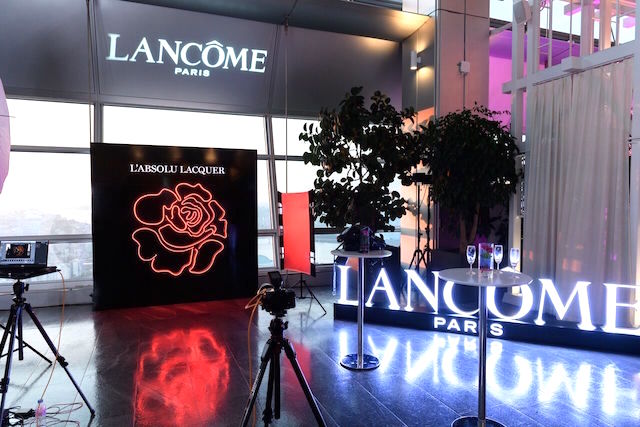
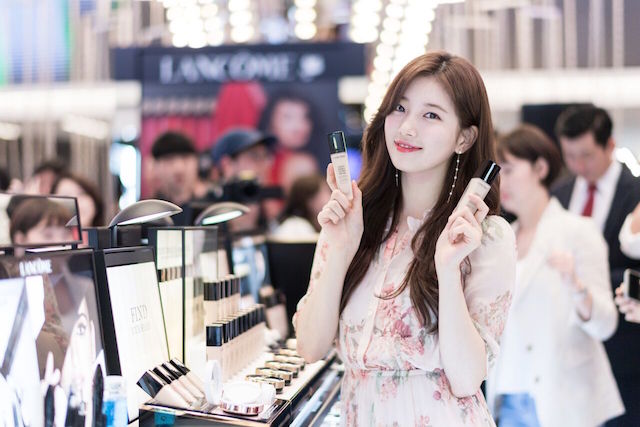
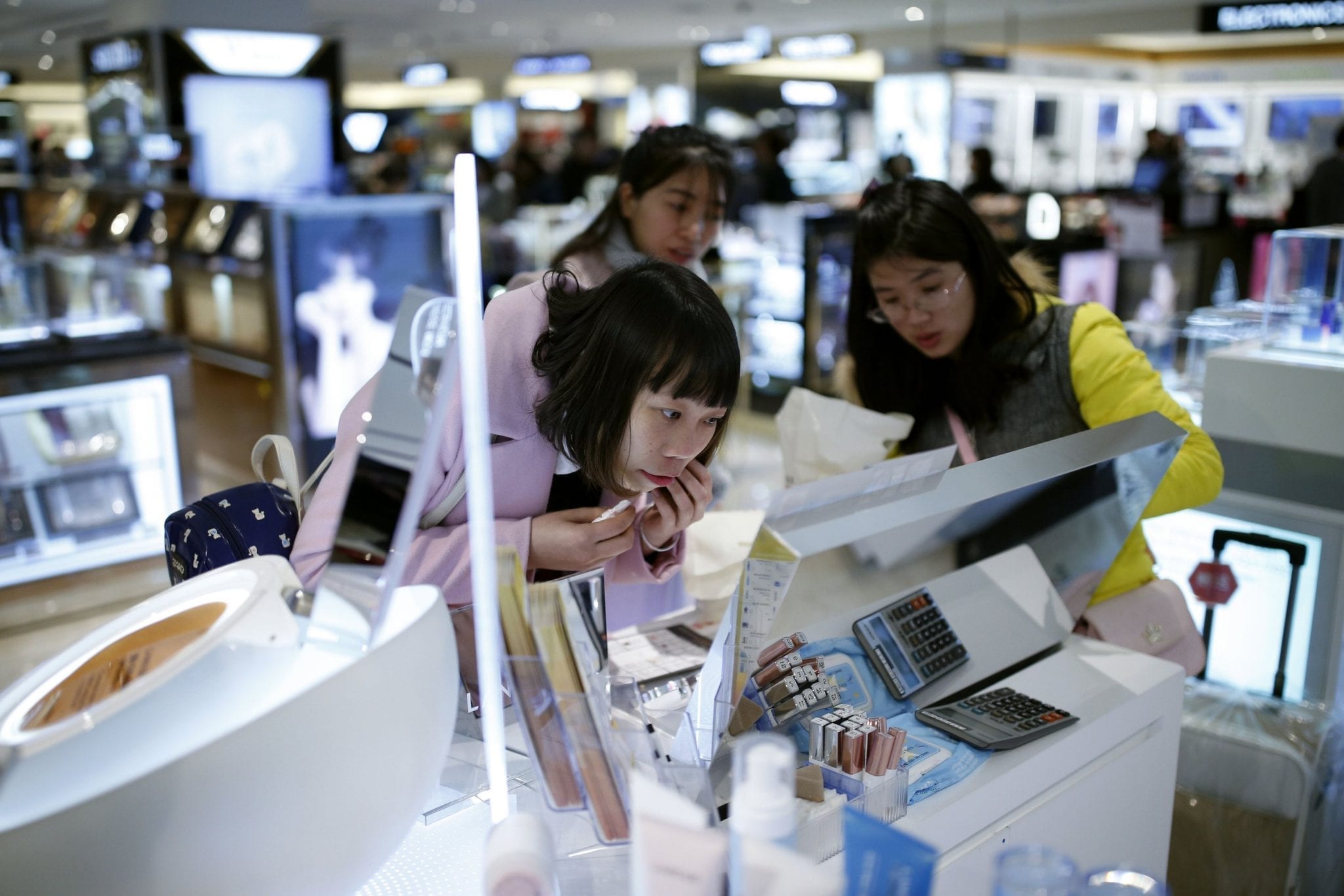
    Cosmetics brand Lancome has taken over a high-profile retail space in Seoul’s Shinsegae Duty Free store.

    The 360-degree panoramic LED screen above the signature Shinsegae carousel, facade and surrounding features were fully branded to showcase new products, creating a multi-sensorial concept space intended to immerse guests and consumers in the brand’s “Makeup Is My Power” experience.

    Lancome Travel Retail Asia Pacific is using the area to promote its Teint Idole Ultra Wear Foundation in a move designed to promote the power of makeup as well as to create a dedicated beauty space for consumers to fully experience its products.


    “As part of our goal to create new tourism demands through our duty-free store, we are on a constant lookout for partners and ideas to strengthen and elevate our retail offerings. We are proud to partner Lancôme Travel Retail Asia Pacific for this impressive regional launch,” said Seokho Hong, senior VP of Shinsegae Duty Free.

    The official launch event included a celebrity appearance by popular Korean celebrity and Lancome local ambassador for South Korea, Suzy Bae, a group of Lancome’s national make-up artists from around the world, and 20 prominent Chinese KOLs and customers.

  • Duty-free shops enjoy turnaround in 2018

    Duty-free shops enjoy turnaround in 2018

    Korean duty-free shops are reviving their once-stagnant sales, with Lotte, Shilla and Shinsegae leading the turnaround.

    According to the Korea Customs Service on Saturday, duty-free sales in the first half of the year reached 9.94 trillion won ($8.79 billion), up 38 percent from the same period last year.

    If the trend continues in the second half of this year, sales at duty-free shops will likely rise by 30 percent from last year’s 14.47 trillion won.

    Shinsegae Duty Free said on Tuesday that its daily average sales reached 1.7 billion won after the opening of its Gangnam branch in southern Seoul on July 18, far exceeding the company’s sales expectations of 1 billion won a day.

    “Our goal is to reach 180 billion won by the end of this year, and 500 billion during our first year of operation,” said Ahn Joo-yeon, a public relations manager for Shinsegae Duty Free. “We have a good start.”

    If sales at the company’s Gangnam branch continue at this pace, they will reach about 250 billion won this year.

    Chinese consumers made up about 90 percent of the foreign shoppers at Shinsegae Duty Free’s Gangnam branch.

    Group tourists accounted for 36 percent of overall foreign customers, while 64 percent were individual tourists.

    Starting early next month, Shinsegae will also begin operating in duty-free sections 1 and 5 of Incheon International Airport Terminal 1, which Lotte Duty Free withdrew from.

    Shinsegae estimates it will take in about 300 billion won in sales between this August and December.

    Shinsegae’s Terminal 2 Duty Free Shop, which opened early this year, is expected to bring in about 200 billion won in sales this year.

    “Total sales are expected to increase from 1.8 trillion won last year to around 3 trillion won this year,” a Shinsegae Duty Free official said.

    Shinsegae, once at the bottom of the Korean duty-free trinity, increased its market share this year.

    Industry experts predict that Shinsegae will take about 20 percent of the Korean duty-free market this year, up from 13 percent last year.

    Shilla Duty Free was behind Shinsegae in its bid for the Incheon Airport duty-free slots last month, but Shilla’s operating profit hasn’t taken any hits.

    Shilla’s duty-free shops in the Hong Kong, Singapore and Incheon airports continue draw in sales, and 42.6 percent of the company’s sales in the first quarter came from the airport shops.

    Shilla Duty Free saw a 29-percent rise in first quarter sales from 782.7 billion won last year to 1.37 trillion won this year, while operating profit rose 181 percent to 476 billion won.

    Shilla Duty Free brought in about 4 trillion won in sales last year, accounting for 27 percent of the market. It’s expected to have a similar market share this year.

    Lotte handed over two out of its three duty-free locations at Incheon International Airport Terminal 1 to Shinsegae this year and didn’t open any new locations.

    If Lotte Duty Free had operated all of its Terminal 1 locations until the end of its contract in 2020, it likely would have suffered losses. Lotte’s most valuable Terminal 1 duty-free section, the liquor and tobacco area, is still open.

    According to an official at Lotte Duty Free, sales at the duty-free store’s location in Sogong-dong, central Seoul, are expected to reach 4 trillion won this year, up 30 percent from 3.169 trillion won last year.

    Lotte, the world’s second-largest duty-free company after Dufry in Switzerland, has expanded its overseas duty-free shops, opening its seventh location in Nha Trang Airport in Vietnam at the end of last month.

    It also plans to bid on space in Taiwan’s Taoyuan Airport this month. Lotte is also in the process of acquiring JR Duty Free, an Australian company.

    Last year, Lotte Duty Free raked in 6.2 trillion won in sales, 150 billion of which were made overseas.

    “We will record 7 trillion won in sales at the Sogong location and 1 trillion won in the World Tower [southern Seoul] location within this year,” said a Lotte Duty Free official. “We expect to see a massive increase in operating profit from 2.5 billion last year, as well.”

  • Shinsegae Opens New Duty-free Store in Seoul

    Shinsegae Opens New Duty-free Store in Seoul

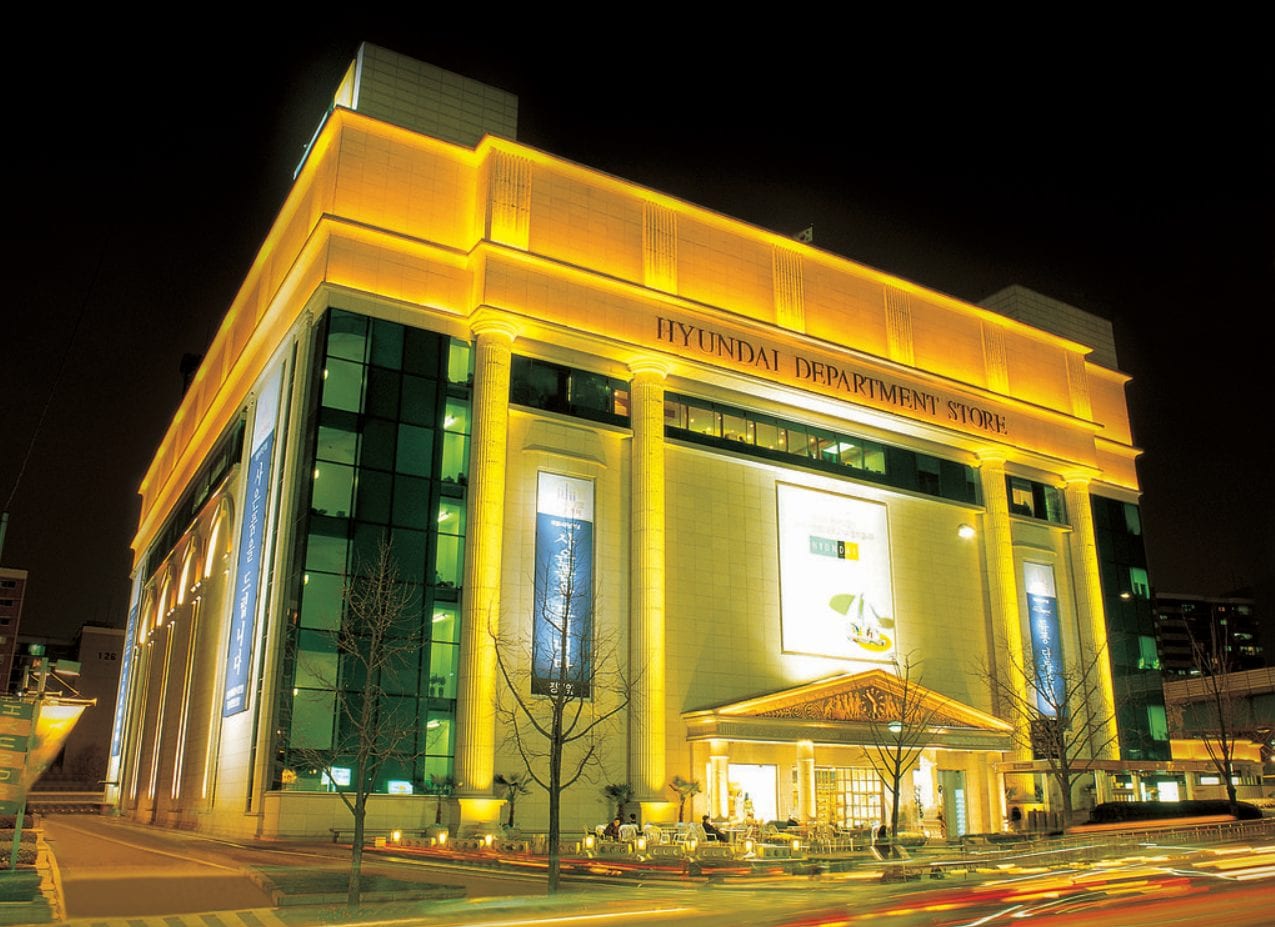
    Burgeoning duty-free retailer Shinsegae opened its second store in downtown Seoul.

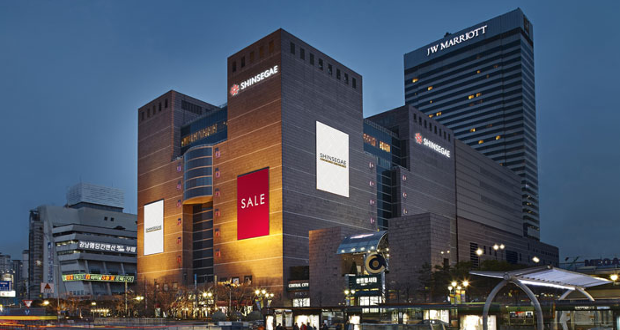
    As reported, the retailer announced its plans to open the mammoth 13,350sqm outlet in the Central City complex in Seoul’s Gangnam area after being awarded the licence in December 2016. Its opening follows the retailer’s first downtown Seoul store opening in the Myeongdong district in May 2016.

    The downtown outlet features both areas dedicated to Korean brands, such as Sulwhasoo and The History of Whoo, and international brands, including Gucci, Estée Lauder and Tiffany & Co, across multiple floor.

    The opening comes in the wake of rapid growth from Shinsegae in recent years, with the retailer saying in 2014 it was looking to “aggressively” expand.

    Since then Shinsegae has not only opened the Myeongdong downtown store and the new Gangnam outlet in Seoul. The retailer has also secured key retail contracts at Incheon International Airport. In July 2017, it was awarded a fashion contract in terminal two at the airport and the retailer has this month taken on both the concessions vacated by Lotte in terminal one at the airport.

  • Vini Vici beauty enters China

    Vini Vici beauty enters China

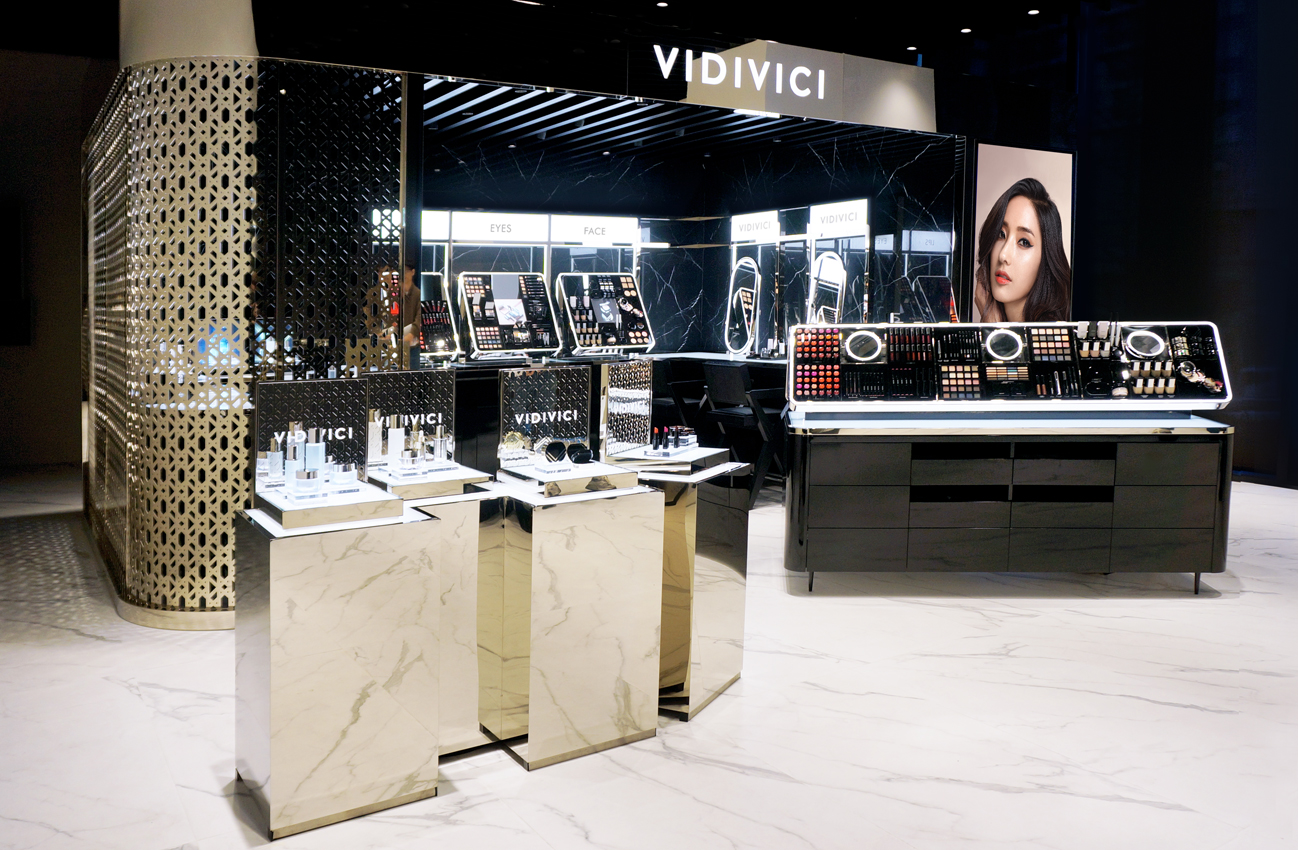
    Shinsegae International Co., the fashion arm of South Korea’s retail giant Shinsegae Group, aims to open a flagship store of its cosmetics brand VIDI VICI in China late next year to tap deeper into the world’s largest market.

    Prior to the opening, it will launch a premium skin care line with a concept of lotus in November, the company said.

    Shinsegae International recently established a local office in China to prepare for the opening of a VIDI VICI flagship store, according to a company official. It could open the store by the end of next year after getting necessary licenses from Chinese authorities.

    “VIDI VICI is famous for its skin care goods in China, so we are planning to add a premium skin care line consisting of six products for women in their 30s and 40s with a price tag of below 200,000 won (US$178.08),” said an official at Shinsegae International.

    VIDI VICI has successfully earned more than 10 billion won in sales every month since March thanks to the brand’s popularity among Chinese consumers.

    It swung to profit of 570 million won for the first time last year since it was taken over by Shinsegae International in 2012. Its revenue is expected to reach 130 billion won this year, according to analysts.

    Shinsegae International’s cosmetics business also reversed to profit of 5.7 billion won last year on sales of 62.7 billion won, and sales are forecast to more than triple to 200 billion won this year.

    Meanwhile, Shinsegae International recently has won the exclusive right to sell the lineup of U.S. top makeup brand Hourglass Cosmetics in Korea and opened a store in a department store in Seoul.

  • South Korean convenience stores to sell more own brand

    South Korean convenience stores to sell more own brand

    More South Korean c-stores are set to launch in-house products as local retailers move to attract more consumers with price competitiveness.

    E-Mart24, the convenience-store arm of South Korean retail giant Shinsegae, said it is planning to unveil its own private-label product within this year. Ministop Korea, operator of Ministop, is set to launch its own branded products in September.

    The moves are part of the companies’ broader efforts to find a breakthrough in the saturated South Korean c-store landscape. The size of South Korean convenience stores private-label product market is estimated at around 3.5 trillion won (US$3.15 billion).

    CU, South Korea’s largest convenience-store chain, operated by BGF Retail, released its own brand, Heyroo, in 2015, and GS25, another major convenience-store chain, joined the move with You Us in 2016.

    BGF Retail said sales of its private-label products rose 35.3 per cent year-on-year in 2016. Last year’s revenue was up 19.1 per cent from 2016.

    GS Retail, operator of GS25, said sales of its private-brand items accounted for 36.6 per cent of its total revenue in the first half of this year, excluding revenue generated from cigarettes and services. The company has around 2000 products under private label.

    Another major convenience store chain, 7-Eleven, said sales of its in-house products accounted for 35.9 per cent of this year’s total revenue as of Sunday. It currently has some 1500 products under its private brand.

    “The companies will be able to survive in this saturated market only if they manage to secure consumers who are highly loyal to their private label products,” an industry source said.

    The market size for convenience stores in South Korea surpassed 20 trillion won in 2016, up 18.6 per cent from the previous year, according to industry data.

  • Shinsegae unveils its first independent hotel in Seoul

    Shinsegae unveils its first independent hotel in Seoul

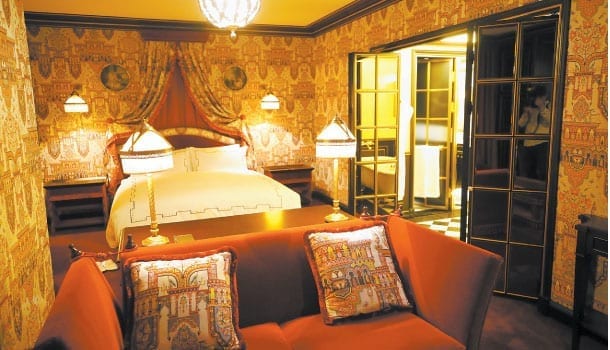
    L’Escape, Shinsegae’s new boutique hotel, aims to combine the ambience of 19th-century Paris with intriguing restaurants and bars from Korean and foreign trendsetters.

    Located in central Seoul, behind the main Shinsegae Department Store branch, L’Escape opened its doors to the press for the first time.

    “Our ultimate goal is to be a lifestyle platform that offers trendy cultural content and food experiences to enjoy inside the hotel,” said L’Escape’s General Manager Kim Bum-soo. “365 days a year, L’Escape will have something going on, whether it’s a party or [pop-up restaurant by] globally renowned chefs and sommeliers.”

    During the event, L’Escape unveiled a list of partners that collaborated to develop the hotel’s restaurants, bar and cafe. They include Seoul-based dessert cafe Maison M’O, bartender team Taxonomy and The Modern, a two-Michelin-star restaurant located in New York.

    The hotel’s exterior and interior was designed by French architect Jacques Garcia, famous for his luxurious boutique hotels, such as the Hotel Costes in Paris and the NoMad Hotel in New York City.

    Shinsegae also invested heavily in guest amenities for the new hotel. The company hired foreign experts and brands to develop exclusive products for L’Escape, from flower decorations to bedding. Perfumer Alienor Massnet, who has worked with Maison Martin Margiela and Memo Paris, developed a signature scent that will be made into candles and sprays applied to the guest rooms.

    L’Escape’s general manager himself was a major contributor to selecting and signing partnerships. Better known as Pat2Bach, Kim is a well-known power blogger in food and leisure circles.

    Kim was invited to join Shinsegae Group by its Vice President Chung Yong-jin in 2011, and has helped launch the company’s craft beer pub Devil’s Door and organized the eateries inside Starfield malls.

    His appointment as the hotel’s general director is a bit of a surprise, though, as he has no experience as a professional hotelier. “My ambition is to meld the food and cultural experiences I’ve had,” he said. “I think of myself more as a producer that shapes the hotel as a whole instead of a conventional general manager that greets guests.”

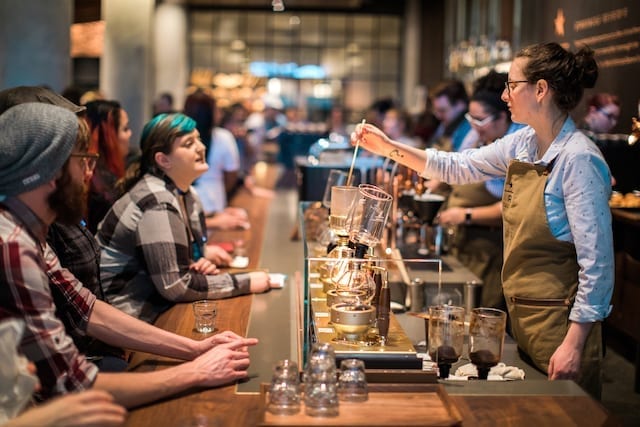
  • Starbucks Korea to open the 30th upscale Reserve Bar

    Starbucks Korea to open the 30th upscale Reserve Bar

    Starbucks Korea says it will expand its premium Reserve store network to meet the growing demand for specialty coffee among local consumers.

    The company will open two Reserve stores in Seoul and a third in Pangyo, just south of the capital, this week. They will raise to 30 the number of upscale Reserve cafes in the country, which is already the third-largest total of any international market, behind China with 52 and the US with 35.

    Starbucks Korea is a joint venture between Starbucks Coffee International and South Korea’s Shinsegae Group.

    The number of Reserve bars in South Korea stood at 15 as of the end of last year, so has nearly doubled in the past six months.

    “We will continue to increase the number of Reserve bars in line with the growing demand for specialty coffee among local consumers,” a Starbucks Korea official said

    Starbucks remains the undisputed No 1 in Korea’s coffee industry and was the first such chain the country to surpass 1 trillion won (US$895 million) in sales. It has more than 1150 stores nationwide.

    The size of South Korea’s domestic coffee market reached 6.4 trillion won at the end of 2016, up 30.6 per cent from 2014, according to government data.

  • Shinsegae wins Incheon duty-free license

    Shinsegae wins Incheon duty-free license

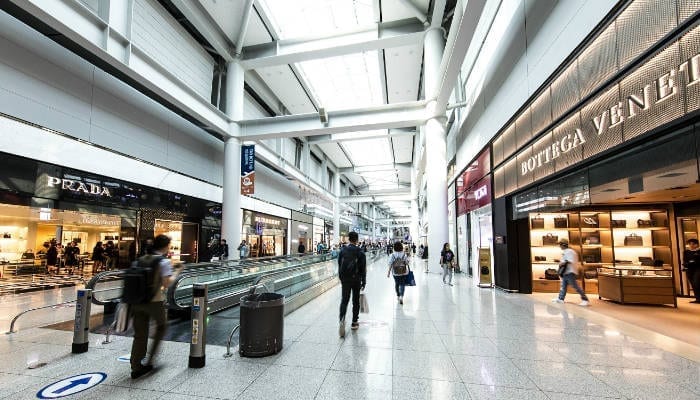
    Shinsegae Duty Free won two licenses to operate at Incheon International Airport’s Terminal 1 on Friday, beating out Shilla Duty Free in the competitive battle for lucrative slots at one of the world’s most trafficked airports.

    The Korea Customs Service said Shinsegae will be allowed to operate stores in the DF1 and DF5 zones of Terminal 1 from next month until July 2023. In total, Shinsegae now occupies four out of eight duty-free zones allocated to major conglomerates. The other four are run by Lotte Duty Free and Shilla Duty Free. Another four are reserved for smaller operators.

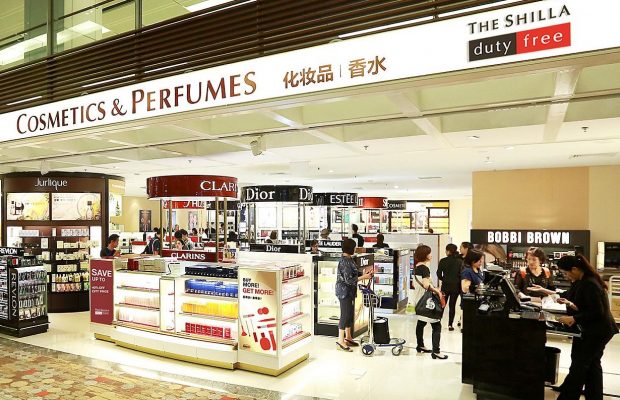
    “DF1 and DF5 are significant spots in terms of size and items they’re allowed to sell,” said a spokesman for Incheon International Airport Corporation, which determines what types of products can be sold in each zone. “DF1 is for cosmetics and perfume, while DF5 is for leather accessories and fashion.”

    The two zones combined occupy more than 8,000 square meters (86,000 square feet), nearly half of Terminal 1’s total duty-free space. Lotte Duty Free, the market leader, initially held the fort but decided to give up the license in February after failing to secure lower rent from Incheon International Airport. It later re-entered the bid after the airport offered cheaper rent.

    Combined, DF1 and DF5 stores used to generate 800 to 900 billion won ($720 to 810 million) a year, equivalent to 6 to 7 percent of the Korean duty-free market’s total sales.

    Shinsegae and Shilla were the final competitors among four bidders that submitted applications to Incheon International Airport Corporation last month. Lotte Duty Free and Doosan Duty Free were ruled out in the first round of evaluation.

    The final round pitted two retail giants run by conglomerate family daughters: Chung Yoo-kyung of Shinsegae Department Store and Lee Boo-jin of Hotel Shilla. Chief executives from the two companies – Han In-kyu for Shilla Duty Free and Son Yung-sik for Shinsegae Duty Free – presented their business plans to customs officials at the Customs Border Control Training Institute in Cheonan, South Chungcheong, on Friday. Officials then assigned each plan a grade.

    Industry sources speculate that Shinsegae’s higher bidding price did the work. Among a total of 1,000 points in the customs office’s grading scale, bidding price took up 400 points. Shinsegae offered 337 billion won for the two zones, while Shilla offered 269.8 billion won.

    In the duty-free industry, the bid upended a market long dominated by Lotte and Shilla. Shinsegae is a relative newcomer in the game, entering in 2012 after acquiring the duty-free business of Paradise Hotel.

    As of last year, the market share of the three major operators was 41.9 percent for Lotte, 29.7 percent for Shilla and 12.7 percent for Shinsegae.

    Shinsegae’s bid win on Friday, though, raises its share to 19 percent, while Lotte’s falls to 36 percent because of the lost space at Incheon. Shilla’s share remains unchanged at 29.7 percent.

  • Shinsegae and Shilla to fight out Incheon T1 duty free bids

    Shinsegae and Shilla to fight out Incheon T1 duty free bids

    Shinsegae Duty Free and The Shilla Duty Free will fight out the contest for two Incheon International Airport Terminal 1 duty free contracts on offer, despite rival Lotte Duty Free tabling the highest bids in each case.

    The tenders followed incumbent Lotte Duty Free’s resignation from both concessions in February.

    As reported, four retailers – Lotte Duty Free, The Shilla Duty Free, Shinsegae Duty Free and Doota Duty Free – bid for the two packages, DF1 and DF5.

    While Lotte Duty Free submitted the highest offers for both packages (see figures below), Incheon International Airport Corporation opted to shortlist only Shilla and Shinsegae. The two retailers must now table their business plans to Korea Customs Service and Incheon International Airport Corporation by 5 June. A winner will be selected in mid-June.

    A Shinsegae Duty Free spokesperson confirmed the shortlist to The Moodie Davitt Report. A Lotte Duty Free spokesman said the company was “despondent”, given that it had tabled the highest bid.

    Lotte’s DF1 bid was +1.6% higher than Shinsegae’s and +27.2% higher than Shilla’s. On DF5, Lotte’s offer was +13.2% better than Shinsegae’s and +38.8% above that of arch-rival Shilla.

    Some Korean duty free market sources expressed shock at the result. One veteran retailer told The Moodie Davitt Report, “Lotte must have been penalised for dropping the [former] concession in the mid-term. Yet as evaluations are based 60% on the business plan and 40% on the monetary offer, it is not easy to understand that Lotte did not qualify… especially as it had paid a KW187 billion penalty (for its premature exit).

    “There is no specific regulation or degrading for a company which gives up a government concession in the mid-term.”

    One source told The Moodie Davitt Report, “The most probable scenario is that the licence evaluation committee of Korea Customs Service will award DF1 to Shinsegae and DF5 to Shilla in order to avoid potential monopoly issues [as Shilla also holds the rest of the airport’s P&C business reserved for major retailers -Ed].”

    Not surprisingly, Shilla is known to dispute that position. Korea’s Fair Trade Commission will not have a problem with the proposed structure, sources close to the company believe. Shilla could reasonably point to many other international airports which have a single retailer for one category (or in fact for all categories), the sources contend.

  • Shinsegae bets strong to replace Lotte’s Incheon duty free

    Shinsegae bets strong to replace Lotte’s Incheon duty free

    Shinsegae is going all out to acquire licenses to operate duty free shops at Incheon International Airport after its rival Lotte’s bid fell through.

    The bid is understood by many as Shinsegae‘s aim to expand its presence in the still lucrative and growing duty free industry.

    According to industry officials, the Incheon International Airport Corp. (IIAC) has narrowed the candidates for the licenses to Shinsegae DF and Hotel Shilla. The two filed their intent to operate duty free outlets at the DF1 bloc for cosmetics and perfumes and DF5 bloc for clothing in the airport’s Terminal 1.

    Lotte and Doosan also vied for the operating licenses, but failed to make it to the final list. The Korea Customs Service will review the bids and select the operators for each of the blocs next month.

    Lotte Duty Free previously ran those blocs, but in February it gave up its licenses citing high rent, standing at around 800 billion won (US$743.5 million) a year.

    Lotte’s move was interpreted as an attempt to lower its rent for the blocs by renegotiating the deal, as it continued to accumulate losses due largely to the high rent it agreed to pay in its previous deal. The 800 billion won rent for the blocs is nearly four times higher than the minimum guarantee the IIAC wants this time for those blocs, which is 200 billion won.

    According to sources, Lotte made the highest bid at 280 billion won for DF1 and 69 billion won for DF5 in the four-way battle.

    Following were Shinsegae with 276 billion won for DF1 and 61 billion won for DF5, Shilla with 220 billion won for DF1 and 50 billion won for DF5. Doosan’s Doota Duty Free bid 192.5 billion won for DF1 and 53 billion won for DF5.

    Despite Lotte placing the highest bid, it lost points in other criteria, such as management ability and its withdrawal from the previous duty free license deal driving the airport authority to lose faith in Lotte, industry officials said.

    As Lotte failed to make the final list, the final selection next month will bring a fundamental change to the domestic duty free industry.

    As of last year, Lotte was Korea’s largest duty free operator by sales with a 41.9 percent market share. It was followed by Shilla with a 26.8 percent share and Shinsegae with a 12.7 percent share.

    The combined sales of DF1 and DF5 blocs in 2017 stood at 900 billion won, which was approximately 6.4 percent of Korea’s total duty free sales last year.
    This means Lotte’s market share will drop to 36 percent. If Shilla wins the licenses for both blocs, its market share will go over 30 percent, or if Shinsegae wins it will reach a 20 percent market share.

    Shinsegae’s surge

    Depending on the customs service’s selection, Shinsegae will operate up to four outlets at the airport. It currently has the DF7 bloc in the first terminal and DF3 bloc in the second terminal.

    Though the duty free business does not have many chances to expand because of regulatory issues and five-year licenses, Shinsegae has expanded its presence rapidly in the domestic market, encroaching on the market shares of Lotte and Shilla.

    Shinsegae’s market share stood at 2.8 percent in 2014 but quickly rose to 12.7 percent last year, increasing by 10 percentage points during the period.

    Its surge was largely attributable to the solid numbers from its Myeong-dong branch, which brought in 1.35 trillion won in sales last year. The branch opened in May 2016 but quickly hit its stride thanks to luxury brands such as Dior, Cartier and Fendi.

    The branch is also expected to house Rolex and Chanel in the near future, casting a rosy outlook for its sales. Shinsegae’s strategy to focus on Japanese and Southeast Asian customers also served its growth well.

    While other duty free outlets were hit hard by the decline of inbound Chinese customers last year due to the diplomatic friction between Korea and China over a U.S. Terminal High Altitude Area Defense (THAAD) battery, Shinsegae managed to post high numbers thanks to their relatively low reliance on Chinese customers.

    “Shinsegae’s intent to make the airport a world famous tourist attraction seemed to earn points in IIAC’s review,” a Shinsegae official said. “Also, the company’s portfolio in Myeong-dong contributed to its shortlisting.

  • Korean retail conglomerates eye pet business more and more

    Korean retail conglomerates eye pet business more and more

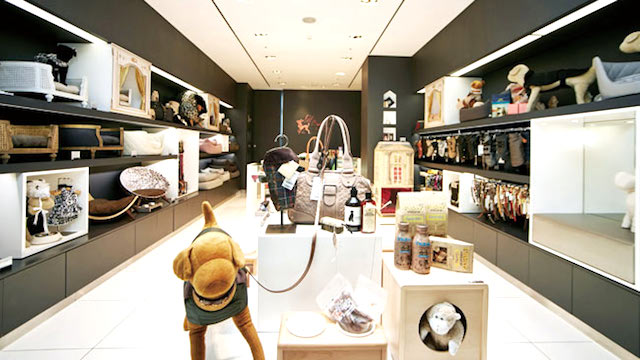
    South Korean retail conglomerates like CJ, Lotte and Shinsegae are catering more and more for pet owners as market demand grows.

    They have opened pet shops that offer products and services ranging from food and grooming services to even lodging for pets. They are also launching their own branded product lines.

    Shinsegae International’s household goods brand Jaju has launched its pet product line Jaju Pet, which plans to sell innovative pet products such as its “slow round bowl”, designed to help pets eat their food slowly, and plastic dog-waste bags that can be connected to a dog collar.

    E-Mart, Korea’s first discount retail outlet run by Shinsegae, has opened Molly’s Pet Shop with its offering of products and grooming services. It even has its own pet hotel. Since opening at the end of 2010, E-Mart now runs 35 Molly’s stores.

    Lotte Department Store opened a pet consulting service dubbed Zipsa in Gangnam in January. The store offers such services as dog-walking or pet-food delivery.

    Online shopping malls are also trying to catch some action. GS Shop has launched a “pet zone” on its mobile platform offering services that cater to various stages of a pet’s life cycle, while CJ Mall has its All Pet Club, offering food and clothing products as well as services such as lodging and funerals.

    Food companies Binggrae, Dongwon F&B Harim, KGC and Pulmuwon are also launching pet-food brands.

    Korea’s Ministry of Agriculture, Food and Rural Affairs says the pet industry has grown by more than 14 per cent on average a year since 2014. The market size was tabulated at KRW2.3 trillion (US$ 2.1 trillion) last year and is expected to surpass the KRW3 trillion won mark this year.

    The pet-loving population is estimated to be around 10 million individuals in 4.57 million households. Analysts say that as single or two-person households increase and as the aging population grows, society will see more people raising pets in the future.