Tag: Shinsegae

  • Department store sales benefit from holidays

    Department store sales benefit from holidays

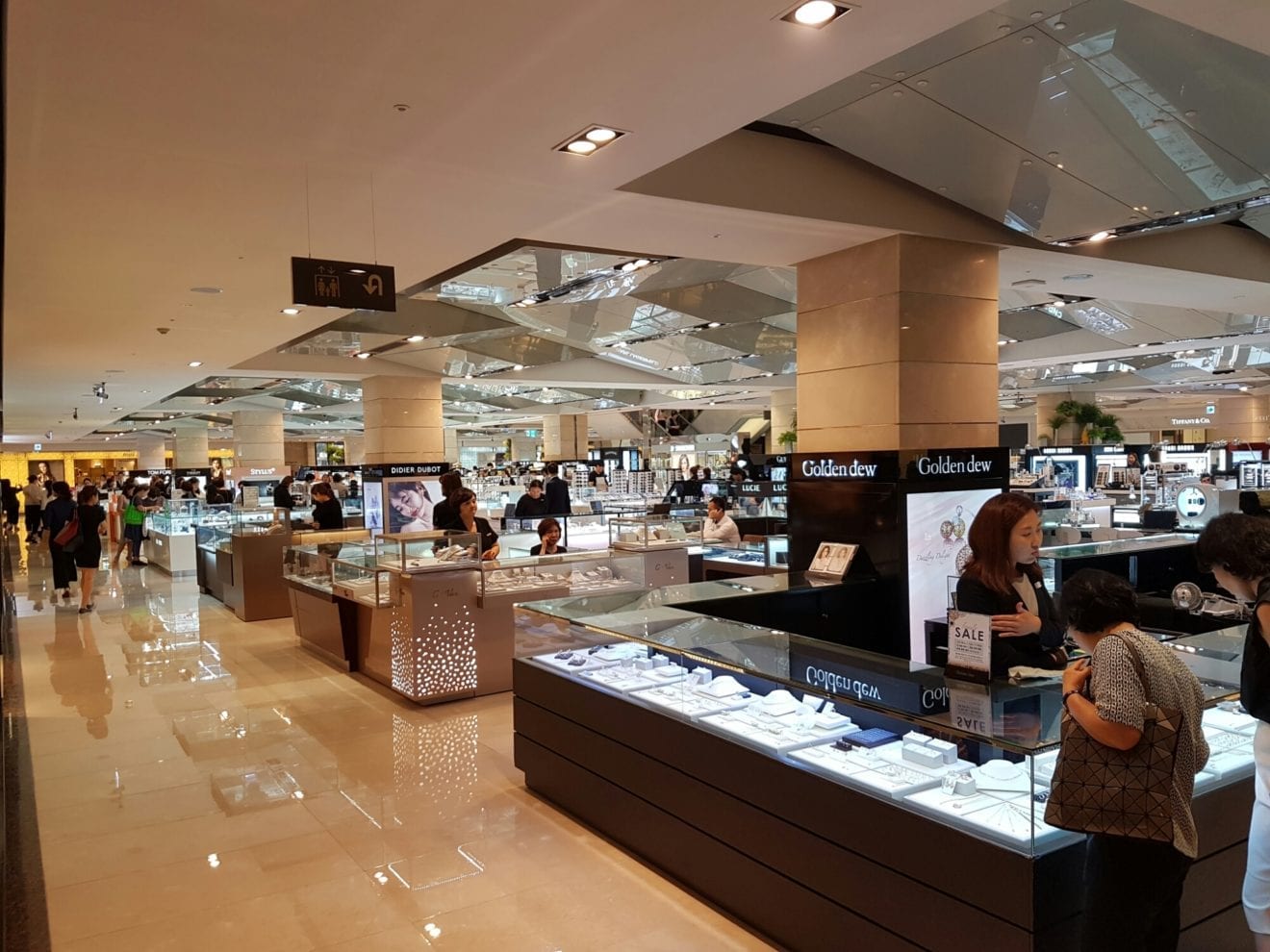
    Department-store sales in South Korea rose this month with several family-oriented holidays and special occasions, retail industry data shows.

    Children’s Day, which falls every May 5, a substitute day off and May 8 Parents’ Day all contributed to more consumption at department stores. Plus Buddha’s Birthday, which is a national holiday and falls on a Tuesday, created a four-day break for some workers.

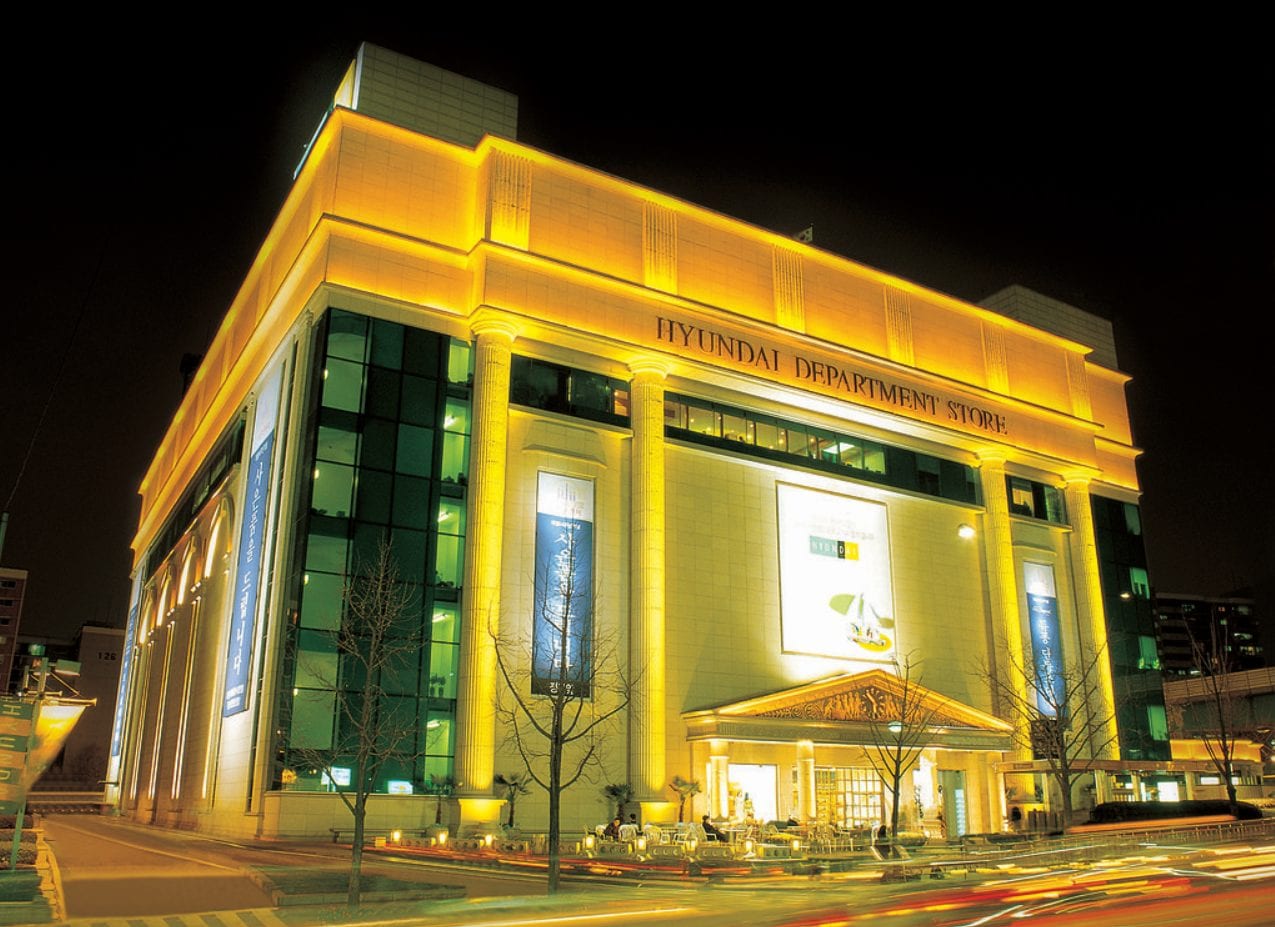
    In the first 20 days of this month, sales at upper-end department stores like Hyundai, Lotte and Shinsegae all rose, with some reporting close to double-digit gains compared with the year before.

    Shinsegae says its sales shot up 9.9 per cent, compared to a 1.5 per cent contraction for May last year. Sales of men’s and women’s clothing rose 16.1 and 12.6 per cent respectively, while demand for sports products rose 12.6 per cent. It said demand for designer goods soared 26 per cent.

    Hyundai says it sold 6.1 per cent more goods, with Lotte trailing with a gain of 5.3 per cent.

    Discount store chain E-Mart says sales for April and May were down slightly with the demand for both fresh and processed food falling last month.

  • Duty-free operators to get licenses for a decade

    Duty-free operators to get licenses for a decade

    Retail giants like Lotte and Shinsegae don’t have to worry about getting their duty-free licenses renewed every five years anymore.

    A task force on improving duty-free regulations decided on Wednesday to propose the government extend duty-free licenses for conglomerates to a maximum 10 years. Additionally, duty-free stores managed by small and medium-sized companies will be allowed to have their licenses renewed two times.

    Under the current law, conglomerate have to bid for duty-free licenses from scratch every five years. Small and medium-sized duty-free operators are allowed to renew their licenses once.

    If the government and lawmakers accept the proposal, it will undo the regulation changes made by the previous Park Geun-hye administration in November 2013, which cut the contract terms from 10 years to five.

    According to Yoo Chang-jo, a business professor at Dongguk University who is leading the task force, the goal is to make the changes effective from Jan. 1.

    “Currently, those with duty-free licenses have until next year or three years from today before their licenses expire,” Yoo said on Wednesday. If the revised regulation passes the National Assembly, “they will be allowed to renew their licenses once” for another five years.

    There have been complaints in the industry that extending licenses to a maximum 10 years is still too short and harms the duty-free operators’ competitiveness by limiting investment and contributing to uncertainty.

    The task force claimed that it limited the maximum to 10 years for a reason.

    “If the license is renewed after 15 or 20 years, there will be criticism that [the government] is favoring existing operators, which will not be accepted by the public,” Yoo said.

    He said the possibility is high for duty-free operators that are competitive to be picked again.

    The task force was formed last July after the Board of Audit and Inspection of Korea came to the conclusion that license reviews by the Park government lacked transparency and fairness.

    Park was accused of influencing the government to strip the duty-free license held by Lotte Group in 2015.

    Lotte regained its license in a revaluation the following year after allegedly complying to several demands from the Blue House.

  • Korea department store sales benefit from holidays

    Korea department store sales benefit from holidays

    Department store sales rose this month on the strength of several family-oriented holidays and special occasions, retail industry data showed Tuesday.

    Numbers provided by major Korean retailers showed Children’s Day, which falls on May 5 every year, a substitute day off, and May 8 Parents’ Day all contributed to more consumption at department stores.

    In addition, Buddha’s Birthday, which is a national holiday that fell on Tuesday, created a long four-day break for some workers, giving them more time to spend.

    In the first 20 days of this month, sales at upper-end department stores like Shinsegae, Lotte and Hyundai all rose, with some reporting close to double-digit gains compared to the year before.

    Shinsegae said its sales shot up 9.9 percent on-year, which is an improvement on the 1.5 percent contraction reported for May 2017.

    The store said sales of men’s and women’s clothing rose 16.1 percent and 12.6 percent, respectively, while demand for sports products moved up 12.6 percent. It said demand for expensive designer goods soared 26 percent.

    The increase in sales was also reported by Hyundai and Lotte department stores during the same period. Hyundai said it sold 6.1 percent more goods, with Lotte trailing with a gain of 5.3 vis-a-vis the year before.

    Clothing, cosmetics, sports and imports generated growth for the stores with demand for consumer electronics and home fashion items contributing to the overall good showing.

    “Holidays and special occasions requiring gift buying played a part in better sales numbers this year,” a Lotte Department Store representative said.

    He said sales ahead of Children’s Day and Parents’ Day were good.

    On the other hand, less demand for fresh produce that make up a large part of hypermarket sales caused a drop in numbers for such retailers.

    Emart, the country’s largest discount store chain, said sales for April and May were off slightly compared with the year before. It said demand for both fresh and processed food fell last month and coming into May.

    The company said sales of TVs, refrigerators and washers did rise, although not enough to offset the dip in demand in other areas.

    This trend was repeated at Lotte Mart, which said sales were off 1.8 percent so far in May, affected in part by negative growth in fresh produce.

    An industry expert said sluggish economic conditions were having an effect, with department stores that tailor to the more wealthy less vulnerable than hypermarkets.
  • Lotte Group plans US$2.8 billion e-commerce spend

    Lotte Group plans US$2.8 billion e-commerce spend

    Korea’s Lotte Group plans to invest KRW3 trillion (US$2.8 billion) into its e-commerce business.

    Lotte Shopping CEO Kang Hee-tae says a comprehensive online shopping platform will integrate all eight of its online stores by 2020. Lotte Group will form a business department in August dedicated to developing its e-commerce business. Its various retail businesses, including its discount chain Lotte Mart and electronics outlet Hi-Mart, each run separate online shopping platforms.

    “Lotte plans to dedicate KRW500 billion to developing the online and mobile service platform,” says Kang. “It will invest KRW1 trillion in systematising distribution and logistics and KRW1.5 trillion for marketing.”

    Lotte Shopping and Lotte Group will each invest KRW1.5 trillion in the project.

    Meanwhile, Lotte Shopping, which runs Lotte Mart, Lotte Department Store and Lotte Cinema, has already announced it will merge with Lotte.com, the retail giant’s first online shopping platform, which sells goods from the department store.

    Lotte.com, which was the first e-commerce site from a Korean conglomerate when it launched in 2000, has fallen behind industry rival Shinsegae’s SSG.com, which offers products from its discount chain Emart and Shinsegae Department Store.

    Lotte’s plan follows a January announcement by Shinsegae that it would invest more than KRW1 trillion in a company to oversee Shinsegae’s entire e-commerce business.

    Lotte is banking on its large number of registered customers and offline stores to strengthen its e-commerce business. It has 11,000 retail outlets in Korea, and also has data on more than 38 million registered customers across its online and offline stores.

  • More stagnant E-mart store to be closed

    More stagnant E-mart store to be closed

    Shinsegae Group’s discount chain E-mart has decided to shut several more stagnant stores this year to improve the company’s efficiency.

    Shinsegae says it has also sold its Deoki-dong branch in Ilsan, Gyeonggi Province. The outlet had initially been a Walmart store in 1996, but became an E-mart in 2006 after Shinsegae acquired the US-based discount chain’s Korean affiliate.

    “We realised we needed to reform our stores for continuous growth,” says an E-mart official, “so we began closing down our stores that showed sluggish sales.”

    The company sold its store in Hakseong in Ulsan, the store in Bupyeong in Incheon and the store in Siji in Daegu last year. It also sold land in Hanam and Pyeongtaek, Gyeonggi Province.

    Following the closure of an SSG Food Market Mokdong store in Seoul in January, E-mart plans to shut down the Bupyeong and Siji branches in the first half of this year. The restructuring is regarded as a move to offset the retailer’s sluggish growth rate over the past few years.

    E-mart posted KW566.9 billion (US$524.3 million) in operating profits last year, down 0.3 per cent from the previous year.

    Disposing of its stores showing losses, the company is considering opening a couple of new stores this year, as reported.

    E-mart left the Chinese market last year because of lingering losses in the world’s most populous country. After launching E-mart store there in 1997, at one time it had 30 outlets. However, the Chinese affiliate posted KW21.6 billion in losses in 2016, and its accumulated deficit between 2013 and 2016 reached KW150 billion.

    Meanwhile, E-mart will begin building its second store in Ho Chi Minh City in May. The company is using its Vietnamese affiliate as a base for its expansion in other Southeast Asian countries, such as Cambodia, Laos and Myanmar.

  • Shinsegae to sell Scotland’s Glenmuir clothing

    Shinsegae to sell Scotland’s Glenmuir clothing

    Scottish golfwear brand Glenmuir has opened its first Korea pop-up store in Gangnam.

    Located in Shinsegae Department Store, the short-term store offers the company’s Spring/Summer 2018 collection.

    Glenmuir plans to open a permanent shop inside Shinsegae Department Store in the near future.

    “We are excited to bring Glenmuir to customers in Korea through our pop-up store in Shinsegae Gangnam,” said Seonghun Park, of Glenmuir Korea.

    The pop-up will close on March 29.

    Glenmuir items are currently sold at SK Pinx golf club on Jeju Island, and on Shinsegae’s online store.

    Founded in 1891 in Lanark, the brand is sold in luxury golf resorts in more than 30 countries, including Australia, Belgium, France, Germany, Japan, Sweden, Switzerland, and Russia.

  • Reiss North Korea makes debut

    Reiss North Korea makes debut

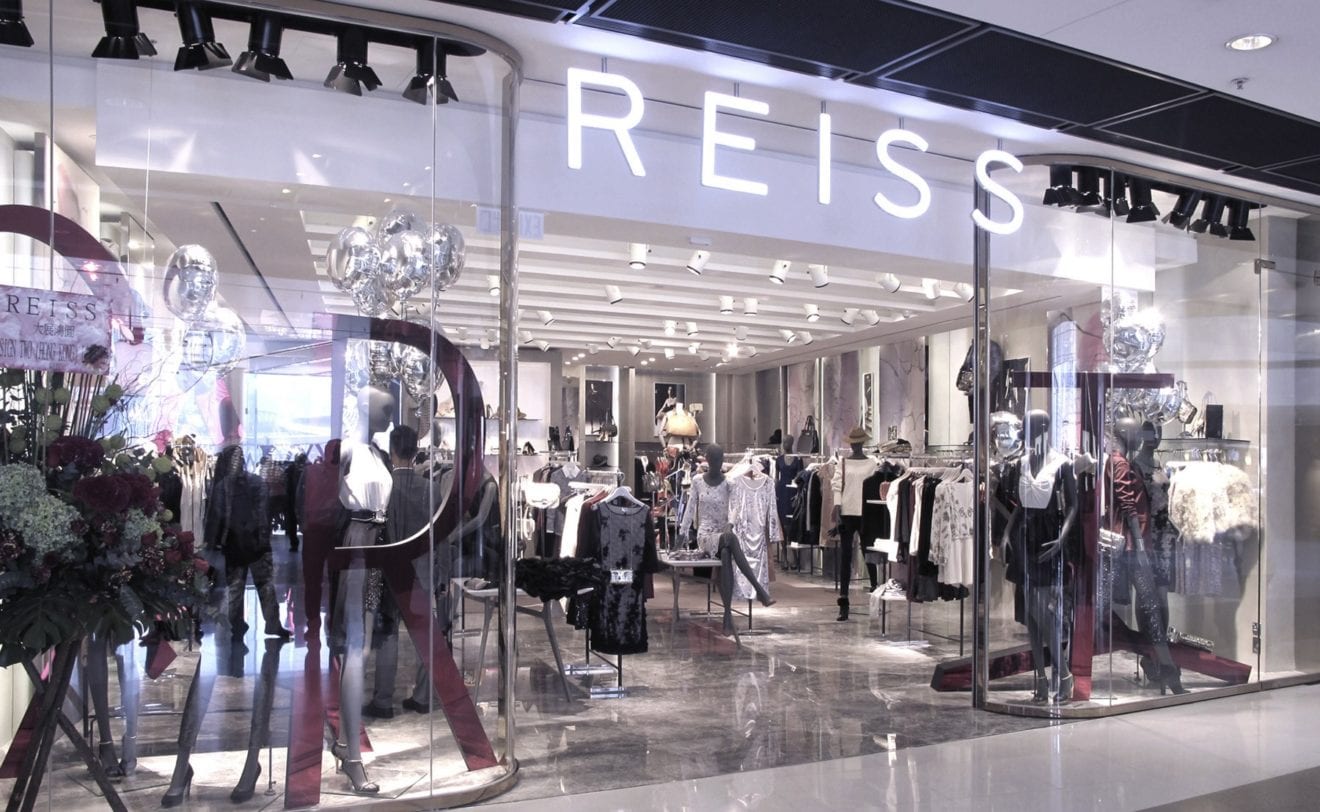
    British fashion brand Reiss has launched in South Korea, at Shinsegae Department Store in Kangnam.

    Introduced by Shinsegae International, the brand plans to open 12 stores in both Shinsegae and Lotte department stores across the country by the end of this year.

    Reiss says it expects high sales with its offering of trending items priced to compete with local and international brands.

    Founded in 1971, Reiss offers designs inspired by classic movies and artworks. Its international expansion has also taken it to the US, Canada and Australia.

  • Korea’s PK Market to enter the US market

    Korea’s PK Market to enter the US market

    Shinsegae’s discount chain E-mart plans to enter the US by opening its premium food outlet PK Market.

    While mostly high-end products will be sold at the South Korean group’s outlet, some of its low-tier private brands such as No Brand and Peacock will also be offered.

    E-mart is eyeing cities with significant Asian communities, such as Los Angeles and San Francisco. It may also acquire a food factory in Portland, Oregon, for producing its Peacock products for the US.

    E-mart has also joined hands with US shopping mall giant Taubman, which helped establish Starfield shopping malls in Korea.

    The Korean company has been trying to diversify its global reach, particularly after closing down stores in China over the THAAD row. Its accumulated operating loss in China has reached more than KW150 billion (US$141 million) since 2013, according to industry sources. E-mart finally exited the Chinese market last month.

    Meanwhile, the company plans to open its second outlet in Ho Chi Minh City in May.

  • Kit Kat Flagship Store to Open Its First Location in Korea

    Kit Kat Flagship Store to Open Its First Location in Korea

    A KitKat flagship store has been launched in Shinsegae’s Gangnam department store in South Korea.

    It has been opened by Swiss food giant Nestle’s Japanese unit, which has developed special flavours for the chocolate wafer snack in collaboration with chef Yasumasa Takagi, who has just rolled out a special ruby version. As well as the original KitKats, the new Seoul store offers such exotic variations as cherry blossom and wasabi.

    “Nestle decided to open the first flagship store to reflect Korean customers’ needs for new and trendy premium chocolate,” says Nestle Korea CEO Erwan Vilfeu.

    Nestle Japan is looking into taking its special flavours to other Asian countries with similar flagship stores.

  • Shinsegae to ramp up e-grocery business with $940 million from private equity

    Shinsegae to ramp up e-grocery business with $940 million from private equity

    South Korean retail heavyweight Shinsegae has drawn a US$938 million investment to help it build a major e-commerce business.

    Shinsegae has signed an initial funding agreement with BRV Capital and private equity company Affinity Equity Partners as it strives to make the most of a rapidly expanding Korean online shopping market.

    Shinsegae says it will carve off the online business divisions of Shinsegae Department Store and its discount store chain operator E-Mart and merge them to establish a separate affiliate dedicated to the group’s e-commerce business.

    “Our goal is to launch the new affiliate within this year,” Choi Woo-jung, head of the group’s e-commerce business, said in a press release. “Further details, including the name of the company and its structure, will be decided down the road.”

    Shinsegae plans to carry out new business projects, including mergers and acquisitions, through the spun-off company and raise it as the business group’s key distribution channel with an annual revenue of 10 trillion won by 2023.

    Shinsegae’s e-commerce business has been posting double-digit growth since the launch of an integrated online mall for its subsidiaries, SSG.com, in 2014, it said. The online platform logged 1.5 trillion won (nearly $1.4 billion) in sales in the first nine months of 2017.

    The retailer’s move to expand its e-commerce business comes in line with a steep rise of purchases made over the Internet in South Korea as the use of smartphones has fully caught on with local consumers.

    Transactions made with personal computers and other mobile devices reached 7.55 trillion won November last year, up a solid 21.7 per cent from a year earlier, according to data from Statistics Korea.

  • Shinsegae to buy local furniture company for $168 mln

    Shinsegae to buy local furniture company for $168 mln

    South Korean retail giant Shinsegae will buy a local furniture company Casamia for KW180 billion (US$167.8 million) in a bid to tap into the country’s home-furnishing industry.

    Shinsegae Department Store will sign a contract with the company’s founder “and others” to buy a 92 per cent stake in the company, as reported.

    Launched as a small furnishing shop in Seoul in 1982, Casamia now has multiple brands, ranging from home decor to office furniture. Sales reached KW121.9 billion in 2016.

    Shinsegae has declined to comment on the acquisition, and Korea Exchange has asked that it confirm media reports in a regulatory filing.

  • EMart’s M-Lounge to sell electric mini-vehicles

    EMart’s M-Lounge to sell electric mini-vehicles

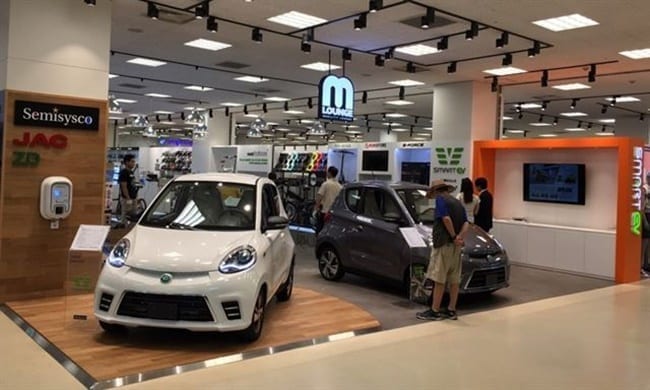
    South Korea’s discount store E-Mart, a unit of retail conglomerate Shinsegae Group, has started selling electric mini-vehicles.

    E-Mart says it has expanded its M Lounge network to seven shops across Korea to sell electric bicycles and EVs.

    Introduced at its Yeongdeungpo store last March to introduce its e-mobility lineup, M Lounge now sells E-Mart’s private-brand e-bike Pedelec and other brands such as Mando Footloose and Maskali, as well as Air Wheel (electric wheel) and iBoat (electric kickboard). It has also started taking orders for the Zhi Dou two-seater electric car from China, which can run up to 150㎞ on a single charge.

    Cleared by regulatory authorities last month, the vehicle is expected to be priced at KW13 to 14 million (US$13,000).

    E-Mart aims to install M Lounge at up to 20 key stores across the country.

  • Starbucks Coffee Korea forecast to post record-high operating profit

    Starbucks Coffee Korea forecast to post record-high operating profit

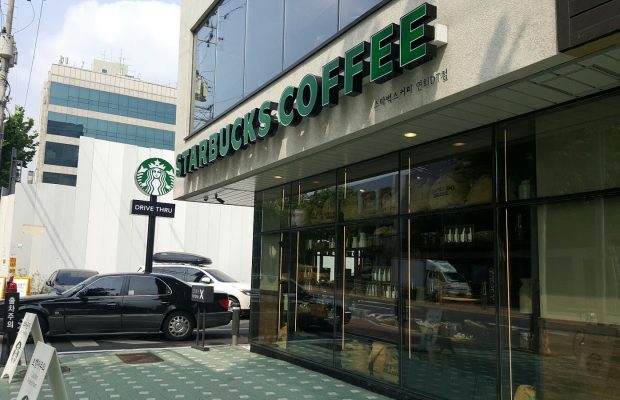
    Starbucks Korea’s annual operating profit soared past 100 billion won (US$94 million) for the first time last year, despite intense competition in the domestic cafe sector.

    Industry sources told Yonhap news service the record result was driven by solid demand from young consumers.

    The operating profit of the coffee chain, which is run by South Korean retail conglomerate Shinsegae, was estimated at 110 billion won last year, according to the sources. Sales were estimated to have reached 1.2 trillion won (US$1.128 billion).

    The company’s annual revenue first topped the 1 trillion-won mark in 2016, setting a milestone in the South Korean coffee industry.

    The figures for its competitors, such as A Twosome Place and Angel-in-us Coffee, are known to average between 100 and 200 billion won, according to industry sources.

    Starbucks, which opened its first Korean branch near Ewha Womans University in Seoul in 1999, had 1140 stores throughout the country as of last month.

    In December, the coffee chain opened its largest store in the country in Seoul.

  • Shinsegae’s beauty multi-shop ‘CHICOR’ opens the largest store

    Shinsegae’s beauty multi-shop ‘CHICOR’ opens the largest store

    Shinsegae Department Store Beauty multi-shop ‘CHICOR’ opens the largest flagship store in Gangnam Station. Gangnam is the 6th store and the first road shop after Daegu, Gwangju, and Goyang. CHICOR Gangnam is opened in the main street of Gangnam Station which is one of the representative commercial supremacy.

    It is located in the Kumkang Shoe building near Sinnon Hyun Station.

    It provides a space for experiential activities through beauty shopping, play, culture, and service, rather than a simple cosmetics sales space.

    The store is the largest of CHICOR stores with 1061 square meters (321 pyong). The three-story store has over 250 beauty brands.

    Categories have more segmented and specialized from existing line make-up, skin, body, hair, and men to beauty tools, kids, and room fragrances.

    This flagship store has a clear concept for each floor and seeks differentiation from other beauty shops. The first floor is decorated with an Extreme Beauty theme.

    Professional makeup, nail care and beauty tools are available on the first floor. The second floor is a beauty recipe theme that provides a full recipe for skin-care, body-care and perfume for your skin.

    The first floor of the basement is a beauty solution that provides expert solutions in skin care and hair care rooms.

    In addition to this, store is also organized hair care, men’s care and lifestyle products. In particular, the lifestyle section introduces a beauty item zone for children, and the beauty of the whole family can be found in one place.

    CHICOR plans to provide customers with various events such as makeup lecture event on Beauty Yu Tuber ‘Risabae’ in commemoration of the opening of the flagship store.

    CHICOR said, “Gangnam is a gathering place where people come for various purposes such as language study, shopping, and play.” “It will be a flagship store that will position itself as a landmark for resting with beauty.”

  • FTC chief urges conglomerates to improve ownership structure

    FTC chief urges conglomerates to improve ownership structure

    The head of South Korea’s antitrust watchdog said on Dec. 31 that the country’s large businesses groups should work hard to improve their complicated ownership structures and refrain from wielding their market dominance.

    “Large conglomerates should make efforts to curb their economic power and to improve their ownership structures,” Fair Trade Commission Chairman Kim Sang-jo said in his message for 2018.

    “They should also work hard to stem unfair business practices that hurt smaller firms,” Kim said.

    Kim, a former civic activist, said he will keep monitoring large business groups that abuse their market dominance and exert undue pressure on subcontractors and small-time enterprises.South Korea‘s conglomerates have been under fire for years for largely relying on controversial cross-shareholding arrangements among their affiliated companies to strengthen their owner families’ control over the entire group.

    The FTC chief also vowed to carry out sweeping reforms to root out unfair business practices and strengthen consumer protection.

    “In order to help smaller firms seek innovative growth, a level-playing field is necessary,” Kim said, adding that harsh punitive measures will be taken against unfair contract terms.

    Earlier, the FTC unveiled a plan to impose punitive damages of up to three times the actual losses incurred by illegal business practices, such as unfair payments and returns, as well as cutting back supplied goods, which frequently occur between large shopping mall operators and smaller partners.

    The South Korean distribution industry is currently led by huge retailers, department stores and discount outlets that lease their spaces to small businesses. Big-name retail giants, such as Lotte, Shinsegae and Hyundai Department Store, take up the bulk of the market share and wield great influence over the entire industry.