Retail News CRM

Tag: Shinsegae

  • Shinsegae Group in massive expansion plan

    Shinsegae Group in massive expansion plan

    Shinsegae Group says it will invest 4.1 trillion won ($3.4 billion) this year and hire 14,400 new staff to expand its retail business and revitalise the “sagging domestic economy”.

    “The overall retail sector has been struggling to deal with continued sluggish domestic consumption,” a Shinsegae Group official said. “But we decided to invest more and hire more workers to find new growth engines and help inject vigor into the stagnant domestic market.”

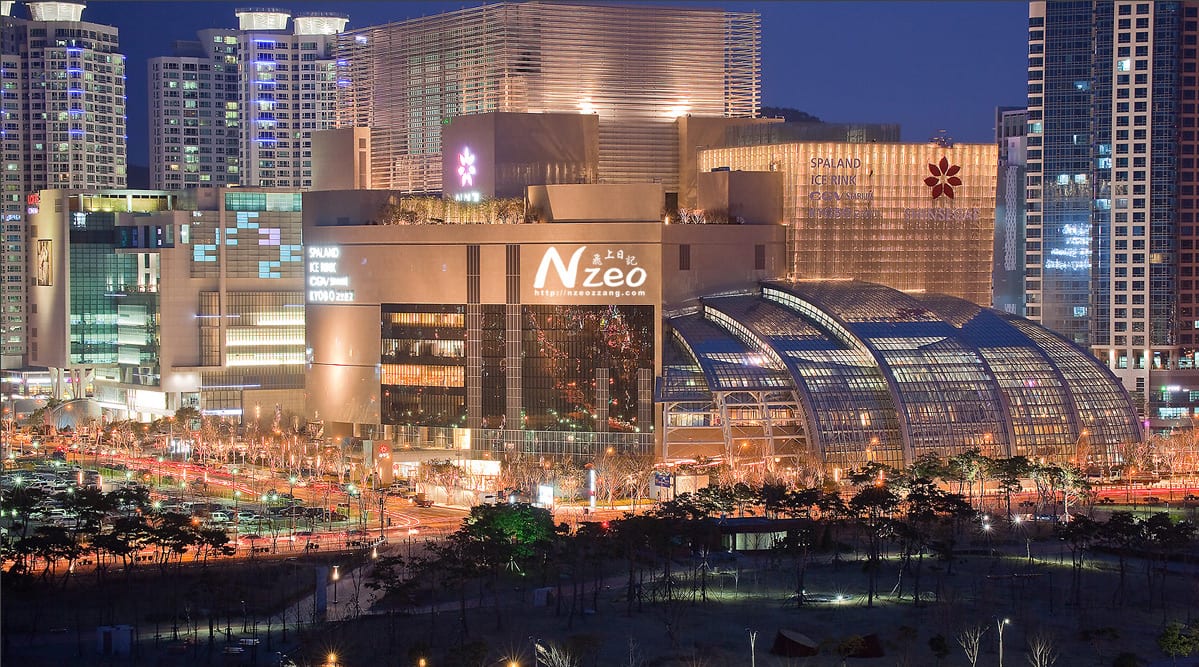
    Shinsegae, Korea’s largest retail group, will open 10 shopping centres across the country in 2016, including the massive Hanam Union Square southeast of Seoul, built on a 117,000 sqm site and employing 5000 staff. That project is worth 1 trillion won alone,  (US$832 million).

    The company’s discount arm E-Mart, is building a logistics centre in Gimpo, in the Gyeonggi province, to support an expanded online business as it ramps up competition with rivals including Coupang. It also plans to increase the size of many of its existing stores as well as opening new shops in Vietnam and other Southeast asian markets.

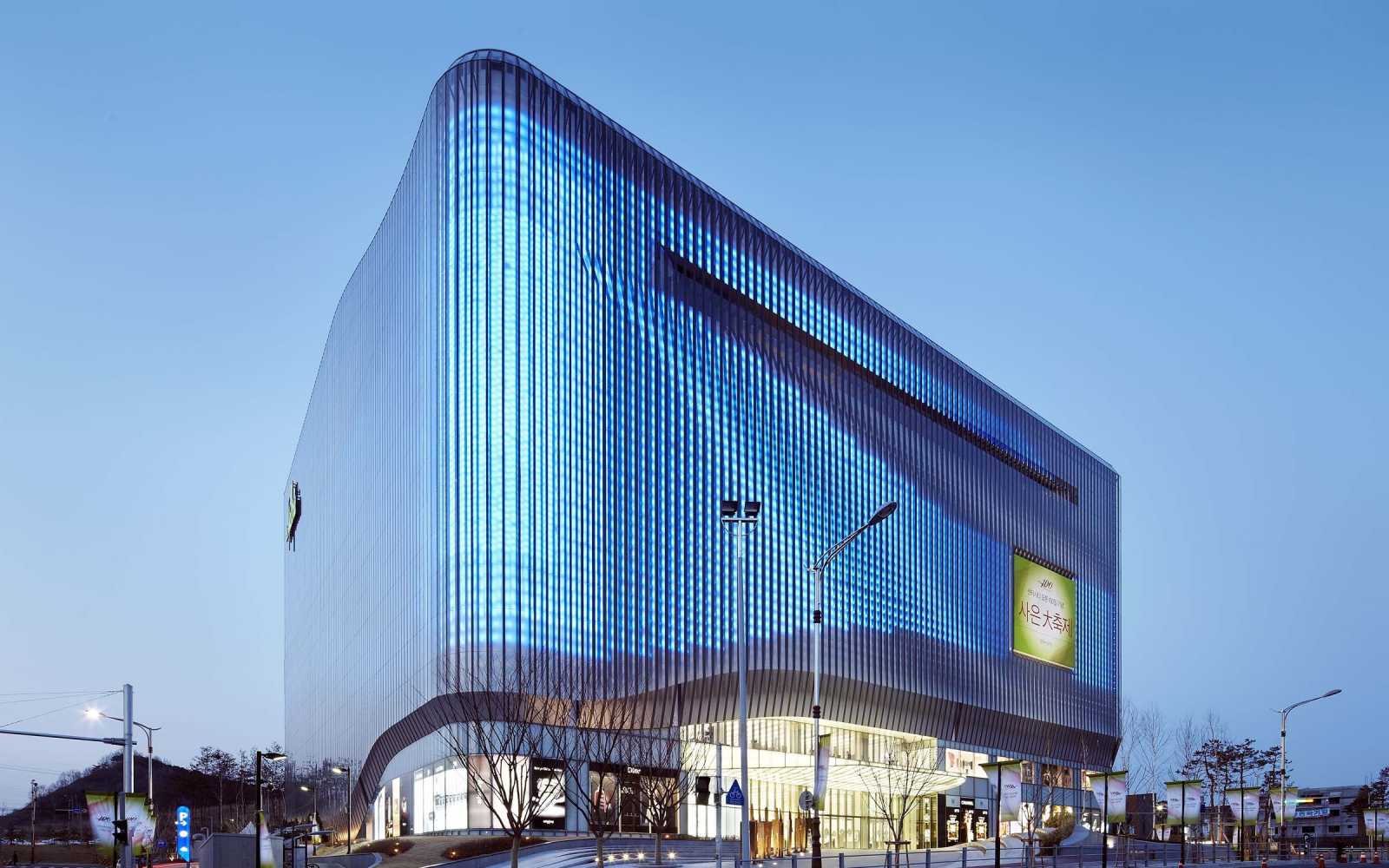
    Three new Shinsegae department stores will open their doors – in Hanam, Gimhae (in South Gyeongsang Province) and in Daegu. Stores in southern Seoul and downtown Busan will be expanded.

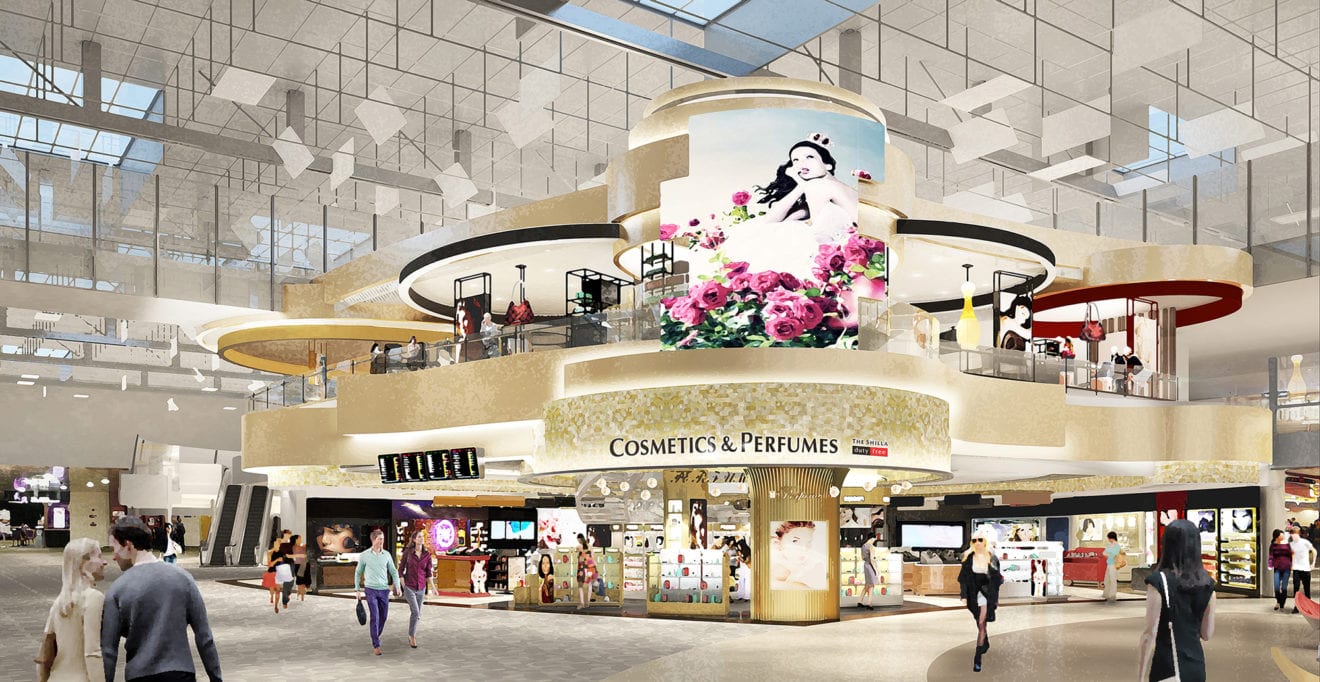
    And the company’s Shinsegae Duty Free operation is putting the finishing touches on an upmarket duty free store inside its downtown Seoul department store. That shop is scheduled to open in May.

    “Business conditions at home and abroad have largely been unfavorable for us,” said Shinsegae Group vice chairman Chung Yong-jin.

    “We expect to bear fruits this year from our investments in multipurpose shopping centers, duty free shops and department stores. We will continue to invest and hire workers as a leading retailer to help bolster the domestic economy,” he said.

  • Korea retail sales slide

    Korea retail sales slide

    Korea retail sales took a surprise turn for the worst in December after three consecutive months of solid growth.

    Reported sales by department stores run by Hyundai Department Store, Lotte Shopping and Shinsegae Co show a 5.7 per cent fall year-on-year, according to figures released by the the Ministry of Trade, Industry and Energy on Tuesday.

    For the whole 2015 year, department store sales fell a modest 1.2 per cent, mainly due to the outbreak of Mers mid-year, and a rise in online shopping.

    The government attributed the December fall to warmer weather compared with the previous year, which may prompt one to speculate on January’s figures given the unusual cold snap hitting the country this month. The warmer climate meant fewer sales of winter clothing.

    Sales of luxury watches, jewellery and household electronics also fell.

    The December fall was the largest monthly year-on-year drop since 6.5 per cent last August. Sales rose by 1 per cent in November.

    Sales at South Korea’s major discount department stores fell 5.1 per cent, the third consecutive monthly decline and the largest since August.

    For the whole of 2015, discount department store sales fell 2.1 per cent.

    The Ministry said discounters’ December performance was affected by the warm weather and softening demand for food products.

  • South Korea’s discount store sales fall at fastest pace in 4 mths

    South Korea’s discount store sales fall at fastest pace in 4 mths

    Sales at South Korea’s top department stores snapped three months of rises in December and marked their biggest annual fall in four months due to warmer weather compared with the previous year, government figures showed on Wednesday.

    Combined sales at department stores run by Hyundai Department Store, Lotte Shopping and Shinsegae Co fell 5.7 percent on-year, finalised data from the Ministry of Trade, Industry and Energy showed on Tuesday.

    This compared with a rise of 1.0 percent in November and was worse than a 3.8 percent decline estimated by the finance ministry. December’s drop was the biggest since a 6.5 percent fall in August last year.

    Warmer weather resulted in poor apparel sales as customers bought less winter clothes, the trade ministry said. High-end watches, jewellery and household electronics sales capped the decline.

    The average temperature in Seoul was 1.6 degrees Celsius (34.88°F) in December, compared to an average negative 2.9 degrees a year prior. The same data showed annual sales at South Korea’s major discount stores fell 5.1 percent in December in their third straight month of declines and the biggest fall since August.

    It was worse than a 2.1 percent fall estimated previously.

    Discount store sales also suffered from warm weather as well as softened demand for food products, the trade ministry said. On a whole for 2015, sales at department stores and discount stores fell 1.2 percent and 2.1 percent, respectively, mainly due to an outbreak of a deadly virus in the middle of the year and surging online shopping, according to the ministry.

    The trade ministry data came a day after fourth-quarter GDP slowed by more than half from the third quarter of 2015, as growth from private consumption was offset by poor construction investment.


  • Korea duty free operations offered

    Korea duty free operations offered

    Two international airports in are set to review operational licenses for South Korea duty free shops.

    But the upcoming bids are unlikely to become competitive due to sluggish profitability, industry sources told Yonhap on Wednesday.

    Gimpo International Airport in western Seoul is expected to open a bid for tax-free shops later this month as the current operating rights expire in May after five years of operation.

    Currently, Hotel Lotte Co. and Hotel Shilla Co. have duty-free shops at the airport.

    Gimhae International Airport, west of the southern port city of Busan, also has to select a new operator as Shinsegae Co, a major retailer, shut down its store in December to focus on its city outlets.

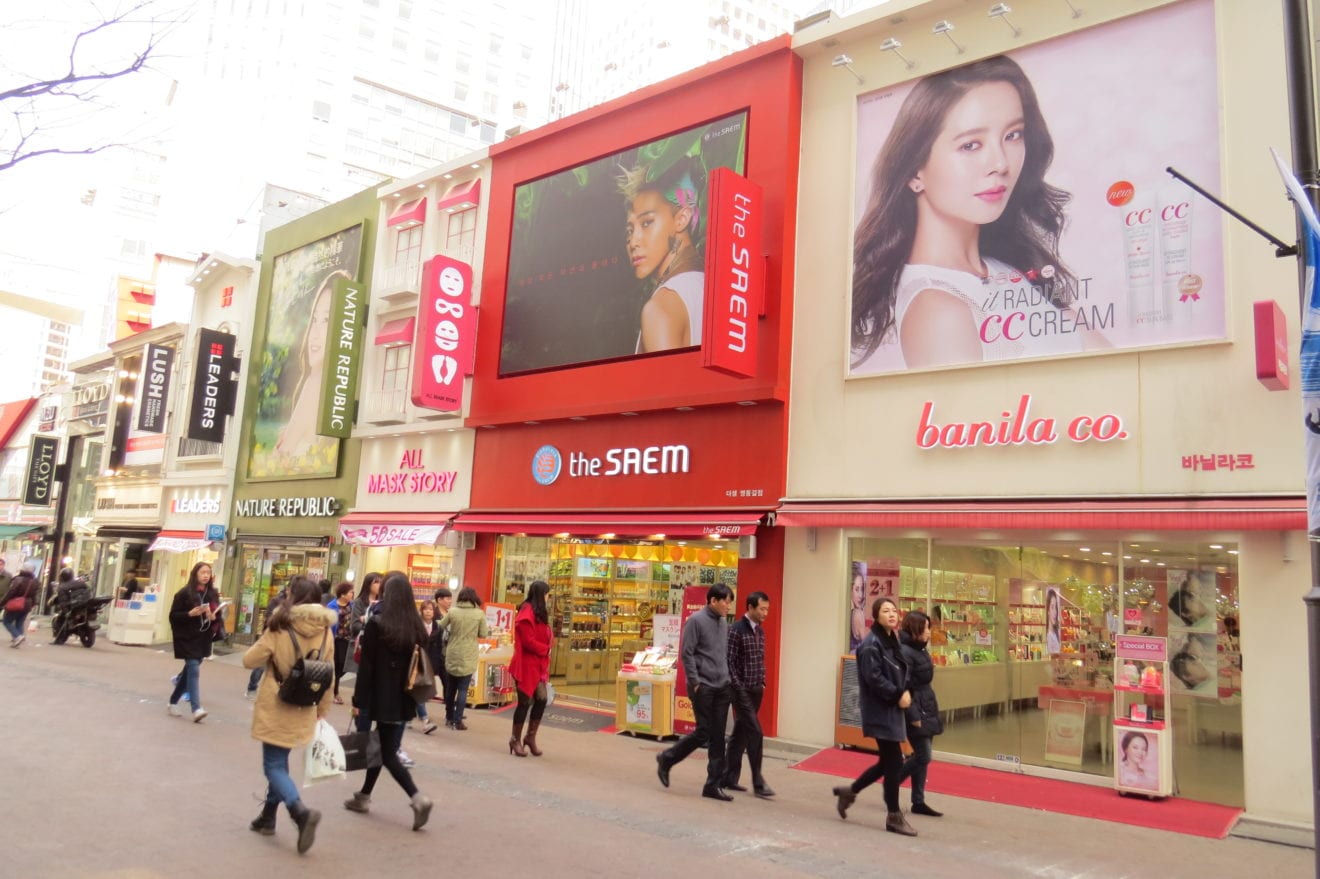
    Shinsegae won a right to open a new duty-free shop in Myeondong, a popular tourist destination in downtown Seoul.

    While several local retailers threw hats into the ring for licenses in downtown Seoul last year to attract affluent Chinese shoppers, the upcoming bid is not likely to fuel competition as current shops at the airports have had difficulty making ends meet.

    Sales at the Gimpo and Gimhae outlets stood at 140 billion won (US$116 million) and 130 billion won, respectively, last year, according to their financial reports.

    Hotel Lotte said it plans to renew its license for Gimpo and decide on the Gimhae store after considering potential profitability.

    The unit under retail giant Lotte Group lost its license in southern Seoul in a tightly contested bid amid a bitter succession feud between the founder’s two sons.

  • Korea’s E-Mart Vietnam launches

    Korea’s E-Mart Vietnam launches

    As a first step in a Southeast Asian rollout, Korean discount store E-Mart has opened its first outlet in Vietnam.

    It goes head-to-head with rival Korean chain, Lotte Mart, which has been in Vietnam since 2011 and now has 11 stores. The E-Mart Vietnam launch follows four years of researching the Vietnamese retail market.

    Run by retail giant Shinsegae, the new two-storey E-Mart hypermarket is worth US$60 million and is on a 3ha site in the busy Go Vap District of Ho Chi Minh City, nearby the airport. It is the brand’s first overseas store since it shifted focus to Southeast Asia in 2011 after a lacklustre foray into China. The company regards the new store as a foothold for expansion throughout Vietnam and into such neighbouring countries as Indonesia, Laos and Myanmar, reports the Korea Herald.

    E-Mart’s Ho Chi Minh City store has been tailored for Vietnamese consumers, and offers several features new for Vietnam. About 95 per cent of the employees (about 300) are Vietnamese, including the manager, and the parking lot has been designed to cater for 1500 motorcycles and 150 cars to reflect the city’s vehicle preferences

    As well as featuring Korean products popular with Vietnamese tourists to Korea, the hypermarket has imported items sourced by its operator. Korean dishes such as kimbap, tongdak and grilled chicken are made in-store, as well as baked goods adapted for Vietnamese tastes. On its shelves customers can also find fast-moving consumer goods, household utensils, electronics, and clothing from about 1000 local suppliers, plus a wide range of Korean and Emart-branded products. About 95 per cent of the goods will be locally made.

    Unusual for stores in Vietnam, the new E-Mart has such concepts as a diversified food court, a children’s sports club, games centre, book store and an English club, plus its flagship customer services include immediate refund and exchange policies and compensation for checkout errors.

    Its mix of food and entertainment is aimed at turning the store into a “happy hypermarket” for Vietnamese consumers, reports VNS. E-Mart Vietnam general director Choi Kwang-Ho says it is hoped these concepts will “sweep the Vietnamese retail market”.

    “After successfully building up a sizeable presence in Ho Chi Minh, we plan to expand into the rest of the country,” he said.

    According to the Korea Herald, E-Mart has already bought land for a second branch. An E-Mart press release says the company plans to open another hypermarket in Hanoi – a first for the capital – and expand the chain to 52 stores across Vietnam by 2020.

    Meanwhile, in co-operation with the Viet Nam National Traffic Safety Committee, E-Mart has donated hundreds of helmets each to seven primary schools in Go Vap. It plans to gift 50,000 quality helmets for primary-school students by 2020.

    E-Mart is the largest retailer in South Korea with 160 stores. Founded in 1993 by department store franchise Shinsegae, E-Mart reported global sales of $13.2 billion last year.

  • John Lewis Asian stores ‘trading well’

    John Lewis Asian stores ‘trading well’

    UK department store operator John Lewis has hinted at its trading performance in Asia as it announced another offshore expansion – into the Netherlands.

    John Lewis chose Singapore as the first of 15 new international markets it plans to expand into back in March this year.

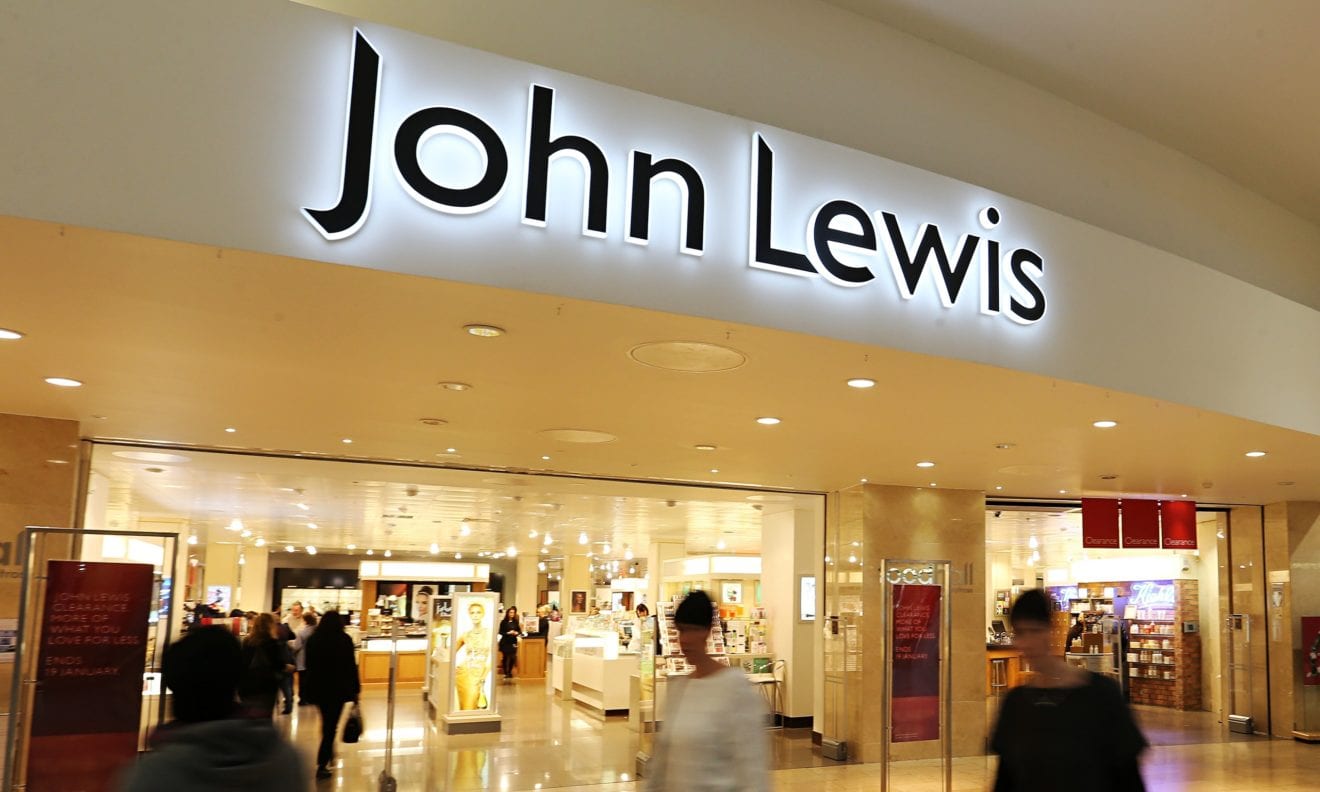
    Two John Lewis Singapore concessions were opened inside Robinsons department stores, last July, primarily selling homewares.

    Andy Street, John Lewis MD, mentioned overnight: “Our existing shop-in-shops in Singapore, the Philippines and South Korea have been well received and are trading well.”

    John Lewis opened 14 shop-in-shops across Singapore and the Philippines this year, and seven shop-in-shops in South Korea last year.

    The first Dutch shops will open in spring 2016 at de Bijenkorf’s flagship stores in Amsterdam, Rotterdam and The Hague – its first stores in continental Europe.

    And more may follow, especially in Asia.

    ‘Whilst we remain committed to our UK physical expansion we hope to announce more international collaborations in 2016,” said Street.

    The UK retailer was founded in 1864, but until last year it had never traded outside England, Scotland and Wales. In 2012 it entered into a partnership with South Korea’s Shinsegae Department Store Co, selling linen and homewares in seven stores.

    Street said in March he expected to confirm deals to open in a further five foreign markets in 2015. That could mean four more markets to be announced over the next six weeks.

    “We have been very successful in Korea. We are really pleased and surprised that, in a market where the John Lewis brand isn’t really known, it has cut through.”

  • South Korea retail sales rise

    South Korea retail sales rise

    Preliminary data from leading department and discount stores in October reveals South Korean retail sales are recovering post-Mers.

    Combined sales last month at department stores run by Hyundai Department Store, Lotte Shopping and Shinsegae Co jumped 17.4 per cent year on year.

    That’s a huge improvement on the 2.8 per cent department stores achieved in September and the seven per cent rise in discount department stores.

    The preliminary data from the Finance Ministry shows clearly a bounce back following the Middle East Respiratory Syndrome (Mers) scare which caused tourists to travel elsewhere and locals to stay at home in fear of catching the viral epidemic.

    Figures released by Statistics Korea last week show South Korea retail sales rose to their highest level in four months in September, up 4.1 per cent on September 2014.

    Department store and discount store sales started to slide in June when the Mers crisis peaked.

  • Smoothie King Vietnam expansion plan

    Smoothie King Vietnam expansion plan

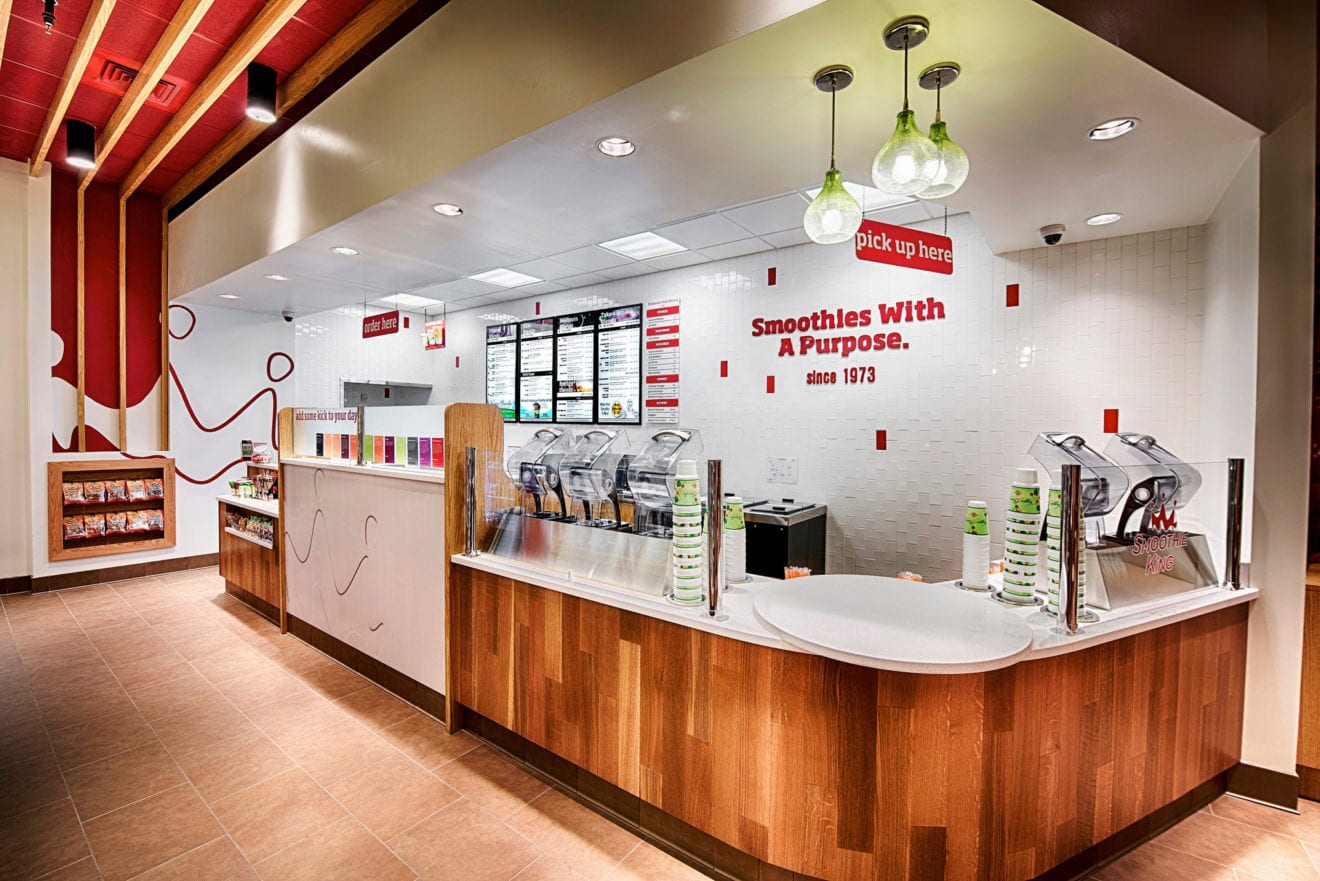
    South Korea’s Shinsegae Group is to buy the Korean network of 105 Smoothie King stores and launch the brand into Vietnam.

    Smoothie King Vietnam will initially be focused on the Ho Chi Minh City and Hanoi markets.

    Based in the southern US city of New Orleans, Smoothie King produces and markets smoothies, juices, sports drinks, energy bars, vitamins and health supplements. It currently boasts more than 700 locations worldwide and is targeting 1000 by the end of 2017.

    The Vietnam news follows an announced expansion into the Middle East earlier this year, commencing in Dubai.

    “This deal is monumental for Smoothie King – and one that we thought long and hard about. I was the master franchisee in Korea and bought the brand in 2012, making growth a primary goal for the company,” said Smoothie King CEO Wan Kim.

    Smoothie King 1

  • Doosan, Shinsegae lock horns over urban duty-free license

    Doosan, Shinsegae lock horns over urban duty-free license

    Retail giant Shinsegae and industrial behemoth Doosan Group on Monday locked horns over the special license to run three urban duty-free stores in Seoul.

    With the urban duty-free stores regarded as a lucrative business for the sluggish retail industry, the chiefs of both companies vowed to win the license that could guarantee trillions of won in revenue over the next 10 years.

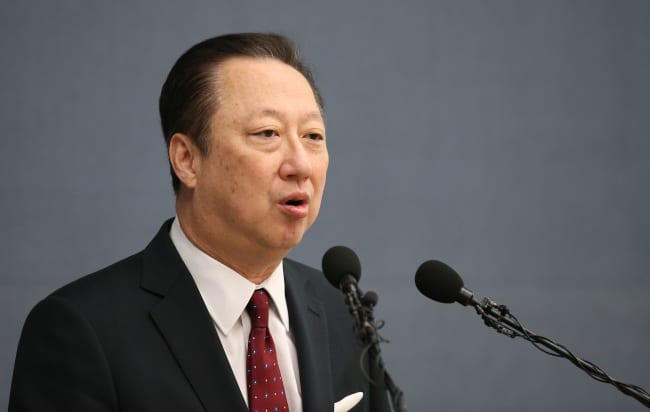
    Doosan Group chairman Park Yong-maan (Yonhap)

    Doonsan Group chairman Park Yong-maan said he would fully leverage his 20-year experience in publishing high-end fashion magazines. “From 1995, I have been deeply engaged in the publication of the Vogue magazine, with my name on the masthead every month,” Park told reporters on Monday.

    “The luxury goods makers know that Doosan has all its takes to create luxury contents, and trust us,” he said, referring to the endorsement of about 400 luxury goods makers — including Louis Vuitton and Ferragamo — for Doosan’s duty-free shop, which was clearly influenced by the Vogue-connection

    Park on Monday also declared the establishment of the Dongdaemun Future Foundation with investment of 10 billion won ($8.8 million) from Doosan Group and an equal amount from his own pocket. He explained that the duty-free store would revitalize the Dongdaemun fashion district with 13 large malls.

    “About 30 percent of the stores are currently empty. But if we get the license to operate a duty-free store we will be able to fill them up, create jobs and attract more foreigners to shop in Seoul’s oldest commercial district,” said Park, who also chairs the Korea Chamber of Commerce and Industry.

    Doosan joined the bidding war in September, citing its 16 years of experience in running Doota shopping mall in central Seoul.

    Its bid comes at a time when the company has been struggling in other businesses — in the first six months, Doosan Corp. marked a loss of 66.9 billion won, while Doosan Heavy Industries, Doosan Infracore and Doosan E&C saw 114 billion won, 34.4 billion won and 86.5 billion won losses, respectively. The retail industry with abundant cash flow is expected to ease the strain, business insiders said.

    Shinsegae, which joined the duty-free industry in 2012 by acquiring Paradise Group based in Busan, also started gearing up for a duty-free store in Seoul.

    Shinsegae DF — which currently operates stores inside Incheon International Airport and Paradise Hotel Busan, and will soon run another on Hainan Island in China — said it will nurture Korean products. The company is planning to create 14-story duty-free store in Mesa shopping mall and Shinsegae Department Store in Myeong-dong, Seoul. The country’s second-largest retailer led by group vice chairman Chung Yong-jin hopes the duty-free store will generate 10 trillion won in sales between 2015 and 2020.

    “With our ample know-how in the high-end retail business we will nurture Korean products as global luxury goods, just as AmorePacific’s Sulwhasoo and fashion accessory maker MCM did,” said Shinsegae DF CEO Sung Young-mok at a press conference which coincided with Doosan’s media briefing.

    Sung also pledged to attract 17 million foreign tourists to downtown Seoul by 2020, up from 9.27 million in 2014. It also vowed to invest 270 billion won into boosting the local economy.

    “We will provide more opportunity to the local producers,” Sung said.

    The customs authorities are expected to begin their field examination around next week, and the announcement of the license winners  is expected around early November.

  • Pop up stores change Korea retail face

    Pop up stores change Korea retail face

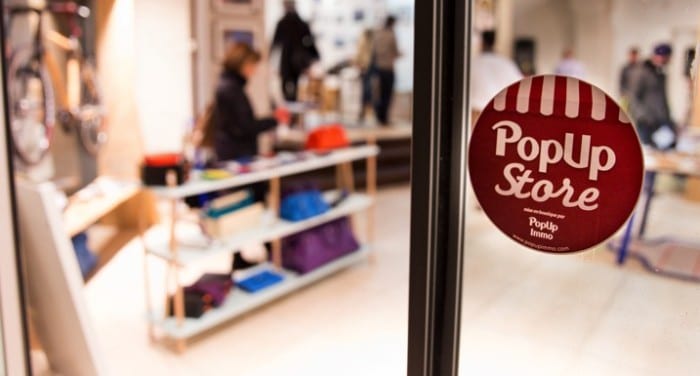
    More and more specialised retailers or service providers – ranging from barbershops to paint stores – are making appearances inside Korean department stores.

    These special shops are appearing as pop up stores rather than taking up permanent residence. The phenomenon is the result of retailers choosing pop up stores to publicise their brands, which allows them to avoid sales pressure that comes with leasing permanent space in a department store.

    Lotte Department store has opened a Club Monaco Men’s shop. The barbershop Herr’ has been added to the already existing select shop, offering consulting services related to style and haircuts. The barbershop is also offering customers a traditional English wet shaving. It is the first time for a barbershop to enter an apparel store, which makes the ‘special store’ extra special.

    A pop up store called Men’s AGIT gathered many popular hobby goods such as cameras, camera accessories, drones, plastic figures and RC cars in one spot.

    Another notable pop up store is the ‘Home and Tones’ shop at Hyundai Department Store. Since the number of people redecorating their homes by themselves has increased, Samhwa Paint has been managing a pop up store since September 7. Eco friendly paints, as well as paint that turns into a blackboard when applied are exhibited, and paint that can be mixed on-site through toning machines, are drawing the attention of consumers.

    The ’99 Avant’ pop up store sells the creations of young artist Han Seung-woo. Hyundai department store officials say that the pop up store is gaining positive reaction from customers as they can communicate with the artist in person.

    Shinsegae department store made space on its sixth floor just for pop up stores. Many brands including whiskey brand Balvenie’s ‘craft lounge’, shoe care brand ‘Resh’, and BMW’s Mini cars and bicycles have all opened pop up stores at the location.

    Shinsegae officials mentioned that the sales of pop up stores are threatening sales at official stores.

    “Now, already existing brands are also using popup stores as a method to introduce their new products. Department stores are also benefitting from the pop up stores because various brands can be presented so customers have no time to be bored.”

  • Korea set to woo back Chinese tourists

    Korea set to woo back Chinese tourists

    South Korea’s retail and tourism industries are preparing a slew of promotional and cultural events to woo back Chinese tourists during a long-haul holiday season, pinning their hopes on making up for a summer slump in the wake of a viral respiratory illness, sources say.

    Since the first outbreak in late May, Middle East Respiratory Syndrome (MERS) made a big dent on domestic spending as foreign tourists canceled their planned trips during the peak summer season, while South Koreans avoided shopping centers and other crowded places in June and July.

    While the viral disease hit the tourism and retail industry hard, Chinese tourists have started to return to the once-empty streets of Myeongdong, one of the capital’s most popular shopping districts, over the past month.

    The number of Chinese travellers has increasingly recovered to the previous year’s level since late August and marked an on-year rise since mid-September, the state-run Korea Tourism Organization (KTO) said.

    About 303,000 tourists with Chinese nationality entered the nation in the first two weeks of September, rising 4.8 per cent compared with the same period a year ago, it said.

    “The number of Chinese travelers has sharply risen this month, and the number is expected to completely recover during the Chinese holiday season,” Han Hwa-joon, who oversees the KTO’s Shanghai branch, said. “The recovery pace is faster than expected.”

    Chinese Thanksgiving falls on September 26-27, and together with the Chinese National Holiday running from October 1-7, the holiday season can be extended up to 12 days.

    As the Chinese holiday season draws near, major shopping centers and duty-free operators are making all-out efforts to draw Chinese tourists to make up for a shortfall in sales amid dormant domestic spending.

    According to the KTO, 164,000 Chinese travelers visited the nation during last year’s autumn holiday season and spent 2.4 million won on average, which amounts to about 400 billion won (US$341.5 million) in total.

    During this year’s Chinese National Holiday, the tourism agency expected some 210,000 Chinese will visit the nation, up 30 per cent from a year ago, considering the pace of growth over the past three years.

    “We will host a variety of events even after the Chinese holiday to make up for the fall in tourists during the peak season from June to August,” said Seo Young-chung, a KTO official in charge of Chinese tourism.

    Lotte Department Store plans to host a variety of promotional events targeting Chinese travelers during the golden weeks, providing discounts on payments made through UnionPay, China’s largest credit card issuer, and Alipay, China’s No. 1 mobile payment application.

    Shinsegae, the nation’s leading department chain, said it will give special discounts to Chinese customers, while Hyundai Department Store also started the regular sale season earlier than usual to attract the deep-pocketed travelers.

    Operators of duty-free shops have also stepped up efforts to bring back Chinese travelers, the largest consumer group, which accounted for about 70 per cent of downtown duty-free spending last year, up from around 15 per cent in 2011.

    Lotte Duty Free, the world’s fourth-largest duty-free operator, held a travel fair in Shanghai on September 9, in which senior company officials reached out to Chinese tourism officials to attract Chinese travelers.

    Hotel Shilla, part of Samsung Group and the world’s No. 6 duty-free operator, also presented various sales promotions and tour packages during the fair along with other Samsung units, with the attendance of senior officials.

    “The Korean tourism industry has mostly recovered after the Mers outbreak came under control, and it will make a full recovery in September,” Hotel Shilla CEO Lee Bu-jin told reporters during her visit to Shanghai.
  • E-Mart calls time on closures

    E-Mart calls time on closures

    South Korea’s largest discount supermarket operator E-mart says it is recommitting to the China market and will stop closing stores there.

    E-Mart once operated 27 discount grocery stores in the mainland, but for the last five years has been constantly returning its model and shutting down underperforming outlets.

    However this week, an E-mart executive signalled a change of course.

    “After the August 3 closure of a branch in Shanghai, there will be no additional shutdowns of the remaining eight branches in east China,” a media spokesperson said.

    E-Mart, part of the Shinsegae corporation, says the restructuring and closures will reduce its net loss by 35 per cent this year and a greater focus on eCommerce will help it approach a hitherto elusive profitability.

    “The region continues to be one of the most profitable regions and some of our branches there are even posting a profit. China is a market that we cannot give up,” the spokesperson said.

    In 2011, E-Mart lost US$95 million on its China operations. It has not made a profit there since and in the first three months of 2015 it reported a $10.4 million loss.

    Despite the company’s poor fortunes in China, E-Mart is planning to open its first store in Vietnam in December and is also targeting Mongolia.

  • Shinsegae opens luxury bike shop

    Shinsegae opens luxury bike shop

    Shinsegae Department Store has opened a bicycle shop at its main store in Chungmuro, being the first department store in Korea that is home to a bicycle shop.

    The shop features classic models from Pedersen Bicycles, often called ‘the Bentley of Bicycles,’ multi-purposed ‘Cargo and Cruiser’ bikes from Johnny Loco, and stylish E-bikes from Mando Footloose.

    The shop’s wide range of bikes from classical to electric will satisfy the needs of many bike lovers. Several models featured in the shop are also of rarities hardly seen on the Korean streets. The shop is located on the first basement level of the Chungmuro store.

  • Shinsegae Vietnam prepares for launch

    Shinsegae Vietnam prepares for launch

    South Korean retailer Shinsegae Group will launch in Vietnam by the end of 2015.

    Shinsegae Vietnam subsidiary E-mart will roll out discount stores in the fast-growing retail economy after five years of research and planning.

    Shinsegae has secured at least two sites in Ho Chi Minh City, the first in an undisclosed part of the city where it will build a flagship discount store on a 20,000sqm site, the second near Tan Son Nhat international airport.

    The Korean company has worked closely with Vietnamese government officials and last week in a public ceremony announced a charity initiative to donate 10,000 motorcycle helmets annually to children in Ho Chi Minh City after signing a Memorandum of Understanding.

    The Korea Herald reports that the corporate social responsibility program is an E-mart marketing strategy “to enhance its corporate image with government officials and Vietnamese consumers”.

    “E-mart has been preparing for this project, which will become an important momentum that signals the beginning of its business in Vietnam,” said Choi Gwang-ho, general director of E-mart Vietnam.

    “We will focus on maximising the corporate brand image to stabilise our business here by persistently carrying out campaigns in which the Vietnam government and other civil organizations can participate,” Choi said.

    With a population of more than 90 million, rising disposable incomes and a retail industry dominated by traditional markets, retailers like Shinsegae see enormous potential if they establish a foothold in the market now, despite the near certainty of losses while initial customer numbers grow.

    The Korea Herald reported E-mart will be keen not to repeat its “bitter Chinese experience” in Vietnam. In December the company closed four stores in Tianjin leaving it with just 10, 17 fewer than at its peak in 1997. Since 2014, it has posted accumulated losses in China nearing US$50 million.


  • Burberry Korea partners with Shinsegae

    Burberry Korea partners with Shinsegae

    Burberry has entered into a new digital collaboration with Korea’s Shinsegae Group to launch the official Burberry ssg.com store in South Korea.

    The custom-built, dedicated space mirrors the brand’s own online flagship store, Burberry.com and is consistent with Burberry’s global luxury positioning. It offers Korean consumers a tailored assortment of Burberry products, allowing the consumer to have a seamless experience of the brand both in physical stores and online.

    The store will offer the Burberry Prorsum, Burberry London, Burberry Brit and Heritage collections, along with accessories, in the womenswear, menswear, childrenswear and accessories categories.

    The Burberry Korea store will be accessible in South Korea across all mobile, tablet and desktop devices. The official Burberry SSG.com store can be found here.

    South Korea’s Shinsegae Group operates both online and offline retail businesses and is considered the leading luxury department store in the nation. It  was founded in 1930.