Retail News CRM

Tag: Shinsegae

  • New Hotels Keep Popping Up in Korea’s Most Celebrated Beachfront Community

    New Hotels Keep Popping Up in Korea’s Most Celebrated Beachfront Community

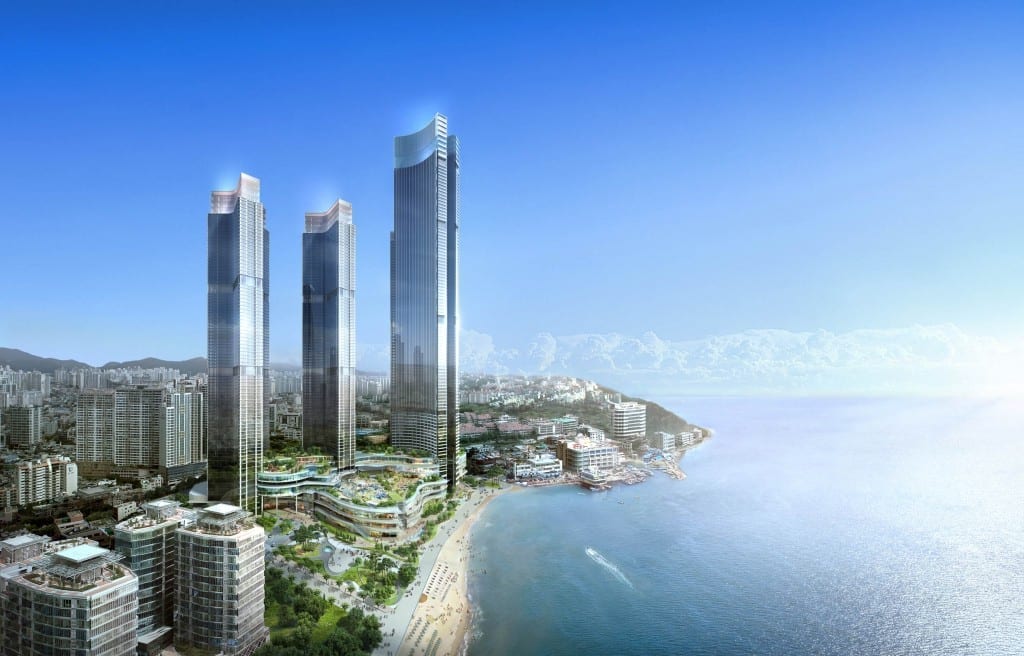
    Busan’s Haeundae district is best known for its beach that attracts millions of visitors each summer. But it’s also a major MICE (meetings, incentives, conferences, and exhibitions) center, with the Busan Exhibition and Convention Center (BEXCO),and hosts major annual events such as the Busan International Film Festival. Under these conditions, competition between hotels is higher than ever.

    In 2019, Haeundae will welcome another global hotel franchise unit, Sheraton, which will be operated by Starwood Hotels & Resorts Worldwide. Starwood currently owns 11 brands including Sheraton and Westin, and operates over 1,300 hotels in some 100 countries. The new 260-room hotel will be located between two major beaches in Busan, Haeundae and Songjeong.

    Lotte Hotel has recently finalized plans to operate a luxury hotel inside the LCT Landmark Tower. The 101-storey tower, which is also located by Haeundae beach, is expected to be completed in 2019.Busan’s Haeundae district is best known for its beach that attracts millions of visitors each summer. (image: Wikimedia)

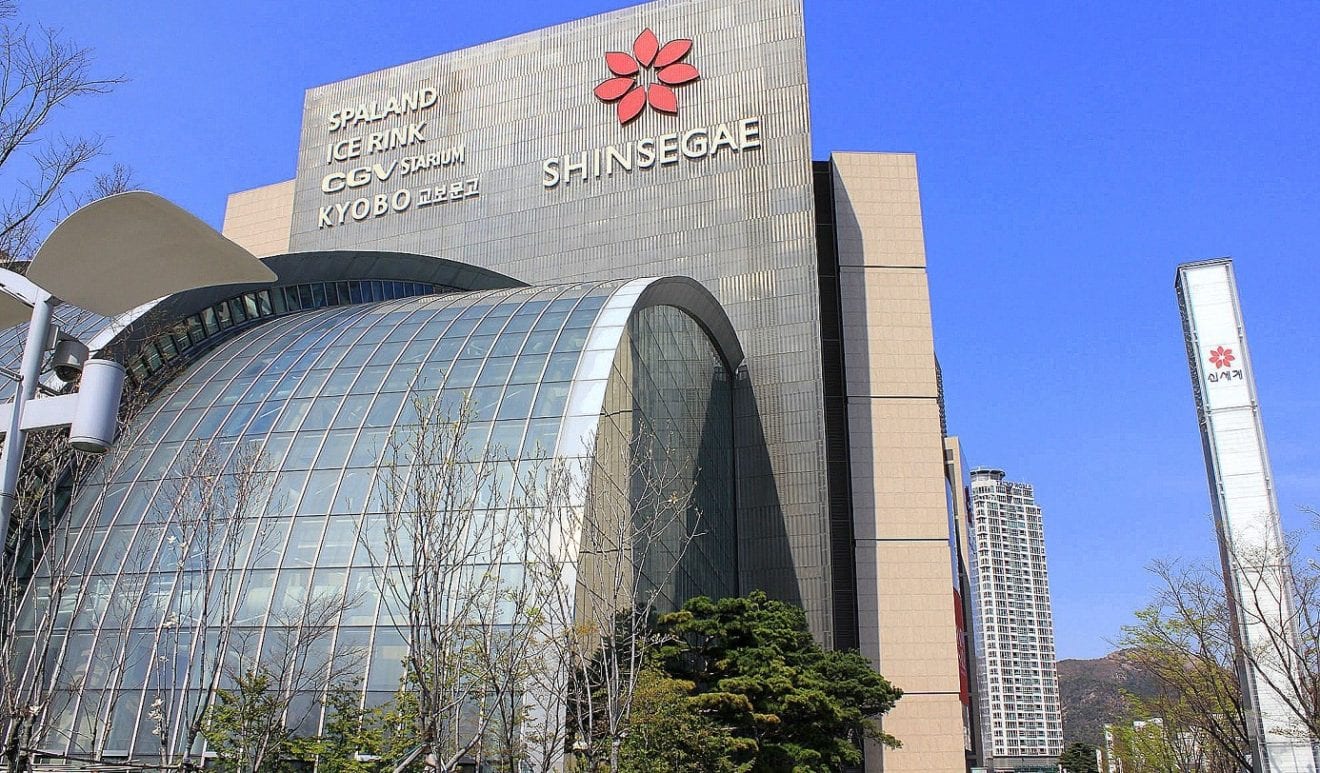
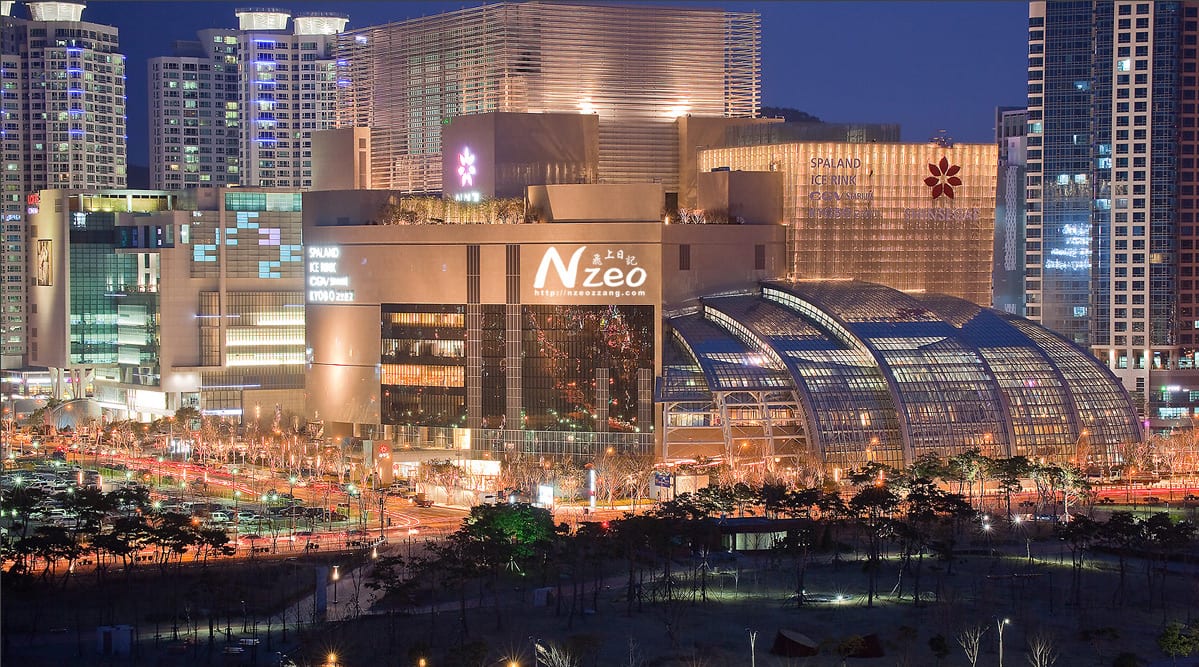
    Korean retail giant Shinsegae is in the middle of the planning process to build a hotel that offers a somewhat differentiated service by connecting services with shopping. The hotel will be built across from the company’s Centum City store, which is the largest department store in the world. 

    A Japanese company, Sega Sammy Holdings, has also established plans to build a luxury hotel (312 rooms) and a business hotel (470 rooms) on the opposite side of BEXCO. 

    Hotel Shilla, a Samsung subsidiary that operates hotels and duty-free shops, is building a 406-room business hotel, which is expected to open in 2017.

    Lotte Hotel has recently finalized plans to operate a luxury hotel inside the LCT Landmark Tower. The 101-storey tower, which is also located by Haeundae beach, is expected to be completed in 2019. (image: LCT)

    Amid such changes in the area, some businesses welcome the new development plans, while there are those that suffer from the increasing availability of new accommodations. 

    “The hotel market in Haeundae has reached its saturation point, and we have been struggling with our operations,” said an official from one of the hotels in Haeundae. “The government should limit the number of hotel approvals in the area.” 

    “We need a large number of hotels to host large-scale events,” said a MICE industry affiliate. “It’s too early to say that the hotel market in Haeundae is over-saturated. We need more hotels for the continued growth of the MICE industry.”
     

  • Korean showcase for Luk Fook Holdings

    Korean showcase for Luk Fook Holdings

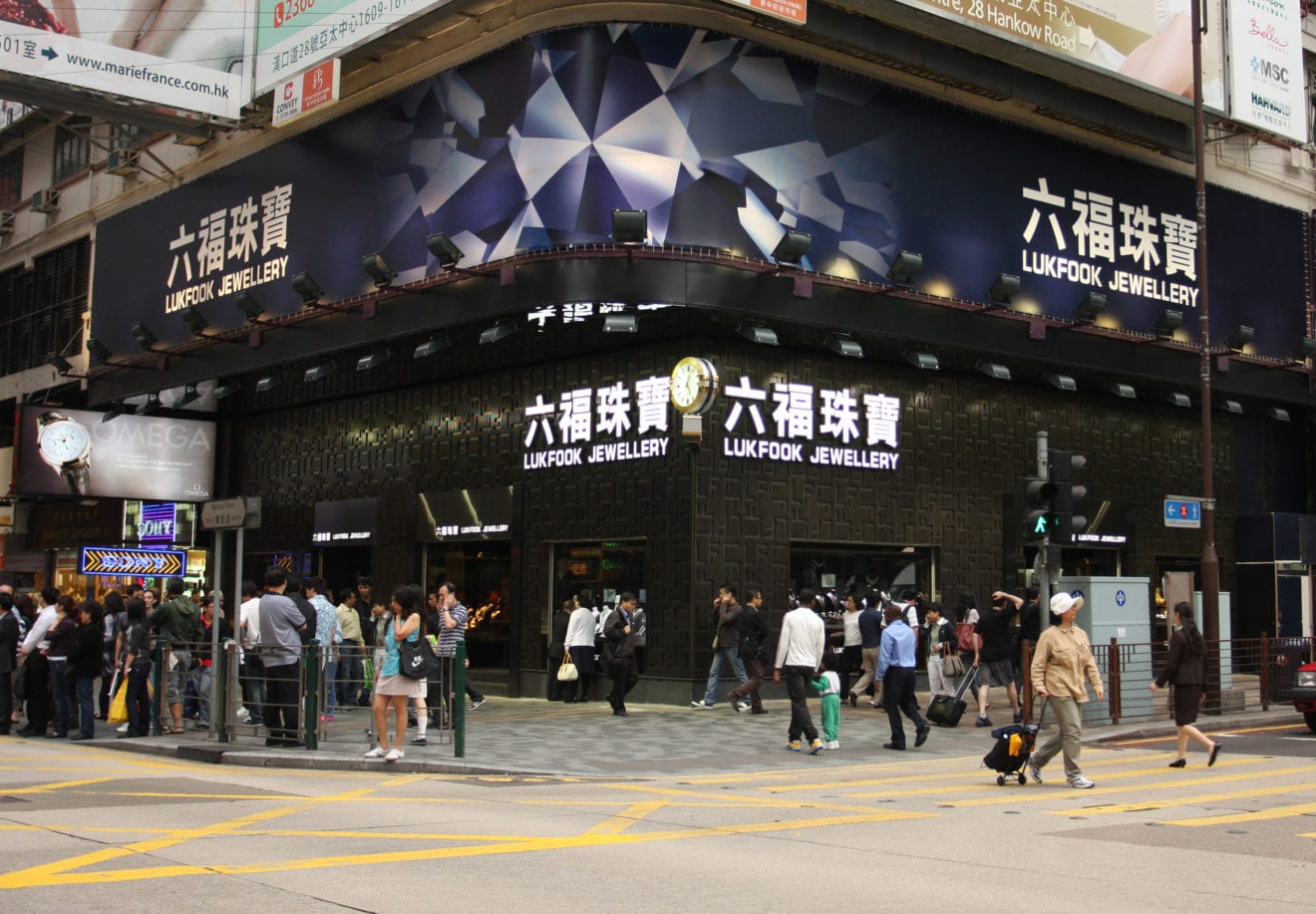
    Hong Kong jewellery group Luk Fook Holdings International has opened a retail outlet at the Shinsegae Main Store in Seoul.

    Korea’s first department store, Shinsegae opened in 1930 and has become a tourist attraction.

    Luk Fook chairman/chief executive Wong Wai Sheung says it is hoped the group’s outlet in the store will help develop overseas markets and further improve its brand recognition globally.

    Luk Fook has more than 1420 shops, in Australia, Canada, China, Hong Kong, Korea, Macau, Singapore and the US.

  • Coex Mall Seoul management goes to tender

    Coex Mall Seoul management goes to tender

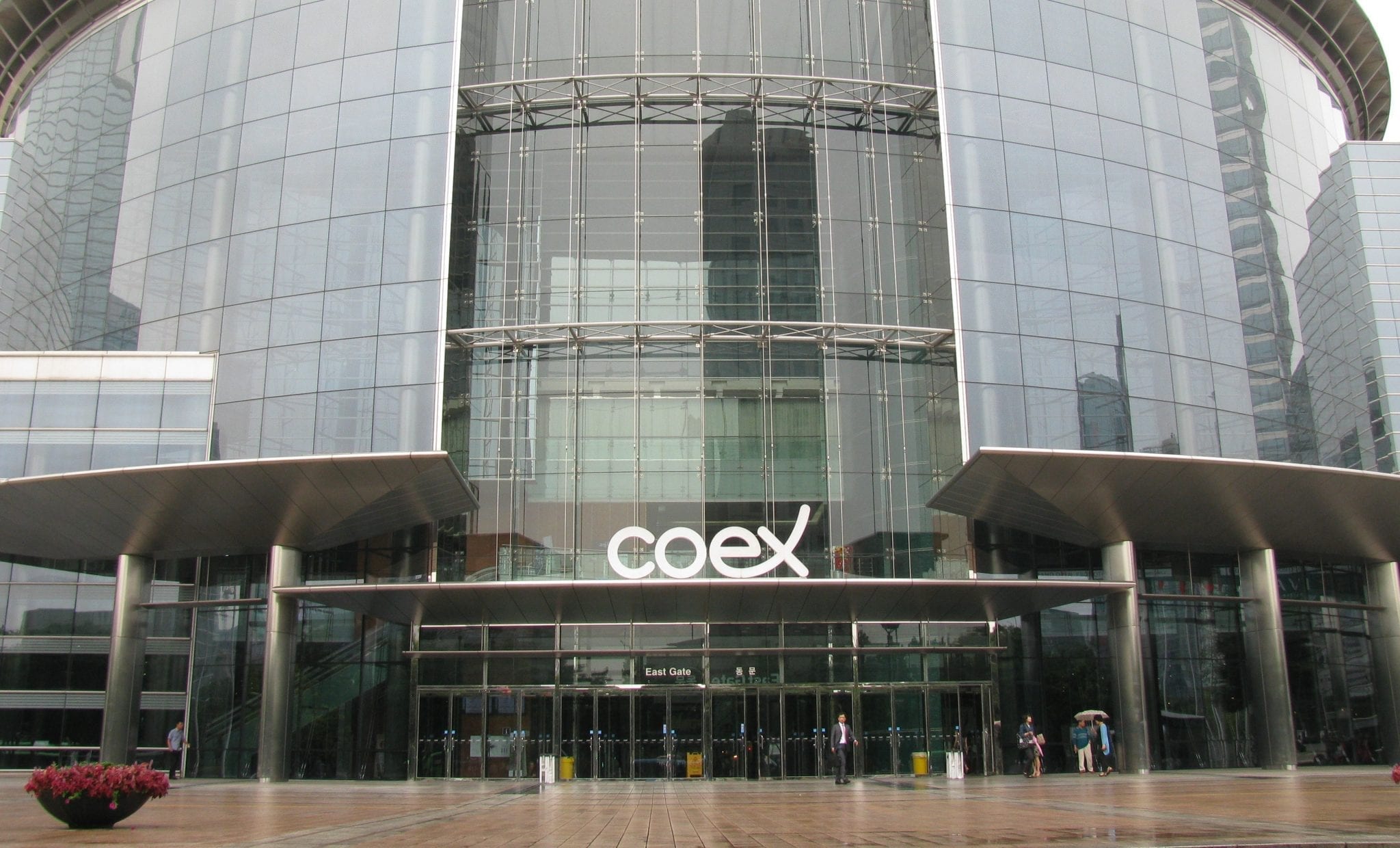
    Outside management will be introduced for Coex Mall Seoul, which has been struggling to attract shoppers since reopening a year ago after renovation.

    Korea International Trade Association (KITA) chairman Kim In-ho says an entity to manage the mall will be named by the end of the year.

    This is being entrusted to an outsider so it can be more effectively managed, says Kim.

    “We will select the management firm in a fair and transparent manner in accordance with the law.”

    A wholly owned KITA subsidiary has been managing the mall, which has been hit by a prolonged consumption slump and intensifying competition, including eCommerce.

    “We have to ask ourselves this question: can we compete with Lotte, Hyundai and Shinsegae? I seriously doubt it,” says Kim. “I believe Coex Mall will be more efficiently managed by professionals, and generate larger profits and create more jobs.

    “KITA needs to make money from the mall to finance its work, promoting the country’s trade.”
    Meanwhile, KITA has started preparing to bid for a convention centre to be built in Jamsil Sports Complex, a few kilometers away from its Coex Convention Center.

  • Shinsegae opens new duty-free shop in central Seoul with 600 brands

    Shinsegae opens new duty-free shop in central Seoul with 600 brands

    South Korea’s retail giant Shinsegae Group opened its duty free outlet on Wednesday in downtown Seoul, about six months upon successfully winning a license on a duty -free retail business after repeated failed attempts over the last two decades. Shinsegae Duty Free shop is located in Shinsegae Group’s flagship department store in Myeong-dong, one of the most bustling shopping and tourist streets in central Seoul.

    According to Shinsegae, its duty-free stores occupy floors 8-12 at Shinsegae Department Store with a sales area of 13,884 square meters. Shinsegae pledged to turn the downtown area as world-class tourist attractions by making its duty-free outlet a Korea’s touristic landmark. The company said Shinsegae Duty Free at Myeong-dong is offering special areas dedicated for Korean pop culture and worldly renowned artworks as well as top international brands.

    Shoppers will find about 600 brands from all over the world, including Gucci, Saint Laurent and Bottega Veneta, at Shinsegae’s tax-exempt outlet. Also, about 70 luxury wrist watch labels such as Audemars Piguet, Vacheron Constantin, Jaeger-LeCoultre and Omega opened their shops at the store, while four other high-end jewelry brands Cartier, Bulgari, Tiffany & Co. and Van Cleef & Arpels are to join the others in the second half of this year.

    A series of luxury brands also plan to make their first debut in the Korean duty free market – Moncler, J.Lindeberg, Emporio Armani and MCM’s sunglass collection. The famous fashion labels Chanel, Hermes and Louis Vuitton are in discussion with the duty free retailer to open corners at the new duty-free shop, aiming for the fall/winter 2016 season. In addition, more than 200 cosmetic brands joined the tax-free outlet, according to the company.

    To ensure foreign customers’ return, it reserved a special venue for foreign tourists at the new duty free store. There are separate zones for Korean cosmetic brands, as well as movie and animation character shops. Korea’s traditional craftworks by artisans will also be available to lure foreign visitors.

    In November last year when the group was granted a license to operate duty free shop, Shinsegae said it aimed to rake in 1.5 trillion won ($1.26 billion) in sales from its duty-free shop operations within the first year of opening and 10 trillion won in five years by 2020.ths upon successfully …

  • Food drives Korean department stores

    Food drives Korean department stores

    Cooking is big in Korea. There are currently more than a dozen cooking shows on Korean television, featuring variety of cuisines, restaurants, and famous chefs, and Korean department stores are benefiting from this food-frenzy phenomenon.

    Major department stores like Shinsegae are hosting well-known restaurant franchises at their outlets, attracting consumers who seek ‘good food’ to their doorsteps.

    Shinsegae’s Yeongdeungpo branch opened a variety of new restaurants from April 25 to May 5, and saw its number of customers increase by 20,000 compared to the same period last year. Samsong Bakery from Daegu, Hop Chou Cream from Osaka and Itaewon’s Bistecca were among the newly opened establishments.

    Shinsegae saw a total increase in sales of food products of 6 per cent, while the Yeongdeungpo branch showed an increase of 26 per cent. With more customer visits, the department store’s total sales also increased by 12.1 per cent, an impressive figure compared to Shinsegae’s total increase of 7 per cent.

    Customers in their 20s and 30s made up the majority of visitors contributing to the store’s growth.

    “The new restaurants helped attract more customers to our store. We’ll be hosting more restaurants and dessert cafes this coming June,” said Nak-hyeon Kim, chief manager of Shinsegae Yeongdeungpo.

  • Korea to allow four new duty-free shops in Seoul

    Korea to allow four new duty-free shops in Seoul

    Korea will allow four more duty-free shops to open in Seoul to meet growing demand from Chinese tourists, the government announced Friday.

    “Four new licenses will be issued for operation in Seoul, while the city of Busan and Gangwon Province will also get one each,” Lee Myung-gu, director of the Korea Customs Service, said at a press briefing in Sejong.

    The licensees will be selected by the end of this year through an open competition, the official explained, with one ticket reserved for midsized companies.

    Seoul currently has nine tax-exempt retail outlets. Friday’s decision will raise the total to 13.

    Duty-free stores are a rare bright spot in Korea’s lackluster retail sector, growing by an average 20 per cent over the past five years. Last year, they posted a combined 9.2 trillion won ($8 billion) in sales.

    Major retail giants Lotte Duty Free, part of Lotte Group, SK Networks of SK Group and Hyundai Department Store hailed the decision, vowing an all-out effort to win a license.

    For Lotte and SK, in particular, this represents a second chance after they failed to renew the license for shops that they have been running for years.

    “We will make utmost efforts to win the license back,” SK Networks said in a press statement after the announcement.

    SK’s only duty-free outlet inside the Walkerhill Hotel in eastern Seoul faces closure in May with the expiry of its license.

    Lotte, which runs the top duty-free store by sales in Seoul, has to shut its Lotte World Tower outlet in southern Seoul by the end of June. The Lotte World Tower shop ranked third by sales in 2014.

    Hyundai Department Store said it wants to open a tax-free retail outlet at Coex in the southern shopping district of Gangnam.

    The government last year changed its policy on duty-free shops, holding an open competition for operational licenses for the first time. HDC Shilla Duty Free, Hanwha Galleria and SM Duty Free grabbed new licenses to open outlets in Seoul, while Doosan and Shinsegae beat Lotte and SK to win theirs.

    The government, however, has changed its stance again this year, extending the operational licenses of local duty-free stores to 10 years from the current five. Also, the licenses will be automatically renewed to help the companies run their businesses in a more sustainable way.

    The decision to open the field wider for competition is a move in line with the government’s efforts to grow tourism and revive the sluggish domestic economy and create jobs, the KCS explained in a press statement. It expects the new licenses to spur domestic investment of 1 trillion won and 5,000 new jobs.

    Korea is the world’s largest duty-free market, accounting for more than 10 per cent of global revenues from duty-free shops.

    In 2014, it saw foreign tourist arrivals rising to a record 14.2 million, greatly helped by a surge in visitors from neighbouring China.


  • GIC inks US$197m deal with top Korean retailer to develop mall in Incheon

    GIC inks US$197m deal with top Korean retailer to develop mall in Incheon

    Singapore’s sovereign wealth fund GIC and Korean department store Shinsegae are partnering to develop a prime retail mall in the Incheon Free Economic Zone (IFEZ).

    Working through affiliates, the companies have signed a US$197 million sale-and-purchase agreement for 59,730 sqm of land for the Incheon mall in the international business district of Songdo, close to a subway station, bus terminal and expressways. Scheduled for completion by 2020, the mall will include entertainment as well as leisure attractions.

    Songdo is a new city part of IFEZ, 65km southwest of Seoul, where Shinsegae has its headquarters. The name of Shinsegae literally means “New World”.

    Set up in 1981 to preserve and enhance Singapore’s foreign reserves, GIC is one of the world’s largest global investors with more than US$100 billion of assets in more than 40 countries.

    GIC and Shinsegae are already working together on developing a prime retail mall in Dongdaegu Station, scheduled for completion in the second half of this year.

    GIC last year partnered with the Canada Pension Plan Investment Board (CPPIB) to acquire the Seoul-based D-cube retail mall, rebranding it as the Hyundai Department Store.

  • Lotte El Cube – Korea’s new compact mall

    Lotte El Cube – Korea’s new compact mall

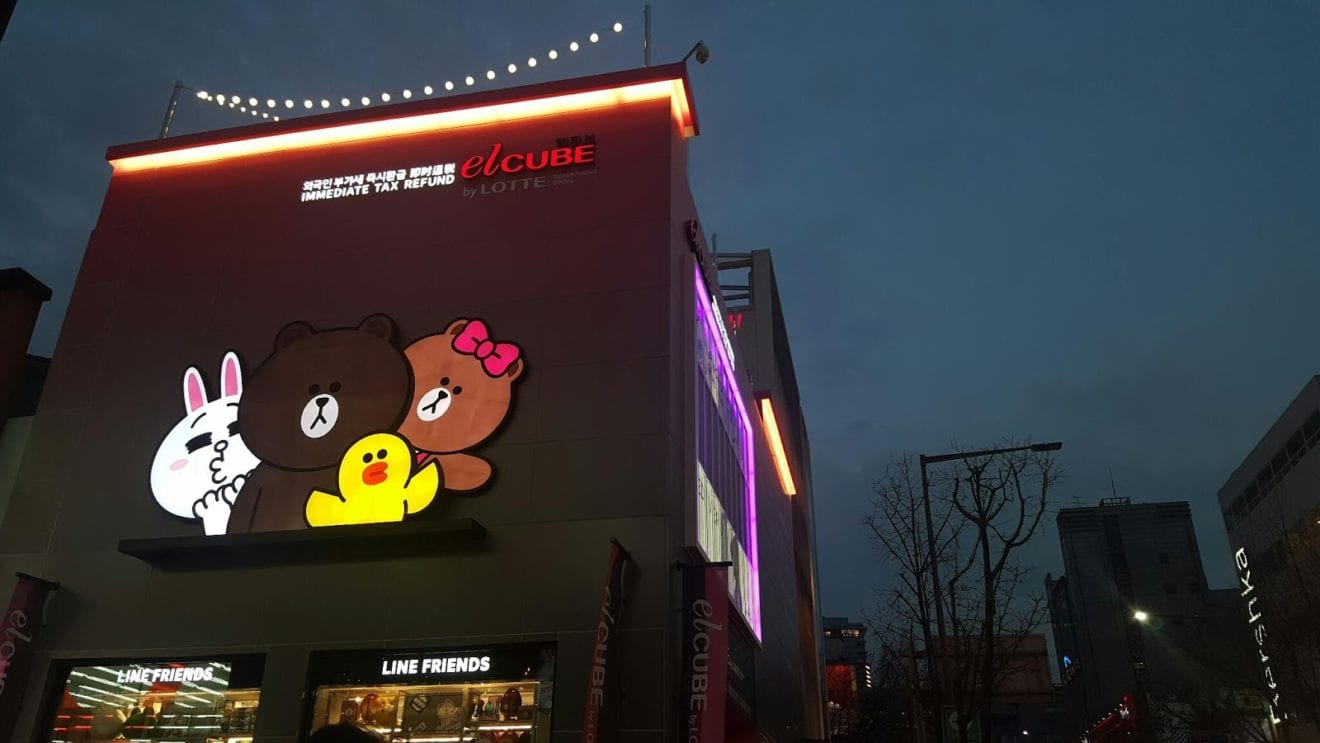
    In a bid to overturn the sluggish growth of traditional brick-and-mortar retail, Lotte Department Store is launching a new type of shopping mall in Seoul, the Lotte El Cube.

    In a trendy university neighborhood, the relatively small store focuses specifically on young, fashion-conscious shoppers – a departure from the retailer’s usual strategy of offering something for everyone at its department stores.

    Lotte El Cube 4

    Covering 630 sqm in a three-storey building, the Lotte El Cube houses 20 clothing brands, mostly casual in style. Featured labels include Pigment, PlayNoMore and Tomotom’s.

    “El Cube can adopt different concepts and focuses, such as beauty and lifestyle, depending on the location and needs of consumers,” says Lotte, which plans a second such outlet also in Seoul within a year.

    Lotte says it took its cue from Japan’s Isetan Department Store, which has several branches with different offerings. Isetan Mirror is dedicated to cosmetics and beauty products, while its Alta mall targets shoppers in their 20s.

    Lotte El Cube 5

    Known for its urban art and indie music culture, the neighbourhood where El Cube has set up is also attracting start-ups. The average number of daily users of nearby Hongik University Station grew from 72,000 in 2014 to 78,000 last year, and the neighborhood is also expanding in size.

    Lotte El Cube 1

    Annual combined sales at South Korea’s department stores – Hyundai and Shinsegae as well as Lotte – have had negative growth since 2014. Lotte is confident El Cube will attract new customers and become a fresh source of revenue amid unfavorable market conditions.

    “The key is to find new consumers as department stores are expected to face headwinds and low growth,” says Lotte merchandise strategy division head Woo Gil-jo.

    To match other stores in the area, El Cube will have extended shopping hours, from midday to 10pm.

  • Coupang Faces off against Retail Giant Shinsegae

    Coupang Faces off against Retail Giant Shinsegae

    “We should catch up to Coupang, accepting the risk of financial loss,” said Chung Yong-Jin, vice chairman of Shinsegae Group. “Coupang is taking away our customers in their 20s and 30s. Why are we just sitting on our hands and leisurely watching the exodus?”

    The JoongAng-Ilbo has recently reported that vice chairman Chung Yong-Jin of Shinsegae Group had harshly criticized Shinsegae executives for making a lukewarm response to Coupang eating into its customer base.

    Chung was quoted as saying: “Even if we have to incur a deficit, the entire distribution channel should come up with strategic online product offerings and sell them at rock bottom prices to lure in 20-30 something consumers who use smartphones to make purchases. To that end, we should give priority to taking E-mart’s online mall to new heights.”

    He made such a comment because E-mart, the discount store unit of Shinsegae, has lost business to social commerce operators, especially Coupang, over the past year.

    After all, Shinsegae Group waged a price war against e-commerce leader Coupang last month: it announced that it would sell baby formula, feminine hygiene products and instant coffee at the lowest possible prices. E-mart, the country’s largest discount store chain logging 13 trillion won in sales and 500 billion won in operating profit, started to fight back, accepting the risk of incurring a deficit.

    Coupang, established in 2010, has emerged as a threat to Shinsegae Group, the country’s largest retail juggernaut. Coupang’s sales grew sharply from 348.5 billion won in 2014 to 1.5 trillion won in 2015, greatly unnerving Shinsegae Group. If the growth of Coupang continued at such high speeds, Shinsegae Group fears, it could be overtaken by Coupang in 2-3 years.

    Computer-based and mobile traffic to E-mart’s online mall is languishing in the one million visitor range. Sales from its online mall account for about 5 percent (or 700 billion won) of its total sales (13 trillion won). In contrast, the number of visitors to Coupang reached over 7 million, dwarfing traffic to E-mart’s online mall.

    Coupang’s mobile app came out on top in traffic for 41 consecutive months from July 2012 to November 2015.

    Though E-mart with deep pockets is trying to take sales away from Coupang by offering products at sharply discounted prices, the majority view is that Coupang still gets the upper hand on E-mart when it comes to mobile shopping. A Coupang official said: “We are unscathed by E-mart going on the offensive. Actually, things are looking up as the mobile shopping market is on the upswing. It has become obvious that so many consumers have faith in Coupang.”

    According to Coupang, consumers, who have enjoyed convenient mobile shopping experiences since the launch of Coupang, will not easily drift away from Coupang.

    There is no doubt that Coupang is enjoying a “first-mover” advantage as sales from its mobile shopping platform surpassed 80 percent of its total sales. According to Statistics Korea, mobile shopping sales hit 2.66 trillion won in January 2016, exceeding computer-based e-commerce sales (2.54 trillion won) for the first time.

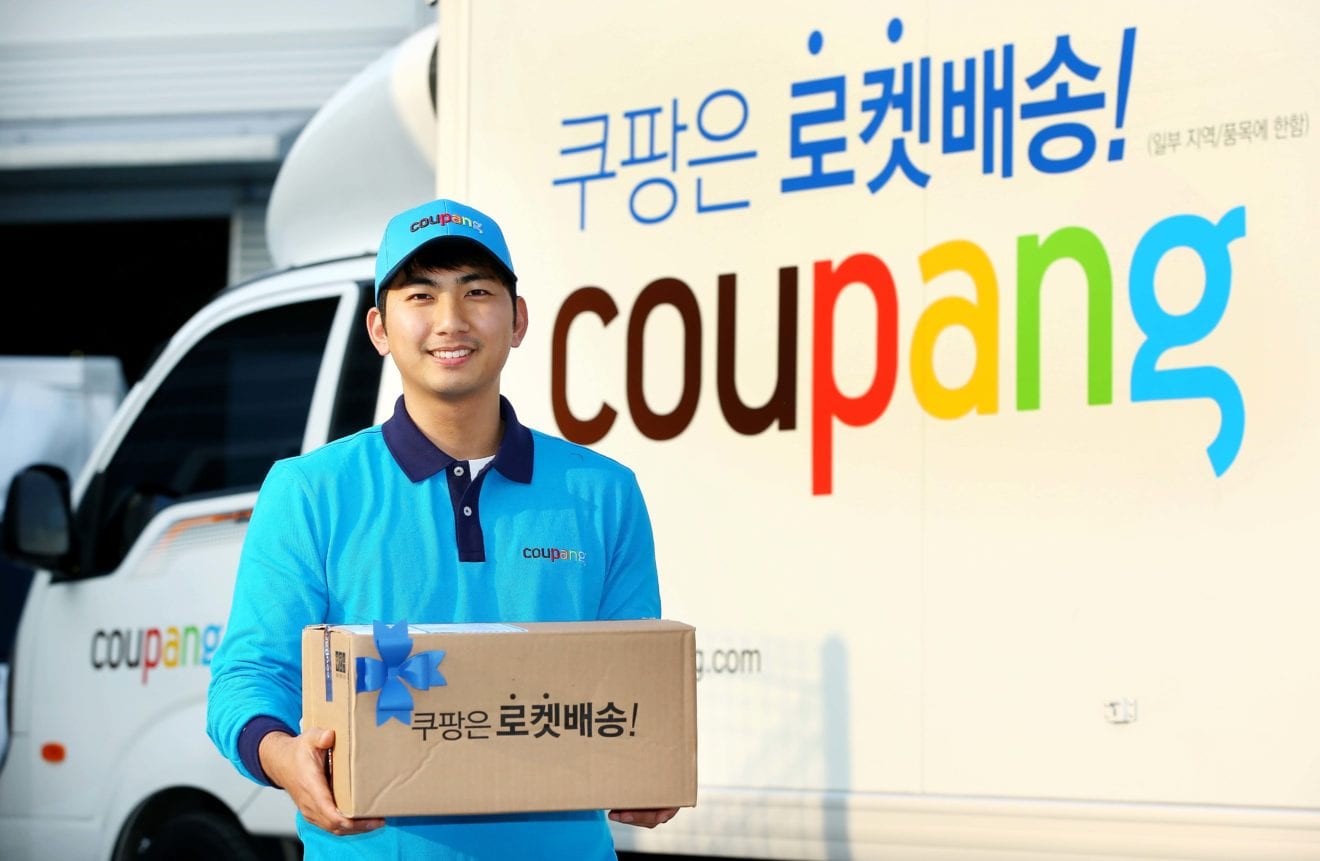
    Coupang is expanding its business realm on the back of its signature “Rocket Delivery” program, its delivery staff dubbed “Coupang men,” and its ‘direct commerce’ business model, in which Coupang takes care of all the stages of e-commerce from selling to delivery.

    Coupang plans to invest 1.5 trillion to increase the number of Coupang men to 15,000 and the number of logistics centers from 14 to 21 by 2017.

  • Emart teams with SM Entertainment

    Emart teams with SM Entertainment

    South Korea’s Emart has launched private brand products created in collaboration with SM Entertainment.

    The products went on sale at Emart Mall and 140 Emart stores nationwide from Thursday (March 3).

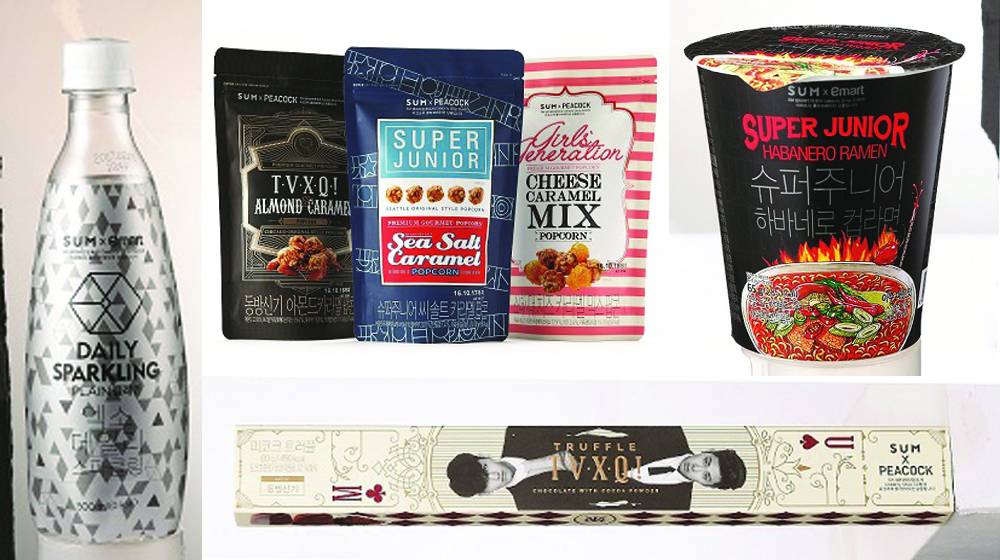
    The new products include EXO Jajangmyeon (jajang-flavored instant noodles), Super Junior Habanero Ramen Noodles, TVXQ Truffle Rose Chocolates, Girl’s Generation Popcorn and Shinee Carbonated Water.

    In collaboration with SM Entertainment, Emart plans to increase the number of products on offer to 40 during the first half of the year.

    Emart rolled out a new initiative dubbed ‘Invention Project’ in August 2015, and launched two new private brands, Peacock and No Brand. After the collaboration with SM Entertainment, the two parties plan to look into further projects involving a wider range of products and even intangible merchandise based on SM Entertainment’s artists.

    Emart anticipates that the merchandise will attract not only domestic consumers in their teens and 20s, but also foreign tourists who visit Korea. Officials hope that the new products will be souvenirs to remember Korea, and that Emart will be established as a ‘must-visit’ shopping site when visiting Korea.

    The retailer is also in discussion with SM Entertainment with regards to bringing the new products to overseas markets.

    Marketing executives at Emart claim that they have created a series of completely new products through the collaboration of two very different but powerful platforms. They hope to continue to make innovative progress through their ‘Invention Project’ group.

  • Korean department stores struggle

    Korean department stores struggle

    Chinese travellers have emerged as one of the few bright spots for Korean department stores suffering from dull domestic consumption.

    The arrival of a new demographic of consumers has prompted an all-out fight to attract deep-pocketed clients, industry officials told Yonhap.

    Sales at department stores inched down 0.4 per cent on-year to 29.22 trillion won (US$23.69 billion) in 2015, Statistics Korea showed, mostly attributable to the Middle East Respiratory Syndrome (Mers) outbreak and rapidly rising online marketplaces.

    While consumption among locals has steadily slowed over the past years, major department stores in downtown Seoul saw growing sales among Chinese nationals.

    At Lotte Department Store in the famous shopping district of Myeongdong, sales by Chinese customers accounted for 18.1 per cent of the total, rising 6.8 per cent from a year ago.

    At the nearby Shinsegae Department Store, sales by Chinese customers rose 21.8 per cent in 2015 from a year ago, though the pace slowed from 131 per cent in 2014 and 87 per cent in 2013 in the wake of the Mers outbreak. The store did not release exact sales figures.

    Foreign luxury watch and jewellery brands topped their shopping list, while leading Korean fashion and cosmetic brands were also picked up by Chinese travellers.

    Among them, the Seoul-based luxury bag manufacturer MCM was the second-most selling brand by the Chinese, while sunglass brand Gentle Monster and Amore Pacific’s high-end cosmetic lineSulhwasoo were named as popular items.

    “While the Chinese mostly preferred foreign luxury brands and local cosmetic brands, a wider range of Korean products have been selling among Chinese customers,” said Park Young-hwan, a marketing official at Lotte Department Store.

    In response to the changing consumption trends, Korean department stores have launched a variety of promotional events through social networking services and invited China’s popular bloggers to embrace rich Chinese customers.

    Some stores have even assigned assistants for VIP customers to provide guidance while they shop. Others have offered limousines and pick-up services.

  • Shinsegae unveils revamped Gangnam department store

    Shinsegae unveils revamped Gangnam department store

    The revamped Shinsegae department store in Gangnam will officially open on Friday.

    The store’s concept is heavily inspired by the high-end department store chains Le Bon Marche in France and Saks Fifth Avenue in the U.S.

    The Shinsegae Group, which is Korea’s second-largest retailer, has added six new floors to the annex building of its store in the affluent area of southern Seoul. This makes the 86,500 square-meter store the largest department store in Seoul. It also now houses 1,000 brands, up from about 600 brands previously.

    “The Gangnam store is important in every way. We are striving to suggest shopping as a lifestyle rather than to seek for simply sales growth,” said Jang Jae-young, CEO of Shinsegae Department Store, at the press briefing to mark the opening.

    The company has seen sales come to a standstill over the past few years, mainly due to the global economic slowdown as well as competition from other retail channels such as e-commerce.

    The revamped store is designed to attract people who prefer a luxurious in-store shopping experience and Shinsegae expects it to be a game changer. Its Gangnam branch is expected to generate 1.7 trillion won ($1.2 billion) in its first year and 2 trillion won by 2019.

    Brands within the store are categorized into four major themes – shoes, contemporary, kids and living. Products Items are divided based on themes rather than by brand names. Hence luxury brands, such as Christian Louboutin, and domestic brands, such as Soda, mingle in the same zone.

    For those preparing for marriage, the store has dedicated a whole floor to wedding gifts and lifestyle goods. There, you can find anything from luxury goods, such as jewelry and watches worth hundreds of millions of won, to silver three-story tea trays or zen-style flower arrangements.

    “According to our research, people from countries exceeding gross domestic production per capita of $30,000 value the experience of shopping, its process and services they receive. We think the Korean market is ready for this,” said Ryu Sin-yul, vice president of the Gangnam store.

    Shinsegae plans to open five more stores this year — Busan Centum City Mall in March, an urban duty free store in May, two stores in Gimhae of South Gyeongsang Province and Daegu in June and December respectively as well as Hanam Union Square shopping mall in September.

    “We are not trying to compete with (other retail powerhouses such as) Hyundai or Lotte. We will create a new generation of shoppers who have never been to department stores before,” Ryu said.

  • Retailers grapple with dull domestic consumption

    Retailers grapple with dull domestic consumption

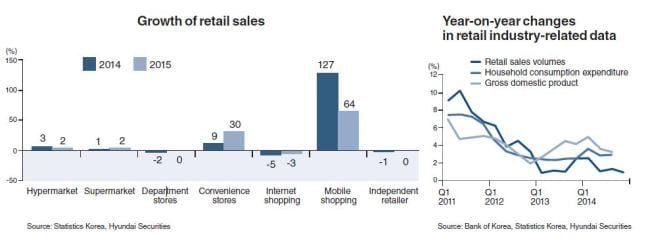
    South Korea’s retail stocks suffered a series of challenges last year, including the broader economy’s downturn to a nationwide outbreak of a deadly virus. Experts see no turnaround in sight for them this year, as economic worries continue to weigh down on consumer sentiment while competition from online and mobile rivals intensify.

    “It’s hard to expect a dramatic turnaround for the retail industry, except from the base effect from the year-earlier period when the MERS outbreak kept people holed up in their homes,” said Kim Ji-hyo, an analyst at Eugene Investment & Securities,

    The combined operating profit of 10 major retail companies, including


    department stores, home shopping firms and convenience stores, declined 11 percent in 2015 from a year earlier, according to Hyundai Securities.

    The government had pushed retailers to hold coordinated sales events last year starting in October, which helped increase private consumption by an annual 3.2 percent in the final quarter of 2015 — the strongest figure in five years.

    But the spike in spending seemed short-lived after the bargain ended.

    January’s consumer sentiment index slipped to a level on par with July last year when consumption fell into the doldrums in the aftermath of the Middle East respiratory syndrome outbreak.

    “For the time being, I do not expect to see meaningful growth in domestic consumption,” Kim said.

    Last December, hypermarkets reported a 5.1 percent year-over-year drop in sales as they failed to recover from the human traffic loss to department stores during the massive sale events initiated by the government, according to Mirae Asset Securities.

    Department stores were also affected by an unseasonably warm winter that held back the sales of winter goods, which suffered a 5.7 percent year-on-year decline.

    Shares of retail giant Shinsegae fell by nearly 20 percent, from 262,500 won ($212.63) in November to 211,000 won in Monday’s trading.

    Some say the malaise of the retail sector owes much to a shift in consumer spending patterns.

    Major retailers are failing to adapt to the growth of online and mobile shopping, they say.

    “The sharp drop in retail firms’ earnings is bound up with the mobile shopping market’s growth. It won’t be an easy battle to fight against online rivals,” Kim Keun-Jong, analyst at Hyundai Securities said.

    For traditional retailers, opening of physical retail outlets used to provide significant advantages in expanding the geographical reach of business, but with the huge spike in mobile shopping, they have lost the competitive advantage, he added.

    In contrast to large retailers, Korea’s mobile retail market is large and growing. Its value increased to 13 trillion won in 2015 from just 60 billion won in 2008.

    Convenience stores remain a bright spot for the retail industry. Sales at convenience stores jumped 29.6 percent on-year to 16.52 trillion won last year, due to the popularity of convenient meals prepared away from home and increased margins in cigarette prices.

    “Although the positive impact of the cigarette price hike on the convenience stores’ revenues will fade away this year, they are expected to improve profitability by expanding a range of private brand products, such as prepackaged meals and coffee,” Lim Dong-geun, an analyst at Mirae Asset said.


  • South Korea January dept, discount store sales seen rebounding from December

    South Korea January dept, discount store sales seen rebounding from December

    Annual sales at South Korea’s top department and discount stores in January were seen rebounding from the previous month, finance ministry estimates showed on Friday, backing recent policymaker comments that consumption is steadily recovering.

    Combined sales at department stores run by Hyundai Department Store, Lotte Shopping and Shinsegae rose 9.6 percent in January from a year ago, the finance ministry said in a monthly report.

    Sales at major discount stores were seen to jump 13.4 percent over the same period, the data showed.

    Figures from the trade ministry, which will publish confirmed numbers later in the month, had shown department stores’ December sales fell 5.7 percent and discount store sales had been down 5.1 percent on-year.

    The finance ministry data also showed gasoline and diesel sales in volume terms had gained 8.5 percent in January from a year ago, which was the fastest rise in three months and compared to a 4.3 percent rise in December.

    The ministry said in the report that domestic consumption had steadily posted positive growth while production and investment were showing signs of improvement. However, it noted that external risks to the economy were increased by slowing Chinese growth, geopolitical risks sparked by a rocket launch from North Korea on Sunday, falling oil prices, and jitters stemming from the direction of U.S. monetary policy.


  • Korean department stores offer instant tax refunds to tourist

    Korean department stores offer instant tax refunds to tourist

    South Korean department stores will start offering instant tax refund services to foreign customers from this month as part of an effort to boost sales.

    Under the new program, foreigners can buy products without paying the mandatory 10 per cent value-added tax (VAT) if the item costs 30,000-200,000 won (US$25-166), observers said. Each person can be exempt from VAT for up to the first 1 million won in purchases. Products that cost more than 200,000 won require the buyer to pay the VAT and get a refund later on.

    Seoul announced last year that it would implement changes to the way all local tax-free shops operate in 2016 by making it easier for tourists to spend in the country without the need to hold onto purchase receipts that must be shown at departure to get tax refunds.

    Lotte Department Store, South Korea’s No. 1 luxury retailer, said the instant tax refund will be given at its main Sogong-dong flagship store in downtown Seoul.

    Shinsegae Department Store said its main store in Jung-gu will offer the service to customers, while Hyundai Department Store plans to give immediate tax refunds at its main Apgujeong store and its Coex outlet in southern Seoul.

    Department stores said they picked the stores because they are the most frequented by foreign visitors, with more stores to be added later.

    “Foreign shoppers can buy products minus the 10 per cent VAT so there is no need to keep tabs on receipts or show the product they purchased at the airport when they leave the country,” a Lotte official said. “This can greatly reduce the hassle at airports and should fuel sales at our store.”

    In addition, local department stores said they will kick off promotion sales to attract Chinese tourists who are expected to arrive in large numbers during the Chinese Lunar New Year holiday. The traditional holiday runs from February 3 through February 13 this year.

    Lotte said it will give 50,000 won discounts for purchases exceeding 1 million won, with gift cards equal to 5 per cent of the purchase of the total to be given if the total tops 10 million won. Shinsegae said it too will give upwards of 30 per cent discounts and gifts to foreign tourists that buy items at its stores in February. The retailers said that to get the benefits the shopper needs to show his or her passport when making the purchase.