Retail News CRM

Tag: Shinsegae

  • E-mart opens 2nd store in Mongolia

    E-mart opens 2nd store in Mongolia

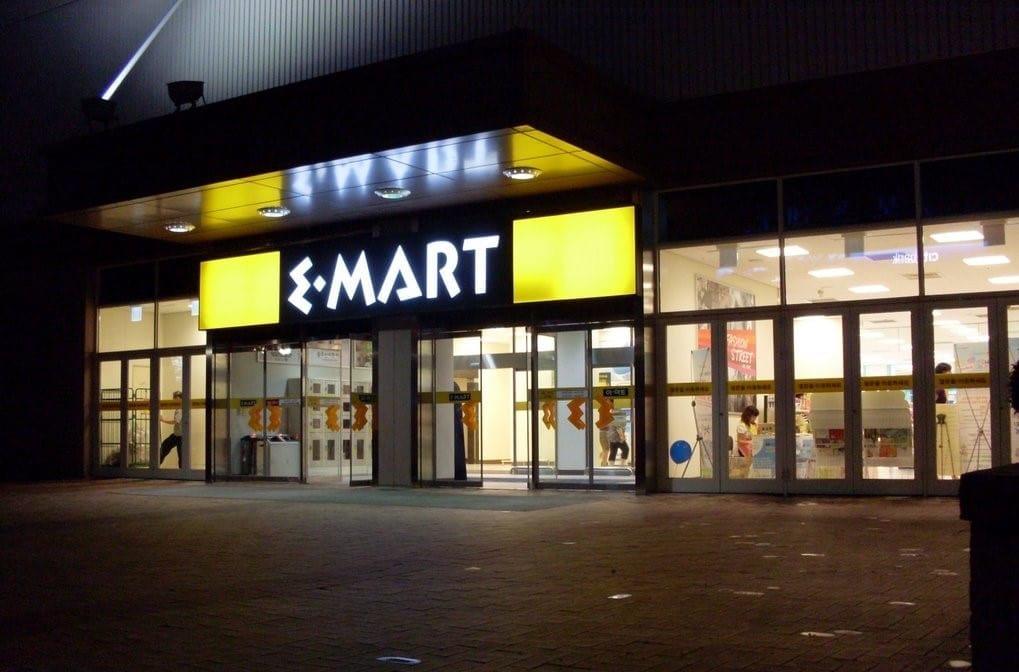
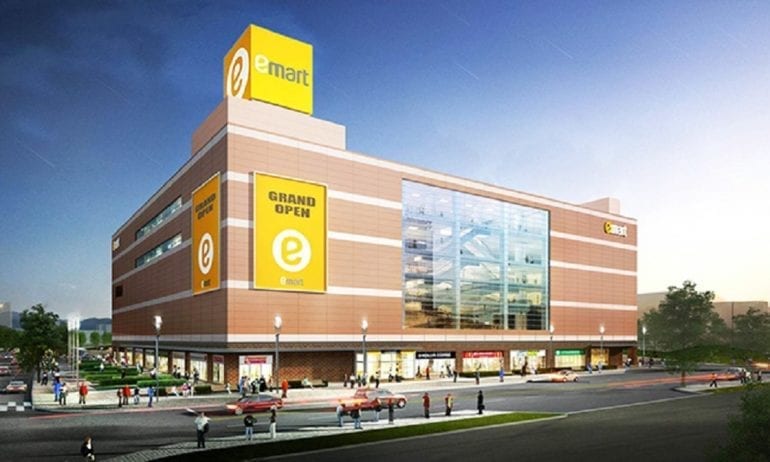
    Mongolia recently got its second E-mart, the discount chain of Korean retail giant Shinsegae.

    Unlike the first store, which has its own building, the second store is renting 5,000 square meters on the first and second floors of the Solo Mall in western Ulaanbaatar.

    The new store sells 12,000 types of goods, with Korean products accounting for 30 to 40 percent. Four out of 10 Korean products at the store are supplied by small and medium enterprises, according to E-mart.

    After signing a contract in July 2016 with Sky Trading, the local distribution unit of Mongolian retail giant Altai Group, E-mart entered the Mongolian market as a franchise receiving royalties for teaching the know how of running the stores.

    The first store posted 42 billion won (US$37 million) in sales IN 2016, 140 percent higher than expected. It chalked up 8.4 billion won from sales of Korean products.

    E-mart attributed the results to the good quality and fresh ingredients of Korean products, because most Mongolian consumers had been unable to buy such products before.

    “Among 20 supermarkets in Ulaanbaatar, E-mart is the only one that offers almost all kinds of products,” a company official said. “The store has attracted middle-class customers.”

    E-mart said it has sent Korean workers to the second store. They are attracting Mongolian customers with rice rolls, pork belly and chicken based on Korean recipes. The store also sells pizza, which has begun winning popularity among Mongolian consumers.

    The company said it also plans to sell sashimi for Mongolian customers who have not been able to taste fresh fish because of the country’s landlocked location.

  • Shinsegae Duty Free lands fashion & accessories contract at Incheon Airport T2

    Shinsegae Duty Free lands fashion & accessories contract at Incheon Airport T2

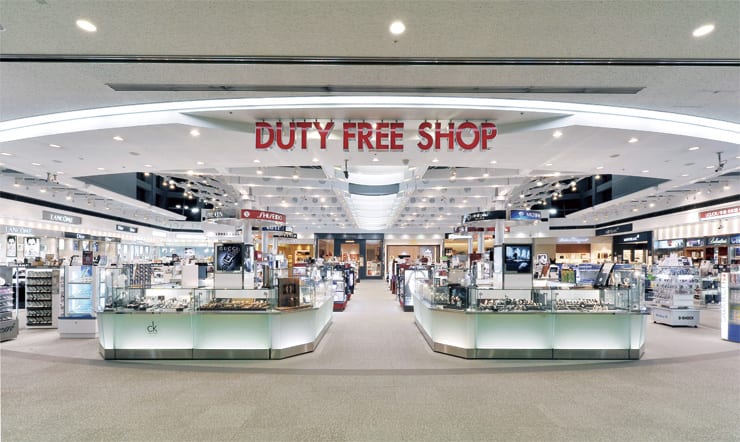
    Shinsegae Duty Free has been awarded the fashion & accessories contract at Incheon International Airport Terminal 2. The DF3 concession covers 14 stores embracing 4,889 square meters of retail space.

    It draws a line under troubled period for the concession, which was retendered multiple times with successively reduced minimum guarantees in an effort to attract interest.

    Bidding was negatively affected by the perceived high cost of entry and the recent collapse in Chinese tourism caused by the THAAD dispute between South Korea and China. Last year the Chinese represented almost 50 percent of total arrivals and generated around 65 percent of duty free spending. Chinese visitor arrivals have fallen dramatically so far in 2017, by -40 percent year-on-year in March, -66.6 percent in April, and -64.1 percent in May.

    In the end, Incheon International Airport Corporation decided to directly negotiate a contract with Shinsegae and requested the Korea Customs Service (KCS) to hold a patent examination committee.

    If the selection of operators is delayed, it is difficult to open 2 terminals until January next year.

    As reported, the other T2 contracts have been awarded as follows: DF1, The Shilla Duty Free; DF2, Lotte Duty Free; DF4 SM; DF5 Entas Duty Free; DF6 CItyPlus.
    The new terminal is due to open in the final quarter of this year.

    Shinsegae will proceed with negotiations with Incheon International Airport Corporation on specific matters related to the duty-shop business contract in the future.

  • Shinsegae Department Store to strengthen online presence in China

    Shinsegae Department Store to strengthen online presence in China

    South Korean retail conglomerate Shinsegae Group that announced a complete pullout of its discount Emart stores from China instead has beefed up online activities in the world’s most populated and biggest e-commerce market.

    Shinsegae Department Store said that it will open beauty and fashion shops at Tmall Global, China’s biggest online shopping platform operated by Alibaba Group Holding. It plans to gradually add other product lines like children’s goods and home appliances starting the latter half of this year. Through Alibaba that commands 80 percent of Chinese e-commerce market, Tmall has attracted nearly 800 million visitors last year alone. Shinsegae Department Store said it is the first Korean department store to open shops at Tmall.

    To make it easier for Chinese consumers to purchase a range of merchandise offered by Shinsegae, the Korean retailer will allow them to pay with Alibaba’s mobile payment service Alipay and ship goods via the Chinese e-commerce giant’s logistics arm Cainiao. The company expects its partnership with Cainiao will help cut customs clearance time by two days.

    Shinsegae Group has worked hard to attract consumers abroad via online retail platform. Following the opening of online marketplace SSG.com in Chinese, Japanese, and English language on top of Korean service, its online sales to Chinese customers nearly doubled in the first half this year compared to a year ago period.

    Outlook for online sales in China looks bright, too. According to Korean statistics bureau’s data, Chinese consumers’ purchases of Korean products through online shopping malls grew 6 percent during the first three months of this year, while the number of Chinese visitors to Korea dropped sharply during the same period. Cosmetics and fashion products especially sold well and their sales grew nearly 7 percent on quarter to take 90.2 percent of the country’s total online sales to Chinese consumers.

    The company’s decision to attract Chinese consumers via online comes after other Korean retail giants have decided to close down their brick-and-mortar stores in China amid intensifying competition and dwindling sales. E-Mart Inc., a discount store unit of Shinsegae Group, recently decided to entirely pull out of China by the end of this year, 24 years after it first opened its store in the country.

    But Shinsegae Group’s department store arm pins high hopes on its Chinese business that will be carried out via online. The partnership with China’s biggest online shopping mall has provided a chance for the company to grow its presence in global e-commerce market. The company also plans to add additional online shopping platforms in other countries such as Japan and the United States to provide online shopping services tailored for each market.

  • Shinsegae Department Store uses AI in marketing push

    Shinsegae Department Store uses AI in marketing push

    Shinsegae Department Store has become the first South Korean retailer to deploy a marketing strategy using AI technology.

    A wave of artificial intelligence (AI) is sweeping the nation’s retail industry, as major department stores and online shopping malls rush to adopt the latest technology to attract consumers.

    From this week, Shinsegae Department Store is introducing a personalisation service called “S Mind”, which will analyse each customer’s brand preferences and come up with product suggestions.

    Using a database of some 5 million existing customers, S Mind will take into consideration around 100 factors including the purchase history, gender, age, and location.

    The results, which will include suggested brands and related shopping information, will be sent to customers through Shinsegae’s mobile application.

    AI Korea

    Shinsegae predicts its latest move will generate additional sales revenue of 100 billion won annually.

    The new system, established solely with South Korean developers and data analysts, was four years in the making before its completion.

    Shinsegae Department Store’s rival, Lotte Department Store, teamed up with IBM Korea last December to develop a new mobile app AI feature that is expected to be released by the end of this year.

    Lotte’s new ‘Recommendation Bot’ will work as a shopping advisor to make suggestions through voice messages or texts, and will give app users information on the latest trends and celebrity fashion news.

    Kim Myeong-gu, who is responsible for omni-channel marketing at Lotte, said, “With the overload of information today, many customers find it tiresome to make a choice.

    “Our new AI-based recommendation feature will differentiate our marketing strategy with that of our competitors,” he added.

    As the major retail chains are beginning to embrace AI technology that will redraw the landscape of how we shop, the industry as a whole and the government are also backing the trend.

    A new alliance was formed yesterday which will see the retail and distribution industry work closely with IT and manufacturing companies to adopt the fourth industrial revolution.

    Dubbed the “Retail Industry Convergence Alliance,” the cross-industry coalition will help spread the use of new technologies in various fields including research and development.

    The fourth industrial revolution, typified by advanced technology such as AI, IoT, robots, augmented reality and virtual reality is rapidly being incorporated into the retail and distribution industry around the world.

    An official from the Korean Ministry of Industry said: “For our retail industry to be acknowledged as a global platform, it’s important to emphasise having the right business environment for innovation and cooperation.

    “The government will help with subsidies to make sure the collective effort between various industries leads to new business opportunities and markets.”

  • Shinsegae department store opens Tesla charging stations

    Shinsegae department store opens Tesla charging stations

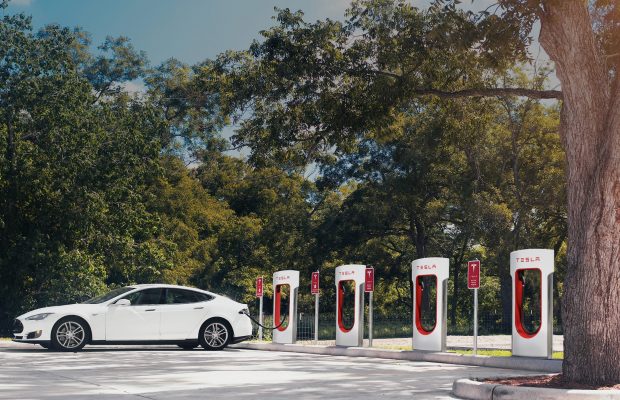
    Tesla has completed the installation of three Destination Chargers at Shinsegae department store in the Gangnam, Seoul.

    The move follows the opening of two showrooms in the city last month as the brand picks up momentum with its South Korean operations.

    It was the second set of Tesla chargers introduced at a Shinsegae outlet after another batch was installed at the Yeoju Premium Outlets.

    Tesla charging stations 3

    The Korean giant Shinsegae Group signed a partnership with the American automaker last year, planning to equip 25 of its locations with Tesla’s charging stations this year.

    One of the two Tesla stores that opened last week is located in Starfield Hanam, the largest shopping complex in Korea, which opened last year under a Shinsegae-Taubman partnership.

  • Starbucks Coffee Korea sales booms

    Starbucks Coffee Korea sales booms

    Starbucks Coffee Korea said its annual sales topped the 1 trillion won (US$884.17 million) mark for the first time ever last year.

    The local franchise of the US coffee giant, which is operated by retail conglomerate Shinsegae, debuted in South Korea in 1999.

    Annual sales rose 29.6 per cent from the 773.9 billion won of 2015.

    Operating profit also increased 81.2 per cent year-on-year to 85.4 billion won in 2016.

    As at the end of February, Starbucks operated 1008 shops across the country.

    Industry observers said Starbucks’ record is astonishing as annual sales of other players such as Twosome Place and Angel-in-us Coffee are averaging between 100 and 200 billion won.

    “Starbucks gained popularity among women in their 20s and 30s who are attuned to the latest consumer culture of the United States,” an analyst said, adding that Starbucks has constantly launched new menus.

    Starbucks acquired tea retailer Teavana in 2012 and has since rolled out various tea menus along with bakery products.

  • Cosmetics sales surge as Korean duty free market rockets

    Cosmetics sales surge as Korean duty free market rockets

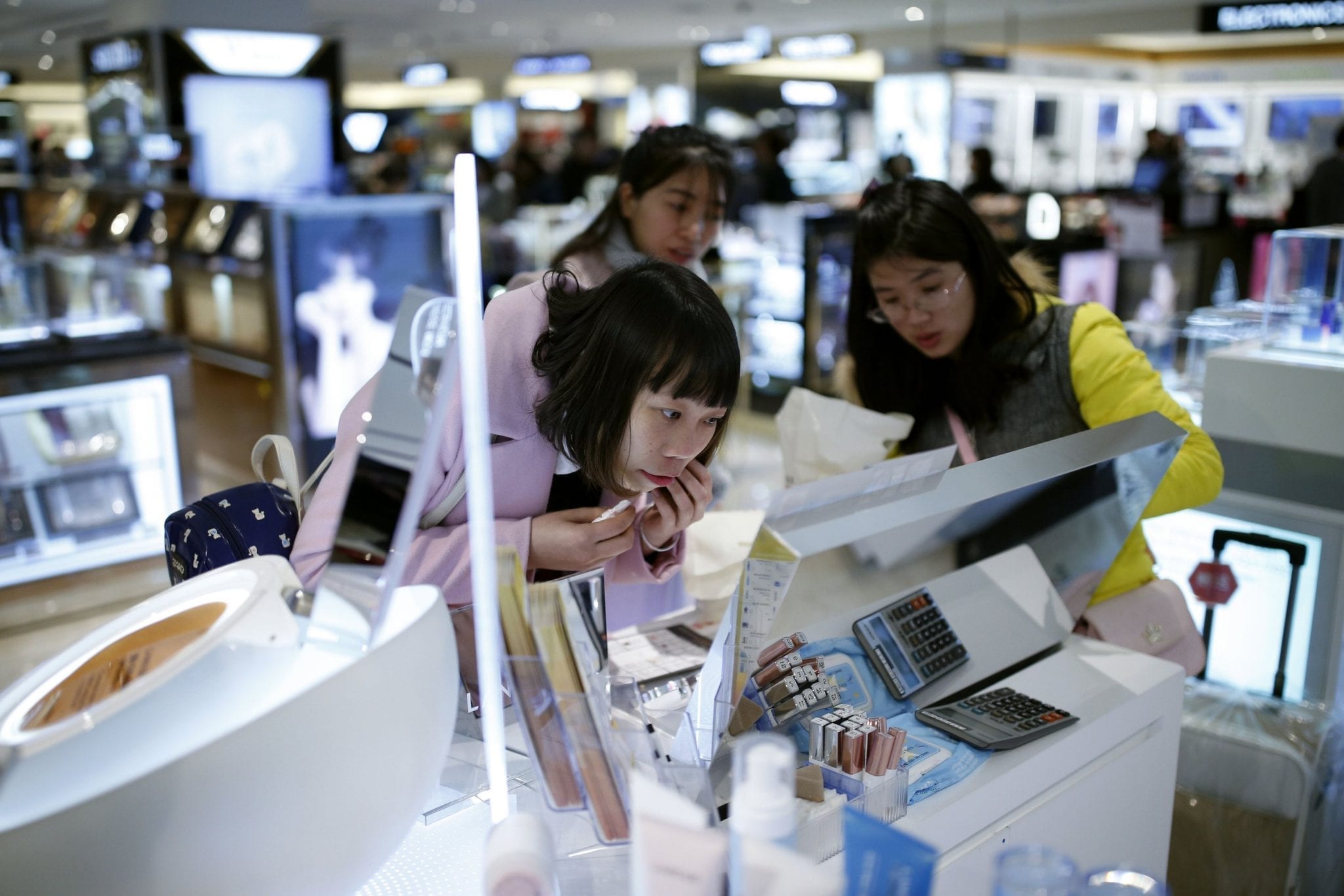
    The Korean duty free market surged by 33.5% year-on-year in 2016 to KW12.2 trillion (US$10.5 billion), according to new figures from Korea Customs Service.

    The results reflect a strong bounce-back from the MERS-ravaged 2015, allied to booming Chinese visitor numbers last year.

    Chinese arrivals for 2016 rose +34.8% to 8,067,722, according to Korea Tourism Organization figures published today, a 46.8% share of total visitors. Japanese arrivals also rose sharply, up +25% to 2,297,893, a 13.3% share of total arrivals. Korean departures rose +15.9% in the year to 22,383,190

    Duty free sales to foreigners (dominated by the Chinese followed by Japanese) rose +44.1% to KW8.8 trillion (US$7.5 billion)

    Cosmetics, driven by booming sales of skincare (particularly Korean brands), accounted for 51.2% of turnover. Here are the leading categories:

    Korea_Table_600

    Lotte Duty Free stretched its lead as the dominant force, racking up a +26% increase in sales to KW5.973 trillion (US$5.1 billion), a stunning performance given that the retailer had to close down its Lotte World Tower Duty Free store in late June.

    Lotte’s nearest rival, The Shilla Duty Free, posted a +31.5% increase year-on-year to KW3.405 trillion (US$2.9 billion). Its Seoul flagship generated revenues of KW1.739 trillion (US$1.49 billion) while its Incheon International Airport stores posted sales of KW0.697 trillion (US$596.7 million)

    Fast-rising Shinsegae Duty Free posted sales of KW0.9608 trillion (US$822.4 million). Its new store in Myeong-dong, Seoul, which only opened on 1 May, generated sales of KW0.349 trillion (US$298.7 million). Its downtown Busan store (relocated in March to Centum City) posted revenues of KW0.336 trillion (US$287.8 million). Dongwha Duty Free in Seoul posted sales of KW0.3547 trillion (US$306 million)

    Of the recent sector newcomers HDC Shilla generated sales of KW0.3971 trillion (US$340 million); Galleria 63 Duty Free reached KW0.224 trillion (US$191.7 million), Doota Duty Dree KW0.111 trillion (US$95 million) and SM (Hana Tour) KW0.056 trillion (US$47.9 million).

  • South Korea Dec department store sales rebound from Nov, reverse two declining years

    South Korea Dec department store sales rebound from Nov, reverse two declining years

    Sales at South Korea’s department stores in December rebounded from November on year-end gift purchases, trade ministry data showed on Monday, while sales for the whole year ended on a positive note, reversing two years of decline.

    Combined sales last month at department stores run by Hyundai Department Store, Lotte Shopping and Shinsegae Co rose 3.3 percent on-year, the Ministry of Trade, Industry and Energy said, bouncing from a 2.8 percent decline in November.

    Nearly all product categories saw rises in sales, which were led by offshore brand items and food products.

    Retail data has shown consumption has not fallen markedly since an influence-peddling scandal involving President Park Geun-hye engulfed the country late last year, although consumer sentiment is at its worst in nearly eight years.

    The central bank governor, Lee Ju-yeol, said earlier this month private consumption is likely to head down in 2017 due to uncertainties at home and abroad, hampering overall growth.

    Discount store sales, meanwhile, slipped 1.9 percent in December over a year earlier, the same trade ministry data showed, although not as bad as November’s 6.1 percent decline.

    In 2016, department store sales rose 3.3 percent, breaking two years of falls and rebounding from a 1.2 percent fall in 2015. Demand for luxury goods and large household appliances such as televisions and refrigerators bolstered sales, the ministry said.

    Discount store sales fell 1.4 percent in 2016, declining for a fifth straight year, the data said, as more consumers bought food items online from a widening variety of vendors.

    In 2015, discount store sales dropped 2.1 percent.

  • Hyundai Department Store plans CoEx duty-free outlet

    Hyundai Department Store plans CoEx duty-free outlet

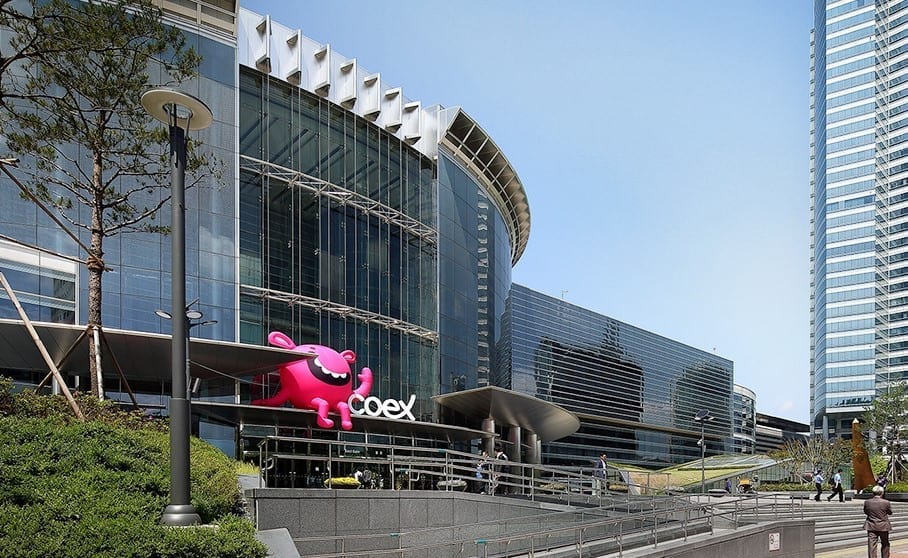
    Hyundai Department Store Group plans to open a 14,005 sqm duty-free store in the CoEx Convention and Exhibition Center in Samseong-Dong, Seoul, late this year.

    Hyundai joined rivals Lotte Duty Free and Shinsegae in securing five-year licences last month to run downtown duty-free stores in Seoul. The SME licence went to TopCity, with Alpensia and Busan Duty Free winning licences for stores in Gangwon Province and Busan.

    Hyundai Duty Free merchandising manager Hyunjin Lee says CoEx attracts independent travellers who are willing to experience Korean culture (K-wave).

    “This place will grow into a worldwide landmark in a few years when there is a Hyundai Global Business Center, underground transit complex and the Jamsil Sports Complex extension,” says Lee.

    “We will provide a differentiated duty-free store with luxury boutiques and customer lounges.”

    A wide selection of luxury items and Korean cosmetic products will be offered, says Lee. “We also plan to develop Kangnam tourist attractions, co-operating with entertainment companies and local government.”

    A key element in Hyundai Duty Free’s licence proposal was agreeing to a memorandum of understanding with the government to invest in tourism infrastructure development plus a commitment to contribute US$50 million in social welfare funds.

  • Lotte Duty Free re-launches at Gimhae airport

    Lotte Duty Free re-launches at Gimhae airport

    After winning a Korea Airports Corporation (KAC) tender, Lotte Duty Free has officially re-launched at Gimhae airport.

    The retailer now has 980.44 sqm of space, an increase of 329.2 sqm over its area last year. Lotte Duty Free had a 158.34 sqm presence at the terminal when it opened in 2007 until early 2014.

    Fellow Korean retailer Shinsegae, which was at the airport until last month, is believed to have terminated its contract to focus on the city – it plans to open a 13,350 sqm store in the city centre – and its Incheon airport outlets.

    Meanwhile, Lotte is targeting sales of W120 billion ($US99.2 million) at the airport this year with daily sales of W200 million.

    Following an analysis of consumer shopping trends at Gimhae airport, the cosmetics area has been expanded by 40 percent with the introduction of such brands as Giorgio Armani, Jo Malone and Tumi.

    In its entirety, the Lotte offers more than 120 food, electronics and accessories brands at the airport, along with fragrances and cosmetics labels such as Chanel, Dior and Sulwhasoo.

    A special promotion to commemorate the grand opening at the airport offers as a grand prize for each of 30 Korean nationals and their partners a trip to Okinawa to watch the Lotte Giants baseball team train.

    Other customers can win pre-paid shopping cards, movie tickets, drinks coupons and gift certificates.

    Dufry Group also runs a duty-free concession at the airport.

  • The plan for new Daegu Shinsegae

    The plan for new Daegu Shinsegae

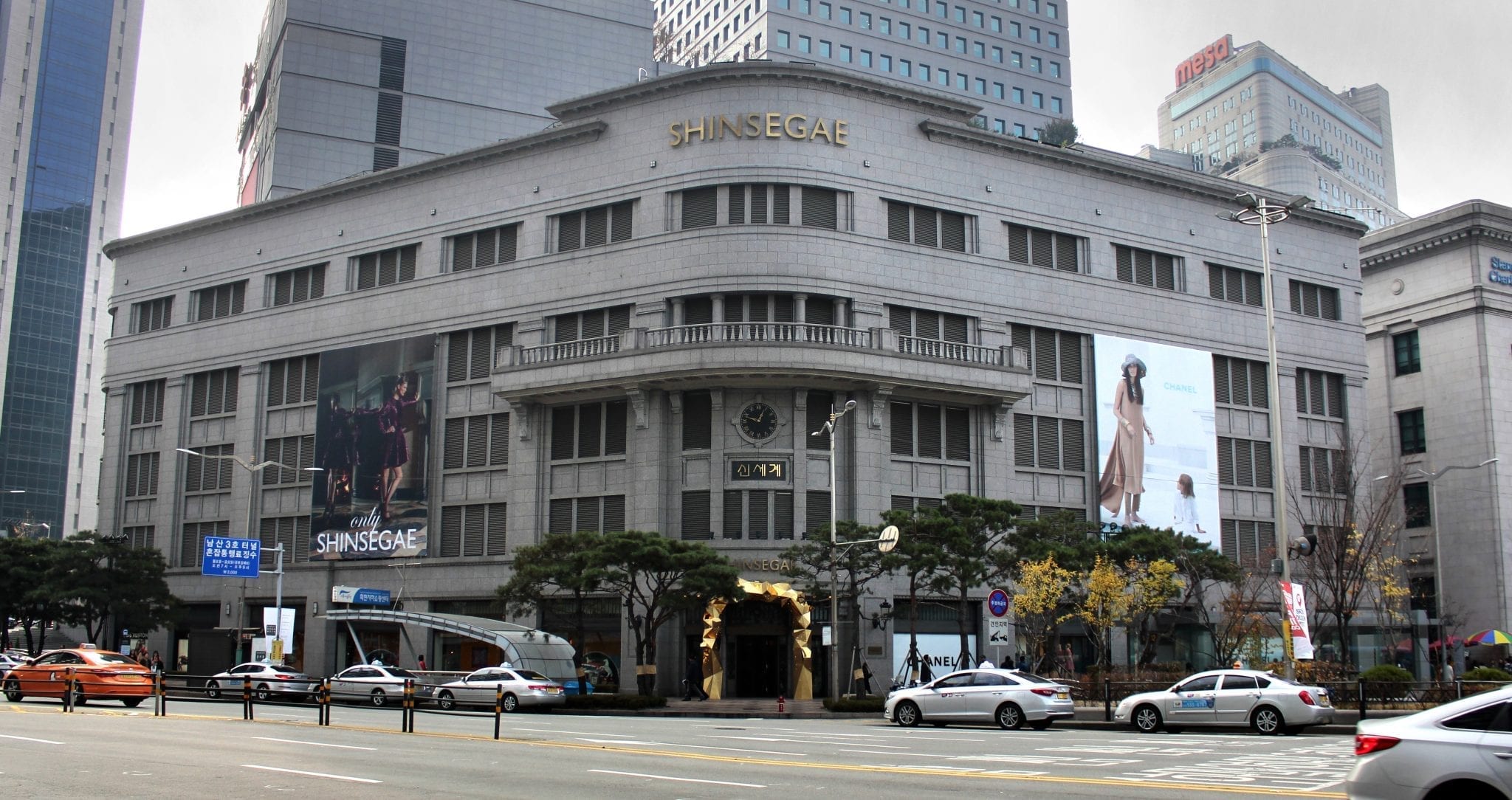
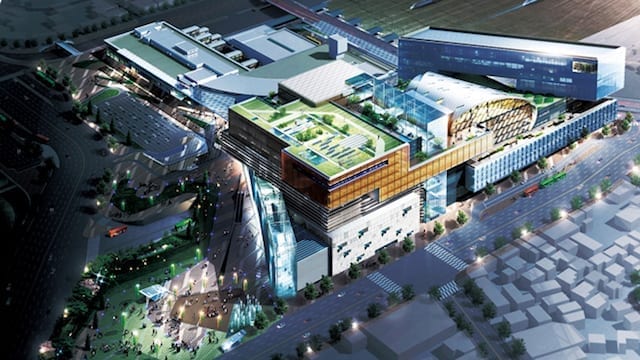
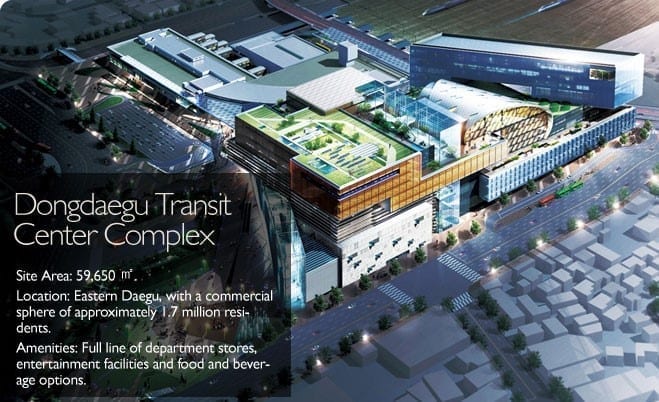
    Korean retail giant Shinsegae Department Store’s new Daegu Shinsegae is a large-scale shopping and entertainment complex connected to a transportation hub in the southern city.

    Covering more than 103,000 sqm, it is Shinsegae Department Store‘s second large-scale branch outside of Seoul, following the Centum City branch in Busan. As well as traditional shopping areas, Daegu Shinsegae has a rooftop aquarium, indoor and outdoor mini theme parks, an art gallery and a concert hall.

    Shinsegae invested KW880 billion (US$755 million) in the project, the largest amount for any single Shinsegae Department Store branch.

    Daegu Shinsegae shares four floors with the new Dong-Daegu Intermodal Transfer Center, the culmination of a five-year project together with the Daegu Metropolitan City Government and the Ministry of Land, Infrastructure and Transport. It offers access to KTX and subway trains as well as buses.

    “We hope to use the transfer centre to create a network of consumers in nearby cities as we have to target consumers across the north Gyeongsang province area rather than just focussing on Daegu,” says store CEO Jang Jae-young.

    “Our market research found that Daegu consumers are unwilling to travel to other cities like Busan in order to shop, but on the other hand consumers from other cities are willing to come to Daegu,” says Daegu Shinsegae deputy chief Hong Jung-pyo.

    He says the centre will be different from the Shinsegae branches in Seoul, which gain most of their revenue from luxury products. Its strategy instead will be to attract a more mass consumer base with its family entertainment and young casual attractions.

    More than revenue, however, Jang says Daegu Shinsegae will first focus on smooth running and working with the surrounding community.

  • Lotte, Hyundai, Shinsegae get duty free licenses

    Lotte, Hyundai, Shinsegae get duty free licenses

    Lotte Duty Free, Hyundai Duty Free and Shinsegae DF have snatched licenses for new duty free shops in Seoul, showing that retail specialists will have the upper hand over non-retail firms struggling in the market.

    However, the big three firms still have to brace for harsh competition in the already saturated market, as well as lingering questions about the fairness of the selection process due to possible ties to a corruption scandal engulfing President Park Geun-hye and her confidant Choi Soon-sil.

    The Korea Customs Service (KCS), Saturday, named the three firms as operators for three Seoul-based duty free outlets. Also, it said a fourth license for the city, reserved for small and medium-sized firms (SMEs), was taken by Top City Corp. Busan Duty Free and Alpensia won licenses for outlets in Busan and Gangwon Province, respectively.

    The three conglomerates are retail giants that run department stores in the country. Market watchers say their experience and expertise in attracting luxury brands as well as managing and running their stores worked favorably for them in the KCS evaluation.

    All three conglomerate-run shops will be based in southern Seoul. Hyundai, which earned the highest score in the KCS evaluation, will open an outlet near COEX in Samseong-dong. Lotte will reopen an outlet in its landmark Lotte World Tower in Jamsil. Shinsegae will have one in Central City in Seocho-gu.

    So far, most of the large duty free stores have been located north of the Han River. Top-seller Lotte Duty Free’s main store is located in Sogong-dong, while Shilla Duty Free is in Jangchung-dong and Dongwha Duty Free is in Sajik-dong. The combined earnings of the three outlets last year reached 3.85 trillion won.

    Market observers expect the fresh selection will create an opportunity to draw more tourists to southern Seoul and meet the growing demand for duty free shops in the region. According to the Korea Tourism Organization, the number of foreign tourists in those regions grew an average 19 percent annually from 2012 to 2015.

    With the new selections, however, more competitors are added to the already saturated duty free market in Seoul. Currently, nine duty free outlets are in operation in the city and the four companies will open their new stores next year.

    Data shows that the market is displaying signs of a widening gap between firms. Five duty free outlets that began operation after the government granted licenses last year have posted billions of won in operating losses.

    In the first three quarters this year, a Shinsegae shop in Myeongdong posted an operating loss of 37.2 billion won. Galleria Duty Free 63 on Yeouido and HDC Shilla Duty Free in Yongsan each recorded 30.5 billion won and 16.7 billion won in operating loss.

    SM Duty Free in Jongno-gu, which opened as an SME shop, also suffered a 20.6 billion won operating loss in the same period. Doota Duty Free in Dongdaemun did not disclose its data, but reportedly it posted an operating loss of 27 billion won in five months after opening in May.

    Another factor casting concern is the ongoing controversy that the selection was allegedly affected by Choi Soon-sil. Lotte and SK, which were among the candidates for the fresh selection, donated money to two nonprofit foundations controlled by Choi and the prosecution is suspecting the money worked in favor of the two companies.

    With Lotte winning one of the licenses, the controversy is likely to grow.

    The main opposition Democratic Party of Korea (DPK) said Sunday it is “suspicious of the KCS decision to press on with the selection process even though a special inspection over the scandal is ongoing regarding the matter.”

    The KCS said last December there would be no more selection for duty free operators but suddenly decided to offer more licenses in April.

    “There have been suspicions that SK Group head and President Park met privately over the duty free shops,” said DPK spokeswoman Park Kyung-mee.

  • Lotte, Shinsegae and Hyundai win 10-year licenses

    Lotte, Shinsegae and Hyundai win 10-year licenses

    The Korea Customs Service awarded the three biggest remaining 10-year downtown duty free licenses in Seoul to Lotte Duty Free, Shinsegae DF and the Hyundai Department Store yesterday.

    At the same time, ‘Top City’ won the one small, medium enterprise Seoul contract, while the two remaining provincial licenses were gained by Busan Duty Free and Alpensia.

    These results follow the submission of substantial business plans by all parties from last October and an unprecedented and intense effort by South Korea’s market leading duty free retailer Lotte Duty Free. This follows its deep disappointment at losing its duty free license at its Lotte World Tower store last November.

    ALL OR NOTHING BID PAYS OFF FOR LOTTE

    Lotte’s intense last-ditch campaign included a pledge to invest Won2.3 trillion ($1.97bn) on tourist-related investments in the upmarket Gangnam quarter of Seoul between 2017 to 2021.

    In addition, it promised to support small and medium-sized business partners and to attract more than 17m foreign tourists. [Financial criteria was one of the main criteria in the offer evaluations-Ed].

    The operator also gave an unprecedented undertaking to create 34,000 direct and indirect jobs, while creating substantial foreign exchange income.

    The Korean Customs Service (KCS) will now fall under both regulator and media spotlights to make sure these and all other promises by other winning retailers are kept – and especially considering KCS itself has also been the subject of investigations into its conduct recently.

    SOME BIDDERS WILL BE VERY DISAPPOINTED

    There are also some significant losers in this process, with neither SK Networks or Shilla Duty Free’s bids proving successful for any of the big Seoul downtown contracts.

    This will be particularly disappointing for SK, which has long been known for its downtown WalkerHill Duty Free operation which lost its duty free license at the same time as Lotte last November.

    Meanwhile, the ‘soap opera’ continues which has effectively cost President-Park-Geun-hye her job after so enraging the South Korean people.

    All eyes will now be on the ongoing investigation into the activities of Park’s associate Choi Soon-sil, who remains under house arrest charged with abuse of position and attempted fraud.

    Choi is alleged to have ‘persuaded’ various businesses into paying millions of dollars to supposedly government-linked foundations, in return for favours – including some allegedly linked to duty free licenses.

    SK Group head Chey Tae Won and Lotte Group Chairman Shin Dong-bin were both questioned on national television at Seoul’s National Assembly earlier this month – along with several other heads of major companies – but all denied they were ‘persuaded’ to pay monies in return for any favours.

    PUBLIC RELATIONS REPAIR WORK

    Meanwhile, Lotte Duty Free has expressed its thanks for being awarded this latest concession.

    In a statement entitled ‘Adoption of patent company selection‘ which was forwarded to TRBusiness, it said: “First of all, I am most fortunate to have been able to return to my original job with about 1,300 employees who had been in deep anxiety as I waited for work at World Tower in the past six months.

    ‘HEARTFELT GRATITUDE’ EXPRESSED

    “I would like to express my heartfelt gratitude to the jury members for their fair and objective examination to enhance the competitiveness of the duty free industry in Korea, despite the fact that the psychological burden was not so small.

    “We are also grateful to all of our employees who have devoted themselves to the growth and development of Lotte Duty Free as a global duty-free enterprise for the past 36 years.

    “Lotte Duty Free will do its best to faithfully fulfil the contents of the business plan submitted to the KCS in the future. Through aggressive investment and development of Korean Wave content, we will be able to attract foreign tourists and create jobs, as well as coexist with small and medium-sized enterprises, thereby fulfilling our social responsibilities and becoming a more mature company contributing to the local economy and the national economy.

    “Most of all, Lotte Duty Free will do our best to open up the future of tourism in Korea by raising the global competitiveness of domestic tourism industry with greater responsibility.”

  • Victorious Shinsegae Duty Free unveils bold vision for new Central City store

    Victorious Shinsegae Duty Free unveils bold vision for new Central City store

    Buoyed by yesterday’s success in the dramatic contest for three new downtown duty free licences in Seoul, Shinsegae Duty Free today outlined ambitious plans for its new 13,350sq m store in Central City in the Seoch-gu area of Gangnam.

    As reported globally by The Moodie Davitt Report within minutes of the Korea Customs Service announcement, Shinsegae Duty Free won one of the three five-year licences on offer, along with Lotte Duty Free (gaining a welcome return to its Lotte World Tower store) and sector newcomer Hyundai Department Store. SK Networks (WalkerHill Duty Free) and HDC Shilla (Shilla IPark duty free) missed out.

    Central City is Korea’s largest multi-cultural leisure and entertainment space, featuring the Shinsegae Department Store, a hotel, restaurants, cinema and book stores, all offering what the retailer called a “seamless, one-stop shopping experience”.

    Shinsegae Duty Free CEO Young-mok Sung said: “With the opening of the Central City outlet, Shinsegae Duty Free will be able to provide foreign tourists with unique experiences and contents, including gourmet, shopping, culture and lifestyle offers through various tourism programs and infrastructure.”

    He pledged that Shinsegae Duty Free will promote and develop Korean tourism through free independent travellers (FIT) and strive to “catch the hearts” of foreign tourists.

    Shinsegae Duty Free said it will foster tourism in the southern Seoul area by integrating its general retail and duty free operations.

    The department store and – increasingly over recent years – duty free powerhouse announced that it would invest KW350 billion (US$295 million) over the next five years to improve and promote tourism and shopping infrastructure in the Seocho and Gangnam area surrounding Central City.

    The investment plan features several ambitious developments, including the creation of a 4.6km long ‘Arts Street’ connecting tourist attractions such as the Seoul Arts Center and Sebitseom (a cultural complex on the Han River that consists of three artificial islands).

    Shinsegae also intends to improve the walkways of the popular musical instrument village and develop a guide map for it. Additionally, the company will create a pedestrian walkway within the popular Seoripul Park’s multicultural spaces.

    The company said it will also drive local tourism by creating Hallyu [Korean wave] cultural clusters and building a Korea Tourism Promotion Center to provide national tourism information.

    In line with these plans, Shinsegae Duty Free plans to develop various tourism programmes, including a ‘Premium Gourmet Festival’ that will offer premium restaurant dining experiences at reasonable prices.

    A ‘Medical Tour’ programme will promote the country’s important medical tourism sector, offering consultation and interpretation services, supported by a local tour offer called ‘Korea from end to end’.

    CENTRAL CITY – A ONE-STOP SHOPPING EXPERIENCE

    Shinsegae Duty Free said it selected Central City as the best location for the new store in order to champion local tourism, diversify the travel offer and attract more FIT visitors.

    Shinsegae Duty Free promises to “catch the hearts” of tourists at Central City, described as Korea’s largest multi-cultural leisure and entertainment space

    According to a 2015 survey by Korea Tourism Organization, the number of foreign tourists visiting the area around Central City has increased by +19% annually since 2012. FITs made up 88.6 % of the 2015 total – some 21 percentage points higher than the number of independent travellers visiting Seoul (67.7%).

    Many Chinese independent travellers do not see a Seoul trip as complete without visiting the Seocho and Gangnam areas, Shinsegae said.

    That local popularity has been reflected at Shinsegae Gangnam Department Store (which completed a renewal and expansion in August), where sales to Chinese tourists have increased by almost +200% this year over 2015.

    Gangnam style: Shinsegae Department Store is a hugely popular tourist attraction in the busy shopping district

    Underlining Shinsegae’s description of a “one-stop shopping experience”, Central City is conveniently connected to major public transportation links within Seoul and nation-wide.

    The area boasts 33 city bus and express bus services, as well as the Express Bus Terminal subway station. Gyeongbu and Honam Express Bus Terminal, Seoul’s largest transportation infrastructure used by 40 million people annually, is also located in Central City.

    Shinsegae Duty Free has secured parking spaces that can accommodate 3,600 vehicles and 59 buses. Bus stops will be connected directly to the duty free store to provide maximum shopper convenience.

    Major cultural and art spaces are concentrated around Central City, including over 50 eco-friendly travel spots. The area is the centre of the MICE [meetings, incentives, conventions, and exhibitions] industry and holds around 20 local community festivals annually.

    Additionally, major tourism spots such as Seorae Village, Apgujeong-dong and Itaewon can be easily reached, while various cultural, dining, beauty and medical facilities are also concentrated in the area.

    Shinsegae Duty Free has pledged to promote tourism by signing partnerships with major organisations in Seocho and Gangnam, including Seocho-Gu Office [the local Mayor’s office], Seoul Arts Center, Catholic Sung-Mo hospital and leading restaurants.

    In its proposal to Korea Customs Service, Shinsegae Duty Free forecast that if its new duty free outlet attracts some 8.3 million tourists – representing a +88% boost in visitors to the area over 2015 – tourism spend would be boosted by KW7.5 trillion (US$632 million) over the next five years.

    HELPING KOREA’S SMALL AND MEDIUM ENTERPRISES

    Shinsegae Duty Free has pledged to champion small-to-medium sized (SMEs) producers. It will dedicate 39% of its store to SME wares and introduce various related brands and concepts which retain Shinsegae’s ‘DNA’ such as the ‘Shinsegae Gift Shop’.

    Shinsegae Duty Free’s Myeong-dong store features a magnificent array of Korean artisan products. The retailer plans to also champion local producers at its new shop.

    The retailer will also open a store for new designers’ brands to identify and promote new talent and support local creators.
    Shinsegae Duty Free emphasised that it honoured similar cultural and tourism pledges it made as part of the company’s 2015 bid for its inaugural Seoul downtown licence.

    For example, it opened a Hallyu cultural performance theatre called ‘Boys24 Hall’ in September and ‘Han Soo’, a craftsmanship section, in December.

    As revealed by The Moodie Davitt Report, Fountain Square improvement work and the promised Namdaemun Market revitalisation are also well underway as long-term project. Additionally, a Design Innovation Center, which discovers talented new designers and provides job opportunities, is scheduled to open in the first half of 2017.

    Shinsegae Duty Free is driving the revitalisation of Namdaemun Market, a major tourist attraction.
  • ​Samsung Pay available at Korean department chain Shinsegae after delay

    ​Samsung Pay available at Korean department chain Shinsegae after delay

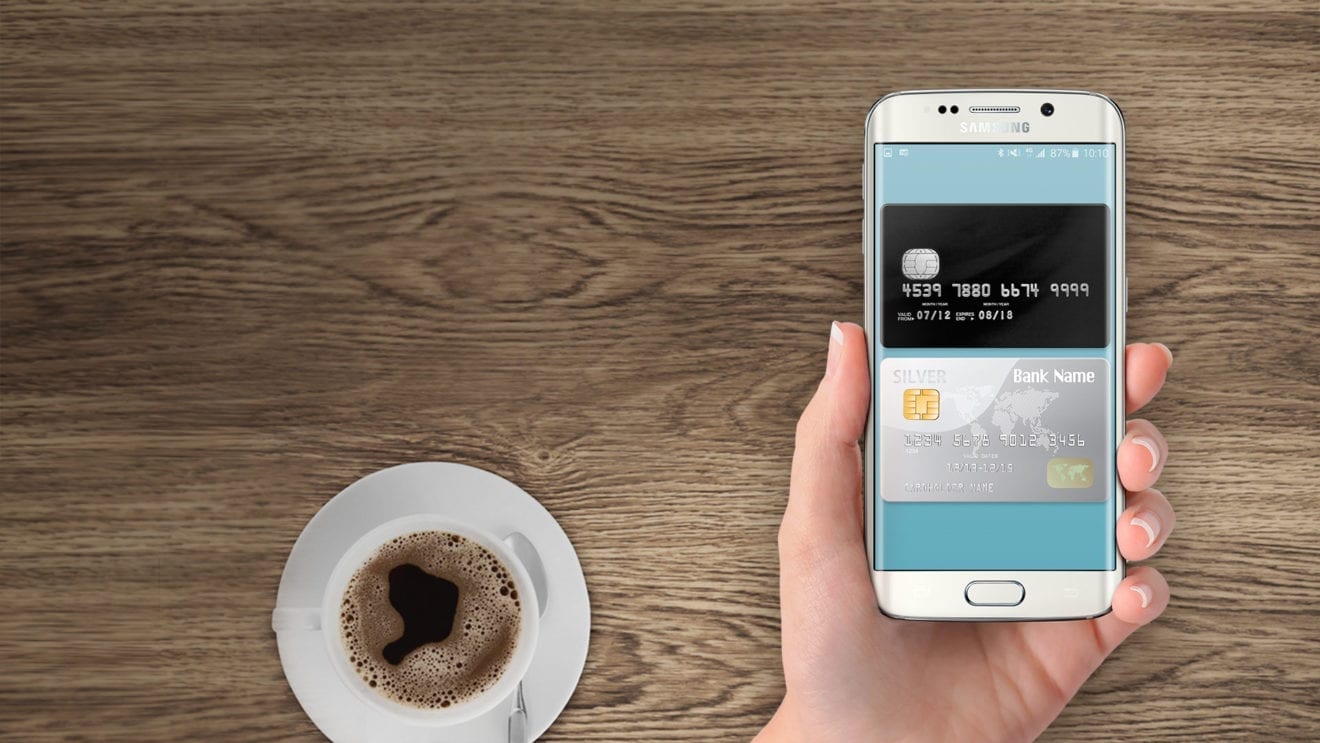
    Samsung Pay will now be available for franchises in South Korea owned or run by Shinsegae, which owns its own brand of department stores, Samsung Electronics has announced.

    The mobile payment service will be available in Starbucks — the coffee chain is run by Shinsegae in South Korea — and famous brands such as E-mart, Shinsegae Food, Shinsegae Dutyfree, and Every Day Retail.

    Samsung said the delay was caused by the difficulty in providing consumers with discounts, points, and membership services.

    Shinsegae has been resisting allowing Samsung Pay in its franchises to promote its own counterpart SSG Pay.

    Samsung Pay hit 2 trillion won transaction as of August and is among the most popular mobile payment services provided by a handset manufacturer. Samsung controls over 70 percent market share in South Korea, its home country.

    It supports all credit cards except Citi’s in South Korea. Support for Citi will begin in the first half of next year, Samsung said.