Tag: Singapore

  • Solid year for revitalised Dairy Farm International

    Solid year for revitalised Dairy Farm International

    Hong Kong-headquartered multi-format retailer Dairy Farm International has celebrated its 130th anniversary with a strong set of results, with food, home furnishings and restaurants delivering higher profits.

    Total sales, including those of associates and joint ventures, rose 14 per cent in US dollar terms and 17 per cent on a constant-currency basis to US$20.4 billion. Sales of wholly-owned subsidiaries rose 1 per cent to $11.2 billion.

    Underlying net profit rose by 7 per cent to $460 million, partly due to a 13 basis point net improvement in operating margins as well as increased contributions from Yonghui and Maxim’s. Operating profit rose 6 per cent.

    Supermarkets & hypermarkets solid

    Total food division sales, which include Wellcome and Giant, were flat in US dollar terms, although up 1 per cent on a constant currency basis.

    “In an environment of severe pressure on pricing, sales growth in Hong Kong supermarkets and in the convenience store businesses in Hong Kong, Mainland China and Singapore helped to offset declines in the group’s supermarkets and hypermarkets in Singapore and Indonesia and largely flat sales elsewhere,” explained CEO Graham Allan.

    “The closure of a number of unprofitable stores in Singapore and Indonesia also weighed on sales performance. However, specific actions, including strategic store closures, prudent management of costs and more targeted promotional activity, delivered improved operating margins.’

    Operating profit from the food division rose 13 per cent to $267 million, with the largest gains coming from Singapore and Indonesia.

    Sales of $6.2 billion from supermarkets and hypermarkets (excluding Yonghui) were in line with last year in constant currency while operating profit increased by 13 per cent to $194 million.

    Wellcome in Hong Kong drove higher sales through strengthening its fresh offer and an enhanced merchandise assortment. Operating profit was lower, principally due to a continued rise in rental costs and competitor promotional activities. In Macau, San Miu achieved sales and operating profit growth in its first full year in the group with range enhancement and increased fresh participation.

    In Taiwan, sales and operating profit were ahead of last year. A new ‘superstore’ concept was introduced for Wellcome with two net new stores opening during the year, while Jason’s continued its store expansion.

    “The retail landscape in Indonesia was challenging with limited recovery in consumer confidence and significant competition from the continued rollout of mini-market stores across the country, which impacted sales growth at supermarkets and hypermarkets,” said Allan.

    “Nevertheless, improved margins, from pricing and promotional activities, the closure of a number of underperforming stores and tighter cost control boosted profitability. Improving the fresh assortment and revitalising the upscale Hero brand remain key focus areas for the business.”

    In Malaysia, sales and operating profit were behind 2015 due to persistent low consumer confidence together with ongoing price controls following the introduction of GST, which continued to weigh on performance.

    The Philippines recorded a strong year with all banners reporting like-for-like sales growth and improved profitability. “A more appealing fresh assortment coupled with tactical pricing and successful marketing activities underpinned an encouraging increase in footfall,” said Allan.

    “Rustan’s benefited from increased sales of its imported and exclusive brands, while measures to improve cost efficiency were also implemented.”

    In Singapore, sales were down year-on-year due to poor consumer sentiment and the impact of store rationalisation. “Cold Storage achieved an encouraging operating profit increase, despite reduced sales following the closure of underperforming stores. Giant saw steady sales and positive profit growth, driven by increased margins and lower operating costs.

    “In the coming year, we aim to invest in the renewal of customer facing and back office technologies to improve our customer experience and internal efficiency whilst optimising ranges and supply chain productivity.”

    In Vietnam, Giant posted sound sales growth, from its single store, with increased customer traffic being the main driver and in Cambodia, the group saw “encouraging increases” in like-for-like sales and operating profit.

    Convenience sales reach $2 billion

    Convenience stores reported $2 billion in sales, an increase of 5 per cent year-on-year in constant-currency terms. Operating profit increased by 15 per cent to $73 million.

    In Hong Kong, 7-Eleven outpaced the competition and grew sales and operating profit despite soft consumer sentiment and difficult market conditions. Like-for-like sales strengthened during the year supported by promotions, range improvements and new products. A slight gross margin improvement led to a higher operating profit despite cost increases from labour and rent. In Macau, sales were flat and operating profit was lower due to slowing tourist numbers and a substantial cigarette tax increase in 2015.

    In Mainland China, 7-Eleven continued its solid growth and passed its 800th store milestone. During the year, sales and operating profit increased, with store network expansion and like- for-like sales growth. This was driven in part by an expanded ready-to-eat (RTE) product range.

    In Singapore, 7-Eleven achieved positive like-for-like sales growth arising from a store re-ranging project with a strong focus on RTE, including the successful introduction of new private label products sourced from 7-Eleven Japan.

    “Operating profit was significantly ahead of 2015 due to these initiatives and the rationalisation of loss-making stores,” said CEO Graham Allan. “The RTE range will be further expanded in 2017 and there will be increased focus on acquiring new profitable sites.”

    Health & beauty sales rise

    Dairy Farm’s health & beauty division achieved $2.6 billion in sales, up 4 per cent on a constant currency basis, however profit declined 5 per cent to $175 million due to margin pressure and higher rents in Hong Kong.

    “Gains in Hong Kong, Mainland China, Singapore, Indonesia and the Philippines, offset disappointing sales in Malaysia,” said Allan.

    In Hong Kong, Mannings’ sales increased in 2016 despite a smaller store network. “As mainland Chinese tourist arrivals continued to decline, promotional campaigns and loyalty programmes were launched throughout the year targeting local consumers,” said Allan. “Sales were flat in Macau as mainland Chinese tourist arrivals remained soft.

    On the mainland, Mannings “showed gradual improvement” with solid sales growth, particularly in baby care, beauty care and personal care, while the contribution from corporate brands increased.

    In Singapore, Guardian reported growth in sales, while operating profit also increased with higher gross margins and greater focus on cost and shrinkage management, partially offset by higher rental costs, but in Malaysia, Guardian experienced “a challenging year” with lower sales and operating profit due to subdued consumer sentiment, increased competition and weakness of the ringgit.

    In Indonesia, Guardian posted double-digit sales growth for the fifth year in a row, despite the net closure of 73 stores. Operating profit was higher than in 2015 with higher gross margins.

    In Vietnam, Guardian recorded another strong year of double-digit sales growth and improvement in gross margin. Corporate brand penetration increased significantly as brands such as Botaneco Garden proved popular with local consumers and in the new market of Cambodia, progress was made through range expansion and increased corporate brand penetration supporting strong like-for-like sales.

    In its second year in the group, Rose Pharmacy in the Philippines delivered performance improvement through sales growth, gross margin enhancement, better cost efficiency and the closure of a number of underperforming stores. Guardian brand products were launched with encouraging early signs of customer acceptance.

    Home furnishings solid

    Home Furnishings, essentially the Ikea business in Hong Kong, Taiwan and Indonesia, recorded a 12 per cent rise in operating profit to $71 million driven by increased sales of $597 million, 6 per cent ahead of 2015.

    “Sales and operating profit were higher than last year in all three markets. Like-for-like sales growth was particularly strong in Taiwan and Indonesia.”

    Hong Kong led the group in introducing new concepts to increase consumer access, launching online shopping in April 2016 and opening two pick-up points in Macau and on Hong Kong Island. Indonesia introduced online shopping in July. Taiwan opened a pick-up point in Hsinchu and launched online shopping in February 2017.

    “We continued to strengthen our low price image through ongoing price investment, and increased our focus on market specific products to enhance our local consumer appeal.

    “In the coming year, Home Furnishings plans both to continue its push in consumer accessibility and to drive forward its expansion plans, having identified a second Indonesia store location and opening a fourth store in Hong Kong in the second half of 2017,” said Allan.

    Solid growth for Starbucks, Maxim’s

    Sales in Dairy Farm International’s restaurants division rose 7 per cent year-on-year to $2 billion and profit rose 4 per cent.

    “The business delivered another year of record earnings in a difficult market environment while continuing to expand outside Hong Kong,” said Allan.

    The division expanded its reach by acquiring Cova, a premium chain of cake shops and restaurants, and by opening its first Treats food hall.

    In China, Maxim’s added 16 new stores across its brands, including the first Cheesecake Factory franchise at Shanghai Disney Town.

    The company now operates 20 Starbucks cafes in Vietnam and Cambodia and describes their performance as “encouraging”. The group launched its first Thai franchise in September – MX Cakes and Bakery, a joint venture with ThaiBev, which has opened three outlets in Bangkok.

    “Looking ahead, the group continues to see various exciting opportunities, including entry into the Beijing market with the opening of Jade Garden, Cafe Landmark and The Cheesecake Factory planned in 2017. Maxim’s will also continue to explore franchise and acquisition opportunities across the region.”

    Dairy Farm will “compete aggressively”

    Chairman Ben Keswick said Dairy Farm International is “transforming itself to compete aggressively in a changing retail landscape”.

    “Central to this are a strong focus on understanding changing consumer behaviour, growing market share, building digital engagement with customers and sharing know-how across the group. Investment is being sustained in supply chain, IT infrastructure and systems, and the skills and expertise of our people to support this transformation. Each business is committed to optimising the shopping experience of its customers and to serving their evolving needs as efficiently as possible.”

    Keswick said increasing convenience through expansion and enhancement of the store network remains a high priority, although when necessary, underperforming stores will be closed. Last year the entire group added a net 114 stores, despite a number of closures across its divisions.

    At December 31, Dairy Farm International had 6548 stores in operation in 11 countries and territories, including its interest in 487 Yonghui stores in Mainland China.

    “Despite the uncertain economic outlook for 2017, the group continues to strengthen its businesses,” said Keswick. “Investments are being made to enhance its competitive position, increase customer convenience and adapt to emerging consumer trends. These investments, coupled with the exposure of its market-leading retail brands to Asia’s growth markets, will support Dairy Farm’s long-term success.”


  • International coffee, tea and confectionery showcase draws a record number of visitors

    International coffee, tea and confectionery showcase draws a record number of visitors

    Café Asia 2017, International Coffee & Tea Expo (ICT Expo) 2017 and Sweets & Bakes Asia 2017 captivated some 11,000 visitors with a multi-sensorial showcase of ‘Firsts’. The concurrent shows were declared opened by Guest-of-Honour, Mr Lee Yi Shyan, Member of Parliament of East Coast GRC, on March 2, 2017 at Marina Bay Sands Expo & Convention Centre, Hall E. 

    The highly successful Café Asia and ICT Expo series first launched in 2013 and the Sweets & Bakes series which was introduced a year later, together present the largest showcase dedicated to the team coffee and bakery industries in Singapore and the region. This dynamic B2B platform is sought after by key decision makers as a sourcing destination for their café needs and to explore new collaborations and opportunities in a country where the number of specialty coffee drinkers has increased over the years. 

    Spanning 5,000 square metres this year, Café Asia 2017, ICT Expo 2017 and Sweets & Bakes Asia hosted 168 exhibitors from all around the world namely, Australia, Brazil, China, France, Germany, India, Indonesia, Italy, Japan, Korea, Malaysia, Myanmar, Netherlands, Philippines, Rwanda, Singapore, Switzerland, Taiwan, Thailand, Timor-Leste and Vietnam.

    The 3-day exhibition raised the bar for three industries with innovations that offered solutions for new recipes, better tasting products and productivity. It introduced some of the latest innovations, developments and technologies at exclusive workshops, classes and demonstrations and on the exhibition floor by industry experts, on everything coffee, tea and baked goods. Visitors discovered new sources and a wide array of supplies and innovative and cutting-edge equipment for cafes and bakeries, from coffee beans from traditional and non-traditional coffee producing countries, tea leaves, taste elevating baking ingredients, new exciting brews like Expresso Martini by Justin Metcalf and delectable gelato flavours.

    Keen Competiton at Seven National Competitions

    Top baristas, tea masters and bakers converged at the shows to contend for national titles and to represent Singapore in the world-level championships. New this year is the inaugural Tea Masters Cup Singapore 2017 where Singapore crowned its first-ever Tea Master to compete at the prestigious Tea Masters Cup International 2017. 

    The National Coffee Championships rolled-out a new competition format, the Singapore Coffee in Good Spirits Championships 2017. The championship celebrates barista’s creativity in celebrating the synergy between coffee and alcohol through innovative beverage recipes. Also returning this year are the Singapore National Barista Championship, Singapore Latte Art Championship, Singapore National Brewers Cup Championship and Singapore Cup Tasters Championship.

    The Singapore Bakery & Confectionery Championship 2017 welcomed top bakers and confectioners who showcased their skills to create the most delicious and delightful breads and pastries. The bakers from some of the best hotels and bakeries here in Singapore kneaded, baked and worked magic with their creations, making them into stunning displays of edible art.

    The winners are:

    Championship

    Winners

    Tea Masters Cup Singapore 2017 – Tea Preparation

    Dave Lim of Sun Ray Café

    Tea Masters Cup Singapore 2017 – Tea Pairing

    Dave Lim of Sun Ray Café

    Tea Masters Cup Singapore 2017 – Tea Tasting

    Darren Chang of Smitten Specialty Coffee & Tea

    Singapore Bakery & Confectionery Championship 2017 – Bread Category Champion

    Jacker Tok Siu Hong of Carlton Hotel

    Singapore Bakery & Confectionery Championship 2017 – Cake Category Champion

    Phua Wei Si and Maryann Tan Rui En of Temasek Polytechnic

    Singapore National Barista Championship

    Terence Tan of Santino Coffee Specialists

    Singapore Latte Art Championship

    Jervis Tan of Kinsmen Coffee

    Singapore National Brewers Cup Championship

    Rodman Chan of A.R.C.

    Singapore Cup Tasters Championship

    Rodman Chan of A.R.C.

    Singapore Coffee in Good Spirits Championship

    Natasha Shariff of Bettr Barista

    Café Asia 2017, ICT 2017 and Sweets and Bakes 2017 are organized by Conference and Exhibitions Management Services (CEMS). Café Asia 2017 and the International Coffee & Tea Expo 2017 are hosted by Singapore Coffee Association and Sweets & Bakes Asia 2017 is hosted by Singapore Bakery and Confectionery Trade Association.

  • New plans serve cheaper power to Singaporeans

    New plans serve cheaper power to Singaporeans

    Shopping for customised electricity plans has been an option for businesses in Singapore for the past year or so, but not many have decided to make the switch away from public power utility SP Services.

    As at the end of the third quarter of last year, only about a third of the 35,000 eligible commercial and industrial consumers had chosen to do so, the latest figures from the Energy Market Authority show.

    Businesses with an average monthly electricity usage of at least 2 megawatt-hours – a monthly power bill of about 450 Singapore dollars (Bt11,100) – could choose an alternative to SP Services from July 2015.

    Before that, only consumers that used more than 4MWh of electricity monthly were eligible.

    On the low take-up rate, Julius Tan, manager of energy retail at Singaporean electricity retailer Sunseap, said some might worry that electricity supply could be less reliable with a different retailer.

    But he said electricity supply would still come from the grid. “The only difference is that they are paying an electricity retailer that can offer them plans customised to their needs,” he said. This is similar to how mobile-phone users choose price plans from various telecommunication companies.

    Customised price plans, for example, will allow consumers to power up their premises with a mix that includes solar energy without the need to install and maintain their own solar panels. This may appeal to eco-conscious consumers and those who want to save money, as electricity generated in part by solar energy is cheaper than the regulated tariff.

    Last month, Sunseap started offering eligible consumers a GoEco price plan, which guarantees that a portion of electricity used will come from the sun. Its website says doing so can cut electricity bills by 20 per cent.

    As a gauge, it costs about 20 cents for 1 kilowatt-hour of electricity from SP Services at the regulated tariff.

    Sun Electric, another Singaporean solar electricity retailer, is also offering a variety of price plans that allow eligible consumers to tap varying amounts of solar energy, resulting in savings of between 15 and 20 per cent.

    “You don’t need a roof … to get solar electricity, and a lot of electricity consumers like to get clean electricity. All of our products are also cheaper than the tariff,” said Dr Matt Peloso, Sun Electric chief executive.

    Logistics firm Ninja Van has made the switch from the regulated tariff. It subscribed to Sunseap’s GoEco plan for one of its two facilities last month. The other facility will also be on the same plan from next month.

    Pang Sing Yang, vice president of strategy at Ninja Van, said of the switch: “We believe in supporting other local start-ups and want to play our part in environmental conservation by using a form of renewable energy. We also enjoy some cost savings.”

    Next year, 1.3 million households can also get to benefit from this flexibility when the electricity retail market is fully open to competition.

    Under the government’s SolarNova scheme, which aggregates solar demand, agencies such as the Housing and Development Board provide rooftop space for firms to install the panels. In return, town councils enjoy discounted electricity rates.

  • Retailers snag prime spots for flagships amid lower rentals

    Retailers snag prime spots for flagships amid lower rentals

    Rising vacancies and plunging rentals in shopping malls may be a headache for landlords, but it is not all bad news for retailers who have taken advantage of lower rentals to snag prime locations for their flagship stores.

    More than 10 flagship stores were set up islandwide last year, noted property consultancy Cushman & Wakefield’s research director Christine Li. This is the highest number since the global financial crisis in 2009, she said.

    The last wave of flagship stores were set up between 2007 and 2009, when Orchard Road was undergoing a makeover.

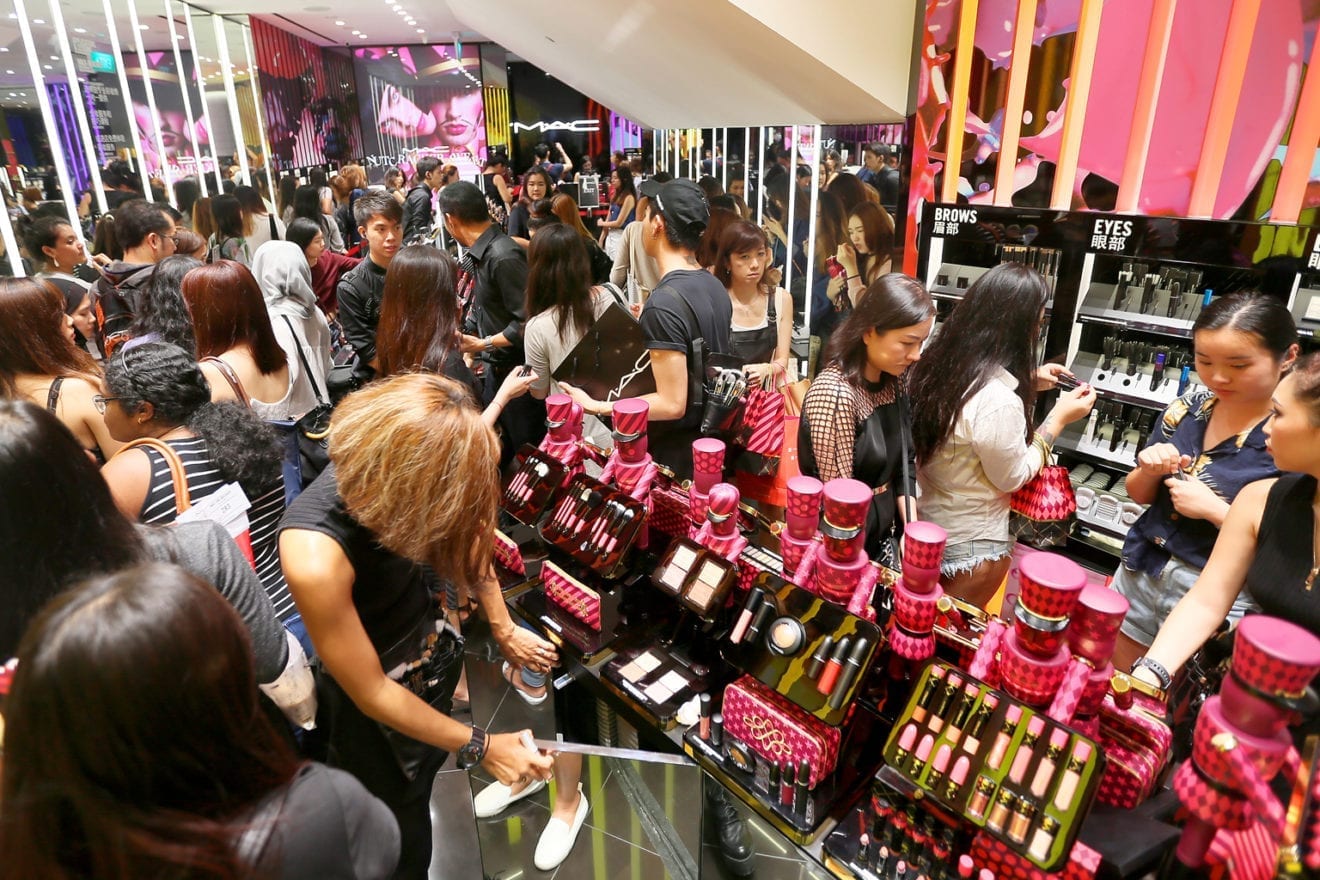
    Last year, cosmetics label MAC and Sephora opened flagships at Ion Orchard, while Japanese fashion retailer Uniqlo unveiled a three-storey store in Orchard Central. Other new flagships include those of watch brand Rolex at Marina Square and German leather goods brand Braun Buffel at Marina Bay Sands.

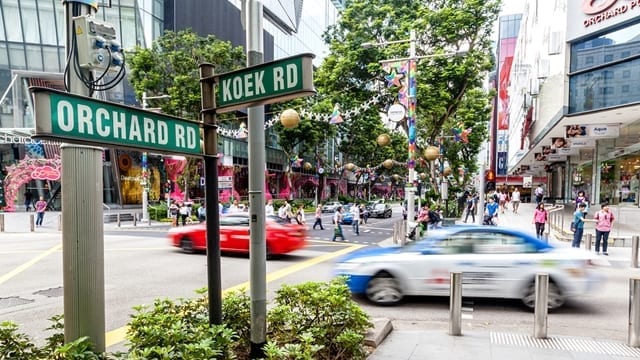
    Ms Li said: “In the lower rent environment, 2016 saw a ‘flight to quality’ as retail brands that are still optimistic on expansion took this opportunity to upgrade to larger prime retail spaces vacated by previous tenants.”

    • 10 At least this number of flagship stores were set up islandwide last year. This is the highest number since the global financial crisis in 2009.

    She said flagships are strategic, as they reinforce and enhance a brand’s presence and status.

    Uniqlo’s founder Tadashi Yanai said the firm decided to open a flagship in Orchard Road as it sees Singapore as a gateway to not only the markets in South-east Asia but also in the Middle East and Africa.

    “Despite the faltering retail climate in Singapore, Uniqlo’s belief in the potential of this region is what has driven (our) decision to launch the three-storey Global Flagship store here,” he said.

    The islandwide vacancy rate for retail space was 7.5 per cent at the end of last year, up from 4.5 per cent at the end of 2013, Urban Redevelopment Authority (URA) data showed.

    The climbing vacancy rate has, in turn, reduced rental rates. The median rental rate for retail space in the third quarter of last year was the lowest on record, falling to $9.82 per sq ft per month for the Orchard Road area – the first time it fell below $10, URA data showed.

    Riding on the wave of soft rents, French sporting goods retailer Decathlon even secured a 15-year lease for a 35,000 sq ft outlet in Viva Business Park in Chai Chee, which opened in January last year.


  • Mall bad news but some bright spots

    Mall bad news but some bright spots

    In just over a year, clothing retailer Hang Ten has closed more than a third of its stores.

    The 12 outlets, in suburban malls, had been bleeding money. Consumers were spending less but Hang Ten’s landlords were still charging high rents, said its general manager Andrew Kee.

    “We started to close non-profitable suburban shops since Q4 2015 to reduce losses and just concentrate on a few strategic locations.”

    The days of suburban malls as the retail sector’s bright spot are coming to an end, said property consultancies.

    For the past five years, as the rise of e-commerce and growing economic uncertainty pushed Orchard Road retailers out of business, suburban malls were fairly resilient.

    Such malls could fall back on shoppers living in the area, unlike the tourist-reliant Orchard Road, which is susceptible to competition from overseas destinations and lacklustre tourist arrivals.

    The turning point was last year, when the pace of decline of suburban rents quickened – from 1 per cent quarter-on-quarter in the first quarter to 2 per cent in the fourth quarter, said R’ST Research’s director Ong Kah Seng. This is a sign that rents in suburban malls are going downhill, he added.

    But as the challenges drag on, suburban malls are being dealt a belated reality check.

    Some mall managers are fighting back by offering short-term leases, filling their spaces with food and beverage outlets, and adding more lifestyle elements to their malls.

    According to property research consultancy R’ST Research, rents of retail properties in Orchard Road fell by about 11.1 per cent on average from 2012 to 2015.

    Over the same period, rents of suburban retail spaces dipped only marginally at about 1.4 per cent.

    The turning point was last year, when the pace of decline of suburban rents quickened – from 1 per cent quarter-on-quarter in the first quarter to 2 per cent in the fourth quarter, said R’ST Research’s director Ong Kah Seng.

    This is a sign that rents in suburban malls are going downhill, he added.

    Tenants are also feeling the heat.

    Czech shoe company Bata’s country manager Pierluigi Pontecorvo said it is increasingly difficult to operate in suburban malls now, compared with two years ago.

    Footfall has reduced “drastically”, while little has been done by malls to attract customers, he said, adding that landlords were also not flexible in reducing rental costs to help retailers cope with the challenges.

    To retain customers, Hang Ten – which has 21 stores – revamped its loyalty programme in 2015.

    With online stores such as Taobao, Zalora and Lazada gaining traction, retailers that sell mass market items and clothing are finding it harder to survive.

    Malls are hence devoting more space to food and beverage, a trend that became more prominent since mid-2015, according to real estate consultancy Knight Frank Singapore.

    Its executive director and head of retail Wendy Low said F&B, on average, makes up up to half of a suburban mall’s tenants, compared to about a quarter previously.

    Mr Desmond Sim, head of CBRE Research for Singapore and South-east Asia, said suburban malls are banking on experiential elements to draw shoppers.

    Next month, Waterway Point in Punggol will launch a new party room next to the mall’s playground on the second storey, where shoppers can hold family gatherings.

    Frasers Centrepoint Malls is working with existing tenants to pilot new ideas, including temporary short-term leases or pop-up stores, said its general manager of retail properties Stephanie Ho.

  • Singapore Airlines lifts KrisFlyer award rates

    Singapore Airlines lifts KrisFlyer award rates

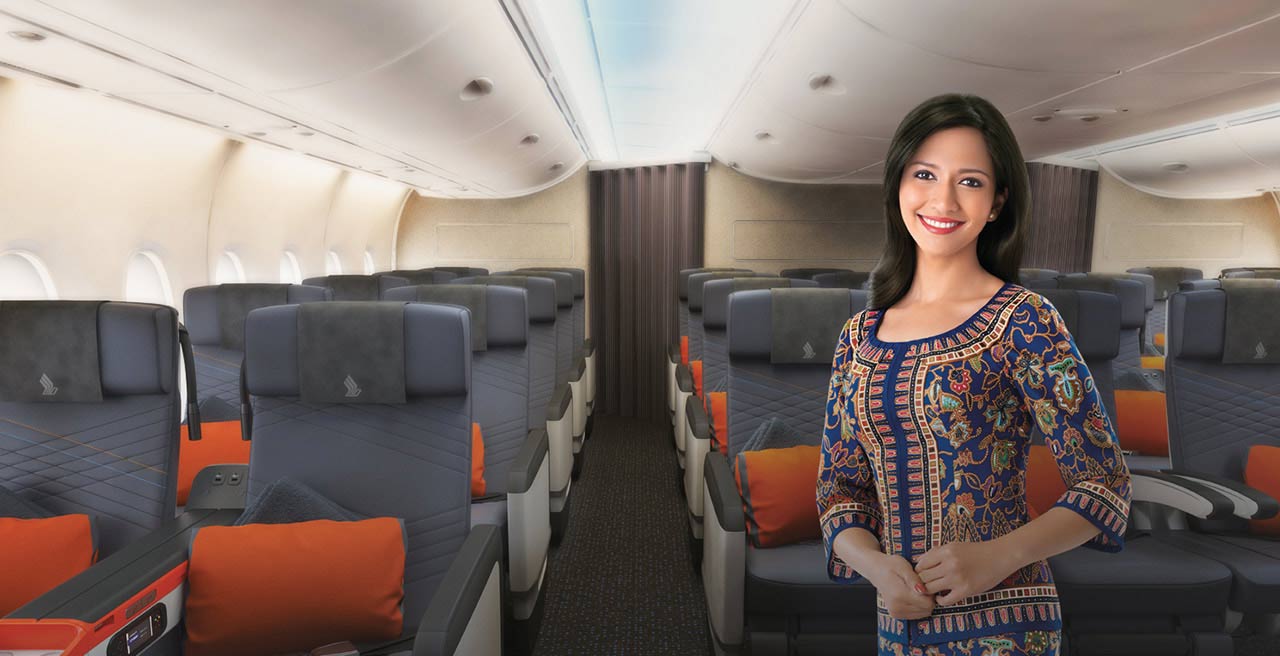
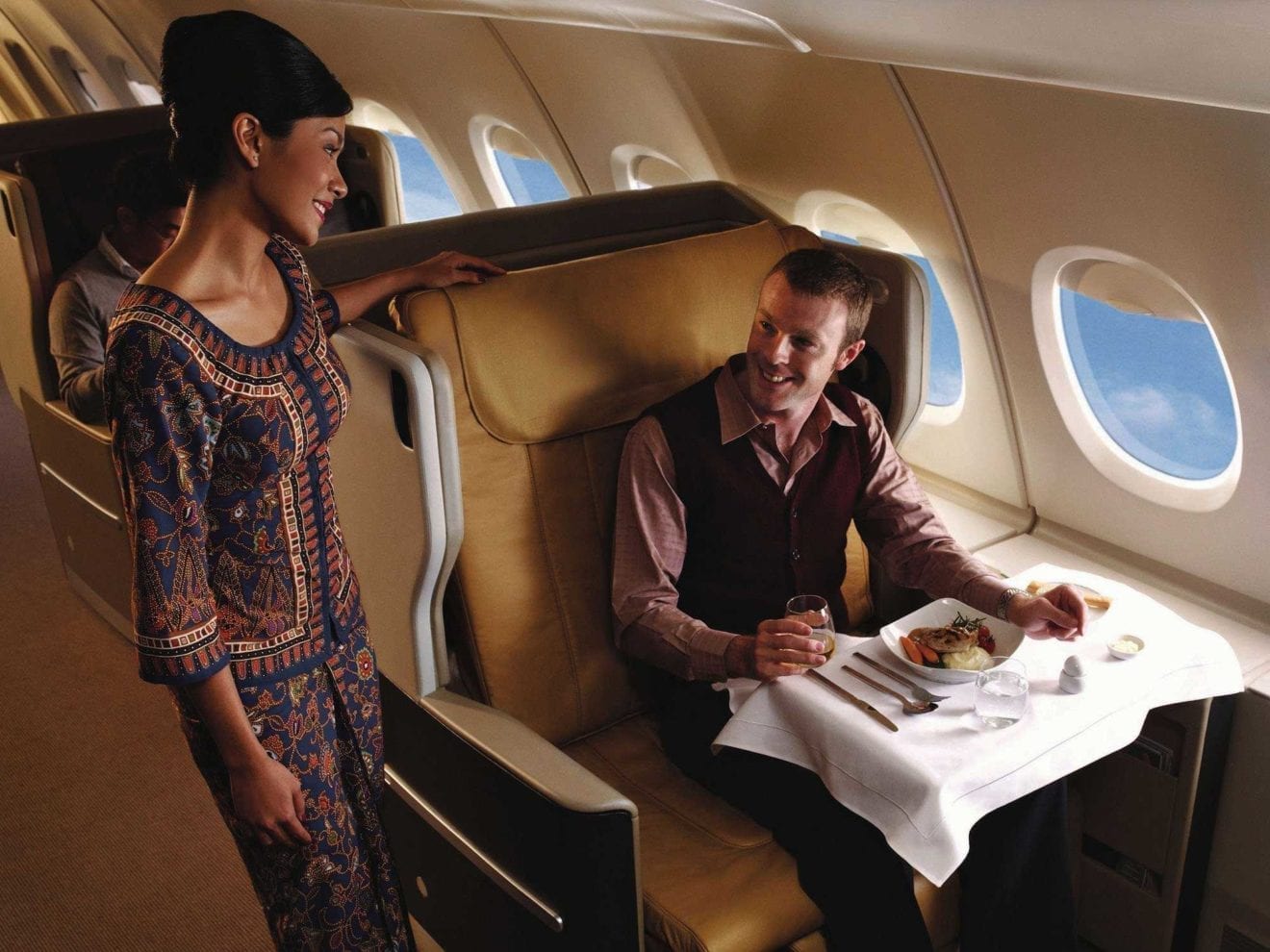
    Turning your Singapore Airlines KrisFlyer miles into a business class seat and first class suite will require more miles from this month, with the Singaporean flag-carrier boosting the cost of Saver-category award flights out of Australia.

    The 15% discount for making your frequent flyer redemption booking online rather than over the phone has also been axed.

    However, fuel and insurance surcharges will no longer be added to KrisFlyer award bookings.

    The changes kick in on March 23, 2017, although miles-based award bookings made and ticketed before March 23 will escape the hike.

    There’s no change to the Standard award rates for flights from Australia to Singapore or Europe – but if you’re looking to snare a cheaper Saver award flight, here’s the uplift.

    Who’ll pay more, and how much…

    Business class flights between Australia (excluding Perth and Darwin) and Singapore bump from 55,000 KrisFlyer miles to 58,000 miles, with first class and A380 suites bookings nudging from 75,000 miles to 80,000 miles.

    Economy Saver awards rise from 25,000 miles to 28,000 miles, with no change in the number of KrisFlyer miles needed for a premium economy booking.

    No change either for flyers from Perth or Darwin, whose redemption rates remain the same if they’re headed to Singapore.

    Going all the way to the UK or Europe?

    First class and Suites awards from Australia (excluding Perth and Darwin) and Singapore go from 132,500 KrisFlyer miles to 148,000 miles; business class rates are up from 95,000 miles to 105,000 miles; and economy from 47,500 miles to 53,000 miles.

    Perth and Darwin don’t escape that increase, with a business class bump from 85,000 KrisFlyer miles to 95,000 miles, and economy up from 40,000 miles to 43,000 miles.

    The changes are part of a broader overhaul of SQ’s fare structure which will also see fuel and insurance surcharges progressively folded into base fares from late March through to May 2017.

    You’ll find more information on the Singapore Airlines website here, where you can also download the current and new KrisFlyer Award charts.

  • Indonesia still largest contributor of tourists to Singapore

    Indonesia still largest contributor of tourists to Singapore

    About 2.89 million Indonesians visited Singapore throughout 2016, the biggest contribution of tourists to the city state, about 17.7 percent of the country’s 16.4 million total foreign tourist arrivals, according to a statement released by Singapore Tourism Board (STB).

    The number of tourists from Indonesia grew by 6 percent, which was categorized as a sharp jump from the 10 percent decline in 2015, the statement says.

    STB area director to Indonesia Raymond Lim said on Tuesday in a media gathering in Jakarta that his office would continue trying to attract more Indonesians to visit Singapore.

    “We really hope that we can maintain what we had last year,” he said, adding that about 30 percent of Indonesians who visited Singapore went there for business.

    However, to boost the numbers of tourists from the eastern part of Indonesia, the board will hold roadshows in Palembang in South Sumatra and in Medan in North Sumatra in March and April, he said, adding that it would continue the roadshows in Bali in August and in Sulawesi in September.

    Lim said the board aimed for 16.4 to 16.7 million foreign tourists to visit Singapore in 2017 and expected revenues of between US$25 and $25.8 billion.

  • Singapore online grocery market to triple by 2020

    Singapore online grocery market to triple by 2020

    The Singapore online grocery market is set to more than triple in size over the next three years, according to research house IGD.

    The global organisation expects sales will rise from the current S$130 million (US$91 million) to S$500 million (US$350 million) by 2020.

    At the end of 2016, IGD valued online grocery to have a 1.2 per cent share of the Singaporean grocery market. Reflecting rapidly changing shopper habits in the region and increased investment in the online channel from retailers and suppliers, IGD is further forecasting online to take a 4 per cent share of Singapore’s grocery market by 2020, with a compound annual growth rate of 39 per cent.

    Revealing the figures at this week’s IGD RedMart Trade Briefing, Nick Miles, IGD’s head of Asia-Pacific, said Singapore is hailing a new era of digital grocery retailing, driven by the entry of RedMart in 2011, Giant and Sheng Siong launching online grocery in 2013 and plenty of smaller start-up businesses also looking to grab a slice of the action.

    “Shopper habits are changing rapidly in Southeast Asia and in a compact city such as Singapore, with its relatively affluent population, big expat community and high penetration of internet and smartphone usage, there are huge opportunities for online grocery to meet these evolving needs. To make the most of this opportunity, retailers and suppliers must work together to ensure they really understand online shoppers and can tailor experiences and products to suit their personal preferences.”

    Miles says retailers are already clearly looking to improve the overall online experience, by getting the basics of search functions, favourites, images and information right for shoppers.

    “At the same time, they’ll be aiming to make delivery options as convenient as possible, whether that’s through shorter timespan delivery slots or greater choice of click and collect points throughout the region. Our UK data shows that 80 per cent of shoppers cite convenience as their number-one reason for shopping online, and we would anticipate Singaporean shoppers to have a very similar mindset when heading online for their groceries.

    “We also expect online grocery retailers in the region to encourage shopper loyalty through personalised offers and products, plus subscription models and delivery saver passes,” said Miles.

    “On top of that, shoppers in the region are increasingly connected via mobile, so ensuring a seamless shopping experience no matter what device they are using will be critical. Coupled with an increased focus on using innovations such as voice-activated technology, virtual reality and robotics, we predict huge opportunities for those retailers and suppliers who really invest in making the online grocery channel work for them in Singapore.”

  • Japanese cosmetics brand Do-Best eyes Asian expansion

    Japanese cosmetics brand Do-Best eyes Asian expansion

    Japanese cosmetics brand Do-Best is looking at opportunities in the Philippines and broader Southeast Asian markets, including Indonesia.

    Do-Best CEO Daitaro Sugawara was in the Philippines for a group networking session organised by Security Bank and Japan’s Mitsubishi UFJ Financial Group. He was matched with executives from local retailers including Metro Retail and National Bookstore.

    Do-Best was founded 45 years ago to produce “high-quality, low-priced products” and is already exporting to Singapore, Hong Kong, Thailand and Taiwan.

    Sugawara says the company wants to tap into the fast-growing Asian markets with young consumers seeking low-cost cosmetics and beauty lines. Its products are already popular in Japan’s proliferation of 100 Yen shops and similar stores.

    “That’s why I was interested to have a meeting in the Philippines. My product is like my family, so I want Philippine distributors or retail stores to take care of our products.

    “I want to keep the original price as in Japan,” Sugawara said.

    Tadahiro Miyamoto, GM of BTMU’s Manila branch, says a lot of Japanese companies are now looking at the Philippine domestic market. “You should look at the shopping areas, you see a lot of Japanese products.”

    A large number of participants in the recent business-matching event were from the retail sector, agriculture and real estate.

  • Singapore’s Yoma and METRO join hands for wholesale distribution in Myanmar

    Singapore’s Yoma and METRO join hands for wholesale distribution in Myanmar

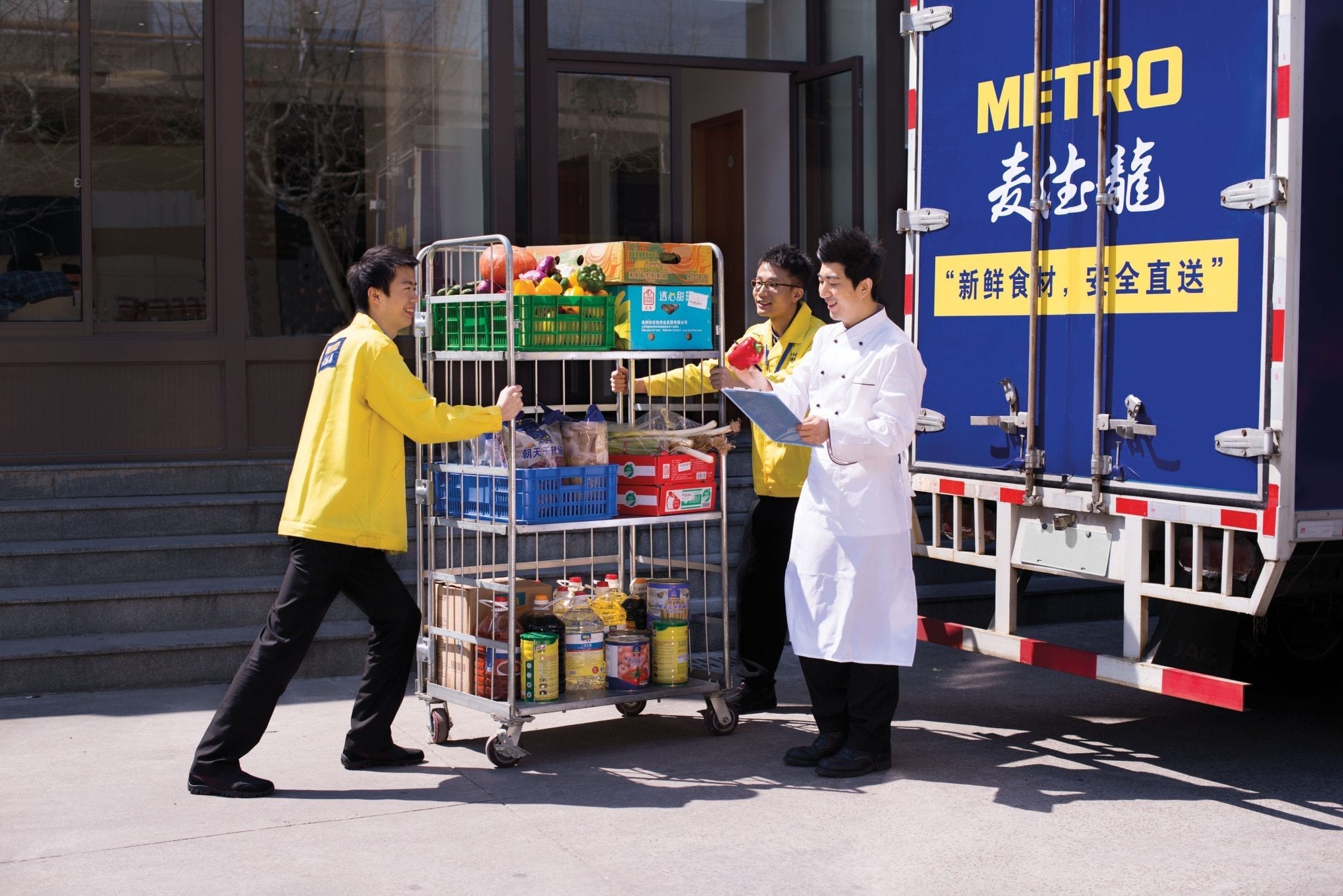
    A new entity, METRO Wholesale Myanmar Ltd aims to “address the evolving needs of the local professional customers” for those who demand quality supplies.

    Yoma Strategic will hold a 15 per cent stake in the new business and the remaining 85 per cent will be taken by METRO.

    “METRO Myanmar will leverage on METRO’s procurement capabilities and Yoma Strategic’s existing logistics, warehousing and fleet leasing businesses to fast track its growth,” as mentioned in the release.

    METRO Myanmar is looking at improving the whole supply chain in the country.

    They will be offering more than 3,300 food an non-food items to customers like hotels, restaurants and independent small retailers.

    In Myanmar, retailers need to source their products in different ways from local distributors and importers and METRO is looking at creating a one-stop wholesale distribution platform. One popular wholesale center is named as Gandamar wholesale and is said to be supported by military backed Union of Myanmar Economic Holdings. We are confident that our partnership with METRO will bring global know-how in modern wholesale distribution and contribute to bringing reliable and safe food to the people in Myanmar,” said Melvyn Pun, CEO of Yoma Strategic.

    The wholesale and food specialist company operates in 35 countries with sales reaching about Euro 37 billion in 2015-16.

    Their B2B wholesale division METRO Cash & Carry serves across Europe and Asia to hotels, restaurants, small retail and catering firms. Just in recent years, they started to upgrade their competence in the hospitality industry, specifically, in the food service distribution work.

  • BT connects world’s five top forex markets

    BT connects world’s five top forex markets

    BT is linking up the world’s five main foreign exchange locations to help boost the competitiveness of its global financial industry customers.

    The company is now offering BT Radianz FX express, which provides dedicated high-speed links between financial hubs in Singapore, Japan, Hong Kong, the UK and the US. The five hubs are involved in almost 77% of the world’s forex trading, according to the 2016 BIS Triennial Central Bank Survey.

    The new Radianz FX express service claims to offer low-latency and cost-effective, fully managed connectivity that will give traders faster access to market data across the five locations, while making it easier for them to execute trades.

    Radianz FX express links directly into the five key third-party global data centers in the forex trading world. These data centers were selected because each of the locations hosts the IT infrastructure of significant clusters of the forex trading community.

    “Foreign exchange is the largest asset class by value traded globally.  An average of US $5.1 trillion is traded on FX markets every day,” BT VP of global industry practices Hubertus von Roenne said.

    “We’ve created managed BT Radianz FX express routes to boost the competitiveness of our financial services customers. With dedicated links within and between the world’s five biggest FX trading locations, BT can help FX firms lower costs while creating opportunities for international growth.”

  • SIA among 5 airlines told to compensate passengers for delays

    SIA among 5 airlines told to compensate passengers for delays

    Singapore Airlines (SIA) is among five international airlines that fly into Europe that have been told to pay passengers for delays they may have experienced.

    The UK Civil Aviation Authority (CAA) said in its press release on Wednesday (Feb 22) that American Airlines, Etihad Airways, Emirates, SIA and Turkish Airlines will have to obey European laws or be taken to court. They all face enforcement action after a CAA review found them to be breaching consumer law, it added.

    These airlines had told the UK Civil Aviation Authority (CAA) that they did not pay compensation to passengers who had experienced a delay on the first leg of a flight that caused them to miss a connecting flight and, as a result, arrive at their final destination more than three hours late, the press release said.

    CAA added that SIA currently places compensation claims for these delays “on hold”.

    Under European Union (EU) law, airlines may have to provide compensation if passengers arrive at their destinations late. These rules, however, only apply to certain flights to, from or within the EU and only if the airline was at fault, such as if it was through poor aircraft maintenance or flight crew being available, the UK CAA website said.

    Compensation ranges from 250 euros (S$372.70) for delays of more than three hours for short-haul flights to 600 euros for delays of more than four hours for long-haul flights, it added.

    Mr Richard Moriarty, director of Consumers and Markets at the CAA, said: “Airlines’ first responsibility should be looking after their passengers, not finding ways in which they can prevent passengers upholding their rights.

    “So it’s disappointing to see a small number of airlines continuing to let a number of their passengers down by refusing to pay them the compensation they are entitled to,” he said.

    In response to queries, SIA said it has been in contact with the UK’s CAA on the issue “for some time”.

    “There is a lack of clarity in the law which is currently the subject of ongoing litigation before the Court of Appeal,” a spokesperson for the airline said, adding that SIA will continue to work with the CAA to resolve differences with respect to the application of the regulation to missed connections.

  • Many ‘Firsts’ at SEA’s Largest Coffee Tea and Bakery Event

    Many ‘Firsts’ at SEA’s Largest Coffee Tea and Bakery Event

    Visitors to the Café Asia 2017, International Coffee & Tea Industry Expo (ICT) 2017 and Sweets & Bakes Asia 2017 will witness several ‘firsts’ at the 5th edition of the international coffee show and 4th edition of the annual gathering of bakers here, including the inaugural Tea Masters Cup Singapore and the first-ever Singapore Coffee in Good Spirits Championship.

    The concurrent shows mark the largest gathering of the tea and coffee industries in Southeast Asia and celebrate the vibrant café scene in Singapore. The organiser will welcome more than 150 exhibitors from 20 countries to the comprehensive one-stop showcase of innovations and technologies in all things coffee, tea and baked goods when the shows open on March 2, 2017 at the Marina Bay Sands Expo and Convention Centre. Some 11,000 baristas, café and coffee purveyors, coffee roasters, tea and baked ingredients suppliers, equipment distributors and members of the public are expected to converge at the region’s largest coffee, tea and baked goods event.

    From the traditional kopi-O to a cup of perfectly-brewed espresso, Singaporeans’ love affair with coffee is undeniable. With rising affluence, appreciation of coffee as an artisanal foodstuff, like wine, has grown in sophistication. It is therefore not surprising to see more cafes serving a variety of cold brews and drip coffees concocted using the latest technology and equipment.

    Similarly, the demand for baked and pastry goods is being driven by changing lifestyles globally, fuelling market expansion and demand for gourmet baked goods.  Bakers are also challenged by the appetite for healthier fortified baked products.

    The Café Asia series has established itself as Southeast Asia’s trade and consumer event dedicated to the café and teahouse communities. It brings together café and teashop owners, managers, importers, exporters, distributors and suppliers of machinery, equipment, and raw materials. It is a dynamic B2B platform for the sourcing and buying needs of key decision makers and for them to explore new opportunities for collaboration and distribution of new products.

    Concurrently, the International Coffee & Tea Expo 2017 serves as a springboard for local and international industry players to tap into Asia’s huge market potential, and for them to gain in-depth insight of the latest market trends and developments. The platform also offers them opportunities to raise brand awareness and to forge strategic business contacts among key suppliers, industry buyers and exhibitors.

    The fourth edition of Sweets & Bakes Asia showcases a range of products and services for the baking and confectionery industries’ supply chain, from machinery to equipment, to ingredients and packaging. It serves as a one-stop hub for baking and confectionery industry professionals to source for suppliers and vendors, to explore business opportunities, as well as to stay up-to-date with the latest innovations and developments in the industry.

    The concurrent events boast of a comprehensive programme for visitors who can look forward to an exciting line-up including live presentations, demonstrations and workshops on every aspect of the coffee, tea and baked goods industries. There is also an extensive range of specialty coffees and teas from around the world to sample. The 3-day exhibition will also be teeming with networking and business opportunities for trade visitors who are looking to elevate their business aspirations.

    The line-up of programme has also been designed to offer insights on the latest trends for the cafe industry. This includes an exploration of exotic coffee and tea from Rwanda, ‘Rwanda Coffee & Tea: Shift from Quantity to Quality’, a demonstration on the art of making gelato in ‘The Craft of Gelato/Ice Cream Making and Demonstration of Fun Flavours’ and a case-study presentation on ‘Starting a Café in a Coffee Producing Country: Example of Laos’.

    Visitors can also embark on a Coffee Education Tour to learn from a panel of experts on the importance of coffee beans selection, how coffee beans are roasted, on what makes a good coffee machine and how the choice of milk can determine the quality and taste of the brew.

    Aspiring baristas, brewers, latte artists and bakers will be fascinated by the competition standards of the seven National Championships hosted by the event. New to this year’s edition are two competitions held to celebrate the art of tea-brewing and the art of mixology. The inaugural Tea Masters Cup Singapore will see local tea specialists demonstrate their skills in different ways of working with tea, with three judging categories namely, Tea Preparation, Tea Pairing and Tea Tasting. The first-ever Singapore Coffee in Good Spirits Championship promotes innovative beverage recipes that showcase barista’s mixology skills and creativity in illustrating the harmony of coffee and alcohol. The winners of these championships will proudly represent Singapore on the world stage at the respective championships to be held later this year.

    Returning to the event this year are the national coffee championships: Singapore National Barista Championships, Singapore Latte Art Championship, Singapore Brewers Cup Championship and Singapore Cup Tasters Championship. Watch some of Singapore’s best baristas, brewers and latte artists contend for the national titles and the opportunities to represent Singapore at the world coffee championships.

    The Singapore Bakery & Confectionery Championship 2017 attracts top bakers and confectioners to showcase their skills to create the most delicious and delightful breads and pastries. Watch these bakers from some of the best hotels and bakeries here in Singapore compete as they knead, bake and work magic with their creations into stunning displays of edible art.

    You and your camera crew are cordially invited to the official opening of Café Asia 2017, International Coffee & Tea Industry Expo 2017 and Sweets & Bakes Asia 2017 and to relish some perked-up moments at an event wholly dedicated to celebrate the vibrant cafe culture in this region. This multi-sensory event will be held at

    Marina Bay Sands

    Sands Expo & Convention Centre, Hall E

    Thursday, 2 March 2017 at 9am

    Media registration begins at 8.15am

  • Some bright future for Bossini International

    Some bright future for Bossini International

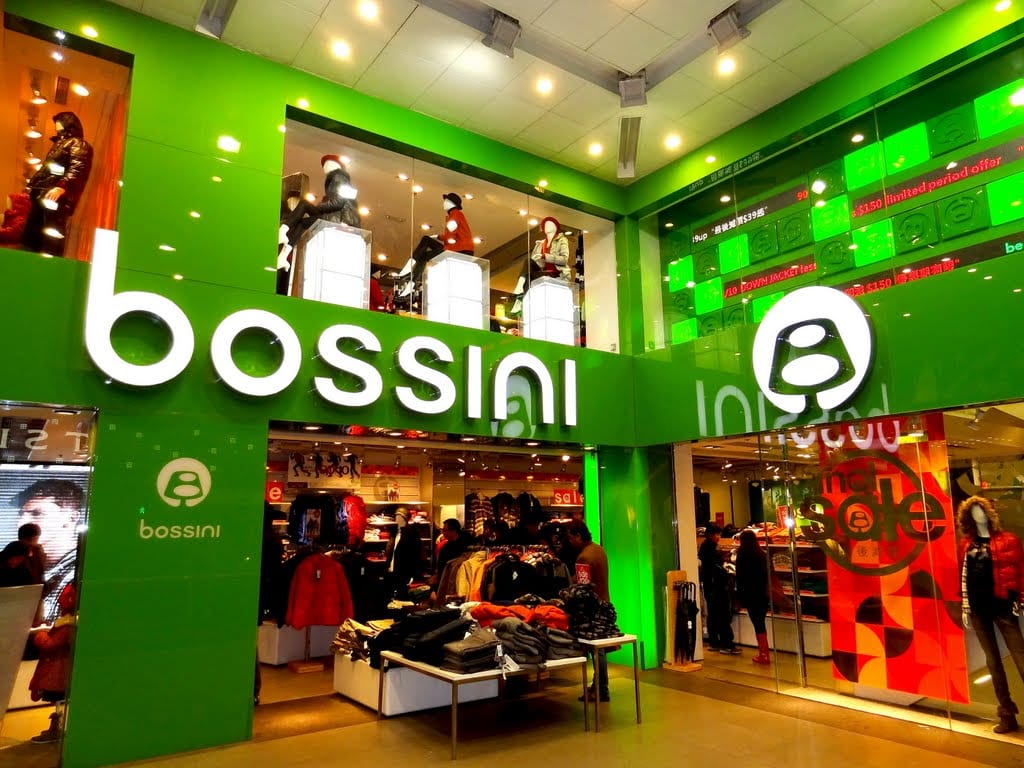
    Overall revenue fell 11 per cent for apparel retailer Bossini International during the first half of its financial year.

    However, its interim results to December 31, showed an improvement in gross margin – by four points to 51 per cent, attributed to more effective sales and marketing strategies. Profit for the period attributable to the owners increased by 20 per cent.

    The Hong Kong and Macau market, the Mainland China market and the Taiwan market showed signs of having bottomed out, says the company, with same-store gross profit level after a period of negative growth for more than a year.

    With a footprint across 28 countries, the group says it is still optimistic in the long run, adding 16 shops during the half-year.

    Its revenue for the six months was HK$1.022 billion (US$131.6 million), down 11 per cent from HK$1.146 billion in the same period a year earlier. Gross profit slipped 4 per cent to HK$519
    million.

    For directly managed stores, same-store sales in Hong Kong and Macau fell 6 per cent, a slight improvement, and Mainland China and Taiwan stores performed similarly, declining by 2 per cent. Same-store sales in Singapore dropped by 8 per cent compared to per cent in the previous first half. The group’s overall same-store sales slipped 6 per cent.

    At December 31, the Group had 952 stores, up five from six months earlier. Directly managed stores grew to 287 from 280, while franchised stores dropped by two to 665.

    The group continued its strategy of working with licensing partners to strengthen brand recognition and boost sales. Three licensing programs were launched in the first half of the financial year, working with Disney and Universal Studios.

  • Online Furniture Retailer Castlery Builds Scalable E-commerce Fulfilment Platform

    Online Furniture Retailer Castlery Builds Scalable E-commerce Fulfilment Platform

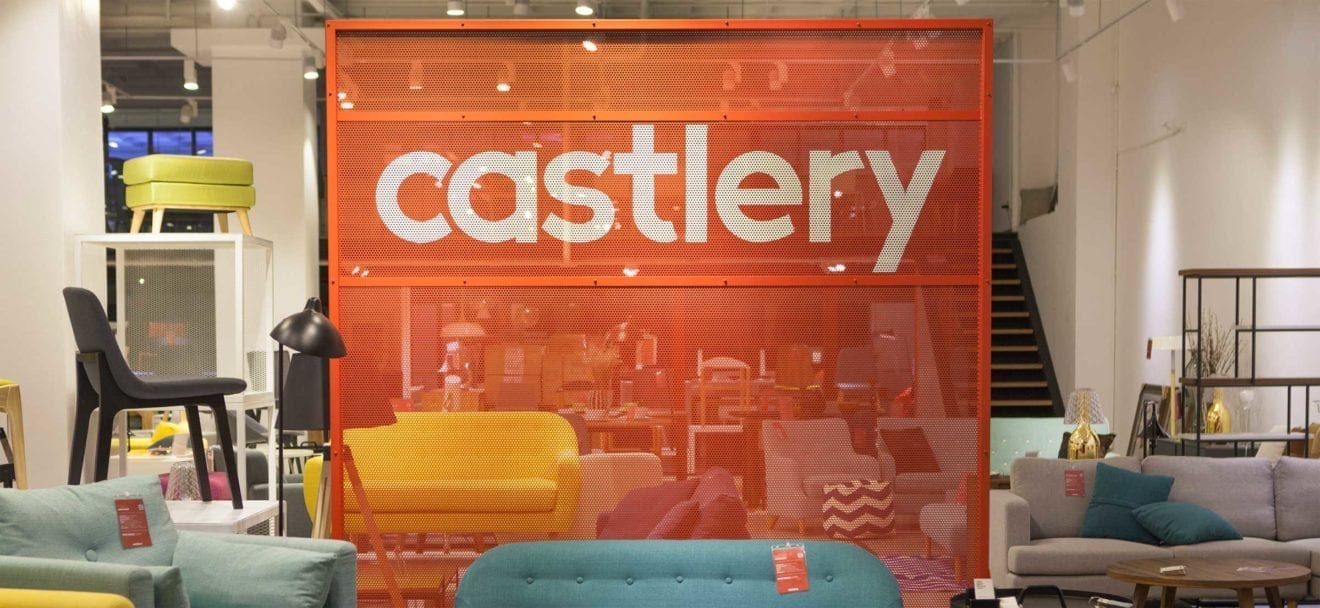
    Manhattan Associates today announced that Castlery, the Singapore-based online furniture retailer, has selected Manhattan SCALE as a key component of a business transformation programme to build a world-class order fulfilment capability that will ensure a seamless service experience for customers and drive ongoing business growth.

    Launched in 2013 with a mission to make designer furniture accessible to everyone, Castlery has quickly established itself as a leading furniture and homewares designer in Southeast Asia. In order to meet its target of over 100 percent year-on-year growth, Castlery recognised it needed to invest in an order fulfilment technology that would scale in line with its business growth, ensure service level improvements for customers and drive future sales and margin expansion.

    Castlery selected Manhattan SCALE for its ability to handle the unique logistical challenges associated with furniture retailing and distribution and its proven track record supporting ecommerce and omni-channel operations around the world. With a pressing need to be set up before the peak sales season, Castlery needed the Manhattan fulfilment platform to be live and ready for one of its busiest times of the year. Working closely with the Manhattan team, Castlery successfully completed the solution deployment at its Mapletree Logistics Hub in Toh Guan, Singapore, in under three months, remarkably fast for a first implementation.

    Zhou Zhiwei, Chief Technology Officer at Castlery, commented: “As the leader in the Gartner Magic Quadrant for Warehouse Management Systems (WMS) and with many companies we admire already using SCALE, Manhattan ticked many boxes. Their experience with solving problems like ours, high calibre teams, and flexible solutions made picking Manhattan as our partner an easy decision.”

    Travers Tan, Chief Operating Officer at Castlery, added: “Since the solution has been deployed, process execution has improved across our entire distribution operation. We’ve hit 99.99 percent inventory accuracy and seen a 23 percent month-on-month increase in order transactions. We now have a complete view of inventory across the distribution network whilst our order-to-delivery cycle times are compressed significantly. Also, the solution is fully integrated with our ERP system, giving us a “live” picture of available inventory for sale and enabling accurate lead-times to be reflected on our website. Because the system can support multiple DCs, it is perfectly suited to our future plans for expansion into overseas markets. The Manhattan solution’s capabilities support our vision to become the leading furniture e-retailer globally.”

    Richard Wright, Managing Director, Southeast Asia, at Manhattan Associates, commented, “Manhattan provides the expertise and technology to help clients deliver on their brand promise. We’re delighted to see Manhattan SCALE already driving order volume growth for Castlery and are confident that Castlery will continue reaping the rewards from our constantly evolving solutions for many years to come.”