Tag: Singapore

  • Singapore, Manila rise in retail rent rankings

    Singapore, Manila rise in retail rent rankings

    The data may be a little dated, but Asian cities are holding their own in the retail rent rankings.

    New York’s Fifth Avenue still tops the list with an average rent of US$3500 per sqft per year. Hong Kong’s Causeway Bay is cemented in second place at $2399 and the Champs Elysee in Paris a distant third at $1372.

    (It should be noted, the list ranks the single most most expensive shopping strip in each country, not overall.)

    Data released by Cushman Wakefield this month – albeit more than a year out of date – shows the Philippines making the biggest gain: retail rental rates in Manila’s Bonifacio Global City High St were a mere US$56.40 per sqft per annum, but that is enough to make Manila 51st on the top 65 list – up eight places.

    Singapore’s Orchard Rd ranked 14th – up two places – at $336.80 and Taipei’s ZhongXiao East Rd 20th, up three places, at $273.20.

    The Ginza in Tokyo,  Japan, ranks a modest eighth at $881.90 in a virtual tie with Myeongdong in Seoul, Korea at $881.80.  The Ginza has fallen from sixth in last year’s survey, while Myeongdong has dropped from eighth.

    Cushman & Wakefield stresses that the global rankings focus on high street locations. This excludes mall rental rates – and in cities like Manila, Bangkok and Kuala Lumpur, malls dominate the premium retail landscape, not high street strips.

    Vietnam’s Ho Chi Minh City CBD retail rents are more expensive than in Bangkok at $150.50 for 32nd place, and $125.40 for 35th respectively. Bukit Bintang in Kuala Lumpur, Malaysia, ranked 40th (up one place) at $111.

  • Apple, Deloitte enter mobile business tie-up

    Apple, Deloitte enter mobile business tie-up

    Apple and Deloitte has entered into a partnership to help companies transform the way they work by taking advantage of the iOS platform.

    As part of the joint effort, Deloitte is creating a first-of-its-kind Apple practice with over 5,000 strategic advisors who are solely focused on helping businesses change the way they work across their entire enterprise.

    Apple and Deloitte will also collaborate on the development of a new service offering from Deloitte Consulting called EnterpriseNext, designed to help clients fully take advantage of the iOS ecosystem of hardware, software, and services in the workplace.

    The new offering will help customers discover the highest impact possibilities within their industries and quickly develop custom solutions through rapid prototyping.

    “We know that iOS is the best mobile platform for business because we’ve experienced the benefit ourselves with over 100,000 iOS devices in use by Deloitte’s workforce, running 75 custom apps,” said Punit Renjen, CEO of Deloitte Global.

    “Our dedicated Apple practice will give global businesses the expertise and resources they need to empower their mobile workforce to take advantage of the powerful ecosystem iOS, iPhone, and iPad offer, and help them achieve their ambitions, while driving efficiency and productivity.”

  • Singapore retail sales decline gains pace

    Singapore retail sales decline gains pace

    Real Singapore retail sales fell 6.5 year-on-year in August – twice the rate of decline of the previous month.

    Retail sales august 2

    While the headline figures were 1.1 per cent over July, and 1 per cent over August 2015, those figures included motor vehicle sales. Excluding motor vehicles, retail sales declined 2.1 per cent from July to August.

    According to Statistics Singapore, the retail sales value in August 2016 was estimated at S$3.6 billion, including vehicles.

    While sales in department stores and of computers and phones increased by up to 3.1 per cent month-on-month, sales of recreational goods, apparel & footwear, furniture & household goods, optical goods and books, medical goods & toiletries, supermarkets, mini-marts & convenience stores, watches & jewellery and food & beverages all decreased between 0.5 per cent and 8.9 per cent month-on-month.

    Year-on-year, sales of computers & phones, watches & jewellery, apparel & footwear and recreational goods decreased by between 11.1 per cent and 19.6 per cent. Similarly, sales at petrol service stations, of food & beverages, furniture & household equipment, optical goods & books, supermarkets, department stores, medical goods & toiletries and mini-marts & convenience stores declined between 0.4 per cent and 9.9 per cent.

    Food & beverage sales

    Retail sales FB

    Meanwhile, sales of food & beverage services decreased 1.6 per cent in August 2016 over July.

    Compared to August last year, sales of food & beverage services declined 2.5 per cent. Fast food retailers grew their sales by 3.9 per cent and caterers by 4.7 per cent, but restaurants were down 5.3 per cent.

    Year-on-year, turnover of restaurants fell 8.8 per cent in August 2016.

  • TWG Tea makes debut in Canada

    TWG Tea makes debut in Canada

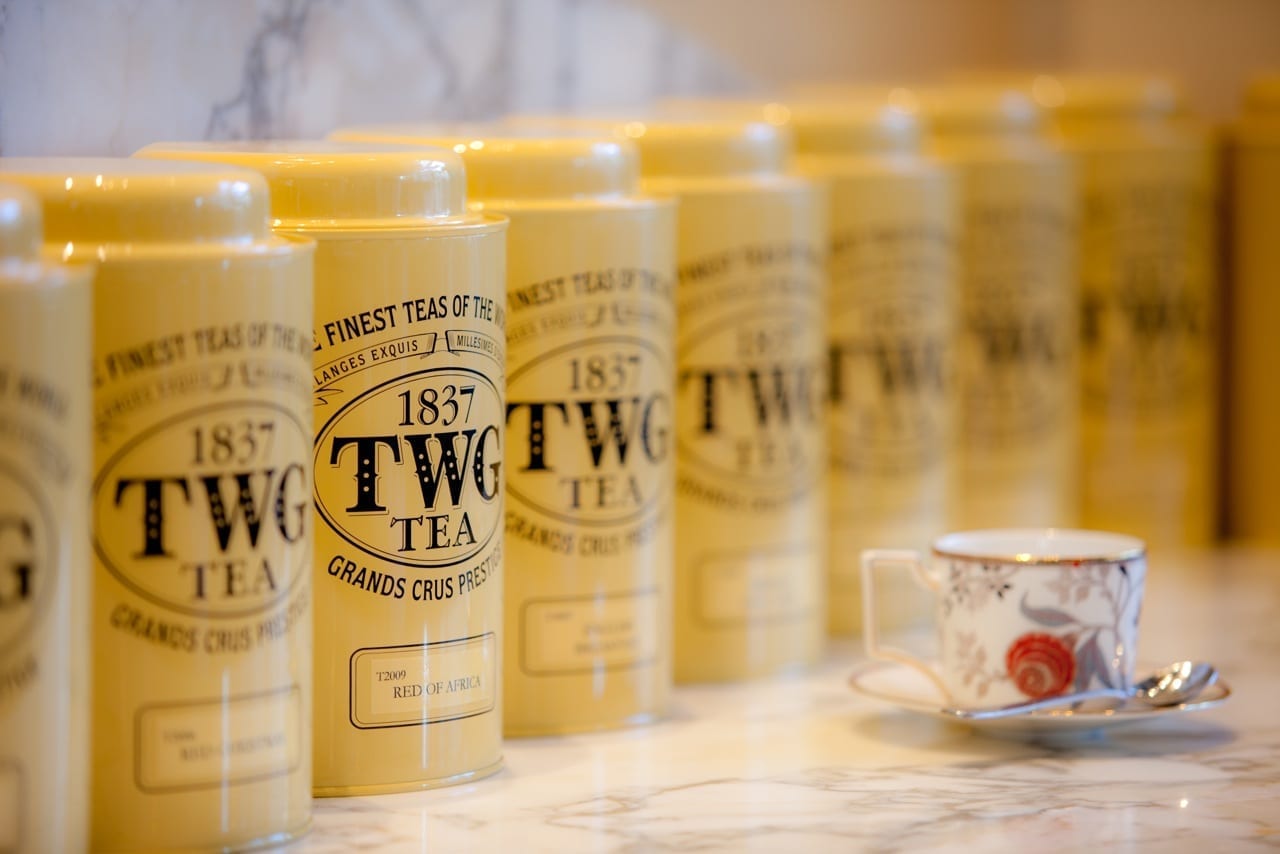
    Singaporean brand TWG Tea has entered the North American market with a store in Vancouver.

    In its eight years, TWG Tea has opened 56 owned and franchised boutiques and salons in 17 cities including Dubai, London and Shanghai.

    In Canada, its franchise and distribution rights have been bought by Tom and Karinna James, who previously owned Urban Tea Merchants in Vancouver. The city is ideal for TWG’s North American debut because of its tea culture, large Asian population and local appreciation for niche and artisanal beverages.

    “Our Asian population are very sophisticated tea drinkers,” says Tom James, thanks to the introduction of tea concepts such as Davids Tea and Starbucks’ Teavana.

    Tea sales in Canada reached $1.3 billion last year, with 40 per cent growth by 2020 predicted.

    Tom and Karinna James opened luxury tea house Urban Tea Merchant in 2004. The shop has been closed and will reopen as TWG next month with a boutique, salon and small wholesale component focussing on hotels and gourmet stores.

    Tea will be served in 18-carat gold-plated teapots, says James, who plans to open several stores in Canada.

  • Zurich Insurance has launched a solution in Hong Kong and Singapore

    Zurich Insurance has launched a solution in Hong Kong and Singapore

    Zurich Insurance has launched a solution in Hong Kong and Singapore which provides risk-assessment services and protects businesses against the risks associated with supply chain disruptions.

    Called Zurich Supply Chain Insurance, the product is the first-of-its-kind in the Asia-Pacific region and is now available to qualified customers based in the two markets.

    “Increasing globalisation, improved transport and logistics through to technological advancements have enabled companies to source materials from virtually anywhere in the world,” said Keith Thomas, chief executive officer of Zurich’s Global Corporate in Asia Pacific business unit. “While this provides increased flexibility and cost savings, it can also result in complex supply chains that are highly interconnected, more exposed and difficult to manage.”

    According to Zurich, the new solution helps reduce supply chain failures and provides cover if delayed or undelivered supplies result in a financial impact on a company’s operations. Supply Chain Insurance consists of two components. In the first phase, risk engineers carry out a risk assessment to identify and evaluate customers’ exposure to critical risks throughout their supply chain, and recommend prioritized mitigation actions. In the second phase, the risk assessment is combined with other sources of data to underwrite and price the risk.

    “Many organizations are not aware who their key suppliers are, especially in the lower levels of the supply chain, and very few have visibility over their entire supply chain,” said Hassan Karim, technical underwriting manager of Zurich Asia Pacific. “Half of supply chain disruptions occur beyond the preliminary supplier of goods, therefore making it extremely difficult to establish where an organization lies within its suppliers’ priorities.”

    Karim added that it is essential to take a holistic approach and to identify critical supplies when working with customers to manage their exposures.

    “Effective supply chain risk management can present significant benefits to businesses and is becoming an increasingly important driver of their profits,” he said. “Every customer’s supply chain is different so we work with them to shape the appropriate solution and offer an individually tailored policy to meet their specific needs.”

    The Supply Chain Insurance solution has been available in Europe and North America for the past six years, according to Zurich.


  • Gong Cha Korea to expand globally

    Gong Cha Korea to expand globally

    Bubble tea brand Gong Cha Korea is planning international expansion.

    Aided by the global passion for Hallyu, or the so-called Korean Wave, Gong Cha plans to open stores in the Middle East and Europe. It will also buy more than 1380 stores in 18 countries, including the US, Canada, Australia, New Zealand, China, Japan, Singapore, the Philippines, and Hong Kong.

    Currently, Gong Cha Korea operates only about 360 stores in its home market, which last year brought in KRW8 billion (US$7 million) profit – representing 11 per cent growth year-on-year.

    As most of Gong Cha’s customers are aged from 10 to their 30s, the company expects entering new foreign markets will be easier through creating synergies with Hallyu.

    The expansion will be facilitated by a share transaction with its parent company Royal Tea Taiwan in which the Korean business will progressively boost its ownership from 35 per cent to 70 per cent by January 2017.

    Royal Tea Taiwan was launched in 2006, and introduced to Korea by franchisee Kim Yeo-jin in 2012. Two years later, Japanese private equity fund Unison Capital bought 70 per cent of the Korean business.

  • M1 nine-month profit falls 12.6%

    M1 nine-month profit falls 12.6%

    Singapore’s M1 has reported a 12.6% decline in net profit for the first nine months of the year, due to slowing service revenue and depreciation and amortization costs associated with the operator’s 4G network.

    Net profit fell to S$117.9 million ($84.7 million), while service revenue decreased 1.4% to S$604.5 million as a result of the ongoing impact of OTT substitution on traditional telecoms services revenue.

    Mobile data revenue grew by 6.2 percentage points year on year to account for 54.2% of service revenue, with average postpaid smartphone data usage growing to 3.4GB per month in the third quarter from 3.3GB a month a year earlier.

    Fixed service revenue for the nine-month period meanwhile increased 26.1% year-on-year to S$77.1 million, or 12.8% of service revenue. M1’s fiber customer base increased by 7,000 to 152,000.

    Looking ahead, M1 said barring unforeseen circumstances, the operator expects a similar percentage decline in net profit for the full year as reported for the first nine months.

    Announcing its results, M1 said its planned of Singapore’s first nationwide commercial NB-IoT network, announced n August, will help open up a new growth market for the operator.

    “The needs and behavior of our consumers and corporates are changing rapidly. We will continue to make network investments to provide our customers with a superior and all-encompassing experience while also tapping into new growth areas in data analytics, IoT and other solutions,” M1 CEO Karen Kooi said.

  • McDonald’s social media blitz: 200 staff added to Tweet & Like

    McDonald’s social media blitz: 200 staff added to Tweet & Like

    Gearing up for a McDonald’s social media blitz, the fast food giant has recruited 200 staff from tech-savvy online companies.

    The new recruits have come from companies such as Amazon and PayPal and are stationed in the McDonald’s head office in Oakbrook Illinois, in Singapore and London.

    Their challenge is help the iconic burger brand catch up with rivals in using social media to monitor customer experiences, engage with customers and monitor what is trending online.

    Just two years ago, McDonald’s was not even following or responding to online comments on its brand or products – yet its name is mentioned every one to two seconds.

    “We seemed deaf and mute,” Paul Matson, director of social and digital engagement at McDonald’s US, said in an interview with the Wall Street Journal.

    Matson believes the expanded team will help win business from social media-addicted millennials – some 78 per cent of whom visited a McDonald’s restaurant at least once a month during the first quarter of 2016.

    Besides improved monitoring and communication, the company is using social media to test market products and concepts – replacing more traditional focus group research. The spin-off from that is increased exposure of the concepts, wider engagement and a far great sample base than focus groups allow.

  • ASEAN e-commerce market keeps booming

    ASEAN e-commerce market keeps booming

    The ASEAN region (The Association of Southeast Asian Nations) is emerging as one of the most promising e-commerce markets in the world to replace the saturated Chinese market.

    Following the establishment of the ASEAN Economic Community (AEC) at the end of 2015, e-commerce is providing huge opportunities for Korean retailers seeking new customers abroad.

    Most member states of ASEAN, including Indonesia, Thailand, Malaysia, Singapore, the Philippines and Vietnam, are experiencing an e-commerce boom.

    The Internet-based retail market has been relatively underdeveloped in Southeast Asia due to low Internet penetration and lack of customers with purchasing power.

    However, with the middle class growing and Internet penetration spreading, the number of online and mobile shoppers in the region is rising fast.

    Still, it is fragmented and Internet users account for only around 40 percent of the total population of Southeast Asia, indicating that the region has much room to grow.

    According to the 2016 report “E-Conomy SEA (Southeast Asia)” released jointly by Singapore’s sovereign fund Temasek and Google, the average annual growth rate of Internet users in the region is forecast to reach approximately 14 percent by 2020, well above 4 percent for China and 1 percent for the United States.

    Online shoppers, accordingly, are also on a sharp rise.

    According to Bain & Company, the number of digital consumers, or those aged over 16 and using e-commerce, reached 150 million in 2015. Of them, around 100 million or 75 percent actually purchased goods online.

    By nation, Indonesia ranked at the top with 51 million digital consumers, followed by Vietnam (31 million), the Philippines (28 million), Thailand (23 million), Malaysia (14 million) and Singapore (3 million).

    “Chinese and global Internet companies should look at Southeast Asian e-commerce as their next potential gold rush,” reported IT-specialized media TechCrunch in June, 2015.

    In particular, ASEAN’s e-commerce has a special feature that sets itself apart from other countries.

    For example, the online retail market in the U.S. and Korea first grew with expansion of PC-based shopping. However, Southeast Asia experienced the e-commerce boom with more consumers accessing Internet via smartphones.

    In 2015, e-commerce in the ASEAN is estimated at $5.5 billion (6.06 trillion won), and the amount is expected to rise to $8.78 billion by 2025, according to E-Conomy.

    The portion of e-commerce to retail sales in the region stood at only 0.8 percent in 2015 but is forecast to jump to 6.4 percent by 2025.

    Global players eye ASEAN

    Against this backdrop, global players are making fast forays into the ASEAN e-commerce market.

    In April, Alibaba, China’s largest e-commerce company, purchased a controlling stake in Southeast Asian online retailer Lazada Group for $1 billion, its largest overseas investment.

    Lazada was started by Germany’s Rocket Internet in 2012 with headquarters in Singapore. It is operating in Malaysia, Indonesia, the Philippines, Thailand and Vietnam. It is the number one e-commerce player in Philippines, Malaysia, Thailand and Vietnam.

    In June, U.S. retail giant Amazon also decided to invest $600 million to open an e-commerce platform in Indonesia, according to Daniel Tumiwa, chairman of the Ecommerce Association of Indonesia (IDEA).

    Japanese SoftBank and Silicon Valley venture capitalist Sequoia Capital acquired a $100 million stake in Tokopedia, the biggest startup investment in Indonesia. eBay, another U.S. e-commerce giant, currently owns Qoo10, the online shopping mall based in Singapore.

    Korean companies are also expanding their operations in the region to capitalize on the rising popularity of hallyu or the Korean Wave.

    On Sept. 20, CJ Korea Express, South Korea’s largest parcel delivery service company, signed an international delivery service contract with Lazada. Under the deal, CJ would deliver goods made in Korea purchased by customers via Lazada’s website.

    On the same day, KOTRA, Korea’s trade-investment promotion agency, joined hands with Qoo10 to start an online support program and help Korean small firms export their goods to Southeast Asia. Qoo10 has a total of 300 million online members in Singapore, nearly 60 percent of its population.

    SK Planet opened 11th Avenue, its online shopping mall, in Indonesia in 2014 and Malaysia in 2015.

    Korea is now focusing on expanding exports of consumer goods to ASEAN as it has faced limitations to increase external shipments of parts and intermediary products.

    “With more Korean firms entering the ASEAN e-commerce network, including Lazada, exports of Korean consumer goods, such as mobile phones, cosmetics, food and fashion items, are on a sharp rise,” Roh In-ho, KOTRA’s Asia Regional Director based in Singapore, said.

    For sustainable growth, Korean firms need to make more effort to come up with localized strategies that meet demands from local customers.

    “If diversifying marketing strategies, ASEAN e-commerce will offer good opportunities for small Korean exporters,” Roh said. “It is very important to develop designs and products that locals would like.”

  • LIU JO Open at Paragon Mall in Singapore

    LIU JO Open at Paragon Mall in Singapore

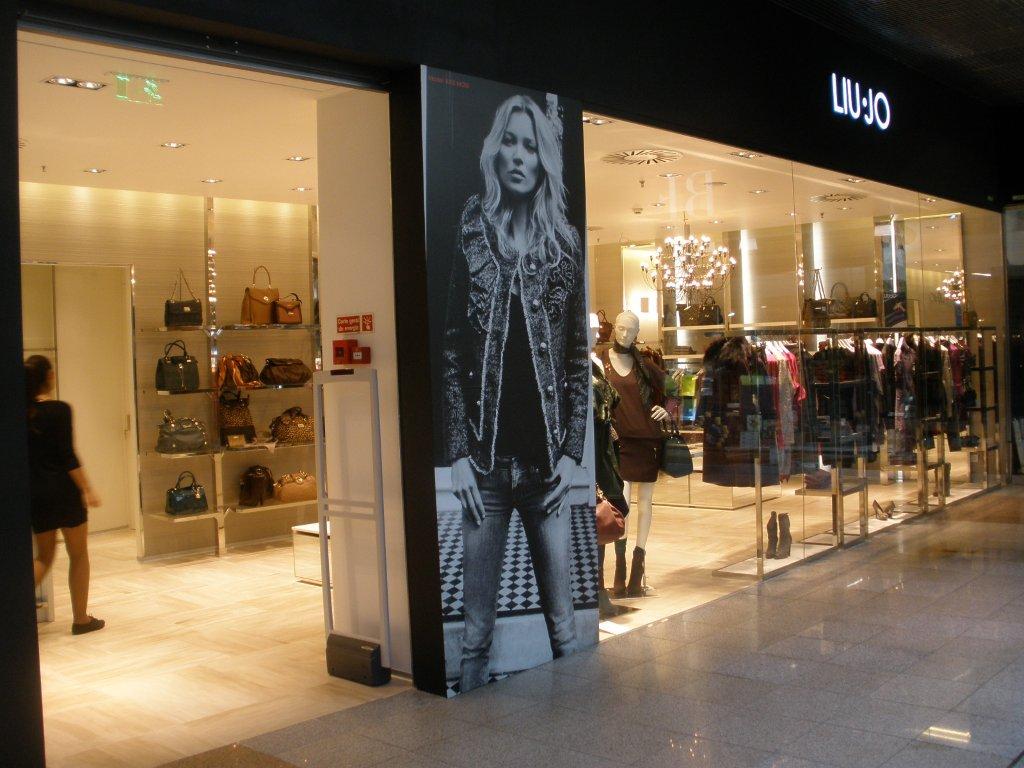
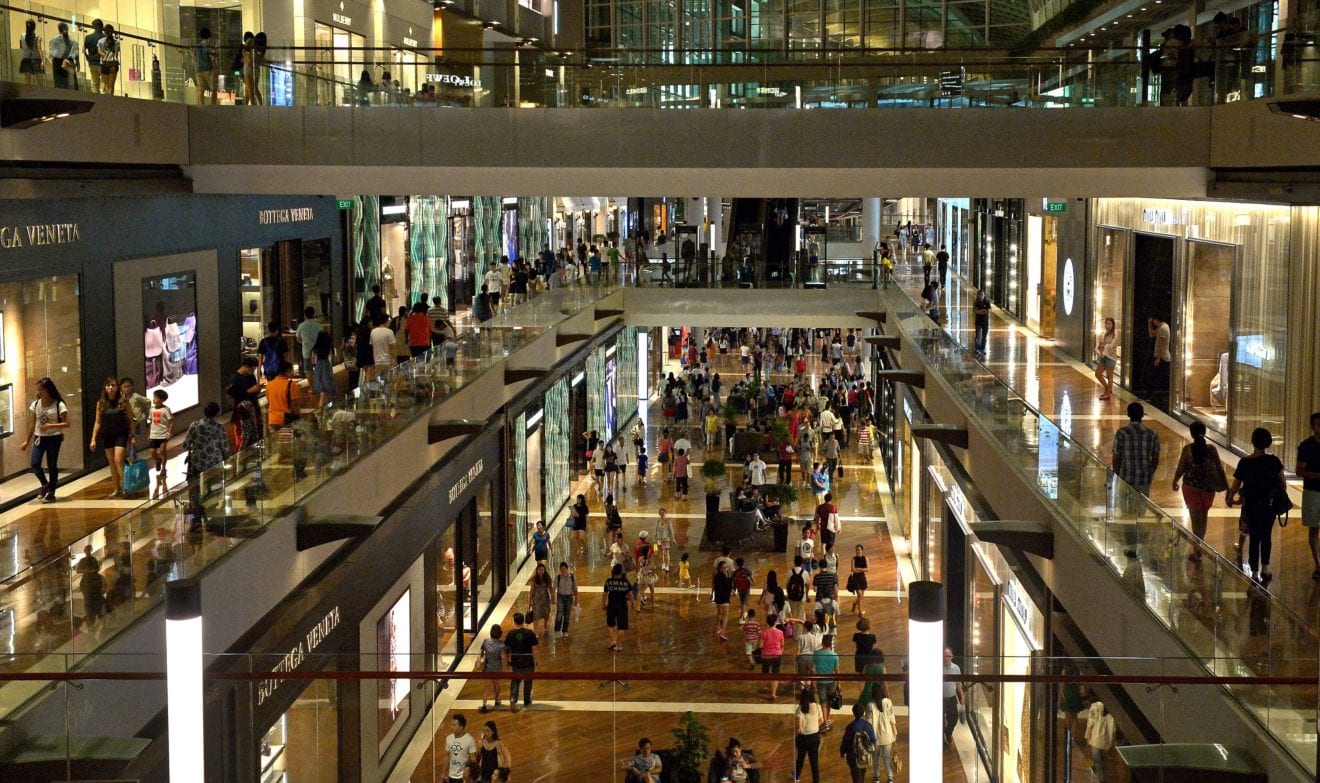
    Italian fashion brand Liu Jo is pleased to announce the opening of its new boutique in the prestigious Paragon Mall in Singapore. It is also the key flagship boutique for South East Asia region.

    The impressive vast 3,305 square feet boutique marks an important milestone in Liu Jo’s fast-growing expansion in the Asia region and continues the new exciting Curiosity retail concept which aims to create an exclusive but warm and homely ambience for its shoppers. The new layout highlights precious metals in a modern, intriguing design, presenting a minimalist, sleek and sophisticated décor to give pride of place to its collections. Complemented with the recognisable Liu Jo brand codes and signature eclectic style, the new boutique presents a refreshed expression of the brand’s mission to celebrate feminine elegance and quality.

    Previously located at Wisma Atria Mall, loyal followers of the brand will be pleased to know that the new Paragon boutique boasts a larger retail space, and will house an extensive selection of the Italian brand’s ready-to-wear and accessories offering. Liu Jo Black Label Collection, Liu Jo White Label Collection, Liu Jo Blue Denim Collection, Liu Jo Gold Label Collection, Liu Jo Sport, Les Plumes de Liu Jo, Liu Jo Accessories, Liu Jo Shoes and the Liu Jo Eyewear and, Liu Jo Fragrances will be available at this flagship boutique.

    This new Paragon boutique is a key step to the development of the Italian company to increasing and strengthening its global market share. Singapore will play a strategic key role: it will be a key platform for further focus on the rapid growth of the South East Asia market.

    Presenting a new interpretation of accessible luxury shopping, this new boutique marks the continuation of the steady success and popularity the brand enjoys in Asia. The international fashion brand currently has presence in 50 countries and 3 different continents – Europe, Africa and Asia – through a distribution network including over 350 mono-brand points of sales and 5000 multi-brand points of sales world-wide.

  • DHL Express has inaugurated its South Asia Hub at Singapore Changi Airport

    DHL Express has inaugurated its South Asia Hub at Singapore Changi Airport

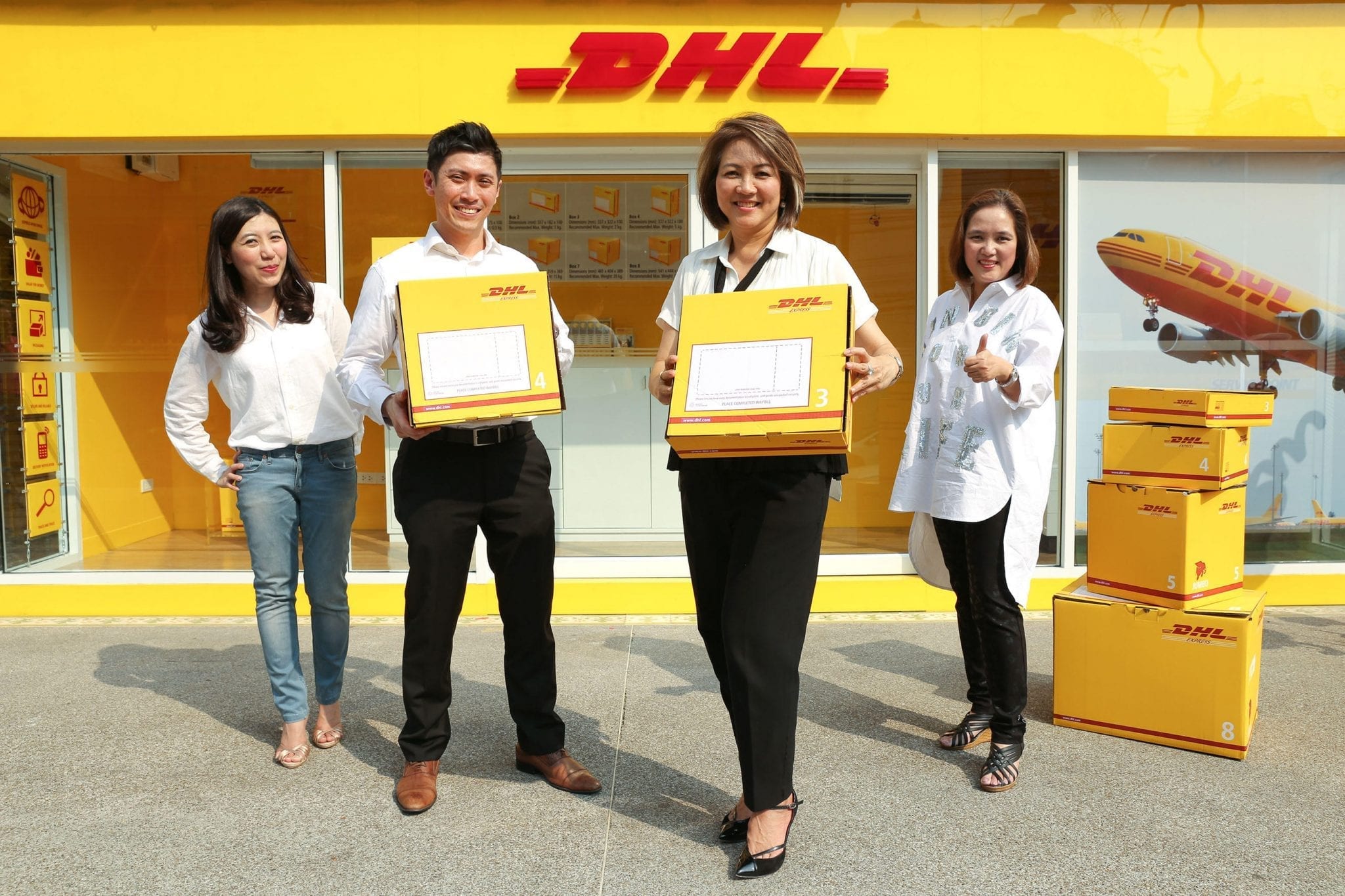
    The €85 million (US$85.5 million), 23,600-square-metre facility is located at the Changi Airfreight Centre and features the first fully automated express parcel sorting and processing system in South Asia.

    “Over the years, we’ve invested significantly to bolster our network and services in Asia Pacific,” said Ken Allen, CEO of DHL Express. “Our investment in the DHL South Asia Hub is the most recent in a series of global network investments made, and is the largest infrastructural investment made in Singapore to date. The country’s strategic location not only boosts our operational network capabilities, but also supports growing trade in the region aided by a stronger global economy.”

    According to DHL, the 24-hour facility is 33 percent larger than the previous hub. It is also six times faster, being capable of processing up to 24,000 shipments and documents per hour and handling more than 628 tonnes of cargo during the peak processing window.

    “The DHL South Asia Hub is a significant milestone in further enhancing our multi-hub strategy in the region,” said Ken Lee, CEO of DHL Express Asia Pacific. “With four hubs in Asia Pacific — Hong Kong, Shanghai, Singapore and Bangkok — this links over 70 DHL Express Gateways located throughout the region. Together, these facilities reinforce our customer commitment to provide the most efficient international express connectivity between key markets in the region. This will also allow us to add more network flights in and out of Singapore, such as the recent introduction of the Phnom Penh-Bangkok flight that adds to our existing Bangkok-Singapore service, as regional trade continues to grow.”

    Between 2012 and 2015, the average number of shipments per day grew by 50 percent for Oceania, 30 percent for South Asia and 25 percent for Southeast Asia, according to DHL.

  • Fast Retailing profit rebounds

    Fast Retailing profit rebounds

    While Fast Retailing profit fell in the full year, the Japanese apparel giant says its second-half profit rebounded sharply.

    Consolidated revenue rose 6.2 per cent to JP¥1.7864 trillion (US$17.19 trillion) while its operating profit fell 22.6 per cent to ¥127.2 billion.

    Factors underlying the sharp decline in profit include a ¥11 billion foreign-exchange loss, a ¥13.8 billion J Brand impairment loss, and ¥9.3 billion for impairment losses on Uniqlo Japan and Uniqlo US stores, plus retirement and store-closure losses.

    In the second half, from March to August, profit rebounded by 94.3 per cent year-on-year, attributed to a nascent recovery in sales at Uniqlo Japan and Uniqlo International, and concerted cost-cutting efforts.

    For Uniqlo Japan the second-half profit bounced back by 38 per cent. Revenue for the year was ¥799.8 billion, up 2.5 per cent, with profit dropping 12.6 per cent to ¥102.4 billion. Same-store sales rose 4.9 per cent in the second half compared to a 1.9 per cent decline in the preceding six months.

    For Uniqlo International, full-year revenue was up 8.6 per cent to ¥655.4 billion while profit fell 13.7 per cent to ¥37.4 billion. In the second half, however, profit rebounded to 15 times the previous year’s level, mainly because of sharp profit gains in Uniqlo Greater China (encompassing China, Hong Kong and Taiwan), Southeast Asia and Oceania, and Europe.

    For the group’s global brands, revenue rose 11.3 per cent while profit fell 34 per cent for J Brand, revenue rose 32.7 per cent and profit by 34.8 per cent for GU, profit was also up for Theory, while Comptoir des Cotonniers, J Brand and Princesse Tam.tam had losses.

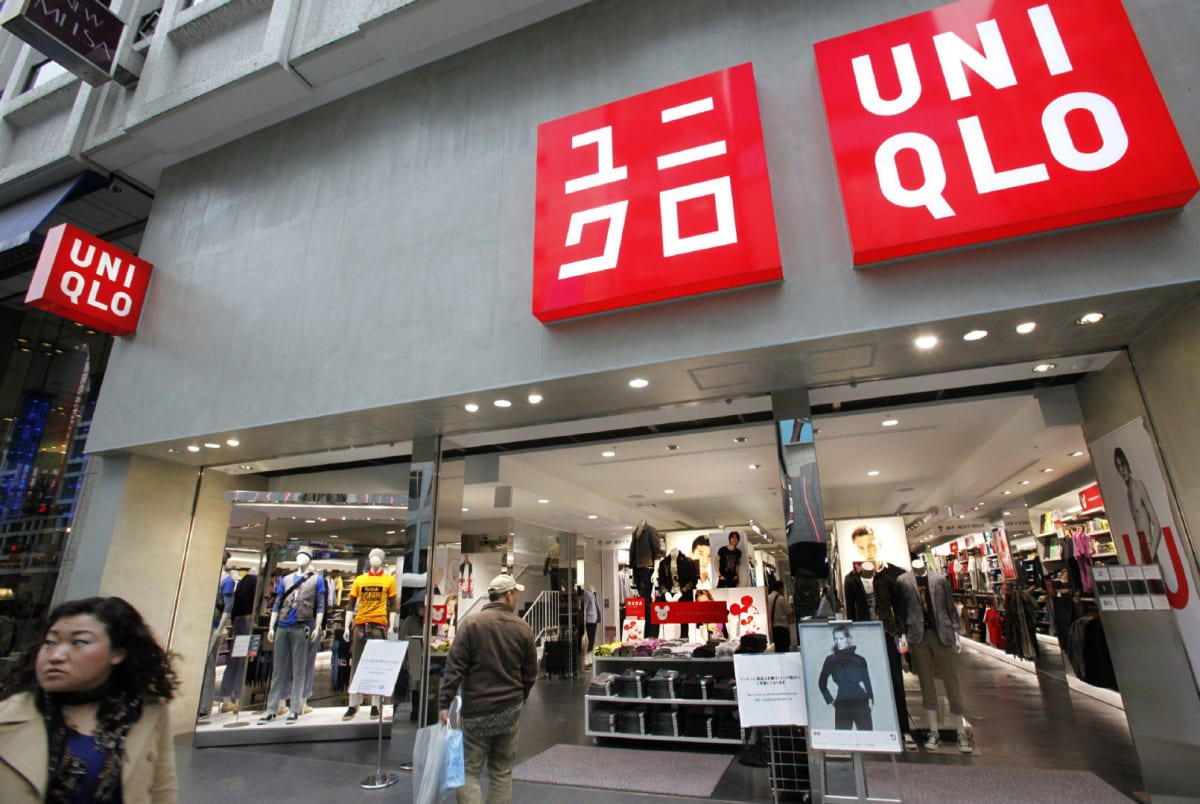
    During the 12 months, Uniqlo International opened a series of stores, including its first global flagship store in Southeast Asia, the Uniqlo Orchard Central store in Singapore. As of August 31, the number of Uniqlo International stores had grown by 160 to 958.

  • Timberland Asia launches online

    Timberland Asia launches online

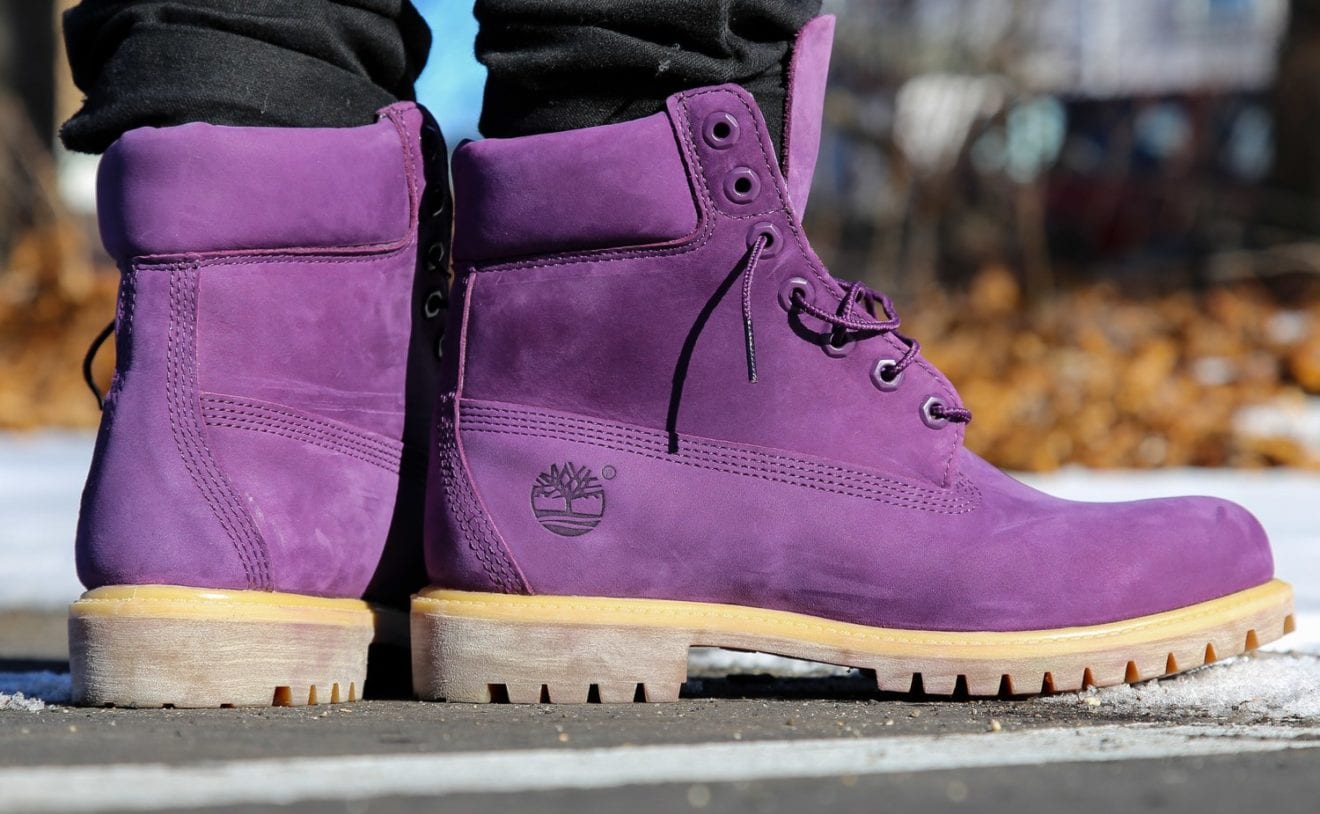
    Footwear and apparel brand Timberland Asia has partnered SP eCommerce, a Singapore Post company, to launch its official eCommerce store for the Southeast Asian region.

    The Singapore-based online store uses SP eCommerce’s security, management, digital marketing, store operations and customer-care technology. Order fulfillment is being handled across Singapore through SingPost’s last-mile distribution network.

    This gives Timberland the ability to deliver a seamless shopping experience, with exclusive online promotions as well as its full retail catalog.

    “This is a natural next step for Timberland,” says Malaysia/Singapore GM Daisy Tan of Timberland owner VF Corporation. “Working with one partner for the entire shop-to-ship process lets us focus our attention on serving our customers and growing our business.”

  • Sprooki platform to launch in Indonesia

    Sprooki platform to launch in Indonesia

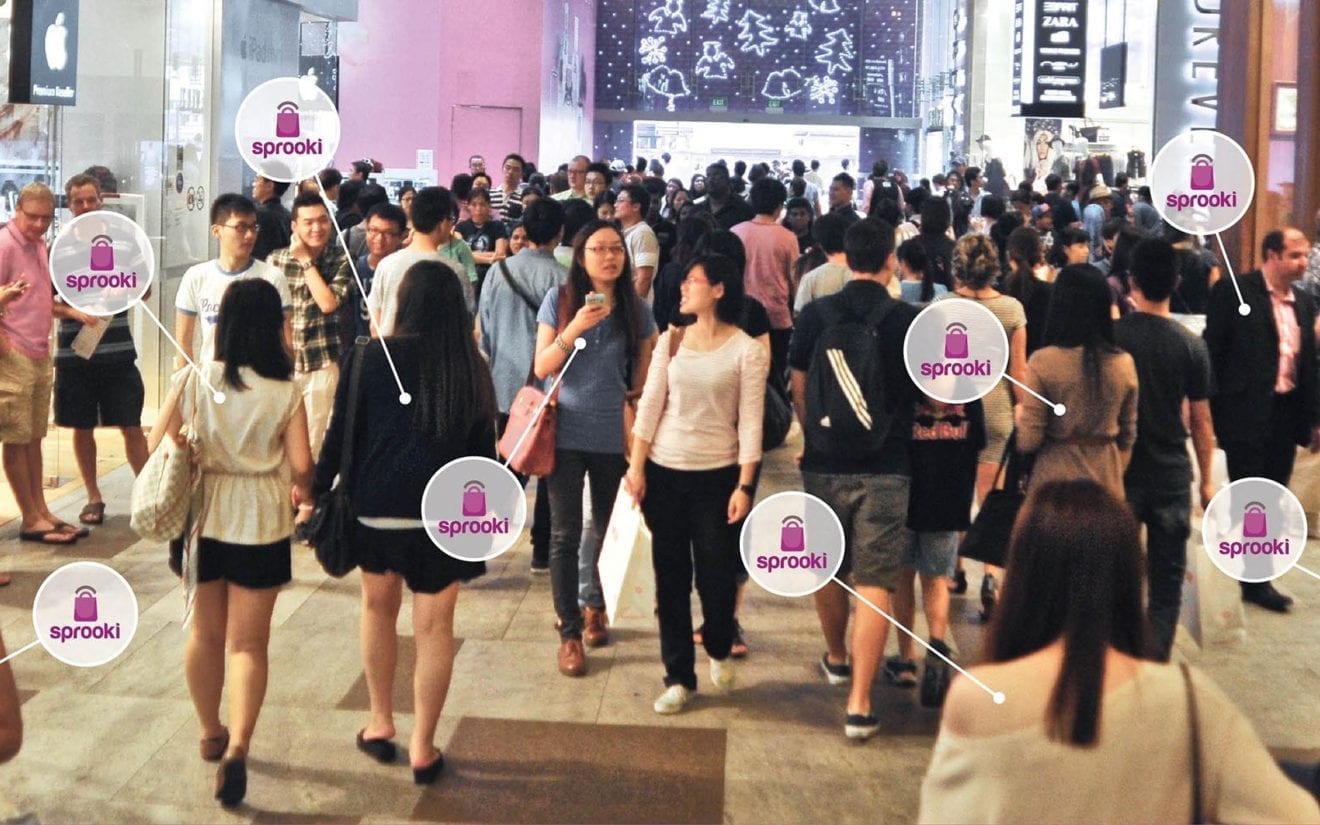
    Shopper-engagement platform Sprooki will launch in Indonesia next month at the 125,000 sqm Supermal Karawaci retail precinct in western Jakarta.

    It will be integrated with the precinct’s touchpoints and mobile apps, allowing retailers to offer customers individualised content such as vouchers, special offers, event alerts and store information.

    Sprooki Michael Gethen and Claire Mula

    Sprooki Michael Gethen and Claire Mula

    Customers will be able to share content on social media including Facebook, which has more than 60 million users in Indonesia. Sprooki is available in both English and Bahasa languages.

    Based in Singapore, Sprooki uses customer location, profile and behaviour data to help retail outlets, shopping malls and department stores engage with their customers via smartphones and other devices.

    Supermal Karawaci is the largest shopping centre in Banten province, west of Jakarta, with more than 1000 stores, three cinemas and the largest Timezone arcade in Southeast Asia – complete with an indoor rollercoaster.

    Sprooki CEO/co-founder Michael Gethen says the deployment will help Supermal Karawaci’s retail tenants improve sales and give the mall unprecedented insight into shopper habits and behaviour.

    Sprooki

    “By implementing the Sprooki platform, our mall will be one of the first shopping precincts in Indonesia to incorporate a data-driven mobile platform to improve shopper experience,” says Supermal Karawaci marketing and leasing GM Pipih Tjandra.

    Sprooki’s mobile platform is already being used by Southeast Asian shopping malls such as a Lend Lease’s 313@Somserset in Singapore and Crescent Mall in Ho Chi Minh City, Vietnam, as well as thousands of retailers and major brands such as Coffee Bean and Tea Leaf, Forever 21, Gap, GNC, Marks & Spencer and Pie Face.

  • Singtel expands MSS alliance with Akamai

    Singtel expands MSS alliance with Akamai

    Singtel announced it has expended its alliance with Akamai by becoming the world’s first telco provider to have its advanced security operations centre staff certified to deliver Akamai managed security services.

    The two companies teamed up last month to offer DDoS mitigation services based on Akamai’s Intelligent Platform to enterprises across APAC.

    Now this alliance has been expanded, with Singtel’s ASOC staff trained and certified to deliver professional managed and security services for Akamai’s web security portfolio in the region.

    Singtel is launching the capability for Singapore enterprises first before expanding it to other regional APAC markets.

    “This partnership augments our award-winning Managed Security Services by integrating our ASOC in Singapore with Akamai’s best-in-class cyber security solutions,” Singtel Group Enterprise managing director for cyber security William Woo said.

    “The partnership further strengthens our existing relationship with Akamai, taking it to a new level of collaboration to reinforce Singapore as a safe business hub, and the Asia Pacific as a region which is conducive for doing business.”

    Singtel operates a network of eight security operations centers across Asia, Europe and the US, including its advanced security operations center in Singapore.