Tag: Singapore

  • Orchard Rd turns to WeChat to drive sales

    Orchard Rd turns to WeChat to drive sales

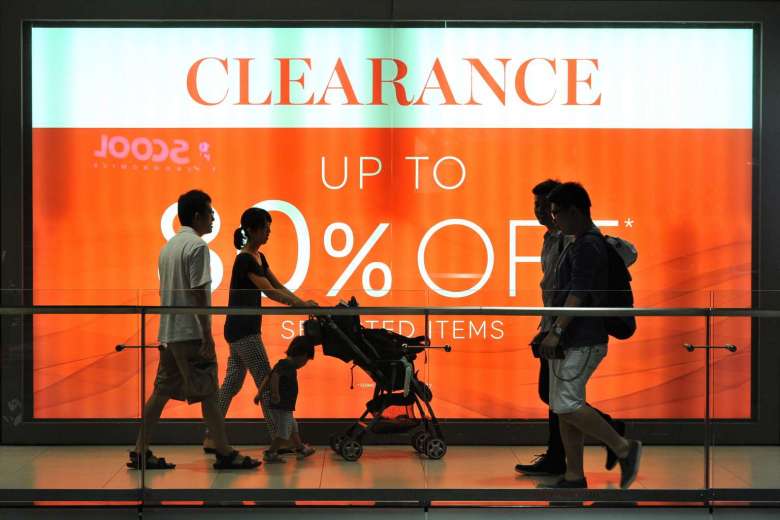
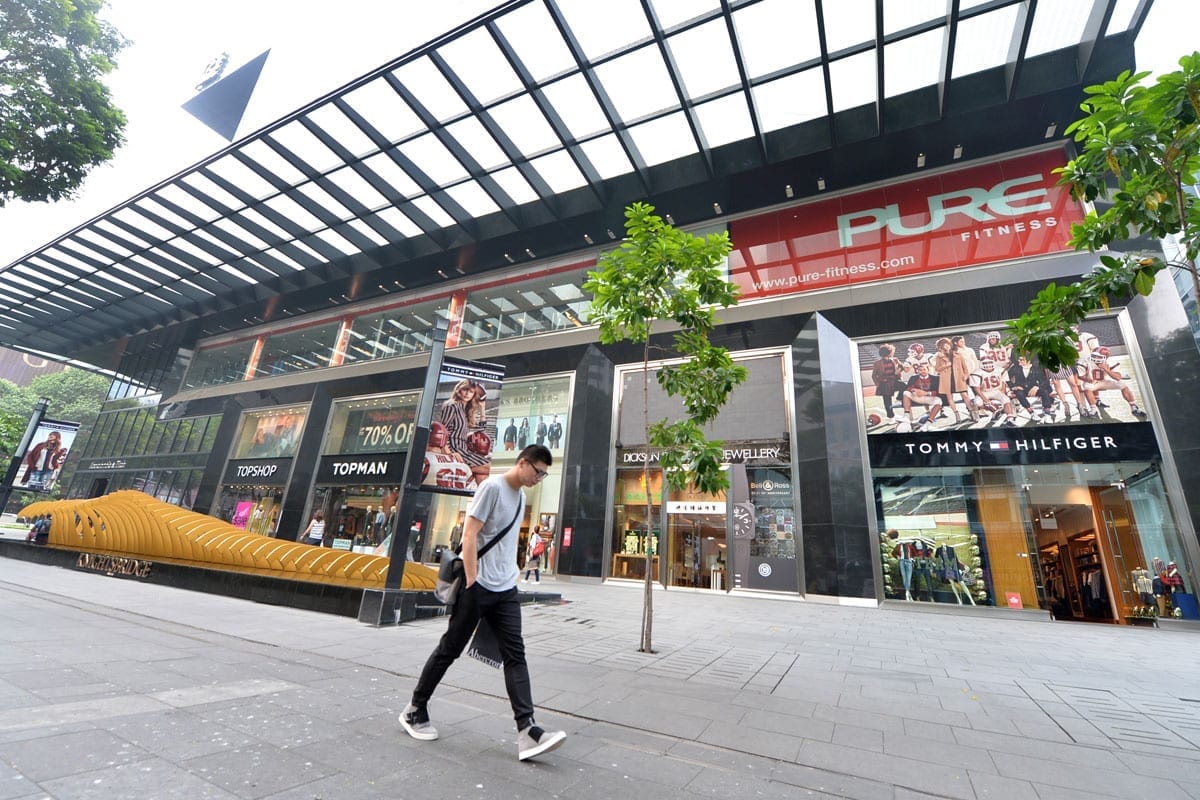
    A post on Chinese social media platform WeChat touts Orchard Road as a prime spot for a selfie, with its backdrop of high street brands and clean surroundings.

    Another post raves about the value of the dishes at seafood restaurant chain Fish & Co, where appetisers cost between $3.90 and $11.90.

    The Orchard Road Business Association (Orba) set up the WeChat account two months ago to promote the shopping street directly to consumers in China.

    “In China, without a WeChat account, it’s impossible to communicate with the consumers,” said Mr Steven Goh, Orba’s executive director.

    Like many businesses in Singapore, Orba is looking to the Chinese to provide a boost to the flagging retail and tourism sectors.

    The Orchard Road Business Association recently hired a marketing agency in China to come up with twice-weekly posts on its WeChat platform that use the lingo of the mainland Chinese to introduce the brands in Orchard Road. PHOTO: ORCHARD ROAD BUSINESS ASSOCIATION

    Competition from online shops and weak consumer sentiments have translated into lower retail sales. Tourism growth is expected to slow to a crawl this year, as tourists tighten their belts ahead of a weakening global economy.

    The Chinese, however, offer hope.

    Last year, Chinese visitor arrivals grew 22 per cent year-on- year to 2.1 million. Although their expenditure of $2.54 billion was a 4 per cent dip from the 2014 figure, they were still the top spenders among visitors here.

    In recent years, Orba has sent teams to different cities in China regularly to promote the street.

    Recently, it hired a marketing agency in China to come up with twice-weekly posts on its WeChat platform that introduce – in the lingo of the mainland Chinese – the brands in Orchard Road.

    Its efforts complement those of the Singapore Retailers Association (SRA), which roped in Chinese payments firm UnionPay International as a partner of its Great Singapore Sale this year.

    SRA extended the sale to 10 weeks and started it a week later than usual to coincide with most of China’s summer holidays.

    Other retailers are also taking the initiative to cater to the Chinese.

    Retail shop Taula Jewellery in Clarke Quay widened its range in March to include fashion jewellery and items with prices starting from $29, instead of $49 previously. Its Chinese customers prefer fashion jewellery to precious metal jewellery such as silver and gold, and like good deals, owner Kanika Mittal, 35, noted.

    Department store Takashimaya is “displaying more prominently” products that are more highly discounted and appealing to Chinese tourists, who make up 30 per cent of its foreign customers, said a spokesman.

    SRA executive director Anthony Gan said the Chinese tend to look for goods and services tax refund service, shops that accept UnionPay, Mandarin-speaking staff and special offers.

    The spending patterns of Chinese tourists have evolved, said UnionPay International South-east Asia general manager Yang Wenhui. He said it was “seeing spending on hotels, supermarkets, dining, airlines and retail grow at a much faster rate than luxury goods in general”.

    Tourism consultant Edward Chew said Chinese tourists no longer “purchase everything they come across”, with many international brands now available in China.

    The former Singapore Tourism Board regional director for Greater China said: “We need to distil what Singapore is good for and strong in and what’s unique about our retail scene, and actively promote them to the Chinese traveller in Singapore.”

  • Samsung Pay e-wallet to launch in Singapore on June 16

    Samsung Pay e-wallet to launch in Singapore on June 16

    Samsung Pay, the Korean electronics giant’s e-wallet system, will launch in Singapore on June 16.

    At launch, those holding Visa and MasterCard credit or debit cards issued by POSB Bank, DBS Bank, OCBC Bank, Standard Chartered Bank and Citibank will be able to use a compatible Samsung phone to pay at almost all retail outlets that accept credit cards.

    Singapore will be only the fifth country to have Samsung Pay. It was launched in South Korea last August, followed by the United States in September. In March this year, Samsung Pay made its debut in China, while it was launched in Spain just earlier this month.

    “We are excited to bring this service to Singapore consumers and we hope to introduce value-added services to drive and lead innovation in mobile commerce,” said Mr Thomas Ko, vice-president and global general manager of Samsung Pay.

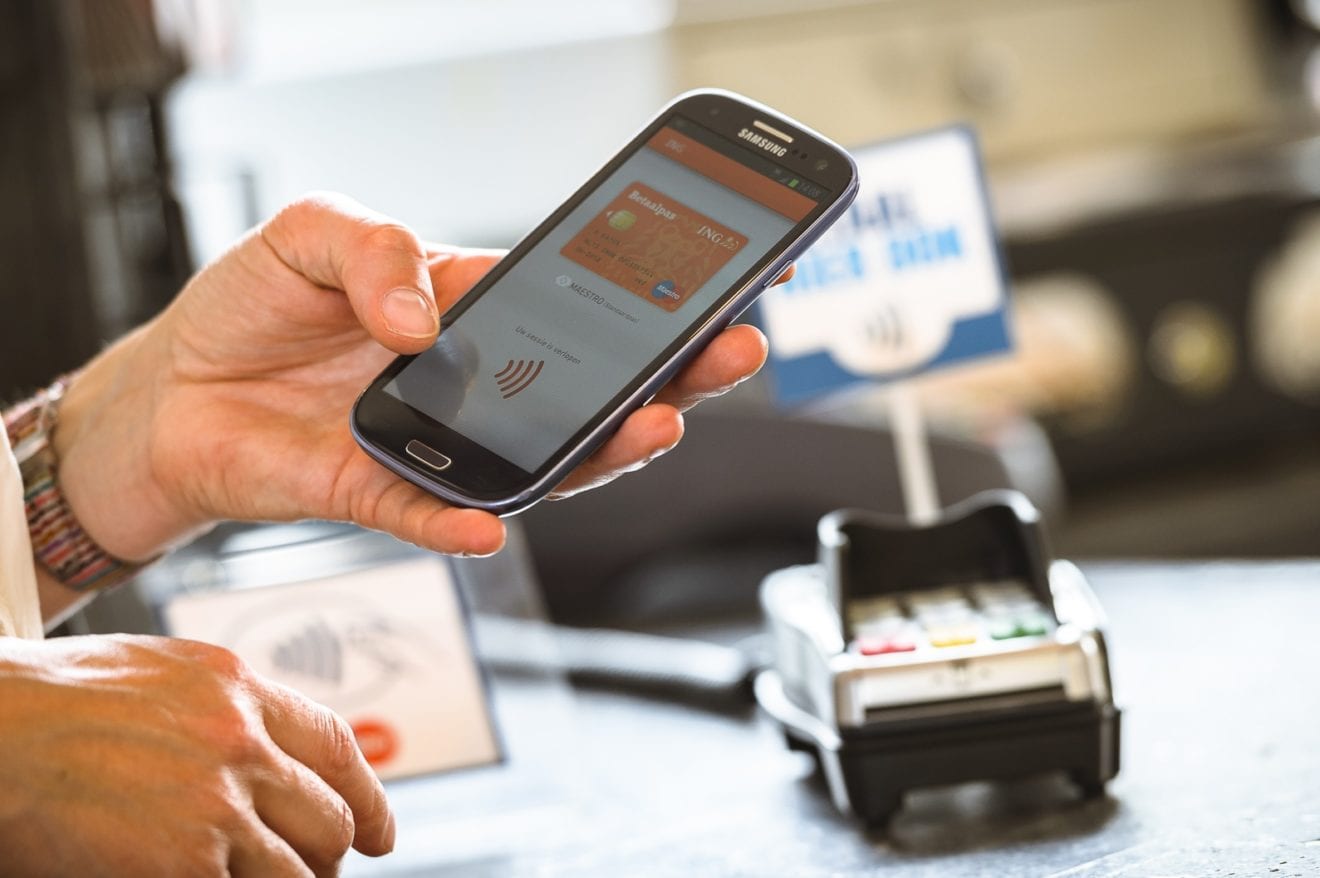
    Samsung Pay allows users to register their credit card details on selected Samsung smartphones with Near-Field Communication (NFC) wireless technology. Once registered, users can tap the phones for payment on almost all credit card payment terminals here.

    This is because Samsung Pay uses a proprietary Magnetic Secure Transmission (MST) technology that works with both traditional magnetic-stripe credit-card terminals and NFC contactless payment terminals.

    Unlike other contactless payment methods that are limited to transactions of $100 or less, Samsung Pay does not have this limit due to its MST technology.

    Four Samsung Galaxy smartphones – the S6 edge+, Note 5, S7 and S7 edge – are compatible with Samsung Pay at launch. Fingerprint authentication is required for each transaction.

    As of February this year, Samsung Pay has over five million registered users and recorded more than US$500 million (S$672 million) worth of transactions globally.

    Rival mobile payment service Apple Pay was launched in April with support for American Express-issued cards only. But as of last month, Apple Pay also accepts Visa and MasterCard credit and debit cards issued in Singapore from five major banks – POSB, DBS Bank, OCBC Bank, UOB Bank and Standard Chartered Bank.

    Apple Pay only works with contactless NFC payment terminals. This limits Apple Pay to only around 30,000 payment terminals in Singapore.

    It also has a $100 cap for most transactions. But UOB has lifted this limit for some merchants, such as Singapore Petroleum Company, Caltex, Metro and The Coffee Bean & Tea Leaf.

  • Singapore retail rents: tenants’ market

    Singapore retail rents: tenants’ market

    With continuing restructuring in the Singapore retail sector it is a tenants’ market, but while rents are generally under pressure, well-located, well-managed suburban malls are in a strong position.

    Meanwhile, average prime retail rents in Orchard Rd and suburban areas continued to fall in the second quarter of this year, reports CBRE.

    “Our research shows a clear reduction of rentals, and it would not be accurate to report otherwise,” says CBRE SIngapore/Southeast Asia head of research Desmond Sim.

    Average prime Orchard Rd rents stand at S$32.50 (US$24) psf/mth, down 1.1 per cent from the first quarter – the sixth consecutive quarter of decline for the precinct.

    Average prime rent for the suburban submarket fell 0.7 per cent to $29.45 psf/mth from the first quarter. There rents began to fall only in the last quarter of last year.

    “There are still sparks of activity, particularly around well-located and well-managed suburban malls that have a strong positioning tilted toward families and the immediate catchment,” says Sim, citing Compass One, which has reported 90 per cent precommitment. “With the positive momentum continuing, I would not be surprised if Compass One achieves full occupancy ahead of its opening.”

    Compass One is about to reopen after an asset-enhancement exercise. It has seen a strong showing from returning tenants, attracted to its concept of a family mall.

    Malls near transport nodes with a good tenant mix and the guarantee of a day and night catchment will continue to be more resilient in terms of rents and occupancy under the current market climate, says the CBRE report.

    While general vacancy has been rising and more retail stock can be expected, the availability of prime space in good locations is scarce. This has deterred the expansion and entry of some retail brands as location, visibility and high foot-fall have become even more important factors than ever because of intense competition within the market.

    With no foreseeable new supply in Orchard Rd and Marina Centre in the next few years, at least until 2019, this should provide some support for prime rents in Orchard Rd for the next half of the year, says the report.

    F&B brands continued to be active in Singapore this quarter. Most new foreign cafes and restaurants that have opened or leased space in Singapore originate from the Asia Pacific region, such as Honolulu Cafe and the food-hall concept Itadakimasu by Parco.

    Cosmetics, streetwear and footwear are seeing signs of more activity, and flagship stores are also trending in tandem with the growth of eCommerce.

    “The market is particularly challenged by a mismatch of demand and supply at this point in the cycle. While most of the limits to expansion stem from consolidation activity, some retailers are constrained by the shortage of quality space,” says Sim.

  • Consistel said to pull ahead in Singapore telco bid

    Consistel said to pull ahead in Singapore telco bid

    Singapore’s Consistel is reportedly pulling ahead of MyRepublic in the race to secure funding to make a play to become the market’s fourth mobile operator.

    Consistel has so far lined up at least S$400 million ($293.8 million) worth of the S$1 billion in funding it plans to raise ahead of a planned spectrum auction in the third quarter, and expects to be able to raise the remainder by the end of the month, citing a Maybank analyst.

    Consistel is reportedly considering a range of funding options, including term loans, equity, and potentially vendor financing.

    By contrast, MyRepublic had aimed to complete an S$250 million funding round by April, but has so far not reported any progress with this goal.

    Consistel is a wireless networking equipment provider specializing in distributed antenna systems (DAS). The company first expressed an interest in becoming Singapore’s fourth MNO – through subsidiary OMGtel – in 2014, not long after MyRepublic announced its MNO ambitions.

    Regulator IDA plans to hold an auction to select Singapore’s fourth mobile operator in the third quarter, with a reserve price of around S$35 million. A dedicated auction for the potential new market entrants will be held ahead of a general auction open to all takers.

  • FairPrice cuts prices on health grounds

    FairPrice cuts prices on health grounds

    Citing social concerns, Singapore grocer NTUC FairPrice cuts prices on wholegrain rice in a public commitment to aiding the fight against diabetes.

    The supermarket says a 5 per cent discount on all FairPrice housebrand wholegrain rice for the next three months will be matched by a similar reduction in the prices of all of its 1000+ Healthier Choice Symbol (HCS) certified items for a fortnight, across its 133 supermarkets islandwide.

    The measure is part of FairPrice’s healthy eating campaign, the start of a series of initiatives by the organisation this year to promote healthy eating and drive awareness on diabetes. Total savings from these discounts are expected to amount to more than S$500,000 for customers.

    NTUC FairPrice chairman Bobby Chin says the trade union owned grocer “serves to make lives better by offering greater value on healthier daily essentials”.

    “Rice is a commonly consumed staple in Singapore and by promoting wholegrain rice as a healthier alternative,we are taking a proactive approach in the prevention and management of chronic diseases like diabetes. Beyond rice, we also support the government’s call in advocating a holistic approach towards healthy eating by also providing quality and value for all our Healthier Choice Symbol products.”

    Diabetes is fast becoming a major focus of health initiatives globally with the 422 million diabetic adult population in the world expected to double in the next 20 years. Singapore has been found to have the second-highest diabetes prevalence among developed nations, after the US, with one out of nine Singaporeans affected by diabetes and one in three having a chance of getting diabetes in their lifetime.

    As an alternative to white rice, wholegrain rice has been shown to lower the risk of developing diabetes while containing more fibre, vitamins and minerals.

    “The 5 per cent discount for all FairPrice housebrand wholegrain rice serves to encourage customers to consume these healthier alternatives. The discount is applicable namely to FairPrice Thai Brown Unpolished Rice, FairPrice Thai Red Unpolished Rice and FairPrice Thai Rice Blend, which is a mix of white and brown rice,” the company said in a statement.

    Back in 2014, FairPrice began advocating consumption of brown rice through its annual Walk for Rice event by donating brown rice to low-income families. FairPrice has also seen the sale of housebrand brown rice increase by 25 per cent in the first quarter of this year compared to the year before.

    Zee Yoong Kang, CEO of the Singapore Health Promotion Board said it was pleasing to see the retailer taking active steps to raise the awareness of healthier choice options amongst consumers.

    “The market share of Healthier Choice Symbol products has been gaining market share with sales of Healthier Choice Symbol products growing at 9 per cent annually. This is a very encouraging sign that more and more Singaporeans are taking steps to select healthier options when grocery shopping. We encourage more F&B retailers to join in this effort so that together we can increase the pervasiveness of healthier options for Singaporeans.”

  • Malaysia’s Ebizu raises $3m from Singaporean investors

    Malaysia’s Ebizu raises $3m from Singaporean investors

    Malaysia-based retail advertising and intelligence technology provider, Ebizu Sdn Bhd, has secured a round of Series A investment amounting to $3 million from undisclosed Singapore investors to fuel its regional expansion plans.

    Ebizu’s operations has grown to a team of 130 people spread across offices in Malaysia, Singapore and Indonesia.

    Established in 2013, Ebizu, an O2O (Online to Offline) solutions provider which specializes in retail advertising and location intelligence, has expanded within the Southeast Asia region. Co-founder Rohit Maheswaran said, the company has been aggressively enhancing its solution as well as expanding its beacon and retailer network in the past five months. “Behind all these, negotiations for investments were being conducted and we were glad to see so many interested parties. This round of  funding will help us maintain the intensity of our growth,” he said.

    “We emphasise on helping physical retailers and brands reach out and engage with their consumers, our product is evolving to become more data driven, so that merchants and brands can acquire and retain customers with more precision,” Maheswaran said.

    He added that Ebizu’s brand new geo-behavioural intelligence and insights platform will help advertisers target online and offline ads better. Seeing the accelerated growth in digital ad spend and mobile advertising, Ebizu was formed to bridge the gap between brick and mortar retailers and mobile technology utilization.

    The company’s integrated retail solutions empower the offline retailers with knowledge of the customer’s journey, enabling retailers to reach and engage shoppers’ on-the- go with promotions, vouchers and loyalty campaigns, engaging them at the right time and optimizing sale conversions.

    Currently, Ebizu’s merchant network consists of 1,900 retail outlets with the target of 5,000 to be reached by the end of 2016. It also has around 5,000 geofenced points of interest and 10,000 BLE beacons installed across Malaysia and Indonesia, at the moment, with hopes to grow that network to 25,000 by year end.

    At the end of last year, it was named the 2015 Asia Pacific BLE (Bluetooth Low Energy) in Connected Retail Company of the year by Frost & Sullivan.

  • Perfumer’s Workshop finds its niche in Asian travel retail

    Perfumer’s Workshop finds its niche in Asian travel retail

    Niche fragrance specialist Perfumer’s Workshop International (PWI) is looking to make a move into travel retail locations in Malaysia, Sri Lanka and India following feedback from buyers at this year’s TFWA Asia Pacific Exhibition in Singapore.

    PWI Founder Donald Bauchner said his company’s success at the show was due to the “dramatic increase in awareness and attention to niche in general, and for oud concepts specifically”.

    Tea Rose w Petals High Res

    Tea Rose and Amouroud: two of Perfumer’s Workshop International’s signature lines

    Bauchner said PWI was considering domestic market openings for its Amouroud line in Singapore, South Korea, China, Indonesia, Malaysia, Bangladesh and Pakistan and is negotiating travel retail opportunities in Malaysia, India, Sri Lanka, Abu Dhabi and Russia.

    PWI’s oud-based Amouroud line will make its debut at London’s Harrods department store on 15 July. “We are very excited about our launch at Harrods,” said Bauchner. “Of course it will impact our travel retail opportunities within the UK. However we are not certain whether we would prefer to start travel retail and duty free in the UK at airports or inflight. Consumer profile will likely decide the issue but only once the timing itself is right,” he added.

    PWI added two new fragrances, Midnight Rose and Miel Sauvage, to its Amouroud range which was presented in Singapore and extended its Samba Metallics line.

    Samba Metallic Range.HR

    Samba Metallics is based on a colour preference influencing fragrance preference concept

    “The Samba Metallics concept actually does work,” Bauchner said. “The interest at the show was very good. However we targeted our presentations to only those distributors who are actual ‘trend-setters’ in their regions.”

    PWI’s Zipped Man, targeting “fashion-conscious young ‘trendies’”, and Parfum Tea Rose were also highlighted in Singapore.

    Speaking at the TFWA Asia Pacific Exhibition, Bauchner said he predicts further growth for niche brands in Asia. “Generally niche customers do not want something that other people are wearing. They are not looking for a new signature scent. They are hunters, looking for a scent that they are not going to find everyone else wearing,” he said.

    “What will be interesting to see will be the eventual relationship between niche and prestige fragrance in Asia. There is a possibility that niche in Asia will eventually occupy as large, or a larger, section of the fine fragrance local market than in Europe  because what we refer to as ‘Western fine fragrance’ came late to Asia and therefore remains a far smaller market than elsewhere.

    “We believe that our Amouroud collection will perform very well in Asia because we are attuned to many Asian fragrance sensibilities: refinement, beauty, unique fragrance character, long lasting and qualitative packaging.

    “Asia was late coming to niche products and even later developing an interest in oud. But, hey, we are here. We have a wonderful concept that is proving to be well liked,” Bauchner concluded.

  • Mediacorp-Singapore launches Toggle Red Button

    Mediacorp-Singapore launches Toggle Red Button

    The Toggle Red Button, based on Hybrid Broadcast Broadband TV (HbbTV), has been launched by Mediacorp-Singapore for its OTT service. This will now together live broadcast TV and Toggle’s VOD services into a single seamless environment.

    Mediacorp is the first company in Asia to deploy HbbTV technology. The technology has been widely deployed across Europe, Australia and New Zealand with adoption rates up to 80% in some markets and a range of services such as games, voting and contextualized advertising

    The technology rides on Mediacorp’s Digital TV (DVB-T2) network and seamlessly combines broadcast with broadband TV. The service is delivered via HbbTV-enabled Smart TVs that are certified for the Toggle Red Button service, and available on selected models by major TV manufacturers.

    Key features of the service include direct access to Toggle’s catalogue of more than 12,000 hours of Mediacorp TV shows and Toggle Original content as well as an Electronic Program Guide (EPG), which provides program information, synopses, and schedules.

  • Singapore home to unique online sake service

    Singapore home to unique online sake service

    Rare and seasonal editions stored in a snow cave for a year are being offered by a new online sake service in Singapore.

    Introduced by Sisi Limited, the Sakemaru service delivers premium sakes to customers every month. Subscriptions are priced from S$50 (US$37) a month, and to mark the launch a trial promotion is being offered at a 50 per cent discount for the first month.

    Benefits include special logistics and cold storage, product from specially selected breweries, and sake sommeliers.

    Leading the sommelier team is Japan International Trading CEO Tadashi Okushima, who first became a sake sommelier in 2007. He is a certified teacher of sake traditions, and in 2014 was appointed Japan’s first honourable sake sommelier.

    Sisi CEO Taichi Abe, who is also a sommelier, says sake has seasons. Breweries produce rare limited editions of sake every season. Unpasteurised and unfiltered, the limited-edition sakes have a taste that is totally different from the general line-up.

    Winter is the brewing season, and fresh sake nouveau is similar to a sparkling wine. Through spring and summer the sake matures, its taste becoming soft and smooth.

    By autumn, after nine months of maturing, sake becomes mild and rich.

    Sakemaru stores its rare sake in a specially designed room made entirely from snow. The snow cellar is an ancient Japanese way to keep food fresh. The advantage of storing the sake under snow is that there is no vibration from electricity, it is dark with high humidity.

    Japan has about 1500 sake breweries, each producing dozens of labels.

    Founded a year ago, Sisi is a platform for introducing Japanese culture worldwide. Its services include trading, promotion, branding and business localisation.

  • Two more Jollibee Singapore stores open

    Two more Jollibee Singapore stores open

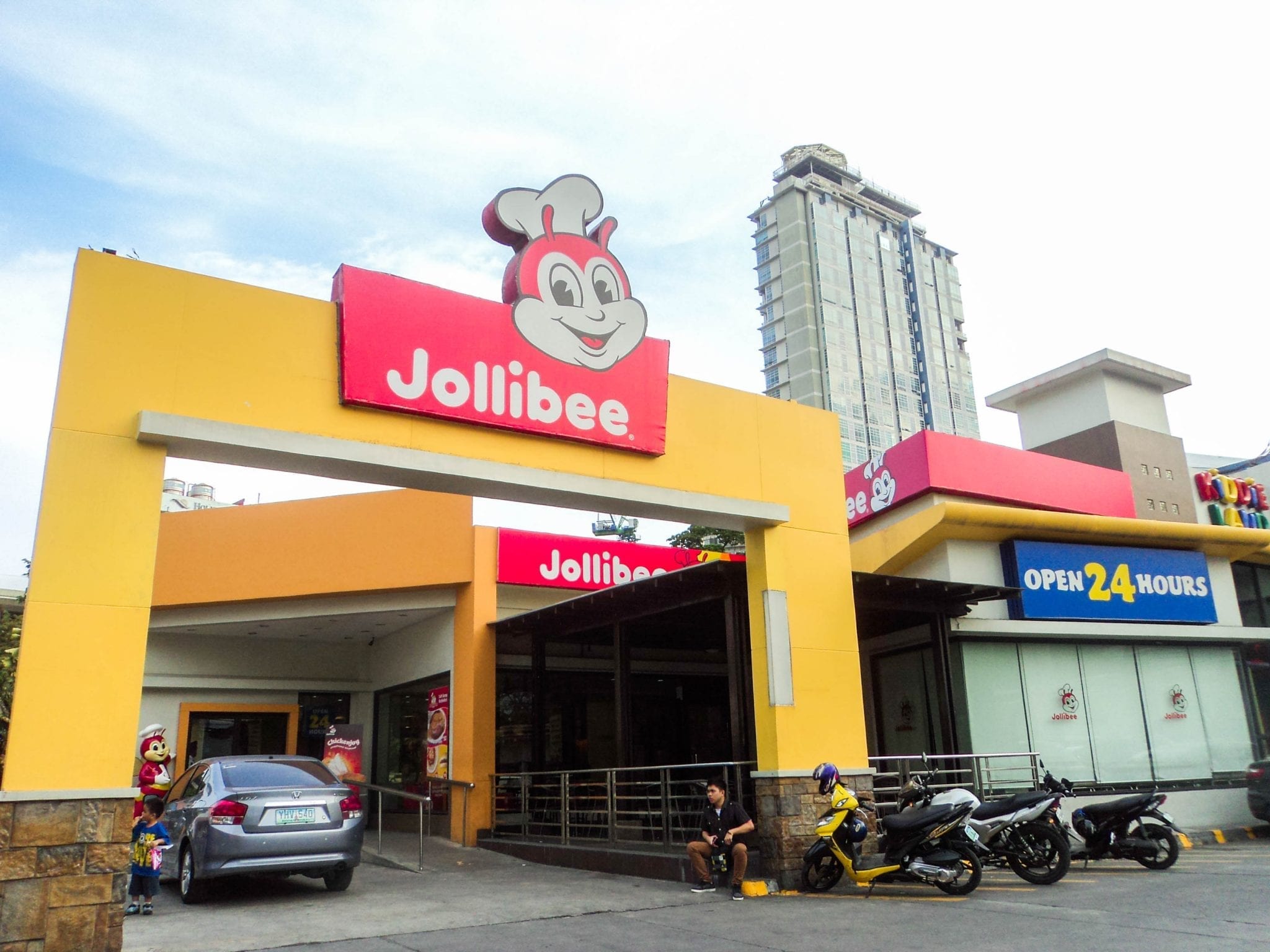
    Jollibee Foods Corp has opened two more outlets in Singapore, driven by Filipinos’ demand for the popular Philippine fast food chain.

    The new stores of Jollibee Singapore are located at Square 2 Novena and Changi City Point, complementing the first one in Lucky Plaza.

    Aside from the usual fare, the new stores’ menu includes Spicy Chickenjoy, Crispy Chicken Burger and Chicken Tenders, to provide more options for Singaporeans.

    “We are delighted to further extend our presence in Singapore to further bring the joy of eating to more families. This is also in response to the growing demand of Singaporean residents who love our Chickenjoy and our Jolly Spaghetti,” said Dennis Flores, Jollibee Foods Corp VP for International Markets.

    “Our unique style of preparing our bestselling Chickenjoy was very well-received; crunchy and juicy fried chicken enjoyed with tasty gravy is a hit with local palates.”

    Jollibee has hit a milestone when it opened its 1000th global store at The Dubai Mall. The company now sets its sights on high-expansion growth in the US, Middle East, Europe, Australia and Southeast Asia.

  • SC VivoCity Vietnam ‘trading well’

    SC VivoCity Vietnam ‘trading well’

    Singapore’s Mapletree has revealed how its SC VivoCity joint venture in Ho Chi Minh City is performing.

    The shopping centre, built in the heart of District 7, a area popular with expats from Korea and Singapore especially, opened in April 2015.

    In its recent annual results presentation, Mapletree said almost 90 per cent of SC VivoCity’s 440,000 sqft retail trading space was leased by March 31 this year. Cornerstone tenants include Vietnam’s first Hamleys toy store.

    Mapletree said its first shopping mall in Vietnam “has been enjoying strong footfalls since it first welcomed visitors”.

    SC VivoCity is the first phase of Saigon South Place, a 4.4-ha integrated mixed-use development project that Mapletree is developing in District 7. When completed, Saigon South Place will comprise retail, office, serviced apartments and residential space.

    Construction of the adjoining office complex has started and is expected to be completed by end 2016, while work on the serviced apartments and residential block will commence soon and both buildings are scheduled for completion by end 2017, Mapletree said.

    SC VivoCity is a joint venture between local company Saigon Co Op Investment Co, a supermarket operator, and Mapletree, bearing the same brand as the award winning VivoCity centre on Singapore’s waterfront.

  • M1 launches carrier billing for BES12

    M1 launches carrier billing for BES12

    Singapore’s M1 has become the first operator in Southeast Asia to offer BlackBerry’s BES12 Cloud bundled with new or renewed business mobile plans.

    The operator is the first in the region to take advantage of BlackBerry’s Enhanced SIM-Based Licensing, which offers multi-OS support from a single console, including for personal and company-issued devices.

    The platform supports remote provisioning of corporate applications and the setting of usage rights over the portal.

    M1 will also offer upgrade options including more advanced EMM features, billed via a monthly subscription model using carrier billing.

    “M1 is pleased to be the first in Southeast Asia to bring the benefits of BES12 to customers with easy deployment through Cloud,” the company’s chief product development and corporate solutions officer Willis Sim said.

    “This partnership with BlackBerry simplifies the way customers buy and use mobility, driving efficiencies and ultimately helps businesses enhance the way they service their own customers.”

    Operators including Vodafone India, Taiwan’s Chunghwa Telecom, Malaysia’s Maxis and Celcom Axiata agreed to support carrier billing for BES12 last year.

  • 10-week Great Singapore Sale starts last Friday

    10-week Great Singapore Sale starts last Friday

    The Great Singapore Sale (GSS), which starts on Friday (June 3), has been extended from eight to 10 weeks this year to cater to tourists from the region.

    And for the first time, UnionPay International cardholders will get extra perks during the sale, under a new three-year partnership between the payment network and GSS’ organiser, the Singapore Retailers Association (SRA).

    SRA said the sale, now in its 23rd year, has grown into an “all-encompassing” event with offers at both online and offline stores, ranging from fashion and dining to beauty and wellness, hotel stays, sightseeing tours and visits to attractions. The sale also stretches from Orchard Road to Marina Bay, Sentosa Harbourfront and the heartlands.

    There are no “official” participants of the GSS, as merchants do not need to formally register or sign up with SRA to take part. All merchants who offer special deals during the sale period are considered participants of GSS, said SRA.

    The extension of the sale period to 10 weeks – for the last 12 years, GSS stretched over eight weeks – is to better cater to tourists from Asia-Pacific countries whose summer holidays fall in the June to August period, said SRA’s executive director Anthony Gan.

    He added that the sale, which ends Aug 14, will still coincide with the school holidays in June and the regional peak travel seasons in July, as with previous years.

    UnionPay International also replaces MasterCard Singapore as the new official card of GSS. This means UnionPay cardholders can get exclusive privileges at over 100 retailers here during this year’s sale.

    “With a base of over 5.4 billion UnionPay cards issued worldwide and an acceptance rate of over 80 per cent at various retail, lifestyle and food and beverage establishments in Singapore, we are confident that our partnership with UnionPay International will bring substantial benefits to the GSS, participating merchants and consumers,” said Mr Gan.

    Consumers who shop at GSS stand to win a record of over $200,000, with SRA giving out $100 each – in the form of a UnionPay prepaid card loaded with the cash – to five shoppers daily, while those who pay with UnionPay cards stand to win an additional $500.

  • Samsung Pay wins Citi support for Singapore launch

    Samsung Pay wins Citi support for Singapore launch

    Samsung has secured the support of Citibank as it readies the release of its mobile payments service in Singapore.

    Samsung has already won around Singapore’s major banks as it prepares for the launch of its service in Q2.The company is hoping the deal with Citi will give it the edge over rival Apple, which last week announced that it had lined up five major banks, extending the use of the mobile wallet beyond a limited earlier release for AmEx cardholders.

    Samsung says it will be able to tap in to Citibank’s extensive customer base and merchant network to promote greater adoption and usage of digital payments in the country.

    The South Korean consumer electronics giant says it has signed up ‘thousands’ of consumer to enter into beta tests of Samsung Pay ahead of its launch later this quarter.

  • UberEats Singapore hits the road

    UberEats Singapore hits the road

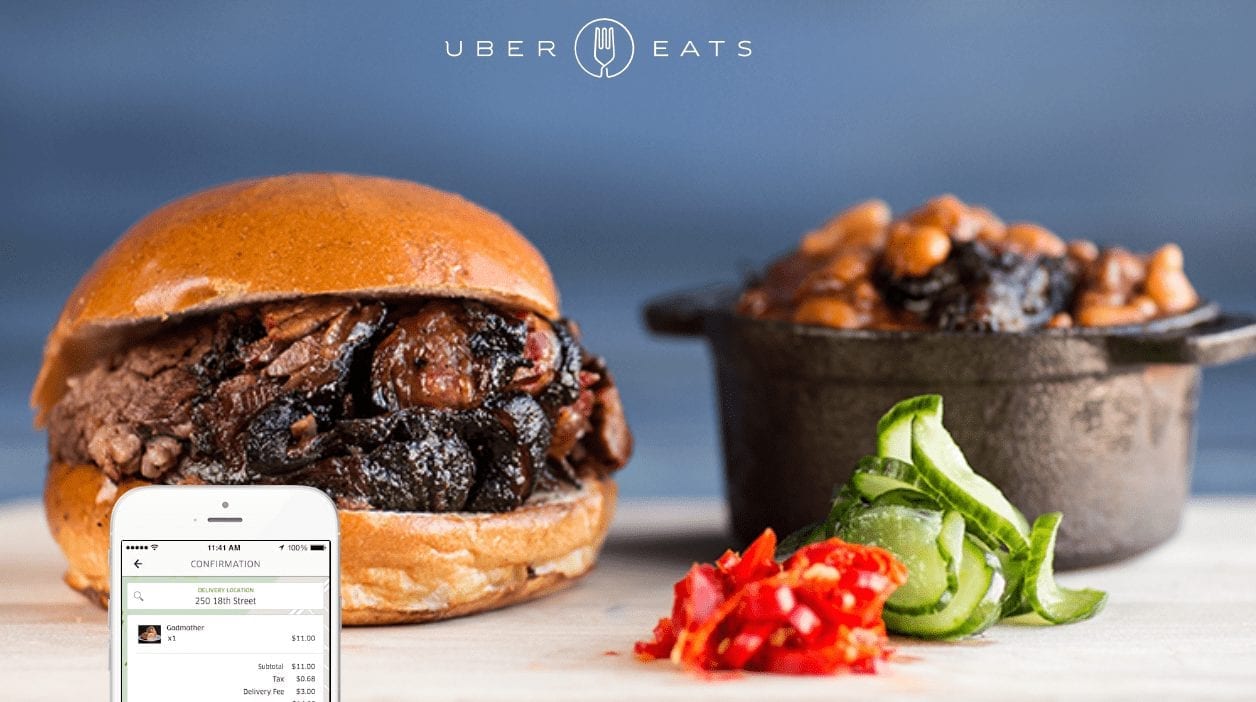
    UberEats Singapore has launched, the ride-hailing app’s food-delivery service making its Asian debut.

    Using the standalone app, Singaporeans can order food from about 100 restaurants. While deliveries are initially limited to the central business and commercial area, the company plans to expand its service coverage as well as menu.

    Making its debut in Toronto early this year, the app expanded to four major US cities in March, and Uber began signing up restaurants and testing the service in Singapore last month.

    Singapore was also the first Asian market to have Uber’s ride service, in February 2013.

    UberEats is up against entrenched food-delivery services such as Rocket Internet-backed FoodPanda and Deliveroo, whose investors include Accel and DST Global. Using the map-routing algorithms Uber uses to connect drivers and passengers as quickly as possible, UberEats Singapore promises delivery within 35 minutes.

    It has raised US$9 billion in funding so far, and the delivery driver program is separate from ride-sharing, though drivers can do both.