Tag: Singapore

  • Singapore government to spend $2b on ICT this fiscal

    Singapore government to spend $2b on ICT this fiscal

    Singapore’s soon-to-be-formed Government Technology Agency (GovTech) will continue to partner the ICT industry and invest in technologies such as data analytics, ICT infrastructure, and platform-as-a-service to develop citizen-centric services.

    GovTech, which will be established at the end of this year, will replace the Infocomm Development Agency of Singapore (IDA) and aim to lead technological transformation in government.

    The agency is expected to continue to partner the industry to co-create such digital solutions and will be calling for a projected S$2.82 billion ($2.04 billion) of ICT tenders across fiscal year 2016.

    These ICT tenders will comprise mainly infrastructure and ICT security bulk contracts due to some multi-year contracts ending in FY16, as well as contracts relating to agency-specific systems. Last year, SMEs accounted for more than half of the total contracted value of ICT tenders.

    One key focus for government procurement this year will be to enhance ICT infrastructure to better support the data and digital services needs of a Digital Government in a Smart Nation.

    For example, increased data center virtualization will allow the government to modernize its hosting of ICT applications and ensure faster time to production for new digital services.

    Wi-Fi will be extended to more areas within government schools to support smart learning. The government will also continue to invest in its cybersecurity efforts, with a bulk tender for IT security services to be called in this fiscal year.

    “We want to empower Singapore with possibilities through technology. To do that, investment in infrastructure is necessary so that innovative citizen-centric services can be built and enhanced on a strong foundation,” IDA managing director Jacqueline Poh said.

    “There will be opportunities abound for the government and industry to collaborate and build a smart nation together.”

  • Singapore, Indonesia, Cambodia, Thailand Seek Free Trade Zone With EEU

    Singapore, Indonesia, Cambodia, Thailand Seek Free Trade Zone With EEU

    Singapore, Indonesia, Cambodia, and Thailand are interested in creating a free trade zone with the Eurasian Economic Union, Russian Deputy Foreign Minister Igor Morgulov said Thursday.

    “The desire to sign such an agreement has been expressed by a number of countries in southeastern Asia, including Cambodia, Singapore, Thailand, and Indonesia,” Morgulov said during a briefing at the Russia-ASEAN Summit in Sochi.

  • JCB and Nets sign merchant acquiring deal in Singapore

    JCB and Nets sign merchant acquiring deal in Singapore

    JCB International Co., Ltd, (JCBI) the international operations subsidiary of JCB Co., Ltd., and Network For Electronic Transfers (Singapore) Pte Ltd (NETS) today announced a new partnership to accept JCB cards in Singapore.

    Receiving an average of 15 million visitors annually and with Singapore Changi Airport operating as a regional aviation hub for over 100 airlines that fly to over 300 cities, Singapore is undoubtedly a key destination for global travellers. In particular, there has been a notable increase in tourism arrivals from Asia and India due to the greater affordability of air travel.As JCBI builds its momentum in developing its issuing business in Asia, more emphasis will be placed on increasing its presence in Singapore through this strategic partnership with NETS. NETS is Singapore’s leading payment solutions provider and the largest acquirer with a merchant network of 91,000 acceptance points.

    This latest collaboration between JCBI and NETS will facilitate local and global issued JCB cards with more acceptance points for card usage, thereby aligning with the Singapore government’s vision of a Smart Financial Centre where the usage of cash and cheques are reduced.

    Jeffrey Goh, CEO of NETS said: “This strategic partnership aligns both NETS and JCBI’s interests to deliver greater benefits to Singapore merchants. With our latest offering, Unified POS, which is a single terminal that accepts different types of payments, our merchants will be able to offer more payment options as they tap on a sizeable pool of JCB cardmembers and the significant number of Japanese tourists in Singapore.”

    Vincent Ling, Managing Director of JCB International Asia Pacific Pte Ltd commented: “As Singapore continues to be a key tourist destination in Asia Pacific, a stronger JCB card acceptance will bring about enhanced conveniences to JCB cardmembers. JCBI is pleased to collaborate with NETS and we look forward to working closely together to serve our cardmembers, merchants and business partners better.”

  • Takeover bid of $196m. for Eu Yan Sang

    Takeover bid of $196m. for Eu Yan Sang

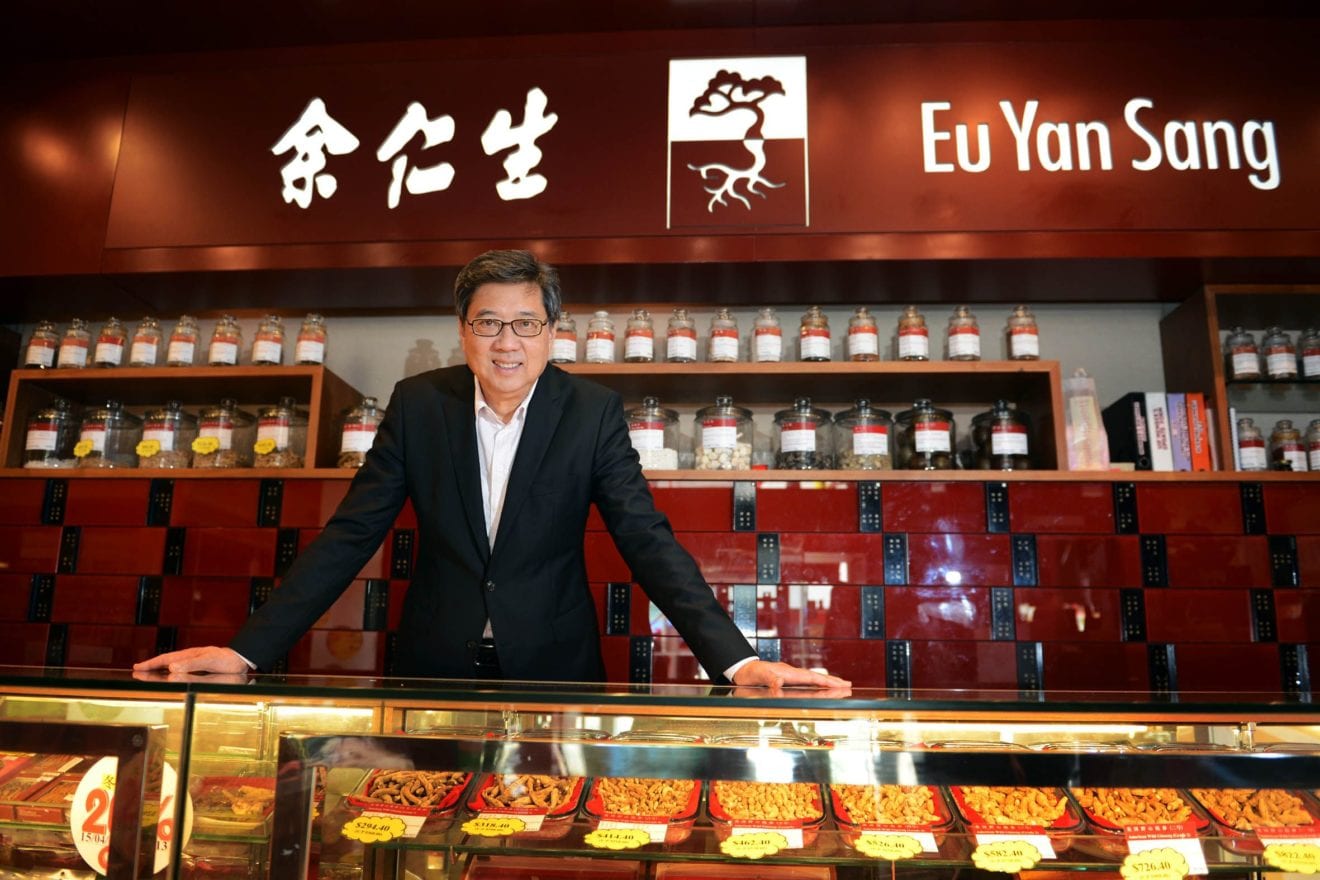
    A takeover bid for Singapore-based Eu Yan Sang has valued the traditional Chinese medicine retailer at about S$269 million (US$196 million).

    A consortium comprising Singapore state investment company Temasek Holdings’ unit Blanca, Tower Capital TCM Holdings and some members of the founding Eu family have made the final offer of 60c Singapore a share.

    About 63.2 per cent of shareholders have committed to accept the offer, including members of the Eu family, Aberdeen Asset Management Asia and First State Investment Management (UK), says Eu Yan Sang.

    Tower Capital founder Danny Koh says the consortium’s offer is attractive “considering the company’s recent financial performance and the current challenging environment”.

    Eu Yan Sang launched in Malaysia in 1879, expanding to more than 250 outlets in China, Hong Kong, Macau and Australia.

    Its third-quarter net income slumped to S$286,000 from S$5.45 million a year earlier, and its slide became evident in August when it lost US$3.6 million.

  • Baidu Wallet launches Southeast Asia foray

    Baidu Wallet launches Southeast Asia foray

    China’s Baidu Wallet has launched its mobile payment service in Thailand, on the eve of the traditional Thai new-year celebration Songkran.

    Part of the Baidu search-engine group, the digital payment service is now connected to more than 400 merchants in four Thai cities – Bangkok, Chiang Mai, Pattaya and Phuket. It covers restaurants, shopping malls and spas.

    Baidu Wallet is also set to launch in South Korea and Japan, with plans to also expand into Hong Kong, Macau and Taiwan.

    Baidu Wallet’s smartphone app means Chinese travellers can avoid the bother of exchanging currency. They need only scan the QR codes of partnered merchants and enter the amount of Thai baht they need. The app converts the figure to yuan based on real-time exchange rates.

    China has the highest adoption rate in the world for technology-enabled payment systems, according to a new survey by market data company Nielsen. With information from 13,000 respondents across 26 countries, the survey shows that 86 per cent of Chinese respondents paid for online purchases over a six-month period, while the global average rate was half that at 43 per cent.

    A report by consultancy iResearch shows that China’s mobile payment transactions reached $373.2 billion in the third quarter of last year, a 64 per cent increase year-on-year.

    China has been the biggest source of international tourists since 2012, says the Tourism Authority of Thailand. There were 7.9 million Chinese tourists last year – 27 per cent of total international arrivals.

    Chinese travellers spent 6400 baht (US$180) a day each on average, with most tourists spending 5690 baht.

    A report from Forrester Research says the rapid growth of smartphones is driving an eCommerce boom across Southeast Asia, the world’s third-largest digital marketplace after China and India. This boom is being paralleled by strong payment growth via mobile. Companies are boosting their investments in online and mobile platforms such as Carousell in Singapore and Tarad in Thailand, where 35 per cent of purchases are made via a mobile device.

    Alipay, from Alibaba, has introduced an online shopping service Thailand duty-free shop King Power, and the WeChat app payment option launched in Thailand at the beginning of this year.

  • Myanmar signs up for Crystal Jade restaurants

    Myanmar signs up for Crystal Jade restaurants

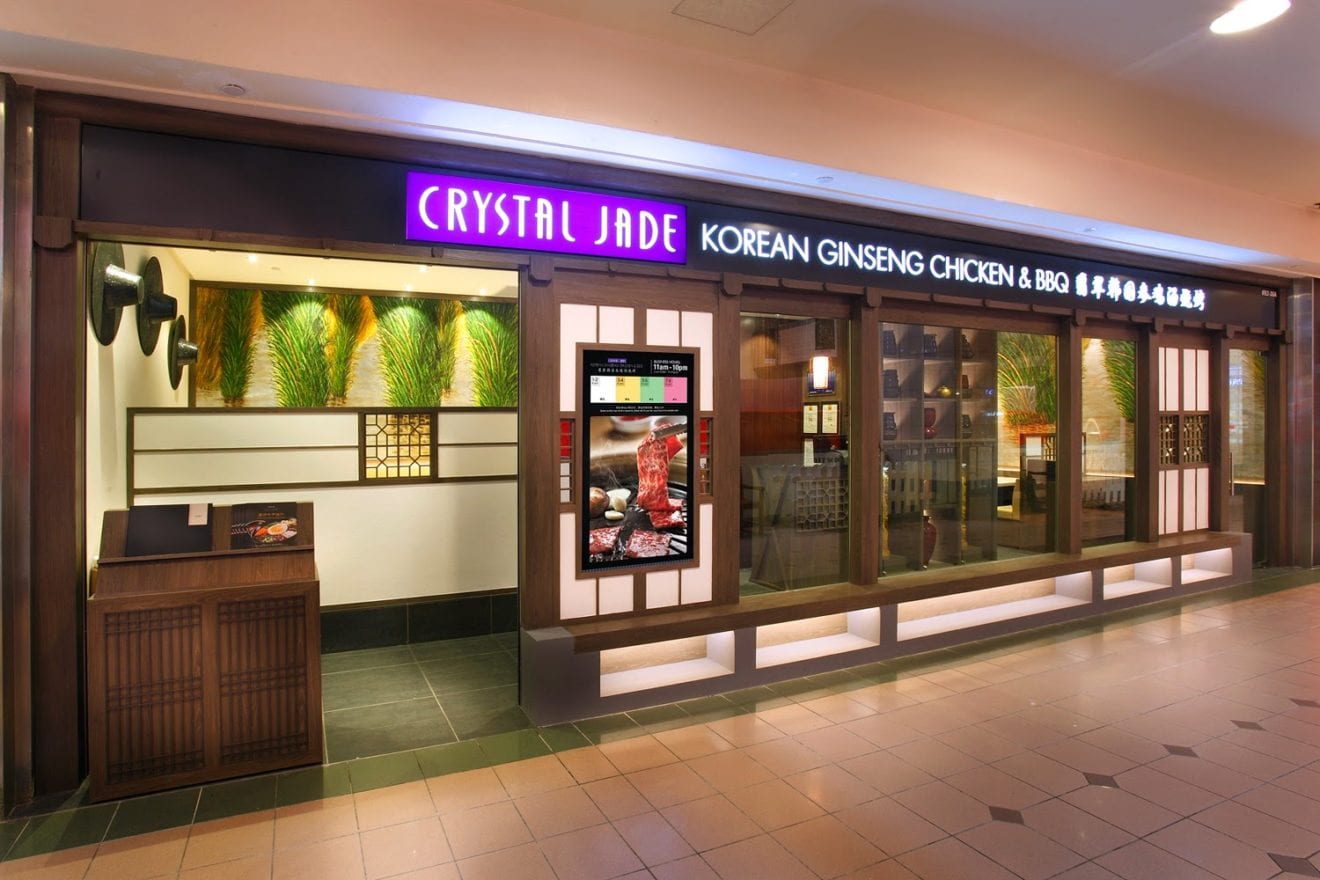
    Crystal Jade restaurants are headed to Myanmar after a franchise agreement signed between Singapore Myanmar Investco (SMI) and Crystal Jade Management Vietnam.

    Crystal Jade Group has more than 100 outlets in 20 cities in the Asia Pacific region and the US.

    Under the terms of the agreement, SMI will have the exclusive right to develop, manage and run the Crystal Jade Kitchen, Crystal Jade Palace Restaurant and Crystal Jade La Mian Xiao Long Bao restaurants in Myanmar for 10 years, with the option to extend for a further 10 years.

    The first Crystal Jade Kitchen outlet is expected to open in the third quarter of this year at the new Yangon International Airport Terminal 2, while a Crystal Jade Palace restaurant is expected to launch at the Sedona Hotel Yangon later in the year.

    Further ahead, the group expects to open another two Crystal Jade Kitchen restaurants in 2017 and in 2018.

    SMI manages the duty-free retail space in the new Yangon terminal.

  • BOLLORÉ TRANSPORT & LOGISTICS participates in the Breakbulk Europe Conference & Exhibition 2016

    BOLLORÉ TRANSPORT & LOGISTICS participates in the Breakbulk Europe Conference & Exhibition 2016

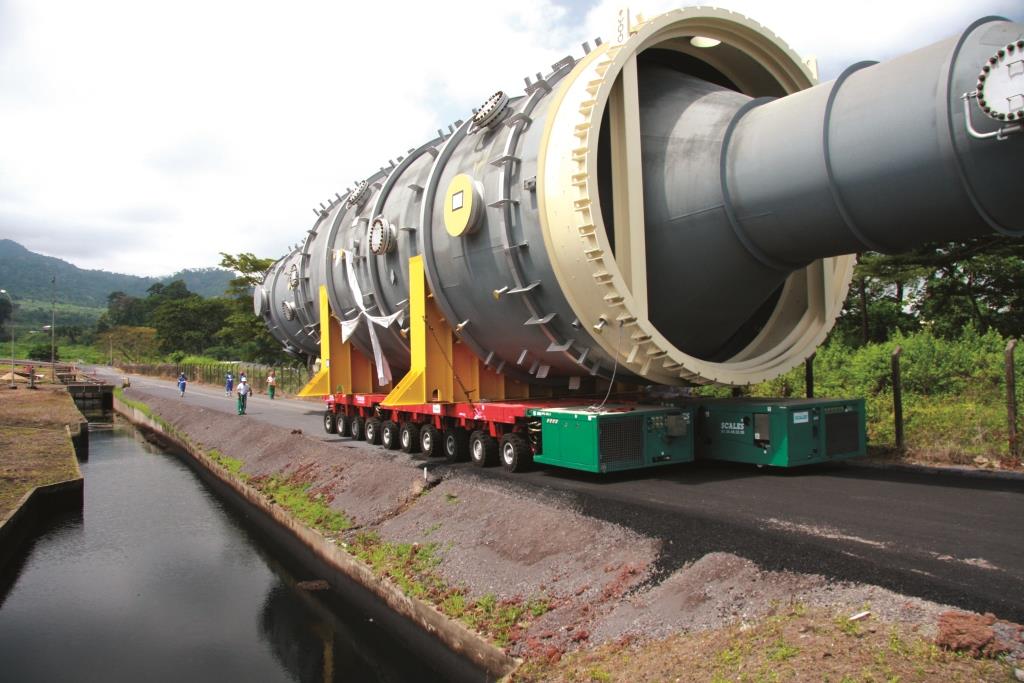
    Bolloré Transport & Logistics, one of the 10 world’s leading transport and logistics groups, will be present as an exhibitor at the next Breakbulk Conference, from 23-26 May in Antwerp, Belgium.

    This major event in Europe gathers companies involved in the shipping of heavy-lift, project cargo and traditional breakbulk cargoes. On this occasion, Bolloré Transport & Logistics is showcasing its tailormade solutions through its different brands : Bolloré Logistics, for industrial projects logistics, and Bolloré Ports for cargo handling and shipping services.

    BOLLORÉ LOGISTICS, an expert in Industrial Projects Logistics

    Customers and suppliers will have the opportunity to meet Bolloré Logistics Industrial Projects teams coming from Africa, the Americas, Asia Pacific and Europe. This will also be the opportunity to share the latest information on our group where greater synergies, both commercially and operationally have been established between the regional projects divisions in Europe, Africa, Asia and the United States.

    Bolloré Logistics proposes tailor-made solutions in sectors such as oil and gas, petrochemical and chemical, mining, construction and equipment and in various other industries. At a time of continued turbulence in the oil and gas market, the impact of which can be keenly felt in various project sectors, we believe that now more than ever we need to stay strong and resilient as a group. “We need to remain even closer to our customers in this sector by travelling this difficult path together and looking for project solutions that can mitigate and reduce costs and add efficiency to the overall supply chain” said Philippe LEJEUNE, Industrial Projects Europe Director.

    One area that Bolloré Logistics does foresee as having significant growth in the coming years, especially in the developing world, is the power sector. With this in mind, Bolloré Logistics has created at the start of 2016 a global industry vertical specializing in Energy and Renewables which will look to implement efficient project logistics solutions in industries such as wind, solar, hydro, thermal as well as standard diesel and nonrenewable power.

    “This vertical will work closely with all our project divisions worldwide where our footprint and expertise mean that we are able to meet the logistics challenge of energy projects in even the most demanding of locations” added Philippe LEJEUNE.

    Our unique operational solutions meet stringent specifications requested by the major global players and the success of each project is supported, among other things, by this network of experts in Europe as well as all over the Bolloré Logistics network in the world.

    BOLLORÉ PORTS

    Present in the maritime sector for over 90 years, Bolloré Ports has developed the first network of shipping agencies in Africa and the Indian Ocean, known primarily under the brand of AFRITRAMP. With a network of 100 agencies (75 of which are located in Africa), Bolloré Ports handles in excess of 9,000 vessel calls per year and in addition provides a range of services customized to regular international shipping lines, tramp operators as well as charterers.

    In France, Bolloré Ports is an important player in specialized port handling operations, with a presence in 14 major ports and the handling of 250,000 TEUs per year. Bolloré Ports is the first port infrastructure operator in Africa, with 16 concessions.

    Being part of Bolloré Logistics and Transportation allows Bolloré Ports to offer to both local and international customers a wide range of complementary services (storage yards, warehousing, logistics, inland haulage).

  • Parkway Parade retail mall closed ’till further notice’ after fire

    Parkway Parade retail mall closed ’till further notice’ after fire

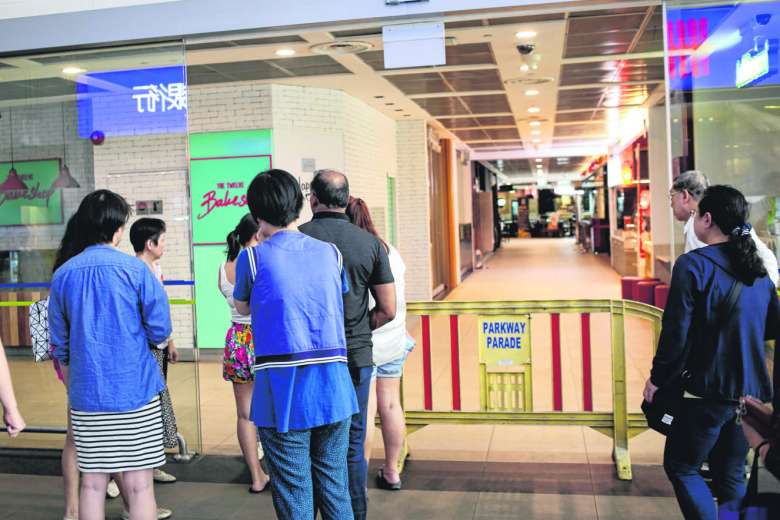
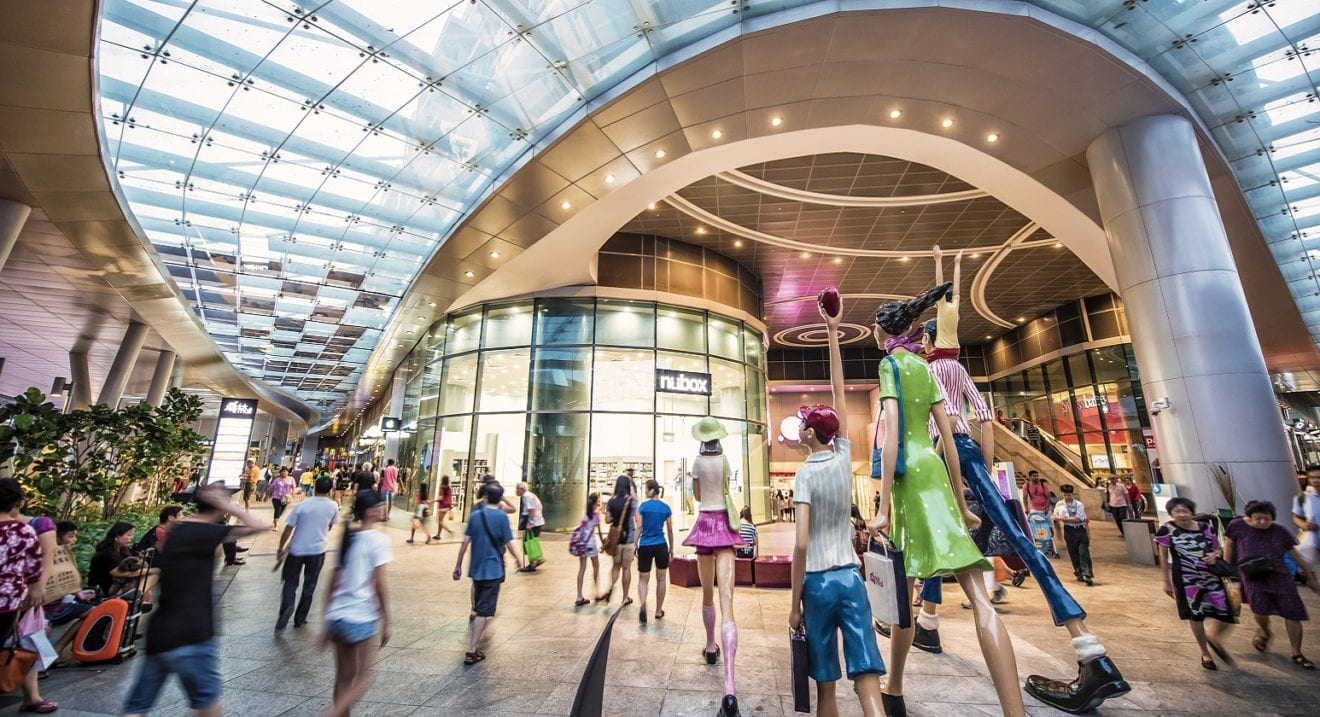
    Parkway Parade shopping mall, one of the most popular in the east, will remain closed until further notice, after a fire broke out in a store late on last Sunday night.

    While the retail mall remains closed as the management continues checks and rectification works, the office tower and banks on level one will be open today, as they were yesterday, said Parkway Parade.

    Apologising for the inconvenience, the mall added that its carpark will also be closed today until further notice. The mall did not give a reason for the closure.

    The Straits Times understands that the fire broke out in Fox Kids and Baby, a clothing store on the second floor of the Marine Parade mall.

    The Singapore Civil Defence Force (SCDF) said it was alerted to the fire close to midnight. Upon arrival, officers located the blaze in a storeroom, entered by force and put out the flames with a water jet.

    There were no reported injuries and no evacuation was conducted.

    A spokesman for Wing Tai, which distributes the Fox brand here, said it is looking into what happened.

    A burnt smell lingered in the air inside the mall at about noon yesterday. Workers in safety helmets were seen coming out of the building.

    Staff at the entrance told arriving shoppers that the mall was closed for the day. More than 50 people were seen outside an entrance. Some said they had been waiting for hours for more information.

    One of them, Madam Jenny Ong, 52, who works at a second-floor outlet, said she arrived at 10am. She was told about the fire and that the mall would reopen at noon. She and two others who work on the same floor found out about the closure only when they returned two hours later.

    She said: “I was worried that it was my shop, a children’s clothing shop on the second level.”

    Madam Margaret Chia, 68, a part-time retail assistant at department store Isetan, said: “We received a call in the morning telling us not to come, but we came anyway… We are worried, we heard that the store had been drenched.”

    A 40-year-old housewife, who declined to be named, said the mall was dark and the stores were closed when she arrived in the morning to buy groceries. She said: “People had been waiting for hours. They should have told us it was not going to open (by noon).”

  • Overall Singapore retail sales down 1.4% in March

    Overall Singapore retail sales down 1.4% in March

    Due to a drop in car deals.

    Retail sales in Singapore contracted by 1.4% month-on-month in March, following a 4.8% drop in car sales.

    Excluding motor vehicle deals, retail sales contracted by 0.6%.

    On a year-on-year basis, overall sales rose by 5.1%. Excluding motor vehicles, sales dropped by 2.2%.

    The total retail sales value in March 2016 was estimated at $3.7 billion, compared to $3.5 billion in March 2015.


  • Johnnie Walker House Singapore a first for SE Asia

    Johnnie Walker House Singapore a first for SE Asia

    Johnnie Walker House Singapore joins the international network of by-invitation-only whisky lounges, the first in Southeast Asia.

    It will offer connoisseurs the Diageo-owned brand’s range of rare and collectable Scotch whiskies.

    Johnnie Walker Houses are stand-alone and airport boutiques dedicated to presenting the brand’s whiskies in a curated lifestyle setting. These include rare blended and single-malt Scotch whiskies from Diageo’s 28 operating and 11 closed malt distilleries.

    Experts can provide guests with advice on whisky cellar curation, and offer direct access to blending rooms, distilleries and craftsmen.

    The expansion complements a venture with Moet Hennessy Diageo (MHD) Singapore and Johnnie Walker’s distributor partner Singbev. MHD will continue to sell and distribute only Johnnie Walker core and standard portfolio products to trade channels, while SingBev will continue to sell and distribute only the single-malt portfolio.

    “With whisky appreciation in Asia significant and growing, there is great opportunity for Diageo,” says Apurvi Sheth, the company’s MD for emerging Southeast Asia and joint ventures.

    “In Asia, there is rapid growth of interest in rare whisky, not only as a collectible asset, but also for investing and gifting. As consumers become more discerning, they are also actively seeking out access and rare experiences.”

    There are six Johnnie Walker Houses in Scotland, with others in such cities as Auckland, Beijing, Chengdu, Melbourne, Seoul and Shanghai, as well as retail units in Taoyuan International Airport, Taipei, and Mumbai International Airport.

  • Singtel full-year profit grows 2% despite forex hit

    Singtel full-year profit grows 2% despite forex hit

    Singtel has reported a 2% increase in net profit for the financial year ending in March to S$3.87 billion ($2.81 billion), despite negative foreign exchange movements.

    But operating revenue declined 1.5% to S$16.96 billion, the operator revealed. Excluding the impact of forex fluctuations, net profit would have grown 6% and operating revenue would have risen 4%.

    Earnings growth for the year was driven by a strong performance at Singtel’s regional mobile associates, particularly increased earnings from Indonesia’s Telkomsel. Pre-tax earnings contributions from these associates grew 5% to S$2.6 billion.

    For the fourth quarter, net profit was flat at S$946 million but would have grown 4% in constant currency terms. Regional associates’ pre-tax contribution grew 12%.

    “Mobile data was the bright spot. Our regional markets are now making their respective transitions from mobile telephony to mobile internet and harnessing the benefits of extensive investments in 3G and 4G networks and services,” Singtel Group CEO Chua Sock Koong commented.

    “We worked with our regional associates to navigate this shift from voice to data. In Singapore and Australia, our businesses were the first to launch innovative data add-on plans and zero-rated music services to meet customers’ increasing demands for OTT content services and data allowances, driving further data monetization.”

    Looking ahead to the current financial year, Singtel said that based on current economic forecasts, the operator expects to report a low single digit growth in consolidated revenue.

  • Will Reits save or kill Singapore’s shopping malls?

    Will Reits save or kill Singapore’s shopping malls?

    REAL Estate Investment Trusts (Reits) were once hailed as the saviours of Singapore’s shopping malls. The theory was that single-owner malls would never match malls run by Reits. And at first, that seemed obvious. After all, compare malls like Sim Lim Square and Ming Arcade (single-owner) to Plaza Singapura and Bugis Junction (run by CapitaLand). The latter command higher rents, are more actively promoted, and don’t expose you to at least seven different diseases when you sit on the toilet bowl. But in a recent Business Times report, there’s a hint that the opinion has changed:

    How are Reits turning into the villain of retail?

    In a recent Business Times report, a number of people were consulted on the reasons for Singapore’s struggling retail scene. With a vacancy rate of 8.8 per cent in the Orchard area, it’s become a hot button topic. Most of the responses covered the oft-repeated reasons: a decline in tourism, the rise of online shopping, economic uncertainty, and so forth. But some responses, such as these, stood out:

    The decline of mainstream retail can be explained by Reits, lack of transparency and online retailing. Most of the retail space in Singapore is owned by Reits whose singular objective is to maximise profits in the short to mid-term.” – Paul Lim, Chief Executive Officer, Secura Group Ltd.

    Also:

    The biggest problem is that investing in real estate is still considered to be a relatively easy way of making money…Together with Reits, this inevitably leads to an oversupply of retail space. That there is now much empty retail space is partly self-created by players in the real estate industry.”  – Lim Soon Hock, Managing Director, PLAN-B ICAG Pte. Ltd.

    Putting the blame on Reits is not a recent development. In fact, we already heard grumbling back in 2014. During the Budget Debate that year, Worker’s Party Non-Constituency Member of Parliament Yee Jenn Jong brought up the issue. He was addressing the perception that Small and Medium Enterprises (SMEs) were being pressured out of business by Reits, which constantly seek to raise rental rates.

    In order to understand the conflict, we need to grasp the basic idea behind retail Reits.

    The role of Reits

    It’s hard to find common ground here. Depending on who you ask, Reits are either the great hope for Singapore’s malls, or abusive landlords who beat their tenants like stepchildren in a fairy tale.

    The point of a retail Reits is to let investors play landlord, without actually buying property themselves. When you buy units in a Reit, you pool your money with other investors to buy retail space (e.g. Malls like Funan Centre). You, along with other shareholders, get dividends based on the rental income that the Reit is able to collect. The more profitable the Reit’s malls are, the more money you make.

    Retail Reits use property managers to decide which malls to buy, and undertake Asset Enhancement Initiatives (AEI) to make the mall more attractive. This is why malls run by Reits are all shiny and clean, and why they constantly have the best Christmas decorations, New Year promotions, Valentine’s events, etc.

    In theory, this means Reits are good for malls. Now I’m not going to name and shame, but we all know there are malls in Singapore that look like post-war Stalingrad. Run down, with entire floors of vacant shops, and the sole decoration being a Christmas tree the security guard put up in 1978.

    Reits mean active asset management, and state of the art malls that are built to pull shoppers. That should be a good thing; the better a mall looks, the more business its shops will get. But then, there’s also…

    The dark side of Reits

    One reason Reits are so attractive is that they’ve been great passive investments (at least, until recently.) By law, Singapore Reits have to pay out 90 per cent of their profits as dividends. They need to publish quarterly reports that detail foot traffic, the profitability of various malls, and the expenses and returns on AEI.

    This places a lot of pressure on the Reits managers. They need to constantly weed out less profitable tenants, and they’re compelled to keep rental rates high. Not only does their bonus depend on it, they have shareholders to answer to. Picture how that affects the insides of a mall:

    Supermarkets take up too much floor space, and generate fewer dollars per square foot. Boom, your favourite Giant or Cold Storage is closed. Now it’s replaced with a dozen smaller shops, all selling branded crap that costs four times your annual income.

    Bookstores don’t make as much money as before. Well we all love literacy, but they can’t cope with the 20 per cent rental rate hike next month. So they’re gone too, replaced with equally short-lived stores. (The new stores will stick around until the next rental rate hike, which is perpetually around the corner.)

    Love little fashion boutiques? Well you’d better blow half your pay cheque in there, before a chain like Uniqlo or Desigual comes along and offers way more money for the space.

    Retail Reits, you see, are relentless, profit-generating machines. And it’s increasingly common to hear complaints that SMEs are driven out of brick and mortar stores by their rent raising antics. Pretty soon, every mall will be a bland mix of the same giant brands, and Din Tai Fung (which apparently wants to be in every mall on the planet).

    Who’s right?

    So far, the situation is unclear. On the one hand, Reits may have the expertise and muscle to bring back the crowds, even in the face of declining tourism and economic struggles. On the other, Reits’ insatiable appetite for rental income may be the very cause of malls dying.

    At present, all we’re hearing are desultory remarks by the occasional business owner or retail space expert. That’s because there are bigger issues to contend with, such as adapting to the online shopping market. That’s a common enemy that both Reits and brick and mortar stores face.

    But as the situation gets worse, ready your popcorn. The accusations and yelling will eventually go into full swing.

  • Christian Dada Singapore opens flagship

    Christian Dada Singapore opens flagship

    Japanese fashion label Christian Dada has opened its first flagship store in Singapore at the 268 Orchard Road mall.

    Fumiko Takahama Architects designed the interior of the 1700 sqft (157.9 sqm) Christian Dada Singapore boutique, inspired by the Japanese karesansui garden (rock garden). Sheets of black perforated metal are folded, origami-style, to resemble rocks.

    Christian Dada Orchard road

    Founded in 2010 by designer Masanori Morikawa, the Christian Dada label is known for its deconstructed designs. He uses traditional Japanese silk-weaving techniques and the 8th- century yuzen dyeing method, commonly done by hand and used for kimonos and coats.

    Prices range from S$70 (US$51.42) for a bandana to $4620 for a jacket with rabbit-fur collar.

  • Singapore’s DBS offers 7% rate on digital bank accounts

    Singapore’s DBS offers 7% rate on digital bank accounts

    Singapore’s DBS Bank aims to be a disruptor in India even as it awaits the RBI’s nod to upgrade its branch to a subsidiary which will have unrestricted access to the country. The bank is offering digital bank accounts with zero balance requirements, 7% interest rate on savings and unlimited access to ATMs. These accounts can be opened by anyone with a smartphone, an Aadhaar card and a PAN card.

    Speaking to TOI, Piyush Gupta, CEO, DBS, said, “We are trying to be a disruptor. There is no question for us that this channel allows us to expand into retail consumer business and provide a different kind of banking, which is a much bigger scale than the typical niche banking done in the past.” The bank has set a deposit target of Rs 50,000 crore in five years and Rs 10,000 crore of retail loans.

    The reason why DBS is going full steam in India even as other multinationals are being cautious on retail is that DBS is primarily an Asian bank. Also, the bank sees India as ideally positioned for this kind of disruption.

    “We are creating the Digibank in India as a global first because the digital infrastructure in India is better than anywhere else. The whole India infrastructure – the JAM (Jan-Dhan, Aadhaar and mobile) trinity – and the India stack is under-appreciated.” The India stack refers to four government initiatives – the biometric authentication, digital records, cashless transactions and digital consents where acceptance can be acknowledged without a ‘wet’ signature.

    A DBS Digibank account can be opened by downloading an app and providing a fingerprint authentication at any one of the 500 designated Cafe Coffee Day outlets across the country. The bank is in talks to have more centres for biometric authentication.

  • Singtel enhances Dash mobile wallet

    Singtel enhances Dash mobile wallet

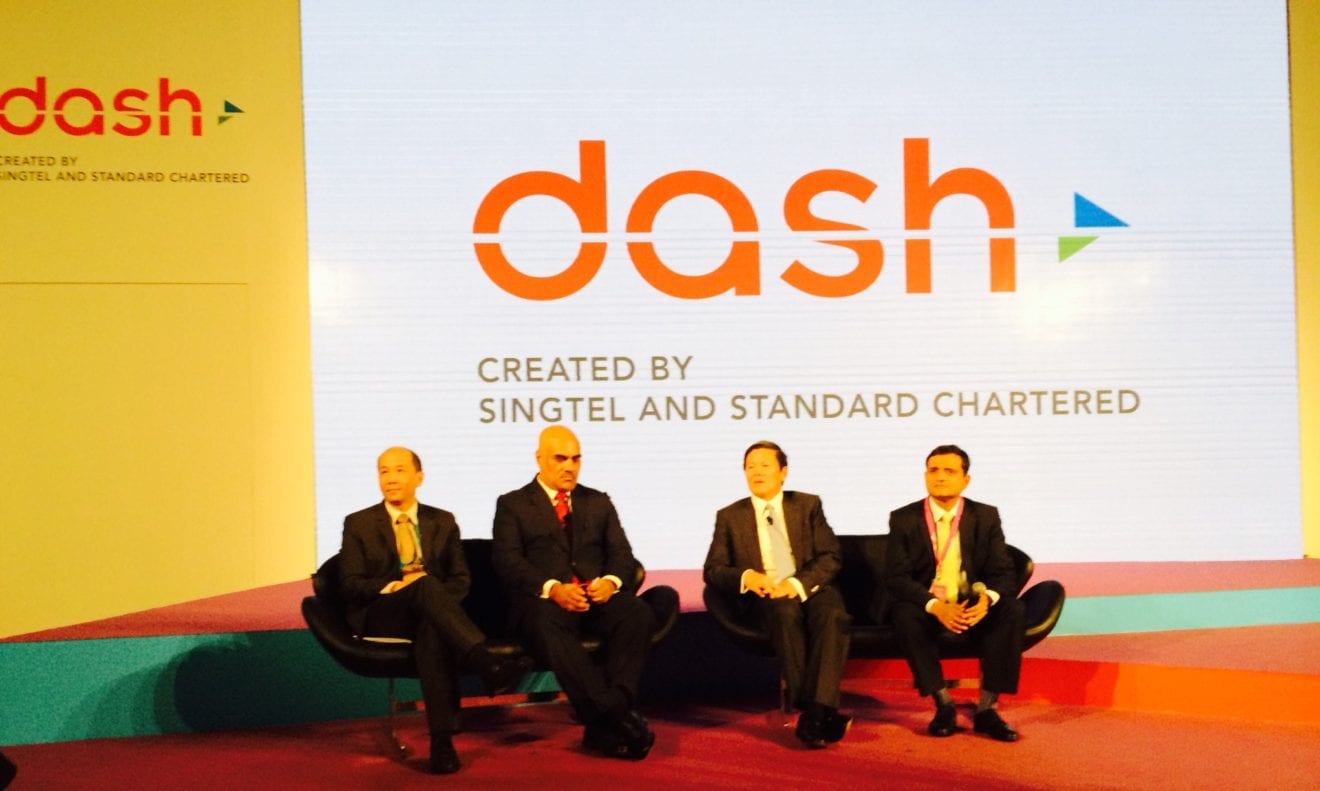
    Singtel has added new functionality to its mobile wallet app Singtel Dash in a bid to claim a larger slice of the mobile payments pie.

    Singtel Dash was first launched in 2014 as a collaboration between Singtel and Standard Chartered Bank in Singapore. The carrier-agnostic service is open to all users in Singapore with an iOS or Android mobile device.

    New features added to Singtel Dash include the addition of savings accounts from five additional banks (Citibank, DBS, OCBC, POSB and UOB) as Dash wallet funding sources. Previously, Dash wallets could only be funded via a Standard Chartered Bank savings account or through post-paid Singtel users’ carrier bills. This is a move aimed at expanding Dash’s existing user base.

    The telco has also added a foreign remittance service to Dash so funds from users’ Dash wallets can be remitted to four countries: China, India, Indonesia and the Philippines. This function enables Dash users in Singapore to transfer funds to payees in these countries holding accounts from supported banks.

    This function was made possible through Singtel’s collaboration with remittance partners in the four countries, and may be viewed as an extension of Singtel’s current mRemit service.

    Dash users can also transfer funds to users of GCash in the Philippines. GCash is the mobile wallet product offered by the Philippines’ Globe Telecom, of which Singtel owns a controlling stake. Foreign remittance payees will be able to receive funds immediately.

    Singtel has meanwhile upgraded its backend system to better support the use of Dash for taxi ride payments. Previously, customers needed to enter a taxi’s license number in order to complete a payment transaction. A new cloud-based solution developed by Singtel has now automated this process.