Tag: Singapore

  • Bringing back Orchard Road buzz

    Bringing back Orchard Road buzz

    Orchard Road is meant to be Singapore’s premier shopping belt, but you wouldn’t know it if you strolled into many of the malls along the 2.2km stretch these days.

    The vacancy rate in malls within the Orchard planning area hit a five-year high in the first quarter at 8.8 per cent . Islandwide, vacancy rates are 7.3 per cent. In contrast, vacancies in malls outside the city area are 6.4 per cent.

    To be sure, the retail scene is in trouble nationwide. Retailers’ takings fell 3.2 per cent in February against the same month a year ago. Stripping out motor vehicles, retail sales dropped by a heftier 9.6 per cent.

    But it is Orchard Road that appears worst hit, thanks to a softening global economy that has crimped tourism growth. The number of visitors to Singapore was up by 0.9 per cent at 15.2 million last year, but their overall spending fell 6.8 per cent to $22 billion – the first drop in tourism receipts in six years, since the global financial crisis.

    What ails Orchard Road malls is that many lack a unique positioning and feature similar tenants.

    DIFFERENT FORTUNES

    To be fair, some malls are doing well on that stretch, with the highest concentration of shoppers centred on the section from ION Orchard to Ngee Ann City.


    ST ILLUSTRATION: MANNY FRANCISCO

    These two malls, along with Paragon, continue to draw shoppers with their mix of shops partly due to their luxury brands that are not easily found elsewhere except at the Marina Bay Sands mall.

    Analysts say these three malls in Orchard Road remain popular among prospective tenants, with healthy leasing enquiries. At ION Orchard, for example, American jeweller Tiffany & Co recently opened a store across two levels.

    Older strata-titled malls in the area, such as Far East Plaza and Lucky Plaza, struggle to keep up with the times. Shop units in these properties are owned by individuals, and renovation works can be carried out only if the majority of owners agree.

    But even newer malls such as Orchard Gateway and Orchard Central have been disappointingly quiet.

    A visit to Orchard Central shows that most of the space on levels two and three is hidden by hoardings.

    Landlord Far East Organization said the mall, which opened in 2009, is undergoing changes to its tenant mix and “enhancement works are also well under way… for improved shopper experience, better accessibility and visibility”.

    Another mall, 268 Orchard Road, which opened last year, had only three tenants, The Straits Times reported last month. Security guards posted on the ground floor stopped us from going to the rest of the mall this week, saying there are no stores open on the upper floors and permission was needed from the management to visit. Ngee Ann Development owns the mall.

    One problem facing Orchard Road was the rapid surge in supply of retail space in 2014. Of the 2.33 million sq ft net new supply of retail space islandwide that year, 355,000 sq ft were in the Orchard area, consultancy Colliers International noted. This was more than three times higher than the 97,000 sq ft in 2013.

    The increase in Orchard Road retail space also came at a time when shiny new malls were springing up across the city and in suburban centres. The net new supply of retail space nationwide was 1.28 million sq ft in 2013.

    Analysts say Singapore is “over-shopped” – too many malls for such a small country.

    In fact, RHB Research Institute Singapore said in an August report that Singapore has the highest concentration of retail space per capita in South-east Asia: 1.08 sq m or 11.6 sq ft of retail space per capita, compared with 0.8 sq m per individual for Bangkok and 0.71 sq m for Kuala Lumpur. But that is lower than Hong Kong’s 1.5 sq m (16.2 sq ft) as at end-2015, said consultancy JLL.

    ‘COOKIE-CUTTER’ MALLS

    Retail experts say that when shoppers have so much choice, malls need to have differentiated offerings to stand out. Yet many malls feature mainstream brands that shoppers can find elsewhere.

    Brands like H&M, Forever 21, Uniqlo and Cotton On are popular. Dr Seshan Ramaswami, associate professor of marketing education at Singapore Management University, said: “The massive scale and scope of (H&M and Uniqlo’s) business across the world allow them to have relatively lower variable costs for their offerings.”

    Such brands may appeal to the value-conscious shopper. But they are available in neighbouring countries, and are no longer novel to tourists.

    “I think our malls here lack identity, they don’t have a unique story to tell. If they all have similar stores, then they are replaceable – why go to one mall when you can get the same thing in another?” Singapore Polytechnic marketing and retail lecturer Amos Tan said.

    Countering this view, Australian retail chain Cotton On Group says it customises its product range according to the shopper profile of the mall. The company has 74 stores in Singapore across various brands such as Cotton On, Cotton On Body, Cotton On Kids, Rubi Shoes, Typo and Factorie. Of these, 11 are in Orchard Road.

    LANDLORDS

    Landlords have a big role to play in shaping the retail scene, experts say.

    For example, landlords may prefer to rent out shop space to mass-market, reliable brand names that can pay the rent.

    Associate Professor Prem Shamdasani from the Department of Marketing at the NUS Business School said: “Most malls are under Reits (real estate investment trusts), so they will fall back on the bread-and-butter tenants, which are more established, so as to ensure sustainable yields for the mall.”

    This results in the cookie-cutter look of many malls. Retailers say landlords are often inflexible in rental negotiations, compounding their troubles.

    The Emporium Group founder Sylvia Lim said some landlords are as “hard as rock” when it comes to rent negotiation. The fashion retailer has two permanent stores – at Tanglin Mall and 112 Katong – and a pop-up store at Millenia Walk.

    She was hoping to convert the pop-up store into a permanent one, but was told she had to pay 20 to 50 per cent more rent.

    “It’s about lending a helping hand. Maybe for the next six months, we will help you with a bit of rental, just for a period of time – none. Even in this market, they won’t budge,” Ms Lim said.

    Landlords should also be more involved and proactive in driving advertising and promotion campaigns, say retailers.

    One positive example is Australian property company Lendlease, which rolled out Tring 313, a location-based app that informs shoppers of promotions by tenants at 313@Somerset.

    THE X FACTOR

    What will get shoppers back spending in Orchard Road malls?

    Retail experts say shopping has to be more than a transaction; it has to be an occasion, one that provides a unique experience – call it the X-factor – to the consumer.

    Frasers Centrepoint, which oversees The Centrepoint – formerly a popular haunt but now with large sections of vacant space from basement one to level three, largely due to ongoing upgrading works – is working on delivering a “holistic shopping experience” when refurbishment is done in the fourth quarter. Mr Christopher Tang, chief executive of commercial and Greater China business at Frasers Centrepoint, said: “These experiences should not only integrate shopping, but also other lifestyle aspects.”

    New tenants at the mall will include Din Tai Fung, Crystal Jade Kitchen, Mak’s Noodles, Honolulu Cafe and Song Fa Bak Kut Teh, and supermarket Cold Storage with a new store concept.

    To keep retail offerings different and relevant, having more home- grown brands will help, as will what’s called a “destination store”.

    An example of a destination store is the Apple Store, expected to open soon at Knightsbridge in Orchard Road. “It will change the streetscape. If you look at the Apple Store in Tokyo or Hong Kong, they are all very strong crowd-pullers, it will be a game changer for that vicinity,” said Mr Desmond Sim, CBRE head of research for Singapore and South-east Asia.

    Dr Ramaswami said retailers can better leverage technology to track consumer profile, “so that a salesperson can perhaps recognise a customer profile the minute she enters the store… and then use sales strategies based on that customer’s online and offline shopping profiles to suggest merchandise, offer special discounts or cross-sell”.

    Then there is Orchard Road itself.

    Its last major revamp was in 2009, when the sidewalks were spruced up and widened – a $40 million undertaking. It might be timely to consider improving underground connectivity and making the area more pedestrian-friendly.

    “The multi-lane busy traffic makes the street unwelcoming and intimidating for pedestrians at street level. Pedestrianising at least some parts of Orchard Road can be a way forward in order to better connect both sides of Orchard Road,” suggested Ms Anthea To, senior associate director of research and advisory at Colliers International.

    The hot, humid weather and the lack of shade when it rains are cited as other factors why the Orchard Road belt is losing its lustre.

    What’s needed are more initiatives like the one organised by the Orchard Road Business Association with the support of Singapore Tourism Board, the monthly Pedestrian Night on the first Saturday of the month, an initiative that ended in February.

    To be fair, retail stores worldwide are facing similar challenges.

    What could help bring some magic back to Orchard Road malls is having more interesting retail spaces, customised service and more interesting brands, including home-grown ones. These will require both landlords and retailers to be bolder in experimenting with different shop mixes.

  • BreadTalk Myanmar franchise deal sealed

    BreadTalk Myanmar franchise deal sealed

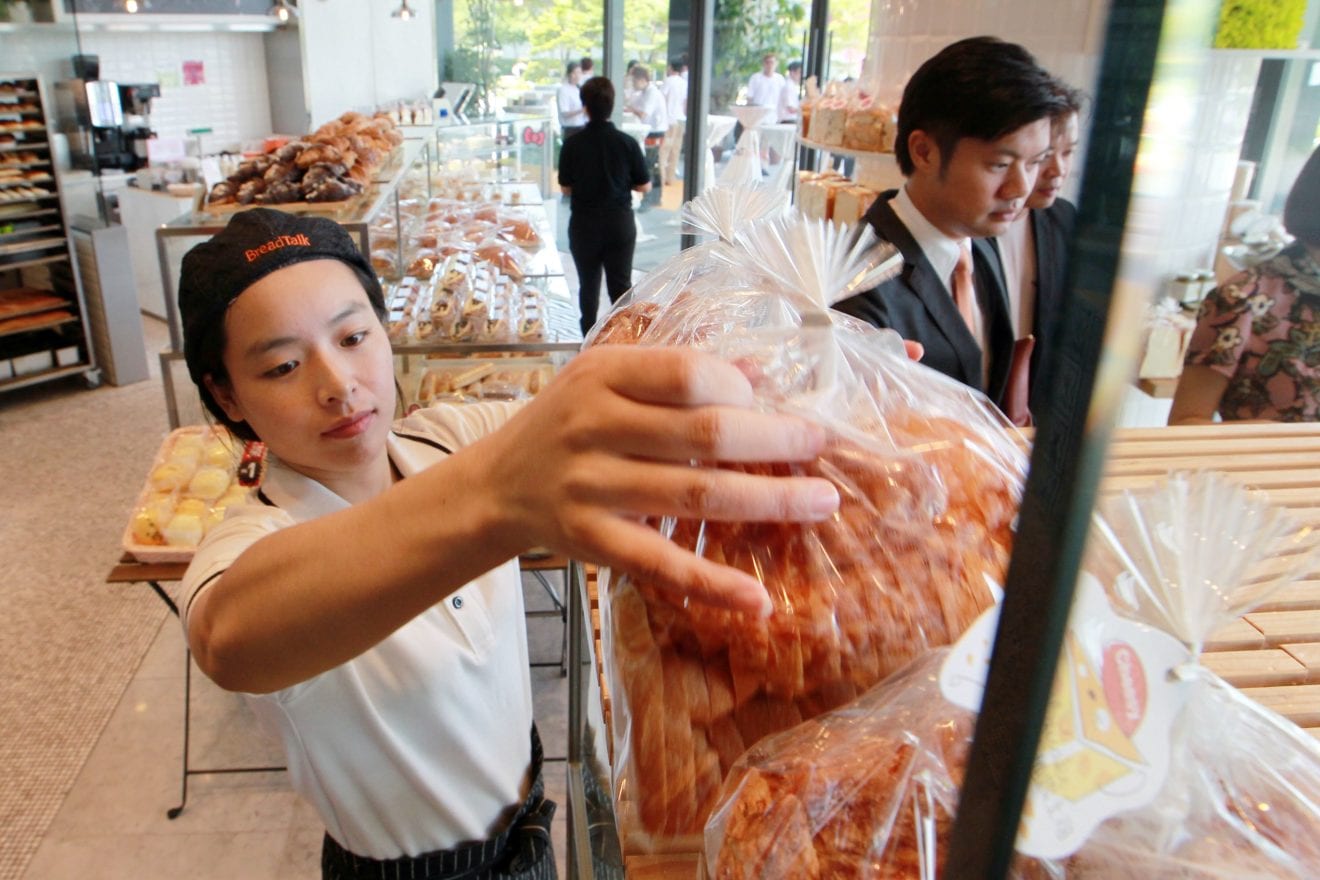
    Singapore bakery giant BreadTalk is moving into Myanmar, signing a master franchise agreement with Myanmar Bakery.

    The first BreadTalk Myanmar outlet is expected to open in Yangon early next year in a shopping centre owned by the Shwe Taung Group. Myanmar Bakery is part of the conglomerate, which has an extensive real estate interests. BreadTalk is the group’s first F&B venture.

    “With a growing middle class and rising retail consumption, there are immense growth opportunities in Myanmar,” says BreadTalk bakery division CEO Tan Aik Peng. “The Singapore team is working closely with the Shwe Taung Group to understand the market.”

    He says the company is confident it will introduce a “new lifestyle of bread appreciation” to Myanmar.

    BreadTalk has nearly 800 outlets across Singapore, China, Hong Kong, Indonesia, Vietnam and Thailand.

    The Shwe Taung group of companies is involved in real estate, construction and engineering, infrastructure, hotels, entertainment, trading and investment. It also runs the Junction Centre group of shopping centres, which includes malls in Yangon and Naypyitaw.

    The group is also behind the upcoming Junction City, an integrated development in downtown Yangon to comprise a lifestyle shopping mall, an office tower and a five-star hotel, scheduled to open early next year.

  • New Road Freight Service from Singapore to Bangkok

    New Road Freight Service from Singapore to Bangkok

    Bolloré Logistics recently introduced its new road service from Singapore to Bangkok, Thailand. The key objective is to offer customers the fastest door-to-door transit time for Less-Than-Truckload (LTL) cargo on a weekly basis.

    This new service uniquely compliments our already existing set of transport and logistics offers and will especially serve sectors such as retail, aerospace, or healthcare. The twice-weekly departures and the speed of the service (3.5 days door-to-door delivery) at a very competitive price make this service almost thrice as fast the traditional LCL, and very comparable to the airfreight door-to-door transit time, while at a reduced cost.

    Security System

    The cargo is transported via secured vehicles equipped with GPS tracking systems. The vehicles are also under the supervision of a 24/7 command center, CCTV integrated with GPS installed inside the containers. Also taking automatic pictures once the container’s doors are opened, those will be sent in real time via GPRS network to the server.

    Equipped with enhanced security features such as an E-lock security mechanism located inside the container door, an immobilizer, a panic button, hearing-in devices, and alarm buzzing, our customers’ cargo is safe and secure. Furthermore, the E-lock security mechanism can only be locked and unlocked by SMS, barcode scanner, or a unique keypad.

    IT Features

    This service also offers full traceability with the Proof of Delivery (POD) inputted directly in our system: LINK, bringing customers full visibility and control over their shipments.
    Value-Added Services

    Bolloré Logistics’ value-added service options at Bangkok’s warehouse before delivery include features allowing the cargo to be cleared directly at our Bonded Container Freight Station (CFS) facilities in Thailand, Singapore, and Malaysia in order to avoid customs blockage and delays at the border and to facilitate lift-on, lift-off (LOLO) & customs issues.

    “We are excited to offer this new service to our customers. With regular shipments and LINK’s full traceability out of Singapore, this service is a very attractive offer,” states Franco Montalbano, TSL Worldwide Director at Bolloré Logistics.

    “This is a great solution for customers looking for an alternative which is both faster than LCL ocean shipments and cheaper than regular airfreight shipments,” adds Yves Laforgue, Director for South East Asia at Bolloré Logistics.

  • ZALORA Ties the Knot with Customers through Oracle Marketing Cloud

    ZALORA Ties the Knot with Customers through Oracle Marketing Cloud

    ZALORA, the largest e-commerce fashion company in Southeast Asia, has extended its partnership with Oracle Marketing Cloud. ZALORA has relied on Oracle Marketing Cloud technology since 2013 to send its customers targeted and personalized marketing communications at scale.

    ZALORA is the fastest growing online fashion retailer in Asia, operating across eight countries (Singapore, Indonesia, Malaysia & Brunei, the Philippines, Thailand, Vietnam, Hong Kong and Taiwan). The e-commerce platform works with a good mix of over 500 international and local labels, providing consumers with a diverse range of apparel, footwear and accessories, tech products, beauty essentials, sporting equipment and more.

    “We are happy to have achieved the success we have today, and want to continue offering the best-in-class customer experience across our digital channels. For us it is not just about understanding our customers preferences, but making sure we listen and respond to their digital body language to develop a personalised dialogue with each and every customer,” said Joshua Tan, Head, Regional CRM, ZALORA.

    ZALORA communicates with more than 10 million app users, 7 million Facebook fans, 500,000 Instagram followers, 120,000 Twitter followers, and over 2.2 million email, call and online chat requests. Today, the platforms cater to the varying customer profiles where ZALORA provides individualized experiences for each of their customers’ interests.

    “Our earlier marketing efforts were batch and blast, but as the business evolved, we saw the need to respond to increased expectations from our customers for a personalized dialogue. Being able to orchestrate individualized communications and make informed, data-driven decisions is key. Having the right tools makes our job much easier, that’s why we chose to extend our investment in Oracle’s Marketing Cloud technology,” said Mr. Tan.

    With Oracle Marketing Cloud, ZALORA is able to speak to customers in a relevant and personalized way. Automated programmes equip ZALORA with the ability to analyse customer behaviour and better understand how to incentivise customers.

    ZALORA has since managed to half the time needed for lead conversion to capture a larger customer base, which has resulted in a multifold increase in revenue. Oracle’s marketing cloud technology allows ZALORA to create automated programmes that have helped reduce the resources previously required.

    “ZALORA is an innovative company that appeals to a young, constantly engaged audience. We are happy that Oracle Marketing Cloud is able to support their marketing organisation with a platform that allows them to intelligently and creatively communicate a cohesive brand message across channels, and deliver a world-class customer experience,” said Paul Cross, Group Vice President, Customer Success, Oracle Marketing Cloud Asia Pacific.

    ZALORA currently has 10 automated programmes in place and has plans to expand the number of triggered touchpoints with customers, to further enhance cross-channel marketing and grow their customers into strong brand advocates.

  • 1872 Clipper Tea Opens Flagship Store at ION Orchard

    1872 Clipper Tea Opens Flagship Store at ION Orchard

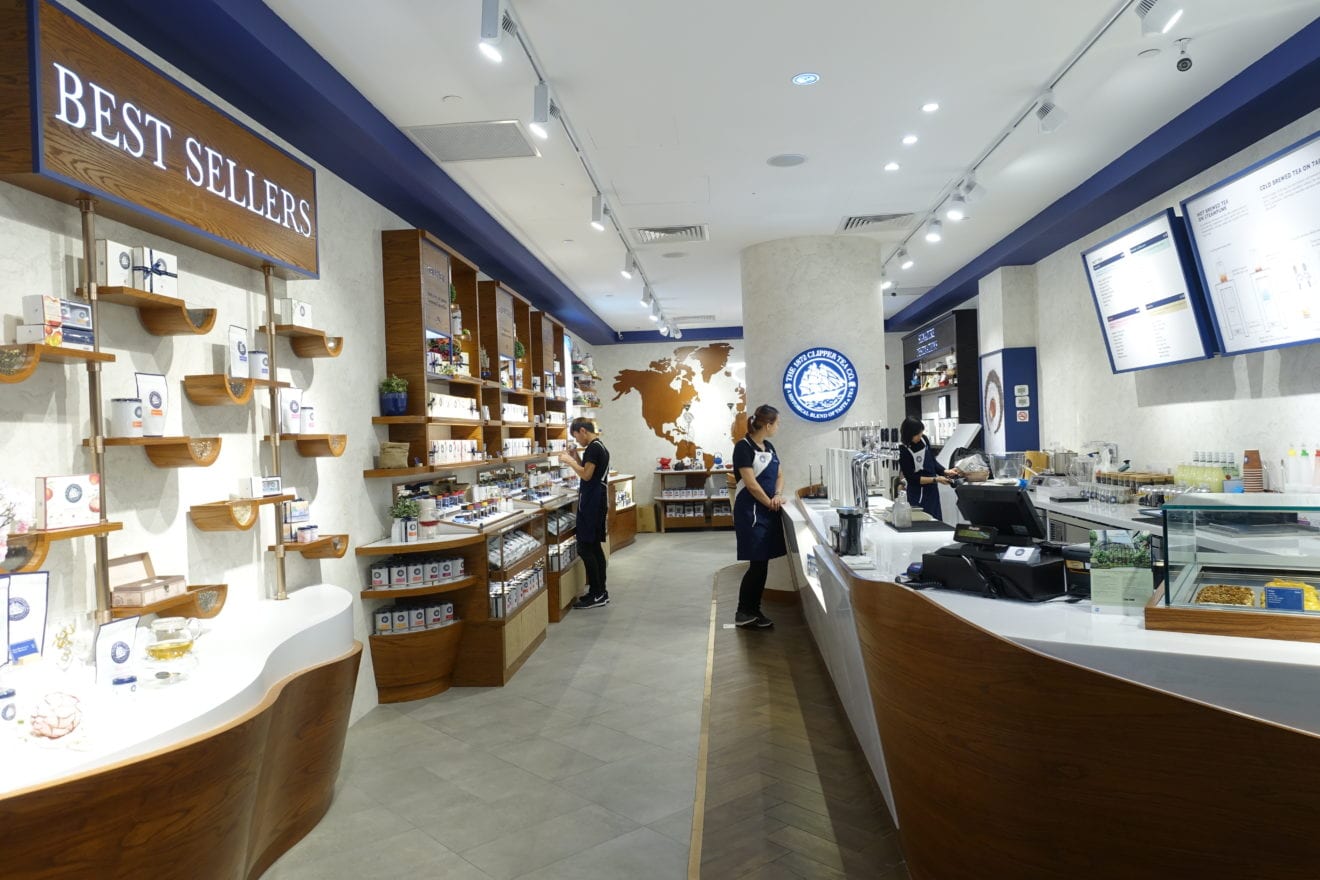
    rsz_img_002Tea has evolved to become an everyday indulgence in peoples’ lives. From mass market options to higher-quality tea bags, loose teas and tea leaves sourced from single estates, the appreciation of fine tea has increased over the years. The 1872 Clipper Tea Co. launches its flagship standalone retail store at ION Orchard on 8 Apr 2016 to cater to this rising demand, and to make tea readily available for tea drinkers.


    “At 1872 Clipper Tea Co., we aim to kindle curiosity for tea by providing rich, exploratory experiences that bring people together. We want to trigger and engage the different senses of our customers to provide that experience. More importantly, we want to break the traditional mindset that tea should be consumed hot. There are endless possibilities as to how tea can be enjoyed,” says Rehan Amarasuriya, Director of the company.

    With a space of 743 square feet, the new ION store not only includes a retail space, but also boasts a first-of-its-kind in-store tea bar. Besides serving a variety of hot teas from the Essentials, Herbal & Blossoms, Tropics and Luxuries range (tea bags and loose tea available for retail), this takeaway retail concept would also include a range of specialty teas and tea-infused pastries and desserts.

    Serving Ceylon’s finest black tea since the founder’s early days in 1872, the experienced tea tasters at 1872 Clipper Tea’s factory in Sri Lanka tastes more than 2000 cups a week to ensure the quality and consistency of its tea leaves. A novelty in itself, the single-origin cold brew pure Ceylon black tea used in the specialty teas is steeped for more than 24 hours and served straight off the tap. This creates a sharper mouthfeel, delivering a cleaner taste profile. Combined with different home-made syrups made with natural ingredients, a variety of iced tea mocktails and iced milk teas are created.

    Quench your thirst with hot favourites; Apple Pie which combines cold brewed tea with fresh apple slices, cloudy apple juice, cinnamon syrup, and the Lemongrass-ginger which pairs cold brewed tea with candied ginger and lemongrass syrup. For something milky, opt for the Gula Melaka Tea Latte which uses fragrant gula melaka and crème. All specialty teas are priced at $6.50.

    Pick from a myriad of tea blends available, and be impressed by the Alpha Dominche Steampunk machine as it prepares the perfect cuppa hot brew. This innovative machine blends artful craftmanship with state-of-the-art engineering to produce a quality and consistent brew from cup to cup. From classic flavours to fruit-flavoured teas and caffeine free herbs and blossoms, 1872 Clipper tea has all kinds of tea blends that is suitable for all types of tea drinkers. Priced at $4.50 and $6.50 (luxuries range) per cup, don’t forget to try the signature blends Timeless Earl Grey and Cranberry Sunrise, winners of the Great Taste Awards.

    If you are feeling peckish, pair the tea with a variety of pastries including the zesty Lemon Yuzu Eclair, $7.50, Matcha’misu and indulgent Earl Grey Truffle (5 pieces) priced at $8.50 each. Customers can also revel in a high tea set which includes a choice of pastry and a Hot or Cold tea drink, priced at $12 and $14 respectively.

    On the retail end, 1872 Clipper Tea launches its Signature Destinations range, which features the most luxurious teas that are hand-selected across 10 key destinations around the world. All selections are single-origin tea leaves that are indigenous to each of their beautiful gardens. The teas are weighed and dosed in store, allowing customers the flexibility to select the quantity they require. Some notable flavours include Yunnan Silver Tips, Milk Oolong, Gyokuro, Finest Darjeeling and Nuwara Eliya. Information on the region and estate where the tea leaves are sourced from can be found on each individual packaging.

    “The name, 1872 Clipper Tea Co., pays homage to the historic Clipper ships that raced to carry the freshest teas to all corners of the world. We want to bring the best tea leaves from these beautiful gardens to our customers, which we hope can transport them on this imaginary voyage with us,” explains Rehan.

    Besides this luxurious collection, 1872 Clipper Tea continues to provide a myriad of teas from its different ranges: Essentials, Herbals and Blossoms, Tropics, Travel and Heritage. A selection  of tea ware and accessories are aslso available for purchase.

  • New 4G MVNO launching in Singapore

    New 4G MVNO launching in Singapore

    A new 4G MVNO is launching in Singapore that aims to give consumers a new way to interact and consume telco services.

    Digital telco Circles.Life will target the data savvy consumer segment in Singapore. The operator will use M1’s infrastructure under an MVNO model similar to the one Virgin Mobile had with Singtel when the company entered the market in 2001.

    “Virgin Mobile was some time ago,” Circles.Life co-founder and director Abhishek Gupta said.

    “Rigid network technology in the past did not provide MVNOs flexibility in service offerings. They were not able to track data usage and customer buying patterns and found it difficult to respond to customer needs quickly. Our approach is unique because we take advantage of the latest technologies to build a next generation full service 4G digital mobile network.”

    Gupta added that as an MVNO, the company can work towards highly efficient usage of their resources and prioritize innovation to deliver improved services and a richer experience to customers.

    Circles.Life co-founder Rameez Ansar added that as an incentive to subscribers, the telco would also hand out periodic free boosts to their data plans determined by length of contract and other factors.

    Using a digital platform the company designed, Circles.Life will allow consumers to pick and choose bundles they want. The basic plan priced at S$28 a month comes with 3GB of mobile data, 100 minutes of talktime, and bonus data that range from 0.5GB to 4GB when customers use the firm’s app or perform actions like referring friends to sign up.

    The CirclesCare app also gives customers a personalized dashboard to allow them to tweak their plans such as top up mobile data or buy talk-time. These will be reflected in the next billing cycle, which follows the calendar month.

    Users also get free caller number display, free roaming, and unlimited data on Whatsapp.

    Circles.Life registration starts today and is offering new sign-ups bonuses like a low $4 registration fee, free SIM card, free delivery, and free number porting or 80% off “lucky numbers”.

  • Revlon to present two major launches in Singapore

    Revlon to present two major launches in Singapore

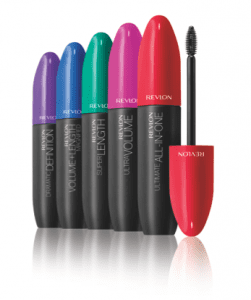
    Photo of Mascara 251x300Cosmetics brand Revlon will showcase two major launches at the Tax Free World Association Asia Pacific show in Singapore. This year, the company will present its Ultimate All-in-One Mascara, the number one eye launch in the US and Ultra HD Matte Lipcolor.

    According to the company the Revlon Mascara Collection provides the looks the beauty shopper wants without confusing product names and claims.

    Revlon has created five new mascara and brush combinations: Revlon Volume Mascara, Revlon Length Mascara, Revlon Definition Mascara and Revlon Volume & Length Mascara.

    Additionally, with results indicating users are layering different mascaras to satisfy multiple lash benefits, Revlon has created Revlon Ultimate All-in-One Mascara. This all-in-one mascara features all five lash transforming benefits, allowing consumers to achieve volume, length, definition, lift and intense colour using just one product.

    Revlon Ultimate All-in-One also Mascara features a new Revlon Power Mini Brush with a hollow core designed for mega lash impact and easy application. It is available in both waterproof and non-waterproof formulas.

    Meanwhile, Revlon has also enjoyed success with its Ultra HD Mate Lipcolor, the number one lip launch in the US this year. Formulated with Revlon’s 100% wax-free gel technology providing high-definition colour, it is available in travel-retail in seven sultry shades, scented with fragrance of whipped vanilla and creamy mango. Each Revlon Ultra HD Matte Lipcolor comes with a plush, velvety applicator.

    Revlon global travel retail director, Jerusa Moura said: “In the highly competitive world of colour cosmetics, having both the number one new eye launch and number one new lip launch in the US. this year is an incredible achievement. At Revlon, we know and understand the importance of exclusive packs for the travel-retail channel and they form a key part of our portfolio.

    “However, offering top selling cosmetics singles is equally important, so we’re delighted to now be offering the Revlon Ultra HD Matte Lipcolor and Revlon Ultimate All-in-One Mascara to the travel retail channel—the latter as part of a great new mascara collection from Revlon.”

    Moura added Revlon’s new products were sure to be a hit in travel-retail on the back of their success in the US. She also acknowledged Asia Pacific as the fastest growing region for the industry and source of strong growth as Revlon seeks to build distribution in the region.

  • Shopee Holds Young Entrepreneur Program

    Shopee Holds Young Entrepreneur Program

    Singapore-based marketplace company, Shopee, has been holding Young Entrepreneur Program. The program–which has been started from March 2016–is carried out to find Indonesia’s new young business talents.

    “Some 230 students have been participating in the program,” said Chris Feng Shopee’s CEO on Wednesday in Indonesia Convention Exhibition, BSD, Tangerang.

    The student only event has been participated by 89 universities from 19 cities in Indonesia. It has been held by Shopee to encourage more youth to get involved in business or to become entrepreneurs.

    According to Chris, when starting a business young entrepreneurs are faced with three challenges, namely business knowledge, technology and capital. To face the challenges, Shopee is determined to help them by establishing Campus Competition and Shopee University.

    Shopee provides photography and digital marketing classes to enhance business knowledge. Whereas to tackle capital issue, Shopee is holding a competition with a commitment value of Rp100 billion.

    The Rp100 billion fund is used for investment of trainings and capital aid. It will also be used to help young entrepreneurs to develop online businesses.

    “We have selected three candidates to win a prize of capital aid,” Chirs said. The three candidates will be judged and the winner will be announced end of April.

  • Changi Hello Kitty cafe opens

    Changi Hello Kitty cafe opens

    Travellers to and from Singapore have a new experience from this week: a Hello Kitty cafe in Changi airport.
    IMG_2408The Changi Hello Kitty cafe is located in Terminal 3 and mirrors some of the experiences from similar cafes in Japan and other large Asian cities.
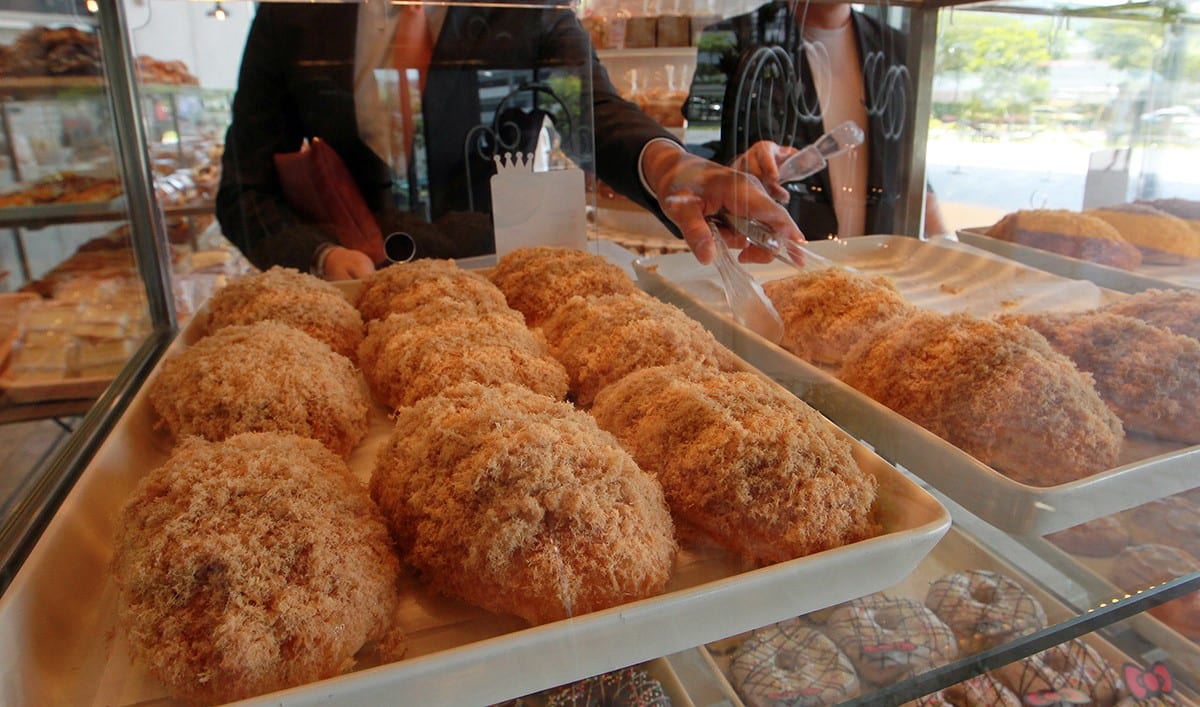
    Hello Kitty Orchid Garden will be open 24 hours a day in the central arrival hall, with its decor and menu inspired by Singapore’s national flower.

    It is the first Singapore cafe featuring the feline character out of Japan, and as well as refreshments it will offer plush toys and souvenir tea cups. There will also be Hello Kitty-inspired tea blends, and the cafe is expected to have Halal certification.

  • BreadTalk to open in Myanmar next year

    BreadTalk to open in Myanmar next year

    Myanmar’s growing group of middle-class consumers can now look forward to Singapore bakery giant BreadTalk’s pastries and baked goods as the home-grown bakery brand will soon be available in Myanmar.

    It signed a franchise agreement with Myanmar Bakery on Tuesday (May 3), which will allow Myanmar Bakery to hold the master franchise to operate BreadTalk outlets in Myanmar.

    The first outlet is expected to open in Yangon by early 2017 in one of the shopping centres owned by the Shwe Taung Group. Myanmar Bakery is part of Myanmar conglomerate Shwe Taung Group, which owns an extensive network of real estate businesses in Myanmar.

    The deal marks the first food and beverage venture in Myanmar for the Shwe Taung Group and is also BreadTalk’s maiden foray into Myanmar.

    “With a growing middle class and rising retail consumption, there are immense growth opportunities for BreadTalk in Myanmar,” said Mr Tan Aik Peng, chief executive officer of BreadTalk’s Bakery division.

    “The Singapore team is working closely with the Shwe Taung Group to understand the Myanmar market and we promise an exciting line up with BreadTalk’s first boutique bakery in Yangon.”

    He added that BreadTalk was confident that they will “introduce a new lifestyle of bread appreciation” to Myanmar’s burgeoning middle class.

    BreadTalk operates close to 800 outlets across Singapore, China, Hong Kong, Indonesia and Thailand.

    The Shwe Taung group of companies is a conglomerate involved in real estate, construction and engineering, infrastructure, hotels, entertainment, trading and investment. It also operates the Junction Centre group of shopping centres, which include malls in Yangon and in Naypyitaw, the country’s administrative capital.

    The group is also behind the upcoming Junction City, which is an integrated development in downtown Yangon which will comprise a lifestyle shopping mall, an office tower and a five-star luxury hotel scheduled to open in the first quarter of 2017.

  • BritishIndia store closes with a flourish

    BritishIndia store closes with a flourish

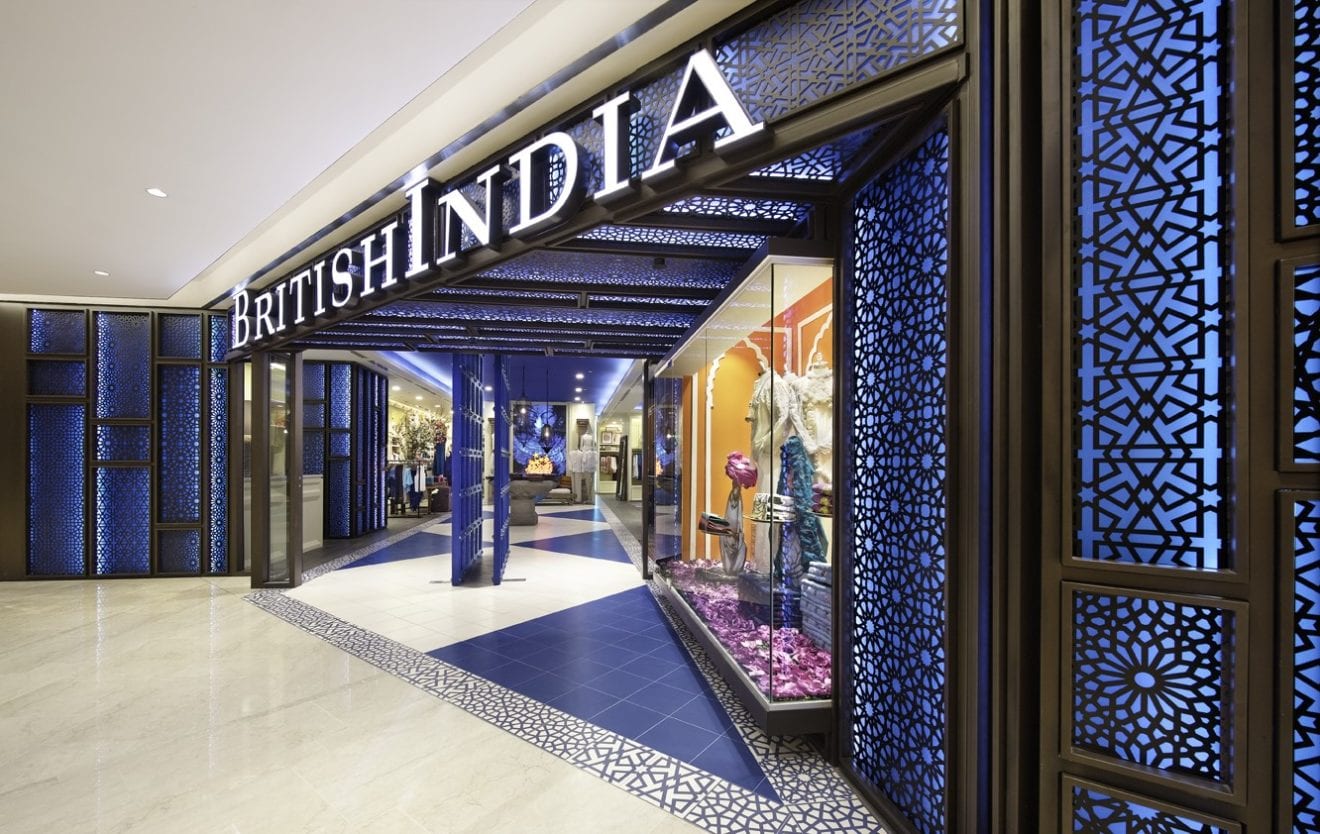
    Thousands of BritishIndia Malaysia customers grabbed a bargain as they farewelled the fashion store in Suria KLCC over the past week.

    BritishIndia farewell sale

    The fashion brand’s farewell sale offered 50 per cent off all items, ending its presence in the mall since 1998.

    BritishIndia farewell

    Built from scratch in Malaysia more than 20 years ago, BritishIndia now has more than 40 stores, in shopping centres in Singapore, Thailand and the Philippines.

    There is still a presence in Malaysia, with stores in 1Utama Petaling Jaya, Bangsar Shopping Centre, Mid Valley Megamall, Pavilion Kuala Lumpur, Publika Kuala Lumpur, SACC Mall in Shah Alam and Sunway Pyramid.

    Meanwhile, the brand says it is seeking further expansion overseas.

    The brand has been embroiled in a long drawn-out court case with Suria KLCC management over it lease terms.

  • Raoul Singapore closes last store

    Raoul Singapore closes last store

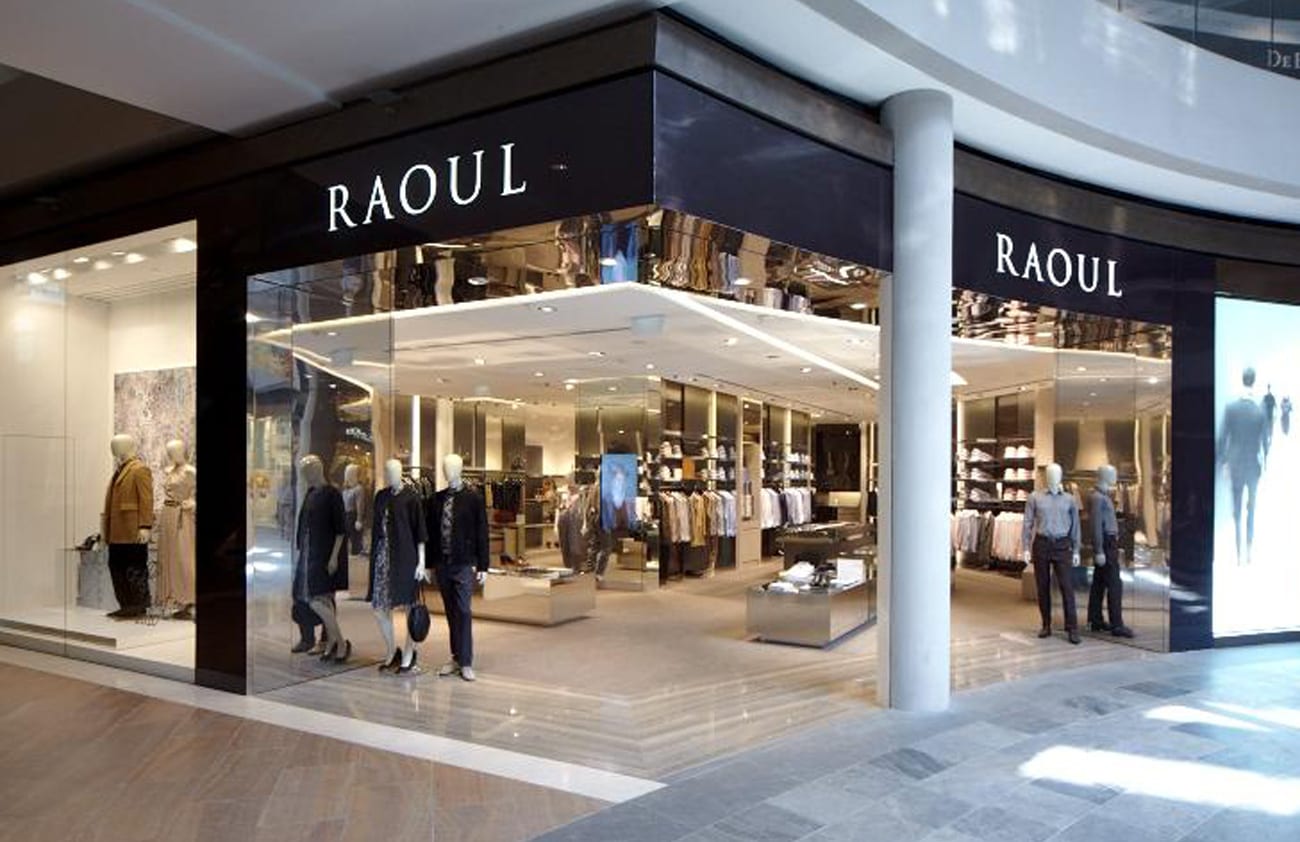
    The last Raoul Singapore boutique has closed its doors as creator FJ Benjamin decides to focus on wholesaling.

    Raoul, positioned as an affordable luxury brand, began life as a menswear brand back in 2002 before expanding into women’s fashion – because women shoppers were buying smaller sized men’s shirts to wear themselves.

    At one point, it had boutiques as far afield as Melbourne and London and became a beacon for the Singapore fashion industry in a market dominated by European fashion labels.

    Raoul closed its Paragon store on Orchard Rd in February, unwilling to pay the rents demanded.

    The founding premise

    When your business model is built around retailing products designed by others – as FJ Benjamin has for more than 50 years – your fortunes rise and fall with those brands and the head office decisions in other countries. That was a major part of the motivation to launch Raoul, which met with success very quickly.

    Over its first 50 years, FJ Benjamin held Singapore or regional rights to brands as diverse as Gucci, Gap, Manchester United, La Senza, Fendi, Goyard, Celine, Givenchy, Banana Republic, La Perla, Naomi Campbell, Valentino, Nautica, Victorinox and Rado. But after the financial crisis, it pulled back from high end labels to focus more on lifestyle brands.

    “In business you have to be nimble. We thought ‘OK, lifestyle has done well for us. Let’s continue’,” Douglas Benjamin, the company’s COO, told a presentation attended by Inside Retail Asia back in 2010.

    The Raoul brand was conceived on a trip by Benjamin to London.

    “The company had always been franchising and representing brands from other companies. My father was a strong believer we needed to have our own brand. In 2003 we bought some shirts from some expensive stores and after three to four months I was wearing shirt and the cuffs were fraying, buttons coming off.”

    What if they could produce shirts that looked as high in quality, but actually lasted?

    “We decided to develop a men’s shirt label. We’d get the best quality material and make it in Asia and if you give a man a choice, he will buy.”

    So Raoul – the French name for Ralph – was launched through stores in Singapore, Malaysia and Indonesia. The first store combining both ranges opened its doors in 2007 and a flagship in the classic Paragon shopping centre on Orchard Rd in 2009. Later, stores would follow in Mainland China and the Middle East.

    Raoul is by no means finished despite the closure of the Singapore stores. A concession continues to trade at Robinsons department store on Orchard Rd and the company will now concentrate on wholesaling with a particular focus on the US, UK and Middle East. Among the UK stockists of Raoul are Harrods, Harvey Nichols and Liberty of London. Saks and Neiman Marcus in the US and KaDeWe in Germany also stock Raoul, further underlining the brand’s fashion cachet.

    Despite its high profile globally, Singapore seemingly cannot sustain a flagship store. As a saddened fashion designer Sabrina Goh of fellow home-grown brand Elohim By Sabrina Goh told the Straits Times this week: “Raoul has always been seen as a sound brand with years of industry experience, and financial and production clout. It really just illustrates how tough the current Singapore retail market is.”

  • Why Singapore is deemed as the failure market for Decathlon

    Why Singapore is deemed as the failure market for Decathlon

    French sporting house Decathlon is a relatively young player in the local retail scene, opening up its store earlier this year. The brand entered the retail scene at a point many established players were pulling out.

    The launch came after it had already established an e-commerce practice for nearly two and a half years to “painstakingly” understand and collect consumer data from the market. It is safe to say when Decathlon started up in Southeast Asia, the public did not really know it was a sports retailer.

    This, admits Clarence Chew (pictured) , head of marketing and communications at Decathlon, was one of the biggest problems.

    “E-commerce is not easy and was a struggle when you are selling products that people don’t actually need. People didn’t care about us. If they saw online that the product was too cheap, they would think it isn’t of quality; too expensive, and they wouldn’t want to spend. So our problem was how do we tell customers we are here?” he said, at a recent event hosted by OgilvyOne called “Delivering consumer value in an era of Disruption”.

    The brand decided to be part of the discovery process using a multi-channel approach. It was wherever consumers were looking and ensured it was part of the consumer journey.

    What also helped Chew in this process was the senior management was able to see e-commerce as part of the customer journey and not as a separate entity from the retail function. As such the goal was more synergistic.

    He added, “It wasn’t a push but rather a pull factor for us that drew customers.”

    Another big sigh of relief for Chew was when he was able to successfully convince the senior management to make Singapore a “failure market” for the brand and  use it as a test bed for all things new and shiny in the digital landscape. After all, failure is vital to any great discovery and innovation. He said:

    “In Singapore, I can do whatever I want with any budget I want. And I will not be blamed if it fails.”

    Chew explained the country was chosen for its dense and diverse population. The city-state structure worked to the brands’ benefit and there was a healthy mix of old and young and locals and expatriates. This helped the brand see the contrast between old school marketing tactics and new shiny toys and figure out what really works.

    “Singapore  is a nice drawing board. Chances are if it works here, all the other countries like Malaysia and Indonesia will all eventually embrace it,” he added. But for every other country, clarified Chew, he would still need to meet the regular KPIs and carry out customised marketing.

    Bringing change internally

    Another challenge Chew faces, is getting people on board to try new ideas. He said:

    “Even if you have a CEO willing to adopt stuff, you have many other people in the organisation who don’t know and don’t care or won’t agree.”

    Agreeing with him was panelist Tony Menezes, VP of Cognitive Solutions at IBM, who also added that the country’s safe nature helped companies come up with creative solutions and ideas without as high a fear of intellectual theft. Ultimately even if technology is available, companies need to be willing to embrace it.

    “Companies need to recognise the disruptive idea will come from day to day interaction with customers and employees. Figure out how to tap into that source,” Menez said.

    For IBM, even today, the company is holding a new contest cognitive bill where employees came up with ideas to make the company a cognitive company across industries. IBM has 50 ideas from it which will come down to 10 to potentially explore.

    Ultimately if the culture of innovation has to be embraced across all levels from top to front-line in a company. When asked by the audience if building relationship is tough in a disruptive world, he said:

    “Brands that have an affiliation with consumers and communicate clearly how they plan to protect personal data, will earn the trust of consumers.”

    He explained that the commonalities amongst the many brand hacks and online breaches in recent years show that leading companies address the problems head on and share a direct strategy  with consumers rather than sit idle.

    “If consumers know that when they opt in they will get something in return from the brand and the brand is clear about it, they will get more trust.”

    And sometimes the best way to do this is to ask. As Todd Kurie, VP of marketing at RedMart, who was also on the panel said:

    “Even relatively old-school tactics like surveys can go a long way to show you are listening”

    He added the brand is a huge believer in simply asking consumers what they want.

  • Maui Jim to introduce new glass styles in Singapore

    Maui Jim to introduce new glass styles in Singapore

    Premium sunglass company Maui Jim will introduce four new super-thin glass styles to its collection at next month’s TFWA Asia Pacific exhibition.

    The company said the new glasses were 20% and lighter than conventional glass lenses, comfortable to wear, boasted excellent scratch and solvent resistance and offered the best optics available.

    Maui Jim Ocean is available in various colour combinations: Tortoise with Peacock nylon frame and HCL Bronze lenses; Tortoise with Raspberry and Maui Rose lenses and Grey Tortoise Stripe and Neutral Grey lenses. The lenses in this style only are MauiGradient, lighter at the bottom than top. This is to protect the eyes and make reading easier.

    Popoki, is a similar shape but slightly smaller and constructed in Satin Monel metal. The vintage silhouette is complemented by acetate temples in burgundy, green and blue mottled colour combinations. The frame base colours are satin dark gunmetal with Maui Rose lenses; satin chocolate with HCL bronze and satin black with neutral grey.

    With a trendy oversised frame to suit men and women with slightly larger faces, Rising Sun is crafted in lightweight nylon for comfort. Three colourways are offered: Burgundy stripe with Maui rose lenses; matte tortoise with HCL bronze; classic matte black with neutral grey.

    The more masculine Snapback is a classic wayfarer sunglass style, constructed in light nylon with the same high clarity ST lenses. Available in matte black, matte tortoise, grey tortoise and green stripe with complementary lens colours, this style is designed to suit every face shape, indicated Maui Jim.

    The company said: “All Maui Jim sunglasses have PolarisedPlus2 lenses which wipe out 99% of glare, manage 95% of HEV and block 99% of harmful UV while boosting colours to unmatched levels. They have been recommended by The Skin Cancer Foundation as an effective UV filter for the eyes and surrounding skin.”

    Maui Jim will be located K9 Basement 2 at TFWA Asia Pacific.

  • Applecrumby & Fish wins $300k funding boost

    Applecrumby & Fish wins $300k funding boost

    An online boutique that offers all-natural and organic baby products, Applecrumby & Fish has obtained a fresh round of seed funding worth $300,000 from Silicon Valley’s VC 500 Startups.

    The Malaysian company aims to use the money to establish itself as the top-of-mind site for safe baby essentials, reports Tech in Asia. Founded by husband and wife Sean and Jesmine Tan in Kuala Lumpur in late 2012, Applecrumby & Fish started out with 900 products. These have increased tenfold, and free same-day delivery is offered in its home market.

    Like other parents, the Tans resorted to importing their preferred baby products. After having their first child in 2011 they fell in love with organic brands not easily available in Malaysia.

    “We are very sensitive to the needs of parents who are looking for the best they can afford for their baby, at fair prices,” says Sean.

    Applecrumby & Fish sells skincare products, toiletries, food, supplements, gear and toys. Its brands include Bellamy’s, Drypers, Enfa, Gerber, MamyPoko, Putto, Spectra, Stephen Joseph and Quinny, and there are plans to add other brands not unavailable online.

    Its new funding will help it develop an in-house brand for baby products, starting with wipes and nappies. The company also wants to boost its content marketing and gear up for its launch in Indonesia as well as Brunei.

    As well as those markets, it ships to Singapore, Thailand and the Philippines.

    Applecrumby & Fish was among startups in the annual 10-week Distro Dojo program in Malaysia. Led by 500 Startups, the program focuses on customer acquisition, growth and distribution.

    Applecrumby & Fish graduated at the top of the program last month, increasing its site traffic by more than 200 per cent and tripling its revenue in less than four weeks.

    Meanwhile, the Tans aim to disrupt the diaper and wipes industry of South-East Asia with their inhouse brand, says Digital News Asia.

    “We have done our research and there is nothing quite like our brand in the market, not at our kind of non-premium pricing but with premium quality,” says Jesmine, who is also COO.

    She says the company has had 300 per cent year-on-year growth in terms of revenue, and aims to hit RM6 million (US$1.5 million) by the end of this year.

    Before launching Applecrumby & Fish, the Tans were property investors who also freelanced as interior designers. Despite Applecrumby & Fish sounding similar to US retail giant Abercrombie & Fitch, the name stems from their daughter’s first word at the age of six month, “apple”.

    “She would walk and crawl, dropping crumbs of food everywhere she went, hence crumby, while her favourite food was steamed fish,” says Jesmine.