Tag: Singapore

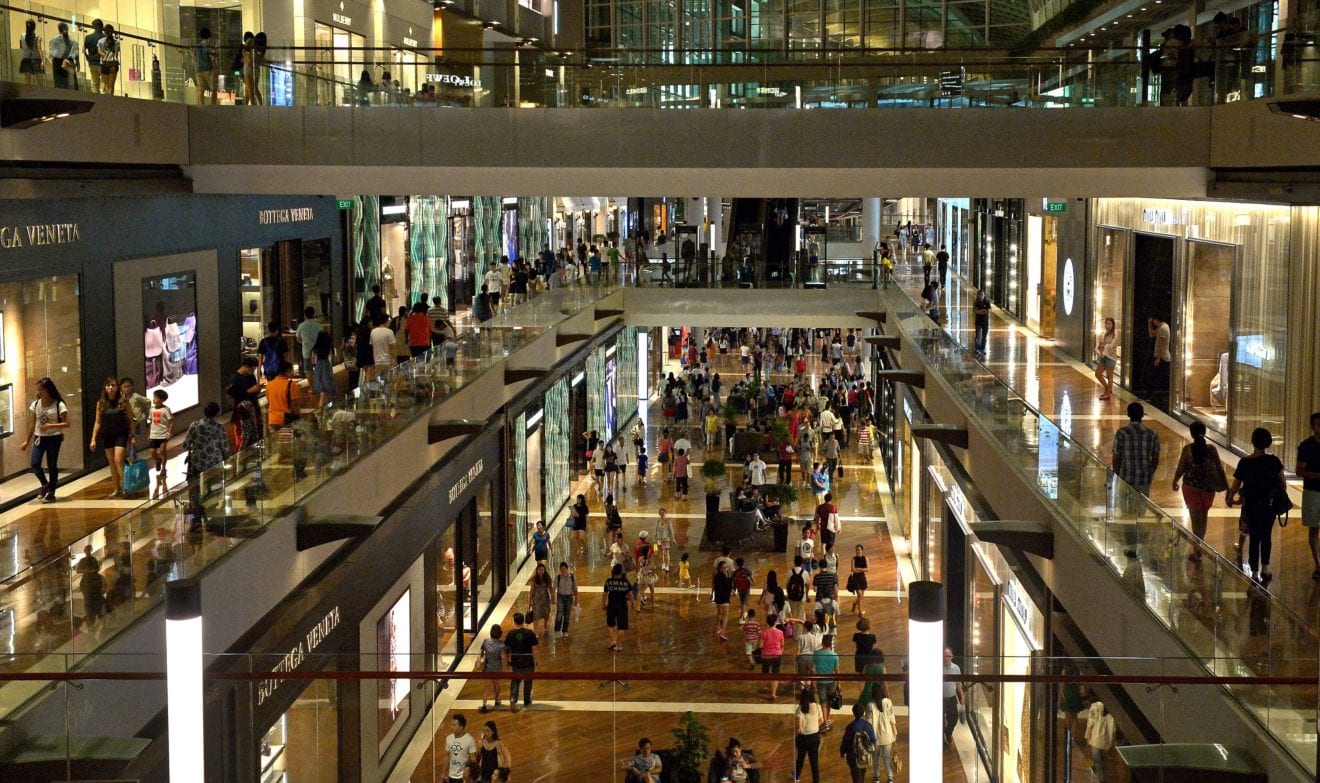
  • Prices of retail space, rentals in Singapore down 1.9% in 1Q as vacancies creep up

    Prices of retail space, rentals in Singapore down 1.9% in 1Q as vacancies creep up

    PRICES of retail space in Singapore continued to fall by 1.9 per cent in the first quarter of 2016, after declining 0.1 per cent in the previous quarter.

    Rentals of retail space also fell by 1.9 per cent in Q1, after declining 1.3 per cent in the previous quarter.

    The island-wide vacancy rate of retail space also creeped up to 7.3 per cent at the end of the quarter, from 7.2 per cent at the end of the previous quarter.

    Within the quarter, the amount of occupied retail space increased by 11,000 square metre (nett), while the stock of retail space increased by 19,000 square metre (nett), which led to the rise in vacancy.

    As at end-March 2016, there was a total supply of 783,000 square metres gross floor area of retail space from projects in the pipeline.


  • Apple Pay Singapore launched

    Apple Pay Singapore launched

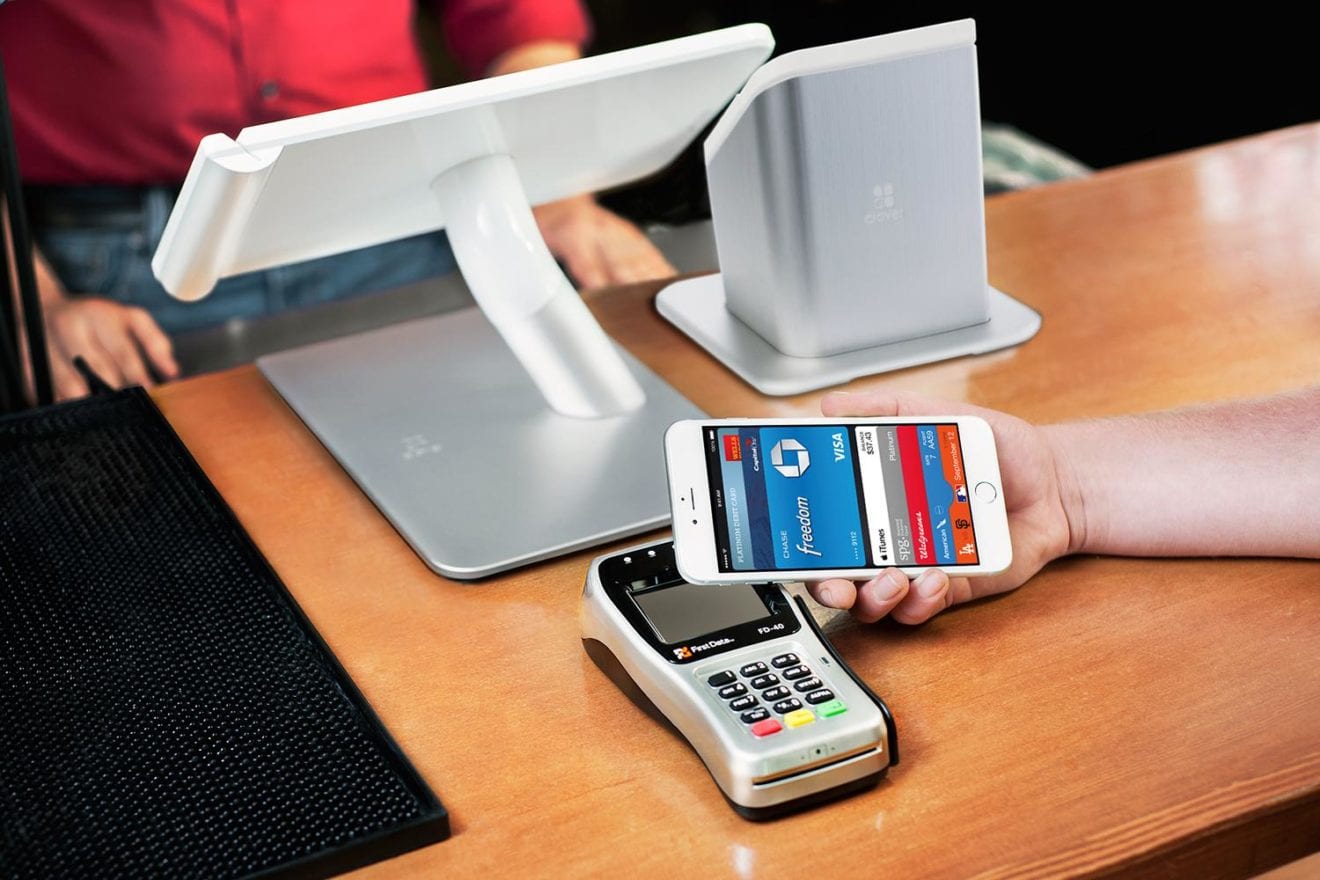
    Apple Pay Singapore is now live – the second Asian market in which the tech giant’s new payments system is now accepted.

    The cardless, cashless payment system debuted in China last month and more Asian markets are expected to follow after negotiations are concluded with partnering banks and card systems.

    Apple Pay allows shoppers to buy goods using their iPhone, iPad or Apple Watch – but in Singapore only American Express card holders can use the facility, for now.

    Apple pay

    “Credit and debit cards from Singapore’s most popular banks, including DBS, UOB and Standard Chartered will work with Apple Pay in the coming months,” Apple Singapore said in a statement.

    But Forrester researcher Zhi Ying Ng believes consumer adoption of Apple Pay will be slower than expected in Singapore.

    “The use of contactless card payments is increasing in Singapore, and consumers are comfortable with using it. While there are still significant barriers to consumer adoption of digital wallets today, it will take time before these wallets become more convenient for customers and as customers realise the benefits and additional value that digital wallets bring,” he said in a statement.

    Apple Pay is also now accepted in the US, Canada, Australia and the UK.

  • Lacoste Singapore scores airport outlet

    Lacoste Singapore scores airport outlet

    French clothing company Lacoste Singapore has tendered successfully for an outlet at Changi Airport.

    RSH Singapore, which represents Lacoste, has been awarded a 78 sqm concession in the west departure/transit lounge on level two.

    Calling for mid-priced fashion tenders in Terminal 1, Changi Airport Group awarded two other concessions to Dufry (The Nuance Group Singapore), which will use its 70 sqm and 83 sqm concessions for the Kipling and Trunk & Co brands.

    All concessions are in the same area with three-year contracts, with no option to renew. The tenders attracted 13 participants.

    Meanwhile, Dufry, in partnership with MCM, has also won an extra 104 sqm speciality tender in the same location, also for three years.

  • Singapore’s SoftPay Mobile buys Vietnam MPOS

    Singapore’s SoftPay Mobile buys Vietnam MPOS

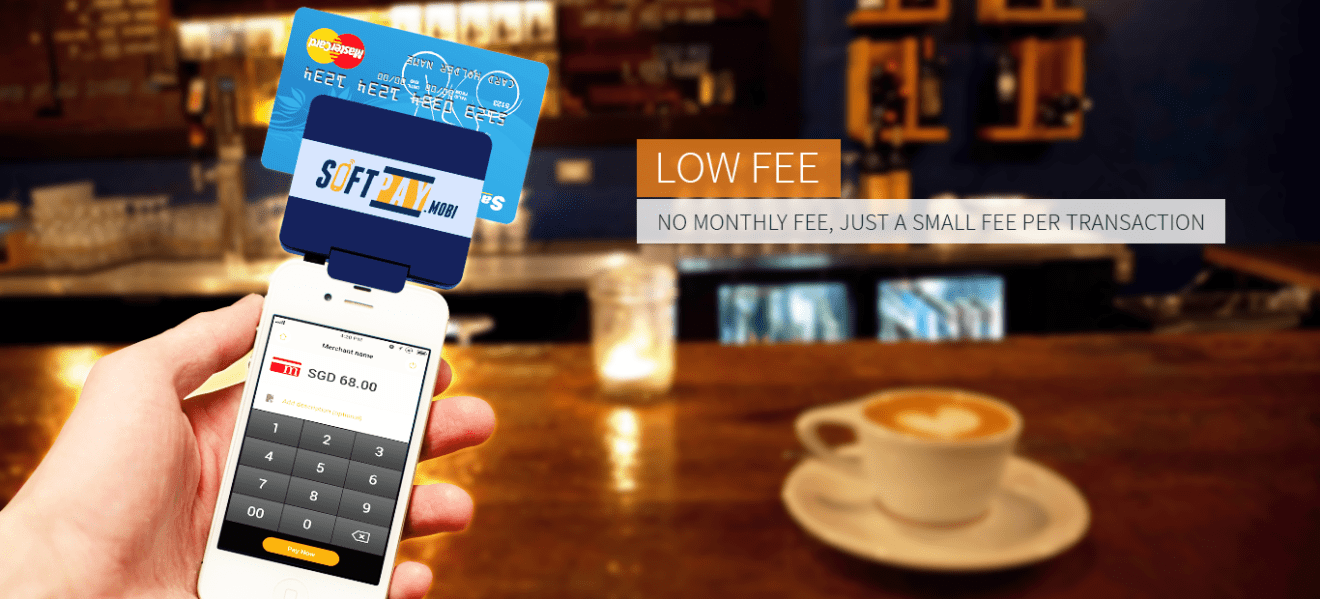
    Singapore-based mobile point of sale (mPOS) provider SoftPay Mobile International has arranged to buy out Vietnam MPOS Technology.

    Vietnam MPOS customers include Mai Linh Taxi Group, one of the largest taxi groups in Vietnam, as well as insurance companies. Lazada Vietnam, the largest e-commerce group in the country, is also a customer.

    mPos has proven incredibly popular in Southeast Asia where a vast majority of people living in rural areas have no access to traditional banking infrastructure.

    With the advance of mobile technology, mPos devices such as SoftPay’s mobile terminal are able to take advantage of these devices to provide merchants anywhere with a full suite of options for receiving payments.

    “With this investment, SoftPay Mobile will be able to work closely with our new Vietnam MPOS company to further consolidate our market position as the leading mPOS company in Southeast Asia,” said Christopher Low, CEO of SoftPay Mobile.

    SoftPay Mobile is a venture-backed mPOS company with a presence in Vietnam, Malaysia, Singapore and Indonesia. Since its incorporation in late 2014, it has been aggressively pursuing expansion in Southeast Asia.

  • Singapore’s StarHub adds support for Apple Pay

    Singapore’s StarHub adds support for Apple Pay

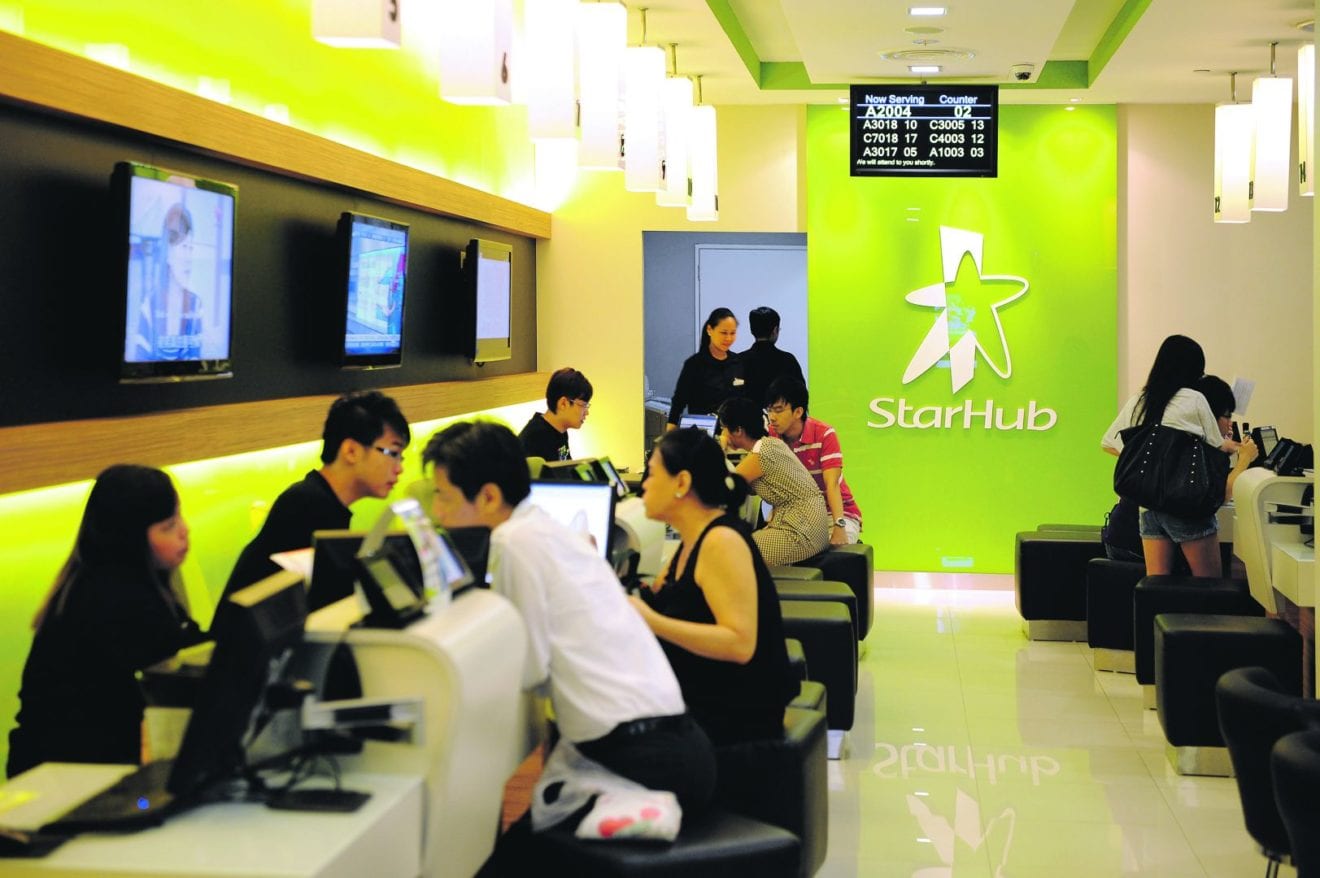
    Singapore’s StarHub has introduced the ability for its customers to use Apple Pay for secure mobile payments.

    When customers use a credit or debit card with Apple Pay, the actual card numbers are not stored on the device, nor on Apple servers.

    Instead, a unique Device Account Number is assigned, encrypted and securely stored in the Secure Element on the device. Each transaction is authorised with a one-time unique dynamic security code.

    “Digital commerce is fast catching on with Singapore consumers, and we want to be at the forefront of enriching our customers’ lifestyles using technology,” StarHub’s head of business strategy Yeong Mun-Ling said.

    “Being among the first Apple Pay-enabled merchants in Singapore, we are pleased that customers can now conveniently tap to pay at StarHub Shops using their iPhone and Apple Watch,” said Yeong.

    In stores, Apple Pay works with iPhone SE, iPhone 6s, iPhone 6s Plus, iPhone 6, iPhone 6 Plus and Apple Watch.

    Online shopping in apps accepting Apple Pay can be authorized with the touch of a finger with Touch ID.

  • What’s In Store For CapitaLand Mall Trust’s Funan DigitaLife Mall?

    What’s In Store For CapitaLand Mall Trust’s Funan DigitaLife Mall?

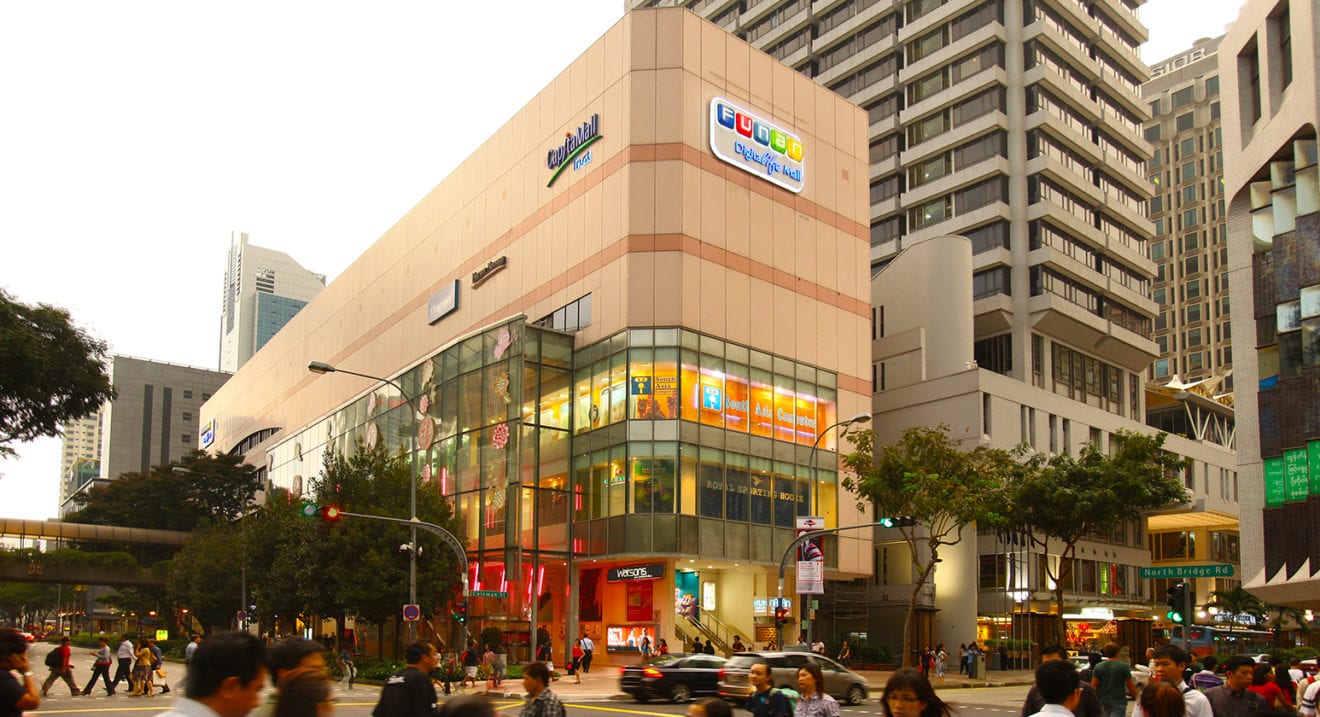
    The iconic Funan DigitaLife Mall, which belongs to CapitaLand Mall Trust, will be closed officially on 1 July 2016 for redevelopment works that is expected to last for three years.

    The redevelopment will add about 388,000 square feet (sq ft) of space to the mall’s current gross floor area of 482,000 sq ft, leading to a total area of 870,000 sq ft. For perspective, that is almost the size of ION Orchard, one of the newer malls along the Orchard Road shopping belt.

    Currently, Funan DigitaLife Mall is well-known for its focus on the retail of IT products. In its new incarnation, it will become an integrated development.

    Although the redevelopment of properties is a common thing in Singapore, what’s interesting here is that CapitaLand Limited, the manager of CapitaLand Mall Trust, is seeking input from the public to find new concepts for the redevelopment of Funan DigitaLife Mall along the theme of “Play.Create.Live.”

    CapitaLand, together with The Straits Times, are inviting members of the public to submit ideas for their vision of the new Funan DigtaLife Mall to the #BeyondIT digital platform. The idea is to transform the property into a “creative hub” that will include a ‘mall of the future’ that will bring experiential retail to a whole new level in Singapore. The window for submissions will remain open until 31 May 2016.

    Funan DigitaLife Mall is an important asset for CapitaLand Mall Trust, contributing 4.3% of total gross revenue in 2015. As such, the closure of the property for the next three years might have some negative impact on the trust’s revenue stream.

    But, the transformation of Funan DigitaLife Mall is essential given the growing importance of e-commerce among consumers. That might also be the reason why CapitaLand is interested to upgrade Funan DigtaLife Mall into an integrated development that (1) allows people to work, play, and live, and (2) help set a new benchmark for experiential retail in the Garden City.

    Summary

    Will the redevelopment of Funan DigitaLife Mall start a new era for the retail industry in Singapore? And would an increase of more than 80% in floor space for the mall help boost future rental revenue in a significant manner for CapitaLand Mall Trust? These are interesting questions to ponder.

    But, first things first, with the public competition ending on 31 May, we might be able to get our first glimpse of the future of retail in Singapore soon.

  • Orchard Road landlords reeling as key retailers exit

    Orchard Road landlords reeling as key retailers exit

    More shops are moving to the suburbs.

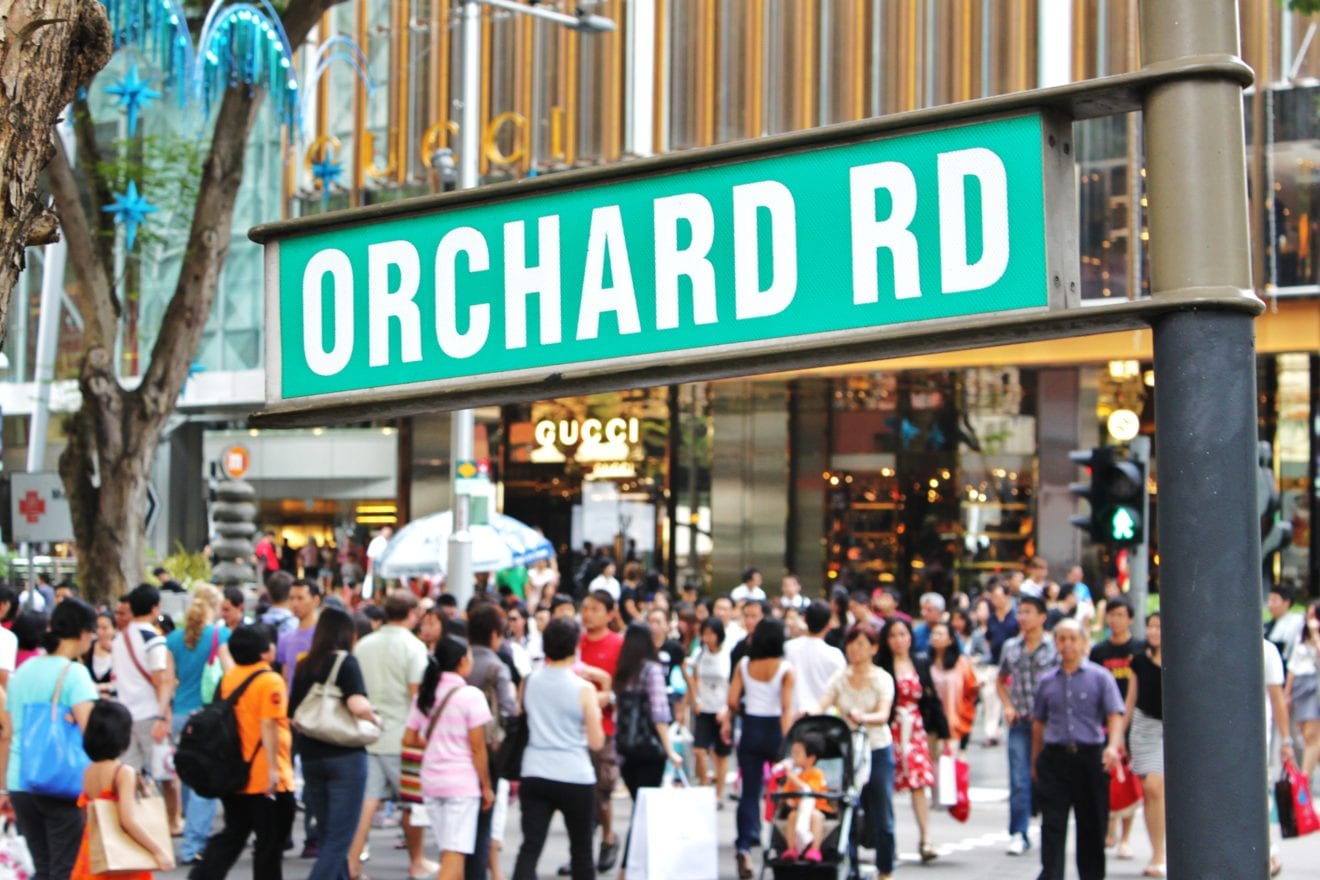
    More retailers are opting to vacate their prime spaces in Orchard Road and move to the heartlands instead, according to a report by CBRE.

    This trend exacerbates the problems ailing Singapore’s retail leasing scene, which has been hard-hit by a decline in both tourist and local spending.

    “As part of cost saving measures, more established retailers have opted to relocate out of prime corridors to secondary corridors, especially in the Orchard Road sub-market,” CBRE said in a report.

    Although exits have weighed on rents, CBRE noted that freeing up prime space has allowed landlords to pursue retailers seeking flagship space.

    “Demand is likely to stay patchy with retailers expected to be even more discerning about store location and openings as their operations evolve to include more retail channels. This does not bode well for overall occupancy with more supply dude to complete from now till 2019,” CBRE said.

  • Cortina opens South East Asia’s biggest Patek Philippe boutique

    Cortina opens South East Asia’s biggest Patek Philippe boutique

    The current downturn in the luxury watch business is not stopping Cortina Watch from pressing on with its expansion plans.

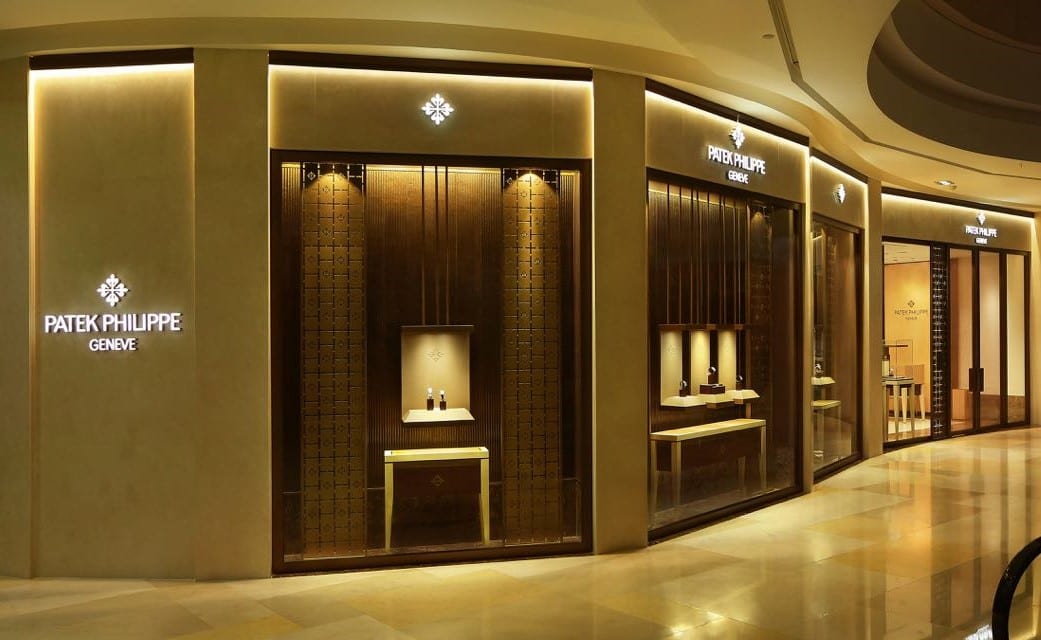
    Last week, Singapore’s second-biggest watch retail chain officially opened South-east Asia’s biggest Patek Philippe boutique in ION Orchard, Singapore’s premier shopping mall. Later this year, Singapore’s biggest Rolex shop run by Cortina will also open its doors at Marina Square.

    cortina_05

    “It’s all about location, opportunity and timing,” Cortina’s chief operating officer Jeremy Lim explains. “If we (had) worried that business is bad, then we wouldn’t have gotten this location,” he says of the Patek Philippe boutique in ION. “This kind of location doesn’t come all the time.”

    The Patek Philippe boutique in ION came just over a year after Cortina pumped S$4 million to unveil the world’s biggest Patek Philippe boutique in Taipei 101, a landmark building at the heart of Taiwan’s capital. It was conceived three years ago with the blessing of Patek Philippe’s president Thierry Stern.

    cortina_02

    Cortina, which both its sales and net profits fell in the first nine months of its financial year ending March this year, operated a smaller Patek Philippe boutique in ION then. After looking around the shopping mall and found it to be a good location, Mr Stern agreed that Patek Philippe should have a bigger presence there.

    The new 265.48 square metre boutique, over four times bigger than Cortina’s first Patek Philippe boutique at ION, is an extension of the earlier boutique first opened in 2009. The bigger space offers customers more personal service and a better showcase of the Swiss watch brand’s coveted timepieces.

    cortina_06

    Cortina, which also operates a Patek Philippe boutique in Marina Bay Sands, spent an estimated S$2.5-3.0 million renovating and remodelling the boutique, which has the novelty of having a “private” door for discreet and busy customers.

    The work on expanding the boutique took four months to finish, but the boutique only opened recently because Cortina had to wait for the leases of the adjoining space, occupied by other tenants, to expire before it could move in.

    The new Patek Philippe boutique in ION came when the dip in global sales of Swiss luxury timepieces last year, the first yearly drop since the 2009 recession, might have finally caught up with Singapore.

    While the export of Swiss watches worldwide slipped 3.3 per cent in 2015 to 21.5 billion Swiss francs (S$30.7 billion), shipments to Singapore still rose one per cent to 1.13 billion Swiss francs. But the latest numbers show retail orders of Swiss watches in Singapore, one of the 10 biggest markets for luxury timepieces, plunged 22.6 per cent in January this year – the second-biggest fall in the top 10 markets.

    “It would be a lie if I tell you we’re not affected,” Patek Philippe’s commercial and marketing director Jerome Pernici says.

    While 2015 was “the best year ever” for Patek Philippe, arguably the top Swiss luxury watchmaker, Mr Pernici discloses that this was largely in the first three quarters of the year. “The last quarter was more difficult and definitely 2016 will be challenging. We know it,” he says.

    Yet Patek Philippe, which celebrated its 175th anniversary last year, has weathered many crises in the past and came out of them stronger, Mr Pernici says.

    “We keep looking at the long term. I don’t know how long (this downturn) will be but once the market recovers, we will be ready.”

    The Rolex shop Cortina is working on will be the listed company’s single biggest project ahead, involving 5,500 square feet of space for watch displays and events. Renovation costs alone could work out to around S$4 million.

    Cortina, which also carries other brands such as Vacheron Constantin, Omega, Longines and Jaeger LeCoultre, is also likely to refurbish its multi-brand outlet at Raffles City this year.

    Last year, the watch retailer opened a S$2 million multi-brand boutique at The Capitol, a luxury hotel and shopping development. At the same time, its Paragon outlet grew from 2,000 to nearly 3,000 square feet.
  • DHL Inaugurates S$160-million Advanced Regional Center in Singapore

    DHL Inaugurates S$160-million Advanced Regional Center in Singapore

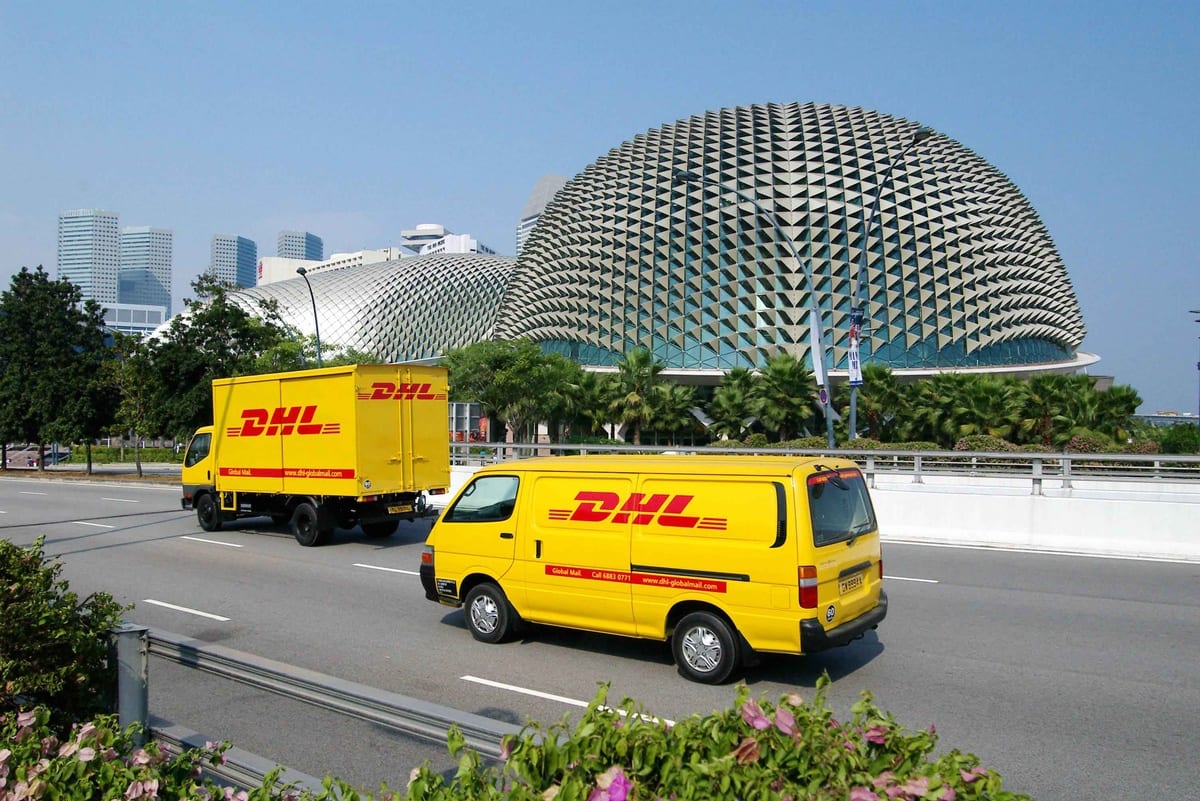
    DHL Supply Chain has launched its Advanced Regional Center (ARC) in Singapore. Built at an investment of more than S$160 million, the new 90,000 sqm facility features an S$18.8 million multi-customer automation system featuring advanced robotics.

    The pioneering system allows customers to enjoy the benefits of automation solution without the need for significant capital investment. The technological enhancement uses 130 robotic shuttles to pick and store products from 72,000 locations spread across 26 levels, improving picking efficiency by 20 per cent and utilising 40 per cent less space than conventional warehousing operations.

    This is the first of its kind deployed by DHL globally and creates a model for the future of warehousing in land-scarce countries and dense cities where land availability is limited and expensive.

    “As an organisation, our spirit thrives on a hunger for new knowledge and innovations that we can bring to customers to meet the challenges of Industry 4.0, the fourth industrial revolution. We see the Asian region as a swift adopter of technologies for enhanced productivity and efficiency. By 2020, Asia will constitute 30 per cent of our total revenue. Facilities like the Advanced Regional Center offer a ready model of innovations that reduce complexity, improve accuracy and maximize opportunities for productivity gains,” said Frank Appel, Chief Executive Officer, Deutsche Post DHL Group.

    Co-located within the ARC is the DHL Asia Pacific Innovation Center (APIC), DHL’s first innovation centre outside of Germany and a joint development with the Singapore Economic Development Board (EDB). Launched in 2015, APIC is the first dedicated centre for innovative logistics services in the Asia Pacific region and showcases futuristic technologies.

    As a multi-customer facility, the Advanced Regional Center also offers bespoke solutions to cater to specific industry needs. For example, the facility boasts clean rooms for Life Sciences & Healthcare businesses, specialised infrastructure for aerospace operations and customized storage solutions for managing service parts for technology customers.

    Purpose-built to industry-leading standards, the ARC facility has been awarded ‘gold status’ for its energy and environmental design. The company has also implemented robust security measures that are in accordance with global TAPA standards.

  • TFWA Singapore: conference programme revealed

    TFWA Singapore: conference programme revealed

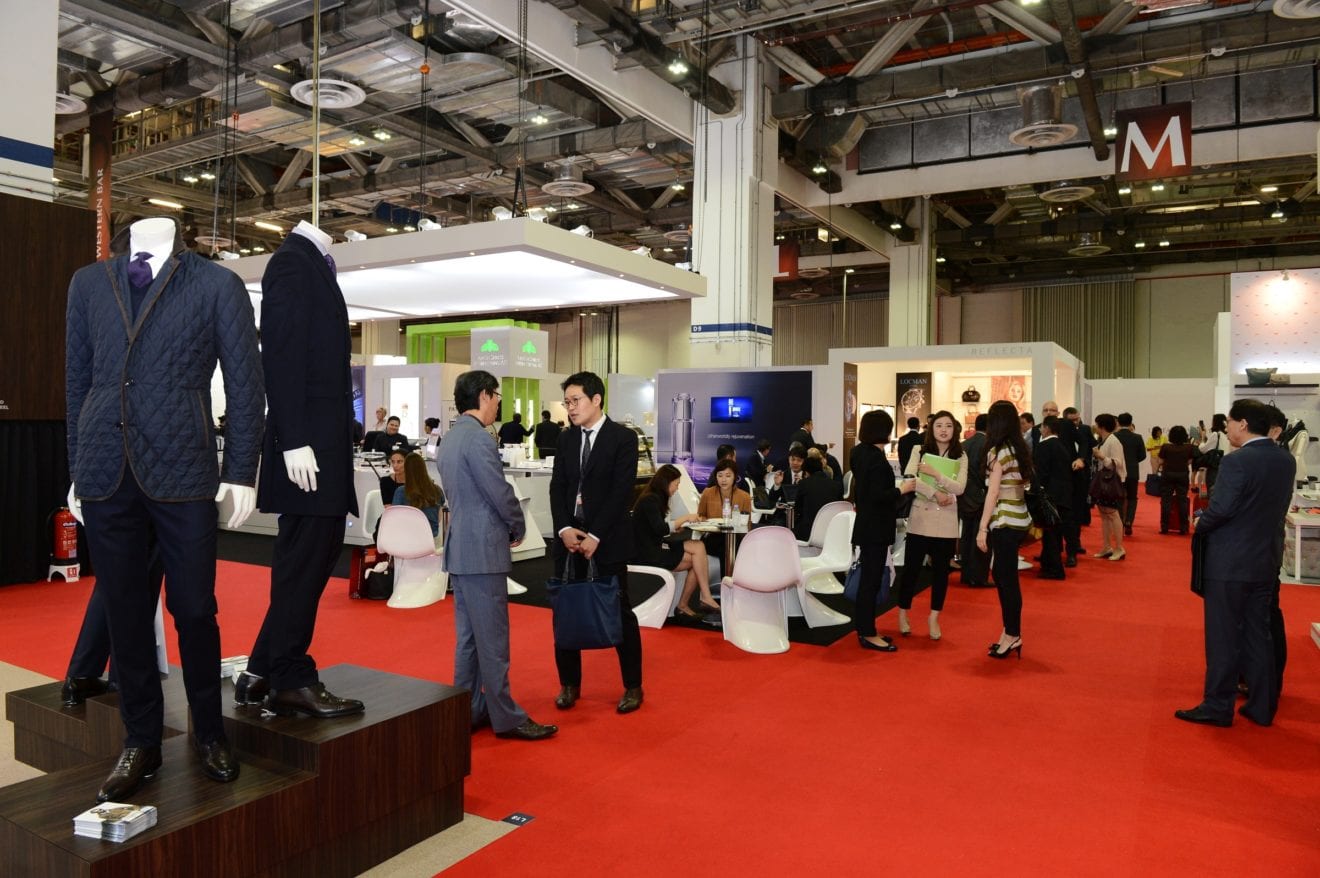
    TFWA Workshop imageOff-airport duty free developments, millennial travellers and legislative threats to travel retail’s growth will be focal points for discussion at this year’s TFWA Asia Pacific Exhibition & Conference, 8-12 May.

    The trio of workshops will provide delegates with the vital insight they require to meet the challenges facing their industry.

    Workshop A will look at ambitious off-airport duty free developments, which have gained particular traction in Asia.

    Speakers include Amos Xu of Haikou Meilan Airport Duty Free Shop, Hyunah Ahn from Korea duty free operator Hanwha Galleria Timeworld and Peter Mohn from M1nd-set.

    Workshop B will delve into the hopes and expectations of the ambitious millennial traveller, with speakers including Singapore-based bloggers Uli Chan and Christabel Chua, Grant Fleming from Lagardère Travel Retail and Cheryl Lim from McKinsey who co-authored a report on capturing the Asian millennial traveller.

    Workshop C will pinpoint and discuss current legislative and regulatory threats, packaging regulations and carry-on board rules and specific categories such as alcohol and tobacco to establish ways of safeguarding the industry.

    Speakers include Sarah Branquinho, ETRC president; Andrew Gardiner, Asia Pacific Travel Retail Association board member and chief of retail & Launceston, Australia Pacific Airports (Melbourne); Duty Free World Council president Frank O’Connell and GfK global head of travel & hospitality Laurens van den Oever.

    “With three sessions running simultaneously, there will be plenty of food for thought during what promises to be a highly informative and constructive afternoon,” says TFWA vice president, conferences and research Thom Rankin.


  • Singapore GIC Makes First Investment in Indonesia’s Logistics Sector

    Singapore GIC Makes First Investment in Indonesia’s Logistics Sector

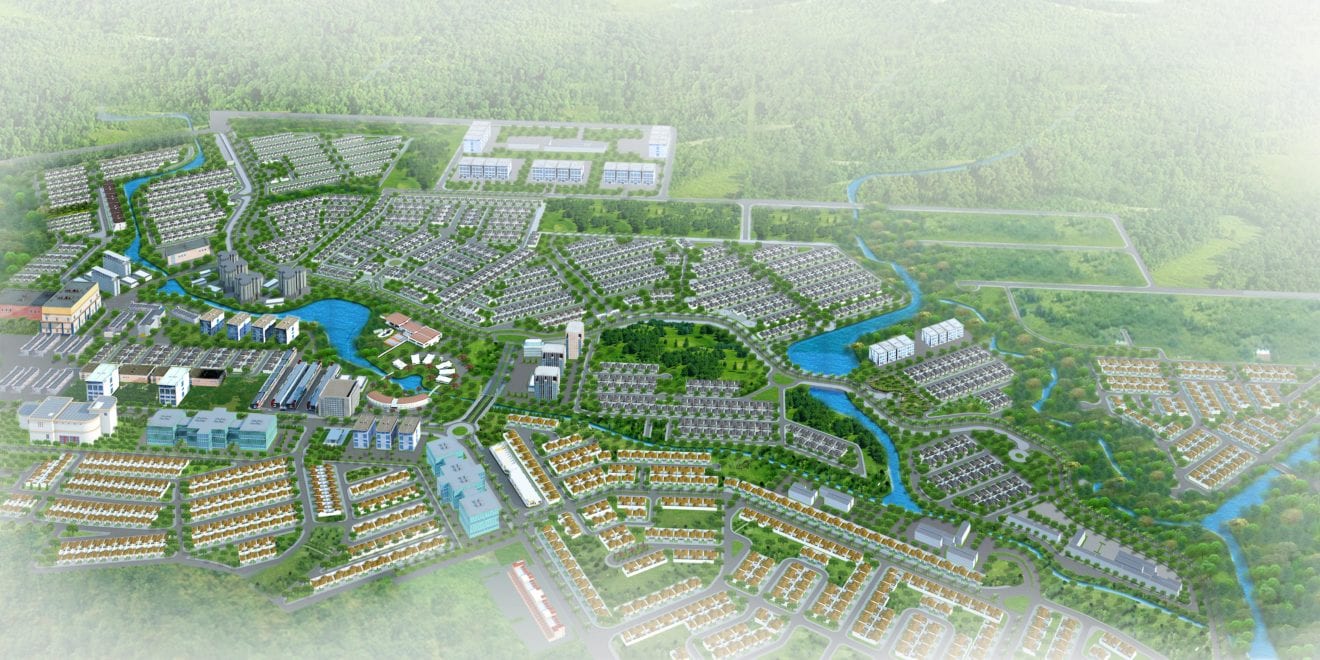
    Singapore sovereign wealth fund GIC has teamed up with Indonesia’s PT Mega Manunggal Property (MMP) to develop a portfolio of quality logistics warehouses over the next three years.

    The warehouses will boast nearly 500,000 sq m of net leasable area in both Greater Jakarta and Greater Surabaya in Indonesia, the two firms said in a joint press release issued yesterday.

    The partnership aims to meet increasing demand by companies for sophisticated inventory systems which cannot be fulfilled by traditional warehouses, they added.

    This is GIC’s maiden investment in Indonesia’s logistics sector.

    “We are attracted by the long- term growth of this sector, which is underpinned by the strong consumption of Indonesia’s rapidly rising middle class,” GIC Real Estate’s managing director and co-head of its Asia operations, Mr Loh Wai Keong, said. “We believe GIC’s knowledge and experience investing in logistics, both in Asia as well as other global markets, will add value to this partnership.”

    MMP, a publicly listed company in Indonesia, develops, owns and operates logistics properties, with a focus on international quality warehousing. “The partnership will also focus on increasing productivity,” MMP president director and chief executive Fernandus Chamsi said, adding that having good operations and quality human resources, as well as good corporate governance, helps.

    Indonesia was ranked 54th in the World Bank’s Logistics Performance Index of 2014. Restrictions on foreign investment in its logistics sector were recently loosened under President Joko Widodo as his administration aims for economic expansion and higher growth by 2019.

    GIC has over US$100 billion (S$135.9 billion) in assets under management in the property, private equity, fixed income and equity sectors in over 40 countries. It has been investing in emerging markets for over two decades.

    It has invested in Indonesia’s retail sector, putting in about 5.2 trillion rupiah (S$537 million) in PT Trans Retail, which operates hypermarkets, supermarkets and cash- and-carry stores under the Carrefour and TranSmart brands.

  • Singapore retail sales defy predictions, fall 3.2% in February

    Singapore retail sales defy predictions, fall 3.2% in February

    Retail sales in Singapore dropped 3.2 per cent in February from the same month a year ago, defying economists’ predictions for an expansion in consumer spending and providing more evidence of a slowing economy.

    The retail sales contraction followed the revised 7.6 per cent growth in January, said the Department of Statistics yesterday, and was in contrast to the 3.4 per cent increase forecast by 12 economists in a Bloomberg poll. Excluding motor vehicles, retail sales slumped by 9.6 per cent as all but three out of 13 segments that make up the index fell.

    Apart from motor vehicles, higher sales were seen only at mini-marts and convenience stores, as well as for medical goods and toiletries. The total retail sales value in February was estimated at S$3.4 billion. The data came a day after the Monetary Authority of Singapore unexpectedly eased its policy, guiding the local currency to a zero appreciation stance against the currencies of its major trading partners, as the economy registered no growth in the first quarter.

    From the previous month, retail sales rose 1.7 per cent in February; excluding motor vehicles, they fell 1.1 per cent, showed the Department of Statistics data.

  • GIC inks US$197m deal with top Korean retailer to develop mall in Incheon

    GIC inks US$197m deal with top Korean retailer to develop mall in Incheon

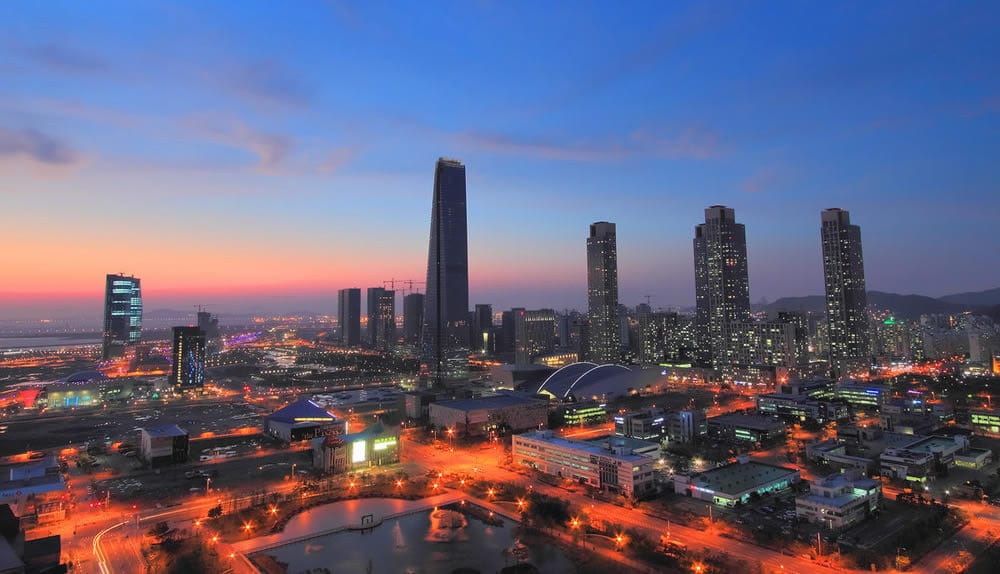
    Singapore’s sovereign wealth fund GIC and Korean department store Shinsegae are partnering to develop a prime retail mall in the Incheon Free Economic Zone (IFEZ).

    Working through affiliates, the companies have signed a US$197 million sale-and-purchase agreement for 59,730 sqm of land for the Incheon mall in the international business district of Songdo, close to a subway station, bus terminal and expressways. Scheduled for completion by 2020, the mall will include entertainment as well as leisure attractions.

    Songdo is a new city part of IFEZ, 65km southwest of Seoul, where Shinsegae has its headquarters. The name of Shinsegae literally means “New World”.

    Set up in 1981 to preserve and enhance Singapore’s foreign reserves, GIC is one of the world’s largest global investors with more than US$100 billion of assets in more than 40 countries.

    GIC and Shinsegae are already working together on developing a prime retail mall in Dongdaegu Station, scheduled for completion in the second half of this year.

    GIC last year partnered with the Canada Pension Plan Investment Board (CPPIB) to acquire the Seoul-based D-cube retail mall, rebranding it as the Hyundai Department Store.

  • M1, IDA launch trial Wi-Fi service for public buses

    M1, IDA launch trial Wi-Fi service for public buses

    The Infocomm Development Authority of Singapore (IDA) and M1 have launched a trial Wi-Fi service for public buses.

    Commuters on selected SMRT Service 176 buses can now use Singapore’s first WiFi-On-The-Go service, as part of the heterogeneous network (HetNet) trials.

    The HetNet Trials are meant to validate advanced telecommunication technologies, and a network’s capabilities in providing pervasive and seamless connectivity in a real-life setting.

    Each connected bus is linked to M1’s 4G+ network through an intelligent in-vehicle unit that boosts the bandwidth available to the on-board wireless network.

    Commuters on the buses, a trunk route service linking Bukit Merah Interchange and Bukit Panjang Temporary Bus Park can go online by connecting to the “Wireless@SG” network on their smart devices. Commuters will be able to identify the two WiFi-enabled buses through on-board signages highlighting the service.

    M1’s carrier WiFi service will also be available on the buses by end-April. The M1WiFi service, with download speeds more than ten times faster than available through Wireless@SG, will seamlessly handover customers between M1’s mobile network and the WiFi-On-The-Go service before, during and after their journey, to enable them to able to enjoy activities such as streaming HD video content without interruption.

    In addition to passenger benefits, WiFi-On-The-Go can help business by enabling new applications. For instance, inbound tour operators can now provide tourists with WiFi on board their tour buses. Vehicle fleet operators can also use the enhanced connectivity to stream live video and collect other relevant information from the vehicle, as well as provide transactional services.

    “HetNet technological innovation is expected to bring about immediate and long term benefits for citizens. With the enhanced infrastructure, as a start, users in trial areas such as MRT stations and selected buses powered by M1, can now experience better coverage with seamless connectivity, IDA assistant CEO Khoong Hock Yun said.

    “Beyond the trials, we look forward to working closer with companies in the tech, engineering and R&D space to develop solutions that can meet pressing connectivity challenges.”

  • Story-i Indonesia to open Apple Stores

    Story-i Indonesia to open Apple Stores

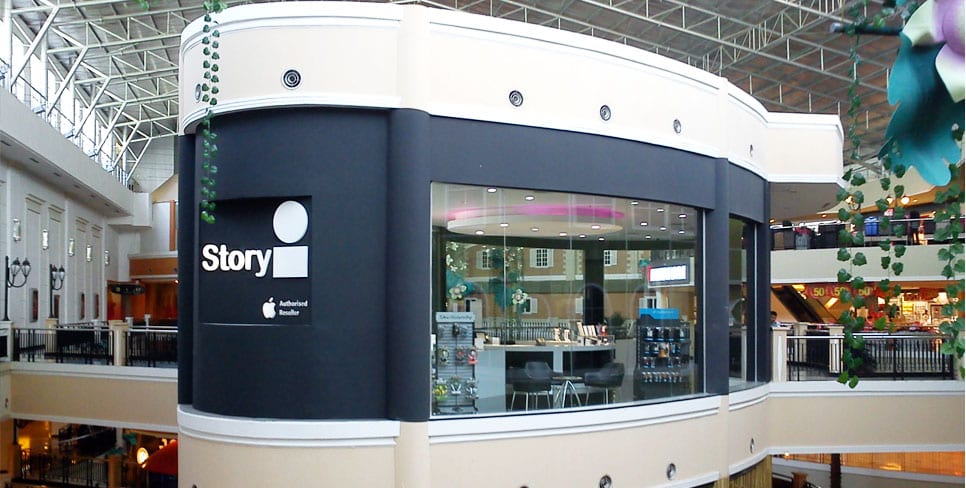
    Two more Apple Stores will open in Jakarta as part of Story-i Indonesia’s retail strategy to expand the network to 18 locations.

    Story-i has formed a relationship with Singapore-headquartered retail giant Courts to open an initial two Apple stores within its large-format Courts Megastores in Jakarta. Story-i will follow up with two further stores within Courts outlets this quarter. Courts has more than than 70 locations across Indonesia as well as Malaysia and Singapore.

    Like Story-i, Courts has an aggressive growth strategy, with a developed pipeline of up to 20 large-format stores. As part of this roll out, Courts has a marketing strategy including a storewide cash-back promotion on sales, extended to cover Story-i stores within its megastores.

    Story-i CEO Yulius Halim says the network provides an all-important physical infrastructure for device sales and servicing that underpins its eCommerce business. As well as more stores, Story-i has been appointed the IT service centrepoint for the Courts Megastore complexes.

    Singapore-incorporated Story-I has 14 Apple and related stores in Indonesia through its 95 per cent owned subsidiary Inetindo Infocom. Story-i branded stores retail Apple products and accessories, iConnect retails Samsung and Lenovo phones, computers and lifestyle accessories, and GeekZone provides software, equipment servicing and apps.