Tag: Singapore

  • New Braun Buffel Singapore boutique opens

    New Braun Buffel Singapore boutique opens

    German luxury brand Braun Buffel has opened a flagship boutique at Singapore’s Marina Bay Sands.

    Its official opening was attended by MD Christiane Brunk, great-granddaughter of Johan Braun who founded the company in 1887.

    Covering 1500 sqft (139 sqm), the Braun Buffel Singapore store features the brand’s trademark leather in the form of an Italian fine-grain leather wall and bespoke leather armchairs in the lounge area. It is the brand’s first flagship with the design concept, and was one year in the making.

    Singapore was Braun Buffel’s first Asian market, in 1982, and this is its fifth store in the Lion City. While known for its handcrafted leather goods and accessories, the brand has in recent years ventured into new segments such as sunglasses and watches. Its latest fall/winter collection is on display at Marina Bay Sands.

    Meanwhile, the company is seeking to expand in Indonesia and China, where it has nearly 200 retail outlets. It also has a presence in Hong Kong, Malaysia, Philippines, Taiwan and Vietnam.

    It also plans to introduce an online retail platform in Asia soon. It already has online shops in Australia, Canada, New Zealand and the US.

  • Singapore retail rents fall

    Singapore retail rents fall

    Singapore retail rents are falling according to the latest figures from real-estate company DTZ Southeast Asia.

    Average monthly first-storey rent across the island eased by 1.2 per cent quarter-on-quarter to about S$30.15 (US$22.22) a sqft in the first quarter this year, says the company – the fourth consecutive quarter of decline. This is 7 per cent down on a year ago.

    Headwinds continued in the retail market in Orchard/Scotts Rd, as average monthly first-storey rent there fell 1 per cent to about $37.65 a sqft..

    According to the latest Singapore Urban Redevelopment Authority (URA) statistics, the occupancy rate in the area fell by 2.1 points to 92.3 per cent last year, the lowest since 1996.

    Retailers in Orchard/Scotts Rd are expected to face pressure, especially in the face of regional competition from Bangkok, South Korea and Taiwan, which offer affordable shopping. Cheaper air fares coupled with a relatively strong Singapore dollar made shopping more expensive in Singapore, and also contributed to weaker retail sales.

    In the other city areas, the occupancy rate dropped by 1.6 points to 91.6 per cent, and average monthly first-storey rent fell by 2 per cent to $21.35 a sq ft.

    Rents were also pressured by the relatively large impending supply this year: mixed-use projects slated for completion include OUE Downtown Gallery, Tanjong Pagar Centre and Duo Galleria.

    In similar vein, the occupancy rate in suburban areas fell by 1.4 points to 92.0 per cent, and average monthly first-storey rent subsided 1 per cent to about $31.40 a sqft.

    Service critical

    DTZ director of retail Anna Lee says quality of service has become even more critical for onground retailers.

    “With competition from eCommerce coming at full force, retailers are placing greater emphasis on providing highly personalised services. Many have revamped stores to include private rooms and lounge areas with superior furnishings.”

    An example is the new Tiffany & Co outlet at Ion Orchard. Apart from being the brand’s first street-facing store in Singapore, the two-storey outlet also showcases a private viewing space with custom furnishings. Another example is Dior, which has also had a revamp at Ion Orchard. It now has lounge areas, marble features and luxurious carpets, and has added a personal stylist to provide shoppers with fashion advice.

  • Checkpoint Systems to Showcase Intelligent RFID-based Merchandise Visibility Solutions at Retail Technology Show Asia 2016

    Checkpoint Systems to Showcase Intelligent RFID-based Merchandise Visibility Solutions at Retail Technology Show Asia 2016

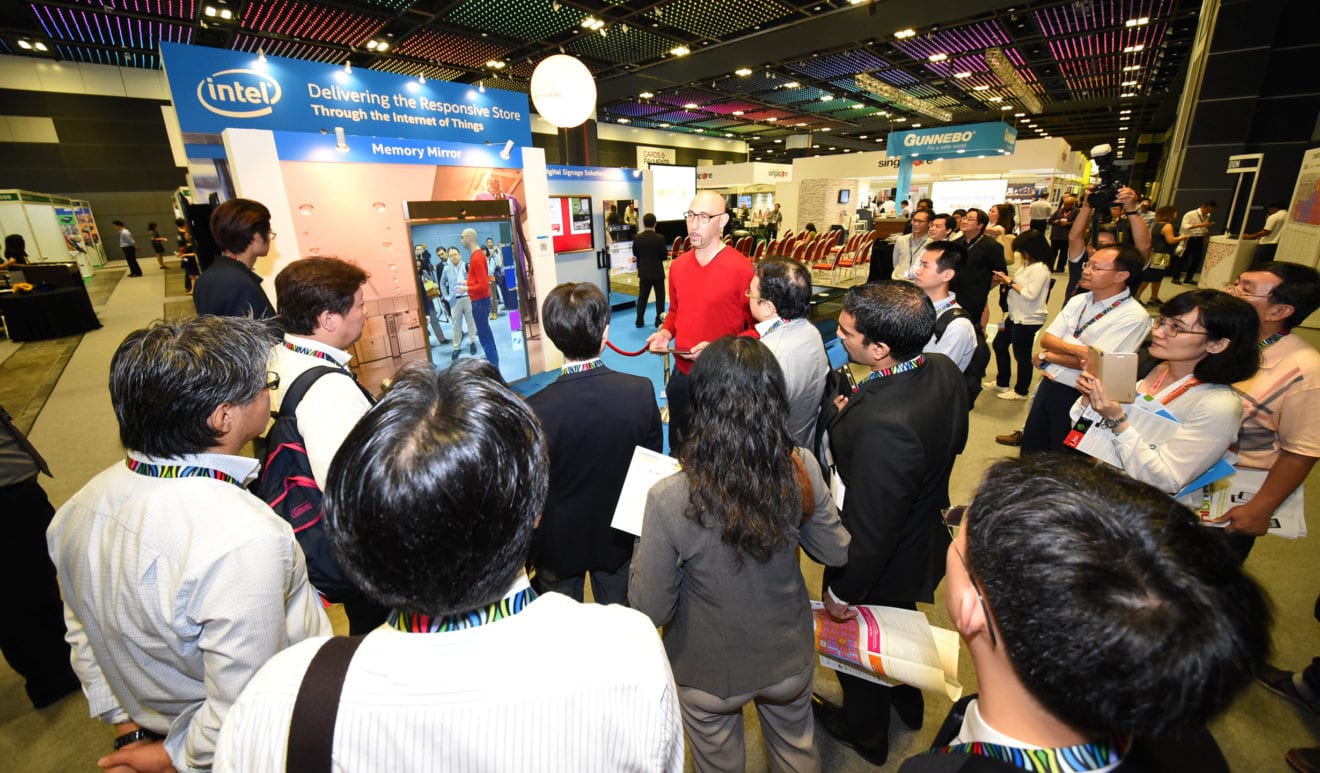
    Visitors to Retail Technology Show Asia 2016, being held from 20-21 April in Singapore will have the opportunity to hear from  Checkpoint Systems, Inc. (NYSE: CKP) and see first-hand the latest merchandise visibility solutions that can help retailers reduce out-of-stocks and on-hand inventory throughout the supply chain all the way from the manufacturer to the store.

    Checkpoint System’s enhanced merchandise visibility solution with new labeling and RFID (radio frequency identification) technology enable manufacturers to apply RFID-based tags at the point of manufacture cost-effectively.  These RFID tags can be read throughout the supply chain, and enable each product to be tracked or located individually. Information about the product’s location is automatically captured and verified against expected quantities in real time at the manufacturing facility, warehouse or store. This information is used to optimize inventory levels and shelf availability, enabling retailers to meet customer demand, improve operations, enhance customer experience, cut costs and increase sales.

    Exhibiting at booth T05 at the Suntec Convention Centre, Checkpoint Systems will showcase its latest solutions, including:

    –          range of RFID-based tags and labels;

    –          S3i ShelfNet™, a scalable, wireless network that provides critical data and analytic intelligence such as inventory quantity in real time that enable retailers to gain new insights into shelf activity and understand customer demand;

    –          EVOLVE-Store series, involving a real-time app that provides real-time visibility on merchandise and shopper numbers by managing response times to alarm events;

    –          MetalPoint™ HyperGuard™ solution, a digital based software solution that can detect foil-lined clothing or bags used by organized retail crime operations and prevent theft by alerting staff. It can be seamlessly integrated into Checkpoint’s EVOLVE family of antenna.

    Mark Gentle, Vice President – Merchandise Availability Solutions, Asia Pacific at Checkpoint Systems, will deliver a speech titled “It’s all about the data – how Sensor Data Drives Responsive Retail” at the event. Speaking on 20 April, he will discuss how critical merchandise-related data that is collected from RFID sensors can be analyzed and used to enhance supply chain visibility and improve business processes for retailers.


  • LinkedIn opens data center in Singapore

    LinkedIn opens data center in Singapore

    LinkedIn has opened its first data center in Singapore, spanning 23,500 square feet in Jurong. This is one of six data centers for LinkedIn globally, and the first outside the United States.

    LinkedIn has invested S$80 million ($587.4 million) so far in the new data center, which was established to enhance the experience for the fast-growing base of LinkedIn members and clients across the Asia-Pacific region.

    With the facility the enterprise social media company aims to imrpove speed and reliability of APAC members’ access to LinkedIn’s services as they connect to professional opportunities on the network.

    Since January 2013, the number of LinkedIn members in APAC more than doubled to reach over 85 million members at the end of 2015. This includes more than 1 million members in Southeast Asia (of which more than 1 million are in Singapore), 34 million in India and 7 million in Australia.

    LinkedIn also counts prominent leaders as its influencers, including Narendra Modi (Prime Minister of India), Piyush Gupta (CEO of DBS Bank), Tony Fernandes (Group CEO of AirAsia), Shinzo Abe (Prime Minister of Japan) and Andrew Penn (CEO of Telstra). Over the same period, LinkedIn’s revenue in the region more than tripled.

    The new data center in Singapore processes all of LinkedIn’s online traffic in the Asia Pacific region and will also handle about a third of global traffic. It will also complement the continuing growth in LinkedIn’s storage and processing needs globally – in 2015, this growth was 34%.

    The smart design features are also expected to reduce the annual energy consumption of the data centre by a magnitude that is equivalent to powering about 100 private homes in Singapore. For more information about the data centre, please click here.

    “Asia Pacific is our fastest growing region in terms of member base outside of the US,” said Olivier Legrand, managing director of LinkedIn in Asia Pacific. “Singapore is the natural choice for us to locate this new data center, as it is already our Asia Pacific headquarters, and it offers the cutting-edge infrastructure and talent we need,” said Legrand.

  • Online booking platform Chope enters Indonesia with acquisition of MakanLuar

    Online booking platform Chope enters Indonesia with acquisition of MakanLuar

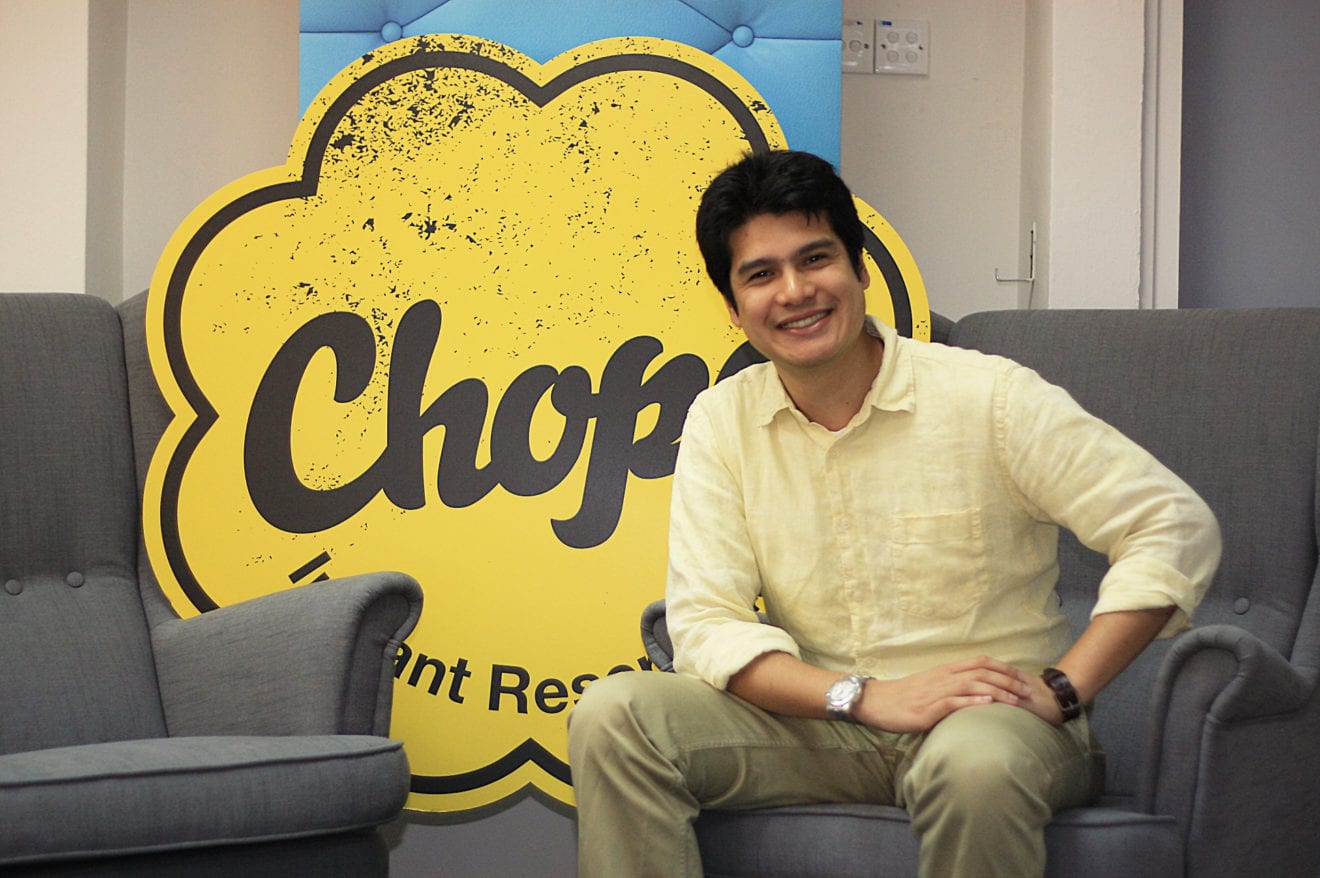
    Singapore-headquartered restaurant reservation startup Chope has acquired Indonesian counterpart MakanLuar, the company announced today. The value of the deal is undisclosed. The acquisition was made with a mix of cash and shares, although Chope co-founder and CEO Arrif Ziaudeen does not reveal the percentage of each.

    Through the deal, Chope adds Jakarta, Bandung, and Bali to its portfolio, bringing the cities it’s active in to eight. It’s been operating in Singapore, Bangkok, Hong Kong, Shanghai, and Beijing.

    Chope expanded in those territories organically, and every time it found it had to educate early adopters and find a product-market fit, Arrif says. “Jumping in at the stage MakanLuar is at, they’ve already crossed that threshold and are now in a position to hit the accelerator on sales and marketing, so we save valuable time,” he enthuses.

    MakanLuar’s founding team of Kunal Narang and Hiro Mohinani was also a major factor for Chope. “We were inspired by Kunal and Hiro’s drive, and with a proven track record we really feel confident in these safe pairs of hands,” Arrif explains.

    “Oddly enough, before we started MakanLuar, we spoke to Chope to seek ways to work together but we were too new at the time,” Kunal tells Tech in Asia. Once the team had some good traction in Indonesia, it made sense to get back in touch with Chope and become part of a bigger regional play, he adds

  • Singtel adopts web chat to improve customer service

    Singtel adopts web chat to improve customer service

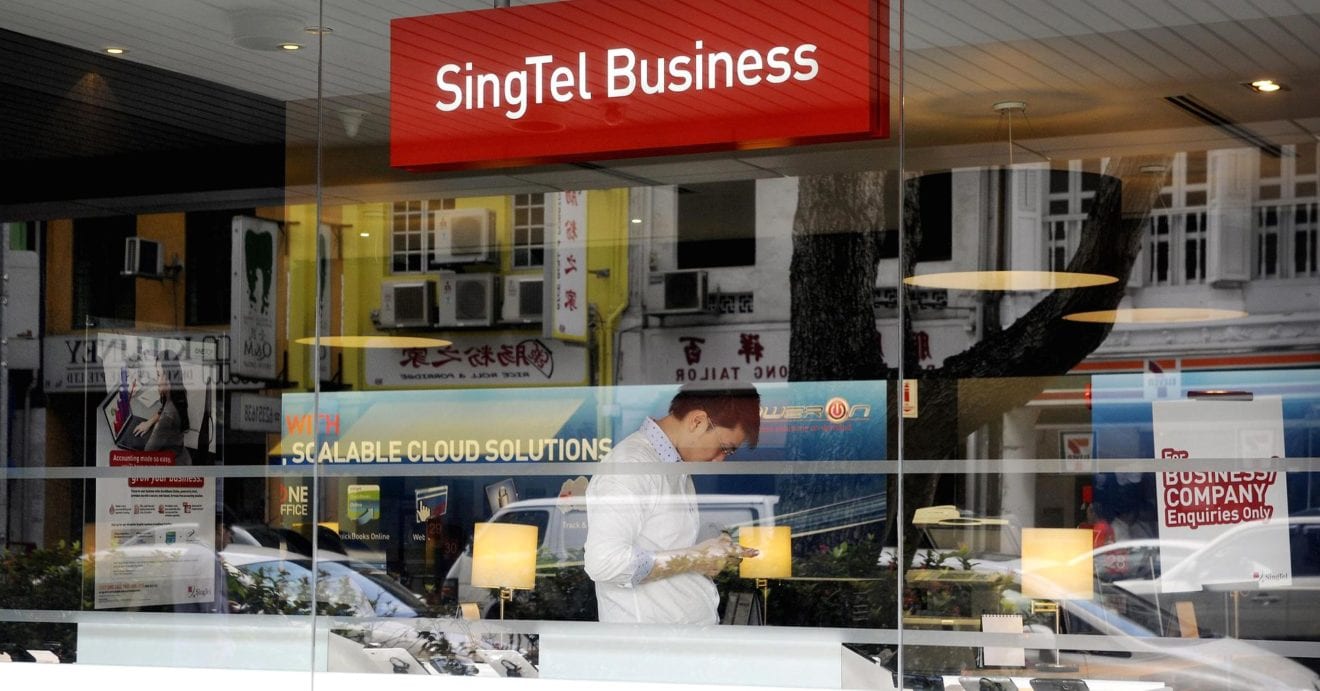
    Singtel has improved its real-time customer engagement capabilities with the implementation of a web chat system from online and mobile messaging platform provider LivePerson.

    The cloud-based chat solution allows Singtel to take advantage of  predictive intelligent targeting and behavioural intent tools to enhance web assistance services and customers’ overall communication experience with Singtel.

    “As Singtel continually grows its suite of next-generation communications and digital services, we are also investing in new IT capabilities to support these services,” Singtel vice presiden of consumer operations Candy Chua said.

    “We want to give customers a seamless and effortless experience when they look for information or transact with us. For example, with the LivePerson web chat, we can proactively reach out to customers to render timely support when they are surfing our website.”

    Steven Fitzjohn, LivePerson’s APAC Regional Vice President added that “there is a gap between the way we choose to communicate with our friends and family – mostly through digital and social channels – and the way brands communicate with us, which is predominantly through outmoded voice channels. Singtel is differentiating itself by taking action to bridge this gap. It is presenting customers with a channel that is familiar and simple to use, and offers customers a better experience overall.”

  • Here’s How CapitaLand Mall Trust Wants to Bring Shoppers to Its Malls

    Here’s How CapitaLand Mall Trust Wants to Bring Shoppers to Its Malls

    CapitaLand Mall Trust, an owner of retail malls in Singapore, is the largest listed real estate investment trust (REIT) in Singapore.

    But, mere size alone does not guarantee that shoppers will keep coming back to its portfolio of malls. To ensure a steady stream of shoppers, the REIT has to keep itself plugged into the latest consumer trends.

    One big retail trend is online shopping.

    In my view, shopping online has three major benefits. One, there may be a wider variety of products. Second, the cost of similar products may also be cheaper online. Finally, there is the convenience of having items delivered to one’s doorstep. All three benefits could lead to lower shopper traffic to retail malls in general and thus potentially pressure CapitaLand Mall Trust.

    Threat or opportunity

    For malls, online shopping could be seen as a threat. But for Wilson Tan, the chief executive of CapitaLand Mall Trust’s manager, it is also an opportunity. He shared his thoughts on ecommerce in a recent interview conducted by bourse operator Singapore Exchange Limited  (SGX: S68):

    “We need to be digitally more savvy. We could consider the Internet as a threat, but the issue really is how we harness and ride this horse.”

    With the above in mind, Tan shared two key initiatives that CapitaLand Mall Trust is working on. The first one is a loyalty program that comes from CapitaLand Mall Trust’s sponsor and manager, the real estate outfit CapitaLand Limited (SGX: C31). The report of the interview explains:

    “CapitaLand’s CAPITASTAR loyalty programme – which boasts over 2.6 million members across the five Asian countries where CapitaLand malls operate, and includes more than 800,000 members in Singapore – is one approach to better understand shopper behaviour.”

    The CAPITASTAR loyalty program allows members to accumulate points and thereafter, claim discount vouchers to use in CapitaLand’s family of malls (this includes CapitaLand Mall Trust’s malls). This could encourage shoppers to shop at the REIT’s malls. Tan also said that the loyalty program gives the REIT deeper insight into shopper preferences.

    The number of CAPITASTAR loyalty card holders in Singapore – over 800,000 – can be considered impressive, given that Singapore has a population of only around 5.5 million people.

    There’re more plans on the way. CapitaLand Mall Trust is also testing an online delivery platform at Raffles City Shopping Centre, as the interview report mentioned:

    “Its online order and delivery platform Food to Go, which involves participating food and beverage outlets at Raffles City Shopping Centre, is another initiative. The current beta programme runs until 30 June, and plans for enhancements are underway.”

    Tan feels that this digital effort could help the REIT’s tenants increase their sales. Helping tenants achieve higher revenue could be beneficial for the REIT as it could lead to better rental rates down the line.

    Foolish takeaway

    In my view, online shopping is here to stay and might take up a bigger share of the retail market over time. It is up to Singapore malls to decide whether the trend is a threat, or as Tan sees it, an opportunity.

  • New Look and Celio to exit Singapore market

    New Look and Celio to exit Singapore market

    Two fashion brands will bow out of the challenging retail scene here before the year is out.

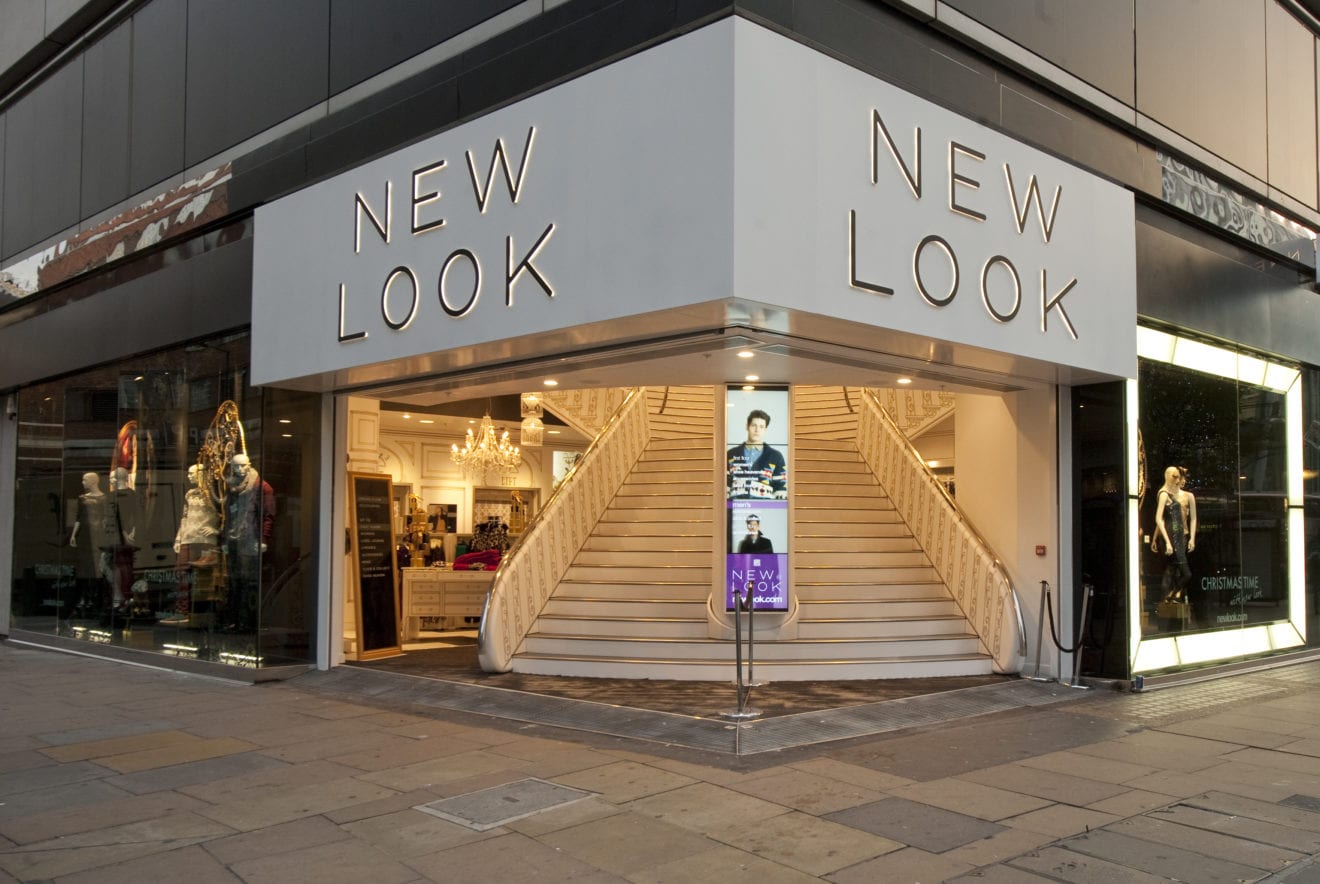
    Eight stores in various malls showcasing the British brand New Look and French menswear chain Celio will close in the second half of the year, said distributor Jay Gee Melwani Group.

    “The sales are not there and the costs are too high. We are consolidating and re-strategising which ones can work, which ones can’t,” Jay Gee Melwani Group managing director R Dhinakaran said.

    The other brands Jay Gee distributes include Aldo, Levi’s, Dockers, Aeropostale, Converse and health supplement chain Holland & Barrett. Affected staff will have the option of being redeployed to other stores in the group.

    Last week, conglomerate Al-Futtaim Group announced that it will shut 10 loss-making outlets here under its distribution and retailing arm RSH later this year.

    Competition from e-commerce, weak consumer sentiment and rising business costs have dogged retailers in recent years, with no sign of a let-up.

    Colliers International’s senior associate director of research and advisory, Ms Anthea To, said: “With both the domestic and international economies experiencing some headwind, consumers are likely to stay cautious and prudent in their discretionary spending.”

    Property consultancy JLL said vacancy rates in malls in Orchard, Marina and the suburban areas are still rising. Said Ms Lee Siew Ling, director of retail at JLL: “Retailers are now focusing on key locations with proven footfall and are more risk-averse and tend to refrain from investing in new locations.”

    The Marina retail submarket – which includes malls such as Marina Square and Suntec City – has the highest vacancy at 6.1 per cent, according to JLL data, followed by Orchard with 3.1 per cent and the suburban submarket with under 2 per cent.

    Ms Lee said the net take-up of retail space islandwide last year came in at minus 86,379 sq ft.

    This means more space was given up compared with retail premises being occupied by replacement retailers and new entrants.

    Shaw Centre, at the junction of Scotts Road and Orchard Road, appears to have trouble filling its units. About 25 units were still behind hoardings at the five-storey mall, including two on the ground floor facing Scotts Road, when The Straits Times visited last week.

    About nine units were vacant on level four, where Seasons Nail Bar is located. The shop’s general manager, Mr Roy Fong, said: “Sometimes I have one walk-in customer a week.

    “There is no shopper traffic. I have to spend $2,000 to $3,000 every month to do marketing. The management gave us a rental rebate, but that won’t help to improve sales.”

    Mr Jeremy Low said his Fox Studio hair salon is “still surviving” as it relies mostly on regular customers.

    “They should fill up the mall quickly, perhaps with an education centre or health spa or yoga studio, to get people to visit,” he added.

    “Maybe they can have a different theme on each floor.”

    Shaw Centre declined to comment on the occupancy rate.

    Marina Square Shopping Mall, which also has many unoccupied units, said it is working with tenants on advertising and promotions and holding events to drive shopper traffic. Its operator, Marina Centre Holdings, said the overall leasing outlook in Singapore will remain “difficult over the next 12 months as existing chain stores are expected to continue consolidating”. It expects to see more “pop-up” stores and new retail concepts.

    Pop-up shop Excluniqueeee leased 1,000 sq ft at the mall at a “very low rate” recently to showcase its apparel and street art.

    Store director Jason Wang said: “In good times, when the malls are doing well, there is no way for us to get retail space.”

    Knight Frank Singapore retail head Wendy Low said pop-up stores are becoming more common as they “help landlords in filling up vacancy and also act as a test bed” for new retail concepts. Analysts said landlords could also offer more flexible tenancy periods and rental structures, review the tenant mix and step up marketing efforts.

  • Smiggle’s global expansion accelerates

    Smiggle’s global expansion accelerates

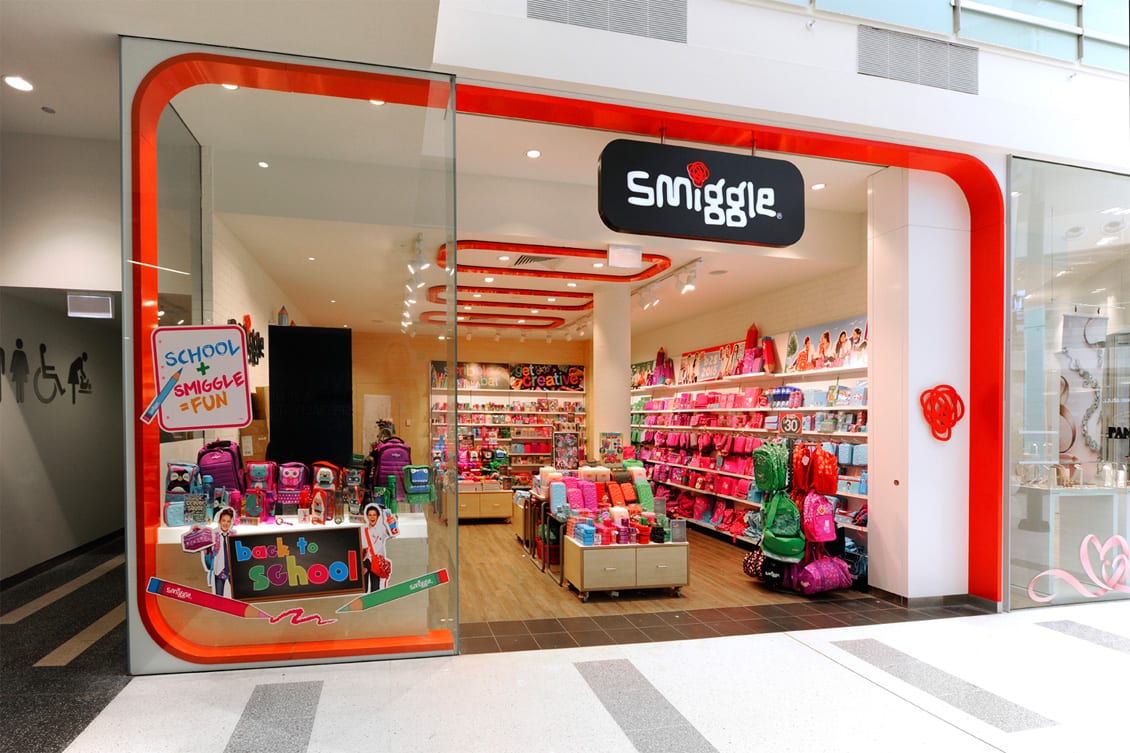
    Billionaire businessman Solomon Lew has unveiled a new target of 100 new Smiggle UK stores by Christmas.

    A further 40 to 60 of the popular stationery stores are planned to open in the UK each calendar year from 2017 to 2019.

    Smiggle is the highlight of Mr Lew’s retail investment arm Premier Investments which owns seven brands, including its other core brand, designer sleepwear Peter Alexander.

    Mr Lew, the chairman of Premier Investments, said he was confident Smiggle would conquer the world.

    “This brand will be successful in every country in the world where there are children,” he said.

    “This market is going to grow and grow and become a world brand.”

    Smiggle’s global sales rose 46.5 per cent in the six months to January 30 with strong like-for-like sales in all four countries it trades in, including Australia, New Zealand and Singapore.

    Mr Lew said the standout was Smiggle UK which continued to trade ahead of expectations.

    The UK business had 42 stores by the end of the half and is on track to achieve 200 stores and $200 million in sales within five years.

    Smiggle’s rollout in Asia is also on track with its first Malaysian store to open in April and its first Hong Kong store set to open in May.

    Malaysia and Hong Kong is expected to have a total of 50 stores in five years.

    All of Premier Investments’ brands, including Just Jeans, Dotti, Portmans, Jacqui-E and Jay-Jays, recorded like-for-like sales growth in the first half.

    Peter Alexander’s sales grew 22.5 per cent, with eight new store openings in Australia and New Zealand during the half.

    Total group sales rose 15.1 per cent to $565 million and net profit climbed 26 per cent to $71.5 million in the half.

    Mr Lew said the company’s balance sheet was strong and the group remained open to potential future acquisitions.

    Premier’s shares closed 60 cents, or 4.1 per cent, higher at $15.31.

    PREMIER’S PROFIT JUMPS ON STRONG SALES:

    * Net profit up 26pct to $71.5m

    * Revenue up 15.1pct to $565m

    * Fully franked interim dividend up two cents to 23 cents

    SMIGGLE STORE COUNT IN FIRST HALF:

    * 126 in Australia

    * 23 in NZ

    * 18 in Singapore

    * 42 in the UK

  • Singtel, Inmarsat join forces on maritime cyber security

    Singtel, Inmarsat join forces on maritime cyber security

    SingTel has forged a strategic alliance with Inmarsat to jointly offer cyber security tools for the global maritime industry.

    Under the partnership, Trustwave, the cyber security arm of Singtel, will provide its Unified Threat Management (UTM) managed solution, to be integrated with Inmarsat hardware onboard ships, to protect data reduce cyber risk for maritime companies.

    Singtel said the UTM service offers a suite of cyber security defenses, such as advance firewall, anti-virus, intrusion prevention and web-filtering.

    Singtel and Inmarsat plan to launch the new maritime cyber security service in the second half of 2016, the companies said a joint statement.

    The new service will be delivered through FleetXpress, the highly anticipated high-speed broadband communication service Inmarsat launched in March for maritime and offshore operators.

    Andrew Lim, managing director of business group at SingTel’s Enterprise Group, said the partnership with Inmarsat is important for the company as it marks the first phase in rolling out Singtel cyber security services for Inmarsat.

    “As maritime systems become more digital, it is imperative for the industry to protect data onboard ships against all forms of cyber attacks. Our partnership with Inmarsat will provide maritime companies with a cyber security solution to meet rapidly evolving cyber threats, globally,” the executive said.

    Gary Gagnon, Inmarsat’s senior vice president of global cyber security, said the partnership with Singtel supports the company’s commitment to the market and elevates the benchmark for maritime cyber security.

    “The landscape of shipping is changing. As we move from traditional shipping into the ship intelligence era, the threat of cyber attacks have never been more real,” commented Ronald Spithout, president of Inmarsat Maritime.

    “Risks from malicious attacks and unlawful access to a ship’s intelligence, its system infrastructure and networks cannot be ignored, and the shipping industry needs to take action.”

    The Singtel-Inmarsat collaboration comes a day after Inmarsat announced it will use its new Global Xpress satellite fleet to provide in-flight connectivity services for the airline industry.

  • Maybank to grow Singapore retail SME loan portfolio by 40% this year

    Maybank to grow Singapore retail SME loan portfolio by 40% this year

    Maybank is planning to “aggressively expand” its retail small and medium enterprises (RSME) financing across Singapore and the region, it said on Monday.

    The bank will be lending money to more businesses with revenues of up to $20 million, termed “retail SMEs” because they have simpler financing needs akin to those of retail or consumer banking.

    The move follows the implementation of its RSME model in Malaysia, which has seen a compounded annual growth rate (CAGR) of more than 30 per cent in loans since it was fully rolled out in 2013.

    Maybank Singapore said it expects to grow its total RSME loan portfolio by 40 per cent this year.

    In the two years since the RSME business was officially launched here, SME loans have increased by more than 50 per cent and deposits have risen by almost 25 per cent, according to Mr Choong Wai Hong, head of community financial services (CFS) for Maybank Singapore.

    “Our RSME business was a newly created segment which we identified as having great potential in 2011,” said Mr Lim Hong Tat, chief executive of Maybank Singapore.

    Mr Lim added that Maybank will be focusing on building its RSME portfolio regionally as the formation of the Asean Economic Community has resulted in countries placing increasing emphasis on smaller firms. “Asean economies are powered by the SME segment, which generates about 50 per cent of employment and some 40 per cent of GDP on average,” he added.

    “The SME industry itself is growing by between 8 and 28 per cent CAGR in these markets and presents an untapped potential for growth.”

    Maybank has introduced its RSME model in Indonesia, the Philippines, Cambodia, Laos and Brunei.

    The bank also has online capabilities to help small business owners improve their productivity in areas such as payroll, collections and payments. Maybank intends to devise more innovative financing solutions to help business owners manage uncertainties around their cash flow.

    “As the only bank with a presence in all 10 Asean countries, we are well-poised to help more small businesses capitalise on new opportunities to grow their business locally and access new markets in the region,” Mr Choong said.

  • Teak & Mahogany Accelerates Business Growth And Efficiency With NetSuite

    Teak & Mahogany Accelerates Business Growth And Efficiency With NetSuite

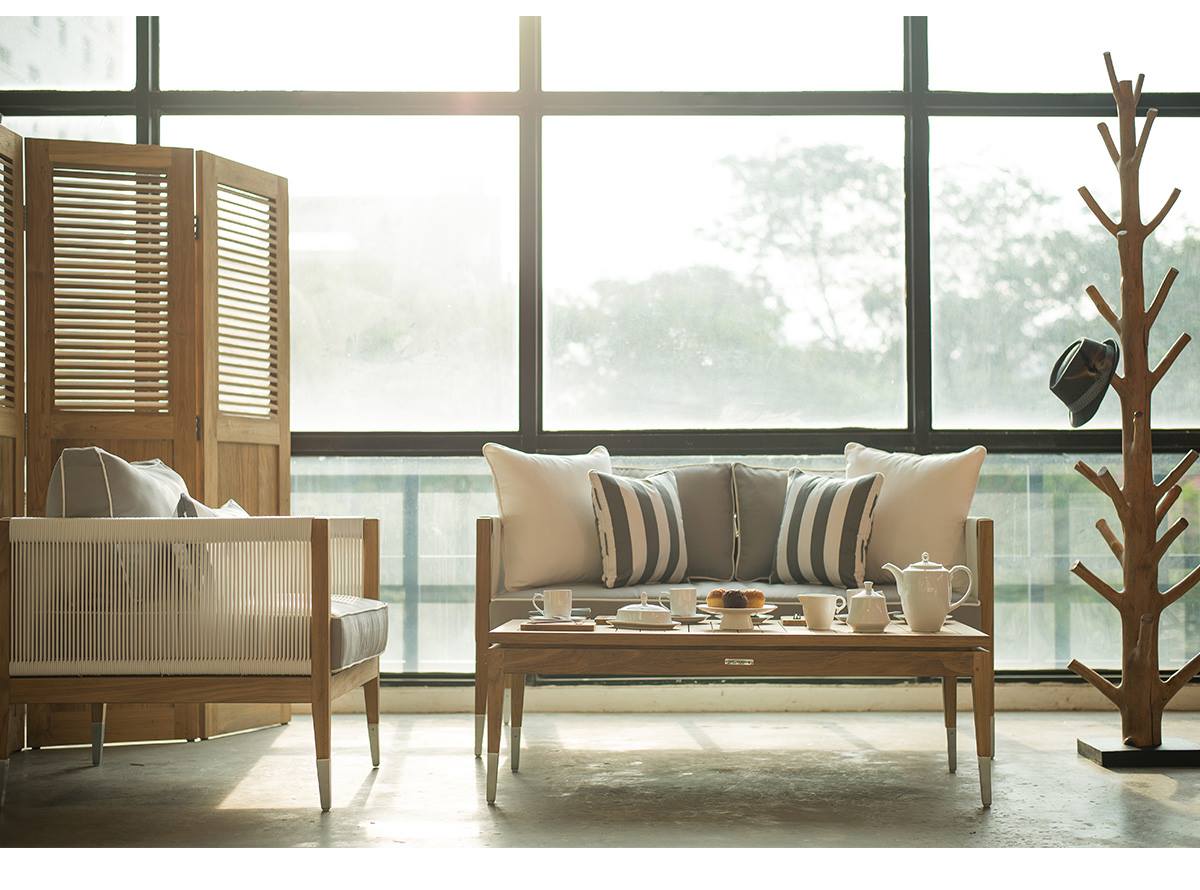
    NetSuite Inc. (NYSE: N), the industry’s leading provider of cloud-based financials / ERP and omnichannel commerce software suites, today announced that Teak & Mahogany, a Singapore-based B2C and B2B merchant of fine outdoor and indoor furniture and accessories, has deployed NetSuite to streamline its business operations and gain operational efficiency to support rapid international growth. Teak & Mahogany replaced two separate instances of MYOB and a number of Excel sheets with one single instance of NetSuite. Teak & Mahogany is now using NetSuite to manage its core business processes, including financials, warehouse and inventory management, order management, CRM and multicurrency management for the Euro and the dollars of Australia, the US and Singapore. Since deploying NetSuite, Teak & Mahogany has experienced end-to-end business efficiency and strong growth in sales to hotels, restaurants, bars, condominiums and other commercial buyers, as well as growth in its retail business, resulting in a 300 percent gain in net profitability between 2014 and 2015.

    Prior to NetSuite, Teak & Mahogany struggled with two separate instances of MYOB, for accounting and retail, while relying on Excel to manually manage inventory and order fulfillments. The siloed applications resulted in regular miscommunication, manual data errors and poor productivity, while a lack of real-time visibility into key business metrics made it difficult to make informed business decisions. After evaluating a number of alternative solutions, including Microsoft Dynamics NAV (Navision) and SAP, Teak & Mahogany selected NetSuite for its rich functionality and flexibility in a single, integrated and scalable solution, based on a cloud architecture that delivers anywhere, anytime access and minimizes IT resource requirements. PGE Solutions, a 5-Star NetSuite Solution Provider partner headquartered in Manila with a regional hub in Singapore, has helped Teak & Mahogany with implementation and ongoing optimizations, aligning NetSuite to the company’s unique business needs and strategic growth objectives.

    Founded in 1996 with a flagship retail store in Singapore, Teak & Mahogany is better positioned with NetSuite to grow its multi-channel business across Southeast Asia and the USA. NetSuite helped to support Teak & Mahogany’s recent introduction of a broader lineup of indoor furniture and accessories, expanding on its traditional outdoor focus to bring its total SKU count above 3,000, including seating ensembles, barbecues, bars, dining sets, lighting and more. NetSuite can help Teak & Mahogany drive sales across its B2B distributor channel, which sells its products in Singapore, Australia and Hawaii through CRM functionality that provides a complete real-time view of customers and prospects, from clubs to condominiums, and automated invoicing that streamlines transactions. Multi-currency conversions in NetSuite also helps the company to seamlessly transact in the Euro with their Danish supplier and in the dollars of Singapore, Australia and the U.S. with their three distributors, with more currencies available as it grows commercial sales across the APAC region. Teak & Mahogany also relies on NetSuite for purchase orders, billing and fulfillment with four retailers in Australia and one in Hawaii that sell Teak & Mahogany merchandise.

    “Our goal with NetSuite from the start was to expand the business and there’s no doubt NetSuite has played a big role as we have increased our profitability,” said Philip Jensen, Teak & Mahogany Co-owner and Marketing and Export Manager. “NetSuite gives us outstanding flexibility and fantastic real-time data that shows us how the company is doing at any time. With NetSuite, we have a greater focus on growing the business with efficiency and real-time KPIs. We’re relying more on NetSuite to drive the future of the company rather than people using spreadsheets.”

    Other key benefits that Teak & Mahogany has realized since deploying NetSuite are:

    Better order fulfillment. Teak & Mahogany has improved order fulfillment accuracy to 100 percent since deploying NetSuite, compared to error rates in the range of 350 a year with previous Excel-based processes, improving customer satisfaction.

    Improved inventory management. NetSuite has helped Teak & Mahogany better manage and replenish inventory, dramatically reducing costly overstock at its 23,000 square feet of multi-floor warehousing space in Singapore.

    Continued inventory enhancements. Expanding usage of bin management will improve inventory efficiency and precision across distributed warehousing space, supported by the OzLINK solution from NetSuite partner Oz Development.

    Greater productivity with a lean workforce. NetSuite automation has helped Teak & Mahogany to consolidate multiple job roles, and since deploying NetSuite, Teak & Mahogany has trimmed the workforce by five full-time personnel, realizing substantial savings.

    According to Zakir Ahmed, Vice President and General Manager, NetSuite Asia: “Teak & Mahogany is one of the growing number of businesses in Asia Pacific turning to NetSuite to help realize efficiencies and support rapid growth. Teak & Mahogany’s impressive gains in profitability are a strong testament to the potential benefits of running a business on a unified cloud-based system.”

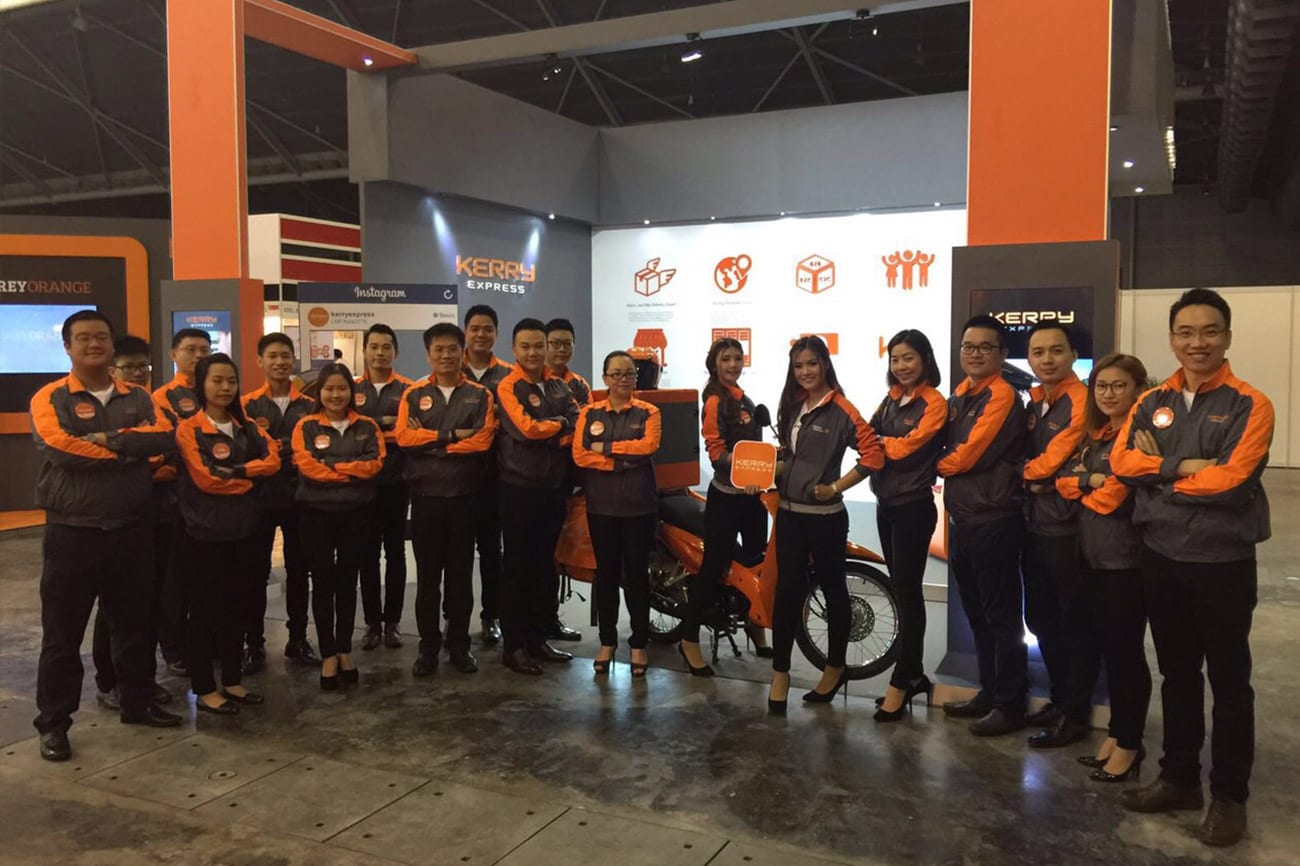
  • Kerry Logistics to Operate Inland Ports in Myanmar

    Kerry Logistics to Operate Inland Ports in Myanmar

    Kerry Logistics announced that its subsidiary, KLN (Singapore) Pte Ltd, has been awarded concession to operate inland ports in Yangon and Mandalay, two major commercial cities in Myanmar.  The awarding ceremony organised by the state-owned Myanma Railways under the auspices of the Ministry of Rail Transportation of Myanmar was held at the Sule Shangri-la Hotel, Yangon.

    In a bid to seize new opportunities for cross-border trade upon entering the ASEAN Economic Community, the government of Myanmar is committed to developing the railway transportation potential and promoting mass cargo transportation in the country. The inland ports will serve as container and cargo terminals linked by railway to major routes in the country, and as hubs for the exporters, importers and domestic logistics service providers of cargoes in and out of Yangon and Thilawa Ports, as well as for cross-border cargoes from neighbouring countries such as China and Thailand.

    Commenting on receiving the concession, George Yeo, chairman of Kerry Logistics, said, “We would like to thank the Ministry of Rail Transportation of Myanmar for its trust in us, and are pleased to be offered the opportunity to contribute our expertise in terminal logistics operations to benefit the development of Myanmar.  Railway transportation is an essential backbone in support of Myanmar’s economic development, both within the country and with nearby regions. Given Kerry Logistics’ presence in ASEAN, our goal is to further strengthen the linkage among countries in the region and seek accelerated growth by developing an integrated Greater Mekong Region platform covering Thailand, Cambodia, Myanmar and Laos.  The inland ports in Yangon and Mandalay form a vital part in pursuing such an integration.”

    With its expertise in terminal logistics, strong foothold and experience in the ASEAN region, and commitment to the development of Myanmar, Kerry Logistics will work in close cooperation with the Ministry of Rail Transportation of Myanmar to strengthen the country’s rail transportation capabilities and expand its network both domestically and within Southeast Asia. This partnership is expected to create 400 job opportunities and facilitate industry expertise sharing in the country.

  • Inmarsat to debut GX Aviation this year

    Inmarsat to debut GX Aviation this year

    Inmarsat has announced it will use its new Global Xpress (GX) satellite fleet to provide in-flight connectivity services for the airline industry.

    The company will launch its Global Xpress Aviation offering this year, and has already arranged to serve initial customers including Lufthansa, Singapore Airlines and Jazeera Airways.

    Inmarsat’s GX network entered commercial service in December. It currently includes three Ka-band satellites with sufficient capacity to meet existing and near-term demand for Airlines.

    A fourth GX satellite has already been commissioned, and is completing construction and testing by Boeing. Inmarsat said it will build on this capacity to meet more long-term demand.

    Inmarsat has also contracted Airbus Defence and Space to build the first two satellites for its sixth-generation fleet, the first of which is due for delivery by 2020.

    The new sixth-generation satellites will support both the Ka-band and L-band. Inmarsat expects to use the Ka-band payload to augment the capacity of the GX network in busy regions, and use the L-band capacity for a new generation of aviation safety services.

    Inmarsat is also building the European Aviation Network, which will integrate a satellite network with an LTE-based ground network provided by Deutsche Telekom. Aircraft will automatically switch between satellite and terrestrial connectivity.

  • Shakey’s Philippines sold to investment groups

    Shakey’s Philippines sold to investment groups

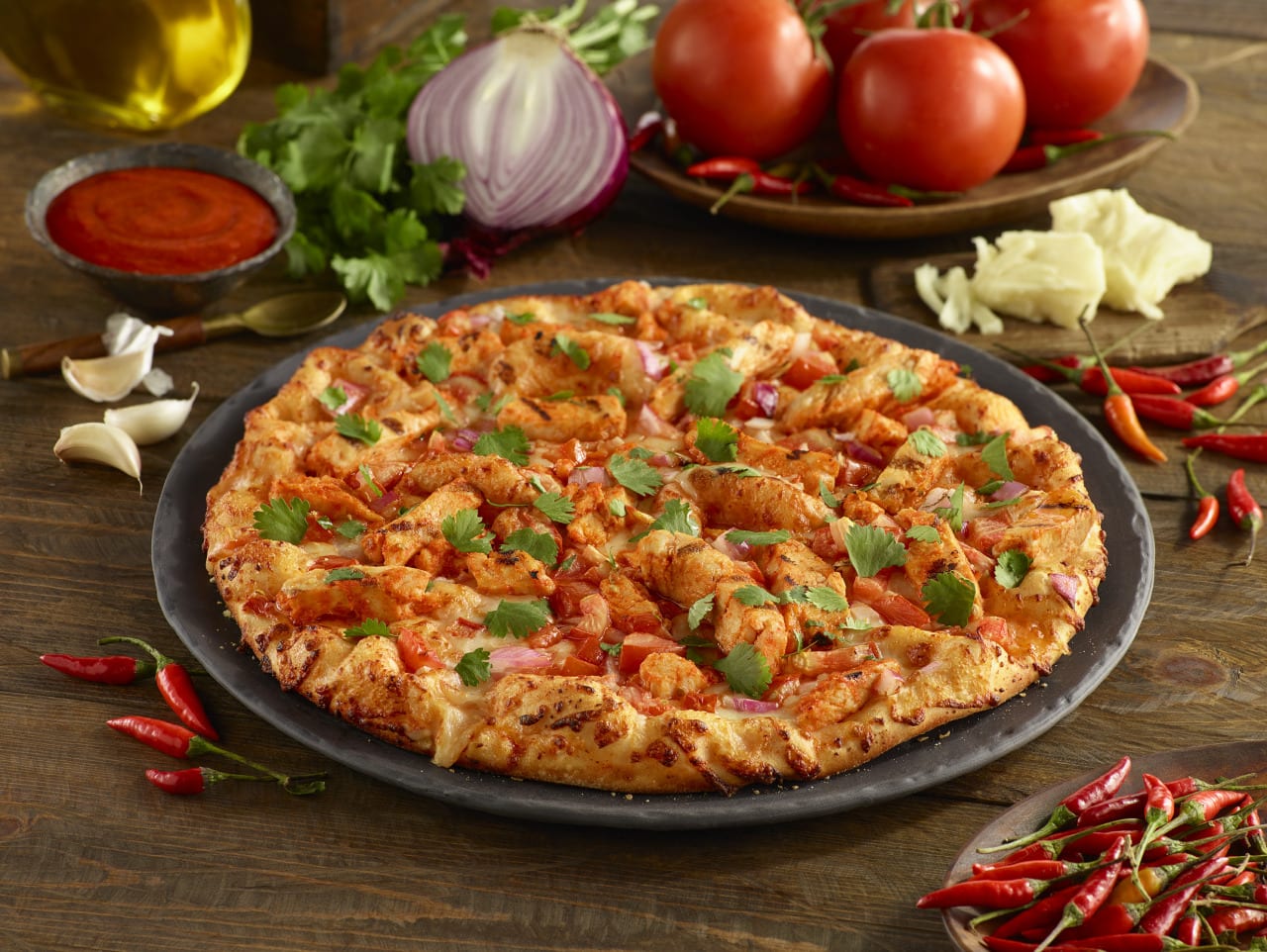
    Philippines conglomerate Century Pacific Group has partnered with Singapore’s sovereign investor GIC to buy the parent of Shakey’s Philippines, the pizza restaurant chain.

    The tie-up will acquire majority of of the business from the Prieto family, which will continue to hold a minority stake in International Family Food Services (IFFSI), the owner and operator of the Shakey’s Philippines.

    “We are excited about this opportunity to invest in Shakey’s as we are believers in the potential of the continued growth of the Philippine middle class,” Century Pacific president Christopher Po said in a statement.

    The transaction also includes the acquisition of Philippine franchise for US artisan pizza Project Pie as well as Bakemasters, one of Shakey’s suppliers of bakery products.

    The acquisition of Shakey’s, which had about 170 stores in the Philippines at the end of 2015, is the second partnership between Century Pacific’s controlling Po family and GIC. In May 2014, the Singaporean fund converted a P3.4 billion ($73 million) loan into a 10 per cent stake in Century Pacific Food, the group’s canned goods maker.