Tag: Singapore

  • Pokemon cafe to open in Singapore next month

    Pokemon cafe to open in Singapore next month

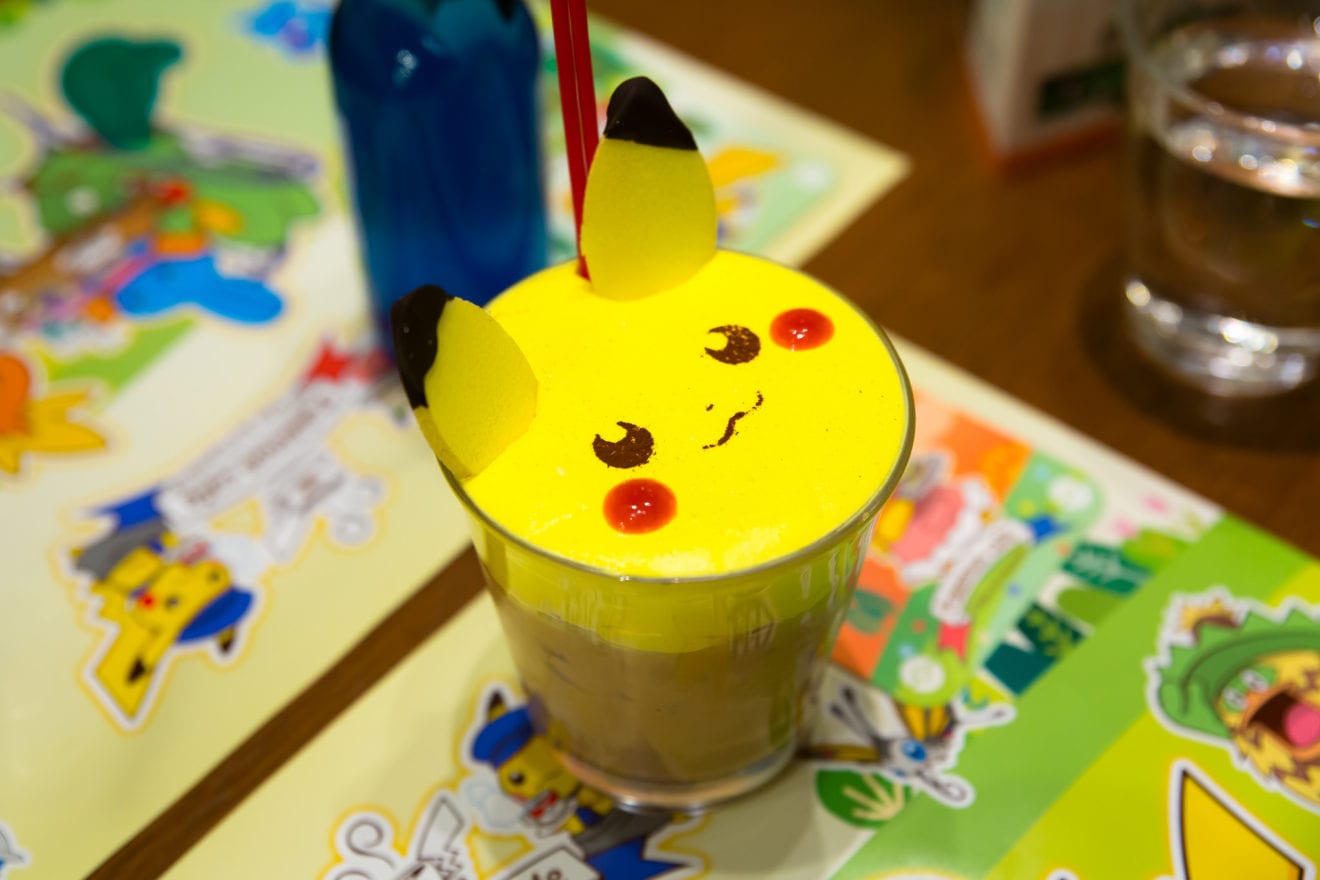
    Singapore will be the first country in South-east Asia to have its own Pokemon cafe, albeit only for some two months.

    The cafe, which will run from May 27 to July 31, will be located on the fourth floor of Bugis Junction. During this time, the Pokemon cafe will be temporarily taking over the retail space of Everything With Fries at #04-05, said Parco in a press statement on Monday (April 25).

    Besides Pokemon-themed food, the cafe will also be selling some limited edition merchandise, the retailer said. Photo sessions with Pikachu will also be available.

    Parco said the cafe will be a reproduction of the one that ran in Shibuya, Tokyo from January to March last year.

  • LF Logistics opens giant Singapore e-commerce facility

    LF Logistics opens giant Singapore e-commerce facility

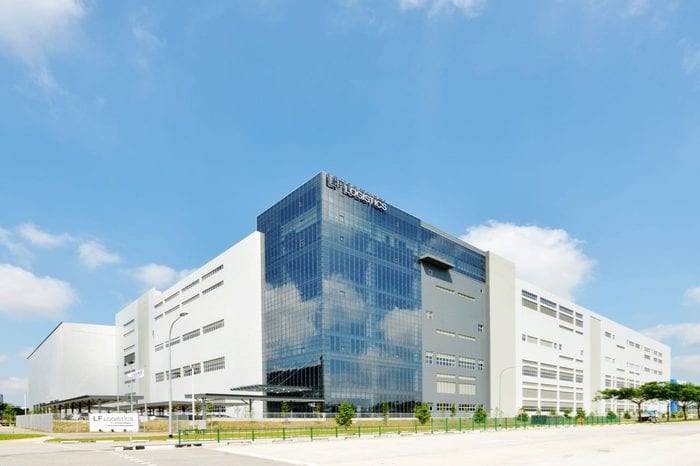
    LF Logistics has opened a 1-million-square-foot logistics facility in Singapore, the largest automated and customs bonded distribution warehouse in the city state that will target surging e-commerce growth in Asia.

    The nine-story center is located in West Jurong and is the company’s largest distribution facility in Southeast Asia, able to store up to 130,000 pallets with a throughput of 550 pallets per hour, aimed at meeting the fast-changing needs of brands and retailers in the region.

    “Our logistics business has been a bright spot with double-digit growth,” said Spencer Fung, the CEO of Li & Fung group. He did not provide an investment amount.

    According to the recent Asia Pacific Online Retail Forecast, 2015 To 2020, total online retail revenue will nearly double in Asia Pacific from $733 billion in 2015 to $1.4 trillion in 2020, a compound annual growth rate of 14.3 percent over the next five years.

    The total online retail revenues in just five markets of Asia Pacific — China, India, Japan, South Korea and Australia — surpass the combined figure for online retail in the U.S. and Western Europe combined.

    Joseph Phi, president of LF Logistics, said cross-border trade was expected to rise even faster with the establishment of the Association of Southeast Asian Nations Economic Community and the pending Trans-Pacific Partnership.

    “Our new logistics facility is well positioned to serve Singapore, as well as the broader Asia region and beyond. We see this facility as a gateway to the world,” he said.

    Although China dominates the e-commerce headlines, Southeast Asia is one of the markets of the future, said Steven Li, director of strategic partnerships for Cainiao, the logistics platform of Chinese online giant Alibaba Group.

    “Alibaba merged with Lazada recently, the largest online marketplace in Southeast Asia, and we believe the e-commerce market in the Philippines, Indonesia and Thailand will explode in two or three years,” he said at the Cargo Facts Asia conference in Hong Kong.

    Following the opening of the LF Logistics facility, Beh Swan Gin, chairman of the Singapore Economic Development Board, also highlighted the potential of the region.

    “The burgeoning middle class in Southeast Asia will drive consumer demand for more sophisticated products and services,” he said. “This new LF Logistics facility in Singapore is well-placed to address this opportunity. It will also enable the company to harness Singapore’s strong base of supply chain expertise to build differentiating competencies in e-commerce and omni-channel logistics.”

    Singapore Post has been quick to jump on the e-commerce train, and over the past two years, the group has been ramping up its regional logistics capabilities with new or expanded facilities, including the development of a $145 million fully integrated regional e-commerce logistics hub in Singapore that is expected to start operating in mid-2016. SingPost currently has more than 20 warehousing and fulfilment centers in the region.

    Alibaba Group has invested more than $200 million in a partnership with SingPost through a series of initiatives aimed at expanding its e-commerce logistics platform across Asia-Pacific. Alibaba increased its equity stake in the group to 14.51 percent.

    In a second initiative, Alibaba last year acquired a 34 percent stake in SingPost subsidiary Quantium Solutions International for $68 million, with SingPost holding the majority 66 percent share. QSI is a provider of end-to-end e-commerce logistics, warehouse and fulfilment services in Asia Pacific with a network spanning 10 countries.

  • The 1872 Clipper Tea Company brings the world’s most luxurious teas to Singapore

    The 1872 Clipper Tea Company brings the world’s most luxurious teas to Singapore

    Check out its new flagship store at ION Orchard.

    The 1872 Clipper Tea Company is bringing the artisan tea experience to Singapore with the opening of its 743-square feet flagship store at ION Orchard.

    4t8a8786 (1)

    Founded by Sri Lankan entrepreneur Balage Porolis de Silva, The 1872 Clipper Tea serves an array of teas from different ranges, namely Essentials, Herbals and Blossoms, Tropics, Luxuries, Travel and Heritage.

    “We aim to kindle curiosity for tea by providing rich, exploratory experiences that bring people together. We want to trigger and engage the different senses of our customers to provide that experience,” said Rehan Amarasuriya, Director of The 1872 Clipper Tea Company.

    De Silva first established a jewellery boutique in Singapore in 1872. Apart from selling gems, the boutique also served the best Ceylon tea to customer, as having tea is a daily ritual for relaxation and enjoyment in Sri Lanka.

    The 1872 Clipper Tea’s name pays tribute to the historic Clipper ships that raced to carry chests of the freshest teas to all corners of the world, at the same time acknowledging the year the company planted our roots in Singapore.

    Besides serving a variety of hot teas, this takeaway retail concept would also include a range of specialty teas and tea-infused pastries and desserts.

    “We want to break the traditional mindset that tea should be consumed hot. There are endless possibilities as to how tea can be enjoyed,” Rehan says.


  • M1 trials HD VoWiFi over HetNet technology

    M1 trials HD VoWiFi over HetNet technology

    Singapore’s M1 has launched the nation’s first public native HD voice over Wi-Fi (VoWiFi) trial using HetNet technology.

    The trial service supports calls to and from fixed numbers without having to use a separate calling app, and allows for two-way mobility between Wi-Fi and mobile networks for seamless handover.

    M1 is using smart network prioritization technology to ensure quality voice calls over Wi-Fi even during periods of heavy network usage.

    The operator is working with the Infocomm Development Authority (IDA) of Singapore on the deployment as part of the authority’s HetNet Trials initiative.

    The service is currently available to HetNet Trials users at M1’s Wi-Fi deployment sites in the Jurong Lake District. The company has deployed six HetNet hotspots throughout the district, at locations including train stations and bus interchanges.

    In addition to VoWiFi, M1 is working with IDA on the trial of Wi-Fi services on public buses.

    Last month mobile operator 3 Hong Kong launched a premium voice over Wi-Fi service that supports the use of up to five devices, including smartwatches tablets and PCs, along with a smartphone connected to the same account.

  • Singapore ponders Paym-style payments platform

    Singapore ponders Paym-style payments platform

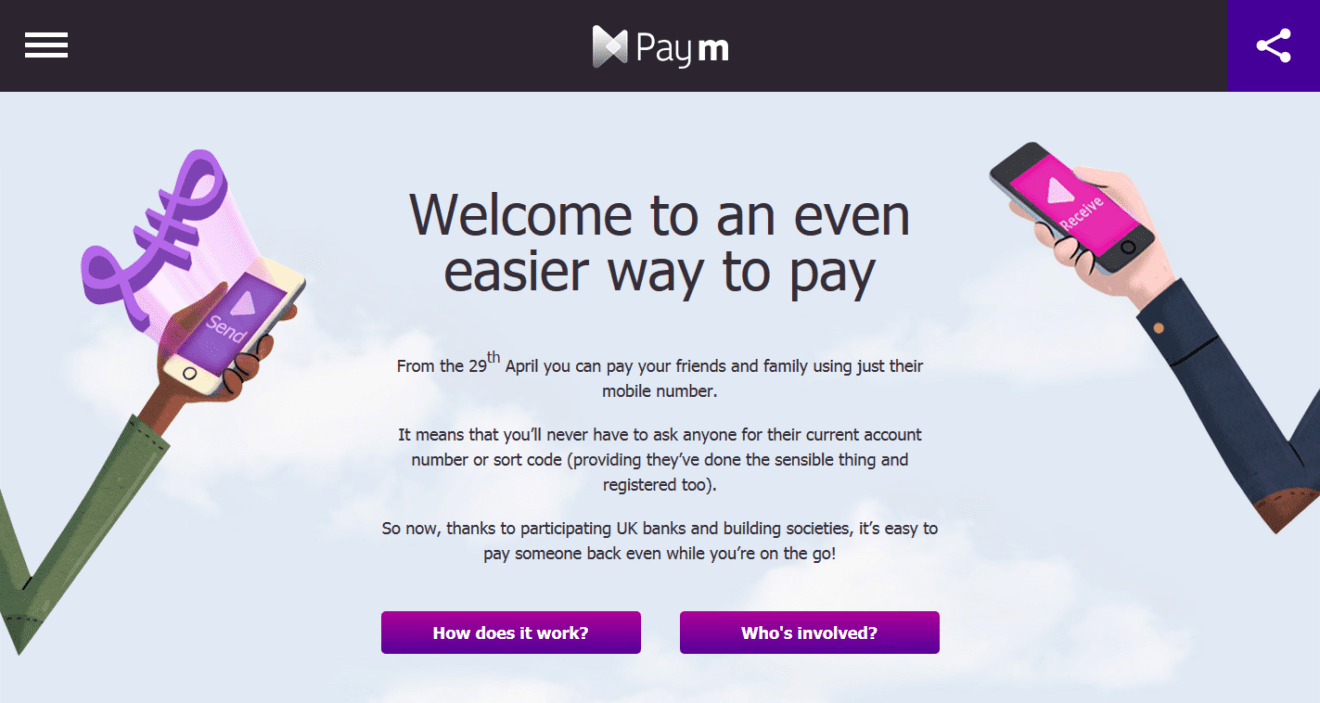
    Singapore is looking into the creation of a payments system similar to the UK’s Paym that would let someone send money using only the recipient’s mobile number, email address or social network account.

    The all-in-one addressing system – which would mean senders would not need a recipient’s bank account details – is being explored by banks and the Monetary Authority of Singapore (MAS), the organisation’s managing director, Ravi Menon, revealed during a panel discussion.Menon says that the move would fit in with MAS’s desire to boost interoperability within the industry as a way to promote innovation, arguing that common standards for payments systems would result in seamless transactions across a range of platforms.

    With this in mind, the country is also working towards a unified POS terminal that can read all kinds of cards at retail and hospitality outlets.

    Menon’s remarks came during a discussion on how Singapore can harness the power, and manage the risks, of fintech. The island has been aggressively pushing itself as a major global hub for the fast growing industry – last week it opened a dedicated office designed to help startups set up in the country as a part of a S$225 million, five year plan to build a vibrant ecosystem for innovation.

    Menon says that fintech is fundamentally changing the financial industry, and may well be its best hope for the future. He told the audience that MAS’s job as the country’s regulator is to adopt a risk-based approach to fintech innovation, not front-running but running alongside.

    The watchdog does this by actively engaging with fintech firms and allowing them to experiment with new technologies in a safe environment. This will be boosted soon by the introduction of a “regulatory sandbox” where firms can experiment and launch products or services within controlled boundaries.

    The all-in-one P2P payments platform and unified POS system are also part of MAS’s plan to promote innovation, this time by enabling interoperability. Another aspect of this strategy will see the publication of open APIs, with MAS working with FIs on sharing aggregated data to improve market and risk analyses, forecasts and projections.

  • On Pedder takes first step into eCommerce

    On Pedder takes first step into eCommerce

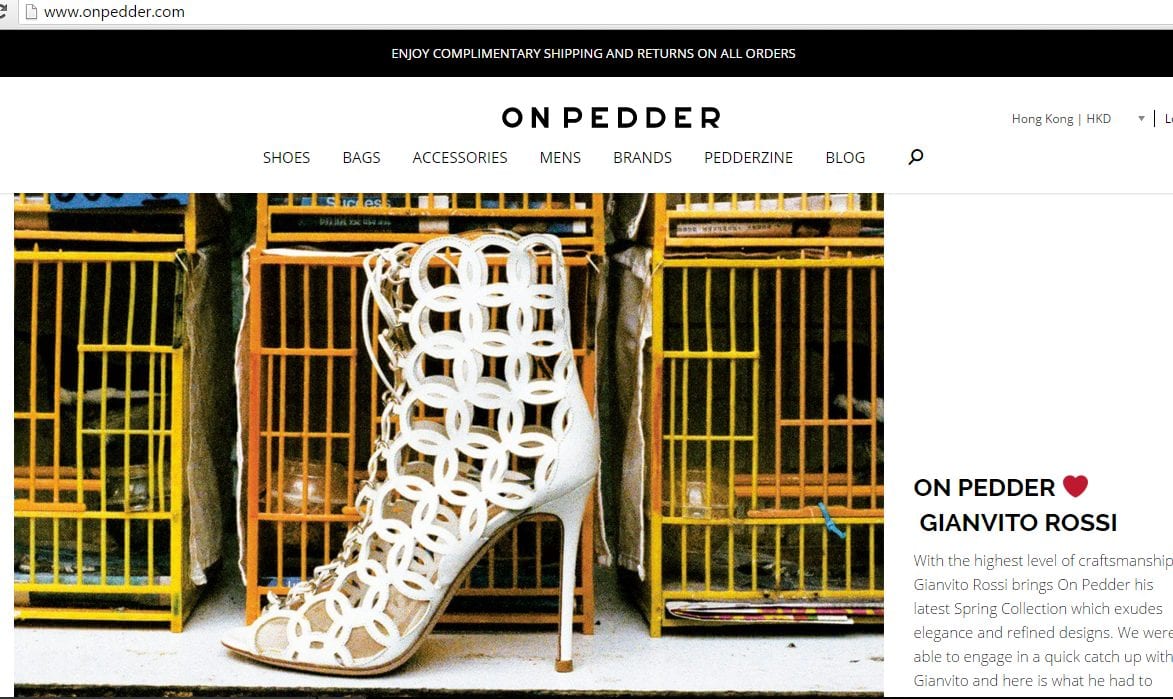
    Hong Kong shoe retailer On Pedder has launched an eCommerce site featuring a curated mix of luxury footwear.

    It is centered around the retailer’s Pedderzine, a seasonal art-fashion hybrid magazine distributed to customers.

    Complimentary shipping is being offered by the site, with returns possible, for customers in Hong Kong, Japan, Macau, Philippines, Singapore, South Korea, Taiwan and Vietnam, as well as Australia and New Zealand.

    Brands include 3.1 Phillip Lim, Aquazzura, Chloe, Common Projects, Gianvito Rossi, Giuseppe Zanotti Design, N⁰21 , Neil Barrett, Nicholas Kirkwood, Paul Andrew, Rene Caovilla, Sophia Webster and Valentino.

    More brands are showcased under the “On Pedder Love” section of the site, along with exclusive product.

    On Pedder collaborated with Hong Kong photography and video artist Luke Casey for Pedderzine this season, which focuses on Hong Kong and Kowloon’s roots and was shot on the streets of Jordan and Sham Shui Po and Jordan, including karaoke bars, back alleys, markets and brothels.

    “We wanted to create an online destination for our customers to enjoy the energy and aesthetics of our in-store curation,” says Pedder Group president Peter Harris.

  • Marina Bay Sands mall for sale

    Marina Bay Sands mall for sale

    Gaming giant Las Vegas Sands Corp has held preliminary talks with prospective buyers of the Marina Bay Sands mall.

    The surprise revelation came during a conference call following an earnings report yesterday in which the US-based company revealed a casino revenue at Marina Bay Sands fell by 28 per cent in the first quarter.

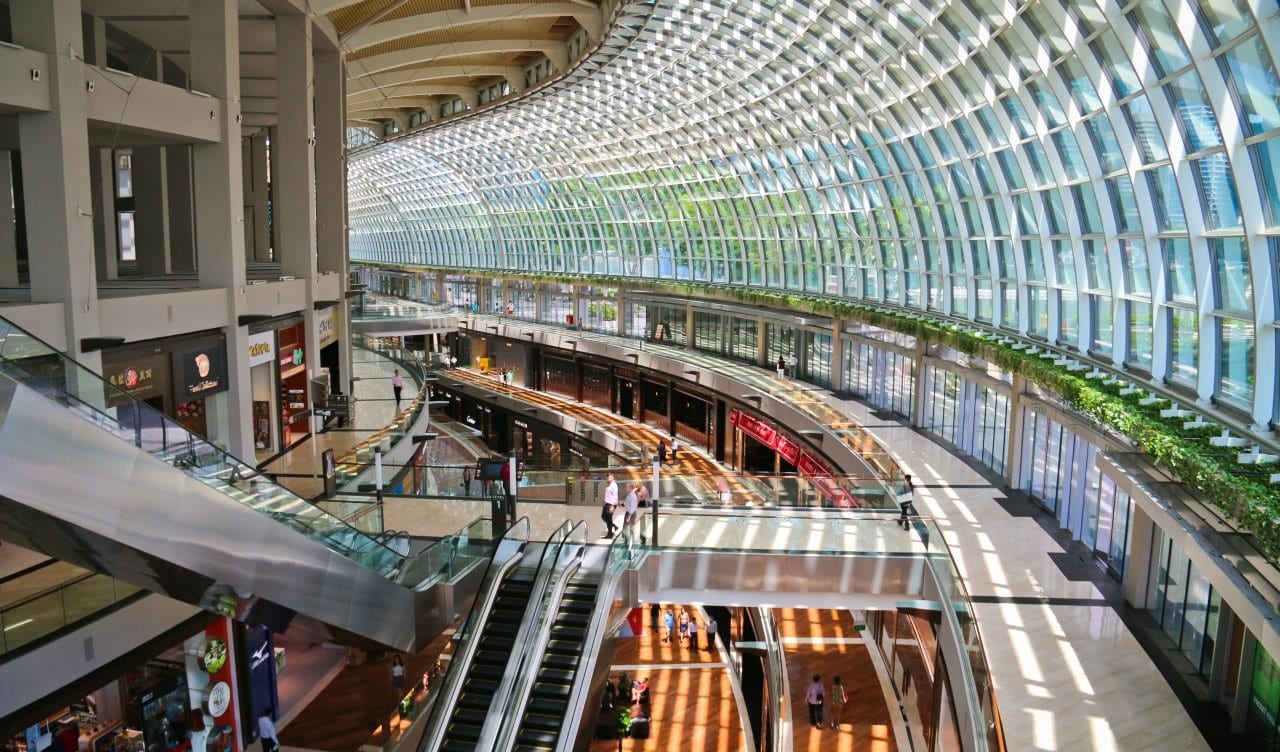
    The mall – The Shoppes at Marina Bay Sands – is a cornerstone of the giant complex which has become an icon of the Singapore skyline. The complex also includes a three-tower hotel, convention centre and theatres.

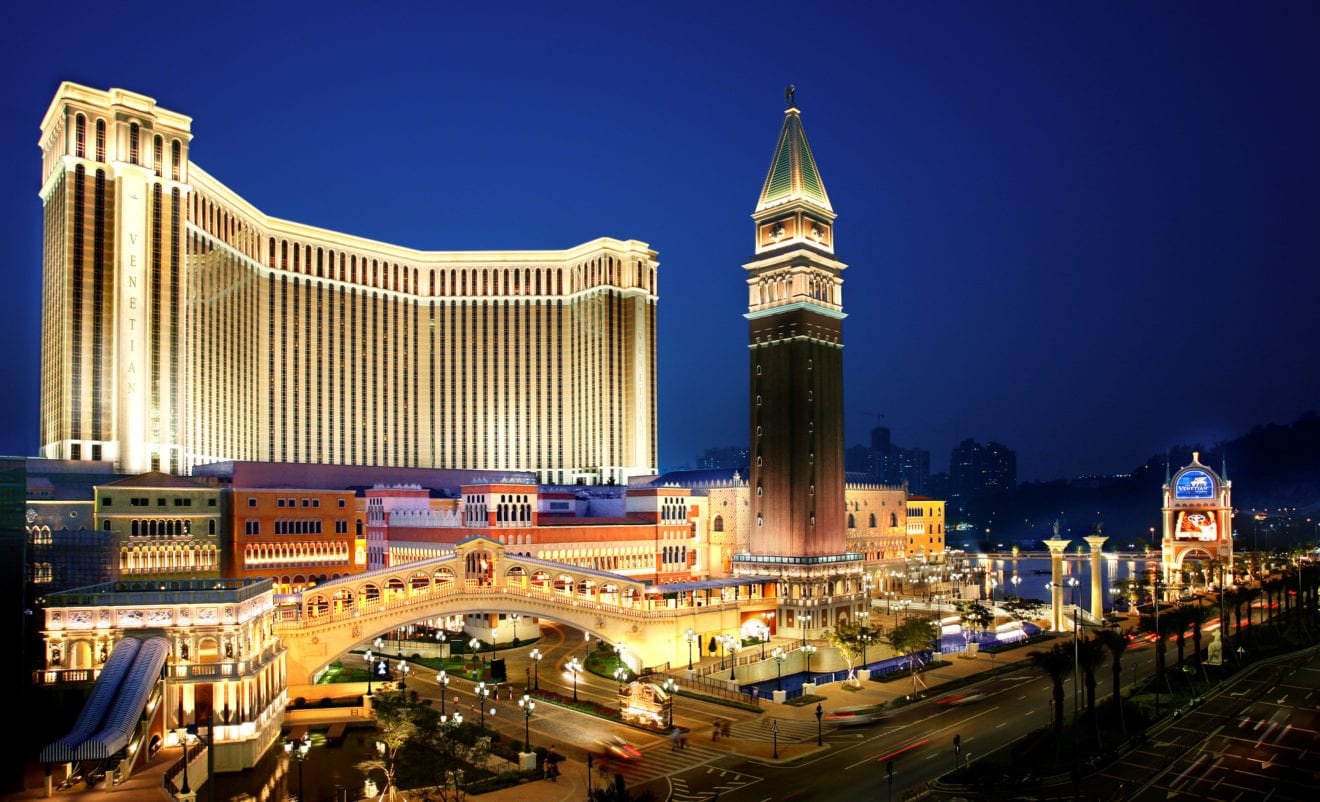
    Sheldon Adelson, founder and chairman of Las Vegas Sands Corp, which also owns the Sands Macau casino and hotel and the Venetian Macau resort, said he was considering selling the retail assets.

    “We have been approached. We have been talking to people,” said Adelson during the conference call.

    His company is restricted from selling any part of the complex until a moratorium attached to the granting of the casino development license expires next year.

    From other comments it would appear the company is more likely to sell a stake in the 800,000 sqft mall than the whole business.

  • Singapore retail now ‘a tenant’s market’

    Singapore retail now ‘a tenant’s market’

    Singapore retail is now “a tenant’s market”, realtors warn in the wake of official data showing further decline in boath rental rates and occupancy levels.

    According to URA data out today (April 22), retail rents fell by 1.9 per cent in the first quarter of 2016, following a full year decline of 4.1 per cent in 2015. That’s the fifth consecutive quarter in which a decline has been recorded, and the latest figure is higher than the 1.3 per cent of the preceding three months.

    For retail space in the Central Area (which includes the Downtown Core, Orchard and Rest of Central Area), the rental index was down 2.1 per cent quarter-on-quarter.

    Occupancy rates also dipped, falling by 0.1 percentage point quarter-on-quarter to 92.7 per cent in the three months to March 31.

    In the Central Region, vacancies were up at a five-year high of 8.7 per cent by March 31, up from 8 per cent at the end of December. In the key orchard Planning Area, the occupancy rate dropped by 1.2-percentage points quarter-on-quarter to a five-year high of 8.8 per cent.

    “With a subdued retail landscape, landlords are placing greater emphasis on maintaining occupancy levels, more so than maintaining rental values in this challenging period,” commented Lee Na Jia, regional head of research with DTZ.

    “Should landlords be inflexible during rental negotiations, tenants can go elsewhere especially with the relatively large pipeline supply coming on-stream [215,000 sqm of GFA in the middle six months of 2016]. At this moment in time, it can be considered a tenant’s market as they will have more choices,” said Lee.

    “Moreover, declining retail sales, competition from eCommerce and rising operating costs also work against brick-and-mortar retailers. If businesses underperform, they exit the market.”

    Retailers who have recently announced their withdrawal from Singapore include Smoothie King, fashion chain New Look and furniture store Iwannagohome.

    Anthea To, senior associate director of research and advisory with Colliers International, said the continued easing of retail rents is unsurprising, as leasing momentum slowed and vacancies rose.

    “By and large, retailers remained cautious on their real estate requirements in the first quarter of 2016, amid growing economic uncertainties.”

    She noted a 32.4 per cent drop in the number of leasing deals being struck in the last quarter, according to details sourced from URA Realis – to 1725 transactions. That’s the lowest quarterly number since the second three months of 2012.

    Bleak outlook

    Anthea To fears the current economic headwinds might continue to erode consumer confidence in turn leading to a further reduction in discretionary spending in the city state as shoppers fear pay cuts or job losses.

    “Given retailers’ expected cost-conscious stance, landlords would also be more realistic on rental expectations for the rest of 2016. This would weigh down on retail rents in the coming quarters.”

    To expects retailers to respond to the depressed retail market with store network consolidation, greater focuses on eCommerce and customer engagement in-store, and new products, trying to keep their brick-and-mortar stores relevant to an increasingly digital-savvy market.

    “However, not all retailers are focusing on the digital world. Major retail brands are still committed in physical store expansion which allows them to offer more products, services and new shopping experiences under one roof,” said To.

    “While rents in the Central Area are on a downward trend and are under pressure to fall further, some brands are taking the opportunity to optimise their store portfolios and open new flagship stores to strengthen their branding.”

    Colliers expects retail demand will continue to be coming from international lifestyle and fashion brands showing strong interest for flagship and new concept stores, and local players in sectors such as health and beauty, as well as leisure and personal goods.

    Lee Na Jia concluded that Singapore landlords recognise the current market challenges and are more inclined to lowering rental reversion rates to retain tenants. Older malls are also constantly undergoing rejuvenation (such as changing their tenant mix and external facades) to keep up with competition from the new malls.
  • Shanghai mall installs slide for shoppers

    Shanghai mall installs slide for shoppers

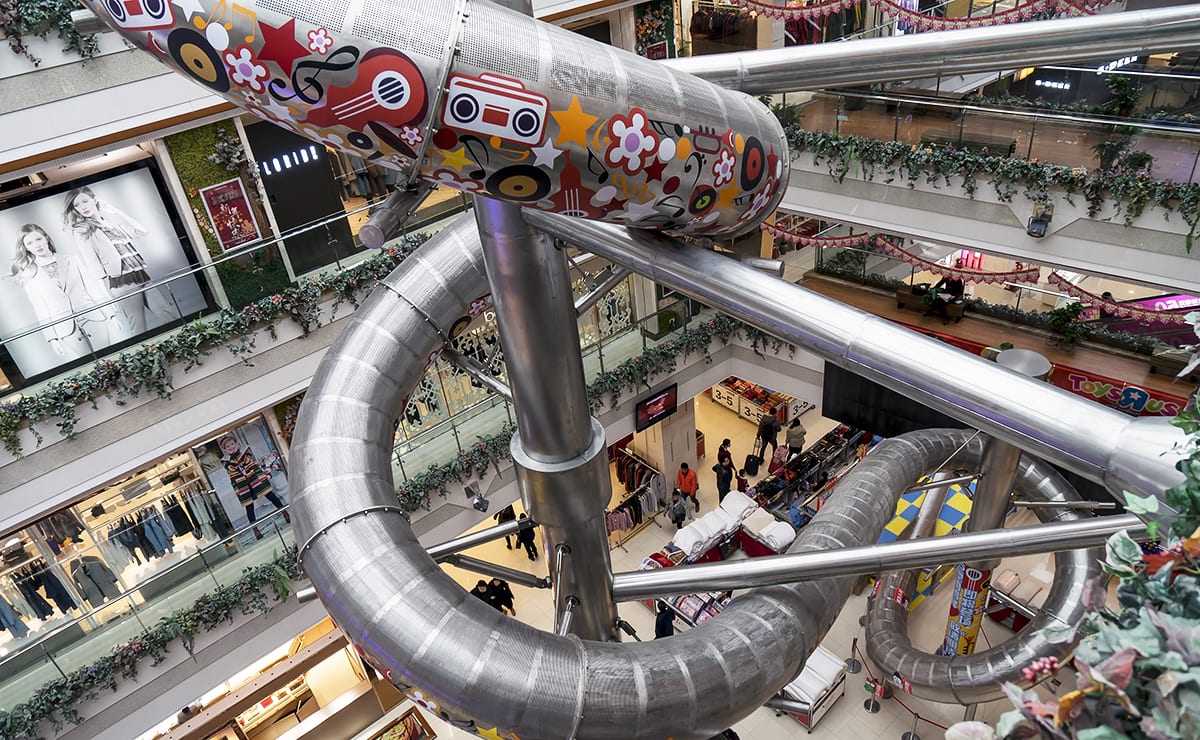
    Forget stairs and elevators – a Shanghai mall has installed a five-storey enclosed slide for shoppers.

    Spiralling down some 54 metres, the 76cm wide chute at the Printemps mall in the Pudong New Area is covered in bright patterns and is named The Happy Slide. It take just 16 seconds from the top floor of the mall to the ground floor.

    Printemps, despite a 150-year retail history in Paris, has been experiencing declining sales at the mall, prompting the management to think outside the box to attract more customers.

    While the slide is free to use, it is only for people aged between seven and 60 years old, provided they are not pregnant and do not have cardiovascular or back problems. At the moment, the attraction is open only to VIP mall members, and they need to wear a safety bag and cross their arms while sliding.

    Super-Slide-shanghai-mall.2

    Shaped like a traditional twisting Chinese dragon, the stainless steel tube is covered in cartoon-style flowers, stars and musical instruments.

    Images show a man in a suit taking the slide, as well as another emerging with his smartphone shooting video.

    However, one Facebook user questions its safety: “China can’t build escalators properly without people falling through them, so you’d be nuts to go down this.”

    Singapore’s Changi Airport put up the state’s tallest slide, measuring four storeys, or 12m, high in 2010, and it is still a major tourist attraction.

  • Was Las Vegas Sands’ First Quarter as Bad as Advertised?

    Was Las Vegas Sands’ First Quarter as Bad as Advertised?

    Success or failure is often in the eye of the beholder, and in the case of Las Vegas Sands that sentiment holds very true today. On Wednesday after the market closed, the company reported first-quarter revenue of $2.72 billion and earnings of $320.2 million, or $0.40 per share. Hold-adjusted EBITDA, which is a proxy for cash flow from resorts, was a whopping $1.03 billion in just one quarter. But for the market, that wasn’t enough.

    Analysts had been expecting revenue of $2.88 billion and earnings of $0.63 per share on an adjusted basis (compared to the $0.45 reported), so the stock was down sharply in trading Thursday morning. But are things really as bad as they appear?

    What you need to know about Las Vegas Sands in Macau
    Before getting into the detailed numbers, it’s important to point out that Macau’s overall gaming revenue declined 13.3% in the first quarter. That’s the bar against which every company’s results should be measured.

    You can see below that three out of Las Vegas Sands’ four resorts in Macau actually performed well in the quarter, compared to the Macau market as a whole, with only Sands Macau underperforming it. As the only property the company has on the Macau Peninsula, where Wynn Resorts has already said it will have weak numbers, even that’s not a surprise.

    Q1 2016 Revenue Q1 2016 EBITDA
    The Venetian Macau $749.0 million

    (4.9%)

    $267.8 million

    (0.8%)

    Sands Cotai Central $530.3 million

    (7.3%)

    $163.5 million

    4.9%

    Sands Macau $175.1 million

    (22.3%)

    $31.0 million

    (46%)

    Four Seasons Macau $148.3 million

    (8.1%)

    $48.2 million

    8.3%

    SOURCE: LAS VEGAS SANDS EARNINGS REPORT.

    Good luck helped improve results for some of the resorts, particularly Sands Cotai Central, but Las Vegas Sands is still gaining share in Macau even after adjusting for luck.

    Marina Bay Sands

    MARINA BAY SANDS

    Singapore is a different story
    At Marina Bay Sands in Singapore, which is actually Las Vegas Sands’ most profitable resort, results were a little weaker. Revenue fell 23.1% to $603.1 million and adjusted EBITDA fell 33.8% to $274.9 million (still a huge number for one resort). But that doesn’t tell the whole story.

    Casino revenue, which accounts for a vast majority of the resort’s revenue, fell 28.3% in the quarter. But VIP gaming volume only fell 4.5% and mass-market volume only fell 9.2%. What led to the weak results was a very low hold percentage in VIP, meaning bad luck for the casino. Without that bad luck, revenue and EBITDA still would have fallen, but not by much.

    Las Vegas continues to steadily grow
    In Las Vegas, revenue rose 2.3% to $384.9 million and EBITDA jumped 17.3% to $86.9 million. This is consistent with competitors like Wynn Resorts, which said it expects a small amount of growth in revenue at the midpoint of its first quarter preliminary  results.

    Las Vegas isn’t going to be a huge growth market for Las Vegas Sands, but slow and steady will win the race.

    What determines long-term success
    When you look at Las Vegas Sands’ numbers in the context of the Macau market, they look a lot better than when you compare them to Wall Street analysts’ guesses about what the numbers would be. And it’s far more important to gain share in Macau long-term than to meet Wall Street’s expectations.

    What investors really need to watch over the next few quarters is the impact of new competition. Wynn Palace will open near the end of the second quarter and MGM Cotai will open sometime next year, competing with the resorts I listed above, and the soon-to-open Parisian for Las Vegas Sands. It’s possible that LVS’s market share might start to slip in a big way as new resorts enter the Cotai market that the company currently dominates.

    Until that competition comes, I see a lot more positives in Las Vegas Sands’ fundamentals than warning signs. And with the stock down in early trading, this could be a great buying opportunity for investors with a long time horizon.

  • DBS introduces a mobile-only bank in India

    DBS introduces a mobile-only bank in India

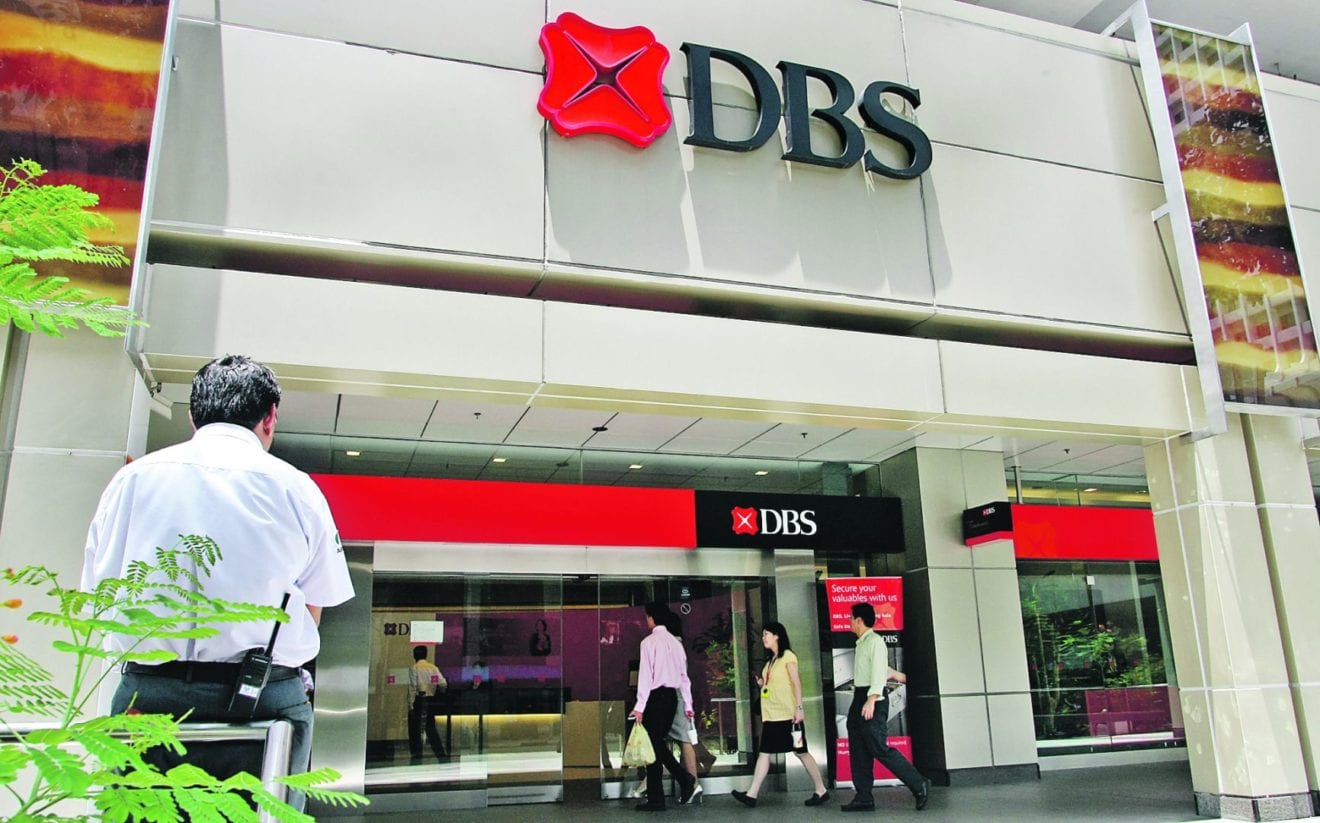
    Singapore’s DBS Bank has launched what it says is India’s first mobile-only bank. Dubbed digibank, the mobile app functions as an entirely paperless, signatureless and branchless bank for India’s residents.

    The initiative aims to break away from conventional banking norms such as form filling and other cumbersome processes.

    Account-opening can be done easily and effortlessly at an extensive network of outlets run by DBS’ partners, including over 500 cafes across India. No paperwork will be involved and instead, customer authentication is done purely using the Aadhaar card, a biometrics-enabled ID which has been issued to over 1 billion Indians.

    Other digibank features include 24/7 customer service provided by a real-time, AI-driven virtual assistant, which understands natural language and is incorporated with the ability to anticipate and answer some 10,000 customer questions.

    This AI feature was made possible due to DBS’s partnership with US-based fintech Kasisto. The latter is a spin-off from SRI International which created the technology behind Apple’s Siri.

    In-built into digibank is a budget optimizer that helps customers do their budgeting, track expenses and analyze purchasing trends. The function is equipped to understand customer behavior and preferences, synthesize data, and provide recommendations.

    The budget optimizer also studies customers’ spending patterns and prompts them if they are overspending. Conversely, if a customer’s savings regularly exceed his or her expenditure, digibank will provide suggestions on how to make one’s money work harder.

    Dynamic inbuilt security, which is safer than OTP, is employed in digibank. Most bank customers are used to receiving One-Time Passwords (OTPs) via SMS, and then typing codes into pages to authorize their mobile banking transactions. digibank has an embedded soft token security, avoiding the need to wait for SMSs to arrive and providing even stronger security for transaction authorization.

    The new offering also gives account-holders earn 7% interest from the first rupee, one of the highest in the market with no minimum balance requirements. Customers receive a physical debit card which can be used across all Visa-enabled online and POS transactions, as well as overseas. Free cash withdrawals will be available at more than 200,000 ATMs nationwide.

    Said DBS CEO Piyush Gupta, “India’s banking system is at the cusp of massive change, and as a bank committed to shaping the future of banking, we are excited to roll out a revolutionary, mobile-only bank. With digital, we are able to create a completely different customer experience. What’s more, digibank’s efficiencies and lower costs enable us to pass on significant benefits to customers in the form of greater customer value.”

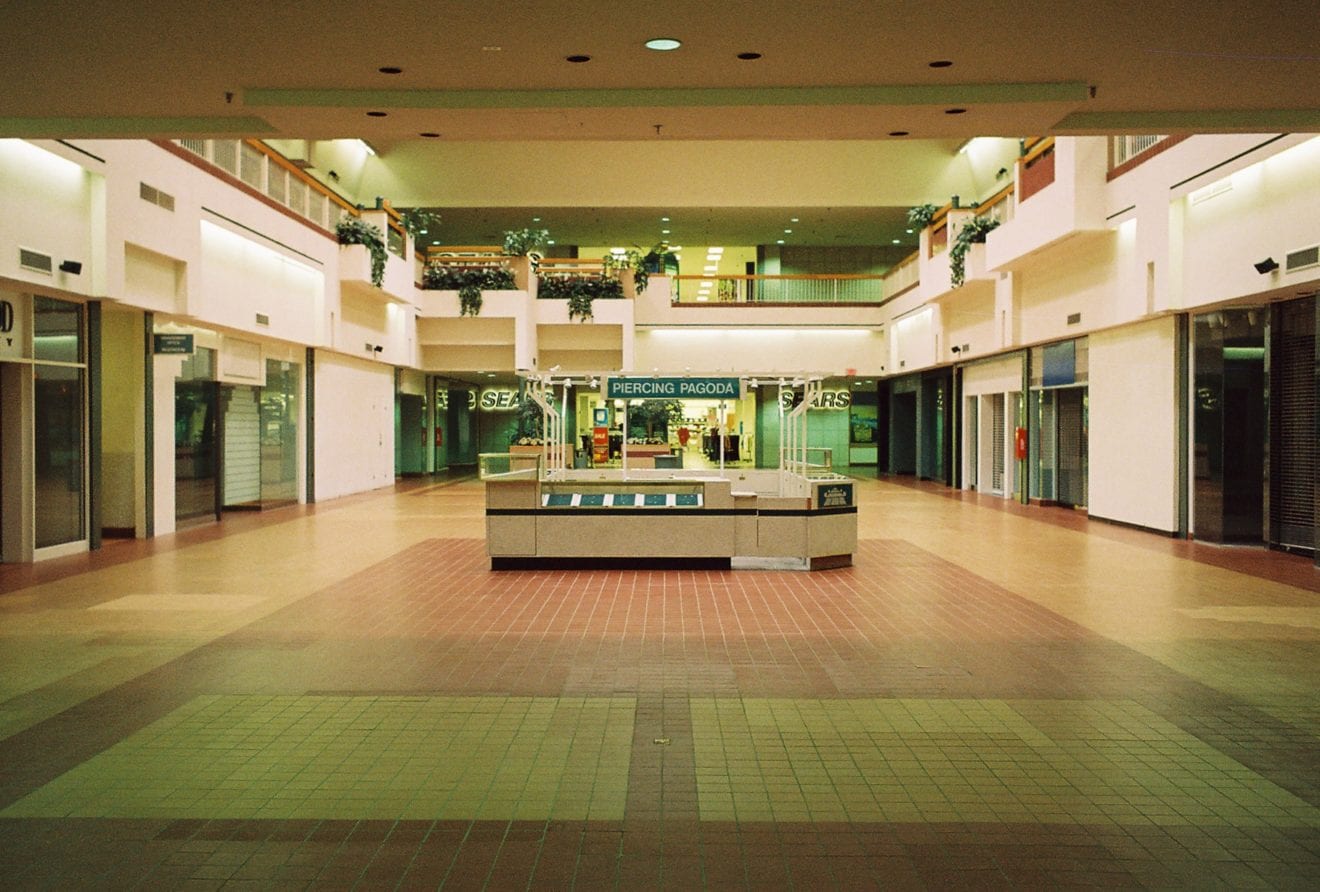
  • Shopping mall vacancies in town highest in 5 years

    Shopping mall vacancies in town highest in 5 years

    Vacancies at retail malls in the central region hit a five-year high in the first quarter of the year, driven largely by more vacant space in the Orchard sub-market.

    The rate went up from 8 per cent to 8.7 per cent, analysis from Colliers showed, the highest since the Urban Redevelopment Authority (URA) started tracking retail space data including food and beverage, fitness and entertainment businesses from the first quarter of 2011.

    In the Orchard planning area, the vacancy rates rose 1.2 percentage points to 8.8 per cent in the first quarter, URA figures showed.

    These disappointing numbers come as the retail sector continues to battle rising costs, weak sentiment and increased supply of space. The islandwide vacancy rate of retail space rose to 7.3 per cent in the first three months of the year, up slightly from 7.2 per cent in the previous quarter.

    Citing URA Realis data, analysts said retail rental volume plunged by 32 per cent to 1,725 transactions in the first quarter from 2,550 deals in the last three months of 2015.

    “We are seeing higher vacancies setting in, particularly for the newer shopping malls,” said Cushman & Wakefield research director Christine Li. “Besides spaces which have yet to fill up, spaces which tenants have pre-terminated also add to rising vacancy levels.”

    Century 21 Singapore chief executive Ku Swee Yong told The Straits Times malls with higher vacancies in the Orchard area include Shaw Centre, Orchard Gateway, Orchard Central and Palais Renaissance. “Vacancy rate in general will likely worsen in the coming quarters because some retailers have said they would be shutting their non-performing stores later this year,” he noted.

    Dubai-based conglomerate Al-Futtaim Group said last month it would shut 10 stores under its distribution and retailing arm RSH in the second half of the year. Its group chief executive for Asia Christophe Cann said yesterday: “At present, we are looking to exit at places where rentals are too high for us to continue to run a business.”

    He said landlords have a stake in the retail industry, and “it would benefit tenants, and the retail industry as a whole, by lending a helping hand during challenging times”.

    Sakae Holdings chairman Douglas Foo made a similar point, citing a good working relationship with the manager of Wheelock Place, where Sakae Sushi has an outlet. “When we talk about rental renewal, they don’t give you heart attack rates. Certain landlords will up rates by 30 to 40 per cent, and you have to ask how retailers can do a sustainable business like that.”

    The slow leasing activity exerted downward pressure on rents, which fell 1.9 per cent in the first quarter, following a 1.3 per cent drop in the previous three months, URA data showed.

    Consultancy JLL expects retail rents to contract by about 7 per cent to 8 per cent this year, in anticipation that some landlords may have to offer greater discounts to maintain stable occupancy.

    Analysts say other challenges such as the manpower crunch are likely to persist for the rest of the year. Colliers International noted, however, that falling rents in the central area are an opportunity for some brands to open new flagship stores and strengthen their presence.

  • Singtel launches a new cyber security institute

    Singtel launches a new cyber security institute

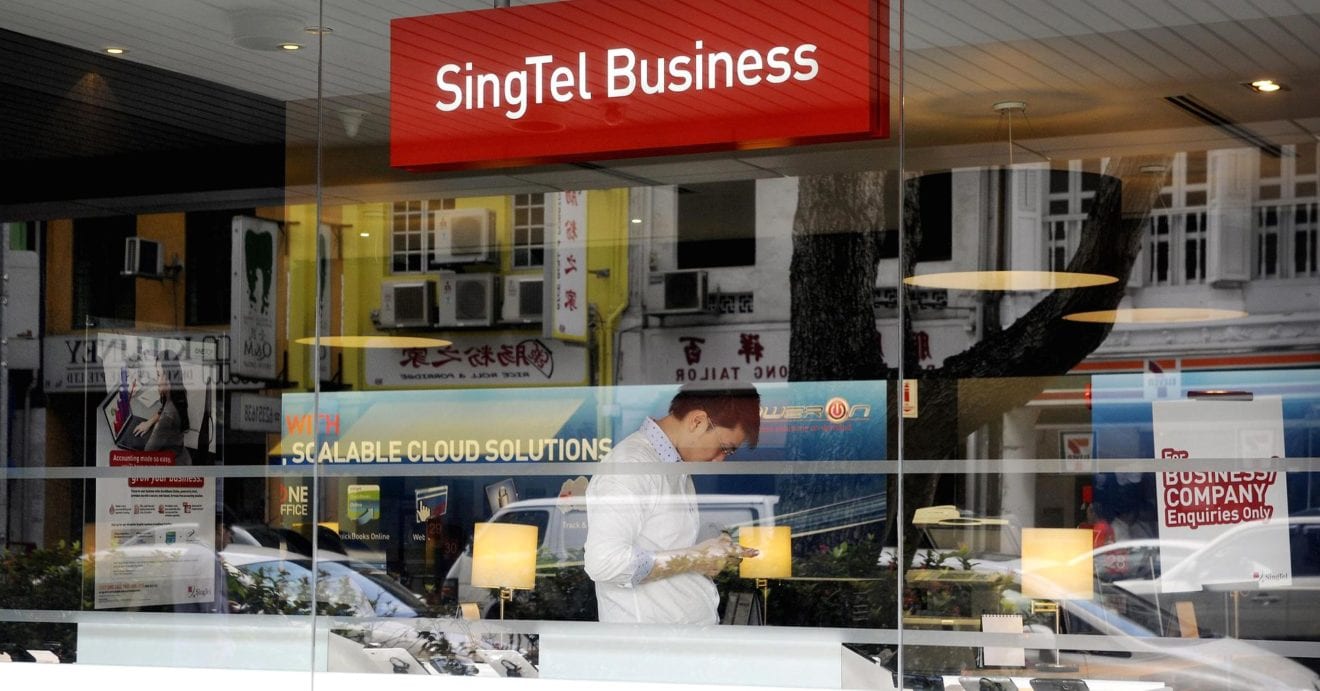
    Singtel has launched a first-of-its kind cyber security institute in APAC aimed at helping business and governments in the region enhance their cyber security skills and preparedness.

    The Singtel Cyber Security Institute (CSI) is designed as a hybrid between an advanced cyber range and an educational institute. It aims to test and train companies in dealing with sophisticated cyber threats.

    “Based on our engagements with companies in Singapore, more than 85% do not have robust cyber response plans nor the opportunity to conduct realistic drills to test and sharpen such plans,” Singtel CEO group enterprise Bill Chang said.

    “This lack of cyber preparedness is worsened by the severe global shortfall of trained cyber security experts, which Forbes puts at some 1 million in 2016. This is why we’ve stepped up to the plate. We know we have to help companies secure themselves against a potential slew of increasingly sophisticated cyber attacks.”

    Housed in a permanent space of over 10,000 sq ft, the institute provides cyber skills development and education programmes tailored to the varying needs of company boards, C-suite management, technology and operational staff. Boards and C-suite level participants will be trained in the areas of cyber threat awareness, risk management, business continuity planning and crisis communications preparation. The cyber operations team will be trained in defence and response capabilities to sharpen their skills.

    “Cyber security is no longer just a technical issue to be tackled only at the operational level. It needs to involve all levels within an organisation including boards and C-suite management, and even external stakeholders such as regulators. We hope to arm enterprises and public agencies with the necessary know-how to counter cyber threats in a holistic manner. This will help them mitigate the risks and costs associated with cyber disruptions,” Chang said.

    In conjunction with the launch of the CSI, Singtel announced that it is the first company in Singapore to work with the Infocomm Development Authority of Singapore on the Cyber Security Associates and Technologists (CSAT) program to train infocomm professionals in cyber security.

    Under this program, Singtel will train fresh infocomm technology professionals and equip them with basic cyber security skills. At the same time, Singtel will also provide experienced cyber security professionals with the opportunity to enhance their skills by training with leading cyber security experts. Through this two-prong approach, Singtel aims to build a cyber security talent pipeline to drive its cyber security initiatives.

    David Koh, Chief Executive of the Cyber Security Agency said, “A strong pool of cyber security talent is necessary to build a dynamic cyber security ecosystem that can support Singapore’s Smart Nation journey. With the introduction of the Cyber Security Associates and Technologists (CSAT) program and the setup of the Institute, we hope to encourage more to join the profession as well as enable cyber security professionals to hone their skills and stay a step ahead in the ever-evolving cyber security landscape.”

    The CSI can emulate the environments and operations of enterprises using state-of-the-art technologies. Like other cyber ranges the facility can simulate cyber attacks in order to test a company’s inherent vulnerabilities, defence and response capabilities.

    Unlike other ranges however, the new facility is designed to easily replicate any company’s operating environment and use the latest range of cyber threats, including an extensive library of viruses and malware, to simulate attacks.

  • NET-A-PORTER headlines debut of ShopBack Premium

    NET-A-PORTER headlines debut of ShopBack Premium

    ShopBack switches up its style as the local Cashback site swaps its amicable look for a chic layout with the launch of ShopBack Premium, a sleek space carved for housing of international fashion and beauty labels.

    An exclusive capsule curated for fashion aficionados who splurge smart to stay at the forefront of fashion, ShopBack Premium debuts with its latest retailer NET-A-PORTER leading the red carpet glamour for the first time in Singapore.

    Designed as a fashion magazine for shoppers to shop the look off its pages, NET-A-PORTER brings luxury brands together at a single fashion destination. From coveted high-end labels like Miu Miu and Saint Laurent to cult favourites like Vetements and Jacquemus, shoppers can satiate their fashion desires all on one seamless platform.

    In partnership with ShopBack, shrewd fashionistas will be entitled to 3% Cashback for shopping on NET-A-PORTER via ShopBack Premium. Purchase of the newest vintage gown from Dolce & Gabbana (USD9,375) essentially translates to a saving of USD281.25 – just enough for a matching pair of gold-plated ring from Chloé to complete the look. All on NET-A-PORTER via ShopBack Premium.

  • Singapore-based Luye Medical Group Completes Acquisition of Healthe Care, Australia’s Third Largest Private Healthcare Group

    Singapore-based Luye Medical Group Completes Acquisition of Healthe Care, Australia’s Third Largest Private Healthcare Group

    On April 18, 2016, Australia’s third largest private healthcare group, Healthe Care, officially became a member of Luye Medicals Group Pte Ltd (Luye Medical Group) after the acquisition from Australia’s Archer Capital Fund was completed. Through the acquisition of Healthe Care, Luye Medical Group has leapfrogged into the ranks of one of the largest international private medical groups in the region.

    Healthe Care will continue to expand its business operations in the Australian market, and work closely with Luye Medical Group to expand its footprint and building high quality healthcare services in Singapore, China and the other Asian countries.

    In the China market, driven strongly by aging population and emerging healthcare friendly policies, the China healthcare market has accelerated its development. According to statistics, the market size of China’s healthcare industry is approximately US 280 billion dollars and the compound annual growth rate of hospital income during 2009 to 2013 was 20%, of which that of private hospitals was as high as 28%. However, due to lack of adequate policy support and infrastructure, it has been difficult for private hospitals to specialize and extend its services to a wider population, resulting in the fact that Chinese private healthcare providers only cover about 10%(1) of the total patients population, notably lower than the 20% to 30% target(2) set by the government. Luye Medical Group believes that the acquisition of Healthe Care will greatly enhance its capabilities in China, enabling it to deliver high quality healthcare services with international standards.

    Mr Choo Kin Poo, Group Vice President, Strategy Planning & Business Development, Operations said: “This is our largest acquisition so far. As a medical group headquartered in Singapore with assets overseas, having Healthe Care on board will allow us to build on our business strategy and plans to expand in Singapore and Asia Pacific.”

    “The acquisition of Healthe Care represents an important milestone in the development of Luye Medical Group. It has great strategy significance and extensive influence on the development of healthcare services and lays the foundation for Luye Medical Group and Luye Group as a market leader both internationally and in China,” said Mr. Liu Dianbo, Chairman of Luye Group.

    Both Healthe Care and Luye Medical Group specialize in areas such as oncology, cardiology, neuropsychiatry, orthopedics, and rehabilitation and synergies with the key therapeutic pharmaceutical products of Luye Pharma Group, another member of Luye Group.

    (1) Statistical Communique on Development in Health and Family Planning of China in 2014, as released by the National Health and Family Planning Commission, in 2014 the patients of public hospitals were 134,150,000 (accounting for 87.3% of the total patients) and the patients of private hospitals were 19,600,000 (accounting for 12.7% of the total patients).
    (2) In 2013, the State Council proposed in the Plan for Deepening the Medical and Health System Reform during the 12th Five-year Plan Period and the Implementation Program, the beds and service quantity of non-public medical institutions shall reach approximately 20% of the total quantity in 2015.