Tag: Singapore

  • SingPost Looks to Plug Last-Mile with More Delivery Options

    SingPost Looks to Plug Last-Mile with More Delivery Options

    The resurgence of e-commerce in Southeast Asia has helped mitigate the decline in postal mail volumes, but it has also raised last-mile delivery challenges. To address this, Singapore Post (SingPost) is looking to build up its network and offer more options for consumers to receive and send packages.

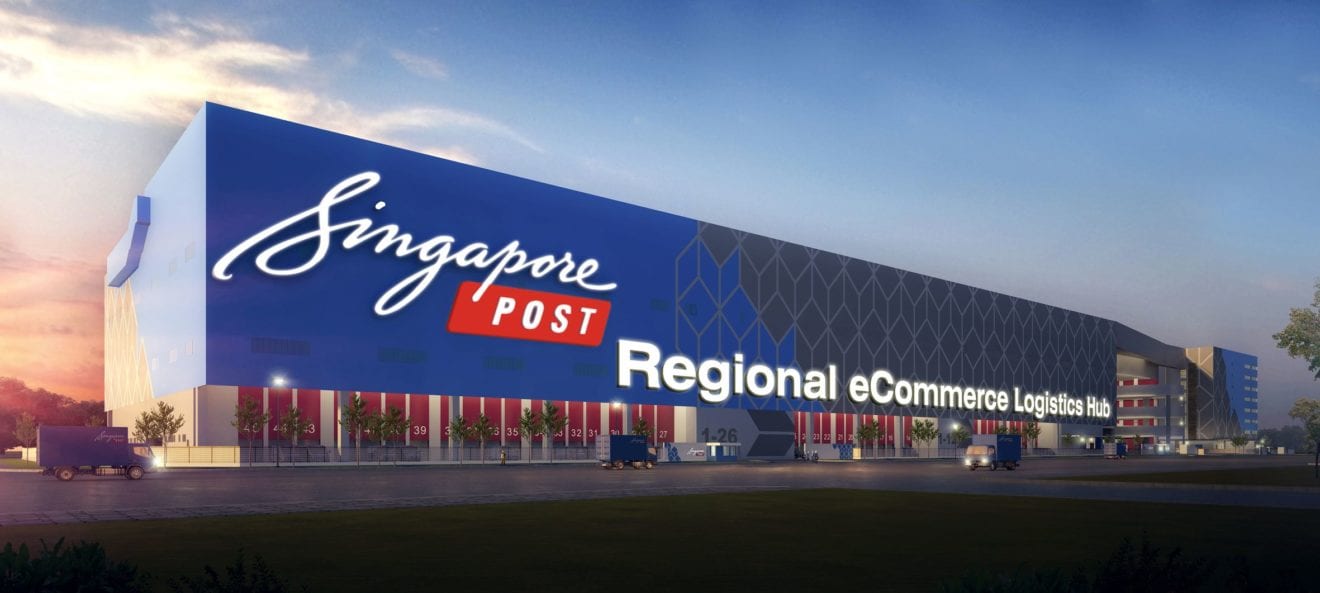
    Established more than 160 years ago, SingPost in 2016 launched its Regional E-commerce Logistics Hub, which has a sorting capacity of 100,000 parcels a day. Parcel volumes in November 2018 climbed 25% year-on-year and the highest volume of parcels processed in one day clocked at 40,000. During the peak period of November to December 2017, some 2,700 tonnes of parcels were delivered.

    In this Q&A with Retail News, SingPost’s group chief digital and technology officer Alex Tan discusses how the postal service provider has been working to keep pace with the region’s e-commerce boom and address challenges in last-mile delivery.

    In what ways have the rise of e-commerce impacted SingPost and the company’s growth and technology roadmap?

    Alex Tan: E-commerce presents a huge opportunity for us and we are driving a lot more e-commerce traffic through our postal and logistics networks. This mitigates the decline in letter mail volumes that is seen all over the world.

    It’s also why we are progressing on a three-year transformation strategy to shore up our footprint in e-commerce logistics. Our vision is to be the regional last-mile delivery and urban logistics platform of choice for Southeast Asia. Our current suite of e-commerce logistics solutions includes frontend web management, warehousing and fulfilment, last-mile delivery, and international freight forwarding.

    In November 2018, we unveiled our latest next-generation logistics platform Last Mile Platform (LaMP), which consolidates various last-mile delivery services such as courier services, parcel lockers, and brick-and-mortar collection points, onto a single platform. Being technology-agnostic, LaMP can integrate services from different retailers and logistics providers to provide greater convenience, flexibility, and control to customers.

    The platform is also location-agnostic and can connect last-mile partner services across Southeast Asia. Through LaMP, retailers can offer their customers the ability to receive their online purchases via any last-mile delivery node in the network, in any country within the region. Consumers may even redirect en-route deliveries to an alternative delivery node on the platform.

    In 2016, we also opened our SGD$182m (£104.08m) Regional E-commerce Logistics Hub, which is fully automated and harnesses the latest warehouse fulfilment and parcel sorting technologies, integrating warehousing and parcel sortation systems for greater efficiency.

    We are also building on our partnerships with our major shareholders, Singtel and Alibaba Group, working closely with them on cross-border e-commerce and digital innovation, in areas such as big data, warehouse robotics, and artificial intelligence (AI).

    There has been numerous customer feedback on SingPost’s delivery service, most of which revolved around non-deliverables or failed/missed deliveries even when the recipient was home. What challenges does SingPost face in fulfilling the last-mile delivery component, which is especially crucial in e-commerce, and how are you looking to resolve these with technology?

    Providing integrated solutions for last-mile delivery is one of the biggest challenges faced by postal and logistics providers. To improve the last-mile delivery experience, we have installed over 160 POPStation parcel lockers across Singapore. These enable our customers to collect, return, and ship parcels at their convenience. In addition, we are working with the Infocomm Media Development Authority on a pilot for the Locker Alliance, an open access delivery network of 43 lockers in Punggol that residents can use to receive and return parcels conveniently, regardless of which logistics firm handles the delivery. We continue to expand on our network of parcel lockers, installing them in more housing estates and developing new features that facilitate e-commerce services beyond online shopping.

    To enhance customer experience, service quality, and operational efficiency, we launched SmartPost in November 2018, which is an integrated suite of solutions that harnesses mobile and digital technologies. In the current phase, it enables better tracking of deliveries and electronic signing-over of registered mail. It also upskills our postal staff with new tools and technologies that elevate their efficiency and capabilities. To date, we have equipped all of our 1,000 postal employees with a proprietary mobile app that works with Near Field Communication (NFC) tags installed at around 15,000 delivery points across the island.

    Looking ahead, we are working towards providing delivery alerts and status updates to customers via SMS or email, as well as electronic notifications, to collect missed deliveries – replacing physical delivery notes that are currently used.

    In addition, LaMP will augment the online shopping experience, empowering customers with greater choice of delivery options and collection locations, including the option to make changes while a delivery is underway. Leveraging AI, LaMP will soon provide customers with SMS alerts half an hour before their courier arrives.

    With customers today wanting a more seamless, digital experience, we are expanding our Smart Post Office network, which combines our physical branch network with our SAM Omnichannel platform, It comprises self-service kiosks, mobile app, and web portal.

    How has the introduction of drone deliveries improved the last-mile fulfilment? Can you provide an update on SingPost’s deployment of drone deliveries?

    There is huge potential in UAV (unmanned aerial vehicle) technology to provide game-changing urban logistics solutions for last-mile e-commerce and mail delivery in the future. We are working with Airbus’ Skyways project to explore how drones can be used to move collect and deliver items autonomously within cities. After a successful flight demonstration in February 2018, we are working towards operating a trial e-commerce delivery service at the National University of Singapore in the coming months.

    Alibaba made significant investments in SingPost in 2014 and 2015. How have the funds been deployed and how has the partnership materialised in terms of the number of deliveries SingPost fulfils from Alibaba’s online marketplaces?

    We have been working closely with Alibaba and its extended ecosystem, which includes Cainiao Network, 4PX, and Lazada.

    Together, Alibaba and its ecosystem have brought in significant cross-border e-commerce volumes for SingPost. We also are collaborating with Alibaba and its technology affiliates on several projects involving AI, warehouse robotics, big data, and cloud computing with the aim to create more opportunities for us to digitally transform our business.

    Alibaba’s investments into SingPost are focused on strengthening our regional e-commerce logistics infrastructure and network, so we can grow and enhance our e-commerce logistics capabilities to better serve the region’s rapidly growing online retail markets.

    What new technologies are you looking at in the next year and how will these be deployed at SingPost?

    We are integrating AI into LaMP to provide parcel traceability and reliability for our customers across Southeast Asia.

    The platform will be able to autonomously plot optimised courier delivery routes based on multiple factors such as parcel destinations, customers’ preferred delivery times, and real-time ground data including traffic and weather conditions. It will be able to analyse and proactively alert all stakeholders on courier movements, and allow customers to receive an alert half an hour before their parcel arrives. This a significant improvement in terms of convenience, especially in dense cities such as Bangkok and Jakarta, where customers are typically provided vague parcel arrival times due to myriad reasons such as traffic jams and extreme weather conditions. On LaMP, all of these will be managed from a single screen called the ‘control tower’, providing enhanced visibility and connecting multiple GPS-tracking systems and APIs.

    On a personal note, when you buy something online, what kind of services do you think these sites should provide in terms of delivery/logistics?

    People want flexibility and control, whether it is choosing the time and location or the mode of delivery, and with the option to change your mind along the way. There is growing agnosticism with regards to geography, where e-commerce shoppers want to be able to shop at online stores in any country and expect a seamless experience no different from buying on a domestic website.

    This calls for a transformation of the logistics industry, and it is why SingPost is harnessing digital technology across the entire supply chain – from transforming our last-mile infrastructure for greater efficiency and responsiveness, to creating agile and open platforms that integrate delivery networks across organisations and geographies.
  • Vietnamese fresh grad income one-sixth of Singaporean peer

    Vietnamese fresh grad income one-sixth of Singaporean peer

    A newly-graduated college student in Vietnam makes one-sixth the income of his Singaporean counterpart, a report says. The minimum base salary of an entry-level position in Vietnam for the first six months last year was $250 a month, according to job advertising company JobStreet, which operates in five countries in Southeast Asia.

    The corresponding figure was $493 in Malaysia, $605 in Thailand and $1,481 in Singapore.

    Among the five countries surveyed, Vietnam’s minimum entry-level salary was only higher than that of Indonesia, which was $225.

    The report found that an entry-level worker was able to earn the most in the real estate industry, with a minimum salary base of $378.

    Information technology and secretary positions followed at $296 and $286 respectively.

    Fresh graduates who work in food technology and sales earned $280 a month.

    The minimum salary base for four employment levels in Vietnam showed increases from the full salary data of 2017.

    Entry-level salary increased by 11 percent, that of junior executive (with 1-3 years of experience), up 6 percent, manager, up 7 percent, and senior manager, up 30 percent.

    The report said that for non-managerial positions, Malaysian employers offered higher salaries than Vietnam.

    But for manager position and above, the Vietnamese market showed greater increments due to high demand, reducing the gap with Malaysia, compared to 2017.

    Although Vietnamese labor productivity increased across the economy in 2018, 48 percent of employers said they faced difficulties in recruiting qualified skill candidates.

    The report used data from 40,000 job advertisements in 50 industries.

  • BreadTalk buys out Thai partner

    BreadTalk buys out Thai partner

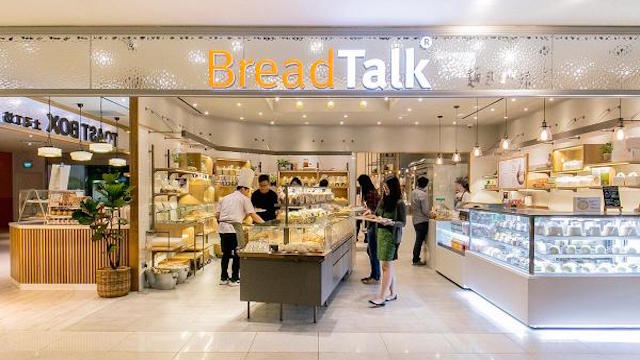
    Minor Group has sold its half share in BreadTalk Thailand to the bakery’s Singapore-listed owner.

    BreadTalk paid US$5.15 million for the stake, which Minor Group is expected to use to expand its other food and beverage brands in the kingdom, including The Coffee Club.

    The BreadTalk Thailand joint venture, called BTM Thailand, was set up in 2014.

    Minor Group’s other brands in Southeast Asia include ThaiExpress, Xin Wang Hong Kong Cafe, Swensens and the Pizza Restaurant Company.

  • Lazada Excels cross-border business across Southeast Asia

    Lazada Excels cross-border business across Southeast Asia

    Lazada is boosting its cross-border operations for international brands and merchants to after its cross-border sales quadrupled over the last three years The Alibaba-owned company says it plans to bring onboard more quality international brands and will identify and nurture the top 300 brands in each of the six. countries that Lazada operates in: Indonesia, Malaysia, the Philippines, Singapore, Thailand and Vietnam. This will allow those brands to grow their business and enjoy benefits such as higher visibility of their products when users search and browse the site.

    “We want to serve as that bridge between our quality cross-border merchants and some 560 million consumers in Southeast Asia,” said Lazada Group’s co-president Jing Yin, speaking in Shenzhen at the company’s first cross-border seller conference for this year.

    “Backed by the best expertise and infrastructure from Alibaba, as well as our in-depth understanding of Southeast Asia, we are able to equip our cross-border sellers and brands with the knowledge and tools to ride this massive growth in the region,” Yin told more than 1000 merchants at the event.

    What Lazada describes as “a meteoric rise in e-commerce spending in Southeast Asia” reflects the increasing demand for cross-border products as the GMV from Lazada’s cross-border category grew by 4.6 times between 2016 and 2018. According to industry estimates, Southeast Asia’s e-commerce market is on track to hit US$240 billion by 2025, surpassing earlier estimates by $40 billion.

    Among the key initiatives announced at this week’s conference was a revamped Global Collection: a dedicated channel showcasing an assortment of Lazada’s cross-border merchants from all around the world. Global Collection 2.0 taps on algorithm-based search functions to filter the wide cross-border assortment to spotlight sellers offering popular and good quality products so customers can find them easily.

    “With the new Global Collection, customers will get their parcels much faster,” said a Lazada spokesperson. “They can get their parcels within seven working days from the day they place their orders if they choose the standard shipping option.”

    First launched in 2013, Lazada’s cross-border business has grown to become one of the most diverse marketplaces featuring brands and merchants from all over the world. The top five markets which cross-border sellers come from are Mainland China, Hong Kong, Korea, the US and Europe, with women’s fashion, home and living and kids’ fashion ranking among the most popular cross-border items. Lazada is now looking at launching new categories, offering bulky products like furniture and home appliances.

    Last year, Lazada set a new record, with its last-mile delivery fleet across Southeast Asia delivering more than 1 million parcels in a day.

  • Pablo Cheese Tart Singapore closes down

    Pablo Cheese Tart Singapore closes down

    Pablo Cheese Tart Singapore has closed all of its stores in the city. After 19 months in operation, the cheese-tart brand’s exit from the city follows the shuttering of its outlets in Malaysia last July.

    The first outlet in Wisma Atria saw long queues when it first opened in August 2017.

    Pablo Cheese Tart has not issued any announcement towards the closings. However, its Facebook pages appear to have been deactivated.

    Reasons for the closure in Malaysia included customer feedback that the tarts had a sub-par taste compared to the Japanese stores’ products, and consumers found them expensive.

  • Jewel Changi mall planned to open on April 17

    Jewel Changi mall planned to open on April 17

    Changi Airport’s mega retail and lifestyle development Jewel Changi Airport will open on April 17, senior minister of state for transport Lam Pin Min has announced. The 10-story complex consisting of five storeys above ground and five basement floors will be home to more than 280 shops and food and beverage (F&B) outlets and an 11-screen cineplex. Fast-food chain A&W will mark its Singapore return at the new mall and Swiss chocolatier Laderach will open its first outlet there. Other retailers include include Norwegian casual-seafood restaurant Pink Fish and American fine casual chain Shake Shack.

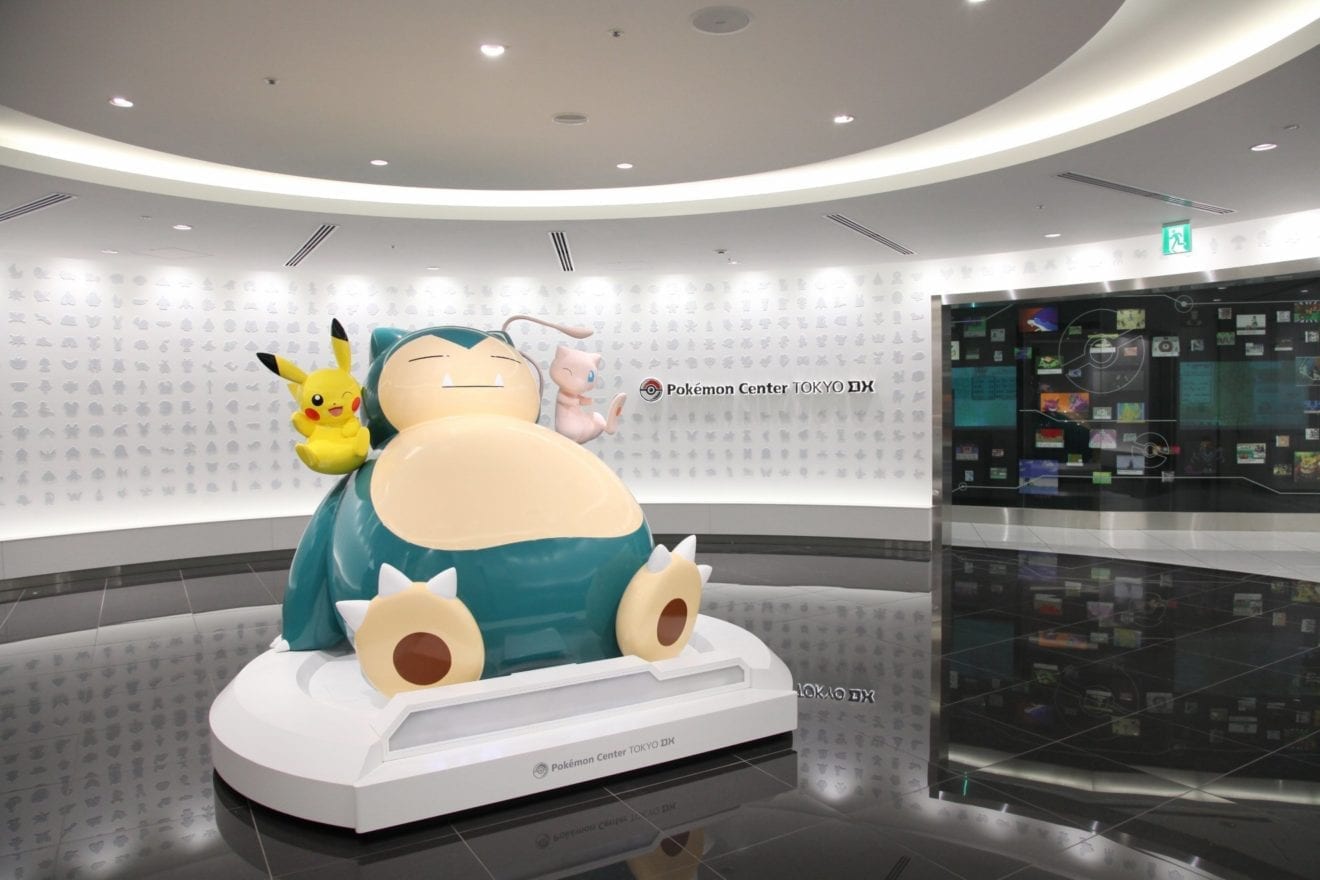
    The first overseas outlet of Pokemon Center is also ready to open.

    Jewel Changi will also be home to a long list of local brands, including design retailer Naiise, gallery store Supermama and Tiger Beer which will be launching a first-in-the-world Tiger Street Lab on level 5.

    Local chef Violet Oon will open her largest restaurant – more than 350sqm in size – offering local delicacies, such as dry laksa.

    Sneak peek for residents

    Ahead of the opening, Singapore residents will get to have a sneak peek of the new development.

    From April 11 to 16, 500,000 free tickets will be available for the public to visit Jewel Changi Airport, allocated in three-hour time blocks each day to avoid congestion.

    Registration will open online at jewelpreview.com at 6am on March 12. Each member of the public can register for up to four participants.

    “Visitors will be able to explore various points of interest in Jewel, such as the lush greenery of the four-storey Forest Valley with two walking trails and take in the magnificent 40m Rain Vortex, the world’s tallest indoor waterfall,” Changi Airport Group announced.

    “They will also be able to shop or dine at more than 90 per cent of Jewel’s 280 shopping and dining outlets.”

    Travel experience for tourists

    On top of the retail offer, Jewel Changi Airport will feature aviation facilities that will improve the travel experience for passengers, such as early check-in facilities, integrated ticketing and baggage services for fly-cruise and fly-coach transfers.

    The new T1/Jewel car park – spanning five underground levels B2M to B5 – will also be fully operational from April 11, following the development of Terminal 4.

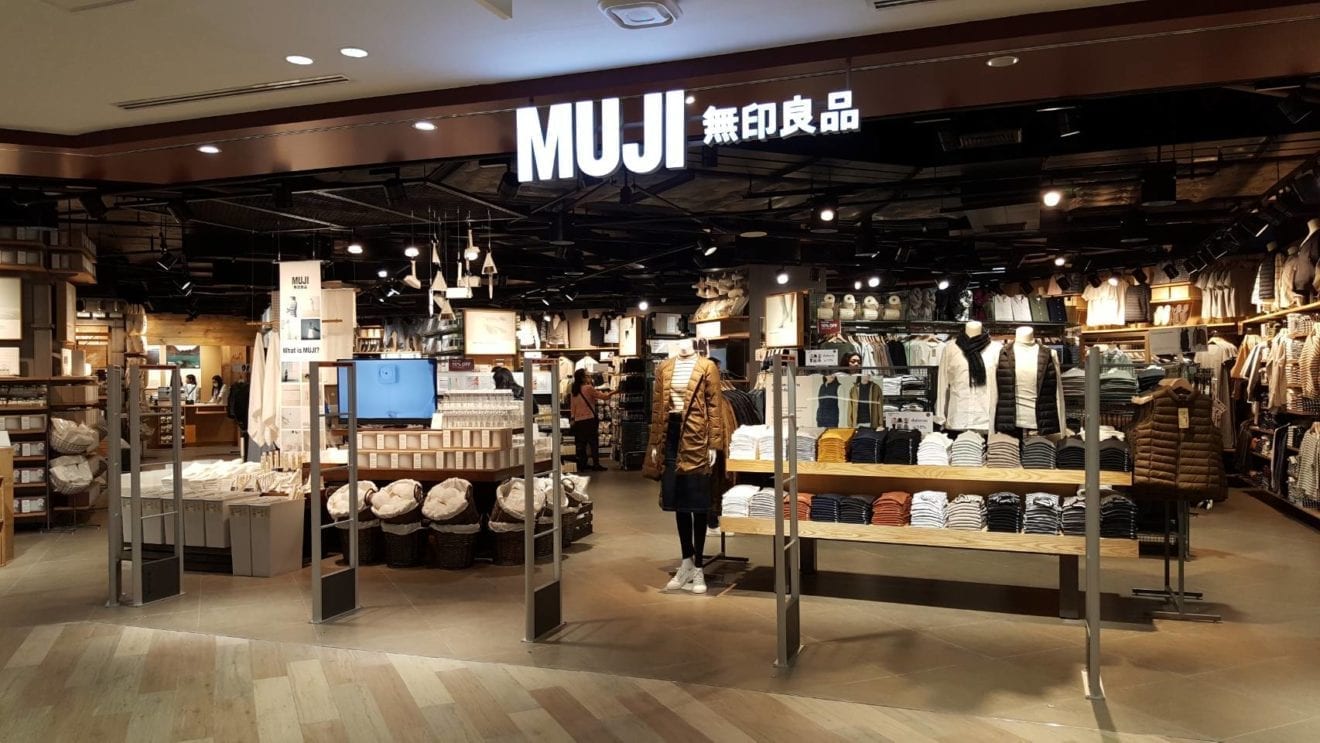
  • Muji sues Singaporean retailer Luiga

    Muji sues Singaporean retailer Luiga

    Muji parent Ryohin Keikaku has filed a lawsuit against Singaporean retailer Iuiga alleging trademark infringement. During an interview Muji president Satoru Matsuzaki said the lawsuit was filed against Iuiga in Singapore courts in late January for “trademark infringement and passing-off under Singapore law”.

    The Japanese retail giant is seeking a court order to stop the use of the Muji trademark in Iuiga’s statements, as well as compensation for damages and losses.

    According to the report, the Singapore firm has used statements such as “Muji same manufacturer” and “direct from Muji manufacturer” on its e-commerce website and in its physical store.

    “We requested Iuiga to disclose information on their manufacturing factories to verify their statements. However, we did not receive any response,” a Muji spokesperson said.

    The Japanese firm added that its manufacturing contractors have denied manufacturing or supplying products to Iuiga.

    Iuiga’s chief growth officer Jaslyn Chan said the company has “done nothing wrong”, adding that the information on its website is factually accurate and its “manufacturing processes are legal”.

    She added that Iuiga works with “original design manufacturers”, and that there “is no direct ownership of the product by any single brand entity, allowing the original design manufacturers to produce for more than one brand”.

  • DesignSingapore to take local brands global

    DesignSingapore to take local brands global

    DesignSingapore Council (DSG)’s new Business of Design (BOD) program has launched to help local furniture and lifestyle brands expand globally.

    As a part of Singapore Design Week 2019, which runs until March 17, the program will select up to six brands the council believes have the potential to expand internationally, to receive mentorship from industry experts.

    During the first two years, the BOD program will focus on the furniture and lifestyle product sector, and it will be expanded to include designers from other industries later.

    “With increasing industry demand for design, the role of designers will expand,” said Chee Hong Tat, senior minister of state for trade and Industry. “Hence, our design education and talent development programme must adapt to help our designers tackle more complex challenges in the future.

    A themed collective showcase will be held in 2020 at an international location before travelling to other events including Milan Design Week. Displays will also be created at retail pop ups in cities including Shanghai.

    Established in 2003, DSG aims to help local companies expand beyond Singapore.

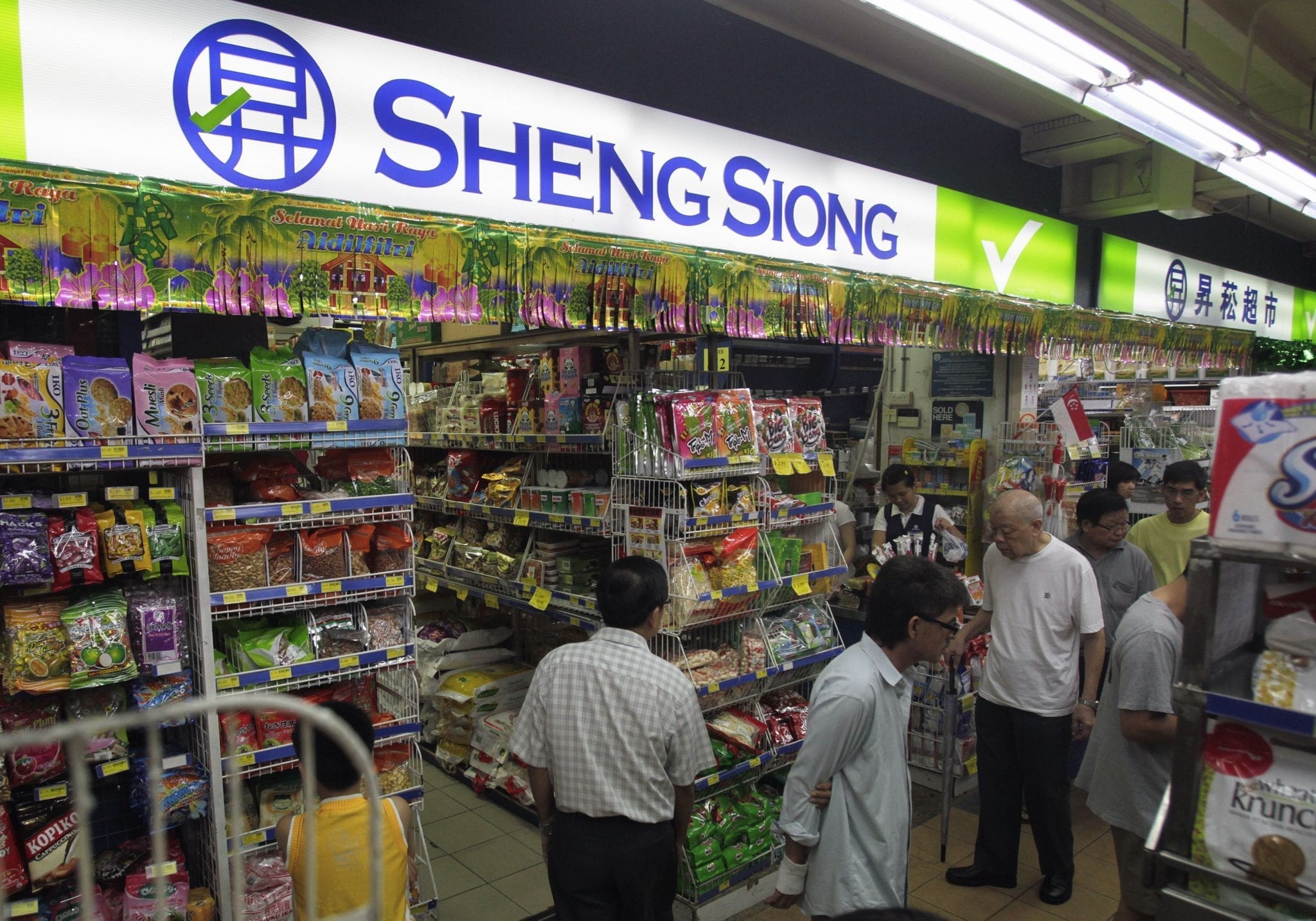
  • New stores boost sales for Sheng Siong Group

    New stores boost sales for Sheng Siong Group

    Singapore supermarket chain Sheng Siong Group has reported a 1.4 per cent year-on-year rise in net profit to S$70.5 million for 2018. Revenue, gross profit and gross margin all improved in both the final quarter and full year, but they were offset by a reduction in other income and higher operating expenses. Government statistics show sales in supermarkets across the city state shrank during the year, but Sheng Siong Group said it was able to mitigate that with new stores, its revenue rising 7.4 per cent for the year.

    The company’s gross margin increased to 26.8 per cent, from 26.2 per cent, mainly because of better buying prices, higher rebates from suppliers for special promotions and volume discounts, improvement in efficiency in the central distribution centre and higher mix of fresh versus non-fresh offerings.

    In a statement, Sheng Siong Group said it expects competition in Singapore’s supermarket industry to remain keen, “exacerbated by the proliferation of new supermarkets in HDB residential areas, as well as the push by new and existing e-commerce players for market share”.

    The group will continue to look for new retail spaces in new and existing HDB housing estates, particularly in estates where there is no presence. It has delayed a planned expansion of its central warehouse, which is now likely to be completed about mid year.

    The company’s store in Kunming, China, which opened in November 2017, recorded a loss of $700,000 last year.  It has has leased a site for a second supermarket in the city and hopes this will commence trading in the third quarter

    “Our store expansion plans have been well on track where we have opened 10 new stores during the year, bringing our total store count to 54 and expanding our total retail area to 496,200sqft,” said CEO Lim Hock Chee.

    “Going ahead, we remain on the lookout for new retail opportunities, especially in areas where we do not have a presence. Besides nurturing the growth of our new stores in Singapore and China, we will continue with our efforts in enhancing the gross margin via more efficiency gains in the supply chain and higher sales mix of fresh produce. We will remain vigilant on costs.”

  • YSL Beauty Hotel to open in Singapore

    YSL Beauty Hotel to open in Singapore

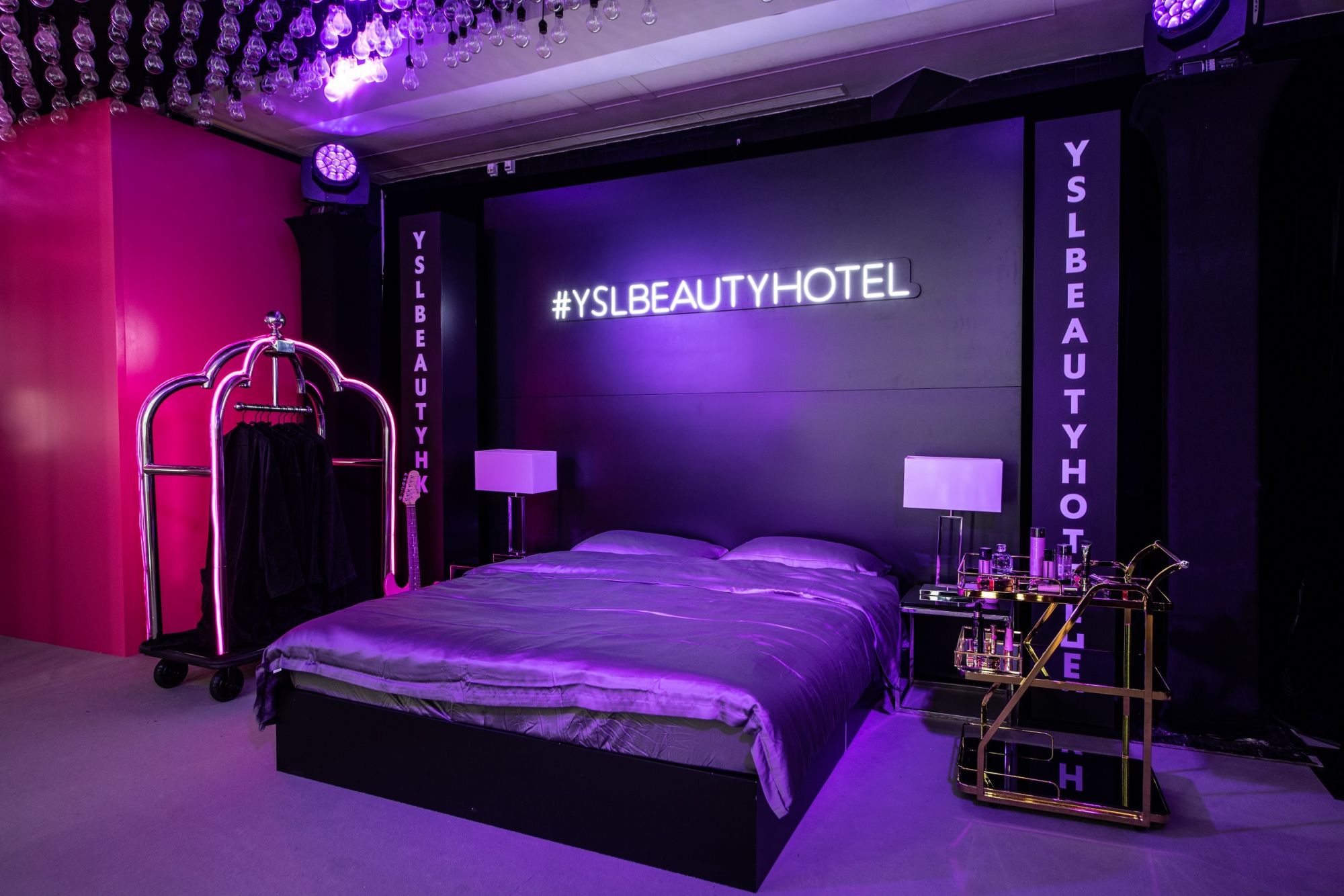
    SL Beauty Hotel is coming to Singapore this month, as part of a tour of the world’s fashion meccas, including Paris, New York, Tokyo, Hong Kong, Shanghai and Seoul.

    Precise details of the Singapore ‘hotel’ have yet to be revealed, but it is expected to have same style of neon lights, sleek furnishing, and comfy bedding as in previous cities. Themed rooms like the All Hours Lounge, interactive game machines, photo booths and YSL Beaute products will be on site for visitors to experiment with and Instagram.

    Products in the spotlight will likely include the Encre de Peau Cushion Leather Collector’s Edition, Rouge Volupte Shine, and All Hours Foundation.

    The one-day pop up is set to open on March 16, from 10am to 5pm, at Cherry Discotheque in Cecil Street.

  • Tekka Place Soft opens End of Year

    Tekka Place Soft opens End of Year

    Hospitality-and-retail integrated development Tekka Place has marked its topping out, and is scheduled for a soft opening by the end of this year.

    Located at 2 Serangoon Road, the complex has a main tower and a seven-storey annex with rooftop deck. Tekka Place will cater to the needs of nearby residents, office workers and commuters of both the North East and Downtown MRT lines, as well as house the new Citadines Rochor serviced residences, attracting new international visitors.

    Tekka Place’s construction started in mid-2017, managed by Lum Chang-LaSalle joint venture.
    Nearly 50 per cent of the 70,000sqft lettable retail space in the integrated development has been leased or is in advanced negotiations.

    “Even though we have been approached by reputable local and international retail and F&B brands, we are selective in curating Tekka Place’s retail mix to both reflect and build on the unique cultural identity of the Little India heritage precinct, and to complement the shopkeeper businesses in the area,” said Kelvin Lum, director at Lum Chang Holdings and spokesperson for the joint venture.

    XinTekka, a new food hall concept by Andrew Tan will occupy 10,000sqft of the mall, offering a spread of local culinary favourites with a twist. XinTekka is set to be Singapore’s newest dining destination.

    “We very much look forward to the forthcoming completion of Tekka Place, which will add to the revitalisation of the precinct as well as the dynamism of Little India,” said Rajakumar Chandra, chairman of the Little India Shopkeepers and Heritage Association.

  • Manifesto opens first Mandarin Gallery flagship

    Manifesto opens first Mandarin Gallery flagship

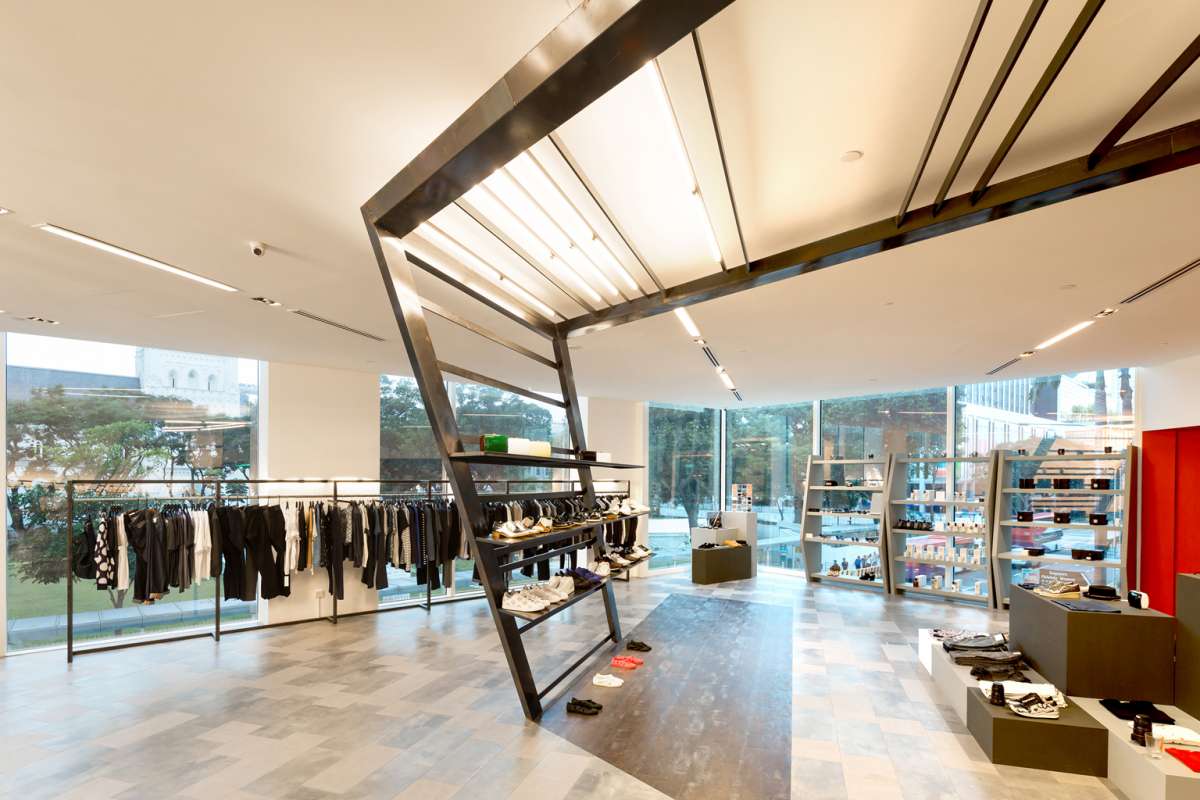
    Multi-brand concept store Manifesto has opened a new flagship store on Singapore’s Orchard Road. Manifesto’s new space in Mandarin Gallery envelopes guests in “the stark and abstract beauty of the Saharan landscape”, featuring sand colours and organic rock-like contours.

    Inspired by North African architecture, the store uses natural desert hues to reflect the warmth and hospitality. The entrance recalls a nomadic tent, highlighted by LED lights.

    “The design direction reflects our philosophy. We want to welcome customers, wanderers, the same way Bedouins welcome strangers under their tent,” said Manifesto founder Walid Zaazaa.

    The new store offers more than 30 brands encompassing fashion, streetwear and lifestyle accessories, including a curation of hard-to-find brands in Southeast Asia: APC, Lemaire, and Axel Arigato.

    “The most important selling point of our product is scarcity. We have brands of different aesthetic, origin and prices. The common thread between them is how they express their identity through products that are easily wearable, made with outstanding quality, and have interesting stories,” Zaazaa added. The multi-use concrete cashier counter was cast on site and infused with red pigment.

  • New retail stores to open at Changi Airport

    New retail stores to open at Changi Airport

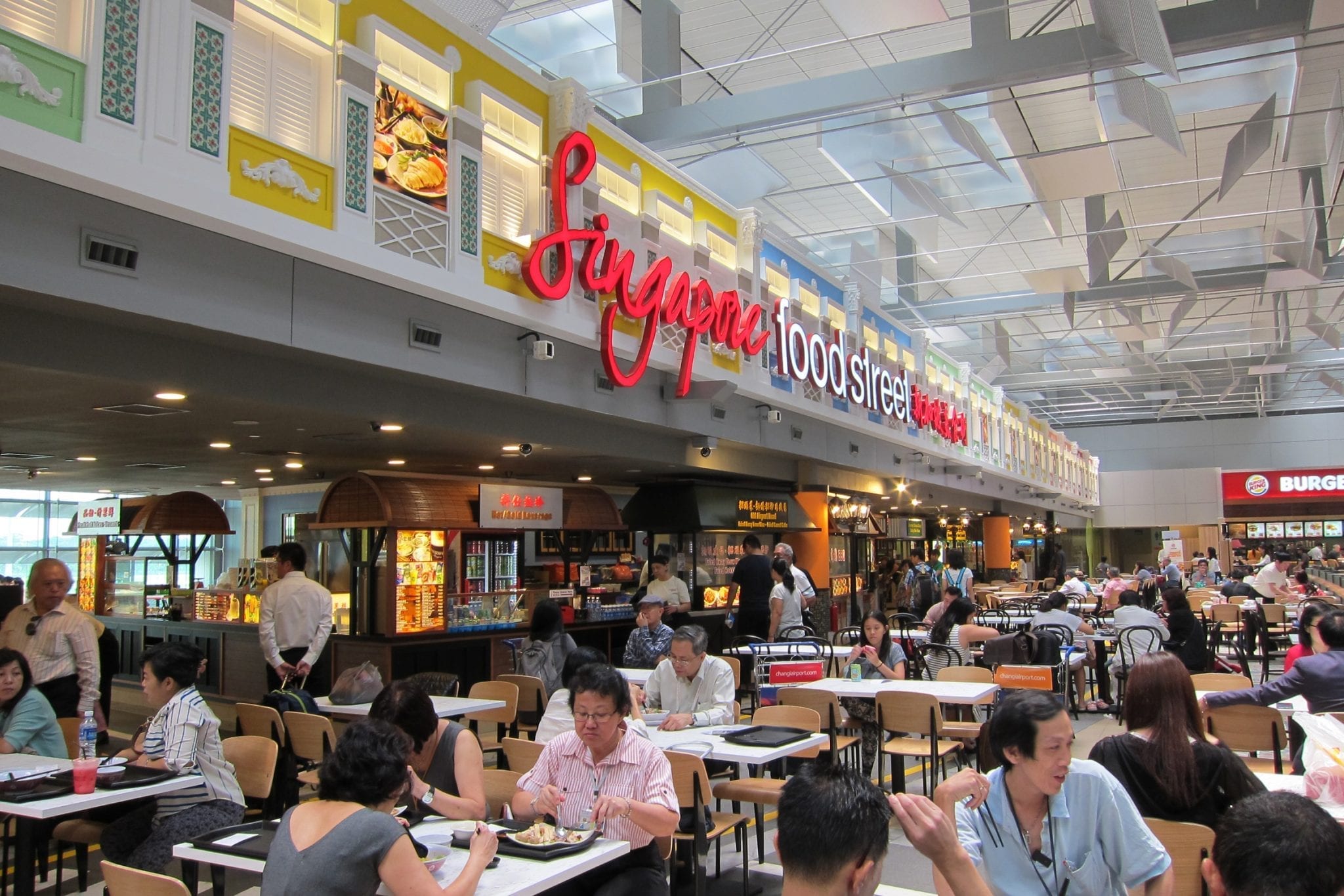
    Changi Airport has added new restaurants and stores to its retail offer. In the transit area, Irvin’s Salted Egg has opened a kiosk at Terminal 1. In the public areas, new eateries have opened at Terminal 3’s basement 2 including three by the Pezzo Group: Crave, Coffee Boy and Stuff’d. Mr Teh Tarik Express and multi-concept gourmet food hall, Terminal M, featuring a mix of Korean, Chinese and Japanese foods, are also available at this terminal.

    Visitors can now shop a new outlet of casual clothing retailer The Blues or confectioner The Cocoa Trees.

    Singapore Changi Airport handled 5.62 million passenger movements in January, a 6 per cent year-on-year increase.

    Passenger traffic growth during January was broad-based with increases recorded for all regions except the Middle East.

  • Singapore Airlines ups Johannesburg frequency

    Singapore Airlines ups Johannesburg frequency

    Effective March 31, Singapore Airlines (SQ) is permanently increasing capacity on the Johannesburg-Singapore route, with three additional flights on Wednesdays, Fridays and Sundays.

    They will be on a permanent basis after the increase was trialed in July and August last year. SQ481 will depart from Johannesburg at 22h30, arriving in Singapore at 14h55 the next day.

    Flight SQ482 departs from Singapore at 16h35, arriving in Johannesburg at 21h10.

    SQ479 and SQ478, the airline’s existing Johannesburg flights, will continue to fly onward to Cape Town daily.