Tag: smartphone

  • iPhone 13 Pro Max is Apple’s most popular phone in Vietnam

    iPhone 13 Pro Max is Apple’s most popular phone in Vietnam

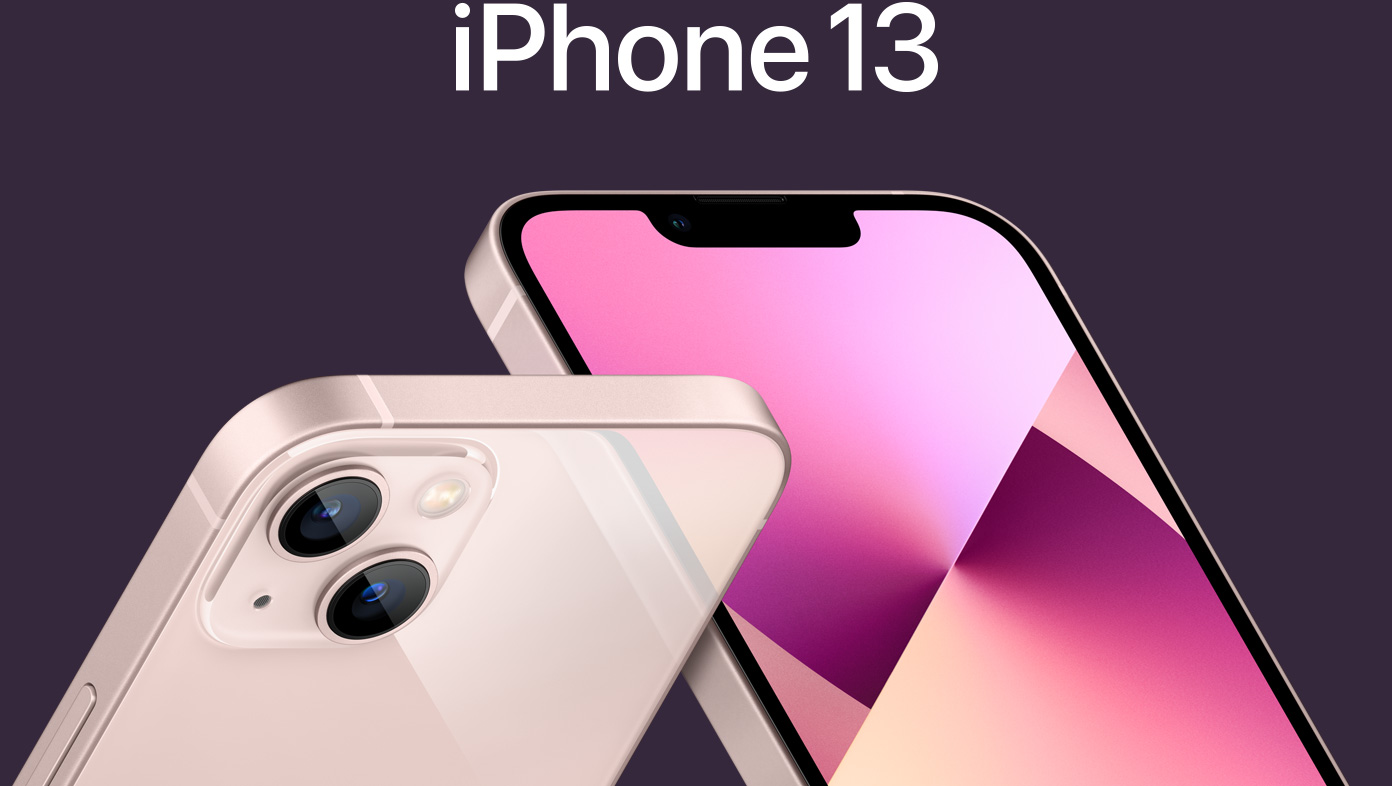
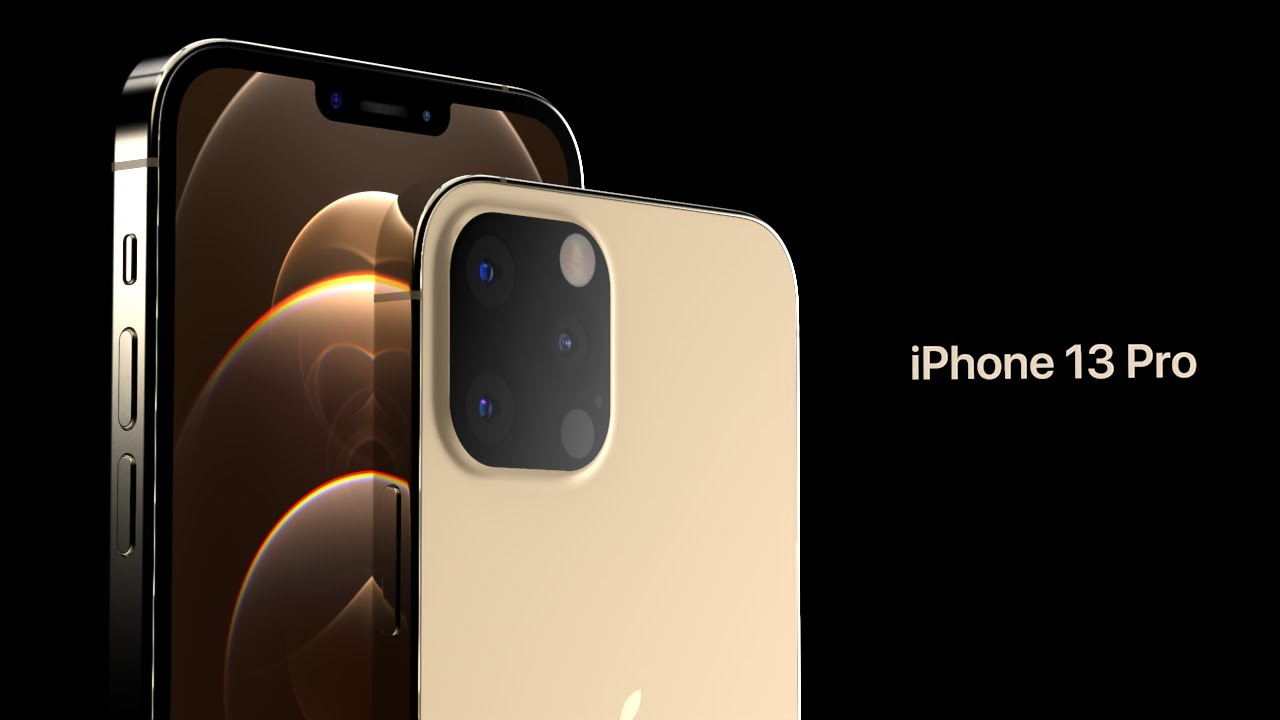
    The high-end iPhone 13 Pro Max was Apple’s top-selling smartphone in Vietnam in the first half of the year, according to data from retailers.

    At FPT Shop, the 128-GB version has been topping sales for months, beating out the iPhone 11 and cheaper Android devices like the Samsung Galaxy A12 and A22.

    CellphoneS and Minh Tuan Mobile reported similar results.

    At The Gioi Di Dong, no Apple device made it to the top 10 list in terms of number of units sold, but iPhone 13 Pro Max (128 GB and 256 GB version) topped in revenues due to their high price tags.

    “Despite having the highest price, the 13 Pro Max beat other Apple smartphones in sales,” Nguyen Lac Huy, media representative of Cellphone S, said. “It was followed by the iPhone 11 after its price drop in late June.”

    The iPhone 13 Pro Max was launched last September, and pre-orders for it accounted for 70 percent of all Apple sales then. It also dominated the high-end smartphone segment (prices of VND20 million ($857) and higher).

    Its closest competitor was the iPhone 11, which had a price tag of VND10.5 million.

    Retailers expect sales of the 13 Pro Max to keep rising thanks to the price adjustment at the end of June, which brought it down to VND27 million.

    “Buying the most high-end model is common among Vietnamese,” Nguyen Huu Phuc, head of sales at Minh Tuan Mobile, said.

    “Meanwhile, retailers also offered various promotions on the device, and so the iPhone 13 Pro Max always accounted for a large proportion of sales.”

    Huy of CellphoneS said the iPhone 13 Pro Max “will definitely retain its best-selling position” until new products are launched.
  • Indonesia’s Smartphone Market Declined by 17.3% in Q1

    Indonesia’s Smartphone Market Declined by 17.3% in Q1

    Indonesia’s smartphone market had a muted start in 2022, declining 17.3% year over year (YoY) and 13.1% quarter over quarter (QoQ) and reaching 8.9 million units in 1Q22, according to a report by International Data Corporation’s (IDC).

    Lower consumer buying power due to the higher prices of goods, such as gas and commodities (including mobile phones) and a lower supply of entry-level smartphones in the market were contributing to this decline. There was a tight supply of smartphones in the US$200 and lower price band as low-end 4G chipset supply remained constrained, leading to a 22% YoY decline in this segment. The high YoY decline also resulted from the normalizing demand after the pandemic-induced growth drivers subsided. All factors combined to put additional pressure on a seasonally low quarter.Smartphone shipment in 2Q22 is expected to be lower than the shipment in 2Q21. For 2Q22, the Ramadan period gave the necessary boost for April. In addition, the government mandated that the religious holiday allowance should be paid in full in April 2022, giving consumers extra liquidity. However, this additional liquidity may be eroded as the government increased the value-added tax (VAT) from 10% to 11% on April 1, 2022, which effectively increases the price of goods. Furthermore, the price of nonsubsidized fuel Pertamax also increased.

    “The higher prices are expected to add extra pressure on consumers’ buying power. Vendors may not be able to absorb the price increase above a certain level, thus resulting in higher overall selling price,” says Vanessa Aurelia, Associate Market Analyst at IDC Indonesia. Smartphone shipment is expected to stay flat throughout 2022, compared to the 2021 shipment.


  • Xiaomi starts smartphone production in Vietnam

    Xiaomi starts smartphone production in Vietnam

    Xiaomi has delivered the first batch of its made-in-Vietnam smartphones, the Chinese electronic giant announced Monday.

    Its smartphones are made in Vietnam by DBG Technology, a subsidiary of Hong Kong’s DBG Electronics Investment Limited, at a factory in northern Thai Nguyen Province.

    Besides supplying to the local market, those devices will also be exported to some Southeast Asia markets including Malaysia and Thailand, a representative of Xiaomi Vietnam said.

    The DBG Technology factory only manufactures certain models, it was added.

    Nguyen Duc Trong of Digiworld, a Xiaomi authorized reseller in Vietnam, said producing smartphones in Vietnam would help solve issues caused by Covid-19 disruption on the global supply chain.

    “[Vietnamese] consumers will have a more stable supply, while the country will solidify its position in the race for smart manufacturing.”

    Xiaomi is the second largest smartphone maker in Vietnam, accounting for 20.6 percent of market share in the first three months this year, according to data from industry analysis firm Counterpoint.

    Xiaomi smartphones are mostly made in China and India by its manufacturing partners, including Foxconn, DBG, BYD and Flex.

  • Samsung to introduce recycled parts for smartphone repairs

    Samsung to introduce recycled parts for smartphone repairs

    Samsung is reportedly planning to start a new program that could significantly reduce repair costs for your Galaxy phones.

    Samsung is considering introducing certified recycled parts for mobile repairs. These are parts made of recycled materials such as discarded plastics, metals, and more. The initiative could launch in the next few months, specifically by the first half of this year.

    The report suggests that by using recycled spare parts, Samsung could pass on a smaller repair bill to users. The publication notes that things like display replacement could cost half of what it does today.

    As far as the quality of the recycled repair parts is concerned, Samsung is aiming for a level that can match that of new products. There’s no word on which smartphone parts will be available under the program and how much they would cost exactly.

    Samsung has been promoting sustainable manufacturing for a while now. The Galaxy S22 series is one of the latest examples of its efforts. The phones use a new material made up of discarded fishing nets.

    Over the years, Samsung has also significantly reduced the amount of plastic and paper in its packaging. Recycled repair parts seem to be a logical extension of Samsung’s sustainability efforts.

  • Percentage of teens looking to buy an iPhone is close to a record high

    Percentage of teens looking to buy an iPhone is close to a record high

    Investment house Piper Sandler released the results of its 43rd semi-annual Taking Stock With Teens survey. The latest results show that the number of American teenagers planning to purchase their first iPhone is close to a record high. Piper Sandler analyst Harsh Kumar says that 87% of the teens responding to the firm’s latest survey plan on purchasing an iPhone. Coincidentally, the survey showed that 87% of the teens responding already own an iPhone.

    We said that the 87% of teens who said that their next phone will be an iPhone was close to a record high. That’s because, during the Spring 2021 survey, 90% of teens were saying that their next phone would be running iOS while 88% of teens said that they already owned an iPhone in that survey. Kumar said that the results were encouraging for Apple.

    And in a boost for Apple’s large Services unit, teens’ favorite money transfer app is now Apple Pay which toppled previous leader Venmo in the latest survey. The analyst sees the results forecasting growth in the Services unit which took in $68 billion during fiscal 2021. Apple’s Services unit includes the App Store, Apple Pay, Apple Care+, Apple Music, Apple Arcade, Apple Card, Apple TV+, Apple News+, Apple Fitness+, iCloud, iTunes Store, and more.

    With over 1 billion active iPhones, Apple has a large number of possible buyers ready, willing, and able to spend on Services including recurring subscriptions. It’s that word “recurring” that brings a smile to the face of Apple CEO Tim Cook.

    As for the specifics of the survey, 7,100 teens responded to survey with an average age of 16.2 years. 44 different states were represented and they live in households with an average income of $69,298. 39% of the teens are employed part-time. Either they live in a household that is well off, or they are able to afford to buy the iPhone using their own paycheck.

    Piper Sandler’s Kumar rates Apple overweight and has a $200 target on the stock. For those not familiar with Wall Street talk, an overweight rating has nothing to do with Eddy Cue’s eating habits. It simply means that in calculating your portfolio, Apple shares should comprise a larger percentage of your portfolio compared to the rest of your holdings.

    The latest survey of teens has pretty similar results to the previous Taking Stock With Teens

  • Apple to further enhance Face ID with iOS 15.4 update

    Apple to further enhance Face ID with iOS 15.4 update

    Following the release of iOS 15.3 update, Apple has kicked off a new set of beta trials for the next version of its operating system – iOS 15.4. The first beta is now rolling out to developers via an over-the-air update, but without a changelog, it’s impossible to say what’s included without spending several hours with 15.4 beta 1.

    Apple to further enhance Face ID with iOS 15.4 update, here’s what to expect
    Luckily, YouTuber Brandon Butch has already found a couple of interesting improvements that are now being tested by Apple via the iOS 15.4 beta 1 build. The most important one is Face ID support while wearing a mask, a feature that makes perfect sense in these troubled times.

    According to the screenshot above, “Face ID is most accurate when it’s set up for full-face recognition only. To use Face ID while wearing a mask, iPhone can recognize the unique features around the eye to authenticate.” There’s also a new toggle in iOS 15.4 that lets iPhone users enable “Face ID With a Mask” via the Settings / Face ID menu.

    But that’s not all the interesting stuff people using iOS 15.4 beta 1 have found. 9to5mac reports that Apple added even more improvements to Face ID recognition by allowing iPhone users to wear glasses and a mask at the same time.

    Using Face ID while wearing a mask works best when it’s set up to recognize each pair of glasses you wear regularly. Face ID with a mask doesn’t support sunglasses.

    While the feature still doesn’t work with sunglasses, it remains incredibly useful for those who wear regular glasses and a mask at the same time.

  • iPhone 12 Pro, Pro Max out of stock in Vietnam

    iPhone 12 Pro, Pro Max out of stock in Vietnam

    Major iPhone authorized resellers in Vietnam have stopped importing iPhone 12 Pro and Pro Max models, seeking to boost iPhone 13 sales.

    “Most retail chains told me iPhone 12 Pro and Pro Max are out of stock. Some chains still sell them but in only a few stores,” said Que Chi in Hanoi.

    The salespeople she talked to all referred her to the new iPhone 13 models, which are readily available.

    iPhone 12 Pro Max, the best-selling iPhone model in Vietnam last year, is now marked as “out of stock” on the websites of major retail chains.

    A media representative of FPT shop said iPhone 12 Pro and Pro Max are sold out and the chain does not plan to import more.

    The same comment was given by other chains like ShopDunk and Minh Tuan Mobile.

    Although there is still high demand for these products in Vietnam, most buyers now only have the option to buy used phones or pay more for the latest iPhone 13, a media representative of Minh Tuan Mobile said.

    Nguyen Lac Huy, the media representative of CellphoneS, said the chain still has iPhone 12 Pro and Pro Max but in low quantity.

    “We cannot buy more as Apple does not have plans to continue production of these models.”

    iPhone 12 Pro Max with a storage of 128 gigabytes is being sold at around VND28.5 million, while the iPhone 13 Pro Max with the same storage is on sale for just VND2 million higher, which explains why distribution chains are focusing on the newer model.

  • iPhone dominates smartphone market in China

    iPhone dominates smartphone market in China

    Someone over at Apple is popping the champagne as an extremely successful holiday season for the iPhone 13 made Apple the top brand in the world’s largest smartphone market — China. We’ve known that the new iPhone models (minus the iPhone 13 mini) have been doing extremely well there, but now that the numbers have been crunched, we have definitive stats.

    Apple outsold giants such as Oppo, Vivo, Xiaomi, and Huawei on their own turf, which probably stings a little bit. The market used to be dominated by Huawei, but the company has sadly been in a freefall in the past couple of years, and we can see it falling all the way down to the sixth spot in Q4 of 2021.

    This isn’t the first time that Apple sells crazy amounts of iPhones in China. Back in 2014, the iPhone 6 Plus made huge impact in Asian markets, since it was a long-awaited big-screened iPhone. Up until then, Apple simply refused to upsize its screens, despite the fact that phablets were the obvious future trend — especially in Asia. When the iPhone 6 Plus and iPhone 6s Plus launched, they became the new craze in China. No joke — some retailers would bundle the iPhone 6 Plus with free tailor services to enlarge pants pockets!

    At the height of the iPhone 6 / iPhone 6s craze (2015), Apple was the top smartphone brand in China. The No1 spot was later taken by Vivo, then Huawei. Now, six years later, Apple is back with a vengeance, taking 23% of the market share — that’s the highest it has ever had.

    As per Counterpoint’s report, Apple rose to the top as soon as the iPhone 13 series launched and held the top spot for most of Q4 2021. The reasons for the wild success are a perfect storm of Huawei customers jumping ship, good pricing strategy by Apple, the 5G implementation in the new iPhones, and the new camera, which is highly praised.

  • iPhone 14 Pro rumored to replace notch with dual pill and hole cutouts

    iPhone 14 Pro rumored to replace notch with dual pill and hole cutouts

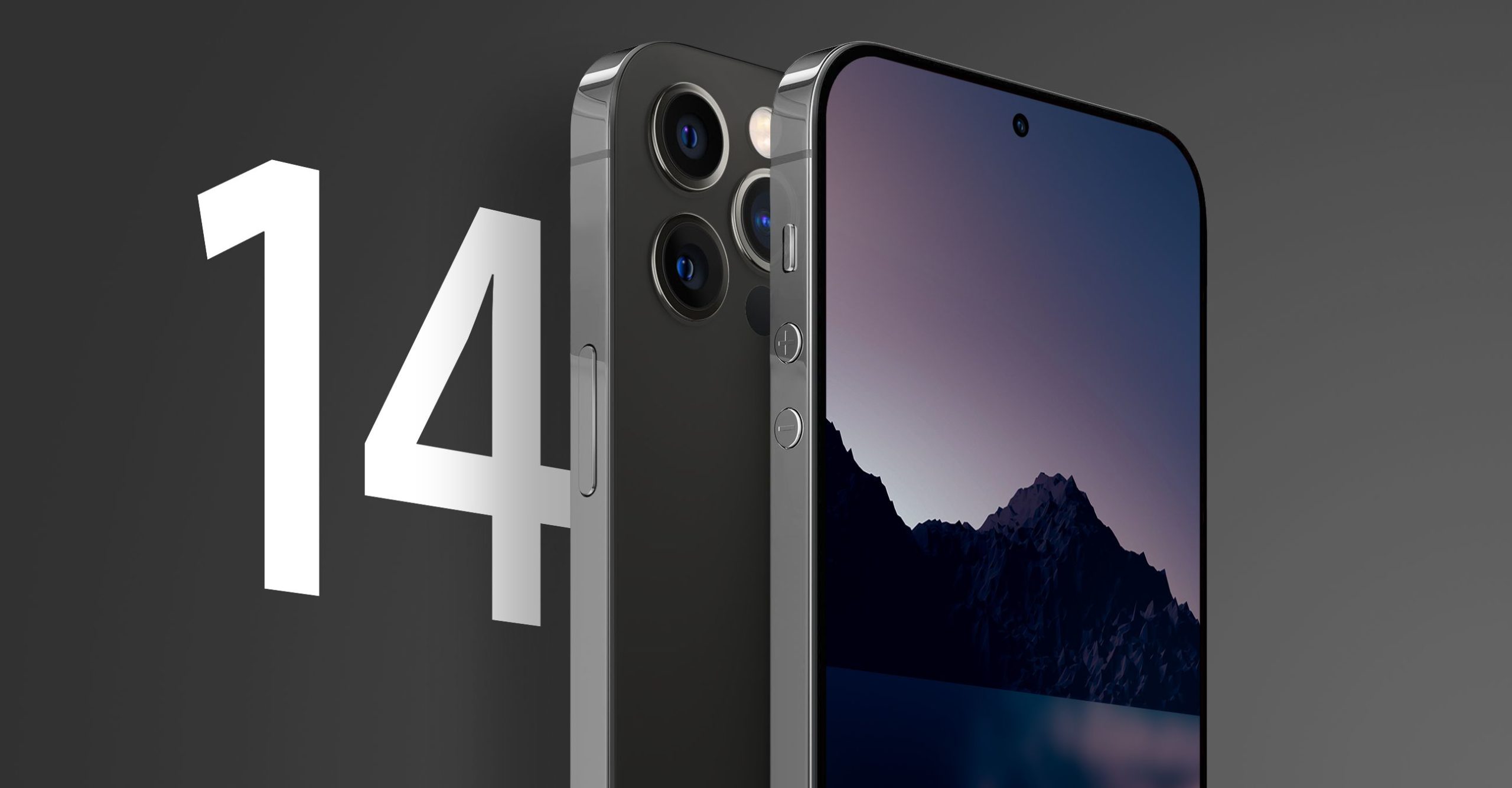
    It can now be said with a fair amount of certainty that Apple’s next premium iPhones – the iPhone 14 Pro and iPhone 14 Pro Max – will ditch the notch that debuted on 2017’s iPhone X in favor of a hole-punch cutout.

    That’s only part of the mystery solved, as, unlike Android flagships, the iPhone also features a complex Face ID system that requires a lot of modules and sensors. Display Supply Chain Consultants’ CEO Ross Young, who has an impressive track record when it comes to leaks, seems to know how Apple plans on going about it.

    In September of last year, Twitter leaker ShrimpApplePro, who tweets from the handle @VNchocoTaco, shared a concept image visualizing what the screen could look like from behind. Young also believes that that’s what the front of the Pro models will look like, meaning a pill-shaped cutout on the center-left will house the front camera and the infrared camera, and the circular hole will have the dot projector.

    If that sounds like a lot of holes, keep in mind that they will still take up less screen estate than the notch. Assuming the leak is legit, it puts to rest a recent rumor that claimed Apple would place the Face ID hardware beneath the display.

    ShrimpApplePro, the leaker who first talked about the design, had also said if Apple managed to put the Face ID system under the screen, it would do the same with the camera. Young thinks that we shouldn’t expect to see an iPhone with an under-display camera until at least 2024, which is not bad news at all, given that the handful of Android phones that feature the tech has failed to impress.

    iPhone 14 Pro’s screen design will not simply be a cross between the Galaxy S10 Plus, which has two hole-punch cameras, and Huawei models with a pill-shaped cutout, but will rather be unlike anything we have seen, or so implies Young.

    This year’s lineup will reportedly consist of two standard models – 6.1-inches iPhone 14 and 6.7-inches iPhone 14 Max- and two Pros – 6.1-inches iPhone 14 Pro and 6.7-inches iPhone 14 Pro Max. The Pro models will reportedly replace the current versions’ 12MP main camera with a 48MP main camera. The series will likely be powered by the slightly more powerful A16 Bionic chip.

    Given how relatively rare it is for Apple to introduce design changes and new camera sensors, it’s safe to assume most fans will love the new phones and make them one of the top smartphones of 2022.

  • Apple warns of weak demand for iPhone 13 lineup

    Apple warns of weak demand for iPhone 13 lineup

    Apple has told its parts suppliers to demand the iPhone 13 lineup has slowed, Bloomberg News reported on Wednesday, a move that signals a declining interest among consumers for the usually coveted latest upgrades.

    The company had cut production of iPhone 13 by as many as 10 million units, down from a target of 90 million, due to a global chip shortage, but now it has informed vendors even those numbers look unlikely, the report said.

    Apple’s shares fell over 3%, dragging down those of iPhone component and semiconductor suppliers Qualcomm, Skyworks, Europe’s ASML, and Infineon.

    The holiday season is Apple’s biggest quarter and typically so, for its most important product, the iPhones, which start at $699 and go as high as $1,600.

    Analysts had expected demand to remain steady for new products but lowered shipping estimates as supply-chain issues burdened the company as well as many retailers who faced inventory shortages.

    Consumers, who splurged on new phones and laptops during the peak of the pandemic as they stayed indoors, are now spending more on vacations and outdoor activities.

    “As lockdowns eased, spending returned on these experiential activities, so maybe less for the new iPhone. We believe that (iPhone) demand is likely to be pushed out in 2022,” Counterpoint Research analyst Tarun Pathak said.

    IDC analyst Ryan Reith believed it is not so much as demand for smartphones was drying up, but U.S. consumer spending was slowing due to the pandemic.

    Apple Chief Executive Officer Tim Cook warned in October that the impact of supply constraints, which cost the company $6 billion in sales in the fourth quarter, will be worse during the holiday quarter even as demand for the new lineup was robust.

  • Apple is now the biggest smartphone brand in China

    Apple is now the biggest smartphone brand in China

    It seems that Apple has finally conquered China (again). According to new research by Counterpoint, the Cupertino brand saw the highest growth of all smartphone brands on the Chinese market, scoring 46% month-over-month growth. Apple surpassed Vivo in October 2021 to become the largest smartphone OEM in the country.

    “Apple could have gained more if it were not for the shortages, especially for the Pro versions,” commented research director Tarun Pathak. “But still, Apple is managing its supply chain better than other OEMs.”

    The iPhone 13 series is the major culprit behind the growth, as iPhone 13 sales grew 46%, while the entire Chinese smartphone market saw only a minor 2% month-to-month increase in October 2021.

    Of course, looking at the graph it’s clear to see that Huawei has lost its dominance in China since the US trade ban, and that’s another reason for Apple’s rise in the country. Apple is retaking the number 1 place in China for the first time since December 2015.

    “Due to supply issues, the normal wait time for the iPhone 13 Pro and iPhone 13 Pro Max ranges between four and five weeks in China. Some Chinese customers choose to pay premiums to get the new phones delivered immediately. Overall, the China market has been slow throughout the year and Apple’s growth is a positive sign. It indicates that Chinese smartphone users are maturing fast and are looking to buy more high-end devices, which can be a good opportunity for brands. The supply chain is also prioritizing higher-end and higher-margin devices amid the shortages,” said Counterpoint analyst Varun Mishra.

  • China October smartphone shipment grows 30.6% from a year ago

    China October smartphone shipment grows 30.6% from a year ago

    According to the China Academy of Information and Communications (CAICT), China’s shipment of smartphones grew 30.6% year-on-year to 32.7 million handsets in October. This is a significant increase from a year ago, in October 2020, when shipments reached 25 million.

    An increase in shipment, compared to the decline experienced in the first half of the year, is largely driven by the release of the latest Apple iPhone 13 in China in September.

    When iPhone preorders were first released in September, demand was so high that Chinese retail websites reportedly went down. During the initial phase, as many as 5 million preorders were placed, signaling Apple’s continued popularity in the country.

  • Waze blames a glitch for sending drivers into dead end roads

    Waze blames a glitch for sending drivers into dead end roads

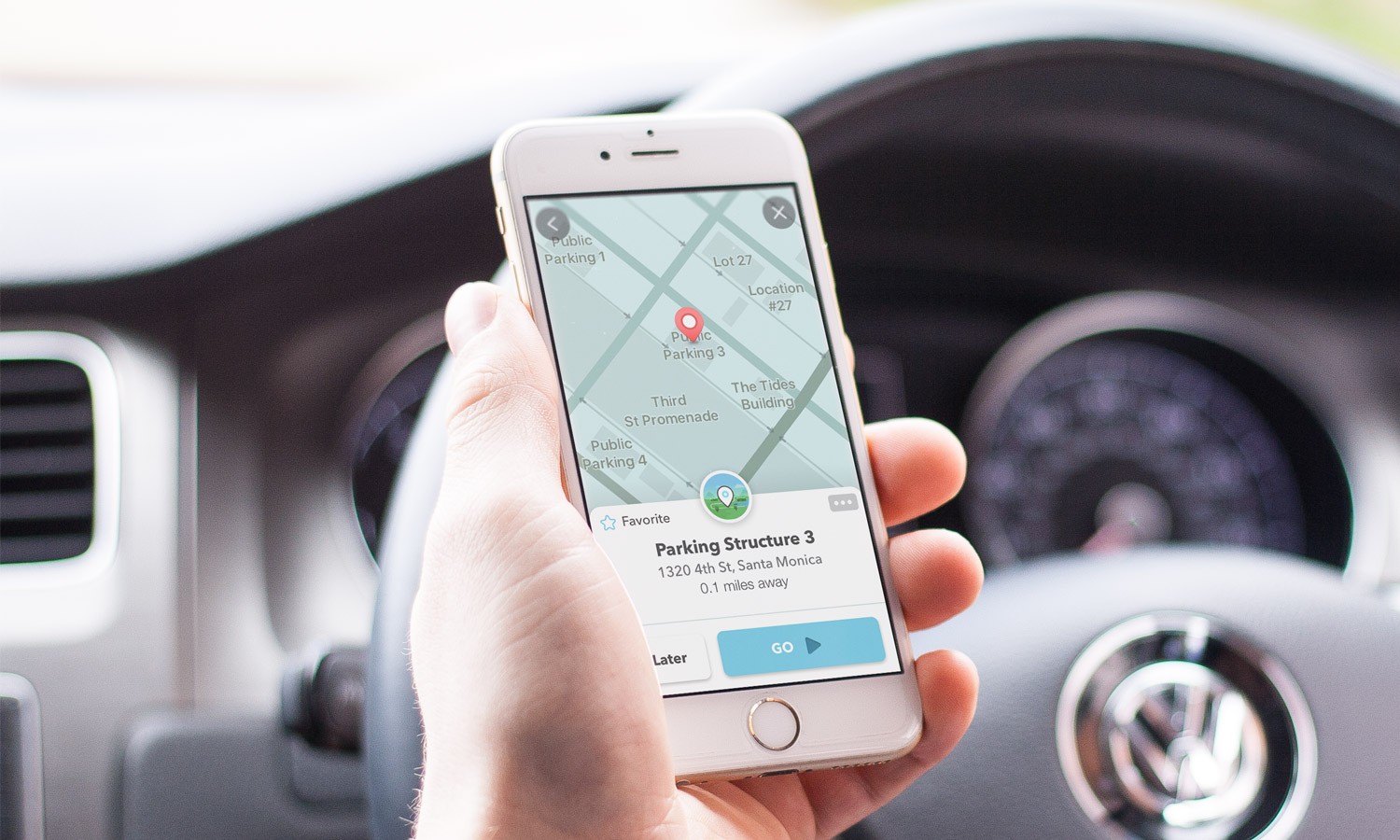
    Back in late October, we told you that Google-owned mapping and navigation app Waze was giving drivers the wrong directions and sending them right into the heart of traffic jams. Waze CEO admitted that “We have a problem with the algorithm. The more people we serve, the more it’s affected. The coronavirus has put us in a situation where we have to reinvent our algorithm.”

    Those problems that Waze was having were affecting their Israeli users. Now, according to road.cc, Waze is having problems directing users in the U.K. through the Royal Parks of London. A tweet sent from the charity to Waze said that it “would like to talk to someone about several of the reasons you [sic] we’d prefer you not directing drivers down closed roads in a park, what’s the best way to reach you please?”

    The tweet included a screenshot from Waze that showed the app directing drivers through Richmond Park. Waze at first said that it would look into the matter, and eventually, it acknowledged that it routed drivers through closed roads. While the company said that it wasn’t sure why it happened, it added that it wasn’t seeing any issues with routes at that moment and wondered whether the earlier problem was nothing more than a temporary glitch.

    Social Media users did what social media users do best; they criticized both Waze and The Royal Parks for not doing everything that they could to end the problem. The Department of Parks & Recreation told The Royal Parks: “We welcome your engagement with routing providers, although we think you should tell the providers not to route through the park at all.”

    Richmond Park, the subject of the initial tweet, is known for hosting cyclists leading Merton Cycling Campaign to complain to The Royal Parks, “You’re enabling this. You own the problem. Just close the gates to through traffic as responsible stewardship of a national nature reserve during a climate emergency requires.” Another tweet from a “Marty Velo” also blamed The Royal Parks and said, “why have you guys not tried to get in touch with them since the app was released years ago? It’s a bit late now, isn’t it? The parks are overrun with dangerous rat-running drivers.”

    And yet another tweet, this one disseminated by Madeleine Baines, showed directions inside the same park from Google Maps and the latter also navigated users to closed routes.

    Waze started life as a crowdsourced navigation app that depended on the Waze community to inform users about accidents, traffic jams, police speed traps, and more. After Google bought Waze in 2013, many questioned why Google would make the deal considering that Google Maps was (and still is) the most popular mapping and navigation app. But over the years Google took some of the most innovative features from Waze and added them to Google Maps.

    For example, back in August Google Maps started showing the cost of tolls on bridges and roads that are crossed as part of the user’s journey. This came from Waze as did incident reporting. This was one of the first features that Google added to its Maps app and it came just months after the acquisition of Waze was announced by the gang at Mountain View.

    Six years later, Google announced that Google Maps users could report slowdowns on their journey from “A” to “B” along with crashes and speed traps. Waze still has some popular features such as setting up the app to give you turn-by-turn directions in your own voice.

  • Samsung reports record third quarter revenue despite global chip shortage

    Samsung reports record third quarter revenue despite global chip shortage

    Samsung had a record third-quarter revenue as it reported the U.S. Dollar equivalent of $63.1 billion for the period. That works out to a 10% increase for the top line while operating profit for the quarter came to $13.5 billion (or 26% higher than the operating profit reported during the previous quarter). $22.6 billion in revenue during the quarter came from Sammy’s semiconductor business.

    Samsung was able to navigate its chip business through the global chip shortage “by flexibly operating its product mix.” Samsung’s mobile business also played a huge role in the company’s record-breaking third-quarter. Thanks to strong sales of its flagship phones including foldable like the Galaxy Z Fold 3 and the Galaxy Z Flip 3, Samsung generated $24.2 billion in revenue during the period from July through September.

    Demand for semiconductors improved thanks to strong sales of computers; the latter benefited from the increased number of people working at home because of the pandemic.

    The company’s profits were impacted by the larger marketing outlays it made for its foldable line. Strong demand for Samsung’s phones also led its display business to deliver $7.5 billion in revenue. Earnings for the display segment were helped by strong demand for small to medium OLED panels. Demand for larger-sized displays was sluggish.

    Samsung is optimistic about Q4 and 2022 results, but cannot estimate results for the chip business because of the supply issues in that market. For the fourth quarter, the company expects to report higher earnings “due to expanded supply of SoCs and related products for launches of new 5G smartphones in 2022.”

    The company expects that the Galaxy S22 series will be its first flagship series of the new year with the Galaxy S22, Galaxy S22+, and the Galaxy S22 Ultra kicking off 2022 in January. Meanwhile, investors were happy with the report as the shares soared 2.28% on Wednesday (or $1.45 USD) to $61.22.

  • YouTube Music Wear OS app now supports older smartwatches

    YouTube Music Wear OS app now supports older smartwatches

    Google revealed last month that it will eventually bring some of its apps reserved for Samsung’s Galaxy Watch 4 to other smartwatches. One of these apps, YouTube Music has finally made its debut on Wear OS 2 smartwatches powered by Qualcomm Snapdragon Wear 3100 chipsets.

    Initially added to a range of smartwatches powered by Qualcomm’s Snapdragon 4100 and 4100+ chipsets like the new Gen 6 smartwatches from Fossil and Michael Kors, Mobvoi’s TicWatch Pro 3 GPS, TicWatch Pro 3 Cellular/LTE, and TicWatch E3, the new YouTube Music app is now available for older smartwatches running Wear OS 2.

    The YouTube Music Wear OS app has been updated in the Google Play Store and it’s now available for at least two older smartwatches: Moto 360 and TAG Heuer Connected.

    Despite the fact that its availability is rather limited, it’s safe to assume that more smartwatch models will be added to the supported list in the coming days (if not already). If your smartwatch is equipped with a Qualcomm Snapdragon Wear 3100 chipset, then it might be a good idea to look for an update on your wearable device or phone.

    Keep in mind that while the new YouTube Music app will let you download playlists for offline listening without your phone, the feature requires a YouTube Music Premium subscription.