Retail News CRM

Tag: smartphone

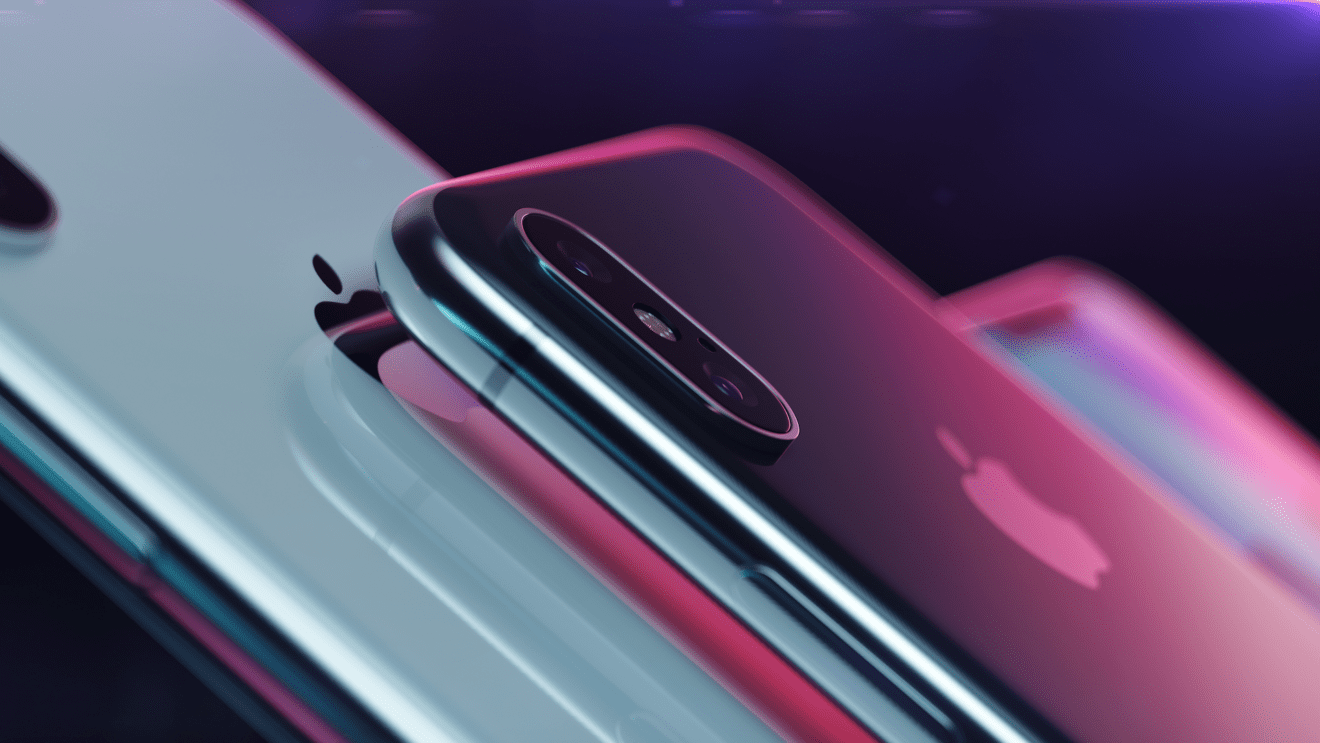
  • Time to update your Apple iPhone, iPad, and Apple Watch

    Time to update your Apple iPhone, iPad, and Apple Watch

    Apple today released several updates including iOS 14.4, iPadOS 14.4, and watchOS 7.3. With the iPhone and iPad updates, the “Find My” app adds a feature called “Find My Items.” This allows users to find misplaced accessories made by third-party manufacturers who build this capability into their products. The only compatible device available at the moment is Belkin’s SoundForm Freedom true wireless earbuds.

    In addition, the update allows smaller QR codes to be read by the iPhone’s camera, the ability to put Bluetooth connections into categories and headphone type in order to prevent eardrums from getting blown out with audio notifications and delivers a notification when the camera on your iPhone 12 series model cannot be verified as a genuine Apple camera. It also uses the U1 chip in the iPhone 11 series and iPhone 12 series to determine the distance between your iPhone and HomePod mini to allow an improved transfer of music between devices.

    The update also exterminates several bugs including one that allowed image artifacts to appear on photos snapped with an iPhone 12 Pro model using HDR. Another bug fixed by the update prevented the Fitness+ widget from including updated Activity data. One issue that the new iOS 14.4 update solves is one in which the keyboard would appear with the wrong language in the Messages app. A pair of bugs that prevented word suggestions from appearing on the keyboard and delayed the results of typing on the keyboard are both gone after the installation of iOS 14.4.

    The latest iOS build also eliminates an issue that prevented phone calls from being answered on the Lock Screen when Switch Control in Accessibility was enabled. And lastly, iOS 14.4 gets rid of a bug that did not allow stories from CarPlay’s News app to resume after being placed on pause to hear spoken directions or a response from Siri. The update is available to compatible iPhone and iPad models and can be received by going to Settings > General > Software Update. It weighs in at 344.3MB.

    Apple also pointed out that the iOS and iPadOS updates include security patches that eliminated three zero-day security flaws. Apple believes that these flaws might have been exploited in the wild. A Kernel flaw might have allowed attackers to give permission for the affected phone to run certain apps. A WebKit flaw could have allowed the hackers to make an iPhone do just about anything. The watchOS update rid the device of a security flaw that could have elevated privileges on a unit under attack.

    Apple also released watchOS 7.3 today which includes a new Unity watch face based on the colors of the Pan-African flag (Black, Red, Green, and the Pan-African colors which includes the prior three hues and yellow). The shapes of the colors change throughout the day as you move thus creating a unique look. Apple Fitness+ subscribers will receive the “Time to Walk” feature that plays inspirational audio in the Workout app as you walk. The electrocardiogram (ECG) monitor that checks for abnormal heart rhythms on the Apple Watch Series 4 and later is good to go in Japan, Mayotte, Philippines, Taiwan, and Thailand following the update. Those with abnormal readings in those countries will receive a notification. And a bug that makes the Control Center and Notification Center unresponsive when Zoom is enabled will be exterminated.

    To update your Apple Watch, open the Apple Watch app on your iPhone and tap on My Watch > General > Software Update and Install. The timepiece needs to be on the charger for the update to take place and the watch needs to be in the range of your iPhone connected to a Wi-Fi signal.
  • HTC has reported revenue growth for the second consecutive month

    HTC has reported revenue growth for the second consecutive month

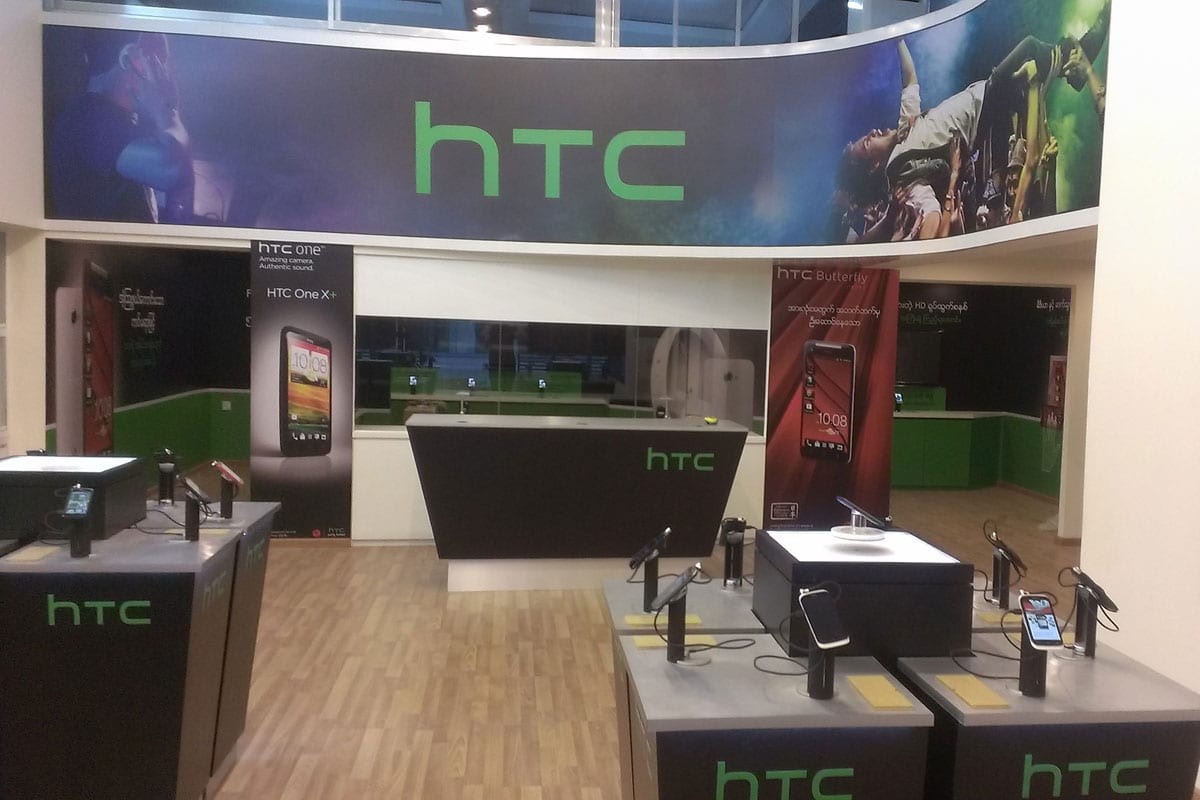
    It’s that time of the month when we review HTC’s latest revenue numbers and brace for disappointment. But in an unexpected twist, this time the Taiwan-based brand has positive news to report.

    For the last month of 2020, HTC reported NT$615 million ($21.96 million) in unaudited consolidated revenue. That’s a small increase of 1.02% versus the same period a year earlier, much better than the median decline of 42.03% experienced throughout 2020.

    The impact of the all-important annual holiday season was visible in HTC’s latest numbers too. In comparison to November, the company’s monthly sales numbers climbed a decent 10.68%.

    As a direct result of these results, December has become the second-consecutive month that HTC has posted both month-on-month and, more importantly, year-on-year growth.

    The last time HTC reported two consecutive months of year-on-year revenue growth was four years ago, specifically February and March 2017 before the launch of the flagship HTC U11.

    Whether or not these positive trends continue into 2021 will remain to be seen. But at the moment, it seems HTC is mostly focused on its lineup of VR products rather than the smartphone segment, despite the occasional launch.

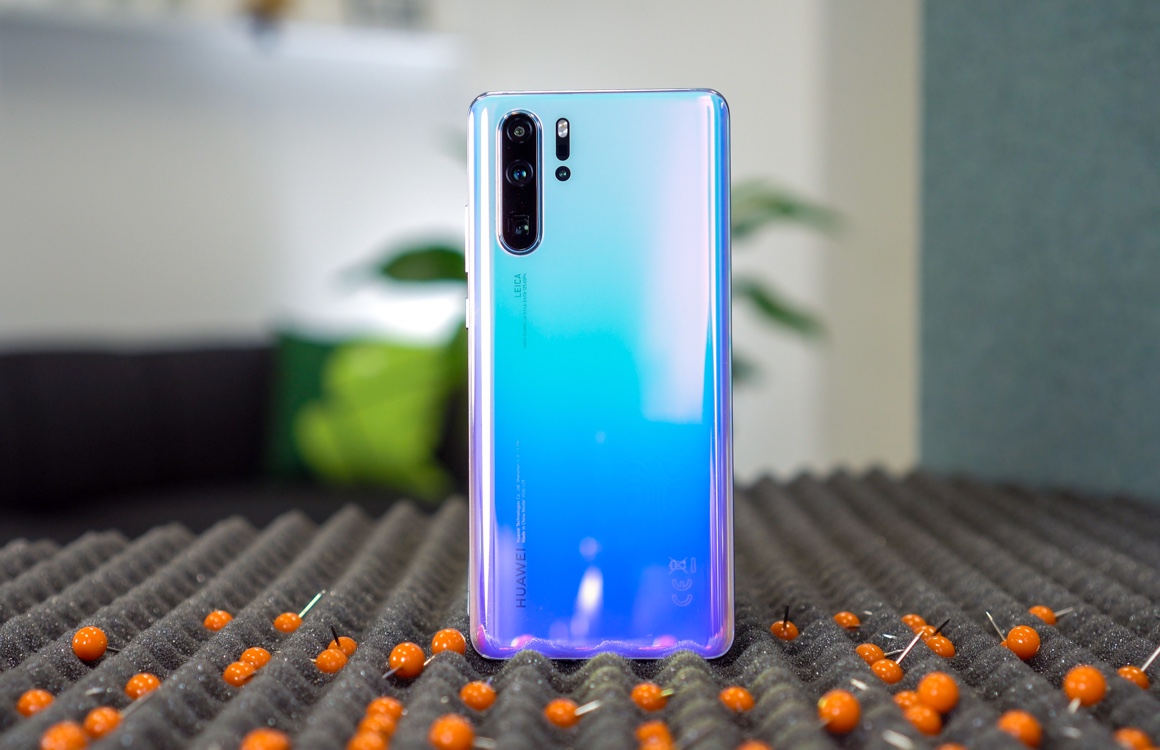
  • Huawei will end up among the globe’s top smartphone manufacturers this year

    Huawei will end up among the globe’s top smartphone manufacturers this year

    Back in 2015, the head of Huawei’s consumer products unit, Richard Yu, made a bold forecast. He said that in two to three years, Huawei would surpass Apple to become the second-largest smartphone manufacturer in the world. He added that in five years, Huawei would top Samsung to become the world’s largest producer of smartphones. And sure enough, that is basically what happened. Huawei passed Apple and last year it finished second to Samsung. Earlier during the second quarter of this year, Huawei outshopped Samsung and for a brief period of time it was the top smartphone manufacturer on the planet.

    Despite meeting its goals for a short period of time, the long term outlook for the phone and networking equipment manufacturer is not good. That’s because the U.S., considering Huawei to be a national security threat, has made doing business difficult for the company. Last year, it placed Huawei on the Entity List preventing it from accessing its U.S. supply chain without permission from the Commerce Department. As a result, heavyweights like Micron and Google have stopped supplying memory chips and software to Huawei respectively.

    And the Trump administration aimed right at Huawei’s Achilles heel this year by adding new export rules that prevent foundries using American sourced technology from shipping chips to Huawei, The latter can’t even take delivery of cutting-edge chips that it designed itself. The U.S. actions against Huawei led it to sell its sub-brand Honor division for $15 billion. And even if President-elect Joe Biden, when he takes office in two-weeks, were to remove all sanctions against Huawei, the company will still see a sharp drop in shipments. Part of that will be due to Honor becoming a rival of Huawei instead of a sub-brand. Research firms IDC and Strategy Analytics estimated that in the first half of last year, Honor made up 28% and 38% of Huawei’s shipments respectively.

    So what is expected from Huawei this year? According to research firm TrendForce, Huawei will drop from its third-place finish last year to seventh place this year. That is a rather large fall for a company that has been considered one of the top smartphone manufacturers in the world. In 2018, Huawei delivered 208 million handsets. In 2020 that figure declined to 170 million and a further decline to 45 million is forecast for this year; that is a 73.5% decline for this year. The decline will also result in Huawei losing much of its share of the 5G market from 30% last year to 8% this year, also a 73.3% decline.

    TrendForce says that global smartphone shipments will rise 9% this year to 1.36 billion units, an anemic rebound from the 11% decline in smartphone production last year. The top six smartphone manufacturers this year could be, in order, Samsung, Apple, Xiaomi, Oppo, Vivo and Transsion. These six brands will make up 80% of global smartphone shipments this year. Transsion is a phone manufacturer based in Shenzhen, China and is popular in Africa. The researchers also say that the number of 5G phones produced will rise this year to 500 million units from the 240 million made in 2020. Chinese brands could make up as much as 60% of 5G phones produced in 2021.

    Huawei recently released its new Mate 40 flagship series and early next quarter we could see the unveiling of the photography-based P50 line. This year, Huawei could finish seventh with Honor right behind at number eight. Besides its one-time standing as a top global smartphone producer, the company is also the world’s top networking equipment manufacturer.

    The U.S. considers Huawei to be a national security threat because of its alleged ties to the Communist Chinese government.

  • Entertainment firms bank on smartphone apps

    Entertainment firms bank on smartphone apps

    Entertainment companies in Vietnam are investing in digital transformation with a focus on the smartphone experience as they seek to reach more young users.

    Television content producer MCV Group recently signed a deal with a digital consulting firm to develop an entertainment and dating app called NetLove.

    It will have a live-streaming feature, which operating director Pham Tu Liem said is key since many users want to interact with celebrities.

    Since the company is already the producer of several popular dating shows on television, it will also include in its new app a dating feature to help connect people online.

    “In the digital era, access to and consumption of entertainment content like reality shows or concerts is no longer bound inside a bulky TV,” Liem said, adding that people now want all their favorite shows on their smartphones.

    Other entertainment companies are also keen on digital transformation.

    Galaxy Studio, which runs a nationwide cinema chain, recently opted for an omnichannel collections solution from a bank to provide various types of payment services to customers but all united in one single cash flow to the company.

    This means customers can pay for movie tickets from bank accounts or e-wallets but Galaxy will only need to partner with the one bank that provides the omnichannel service.

    “E-payment is growing and is replacing cash,” Dinh Thi Thanh Huong, CEO of Galaxy Studio, said. “Young people are leading the trend and we need to take advantage of that.”

    There is potential for online entertainment services if companies continue to invest in digital transformation.

    A study by Germany-based data portal Statista found that the online dating market is expected to be worth $18 million this year and grow at an average rate of 16.9 percent annually in the next four years.

    There are now 3.3 million online dating users in Vietnam, and the figure could reach 4.4 million by 2024.

    A survey found that the most popular apps in the first four months of this year were gaming and karaoke ones.

    Trinh Ho, founder of advertising firm Fresh Media, expected the online dating market to see strong growth based on the trends she has witnessed in the U.S. and China.

    It would attract investors with deep pockets, she said.

  • China’s Xiaomi takes third place in Vietnam smartphone market

    China’s Xiaomi takes third place in Vietnam smartphone market

    China’s Xiaomi grabbed a 12 percent market share in the third quarter to surpass Vivo and become the third-largest smartphone brand in Vietnam.

    Xiaomi reported sales growth of 114 percent year-on-year despite Covid-19 impacts, Singaporean technology market analysis firm Canalys said in a recent report.

    South Korea’s Samsung stayed on top with a 33 percent market share, followed by China’s Oppo (15 percent); but sales of both brands dropped sharply at 6 percent and 21 percent year-on-year respectively.

    VinSmart, a subsidiary of Vietnam’s largest listed company, Vingroup, was fourth with a 9 percent market share.

    VinSmart had launched its first product at the end of 2018, and produced its first 5G smartphones in collaboration with U.S. chip giant Qualcomm last month. The brand is focusing on the low-end segment with 12 offerings all priced at below VND5 million ($212).

    China’s Vivo also grabbed a market share of 9 percent in the third quarter after growing 75 percent.

    Almost 10 smartphone brands have been vying for third place in recent years, with Apple, Xiaomi, and Vivo the most notable names. No brand has remained in that position for more than six months.

    According to We Are Social, a social media marketing and advertising agency, around 75 million people, or almost 80 percent of the country’s population, use smartphones.

  • Samsung launches improved version of Galaxy S20 FE 5G

    Samsung launches improved version of Galaxy S20 FE 5G

    Samsung fans who haven’t yet caved and bought a Galaxy S20 FE are given another alternative if they’re still in the market for one. The South Korean giant has just revealed an improved version of the Galaxy S20 FE that will go on sale this week.

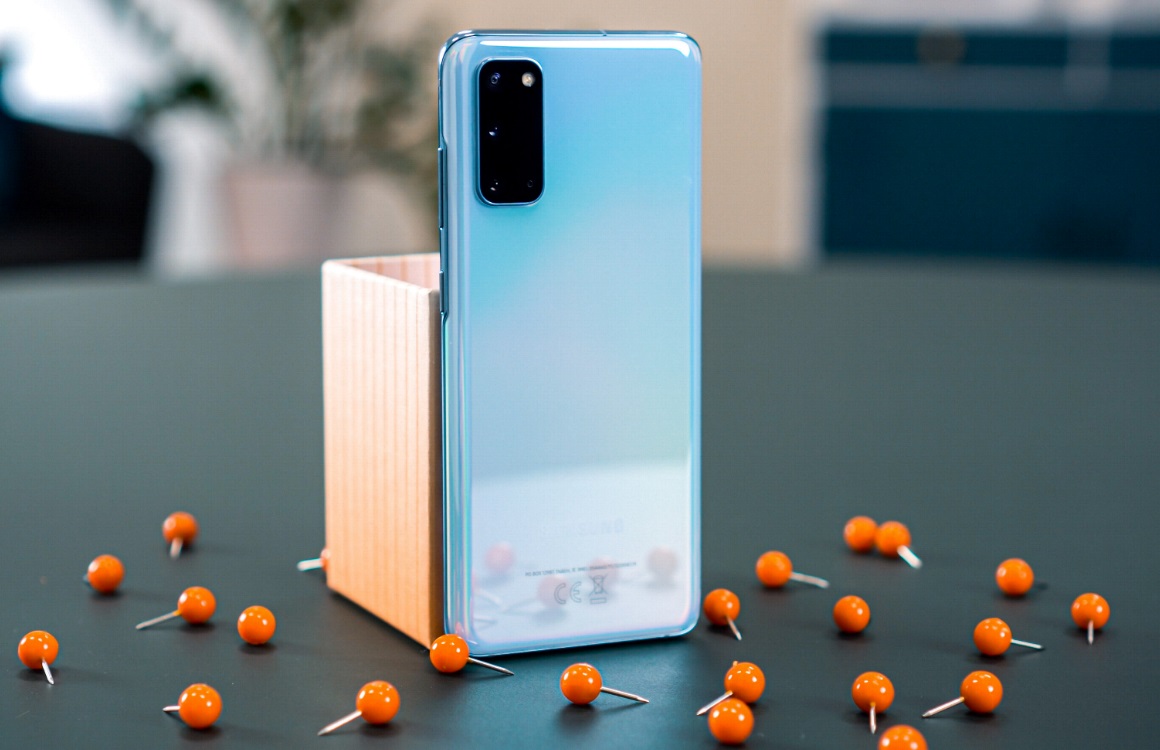
    The new Galaxy S20 FE announced today packs 256GB storage, as opposed to the original model that offers just 128GB of internal memory. Apart from the fact that it comes with double the memory, the new Galaxy S20 FE retains all the features of its twin brother.

    The Galaxy S20 FE 5G with 256GB of storage will be available for purchase starting November 6 for $770. It will go on sale in Cloud Navy at select carriers, but Samsung will also offer the smartphone unlocked through its online store.

    Customers who choose to buy the unlocked version from Samsung can get it for $320 or $13.34 a month with eligible trade-in value up to $450. According to Samsung, this is a limited time offer, so those of you looking to grab one might want to hurry.

  • Google tests cool new feature for the Play Store

    Google tests cool new feature for the Play Store

    In its never-ending battle to improve the Google Play Store, Google is testing a method to allow users to make comparisons between two or more apps. This comes after Hamburgers were removed from the Play Store menu earlier this month. No, Google wasn’t competing with Mickey D’s. The Hamburger menu was an icon consisting of three straight horizontal lines that looked like a Hamburger from the side (top bun, meat, and bottom bun) and when tapped, a menu list appeared.

    The Compare apps section appears near the bottom of a Play Store listing and at the moment it seems to be limited to a few side-by-side comparisons of media players under the heading of Compare apps. The apps are compared based on things like offline playback, visual quality, ease of use, controls, and whether or not a particular app will cast content. A major assumption is that Google is gathering the information it uses for comparisons directly from feedback from users who are prone to leave reviews.

    Remember that this is just a test right now and it has appeared in the Play Store when some users are running version 22.4.28 of the app. Being able to compare key elements of two or more similar apps listed in the Google Play Store is sure to improve the experience of using Google’s Android app storefront.

  • Android 11 bug blocks users from seeing important parts of the screen

    Android 11 bug blocks users from seeing important parts of the screen

    Android 11 is over a month old having been released on September 8th and already there are several complaints from users about apps that are supposed to go full screen but are not able to. And even when these apps are in full-screen mode, the status bar and the navigation bar aren’t disappearing like they are supposed to. For example, games and certain apps like YouTube are supposed to fill up the whole screen with content when full-screen mode is enabled. But ever since Android 11 launched, some Android users have discovered that these apps no longer fill up their phones’ displays entirely.

    As a result, game players, many of whom hold their devices in Landscape mode, are discovering that some elements of a game are being cut off by the status bar or the navigation bar making gameplay impossible. While Android users shared this problem with Google and others on the Google issue tracker site during the time when the Android 11 betas were being released, Google did nothing with the information because it allegedly was unable to replicate the problem. But considering that the issue is beginning to garner attention once again, we’d be surprised if Google didn’t take another look at this bug. Especially since last month, Google admitted that the problem is a product feature issue, not a developer feature.

    Some Android users who have been experiencing the issue say that by closing the apps and restarting them, they are able to fix the problem. If you are having this issue, you might want to give this solution a whirl. We can save you some time and aggravation by letting you know that wiping your Android device will not solve the problem. Hopefully, Google will disseminate an update shortly that will exterminate this bug.

  • Issues with the Samsung Galaxy S20 Ultra 5G and other high-end-models are frustrating users

    Issues with the Samsung Galaxy S20 Ultra 5G and other high-end-models are frustrating users

    Some of the phones in Samsung’s 2019-2020 flagship lineup are experiencing issues with the indicator that shows how much battery life remains on these models. The particular phones affected include those in the Galaxy S10 and S20 families and the Galaxy Note 10 and Note 20 lines. There are two major problems affecting these phones. One is that the battery (and thus the phone) shuts down before the indicator measuring the remaining battery life hits 1% or less. The other problem is that the phone runs through the last 1%-5% of battery life too quickly.

    Several users confirmed that these battery issues are legitimate. One subscriber with the handle of Ldn_brother wrote: “I can confirm this on the s20 ultra. As soon as I get down below 15% the battery magically disappears rapidly. I’ll be on 6% and all of a sudden my phone has turned off after I pick it up 2 mins later. I’ve kind of learned to live with it, although I know its not right. Never had this with the S4 or S7.”

    One Galaxy S20 Ultra 5G user had a suggestion. He posted “Easy solution, charge your phone whenever possible and don’t let it get that low.” This might sound like an impractical fix, but if you don’t mind spending a few bucks for a power bank (one with a 10,000mAh capacity battery or larger), you might be able to try out this bit of advice to see if there is any improvement.

    If you feel like blaming the blazing fast charging capabilities supported by some of these devices, you might be barking up the wrong tree. For example, it is true that the Galaxy S20 Ultra 5G comes with a 25W charger out of the box, and Super Fast Charging 2.0 does support 45W charging,  But one of the devices having battery issues is the Galaxy Tab S5e, and that slate charges at “only” 15W. And this brings us to another point; while we have been focusing on flagship Galaxy phones, other Samsung devices have had these problems as well.

    So far we have yet to hear from Samsung about these battery issues. Owners of Galaxy devices impacted by this problem should keep their fingers and toes crossed hoping that the manufacturer can solve this issue with a simple OTA update. Or you can take matters into your own hands by calling Samsung yourself and alerting them to the problem. In the states, pick up your phone (and assuming that there is enough battery life on the device) and call 1 (800) 726-7864. The company’s online support site can be found by tapping on this link.

  • Samsung’s Galaxy Z Fold 2 5G is proving even more popular than expected

    Samsung’s Galaxy Z Fold 2 5G is proving even more popular than expected

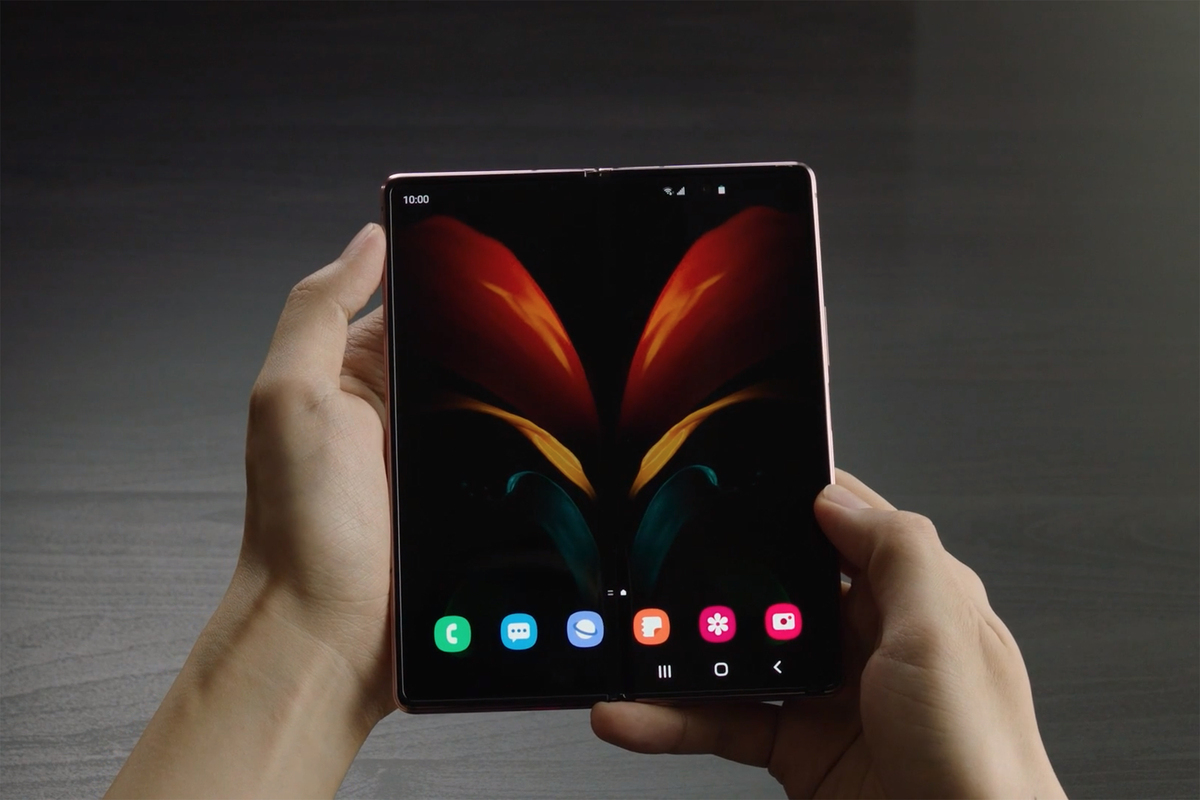
    Priced at $2,000 in the US, the 5G-enabled Galaxy Z Fold 2 is not what we’d call widely accessible to the masses. But even though 2020 has been a tough year for high-end, high-priced smartphones in general and Samsung flagships in particular, this foldable beaut is sure shaping up to be a smash hit, at least by early foldable market standards.

    Forecasted ahead of its official announcement to rack up around 500,000 unit sales by the end of 2020 and tipped to cross 800,000 units manufactured in that same timeframe just last week, the Galaxy Z Fold 2 5G is today estimated to reach an “initial volume” of 10,000 copies or so in South Korea.

    That may not sound like an impressive number by itself, not to mention when you compare it to the other two figures above, but apparently, it’s triple the initial regional volume of the original Galaxy Fold last year. It’s also important to keep in mind that while Samsung cares a lot about its domestic market, this is only one of many major countries where the Galaxy Z Fold 2 5G could sell like hotcakes compared to its predecessor.

    In other markets, starting with the US, show a similarly “positive reaction” as the one reported in the tech giant’s homeland, the foldable device may well exceed 500,000 or even 800,000 shipments this year. More importantly, Samsung is proving by allotting three times as many second-gen Z Folds than OG Galaxy Folds to major South Korean carriers and independent stores that it can produce a significantly higher number of foldable smartphones during these challenging times for the mobile industry, contrary to rampant speculation from a few months back.

    At least for now, there are no reasons to expect substantial delays or particularly long shipping times for early adopters. That is, as long as you’re not looking to buy the luxury Thom Browne Edition.

    Believe it or not, around 230,000 people in Samsung’s homeland applied for a bank-breaking purchase in just two days, which means a lot of potential buyers will end up feeling terribly disappointed at missing their chance to spend the rough equivalent of $3,330 on, well, a phone.

    There are only 5,000 copies of this thing prepared to be distributed worldwide, mind you, including a measly 1,000 in South Korea. The Galaxy Z Fold 2 Thom Browne Edition is not up for grabs stateside yet, but as far as the standard version is concerned, you still have until September 18 to pre-order your copy in a Mystic Black or Mystic Bronze color.

  • Huawei says that it will release a HarmonyOS phone next year

    Huawei says that it will release a HarmonyOS phone next year

    Last year, after the U.S. Commerce Department banned Huawei from its U.S. supply chain, the Chinese phone and networking equipment manufacturer scrambled to find new sources. The one stateside supplier that it missed the most was Google since the ban prevented the latter from delivering the Google Mobile Services version of Android to Huawei. While it didn’t matter in China where most of Google’s Android apps are banned, not being able to equip its international models with the Google ecosystem might have cost the manufacturer some sales.

    In August of 2019, Huawei announced that it had developed a new operating system called Harmony. Many assumed that this new operating system would be immediately used by Huawei to replace Android. This turned out not to be the case. Richard Yu, CEO of Huawei’s consumer group, pointed out that Harmony is based on a microkernel allowing it to be used on a wide range of devices such as smart speakers, tablets, smartwatches, computers, autos, and smartphones. Huawei also noted that HarmonyOS will work on devices equipped with a small amount of RAM and those requiring hundreds of gigabytes of memory. Thus far, Harmony OS has been available for consumers only on television sets.

    Mr. Yu said today that in 2021, Huawei will ship its first handset powered by HarmonyOS. What set off this announcement by the long-time Huawei executive was the word that the company plans on introducing a second version of Harmony OS this coming Thursday, September 10th, during the 2020 HDC Developers Conference. Several new devices powered by the operating system will soon be announced and this year Huawei says that its new smartwatches will be driven by HarmonyOS.

    Yu did admit that Huawei has been sitting on a phone running HarmonyOS, but the company has had to wait because of an agreement it has with Google. But that doesn’t mean that the company doesn’t have high hopes for the platform in the future. The executive says that HarmonyOS will eventually become a worldwide platform.

    In a previous speech, Yu said that the upcoming Huawei Mate 40 series will be powered by a new series of 5nm Kirin chips, the Kirin 9000. Not only will these components be produced using the new 5nm process, but they will also have more powerful 5G and AI capabilities, CPUs, and GPUs. But a new export rule put into place by the U.S. prevents foundries from shipping chips to Huawei that were made using U.S. technology. Yu notes, “Unfortunately, under the sanctions of the United States, TSMC only accepted orders before September 15th. By September 15th, it will not be able to produce chips for Huawei. So Kirin 9000 may be our last generation of Huawei Kirin high-end chips.”

    Huawei was TSMC’s second-largest customer after Apple last year but the world’s largest individual foundry will not be allowed to ship to the Chinese manufacturer after September 14th. Until that date, TSMC is reportedly running its assembly line 24 hours a day to produce as many as chips that it can until it isn’t allowed to ship to Huawei. China’s largest foundry, SMIC, is not a viable replacement since it is several process nodes behind TSMC. Chip designer Mediatek has reportedly been seeking permission to develop cutting-edge chips for Huawei. It would seem unlikely for the company to get that permission from the U.S., especially considering that Mediatek relies on TSMC to produce its chips. Additionally, administration officials in the U.S. have complained about Huawei’s ability to skirt the Entity List ban.

    Assuming that Huawei has been able to stock up on 5nm chips, the company has a little time-not much mind you-to find a new source of 5nm SoCs.

  • Xiaomi Hires From Credit Suisse for CFO Role

    Xiaomi Hires From Credit Suisse for CFO Role

    The banker replaces Chew Show Zi, who will become president of Xiaomi’s international operations. Chinese consumer electronics company Xiaomi has hired Alain Lam as its new chief financial officer, according to people familiar with the matter.

    Lam was previously the head of technology for Credit Suisse’s investment banking and capital markets group in Asia Pacific. He has over two decades of experience at Morgan Stanley and Credit Suisse, with stints in New York, London, Silicon Valley, and Hong Kong. He worked on more than 140 transactions with an aggregate value of more than $60 billion, including the public listings of Alibaba Group, Google, and Pinduoduo.

    With his appointment, Xiaomi is expected to create new revenue streams from companies in its vast ecosystem and portfolio of startups.

    Founded in 2010, Xiaomi is currently the world’s fourth-largest smartphone brand, and has an established consumer IoT platform, with products ranging from smart air filters to rice cookers.

    Xiaomi has recently been growing its consumer finance unit to compete with other Chinese technology players that have entered the space. Its financial product portfolio includes consumer loans, supply chain finance, fintech, third-party payments, online insurance, and digital banking. Earlier this year, Chinese regulators gave the firm the green light to establish a consumer finance company in Chongqing, from where it is expected to roll out services across the country.

    The company has also been eyeing fintech markets abroad: in December, the smart-device maker also launched consumer lending services in India, currently, it’s the biggest market outside China. The same month, it also announced that it partnered with AMTD Group, SP Group and Funding Societies to apply for a digital wholesale banking license in Singapore. In April, Airstar – the virtual bank it runs with AMTD – rolled out pilot operations in Hong Kong.

    According to the source who leaked the news, Credit Suisse named Allan Chu as a replacement for Lam. An internal note said he will report to Zeth Hung and Edwin Low, co-heads of Credit Suisse’s investment banking and capital markets group in Asia Pacific.

    Chu is a managing director in Credit Suisse’s APAC Investment Banking & Capital Markets Department and the co-head of Corporate Finance, Greater China, responsible for originating and executing corporate finance transactions in the Greater China region.

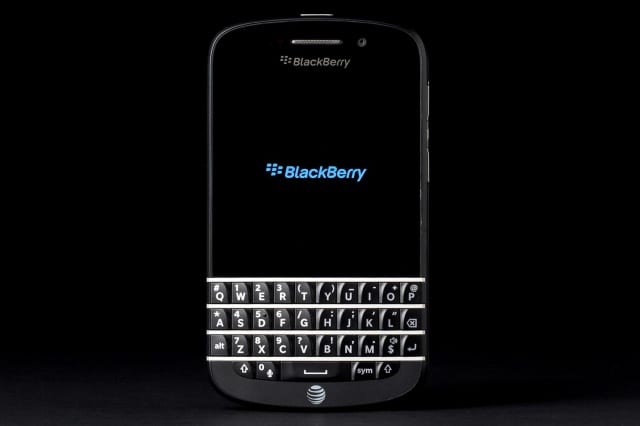
  • Blackberries May be Coming Back to Banking

    Blackberries May be Coming Back to Banking

    The banker’s best-loved gadget may be making a return from the dead – thanks in part to the pandemic sending millions of workers into work-from-home arrangements.

    Blackberry smartphones were phased out at banks years ago – Credit Suisse’s finance chief David Mathers was openly unhappy about his boss, Tidjane Thiam, taking his away in 2017. The brand has been left for dead several times after Blackberry left the phone business in 2016.

    Now, a Texan technology start-up plans to roll it out again, on an Android operating system with 5G connectivity, by next June, it said in a statement. The company, Onwardmobility, inked a pact with BlackBerry as well as a Foxconn subsidiary to offer the device in North America and Europe.

    The key draw of Blackberry – a physical keyboard – endeared it to bankers (as well as journalists) – so much so that it was colloquially known as a Crackberry. Blackberry, the company, licensed the brand out to TCL, but the Chinese provider abandoned it earlier this year.

    By that time, financial service firms had decommissioned the technology (after prying them from the reluctant hands of bankers like Mathers). First manufactured by Research in Motion (RIM), the Blackberry was gradually eclipsed by Apple’s iPhone, launched in 2007. Efforts to reinvent with Blackberry with features like a touchscreen, or without the physical keyboard, foundered.

    Blackberry gave up its own software in favor of Android, but ended up ditching phones altogether in favor of security software. The move relegated the Blackberry to zombie status, something Onwardmobility wants to change.

    Enterprise professionals are eager for secure 5G devices that enable productivity, without sacrificing the user experience, Onward CEO Peter Franklin said. The company hopes the increasing number of office staff working from home and cybersecurity needs will spur demand for the devices.

  • Samsung tops Vietnamese smartphone market

    Samsung tops Vietnamese smartphone market

    Samsung increased its market share to 33 percent in the second quarter to become the largest smartphone brand in Vietnam. Despite the impact of the Covid-19 pandemic, the South Korean firm increased its sales by 4 percent year-on-year, Singaporean technology market analysis firm Canalys said in a recent report.

    China’s Oppo and Vivo followed with 17 percent and 12 percent share of the market, respectively. But their sales trends diverged wildly, with Oppo’s falling by 26 percent and Vivo’s increasing by 246 percent. VinSmart, a subsidiary of Vietnam’s largest listed company, Vingroup, was fourth with an 11 percent market share. It had launched its first product at the end of 2018, and produced its first 5G smartphones in collaboration with U.S. chip giant Qualcomm last month. VinSmart is focusing on the low-end segment with 12 offerings all priced at below VND5 million ($212).

    China’s Realme was in fifth place with a market share of 9 percent after growing at 63 percent. According to We Are Social, a social media marketing and advertising agency, around 75 million people, or almost 80 percent of the country’s population, use smartphones.

  • Despite strength from Huawei, smartphone shipments are expected to drop in China

    Despite strength from Huawei, smartphone shipments are expected to drop in China

    The world’s largest smartphone market is going to report a drop in shipments during the current quarter. The report states that the Q3 decline will show up both year-over-year and month-over-month (aka sequentially) and would appear following a huge sequential second-quarter surge of 104.6%. The strong smartphone market in China during the three months covering April through June was fueled by the lessening of negative impacts from the coronavirus, economic stimulus measures, and the launch of new handset models. While the growth in second-quarter smartphone shipments was in triple digits compared to Q1 deliveries, on a year-over-year basis the Q2 growth in smartphone shipments was a puny 1.4%.

    The top five smartphone manufacturers based on shipments in the country during Q2 were Huawei, Vivo, Oppo, Xiaomi, and Apple. The top five were responsible for 98.1% of smartphone deliveries in China from April through June, up 1.4 percentage points from the previous quarter. For the current quarter, Digitimes expects smartphone shipments in China to contract 7.9% as some of the effects of the stimulus measures imposed in the country have started to fade.

    Despite the expected decline in shipments, Huawei’s shipments are supposed to remain strong in the current quarter. During Q2, research firm Canalys said that Huawei overtook Samsung to become the largest smartphone manufacturer globally. In 2016, the head of Huawei’s consumer division, Richard Yu, predicted that Huawei would become the top smartphone manufacturer in the world by 2021. Despite losing access to its U.S. supply chain and the Google ecosystem, Huawei has become number one thanks to its own rapidly growing Huawei Mobile Services.

    700 million people are using Huawei’s ecosystem and with that number growing, Huawei is expected to own nearly half of the Chinese smartphone market during the third quarter.