Tag: starbucks

  • Starbucks Sales Dip Globally, But China Shows Signs Of Recovery

    Starbucks Sales Dip Globally, But China Shows Signs Of Recovery

    Starbucks has recently disclosed a drop in its global comparable store sales for its fiscal third quarter, which underscores the persisting challenges in its primary US market. This comes even as its China operations begin to show some promising signs of recovery.

    Revenue and Sales Performance

    Despite the Seattle-based coffee giant recording a 4% rise in total revenue year-over-year, amounting to US$9.5 billion, it was overshadowed by a 2% decrease in global comparable store sales. This dip can be predominantly attributed to a slump in foot traffic in North America—Starbucks’ biggest market—where there was a 3% reduction in transactions.

    On a brighter note, China, the second largest market for Starbucks, appeared to defy this trend. Comparable store sales in China saw a 2% increase, signifying a comeback following several quarters of decline.

    Expansion and Strategic Growth

    Over the past year, Starbucks has added over 500 new stores in China, thereby increasing its total to 7,828. The company is also said to be considering various proposals from potential local partners to help speed up its expansion into lower-tier cities, while keeping strategic control intact.

    However, Starbucks also faces mounting competition in China from rapidly growing domestic contenders such as Luckin Coffee and Cotti Coffee. These brands have been rapidly expanding by offering lower prices and faster service models.

    North America Initiatives and Future Plans

    In North America, Starbucks is actively undertaking its ‘Back to Starbucks’ initiative, a strategy designed to bolster store operations, improve employee engagement, and refine the overall customer experience.

    Brian Niccol, the Chairman and CEO, expressed an optimistic outlook, citing early signs of progress in the company’s efforts to revamp its operations. He commented, “We’ve made significant progress and tackled challenging issues to build a robust operating foundation. In terms of turnaround efforts, we are ahead of schedule.”

    “By 2026, we plan to launch a series of innovations that will drive growth, enhance customer service, and ensure that everyone has access to the very best of Starbucks. We are committed to rebuilding a superior Starbucks experience and a stronger business.”

    Starbucks has also announced its plans to gradually phase out underperforming mobile order-only stores, and shift towards new café formats that include seating and drive-thrus. This is part of an overall strategy to improve the in-store experience.

    The coffee chain has big plans for fiscal 2026, with the introduction of a range of new beverage and food items, including protein-based cold foams, coconut water-infused drinks, gluten-free snacks, and customizable energy drinks.

    In addition to the product expansion, there are also upgrades planned for the company’s mobile app and loyalty rewards program, with continued investment in digital and operational technology.

    Questions & Answers

    What strategies is Starbucks implementing to recover from the drop in sales?
    Starbucks is taking several steps to recover, including the ‘Back to Starbucks’ initiative in North America, which aims to strengthen store operations and improve the overall customer experience. The company is expanding in China and is planning to introduce new products and upgrade its mobile app and loyalty program.

    What is the ‘Back to Starbucks’ initiative?
    The ‘Back to Starbucks’ initiative is a strategy designed to strengthen store operations, increase employee engagement, and enhance the overall customer experience. The company hopes this will help to boost sales and customer satisfaction.

    What are the company’s plans for growth in China?
    Starbucks plans to partner with local entities to accelerate expansion into lower-tier cities in China. Over the past year, the company has already added more than 500 new stores in the country and continues to consider strategies for further expansion.
  • Starbucks Unveils Its Grandest Flagship Store Yet in Taiwan

    Starbucks Unveils Its Grandest Flagship Store Yet in Taiwan

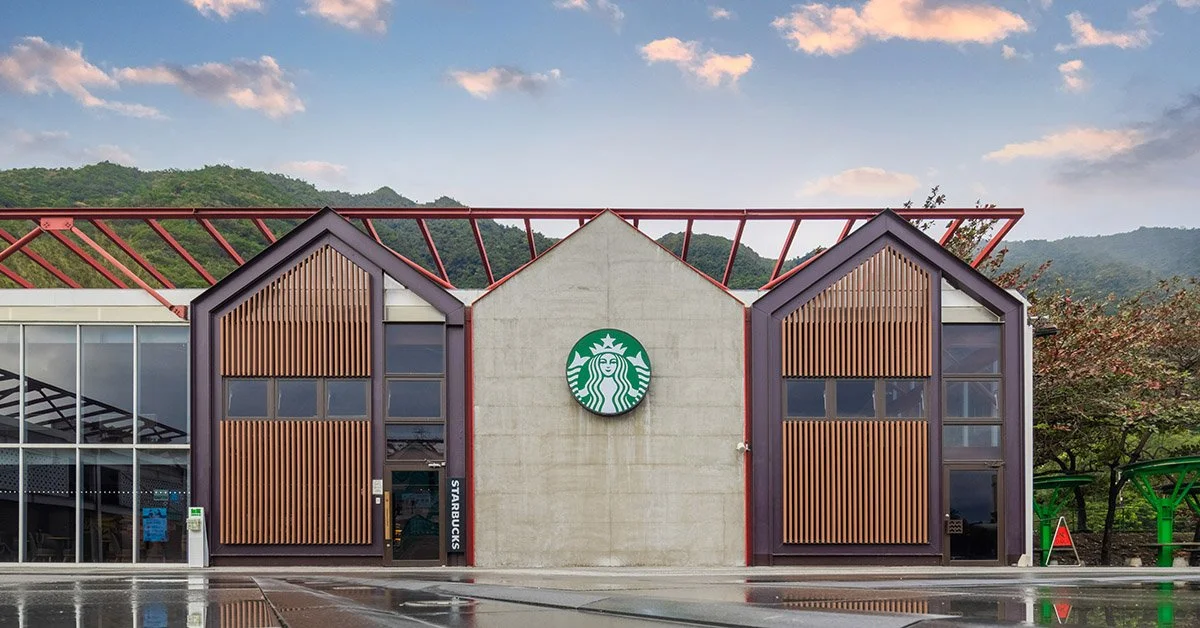
    Starbucks has unveiled its grandest flagship store in Taiwan, the Starbucks Reserve Dream Plaza Taipei, an ambitious endeavor nestled in the bustling Xinyi District. Open around the clock, this sprawling 2,000-square-meter venue transforms coffee culture into an immersive experience, featuring exclusive beverages and innovative concepts that are nothing short of a caffeine lover’s paradise.

    A Multifaceted Coffee Oasis

    Visitors can explore several distinct zones within this flagship location, including a Reserve Bar that serves up traditional espresso classics and an enticing bakery. Notably, the Siren’s Lounge®, the first of its kind in the Asia Pacific, offers a reservations-only tasting experience where guests dive into a curated menu crafted by renowned chef André Chiang. This unique dining adventure pairs exquisite food with mocktails and cocktails such as the “VSOP Brandy Espresso Bliss” and the “Reserve Coffee Manhattan,” creating moments that blend taste with artistry.

    Interactive Experiences and Educational Spaces

    The store also boasts new attractions like the Sensory Room and Coffee Experience Room, both designed for tastings, workshops, and events led by Starbucks Coffee Masters and expert roasters. These engaging spaces allow customers to delve deep into the intricacies of coffee’s origins and flavors, making each sip a journey of discovery.

    Introducing Teavana and Artistic Flair

    Excitingly, the store rolls out Taiwan’s first dedicated Teavana® Bar, featuring sparkling tea fusions and seasonal ingredients that reflect local flavors. Artists from both Taiwan and across the globe contribute to the store’s visual identity through a rotating art program themed “Harmony of Nature & Innovation.” The in-store gallery showcases the creativity behind coffee culture, sustainability, and cultural heritage.

    A striking metal sculpture of the iconic Starbucks Siren welcomes patrons at the entrance. Inside, highlights include “Terroir / The Rhythm of Seasons,” crafted by Indigenous Truku artist Labay Eyong, and “The Coffee Dreamscape,” a generative digital artwork by Che-Ye Wu. Tokyo-based artist Yaeko Kurimata adds a beautiful mural titled “Coffee and Biodiversity” in the Siren’s Lounge®, while Canadian designer Ben Johnston’s typographic piece in the Sensory Room conveys the fundamentals of coffee in a captivating visual format.

    A Commitment to Sustainability

    In a notable achievement, this store stands as the largest certified Greener Store in the Asia Pacific, exemplifying Starbucks’ commitment to sustainable design and materials throughout its structure. With an emphasis on eco-friendly practices, this flagship location not only serves coffee but also promotes a conscious approach to its craft.

    Questions & Answers

    What makes the Starbucks Reserve Dream Plaza Taipei unique compared to other Starbucks locations?
    This flagship store features an expansive 2,000-square-meter space with multiple immersive zones, including a dedicated Siren’s Lounge® offering a reservations-only tasting menu, unique to the Asia Pacific region.

    How does the store enhance the customer experience beyond traditional coffee offerings?
    With the introduction of the Sensory Room and Coffee Experience Room, guests can engage in tastings and workshops that delve deeper into coffee’s origins and flavors, guided by experts and Coffee Masters.

    What role does art play in the Starbucks Reserve Dream Plaza Taipei?
    The store showcases a rotating art program focused on “Harmony of Nature & Innovation,” featuring works by both local and international artists, enhancing the ambiance while celebrating coffee culture and sustainability.

  • Starbucks Announces Exciting Shift to 4-Day In-Office Workweek for Employees

    Starbucks Announces Exciting Shift to 4-Day In-Office Workweek for Employees

    Starbucks CEO Brian Niccol announced a transition that will require many employees to work in-office at least four days a week, an increase from the current three days. This new policy is set to roll out later this year.

    A Return to the Office: What It Means for Starbucks

    The updated policy will see common office days established from Monday to Thursday across support centers in Seattle and Toronto, as well as regional offices in North America, as outlined by Niccol in a recent message to partners on the company’s website.

    As Niccol approaches his one-year anniversary as CEO, he is dedicated to steering Starbucks back to its coffeehouse roots. His focus is on enhancing the in-store experience while lessening the company’s reliance on mobile and to-go orders, which, to some, is as vital as a morning cup of coffee. “Being in person also helps us build and strengthen our culture. As we work to turn the business around, all these things matter more than ever,” Niccol emphasized.

    Implementing Change and Encouraging Presence

    This shift to a four-day in-office work week is expected to take effect on September 29. Earlier this year, Starbucks took the initiative to urge remotely working vice president-level leadership to begin relocating to either Seattle or Toronto. Now, the call extends to all support center leaders, who must complete their moves within the next 12 months.

    As the coffee chain looks to combat rising inflation and navigate economic uncertainties, Starbucks is rapidly rolling out a new staffing and service model across its North American stores to boost sales growth.

    Questions & Answers

    What prompted Starbucks to increase in-office work days?
    The increase in in-office work days comes as part of CEO Brian Niccol’s strategy to strengthen company culture and enhance the in-store experience while reducing reliance on mobile and to-go orders.

    When will the new four-day work week policy take effect?
    The new policy is expected to take effect on September 29, 2025, requiring employees to work in the office four days a week.

    What changes has Starbucks made in response to economic pressures?
    In response to rising inflation and economic uncertainty, Starbucks has initiated a new staffing and service model across company-owned stores in North America to revive sales growth.

  • Potential $10b Valuation As Investors Eye Stake In Starbucks’ China Operations

    Potential $10b Valuation As Investors Eye Stake In Starbucks’ China Operations

    Starbucks’ China Operations Draw Interest from Potential Buyers

    Starbucks’ business operations in China may soon undergo changes, as several prominent investors have shown interest in acquiring a stake. This signifies a potential valuation of Starbucks’ China unit at approximately US$10 billion.

    Among the investors vying for a stake in the coffee giant’s China business are Asia-based private equity firms Centurium Capital and Hillhouse Capital, as well as their US counterparts Carlyle Group and KKR & Co.

    Starbucks May Retain 30% Stake

    According to sources, it is a possibility that Starbucks might retain a stake of 30 percent, with the remainder distributed among a group of purchasers, each owning less than 30 percent. However, the company and the potential buyers have not yet provided any comments on the matter.

    No Plans for Full Sale

    Last month, Starbucks confirmed that it does not plan to fully sell off its China operations. This announcement followed the commencement of a formal sales process for its China business in May.

    Offers Under Consideration

    Around 30 domestic and international private equity firms in China have submitted non-binding offers for a stake in Starbucks’ China business. Currently, the company is in the process of evaluating the bids, deal structure suggestions, and value creation proposals from the potential investors.

    This selection process is expected to result in a shortlist within the next two months. However, it is unlikely that the entire arrangement will be finalized before the end of this year.

    Questions & Answers

    Which companies are vying for a stake in Starbucks’ China business?
    Asia-based private equity firms Centurium Capital and Hillhouse Capital, as well as US counterparts Carlyle Group and KKR & Co, have shown interest in acquiring a stake.

    How much of a stake might Starbucks retain in its China operations?
    Starbucks may retain up to 30 percent stake in its China operations, with the remaining stake distributed among the group of buyers.

    Is Starbucks planning a complete sell-off of its China operations?
    Last month, Starbucks confirmed that it has no plans to fully sell off its China operations.

  • Starbucks’ China Venture Sparks Interest: Possible $10 Billion Stake Sale On Horizon

    Starbucks’ China Venture Sparks Interest: Possible $10 Billion Stake Sale On Horizon

    Starbucks’ China Business Draws Significant Interest

    Starbucks’ China venture has recently garnered substantial interest for a potential stake sale. The unit is speculated to be worth up to a staggering $10 billion. According to insider information, a multitude of entities is in the race for the stake, including Asian private equity firms Centurium Capital and Hillhouse Capital, as well as American counterparts Carlyle Group and KKR & Co.

    Possible Ownership Structure

    The multinational coffee company may retain a 30% stake in its China business if a deal goes through. The remaining portion would be divided among several investors, each maintaining a stake of less than 30%.

    No Official Comments Yet

    At this point, there has been no official response from Starbucks, Centurium, Hillhouse, Carlyle, or KKR regarding these claims. Until now, this information has not been independently corroborated.

    No Full Sale for Starbucks China

    Despite the current speculation, Starbucks clarified last month that it is not considering a complete sale of its China operations. This announcement followed the initiation of a formal sale process for Starbucks’ China operations that commenced in May.

    Offers Under Evaluation

    Starbucks has received non-binding offers from approximately 30 domestic and foreign private equity firms. The coffee giant is currently assessing these proposals, the proposed deal structures, and the value creation plans presented by the bidders.

    According to sources, the shortlist of potential investors could be ready within the next two months. However, it is unlikely that the transaction will be finalized by the end of this year.

    Questions & Answers

    Who are some of the potential buyers for Starbucks’ China business?

    Potential buyers include Asia-based private equity firms Centurium Capital and Hillhouse Capital, as well as US firms Carlyle Group and KKR & Co.

    What percentage of the Starbucks China business might the company retain after the sale?

    Starbucks may retain a 30% stake in its China operations post-sale.

    When is the deal likely to be finalized?

    While this is subject to change, the deal is currently unlikely to be completed before the end of this year.

  • Starbucks Refutes Rumors of a Complete Sale of Its China Operations

    Starbucks Refutes Rumors of a Complete Sale of Its China Operations

    Starbucks has ignited speculation by initiating discussions with over a dozen potential buyers for its China operations, as reported by Caixin. However, amidst this buzz, the company has clarified that a complete sale is not on the table.

    Not Selling the Farm — Yet

    “I can confirm Starbucks is not currently considering a full sale of its China operations,” a company spokesperson stated. This directive comes in the wake of a formal sale process that Starbucks commenced in May 2023, inviting interested parties to submit their proposals by last week.

    What’s Brewing Behind the Scenes

    Under the guidance of Goldman Sachs, Starbucks is on a quest to learn more about the corporate cultures and management styles of potential buyers, while also assessing their sustainability practices, employee treatment, and overall business strategies for Starbucks China. Insiders familiar with the matter, who spoke on condition of anonymity, suggested the retail giant has yet to determine whether it will sell a controlling or minority stake in its operations.

    Evaluating the Landscape

    Despite the uncertainty, Starbucks has received interest from more than 20 institutional investors, including private equity firms eager to carve out a piece of the Starbucks pie. The potential move comes after a notable dip in market share for the brand, which fell from 34% in 2019 to a mere 14% by 2024, according to Euromonitor International. With lower-priced competitors like Luckin and Cotti aggressively challenging Starbucks’ pricing strategy, the American coffee titan faces increasing pressure to adapt.

    This transition is not just numbers on a spreadsheet; it’s reflective of changing consumer preferences in a market increasingly defined by affordability and accessibility. In a twist of irony, while Starbucks is pulling back on prices—marking its first-ever price drop in China for non-coffee iced drinks earlier this month—challenges abound as e-commerce giants in China further erode market pricing by offering consumers subsidies on food delivery, allowing coffee enthusiasts to pay as little as 5 yuan for their caffeine fix delivered to their door.

    Charting a Path Forward

    Starbucks has poured substantial investment into its China operations, exemplified by the launch of its 1.5 billion yuan ($209 million) Coffee Innovation Park in Kunshan in 2023, aimed at supplying its expansive store network. As the company continues its dialogues with potential investors, it is expected that a shortlist of buyers will soon be formed. “The purpose was to let everyone tell their story freely and choose whatever the best prospect is and proceed,” one insider noted.

    Questions & Answers

    What prompted Starbucks to consider selling part of its China operations?
    Starbucks is navigating a rapidly evolving market in China, having lost significant market share to lower-priced competitors, which has raised questions about its pricing strategy and long-term prospects.

    How has the competition impacted Starbucks in China?
    Starbucks has seen its market share plunge from 34% in 2019 to 14% in 2024, thanks to fierce competition from fast-growing rivals offering cheaper options.

    What recent steps has Starbucks taken in response to pricing pressures?
    Earlier this month, Starbucks implemented its first-ever price drop in China, lowering the cost of some non-coffee iced drinks by an average of 5 yuan to stay competitive.

  • Starbucks pilots ‘Green Dot’ AI virtual assistant tool

    Starbucks pilots ‘Green Dot’ AI virtual assistant tool

    Starbucks has initiated a testing phase for a novel artificial intelligence (AI)-driven virtual assistant, Green Dot Assist, across 35 outlets in the United States and Canada. This innovative tool is designed to offer immediate, conversational answers to baristas’ queries, thereby eliminating the necessity to consult manuals or conduct online searches for information.

    Green Dot Assist is intended to facilitate easy access to key information, bolster baristas’ confidence and familiarity with products, and ensure smooth workflow. As an example, Starbucks cited how Green Dot Assist could swiftly refresh a barista’s memory about ingredients in a seasonal beverage.

    Starbucks has expressed that this tool aligns with its broader strategy to minimize friction in the workplace and give baristas more time to concentrate on preparing beverages and interacting with customers.

    The AI assistant, powered by Microsoft Azure’s OpenAI platform, is expected to automate technical alerts and staff scheduling adjustments in the near future.

    Following the completion of this trial phase, Starbucks intends to extend the usage of Green Dot Assist to more outlets.

    Questions & Answers

    What is the purpose of Starbucks’ Green Dot Assist?
    Green Dot Assist is an AI-powered virtual assistant designed to facilitate easy access to key information, bolster baristas’ confidence and familiarity with products, and ensure smooth workflow in Starbucks outlets.

    How does Green Dot Assist work?
    Green Dot Assist provides immediate, conversational responses to baristas’ queries, eliminating the need for staff to consult manuals or search for information online.

    What are the future plans for Green Dot Assist?
    Following the completion of its testing phase across select outlets in the US and Canada, Starbucks intends to extend the implementation of Green Dot Assist to more locations. The AI assistant is also expected to automate technical alerts and staff scheduling adjustments in the future.

  • Starbucks Seeks Private Jet Pilot with Competitive Salary Reaching $360,000

    Starbucks Seeks Private Jet Pilot with Competitive Salary Reaching $360,000

    Starbucks is on the hunt for a private jet pilot, offering a staggering salary that can soar up to $360,300 annually, according to a recent report by Business Insider. This ambitious pay scale positions the coffee giant as one of the top employers in the aviation industry.

    The Seattle-based company is prepared to start the lucky captain at a minimum of $207,000—still higher than the average airline pilot’s salary of $280,000, as per the U.S. Bureau of Labor Statistics. But it’s not just about the paycheck; the role comes with a unique blend of responsibilities and perks that promise an exhilarating lifestyle.

    Experience and Qualifications Required

    Starbucks is seeking an experienced aviator with a total of 5,000 flight hours and at least five years of service in a corporate flight department. The ideal candidate will also need to pilot the latest Gulfstream private jets—a task that requires not only technical know-how but also a dash of flair.

    But the responsibilities extend beyond flying the plane. The captain is expected to act as a “Starbucks ambassador both at home and abroad,” showcasing the brand in the skies. Duties will include assisting passengers with their luggage, ensuring security away from the home base, and the flexibility for extensive travel—talk about a high-flying gig!

    The job description highlights collaboration with crew members, dispatch teams, and maintenance personnel, all while fulfilling the air transportation needs for Starbucks Aviation.

    CEO’s Unique Arrangement

    This aeronautical quest comes on the heels of Starbucks making headlines when they appointed Brian Niccol as CEO last year, allowing him to remain in California and commute 1,000 miles to Seattle. His offer letter referred to the use of Starbucks’ corporate aircraft for his travels, a perk that extends to personal trips valued at up to $250,000 annually.

    It seems that for Starbucks, the sky isn’t the limit; it’s just the beginning!

    Questions & Answers

    What qualifications does Starbucks require for the pilot position?
    Candidates need a minimum of 5,000 flight hours and five years of experience in a corporate flight department, along with the ability to operate the latest Gulfstream jets.

    What are the main responsibilities of the private jet pilot?
    The pilot will serve as a brand ambassador for Starbucks while assisting with passenger needs, ensuring security, and traveling extensively.

    How does the salary compare to industry standards?
    Starbucks is offering up to $360,300 annually for the position, which is significantly higher than the average airline pilot’s salary of $280,000.

  • Starbucks and Luckin Coffee Boost Sales in China by Targeting Emerging Smaller Cities

    Starbucks and Luckin Coffee Boost Sales in China by Targeting Emerging Smaller Cities

    The operations of American beverage titan Starbucks in China have recently shown signs of resilience, reporting flat same-store sales for the quarter ending March 30. This performance stands in stark contrast to an 8% decline in the same category for the year ending September 29. Notably, the company’s operating revenue rose by 5% year on year, reaching an impressive US$740 million in the latest quarter.

    Starbucks’ Strategy Shines Through

    Richard Lin, chief consumer analyst at SPDB International, praised Starbucks’ strategy of exchanging lower ticket sizes for increased transaction volumes. According to Lin, this reflects the company’s determination to protect its market share amidst ongoing price competition in China. Over the past year, Starbucks has poured significant resources into expansion, adding 665 new stores to its network, bringing its total to 7,758 outlets and solidifying its status as the largest non-U.S. market for the brand.

    Luckin Coffee’s Bold Moves

    In the race for coffee supremacy, Luckin Coffee, Starbucks’ chief competitor, is making notable strides as well. The company’s operating revenue jumped by a staggering 41% in the first quarter to CNY 8.9 billion (approximately US$1.2 billion), with net profits of CNY 737 million reversing a loss from the same period the previous year. Luckin also expanded aggressively, adding 1,743 stores across China and reaching a total of 24,097 locations. Same-store sales at its company-operated sites increased by 8%, driven by a strategic focus on afternoon tea products designed to attract a broad customer base.

    Analysts from China Merchants Securities have observed that Luckin’s store expansion has surpassed expectations, coupled with rising customer spending. With their stable supply chain and cost advantages, the company is poised to continue capturing market share, despite some short-term increases in coffee bean prices.

    Emerging Markets: The Untapped Goldmine

    The growth narrative doesn’t end with the major cities. A burgeoning trend is evident as data reveals that smaller cities in China are emerging as surprising growth hubs for beverage chains, eclipsing their larger counterparts in growth potential. Over the past year, more than 66,900 coffee shops opened, with remarkable growth in “new first-tier” cities—urban locales that are increasingly asserting their influence on the national stage. Chengdu, for instance, witnessed the launch of nearly 2,000 new coffee shops, while Hangzhou added over 1,700 to its burgeoning coffee scene.

    Interestingly, third-tier cities and smaller towns are now home to almost 45% of China’s coffee shop population. Recent findings from shopping platform Meituan highlighted a staggering 97% increase in coffee orders in these less urbanized areas, accompanied by a 159% rise in coffee shop numbers.

    As Lin pointed out, while the coffee market in higher-tier cities nears saturation, the lower-tier markets represent fertile ground for expansion. He believes that as chains keep prices affordable, they will cultivate a new generation of coffee drinkers who are eager to learn more about their brews.

    With China’s coffee industry boasting a market value of CNY 624 billion in 2024, projections indicate that this figure could skyrocket to CNY 1 trillion this year, presenting a tantalizing vista for both established players and eager newcomers alike.

    Questions & Answers

    What contributed to Starbucks’ stable performance in China?
    Starbucks has adopted a strategy of lowering ticket sizes to boost transaction volume, which has helped maintain its market share amid fierce price competition.

    How has Luckin Coffee fared against Starbucks?
    Luckin Coffee has experienced impressive growth, achieving a 41% increase in operating revenue, and reversing previous losses through aggressive expansion and innovative product offerings.

    What trends are emerging in China’s coffee market?
    Smaller cities are rapidly becoming more significant players in the coffee market, demonstrating higher growth rates in both coffee shop openings and consumer demand than their larger urban counterparts.

  • Vietnamese Café Launches in Prime HCMC Spot Once Occupied by Starbucks

    Vietnamese Café Launches in Prime HCMC Spot Once Occupied by Starbucks

    In a notable shift within the retail landscape of Ho Chi Minh City, Adoré – World Coffee has confidently stepped into a prime location on Han Thuyen Street, just eight months after Starbucks shuttered its upscale store at the same site. This development marks an exciting chapter in the city’s evolving consumer trends.

    New Tenant at a Competitive Rate

    Adoré is now leasing the three-story property for VND700 million per month (approximately US$29,000), slightly edging below the VND750 million Starbucks previously paid. While this represents a decrease, the rent remains nearly double the area’s average, reflecting the property’s high-profile status in Vietnam’s bustling metropolis.

    The prime location boasts over eight meters of street frontage and scenic views from the upper floors, driving its premium rental price, according to real estate analysts.

    Prolonged Search for Tenants

    Despite its prime position, it took the building’s owner eight months to secure a new tenant. The downtown area of Ho Chi Minh City has a surplus of commercial properties, resulting in many buildings sitting vacant for extended periods. Property owners often prefer to hold out for top-tier tenants rather than lower rents.

    Starbucks Finds New Home

    In the meantime, Starbucks has established a new home in the iconic Bitexco Financial Tower. This premium store, spanning 500 square meters, reportedly incurs a monthly rent of about $75,000 before long-term tenant discounts, as commercial space on the tower’s ground levels averages around $150 per square meter.

    Looking ahead, Starbucks plans to unveil another upscale store in July near the Diamond Plaza, just 300 meters from the previous Han Thuyen location.

    Impact on the Retail Sector

    The arrival of Adoré – World Coffee in such a sought-after space not only reflects the dynamic nature of retail in Ho Chi Minh City but also showcases shifting consumer preferences toward local brands. As brands expand their presence in premium locations, the retail sector is poised for further innovation and growth.

    Questions & Answers

    1. What Vietnamese coffee shop has taken over the former Starbucks location on Han Thuyen Street? Adoré – World Coffee is the new tenant of the prime retail space that was previously occupied by Starbucks.
    2. How much is Adoré – World Coffee paying in rent for the new location? Adoré is leasing the property for VND700 million per month, slightly less than what Starbucks paid before its departure.
    3. What are Starbucks’ future plans in Ho Chi Minh City? Starbucks is set to open another premium store in July, likely near Diamond Plaza, just a short distance from the former Han Thuyen site.
  • Zus Coffee Aims for 200 New Outlets Across Southeast Asia in 2023

    Zus Coffee Aims for 200 New Outlets Across Southeast Asia in 2023

    Zus Coffee Eyes Major Expansion with 200 New Outlets in Southeast Asia

    Company Targets Multi-National Growth in 2024

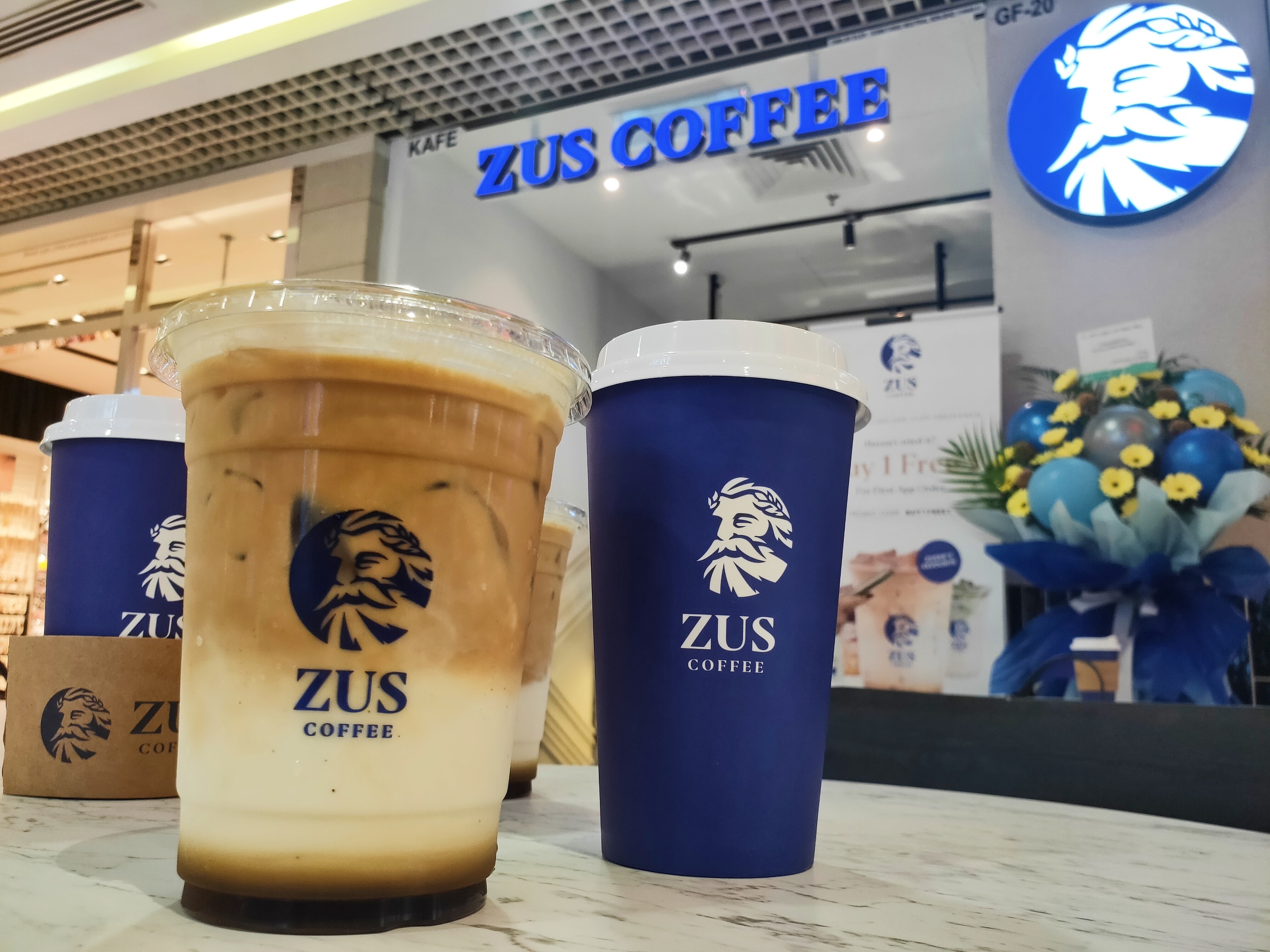
    Malaysia’s prominent coffee chain, Zus Coffee, is set to make a significant impact on the Southeast Asian market by launching 200 new outlets this year. In an exclusive interview with Bloomberg, CEO Venon Tian detailed the ambitious expansion plans that include new locations in Malaysia, the Philippines, Singapore, Thailand, and Indonesia.

    Strategic Store Launches Across the Region

    The expansion strategy involves opening at least 107 new stores in Malaysia, 80 in the Philippines, and 6 in Singapore, alongside penetrating the Thai and Indonesian markets for the first time. This move reflects Zus Coffee’s robust growth trajectory and its ambition to solidify its position as a major player in the region’s coffee retail sector.

    Surpassing the Competition

    Since its inception in 2019, Zus Coffee has experienced remarkable success, recently surpassing Starbucks to become Malaysia’s leading coffee chain. With 743 outlets, Zus has significantly outpaced Starbucks, which operates 320 locations in the country. Zus Coffee also boasts 120 outlets in the Philippines, underlining its strong regional presence.

    Rewarding Taste with Value

    In its most recent financial report, Zus Coffee revealed a substantial threefold increase in net income, reaching RM37 million (approximately US$8.4 million) in 2024. This impressive growth can be attributed to the brand’s focus on market-specific flavors, such as palm sugar-infused drinks in Malaysia and unique purple yam coffee in the Philippines.

    Innovation Meets Accessibility

    Transitioning from a delivery-focused kiosk to a widespread coffee retailer, Zus Coffee has enhanced its sales strategy, with around 70% of sales now derived from online channels, including delivery and pickup options. The brand’s tech-driven approach and efficient store construction allow it to offer coffee at prices over 20% lower than Starbucks, amplifying its appeal to a diverse customer base.

    Tian emphasizes the brand’s mission: “It’s about how we make quality coffee accessible to most people,” which resonates through its mid-range pricing strategy that sits between RM5 at convenience stores and RM11 at premium outlets.

    As Zus Coffee embarks on this ambitious expansion, the potential impact on the retail sector is significant. With increasing consumer trends toward affordability and localized flavors, Zus is poised to reshape the coffee landscape in Southeast Asia, providing fresh competition that prioritizes quality and accessibility.

  • Starbucks ordered to pay $50M to customer burned by hot beverage

    Starbucks ordered to pay $50M to customer burned by hot beverage

    A delivery driver has won $50 million in a lawsuit after being seriously burned when a Starbucks drink spilled in his lap at a California drive-through, court records show.

    A Los Angeles County jury found Friday for Michael Garcia, who underwent skin grafts and other procedures on his genitals after a venti-sized tea drink spilled instants after he collected it on Feb. 8, 2020. He has suffered permanent and life-changing disfigurement, according to his attorneys.

    Garcia’s negligence lawsuit blamed his injuries on Starbucks, saying that an employee did not wedge the scalding-hot tea firmly enough into a takeout tray.

    “This jury verdict is a critical step in holding Starbucks accountable for flagrant disregard for customer safety and failure to accept responsibility,” one of Garcia’s attorneys, Nick Rowley, said in a statement.

    Starbucks said it sympathized with Garcia but planned to appeal.

    “We disagree with the jury’s decision that we were at fault for this incident and believe the damages awarded to be excessive,” the Seattle-based coffee giant said in a statement, adding that it was “committed to the highest safety standards” in handling hot drinks.

    U.S. eateries have faced lawsuits before over customer burns.

    In one famous 1990s case, a New Mexico jury awarded a woman nearly $3 million in damages for burns she suffered while trying to pry the lid off a cup of coffee at a McDonald’s drive-through. A judge later reduced the award, and the case ultimately was settled for an undisclosed sum under $600,000.

    Juries have sided with restaurants at times, as in another 1990s case involving a child who tipped a cup of McDonald’s coffee onto himself in Iowa.

  • Former Starbucks Vietnam head becomes Phuc Long beverage chain CEO

    Former Starbucks Vietnam head becomes Phuc Long beverage chain CEO

    Patricia Marques, formerly the chief of Starbucks Vietnam for over 11 years, has been named the CEO of beverage chain operator Phuc Long Heritage.

    Marques has made an appearance at of Phuc Long’s recent events, and is introduced on the website of Masan Group, the parent company of Phuc Long Heritage, as “a seasoned food and beverage executive with a proven track record of success in the Vietnamese market.”

    Prior to joining Phuc Long, she served as general manager of Starbucks Vietnam, where she oversaw all aspects of the business and maintained a close relationship with its partner, Maxims HK.

    Before that she had spearheaded the establishment of international operations for companies such as Saks Fifth Avenue, Panera Bread and Highlands Coffee.

    Marques has lived in Vietnam for the past 14 years and considers HCMC her home, according to Masan.

    “We believe that Patricia will write the next chapter for Phuc Long Heritage and build a tea brand to represent Vietnamese culture.”

    Phuc Long has 176 stores nationwide. In the third quarter its net revenues rose nearly 13% year-on-year to VND425 billion (US$16.75 million).

  • Starbucks employees to receive 60% bonus amid firm’s worst year since 2020

    Starbucks employees to receive 60% bonus amid firm’s worst year since 2020

    Many corporate workers at U.S. coffee chain Starbucks will get just 60% of their total bonuses for the 2024 fiscal year amid the company’s first annual sales decline since 2020.

    The coffee giant’s poor performance in the fiscal year, which ended on September 29, cut into the overall bonus for employees who met their personal goals, a source familiar with the matter said.

    Bonuses for most employees are determined based on both individual performance and company results, with the latter calculated from revenue and operating income, a separate document shows.

    They are typically paid in December and, in the U.S., range from 5% of base pay for non-managerial employees to 45% for senior vice presidents.

    The reduced bonuses reflect the challenges Starbucks has faced this year as consumers, hit by widespread inflation, scaled back on their lattes.

    Its quarterly and yearly performances, reported late last month, show disappointing sales in its two largest markets, the U.S. and China, which fell short of analysts’ expectations.

    For the third consecutive quarter, Starbucks saw a decline in same-store sales, with a 7% drop this quarter—the steepest since the Covid-19 pandemic, according to CNBC.

    Net income attributable to the company for the fourth quarter was US$909.3 million, or 80 cents per share, down from $1.22 billion, or $1.06 per share, a year earlier. Net sales also decreased by 3% year-on-year to $9.07 billion.

    This was Starbucks’ first quarter under new CEO Brian Niccol, who joined the company in September to turn the business around.

    “It is clear we need to change our strategy to win back customers fundamentally,” he said in the report. “We have a clear plan and are moving quickly to return Starbucks to growth.”

    For the full fiscal year, global comparable store sales dropped by 2%, largely due to a 4% decline in comparable transactions, as shown in the firm’s report.

    This marked the second drop in the last 15 years, with the first occurring in 2020 due to Covid-19 restrictions.

  • Starbucks to open store near North Korea border

    Starbucks to open store near North Korea border

    Starbucks Korea plans to open a new location near the border between South Korea and North Korea, with a view into the latter country.

    The outlet will open on Nov. 27 on the second floor of the Jogang Observatory in Gimpo, Gyeonggi Province, South Korea, about 1.4 kilometers from the border with North Korea.

    The 136-square-meter store, with around 10 seats, will provide patrons a view into Kaepung County in North Korea’s North Hwanghae Province. It will also reportedly sell exclusive drinks and merchandise, including a cup featuring the Aegibong peak, where the observatory is situated.

    The Aegibong Peace Eco Park, which surrounds the observatory, is recognized for its environmental preservation and serves as a breeding ground for endangered species due to strict limits on civilian access. The military must screen all visitors before entering the park.

    The Gimpo government plans to add more buses running from the Marine Corps checkpoint to the park.

    South Korea has 1,893 Starbucks stores as of 2023, the fourth-highest number globally.

    Starbucks Korea reported sales of 2.93 trillion won (US$2.1 billion and an operating profit of 139.8 billion won last year.