Tag: starbucks

  • New Starbucks CEO shakes up China arm’s top management

    New Starbucks CEO shakes up China arm’s top management

    Brian Niccol, who became Starbucks’ CEO earlier this month, has named Molly Liu the sole chief of the coffee chain’s China operations after her one-year tenure as co-CEO.

    Bloomberg reported, citing a post on Starbucks’ WeChat channel, that the management shift aims to hand leadership to “a new generation of successors. ”

    Liu was named China co-CEO last year and had been working alongside Belinda Wong, the company said.

    Wong, who had been overseeing Starbucks’ business in China since 2011, will remain the chairwoman of that market, taking charge of innovation and China’s development strategy and boosting the brand’s social influence.

    The move came as the U.S. coffee chain is struggling with declining sales and growing local competition in China, its second-biggest market globally with over 7,300 locations, according to the trade magazine Restaurant Business.

    Revenues from Starbucks’ China stores dropped 11% year-on-year to US$734 million in the second quarter this year while comparable store sales declined by 14%, according to the South China Morning Post.

    Chinese coffee chains, meanwhile, have been offering customers drinks at much lower prices to compete with the U.S. giant, which has been in China since 1999.

    As CEO, Liu will have to stabilize the business while working toward the goal of opening about 1,700 more stores in that market.

    Her appointment is the second shift in executive management at Starbucks since the new CEO took the helm just over two weeks ago.

    The firm’s CEO for North America, Michael Conway, announced his retirement last week.

    Instead of filling his position, the company plans to hire a global chief brand officer to lead areas such as product and marketing.

  • Starbucks faces price war in China as low-cost rivals gain ground

    Starbucks faces price war in China as low-cost rivals gain ground

    As Starbucks faces stiff competition for its brew in China from fast-growing, low-cost rivals who have chipped into its market share, the coffee chain is increasingly being dragged into a price war it says it wants to avoid.

    The stakes are high for Starbucks, which has come under growing pressure from investors recently due to weaker sales in its two biggest markets – the United States and China.

    While the Seattle-based company has got its work cut out in the world’s second-biggest economy, where its rival Luckin Coffee pipped it to the top spot on annual sales for the first time in 2023, management is convinced it does not need to get into a race to the bottom on prices.

    “We are not interested in entering the price war,” Starbucks’ China CEO Belinda Wong said in January. “We are focusing on capturing high quality but profitable, sustainable growth.” Those sentiments were repeated by founder Howard Schultz on a visit to Shanghai in March.

    However, analysts, Reuters checks and Chinese consumers posting on social media point to an increase in discount coupons being offered by Starbucks through its own mini-programs, as well as via the coffee-maker’s livestreams on Douyin, and third-party delivery platforms popular for ordering coffee.

    In effect, Starbucks has made it relatively easy for Chinese consumers to buy its most commonly ordered coffees with 30% discounts or two-for-one coupons without dropping their listed prices, sliding down a slippery slope of increased discounting towards a potential price war.

    While Reuters was unable quantify just how much Starbucks’ use of discount coupons has increased and the firm declined to comment on its coupons policy, these types of discounting practices were once a rarity from the U.S. coffee maker. In 2024, however, they have become easily available.

    Walker Shen, 38, is an office worker from Shanghai who frequently uses discount coupons to buy his daily coffee. He has noticed an increase in push notifications from Starbucks in recent months offering him 30% off coupons.

    “I think less people are drinking Starbucks now,” Shen said, adding that “most people aren’t that demanding when it comes to quality,” meaning fewer consumers were willing to pay a premium for Starbucks.

    The emergence of a price war in the coffee sector in China comes amid a persistent deflationary environment, exacerbated by weak consumer sentiment as the economy struggles to recover and wages stagnate.

    Unfortunately for Starbucks, says Jason Yu, greater China managing director of market research firm Kantar Worldpanel, it doesn’t really have a choice but to compete to some degree on price in a market where low cost battles have become “the new normal”.

    “Strengthening the promotional offers and increasing the intensity of their promotions, being very active on social media, are essential moves to maintain their position so market share is not further eroded,” he added.

    In second quarter results released at the beginning of May, Starbucks said same-store sales in China – its second-largest market – fell 11%, prompting it to slash annual sales forecast.

    The coffee chain had a 13.6% market share of China’s cafe and bar market in 2022, according to the most recent available data. Daxue Consulting, a market research firm, estimated China’s roast coffee market at $11.7 billion in 2023 and projected it to grow to $13.25 billion by 2025.

    Starbucks remains more discerning in its approach to distributing discount coupons than others, says independent food and beverage analyst Zhu Danpeng.

    “Starbucks will do promotions, but their promotion volume will be small, they will be in a specific period of time, or for some specific products,” he said.

    Starbucks China CEO Wong last year said “Deep Brew”, the firm’s AI data analytics engine, would allow it to pitch discounts to “the right customers at the right time” in China, though the firm declined to comment on the use of Deep Brew as part of its current strategy.

    Coffee for beans

    The list price of a large Luckin latte at 29 yuan ($4.00) is not far off Starbucks’ latte price (33 yuan), but Luckin actually often sells lattes at 9.9 yuan with a widely-available coupon.

    Offerings from other competitors are even cheaper, with Cotti, a chain launched by former Luckin Chairman Charles Lu, offering Americanos for 8.8 yuan with a coupon and KFC’s KCoffee allowing members to buy 5 yuan coffees for 30 days on a 10-yuan membership fee.

    Helped by its steep discounts and quicker store expansion – with 18,590 stores already more than double the 9,000 Starbucks says it will open in China by 2025 – Luckin revenue reached 24.86 billion yuan ($3.45 billion) in 2023, surpassing Starbucks’ comparable annual sales of $3.16 billion in China.

    Though price will be an important factor in consumer decision-making for the foreseeable future, Starbucks won’t beat its competition in a race to the bottom, Kantar’s Yu says, adding that the American firm should continue with its strategy of offering a premium in-store experience its competitors can’t match.

    “Starbucks needs to compete on price but not only compete on price,” he said. “They need to lead in innovation, lead in the conversation about coffee and lead in creating emotional value for consumers, or they will lose out more to the local competition.”
  • Starbucks launches plan to cut $3 billion in costs over three years

    Starbucks launches plan to cut $3 billion in costs over three years

    Starbucks Coffee Company has announced Triple Shot Reinvention with Two Pumps – a long-term growth plan for brand elevation, global expansion, and cost efficiency.

    The company described the strategy as the “next step in the re-founding of the company” to deliver significant value to partners, customers and shareholders.

    The plan includes three priorities – elevating the brand, strengthening and scaling digital, and becoming truly global – along with “two pumps” – unlocking efficiency and reinvigorating the partner culture.

    The firm expects to generate $3 billion in savings over three years, with $2 billion outside the store from the cost of goods sold. This will enable the company to reinvest in the business and deliver returns to shareholders through earnings growth.

    Regarding brand elevation, Starbucks will focus on running better stores, growing the portfolio with more purpose-defined stores and renovations, and driving product innovation.

    The company intends to double its 75 million global Starbucks Rewards Members within five years and expand digital and technology collaborations to elevate the partner and customer experience.

    To become a more global brand, it has a goal to reach 55,000 locations across the world by 2030. The company currently has over 38,000 stores, with about 9000 new openings in the past five years.

    Starbucks will also reinvigorate the partner culture through continued investments in the partner value proposition across the partner experience.

    For FY23, Starbucks recorded an 8 percent increase in global comparable store sales, with North America and the US up 9 percent and international up 5 percent.

    The company’s consolidated net revenues rose 12 percent to a record $36 billion, excluding a 2 percent unfavorable impact from foreign currency translation.

    CEO Laxman Narasimhan said the company achieved strong results for the fourth quarter and full fiscal year, which are on the higher end of its full-year guidance.

    “As we enter the current year, in the face of macro uncertainty, we remain confident in the momentum throughout our business and headroom globally,” Narasimhan added.

  • Starbucks opens 100th store in Vietnam

    Starbucks opens 100th store in Vietnam

    Starbucks Vietnam celebrated its 10-year journey in the country with the grand opening of the 100th store in Lotte Mall West Lake in Hanoi on Saturday.

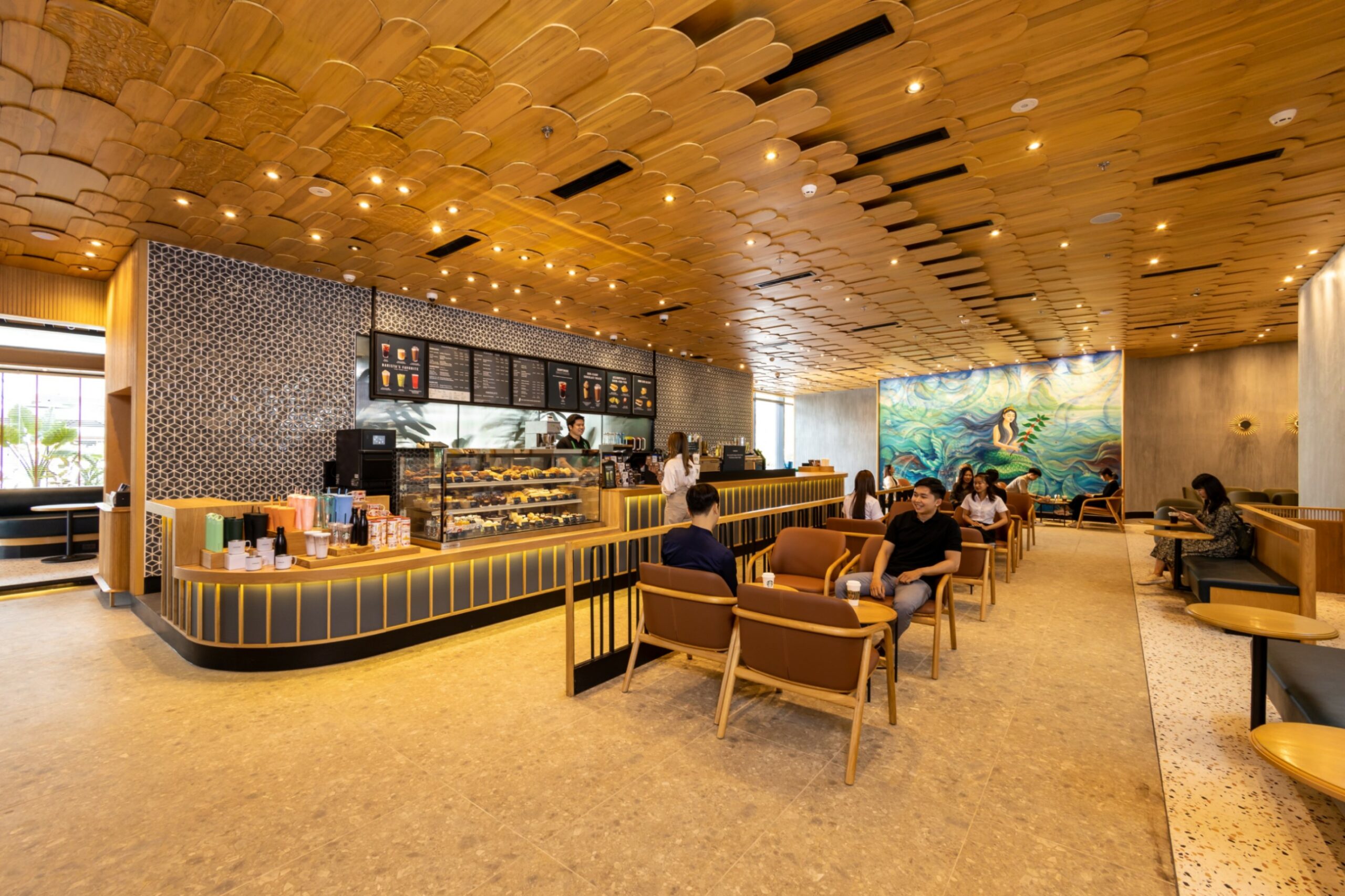
    Located in a new entertainment and shopping complex in Hanoi, the 100th store is designed to pay homage to the beautiful natural environment through a selected blue accent colour and a warm material palette.

    In February 2013, Starbucks marked its footprint in Vietnam by opening its first store in Ho Chi Minh City. Since then, it has steadily expanded its presence and now operates in nine cities and provinces across the country.

    According to an August report by iPOS.vn on Vietnam’s F&B market in the first six months of 2023, the market displayed strong volatility, with most businesses either witnessing a decrease in revenue or maintaining similar figures compared to the same period the previous year. However, many businesses remain optimistic about a market turnaround.

    A survey of 200 restaurant and cafe owners indicated that 40.1% of F&B businesses anticipate positive signals in business activities in the second half of 2023. This shows, despite certain challenges, Vietnam is still regarded as a “fertile land” for international brands in the F&B sector.

  • Apple Pay launched in Vietnam

    Apple Pay launched in Vietnam

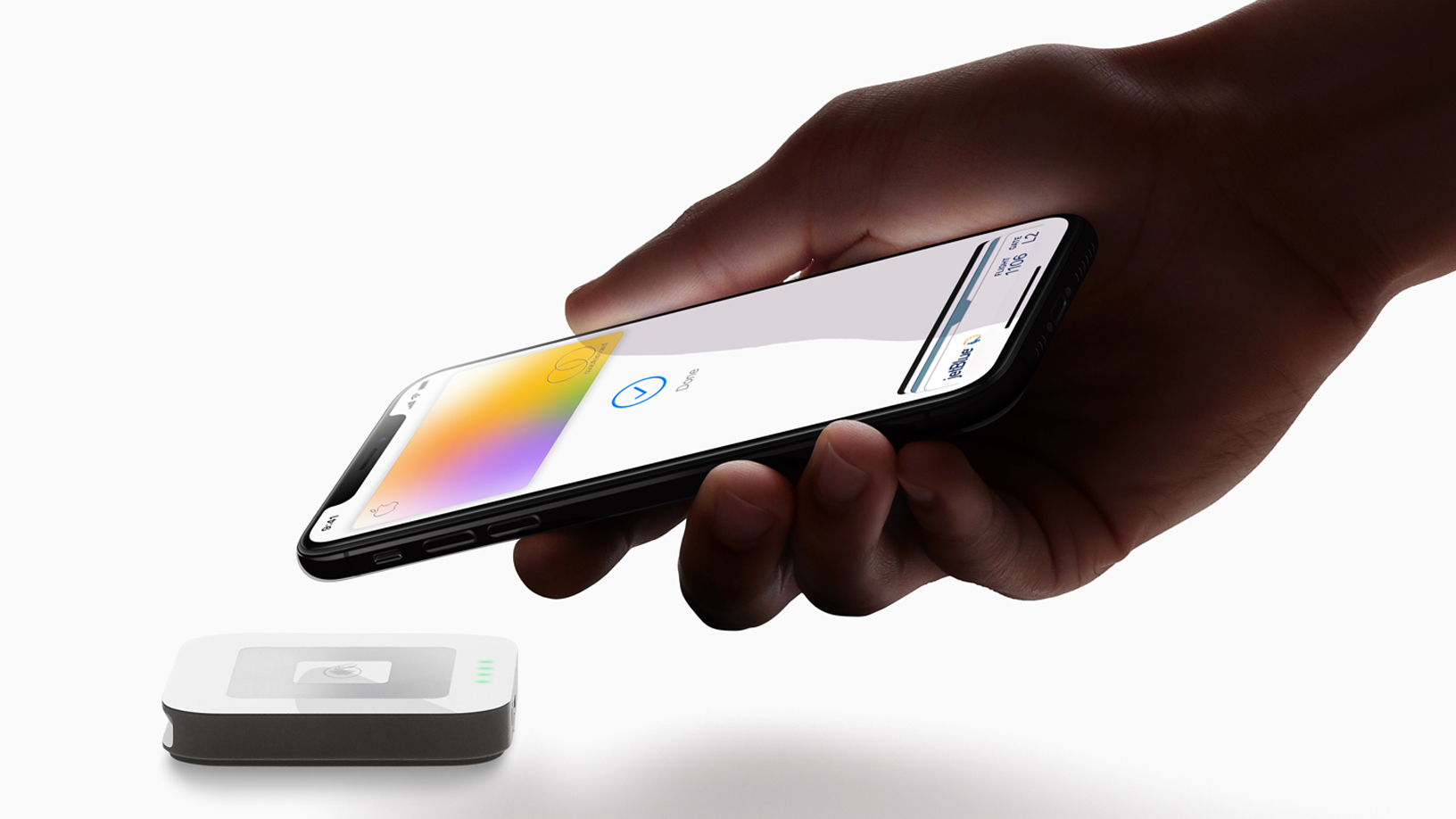
    Apple Pay has arrived in Vietnam, enabling users to make contactless money transactions through an iPhone or Apple Watch.

    Vietnam is the third country in Southeast Asia to allow Apple Pay after Malaysia and Singapore.

    Several lenders such as MB Bank and Techcombank now support Apple Pay services at some establishments such as Starbucks, Phuc Long, Mc Donald’s, Highlands Coffee, CGV, and Winmart.

    Users can add their credit or debit card information to Apple Pay using the Apple Wallet app.

    At least an iPhone 6 or Apple Watch Series 4 is required to use it.

    Apple Pay was first launched in the U.S. in 2014.

    Apple assures that users’ credit data is only stored on their devices and not transmitted to Apple’s servers.

    In Vietnam, Samsung Pay was launched in 2017 and Google Wallet in November 2022.

  • Starbucks, Shake Shack summoned over excessive personal data collection

    Starbucks, Shake Shack summoned over excessive personal data collection

    Chinese regulators in financial hub Shanghai summoned three firms including Starbucks and Shake Shack earlier this week for collecting excessive personal information, the city’s cyberspace regulator said on Wednesday.

    The regulators urged these firms to comprehensively rectify, protect personal information and safeguard the legitimate rights and interests of consumers, Shanghai’s cyberspace regulator said in a statement.

    Currently, two firms including Shake Shack have made initial improvements to the issues, and Starbucks is actively making adjustments, the regulator said

  • Starbucks Coffee Korea seeks new ventures amid sales slowdown

    Starbucks Coffee Korea seeks new ventures amid sales slowdown

    Starbucks Coffee Korea, which experienced a slowdown in sales growth last year, is seeking new ventures to secure a fresh growth engine.

    The company held a board meeting in late March and revised its articles of association to include 65 additional business purposes, according to industry sources.

    Among the newly added business purposes are electric vehicle charging services, construction, property development and supply, real estate leasing and management, and the operation of golf courses and ski resorts.

    Regarding electric vehicle charging, Starbucks collaborated with Mercedes-Benz Korea to open a charging station at its its The Bukhan riverR outlet in January.

    The company has also expanded its business scope to include lunch box and prepared meal manufacturing, wholesale of processed foods related to its existing business, as well as industrial robot manufacturing and biologic agent manufacturing.

    Furthermore, various types of franchise businesses have been introduced. As of late March, Starbucks Coffee Korea operated all of its 1,813 stores under direct management.

    This photo by Mercedes-Benz Korea shows a electric vehicle charging station at Starbucks Coffee Korea’s The Bukhan riverR outlet.

    This initiative aims to explore diverse new businesses in response to the sales growth slowdown.

    In the previous year, Starbucks Coffee Korea recorded sales of 2.59 trillion won (US$1.94 billion), representing an 8.7 percent increase yearly.

    This growth rate was more than 50 percent lower than the average annual sales growth rate observed from 2012 to 2021.

    The company’s operating profits in 2022 decreased by 48.8 percent to 122.4 billion won, with estimated net profits of 99.3 billion won, down 51.7 percent year on year.

    The poor performance of the previous year can be partly attributed to the recall of giveaway picnic bags due to the detection of harmful substances.

    According to the company, the one-off recall-related expense amounted to 44.4 billion won, which accounted for 38 percent of the decline in its operating profits.

  • Starbucks profits beat on China recovery

    Starbucks profits beat on China recovery

    Starbucks Corp beat Wall Street estimates on Tuesday for quarterly profits, powered by a sharp recovery in business in China, but shares fell about 6% in after-hours trading after the company did not lift its 2023 guidance.

    With most of China’s COVID-19 curbs now scrapped, consumer mobility and spending in the region bounced back sharply in March.

    Even so, some analysts had expected China sales to remain in the red after tumbling 29% the previous quarter.

    Instead, the world’s largest coffeehouse chain posted a 3% rise in China comparable sales in its second quarter ended April 2, helping boost international sales 7%, more than double the 2.94% increase of the average analyst’s estimate, according to Refinitiv data.

    While the China recovery was better than the company expected, growth in average weekly sales there will be at a more moderate pace in the second half, Chief Financial Officer Rachel Ruggeri said during an earnings call.

    “We’ve already seen it start to moderate,” she said, noting uncertainty about consumer behavior and international travel. “So when we consider all of that, when we look at our guidance for the full year, we believe reaffirming our guidance allows us to continue to convey the momentum, but also for the confidence we have while still navigating a rather uncertain environment globally.”

    Restaurant shares broadly have outperformed the S&P 500 Index this year, and McDonald’s Corp and others reported a strong quarter.

    Some Starbucks investors may have taken profits after Starbucks’ stock jumped 16% in the past five weeks with “a pretty big run” into the earnings report.

    Globally, Seattle-based Starbucks’ comparable sales climbed 11%, trouncing analysts’ expectation of a 7.36% rise.

    According to the earnings release, customers visited more often and spent more per trip. Starbucks earned 74 cents per share, excluding one-time items, beating estimates of 65 cents.

    Starbucks, whose customers are typically younger, wealthier and relatively unfazed by inflation, has doubled down on its cold and customizable beverages, boosting traffic in the U.S. and driving a 12% jump in comparable store sales in its North American market.

    According to its earnings release, the chain also keeps adding customers to its rewards program, which now has 30.8 million active members in the United States, up 15% over this time last year.

    And it is building more cafes, adding 100 net new stores in North America and more than 360 internationally.

  • Starbucks customers complain new olive-oil coffee creates stomach problems

    Starbucks customers complain new olive-oil coffee creates stomach problems

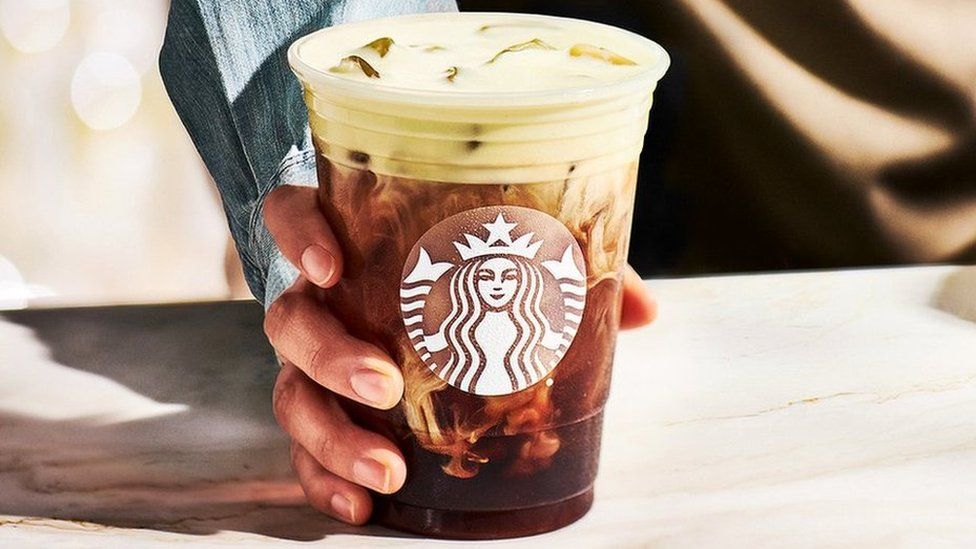
    Starbucks customers have taken to social media to share their experiences with the coffee chain’s new slate of olive oil-infused drinks, and, for some, the picture is not so pretty.

    On March 16, a post titled “Olive oil drinks…” was added to the subreddit r/starbucks by a Redditor who claims to be a current Starbucks barista. In it, they share an experience their coworkers allegedly had after trying the new roster of Oleato drinks.

    For those unfamiliar, these new coffee drinks are infused with Partanna cold-pressed extra-virgin olive oil and debuted on Feb. 21 in limited markets.

    “Have you tried them? I’m wondering how many people are going to have happen to them what a few happened to our team,” wrote Redditor u/MoodyStarGirl. “Half the team tried it yesterday and a few ended up… Needing to use the restroom, if ya know what I mean.. I’m scared to try it because I already have stomach/bowel problems.”

    The Reddit user, who did not immediately respond to a request for comment, said that their store manager “doesn’t want us sharing this info with customers,” claiming the omission is “pretty F’d up.”

    Starbucks also did not immediately respond to a request for comment.

    In the comments section of the Reddit post, many others chimed in, with some sharing their own impressions and experiences with the drinks, which include lattes, shaken espressos, golden foam cold brews, cortados, a martini, and more.

    “Caffeine is a stimulant for your bowels and oil a relaxant,” wrote one Redditor. “So yeah, wonderful idea by Starbucks.”

    “Person with stomach/bowel problems thanking you for the heads up,” wrote another.

    “I’ve tried them, and tbh after drinking them, honestly, they just felt sick to my stomach, lowkey,” commented another. “Like i had no appetite at all after that and that was the only thing i’ve had in the whole day.”

    “The cold brew is fine until you taste the foam because it’s two pumps of olive oil. like- the foam is green,” wrote another Redditor who says they’re a barista. “Worst of all was the latte for me. You’re immediately hit with just olive oil, and I wanted to throw up after yeah I do not recommend.”

    Another user pointed out that “green olive oil is normal and usually an indication of better quality … Green doesn’t mean it’s bad or gross.”

    Some reviews of the Oleato drinks have been positive, like that of one Twitter user who wrote, “Starbucks, the new Oleato drink is so damn delicious! Love it!!!” and a Redditor who said, “I tried all 3 and loved all of them. Had no problems whatsoever.” But others detail more stomach-churning experiences with the beverages.

    “#Oleato — so far my stomach is gurgling and my throat is burning,” wrote another Twitter user, sharing an image of their Venti Oleato Iced Shaken Espresso. “Not sure if it’s the olive oil.”

  • Starbucks expands Laos network with second Vientiane store

    Starbucks expands Laos network with second Vientiane store

    As part of its continued expansion in the market, Coffee Concepts (Laos) Limited, Starbucks operating licensee in Laos, today announced the opening of its second store in View Mall in the capital city, Vientiane. Following the opening of its first location in Parkson Laos just five months ago, customers can now also enjoy the Starbucks experience in the new store in View Mall.

    The new Starbucks store in View Mall, Laos, is designed to provide customers and partners an immersive and visually striking coffee experience. The colorful and vibrant underwater world inspires the design, featuring soft light blue and orange accent colors contrasting with black textured paint.

    This creates a joyful and magical oasis-like atmosphere inviting our customers and partners to connect over a cup of coffee. The sophisticated tube ceiling feature stretches over the ceiling from the entrance to the bar, and throughout the store, highlighting the bar as the store’s focal point that showcases coffee and connections.

    To celebrate the opening of the second store in Laos, the first 100 Starbucks customers to visit the store will receive a drinkware gift upon purchase of a Grande or Venti size handcrafted beverage, as a token of gratitude.

  • How enhanced customisation pushed brands’ sales growth

    How enhanced customisation pushed brands’ sales growth

    Starbucks and Samsung used the strategy to increase sales. Enhanced customisation helped in driving sales growth of some brands in 2022, Euromonitor International said in its latest study.

    More than 49% of global digital consumers aged 15 to 29 said they are willing to share personal preferences with brands online.

    An example of enhanced customization is Starbucks which implemented an app that allows users to choose from over 170,000 options on drink orders.

    “This has powered sales growth for the company, with app-enabled US sales expanding over 400% from 2017 to 2022,” said Euromonitor.

    Another way is Samsung’s Bespoke Design Studio which lets consumers order appliances customized to their individual specs.

    It contributed to 3% of sales growth in mobile appliances.

  • Starbucks to open 400 stores in APAC in 2023

    Starbucks to open 400 stores in APAC in 2023

    Its newly-opened 5,000th store is located in Gwanyang-si, South Korea.

    Starbucks is planning to expand further in Asia Pacific by opening 400 stores this 2023 after it opened its 5,000th store in the region in South Korea.

    In a statement, Starbucks said it aims to build on its over 300-store portfolio across 40 cities in India and enter the market of at least five new cities.

    In Southeast Asia, the company plans to build more stores outside the metropolitan areas of Indonesia, Thailand, Malaysia, and the Philippines. It opened its first store in Laos in November in the capital city, Vientiane, and plans to open another this year.

    The company’s 5,000th store in the region opened in Gwanyang-si, South Korea which is located on a major road that connects the residential areas with business districts and features a drive-thru service.

    “Asia Pacific is a dynamic and diverse engine of growth for Starbucks globally. As recovery continues, the region achieved over 20% sales growth year on year, demonstrating the strength and relevance of the brand,” said Michael Conway, group president, International and Channel Development for Starbucks.

    “We are well positioned for further growth with our licensed business partners, who continue to elevate the Starbucks Experience across a range of innovative store formats,” he added.

  • Starbucks Unveils Innovative Olive Oil Coffee Brew

    Starbucks Unveils Innovative Olive Oil Coffee Brew

    It’s no secret that Starbucks is constantly looking for ways to innovate and stay ahead of the competition. Recently, the global coffee giant has unveiled its newest innovation – an olive oil coffee brew. This new brew has taken the coffee world by storm and is gaining a lot of attention from coffee enthusiasts around the world.


    Starbucks is one of the world’s largest coffee chains, with over 30,000 locations in 80 countries. Founded in 1971, Starbucks is known for its high-quality coffee and innovative drinks. It is also known for its commitment to sustainability and ethical sourcing.

    The recent launch of Starbucks’ olive oil coffee brew has been met with excitement from coffee lovers around the world. This new brew is made with a combination of coffee and olive oil, creating a unique flavor that is completely different from traditional coffee.

    The combination of coffee and olive oil in Starbucks’ new brew provides a number of benefits. Firstly, it is packed with antioxidants, which can help protect your body from free radicals and reduce inflammation. Additionally, the olive oil adds a rich, buttery flavor to the coffee, which is sure to be a hit with coffee lovers.

    Furthermore, the combination of coffee and olive oil can help to increase energy levels and mental clarity. This makes it the perfect choice for those who need an extra boost throughout the day. Finally, the olive oil coffee brew is naturally low in calories, making it a healthier alternative to sugary coffee drinks.

    The olive oil coffee brew is completely different from traditional coffee. Firstly, it is made with high-quality, cold-pressed extra virgin olive oil. This adds a unique flavor and aroma to the brew that is unlike any other coffee.

    Secondly, the olive oil adds a rich, buttery texture to the coffee, which is sure to be a hit with coffee lovers. Finally, the olive oil coffee brew is naturally low in calories, making it a healthier alternative to sugary coffee drinks.

    starbucks plans to continue to expand the reach of its olive oil coffee brew. The company plans to open more locations that serve the olive oil brew and also plans to release additional flavors in the future. Additionally, Starbucks plans to use the olive oil brew as a way to introduce customers to other products, such as its cold brews, espresso drinks, and tea lattes.

  • Starbucks accelerates Asian expansion plan – eyes 400 more stores

    Starbucks accelerates Asian expansion plan – eyes 400 more stores

    Starbucks is ramping up its expansion plan in the Asia Pacific region, revealing plans today to open 400 additional stores this year alone.

    The expansion will include new cities and outside of major metropolitan areas in markets such as Thailand, Indonesia, Malaysia and the Philippines. In Laos, where it first opened its doors in November in the capital city of Vientiane, Starbucks also plans to open a new store this year.

    The rollout plans exclude the company’s Chinese and Japanese operations.

    Meanwhile, Starbucks plans to build on its existing portfolio of more than 300 stores in India by expanding into at least five new cities.

    The company recorded an 8 percent growth in net new stores during the past year.

    In South Korea, the US-headquartered coffee chain has introduced a 500sqm thrive-thru store in the business district of Gwangyang-si, marking its 5000th location in the region (excluding China and Japan).

    “Our 5000th store in Asia Pacific is a drive-thru store that speaks both to the changing habits of our customers and of our determination to meet them where it is most convenient, while still offering the Starbucks connection,” said Emmy Kan, president of Starbucks Asia Pacific.

    “We will continually enhance our store formats and innovate, not just to cater to changing customer behaviours, but also to fuel growth in the region.”

    Starbucks doubled its number of drive-thru stores in the region in the last four years. The brand plans to open more than 100 locations this year.

    Michael Conway, group president, of international and channel development for Starbucks, said the region achieved more than 20 per cent growth year on year as recovery continues.

    “We are well positioned for further growth with our licensed business partners, who continue to elevate the Starbucks Experience across a range of innovative store formats.”

    Last month, Starbucks launched its first community concept cafe in Taiwan in Xiulin Township with local operator Uni-Wonder Corporation.

  • Starbucks set to open 100th store in Vietnam

    Starbucks set to open 100th store in Vietnam

    Starbucks plans to open its 100th store in Vietnam in the second quarter of this year, a decade after first coming to the country, and keep expanding further.

    The U.S. chain now has 87 outlets in seven localities, 50 of them in Ho Chi Minh City.

    It has over 800 staff and 200 coffee “masters” it has trained.

    It is among the few foreign players to remain in the competitive Vietnamese market, but its number of stores is modest compared with some local chains such as Highlands Coffee (592 stores) and The Coffee House (154).

    Its Vietnam general manager, Patricia Marques, told reporters Tuesday the chain sees new opportunities in localities such as Binh Duong and Quy Nhon provinces.

    Vietnam is forecast to have 5,200 coffee chain stores in 2025, according to U.K.’s Allegra World Coffee Portal, which means huge competition for chains seeking to expand.

    Already some chains are scaling down. Last month PhinDeli closed some stores at prime locations while food company KIDO divested from TTV, the operator of the Chuk beverage chain.

    But on the other hand, Highlands and Phuc Long continued to open new outlets.

    The Coffee House plans to reopen its Signature stores this year, while Passio Coffee, after 15 years of selling mostly takeaway products, is now opening at more locations and offering on-site services.

    New players such as Katinat, Phe La and Cheese Coffee are also in the mix.

    Finding a suitable location is also a challenge, Marques said, pointing out that while in Thailand property developers often seek partnerships with major brands before they start building malls, in Vietnam this is not the case.

    Starbucks posted record global revenues of US$32.3 billion in financial year 2022 (ending October 3), a 11% growth.

    It eyes 10-12% growth this year.