Retail News CRM

Tag: starbucks

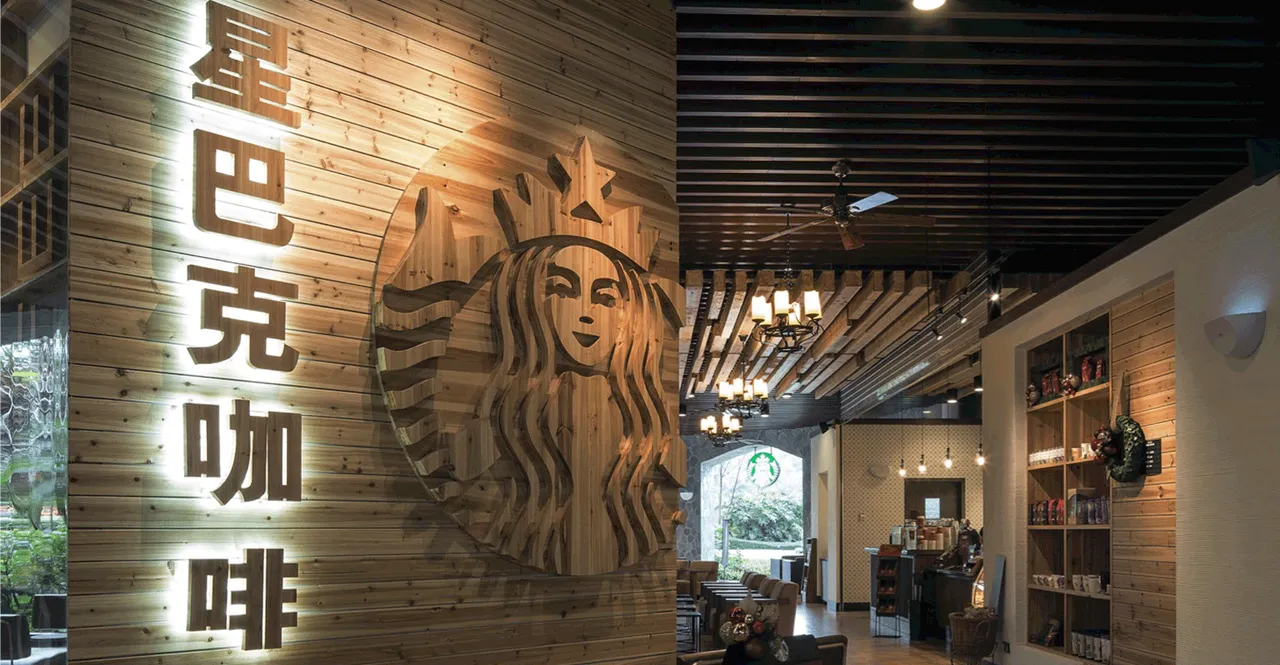
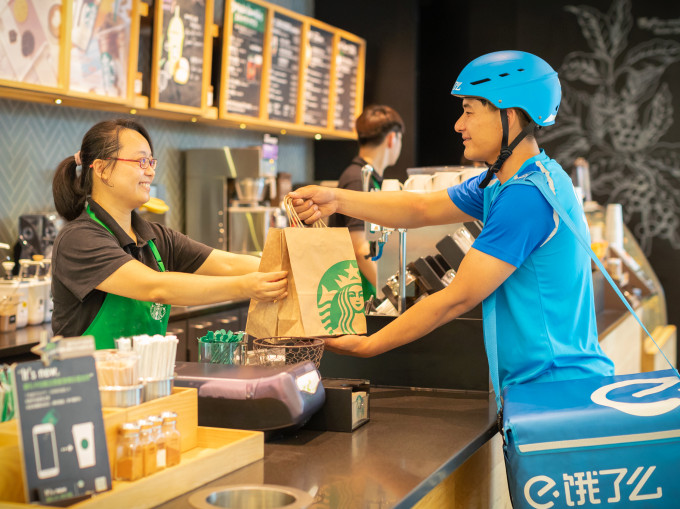
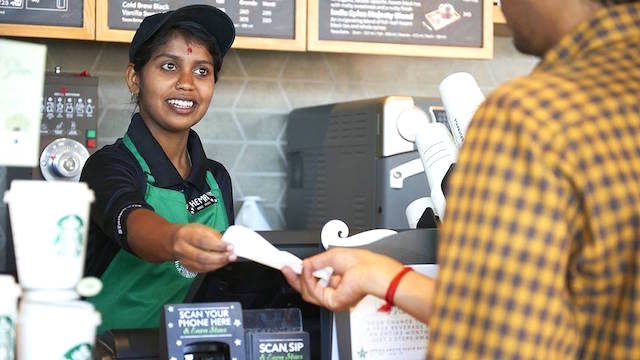
  • Boyu Capital Poised to Secure $4 Billion Stake in Starbucks China, Boosting Brand’s Asian Market Footprint

    Boyu Capital Poised to Secure $4 Billion Stake in Starbucks China, Boosting Brand’s Asian Market Footprint

    Boyu Capital, a private equity firm from China, is leading the race to acquire a majority stake in Starbucks’ China operations, a deal that could potentially value the unit at over US$4 billion.

    Boyu Capital remains in the bid after the final contender, Carlyle Group, chose to withdraw. Key partners from both companies travelled to the U.S. to engage in final discussions with the Seattle-based coffee chain.

    Starbucks’ Stake in China

    After the sale is finalized, it’s expected that Starbucks will retain a substantial minority stake in its China operations. The company expressed that it has received strong interest from numerous high-quality partners, all of whom have faith in the long-term growth potential for Starbucks in China.

    The company is currently assessing bids from five contenders, though it declined to comment further. Starbucks China was valued at roughly $4 billion by the bidders who submitted binding offers, which is approximately ten times its core earnings.

    Starbucks’ Future Plans

    Starbucks CEO, Brian Niccol, previously indicated that the anticipated valuation of the China business would exceed $10 billion, factoring in the upfront investment from a potential partner, Starbucks’ retained stake in the China business, and future royalty payments.

    There is also the possibility of other parties, such as internet companies, joining the discussions as limited partners to assist in funding the deal.

    Competition and Sales

    Starbucks’ decision to divest in China comes amidst fierce competition from local coffee chains that have gained market share by offering less expensive products during an economic slowdown that has altered consumer behavior.

    In response to these challenges, Starbucks has implemented strategies such as lowering prices for selected non-coffee beverages in China and increasing the introduction of new, localized products.

    Sales in comparable stores in China increased by 2% in the quarter that ended on June 29, following a quarter with no growth. Starbucks’ earnings for the fourth quarter and the 2025 fiscal year will be reported on October 29.

    Questions & Answers

    Who is the frontrunner to buy a controlling stake in Starbucks’ China business?
    Boyu Capital, a private equity firm from China, is leading the race to acquire a controlling stake in Starbucks’ China operations.

    What is the potential value of Starbucks’ China unit?
    The deal to acquire the majority stake in Starbucks’ China operations could potentially value the unit at over US$4 billion.

    What strategies has Starbucks implemented in response to increasing competition in China?
    Starbucks has lowered prices for selected non-coffee beverages in China and increased the introduction of new, localized products to counter the competition.
  • Starbucks Unveils $1B Restructuring Plan, With Hundreds of Store Closures on the Horizon

    Starbucks Unveils $1B Restructuring Plan, With Hundreds of Store Closures on the Horizon

    Starbucks is facing a significant transformation as it plans to close several hundred stores across the U.S. and Canada, with an overall reduction of approximately 1% expected by the end of fiscal 2025. This decision comes at a pivotal time for the coffee chain, which has experienced six consecutive quarters of declining sales in the U.S. CEO Brian Niccol is keen to reinstate the beloved “coffeehouse” atmosphere to attract customers back into its cafes.

    Closure of Flagship Unionized Locations

    Among the stores set for closure is Starbucks’ flagship unionized location in Seattle, known for its expansive cafe and in-house roastery. This development, confirmed by the company on Thursday, adds to the complexities surrounding ongoing negotiations with the Workers United union, which represents over 12,000 baristas. Talks began last April but have stalled in recent months.

    Strikes and Pickets from Union Baristas

    In December, a strike by union members disrupted operations in multiple U.S. cities during the bustling holiday season. The Seattle store, which voted to unionize in 2022, saw its workers picketing on Monday over contract disputes. In Chicago, another unionized store on Ridge Avenue also closed, with baristas protesting before the closure was announced. Diego Franco, a barista who traveled from a nearby suburb, emphasized their role in drawing customers to the stores, stating, “We’re here to remind the company that it’s the workers who actually bring the people into the stores.”

    Union Response to Store Closures

    In response to the store closures, Starbucks Workers United released a statement highlighting the necessity of union support for baristas, pledging to negotiate for the workers affected so they can be reassigned to other locations. According to estimates from analysts at TD Cowen, around 500 company-owned stores in North America may be affected by this restructuring.

    CEO Niccol’s Revamp Strategy

    Under Niccol’s leadership, Starbucks is doubling down on improving its stores by focusing on service speed and cultivating a more inviting environment. He has reiterated his commitment to trimming layers of management to facilitate a more efficient operation. “We identified coffeehouses where we can’t create the environment our customers and partners expect, or where financial performance seems unattainable; these locations will be closed,” Niccol conveyed in a letter to employees.

    Focusing on Service Improvements

    As Starbucks navigates these challenges, the company commits to investing in better staffing and innovative technologies aimed at streamlining order sequences and enhancing customer experiences. After taking the reins from Chipotle Mexican Grill, Niccol has garnered investor confidence, with analysts observing that the scale of closures exceeded previous expectations, suggesting a significant pivot in the company’s strategy. Although Starbucks reported a marginal drop in share prices following this announcement, they have enjoyed an overall rise of about 9% since Niccol took charge in August 2024.

    Starbucks also plans job cuts within its support teams while simultaneously closing numerous open positions, impacting about 10,000 employees in non-coffee-house roles as of September 29, 2024. “This is a more significant action that we understand will impact partners and customers,” Niccol added, emphasizing the company’s focus on achieving a thriving coffee experience.

    Questions & Answers

    What prompted Starbucks to close several stores across North America?
    Starbucks is closing stores as part of a strategic response to six consecutive quarters of declining sales in the U.S., aiming to enhance the coffeehouse atmosphere and improve customer experience.

    How has the union responded to the closure of unionized locations?
    Starbucks Workers United criticized the closures, stressing the need for union backing for baristas and highlighting their intention to negotiate reassignments for affected employees.

    What changes is CEO Brian Niccol implementing at Starbucks?
    Under Niccol’s leadership, Starbucks is focusing on improving service speed and creating a welcoming environment while restructuring management and investing in new technologies to enhance customer experiences.

  • Starbucks CEO Brian Niccol Lauds Luckin Coffee for Its Impressive Speed of Innovation

    Starbucks CEO Brian Niccol Lauds Luckin Coffee for Its Impressive Speed of Innovation

    Starbucks CEO Brian Niccol has recently extolled the virtues of Chinese rival Luckin Coffee, particularly praising the company’s rapid pace of product innovation. Speaking at the Fast Company Innovation Festival in New York, Niccol remarked, “The one thing that they probably have done a nice job of is just an unbelievable pace of product innovation.” His comments reflect a competitive acknowledgment that emphasizes the importance of adapting and evolving within the fast-paced coffee market. “It sets the tone for, ‘Hey, we cannot be complacent on flavors and drink combinations,’” he added.

    Striking a Balance: Innovative Menus and Smart Discounts

    Luckin Coffee has notably caught the attention of the market with its unconventional beverage offerings, like pineapple cold brew and coconut lattes, accompanied by aggressive discounts ranging from 30% to 50%. This strategy has played a crucial role in its meteoric rise, allowing the company to surpass Starbucks as the leading coffee chain in China, boasting an impressive 26,000 locations against Starbucks’ 8,000.

    A New Era of Order: Luckin’s App-Driven Experience

    An interesting distinction between the two coffee giants lies in Luckin’s operational model, which eschews cashiers in favor of an app-based ordering system. “They’ve done an interesting job on how they’ve turned the app into the only way you can interact with that business. It’s a different approach. I don’t think it’s the right approach for us,” Niccol remarked, highlighting Starbucks’ commitment to creating enriching in-store experiences over purely digital interactions.

    Starbucks’ Strategic Shift in China

    Amid this competitive landscape, Niccol emphasized that Starbucks is experiencing a “nice recovery” in China, achieved in part by reducing prices on select beverages. As part of its growth strategy, Starbucks is actively seeking a local partner to streamline its operations in the region and is looking to open “thousands” of new locations throughout the country. Could there be a Starbucks on every corner in China? Only time will tell.

    Questions & Answers

    What did Brian Niccol praise about Luckin Coffee during the Fast Company Innovation Festival?
    Niccol praised Luckin Coffee’s rapid pace of product innovation and emphasized that Starbucks must not become complacent in its flavor offerings.

    How does Luckin Coffee differentiate itself from Starbucks in terms of customer interaction?
    Luckin Coffee has eliminated cashiers and requires customers to order through its mobile app, unlike Starbucks, which focuses on enhancing in-store experiences.

    What is Starbucks’ strategy to recover its standing in the Chinese market?
    Starbucks is reducing prices on some drinks and is seeking a local partner to manage its operations, with plans to open thousands of new locations across China.

  • Berjaya Food Reports Rising Losses: Starbucks Malaysia’s Struggles Amid Middle East Conflict

    Berjaya Food Reports Rising Losses: Starbucks Malaysia’s Struggles Amid Middle East Conflict

    Berjaya Food, a Malaysia-based company, has recently reported a significant increase in losses and a decrease in sales for both their fourth quarter and the entire fiscal year. Berjaya Food, which operates Starbucks Coffee in Malaysia and Brunei, along with Kenny Rogers Roasters and Paris Baguette in Malaysia, experienced reduced sales due to a decrease in store numbers.

    Quarterly Report

    The revenue for the group, for the quarter ending on June 30, experienced a decrease of 11 per cent compared to the previous year, settling at RM115.8 million (US$27.4 million). This reduction is mainly attributable to the decrease in the number of store locations. However, the management has noted a slight increase in sales compared to the third quarter. This increment is primarily due to an improved sales performance from Starbucks Malaysia.

    In this quarter, the loss before tax increased from RM42.6 million to RM183.7 million. The primary reason for this increase was the impairment of property, plant, and equipment (PPE) and right-of-use (ROU) assets linked to non-performing stores.

    Annual Report

    For the entire fiscal year, the revenue dropped by 36 per cent, amounting to RM476.7 million. This drop is linked to the ongoing sentiment surrounding the Middle East conflict, which has affected market dynamics and altered customers’ purchasing behaviours.

    The pre-tax loss for the year broadened from RM89 million to RM288.7 million. This loss was due to the necessary impairment provision to PPE and ROU assets, resulting from the downsizing of Starbucks Malaysia’s operations.

    Questions & Answers

    What were the main reasons for the loss in Berjaya Food’s fourth quarter and fiscal year?
    The primary reasons were the impairment of property, plant, and equipment (PPE) and right-of-use (ROU) assets of non-performing stores, and also the downsizing of Starbucks Malaysia’s operations.

    Did Berjaya Food see any improvement in the fourth quarter compared to the third quarter?
    Yes, sales were slightly higher in the fourth quarter compared to the third, primarily due to improved sales performance at Starbucks Malaysia.

    How did the Middle East conflict affect Berjaya Food’s annual results?
    The ongoing conflict in the Middle East has influenced customers’ spending patterns and affected market dynamics, which contributed to the significant drop in the annual revenue.

  • Starbucks Invites Top Firms To Bid For Stake In Chinese Operations Amidst Market Share Decline

    Starbucks Invites Top Firms To Bid For Stake In Chinese Operations Amidst Market Share Decline

    Starbucks has requested a select group of potential bidders to prepare non-binding bids for a share in its China operations within the next fortnight, according to two sources familiar with the situation.

    The American coffeehouse corporation has extended invitations to entities such as private equity firms Carlyle, EQT, Hillhouse Investment, and Primavera Capital to partake in management presentations. During these sessions, financial and operational aspects of its China business will be disclosed. Other potential bidders are said to include Bain Capital, KKR & Co, and technology giant Tencent.

    A new partner in China could help revitalize a business that has seen its market share fall by more than half over the last five years. This decline has occurred as cheaper local competitors expand rapidly amidst a slowing economy and increasingly cost-conscious consumers.

    Preliminary Sale Process

    Starbucks initiated the sale in May, inviting interested parties to provide details about their businesses by late June. The Seattle-based company clarified that it was not contemplating a complete sale of the business. Potential bidders anticipate the business to be valued at up to US$10 billion.

    In July, up to ten interested parties were shortlisted and signed non-disclosure agreements before being granted potential access to financial and operational data. The final structure of the sale and the size of the stake have yet to be determined.

    Informal discussions with a variety of prospective buyers have been ongoing since the latter part of last year, and the company aims to reach an agreement by the end of this year. CEO Brian Niccol stated last month that over 20 parties have expressed interest in the business and options are currently being evaluated.

    Commitment to China Business

    “We remain committed to our China business and want to retain a meaningful stake… We will only enter a transaction if it makes sense for Starbucks,” said Niccol. Primavera, Carlyle, EQT, KKR, and Bain have not provided any comment, while Hillhouse and Tencent have not responded to comment requests.

    The sale is being pursued after Starbucks reported robust overall revenue for the three months ending on June 29, a result of a turnaround plan implemented by Niccol following several quarters of declining profits.

    Stiff Competition

    In China, Starbucks is grappling with a sluggish economy and stiff competition from local brands, including Luckin Coffee, which has been capturing market share with its cheaper offerings and wider reach in smaller cities.

    Last year, Starbucks’ market share in China, which is home to over a fifth of its outlets, was 14 per cent, down from 34 per cent in 2019. In response, the chain has lowered prices for some non-coffee drinks in China and accelerated the development of new, China-centric products.

    Financial Performance

    Sales in comparable stores in China increased by 2 per cent in the quarter ending June 29, up from zero growth in the previous quarter. As of the end of June, Starbucks operated 7,828 stores in China, as stated in its latest quarterly report. The company has not disclosed core earnings for its China operations.

    Questions & Answers

    Why is Starbucks selling a stake in its China business?
    Starbucks is selling a stake in its China business to potentially inject fresh momentum into the operations, which have seen market share decline in the past five years due to local competition and changing consumer behavior.

    Who are the potential bidders for the stake in Starbucks’ China operations?
    Potential bidders include private equity firms Carlyle, EQT, Hillhouse Investment, Primavera Capital, Bain Capital, KKR & Co, and technology giant Tencent.

    What is Starbucks’ current market position in China?
    Starbucks’ market share in China has decreased, from 34% in 2019 to 14% in 2020. The company is facing competition from local brands and a slower economy, but it remains committed to its China business and aims to retain a significant stake.

  • Starbucks Korea Eliminates Printers and Desktops as Café Workspaces Gain Popularity Among Customers

    Starbucks Korea Eliminates Printers and Desktops as Café Workspaces Gain Popularity Among Customers

    In a strategic move to enhance customer satisfaction, Starbucks has implemented a new policy across all its locations in South Korea, urging patrons to leave behind bulky devices when they step away from their tables. Announced Thursday, every store has displayed notices banning large equipment, including power strips and extensive cubicle-style dividers.

    These signs serve a dual purpose: they remind customers to take their belongings if they plan to leave for an extended period and encourage the efficient use of shared tables. A representative from Starbucks elucidated that this policy aims to maintain a comfortable environment for all guests. “While laptops and smaller personal devices are welcome, customers are asked to refrain from bringing desktop computers, printers, or other bulky items that may limit seating and impact the shared space,” the spokesperson explained to Business Insider. Importantly, these guidelines do not impose time restrictions on those who choose to dine in.

    Starbucks boasts over 2,000 outlets in South Korea, making it the company’s third-largest market after the United States and China. This recent policy aligns with a rapidly burgeoning trend in the country known as “cagongjok,” which describes individuals who occupy coffee shops for long hours to work or study.

    While the majority of these patrons use laptops, the trend has also seen some customers bringing in considerably larger equipment such as monitors and printers, as well as—wait for it—partition panels. A social media post illustrating a customer in South Korea with a three-sided partition and a computer exemplifies this phenomenon, showcasing just how far some have taken the concept of a “mobile office.”

    The rise of this trend is rooted in South Korea’s changing labor landscape and the widespread shift toward remote work. Post-pandemic, many employees adjusted to working from home, and as they gradually returned to their offices, skyrocketing rents and limited redevelopment opportunities in Seoul restricted available commercial space. In a city where businesses fiercely compete for every square foot, cafés have flourished as makeshift workspaces.

    Jo Elfving-Hwang, an associate professor of Korean society and culture at Australia’s Curtin University, noted that businesses have adapted by turning to co-working spaces or allowing employees to work remotely. “People just started working from home more, and [businesses] discovered that they didn’t necessarily need a space in the same way,” she shared with Fortune.

    However, not everyone is pleased with the emergence of “cagongjok.” Some café owners voice frustration, labeling these long-term patrons as “electricity thieves” who commandeer tables for hours while purchasing just a single beverage, thereby limiting availability for other guests. As such, it seems only natural for cafés to strive to reclaim their identity as spaces for leisure and relaxation rather than simply functioning as remote work hubs, according to Elfving-Hwang.

    Questions & Answers

    What prompted Starbucks to implement this new policy in South Korea?
    The new policy was introduced to enhance customer experience by preventing the overcrowding of space caused by bulky devices like desktop computers and printers.

    What does the term “cagongjok” refer to in the context of South Korea’s café culture?
    “Cagongjok” describes individuals who occupy coffee shops for extended periods to work or study, often occupying tables for hours with minimal purchases.

    How is the rise of remote work influencing café dynamics in South Korea?
    As more employees work from home and the demand for physical office space decreases, many have turned to cafés as alternative workspaces, leading to a shift in how these establishments are utilized.

  • Starbucks Debuts Largest ‘greener Store’ In Asia-pacific, Showcasing Sustainability And Immersive Coffee Experiences

    Starbucks Debuts Largest ‘greener Store’ In Asia-pacific, Showcasing Sustainability And Immersive Coffee Experiences

    Starbucks has made a significant addition to its global retail footprint with the unveiling of its largest ‘greener store’ in the Asia Pacific region. The Starbucks Reserve Dream Plaza Taipei in Taiwan is also the brand’s largest flagship store in Taiwan.

    Store Details

    Situated in the Xinyi District of Taipei, the sprawling store spans over 2000sqm and offers services round the clock. The store’s design is segmented into multiple zones, each showcasing various elements of the Starbucks brand. These include an exclusive selection of Starbucks Reserve coffee, a range of innovative culinary options, and eco-friendly design features.

    Siren’s Lounge and Unique Offerings

    One of the store’s most unique features is the Siren’s Lounge. This attraction is a first in the Asia Pacific region, housing a menu formulated in association with celebrated chef Andre Chiang. Customers can relish specialty mocktails and spirit-infused beverages, all while absorbing panoramic views of Taipei’s stunning skyline.

    The store also hosts a Mixology Bar where trained baristas concoct signature coffee-based cocktails such as the Espresso Martini Flight and Brandy Espresso Bliss. Additionally, Taiwan’s maiden Teavana Bar finds its home in this location, offering an assortment of sparkling tea infusions and season-specific blends.

    Immersive Experiences

    Adding to its list of attractions are two new experiential zones – the Sensory Room and Coffee Experience Room. These spaces are designed to host workshops and tastings guided by coffee connoisseurs. The aim is to provide customers with an immersive experience, delving deeper into the origins, flavors, and brewing techniques of coffee.

    The establishment of this flagship store underscores the importance of the Taiwanese market in Starbucks’s growth strategy. It also highlights the brand’s commitment to promoting sustainability and fostering cultural connections.

    In unrelated news, earlier this month, Starbucks’s operations in China reportedly received offers for a potential stake sale, with valuations amounting to as much as US$10 billion.

    Questions & Answers

    What is unique about the new Starbucks Reserve Dream Plaza Taipei?
    The Starbucks Reserve Dream Plaza Taipei, located in Taiwan, is the largest flagship store in the market and the largest ‘greener store’ in the Asia Pacific region. Some of its unique features include the Siren’s Lounge, the Mixology Bar, and Taiwan’s first Teavana Bar.

    What are the Sensory Room and Coffee Experience Room?
    The Sensory Room and Coffee Experience Room are two experiential zones within the store. These spaces host workshops and tastings led by coffee experts, with the aim of providing a deeper understanding of coffee’s origins, flavours, and brewing methods.

    What does the opening of this flagship store signify for Starbucks?
    The opening of this flagship store marks a key milestone in Starbucks’s growth strategy in Taiwan. It demonstrates the brand’s emphasis on culture and sustainability, as well as its commitment to providing unique and immersive experiences for its customers.

  • Starbucks Sales Dip Globally, But China Shows Signs Of Recovery

    Starbucks Sales Dip Globally, But China Shows Signs Of Recovery

    Starbucks has recently disclosed a drop in its global comparable store sales for its fiscal third quarter, which underscores the persisting challenges in its primary US market. This comes even as its China operations begin to show some promising signs of recovery.

    Revenue and Sales Performance

    Despite the Seattle-based coffee giant recording a 4% rise in total revenue year-over-year, amounting to US$9.5 billion, it was overshadowed by a 2% decrease in global comparable store sales. This dip can be predominantly attributed to a slump in foot traffic in North America—Starbucks’ biggest market—where there was a 3% reduction in transactions.

    On a brighter note, China, the second largest market for Starbucks, appeared to defy this trend. Comparable store sales in China saw a 2% increase, signifying a comeback following several quarters of decline.

    Expansion and Strategic Growth

    Over the past year, Starbucks has added over 500 new stores in China, thereby increasing its total to 7,828. The company is also said to be considering various proposals from potential local partners to help speed up its expansion into lower-tier cities, while keeping strategic control intact.

    However, Starbucks also faces mounting competition in China from rapidly growing domestic contenders such as Luckin Coffee and Cotti Coffee. These brands have been rapidly expanding by offering lower prices and faster service models.

    North America Initiatives and Future Plans

    In North America, Starbucks is actively undertaking its ‘Back to Starbucks’ initiative, a strategy designed to bolster store operations, improve employee engagement, and refine the overall customer experience.

    Brian Niccol, the Chairman and CEO, expressed an optimistic outlook, citing early signs of progress in the company’s efforts to revamp its operations. He commented, “We’ve made significant progress and tackled challenging issues to build a robust operating foundation. In terms of turnaround efforts, we are ahead of schedule.”

    “By 2026, we plan to launch a series of innovations that will drive growth, enhance customer service, and ensure that everyone has access to the very best of Starbucks. We are committed to rebuilding a superior Starbucks experience and a stronger business.”

    Starbucks has also announced its plans to gradually phase out underperforming mobile order-only stores, and shift towards new café formats that include seating and drive-thrus. This is part of an overall strategy to improve the in-store experience.

    The coffee chain has big plans for fiscal 2026, with the introduction of a range of new beverage and food items, including protein-based cold foams, coconut water-infused drinks, gluten-free snacks, and customizable energy drinks.

    In addition to the product expansion, there are also upgrades planned for the company’s mobile app and loyalty rewards program, with continued investment in digital and operational technology.

    Questions & Answers

    What strategies is Starbucks implementing to recover from the drop in sales?
    Starbucks is taking several steps to recover, including the ‘Back to Starbucks’ initiative in North America, which aims to strengthen store operations and improve the overall customer experience. The company is expanding in China and is planning to introduce new products and upgrade its mobile app and loyalty program.

    What is the ‘Back to Starbucks’ initiative?
    The ‘Back to Starbucks’ initiative is a strategy designed to strengthen store operations, increase employee engagement, and enhance the overall customer experience. The company hopes this will help to boost sales and customer satisfaction.

    What are the company’s plans for growth in China?
    Starbucks plans to partner with local entities to accelerate expansion into lower-tier cities in China. Over the past year, the company has already added more than 500 new stores in the country and continues to consider strategies for further expansion.

  • Starbucks Unveils Its Grandest Flagship Store Yet in Taiwan

    Starbucks Unveils Its Grandest Flagship Store Yet in Taiwan

    Starbucks has unveiled its grandest flagship store in Taiwan, the Starbucks Reserve Dream Plaza Taipei, an ambitious endeavor nestled in the bustling Xinyi District. Open around the clock, this sprawling 2,000-square-meter venue transforms coffee culture into an immersive experience, featuring exclusive beverages and innovative concepts that are nothing short of a caffeine lover’s paradise.

    A Multifaceted Coffee Oasis

    Visitors can explore several distinct zones within this flagship location, including a Reserve Bar that serves up traditional espresso classics and an enticing bakery. Notably, the Siren’s Lounge®, the first of its kind in the Asia Pacific, offers a reservations-only tasting experience where guests dive into a curated menu crafted by renowned chef André Chiang. This unique dining adventure pairs exquisite food with mocktails and cocktails such as the “VSOP Brandy Espresso Bliss” and the “Reserve Coffee Manhattan,” creating moments that blend taste with artistry.

    Interactive Experiences and Educational Spaces

    The store also boasts new attractions like the Sensory Room and Coffee Experience Room, both designed for tastings, workshops, and events led by Starbucks Coffee Masters and expert roasters. These engaging spaces allow customers to delve deep into the intricacies of coffee’s origins and flavors, making each sip a journey of discovery.

    Introducing Teavana and Artistic Flair

    Excitingly, the store rolls out Taiwan’s first dedicated Teavana® Bar, featuring sparkling tea fusions and seasonal ingredients that reflect local flavors. Artists from both Taiwan and across the globe contribute to the store’s visual identity through a rotating art program themed “Harmony of Nature & Innovation.” The in-store gallery showcases the creativity behind coffee culture, sustainability, and cultural heritage.

    A striking metal sculpture of the iconic Starbucks Siren welcomes patrons at the entrance. Inside, highlights include “Terroir / The Rhythm of Seasons,” crafted by Indigenous Truku artist Labay Eyong, and “The Coffee Dreamscape,” a generative digital artwork by Che-Ye Wu. Tokyo-based artist Yaeko Kurimata adds a beautiful mural titled “Coffee and Biodiversity” in the Siren’s Lounge®, while Canadian designer Ben Johnston’s typographic piece in the Sensory Room conveys the fundamentals of coffee in a captivating visual format.

    A Commitment to Sustainability

    In a notable achievement, this store stands as the largest certified Greener Store in the Asia Pacific, exemplifying Starbucks’ commitment to sustainable design and materials throughout its structure. With an emphasis on eco-friendly practices, this flagship location not only serves coffee but also promotes a conscious approach to its craft.

    Questions & Answers

    What makes the Starbucks Reserve Dream Plaza Taipei unique compared to other Starbucks locations?
    This flagship store features an expansive 2,000-square-meter space with multiple immersive zones, including a dedicated Siren’s Lounge® offering a reservations-only tasting menu, unique to the Asia Pacific region.

    How does the store enhance the customer experience beyond traditional coffee offerings?
    With the introduction of the Sensory Room and Coffee Experience Room, guests can engage in tastings and workshops that delve deeper into coffee’s origins and flavors, guided by experts and Coffee Masters.

    What role does art play in the Starbucks Reserve Dream Plaza Taipei?
    The store showcases a rotating art program focused on “Harmony of Nature & Innovation,” featuring works by both local and international artists, enhancing the ambiance while celebrating coffee culture and sustainability.

  • Starbucks Announces Exciting Shift to 4-Day In-Office Workweek for Employees

    Starbucks Announces Exciting Shift to 4-Day In-Office Workweek for Employees

    Starbucks CEO Brian Niccol announced a transition that will require many employees to work in-office at least four days a week, an increase from the current three days. This new policy is set to roll out later this year.

    A Return to the Office: What It Means for Starbucks

    The updated policy will see common office days established from Monday to Thursday across support centers in Seattle and Toronto, as well as regional offices in North America, as outlined by Niccol in a recent message to partners on the company’s website.

    As Niccol approaches his one-year anniversary as CEO, he is dedicated to steering Starbucks back to its coffeehouse roots. His focus is on enhancing the in-store experience while lessening the company’s reliance on mobile and to-go orders, which, to some, is as vital as a morning cup of coffee. “Being in person also helps us build and strengthen our culture. As we work to turn the business around, all these things matter more than ever,” Niccol emphasized.

    Implementing Change and Encouraging Presence

    This shift to a four-day in-office work week is expected to take effect on September 29. Earlier this year, Starbucks took the initiative to urge remotely working vice president-level leadership to begin relocating to either Seattle or Toronto. Now, the call extends to all support center leaders, who must complete their moves within the next 12 months.

    As the coffee chain looks to combat rising inflation and navigate economic uncertainties, Starbucks is rapidly rolling out a new staffing and service model across its North American stores to boost sales growth.

    Questions & Answers

    What prompted Starbucks to increase in-office work days?
    The increase in in-office work days comes as part of CEO Brian Niccol’s strategy to strengthen company culture and enhance the in-store experience while reducing reliance on mobile and to-go orders.

    When will the new four-day work week policy take effect?
    The new policy is expected to take effect on September 29, 2025, requiring employees to work in the office four days a week.

    What changes has Starbucks made in response to economic pressures?
    In response to rising inflation and economic uncertainty, Starbucks has initiated a new staffing and service model across company-owned stores in North America to revive sales growth.

  • Potential $10b Valuation As Investors Eye Stake In Starbucks’ China Operations

    Potential $10b Valuation As Investors Eye Stake In Starbucks’ China Operations

    Starbucks’ China Operations Draw Interest from Potential Buyers

    Starbucks’ business operations in China may soon undergo changes, as several prominent investors have shown interest in acquiring a stake. This signifies a potential valuation of Starbucks’ China unit at approximately US$10 billion.

    Among the investors vying for a stake in the coffee giant’s China business are Asia-based private equity firms Centurium Capital and Hillhouse Capital, as well as their US counterparts Carlyle Group and KKR & Co.

    Starbucks May Retain 30% Stake

    According to sources, it is a possibility that Starbucks might retain a stake of 30 percent, with the remainder distributed among a group of purchasers, each owning less than 30 percent. However, the company and the potential buyers have not yet provided any comments on the matter.

    No Plans for Full Sale

    Last month, Starbucks confirmed that it does not plan to fully sell off its China operations. This announcement followed the commencement of a formal sales process for its China business in May.

    Offers Under Consideration

    Around 30 domestic and international private equity firms in China have submitted non-binding offers for a stake in Starbucks’ China business. Currently, the company is in the process of evaluating the bids, deal structure suggestions, and value creation proposals from the potential investors.

    This selection process is expected to result in a shortlist within the next two months. However, it is unlikely that the entire arrangement will be finalized before the end of this year.

    Questions & Answers

    Which companies are vying for a stake in Starbucks’ China business?
    Asia-based private equity firms Centurium Capital and Hillhouse Capital, as well as US counterparts Carlyle Group and KKR & Co, have shown interest in acquiring a stake.

    How much of a stake might Starbucks retain in its China operations?
    Starbucks may retain up to 30 percent stake in its China operations, with the remaining stake distributed among the group of buyers.

    Is Starbucks planning a complete sell-off of its China operations?
    Last month, Starbucks confirmed that it has no plans to fully sell off its China operations.

  • Starbucks’ China Venture Sparks Interest: Possible $10 Billion Stake Sale On Horizon

    Starbucks’ China Venture Sparks Interest: Possible $10 Billion Stake Sale On Horizon

    Starbucks’ China Business Draws Significant Interest

    Starbucks’ China venture has recently garnered substantial interest for a potential stake sale. The unit is speculated to be worth up to a staggering $10 billion. According to insider information, a multitude of entities is in the race for the stake, including Asian private equity firms Centurium Capital and Hillhouse Capital, as well as American counterparts Carlyle Group and KKR & Co.

    Possible Ownership Structure

    The multinational coffee company may retain a 30% stake in its China business if a deal goes through. The remaining portion would be divided among several investors, each maintaining a stake of less than 30%.

    No Official Comments Yet

    At this point, there has been no official response from Starbucks, Centurium, Hillhouse, Carlyle, or KKR regarding these claims. Until now, this information has not been independently corroborated.

    No Full Sale for Starbucks China

    Despite the current speculation, Starbucks clarified last month that it is not considering a complete sale of its China operations. This announcement followed the initiation of a formal sale process for Starbucks’ China operations that commenced in May.

    Offers Under Evaluation

    Starbucks has received non-binding offers from approximately 30 domestic and foreign private equity firms. The coffee giant is currently assessing these proposals, the proposed deal structures, and the value creation plans presented by the bidders.

    According to sources, the shortlist of potential investors could be ready within the next two months. However, it is unlikely that the transaction will be finalized by the end of this year.

    Questions & Answers

    Who are some of the potential buyers for Starbucks’ China business?

    Potential buyers include Asia-based private equity firms Centurium Capital and Hillhouse Capital, as well as US firms Carlyle Group and KKR & Co.

    What percentage of the Starbucks China business might the company retain after the sale?

    Starbucks may retain a 30% stake in its China operations post-sale.

    When is the deal likely to be finalized?

    While this is subject to change, the deal is currently unlikely to be completed before the end of this year.

  • Starbucks Refutes Rumors of a Complete Sale of Its China Operations

    Starbucks Refutes Rumors of a Complete Sale of Its China Operations

    Starbucks has ignited speculation by initiating discussions with over a dozen potential buyers for its China operations, as reported by Caixin. However, amidst this buzz, the company has clarified that a complete sale is not on the table.

    Not Selling the Farm — Yet

    “I can confirm Starbucks is not currently considering a full sale of its China operations,” a company spokesperson stated. This directive comes in the wake of a formal sale process that Starbucks commenced in May 2023, inviting interested parties to submit their proposals by last week.

    What’s Brewing Behind the Scenes

    Under the guidance of Goldman Sachs, Starbucks is on a quest to learn more about the corporate cultures and management styles of potential buyers, while also assessing their sustainability practices, employee treatment, and overall business strategies for Starbucks China. Insiders familiar with the matter, who spoke on condition of anonymity, suggested the retail giant has yet to determine whether it will sell a controlling or minority stake in its operations.

    Evaluating the Landscape

    Despite the uncertainty, Starbucks has received interest from more than 20 institutional investors, including private equity firms eager to carve out a piece of the Starbucks pie. The potential move comes after a notable dip in market share for the brand, which fell from 34% in 2019 to a mere 14% by 2024, according to Euromonitor International. With lower-priced competitors like Luckin and Cotti aggressively challenging Starbucks’ pricing strategy, the American coffee titan faces increasing pressure to adapt.

    This transition is not just numbers on a spreadsheet; it’s reflective of changing consumer preferences in a market increasingly defined by affordability and accessibility. In a twist of irony, while Starbucks is pulling back on prices—marking its first-ever price drop in China for non-coffee iced drinks earlier this month—challenges abound as e-commerce giants in China further erode market pricing by offering consumers subsidies on food delivery, allowing coffee enthusiasts to pay as little as 5 yuan for their caffeine fix delivered to their door.

    Charting a Path Forward

    Starbucks has poured substantial investment into its China operations, exemplified by the launch of its 1.5 billion yuan ($209 million) Coffee Innovation Park in Kunshan in 2023, aimed at supplying its expansive store network. As the company continues its dialogues with potential investors, it is expected that a shortlist of buyers will soon be formed. “The purpose was to let everyone tell their story freely and choose whatever the best prospect is and proceed,” one insider noted.

    Questions & Answers

    What prompted Starbucks to consider selling part of its China operations?
    Starbucks is navigating a rapidly evolving market in China, having lost significant market share to lower-priced competitors, which has raised questions about its pricing strategy and long-term prospects.

    How has the competition impacted Starbucks in China?
    Starbucks has seen its market share plunge from 34% in 2019 to 14% in 2024, thanks to fierce competition from fast-growing rivals offering cheaper options.

    What recent steps has Starbucks taken in response to pricing pressures?
    Earlier this month, Starbucks implemented its first-ever price drop in China, lowering the cost of some non-coffee iced drinks by an average of 5 yuan to stay competitive.

  • Starbucks pilots ‘Green Dot’ AI virtual assistant tool

    Starbucks pilots ‘Green Dot’ AI virtual assistant tool

    Starbucks has initiated a testing phase for a novel artificial intelligence (AI)-driven virtual assistant, Green Dot Assist, across 35 outlets in the United States and Canada. This innovative tool is designed to offer immediate, conversational answers to baristas’ queries, thereby eliminating the necessity to consult manuals or conduct online searches for information.

    Green Dot Assist is intended to facilitate easy access to key information, bolster baristas’ confidence and familiarity with products, and ensure smooth workflow. As an example, Starbucks cited how Green Dot Assist could swiftly refresh a barista’s memory about ingredients in a seasonal beverage.

    Starbucks has expressed that this tool aligns with its broader strategy to minimize friction in the workplace and give baristas more time to concentrate on preparing beverages and interacting with customers.

    The AI assistant, powered by Microsoft Azure’s OpenAI platform, is expected to automate technical alerts and staff scheduling adjustments in the near future.

    Following the completion of this trial phase, Starbucks intends to extend the usage of Green Dot Assist to more outlets.

    Questions & Answers

    What is the purpose of Starbucks’ Green Dot Assist?
    Green Dot Assist is an AI-powered virtual assistant designed to facilitate easy access to key information, bolster baristas’ confidence and familiarity with products, and ensure smooth workflow in Starbucks outlets.

    How does Green Dot Assist work?
    Green Dot Assist provides immediate, conversational responses to baristas’ queries, eliminating the need for staff to consult manuals or search for information online.

    What are the future plans for Green Dot Assist?
    Following the completion of its testing phase across select outlets in the US and Canada, Starbucks intends to extend the implementation of Green Dot Assist to more locations. The AI assistant is also expected to automate technical alerts and staff scheduling adjustments in the future.

  • Starbucks Seeks Private Jet Pilot with Competitive Salary Reaching $360,000

    Starbucks Seeks Private Jet Pilot with Competitive Salary Reaching $360,000

    Starbucks is on the hunt for a private jet pilot, offering a staggering salary that can soar up to $360,300 annually, according to a recent report by Business Insider. This ambitious pay scale positions the coffee giant as one of the top employers in the aviation industry.

    The Seattle-based company is prepared to start the lucky captain at a minimum of $207,000—still higher than the average airline pilot’s salary of $280,000, as per the U.S. Bureau of Labor Statistics. But it’s not just about the paycheck; the role comes with a unique blend of responsibilities and perks that promise an exhilarating lifestyle.

    Experience and Qualifications Required

    Starbucks is seeking an experienced aviator with a total of 5,000 flight hours and at least five years of service in a corporate flight department. The ideal candidate will also need to pilot the latest Gulfstream private jets—a task that requires not only technical know-how but also a dash of flair.

    But the responsibilities extend beyond flying the plane. The captain is expected to act as a “Starbucks ambassador both at home and abroad,” showcasing the brand in the skies. Duties will include assisting passengers with their luggage, ensuring security away from the home base, and the flexibility for extensive travel—talk about a high-flying gig!

    The job description highlights collaboration with crew members, dispatch teams, and maintenance personnel, all while fulfilling the air transportation needs for Starbucks Aviation.

    CEO’s Unique Arrangement

    This aeronautical quest comes on the heels of Starbucks making headlines when they appointed Brian Niccol as CEO last year, allowing him to remain in California and commute 1,000 miles to Seattle. His offer letter referred to the use of Starbucks’ corporate aircraft for his travels, a perk that extends to personal trips valued at up to $250,000 annually.

    It seems that for Starbucks, the sky isn’t the limit; it’s just the beginning!

    Questions & Answers

    What qualifications does Starbucks require for the pilot position?
    Candidates need a minimum of 5,000 flight hours and five years of experience in a corporate flight department, along with the ability to operate the latest Gulfstream jets.

    What are the main responsibilities of the private jet pilot?
    The pilot will serve as a brand ambassador for Starbucks while assisting with passenger needs, ensuring security, and traveling extensively.

    How does the salary compare to industry standards?
    Starbucks is offering up to $360,300 annually for the position, which is significantly higher than the average airline pilot’s salary of $280,000.