Tag: Taiwan

  • Asian Tech Giants Taiwan and South Korea Form AI Hardware Alliance Amid Surging Demand

    Asian Tech Giants Taiwan and South Korea Form AI Hardware Alliance Amid Surging Demand

    Long-standing technological competitors Taiwan and South Korea are joining forces to address the booming global demand for AI accelerators, the specialized hardware critical for training generative AI models. This alliance marks a significant shift from decades of intense rivalry to a necessary partnership in the digital age.

    The insatiable demand from tech giants for computing power has strained the capacity of key accelerator suppliers like Nvidia and AMD. Their products rely on an increasingly interconnected supply chain linking Taiwan and South Korea, making cooperation essential to meet the massive market need.

    Nvidia CEO Jensen Huang highlighted the urgency at Computex 2026 in Taipei, personally requesting more memory wafers from South Korean firm SK Hynix. This collaboration underscores that no single country can satisfy the current scale of AI infrastructure expansion alone.

    From Intense Competition to Interdependence

    For decades, South Korea and Taiwan fiercely competed for supremacy in technologies ranging from televisions and smartphones to memory chips. Both nations, former Japanese colonies, built their economies on exports, initially focusing on labor-intensive goods before advancing to electronics. This rivalry saw Taiwanese brands like Acer and Asus compete against South Korean giants Samsung and LG.

    South Korea often pulled ahead due to the integrated structure of its conglomerates, such as Samsung, which controlled multiple stages of the supply chain. A notable example involved Samsung reportedly aiming to dominate industries where Taiwanese firms competed, though Samsung denied such a specific ‘Kill Taiwan’ strategy.

    Taiwan’s strength, however, lay in its highly specialized contract manufacturing ecosystem. Unlike South Korea’s vertically integrated companies, Taiwan developed a dense network of firms each focusing on a narrow part of the manufacturing process. This specialization allowed for greater flexibility and adaptability, enabling enduring partnerships with global tech firms like Apple, which eventually made Taiwan Semiconductor Manufacturing Company (TSMC) its primary chip supplier over Samsung.

    Taiwan’s AI Hardware Dominance and Future Outlook

    In the current AI era, Taiwan’s multifaceted ecosystem has proven highly advantageous. Taiwanese companies now hold dominant positions in crucial niches, from power supplies to chip packaging and advanced cooling systems. This allows global customers to select and combine suppliers, maintaining production flexibility. Nomura’s May report ranked Taiwan first globally in AI hardware production, with its AI-related exports contributing to a 15-year high economic growth of 8.7% last year.

    This economic divergence saw Taiwan surpass South Korea in GDP per capita in 2025 for the first time in over two decades. However, this has not deepened the rivalry; instead, the AI boom has fostered greater interdependence. South Korea excels in High Bandwidth Memory (HBM), with SK Hynix and Samsung together accounting for approximately 80% of global HBM production. These critical memory components are then integrated with computing chips from Taiwan’s TSMC using advanced packaging techniques, a final step in creating AI accelerators.

    This dynamic has resulted in South Korea achieving a record trade surplus with Taiwan last year. The relationship is best described as a ‘frenemy’ dynamic, driven by the sheer scale of AI demand. Despite lingering competitive sentiments, the complementary strengths of Taiwan’s contract chipmaking dominance and South Korea’s memory market stronghold make them indispensable partners in powering the next wave of artificial intelligence.
  • Taiwan Semiconductor Manufacturing Emerges as Clearer Investment Choice over SoundHound AI

    Taiwan Semiconductor Manufacturing Emerges as Clearer Investment Choice over SoundHound AI

    Taiwan Semiconductor Manufacturing Company (TSMC), the world’s largest contract chipmaker, has been identified as a significantly stronger investment choice compared to conversational AI firm SoundHound AI for the year 2026. This assessment, rooted in a comprehensive financial and operational comparison, positions TSMC as a robust foundation for the global technology ecosystem, including critical support for Asia’s burgeoning retail and consumer technology sectors.

    TSMC’s Dominance and Financial Strength

    TSMC’s financial performance in fiscal year 2025 demonstrated remarkable strength, with revenues soaring to approximately $120.3 billion, a 33% increase from the previous year. The company recorded a net income of about $54.3 billion, yielding a net margin of 45.1%. This profitability is bolstered by its role as a dedicated foundry, manufacturing advanced chips that power everything from high-performance computing to smartphones. As of December 2025, TSMC maintained a low debt-to-equity ratio of 0.2x and a healthy current ratio of 2.5x, indicating strong financial stability. Free cash flow for the year reached approximately $34.3 billion, underscoring its operational efficiency and ability to fund ongoing expansion. This makes TSMC a cornerstone for Asian electronics manufacturing and by extension, the retail chains dependent on these devices.

    The company’s strategic importance extends to its global manufacturing footprint, with facilities across Taiwan, China, and the United States, serving over 500 customers. Its advanced chip production is essential for the AI industry, with high-performance computing now accounting for nearly two-thirds of its total revenue. TSMC’s continuous investment in cutting-edge fabrication technologies, despite annual billions spent on new factories, is crucial for maintaining its market leadership against rivals like Intel and Samsung. For Asian markets, this ensures a reliable supply chain for next-generation consumer electronics and enterprise solutions.

    SoundHound AI’s Growth Amidst Challenges

    In contrast, SoundHound AI, while showing rapid growth, faces a more challenging path. The company, which provides specialized voice software for sectors like automotive, retail, and hospitality, reported revenues of nearly $168.9 million in FY 2025, a growth rate of 99.4%. However, this growth came with a net loss of approximately $14.0 million, resulting in a negative 8.3% net margin. The company’s strategy involves aggressive growth through acquisitions, such as LivePerson and Amelia, which can introduce integration complexities and higher costs. Its balance sheet as of December 2025 showed a debt-to-equity ratio of 0.0x and a current ratio of 4.6x, but free cash flow remained negative at $103.1 million.

    SoundHound AI operates in a highly competitive landscape against larger technology firms like Microsoft and Alphabet, which possess significant resources. The company has also contended with internal control weaknesses and ongoing legal challenges. While its agentic AI software finds traction with partners like Casey’s convenience stores and MUSC Health, its financial scale and profitability remain far behind TSMC. For retail and hospitality businesses in Asia considering voice AI solutions, the long-term stability and competitive resilience of providers like SoundHound AI become key considerations.

    RetailNews Asia notes that while the allure of high-growth tech firms like SoundHound AI can be strong, the foundational importance and robust financial health of companies like TSMC offer a more predictable, albeit less explosive, investment outlook for those backing the region’s vast consumer tech ecosystem. Similar to how other regional manufacturing giants provide stability, TSMC’s role is critical for the continuous innovation seen across Asian retail and technology.

  • TSMC’s AI Chip Capacity Challenges Offer Samsung A Pricing Advantage

    TSMC’s AI Chip Capacity Challenges Offer Samsung A Pricing Advantage

    Taiwan Semiconductor Manufacturing Company (TSMC), a global leader in chip manufacturing, is reportedly struggling with production constraints for its advanced AI chips. These bottlenecks are primarily linked to the intricate Chip-on-Wafer-on-Substrate (CoWoS) packaging technology, which is critical for high-performance computing components used in artificial intelligence.

    This production challenge at TSMC presents a strategic advantage for its main competitor, Samsung. With demand for AI chips surging and TSMC’s capacity limited, Samsung finds itself in a stronger position to negotiate higher prices for its competing memory products, particularly High Bandwidth Memory (HBM). HBM is a vital component often bundled with AI chips.

    Market Dynamics and Pricing Power

    The current situation highlights the intense competition and intricate supply chain dynamics within the semiconductor industry. As AI development accelerates, the ability to produce these complex chips and their associated components at scale becomes a major determinant of market leadership. TSMC’s temporary hurdles with CoWoS packaging could give Samsung a window to capture a larger share of the lucrative AI hardware market, at potentially more favourable pricing. This rivalry extends beyond just the foundry business into memory and packaging, where both companies are significant players.

    Implications for Asia’s Electronics Supply Chain

    For Asia’s electronics and consumer tech sectors, this dynamic is crucial. Many consumer devices, from smartphones to smart home hubs, increasingly rely on AI capabilities, which in turn depend on advanced chips and memory. A shift in pricing power or supply availability from major manufacturers like TSMC and Samsung can ripple through the entire supply chain, affecting component costs and product development timelines for brands across the region. RetailNews Asia tracks how such foundational shifts in manufacturing impact the availability and pricing of critical components for major electronics brands and, ultimately, the consumer market.

  • Hermès Reveals Nautical-Themed Boutique Makeover in Taiwans Kaohsiung City

    Hermès Reveals Nautical-Themed Boutique Makeover in Taiwans Kaohsiung City

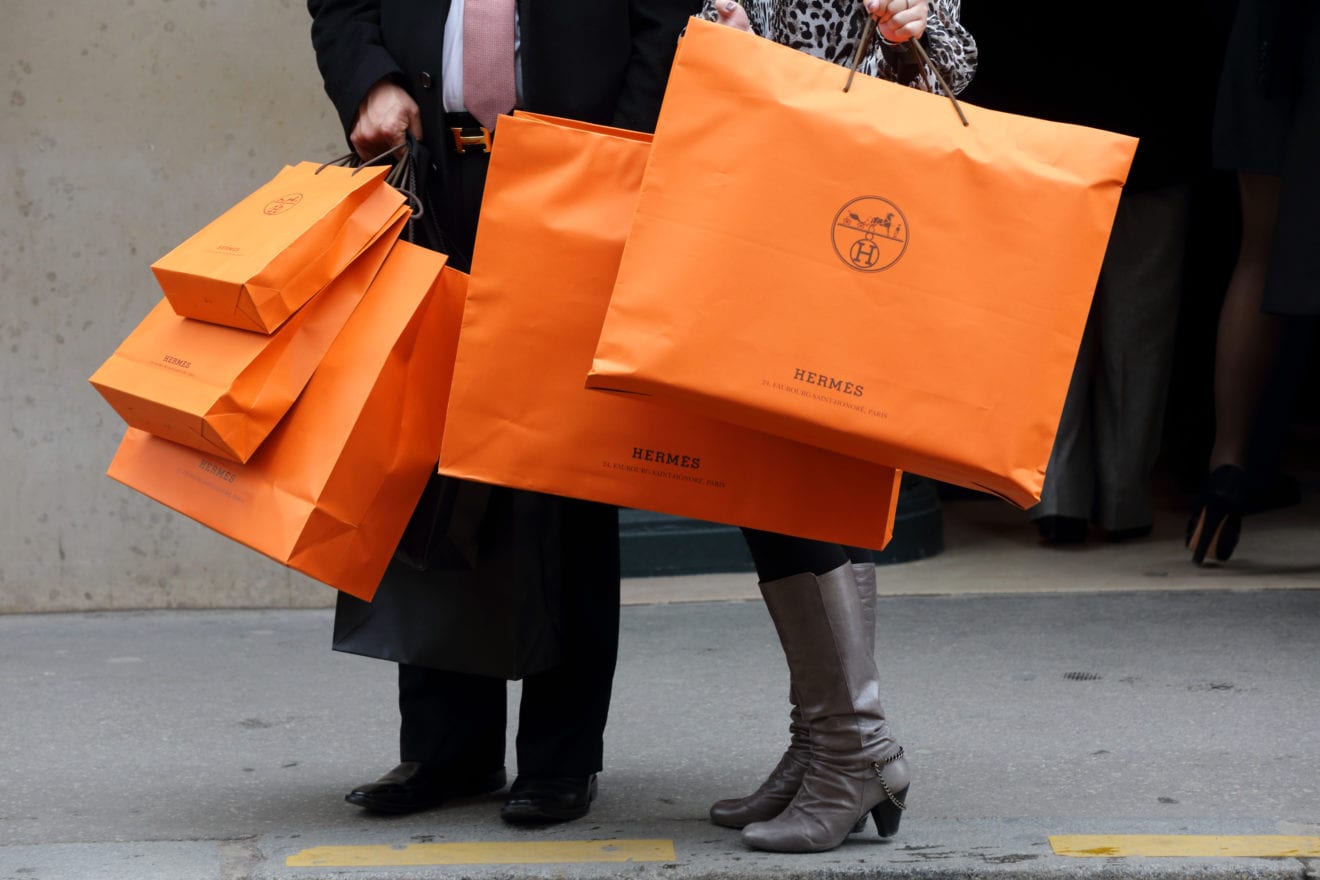
    Hermès, the renowned luxury brand, is welcoming back its patrons to its newly renovated and expanded retail space in Hanshin Mall, located in Kaohsiung, Taiwan. The boutique, which was initially launched in 1996, now sprawls over two levels after undergoing a major renovation helmed by the esteemed Parisian architectural firm, RDAI.

    Reflecting Kaohsiung’s Unique Charm

    The reinvented store is said to draw its aesthetic influence from the architectural and maritime elements of Kaohsiung. The boutique’s design successfully marries handcrafted finishes with specially made furnishing, effectively echoing the city’s rich seafaring history.

    The boutique’s ground level now serves as the showcase for Hermès’ illustrious series of silk products, designer jewellery, leather accessories, timepieces, and jewellery collections. Meanwhile, the boutique’s basement is dedicated to men’s and women’s ready-to-wear apparel, shoes, home accessories, and equestrian gear.

    Art and Luxury meet in Hermès Boutique

    Art enthusiasts will find the boutique a treat, as it now hosts pieces from the Émile Hermès Collection and the Hermès Collection of Contemporary Photographs. These include works by French photo artist, Aurore Bagarry, and Colombian creative, Francisce G. Pinzón.

    In line with unveiling the revamped store, Hermès extended an invitation to its loyal clients and prospective customers to come and explore the brand’s timeless pieces in a setting that is both fresh and inspired by the spirit of nature.

    Questions & Answers

    What changes were made to the Hermès boutique in the Hanshin Mall?
    The boutique was expanded to span two levels and underwent a renovation to reflect the city’s maritime heritage.

    What collections does the Hermès boutique feature?
    The boutique features the brand’s silk, fashion jewellery, leather goods, watches, and jewellery collections, as well as men and women’s ready-to-wear apparel, shoes, home accessories, and equestrian gear.

    Who are the artists featured in the artworks showcased in the boutique?
    The boutique showcases artworks from the Émile Hermès Collection and the Hermès Collection of Contemporary Photographs, including works by French photographer Aurore Bagarry and Colombian artist Francisce G. Pinzón.

  • Tim Ho Wan Set to Double Taiwan Presence by 2030: A Growth Strategy Focused on Convenient Dining

    Tim Ho Wan Set to Double Taiwan Presence by 2030: A Growth Strategy Focused on Convenient Dining

    Tim Ho Wan, under the ownership of Jollibee Group, is set to expand its retail footprint in Taiwan by doubling its store count from 16 to 32 by 2030. This growth strategy will be spearheaded by Hoyii Life, Tim Ho Wan’s Taiwan franchise partner, in line with Jollibee Group’s ongoing objectives for international growth via franchising.

    Strengthening Presence in Established Markets

    Taiwan holds a significant place in Tim Ho Wan’s international market portfolio, having been operational in the region since 2015. The planned expansion is not merely numerical, but also includes the introduction of a fresh store format. This new concept aims to cater to customers who prefer quicker and more accessible dining solutions.

    Lee Yeong Sheng, the CEO of Tim Ho Wan, expressed confidence in the brand’s future growth in Taiwan, attributing this optimism to the brand’s strong standing, the proficiency of the Taiwan franchisee, and the long-term potential of the market. He further elaborated, “The novel concept store layout that we are planning to test run in Taiwan is aimed at engaging with an increasingly mobile consumer base and gathering insights that can bolster Tim Ho Wan’s expansion in other markets.”

    A Journey from Hong Kong to the World

    Jollibee Foods Corporation took complete control of Tim Ho Wan in November 2024, purchasing the remaining 8 per cent stake in Titan Dining LP for SG$20.2 million (US$15.1 million). This acquisition brought the dim sum brand, which originated in Hong Kong in 2009, directly under the umbrella of Jollibee’s portfolio. As of now, Tim Ho Wan operates over 80 restaurants globally, spanning several international markets.

    Questions & Answers

    What is the plan for Tim Ho Wan’s expansion in Taiwan?
    Tim Ho Wan, partnering with its Taiwan franchisee Hoyii Life, plans to double its store count from 16 to 32 by the year 2030.

    What is the idea behind the new store format?
    The new store format is designed to cater to customers who prefer quicker and more accessible dining solutions. The concept is set to be pilot tested in Taiwan.

    When did Jollibee Foods Corporation take full control over Tim Ho Wan?
    Jollibee Foods Corporation assumed complete ownership of Tim Ho Wan in November 2024.

  • HSBC Private Bank Bolsters Taiwan Onshore Market with Appointment of New Head

    HSBC Private Bank Bolsters Taiwan Onshore Market with Appointment of New Head

    HSBC Private Bank recently revealed the induction of Edward Chiu as the Market Head for Onshore Taiwan, effective from June 1, 2026. This is part of their strategy to fortify their onshore operations in Taiwan.

    Edward Chiu brings over two decades of exemplary leadership experience in wealth management and affluent banking within Taiwan to his new role. His tenure at HSBC Taiwan as the Head of Premier Elite since 2024 has been marked by significant growth. Before joining HSBC, Chiu held senior leadership positions at DBS and Citibank, where he established a strong track record in revenue growth, talent development, and client acquisition.

    Edward Chiu’s New Role

    In his new position, Chiu will spearhead the onshore private banking business in Taiwan. He will work in close association with other business lines to offer comprehensive solutions tailored to the needs of Taiwanese clients. Chiu is set to report to Kanas Chan, the Head of Private Bank for North Asia and Hong Kong, and Kevin Hu, who is the Head of International Wealth and Premier Banking in Taiwan.

    Upon the announcement of Chiu’s appointment, Kanas Chan expressed that Taiwan is a strategically crucial growth market for their business operations in North Asia. He further stated that Edward’s appointment will bolster the leadership team in Taiwan, and it underlines their dedication to augmenting their onshore presence and enhancing the client experience.

    Chan also mentioned that with Chiu’s extensive expertise and proven track record in serving High Net Worth and Ultra High Net Worth clients, he is confident that Chiu’s leadership will expedite HSBC’s growth trajectory in Taiwan and set the stage for the next phase of business success.

    Questions & Answers

    Who has HSBC appointed as the Market Head for Onshore Taiwan?
    Edward Chiu has been appointed as the Market Head for Onshore Taiwan by HSBC.

    What will be Edward Chiu’s role at HSBC?
    Edward Chiu will lead the onshore private banking business in Taiwan and collaborate with other lines of business to offer comprehensive solutions for Taiwanese clients.

    Who will Edward Chiu report to in his new role?
    Edward Chiu will report to Kanas Chan, Head of Private Bank for North Asia and Hong Kong, and Kevin Hu, Head of International Wealth and Premier Banking in Taiwan.

  • Grab Acquires Foodpanda Taiwan in $600M Deal: A Bold Leap in Global Expansion Strategy

    Grab Acquires Foodpanda Taiwan in $600M Deal: A Bold Leap in Global Expansion Strategy

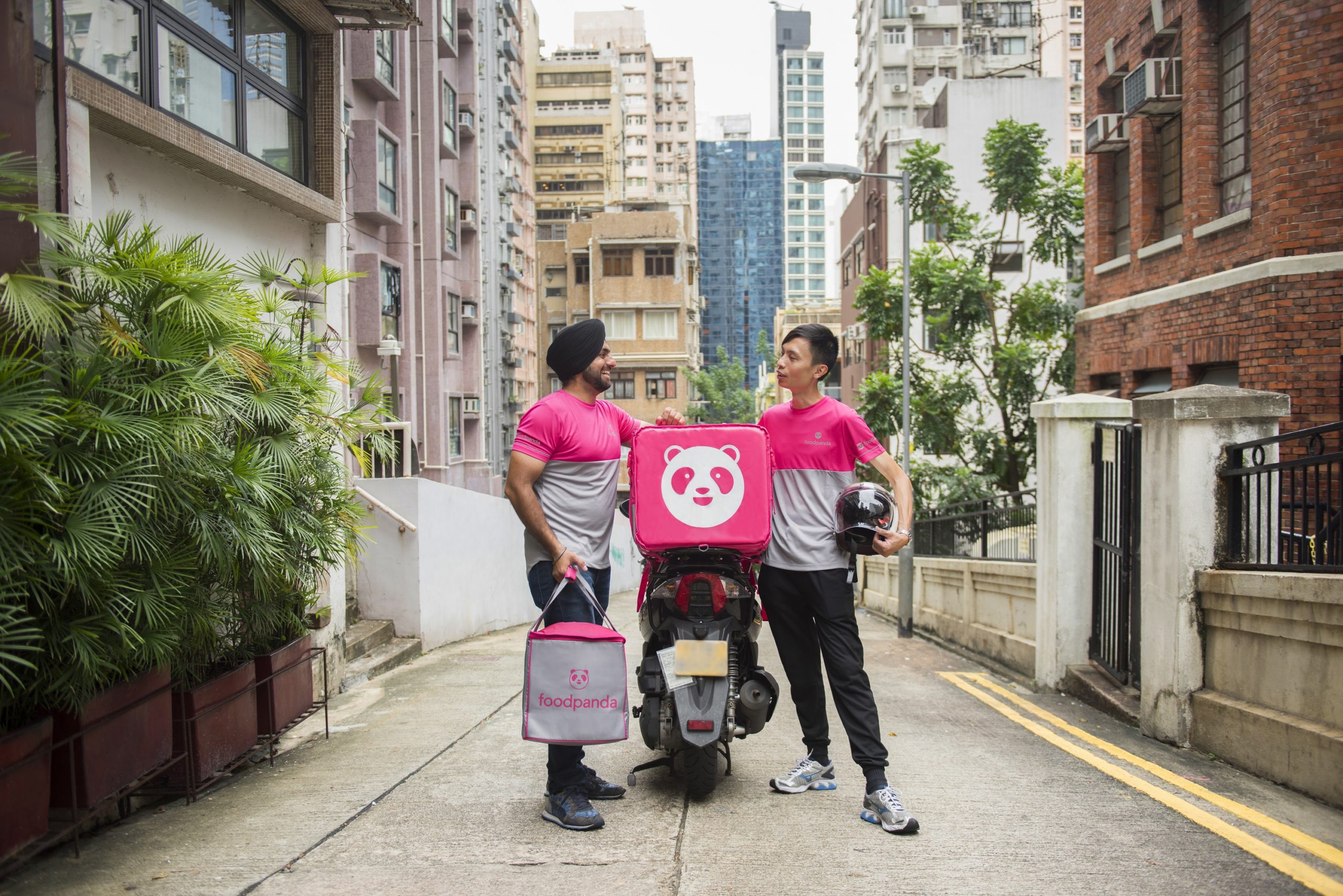
    In an ambitious move towards global expansion, Grab, Southeast Asia’s leading ride-hailing and delivery company, has announced its first venture beyond its home territory. The Singapore-based firm will acquire the Taiwan branch of Delivery Hero’s Foodpanda service in a cash transaction amounting to $600 million.

    Acquiring a Strong Foothold in Taiwan

    By acquiring Foodpanda Taiwan, Grab gains a significant operational presence outside of Southeast Asia. This acquisition is seen as a strategic part of Grab’s broader expansion plan, which is primarily focused on artificial intelligence, introducing new services, and making selective overseas deals.

    Grab’s group CEO and co-founder, Anthony Tan, believes that the company’s vast experience in the Southeast Asian market will be a perfect match for the Taiwanese market. “This is a natural next step for Grab,” he said.

    Deal Details and Future Prospects

    The expected completion of the deal, which is subject to regulatory approval and other closing conditions, is slated for the latter half of 2026. The venture is anticipated to contribute at least $60 million in incremental adjusted core earnings (EBITDA) by 2028.

    In Taiwan, Foodpanda generated around $1.8 billion in gross merchandise value in 2025 and was profitable before Delivery Hero group cost allocations.

    Earlier this year, it was reported that Grab has set targets for its revenue growth, aiming for more than 20% annually over the next three years. The company also plans to triple its EBITDA to $1.5 billion by 2028.

    Grab also reaffirmed its 2026 adjusted EBITDA guidance of $700 million to $720 million. The acquisition is projected to enhance its 2026 group revenue forecast, which currently stands between $4.04 billion and $4.10 billion.

    The company plans to complete the migration of users, merchants, and drivers to the Grab application by early 2027.

    Delivery Hero’s Strategic Move

    The CEO of Delivery Hero, Niklas Oestberg, stated that the sale of the Taiwan branch is a crucial first step in reviewing the group’s activities strategically. The proceeds from the deal will be used to pay off the company’s debts.

    Despite facing criticism from shareholders, most notably Aspex Management, for the company’s perceived slow progress in strategic review and a near one-third decrease in share value, Delivery Hero’s shares rose nearly 11% following the announcement of the deal.

    Aspex Management released a statement saying that while divesting assets is a positive step, more needs to be done for Delivery Hero to regain trust from capital markets, particularly as it continues to accumulate regulatory fines and inefficiently manage capital.

    Questions & Answers

    What will be the value of the acquisition deal between Grab and Foodpanda Taiwan?
    Grab will pay $600 million in cash to acquire Foodpanda Taiwan.

    When is Grab expected to complete the migration of users, merchants, and drivers to its app?
    The migration process is expected to be completed by early 2027.

    What will be the use of the proceeds from the sale of Foodpanda Taiwan?
    Delivery Hero plans to use the proceeds from the sale to repay its debts.

  • Revolutionizing Logistics: FedEx Unveils Expanded Taiwan Hub, Boosting APAC Supply Chain Capabilities

    Revolutionizing Logistics: FedEx Unveils Expanded Taiwan Hub, Boosting APAC Supply Chain Capabilities

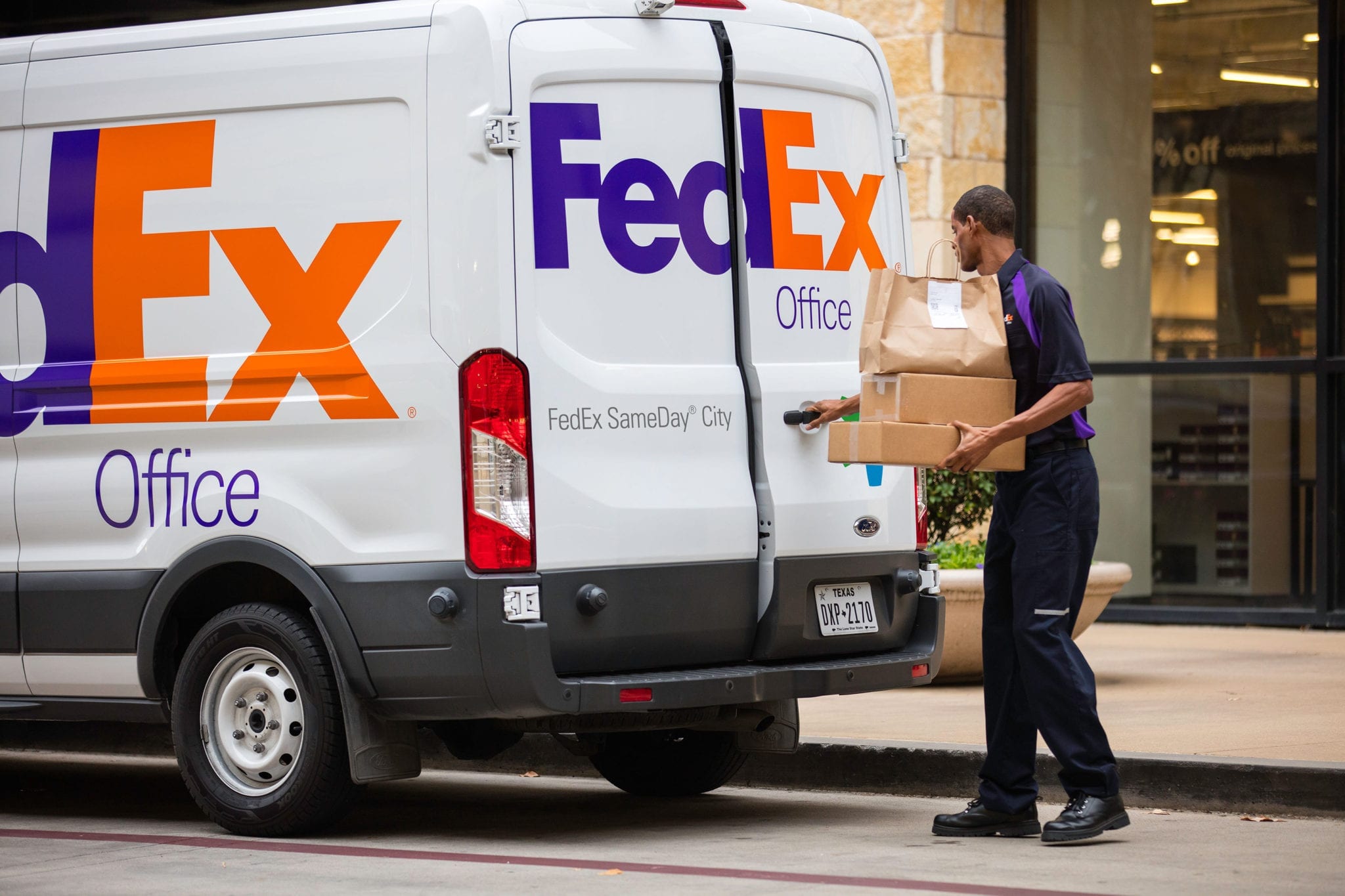
    FedEx, a leading express transportation company worldwide, is bolstering its Asia Pacific network by unveiling its recently expanded Transhipment Centre at Taoyuan International Airport. This development symbolizes FedEx’s most substantial investment in Taiwan throughout its 35 years of presence. The expansion greatly optimizes the centre’s sorting capacity, catering to the escalating logistics demands originating from high-tech, semiconductor, and e-commerce industries within Taiwan and the broader APAC region.

    Overview of the New Facility

    The freshly expanded facility is twice the size of the previous location, covering approximately 19,000 square meters. It integrates an advanced automated sorting system capable of handling up to 9,000 packages every hour. The efficiency of the new facility outmatches the previous one, with imports being 2.5 times more efficient and exports 1.2 times more efficient. Enhanced abilities to manage express parcels, freight, and specialized shipments, including hazardous materials and cold-chain goods, bolster operational safety and supply-chain resilience. This development contributes significantly to businesses engaging in cross-border shipping by promising greater speed and reliability.

    Supporting Technological Advancements

    The new facility mirrors the rising significance of the APAC region as a global technology force. The region is responsible for over 80% of the global semiconductor production. The rapid progression in AI and other burgeoning technologies is spurring the need for a logistics infrastructure that can seamlessly connect technology hubs, manufacturing centers, and high-growth markets.

    Shipping high-value, time-sensitive products such as semiconductors and precision instruments compels exceptional reliability, real-time visibility, and strict security throughout the shipping process. FedEx addresses these prerequisites by incorporating FedEx Surround® Monitoring and Intervention, and SenseAware ID sensor technology into its cross-border shipping.

    Investment in Trade Support

    Salil Chari, the regional president of Asia Pacific for FedEx, commented on the need for a robust logistics network in a world where economies are becoming more interconnected through trade and investment. The expansion of the Taiwan Transhipment Centre showcases FedEx’s dedication to develop a logistics infrastructure that delivers agility, speed, and reliability that customers need to strengthen their supply chains and expand their reach across emerging markets.

    With 40 weekly flights linking Taiwan to the United States, Europe, and other Asia Pacific markets, the new facility upgrades FedEx’s network capabilities. Businesses can tap into intra-Asia’s trade growth and access new opportunities in Europe and the US.

    In line with FedEx’s 2025 network enhancements, this investment strengthens intra-Asia trade corridors. New flight routes connecting South Korea with Vietnam and Taiwan have improved transit times for high-tech and e-commerce shipments. Also, extended connectivity between the FedEx Asia Pacific Hub in Guangzhou with key Southeast Asian markets has further boosted FedEx’s value proposition.

    To meet the growing demand along the Asia-Europe trade lane, FedEx has added five weekly flights connecting the Asia-Pacific to its European hub in Paris, making the total weekly frequencies 26. These network investments enable more flexible and efficient cross-border movement of goods, helping reduce trade barriers and accelerate access to international opportunities for small and medium-sized enterprises (SMEs) across APAC.

    Supporting Asia-Pacific’s growth as a global trade engine, FedEx continues to invest in air networks, logistics infrastructure, and smart digital solutions that aid businesses to flourish along the world’s most dynamic trade corridors.

    Questions & Answers

    Q: What capacity does the new automated sorting system at FedEx’s expanded Transhipment Centre have?
    A: The advanced automated sorting system at the center can process up to 9,000 packages per hour.

    Q: How does the new Transhipment Centre support high-tech supply chains?
    A: The facility can handle the movement of high-value, time-sensitive products like semiconductors and precision instruments with exceptional reliability, real-time visibility, and strict security.

    Q: What are FedEx’s plans to support intra-Asia trade growth?
    A: FedEx is planning more direct flights within Asia, connecting South Korea with Vietnam and Taiwan. It has also expanded connectivity between the FedEx Asia Pacific Hub in Guangzhou and key Southeast Asian markets.

  • Grab Seals $600M Deal for Foodpanda Taiwan, Marks Historic Expansion Beyond Southeast Asia

    Grab Seals $600M Deal for Foodpanda Taiwan, Marks Historic Expansion Beyond Southeast Asia

    The Singapore-founded super app, Grab, has declared its venture beyond Southeast Asia with a proposed acquisition of Foodpanda’s Taiwan operation, owned by Delivery Hero, for a cash sum of US$600 million. This acquisition is anticipated to conclude in the second half of the current year, pending regulatory approvals, and will be conducted on a cash-free, debt-free basis.

    Integrating Foodpanda

    Following the acquisition, Grab intends to incorporate Foodpanda Taiwan into its extensive delivery ecosystem. The company has plans to introduce its AI-driven logistics, mapping, and personalisation tools to improve service quality for consumers, merchants, and delivery associates. The aim is to deliver these improvements by leveraging its advanced technology and extensive experience in managing complex delivery logistics for densely populated and high-traffic cities.

    An Exciting Expansion

    The acquisition signifies Grab’s initial expansion outside Southeast Asia, making Taiwan the company’s ninth market. Anthony Tan, Group CEO and co-founder of Grab, expressed his enthusiasm for the expansion, stating that their experience in Southeast Asia makes Taiwan a logical next step. He also commented on how their expertise in dealing with complex delivery logistics in bustling cities is perfectly tailored for Taiwan’s thriving urban centres.

    Upon completion of the acquisition, Grab will be operational in 21 cities across Taiwan. It’s worth noting that Foodpanda Taiwan reported approximately US$1.8 billion in Gross Merchandise Value (GMV) last year, and was profitable on an adjusted EBITDA basis, excluding group costs from Delivery Hero.

    Continuity and Transition

    Until the deal is finalised, Delivery Hero will proceed with the regular operation of Foodpanda Taiwan. Grab has outlined plans to shift users, merchant partners, and driver partners over to the Grab app by the start of next year. The strategy aims to ensure a smooth transition while consolidating its position in the Taiwanese delivery market.

    Questions & Answers

    What is Grab’s plan following the acquisition of Foodpanda Taiwan?
    Grab intends to incorporate Foodpanda Taiwan into its delivery ecosystem and introduce its AI-powered logistics, mapping, and personalisation tools to enhance service quality for consumers, merchants, and delivery associates.

    How does Grab view its expansion into Taiwan?
    Anthony Tan, Group CEO and co-founder of Grab, considers the expansion into Taiwan as a logical next step, given their experience in Southeast Asia. He also mentioned that their expertise in managing complex delivery logistics is well-suited for Taiwan’s bustling urban centres.

    What are the plans for Foodpanda Taiwan users and partners after the acquisition?
    Grab plans to migrate users, merchant partners, and driver partners over to the Grab app by the start of next year. The aim is to ensure a smooth transition and strengthen its position in the Taiwanese delivery market.

  • Subway Accelerates Expansion in Taiwan with New Master Franchise Partnership with Yellowstone Investment

    Subway Accelerates Expansion in Taiwan with New Master Franchise Partnership with Yellowstone Investment

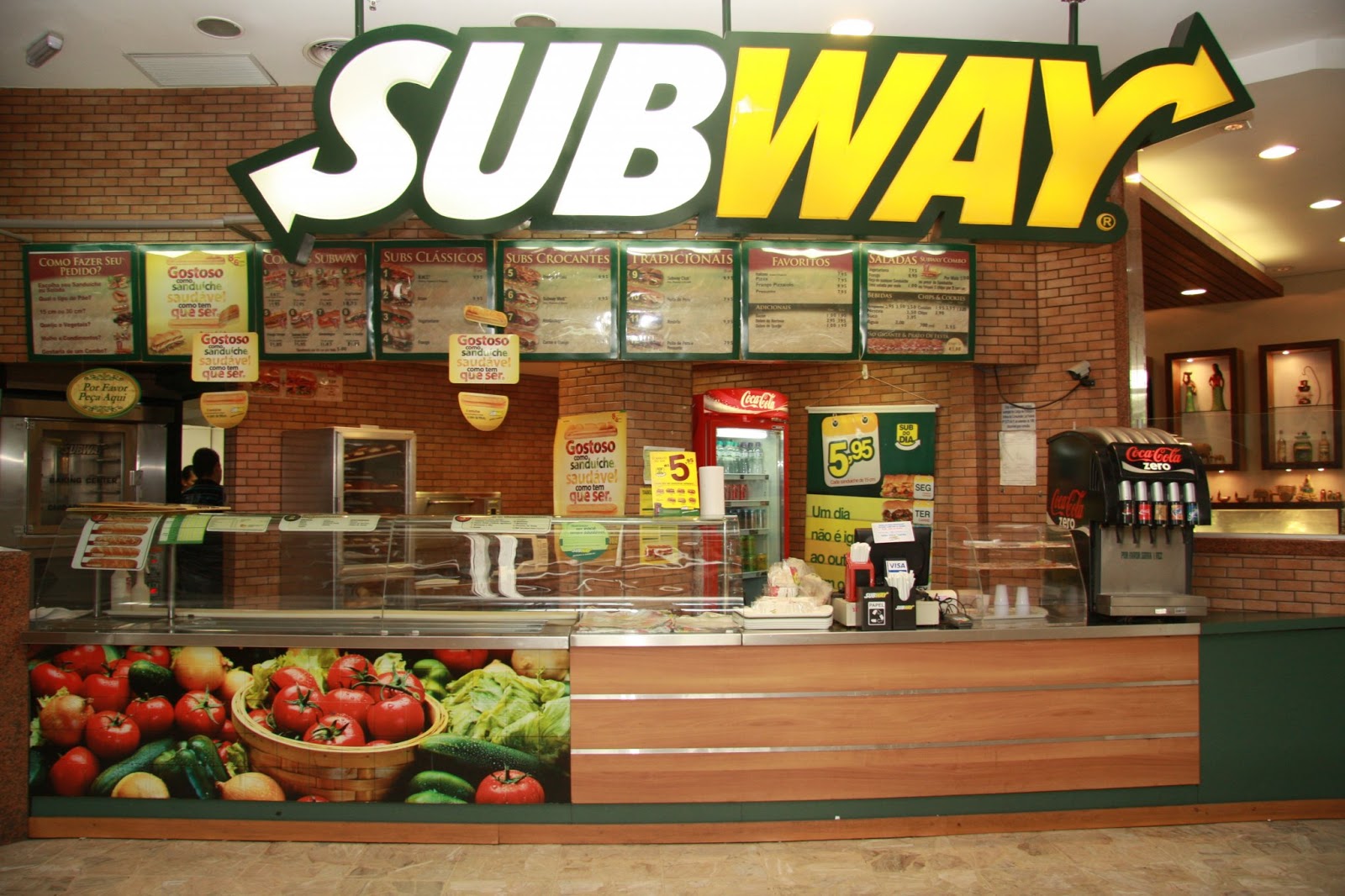
    Subway, an international quick-service food brand, has recently reached an agreement with Yellowstone Investment to be its primary franchise partner in Taiwan. Their strategic plan is to drive the growth of the brand across the island over the next ten years.

    Subway’s Expansion Plan

    According to their new partnership, Yellowstone Investment will supervise the growth and management of Subway’s restaurant chain in Taiwan. The company will be using its knowledge of the local market to bolster Subway’s expansion in both urban areas and the suburbs.

    The president of Subway Asia Pacific, Joseph Hsu, expressed his confidence in the partnership with Yellowstone, stating that their data-driven approach will ensure the brand’s further expansion and long-term success. Subway has already earned recognition and trust from the Taiwanese market, paving the way for future growth.

    Yellowstone’s Contributions

    Yellowstone Investment, under the leadership of President and CEO John Huang and Co-founder Chester Tang, brings to the table years of experience in real estate investment, large-scale business development, and multi-unit food operations.

    According to Huang, Taiwan’s growing demand for fresh, healthier dining options creates an excellent opportunity for Subway to build on its solid foundation. By integrating local insights and using a disciplined strategy for development, the company plans on thoughtfully expanding the Subway brand across Taiwan.

    Subway’s Strategy in Asia Pacific

    The master franchising agreement signifies Subway’s dedication to adopting a strategic and locally-informed approach to its expansion in the Asia Pacific region. This joint venture is a testament to Subway’s commitment to understanding and adapting to the unique needs of every market it enters.

    Questions & Answers

    What is the purpose of the partnership between Subway and Yellowstone Investment?
    The partnership aims to accelerate the growth of Subway’s brand across Taiwan over the next decade, with Yellowstone overseeing the management and development of Subway’s restaurant network in the region.

    What does Yellowstone Investment bring to the table?
    Yellowstone Investment, led by John Huang and Chester Tang, contributes years of experience in real estate investment, multi-unit food operations, and large-scale business development. Their local market expertise will be invaluable in expanding Subway in Taiwan.

    What is Subway’s strategy for expansion in the Asia Pacific region?
    Subway’s strategy for expansion in the Asia Pacific region is based on strategic, locally informed decisions. The company commits to understanding and adapting to the unique needs of each market, as demonstrated in their partnership with Yellowstone Investment in Taiwan.

  • Revolutionizing Taiwan’s Connectivity: Chunghwa Telecom Spearheads North Asia’s First O3b mPower Ground Station with SES

    Revolutionizing Taiwan’s Connectivity: Chunghwa Telecom Spearheads North Asia’s First O3b mPower Ground Station with SES

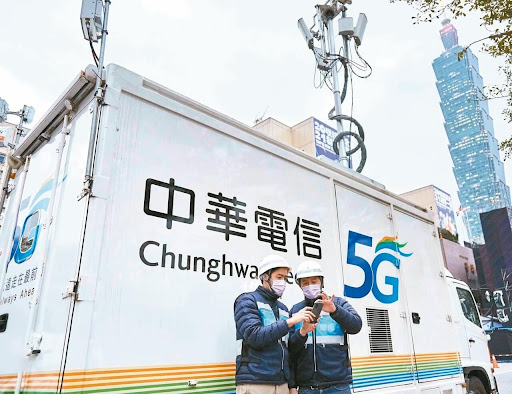
    Chunghwa Telecom, a Taiwan-based telecommunications company, has officially partnered with SES, a satellite operator based in Luxembourg. The two companies have struck a Memorandum of Understanding (MoU) to develop the first second-generation O3b mPower ground station in North Asia, located in Taiwan.

    The Aim of the Agreement

    The primary objective of this cooperation is to substantially improve Taiwan’s Medium Earth Orbit (MEO) satellite data transfer capacity and service performance. The project expects to provide faster, more reliable, and highly robust satellite connectivity. In addition to enhancing the data transmission, the project also seeks to strengthen Taiwan’s vital communication infrastructure. To achieve this, it will ensure that essential traffic information is landed directly within the country, thereby supporting network sovereignty and resilience.

    Collaboration’s Contributions

    As part of their collaboration, SES will use their system deployment and operational expertise from their Satellite Innovation Centre in The Hague, the Netherlands. The partnership will highlight the advanced applications that satellites can offer. These include the integration of multi-orbit satellite communications, connectivity to the cloud, edge computing, data analytics for the Internet of Things (IoT), and automated machine vision.

    Furthermore, Chunghwa Telecom and SES are looking into the possibility of establishing a Satellite Innovation Lab in Taiwan. This proposed undertaking will have demonstration sites and certification processes meant to aid domestic companies in speeding up the validation of technology and the adoption of products. By aligning with SES’s global ecosystem, Taiwanese firms might have the opportunity to penetrate international supply chains and gain commercial opportunities.

    Benefitting Taiwan’s Global Stature

    This collaborative effort utilizes Taiwan’s proficiency in semiconductors and avant-garde manufacturing to create a cooperative hardware-and-software ecosystem. This will further reinforce Taiwan’s strategic position in the global satellite and space technology sector.

    Jia Chung-Yung, President of Chunghwa Telecom’s Network Technology Group, shared that the company continues to amalgamate diverse communication resources to build a new-generation network architecture. This structure marries high resilience and technological innovation. He assured that the company will continue to invest in the development of next-generation communication technologies and promote diversified services and application innovations. Furthermore, he emphasized the company’s commitment to its ESG sustainability goals, laying a long-term foundation for Taiwan’s communication resilience.

    Questions & Answers

    What is the primary aim of the collaboration between Chunghwa Telecom and SES?
    The collaboration primarily aims to improve Taiwan’s Medium Earth Orbit (MEO) satellite data transfer capacity and service performance, and strengthen Taiwan’s essential communication infrastructure.

    What will be SES’s contribution to this collaboration?
    SES will leverage its system deployment and operational expertise from their Satellite Innovation Centre to highlight advanced satellite-enabled applications such as cloud connectivity, edge computing, and IoT data analytics.

    What is the purpose of the proposed Satellite Innovation Lab in Taiwan?
    The Satellite Innovation Lab aims to provide demonstration sites and certification processes to aid domestic firms in speeding up the validation of technology and product adoption, potentially opening up access to international supply chains and commercial opportunities.

  • Taiwan’s Nomura Holdings Surprises Employees with iPhone 17 Pro Max at Grand Year-End Celebration

    Taiwan’s Nomura Holdings Surprises Employees with iPhone 17 Pro Max at Grand Year-End Celebration

    In an unexpected grand gesture, Nomura Holdings Taiwan, a leading investment firm, gifted every one of its employees an iPhone 17 Pro Max at the company’s year-end party. This generous move, which left social media in shock, was not a raffle or dependent on performance rankings. Regardless of their position or tenure, each person present at the event received the same sought-after smartphone.

    Expressing Appreciation for Contributions

    The company’s decision to distribute these costly gifts was unveiled during a packed banquet in Taiwan. Projected onto a screen in the crowded hall, the announcement told attendees that the iPhones were a token of gratitude for their invaluable contributions during the year.

    Nomura Holdings Taiwan, a subsidiary of the Japanese financial services group Nomura Holdings, has been operational in Taiwan since 1998. Currently considered one of the top five foreign investment firms on the island, it boasts a registered capital of around US$11 million.

    Rewarding Success

    The company’s decision to reward its employees in such a lavish manner followed a period of record-breaking growth in Taiwan’s stock market and robust profits across the investment industry in 2025. The move was seen as a fitting way to thank staff for their hard work and dedication.

    The scale of the party was impressive, with an estimated 20 to 30 tables filling the room and around 300 employees in attendance. A bystander, claiming to work at the venue, described the iPhone giveaway as the most extravagant employee gift they had ever witnessed.

    Reaction to the Generosity

    Images from inside the banquet hall showed employees lifting their new iPhones in the air to record the announcement, sparking gasps and cheers of delight from the crowd.

    The online response was swift and widespread, with many expressing disbelief and jealousy at the grand gesture. Some even jokingly asked if there were any open positions at the company.

    To put the generosity of the gift into perspective, in Taiwan, an iPhone 17 Pro Max currently retails for approximately US$1,425.

    Questions & Answers

    What did Nomura Holdings Taiwan gift to its employees at the year-end party?
    Each employee received an iPhone 17 Pro Max.

    Why did the company decide to give out such generous gifts?
    The gifts were given to express gratitude for the employees’ contributions throughout the year, particularly in light of the record-high growth in Taiwan’s stock market and strong profits across the investment industry.

    What was the reaction to the company’s gesture?
    The in-person and online reaction was one of shock and admiration. Some online commenters even jokingly asked if the company was hiring.

  • Miopane Bakery: Fresh Taiwanese Bagel Sensation Now Baking in Los Angeles

    Miopane Bakery: Fresh Taiwanese Bagel Sensation Now Baking in Los Angeles

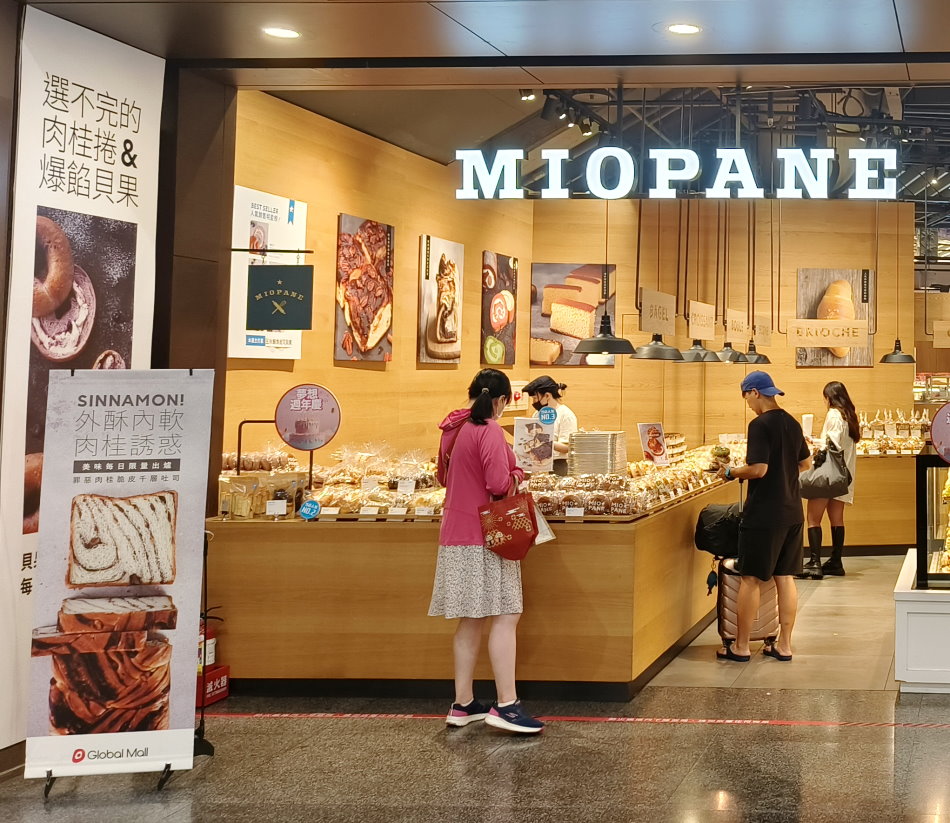
    The Taiwanese bakery, Miopane, has successfully ventured into the United States market, launching its first store in Pasadena, Los Angeles.

    The Pasadena store boasts an open, production-centric layout, highlighting bagels showcased behind a glass counter with a preparation area that is completely visible to patrons. The setup not only allows customers to witness the baking process, but also accentuates the company’s commitment to freshness and craftsmanship.

    The on-site bakers, who knead and bake the bagels, play a crucial role in promoting Miopane’s focus on craft and freshness.

    Miopane’s American menu is broad and diverse, offering over 20 types of bagels, complemented by a selection of coffee and tea.

    The bakery’s signature items have quickly become customer favorites. These include the Maple Glaze and Green Onion Croissants, and the Jalapeno Sharp Cheddar Bagels, which have all been well-received.

    Despite the pricing being higher than in its Taiwanese market, Miopane’s bagels retail at approximately US$7.50 (NT$230) per bagel. This compares to around US$2.50 (NT$80) in the bakery’s domestic market.

    However, customers have observed that the pricing is comparable to other artisanal bagel offerings within the Los Angeles area, suggesting that Miopane’s pricing strategy may be well-aligned with the market expectations.

    Questions & Answers

    What is the key feature of Miopane’s Pasadena store layout?
    The key feature of Miopane’s Pasadena store is its open, production-centric layout. Bagels are displayed behind a glass counter, and the preparation area is fully visible to customers.

    What are some of Miopane’s signature items?
    Miopane’s signature items include Maple Glaze, Green Onion Croissants, and Jalapeno Sharp Cheddar Bagels.

    How does the pricing of Miopane’s bagels in the US compare to the pricing in Taiwan?
    The pricing of Miopane’s bagels in the US is higher than in Taiwan, with bagels retailing at about US$7.50 compared to roughly US$2.50 in its home market. However, customers have noted that the pricing is similar to other artisanal bagel offerings in LA.

  • Taiwan’s Retail Boom: Major Shopping Centre Openings Set to Transform Retail Landscape

    Taiwan’s Retail Boom: Major Shopping Centre Openings Set to Transform Retail Landscape

    A surge of new shopping centers is expected to hit the market in Taiwan this year as developers maintain their commitment to large-scale multipurpose ventures.

    One of the most anticipated launches is the Far Eastern Sogo Department Store’s Garden City in Taipei, which is slated to open its doors in March. With an impressive 99,000 square meters in size, this complex will encompass retail outlets, dining options, and cinema halls, all conveniently linked to the Taipei Dome.

    Company chairperson, Sophia Huang, expressed the company’s high expectations for Garden City, predicting it to pull in over $313.66 million in annual revenue. When combined with the total revenue from its Fuxing, Zhongxiao, and Tianmu locations in Taipei, the group’s annual earnings could potentially reach an impressive $1.58 billion.

    In Taichung, the upcoming opening of Hanshin Intercontinental Shopping Plaza this year marks Hanshin’s first business venture beyond Kaohsiung.

    In addition, Mitsui Fudosan is bolstering its presence in Taiwan. The company has announced that its third Mitsui Shopping Park LaLaport, currently under construction in Kaohsiung’s Fengshan District, is on track to open its doors before the year ends. This mall, with its 270 stores, will offer a variety of dining options, drugstores, a supermarket, a considerable-sized bookstore, and the Arte Museum.

    The development company also divulged plans for a new Mitsui Outlet Park near the Taiwan High Speed Rail Tainan Station. Expected to open either in the first or second quarter, the 240-store outlet center will accommodate home goods retailers, electronics stores, a Japanese-style supermarket, and food and beverage vendors.

    Concerning market conditions, Tsai Ming-chang, the chairman of the Taiwan Shopping Center and Commercial Real Estate Association, noted that while performance in department stores remained steady last year, it’s anticipated to see an improvement. He added that Garden City is poised to create a unique commercial and cultural ambience distinct from the Xinyi District.

    Tsai went on to say, “While Xinyi will persist in drawing in luxury and fashion shoppers, the Taipei Arena area will likely attract consumers who are more interested in cultural, creative, and green spaces.”

    Questions & Answers

    What is the expected annual revenue for the Garden City project in Taipei?
    The company chairperson, Sophia Huang, predicts that the Garden City project will generate over $313.66 million in annual revenue.

    What are the offerings envisaged for the Mitsui Shopping Park LaLaport under construction in Kaohsiung’s Fengshan District?
    The mall will feature several dining outlets, drugstores, a supermarket, a large bookstore, and the Arte Museum among its 270 stores.

    Who is the chairperson of the Taiwan Shopping Center and Commercial Real Estate Association, and what are their thoughts on the future of the retail market in Taiwan?
    The chairman of the association is Tsai Ming-chang, who believes that although department store performance remained steady last year, it is expected to improve. He also mentioned that different areas in Taiwan will attract different demographics of shoppers.

  • Taiwan Boosts Communications Security with Five New Undersea Cables: A Step Towards Network Resilience

    Taiwan Boosts Communications Security with Five New Undersea Cables: A Step Towards Network Resilience

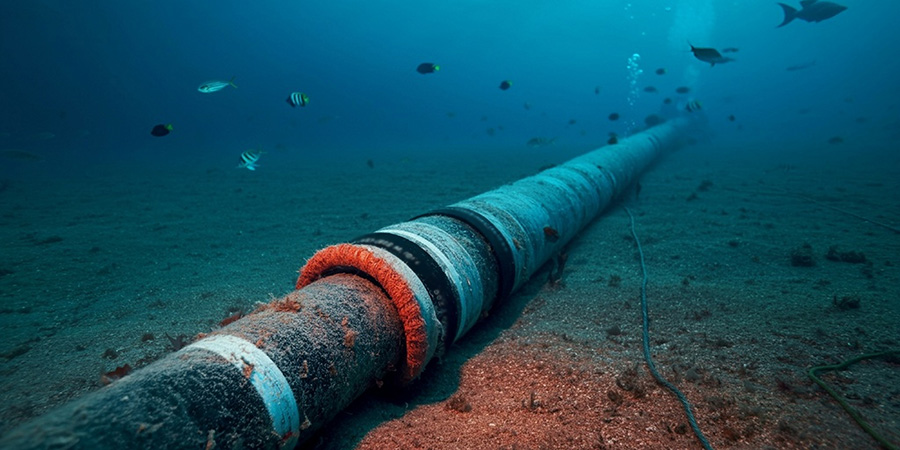
    Taiwan is set to elevate its national communications infrastructure’s robustness by building five new undersea communications cables. This ambitious step is part of a comprehensive strategy aimed at reinforcing the resilience and reliability of the nation’s communications systems.

    Strengthening Communications Infrastructure

    The Minister of Digital Affairs, Lin Yi-jing, revealed the plans at the sixth meeting of the Presidential Office’s Whole-of-Society Defense Resilience Committee. Two of the proposed cables will be international, while the remaining three will facilitate domestic communication.

    The planned cables will incorporate an armor-like protective layer designed to minimize potential damage arising from natural disasters or external interferences. Lin emphasized the necessity of maintaining smooth connectivity, particularly during emergencies such as typhoons and earthquakes, when uninterrupted communication is of paramount importance. However, the minister has not yet revealed a construction timeline for these new undersea cables.

    Addressing Challenges

    In recent years, Taiwan has experienced several instances of damages to its undersea communications cables, with suspicion falling on interference from foreign civilian vessels. To counter this, the legislature passed amendments earlier this month, introducing stronger penalties for acts of cable sabotage. These penalties include prison sentences and the seizure of vessels and equipment involved in such acts.

    Three-Dimensional Defensive Communications Network

    The proposed undersea cables expansion aligns with the ministry’s vision of a “three-dimensional defensive communications network,” an initiative designed to strengthen connectivity via land, sea, and air.

    In addition to the undersea cables, the nation plans to incorporate low-Earth-orbit (LEO) satellite capacity through Amazon’s satellite constellation and initiate a high-orbit geosynchronous satellite built by US manufacturer Astranis. These satellite systems are set to offer backup connectivity in case of disruptions to terrestrial or subsea networks.

    On land, the ministry plans to build disaster-resilient base stations, increase its fleet of vehicles equipped with satellite communication capabilities, and procure numerous mobile diesel generators. Lin identified that during recent typhoons, power outages at base stations, rather than network failures, were the primary cause of most mobile service disruptions. Mobile generators, he added, have served as an effective solution to this issue.

    Moving Forward

    Through strategic investments in subsea cables, satellite systems, and terrestrial infrastructure, Taiwan aims to significantly bolster its communications network’s resilience against both natural and man-made disruptions.

    Questions & Answers

    What is the purpose of the proposed undersea cables?
    The proposed undersea cables aim to strengthen the resilience of Taiwan’s national communications infrastructure, particularly during emergencies such as typhoons and earthquakes.

    What will the new cables feature to enhance their durability?
    The new cables will incorporate an armor-like protective layer designed to minimize potential damage from natural disasters or external interference.

    What other measures are included in Taiwan’s strategy to strengthen its communications infrastructure?
    In addition to the undersea cables, Taiwan plans to incorporate low-Earth-orbit (LEO) satellite capacity, initiate a high-orbit geosynchronous satellite, build disaster-resilient base stations, increase its fleet of vehicles equipped with satellite communications, and procure numerous mobile diesel generators.