Tag: Taiwan

  • Singapore’s Putien to open in Taiwan

    Singapore’s Putien to open in Taiwan

    Singaporean restaurant chain Putien is to enter Taiwan by the end of this year.

    The expansion – in partnership with Taiwanese restaurant group Wowprime – follows Putien’s forays into Shanghai last June and Hong Kong last year.

    Putien has been serving traditional Fujian meals in Singapore for 15 years.

    Wowprime, a listed Taiwanese restaurateur, has already opened an Italian-influenced vegetarian restaurant at Raffles City in Singapore in partnership with Putien, called Sufood. Putien will be Wowprime’s first Chinese restaurant concept to launch in Taiwan – until now the company has been best known for running steakhouses and Japanese restaurants.

    Both companies say the Taiwanese menu will closely follow Putien’s successful Singapore concept and the restaurant will be pitched to the middle market.

    The two companies plan a chain of about 20 restaurants, opening them at a rate of about three annually.

    At home, Putien has 10 restaurants trading already with an 11th scheduled to open at Causeway Point later this year and a second Sufood at Wheelock Place.

  • Taiwan’s Bafang Dumpling steps up US rollout

    Taiwan’s Bafang Dumpling steps up US rollout

    Bafang Dumpling, a renowned dumpling chain based in Taiwan, intends to establish new stores in Texas later this year. This move is part of its strategic growth within the American market, notwithstanding the current tariff dispute between the U.S. and other nations.

    Expanding Internationally

    The company’s expansion plan covers the south-central region of the United States, including Texas and California. In line with this, Bafang Dumpling is set to launch a new headquarters by the end of this year. This is seen as a significant milestone in its international growth strategy.

    Bafang Dumpling has successfully established thousands of stores across Taiwan. Additionally, it has managed to secure a presence in Hong Kong and the United States as well. The company is set to open its 12th store in Arcadia in the coming month, which will further expand its operations on the West Coast.

    Market Exit and Entry

    In 2022, Bafang Dumpling made the strategic decision to exit the Chinese market. It subsequently sought to establish itself within the United States, starting in the City of Industry, California. This move has proven to be fruitful, as indicated by the company’s positive financial report for the past year. The company reported a consolidated revenue of $268.38 million, which translates to a 9.37% increase from the previous fiscal year.

    Questions & Answers

    What is Bafang Dumpling’s latest expansion plan?
    Bafang Dumpling plans to open new stores in Texas later this year as part of its strategic growth within the U.S. market.

    What significant milestone is Bafang Dumpling set to achieve by the end of this year?
    The company is set to launch a new headquarters by the end of this year, marking a significant milestone in its international expansion.

    What was Bafang Dumpling’s financial performance last year?
    Last year, Bafang Dumpling reported a consolidated revenue of $268.38 million, a 9.37% increase from the previous fiscal year.

  • Vietnam Investment Seminar 2025: Strengthening Vietnam-Taiwan Retail Partnerships

    Vietnam Investment Seminar 2025: Strengthening Vietnam-Taiwan Retail Partnerships

    On May 9, a significant event targeting global investors will unfold at the Hsinchu Science Park in Taiwan. The Vietnam Investment Seminar promises to deliver essential insights into Vietnam’s burgeoning investment landscape, emphasizing collaboration opportunities and attractive incentives for foreign direct investment (FDI).

    Vietnam: A Rising FDI Powerhouse

    Vietnam is rapidly establishing itself as a leading destination for foreign investments, buoyed by a stable political environment and competitive incentives. The country’s modernization efforts have enhanced its industrial infrastructure, making it an appealing choice for international investors. Among its many provinces, Vinh Phuc stands out for its favorable industrial land availability, strategic location, and robust government support for businesses.

    Event Collaborators: Bridging Taiwan and Vietnam

    The seminar is a collaborative initiative by CNCTech Industrial and the Taiwan Science Park Association of Science and Industry (ASIP). The event will feature representatives from various Vietnamese ministries, highlighting the importance of government engagement in fostering foreign investment. ASIP encompasses companies from Taiwan’s leading science parks, including Hsinchu—often termed Taiwan’s “Silicon Valley.” This setup offers participants direct access to numerous high-tech partners and insights into successful industry practices.

    What to Expect from the Seminar

    Participants can look forward to a wealth of knowledge and networking opportunities, including:

    • Expert Presentations: Detailed discussions on Vietnam’s FDI incentives, investment procedures, and competitive advantages.
    • Showcasing Vinh Phuc Province: Insight into the province’s dynamic growth and industrial capabilities.
    • Case Studies: Success stories from Taiwanese companies thriving in Vietnam.
    • Networking Events: Engage directly with Vietnamese government representatives, CNCTech Industrial experts, and Taiwanese high-tech firms.
    • Investor Support Services: A comprehensive overview of CNCTech Industrial’s offerings, which include legal consultations and factory management.

    CNCTech Industrial, part of the larger CNCTech Group, will also showcase its standardized industrial parks and extensive investor support ecosystem. With over 600 hectares of industrial land in Vietnam, the company has successfully attracted a variety of FDI enterprises from Japan, Taiwan, China, and South Korea.

    Strengthening Ties for Future Growth

    The Vietnam Investment Seminar 2025 aims to cultivate new business connections while aligning Taiwan’s innovative industries with Vietnam’s expanding industrial base. By enhancing these relationships, the seminar seeks to spur the next wave of investment into Vinh Phuc and beyond.

    Event Details

    • Date: May 9, 2025
    • Venue: Meeting Room 203, 2nd Floor, Industrial Park Association Building, No. 2, Chien Yeh 1st Road, Hsinchu Science Park, Taiwan
    • Registration: Participants must register by May 6 here.

    As the retail sector continues to evolve, events like the Vietnam Investment Seminar not only foster international collaboration but also pave the way for increased consumer choice and economic benefits. With a concerted focus on investment, Vietnam’s growth trajectory is set to benefit not just investors, but consumers looking for greater product variety and innovation.

  • Taiwanese bubble tea chain Gong Cha hits US$600m in global sales

    Taiwanese bubble tea chain Gong Cha hits US$600m in global sales

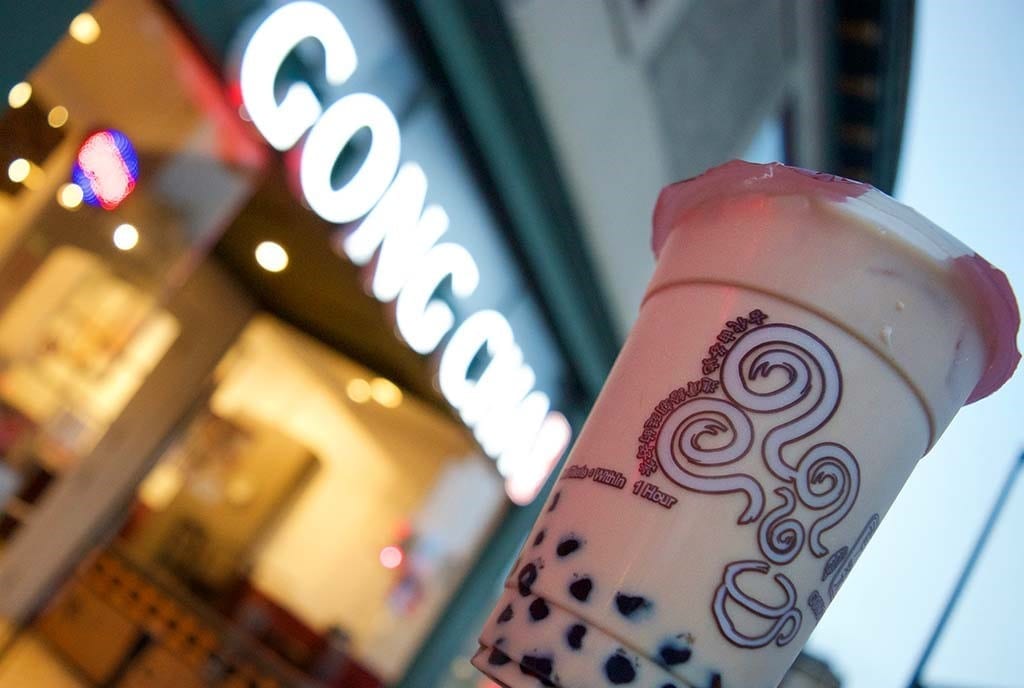
    Taiwanese bubble tea chain Gong Cha has reached US$600 million in global system sales for the 12 months ended December, driven by its rapid global expansion.

    Group revenue also rose 12 percent year-on-year to US$190 million as the brand expanded operations in Japan, South Korea, and the US.

    The company opened 240 new stores and entered five new markets: Saudi Arabia, Morocco, Mauritius, Honduras and Puerto Rico. Gong Cha now operates 2162 stores across 28 countries.

    “It’s been a fantastic year for Gong Cha,” said Paul Reynish, global CEO. “We’ve invested heavily in our supply chain and operations, expanded our footprint through new stores and geographies, and focused on making our existing stores more efficient and profitable for our franchisees.”

    The company recently introduced a new store format, Gong Cha 2.0, alongside a digital kitchen system that features ordering kiosks and automated drink machines.

    The brand also launched several marketing campaigns, including a high-profile collaboration with Final Fantasy XIV and limited-time drink offerings, resulting in more than 1.3 billion media impressions last year.

    “Looking ahead, we see huge potential for Gong Cha to become a global brand,” Reynish added.

    Founded in Taiwan in 2006, Gong Cha relocated its global headquarters to London in 2019. The company plans to enter at least six new markets this year and reach 10,000 stores globally by 2032.

  • Taiwan blocks Uber’s $950M Foodpanda deal over competition concerns

    Taiwan blocks Uber’s $950M Foodpanda deal over competition concerns

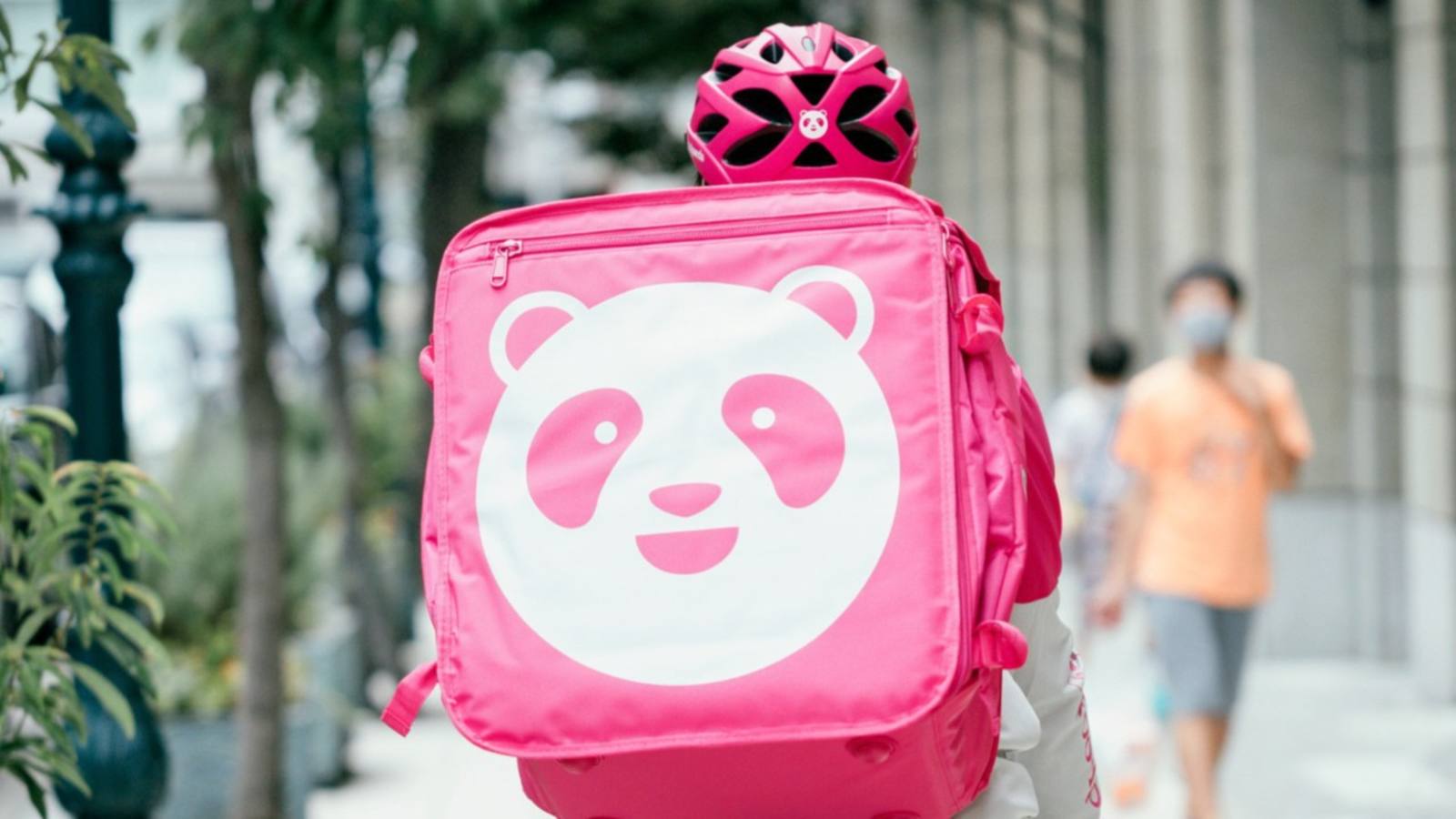
    Taiwan has blocked Uber Technologies’ $950 million purchase of Delivery Hero’s Foodpanda business on the island because of concerns it would be anti-competitive, the Fair Trade Commission (FTC) said on Wednesday.

    Uber and Foodpanda did not immediately respond to requests for comment outside regular business hours.

    Delivery Hero said in a statement Uber may either appeal the commission’s decision or terminate the acquisition.

    In a media briefing, the commission said the merger’s negative impact would outweigh the overall economic benefits, and corrective measures would not be able to address the competition concerns.

    “In the food delivery platform market, UberEats’ main competitive pressure comes from Foodpanda. The merger would eliminate this competitive pressure,” Chen Chih-min, vice chairman of Taiwan’s FTC, said.

    “Post-merger, UberEats would be less constrained by competition, giving it more incentive to raise prices for consumers and even increase commissions for restaurant operators.”

    Chen added that post-merger, the combined market share of both companies in Taiwan would exceed 90%.

    Uber and Delivery Hero announced in May the Taiwan deal that included a separate agreement for Uber to purchase $300 million worth of newly issued shares of the German food delivery firm.

    The U.S. company expected the acquisition to contribute at least $150 million annually to the adjusted core profit of its delivery business within a year of the deal’s closing, which was seen likely in the first half of 2025.

    Online food delivery platforms represent a small fraction of Taiwan’s competitive food delivery market. Foodpanda’s operations on the island were break-even in terms of adjusted core earnings for the 12 months ended March 31, 2024, the companies said.

  • Taiwan denies taking its chip manufacturing industry from the U.S.

    Taiwan denies taking its chip manufacturing industry from the U.S.

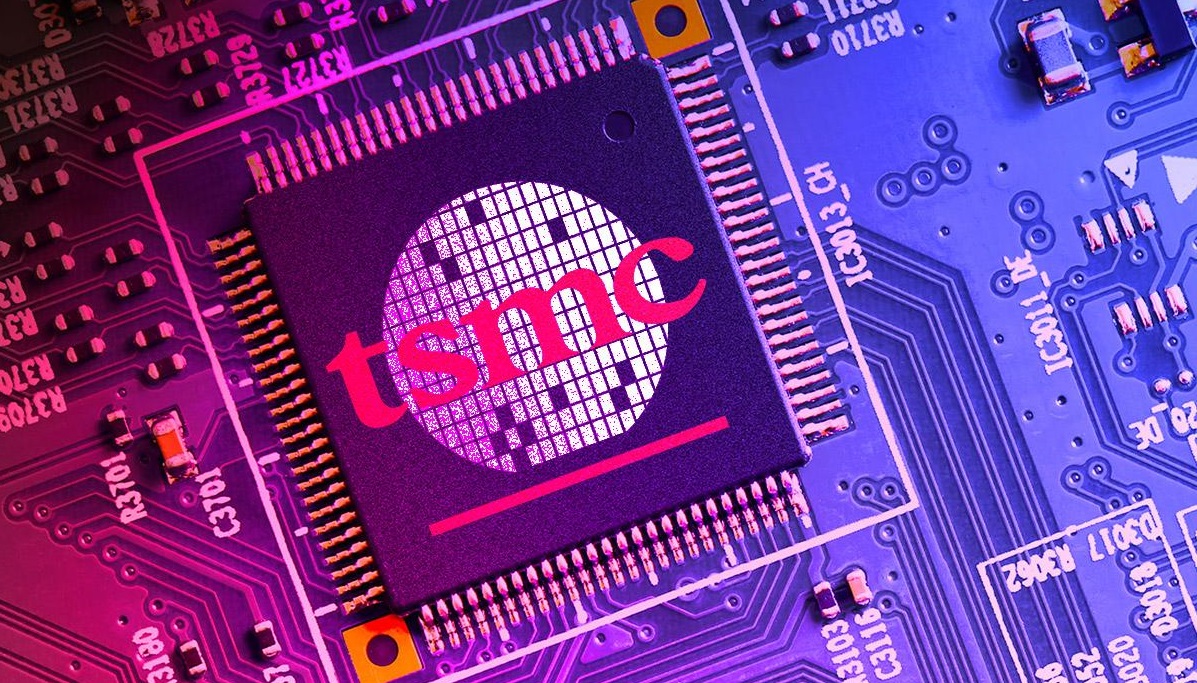
    The world’s largest foundry, Taiwan Semiconductor Manufacturing Company Ltd., is better known by the acronym TSMC. Its largest customer is Apple as the foundry produces the tech giant’s A-series and M-series processors among other chips. It also does work for Qualcomm and MediaTek and many other fabless chip designers. While countries like the U.S. and China would love to become self-sufficient in this industry, the former might not be able to accomplish this due to the costs required to build a fab in the states. The latter has had sanctions placed on it by the former that prevent it from obtaining self-sufficiency in this space.

    Taiwan’s economy minister Kuo Jyh-huei felt the need to make a statement today in Taipei denying comments made last month by Republican presidential nominee Donald Trump. The comment by Trump, who was quoted in the July 16th edition of Bloomberg Business Week, said, “Taiwan took our chip business from us. I mean, how stupid are we? They took all of our chip business. They’re immensely wealthy.”

    “Of course Taiwan is not stealing the chip industry from the US. The chips we made are commissioned by U.S. companies, which still have the highest gross margin. Trump might have some misunderstanding on such matters, and we will clarify that.” Kuo Jyh-huei, Taiwan’s economy minister

    Minister Kuo chalked up the issue to a misunderstanding on Trump’s part which he said will be clarified. When the Republican candidate’s comments were published in July, officials in Taiwan were concerned that if Trump were to regain the presidency, he might not be as committed to defending Taiwan from an attack by China. Beijing says that there is only one China and it isn’t Taiwan. A successful attack on Taiwan would also bring TSMC into that country’s fold.

    Because Taiwan officials fear that Trump bases his actions on transactional relationships, they are concerned that under a second Trump administration, the U.S. will back off pledges made by President Joe Biden to help defend Taiwan from China unless Taiwan pays the U.S. for protection. Trump has actually floated the idea of Taiwan paying the U.S. for protection from China, a suggestion that led Taiwain Premier Cho Jung-tai to say back in July, “It’s our shared responsibility and goal to maintain the peace and stability in the Taiwan Strait and the Indo-Pacific region.”

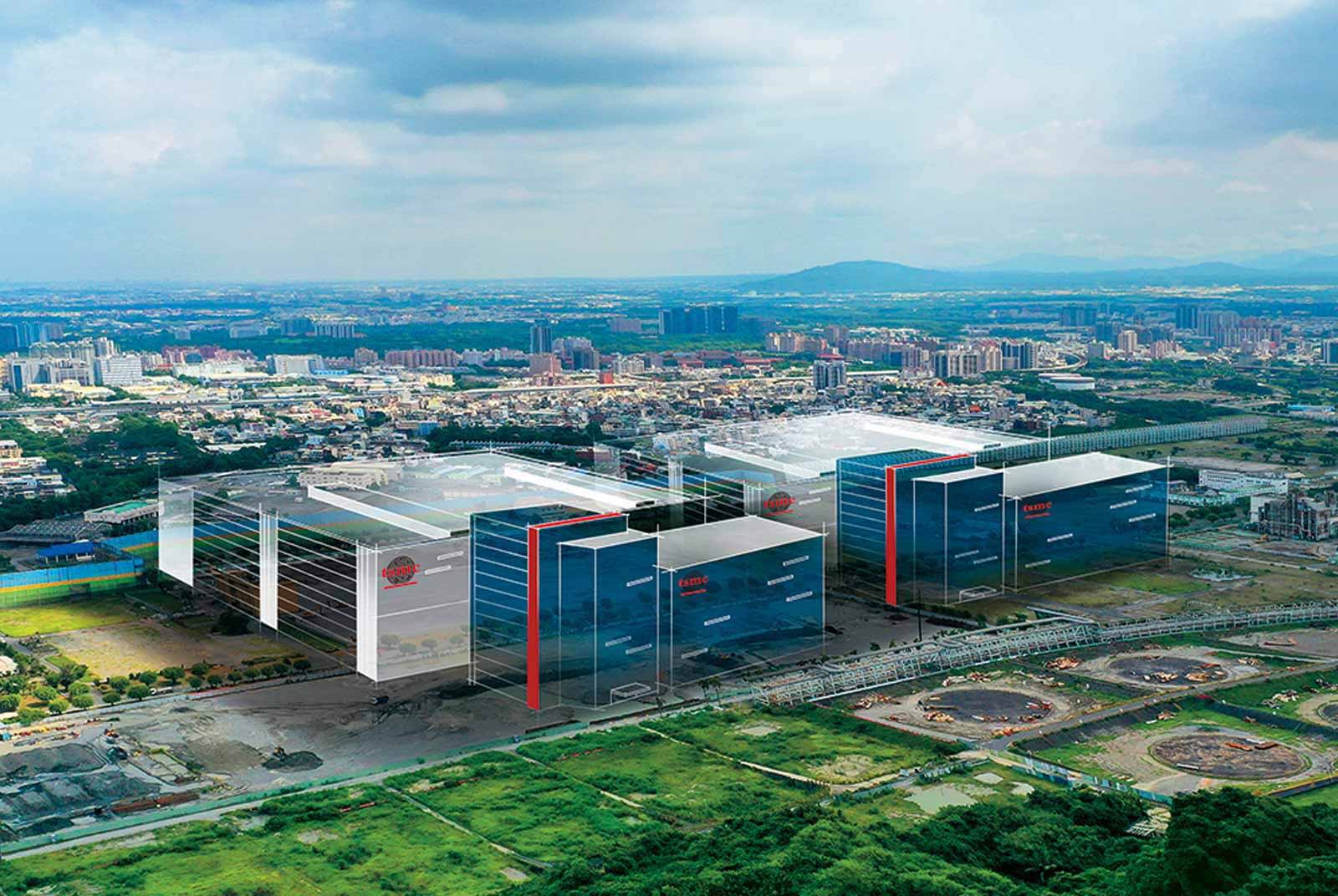
    It should be noted that under the Trump administration, TSMC agreed to build multiple fabs in Arizona. The first one was supposed to start operating this year but a lack of skilled U.S. workers has pushed back the plant’s opening to 2025. That fab will turn out chips using the foundry’s 4nm (N4) process node. TSMC is expected to build a total of three fabs in Arizona.>

    The second fab is expected to open in 2028 and will produce cutting edge 3nm and 2nm chips. The third factory will be ready at the end of the decade and is expected to churn out 2nm or more cutting-edge chips. When completed, the fabs will be the most technologically advanced semiconductor manufacturing facilities in the U.S.

  • Taiwanese jeweller Aluxe opens first SEA store, in Singapore

    Taiwanese jeweller Aluxe opens first SEA store, in Singapore

    Getting married can be stressful – finding the perfect dress, consolidating the guest list, dealing with fussy relatives…and finding the right jewelry that fits your budget.

    On the jewelry front, there’s good news. Thanks to Taiwanese jewelry brand Aluxe’s very first Southeast Asian store in Singapore, couples looking for the ideal bling have more options now.

    Aluxe (derived from the phrase “A luxury moment”) is known for its unique jewelry designs and quality engagement and wedding rings. It is a leading wedding ring brand in Taiwan with annual sales of over 30,000 wedding jewelry pieces.

    It was founded as an online retailer in 2005, and from its success, opened its first physical store in 2008 in Taiwan. It has since expanded to other locations like Hong Kong, many districts and cities in Taiwan, and now, Singapore.

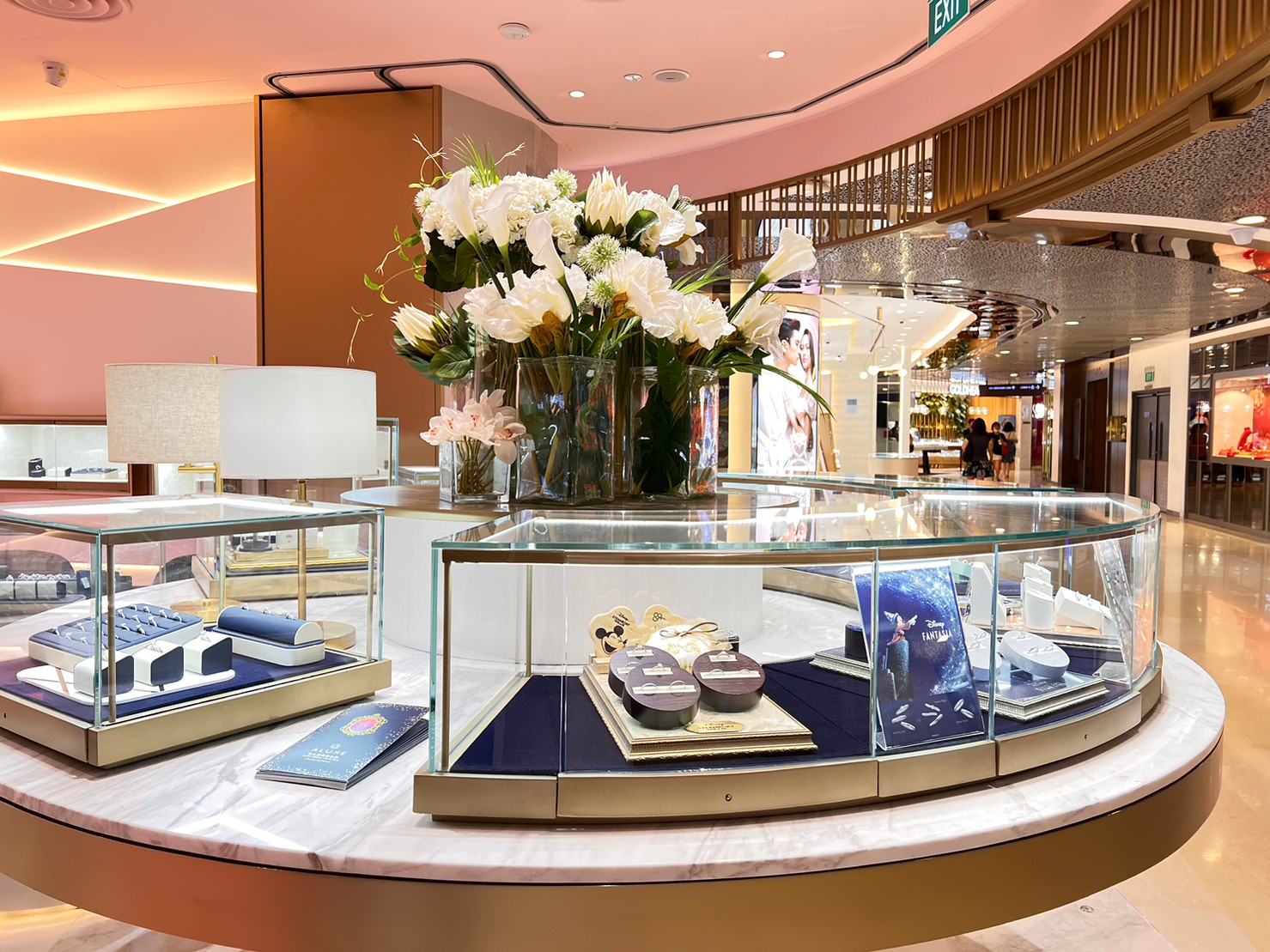
    Three collections take centre stage at the new store in Ion Orchard: Disney, The Moment and acredo collections. Those looking for a magical, fairytale style for their wedding and engagement rings can look at the Disney collection. Rings from this collection will be based on Disney movies such as Beauty and the Beast, Aladdin, and Cinderella.

    Couples who strive for elegance and timelessness in their wedding bands can check out the Moment Collection, which are all handcrafted in Japan. The new line features blue diamonds which symbolise infinite connection and trust.

    Couples who enjoy creating unique, one-of-a-kind designs can consider the acredo Collection, inspired by the expertise of German artisans. They can choose from a range of precious metals and diamonds, and opt to engrave names or even free-hand drawings onto their bands and bring their love story to life. Interested customers can book a one-on-one consultation via the official website.

  • TSMC’s current 3nm chip production not enough to satisfy Apple’s needs

    TSMC’s current 3nm chip production not enough to satisfy Apple’s needs

    The world’s leading foundry, TSMC, is having problems meeting the demand for 3nm chips from Apple. The latter is TSMC’s largest customer, accounting for 25% of its revenue. Apple reportedly locked up all of TSMC’s 3nm production for this year and plans on debuting the 3nm A17 Bionic chipsets with the iPhone 15 Pro and iPhone 15 Ultra.
    The smaller the process node, the smaller the chip’s feature set, including transistors. Smaller transistors mean that more can fit inside a chip, which is important because the higher its transistor count, the more powerful and energy-efficient it is. For example, the Apple iPhone 11 line was released in 2019 and was powered by the 7nm A13 Bionic which contained 8.5 billion transistors in each chip. Last year’s iPhone 14 Pro models were powered by the 4nm A16 Bionic SoC with a transistor count of 16 billion.
    The aforementioned A17 Bionic that will power Apple’s premium iPhone 15 models this year will be made on the 3nm node and could include more than 20 billion transistors. The iPhone 15 Pro and iPhone 15 Ultra could be the only two phones from a major brand to use a 3nm chip under the hood this year. One reason is cost. With the price for each silicon wafer used for 3nm chip production tagged at approximately $20,000, moving to 3nm this year is an expensive proposition, especially with yields still improving.
    As TSMC and Samsung jockey for 3nm leadership, TSMC CEO C.C. Wei recently spoke to analysts during a conference call and said, “Our 3-nm technology is the first in the semiconductor industry to high-volume production with good yield. As our customers’ demand for N3 (TSMC’s 3nm production) exceeds our ability to supply, we expect N3 to be fully utilized in 2023, supported by both HPC (High-Performance Computing) and smartphone applications.”
    The executive added, “Sizable N3 revenue contribution is expected to start in the third quarter, and N3 will contribute a mid-single–digit percentage of our total wafer revenue in 2023.” The sizable N3 revenue contribution Wei sees in Q3 has to do with the release of the 2023 premium iPhone models.
    While TSMC and Samsung are the top two chip foundries in the world, Intel has joined the fight and promises to regain process node leadership in 2025. Right now, that crown belongs to TSMC. Mehdi Hosseini, senior equity research analyst with Susquehanna International Group says, “TSMC, in our view, remains the preferred foundry choice for leading-edge nodes as Samsung Foundry has yet to demonstrate a stable leading-edge process technology, all while IFS is years away from offering a competitive solution.”
    Besides the A17 Bionic, TSMC will also produce Apple’s M3 chip using the 3nm node. Brett Simpson, senior analyst at Arete Research, said in a report provided to EE Times, “We think TSMC will move to normal wafer-based pricing on N3 with Apple during the first half of 2024, at around $16-17K average selling prices. At present, we believe N3 yields at TSMC for A17 and M3 processors are at around 55% [a healthy level at this stage in N3 development], and TSMC looks on schedule to boost yields by around 5+ points each quarter.”
    As is the case in the chip industry, there is no time to rest because you always have to look ahead. With 3nm heading for the iPhone this year, 2nm production will start in 2025. TSMC CEO Weil says, “At N2, we are observing a high level of customer interest and engagement. Our 2-nm technology will be the most advanced semiconductor technology in the industry in both density and energy efficiency when it is introduced and will further extend our technology leadership well into the future.”
    Even with Apple’s 3nm business, 2023 is not shaping up as a good year for TSMC and revenue might fall this year for the first time in a decade. Year-over-year sales could decline by a mid-single–digit percentage point. Even with business slowing, the foundry expects capital expenditures to remain in the range of $32 billion to $36 billion.
    The Apple A17 Bionic has a die size in the range of 100-110 mm square allowing it to produce 620 chips per wafer. With a die size of 135-150 mm square, TSMC’s yield for the Apple M3 is 450 chips per wafer.
     

  • Taiwan’s Apple supplier Quanta plans Vietnam factory

    Taiwan’s Apple supplier Quanta plans Vietnam factory

    Apple supplier Quanta Computer plans to set up a factory in northern Vietnam, the Vietnamese government said.

    The company, a MacBook contract manufacturer, on Friday signed an agreement with the authorities of Nam Dinh Province, 90 km (56 miles) south of Hanoi, to construct the facility at an industrial park there, the government said in a statement late on Friday.

    The facility, which would be Quanta’s 9th factory globally, would initially cover an area of 22.5 hectares, the statement said, without giving its capacity nor a time frame for the construction.

    Local media said on Saturday Quanta would invest $120 million in the factory.

  • Vietnam rice exports to Taiwan continue to rise

    Vietnam rice exports to Taiwan continue to rise

    Vietnam’s rice exports to Taiwan rose by 18.5% last year as quality improved and prices were competitive.

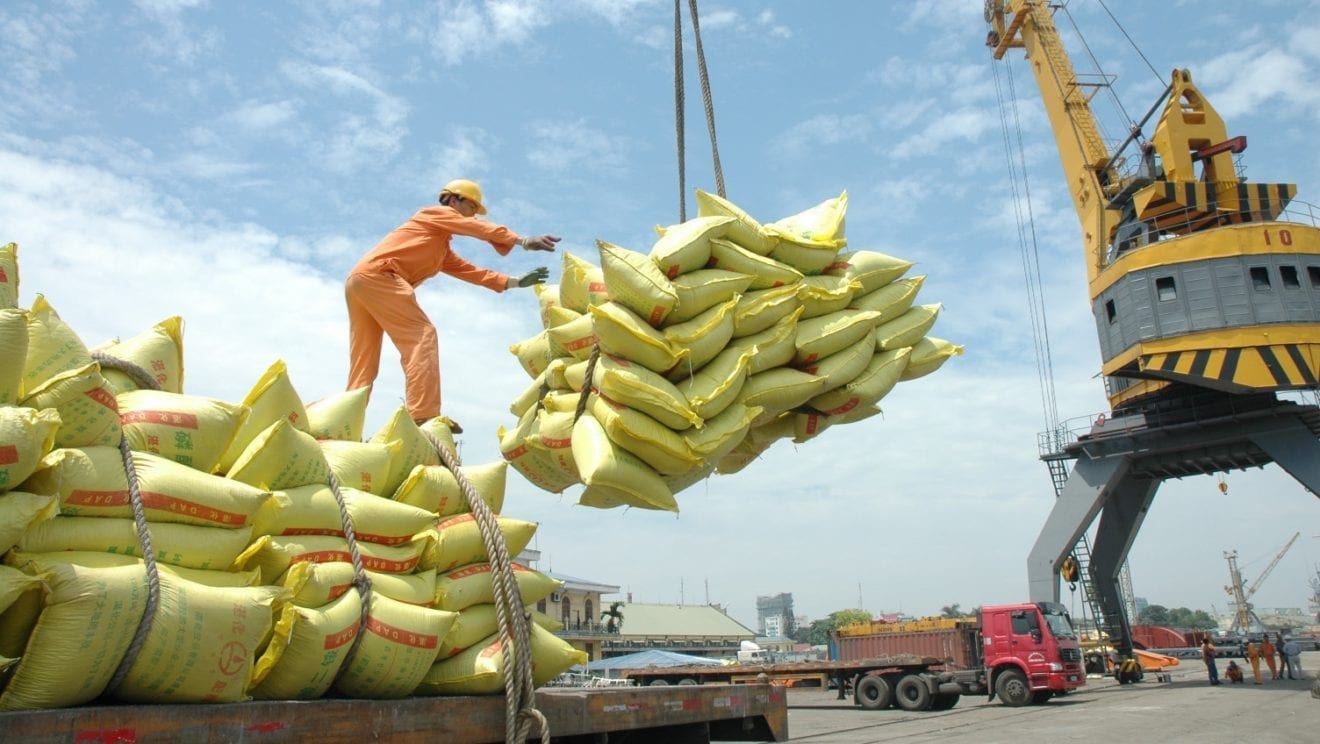
    It shipped 20,281 tons worth over US$10 million, accounting for more than 16% of Taiwan’s imports, the third highest market share.

    In recent years Vietnam’s exports of high-grade rice to the market have been steadily increasing as its prices are lower than Thailand’s, Taiwan’s second-largest source of imports at 23,042 tons.

    But Thailand’s exports declined by 20% last year. Vietnam’s sticky rice exports to Taiwan exceeded those of the U.S. and Thailand.

    Overall, Vietnam exported more than seven million tons of rice worth $3.5 billion to the global market last year.

    It was sold in European supermarkets for the first time.

  • E-commerce giant Carousell lays off 110 staff

    E-commerce giant Carousell lays off 110 staff

    Carousell, a Singaporean consumer-to-consumer (C2C) service platform operating across Southeast Asia, is letting go of about 110 employees, or 10% of its total headcount, to reduce costs amid a challenging market condition for the tech industry. 

    The announcement came from the company’s blog on Thursday, posted by co-founder and CEO of Carousell Siu Rui Quek, saying, “I take responsibility for the decisions that have led us here. Parting with teammates, whom we are grateful to for joining us on this mission, is a very difficult decision.” 

    Carousell did not specify which business units or regional offices would be affected by the layoffs. The Singapore-headquartered company operates in Malaysia, Indonesia, the Philippines, Cambodia, Taiwan, Hong Kong, Macau, Australia, New Zealand, and Canada. 

    In the statement, the company’s leaders had discussed finding ways, including moving to an inexpensive rental office and slashing co-founders and executives’ salaries voluntarily to save budgets without cutting staff. But that was “far from enough,” it said.  

    Quek also explained in the blog post that he “was too optimistic” about the recovery from the COVID pandemic and even doubled down on recruitment and investment for its business. “The reality is that we were quick to grow our expenses and hire, but the returns took longer than expected,” Quek wrote. “It is important to act swiftly, course correct, and right-size our investment levels to better align with this new reality.” 

    The affected workers will receive at least three months’ salary and be able to extend their medical benefits and insurance coverage through June next year. According to the statement, the company will also pay out all remaining time off balances and offer career counseling and job search support, letting those laid-off workers keep their office laptop and LinkedIn Learning membership until June 2023. 

    Founded in 2012, Carousell, backed by Sequoia Capital India, Naver, 500 Global and Rakuten Capital, has raised a total of $372.6 million since its inception.

  • 1,200 workers lose jobs as Taiwan footwear firm runs out of orders

    1,200 workers lose jobs as Taiwan footwear firm runs out of orders

    A Taiwanese shoemaker in HCMC’s Binh Tan District has laid off 1,185 workers and blamed it on a drying up of orders.

    In an announcement, Monday Ty Hung Co. Ltd, said its customers face financial issues and have not placed new orders.

    Despite trying everything it could, it is unable to maintain production as planned and has no choice but to terminate labor contracts with 1,185 people on Dec. 1, the statement said.

    It will pay a severance allowance to employees who have worked since 2008 and two months’ salary to all employees whose social insurance premiums are now cut due to losing their job.

    It will also pay one month’s salary as a bonus to those who worked for the entire year until being laid off and make pro rata payments to others.

    The Taiwanese firm has 1,800 employees and makes shoes for export to Europe.

    According to the Ho Chi Minh City Labor Confederation, textile, footwear, and electronic factories have lost orders due to difficulties in finding raw materials and falling demand.

    To cope, many factories in the city have cut workers’ hours or furloughed or laid them off, it added.

  • Cos launches its first store in Taiwan

    Cos launches its first store in Taiwan

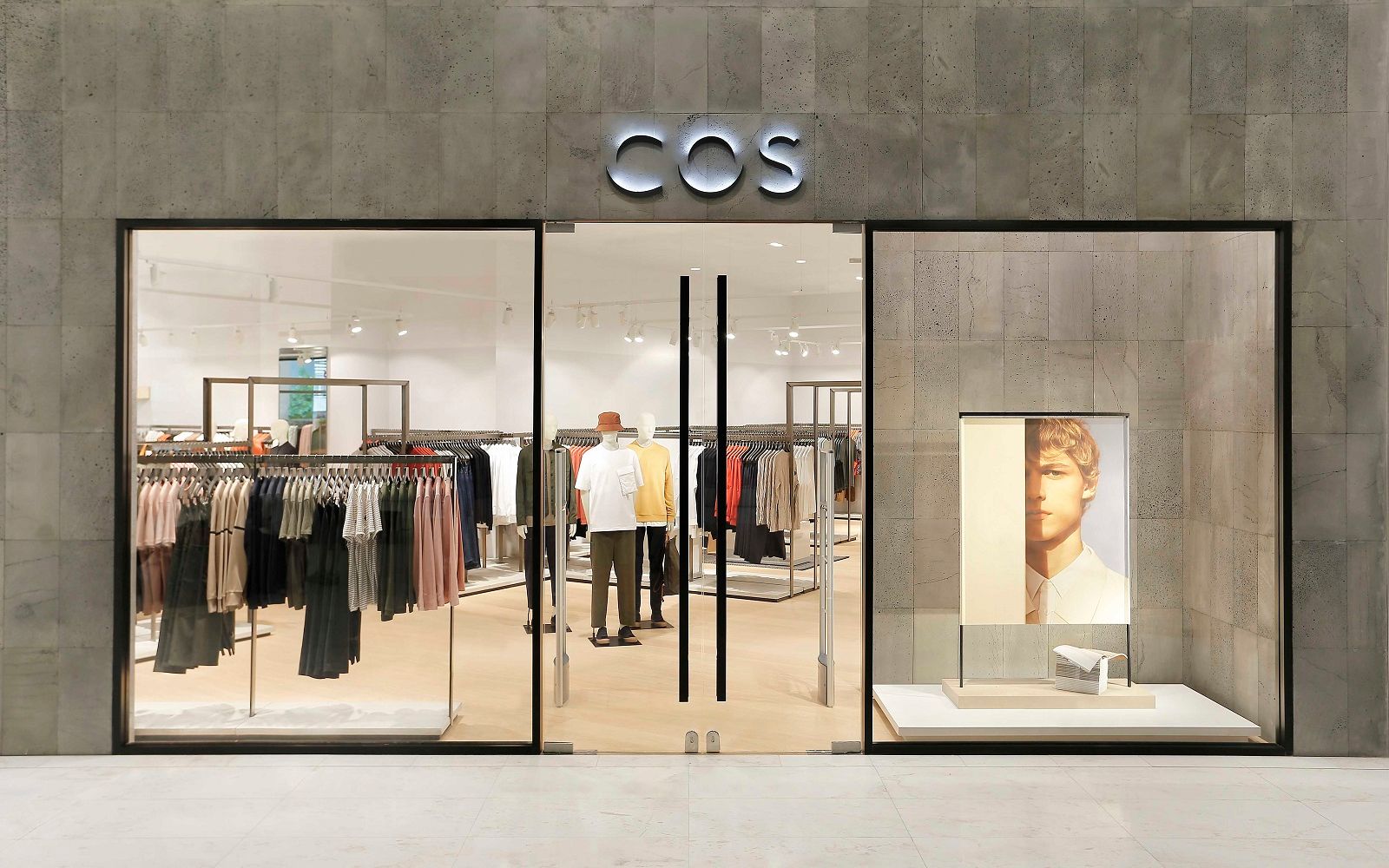
    Swedish fashion brand Cos has expanded its store network into Taiwan, opening its first brick-and-mortar store at the Taipei 101 Shopping Center.The 700sqm flagship also marks Cos’ first concept store in the world. While Cos Taipei 101’s exterior features forest green, the interior is dominated by a warm neutral tone, delivering a cool and tranquil atmosphere.  Minimal design with organic textures and recycled elements was put in place, including bamboo furnishings, slate-shaped cashier cou

    Minimal design with organic textures and recycled elements was implemented, including bamboo furnishings, slate-shaped cashier counters, stone magnetic floors and aluminum display shelves. Meanwhile, the table surface is made from Richlite material, which is manufactured from recycled paper and phenolic resin.

    “Opening a store in Taipei is an exciting step,” said Petra Lerch, MD of Cos Asia Pacific. “We have been planning to enter this market for some time, and launching this new brick-and-mortar store is like the first place to connect with local customers.”

    Founded in 2007, H&M Group-owned fashion label entered Asia in 2012 in Hong Kong. Since then, Cos has gradually expanded its presence in the continent, launching in markets including China, Japan, South Korea and Malaysia. The brand opened its first store in the Philippines last year. Cos currently operates more than 280 physical stores around the world.

  • Taiwan’s Miracle Coffee to launch in Singapore

    Taiwan’s Miracle Coffee to launch in Singapore

    Miracle Coffee will launch a 90-day pop-up café kiosk at the ArtScience Museum in Singapore’s Marina Bay Sands by the end of September 2022, ahead of a brick-and-mortar store launch in the museum’s lobby next year.

    Miracle Coffee said the kiosk will only serve beverages, including an exclusive for the location called Kaya Cloud. Further menu items and prices for the Singapore outlet are yet to be announced.

    Miracle coffee currently operates three stores in Taipei, Taiwan, and one in Shanghai, China.

    “I am thrilled to team up with Marina Bay Sands to bring Miracle Coffee to my home, Singapore. Since this is our first time setting up a pop-up for Miracle Coffee, we wanted a scenic location that can stage the intimate scene of coffee lovers revelling in a smooth cup of coffee while soaking in views of my beautiful city. There is no other location that is more suitable than the iconic ArtScience Museum,” said JJ Lin.

  • Pop Mart opens its first Taiwan store

    Pop Mart opens its first Taiwan store

    Chinese collectible toy retailer Pop Mart has launched its first brick-and-mortar store in Taiwan, as part of its international growth strategy.  Pop Mart’s exclusive products are available at the store, which is located on the first floor of Shin Kong Mitsukoshi A11. At the entrance, there are large-scale dolls, and the store is decorated with a colorful theme, metallic materials, and LED lights that run throughout the store concept. To celebrate the opening, Pop Mart Taiwan offers a me

    Pop Mart’s exclusive products are available at the store, which is located on the first floor of Shin Kong Mitsukoshi A11. At the entrance, there are large-scale dolls, and the store is decorated with a colorful theme, metallic materials, and LED lights that run throughout the store concept.

    To celebrate the opening, Pop Mart Taiwan offers a membership system, which includes the ability to redeem points for gifts and discounts during the birthday month.

    Pop Mart opened its first flagship store in Australia last month, after expanding its presence in Korea, New Zealand and the US.

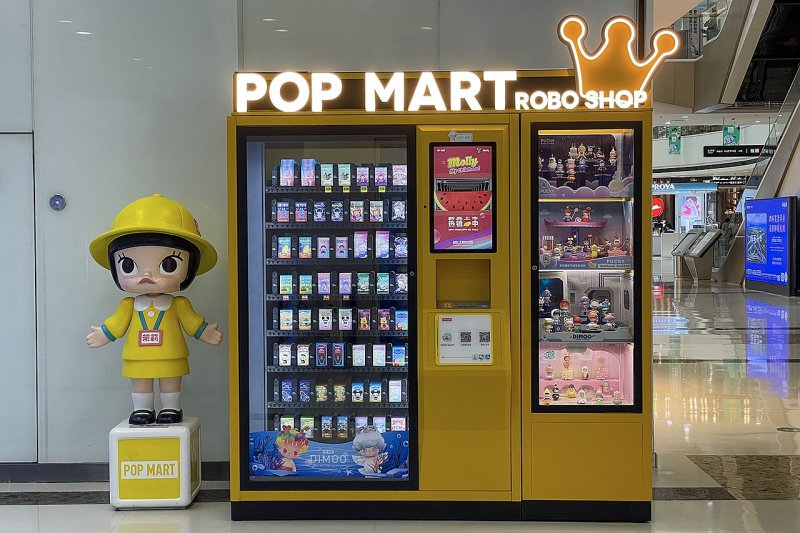
    Pop Mart’s Mainland China retail network includes more than 1000 vending machines, or “roboshops,” and 340 physical stores. The brand approaches its audience via its own international website and online collaborations with Amazon, Shopee, and AliExpress.

    The toy retailer is in developing multiple new markets concurrently, including in Southeast Asia, Vietnam, the Philippines, and Thailand.