Tag: Taiwan

  • Taiwan sends back Vietnamese noodles for containing banned substance

    Taiwan sends back Vietnamese noodles for containing banned substance

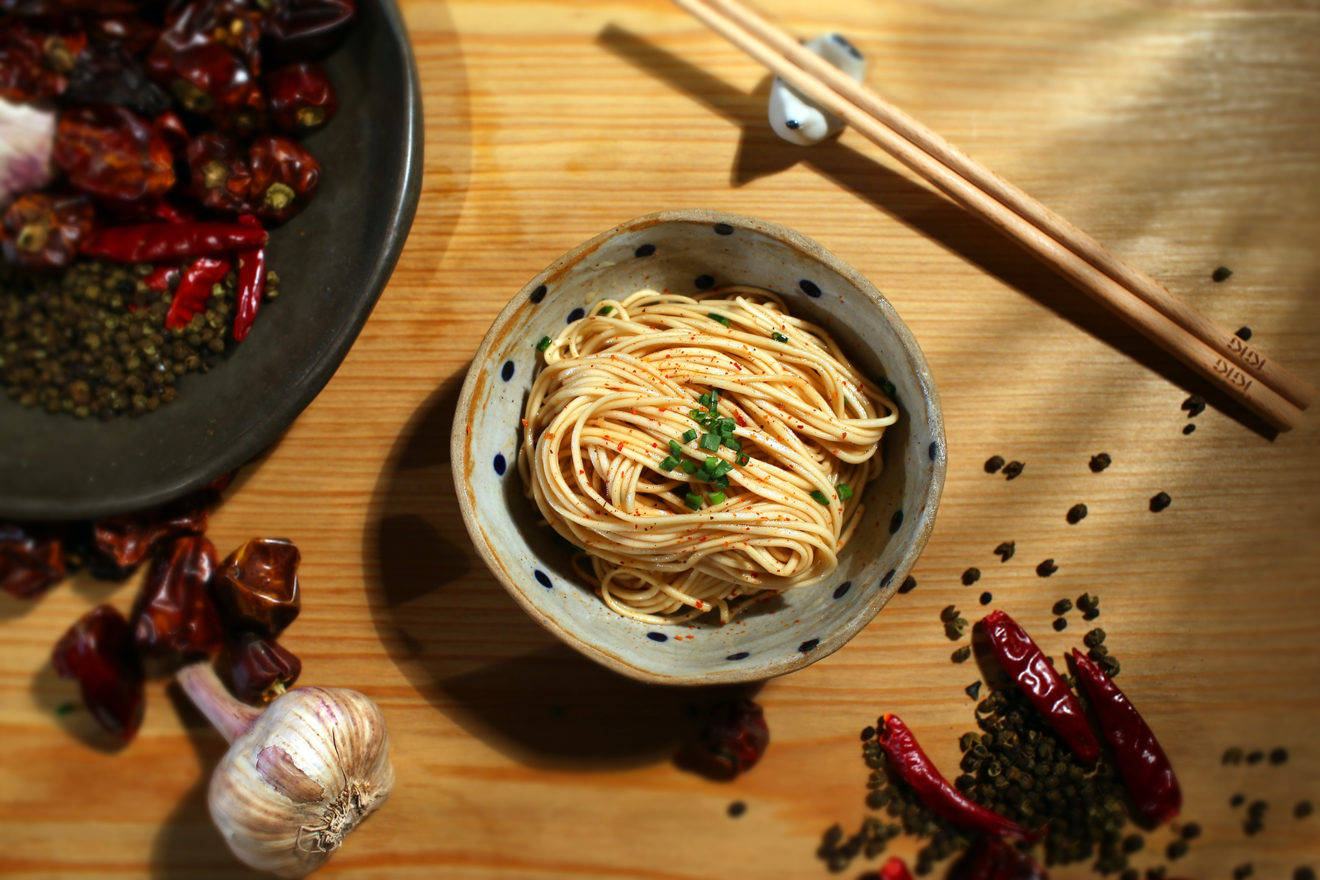
    Taiwan has returned 1.44 tons of Vietnam’s Omachi instant noodles saying they contain high levels of carcinogenic ethylene oxide.

    The Taiwan Food and Drug Administration has determined that the batch of noodles, imported by Chinese company Qianyu, contains 0.195 milligrams of ethylene oxide per kilogram, which exceeds Taiwan’s standards.

    Ethylene oxide is banned in food in Taiwan as authorities consider it a carcinogen as long exposure to it could increase the risks of cancer and some neurological diseases.

    Masan Consumer, the producer of the noodles, said that it did not sell the noodles to Qianyu, even though it does produce noodles for the Taiwan market.

    Each country and territory has its own food standard and therefore Masan Consumer produces products specifically for each country and territory.

    “We have strict terms with distributors to prevent them from exporting products from one market to another.”

    Masan Consumer affirms that the Omachi noodles meet Vietnam’s food standards and are safe for consumers.

    Vietnam’s Ministry of Industry and Trade is looking into the issue.

    Last August, several batches of instant noodle products by Vietnamese businesses were also recalled by the E.U. for heightened levels of ethylene oxide.

    In July this year, Germany has issued warnings about certain imported Vietnamese instant noodle products that contain heightened levels of ethylene oxide.
  • % Arabica makes its Taiwan debut

    % Arabica makes its Taiwan debut

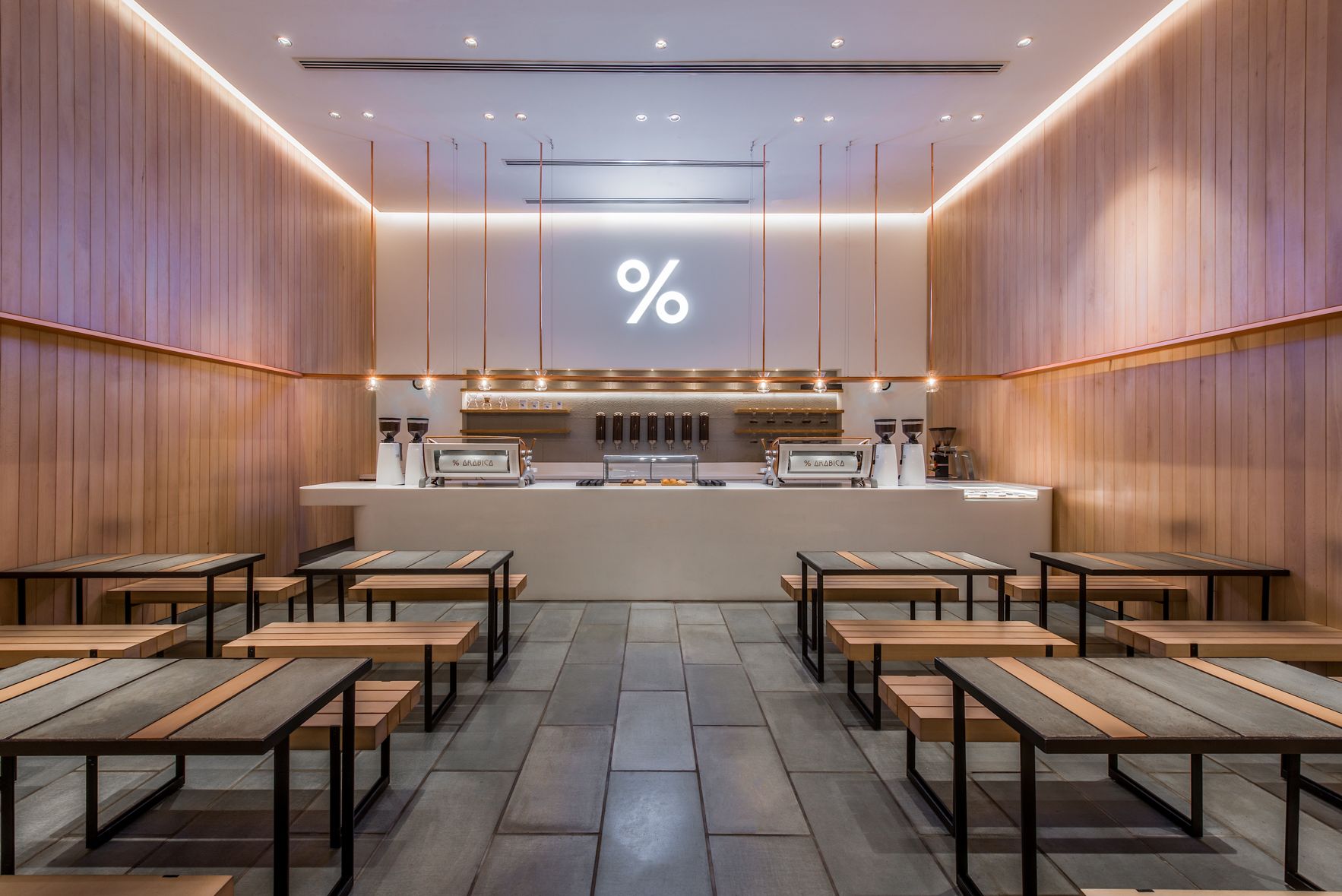
    Japanese boutique coffee group % Arabica has made its debut in Taiwan with a store in Taipei. The Elephant Mountain store is the second % Arabica outlet to open this month following the launch of store in the lobby of the new United Overseas Bank head office in Bangkok, the group’s fourth in the Thai capital.
    The boutique café group now operates 120 stores across 18 countries, including 61 in its largest market, China, and four in its native Japan.
    According to % Arabica’s website, the group will soon open stores in Vietnam, South Korea, Canada, Mexico, Spain and the Philippines.
    In July 2022 Lucky Ace International Ltd., which operates the group in China, was reported as seeking to raise $300m to support its expansion plans in the country.
    World Coffee Portal estimates the Taiwanese branded coffee shop market exceeds 2,500 outlets and forecasts it will reach 3,200 outlets by 2025. Louisa Coffee is the coffee-focused segment leader with approximately 520 outlets.
  • Taiwan Weighs Foxconn Fine For China Chip Investment

    Taiwan Weighs Foxconn Fine For China Chip Investment

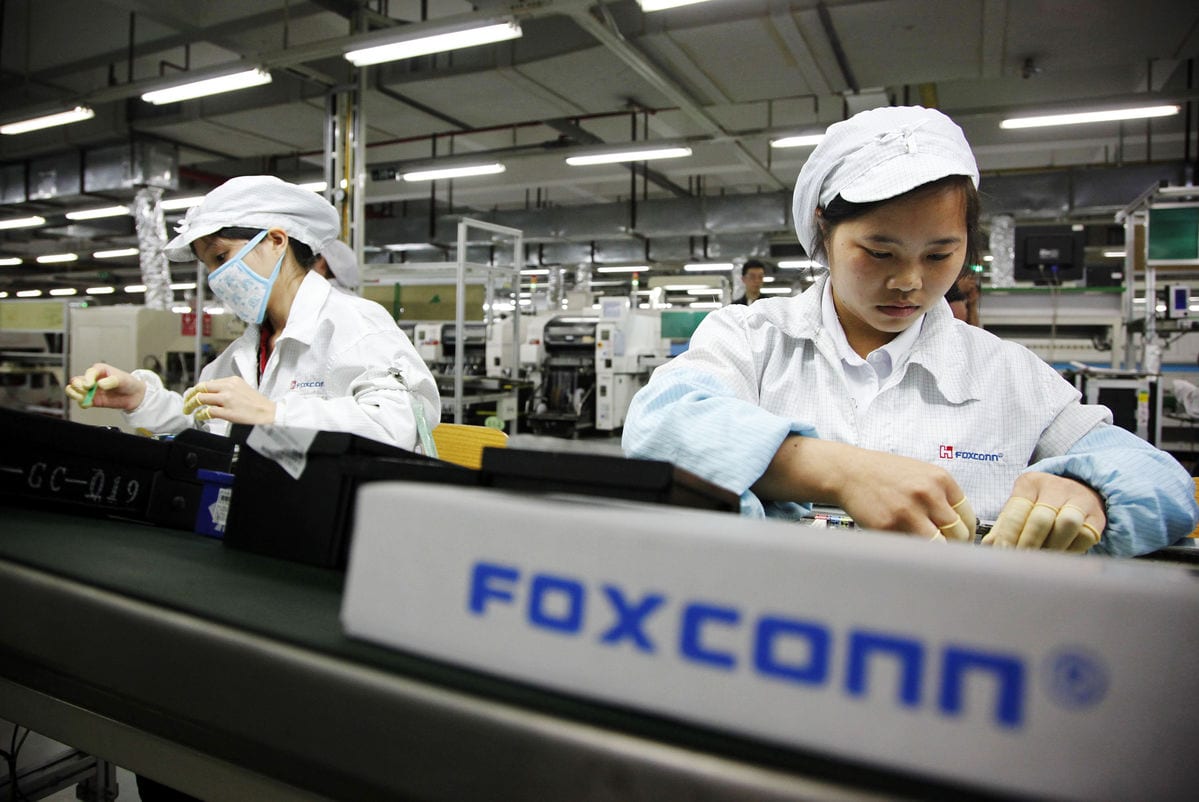
    Taiwan’s government is considering fining tech giant Foxconn up to T$25 million ($835,600) over its investment in a Chinese chip conglomerate without first getting regulatory approval, two sources briefed on the matter said on Friday.

    Foxconn, the world’s largest contract electronics maker, said this week it has become a shareholder in embattled Chinese chip conglomerate Tsinghua Unigroup via a 5.38 billion yuan ($797 million) investment by a subsidiary.

    The investment comes as Taiwan turns a wary eye on China’s ambition to boost its semiconductor industry and has proposed new laws to prevent what it says is China stealing its chip technology.

    Foxconn did not seek prior approval from the Taiwan government before the investment was made and authorities believe it has violated a law governing the island’s relations with China, a person familiar with the matter told Reuters.

    Regulators are weighing whether to hand Foxconn the “maximum” fine possible, which is $T25 million, due to the large size of the Chinese investment, the person added,

    Foxconn referred to an earlier filing on the stock exchange, saying it will deliver the documents to the Economy Ministry’s Investment Commission in the near future.

    A second source said Foxconn could be given a fine of between T$50,000 and T$20 million for investing without approval, adding that regulators will scrutinise the investment and deliver a decision after they receive the company’s application.

    “There’s a chance that an approval will be given. If not, Hon Hai will have to withdraw the investment,” the person said, referring to Foxconn’s formal name, Hon Hai Precision Industry Co Ltd.

    Taiwanese law states the government can prohibit investment in China “based on the consideration of national security and industry development.” Those violating the law could be fined repeatedly until corrections are made.

    Foxconn, best known for assembling Apple Inc’s iPhone, is keen to make auto chips in particular as it expands into the electric vehicle market. The company has been seeking to acquire chip plants globally as a worldwide chip shortage rattles producers of goods from cars to electronics.

    Taipei prohibits companies from building their most advanced foundries in China to ensure they do not offshore their best technology.

    Originating as a branch of China’s prestigious Tsinghua University, Tsinghua Unigroup emerged in the previous decade as a would-be domestic champion for China’s laggard chip industry.

    But the company fell into debt under former chairman Zhao Weiguo, prompting it to default on a number of bond payments in late 2020 end eventually face bankruptcy.

    The conglomerate has yet to produce any global leaders in the semiconductor sector.

  • TSMC To Expand New Japan Chip Factory, Denso Takes Stake

    TSMC To Expand New Japan Chip Factory, Denso Takes Stake

    Taiwan Semiconductor Manufacturing Co (TSMC) said on Tuesday that the chip plant it is building in Japan with Sony Group will expand, with an extra $1.6 billion in spending, while auto supplier Denso Corp will take a 10% stake. TSMC, which is the world’s largest contract chipmaker, announced the $7 billion factories in southern Japan in November and construction is scheduled to start this year, with production beginning by the end of 2024. That announcement was welcomed by the Japanese government which wants TSMC to build plants to supply essential chips to Japan’s electronic device makers and auto companies as trade friction between the United States and China threatens to disrupt supply chains and demand for the component grows.

    TSMC said in a statement on Tuesday that to meet market demand, it had decided to enhance the plant’s capabilities and increase monthly production capacity to 55,000 12-inch wafers, putting the new total cost at around $8.6 billion. It was originally due to have a monthly production capacity of 45,000 12-inch wafers. The company, which is also a major Apple supplier and produces some of the world’s most advanced semiconductors, said that Denso would invest $350 million for a more than 10% equity stake in the Japanese plant.

    Automakers have been particularly badly hit by the global chip shortage, which have seen some production lines halted. “Through this partnership, we contribute to the stable supply of semiconductors over the medium to long term and thus to the automotive industry,” Denso’s CEO Koji Arima was quoted as saying in the TSMC statement.

    Taiwan, home to chip makers such as TSMC, has become front and center of efforts to resolve the chip shortage. TSMC last year pledged to spend $100 billion over the next three years to expand chip capacity and is building a $12 billion chip fabrication plant in the U.S. state of Arizona.

  • Japan Urges More Chip Tie-Ups With Taiwan At Trade Talks

    Japan Urges More Chip Tie-Ups With Taiwan At Trade Talks

    Japan called for greater collaboration with Taiwan on semiconductors at a bilateral economic and trade meeting on Tuesday. Japan-Taiwan Exchange Association Chairman Mitsuo Ohashi praised Taiwan Semiconductor Manufacturing Co Ltd (TSMC)’s plans to expand in Japan, saying, “I hope these collaborations can continue to expand, and positively impact the resilience of both Taiwan and Japan’s supply chains.”

    “Currently, even though the pandemic has blocked exchanges between Japan and Taiwan, the economic and trade relationships between Japan and Taiwan have continued to deepen,” Ohashi added via video.

    Although Chinese-claimed Taiwan and Japan do not have formal diplomatic ties, they have close unofficial relations. Both share concerns about China, especially its increased military activities near the two. The Taiwan-Japan Economic and Trade Conference has typically been held in Taiwan or Japan each year, but because of the pandemic, the two sides met virtually this week.

    TSMC, the world’s largest contract chipmaker, announced last year that it would set up a research and development in Japan, as well as a $7 billion chip plant with Sony Group. Tech powerhouse Taiwan is at the forefront of efforts to resolve a shortage of chips that has hampered auto production lines and affected consumer electronics makers around the world.

    Chiou I-jen, chairman of the Taiwan-Japan Relations Association, thanked Japan for supporting Taiwan’s bid in September to join the Comprehensive and Progressive Agreement for Trans-Pacific Partnership (CPTPP). He said Taiwan hoped both sides could start a “constructive dialogue” on Taiwan joining the trade pact as soon as possible. “Taiwan is of crucial importance to the world’s supply chain, economy and trade,” Chiou said, speaking at a Japanese hotel in Taipei. “If (Taiwan) can join the CPTPP, it will greatly increase the importance and visibility of this pact in the global economy.”

    Taiwan’s bid angered China, which views the island as one of its provinces with no right to the trappings of a state. Taiwan says it is an independent country and has vowed to defend its freedom and democracy.

  • Citi Posts Strong Institutional Business Growth in Taiwan

    Citi Posts Strong Institutional Business Growth in Taiwan

    Citi’s institutional business in Taiwan saw a significant acceleration in 2021 with numerous transactions across industries including technology, consumer, renewables, and financial services.

    Citi’s Taiwanese institutional clients have been ramping up their efforts to take advantage of the growth environment in areas such as supply chain diversification.

    Taiwan is home to many world-class companies and we are committed to supporting their ambitions, according to a statement citing Christie Chang, head of banking, capital markets, and advisory for Citi Taiwan and chair of APAC corporate banking.

    Within mergers and acquisitions, the American lender advised on five Taiwan-related deals in recent years, including three in 2021.

    The deals this year spanned across businesses related to semiconductor assembly and testing, renewable energy and retail food.

    Citi has also supported billions of dollars in fundraising for Taiwan corporates across local and global capital markets.

    Within equity capital markets, the bank supported fundraising that totaled nearly $1.5 billion in 2021 across businesses linked to financial services, semiconductors, and other electronics manufacturing. And within debt capital markets, it helped raise $8 billion, also for manufacturing-related businesses.

    According to Citi, some of its largest growth inflows this year originated from trade corridors involving Taiwan with a nearly 50 percent increase in Taiwan-to-India flows and around a 20 percent increase in Taiwan-to-ASEAN flows.

    The bank has also observed strong inbound flows into Taiwan, most notably from companies in Australia, India and Japan.

    There is a massive transformation happening across all industries and with a global network this has helped sharpen Citi’s dialogue with clients in Taiwan as they increasingly want a regional and global perspective, Chang added.

  • Jollibee takes stake in Milkshop

    Jollibee takes stake in Milkshop

    Jollibee Foods Corp has acquired a majority stake of Milkshop International, operator of Taiwanese milk tea chain Milksha, through its subsidiary Jollibee Worldwide.

    The acquisition deal, equivalent to 51 per cent ownership, is valued at approximately US$12.8 million. Meanwhile, one of the co-founders of Milkshop will retain the remaining 49 per cent.

    “This gives JFC the opportunity to participate in this fast-growing beverage category and together with Milkshop’s Founder, grow the Milksha brand globally,” the Philippine multinational company said in a disclosure statement.

    Founded in 2008, Milkshop International is primarily involved in the development, operations and franchising of specialty tea shops under the trade names Milkshop and Milksha (for international markets). Currently, the company operates more than 250 outlets, with 231 stores in Taiwan, four in Hong Kong, two in Melbourne, two in Vancouver and 12 in Singapore.

    Despite the pandemic, the chain generated $47.7 million in system wide sales, higher than the year before when the sales amounted to $66.5 million.

    “Milkshop is generating modest net income and positive earnings before interest, taxes and depreciation,” the company said.

    JFC and its subsidiaries, Fresh N’ Famous Foods and Mang Inasal Philippines, now have the exclusive rights, through a licensing agreement with Milkshop, to sell and market products under the Milksha brand in their stores. Jollibee said Milksha products will be sold in Chowking stores soon.

  • Auchan set to sell Taiwan business to local rival

    Auchan set to sell Taiwan business to local rival

    French supermarket group Auchan is set to quit Taiwan after 24 years in the market, completing its withdrawal from greater Asia.

    Taiwan News has reported that local operator PX Mart will take over the RT-Mart hypermarket joint venture between Auchan and the Ruentex Group by mid-next year. Auchan is the majority partner in the venture, with a 65-per-cent share.

    The company was in May reported by Bloomberg to be in talks over the divestment of its Taiwanese business, said to be seeking somewhere between US$300-400 million.

    According to Taiwan News, PX Mart said it planned to buy buildings, land, distribution rights and the RT-Mart brand. No price was revealed and Auchan has not commented on the report.

    The RT-Mart brand was created by Taiwanese tycoon Samuel Yin’s Ruentex Group, which owns 20 hypermarkets and two convenience stores. PX Mart operates 1056 stores and plans to expand its network to more than 1100 next year.

    The reported deal marks another step in an ongoing reshuffle within Taiwan’s supermarket industry. Last year, French rival Carrefour bought the Wellcome Taiwan business from Singapore-listed Dairy Farm International, including the Jasons Marketplace brand, giving it control of 224 supermarkets. There have since been whispers that Carrefour is considering selling its enlarged Taiwan business.

    Auchan exited Vietnam in 2019 closing some stores and selling the remaining business to local operator Saigon Co-op. Last October it sold its stake in China’s Sun Art Retail Group to Alibaba Group in a transaction valued at $3.6 billion.

  • Nokia deploys 5G standalone core network for Taiwan Mobile

    Nokia deploys 5G standalone core network for Taiwan Mobile

    Nokia announced that it has deployed its 5G standalone core network for Taiwan Mobile Co. to enable the operator to provide the most advanced 5G applications for enterprises and businesses, and to strengthen its network services and performance.

    The timely deployment includes Nokia’s voice core, cloud packet core, subscriber data management, signaling, network exposure, policy controller, cloud infrastructure, and security management for radio transport. With a 5G standalone core network, Taiwan Mobile can readily provide the most advanced 5G services such as network slicing and smart city solutions that require ultra-low latency and reliability.

    Nokia and Taiwan Mobile are long-standing partners and Nokia, as the sole supplier of Taiwan Mobile’s 5G network, is supporting the operator’s ‘Super 5G strategy’ focused on sustainability and digital transformation.

    Nokia leads the market in core network deployments, with 25 of the top 40 communication service providers relying on its core network products.

    Tom Koh, Senior Vice President and Chief Technology Officer, Technology Group, Taiwan Mobile, said: “Introducing SA to unleash the full potential of 5G beyond high-speed to further realize innovative use cases enabled by ultra-low latency and massive IoT is our strategic mission in the 5G era. We are delighted to reach this milestone with Nokia to bring the first true 5G network into Taiwan. Owning the agility of network slicing to swiftly customize the network for accommodating different use cases, Taiwan Mobile will be able to accelerate time-to-market to provide a wide variety of services for everyone and everything and to free enterprises to embrace Industry 4.0. The SA technology is built from cloud architecture, infrastructure-agnostic by design, which paves a critical step to a full software agile virtualization network. It unlocks the use cases with distributed cloud for low latency service with local breakout needed. Taiwan Mobile’s true 5G network will become the innovative engine for consumers to experience as well as verticals to deploy applications without limits.”

    Susanna Patja, Head of Cloud & Network Services, Greater China, Nokia, said: “We are very pleased that the Nokia 5G Standalone Core network is now up and running, on schedule, for Taiwan Mobile. This provides Taiwan Mobile with exceptional capabilities in terms of machine-to-machine communication, extreme automation, and reliability that enables critical 5G uses for enterprises; and does so with the knowledge that this standalone network will continue to function seamlessly with non-standalone networks.”

  • Italian brand Frette opens doors in Singapore

    Italian brand Frette opens doors in Singapore

    Italian home accessories and lifestyle brand, Frette, has expanded its footprint in Singapore with its first boutique in Marina Bay Sands.

    The store also marks the brand’s first mono-brand boutique in the territory. Designed by Milan-based architecture studio Archibrando, the new Frette store features elements used in the brand’s global flagship boutique on Milan’s Via Manzoni and custom furnishings crafted from natural Afara wood, “encapsulating the luxurious ambience and timeless elegance and essence of the brand”.

    Frette Singapore occupies a 65sqm area of the shopping centre, offering crafted linens and decorative home accessories, ranging from embroidery bedding, bath towels, to men’s and women’s loungewear. The Marina Bay Sands boutique also offers custom embroidery and personalisation, bedroom styling as well as installation.

    The 160-year-old brand is known for its “chic, original designs and inimitable finish and feel”. Frette operates nine retail locations in the US and 25 in Asia. The brand has flagship stores in China, South Korea, Taiwan, Vietnam and Cambodia.

  • Taiwan’s CTBC Bank Taps Avaloq for Private Banking Platform

    Taiwan’s CTBC Bank Taps Avaloq for Private Banking Platform

    CTBC Bank will implement Avaloq’s core banking solution internationally, starting from its business units in Hong Kong and Singapore.

    CTBC is consolidating and upgrade its international business on the Avaloq Core platform, in a bid to improve day-to-day operations, and enhance and deliver quality private banking services, according to an announcement on Tuesday.

    Avaloq Core will also provide the potential for the bank to consolidate its wealth management business, retail banking and other offerings within a single secure space, boosting the bank’s operational efficiency across the region, the announcement said. Avaloq has been building momentum in Asia-Pacific since the Swiss firm’s acquisition by Japanese corporation NEC in December 2020. The fintech previously announced a deal with Hong Kong’s Haitong International to accelerate the digitalization of its private wealth management business.

    CTBC Bank is Taiwan’s largest private bank by consolidated assets under management, and has the most extensive international presence of any Taiwanese bank, with over 116 overseas branches across 14 countries. CTBC Singapore and its private banking service was established in 2009, and is the bank’s regional hub covering Southeast Asia, while its Northeast Asia headquarters is in Hong Kong.

  • Tiki raises $20 mln from Taiwanese investors

    Tiki raises $20 mln from Taiwanese investors

    E-commerce platform Tiki has raised $20 million from telecom operator Taiwan Mobile in return for a 2.7 percent stake in Tiki Global.

    The Series E funding deal values the Vietnamese company at $740 million, with Tiki having secured $94 million in the series within this month alone.

    Before the Series E, foreign investors held a 49.4 percent stake in Tiki. The biggest shareholder among them is Chinese e-commerce giant JD.com with a 18.2 percent stake.

    Tiki had recently raised VND1 trillion ($43.9 million) in bonds with a coupon rate of 13 percent a year.

    The company posted a loss of VND4 billion last year.

    As one of the fastest-growing digital economies in Southeast Asia, Vietnam’s e-commerce sector is expected to be worth $23 billion by 2025, according to the e-Conomy Southeast Asia 2019 report by Google, Temasek Holdings, and Bain & Company.

  • Eslite to open 100 small-format stores in Taiwan

    Eslite to open 100 small-format stores in Taiwan

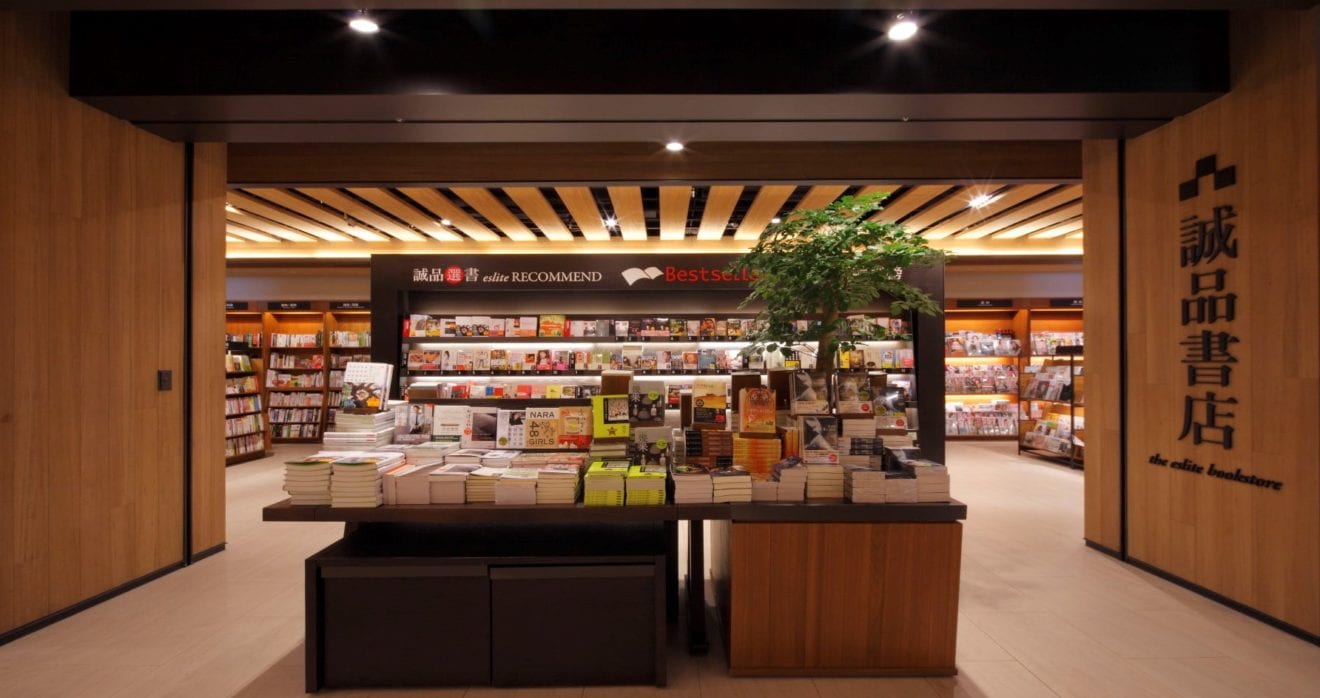
    Taiwanese bookseller Eslite is shifting its focus into smaller community stores in its home market after struggling due to Covid-19 last year.

    According to Eslite’s chairwoman, Mercy Wu, 100 small-format stores will be rolled out within the next three years and one store is set to open in China in 2024. Eslite’s decision to change its focus from giant destination stores to smaller, corner-store style outlets follows a drop in tourists due to Covid-19 restrictions, which has made the large shops unviable.

    Meanwhile, small stores will help the bookstore chain to pick up customers in smaller communities it could not reach before.

    Eslite will continue to operate its largest store in the New Taipei City district of Xindian in late next year or early 2023.

    The brand closed nine outlets in Taiwan last year including its first 24-hour bookshop. Its mega store plan in Kuala Lumpur, which is set to open next year, has been delayed and is likely to launch in 2023 given the ongoing pandemic situation in Malaysia.

    Eslite’s stores outside Taiwan include outlets in Hong Kong, Tokyo and Suzhou.

  • French retailer Carrefour to launch $1.9bn sale of Taiwan business

    French retailer Carrefour to launch $1.9bn sale of Taiwan business

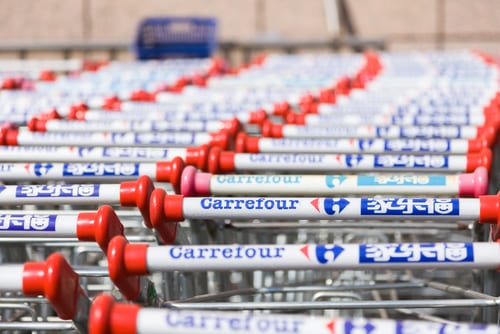
    French retailer Carrefour is planning to launch a sale of its Taiwan business, which is valued at around US$1.9 billion in the coming weeks, three people with knowledge of the matter have told Reuters.

    The supermarket chain operator has hired Morgan Stanley to run the sale, which is expected to kick off after the summer, said the people, who declined to be identified as the information is confidential.

    Carrefour has approached a number of potential buyers, including private equity firms, to gauge their interest, the people said.

    The company did not immediately respond to a request for comment. Morgan Stanley declined to comment.

    Europe’s largest retailer said in June it had started considering possible consolidation, divestitures or tie-ups of its foreign subsidiaries, but denied it had decided to sell any assets.

    Carrefour acquired food retailer Wellcome Taiwan from Asia’s Dairy Farm in December, making it the number two player in Taiwan’s convenience stores market. The transaction, with an enterprise value of $113.6 million covers the purchase of 224 stores as well as a warehouse.

    Carrefour reported $1.48 billion in Taiwan net sales in the first half, up 13 percent year on year at constant exchange rates. The company said the newly acquired Wellcome stores strongly outperformed.

    While it has expanded in Taiwan in recent years, Carrefour retreated from the highly competitive Chinese market in 2019 by selling 80 percent of its loss-making operations to electronics retailer Suning.

  • Taiwan’s Foxconn Discussing Electric Vehicle Plant In Wisconsin

    Taiwan’s Foxconn Discussing Electric Vehicle Plant In Wisconsin

    Taiwan’s Foxconn said on Friday it was in talks with the U.S. state of Wisconsin about building electric vehicles there, part of the major Apple Inc supplier’s push to diversify income streams.

    Foxconn and electric car manufacturer Fisker Inc said in May that they had finalized a vehicle-assembly deal. They did not identify a location, but Fisker’s CEO said Foxconn’s Wisconsin site was a possibility.

    In a statement, Foxconn said it had begun discussions with Wisconsin.

    “Foxconn has engaged the Wisconsin Economic Development Corporation to discuss the company’s plans for electric vehicle manufacturing. Foxconn is optimistic about our partnership with WEDC and looks forward to ongoing discussions,” it added.

    The company formally called Hon Hai Precision Industry, gave no further details.

    A Wisconsin Economic Development Corp spokesman said the agency does not comment on any potential talks until a contract is executed.

    In April, Foxconn drastically scaled back a planned $10 billion factory in Wisconsin, confirming its retreat from a project that former U.S. President Donald Trump once called “the eighth wonder of the world” and was supposed to build cutting-edge flat-panel display screens.

    A month earlier, Foxconn’s chairman said it may make electric vehicles (EVs) at the Wisconsin site, though could decide on Mexico, and would make a decision this year.

    Over the past year or so Foxconn has announced several deals on the production of EVs with automakers including Fisker, China’s Byton and Zhejiang Geely Holding Group, and Stellantis NV’s Fiat Chrysler unit.

    On Friday, Fisker said talks with Wisconsin economic development officials were normal in the process of evaluating potential plant sites. The carmaker said in May it had finalized plans for Foxconn to build vehicles for the electric car startup at a U.S. plant starting in 2023, and Wisconsin was one of four options.

    Foxconn aims to provide components or services to 10% of the world’s EVs by 2025 to 2027, posing a threat to established automakers by allowing technology companies a shortcut to competing in the vehicle market.