Tag: Taiwan

  • Taiwanese footwear maker suspends 18,000 workers over Covid-19 linkage

    Taiwanese footwear maker suspends 18,000 workers over Covid-19 linkage

    Over 18,000 workers of Pou Sung Vietnam were temporarily suspended due to a worker having close contact with a suspected Covid-19 case.

    Health authority found the wife of a suspected Covid-19 case working at the Dong Nai-based firm with 27,000 employees. The worker, who came in close contact with the suspected Covid-19 case, had her sample taken and is awaiting results.

    The company has suspended 18,403 workers starting Saturday morning to disinfect the entire factory, according to Le Nhat Truong, chairman of the labor union of Pou Sung Vietnam.

    It is also tracing those who traveled in the same vehicle carrying the Covid-19 linkage worker. The firm employs 300 vehicles to pick up over 10,000 staff in remote areas across the southern provinces of Dong Nai and Binh Thuan.

    Dong Nai Province has 31 industrial zones and one high-tech zone, with 1,400 enterprises employing more than 620,000 workers.

    The province found two Covid-19 cases Saturday, ending its 45-day streak without new Covid-19 cases.

    Dong Nai has so far recorded three confirmed Covid-19 case since the fourth coronavirus wave hit on April 27.

  • Domino’s buys up Taiwan operations

    Domino’s buys up Taiwan operations

    Fast food company Domino’s Pizza Enterprises is to acquire Domino’s Taiwan as part of its global expansion plan.

    The company has entered a binding agreement with Formosa International Hotels under which Domino’s will buy the Taiwan operation for $79 million on a cash and debt-free basis.

    “This is a market with tremendous opportunities for our business and this acquisition provides similar opportunities for the local team,” said Don Meij, CEO and MD at Domino’s Pizza.

    “Our expansion focus has been on identifying opportunities with large total addressable markets and a stable economy.”

    The deal is expected to close in the first half of FY2022.

    Domino’s is Taiwan’s second-largest pizza chain with 157 corporate and franchised stores across the territory. As part of the acquisition, Domino’s Pizza aims to increase the store network to more than 400 stores.

    The company also plans to expand the brand’s footprint in Asia from 1500 stores to 1900 stores by 2032.

    “We intend to expand the store footprint through opening more corporate stores, introducing new, internal, franchisees to the network, helping existing franchises profitably expand their businesses, and investing in the network and our people to drive long-term growth,” Meij added.

  • Foxconn Invests $36 Million In EV Partnership With Gigasolar

    Foxconn Invests $36 Million In EV Partnership With Gigasolar

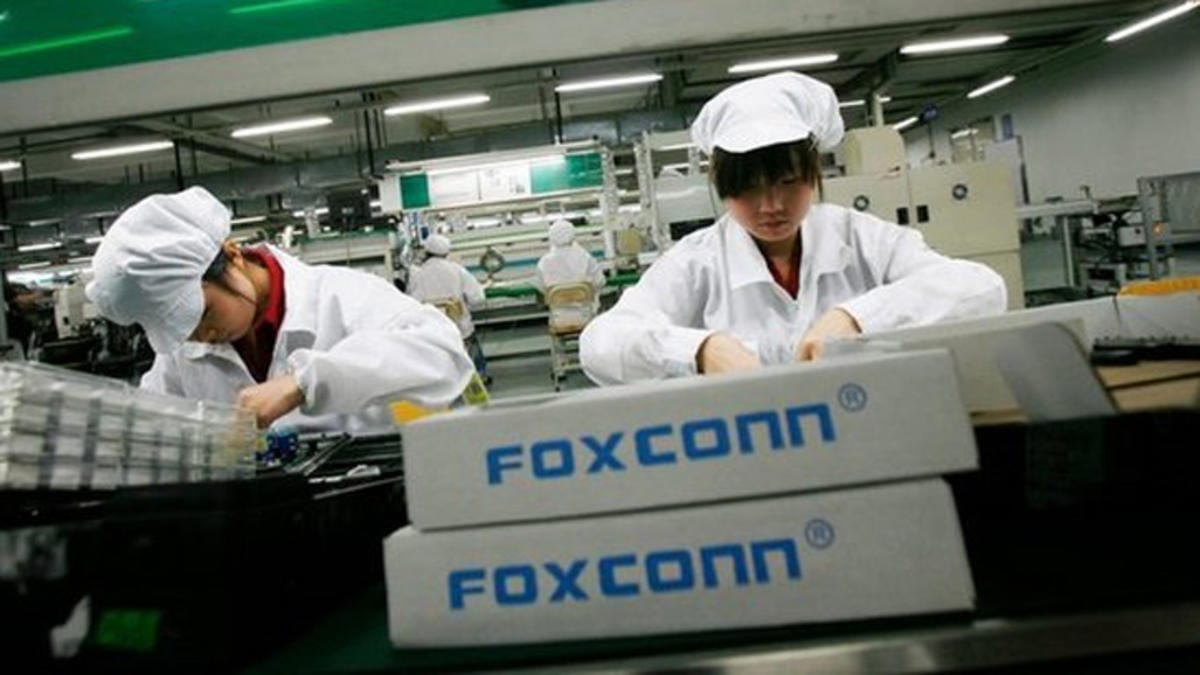
    Taiwan’s Foxconn said a subsidiary has invested T$995.2 million ($36 million) in Gigasolar Materials Corp to develop electric vehicle (EV) battery materials.

    Foxconn, Apple’s main iPhone maker, said the investment via a private placement through a Taiwan-based subsidiary will make it the second-largest shareholder in Gigasolar, known for manufacturing solar cell materials.

    The two companies will jointly develop materials for electric cars, Foxconn said in a statement on Tuesday.

    Foxconn has identified electric vehicles as a key new business and has struck several deals with companies, including Italian carmaker Stellantis and Thailand’s state-run energy group PTT.

    The Taiwanese company aims to provide components or services to 10% of the world’s electric cars by 2025 to 2027, Foxconn chairman Liu Young-way said in October, vowing to lower manufacturing and other costs with its assembling know-how as the world’s largest contract electronics manufacturer.

  • Nokia chosen by Chunghwa Telecom to expand 5G network in Taiwan

    Nokia chosen by Chunghwa Telecom to expand 5G network in Taiwan

    Nokia has announced that it has been chosen by Chunghwa Telecom (CHT) to expand the operator’s 5G network in Taiwan. The deal aims to support CHT’s objective of achieving 80 percent population coverage as well as boost 5G subscriptions to over 20 percent of its current subscriber base. The expansion will leverage products from Nokia’s AirScale portfolio to deliver enhanced connectivity for people and businesses in the southern and central areas of the country.

  • Citigroup to exit consumer banking in Vietnam

    Citigroup to exit consumer banking in Vietnam

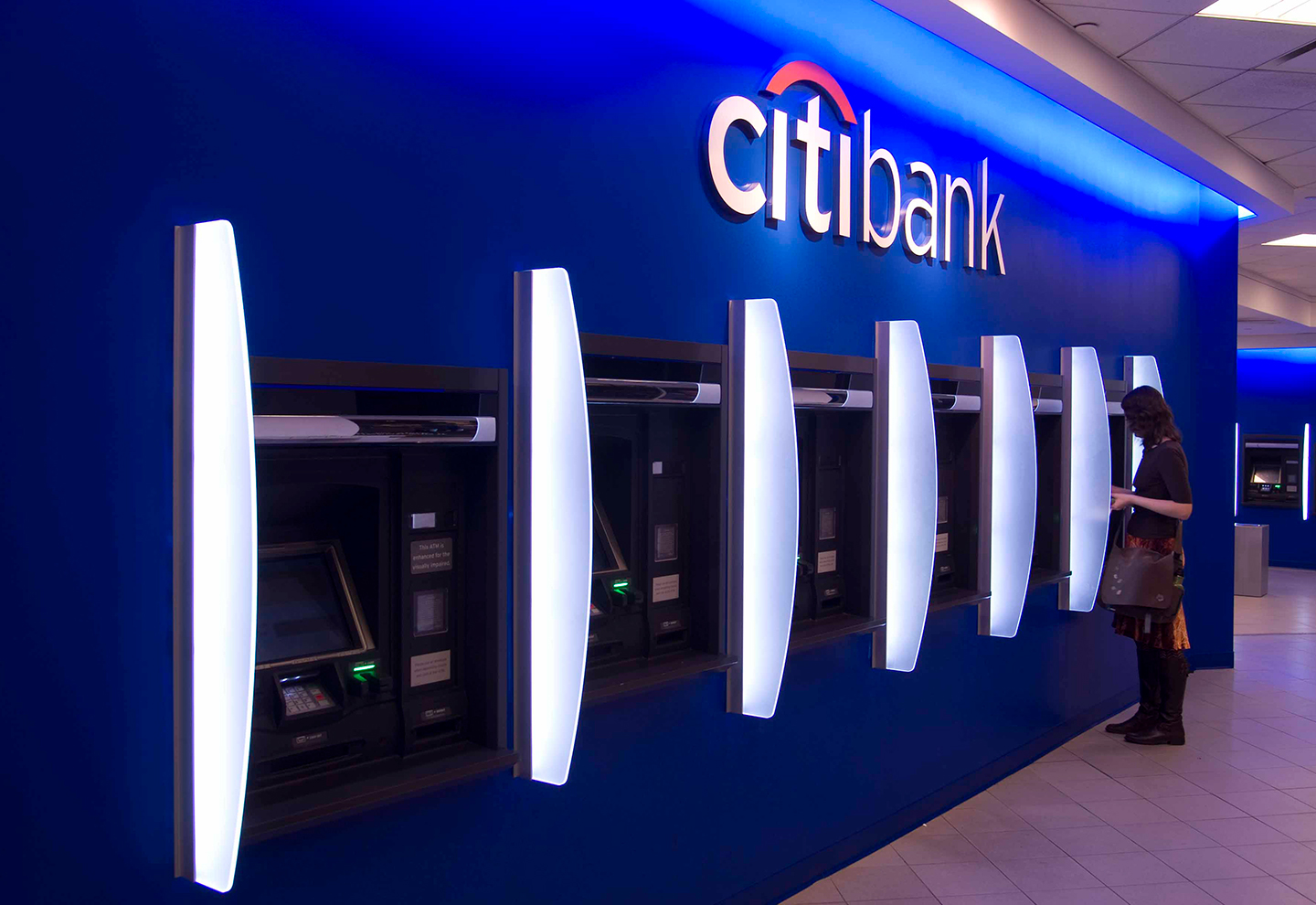
    America’s Citigroup will exit 13 international consumer banking markets, including Vietnam, to shift its focus to four wealth centers.

    The move is part of the bank’s strategic decision to direct investments and resources to businesses with the greatest scale and growth potential, it stated, adding its main markets will include Singapore, Hong Kong, the United Arab Emirates and London.

    Apart from Vietnam, 12 other markets to be affected are Australia, Bahrain, China, India, Indonesia, South Korea, Malaysia, the Philippines, Poland, Russia, Taiwan and Thailand.

    “While the other 13 markets have excellent businesses, we don’t have the scale we need to compete. We believe our capital, investment dollars and other resources are better deployed against higher returning opportunities in wealth management and our institutional businesses in Asia.”

    The bank has not specified when it would leave Vietnam.

    Citigroup in 1994 became the first U.S. financial institution licensed to open a branch in Hanoi. It opened its second branch in Ho Chi Minh City in 1998.

  • Flash Coffee to open 300 outlets after fresh funding round

    Flash Coffee to open 300 outlets after fresh funding round

    Tech-enabled coffee chain Flash Coffee has raised US$15 million in its Series A funding led by White Star Capital, aiming to launch 300 stores this year.

    The Series A round sets the total capital raised by Flash Coffee to US$20 million. Investors include Delivery Hero-backed DX Ventures, Global Founders Capital, and Conny & Co.

    The raised funds will be used for accelerating Flash Coffee’s expansion plan in Asia. According to David Brunier, CEO of Flash Coffee, the company will enter into seven new markets this year: Hong Kong, Taiwan, South Korea, Japan, Malaysia, the Philippines, and Vietnam.

    “Our dream is to have a Flash Coffee every 500 meters in all major Asian cities,” said Brunier.

    “We will also build a regional HQ in Singapore and expand our regional tech hub in Jakarta to 50 people to support our vision of fully leveraging technology to improve customer experience, proactively drive growth and significantly increase operational efficiency.”

    Launched in January last year, Flash Coffee business model focuses on grab-and-go physical storefronts that rely on technology, allowing significant cost savings. The company now operates 50 outlets across Singapore, Thailand, and Indonesia.

  • Bolttech expands in Taiwan via device protection partnership with Samsung

    Bolttech expands in Taiwan via device protection partnership with Samsung

    bolttech today announced its latest partnership with Samsung in Taiwan, together arranging for mobile device protection to owners of new Samsung Galaxy smartphones and tablets through the Samsung Care+ programme. The expansion of the bolttech and Samsung partnership follows recent tie-ups in Indonesia, Philippines, Thailand, and Vietnam.

    The Samsung Care+ programme in Taiwan will offer device repair and care services covering accidental and liquid damage as well as an extended warranty for up to one year after the expiry of the manufacturer’s warranty. It also covers device replacement for robbery and snatch theft and includes a convenient doorstep pickup and delivery. This programme is exclusively available in Samsung experience stores for selected Galaxy smartphone and tablet users.

    Launched in 2020, bolttech is an international insurtech business integrating three complimentary capabilities – device protection, insurtech exchange, and digital insurance, with a mission to build the world’s leading technology-enabled ecosystem for insurance and protection.

    Mark Simmons, Chief Executive Officer, Device Protection, bolttech, said, “We’re thrilled to build upon our collaboration with market leader Samsung to bring easy access to next-generation device protection to customers in Taiwan. Recognising the pain points for mobile phone users in Taiwan, we launched our door-to-door repair services to help customers stay connected when something goes wrong with their phones or tablets.”

    More information about Samsung Care+ in Taiwan can be found here: https://www.samsung.com/tw/offer/samsung-care-plus/

  • Shopee celebrates record-breaking 12.12 Birthday Sale

    Shopee celebrates record-breaking 12.12 Birthday Sale

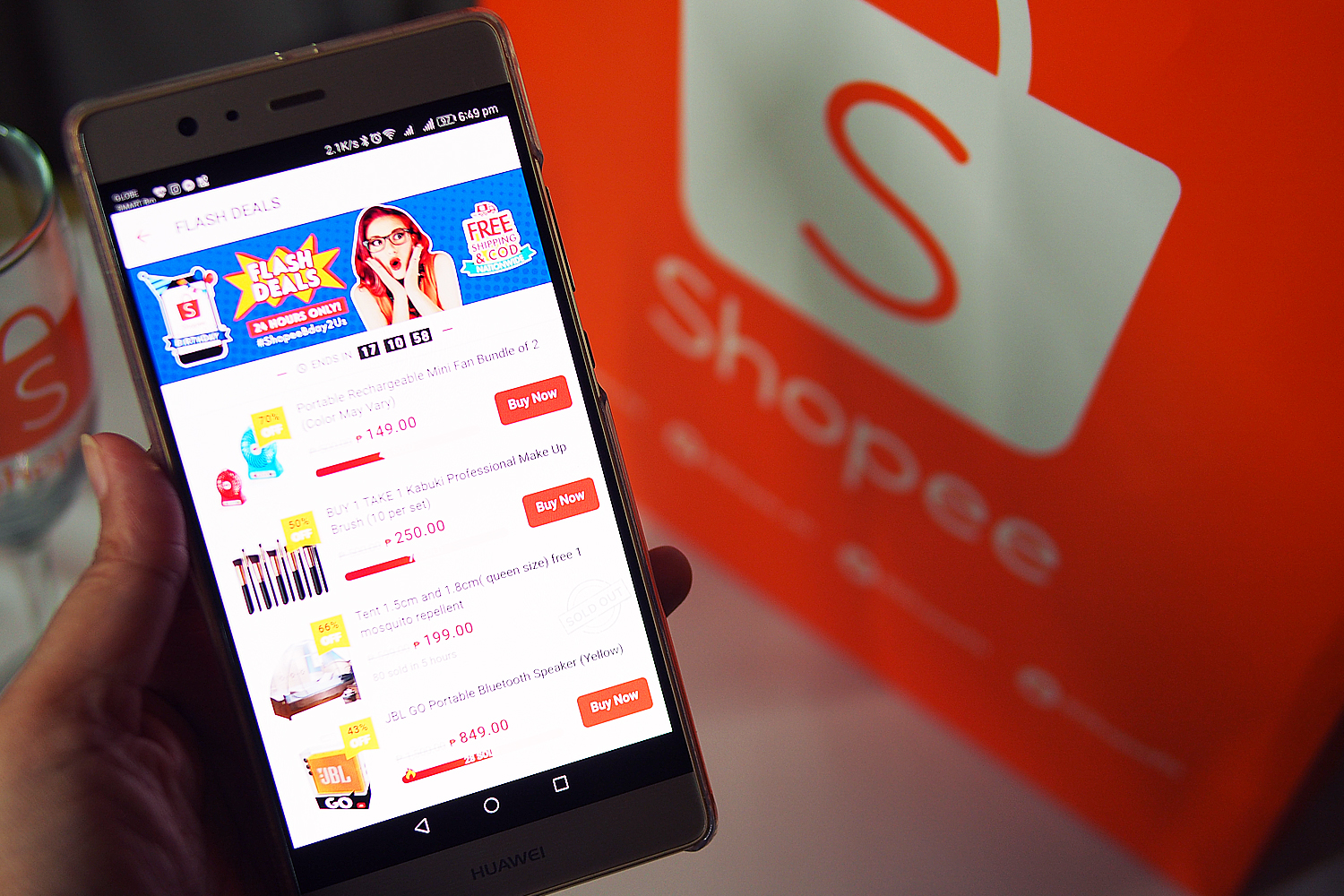
    Shopee, the leading e-commerce platform in Southeast Asia and Taiwan, wraps up the year-end shopping season with a record-breaking 12.12 Birthday Sale. On 12 December, 12 million items were sold in the first 24 minutes and at its peak, 1 million items were bought in a single minute.

    Terence Pang, Chief Operating Officer at Shopee said “We are humbled to end the year on a high note with a groundbreaking 12.12 Birthday Sale. Given the unprecedented year that 2020 has been, we wanted our fifth birthday to be a special day not just for Shopee but for the people we serve. E-commerce has become of increasing importance in our lives and has evolved beyond a platform to access basic needs to one that connects people and businesses. We are glad to have been able to celebrate the past five years with our users, sellers and brand partners and are truly excited for what is to come.”

    Shopee ushered in the festive season with endless fun and greater convenience

    Users joined Shopee every day for four weeks of fun and entertainment leading to 12 December, where they shopped from over 2 billion products. Consumers spent more time on Shopee’s in-app games and features, which offered greater rewards and value.

    • 450 million views were recorded on Shopee Live across the entire 12.12
    • Shopee’s in-app games were played a record of 2.7 billion times
    • Two of Shopee’s newest games, Shopee Bubble and Shopee Candy were a big hit, with a total of 28 million hours played

    The surge in shopping activity was also met with increasing adoption of digital payments. In particular, users enjoyed the convenience of Shopee’s integrated mobile wallet AirPay, with orders paid via the mobile wallet surging 18 times from an average day.

    12.12 Birthday Sale highlights in Thailand

    In Thailand, users enjoyed a constant stream of attractive deals on 12 December, supported by Shopee’s robust ecosystem.

    Thais took this chance to fulfil all their essential and entertainment needs with Home & Living, Beauty & Personal Care and Mobile & Gadgets emerging as the best-selling product categories.

    • Home & Living: Consumers took the time to revitalise their homes on 12 December, with more than 100,000 3D Wallpapers sold.
    • Beauty & Personal Care: Skincare was a big priority as people geared up for the festive season and the new year with 550,000 skincare products sold on 12 December.
    • Mobile & Gadgets: There was strong demand for new phones, gadgets, and electronics accessories. In particular, 400,000 smartphone accessories were sold on 12 December
    • Top Keyword search: On 12 December, the top keywords searched were “iPhone case” and “New Year Gift”, as Thais looked to treat themselves and their loved ones ahead of the new year.
    • Strong demand in the major cities: Shopping activity was highest in Bangkok on 12 December. At its peak, 500,000 items were sold in an hour.

    Powered by the surge in shopping activity, sales peaked for businesses on Shopee. A top electronics retailer recorded THB 7 million in sales per hour on 12 December.


  • Foodpanda grows q-commerce with more than 2,500 7-Eleven stores  across Singapore, Malaysia, Taiwan and the Philippines

    Foodpanda grows q-commerce with more than 2,500 7-Eleven stores across Singapore, Malaysia, Taiwan and the Philippines

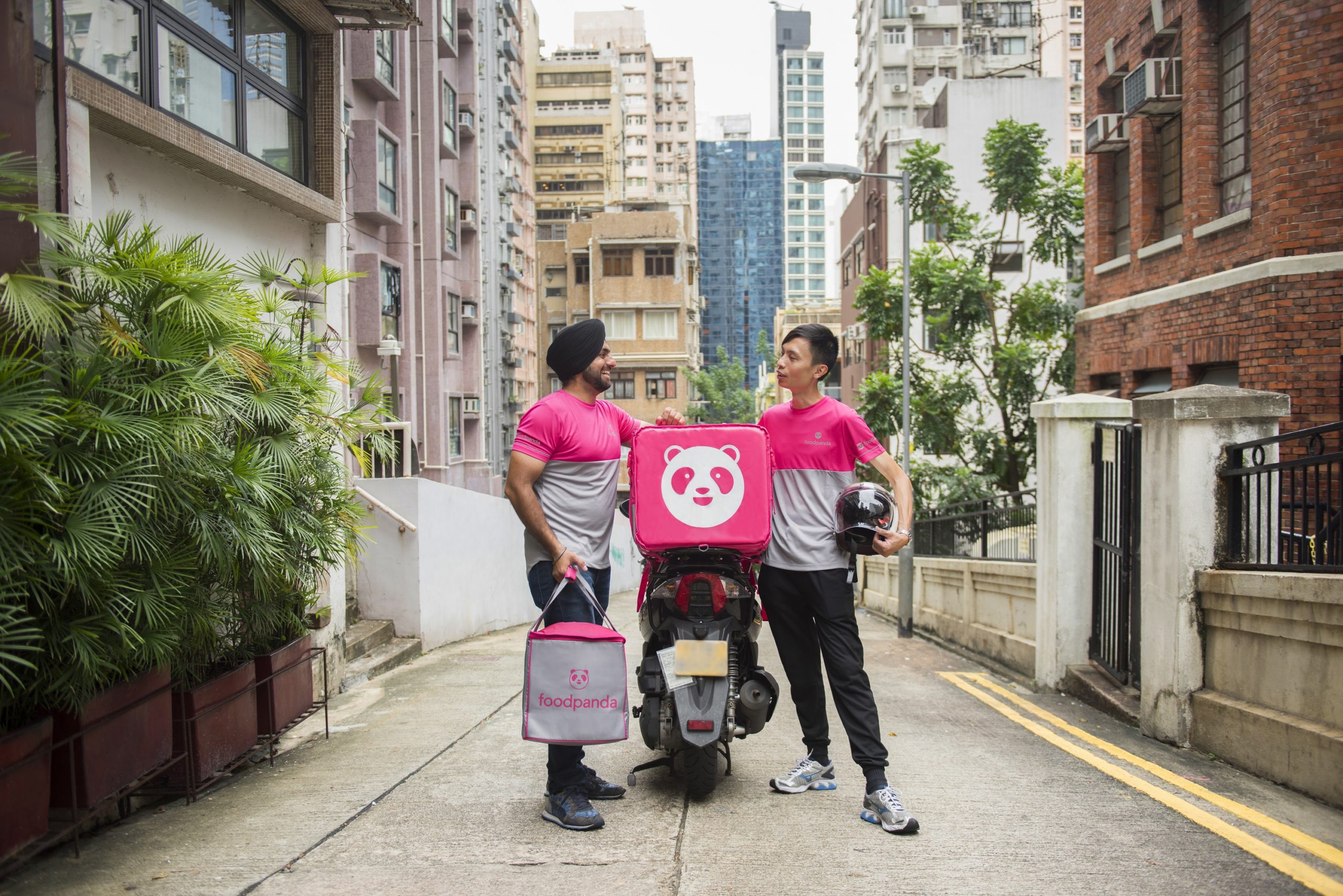
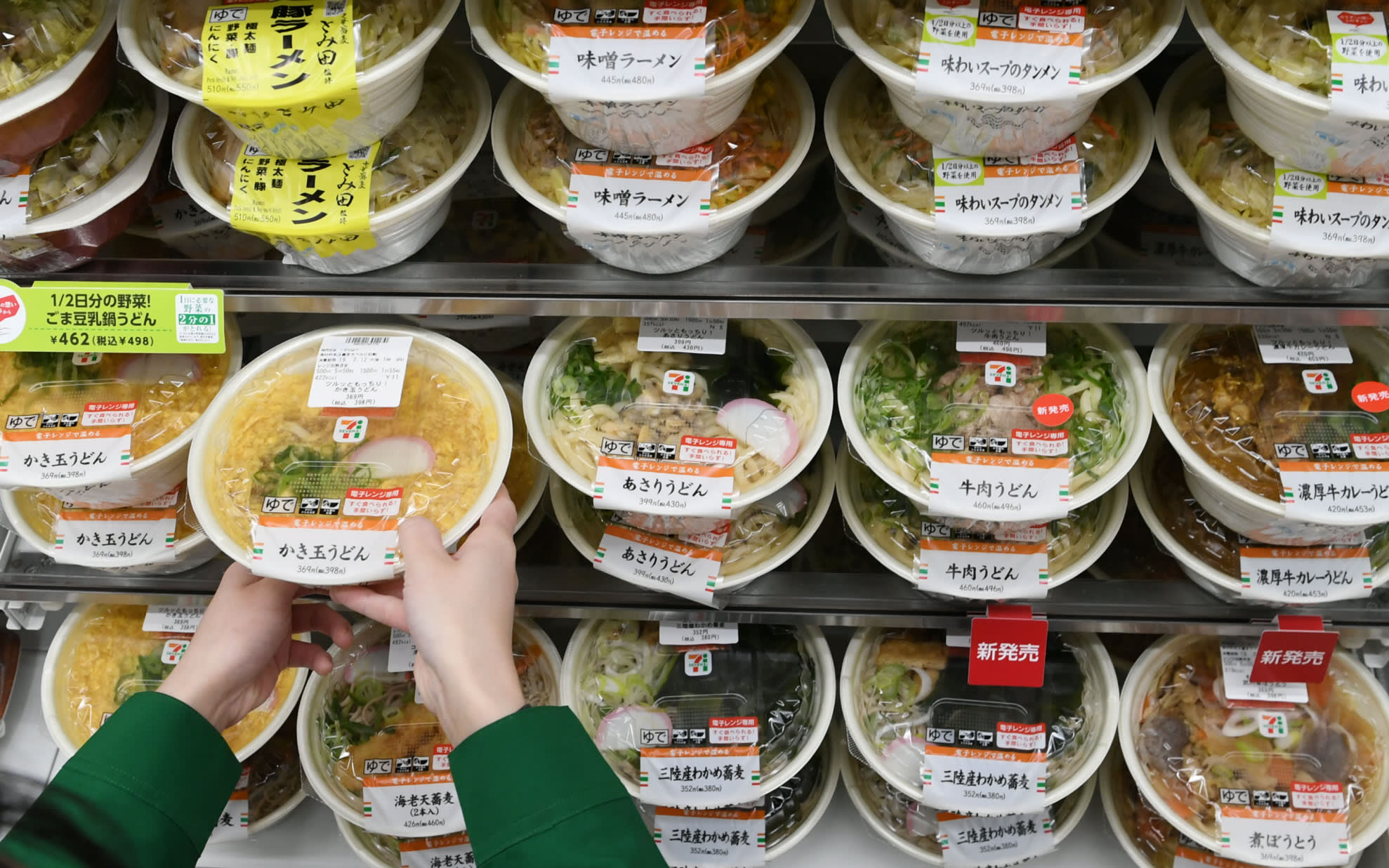
    What’s more convenient than a convenience store? An online one, of course – delivering food, and essentials to customers’ doorsteps quickly, at the touch of a button. foodpanda, the leading delivery platform in Asia Pacific, marks a new milestone with the announcement of more than 2,500 7-Eleven stores on its app, making the leading convenient store available in Singapore, Taiwan, Malaysia and the Philippines.

    With this partnership, foodpanda brings hundreds of 7-Eleven items including hot food, ready-to-eat insta-meals, snacks and alcohol and even pre-paid mobile phone cards into customers’ hands within an average delivery time of 20 minutes. Deliveries can be made anytime, anywhere, 24/7 via foodpanda.

    In the beta phase for integration into the foodpanda “shops” feature, the number of 7-Eleven orders on foodpanda shops grew 50% month-on-month over the past six months. 7-Eleven stores on foodpanda offer over 1,000 unique items on average across the four markets.

    The most convenient convenience store, powered by technology

    As a pioneer in quick commerce, or q-commerce, foodpanda believes in using technology to better the lives of their customers. With 7-Eleven – a brand synonymous with convenience – on the foodpanda platform, consumers enjoy easy access to the choice and variety for their daily essentials.

    In the Philippines, the largest variety available from a 7-Eleven store via foodpanda is almost 1,600 unique items. In Taiwan, consumers have a preference for post-dinner orders from 8pm to midnight, especially for snacks. We see similar trends across the other markets in Asia as foodpanda continues to provide consumers with better varieties and access to on-demand convenience.

    Industry watchers like IGD have predicted growth in online grocery retail with more brick-and-mortar retailers partnering with delivery and technology companies to grow their online footprint, even prior to the COVID-19 pandemic. This is in line with the rise of the ‘convenience economy’ over the past few years, as consumers get accustomed to food and grocery deliveries. COVID-19 has accelerated this evolution and process. IGD reported that online grocery penetration is expected to remain at elevated rates post-COVID-19 as consumers stay home more. The report also predicts that consumers will continue using online deliveries when social distancing measures are lifted to save time.

    As a leading platform for on-demand deliveries in the Asia Pacific region, foodpanda supports the entire delivery ecosystem to ensure that it satisfies consumers’ appetite for greater choice and convenience through its expansion plans. This partnership underscores foodpanda’s dual focus on growing its core food delivery business as well as its q-commerce offerings.

  • Alibaba’s Taobao to exit Taiwan over political tensions

    Alibaba’s Taobao to exit Taiwan over political tensions

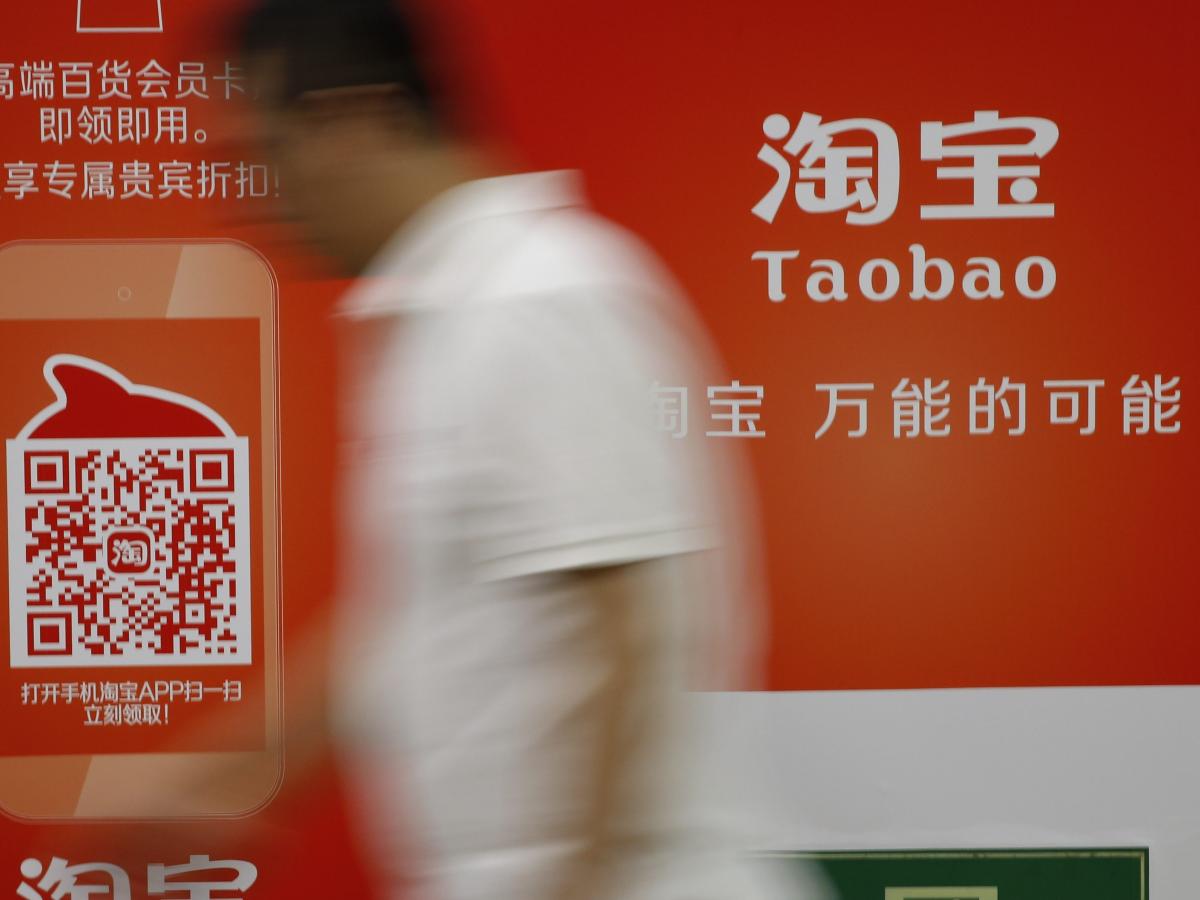
    Taiwan on Monday gave the domestic branch of Alibaba Group Holding Ltd’s e-commerce site Taobao six months to re-register as a Chinese investment rather than a foreign one, or leave, in the government’s latest shot against Chinese firms.

    Amid growing political tension, Taiwan has stepped up oversight of Chinese investment and the operations of Chinese tech firms on the island.

    Last week it said it planned to stop local sales of Chinese internet television streaming services, though it does not plan to block them.

    The investment commission of Taiwan’s Economics Ministry said Taobao Taiwan was operated by a British-registered company called Claddagh Venture Investment, an investment firm that was in effect controlled by Alibaba.

    The commission was also concerned about information security as user data was sent back to China, it said, adding that Taobao Taiwan had been fined T$410,000 ($13,960) and had six months to either withdraw its investment, or re-register.

    “We do not consider the company as foreign investment,” commission spokesman Su Chi-Yun told Reuters. “They will have to decide whether to disinvest or rectify their investment.”

    The company should have registered as a Chinese investment, but came in as foreign investment instead since “it’s more convenient,” he added.

    Taiwan treats investment from foreign countries differently than that from China, with far more stringent rules.

    Su said even if Taobao chose to register as Chinese investment in Taiwan, it could still fall afoul of rules barring Chinese companies from sectors vital to its business model, such as third-party payments or advertising.

    Claddagh’s Taiwan office expressed regret at the move and said it had received no formal notification from the government, but that it respected the decision and would “carry out rectification as soon as possible.” It did not give details.

    Taobao Taiwan, launched last year, has previously said it was an entirely different platform from Taobao China.

  • 7-Eleven in Taiwan to offer restaurant grade fresh meals

    7-Eleven in Taiwan to offer restaurant grade fresh meals

    Convenience store chain 7-Eleven in Taiwan has partnered with a restaurant and a hotel to offer fresh-cooked meals to consumers.

    The service, launching this week at the Dongxing Road outlet in Taipei, will retail assorted boxed meals targeting office workers following seven different menus prepared for the venture by Regent Taipei chefs and restaurant Su/food.

    Customers are invited to place advance orders for the meals, to be picked up on the same or following day at noon. The partnering providers will deliver the meals to the participating stores, which will store them to preserve the temperature.

    7-Eleven in Taiwan expects the venture to increase its meal sales by 10 to 20 percent. After a trial period, the concept is expected to be rolled out more widely.

  • Don Don Donki lifting off in Taiwan

    Don Don Donki lifting off in Taiwan

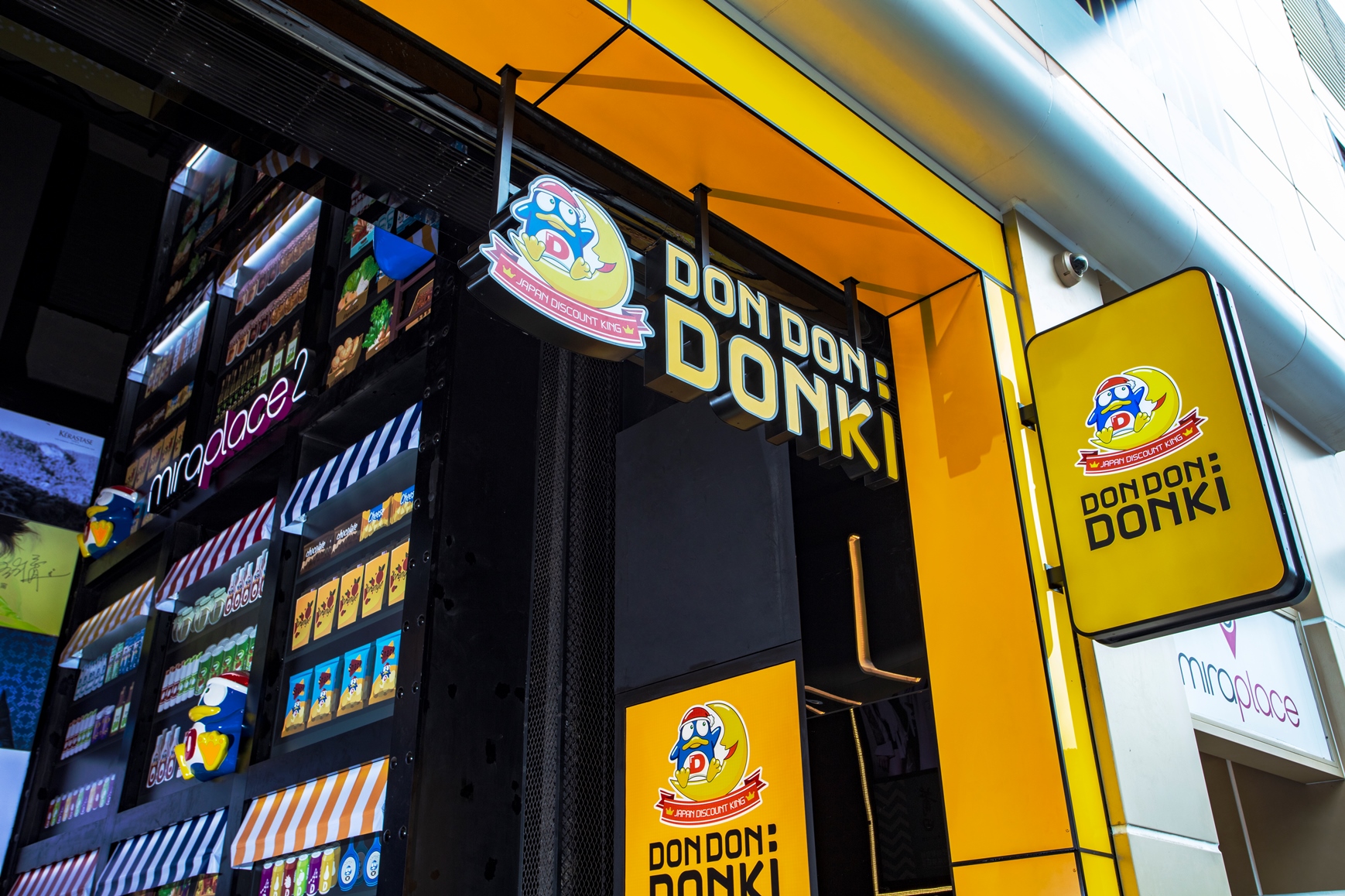
    Japanese discount retailer Don Don Donki is set to make its debut in Taipei. As yet, the company has not revealed any details regarding the location or opening date, however, various sources have confirmed the store will trade 24-seven in the popular shopping destination of Ximendeng.

    New of the company’s Taiwanese debut spread quickly after advertising was spotted to recruit around 400 employees.

    With over 160 branches in Japan, Hong Kong, Singapore, Thailand, and Hawaii, this will be Don Don Donki’s first venture in Taiwan.

    Don Don Donki is a favorite destination for Taiwanese visitors to Japan. The discounter had previously launched a free international shipping promotion on its e-commerce platform last year, proving the brand’s appeal to Taiwanese fans.

    Meanwhile, Don Don Donki’s fifth Hong Kong outlet of the year is expected to open in Central next month in October. Its owner, Japanese group Pan Pacific, has been aggressively expanding within the Asian region in the past year, from Thailand to Malaysia.

  • Starbucks China opens first coffee outlet made of containers

    Starbucks China opens first coffee outlet made of containers

    Starbucks has just unveiled a new concept store in China created inside six repurposed shipping containers.

    An identical concept, created by Japanese architect Kengo Kuma, first appeared in Taiwan. As the 800th store in Shanghai, the Starbucks container store helped set a new record for the city – it has more Starbucks stores than any other city in the world.

    The cafe is located at Shanghai’s Wisdom Bay Science Innovation Park, on space which was formerly home to warehouses and container storage yards.

    Today, the area has been gentrified, converting abandoned cargo containers into office spaces as well has housed the nation’s first museum of 3D printing.

    Elements of the Silicon Valley-esque structure have also been replicated inside the store to create ‘cultural coffee experiences’, an art gallery and a wall installation art piece created by a 3D printer.

  • iKala raises US$17M Series B to expand global footprint

    iKala raises US$17M Series B to expand global footprint

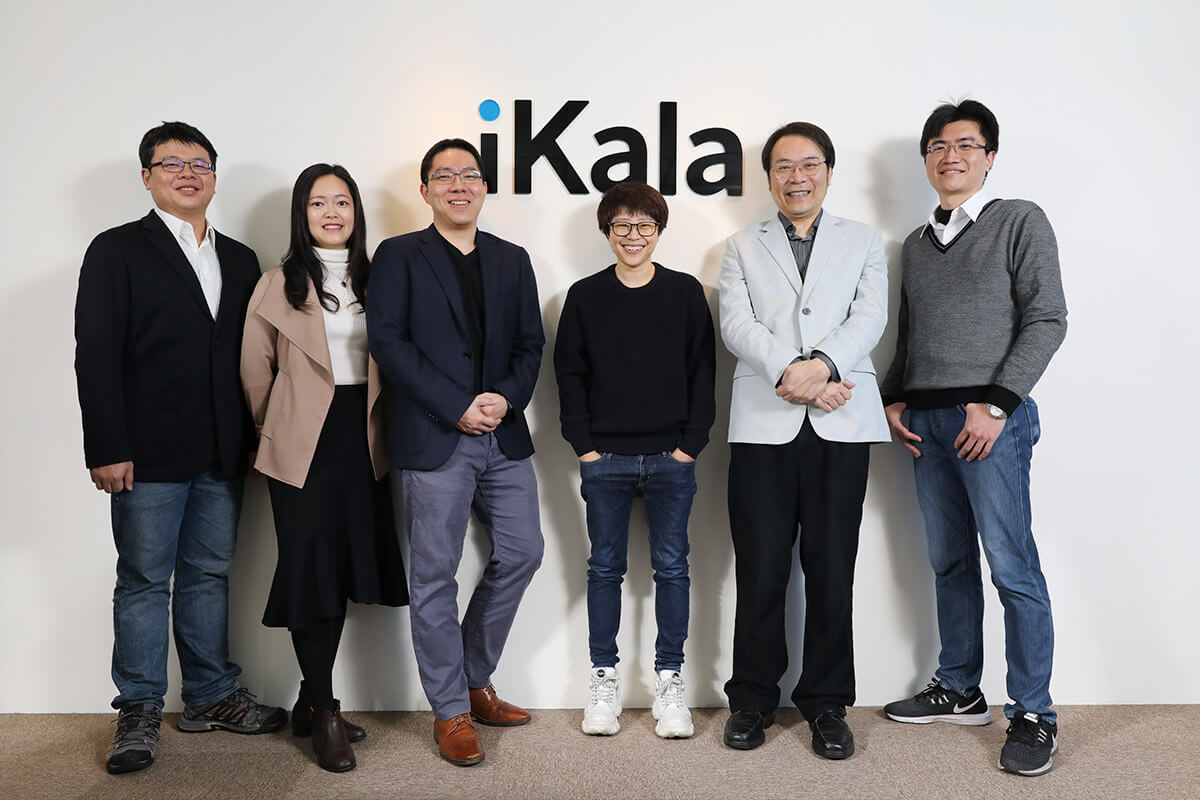
    iKala, Asia’s leading AI company headquartered in Taiwan, has raised US$17M in a Series B round of funding led by Wistron Digital Technology Holding Company, a Wistron Corporation’s wholly-owned subsidiary which focuses on digital technology industries and software application related investments. Previous investors Hotung Investment Holdings Limited and Pacific Venture Partners are also coming in, showing confidence in iKala’s practical AI and digital solutions and SEA cross-border operational efficiency.

    The latest round of funding takes the company’s total funding to US$30.3 million and will be used to further fuel iKala’s AI and digital technologies innovation. Equally, it signals the company’s expansion into new markets including Indonesia and Malaysia, while strengthening its position in its existing key markets of Singapore, Thailand, Taiwan, Hong Kong, Philippines, Vietnam and Japan.

    This strategic investment marks the lead investor Wistron Digital Technology Holding Company, which also focuses on big data analytics, entry into  Southeast Asia. Together, both companies are confident of propelling the region’s digital transformation journey forward and facilitate the development of Artificial Intelligence technology and software.

    “We’ve been on a strong growth trajectory over the last couple of years, expanding into new markets and developing cutting-edge technology that has put us in a leading position in the region’s digital transformation and commerce space. With this funding, we look forward to exploring new opportunities in AI commerce beyond our existing markets,” said Sega Cheng, co-founder and CEO of iKala.

    “Taiwan has an excellent reputation for having some of the best high tech talents in both hardware and software around the region. With Wistron as a strategic partner, iKala can become a major driving force for transforming Taiwan into an AI industry and talent hub in Asia,” said Dr. Lee-Feng Chien, iKala’s board member, former Google Taiwan managing director, who joined earlier this year.

    “As part of the Fortune Global 500 and as a TSP (Technical Service Provider) company,  iKala’s AI and software capabilities will be a value-adding element to Wistron’s long-held and leading hardware industry presence. We have heavily invested ourselves in digital transformation and further creation of new business to provide our clients with new opportunities brought by digital transformation,” said Robert Hwang, Vice Chairman & President of New Business, Wistron.

    Following its exceptional growth in the cloud and digital transformation industry since Series A round of funding early last year, iKala established a new division in June: iKala Commerce. The new solution consolidates AI-powered influencer database KOL Radar, and AI social commerce solution Shoplus, to provide an integrated solution and holistic customer data insights for the region’s social commerce players.


  • Jason Wu opens first store in Shanghai

    Jason Wu opens first store in Shanghai

    Taiwanese-Canadian designer Jason Wu has opened his first global flagship boutique in Shanghai, China.

    Located at IFC Mall, the flagship store features a sophisticated design created by architect Andre Mellone. The studio previously designed a Jason Wu shop-in-shop at Saks Fifth Avenue in New York and the Jason Wu fragrance bottle.

    The store facade features a floor-to-ceiling glass wall and a digital screen illustrating the brand’s name. Gold color and marble patterns are used liberally in the Jason Wu boutique’s design such as gold metal racks and frames, gold rose marble walls, and marble display tables.

    A black wooden table and a large carpet are placed at the store’s center.

    The Jason Wu Shanghai boutique houses a wide range of fashion items and fragrances.

    Jason Wu is known for designing dresses worn by former First Lady Michelle Obama on several occasions, including those worn during the first and second inauguration of her husband, President Barack Obama.