Tag: Taiwan

  • Taiwan’s Fixed Communication Market Set for Steady Growth Amid Rising Fiber Broadband Demand

    Taiwan’s Fixed Communication Market Set for Steady Growth Amid Rising Fiber Broadband Demand

    The revenue for Taiwan’s fixed communication services market is predicted to increase from USD 3.3 billion in 2025 to USD 3.4 billion in 2030, showing a slow compound annual growth rate (CAGR) of 0.4%. This sluggish expansion is primarily due to a continuous decrease in fixed voice access lines and average revenue per user (ARPU) levels.

    Shifting Communication Preferences

    Taiwan’s Fixed Communication Forecast for the third quarter of 2025, provided by GlobalData, predicts that total voice subscriptions in the country will decrease at a CAGR of 0.8% from 2025 to 2030. This decrease is attributed to users increasingly opting for mobile and application-based communication services over traditional voice lines.

    Declining ARPU in Fixed Voice Services

    The overall ARPU for fixed voice services is also expected to decline during this period. The ARPU for residential fixed voice is forecasted to drop from USD 2.68 in 2025 to USD 2.38 in 2030. While the number of fixed broadband accounts is expected to grow at a CAGR of 2.6% during the forecast period, the ARPU for fixed broadband is expected to decrease. The ARPU for residential fixed broadband is forecasted to decline from USD 25.67 in 2025 to USD 24.69 in 2030, and for the business segment, it is expected to drop from USD 33.64 to USD 30.38.

    Continued Dominance of Fiber Broadband

    According to Pradeepthi Kantipudi, a Telecom Analyst at GlobalData, fiber is set to remain the dominant broadband technology when it comes to subscription share throughout the forecast period. By the end of 2030, fiber-based subscriptions are expected to constitute 63% of total fixed broadband accounts in Taiwan. This projected growth is driven by the increasing demand for high-speed broadband connectivity. Additionally, initiatives by the government and telecom operators to expand and upgrade the country’s fiber broadband infrastructure are also contributing factors.

    Chunghwa Telecom is projected to lead the fixed broadband services market in terms of subscription share in 2025 and maintain this lead through 2030. This prediction is based on the company’s strong position in the fiber-to-the-home (FTTH) segment and its continued efforts to upgrade the gigabit broadband network nationwide.

    Questions & Answers

    What is the projected growth rate for Taiwan’s fixed communication services market?
    The revenue for Taiwan’s fixed communication services market is predicted to increase at a CAGR of just 0.4% from 2025 to 2030.

    What factors are contributing to the slow growth of Taiwan’s fixed communication services market?
    The slow growth is primarily due to a continuous decrease in fixed voice access lines and average revenue per user (ARPU) levels, with users increasingly opting for mobile and application-based communication services.

    Who is expected to lead the fixed broadband services market in Taiwan by 2030?
    Chunghwa Telecom is projected to lead the fixed broadband services market in Taiwan through 2030, thanks to its strong position in the fiber-to-the-home (FTTH) segment and its focus on upgrading the gigabit broadband network nationwide.


  • Taiwan Launches Ambitious $838M 6G Satellite Alliance, Positions as Indo-Pacific Tech Hub

    Taiwan Launches Ambitious $838M 6G Satellite Alliance, Positions as Indo-Pacific Tech Hub

    Taiwan has initiated a significant endeavour to advance next-generation communication technology through the establishment of the Taiwan NextGen Communications Alliance (TNGCA). This alliance comprises over 50 companies and is backed by a six-year national plan involving NTD 27 billion (USD 838 million).

    The Purpose of the Alliance

    The TNGCA is a newly-formed body aiming to bring together a variety of industry players, including telecom operators, satellite developers, chipmakers, system integrators, and AI technology providers. Over 30 technical experts have also become part of this initiative, according to the Taipei Computer Association (TCA).

    The alliance will be led by Chunghwa Telecom Chairman, Chien Chih-cheng. The collective’s primary focus will be to hasten the development of domestically manufactured satellite equipment and user terminals, with the objective of reducing Taiwan’s reliance on foreign suppliers. Currently, the majority of Taiwan’s satellite-related hardware is imported from the United States and South Korea.

    Structuring for Success

    To ensure coordinated advancement, the TNGCA has implemented four committees that will concentrate on policy alignment, technology development, and collaboration across sectors involving government, academia, and industry. This strategic approach is intended to unify resources across Taiwan’s entirety of the communications ecosystem, from upstream to downstream.

    According to Chien, this initiative will position Taiwan to seize significant global market opportunities. The alliance anticipates that the next-generation communications sector will generate an impressive NTD 1 trillion in production value between 2029 and 2030. This growth is expected to come as more domestically produced components achieve international standards and integrate into global supply chains.

    Initial Actions and Future Goals

    Immediately after its inception, the TNGCA embarked on its first international outreach effort. The alliance arranged one-on-one meetings between the Philippine Space Agency (PhilSA) and 10 Taiwanese companies specializing in satellite and communications technologies, with the aim of establishing potential future partnerships.

    The formation of the TNGCA signifies one of Taiwan’s most comprehensive national efforts to date to influence the evolving 6G and satellite communications industry. This move fortifies the island’s ambition to become a strategic technology hub in the Indo-Pacific region.

    Questions & Answers

    What is the Taiwan NextGen Communications Alliance (TNGCA)?
    The TNGCA is a coalition of over 50 companies established to advance next-generation communication technologies in Taiwan. The alliance includes telecom operators, satellite developers, chipmakers, system integrators, and AI technology providers.

    What are the main goals of the TNGCA?
    The TNGCA aims to reduce Taiwan’s dependence on foreign suppliers for satellite-related hardware, accelerate the development of locally made satellite equipment and user terminals, and capture global market opportunities in the next-generation communications sector.

    What are the initial actions of the TNGCA following its establishment?
    The TNGCA immediately initiated an international outreach effort after its launch. It arranged for one-on-one meetings between the Philippine Space Agency and 10 Taiwanese companies specializing in satellite and communications technologies to discuss potential future cooperation.

  • Google Boosts Global AI Innovation with New Major Hardware Engineering Center in Taiwan

    Google Boosts Global AI Innovation with New Major Hardware Engineering Center in Taiwan

    Google has inaugurated a new engineering center in Taiwan dedicated to artificial intelligence (AI) infrastructure hardware, marking its largest establishment of this kind outside the United States. This move underscores Taiwan’s pivotal role in the global technology landscape.

    Taiwan’s President, Lai Ching-te, lauded the launch event in Taipei, noting that Google’s investment underscores the company’s faith in Taiwan’s tech prowess. According to President Lai, Taiwan is not just a fundamental component of the global technology supply chain, but also a crucial hub for designing secure and trustworthy AI.

    Taiwan continues to be a critical player in advancing global AI owing to its solid semiconductor ecosystem, spearheaded by Taiwan Semiconductor Manufacturing Co. (TSMC). The high-tech chips developed by TSMC power systems from firms such as NVIDIA, which are at the forefront of global AI innovation.

    Raymond Greene, the acting U.S. Ambassador in Taipei, emphasized the importance of this expansion. He noted that this innovative foundation sets the stage for a promising new era, dubbing it a new golden age in the economic relationship between the U.S. and Taiwan.

    Google revealed that the new facility will concentrate on sophisticated AI hardware engineering. This will include the integration of AI chips such as Google’s Tensor Processing Units (TPUs) into motherboards and their attachment to servers.

    Additionally, Google confirmed that its Taiwan infrastructure engineering team, established in 2020, has tripled in size, and that the new center will be staffed by hundreds of employees who will support Google’s global data center operations.

    Google’s presence in Taiwan is not new. The company already runs multiple hardware development sites on the island and has been operating a data center in Changhua County since 2013. Google has also invested in several subsea cable projects connecting Taiwan to global networks.

    Aamer Mahmood, Google’s Vice President of Engineering, stated that the technology developed and tested in Taipei is deployed in Google data centers worldwide, which powers Google devices relied upon by billions globally. He added that this is more than an office investment; it signifies an investment in an ecosystem, further solidifying Taiwan’s position as an essential center for global AI innovation.

    Questions & Answers

    What is the focus of Google’s new engineering center in Taiwan?
    The new engineering center will concentrate on advanced AI hardware engineering, including the integration of AI chips into motherboards and servers.

    How does Taiwan contribute to global AI progress?
    Taiwan has a robust semiconductor ecosystem led by Taiwan Semiconductor Manufacturing Co. (TSMC), making it a critical player in advancing global AI. The chips developed by TSMC power systems for AI innovation worldwide.

    What does the new facility mean for Google’s presence in Taiwan?
    The new facility marks an expansion of Google’s presence in Taiwan. In addition to the new center, Google already operates multiple hardware development sites and a data center in Taiwan, and has invested in numerous subsea cable projects.

  • Veteran Banker Chelsea Chu Takes Helm At Citi’s Corporate Banking Division In Taiwan

    Veteran Banker Chelsea Chu Takes Helm At Citi’s Corporate Banking Division In Taiwan

    Chelsea Chu, a veteran banking executive, has been appointed to head the corporate banking division of the American financial institution, Citi, in Taiwan. Based out of Taipei, Chu is expected to leverage her considerable experience in banking to enhance the bank’s performance across various customer segments within the market.

    Chu brings a formidable banking background to her new position. She has amassed 28 years of experience in the industry, with her most recent role being the head of corporate coverage for Taiwan at ANZ. Chu is no stranger to Citi, having spent two decades of her career at the bank, dealing with large corporate clients from a wide range of industries in Taiwan.

    Christie Chang, the chair of Citi Taiwan Limited, expressed the bank’s delight at welcoming Chu back into the fold. Chang highlighted Chu’s comprehensive experience and proven success as invaluable assets that will contribute to the strengthening of client relationships and solidify the bank’s leadership in Taiwan’s corporate banking sector.

    Kaleem Rizvi, Citi’s head of corporate banking for Japan, Australia, and North Asia, also shared his confidence in Chu’s ability to lead. Rizvi believes that under Chu’s leadership, Citi’s preeminent corporate banking franchise in Taiwan will continue on its robust growth trajectory.

    Since 2020, Citi has been instrumental in raising over $30 billion from global capital markets to assist Taiwanese corporate clients, underscoring the bank’s significant influence and commitment to the corporate sector in Taiwan.

    Questions & Answers

    Who has been appointed as the new head of corporate banking for Citi in Taiwan?
    Chelsea Chu has been appointed to head Citi’s corporate banking unit in Taiwan.

    Can you provide some information about Chelsea Chu’s professional background?
    Chelsea Chu has an extensive background in banking with 28 years of experience. She recently served as the head of corporate coverage for Taiwan at ANZ. Before that, she spent 20 years at Citi, handling large corporate clients across various industries in Taiwan.

    What is expected from Chelsea Chu in her new role at Citi?
    In her new role, Chelsea Chu is expected to use her vast experience to improve the bank’s performance across all customer segments in Taiwan. She is also expected to strengthen client relationships and enhance Citi’s leadership in Taiwan’s corporate banking sector.

  • Taiwan’s Mobile Service Revenue Set to Hit $6.2 Billion by 2030: What It Means for Retail!

    Taiwan’s Mobile Service Revenue Set to Hit $6.2 Billion by 2030: What It Means for Retail!

    Taiwan’s mobile service sector is poised for a notable uptick, projected to grow from USD 5.9 billion in 2025 to USD 6.2 billion by 2030. This increase, marking a 1% compound annual growth rate (CAGR), is primarily driven by the robust uptake of 5G technology and a mounting demand for mobile data services, as outlined in GlobalData’s Taiwan Mobile Broadband Forecast (Q2 2025).

    The Shift from Voice to Data

    While mobile voice revenue continues its steady decline, with a staggering projected fall of 10% CAGR as users shift towards over-the-top (OTT) and internet-based communication platforms, mobile data revenue is flourishing. This segment is expected to grow at a 3.2% CAGR, buoyed by the appeal of high-ARPU 5G plans and an increase in video streaming, gaming, and social media interaction.

    Data Consumption on the Rise

    Kantipudi Pradeepthi, a Telecom Analyst at GlobalData, highlighted the change in consumer behavior:

    The average monthly mobile data usage is expected to leap from 36.4 GB in 2025 to approximately 44.0 GB by 2030, driven by the growing consumption of high-bandwidth online entertainment and social media content over smartphones.

    5G: The Future of Mobile Connectivity

    By the end of the decade, 5G is expected to dominate Taiwan’s telecommunications landscape, accounting for more than 95% of all mobile subscriptions. This rapid transition is facilitated by the widespread availability of 5G-capable smartphones and ongoing nationwide network rollouts.

    Leading Operators in a Competitive Market

    Chunghwa Telecom continues to shine as the market leader, holding approximately 38–39% of the subscriber base and around 40% of mobile revenue. Despite a slight dip in its subscriber numbers compared to the previous year, the operator reported higher service revenue in Q2 2025 and is channeling TWD 32.36 billion into 5G expansion, data centers, and submarine cable initiatives. Its commitment to value-added services, such as streaming and cloud gaming, reinforces customer loyalty — a secret sauce in retaining its competitive edge.

    FarEasTone is aiming for 50% 5G penetration and has teamed up with Ericsson to enhance connectivity and network slicing functionalities at large venues, making excellent use of 5G-Advanced capabilities. This innovative approach not only aims to bolster network efficiency and user experience but also encourages customers to opt for premium services.

    Meanwhile, Taiwan Mobile, which recently exceeded 10 million subscribers following its merger with Taiwan Star, is adopting a ‘Telco + Tech’ strategy. This includes investments in AI, cloud solutions, and cybersecurity, alongside a commitment of TWD 11 billion (in partnership with Fubon Group) towards renewable energy projects, reflecting its ambitions for sustainability and net-zero goals. Its growing investments in technology firms like SYSTEX are enhancing its capabilities in private 5G and enterprise solutions.

    The Road Ahead for Taiwan’s Telecom Sector

    With all three leading operators aggressively advancing 5G rollouts, Taiwan is solidifying its reputation as one of the most advanced 5G markets in the Asia Pacific. Competitive strategies, increasing data consumption, and early adoption of next-generation technologies are all ingredients that will keep revenue growth and market leadership on an upward trajectory through 2030. Who would have thought that the secrets to a telecommunications renaissance would lie in video games and social media?

    Questions & Answers

    How significant is the growth of mobile data revenue in Taiwan?
    Mobile data revenue is expected to grow at a 3.2% CAGR, driven by high-ARPU 5G plans and increased use of streaming, gaming, and social media.

    What role does 5G play in Taiwan’s mobile market by 2030?
    By 2030, 5G is projected to account for over 95% of mobile subscriptions, highlighting its pivotal role in the evolution of the telecommunications landscape.

    What strategies are operators employing to enhance their market positions?
    Operators like Chunghwa Telecom and FarEasTone are investing heavily in 5G infrastructure, value-added services, and partnerships to improve customer experiences and boost subscriber numbers.

  • Familymart Accelerates Taiwan Expansion: 100 New Stores And Revamped Food Section Planned For 2022

    Familymart Accelerates Taiwan Expansion: 100 New Stores And Revamped Food Section Planned For 2022

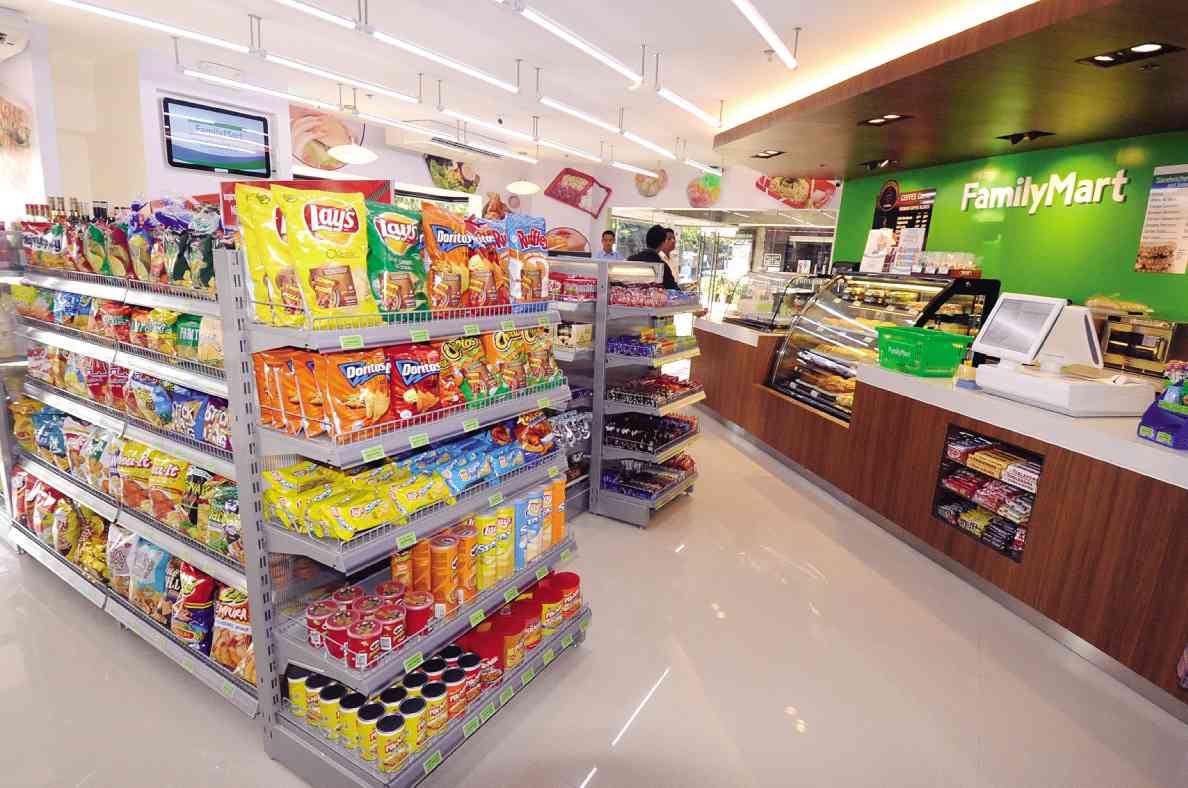
    FamilyMart, a renowned convenience store chain, is stepping up its growth strategy in Taiwan. The company has announced plans to inaugurate 100 new outlets this year, a significant step towards their long-term objective of establishing 5000 stores by 2029.

    Currently, FamilyMart operates around 4400 stores across the nation. Last year, the company added 80 new stores to its portfolio, and it now anticipates increasing the pace of expansion to approximately 150 stores annually in the forthcoming years.

    Reinventing Food Offerings

    In alignment with its comprehensive growth plan, FamilyMart is revitalizing its food section to keep pace with evolving consumer preferences. The company plans to introduce a wider range of customizable bento meals and increase its array of microwave-friendly dishes. The new offerings are aimed at catering to busy urban customers and to make the store an appealing destination beyond traditional meal times.

    Customer Experience Strategy

    In another strategy to enhance the customer experience, FamilyMart Taiwan will continue to keep dining spaces in their stores. The company views these areas as a crucial element of the customer journey, fostering longer stays, facilitating informal gatherings, and promoting additional purchases.

    FamilyMart ventured into the Taiwan market in 1988 with its first store in Taipei Station’s shopping district. Operated by Taiwan FamilyMart Co, the brand has now become one of the top convenience store chains in the country, competing with the likes of 7-Eleven and Carrefour.

    Questions & Answers

    What is FamilyMart’s expansion goal in Taiwan by 2029?
    FamilyMart aims to operate 5000 outlets in Taiwan by 2029.

    How is FamilyMart planning to modify its food offerings?
    FamilyMart plans to roll out more customizable bento meals and expand its selection of microwave-ready dishes, targeting urban consumers and beyond traditional meal times.

    What is FamilyMart’s strategy to enhance customer experience?
    FamilyMart Taiwan will continue to maintain dining areas in their stores as they see them as a key aspect of the customer experience, encouraging longer stays, informal meetings, and additional purchases.

  • Potato Corner Debuts In Taiwan: Strategic Expansion Into 16th International Market

    Potato Corner Debuts In Taiwan: Strategic Expansion Into 16th International Market

    Potato Corner, a popular flavored fries chain, has made its debut in the Taiwan market. The brand’s inaugural store was launched at the Uni-President Department Store, located in Taipei’s Xinyi District.

    Collaboration with Local F&B Operator

    The launch in Taiwan was made possible through a strategic partnership with Fujin Tree Group, a local operator in the lifestyle and food & beverage sectors. Vicente Gregorio, the president and CEO of Shakey’s Pizza Asia Ventures (Spavi) which owns Potato Corner, expressed confidence in their collaboration with Fujin Tree Group. He emphasized its strategic importance in the brand’s international expansion plan, saying, “We anticipate enhancing and expanding our brand visibility in Taiwan with the robust backing of our partner, Fujin Tree.”

    Expansion Plans

    Jay Wu, the founder of Fujin Tree Group, corroborated this sentiment, stating that more Potato Corner stores are in the pipeline and expected to open before the end of the year. Following its acquisition by Spavi in 2022, Potato Corner has seen significant growth, boasting 2345 outlets across the globe. The entry into Taiwan marks the brand’s penetration into its 16th international market.

    Brand Value

    Gregorio iterated his pride in bringing Potato Corner to new international markets, highlighting the importance of this milestone for the brand. He said, “Potato Corner’s debut in Taipei is a notable moment not just for our flavored fries, but for our group’s vision of wowing more guests around the globe.”

    Questions & Answers

    What is the significance of Potato Corner’s launch in Taiwan?
    The launch marks Potato Corner’s entry into its 16th international market, further expanding its global footprint.

    Who is Potato Corner’s local partner in Taiwan?
    Potato Corner has partnered with the Fujin Tree Group, a Taiwan-based operator in the lifestyle and food & beverage sectors.

    What are the future expansion plans for Potato Corner in Taiwan?
    In collaboration with Fujin Tree Group, Potato Corner plans to open additional stores in Taiwan by the end of the year.

  • 7-eleven’s Bold $1.2b Acquisition: Aiming For Retail Dominance In Taiwan

    7-eleven’s Bold $1.2b Acquisition: Aiming For Retail Dominance In Taiwan

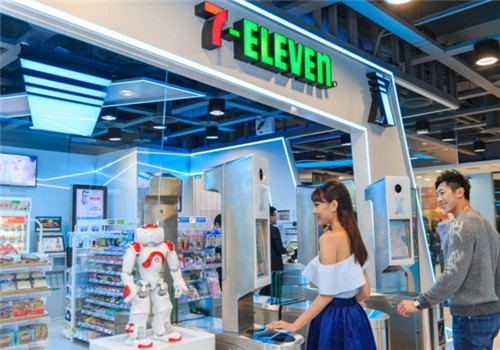
    In a bold move signaling the strength of the retail sector, Japanese retail giant 7-Eleven has struck a deal to acquire approximately 3,200 stores in Taiwan. This acquisition, worth a staggering $1.2 billion, is not just a strategic expansion but also a reflection of 7-Eleven’s ambition to dominate the Asian market. Currently, the brand commands a formidable presence in Taiwan, boasting over 6,000 stores. With this new endeavor, they intend to enhance distribution channels and grow their footprint across the island.

    Strategic Expansion in a Competitive Market

    The transaction is set to reshape the competitive landscape of convenience stores in Taiwan. Presently, the local market is a battleground, dominated by major players such as FamilyMart and Hi Life. Analysts are already speculating about how this merger will redefine customer loyalty, pricing strategies, and inventory management across the sector. It’s as if the comfort of picking up a midnight snack is suddenly caught in a high-stakes chess game.

    7-Eleven’s acquisition follows a series of strategic maneuvers aimed at revitalizing its brand and operations in Asia. Previously, the company has made headlines with its innovative retail approaches, integrating technology and customer experience into its neighborhood stores. This has set a high bar for convenience shopping, and it’s clear that 7-Eleven is not merely following trends; it’s establishing them.

    Boosting Local Networks

    The company has expressed intentions to retain current management and regional operational identity after the acquisition to maintain a sense of continuity for shoppers. This is a crucial move; blending 7-Eleven’s global prowess with existing local insights is expected to drive growth while remaining sensitive to Taiwan’s unique consumer culture.

    The Broader Impact on Industry Dynamics

    With Taiwan’s retail environment evolving rapidly, experts predict that this acquisition could catalyze further consolidations in the convenience store sector. Rivals may have to rethink their positioning and services, particularly as consumer behavior continues to trend towards convenience and immediacy.

    In an industry where every little detail counts—whether that’s snack availability or the size of a coffee cup—7-Eleven’s latest move could change the game entirely. Imagine the excitement of buying your favorite late-night snacks from a store freshly stocked by a retail powerhouse!

    Questions & Answers

    What is the significance of 7-Eleven’s acquisition of stores in Taiwan?
    This acquisition signals 7-Eleven’s intent to solidify its dominance in the Taiwanese market amidst growing competition from local chains like FamilyMart and Hi Life.

    How many stores will 7-Eleven operate in Taiwan post-acquisition?
    After the acquisition, 7-Eleven will operate over 9,200 stores across Taiwan, enhancing its distribution and customer reach significantly.

    What strategies might competitors employ in response to this acquisition?
    Competitors may need to rethink their pricing strategies, improve customer loyalty programs, and enhance inventory management to keep pace with 7-Eleven’s expected innovations.

  • Coupang Surpasses $8 Billion Mark: Record Revenue And Profit Turnaround Amid Taiwan Expansion

    Coupang Surpasses $8 Billion Mark: Record Revenue And Profit Turnaround Amid Taiwan Expansion

    South Korean retail behemoth Coupang has experienced substantial growth this year, boasting a record revenue of $8.52 billion in Q2, a rise of 19% year-over-year with an FX-neutral basis. This marks the first time the company has surpassed the $8 billion mark.

    Additionally, Coupang achieved a net profit of $31 million, a significant turnaround from last year’s Q2 deficit of $105 million. The company’s adjusted EBITDA hit $428 million.

    Core Strengths

    Coupang’s primary source of income comes from its Product Commerce sector, which encompasses Rocket Delivery, Rocket Fresh, Rocket Growth, and the marketplace. The adjusted EBITDA for this segment climbed to $663 million, and margins reached an unprecedented 9%.

    Most of the revenue growth in Q2 came from existing customers. According to Bom Kim, Coupang’s founder and CEO, even the oldest customer cohorts demonstrated robust spending increases in the double digits.

    Kim stated, “As we expand our selection to match customer preferences, they’re also purchasing across a broader number of categories.”

    The Rocket Delivery model, previously criticized for its extravagant spending and capital intensity, is now viewed as a competitive advantage. Same-day and dawn delivery volumes soared over 40% year-over-year, primarily due to the addition of over half a million new Rocket SKUs in Q2.

    Taiwan’s Progress

    Coupang’s Developing Offerings segment, which encompasses Taiwan Rocket Delivery, Coupang Eats, Coupang Play, and Farfetch, posted a revenue of $1.19 billion, an increase of 33% year-over-year. Although this unit is still not profitable, with an adjusted EBITDA loss of $235 million, a majority of this loss can be attributed to increased investment in Taiwan.

    Coupang’s CFO, Gaurav Anand, noted that Taiwan is the main reason behind a revised full-year EBITDA loss prediction for the segment, estimated to be between $900 million and $950 million.

    Coupang launched its Wow membership program in Taiwan in March, targeting a population of 23 million and a retail sector valued at $152.7 billion. Since entering the market in 2022, the company has invested approximately $355 million in expanding its logistics infrastructure and product selection.

    This investment appears to be producing early results, with Taiwan’s revenue surging 54% quarter-over-quarter and recording triple-digit growth year-over-year. These improvements are not only due to customer acquisition but also improved customer retention and spending.

    Kim commented, “Our Taiwan offering is growing faster and stronger than even the most optimistic forecasts we set at the beginning of the year.” He added that they see a similar growth trajectory in Taiwan as they did in the early years of scaling their retail offering in Korea.

    Despite initial concerns, Coupang’s aggressive investment indicates growing belief that Taiwan could become a second profitable market in the long term.

    While Taiwan’s progress overshadows other areas, Coupang’s other businesses continue to develop. Food delivery service Coupang Eats showed continuous double-digit growth, benefiting from the company’s established logistics infrastructure.

    Additionally, Coupang Play, its streaming platform, has added new features like a Sports Pass, providing access to premium sports leagues ranging from the Premier League to Nascar.

    Although these businesses are not yet profitable, they help to retain users within the Coupang ecosystem.

    Looking forward, Coupang faces significant challenges. The South Korean retail sector has been declining for 13 consecutive quarters – the longest recorded downturn. With limited room for further growth at home, the company’s future hinges on maximizing each customer’s value or finding new customers abroad. Taiwan is off to a strong start, but expanding it into a second growth engine may prove challenging, and the level of investment required could test investor patience if results don’t keep up the pace.

    Questions & Answers

    What contributed to the growth of Coupang’s Q2 revenue?
    Existing customers contributed to most of the growth, with spending increases across all cohorts. Additionally, the company expanded its product selection, leading to customers buying across a wider range of categories.

    What is the role of Taiwan in Coupang’s financial strategy?
    Taiwan is a significant focus for Coupang’s investment, aimed at expanding its market beyond South Korea. The company’s aggressive investment in Taiwan indicates a growing belief that it could become a second profitable market in the long term.

    What challenges does Coupang face moving forward?
    Coupang is challenged by the continuous decline in the South Korean retail sector. With limited potential for domestic growth, the company’s future success increasingly relies on maximizing value from each customer and expanding its customer base abroad. Additionally, the level of investment required in markets like Taiwan could test investor patience if results don’t match the pace of investment.

  • Starbucks Debuts Largest ‘greener Store’ In Asia-pacific, Showcasing Sustainability And Immersive Coffee Experiences

    Starbucks Debuts Largest ‘greener Store’ In Asia-pacific, Showcasing Sustainability And Immersive Coffee Experiences

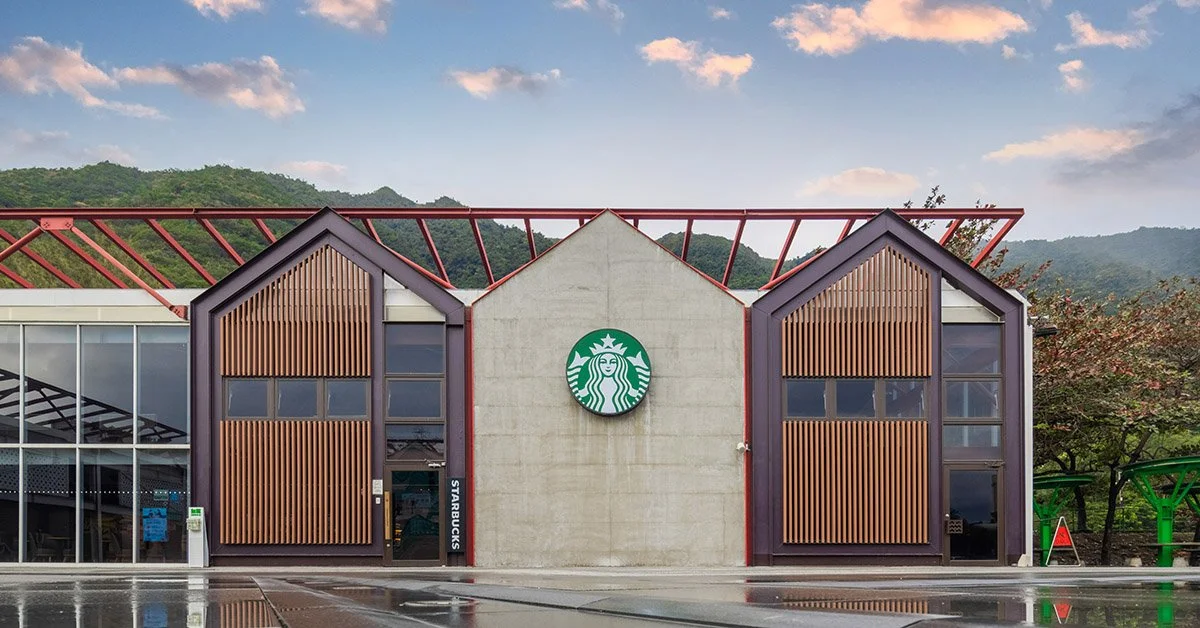
    Starbucks has made a significant addition to its global retail footprint with the unveiling of its largest ‘greener store’ in the Asia Pacific region. The Starbucks Reserve Dream Plaza Taipei in Taiwan is also the brand’s largest flagship store in Taiwan.

    Store Details

    Situated in the Xinyi District of Taipei, the sprawling store spans over 2000sqm and offers services round the clock. The store’s design is segmented into multiple zones, each showcasing various elements of the Starbucks brand. These include an exclusive selection of Starbucks Reserve coffee, a range of innovative culinary options, and eco-friendly design features.

    Siren’s Lounge and Unique Offerings

    One of the store’s most unique features is the Siren’s Lounge. This attraction is a first in the Asia Pacific region, housing a menu formulated in association with celebrated chef Andre Chiang. Customers can relish specialty mocktails and spirit-infused beverages, all while absorbing panoramic views of Taipei’s stunning skyline.

    The store also hosts a Mixology Bar where trained baristas concoct signature coffee-based cocktails such as the Espresso Martini Flight and Brandy Espresso Bliss. Additionally, Taiwan’s maiden Teavana Bar finds its home in this location, offering an assortment of sparkling tea infusions and season-specific blends.

    Immersive Experiences

    Adding to its list of attractions are two new experiential zones – the Sensory Room and Coffee Experience Room. These spaces are designed to host workshops and tastings guided by coffee connoisseurs. The aim is to provide customers with an immersive experience, delving deeper into the origins, flavors, and brewing techniques of coffee.

    The establishment of this flagship store underscores the importance of the Taiwanese market in Starbucks’s growth strategy. It also highlights the brand’s commitment to promoting sustainability and fostering cultural connections.

    In unrelated news, earlier this month, Starbucks’s operations in China reportedly received offers for a potential stake sale, with valuations amounting to as much as US$10 billion.

    Questions & Answers

    What is unique about the new Starbucks Reserve Dream Plaza Taipei?
    The Starbucks Reserve Dream Plaza Taipei, located in Taiwan, is the largest flagship store in the market and the largest ‘greener store’ in the Asia Pacific region. Some of its unique features include the Siren’s Lounge, the Mixology Bar, and Taiwan’s first Teavana Bar.

    What are the Sensory Room and Coffee Experience Room?
    The Sensory Room and Coffee Experience Room are two experiential zones within the store. These spaces host workshops and tastings led by coffee experts, with the aim of providing a deeper understanding of coffee’s origins, flavours, and brewing methods.

    What does the opening of this flagship store signify for Starbucks?
    The opening of this flagship store marks a key milestone in Starbucks’s growth strategy in Taiwan. It demonstrates the brand’s emphasis on culture and sustainability, as well as its commitment to providing unique and immersive experiences for its customers.

  • Taiwan’s Retail Sales Slump For Third Consecutive Month Amid Tariff Negotiations

    Taiwan’s Retail Sales Slump For Third Consecutive Month Amid Tariff Negotiations

    Retail sales in Taiwan experienced a decline of 2.9 percent in June, falling to a total of NT$390 billion (US$13.3 billion). This downward trend marks the third consecutive month of sales decreasing.

    Decline in Retail Sales

    The drop in sales fell within the anticipated range of 0.4 to 3.4 percent. The sectors most affected were those of cars, motorcycles, auto parts, and accessories, which faced a significant decrease of 17.3 percent in year-on-year sales. The slump in demand for these industries was largely due to customers waiting for the results of tariff negotiations between Taiwan and the United States.

    The fabric and clothing sector also felt the impact, with sales falling 6.3 percent. This was attributed to fewer holidays in the period. Additionally, department stores recorded a 3.6 percent decrease in sales.

    Food and Beverage Industry

    The food and beverage sector, after experiencing growth for three consecutive months, also reported a decline of 2 percent. The primary factor contributing to this downturn was a reduction in restaurant sales.

    Overall Retail Sales

    For the second quarter, overall retail sales in Taiwan slid by 1.6 percent, and by 0.4 percent for the first half of the year. Looking ahead, the Ministry of Economic Affairs predicts retail sales growth for July to vary between a 2 percent drop and a 1 percent rise.

    Questions & Answers

    What was the overall decline in retail sales for Taiwan in June?
    The overall decline in retail sales for Taiwan in June was 2.9 percent.

    Which sector experienced the most significant decrease in sales?
    The sector of cars, motorcycles, auto parts, and accessories experienced the most significant decrease in sales, with a drop of 17.3 percent year-on-year.

    What projections have been made for retail sales growth in July?
    The Ministry of Economic Affairs predicts that retail sales growth for July will range between a 2 percent drop and a 1 percent rise.

  • Starbucks Unveils Its Grandest Flagship Store Yet in Taiwan

    Starbucks Unveils Its Grandest Flagship Store Yet in Taiwan

    Starbucks has unveiled its grandest flagship store in Taiwan, the Starbucks Reserve Dream Plaza Taipei, an ambitious endeavor nestled in the bustling Xinyi District. Open around the clock, this sprawling 2,000-square-meter venue transforms coffee culture into an immersive experience, featuring exclusive beverages and innovative concepts that are nothing short of a caffeine lover’s paradise.

    A Multifaceted Coffee Oasis

    Visitors can explore several distinct zones within this flagship location, including a Reserve Bar that serves up traditional espresso classics and an enticing bakery. Notably, the Siren’s Lounge®, the first of its kind in the Asia Pacific, offers a reservations-only tasting experience where guests dive into a curated menu crafted by renowned chef André Chiang. This unique dining adventure pairs exquisite food with mocktails and cocktails such as the “VSOP Brandy Espresso Bliss” and the “Reserve Coffee Manhattan,” creating moments that blend taste with artistry.

    Interactive Experiences and Educational Spaces

    The store also boasts new attractions like the Sensory Room and Coffee Experience Room, both designed for tastings, workshops, and events led by Starbucks Coffee Masters and expert roasters. These engaging spaces allow customers to delve deep into the intricacies of coffee’s origins and flavors, making each sip a journey of discovery.

    Introducing Teavana and Artistic Flair

    Excitingly, the store rolls out Taiwan’s first dedicated Teavana® Bar, featuring sparkling tea fusions and seasonal ingredients that reflect local flavors. Artists from both Taiwan and across the globe contribute to the store’s visual identity through a rotating art program themed “Harmony of Nature & Innovation.” The in-store gallery showcases the creativity behind coffee culture, sustainability, and cultural heritage.

    A striking metal sculpture of the iconic Starbucks Siren welcomes patrons at the entrance. Inside, highlights include “Terroir / The Rhythm of Seasons,” crafted by Indigenous Truku artist Labay Eyong, and “The Coffee Dreamscape,” a generative digital artwork by Che-Ye Wu. Tokyo-based artist Yaeko Kurimata adds a beautiful mural titled “Coffee and Biodiversity” in the Siren’s Lounge®, while Canadian designer Ben Johnston’s typographic piece in the Sensory Room conveys the fundamentals of coffee in a captivating visual format.

    A Commitment to Sustainability

    In a notable achievement, this store stands as the largest certified Greener Store in the Asia Pacific, exemplifying Starbucks’ commitment to sustainable design and materials throughout its structure. With an emphasis on eco-friendly practices, this flagship location not only serves coffee but also promotes a conscious approach to its craft.

    Questions & Answers

    What makes the Starbucks Reserve Dream Plaza Taipei unique compared to other Starbucks locations?
    This flagship store features an expansive 2,000-square-meter space with multiple immersive zones, including a dedicated Siren’s Lounge® offering a reservations-only tasting menu, unique to the Asia Pacific region.

    How does the store enhance the customer experience beyond traditional coffee offerings?
    With the introduction of the Sensory Room and Coffee Experience Room, guests can engage in tastings and workshops that delve deeper into coffee’s origins and flavors, guided by experts and Coffee Masters.

    What role does art play in the Starbucks Reserve Dream Plaza Taipei?
    The store showcases a rotating art program focused on “Harmony of Nature & Innovation,” featuring works by both local and international artists, enhancing the ambiance while celebrating coffee culture and sustainability.

  • Taiwan’s Retail Sales Suffer Third Consecutive Month Of Decline Amidst Auto Sector Slump

    Taiwan’s Retail Sales Suffer Third Consecutive Month Of Decline Amidst Auto Sector Slump

    Retail activity in Taiwan took a hit in June, as sales dropped by 2.9% to approximately NT$390 billion or US$13.3 billion, marking the third consecutive month of decline.

    Industry Specific Declines

    The slump was consistent with the projected range of a 0.4% to 3.4% decrease in sales. The most significant dip was observed in the automotive sector, with car, motorcycle, and auto parts and accessories sales plummeting by 17.3% year on year. This industry-wide slowdown was exacerbated by customers holding off on purchases while awaiting the outcome of Taiwan’s tariff discussions with the United States.

    Meanwhile, the fabric and clothing industry also suffered, recording a 6.3% drop in sales. This decline was partly due to a reduction in the number of holidays in June. Similarly, department stores experienced a 3.6% drop in sales.

    Food and Beverage Sector

    The food and beverage industry, which had previously enjoyed three months of consecutive growth, reported a 2% decrease in sales. According to the Ministry of Economic Affairs, this decline was largely driven by a slump in restaurant sales.

    Overall Retail Landscape in Taiwan

    Cumulatively, the country’s retail sales slid by 1.6% for the second quarter and 0.4% for the first half of the year. Looking ahead, the Ministry of Economic Affairs predicts that retail sales growth in July could range from a 2% decline to a 1% increase.

    Questions & Answers

    What was the overall decline in Taiwan’s retail sales in June?
    Sales fell by 2.9% to approximately NT$390 billion or US$13.3 billion.

    Which sector experienced the most significant sales decline?
    The automotive sector, which includes cars, motorcycles and auto parts and accessories, experienced the most steep decline with a drop of 17.3%.

    What are the projected retail sales for July as per the Ministry of Economic Affairs?
    The Ministry expects the retail sales growth for July to range between a decrease of 2% and an increase of 1%.

  • E-commerce Surge Fuels Expansion in Taiwan’s Credit Card Payments Market

    E-commerce Surge Fuels Expansion in Taiwan’s Credit Card Payments Market

    Taiwan’s credit card payments sector is on the brink of substantial growth, projected to see an impressive 7% increase by 2025, reaching a staggering $156.2 billion (TWD 5 trillion), as evidenced by findings from GlobalData. This upward trajectory is propelled by an insatiable appetite for cashless transactions, a booming e-commerce landscape, and the rising adoption of contactless technology.

    The trend is already apparent, with credit card transaction values surging by 19.9% in 2023, followed by a robust 11.9% increase in 2024, pushing the total to $145.9 billion (TWD 4.7 trillion). Surprisingly, despite global economic instability and the looming specter of U.S. tariffs, credit card popularity shows no signs of waning.

    “While debit cards dominate in terms of sheer numbers, consumers still prefer credit cards for payments,” noted Ravi Sharma, Lead Banking and Payments Analyst at GlobalData. “In 2025, the average number of transactions per card will hit 66.1, while debit cards lag behind with only 5.2.”

    This dramatic shift is attributed to several factors: a burgeoning middle class, a dynamic young workforce, enhancing payment infrastructure, and the escalating trend of e-commerce and contactless payments.

    Remarkably, credit cards accounted for 93.1% of total payment card transaction values in 2024. Major financial institutions are cashing in on this trend, with banks like Taipei Fubon Bank offering enticing installment plans, including a six-month interest-free option on select purchases. The digital marketplace plays a pivotal role here, with online transactions representing a noteworthy one-third of all credit card activity.

    Innovative partnerships are also making their mark; for instance, Cathay United Bank has teamed up with the online platform Shopee to create a co-branded credit card that rewards purchases with Shopee’s Shrimp Coins—who knew shopping could come with its own little treasure hunt?

    Public transport initiatives are aligning with this growth momentum too. In November 2023, Metro Taipei collaborated with Thales Group and MiTAC to roll out contactless payment options leveraging both cards and digital wallets, making travel smoother for the cashless commuter.

    Looking ahead, GlobalData anticipates continued expansion in this market, projecting a reach of $211.3 billion (TWD 6.8 trillion) by 2029, achieving a remarkable CAGR of 7.8% amid evolving consumer preferences and technological advancements.

    Questions & Answers

    What factors are driving the growth of credit card transactions in Taiwan?
    The growth is fueled by rising consumer demand for cashless payments, a burgeoning middle class, enhanced payment infrastructure, and the boom in e-commerce and contactless technology.

    How significant are online transactions within the credit card market?
    Online transactions now account for one-third of total credit card transaction value, underscoring the vital role of e-commerce in driving credit card usage.

    What innovative partnerships have emerged in Taiwan’s credit card market?
    A notable collaboration is between Cathay United Bank and Shopee, which has introduced a co-branded credit card that rewards consumers with Shrimp Coins for purchases, adding an engaging twist to the shopping experience.

  • Don’t Yell At Me starts selling in Hong Kong

    Don’t Yell At Me starts selling in Hong Kong

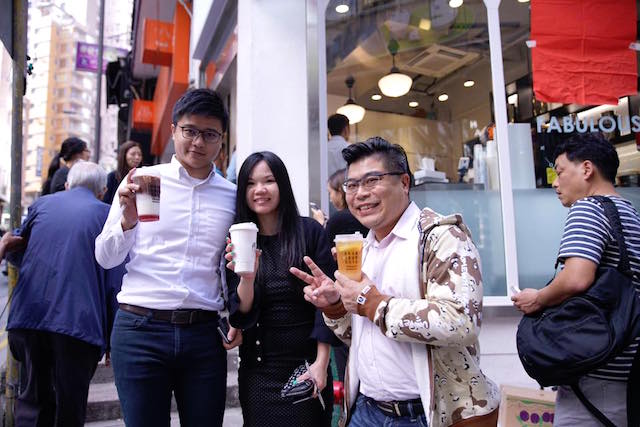
    Operations director Tony Wang said: “When people visit Don’t Yell At Me, we hope that they are not here just for our teas, but here for our message and the positivity. We hope that through our daily teas will inspire our customers so that they can carry this attitude forward no matter what they are facing.”