Tag: Taiwan

  • Toys’R’Us Asia Pacific chief retires

    Toys’R’Us Asia Pacific chief retires

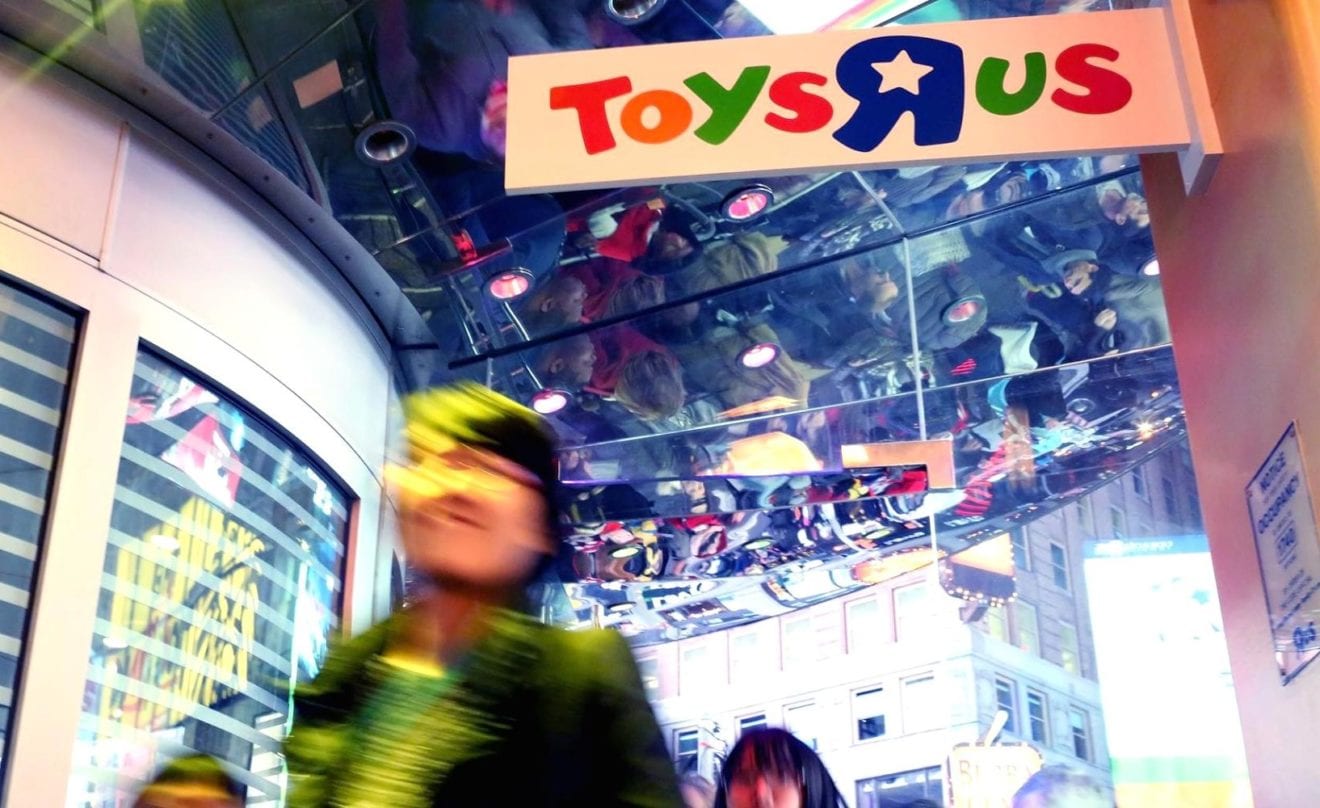
    Toys’R’Us has announced that Monika Merz, president, Asia Pacific, will retire effective May 31. Her successor will be named later.

    Monika-Merz

    As president of Toys’R’Us Asia Pacific, Merz oversees all operations and business activities for the company’s more than 300 stores in Japan, Southeast Asia, Greater China and Australia, responsible for the continued growth, profitability and success of the company in those markets.

    Since she started working at Toys“R”Us, Merz has been instrumental in the development of new store formats and merchandising concepts that have been successfully translated to other markets, ultimately strengthening the company’s position in the global marketplace.

    Dave Brandon, chairman and CEO, described Merz as a highly regarded leader “who has inspired new ideas, demonstrated innovative thinking and unwavering passion for the business and grown our Toys’R’Us brand internationally, even through challenging times and market transitions”.

    Merz’s retirement will bring to a close a remarkable career of nearly 20 years of continuous service to the company. She joined in 1996 as VP and GM, Toys’R’Us, Canada and was promoted to president, Toys’R’Us, Canada four years later. In 2007, she assumed leadership of Toys’R’Us, Japan. Her role was expanded to include responsibility for the company’s stores in Australia in 2011, and, later that year, she gained oversight of the company’s locations and corporate offices in Southeast Asia and Greater China when the company entered a joint venture agreement with Li & Fung to operate these formerly licensed stores.

    “During my time at Toys’R’Us I’ve had many experiences and challenges, but I’ve always been supported by exceptional teams and leaders,” she reflected. “I’m proud of all that we have accomplished and confident that the work we have done to provide a fun and memorable shopping experience for customers will continue after my retirement. After more than eight years in Asia Pacific, I’m now looking forward to returning to Canada and a new stage in my life.”

  • Global duty free retailing to hit US$98 billion

    Global duty free retailing to hit US$98 billion

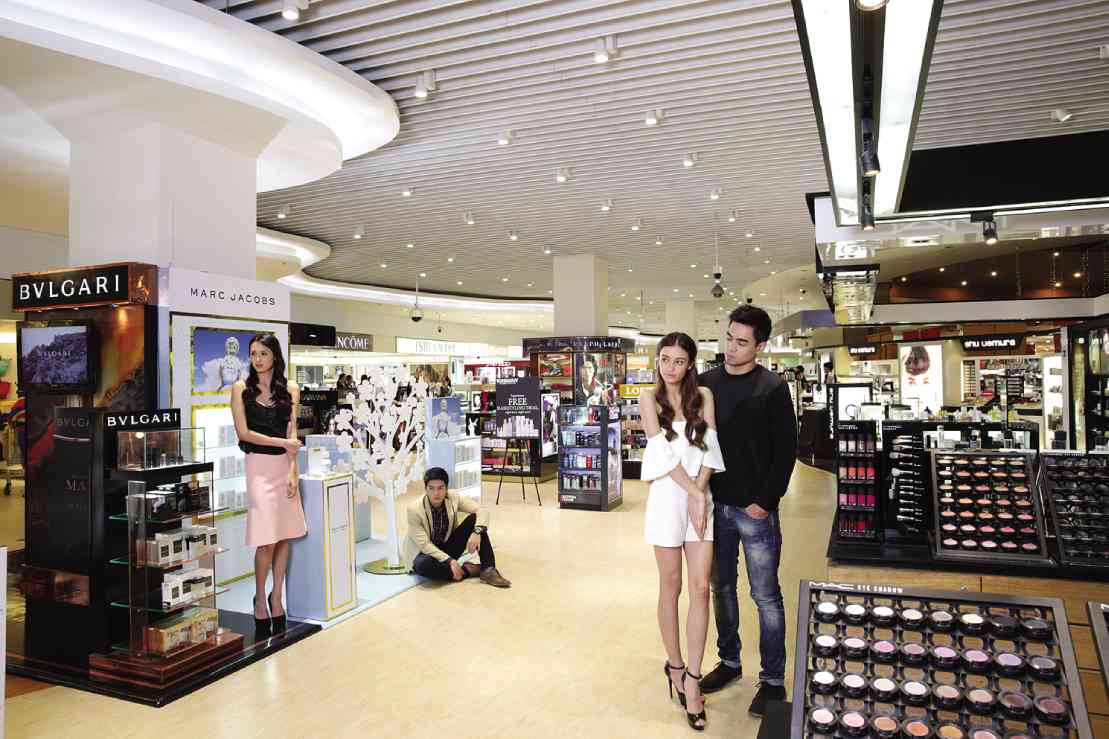
    Global duty-free retailing is expected to reach nearly US$98 billion in revenue by 2019, according to a new study by global technology research and advisory company Technavio.

    With the expansion of low-cost airlines, many middle-class travellers are taking inexpensive holidays, a trend that has helped the Asia Pacific and Middle East emerge as the fastest-growing regions for duty-free retail marketing, says Technavio analyst Vijay Sarathi.

    He says China, India, Indonesia, South Korea and Sri Lanka were among some of the most-desired inexpensive destinations in 2014.

    “During the same period, it is estimated that international tourist inflow in APAC increased to almost 263 million travellers, and it has largely helped the market grow until 2019.”

    Just released in London, Technavio’s report, Global Duty-Free Retailing Market 2015-2019, provides an in-depth analysis of market growth in terms of revenue and emerging market trends.

    By products, the global duty-free retailing market for 2014 comprised fashion accessories and hard luxury (32.1 per cent), perfume and cosmetics (29.21 per cent), wines and spirits (16.02 per cent), tobacco (12.43 cent), and confectionery and fine food (10.25 per cent), says the report.
    It says the fashion, accessories and hard luxury segment was valued at close to $20.81 billion, with the most in-demand products including precious jewellery, briefcases, handbags and shoes. The more popular brands include Armani, Burberry, Fossil, Gucci and Michael Kors.
    Technavio researchers say Chinese travellers emerged as the largest consumers of luxury brands last year, contributing nearly 25 per cent of global revenue.
    The perfumes and cosmetics segment is one of the fastest-growing categories in the global duty-free retailing market. APAC and the Middle East are the key regions for this category, with some of the top-selling brands including Chanel, Christian Dior, Estee Lauder and Guerlain.

    With close to 21.5 per cent of revenue share in the category, L’Oreal created a division especially for duty-free stores in 2013, describing the division as “the sixth continent”. In 2014, L’Oréal launched theVichy and Kerastase brands in the duty-free retail segment in Asia, and also launched the Three-Minute Beauty program to engage with potential luxury product buyers at airports.
    The liquor category is expected to grow to $13.47 billion in 2019. In 2014, Diageo opened two Johnnie Walker Houses in duty-free shops in India and Taiwan.

  • Currency, tourism hits Bossini profit

    Currency, tourism hits Bossini profit

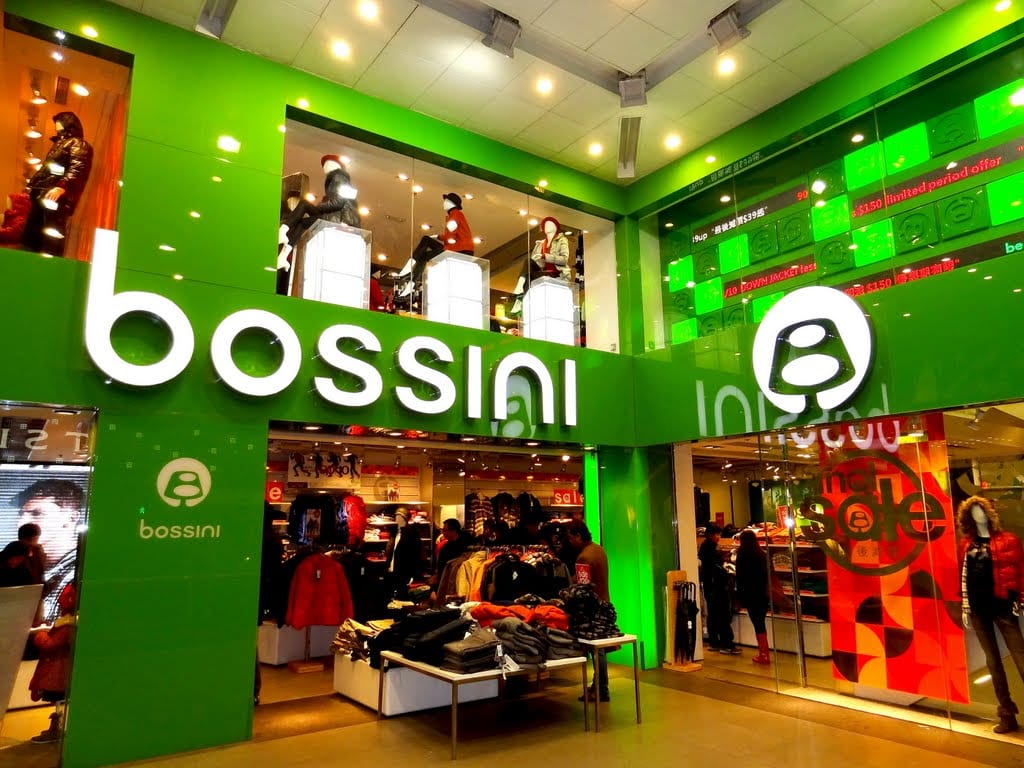
    A strong Hong Kong dollar and fewer tourists to Hong Kong and Macau hit profits for Hong Kong-listed fashion group Bossini International Holdings for the six months to December 31.

    Revenue dipped 13 per cent to HK$1146 million (US$147 million) from $1319 million for the same period in 2014. The gross profit was $543 million ($665 million in 2014), with the Bossini profit attributable to owners sliding from $87 million to just $14 million.

    However, the group says its financial position is still healthy despite an unseasonably warm winter in several core markets and more fierce competition within the apparel retail industry.

    In Hong Kong and Macau, same-store sales declined by 14 per cent, opposed to a 5 per cent growth for the 2014 period. Same-store sales in mainland China dropped by 8 per cent (as against 2 per cent growth), while Taiwan and Singapore same-store sales declined 14 per cent (2014: 8 per cent growth) and 1 per cent (2014: flat) respectively. Overall, same-store sales for the group fell by 12 per cent, following 4 per cent growth for the same period in 2014.

    At reporting date, the group had outlets in 33 countries and regions – 267 (down 10 on June 30, 2015) directly managed stores and 678 (681) franchised stores, giving a total store count of 945 (938).

    Its export franchising business continued to expand with 15 new franchised stores, taking the total to 615 stores across 29 countries. The group also continued launching its licensing programs, a major strategy, including a Star Wars collection and a further collaboration with the Ocean Park Halloween Bash.

    CEO and executive director Edmund Mak says the group expects the demand for value-for-money apparel to grow as economies slow globally.

    “To cope with this, we intend to offer more items that are easy for mix-and-matching, as well as products with better functions under a more competitive pricing strategy over the coming years.

    “The group will also continue to implement further cost-control measures and focus on expanding operations further afield of Hong Kong and Macau to achieve a more balanced portfolio.

    “We will also continue to devote energy to expanding our apparel lines for kids, which has consistently been our competitive edge and would also perfectly complement the recently announced end to the one-child policy in mainland China. Furthermore, we will launch Bossini eyewear in mainland China through franchise arrangements.

    “Going forward, the Group will continue to create appealing, competitive and quality everyday wear that drives sustainable growth, profitability and customer satisfaction. With a firm focus on our “be happy” core brand value, we will continue to strengthen our competitive edge and endeavour to enhance the value that we offer to our shareholders.”

  • 11street collaborates with UITOX to bring in 200 brands and 150,000 products to Malaysia

    11street collaborates with UITOX to bring in 200 brands and 150,000 products to Malaysia

    11street (www.11street.my) today announced its latest collaboration with UITOX, the first ever largest online marketplace in Taiwan to introduce 200 élite brands from Taiwan along with around 150,000 products from Taiwanese sellers.

    This partnership signifies the launch of TW Street, UITOX’s official store on 11street, bringing popular fashion brands like OB Design, Pazzo, Toki Choi, and beauty brands such as 1028, Dr Wu, Forbelovedone, Dr Doruxi, and renowned Taiwanese food such as pineapple cake, Gong sugar, red bean water and more.

    11street’s chief executive officer, Hoseok Kim shared that based on observations, the demand for popular overseas products in Malaysia is increasing especially for cosmetics, accessories such as watches, clothing, electronic gadgets, jewelry and personal care goods, which is reflected in the country’s import patterns and the growing needs by consumers[1].

    According to MATRADE’s report on top major imports for 2015, Malaysia’s import just for textiles, clothing and footwear grew more than 60 percent from RM 8.48billion to RM 14.21billion compared over the same period of 2014[2].

    He highlighted, “Partnering with UITOX, 11street is able to introduce more quality international products into the local market, serving as part our commitment to better fulfill Malaysian consumers’ demands with a good mix of local and overseas products.”

    Today, 11street boasts more than five (5) million total product listings which includes a good variety of Cross Border Trading (CBT) products on the online marketplace platform. Majority of these CBT goods come from Korea, Hong Kong, Japan, and United States and the top 3 most purchased categories for CBT products are Health & Beauty, Fashion and Electronics items.

    Robert van Lith, Regional Director of UITOX expressed that this collaboration with 11street marks the debut of UITOX into Malaysia which is greatly exciting! “UITOX thrives on its ambitions to challenge not only the domestic market in Taiwan, but also expand its landscape into the fast-growing e-commerce marketplace in Malaysia. We look forward to engaging with shoppers as we offer Malaysians a taste of popular brands from diverse countries.”

    UITOX was founded in Taiwan in October 2012 and has expanded to China, Singapore, Japan, Hong Kong, Indonesia, Malaysia, Thailand, Vietnam, Philippines, USA, Canada and Netherlands. The successful launch of TW Street in 11street will push UITOX into its second phase of development which will bring more cross border products from other countries. UITOX now has over 5,000 sellers on board with more than USD 224 million of annual gross merchandising value worldwide in 2015, with year-over-year growth of 193% from 2014. 

    In conjunction with its debut on 11street, the products under UITOX will be made available to Malaysian shoppers via various special promotions. Customers can now enjoy free international shipping storewide and a 50% discount on selected items starting from 15 February 2016 onwards. To find out more, please visit TW Street

    11street and UITOX together aim to not only support the increase of quality international brands stepping into the Malaysian market, but prides itself on offering shoppers the convenience of finding affordably priced brands and products that they love.

    “We are thrilled to be partnering with UITOX to offer Malaysians more product variety to help them find what they love, whilst we enrich our product inventory on 11street. This partnership not only enhances our position as a credible partner for international brands, but enables UITOX to connect their sellers from Taiwan with Malaysian consumers that are looking for quality overseas items,” Kim ended.

  • Zalora Enhances Customer Experiences Through a Single Personalization Platform from Evergage

    Zalora Enhances Customer Experiences Through a Single Personalization Platform from Evergage

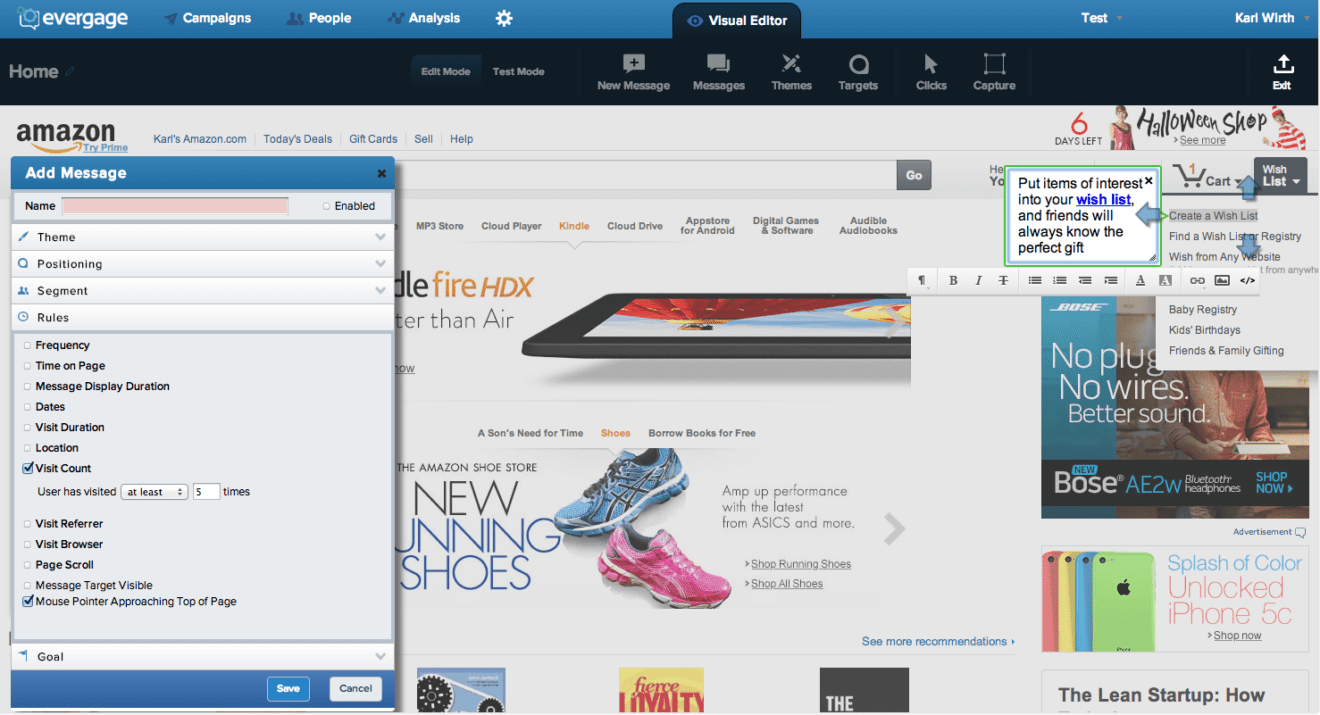
    Evergage, the real-time personalization platform company, today announced that ZALORA, Asia’s leading online fashion destination, has selected Evergage to support its real-time personalization initiatives across all the company’s digital properties. In a move to streamline its personalization efforts, which previously involved multiple vendors, ZALORA chose Evergage to easily and comprehensively manage all aspects of Web personalization for the company. 

    Established in early 2012, ZALORA has dedicated websites for fashion consumers in Southeast Asia, Hong Kong and Taiwan. Offering a wide array of items from more than 500 top international and local brands, ZALORA gives customers access to thousands of products across a variety of categories online.

    Prior to its deployment of Evergage in July 2015, ZALORA was working with multiple vendors, each providing specific elements of personalization for the company’s websites. This made tailoring the customer experience in real time a challenge for the marketing team as they could access only a fragmented view of each customer, versus a holistic perspective encompassing each interaction with the brand. By tracking and interpreting visitors’ historical preferences, in-the-moment behavior and intent across platforms and touchpoints, Evergage provides a well-rounded and actionable view of visitors – so digital marketers can deliver personalized experiences at the 1:1 level across channels.

    ZALORA’s Regional Marketing Director, Patrick Steinbrenner, said: “In line with our efforts to streamline processes and improve efficiency in ZALORA, we needed to unify our personalization program under one single solution. Evergage’s comprehensive and acclaimed platform is the perfect fit for our needs. We’re pleased with our results so far, and look forward to using Evergage to drive even deeper levels of customer engagement.”

    Within the first three months of using Evergage, ZALORA launched several personalization campaigns – to communicate and capture email addresses at optimal times during shoppers’ visits – and has already seen a significant lift in conversion rates and revenue per user for its Web-based customers. Looking ahead, as ZALORA continues to advance its efforts with Evergage, delivering real-time personalization through ZALORA’s mobile app will be a key new initiative.

    ZALORA has seen significant increases in site traffic since Q1 2015, and working with Evergage, it will be able to maximize the benefits of this influx by supporting personalized, relevant experiences to site visitors. 

    “We’re thrilled to be working with ZALORA as they take their personalization efforts to the next level,” said Karl Wirth, CEO and co-founder of Evergage. “By delivering a single platform to manage every aspect of ZALORA’s real-time personalization program, we’re able to help them better understand each individual visitor and instantaneously provide a tailored shopping experience to drive more sales.”

  • Wildcraft expands out of India

    Wildcraft expands out of India

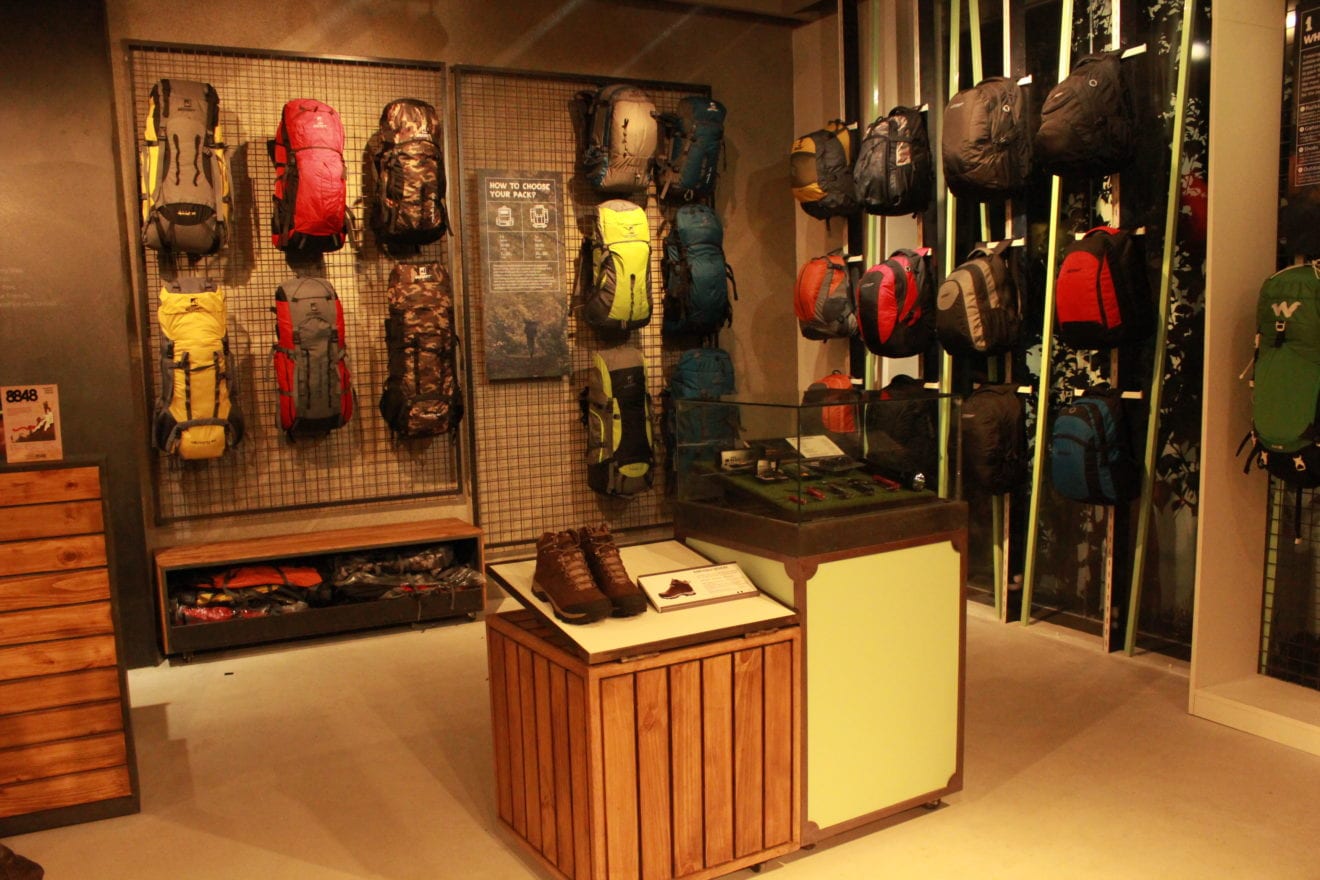
    As a first step toward growing its international presence, Indian fashion brand Wildcraft has launched into the Middle East and Southeast Asia.

    It has formed partnerships for its foray into the UAE, Oman and Muscat markets, and online partnerships for Hong Kong, Indonesia, Malaysia, Singapore and Taiwan, reports ETRetail.com.

    Wildcraft unveiled a new brand identity last year while expanding its product portfolio into clothing and footwear. It has also added 130 retail outlets in more than 50 cities across India, giving it more than 3000 distribution points in more than 400 cities in India.

    In Southeast Asia, the brand has partnered with Zalora, part of the Global Fashion Group, giving Wildcraft access to the Hong Kong, Malaysia, Singapore and Taiwan markets. It will use this alliance to initially sell its outdoor gear products.

    Co-founder Gaurav Dublish says the international expansion “is just the start of our growth plans”.

    “The focus, at this point, is to reach countries with similar climatic conditions and geo-proximity.”

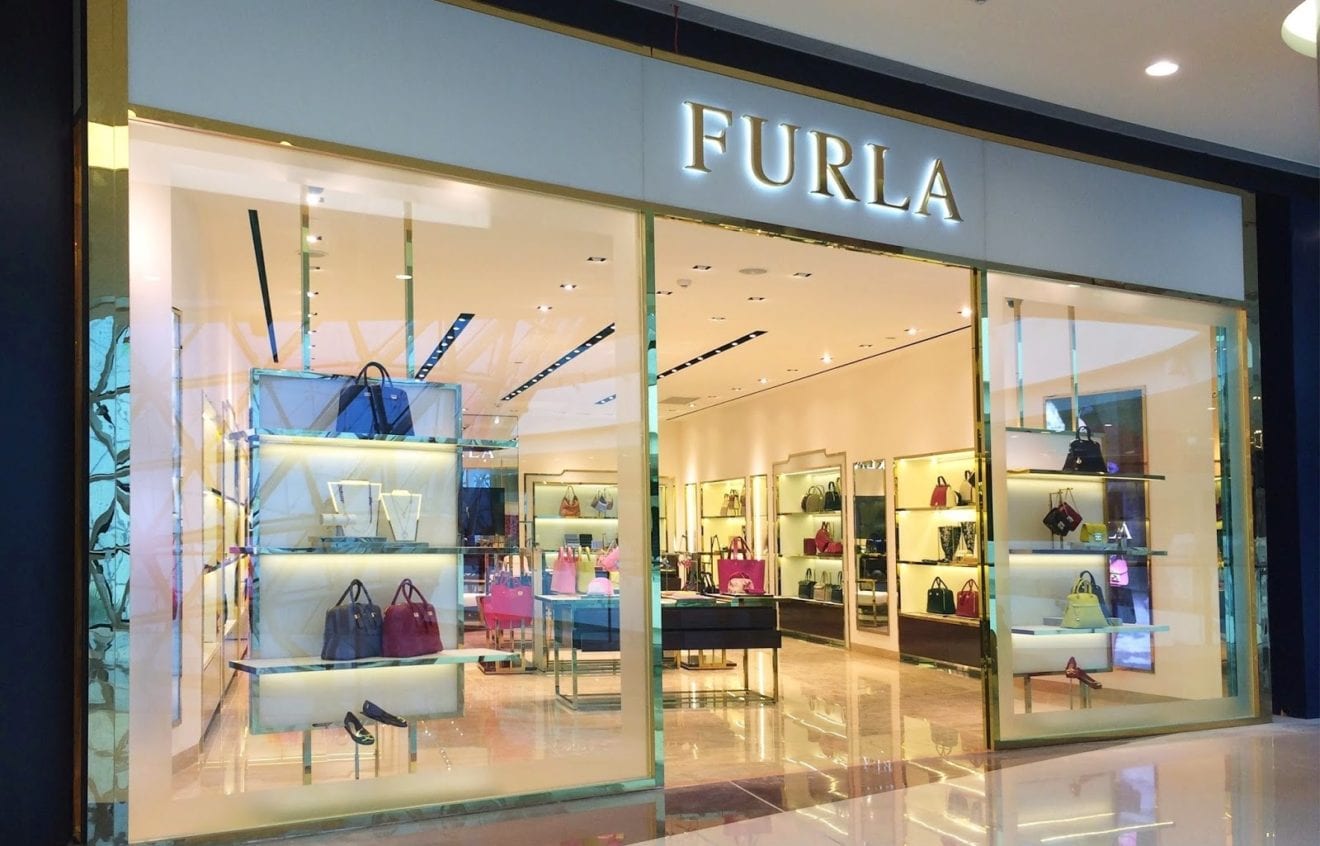
  • Furla Asia-Pacific plans more flagships

    Furla Asia-Pacific plans more flagships

    Luxury Italian brand Furla is planning more flagship stores in Asia as the region delivers strong growth for the 89-year-old family-owned company.

    FURLA CEO_Eraldo PolettoIn an exclusive interview with Inside Retail Asia, Furla CEO Eraldo Poletto explains how the company has bucked the decline in luxury spending in core markets like Hong Kong and Singapore during the past year. Furla achieved 53 per cent growth in total sales (in euro at the current exchange rate) in Asia-Pacific, where it counts 14 markets – Australia, Cambodia, China, Hong Kong, India, Indonesia, Korea, Macau, Malaysia, Singapore, Taiwan, Thailand, The Philippines and Vietnam. Japan, a stand-alone territory in Furla’s accounts, saw sales grow 24 per cent.

    Even discounting sales from new stores, like-for-like growth for Furla Asia-Pacific reached 15.5 per cent last year, yet the region accounts for just 19 per cent of the company’s sales – about €64.4 million ($72.1 million) – suggesting strong growth potential ahead.

    “The consistent strategy we have implemented over the past four years – positioning ourselves as the only Italian and ‘Made-in-Italy’ brand in the premium segment, without accepting compromises in terms of quality – is paying off,” says Poletto.

    “We are expanding our footprint with important flagships: Singapore Marina Bay Sands opened in September; Hong Kong Miramall and Shanghai Citic, each with a 300 sqm street facade, opened in December with a luxury retail concept showcasing our full ladies’ and men’s collections.”

    Furla China Flagship Store @ Shanghai Citic Square 4

    He says more flagships will open this year in Australia and Bangkok.

    “Flagships are meant to represent every aspect of the brand in terms of image and product range; however, we are not expecting to open more than five or six flagships in the region, as we are focusing on the profitability of our retail network, and prefer to penetrate the market extensively.”

    In what he terms a “capillary” approach, more standard-sized stores and points of sale will also open across the region.

    Furla China Flagship Store @ Shanghai Citic Square 7

    For the past two years the company has opened or renovated one store a week. It now has 172 points of sale in Asia-Pacific, along with 72 monobrand stores in Japan.

    “In terms of our retail format, our average store size is increasing together with Furla’s total-look collections. Malls and high-street locations complement each other, and in this period of time, rent levels in some markets have decreased substantially because of a drop in demand from luxury, watch and jewellery brands. We are always on the lookout for new opportunities to invest in,” says Poletto.

    “Our retail store concept is also quite special, as it wants to deliver a 360-degree luxury shopping experience while maintaining our the value-for-money approach.”

    Furla China Flagship Store @ Shanghai Citic Square 2

    Asians appear to be embracing Furla’s distinctive quality brand feel and shopping experience. Perhaps surprisingly, the brand has no strategy of differentiating its Asia-Pacific product range from those of other markets.

    “We believe that if a product captures customers’ hearts in one market, its appeal is universal. Our price and product range have always been appealing to a large spectrum of clientele; it is not by chance that our two best-seller styles – Metropolis and Artesia – represent the most affordable and the highest offer of our collection respectively.

    Furla China Flagship Store @ Shanghai Citic Square 6

    “In terms of branding, strong marketing investments – like our collaboration with Mario Testino and a more aggressive digital and outdoor media planning strategy – are making Furla far more visible.”

    Department stores are still an integral part of the Furla sales strategy, especially in China, where that sector is still in its infancy by western standards.

    “The department store culture in Greater China isn’t very strong yet, and there are very few players compared to the shopping mall retail model in western markets. There is most surely room for improvement in this region.

    Furla China Flagship Store @ Shanghai Citic Square

    “The situation is much more developed in Singapore and Australia, and obviously a priority in Korea with Shinsegae, Hyundai and Lotte, where we are present with 10 domestic stores and an aggressive development plan.”

    Furla is also experiencing strong growth in the travel retail sector, which is helping both top-line sales and brand awareness.

    “Travel retail will continue to fuel the growth in APAC,” says Poletto. “Total sales generated by the travel retail channel were up 27 per cent for 2015, and we opened five new locations. We see blooming opportunities in this channel as Asian customers shop worldwide while they travel: it is a great showcase for the brand.”

    In June, Furla will open a directly managed boutique in Hong Kong International Airport.

    Furla China Flagship Store @ Shanghai Citic Square 8

    Southeast Asian focus

    Furla’s strong growth in the region is coming not just from the established markets of Hong Kong, Singapore and Greater China.

    “We have witnessed a significant double-digit growth in Southeast Asia markets including Cambodia, Malaysia, Singapore, Thailand, The Philippines and Vietnam,” says Poletto.

    “In Indonesia, a fast-growing country with a population of 250 million, we have a capillary quality presence with 10 boutiques in five cities. As of today, Furla has 46 stores in Southeast Asia, and we will focus on strengthening our foothold in these markets this year.”

    Furla China Flagship Store @ Shanghai Citic Square 5

    In India, which Furla has entered in a joint venture with Genesis Luxury, the label has three boutiques – one each in Mumbai, Delhi and Calcutta.

    “They are all performing very well with a 50 per cent sales growth increase in 2015,” says Poletto. But the market has considerable challenges.

    “India is a market with very high potential, but also with a huge limits when it comes to infrastructures. There are not enough qualitative shopping malls to cover Indian clients’ high demand for fashion and luxury: this is why Indian consumers represent a key nationality in markets like Dubai, London or Singapore.

    “In terms of expansion, we will tap into all the new relevant real-estate projects.”

    Globally, Furla has 415 monobrand stores, of which 190 are directly owned and 198 franchised. It has 27 travel retail stores and more than 1200 outlets in department stores and multibrand outlets.

    Furla China Flagship Store @ Shanghai Citic Square 10

    Results released today show that Furla’s global turnover reached €339 million last year, up 30 per cent on 2014. The growth was driven across all Furla product categories, including the new men’s collection, women’s footwear collection and eyewear.

    Poletto says that being a family-owned business – an increasingly rare phenomenon in the model luxury retail business – has its advantages.

    “Being 89 years old gives us a great DNA to be around into the future: the real assets are the brand and its heritage, which are translated into equity. The Furlanetto family has very strong values – they have a long-term vision, instead of making opportunistic choices.”
  • Asian retail outlook: “more cautious”

    Asian retail outlook: “more cautious”

    High operating costs – particularly rents and labor in Asia – will ensure retailers are more cautious this year, concludes real estate specialist CBRE.

    In its annual Asian retail outlook, the company’s research department predicts many retailers will shift their strategic focus from expanding their store networks to rationalisation, improving in-store profitability and upgrading to better locations.

    That trend is expected across the broad Asia-pacific market, including Hong Kong.

    “Leasing activity will diverge across markets, with Australia, Japan and New Zealand the most upbeat, whereas Hong Kong and Singapore will continue to struggle,” CBRE concluded.

    “Driven by ongoing urbanisation and wage increases, Southeast Asia will also see solid leasing activity. Demand across the region will be led by food and beverage retailers, while affordable and niche luxury brands will also be active.”

    CBRE also warns the rise of online shopping will continue to force shopping malls to embrace ‘retail-tainment’ and adjust their trade mix to include more experience-oriented retailers to retain foot traffic. Around 63.8 million sqft of new shopping center supply is scheduled to be completed in 2016. Against the sluggish leasing demand and ample new supply, overall retail rents are forecast to experience a mild correction of below 1 per cent in 2016.

    In a broader property outlook, CBRE forecasts that due to Asia Pacific’s steady economic growth – which will continue to outpace the rest of the world in 2016 – investment activity in the region will remain solid, although activity will be limited by asset pricing and availability.

    “The region’s investment market will continue to see strong demand from real estate funds and institutional investors. Institutional investors will continue to invest in Asia Pacific to increase their exposure to real estate for strategic diversification,” said Dr Henry Chin, head of research, CBRE Asia Pacific.

    “That said, Asia Pacific will enter a period of slower growth in the commercial real estate market with activity likely to moderate over the course of the year as it becomes more challenging to source investable stock able to meet investors’ target returns. Interest rates will remain low in 2016 so yields are largely to remain stable across Asia Pacific. However, we are expecting to see a mild yield expansion in 2017 together with the rise in interest rates.”

    The economic slowdown in China – as well as higher-than-expected US interest hike rates, and currency volatility – will also remain a key concern for investors, given the scale of its impact across the whole region.

    “However, macro trends of urbanisation and the rise of the middle class remain largely unchanged and will continue to drive growth across Asia.

    “There are structural investment-themed opportunities for investors to focus on in 2016, such as the growth of e-commerce, regional tourism and demographic changes. Demographic changes will create opportunities in niche sectors such as self-storage facilities, senior and student housing, and data centers,” said Chin.

    “Regionally, active markets will continue to be led by Australia and Japan, whilst India expects to see a positive year following the relaxation of FDI norms at the end of last year.

    “China will also remain on the radar for most international investors although demand will be largely confined to tier I cities. Overall, the long-term outlook remains positive for the region,” he concluded.

    CBRE’s 2016 APAC Real Estate Market Outlook report can be downloaded here.

  • Criteo notes eCommerce spike

    Criteo notes eCommerce spike

    In the two weeks leading up to the Chinese New Year, eCommerce sales in Asia grew by 40 per cent with 25 per cent more consumers shopping online.

    Three in 10 transactions were completed on a mobile device, according to performance marketing technology company Criteo in Hong Kong. Its findings are based on an analysis of 174 million online transactions in Hong Kong, Malaysia, Singapore, Taiwan and Vietnam.

    “Because of the traditional practice of wearing new clothes to symbolise a new beginning, consumers are doing a tremendous amount of online shopping two weeks before Chinese New Year,” says Criteo South-east Asia/Hong Kong/India/Taiwan MD Yuko Saito. “Based on 2015 data, sales on mobile devices in particular have hit record numbers.”

    In its eCommerce Industry Outlook 2016, Criteo cites three trends impacting Asian shoppers during the Chinese New Year season…

    Smartphone shopping will keep gaining ground: Smartphones are the first point of internet access or brand interaction for many consumers. In South-east Asia, Hong Kong, India and Taiwan, on aggregate, more than 45 per cent of online transactions are happening on mobile devices, compared to 29 per cent in the second quarter of last year. Indonesia was the highest at 56 per cent, followed by Singapore at 45 per cent.

    Retailers will see a high web influence on their in-store sales: Most consumers are researching online before or while visiting a store. According to Google, 80 per cent of 10 shoppers use a smartphone inside the store to help them with product research and price comparisons. Criteo says retailers can acquire a better view of customer behaviour by connecting with them via branded apps or beacon technology, before matching each customer’s email ID with loyalty programs at in-store POS terminals.

    Instant delivery services will become common: Order fulfilment will be a big focus for retailers this year, with many offering delivery options to match Amazon’s Prime Now service. Both online and “click-and-brick” retailers will be trying this strategy through specialised third-party eCommerce logistics providers. Faster delivery at lower charges will also drive growth of cross-border shopping.

    “During special occasions like Chinese New Year, we observe instances of intensive, last-minute shopping, where consumers take less time to consider a purchase and require products to be delivered on short notice for personal use or gift-giving,” says Saito. “Taking a three pronged approach – engaging consumers on the mobile web or on mobile apps, leveraging consumers’ web-browsing data to deliver personalised in-store and mobile shopping experiences, and investing in instant delivery services will be crucial to increasing sales conversions.”

  • Kipling launches exclusive collection for Asia

    Kipling launches exclusive collection for Asia

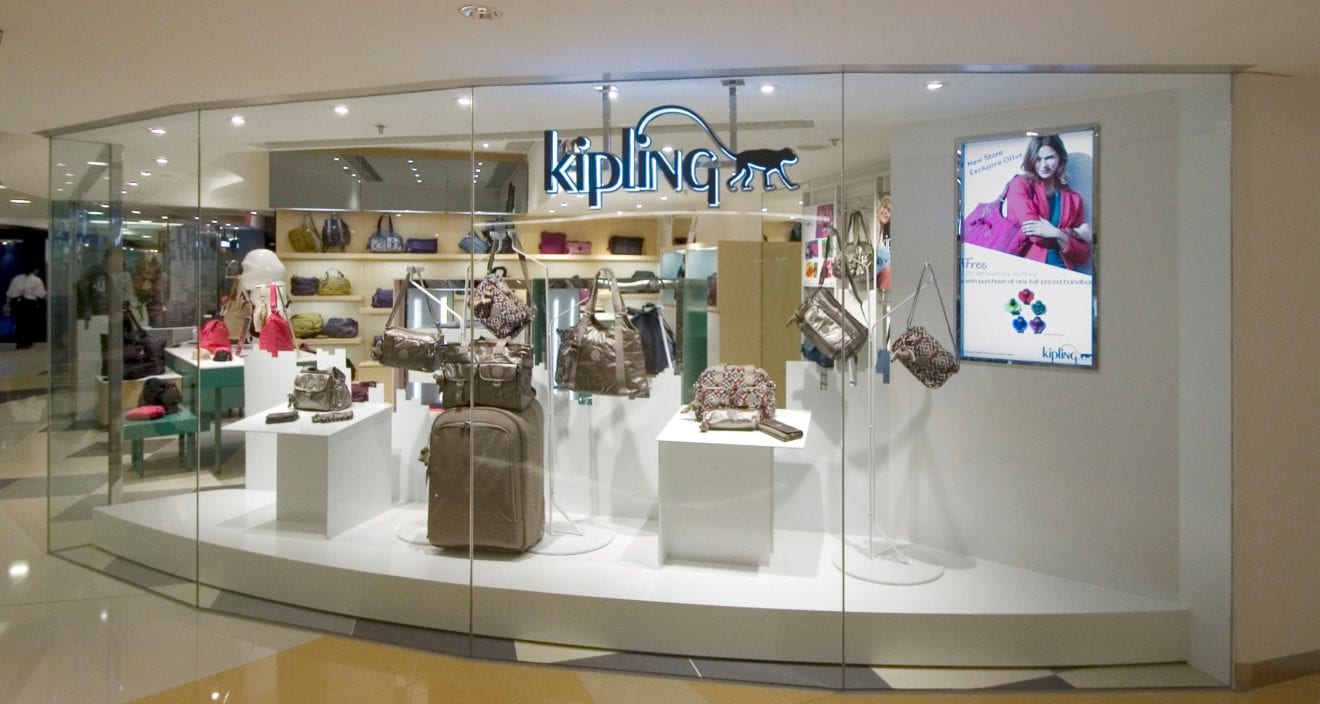
    Kipling-Asia-range-lead Kipling has introduced an Asia exclusive collection, which celebrates individual style with ‘optimism and functionality’ and has been specially designed for the Chinese Zodiac’s Year of the Monkey.

    The monkey plays a key role in the Kipling accessories, as it is said to represent the smart, adventurous and playful spirit of the brand.

    Kipling-Asia-range-pinkThis season, Kipling’s Asia limited edition range offers ‘classic’ handbags and ‘functional’ backpacks, to ‘small and fun’ purses.
    Made for the ‘modern day’ woman the Monkey print collection showcases a collection of carry-ons that features monkey designs in shades of purple and hot pink.

    Kipling’s Monkey Print Collection has been launched exclusively in China, Hong Kong, Taiwan and Singapore, and is currently available in stores.

  • Hypermarket sales could hit new high of more than NT$180 bil. in 2015

    Hypermarket sales could hit new high of more than NT$180 bil. in 2015

    Sales of hypermarkets in Taiwan are expected to hit a new high of more than NT$180 billion (US$33 billion) this year as chain operators have made great efforts to develop e-commerce platforms to boost sales, according to the Ministry of Economic Affairs (MOEA).

    In addition, the MOEA said that these hypermarket chain operators have worked with renowned brands in a wide range of industries, such as fashion items, restaurants and telecom service providers, to broaden their production lines, a move which is expected to attract more consumers.

    The ministry added that since the government launched short-term economic stimulus measures in November to encourage consumers to buy energy-efficient home appliances, hypermarket operators have been among the beneficiaries.

    In 2014, revenue of Taiwan’s hypermarket business stood at NT$175.8 billion, up 2.5 percent from a year earlier, the ministry added.

    On the back of their plans to add outlets countrywide, hypermarket operators in Taiwan witnessed their operations improve further in the first 10 months of this year, posting NT$153.9 billion in sales during the period, up 4.5 percent from a year earlier, statistics compiled by the MOEA showed

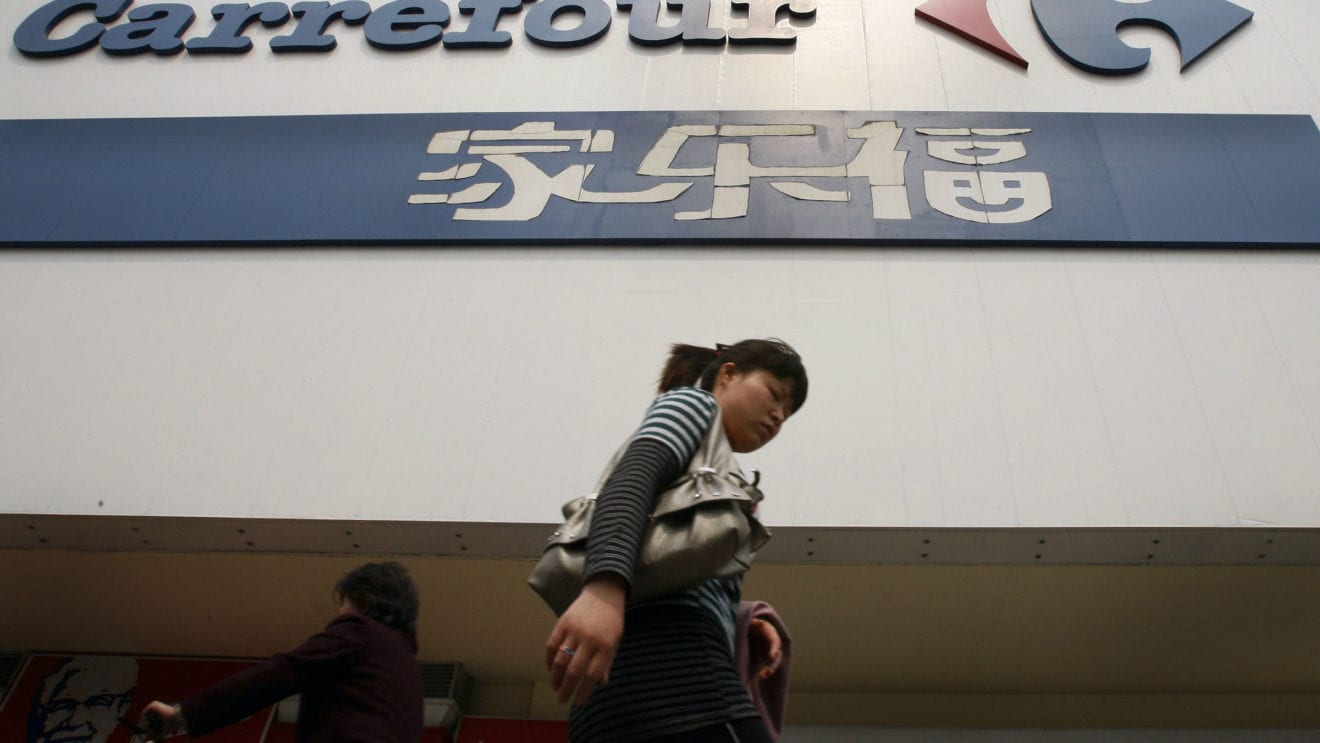
    Carrefour, the largest hypermarket operator in Taiwan, added 12 stores to its chain in the first 10 months of this year to boost its total outlets to 82 since the French retailer has intensified efforts to open smaller-sized stores in urban neighborhoods to take advantage of proximity to consumers, the MOEA said.

    RT-Mart (大潤發) ranked as the second largest hypermarket operator in Taiwan, running 26 outlets as of the end of October, unchanged from the end of 2014, ahead of A. Mart (愛買), which operated 20 outlets islandwide as of the end of October, up one from the end of 2014.

    Costco came in fourth, operating 11 outlets in Taiwan as of the end of October, up one from the end of 2014, followed by Taisuco (台糖量販), a retail business division of state-owned Taiwan Sugar Corp. (台糖), which operated five stores as of the end of October, unchanged from the end of last year.

    A total of 145 hypermarket outlets operated in Taiwan as of the end of October, up 14 from the end of 2014.

    The ministry said that the local hypermarket business accounted for 16.2 percent of sales posted by Taiwan’s retail industry in the first 10 months of this year, compared with 15.9 percent recorded in 2014.

  • Study reveals Asian dining spending trends

    Study reveals Asian dining spending trends

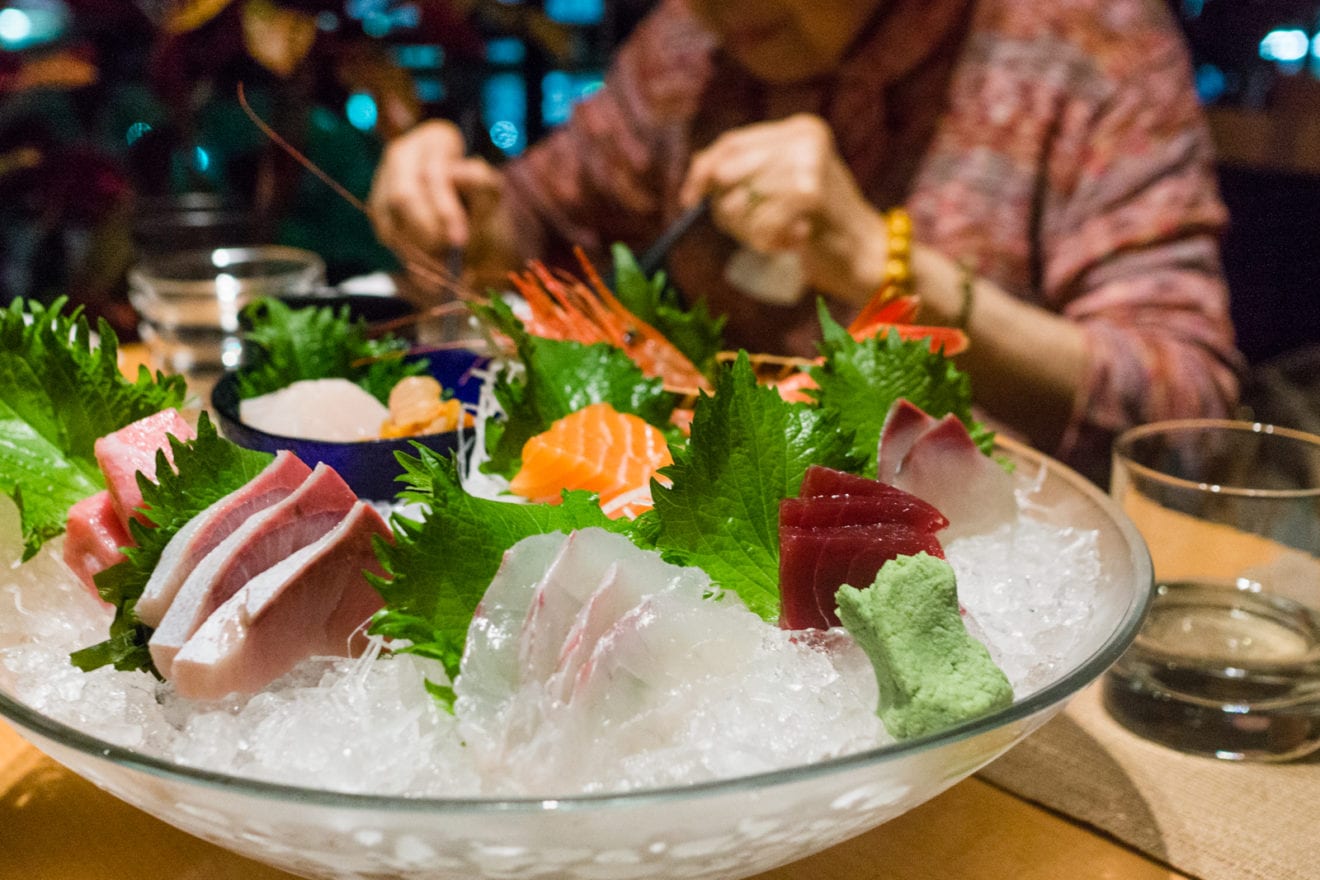
    One in three millennials in Asia are eating at fine dining restaurants at least once a month – more often than those aged over 30.

    The surprise finding is one of a list of revelations uncovered by a MasterCard survey of Asian dining trends away from home. It featured consumers in 17 Asia Pacific markets: Australia, Bangladesh, China, Hong Kong, India, Indonesia, Japan, Malaysia, Myanmar, New Zealand, Philippines, Singapore, South Korea, Sri Lanka, Taiwan, Thailand and Vietnam.

    The most frequent fine-diners in Asia Pacific are millennials (18-29 year olds) from China – on average they visit more expensive establishments two or three times a month. This is higher than the average for millennials across the region and higher than any other age group.

    When choosing where to eat, consumers in Asia Pacific still prefer to rely on word of mouth and recommendations from friends and family (50 per cent). This was applicable for all consumers, regardless of age group, with even millennials trusting word of mouth recommendations (52 per cent) more than online reviews (38 per cent).

    This is despite the fact that more than a third of millennials (36 per cent) post comments and reviews of their dining experiences online. This is especially true of Chinese (61 per cent) and Thai (52 per cent) millennials, where more than half of the young people polled regularly post reviews after a meal.

    Beyond millennials, people in Thailand (39 per cent) and China (30 per cent) are also the most likely to spend more on dining over the next six months with around one in three indicating they plan to eat at more expensive establishments.

    But while consumers may be enjoying fine dining, they are still cost conscious. Sixty-four per cent of consumers in Asia Pacific regularly check for discounts or dining deals from coupon websites, mobile applications or credit card promotions. Sixty-eight per cent of millennials regularly look out for deals before choosing a place to eat.

    Eric Schneider, regional head, Asia Pacific, with MasterCard Advisors, said Asia has always had a strong dining out culture and so it is not surprising that affluent millennials in the region are ‘foodies,’ with many sharing their dining experiences on social media and posting reviews online.

    “While the survey has shown that people are increasingly moving from the hawker centres and into restaurants, young people are still cost conscious, taking a practical and savvy approach by looking for discounts and deals. Young people also still rely on word of mouth recommendations, despite many posting online reviews of dining spots. As Asia’s economies continue to grow, and with technology and social media revolutionizing the dining experience, people will increasingly demand top quality experiences when dining out,” he said.

    Other findings from the survey included:

    • Overall, consumers in Asia Pacific are not looking to make any significant changes to their dining out plans with 61 per cent of all consumers indicating they will look to eat out at the same frequency in the next six months. Twenty per cent plan to eat out more and 19 per cent plan to eat out less in the next six months.
    • The most popular dining option for consumers in Asia Pacific are mid-range restaurants and cafes, followed by fast food outlets and then hawker centres and food courts.
    • Consumers in the Philippines (44 per cent) are looking to tighten their belts with close to one in two planning to eat at less expensive venues in the next six months. Forty-nine per cent also plan to eat out less regularly.
    • A significant proportion of older consumers are going online to check for dining discounts whether on coupon websites/applications or credit card promotions. More than one-third of consumers aged 55 years old and above (36 per cent) indicated they regularly do so before deciding on a dining option.
    • Consumers in China (58 per cent), Taiwan (44 per cent) and Thailand (44 per cent) are the most likely to book dining deals on coupon sites or coupon applications; while consumers in Bangladesh (1 per cent) and Indonesia (11 per cent) were least likely to do so.
    • Diners in Thailand (60 per cent) and China (57 per cent) are most likely to post comments or reviews on social networking sites like Facebook and Twitter with about one in two respondents in these markets reporting that they regularly post comments online following their dining experience.

    The results are based on interviews with 8698 individuals aged 18 to 64 years-old.

  • Modern Beauty Salon Holdings posts profit plunge

    Modern Beauty Salon Holdings posts profit plunge

    Modern Beauty Salon Holdings has reported an 87.4 per cent plunge in first half profits as consumers restrain their discretionary spending.

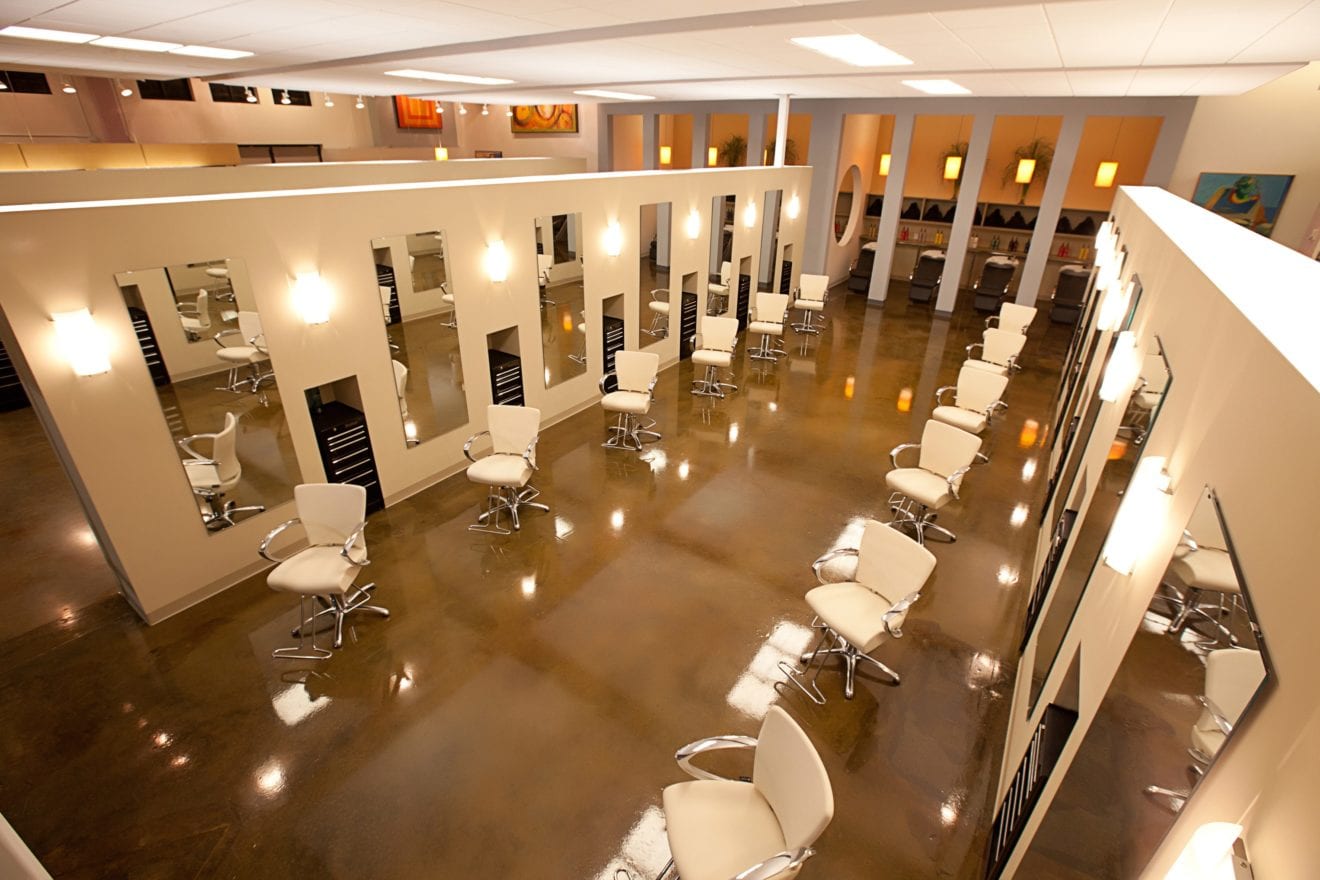
    Modern Beauty runs 42 service centres in Mainland China, Hong Kong and Taiwan, 16 in Singapore and three in Malaysia. The company’s 17 retail stores trade under the banners Pen and Be Beauty Shop across Hong Kong, Kowloon and the New Territories.

    Modern Beauty Salon

    Group revenue across the markets fell 12.2 per cent to HK$402.7 million year on year, while gross receipts from the sale of prepaid beauty packages decreased from $387.5 million to $350.4 million. That produced a profit attributable to shareholders of just $5.7 million, compared with $45.5 million for the same period last year.

    The company said a volatile financial market and weakened Hong Kong economy made people more conservative on their spending.

    “Our beauty, slimming and wellness service business in Hong Kong was inevitably affected. Nevertheless, leveraging on our excellent service management that facilitate greater quality assurance, our management is confident of the further prospects of our business.”

    The company says despite the retarded economic growth in Mainland China, it still believes the beauty, slimming and wellness market there will continue to prosper with a growing demand because “as a larger portion of the population moves up to the bourgeoisie”.

    “Our brand name has secured a presence in the Mainland China with a solid foundation that we have established for years in Beijing, Shanghai and Guangzhou. Plans to open more stores in the Mainland China are afoot.”

    In Singapore and Malaysia, receipts from sales of prepaid beauty packages amounted to $37,768,000, while revenue from services rendered amounted to $55,673,000, down 35 per cent and 36.6 per cent respectively.

    “The drops are mainly due to the new government policies in Singapore and Malaysia. For Singapore, from June 2015, if a local person’s aggregate interest-bearing outstanding balance on all credit cards and unsecured credit facilities exceeds 24 times his monthly income for three consecutive months, his credit lines will be suspended. This means that he will not be allowed to charge new amounts to his existing credit cards and/or unsecured credit facilities. For Malaysia, from April 2015, a GST of six per cent was imposed on local services providers, including beauty services. These policies have hurt the local consumption sentiments significantly.

    “The group will continue to carry out its local business development prudently and we believe that the local people will accustom to the new policies and the consumption sentiments will recover as time goes by.”

    Modern Beauty says it plans to launch an eCommerce website during the next six months.

  • Kushikatsu Daruma plans Asian expansion

    Kushikatsu Daruma plans Asian expansion

    An iconic Japanese restaurant chain Kushikatsu Daruma has opened its first outlet outside its home market – and announced plans to enter three more Asian countries.

    Kushikatsu Daruma opened its first restaurant in 1929 at the foot of Tsutenkaku, the famous landmark tower in Shin-Sekai, Osaka. Since then it has expanded to 13 restaurants in Japan and this month it opened its first overseas – in the Taipei of Zhongshan in Taiwan.

    The restaurant was opened by G7 International, the overseas investment arm of G-7 Holdingsfollowing a licence agreement struck last June with Daruma International, a subsidiary of Ichimonkai, parent of Kushikatsu Daruma.

    G7 has the rights to develop the brand overseas and says it is already in talks with Ichimonkai to open restaurants in Vietnam, Malaysia and Indonesia.

    Kushikatsu Daruma Zhongshan Chang’an Store, which opened on Tuesday, has a floor space of about 150 sqm and seats 60 people. It trades from 11.30am to 10pm daily.

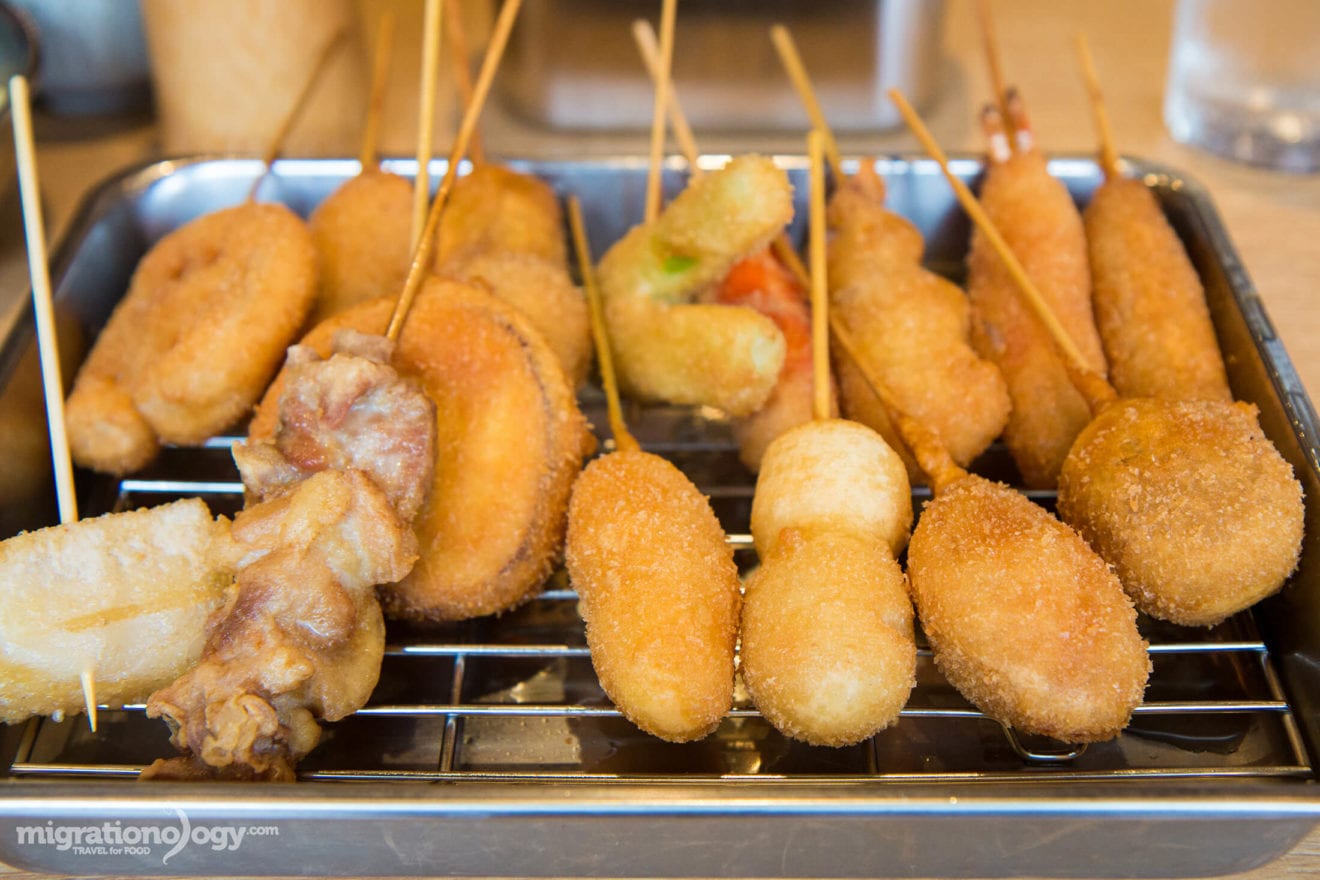
    Back in Japan, Kushikatsu Daruma has since become known in the Kansai area for good taste and affordable prices, with customers queuing at opening time every day. It specialises in cooking kushikatsu – skewered and grilled cutlets of meat, fish, vegetables and other ingredients.

    The G-7 Group is a mega franchisee operating Autobacs, Business Supermarket and other franchise stores with about 250 stores in Japan and seven stores abroad.

    “Taking advantage of the G7 Group’s accumulated management know-how and Kushikatsu Daruma priding itself on good taste in general… G7 International will proceed to open more restaurants in Southeast Asia,” the company said in a statement.

  • mCommerce boom raises cybersecurity risk

    mCommerce boom raises cybersecurity risk

    Asia’s mComerce boom is creating a growing target for online fraud and cybersecurity risks, according to fraud consultancy Fico Group.

    Criminals who used to focus on ATM skimming are turning their attention online in an effort to compromise credit and debit card data. These attacks can be far more lucrative, with more details stolen and a lower chance of getting caught, warns Fico.

    “The demographics suggest that this this will soon become a very big data problem.  In the next 15 years, Asia is expected to add another 1 billion internet users, which comes on top of the 700 million it has today, making it the world’s largest market for online consumers.”

    With fraud challenges growing, the issues and technologies needed to address them will be discussed this week in Bali, Indonesia, where Fico will hold its regional Fraud Forum with bank executives from across Asia Pacific.

    The last year alone has seen an average 22 per cent increase in shopping on mobile phones across 13 Asia-Pacific markets, according to a 2015 study from Visa. Indonesia, China and Taiwan reported the highest rates of growth for 2015 at 36 per cent, 34 per cent and 28 per cent respectively.

    With these card-not-present (CNP) transactions, the retailer never sees the customer or their physical card, and the cardholder doesn’t enter their PIN. At last year’s Fico Asia Pacific Fraud Forum in Singapore, 94 per cent of attendees said that cases of online or CNP fraud had increased at their organisation.

    Spotting and finding anomalies in this pool of data requires sophisticated self-learning and adaptive technologies so banks can catch fraud vectors as quickly as criminals exploit them. Fico is currently testing the geolocation abilities of mobile devices and integrating them with the Fico Falcon Platform, which protects 2.5 billion payment cards worldwide. By validating whether a consumer’s phone is in the same place where their card is being used, the system can reduce false positives while focusing on the most likely incidents of fraud. Banks can also send SMS messages to the consumer’s mobile to validate a transaction in real time.

    Maintaining trust in shopping from mobile devices will also require a new approach to cybersecurity. Data breaches at poorly protected retailers can threaten ecommerce sales. Predictive analytics is needed, rather than signature-based solutions, so that so-called “zero day” attacks can be identified and controlled.

    Raed Taji, head of global fraud consulting for Fico in Asia Pacific, said: “We are seeing rapid changes in customer behavior which then open up opportunities for fraud. In Australia, for example, cash withdrawals from ATMs have fallen 20 per cent in three years, thanks to

    tap-and-go card and mobile payment technologies. The focus on online fraud is growing very rapidly, so we must stay nimble to reduce losses.”

    Dan McConaghy, president for Fico in Asia Pacific, added: “Digital disruption to financial services may present fraud challenges, but it also presents opportunities for us to stop criminals. If consumer payments shift toward a new form of payment, fraudsters will seek out the most vulnerable element – which increasingly means a mobile device.

    “By investing in an analytics-based solution, lenders can add a powerful tool to their arsenal to stay ahead of new criminal fraud patterns.”