Retail News CRM

Tag: Taiwan

  • Alibaba Group opening VR shop

    Alibaba Group opening VR shop

    Chinese eCommerce giant Alibaba Group Holding plans to open a virtual-reality technology (VR) demonstration shop this month, with the technology to roll out by the end of the year.

    Its VR product is designed for online shopping. Alibaba’s 400 million customers will have their buying experience enhanced by wearing a VR helmet or glasses designed to simulate being in a physical store.

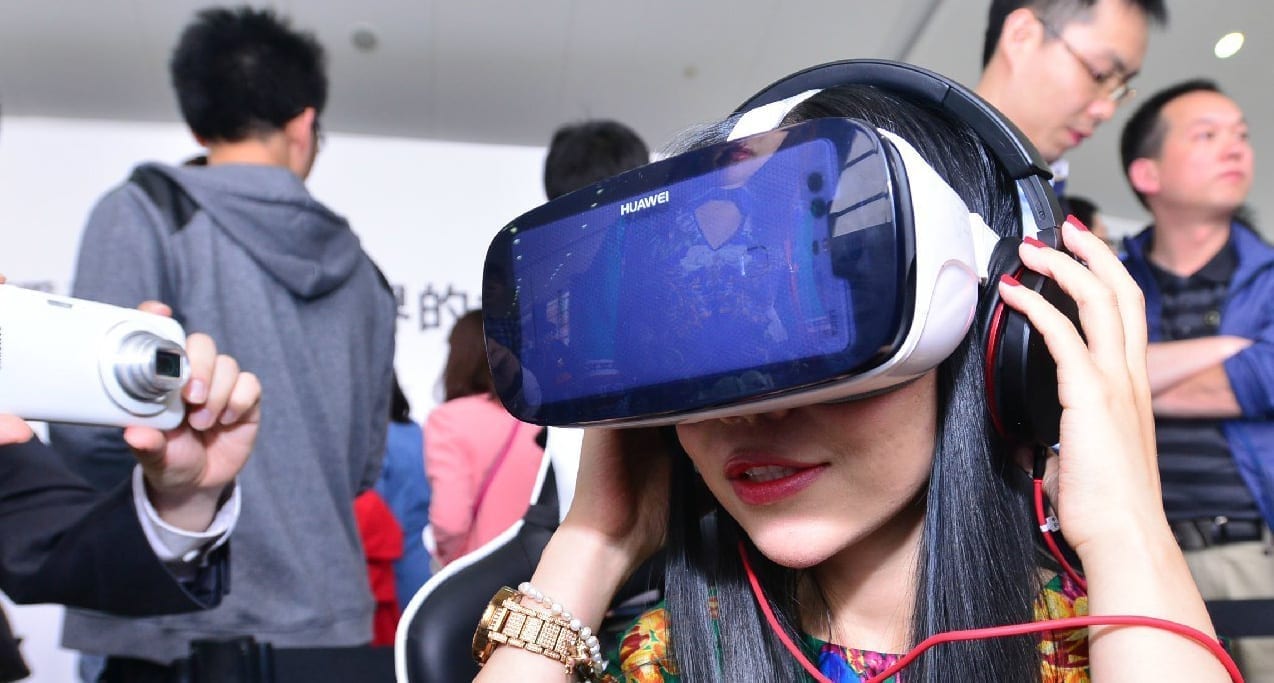
    At a media briefing in Shanghai, an Alibaba representative wearing a Vive VR helmet from HTC Corp of Taiwan showed how a shopper could tour a three-dimensional digital store.

    The demonstration showed a robotic store associate talking to the visitor and recommending new products.

    Shoppers can rotate products they see in the virtual store by moving a controller connected to the helmet, and even ask for a model to show how the product works or is worn. Users can also use the controller to click the buy button.

    “VR is a great way to demonstrate products or services, especially for such categories as furniture and travel products,” says Alibaba senior director of mobile Zhuang Zhuoran.

    Alibaba set up its Gnome Magic Lab in March to develop software to enable merchants to build virtual stores. While costs are high to convert a real product to its digital, three-dimensional equivalent (about $50), the company hopes to be able to reduce this to about $1.

    VR gear ranges in price from $20 to $1000, and consumers buy 300,000 VR units on Alibaba’s Chinese online marketplaces each month, says the group.

  • IIJ to sell prepaid data roaming SIMs in Taiwan

    IIJ to sell prepaid data roaming SIMs in Taiwan

    ISP and MVNO Internet Initiative Japan (IIJ) has arranged to sell a prepaid SIM card for Taiwanese visitors planning to visit Japan at all Taiwan 7-Eleven locations.

    The ready-to-use, data only Japan Travel SIM offers 1GB of data for 30 days for TW$780 ($24), with additional data packs purchasable at select locations in Japan.

    The service is being offered over NTT DoCoMo’s LTE and 3G networks, which offers download speeds of up to 375Mbps and upload speeds of up to 50Mbps in certain coverage areas.

    IIJ said Taiwan ranks third after China and South Korea in terms of the number of visitors to Japan. Total Taiwanese travelers to Japan increased 30% in 2015 to a record 3.67 million.

    Meanwhile 7-Eleven is the largest convenience store chain in Taiwan, with 5,045 locations as of April.

    Japan Travel SIMs will go on sale at Taiwanese 7-Eleven stores from July 18.

  • Taiwan-based Shoemaker Set to Expand Factory in Indonesia

    Taiwan-based Shoemaker Set to Expand Factory in Indonesia

    A Taiwan-based sports shoes manufacturer has expressed its interest to expand its business in Indonesia. The company, who has had a factory in Tangerang since 1996 with 1,100 workers, will expand and is expected to absorb up to 10,000 workers.

    The Investment Coordinating Board (BKPM) chairman Franky Sibarani has welcomed the planned expansion. “It’s very positive to help to create employment and optimize investment benefits in a bid to improve people’s welfare,” he said in an official statement as quoted by Bisnis.com, Tuesday, July 12, 2016.

    The BKPM chairman said that the company has picked Majalengka District as one of the possible location for its expansion. The company will expand its factory and also bring along some of its suppliers as part of its supply chain.

    Franky sees it as a positive move amid the government’s effort to make Indonesia as a supply chain hub of products being marketed in Southeast Asia and Asia.

    “We will certainly support labor intensive industries who have set their sight on Indonesia as their production base,” he explained.

    BKPM data shows that investment realization from Taiwan throughout 2015 stood at US$107.95 million, consisted of 275 projects and was ranked 15th in the list of countries investing in Indonesia. Meanwhile, in February 2016 that Taiwan’s outward investment to Indonesia was ranked seventh with a total investment of US$1.5 billion.

    Taiwan’s investment is expected to help achieve the target of 2016 investment realization of Rp594.8 trillion, particularly from foreign investment which is set at Rp386 trillion, or 65% of the targeted total investment realization.

  • Banila Co moves into Malaysia

    Banila Co moves into Malaysia

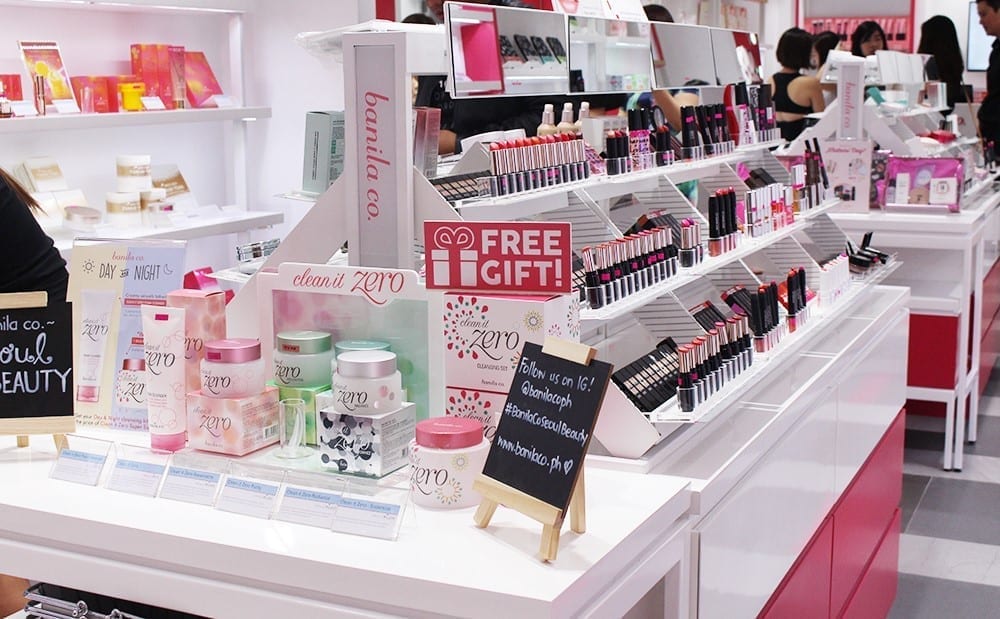
    South Korean cosmetic manufacturer Banila Co has launched outlets in Malaysia, its fourth overseas market following China, Taiwan and the Philippines.

    Banila says its first cosmetics store in Malaysia opened in Mid Valley Mega Mall, the largest shopping complex in Kuala Lumpur, with its second store opening in Sunway Pyramid, also in the capital.

    Its first foray overseas was into China in 2009, where it now has about 160 shops. It also has a flagship store in Taiwan’s capital, Taipei.

    Celebrating its 10th anniversary last year, the brand aims to establish consumer awareness through outlets at shopping malls.

  • Chunghwa Telecom aims to add 2m 4G users in 2016

    Chunghwa Telecom aims to add 2m 4G users in 2016

    Taiwan’s Chunghwa Telecom has set a target of attracting at least 2 million new 4G users this year to help maintain its market share.

    The operator aims to boost its 4G subscriber base to up to 7 million in 2016. This would represent an annual growth rate of around 59% – which is lower than last year.

    With this rate of growth the company would meet its target of having a 40% share of Taiwan’s 4G market, compared to 38% last year. IDC forecasts Taiwan’s total 4G user base could grow to reach 18 million this year.

    To help improve 4G migration rates the company has established a marketing campaign involving popular Singaporean singer JJ Lin.

    Chunghwa Telecom meanwhile has a capex budget for the year of around TW$30.6 billion ($944.5 million), which includes the recent purchase of 4.4 billion worth of equipment to enhance 4G coverage and capacity.

    The operator aims to gradually phase out flate-rate packages for 4G services, having recently raised the minimum threshold to TW$1,100 per month.

  • Phantaci makes it real in Singapore

    Phantaci makes it real in Singapore

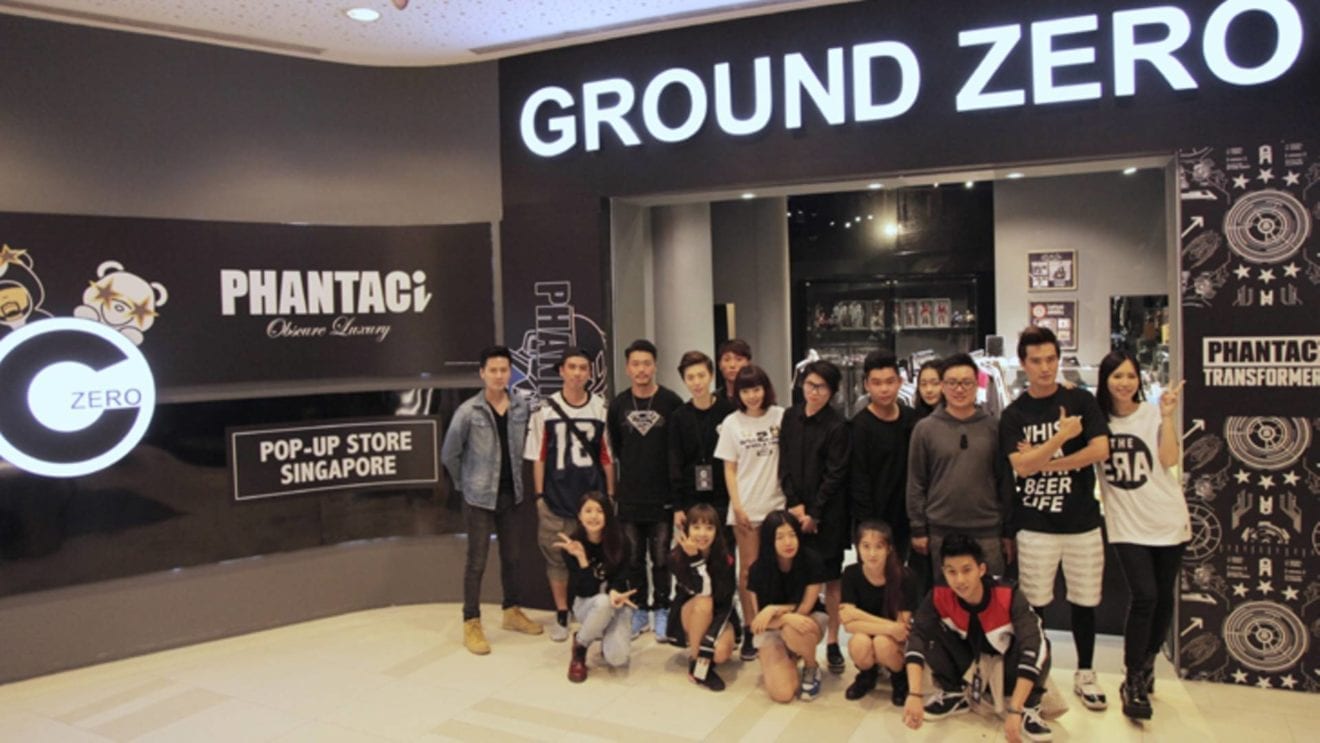
    Taiwanese streetwear label Phantaci has launched its first overseas boutique, at Orchard Gateway in Singapore.

    Covering 1200 sqft (111 sqm) on the mall’s second floor, the outlet features pink shelving and black-and-white tables echoing a piano keyboard.

    2

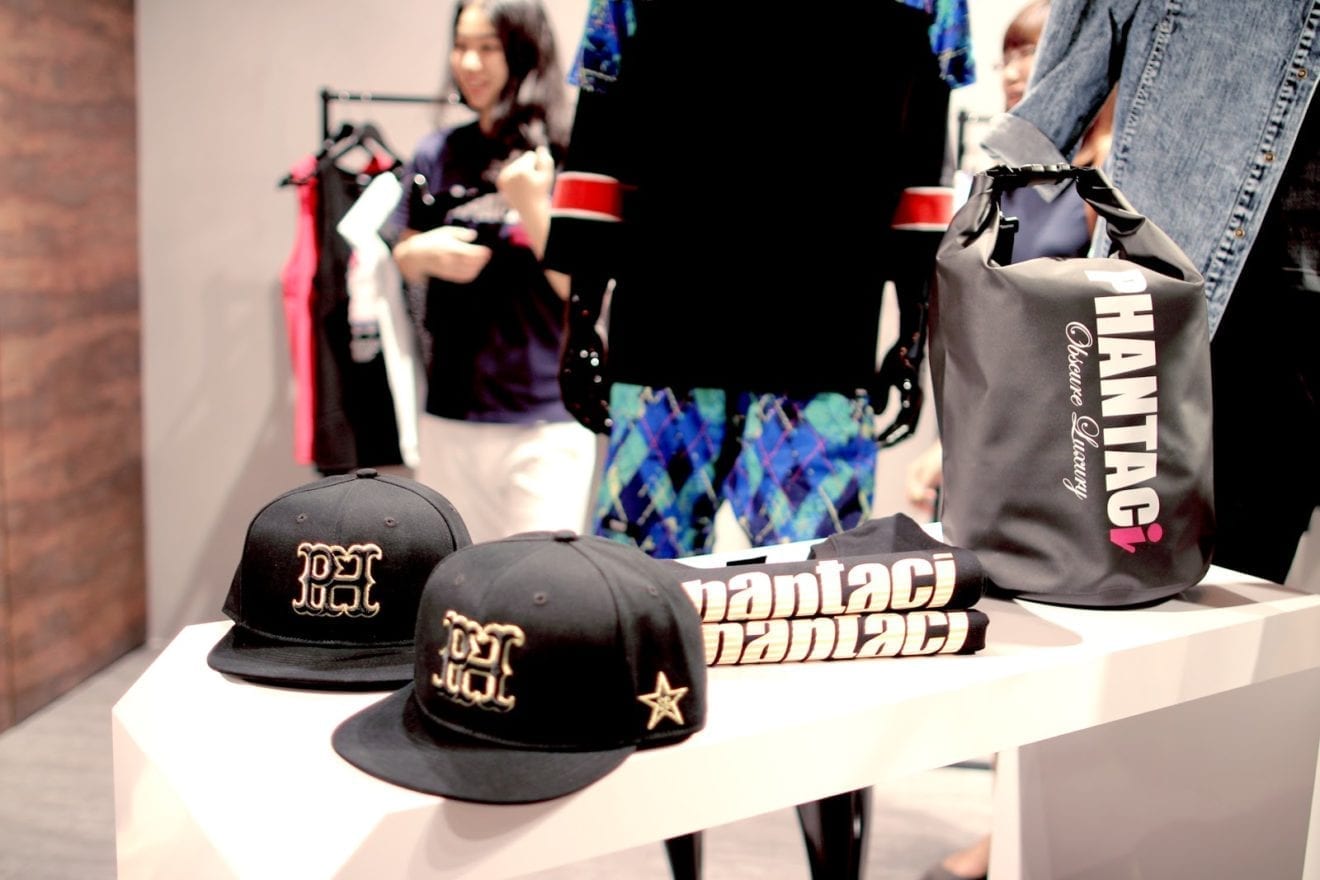
    As well as an in-house collection, Phantaci collaborates on products with such top brands as Casio, Nike and Stussy.

    To mark the opening, Phantaci is offering an exclusive selection of merchandise including a black-and-gold Phantaci shirt and an embroidered cap.

    Phantaci was established in 2006 by MandoPop musician Jay Chou and Ric Chiang.

  • Zalora Scholarship is now open

    Zalora Scholarship is now open

    Asian eCommerce company, Zalora, has relaunched its scholarship program, now on its second year.

    The theme for the Zalora Scholarship this year is “Function Vs Fashion: How the Two Coexist in (Major) Trends Over the Decades”.

    The online retailing company says the fashion-meets-function trend is growing rapidly now, more than ever as wearables flood the market. One prime example is the activewear industry as fitness wear becomes more than just clothes for working out.

    The Zalora Scholarship will award six tertiary students from the Philippines, Singapore, Malaysia, Indonesia, Hong Kong and, for the first time, Taiwan, with a grant and internship at Zalora offices.

    Applicants may submit their entry in the form of an essay or infographic. Winning entries will be selected based on creativity, innovation and relevance to the theme as well as analytical skills and academic results.

    Michele Ferrario, CEO of Zalora Group said: “As Asia’s online fashion retailer, we’re dedicated to continuously recognise and support the most promising talents in the region who desire for a career in fashion. We believe this will not only help develop and groom the future leaders of this industry but also contribute to the growth of eCommerce in Asia.”

    Zalora welcomes applicants from all tertiary institutions that fall under Zalora Partner Institutions in Singapore, Hong Kong, Indonesia, Malaysia, Philippines and Taiwan. One student from each of these countries will be offered a scholarship.

    Applications will close at 11:59 PM (GMT) on July 31.

  • NTT Data to support VietUnion payment service

    NTT Data to support VietUnion payment service

    Japanese payments company NTT Data Corporation has agreed to take on pioneer Vietnam fintech company VietUnion Online Services, which has an intermediary payment services licence issued by the State Bank of Vietnam.

    VietUnion, a group company of Saigon Construction Corp (SCC), mainly provides payment services through big chain retailers such as convenience stores.

    VietUnion has been expanding its payment business primarily through Payoo, which enables users to make payments to about 4000 stores, including supermarkets and in shopping centres.

    Payoo also has a smartphone app that can be used for internet banking, and it provides software for mobile POS systems, smart cards for transport and tuition fee management for more than 1700 schools in Ho Chi Minh City.

    With more than 30 years of experience in the payments business in Japan, NTT Data will help VietUnion expand its non-cash payment services and help develop Vietnam’s payment infrastructure.

    NTT Data will introduce Payoo and other payment services to its customers in global eCommerce and financial institutions in APAC regions through collaborations with its other companies – iPay88 in Malaysia, NTT Data Hong Kong, and NTT Data Thailand.

  • Eslite Spectrum to continue China expansion

    Eslite Spectrum to continue China expansion

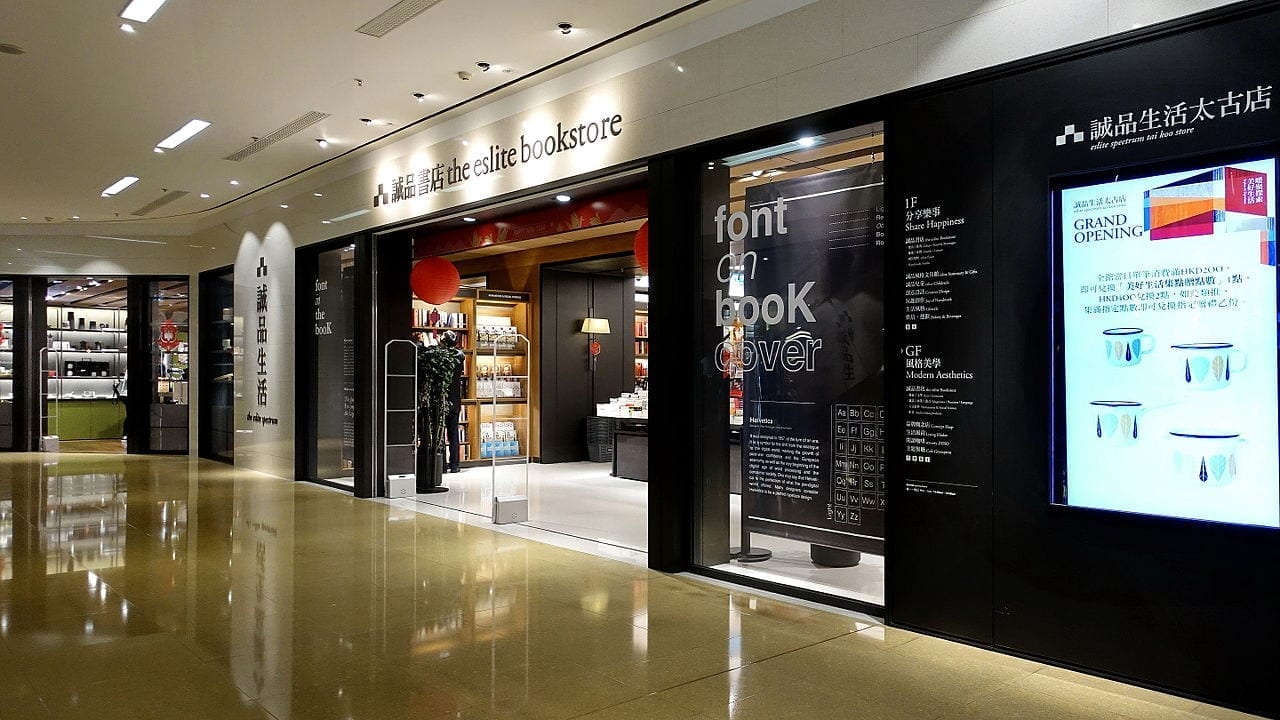
    Taiwan’s Eslite Spectrum, which runs bookstores, shopping malls and restaurants, plans to continue adding stores in the greater China market.

    President Wu Wen Chieh told the group’s annual meeting that after extending its reach into Hong Kong in 2012, the company had transformed into a cultural creative brand.

    Wu said the company has 46 outlets in Taiwan, Hong Kong and China through teaming up with cultural creative brands, and plans to enter Shanghai by opening a store this year. Its first China outlet launched in Suzhou in November. Another store is planned for Shenzhen in 2018.

    Eslite has three stores in Hong Kong, and Wu said that the company is studying the feasibility of opening more stores there.

    However, Eslite has closed two stores in Taipei and will shut down two others. Wu said the company is determined to open new stores in Taiwan this year.

    Chairman Wu Ching-yu told shareholders that the company has set its sights beyond the greater China market, with the aim of opening stores in Japan and the US.

    He said two property developers in Japan have made contact with Eslite, but Eslite will expand at a stable pace globally.

    Eslite last year posted NT$3.82 billion (US$118 million) in sales, up 9 per cent from a year earlier, and raked in NT$412 million in net profit, up 11.6 per cent.

  • Taiwan Mobile eyes investments in India, Indonesia

    Taiwan Mobile eyes investments in India, Indonesia

    Taiwan Mobile is considering investing in the telecoms markets of India and Indonesia due to their strong growth potential.

    At the operator’s annual general meeting, chairman Richard Tsai said the company is evaluating opportunities to enter the markets.

    While Tsai acknowledged that India’s overcrowded market has resulted in heavy price competition, he said that the large population is creating opportunities in segments including data transmission.

    The operator is evaluating the possibility of teaming up with operators in India to carve out a slice of the nascent 4G market in the nation.

    According to Tsai, the company has also been eyeing an entry into the e-commerce sector in Southeast Asia, with subsidiary momo.com preparing to explore the markets of the Philippines and Vietnam.

    Domestically Taiwan Mobile is focused on developing its third party payment business while kicking off an OTT content business. Taiwan Mobile has meanwhile set a target of lifting its 4G subscriber base to 5 million in 2017 from 3 million at the end of 2015.

  • H&M collaborates with Caitlyn Jenner for its newest athleisure range

    H&M collaborates with Caitlyn Jenner for its newest athleisure range

    A new H&M athleisure wear range is to be launched in July, developed with input from the Swedish Olympic team and fronted by personalities including Caitlyn Jenner.

    The launch of For Every Victory makes H&M one of the first major multinational fashion brands to make a serious foray into the booming athleisure wear market, to date dominated by fast-growing specialist brands including Lululemon, UnderArmour and 2XU.

    H&M -For Every Victory

    H&M For Every Victory – described by the H&M as “high fashion performance sportswear made to inspire” has been developed with input from the Swedish Olympic team, and the campaign is fronted by inspirational personalities who have all achieved their own victories, whether in sport or life.

    H&M -For Every Victory 1

    The athletes advised on design, performance and wearability. H&M also designed outfits for the Swedish Olympic and Paralympic team for Rio 2016, including the opening ceremony uniform, selected competition pieces and the prize ceremony outfits.

    “This is a collection about performance with great style and the input of the Swedish Olympic team has been invaluable in the creation process,” said Pernilla Wohlfahrt, design and creative director at H&M. “The result is high fashion technical sports pieces for everyone to wear.”

    The For Every Victory collection has a similar visual expression and technical knowledge to the Swedish Olympic team collection, with its own colour palette in black, grey, dusty pink and gold. It is centered on performance T-shirts, running shorts and leggings, as well as sports bras for women.

    H&M -For Every Victory 3

    The quick-drying, breathable materials help to optimise performance and recycled polyesters prove that high-function sportswear can also be conscious and more sustainable − all showing that there’s no compromise on either fashion or performance.

    H&M -Olympic collection

    Among the personalities fronting the new range are Caitlyn Jenner with her Olympic gold medal in the decathlon; Chelsea Werner, a gymnast who has never let Down Syndrome halt her progress; surfer Mike Coots who still takes to his board even though he lost his leg in a shark attack and boxer Namibia Flores who has fought against prejudice to pursue her dreams.

    The new range and brand will be launched globally on July 21.

  • Critics slam Miniso for Japanese image

    Critics slam Miniso for Japanese image

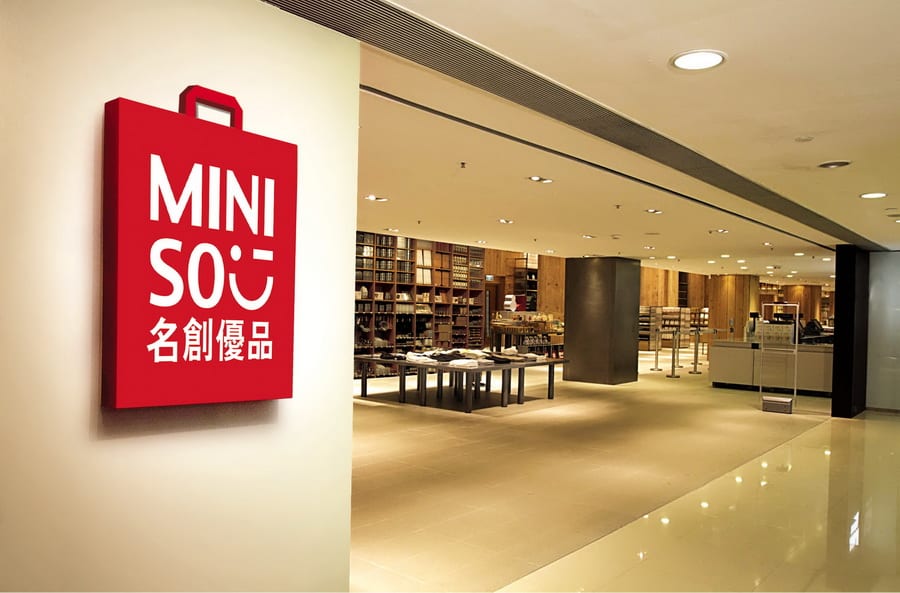
    Controversies continue to hound Miniso, a retail chain in mainland China that projects the image of a Japanese fashion brand.

    Critics have accused it of piggybacking on Japanese retail giants Daiso, Muji and Uniqlo, reports the Hong Kong Economic Journal Monthly.

    Also, the Guangzhou-based vendor of household and consumer items, which has already penetrated the Hong Kong market, has been accused by a Hong Kong designer of stealing his original design of stickers, which he says he found on smartphone cases sold in Miniso stores. But Miniso regional manager Mike Wong says there must be a misunderstanding as his company has no intention of infringing on others’ intellectual property as it can well afford the licensing fee.

    Miniso opened its first Hong Kong store in downtown Yuen Long in November 2014, expanding since into Tsuen Wan, Kwun Tong and Yau Ma Tei, boosting its network to 35 stores in less than two years. Its employee headcount is 450 and growing, with Wong aiming to double the number by the year’s end.

    By comparison, Muji and Uniqlo together have no more than 36 outlets in Hong Kong.

    A typical Miniso store is around 200 sqm and sells such goods as cosmetics, stationery, toys and kitchenware at prices as low as HK$15 (US$1.93). Most items are sourced from China.

    Sales are brisk enough that the brand needs less than eight months to recoup the initial investment, around HK$3 million, for each new store.

    Since 2013, Miniso has opened 1600 stores, with more than 1000 in mainland China and others in Hong Kong, Singapore, Taiwan, Thailand, the Philippines and the UAE. Aggregate sales will double from last year’s HK$5 billion.

    Wong, who once worked as a procurer for Swarovski, says the first time he visited a Miniso store he thought it was another brand under Muji. Now, with Miniso hiring Japanese designers and advocating a simple, low-carbon lifestyle, he says he sees no problem if customers “sometimes can’t tell us from other Japanese brands”.

    He also says that all items in its Hong Kong stores conform to intellectual property regulations. “You can’t say we are copycats.”

    However, he cannot deny the fact that customers in Hong Kong and the mainland trust a Japanese brand more than their homegrown offerings, and many find Miniso’s corporate identity misleading. Nevertheless, the group has four stores in Tokyo’s Harajuku, Ikebukuro and Shibuya districts.

  • CatchPlay Launches Streaming Service in Indonesia Amid Land Grab

    CatchPlay Launches Streaming Service in Indonesia Amid Land Grab

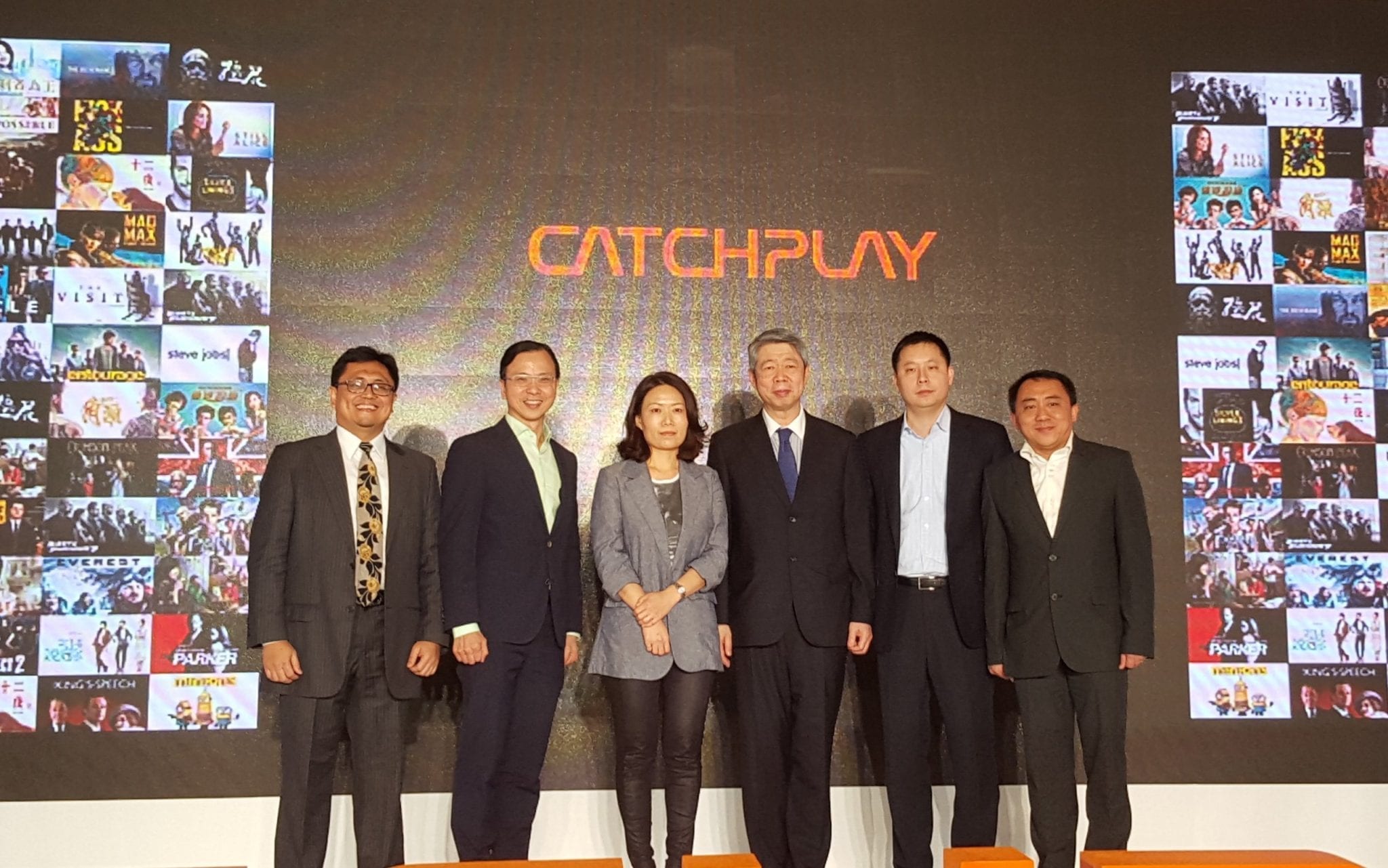
    Taiwanese film distribution and production company CatchPlay group has launched a streaming video-on-demand service in Indonesia with the country’s state-owned telecommunications giant Telkom Indonesia after offering such a service in Taiwan in March.

    The cost of the service is $1.42 for local or Hollywood library titles, $2.15 for new releases, or a paid subscription of $4.81 per month.

    With a population of 260 million people, Indonesia is a logical market to expand outside of Taiwan, said Daphne Yang, CEO of CatchPlay, which will provide the latest Hollywood movies, as well as local films to subscribers. “It’s the biggest market in Southeast Asia. Also, not just in population, it’s a very vibrant market in terms of social networks,” Yang tells. “It’s the number four Twitter country in the whole world [and] number four in terms of user base on Facebook as well. We think that level of involvement in social networking would definitely help entertainment content consumption. We see a lot of potential in this country.”

    Indonesia has seen such online video players coming into the market as Neftlix, Hooq and iFlix in the past six months. “The market’s at a very early stage of development and it’s a land grab – it’s all about driving up consumption and then converting that to payment and using the telecommunications integration and carrier billing model as the way forward for that,” said Vivek Couto, executive director of research and consulting firm Media Partners Asia.

    However, there are only 5.5 million fixed broadband users in the country, and the infrastructure is insufficient to provide for the growth of the OTT market, he said. But the number of mobile broadband users will be close to 90 million by the end of 2016, according to Couto. “While Indonesia lags Singapore and Hong Kong and is also trailing Thailand and Malaysia, there is growing investment in next-generation fixed and mobile infrastructure, but progress is slow, especially outside Jakarta,” said Couto.

    “There has been an increasing trend of OTT adoption in Indonesia,” says Harsh Upadhyay, analyst at Singapore’s Analysys Mason. “This growth suggests that interest from end users has been high.” But he also highlights that fixed and wireless high-speed coverage “is not entirely available even in big cities of Indonesia.”

    CatchPlay thinks the key to entering the Indonesian market is to find the right partner, in their case the telecommunications giant Telkom, which is the top IPTV service provider in Indonesia. Over the past nine months, it has reached 1.6 million subscribers for its IPTV service, explains Yang. As was evident in the blocking of Netflix at the beginning of the year in Indonesia due to content deemed inappropriate by Telkom, the telecommunications giant holds the power in the bargain. Yang said its new service would be provided only to adults who have a password to the Telkom’s Indihome IPTV service.

    The Indonesian government has also brought out suggested regulations in the past few months regarding OTT services. Foreign companies should set up permanent business establishments, pay taxes and evaluate joint ventures with local OTT players, they suggest. In the recent draft regulation, the government is also trying to restrict access to certain content and services.

    Said Upadhyay: “The regulation also specifically mentions the objective of protecting Indonesian telecom operators, and hence raises important questions around net neutrality and competition. The regulation threatens the openness of the Indonesian OTT market and is likely to discourage international OTT providers from offering services to Indonesians.”

  • Major Asia investment for Michael Kors

    Major Asia investment for Michael Kors

    Michael Kors has paid $500 million in cash to acquire Michael Kors HK, the exclusive licensee of the company in China and certain other jurisdictions in Asia.

    Approved by independent members of the company’s board of directors, the acquisition is subject to adjustment.

    The greater China business generated total revenue of $197 million for the year ended March 31, with a network of 91 company-run retail stores and six travel retail locations across China, Hong Kong, Macau and Taiwan.

    This fiscal year, the greater China business is expected to contribute about $200 million to retail net sales, reflecting sales for the 10-month period following the closing of the acquisition.

    Michael Kors chairman/CEO John Idol says the company is excited about acquiring its greater China licensee. “We have worked diligently over the past several years with our licensed partner in this region to build the infrastructure, establish the brand and grow acceptance of Michael Kors in the Chinese market.

    “We believe our brand is gaining strong momentum in greater China, making it the ideal time for us to integrate this territory into our business and capitalise on the enormous growth potential in this region.”
    CEO Neil Saunders of retail research agency Conlumino says the acquisition will allow the business to ramp up its pace of expansion in the region and, over the medium term, boost earnings potential.

    “It is fortunate Michael Kors has other regions to turn to for growth, with Asia having the most potential.”

    An award-winning designer of luxury accessories and ready-to-wear fashion, Michael Kors established his namesake company in 1981. Michael Kors stores can be found in Seoul and Tokyo.

  • New Toys’R’Us Asia-Pacific president named

    New Toys’R’Us Asia-Pacific president named

    The new Toys’R’Us Asia-Pacific president is Andre Javes.

    Taking up the role on May 27, Javes will oversee all operations and business activities for the company’s growing number of stores in Japan, Southeast Asia, Greater China and Australia, and he will be responsible for the profitability and success of the company in these markets. He will report directly to chairman and CEO Dave Brandon.

    A seasoned retail executive with more than 30 years of merchandising and management experience, Javes most recently served as MD of Toys’R’Us, Southeast Asia and Greater China, where he oversaw all operations and business activities for the company’s more than 170 wholly-owned stores and some 2500 employees in Brunei, China, Hong Kong, Malaysia, Singapore, Taiwan and Thailand.

    “Since joining Toys’R’Us, Andre has made significant contributions to the continued growth and success of our business throughout Asia and Australia,” said Brandon. “With his extensive retail background, drive for results, commitment to building and leading high-performing teams and proven track record, we expect to further grow and strengthen our brands’ position in the global marketplace.”

    Javes first joined the company in Australia in 2008 as GM merchandising with responsibility for toy and baby products. After a brief hiatus, he returned to the company in April 2013 as MD, overseeing all operations and business activities for the company’s more than 30 stores, eCommerce site, corporate office and more than 1700 employees.

    Prior to joining Toys’R’Us, Javes served as CEO at Anaconda Group from 2009 to 2012, a retail chain of camping, outdoor and adventure gear stores across Australia. Earlier in his career, he spent three years at Kmart as divisional merchandising manager first for seasonal and consumable items and later for the company’s toy and outdoor product categories throughout Australia and New Zealand. He also served as group merchandise manager, grocery at Coles Supermarkets Australia.