Retail News CRM

Tag: Taiwan

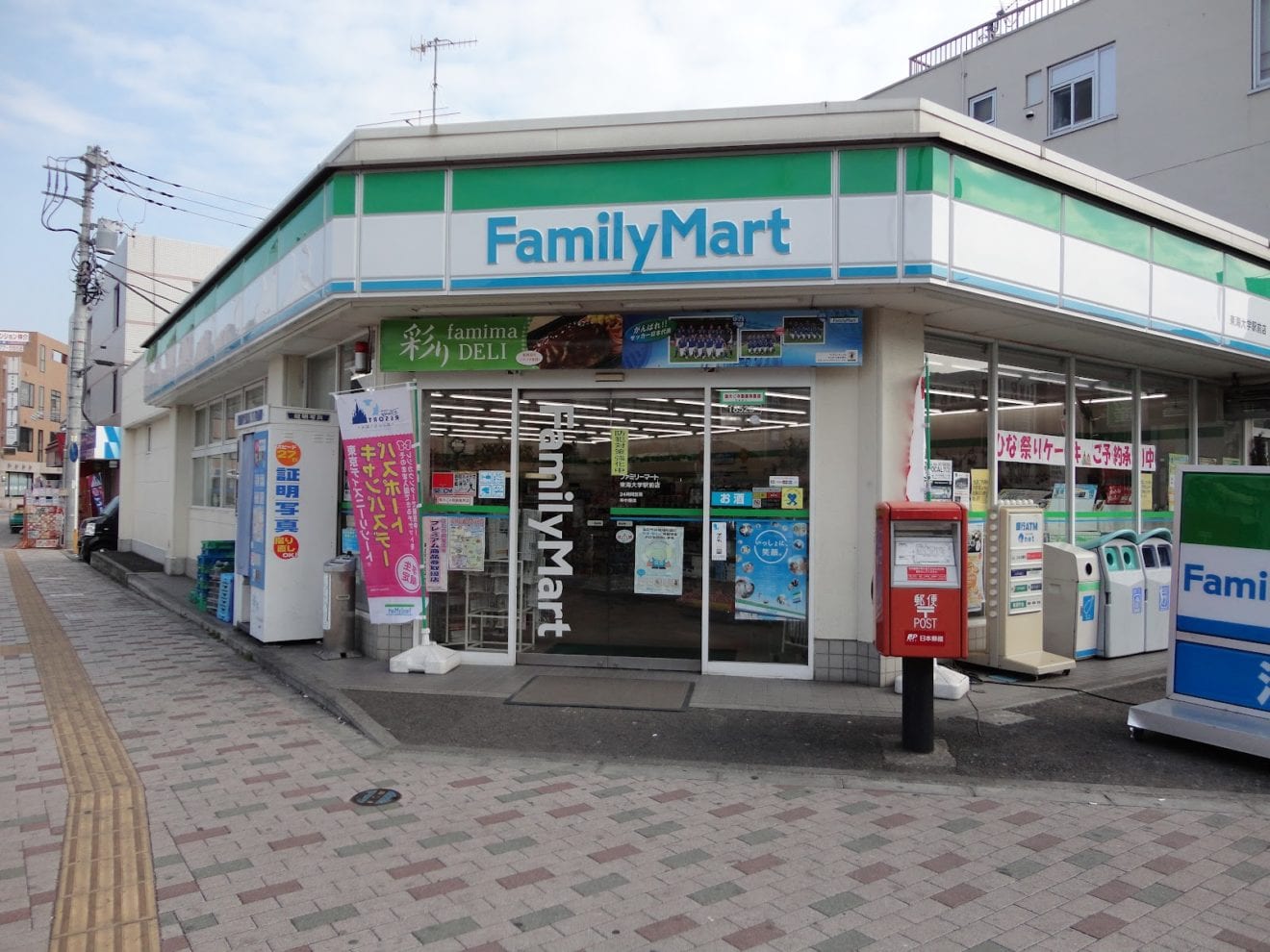
  • FamilyMart Taiwan accepts bitcoins

    FamilyMart Taiwan accepts bitcoins

    FamilyMart Taiwan says a growing number of customers are paying by bitcoin since it struck a deal with local wallet provider BitoEX.

    The convenience retailer started accepting the cryptocurrency at its 3000 stores across Taiwan on October 24 and has recorded more than 500 transactions since then.

    Most customers are using bitcoin to buy coupons dispensed by FamiPort terminals which Taiwanese use to pay for a variety of things including utility bills, cinema tickets, parking fines or train tickets.

    FamilyMart PR manager Chen Chia-Chi told the Taiwanese news agency United Daily News that the bitcoin acceptance is aimed at travellers to Taiwan and a growing domestic bitcoin userbase.

    BitoEX, meanwhile, claims to have more than 40,000 web wallet users, a customer base growing 30 per cent annually.

    “There are more and more users of our bitcoin wallet now, but the market in Taiwan is still small, and it’s still growing,” said Rica Chiang, deputy GM of BitoEX.

    Last year, BitoEX struck a deal with FamilyMart to sell bitcoins. That relationship raised the retailer’s awareness of the currency’s acceptance and consumer interest, leading to October’s payment introduction.

    “Since last year [FamilyMart] saw a growing number of bitcoin sales. That’s why they were cautiously thinking about accepting bitcoin to see if it there’s a bigger market out there,” said Chiang.

    Among the local users of the service are gamers who take a break to grab a refreshment at a familyMart store – and pick up some bitcoins on the way to use online.

    “We noticed a lot of transactions taking place in the middle of the night, so we were curious. We found out they were gamers,” said Chiang.

    “Sometimes they say, ‘Please give me bitcoin, I’m in a hurry – I’m in the middle of a game!’.”

    BitoEX says people using bitcoin for remittances, investors and speculators are its next largest customer groups.

  • Eslite China makes debut in Suzhou

    Eslite China makes debut in Suzhou

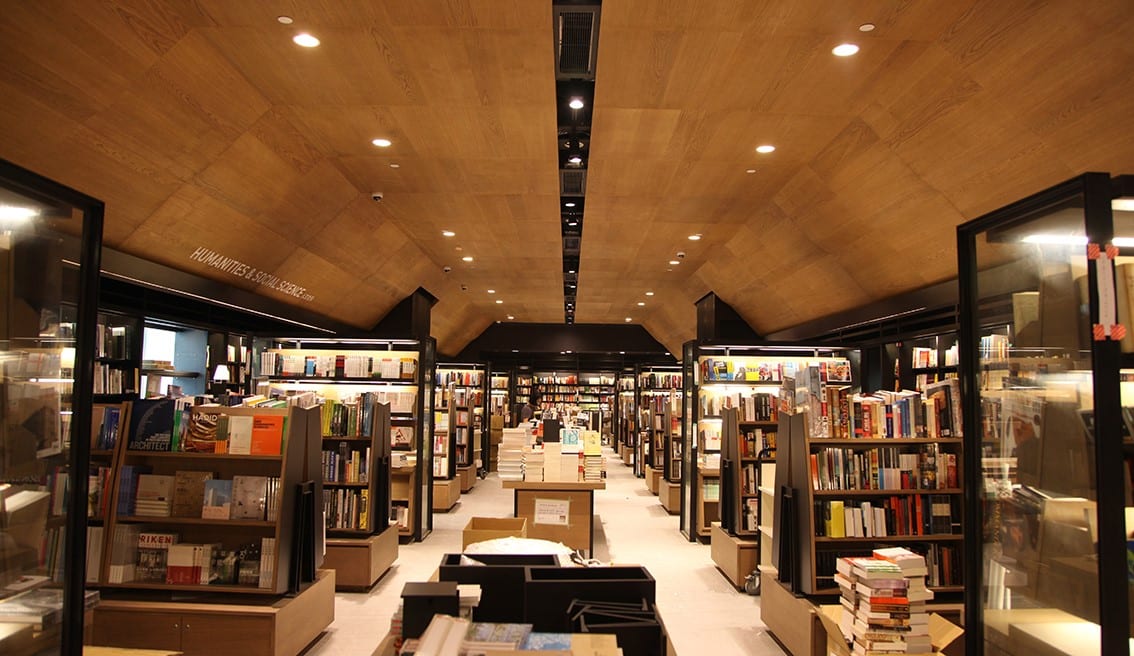
    Taiwanese bookstore operator Eslite Corporation has opened its first shop in Mainland China.

    The Eslite China store has opened in Suzhou in a high profile event featuring some of China’s most famous writers and artists, including Lin Hwai-min.

    Eslite has opened two stores in Hong Kong, redefining the nature of the bookshop in the territory.

    Featuring prominently in the store – which merges art and books with exhibitions and curated collections of gift lines, is a painting by Cai Guo-Qiang in Taipei in 2009, titled Day and Night.

    The Eslite Corporation operates 43 retail bookstores in Taiwan. The Chinese store is its third overseas.

    Despite the brand being new to the mainland, there is a surprisingly high level of local awareness, in part due to Chinese visiting the Hong Kong flagship stores.

  • BCBGMaxAzria opens Tmall store

    BCBGMaxAzria opens Tmall store

    BCBGMaxAzria, the US premier lifestyle fashion brand has partnered with B2C cross-border eCommerce solutions provider VoyageOne to expand its online footprint in China.

    “We are pleased to launch of BCBG on Tmall. We are very optimistic about the opportunity in China,” says Max Azria, founder, chairman and CEO of BCBG Max Azria Group.

    BCBGMaxAzria’s flagship line is now available to Chinese online shoppers on Alibaba’s Tmall Global through VoyageOne’s platform. BCBGMaxAzria can now efficiently integrate, sell, and manage its online selling process across multiple marketplaces in China.

    “BCBGMaxAzria is a truly an American flagship designer brand and completely understands the complexity of cross-border eCommerce landscape in China and the need for a proven technology and solution delivery mechanism by which BCBGMaxAzria seamlessly integrate, launch and manage its online footprint in China,” said Dennis Zhang, VoyageOne CEO.

    “We’re extremely pleased to partner with BCBGMaxAzria to delivering true online shopping and customer service experiences through a single platform while help them grow their online business in China.”

    Michelle Magallon, SVP of digital commerce & omnichannel with BCBG Max Azria, says China is an important international market for the brand.

    The BCBGMaxAzria Winter 2015 collection is already available at Tmall’s Hong Kong and China stores.

  • 7-Eleven Taiwan in MyDay eCommerce partnership

    7-Eleven Taiwan in MyDay eCommerce partnership

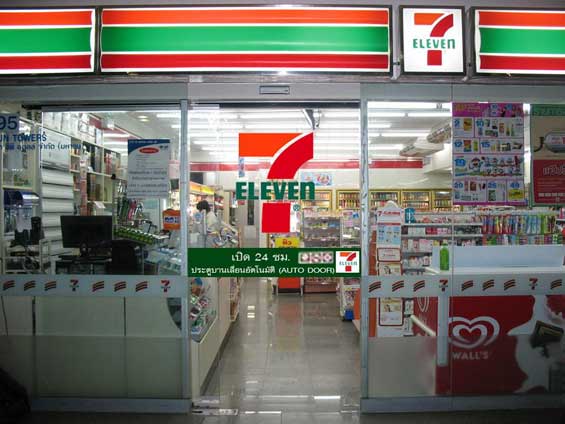
    Taiwan’s largest convenience store chain, 7-Eleven, says it will work with local shopping website MyDay to have online purchases from overseas delivered to its 5000-plus stores around Taiwan.

    The convenience store introduced the delivery service on Wednesday (November 25), allowing shoppers on the MyDay website to have their purchases delivered from Japan, the US and South Korea in as little as five days.

    Myday has over 10 years’ experience in cross-border eCommerce services and also partners with other sites such as Amazon in the US, Rakuten in Japan, and Gmarket in South Korea, said 7-Eleven.

    7-Eleven is the second convenience store chain in Taiwan to offer such a service, following FamilyMart, which established a similar partnership with the Japanese shopping site Tenso in September.

    Registered members of Tenso can have their purchases delivered to FamilyMart stores in Taiwan in about six days.

    Over 43 per cent of online shoppers in Taiwan buy products on overseas sites six times per year on average, according to a 2013 survey by the Market Intelligence & Consulting Institute under the Institute for Information Industry.

  • Sa Sa plans new store concepts

    Sa Sa plans new store concepts

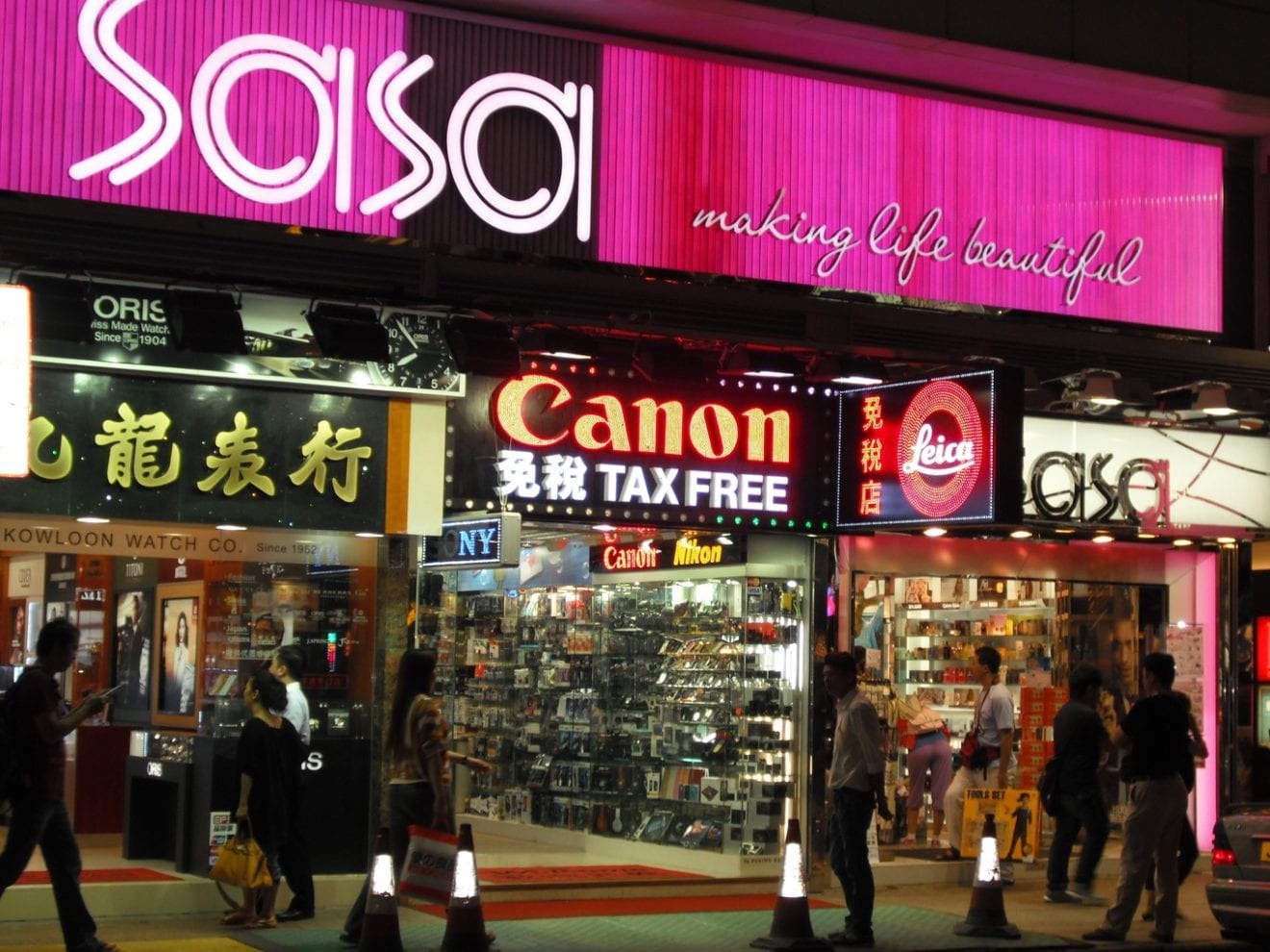
    Hit by falling sales in the tourist downturn, Hong Kong beauty retailer Sa Sa plans new store concepts and diversification to restore growth.

    Reporting a 10.6 per cent decline in sales to HK$3.778 billion in the first half of the current year, and a 55 per cent plunge in profit to $153 million, Sa Sa revealed a strategy to “develop other businesses beyond traditional operations”, including tapping the opportunities of O2O and cross-border eCommerce.

    “The group’s O2O initiatives will initially launch in Hong Kong and gradually extend to mainland China. For the China market, the O2O initiatives will significantly broaden product offerings in its physical stores through online sales and cross border fulfillment. The group aims to use different channels and to leverage a variety of online partners to increase online exposure, including operating physical stores to promote O2O in Free Trade Zones, and cooperating closely with major China online operators, all with their unique positioning and correspondingly different opportunities,” the company said in its interim report.

    New store concepts are also on the drawing board.

    “The group’s strategy for new store concepts includes introducing more trendy and lifestyle concepts to attract young and trend-setting customers, much improved product display, and more emphasis on enhancing the shopping experience.”

    Sa sa says it also aims to place more emphasis on the unique shopping experience with Sa Sa through improved product displays, while changing the mindset of its beauty consultants to one that is more receptive to consumer preferences.

    “In addition, the group will substantially strengthen its online marketing efforts, including the use of social media channels to improve interactivity.”

    Hong Kong & Macau

    Sa Sa says its first half year was marked by pressure from a series of negative factors in the retail market of Hong Kong during the first half of the year. Retail sales in Hong Kong and Macau decreased by 11.1 per cent to $3.010 billion.

    “The cosmetics market in Hong Kong continues to face strong headwinds due to the slowing of mainland China tourist arrivals, their reduced spending, and weak local consumption sentiment. The one-visit-one-week policy for mainland visitors is gradually taking its toll on the market, while the strength of the Hong Kong dollar and depreciating yuan will continue to make shopping overseas more attractive for both mainland China and local consumers. Intensifying competition within the cosmetic industry is a further challenge, with ongoing discount and promotion programmes having an ongoing impact on profitability,” the company reported.

    “Although rental pressure is expected to moderate in a slowing market, rental reductions still lag behind weak sales performance. In the face of these challenges, The group rationalised its retail network from 287 to 281, a net decrease of three stores each for both “Sasa” stores and single-brand counters.”

    Mainland China

    In Mainland China, the stores’ profitability continued to improve, but weak operational and product management led to a decline in turnover, as well as an increase in the inventory provision. Overall turnover for Mainland China operations decreased to HK$148.9 million, a decrease of 8.7 per cent in local currency terms, while same store sales growth in local currency decreased by 9.8 per cent for the period. Loss for the period amounted to HK$24.5 million. The group has recognised the need for more management resources to improved management, and is currently using external management resources on a contract basis to allow for more time to develop its own management structure and training. The group is also seconding experienced staff from Hong Kong to improve attractiveness of product offerings and inventory management.

    Taiwan

    Turnover in the group’s Taiwan business decreased to HK$130.2 million during the period, representing a drop of 2.2 per cent in local currency terms. Same store sales fell 8.7 per cent in local currency. The number of mainland China consumers in Taiwan is expected to increase in view of the country’s enhanced infrastructure and retail space, and the introduction of unlimited visa quotas for high-end Mainland Chinese tourists who have greater spending capacity. The group has already opened stores in tourist locations to tap the potential of increasing in mainland Chinese tourist arrivals.

    Singapore & Malaysia

    Flat sales across the Sa Sa Singapore network has prompted a rethink of the brand’s local network.

    In the first half year, Sa Sa reported turnover of HK$112.8 million (S$20.445 million) in Singapore, remaining flat in local currency terms over the same period last year.

    “The group will continue to build scalability and profit potential by closing inefficient stores and opening stores in new malls with good potential,” the company said in its interim trading statement.

    Meanwhile, turnover for Sa Sa Malaysia was HK$141.9 million, an increase of 2.5 per cent in local currency terms over the same period last year. However, same store sales decreased 8.5 per cent in local currency.

    “Sales and profit growth were restrained by the implementation of GST [on April 1], which adversely impacted store productivity during the transitional period. This effect is expected to be normalised in the second half.”

    Chairman’s view

    Chairman and CEO Dr Simon Kwok put on a brave face on the results:

    “Sa Sa has a long track record of delivering outstanding success in all economic climates and in the face of the most severe headwinds and difficulties. We firmly believe that in spite of the current difficult business environment we are now facing, we can still turn challenges into opportunities and further consolidate our competitive advantages. The flexibility of our business model, with an ability to rapidly adapt to new circumstances, markets and trends, will continue to support our position as a leading provider of beauty products in the Asia Pacific. We also believe that the resilience and adaptability of our loyal staff and the forward vision of our outstanding management team will ensure that we deliver sustained, satisfying growth for many years to come.”

  • Alibaba launches Taiwan, Hong Kong venture funds

    Alibaba launches Taiwan, Hong Kong venture funds

    China’s Alibaba has announced two venture funds to help entrepreneurs with projects who can leverage the resources of Alibaba’s ecosystem.

    A HK$1 billion (US$130 million) venture fund – named Entrepreneurs Fund for Hong Kong – will be managed by venture capital firm Gobi Partners.

    A second – Entrepreneurs Fund for Taiwan – will have initial capital of NT$10 billion (US$316 million) and be managed by CDB Capital, a division of China Development Industrial Bank (CDIB).

    As well as cash, the two new funds will offer 200 internship opportunities annually for graduates and final year students of local tertiary educational institutions. Successful applicants will be able to work for between six and 12 months at Alibaba Group companies in Mainland China.

    Andrew Lee, the former CFO of EnTie Bank will act as executive director of the Taiwan fund, with directors including Charles Yen, co-founder and principal of the AAMA Taipei cradle program and Joseph Tsai, senior EVP of Cathay Financial.

    The fund will be headed by Cindy Chow as executive director. Other directors include Dr Allan Zeman, founder and chairman of the Lan Kwai Fong Group, and Savio Kwan, an independent business consultant who served as president and COO of Alibaba from 2001 to 2003.

    The funds are intended to help entrepreneurs and position Hong Kong and Taiwan as business hubs engaged regionally and globally, with a mandate to invest in qualifying companies in the startup, growth and expansion phases. Selected ventures will be able to leverage the platforms in the Alibaba ecosystem to offer products and services to mainland China and globally, given that Alibaba operates in eCommerce, logistics, mobile platforms, cloud computing and financial services.

    Said Joseph Tsai, executive vice chairman of Alibaba Group: “At Alibaba, our mission is to make it easy to do business anywhere. We are passionate about fostering entrepreneurial spirit and hope the resources provided by the fund will help unleash potential for innovation and entrepreneurship.”

  • Singaporeans love to shop overseas

    Singaporeans love to shop overseas

    Never mind that Singapore is renowned globally as a shopping destination.

    Singaporeans want to shop elsewhere.

    A survey by insurance company AIG conducted back in April found 36 per cent of the 1205 polled go on holiday solely to shop.

    When they take a holiday for retail therapy, Singaporeans spend an average of S$336 a day.

    The three most popular overseas shopping destinations are Bangkok, Hong Kong and Taiwan.

    AIG says it had received 7500 insurance claims between November 2014 and October 2015 for baggage lost on trips home from – in order – Thailand, Taiwan and Hong Kong.

    The insurer says people should keep receipts or photographs of their overseas purchases to ensure a smooth claims process.

    Other reasons for non-business travel by Singaporeans rated far lower than retail therapy, including a weekend getaway (21 per cent), to see somewhere exotic (12 per cent) or to indulge in a luxury break (four per cent).

  • Poll finds Asian prefer Christmas shopping online

    Poll finds Asian prefer Christmas shopping online

    Nearly half of Asia’s shoppers said they prefer to do their Christmas shopping online this year, according to a new survey conducted by internet services company Rakuten.

    Of 2500 shoppers polled in Singapore, Malaysia, Indonesia, Thailand and Taiwan, 47 per cent said they preferred to complete their Christmas shopping online – due to convenience (83 per cent), the ease of browsing and comparing of products (55 per cent) and cost effectiveness from attractive rebates and loyalty programs (41 per cent).

    The same shoppers reported an average increase of 20 per cent, in terms of the amount spent online on Christmas shopping in 2014, versus the year before.

    The Rakuten Shopping Secrets Survey 2015 found that 75 per cent of shoppers expect to buy more, or at least, the same number of Christmas gifts online this year compared to the previous year.

    “Our survey found that in general, when shopping for a gift, shoppers look at price (33 per cent) as the single biggest factor influencing their decision of what to buy, followed by the likeability of a gift by the recipient (26 per cent) and practicality of the gift (25 per cent),” said Masaya Ueno, director of Rakuten Asia

    Rakuten has launched a five per cent rebate on everything listed on its shopping sites, every day, with no limit on the amount of rebates, through the Rakuten Super Point program, across all its online shopping sites in Asia.

    This means that if shoppers buy anything on Rakuten sites in Singapore, Malaysia, Indonesia, Thailandor Taiwan, they are given Rakuten Super Points that are the equivalent of five per cent of their purchase value. These points can be used like cash, to offset their next purchase.

    Asians spend on average US$30 on a Christmas gift, and Rakuten says its new cashback scheme would reward shoppers with a $15 voucher if they bought gifts for 10 people.

    Meanwhile, the survey found that while three in five people remembered what they received for Christmas last year, a quarter of them received gifts they disliked. Those gifts ended up being re-gifted (38 per cent), kept somewhere and forgotten about (33 per cent), donated to charity (24 per cent), or being sold off (13 per cent).

    That could be one reason why 27 per cent of Asians find Christmas a stressful occasion, with Singapore shoppers the most stressed (40 per cent), well ahead of shoppers from Taiwan (32 per cent), Malaysia (30 per cent), Indonesia (18 per cent) and Thailand (17 per cent).

    “The year-end season is usually the busiest time of the year for online retailers like us, with shoppers wanting to splurge due to great discounts (62 per cent), liking to start a new year with new things (40 per cent), or rewarding themselves after a year of hard work (33 per cent),” said Ueno.

  • Duty-free industry in crisis of stagnation

    Duty-free industry in crisis of stagnation

    Thousands of jobs are under threat in the wake of the Korea Customs Service’s shock decisions last Saturday in awarding duty-free licenses in Seoul.

    Two major players had their licenses revoked. Lotte Group plans to close its World Tower branch in Jamsil, southern Seoul, that posted 500 billion won ($430 million) revenue last year, and SK Networks’ Walkerhill duty-free shop is being forced to cease operations after 23 years.

    The selection process for duty-free outlets has been criticized as it mandates renewal every five years. Some observers feel this goes against the Park Geun-hye administration’s creative economy drive, which has a key premise of creating jobs by letting companies freely enter promising industries.A total of 2,200 workers are on the verge of losing their jobs at the two operators.

    Regardless of the commitments, a sense of insecurity lingers among new and old duty-free store operators because of the uncertainty over duty-free license renewals in five years.Other affiliates under the Lotte Group umbrella have guaranteed that they will hire workers from the duty-free stores, and new operators – Doosan, Shinsegae and Hanwha (selected in the summer) – have promised to absorb those from SK.

    Han Gyeong-ran, 49, has worked at Lotte’s World Tower branch for 17 years. She is a sales manager at a small-size jewelry brand inside the outlet, but now that the entire store is shutting down in six months, she will lose her job because the jewelry brand is housed at the Jamsil outlet and not the Sogong branch, which will remain intact.

    “I am just at a loss, not knowing what to do to provide for my old age,” she said.

    “I don’t know how you could say getting rid of a company that has invested 300 billion won for a single duty-free outlet and depriving those employees of jobs is what the government describes as job creation.”

    Last year, when Lotte lost its duty-free license at Gimhae International Airport in Busan to Shinsegae and shut down the store, only half of the 390 Lotte employees were transferred to Shinsegae.

    “There are many lawmakers who have remained silent over the verdict this time on the duty-free shop licenses for fear of being mistaken as defending those companies that failed,” said Lee Hahn-koo, a lawmaker with the ruling Saenuri Party. “After proclaiming it would produce more jobs, the government is actually doing the opposite, which is preposterous.”

    Before the Park government introduced a new system in 2013 that put each license up for open competition every five years prior to expiry, renewal for downtown duty-free shops was a semi-automatic, rubber-stamping process for 10 years at a time.

    Martin Moodie, chairman of the Moodie Report, a U.K.-based online publication devoted to the global travel retail and duty-free sector, told some Korean media outlets in 2013 that weakening duty-free shops in their home market “seems a misguided and short-sighted step.”

    “The five-year deal is a disaster and will kill what little quality there is. The margin pressure on brands will get far worse, too,” a senior executive for one of the world’s leading luxury brands was quoted as saying by the Moodie Report on Sunday.

    He added that some leading brands may opt in the future to position themselves in Korean domestic stores with permanent high-quality environments rather than facing a potential change in duty-free retail partners every five years, given there is “no difference between Korean duty-free and tax-refund pricing [depending on foreign exchange rates].”

    Companies that had their license renewed or newly issued may not have time to celebrate as stumbling blocks lie ahead.

    A group of lawmakers led by Rep. Hong Jong-haak from the main opposition New Politics Alliance for Democracy has proposed a revision of a bill that will force duty-free store operators to pay 100 times the licensing commission they are paying now – from 0.05 percent of annual revenue to 5 percent.

    That means the Sogong branch of Lotte Duty Free will have to pay 10 billion won in commission to the Korea Customs Service each year after the revision, when it currently pays 1 billion, or 0.05 percent of the 2 trillion won annual revenue.

    If approved, the move will inevitably force duty-free shops to hike the prices of goods, which will lead to Korea becoming less attractive to tourists, particularly big-spending Chinese, and shrinking tourism to Korea.

    The Korean government’s process goes against systems in Europe and neighboring countries such as China, Japan and Taiwan, which have been ramping up their duty-free industry as its golden goose that draws huge foreign currencies.

    The Korean duty-free business has grown exceptionally in the last five years. Earnings from duty-free have exceeded that of China and the United States and held the No.1 spot since 2012. According to a survey by the Korea Tourism Organization, the biggest reason foreigners visit Korea was to shop. In fact, 72 percent of the poll picked shopping. As a result, the Korean duty-free business raised $7.78 billion last year.

    But a change in duty-free licensing regulations will force companies to become very cautious in their investment strategies and wary of business expansion.

    Lotte was not alone in heavily investing in expanding its duty-free business. Walkerhill recently invested 100 billion won in doubling the size of its duty-free stores. It was scheduled to open up next month.

    The licensing regulation is also likely to affect future plans, even for newcomers such as Doosan.

    “It takes a huge amount of investment when starting a duty-free business, and it takes a minimum of 10 years before it settles,” said Choi Young-soo, former chairman of the Korea Duty Free Association and former vice president of Lotte Hotel in charge of the duty-free business. “If you have to get government approval every five years, who would invest a large amount and even hire regular employees?

    “When doing business whose main customers are foreigners, whether a company monopolizes is meaningless. If we continue with such a policy, we will loose the Chinese tourists to the Japanese.”

    Han Enny, CEO of Enny Trading Corporation, which supplies cosmetics to duty-free stores including Lotte and Walkerhill, was frustrated at the recent licensing decision.

    “We have products shipping in that we plan on supplying to the duty-free stores next spring, but it seems we would have to cancel those orders,” Han said. “We have built our credibility for years just to get a contract with foreign companies, but it seems it’s all going to crumble.

    “Luxury companies’ products that have high demand from Chinese consumers make trade relations based on long-term trust, but if this continues, they wouldn’t be interested in opening up stores in Korean duty-free stores.”

    Other countries have been taking the opposite direction in their strategies as they have realized how lucrative duty-free businesses can be.

    Swiss duty-free retailer Dufry was ranked No. 2 in the world in 2013. But it recently became the biggest in the industry, bumping off previous No. 1 DFS, after buying another Swiss duty-free retailer that was ranked the world’s No. 7, Nuance Group, last year and adding Italy’s World Duty Free in August. LS Travel Retail, the French duty-free retailer and world’s No. 4, expanded further when it bought North American duty-free business Paradises in August.

    As of last year, the world’s top four duty-free companies accounted for 25 percent of the duty-free market, a sharp increase from the 16 percent in 2010.

    “The duty-free business in a core pillar in a country’s tourism industry development,” said Kim Seung-wook, a economics professor at Chung-Ang University. “The customs service agency needs to focus on lowering the entry level of duty-free stores and think more on ways to help foreign tourists open up their wallets, rather than focusing on regulations.”
  • Groupon woes continue

    Groupon woes continue

    Groupon – which has exited three Asian markets this year – continues to struggle globally with ts flawed discounting model.

    Operating on wafer thin margins in the first place, the company has taken a severe hit from currency exchange fluctuations in the third quarter.

    Globally, gross billings grew by six per cent when the exchange rate impact is excluded; similarly, global revenue increased by a more positive seven per cent on a constant currency basis.

    But after taking into effect the strengthened value of the US dollar against foreign currencies this year, Groupon saw its net losses grow by some $6.4 million to $27.6 million.

    As reported by Inside Retail Asia in September, the listed US eCommerce business has closed its doors in Thailand, the Philippines and Taiwan. Outside Asia it has already exited Greece and Turkey and will now close operations in Panama, Morocco, Puerto Rico and Uruguay.

    Neil Saunders, CEO of Conlumino, says the impact of currency fluctuations is worsened by the fact that the company operates off relatively low margins, especially outside of its North American heartland, and as such does not have much of a buffer against their deleterious effect.

    “The margin position is partly down to the multiple systems that Groupon operates across the globe which increase complexity and do not allow for economies of scale. While this is something the company has been remedying by moving to a common platform, we believe that the benefits have, so far, been fairly modest.”

    Saunders says margins are also held back by a further issue, arising from Groupon’s revenue mix.

    “At present, the company divides itself into three main segments: Local, Goods, and Travel. Local is concerned with deals from service providers like restaurants, events and activities. Goods is focused on consumer products like jewellery, electronics and apparel. And Travel is about holiday, flight and accommodation deals.

    “Recent growth in the more mature Local part of Groupon’s business has slowed considerably. Indeed, in Q3 growth was just under eight per cent. Comparatively, Travel and Goods have both seen strong growth, up 20 per cent and 18 per cent, respectively. This rebalancing of the revenue mix has diluted margins, mainly because Goods are far less profitable for the firm.”

    Saunders says gross profit as a percentage of gross billings for Goods is 13 per cent compared to 30 per cent in Local and 18 per cent in Travel.

    “To be fair, the margin performance of Goods has improved over the past year – but not by much. Over future quarters, we see the prospects for margin gains to be slight given that Groupon has to work harder on Goods deals in a market that remains very promotional.”

    Saunders believes there is little comfort ahead for Groupon in the fourth quarter.

    “Groupon is forecasting that revenues will come in at $865 million, at best. This is quite some way below the $883 million generated last year.

    “In our view, such anemic numbers do not paint a rosy picture for future profits. They also bode badly for the start of the new fiscal year – an issue the new CEO, Rich Williams, who is replacing Eric Lefkofsky who’s stepping into the role of chairman, will have to deal with,” Saunders concluded.

  • Jamba Juice Taiwan marks debut

    Jamba Juice Taiwan marks debut

    The first Jamba Juice Taiwan store has opened its doors.

    The opening, in partnership with Taiwanese master franchisee Quan Hung Gourmet Company, marks the US juice cafe concept’s 71st store outside the US, and its 885th overall.

    The Taiwan store has opened at the Xinyi Vieshow complex in Xinyi.

    “We are very excited about launching the brand in Taiwan,” said Jack Hsu, special assistant to the chairman of Quan Hung Gourmet Company.

    “The Xinyi district is considered the most modern and cosmopolitan district in Taipei and comprises offices, government, shopping and entertainment venues. Jamba Juice will be a great addition for its consumers looking for a healthy alternative, day or night.”

    The Jamba store will operate from 11am to 11pm, seven days a week.

    Tom Madsen, senior VP & GM, global growth with Jamba Juice said the company is on track to close the year with about 90 international stores.

    Currently, Jamba operates international stores in South Korea, the Philippines, Canada, Mexico, the UAE and Taiwan, and has existing development agreements that include Saudi Arabia, Bahrain, Oman, Kuwait, Qatar, Thailand and Indonesia.

  • Inside Starbucks Taiwan new concept

    Inside Starbucks Taiwan new concept

    The design team behind the new generation Starbucks Taiwan Longmen concept store set out to create a “theatre for coffee”.

    The new store features Starbucks Reserve coffees and is located in one of the busiest shopping and fashion districts in the city of Taipei.

    Starbucks Taiwan new concept 5
    “We wanted to elevate the Reserve coffee experience for customers and inspire them with our coffee passion,” said Wen Lin, project leader, Starbucks Taiwan.

    “A Reserve coffee bar is located in the center of the store or ‘center stage,’ so customers can watch partners handcrafting beverages from every vantage point.”

    Starbucks Taiwan new concept 2

    Behind the coffee bar is a central column with an abstract graphic, created from blackened metal with laser cutouts in a coffee bean pattern. Diffused lighting inside the column creates a lantern effect.

    “The column draws the eye to the bar to offer an extra layer of interest and evokes the romance of enjoying our coffee,” said Claudia Lee, director, Starbucks Store Design.

    Starbucks Taiwan new concept 6

    Visual representations of the coffee journey are featured in select areas throughout the store, highlighting the regions where coffee is harvested. This includes a 14-meter coffee belt map, created by Taiwanese wood veneer artist, Sandy Lee.

    “We want our customers to have a different visual experience every time they visit our store,” said Lin.

    The store’s design takes advantage of existing architectural elements such as an irregular-shaped floor plan and various ceiling heights to create a strong spatial look and feel. Elevated platforms were crafted into seating areas for customers, where they can look down at what’s taking place at the coffee bar. Taiwanese-designed wood tables and chairs round out inside seating and reflect local styles.

    Starbucks Taiwan new concept 3

    “We selected stools and cafe chairs that have a handcrafted quality to complement the store aesthetic,” said Percy Lee, senior design manager, Starbucks Store Design.

    “The terrazzo floor tile is the same that is traditionally found in residential buildings. This connects customers to local culture and provides a sense of familiarity and comfort when relaxing in the store.”

    Starbucks Taiwan new concept 7

    Featuring a variety of coffee brewing methods, the Longmen store is the first Starbucks in Taiwan to offer both Clover and the Black Eagle machines. Baristas will also offer coffee using the Pour Over method with a three-cup station designed and made by Iron Wang, a local Taiwanese artist who specialises in coffee brewing equipment.

    To pair with coffee, the store’s food menu includes creations by Sadaharu Aoki, a Japanese pastry chef, who owns boutiques in Paris, Taipei, Tokyo and additional cities in Japan. Along with sandwiches and desserts, customers will find Opera, a French sponge cake, created specifically for the store and made with Starbucks Colombia coffee.

  • The Macallan pop up tours Asian cities

    The Macallan pop up tours Asian cities

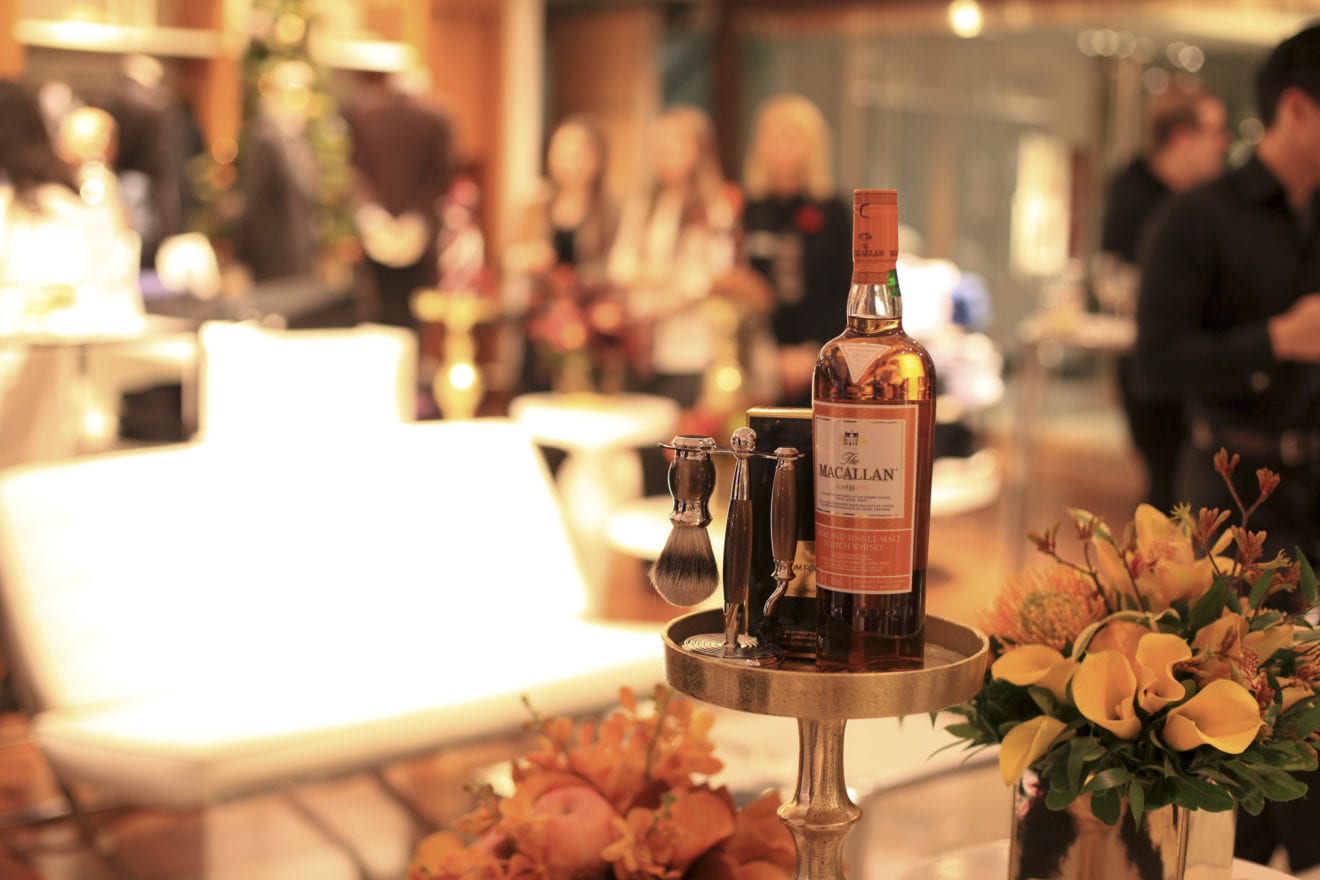
    A 465 sqm pop up store promoting Macallan single malt whisky is touring major Asian cities.

    Designed by agency Fitch, the unique pop up is by day a shopping and exhibition area, open to any walk-in customers. In the evening, the space is transformed into a bar offering reserved tasting sessions. Guests have the opportunity to enjoy The Macallan, talk with whisky experts, and connect with like-minded connoisseurs.

    After a month inside Shanghai’s Jing An Kerry Centre, the pop up moves to Taipei’s Dunhua South Rd on October 21 for a month, and then on to Seoul and Singapore.

    Fitch says the pop up is designed to take guests “on a journey of discovery with The Macallan, through a highly interactive and sensorial experience”.

    Macallan’s regional brand director, Coral Gill, says the Toast The Macallan pop up is a regional consumer engagement program that serves as a distinctive platform for The Macallan to reach and connect with more consumers.

    “Toast the Macallan is into its second year in the region and this event in Shanghai was the first time this exclusive event was run for 30 days, allowing even more consumers to engage and share the experience with the brand.”

  • Guangfuhao Hong Kong store opens

    Guangfuhao Hong Kong store opens

    Taiwanese handmade canvas bag store, Guangfuhao, has opened its first Hong Kong store.

    Guangfuhao was established in 2009, not only to nurture Taiwanese traditional industry and promote the craftsmanship of Taiwanese masters, but also cultivate a new generation to join the industry.

    Founder Po Lee said the Guangfuhao Hong Kong store will range a series of canvas bags designed to cater to the lifestyle needs and work purposes of Hong Kong people.

    “Hong Kong is an open and international city and people here are multilingual with global vision. International brands have already built their presence in the city. That’s why we decided to open our first store in Hong Kong which is a very important step for us to go global.

    “The Taiwan market is small and competitive. If we want to expand our business, we need to enter into the global markets. Hong Kong as the world city offers a perfect foothold for us to market our products and promote our brand.”

    Associate director-general of investment promotion Dr Jimmy Chiang said “Hong Kong has a “very dynamic retail industry” with a variety of international brands as well as boutique stores using the city to expand their business.

    “The large number of international and Mainland Chinese visitors every year provides huge business opportunities and a global branding leverage, making the city  the best window for overseas retailers to expand their global business.”

    Guangfuhao uses pure cotton canvas to produce its bags. All components, from zipper to buckle, from strap to thread, are made in Taiwan.

  • O’Ringo shoe shop steps into Hong Kong

    O’Ringo shoe shop steps into Hong Kong

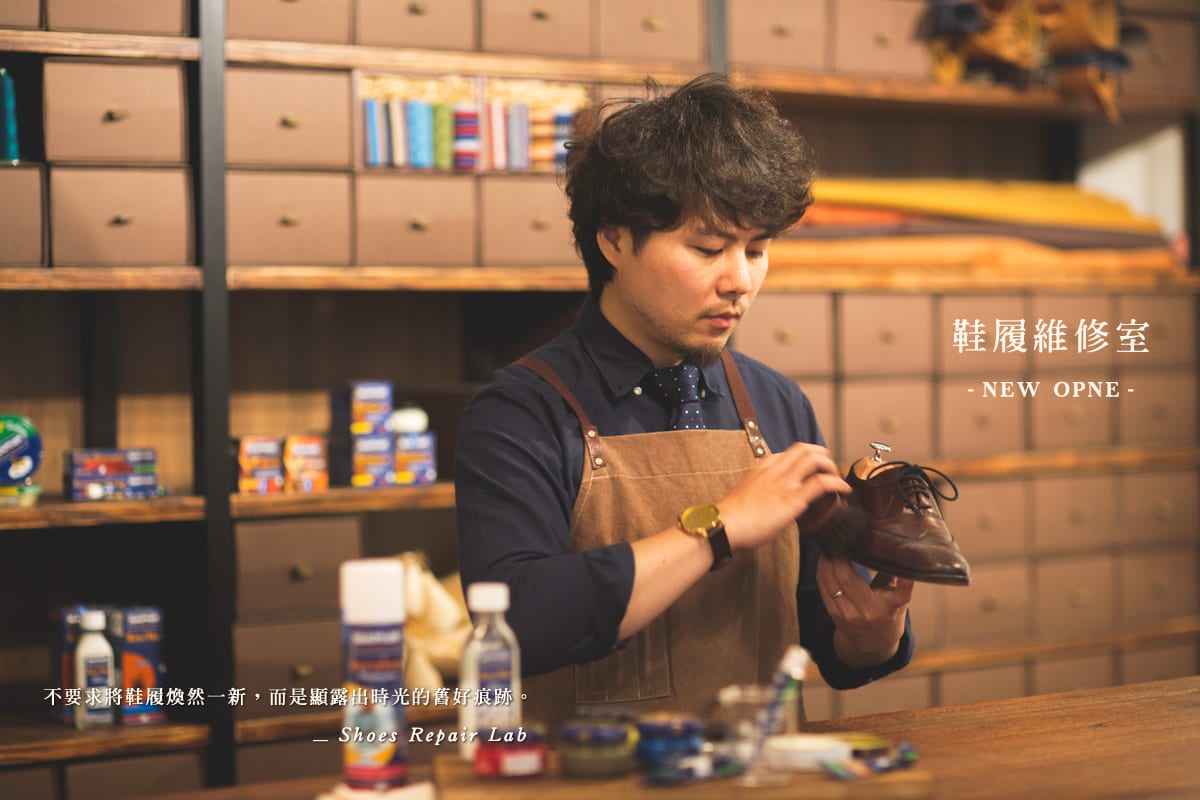
    Taiwanese handmade leather shoe brand O’Ringo has opened its first store outside Taiwan – in Hong Kong.

    It is just the fourth store operated by the nine year old brand, which has three in Taiwan.

    O’Ringo sells handmade leather shoes for men. It started online before opening its first physical stores

    Committed to keeping Taiwanese traditional art of shoemaking alive, the company ensures that all its shoes are handmade by Taiwanese shoemaking masters as part of the bid to promote their skills.

    The company sources everything from Taiwan, including its leather and other shoe materials.

    Founder Tseng Hsin-Ju said he hoped the Hong Kong shop can showcase the international status of Taiwanese shoemaking craftsmanship.

    “Hong Kong is one of the most international cities in Asia. It is also the perfect springboard from which to get access into the mainland market. With this unique role as a dual platform, the city offers a foothold for our company to test our brand acceptance and expand our business in both the international and mainland markets.

    “Taiwanese culture and products, from TV drama to movies, food and beverages, are very popular among Hong Kong people,” he added.

    “We hope to make use of Hong Kong’s international status to promote our handmade shoemaking craftsmanship.”

    Associate director-general of investment promotion, Dr Jimmy Chiang, said Hong Kong is a place where East meets West.

    “Together with its international business environment and huge number of international and mainland visitors, it is the ideal place for overseas companies to go global and enter into the mainland markets. We wish O’Ringo every success in Hong Kong and that it will expand its global and Mainland business from our city.”