Tag: Tax

  • Vietnam gets set to tax e-commerce revenue

    Vietnam gets set to tax e-commerce revenue

    Vietnam plans to tax 1.5 percent of annual e-commerce revenues of VND100 million ($4,297) and higher as part of leveling the field between traditional and online retail merchants.

    A decree with new regulations is set to take effect on August 1, but authorities have said they might give e-commerce platforms more time to prepare for the taxation regime.

    E-commerce platforms will need to provide authorities with monthly reports on their merchants, revenues, bank accounts, and types of goods.

    Tax officials had said earlier that the current taxation regime is unfair to traditional sellers who have to pay other overheads, while online sellers have been escaping several taxes.

    Taxing sellers through e-commerce platforms would also help prevent the sales of contraband and fake goods, the officials said.

    Vietnam’s e-commerce market expanded by 18 percent last year to $11.8 billion, the only country in Southeast Asia to record double-digit growth amid the pandemic, according to the Vietnam e-Commerce and Digital Economy Agency.

  • Gojek Vietnam raises fares after tax regime change

    Gojek Vietnam raises fares after tax regime change

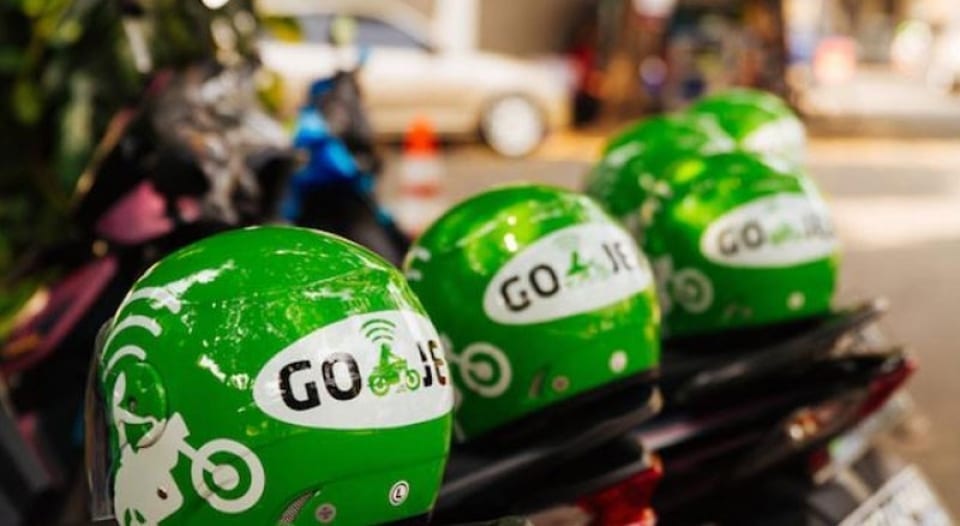
    Ride-hailing company Gojek has raised fares by 8.3-10 percent following the recent revamp of the value-added tax regime, which requires it to pay more.

    The hike applies to all three services it offers in Vietnam, motorbike taxi, food delivery and goods delivery, and takes effect on Saturday, the Indonesian company said in a statement.

    In Hanoi, a two-kilometer GoRide trip now costs 8.3 percent more at VND13,000, while in HCMC, it costs 10 percent more at VND11,000.

    From December 5 the government mandated that ride-hailing companies should pay the VAT of 10 percent on the full fare passengers pay instead of just their share of it.

    Gojek also increased the commission it gets from drivers from 20 percent to 27.2 percent like its competitor Grab did recently.

    But it assured that the increase would not affect drivers’ incomes.

    A trip that cost a passenger VND51,000 before would now cost VND56,000, but the driver’s income would remain unchanged at VND40,000, it said.

    Grab last week raised its fares by 5-6 percent and increased its commission by over 7 percentage points, causing hundreds of drivers in Hanoi and Ho Chi Minh City to strike.

  • Vietnam rationalizes tax regime for ride-hailing companies, to treat them as transporters

    Vietnam rationalizes tax regime for ride-hailing companies, to treat them as transporters

    Vietnam has imposed a 10-percent value-added tax for each trip by a ride-hailing company vehicle as it seeks to create a level playing field for traditional taxi firms.

    According to a new decree, with effect from December 5, the tax will have to be paid on the full fare unlike earlier when companies paid the 10 percent rate only on their share of the fare after paying off the driver.

    Thus, as Grab drivers get to keep 80 percent of the fare, the company only pays 10 percent tax on its 20 percent income. The driver pays 3 percent VAT on his 80 percent.

    The new tax rate is thus more than double the old one of around 4.4 percent, and according to Grab’s calculation, drivers’ income would have been reduced by around 7.3 percent.

    It has hiked its fares by 5-6 percent to reduce drivers’ loss of income to around 1 percent, a spokesperson said.

    Vietnamese officials have long been pondering whether ride-hailing companies are technology service providers or transport companies, but the new decree makes it clear they are the latter.

    Ta Thi Phuong Lan, deputy head of the department of tax administration for small and medium enterprises and individuals, said VAT rates for companies like Grab and Gojek have hitherto been too low and tax authorities need to raise it to the correct level.

    Luong Huy Ha, CEO of legal consulting firm Lawkey Vietnam, said the 10 percent rate is appropriate for ride-hailing firms since they operate like transport companies.

  • Vietnam allows taxman greater scrutiny of bank accounts

    Vietnam allows taxman greater scrutiny of bank accounts

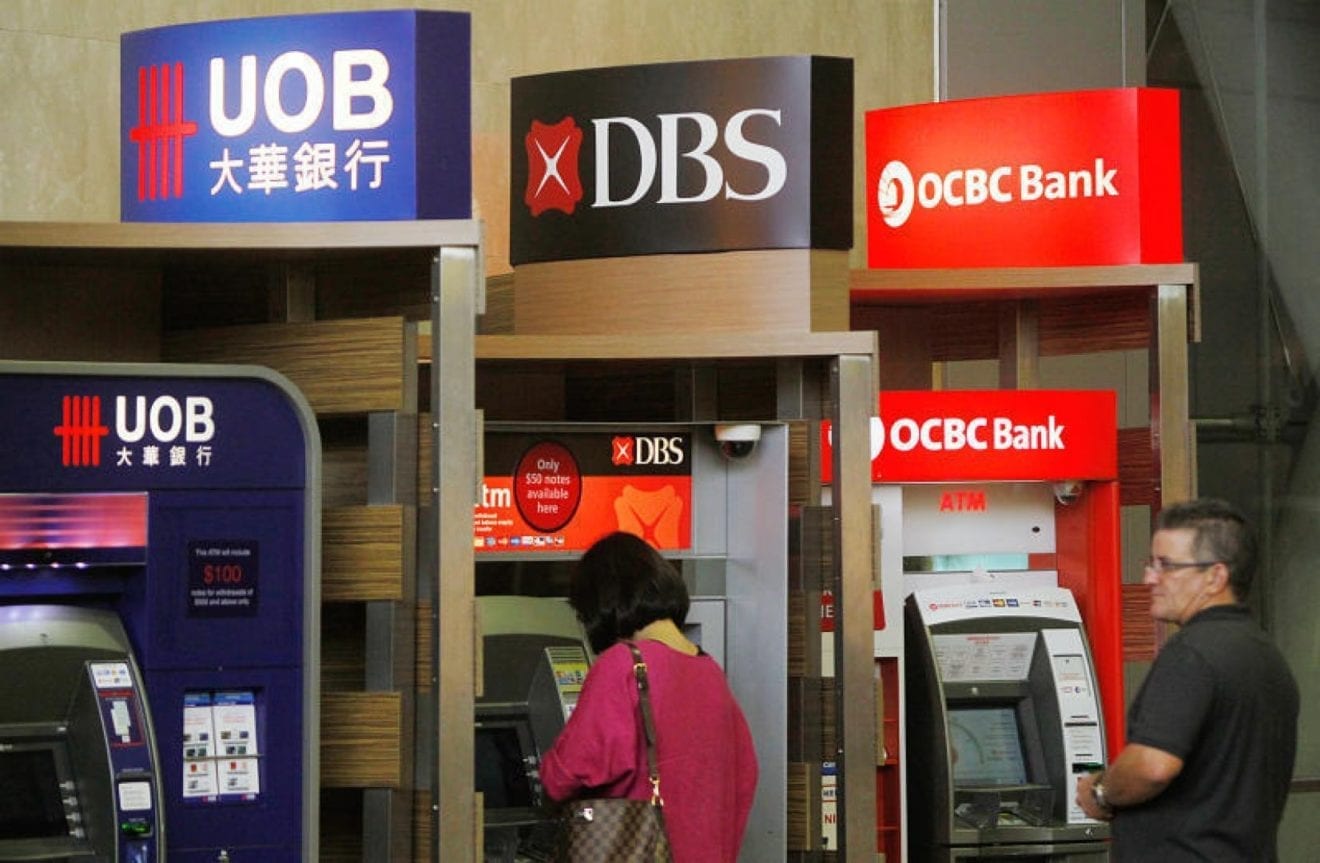
    The decree requires banks to provide the account balance and transaction details to tax authorities upon request.

    While the current law does state that the banks are required to provide authorities with information, the nature of such information was not specified.

    Under the decree, banks will also need to provide monthly details on the newly opened or closed accounts of taxpayers.

    The stated purpose of the decree is to allow authorities supervise and examine the tax responsibilities of citizens as e-commerce develops rapidly in Vietnam.

    The decree also requires banks to pay tax dues on behalf of foreign organizations doing e-commerce and digitized business in Vietnam with local organizations and individuals.

    The banks are also required to submit to tax authorities every month a list of transfers from customers to foreign organizations.

    The decree had earlier received mixed responses from lawmakers. Pham Thi Thu Trang, a National Assembly deputy from the central province of Quang Ngai said that the decree contradicts regulations on personal information security and should not be imposed.

    Another lawmaker, Bui Thi Quy Tho, supported the new decree but proposed that transaction fees be reduced to boost cashless spending and better tax management.

    Vietnam is trying to tighten its tax policies as e-commerce booms as foreign service providers like Netflix expand their reach in the country.

    An official of the General Department of Taxation said last month that, in Hanoi alone, there were over 18,300 organizations and individuals making a total of VND1.46 trillion ($62.9 million) from online sales via Google, Facebook, and YouTube in Hanoi alone, according to data from 45 commercial banks.

    The department had collected nearly VND14 billion from them, the official said but did not mention the time frame for the figures.

  • Foreign streaming firms earn $43 mln in Vietnam, pay no tax

    Foreign streaming firms earn $43 mln in Vietnam, pay no tax

    Foreign streaming companies like Netflix and Apple TV have earned combined revenues of nearly VND1 trillion ($43 million) so far but have not paid any tax on them.

    Minister of Information and Communications Nguyen Manh Hung said the figure was arrived at from the fact they have one million subscribers.

    “Vietnamese companies have to abide by tax and content regulations while foreign firms do not pay tax and do not follow the laws, which is unfair competition,” he said at a National Assembly Q&A session Tuesday.

    There are 35 local TV and Internet streaming companies with 14 million subscribers.

    Some foreign companies have flouted regulations related to the history and sovereignty of the country, violence, drug use, and sex, Hung said.

    U.S.-owned Netflix said in a statement last month it was working with Vietnamese authorities to set up a mechanism for tax collection.

    The Cybersecurity Law requires all foreign businesses which earn an income from online activities in Vietnam to store their data in the country, but Netflix is unwilling to place its servers locally or open an office in Vietnam.

    Other Southeast Asian countries have also been making moves to tax Netflix and other Internet giants. Indonesia imposed a 10 percent value-added tax on sales on technology firms including Amazon, Netflix, Spotify, and Google in July, while Singapore has since January required subscribers to Netflix and other overseas digital services to pay a 7 percent goods and services tax.

  • Tax evasion remains rife among online sellers

    Tax evasion remains rife among online sellers

    Many people earning huge incomes from online commercial activities do not pay tax until discovered by tax authorities. There were more than 1,100 individuals working as a software and online game developers in the capital, a study done by the Hanoi Department of Taxation in June found. They earned a combined VND4.8 trillion ($206 million) between 2017 and 2019, with one person earning VND140 billion ($6 million). No one paid any taxes until authorities discovered the extent of their earnings.

    Sellers on Facebook and e-commerce platforms are also doing well thanks to a growing trend of online shopping. Recently authorities found a warehouse selling smuggled goods via Livestream with a turnover of VND650 billion ($27.8 million) in the last two years. The owner had not paid a single dong in taxes prior.

    Tax officials said many businesses selling online have huge revenues but do not declare them or pay taxes. They include artists and celebrities, who, some claim have revenues of billions of dong.

    According to the Ministry of Finance’s regulation, businesses or individuals with an annual income of VND100 million ($4,300) or more must pay value-added tax (VAT) and income tax.

    But officials said assessing their incomes and collecting taxes from them is not easy. But things might be changing. New tax regulations that took effect in July gives the tax department the authority to ask banks for financial information about people who have income from online commercial activities.

    Vu Manh Cuong, director of the General Department of Taxation’s inspection agency, said 45 commercial banks have been asked to provide information. “Tax evaders cannot escape forever and must pay up sooner or later once we obtain data from the banks.”

    Those who do not declare and pay taxes also have to pay a fine of 0.03 percent per day for late payment.

    According to the data provided by banks, in Hanoi alone, there are more than 18,300 organizations and individuals engaged in online sales with a total income of more than VND1.46 trillion ($62.66 million) from Google, Facebook, YouTube, and other platforms.

    The tax agency has asked them to pay nearly VND14 billion in taxes. It was also able to identify many businesses offering rental services like Booking, Agoda and Airbnb with revenues of more than VND5 trillion in the first eight months of this year and collected taxes of VND93 billion.

    Cuong added that the State Bank of Vietnam’s banking supervision and inspection agency has identified 23 cases with suspicious transactions, including those where account holders receive money for advertising online or from Google, Facebook, and YouTube on behalf of others.

    On September 28 the inspection agency reported to the tax department about these suspicious bank transactions, and an investigation is ongoing.

    The census, which is due to be completed next July, will also help take a step toward making it easier for tax authorities to identify individuals who evade taxes.

    But experts remain apprehensive it would be difficult to collect tax from online sellers, especially since many consumers prefer to pay cash.

  • Vietnam to tax Netflix’s local revenues

    Vietnam to tax Netflix’s local revenues

    The General Department of Taxation has asked streaming giant Netflix to furnish details about its revenues in Vietnam since its entry in 2016 to assess its taxes.

    The country’s Cybersecurity Law requires all foreign businesses which have income from online activities in Vietnam to store its data in the country and submit their business figures to tax authorities for collection, Vu Manh Cuong, director of the inspection agency under the department of taxation, said at a press briefing Tuesday.

    “Netflix has been working with the Ministry of Finance and the General Department of Taxation to set up a representative office and servers in Vietnam to declare tax,” he added.

    Netflix was not immediately available to comment.

    Vietnamese authorities had earlier said that U.S.-based Netflix, which has around 300,000 subscribers in Vietnam and demand a monthly subscription of VND180,000-260,000 ($7.75-11.19), has never fulfilled any tax duty in the country.

    The country in recent years has been making efforts to collect taxes from internet giants such as Facebook, Google and Netflix.

    Its cybersecurity law, which came into effect this year, also requires foreign businesses to provide users’ data to the Ministry of Public Security if it asks in writing to facilitate investigation of any infringement of the new law.

    The law bans internet users from organizing, encouraging or training other people for anti-government purposes.

    Taxing Vietnamese for their online revenues is another priority of authorities.

    Cuong of the taxation department said that in Hanoi alone there are over 18,300 organizations and individuals making a total of VND1.46 trillion from online sales via Google, Facebook and YouTube, according to data from 45 commercial banks, Tax authorities have so far collected nearly VND14 billion from them, he said.

    He added that in the first eight months they also collected over VND93 billion from organizations and individuals making a total revenue of over VND5 trillion from online booking services such as Booking, Agoda and Airbnb.

    Other Southeast Asian countries have also been making moves to tax Netflix and other internet giants. Indonesia in July imposed a 10 percent value-added tax on sales by technology firms including Amazon, Netflix, Spotify and Google, while Singapore since January has required subscribers of Netflix and other overseas digital services to pay a 7 percent goods and services tax.

  • Muji parent Ryohin Keikaku caught million dollar tax dodge

    Muji parent Ryohin Keikaku caught million dollar tax dodge

    Muji store parent Ryohin Keikaku has been found to have dodged paying ¥7.5 billion (US$68.3 million) in tax by transferring taxable income to its operations in China, where it runs 256 outlets.

    The Japanese retailer has been ordered by the courts to pay the required taxes, which have accrued since 2017, as well as around ¥2.1 billion ($19.1 million) in penalties.

    In a statement, the firm said that although it holds a different view on the policy of double taxation, it has decided to pay the tax as assessed by the tax bureau.

    Ryohin Keikaku has appealed to the tax authority in Japan to deal with its Chinese counterparts to avoid double taxation in future.

  • Coca-Cola Vietnam fined for tax evasion

    Coca-Cola Vietnam fined for tax evasion

    Coca-Cola Vietnam has been ordered to pay VND821.4 billion ($35.4 million) in back taxes and penalties stretching back over nine years.

    Dang Ngoc Minh, deputy head of the General Department of Taxation, said 57.3 percent of the amount is the back tax, 35.2 percent is a penalty for delayed payment and the remaining 7.5 percent is a penalty for incorrect filing.

    “The company can request a review or file a lawsuit.”

    A Coca-Cola spokesperson said tax authorities had recently concluded an investigation of the 2007-15 business period, and found the company had made “minor errors” in describing its business operations which had led to a failure to file for taxes.

    Though it disagrees with some of the tax authorities’ conclusions, the company would nevertheless comply with the laws, he said.

    But an official from the Ho Chi Minh City Tax Department said Coca-Cola has only paid VND38.2 billion ($1.6 million) as of Thursday.

    Coca-Cola entered Vietnam in 1994, and broke even only in 2013 despite double-digit revenue growth, according to the department.

    Since the company reported accumulated losses of VND3.77 trillion ($162.5 million) as of 2011, it was exempt from corporate income tax.

    HCMC has named Coca-Cola among businesses it suspects of transfer pricing fraud to evade tax.

  • Chicago Approves Traffic Congestion Tax On Ride-Hailing Services

    Chicago Approves Traffic Congestion Tax On Ride-Hailing Services

    A proposal to combat traffic congestion in Chicago by increasing taxes on certain ride-hailing trips won city council approval on Tuesday as the city and ride providers accused each other of penalizing low-income passengers.

    Mayor Lori Lightfoot’s plan increases the city’s tax on single-passenger trips and lowers the tax on shared rides while imposing new surcharges on weekday rides in the downtown area to raise $40 million for the fiscal year that begins Jan. 1.

    Ride-hailing companies Uber Technologies Inc and Lyft Inc claimed the move would largely hurt low-income residents.

    Earlier this month, the city’s first female African-American mayor accused Uber of trying to resist any kind of regulation by stirring up racial tensions.

    Uber rejected her claims and said alternative proposals it offered would spare lower-income communities in Chicago’s South and West sides from higher costs while raising more money for the city’s budget.

    Reuters’ analysis of data that ride-sharing companies are required to disclose to Chicago shows fares for shared rides in the city have risen significantly over the past year, while fares for single riders have remained stable.

    The price increases for shared rides predominantly affect Chicago’s low-income neighborhoods where most of carpool rides are booked, the analysis showed. Over this period of increased fares, carpool ridership fell.

  • Hong Kong Hedge Funds Caught in Tax Haven Clampdown

    Hong Kong Hedge Funds Caught in Tax Haven Clampdown

    The new Cayman Islands Economic Substance Law, which aims to prevent multinational companies using subsidiaries in tax havens to lower liabilities, is affecting Hong Kong hedge funds there.

    Hong Kong hedge funds are being impacted by new laws introduced in the Cayman Islands to target large tech and pharma firms that shift their intellectual property to subsidiaries in low or zero-tax jurisdictions where royalties will be paid.

    The Economic Substance Law, effective 1 January 2019, requires firms involved in a range of activities including funds management, banking, finance and leasing, to maintain a level of operational substance that is effectively commensurate with their income-generating activities. Similar laws were also introduced in other offshore jurisdictions like the British Virgin Islands and Bermuda.

    Hong Kong hedge funds are particularly affected because they use Cayman investment managers, while offshore management companies have been less popular among European managers in recent years.

    To comply with the requirements, they either have to set up an office there or outsourcing their income-generating activities covered by the rules to service providers in the Cayman Islands.

    Entities will have annual reporting obligations to the Cayman tax information authority in respect of their compliance to the new rules from 2020. According to KPMG, there are heavy penalties for failing to satisfy economic substance requirements – the fine starts at $10,000 in the first year, and goes up to $100,000 in subsequent years. Entities may also be struck off the Register of Companies.

  • City proposal to slap luxury tax on mobile phones raises hackles

    City proposal to slap luxury tax on mobile phones raises hackles

    HCMC’s proposal to impose a special consumption tax on mobile phones has drawn protests from experts, who said they are not a luxury product. Dr. Nguyen Thanh Binh of the Ministry of Planning and Investment’s Institute of Policy and Development said the proposal should be carefully considered since no other country levies a luxury tax on mobile phones.

    The nature of such a tax is to hit luxury goods or discourage consumption of goods that use up foreign currency for imports or harm the environment or human health, he explained.

    “We have to ask ourselves whether mobile phones are essential or luxury, and what effect it has on the environment and health.”

    Mobiles are now ordinary goods used by everyone, he said.

    The city people’s committee has recently sent to the Ministry of Finance suggestions for a draft proposal on “expanding the tax base and preventing erosion of state revenues.”

    It said mobile phones are not luxury goods but not “very essential” either, and so it wants to regulate consumption to ensure it is “reasonable.”

    It also called on lawmakers to add items such as cameras, perfumes, cosmetics, gaming services, and beauty services to the list of items subject to special consumption tax to target the population segment with above-average income.

    Binh queried this rationale saying the city can simply use income tax for this.

    Nguyen Duc Nghia, chairman of Ho Chi Minh City Tax Agents Club, an association of tax consultants, said the mobile phone has become a commonplace product used by everyone.

    Therefore, a luxury tax would not have the effect of taxing only wealthy individuals and would instead affect everyone, he said.

    Truong Thanh Duc, chairman of Basico law firm, said special consumption tax is normally levied on luxury goods and those that are harmful or which the government wants to discourage people from using.

    In fact, in a quickly developing economy, this tax should be eliminated on many goods since what were once luxury goods gradually become essential items as people become more affluent, he pointed out.

    “Thirty years ago mobile phones were a luxury item but not taxed. Now it has become a popular item, with the number of telephone subscribers equaling the population. Levying a luxury tax on such a good is far from reasonable.”

    Up to 73 percent of the population uses mobile phones, on which 42 percent use smartphones and 50 million people use mobile social media, according to a report by Vietnamese digital advertising firm Adsota earlier this year.

  • Laox lets Chinese tourists Flying to Japan pre-order duty-free

    Laox lets Chinese tourists Flying to Japan pre-order duty-free

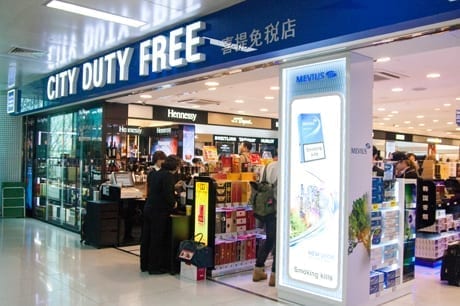
    Tokyo-based duty-free operator Laox is allowing Chinese tourists to Japan to do their tax-free shopping online in advance of their visit.

    The duty-free goods will be listed on an Alibaba-hosted website, allowing consumers to purchase their goods online and pick them up at Laox locations of their choice within Japan up to a month following the transaction. Travellers will need to show purchase records on their phone and present their passports to be eligible for tax exemption.

    The number of goods available for purchase on the website is expected to grow to about 5000 items from the roughly 100 currently available already.

    The service is launching during a period of stagnation in the Chinese tourist market, as Japanese retailers face intensifying competition.

    Laox’s strategy is intended to spare shoppers the inconvenience of hunting for the products they want within physical stores. It is the first such scheme hosted on an Alibaba site.

  • Tmall targets 1000 online cosmetics stores this year

    Tmall targets 1000 online cosmetics stores this year

    Alibaba’s Tmall has announced that it expects international and domestic cosmetics brands to open 1000 online cosmetics stores this year to meet burgeoning demand from Chinese consumers. At its annual beauty summit, Tmall announced that seven international cosmetics companies have signed agreements to open flagship stores on Tmall this year. Another five beauty companies signed New Retail partnerships with Tmall during the summit, giving them a complete view of their customer base by integrating insights from digitised offline promotion activities and storefront information with online information.

    “We are honoured to be trusted by 180,000 brands on our platform, empowering them to accelerate their digital transformation and grow their business in China,” said Tmall president Jet Jing. “As China continues its consumption upgrade, more and more people from different age groups and geographic locations are willing to spend on high-quality beauty products. We are looking forward to working with more brands to address the opportunity.”

    Tmall’s sales of beauty products via its online cosmetics stores jumped by more than 60 per cent last year, surpassing the industry’s average growth rate. Online sales of cosmetics, skincare and personal care products grew by 46 per cent, 40 per cent and 37 per cent in China respectively last year, which was also ahead of the whole fast-moving consumer goods sector average of 34 per cent, according to a report jointly released by Tmall and retail market research firm Kantar during the summit.

    The report also highlighted the untapped potential in Generation Z. Aged between 15 to 19 years old, Generation Z female consumers are newcomers to the beauty market and are willing to spend more on high-end lipsticks than women in other age groups, representing an opportunity for cosmetics companies.

    Last year, some 80 per cent of Tmall brands chose the marketplace to launch new products, proof of the platform’s ability to identify new markets and demand. Two new emerging domestic beauty brands were among more than 30 beauty and personal care brands whose sales topped RMB 100 million (US$14.9 million) at last year’s 11.11 Global Shopping Festival.

    Also at the summit, Tmall showcased a one-stop solution, the Alibaba Business Operating System, as part of a new effort to help beauty brands succeed in China. The system helps brands digitally transform themselves in sales, logistics and supply-chain management, payment, marketing, cloud computing and other supporting services.

  • Starbucks India caught profiteering from tax cut

    Starbucks India caught profiteering from tax cut

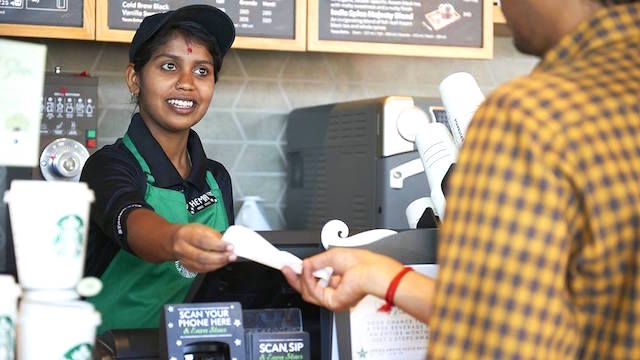
    Starbucks India could be fined after failing to pass on a hefty GST cut to its customers. India’s director general of anti-profiteering (DGAP) has found that Tata Starbucks profiteered by not reducing its prices when the government reduced the GST from 18 per cent to 5 per cent in November 2017. Starbucks India is a joint venture between Tata Group and Seattle-based Starbucks.

    The DGAP submitted its report to National Anti-Profiteering Authority (NAA) recently.

    “The company is found to have profiteered Rs 4-5 crore (US$564,000 to $705,000) as it did not pass on the benefit of GST rate cuts to its customers,” a source told the online publication. “The case is now being heard by the NAA for a final decision.”

    Last year, a regular latte at Starbucks India cost Rs 205, equivalent to US$2.89 plus 5 per cent GST. An overcharge of 13 per cent is equivalent to 38 cents on every cup sold. Starbucks may argue it increased its prices at the time coinciding with the cut to offset increased overheads.

    The probe was sparked by a customer complaint who was unhappy that the company did not reduce its prices when the tax rate fell by such a large margin.

    says that under India’s GST system, businesses have an obligation to compute and pass on the benefit of tax-rate cuts to consumers.

    “Any reduction in rate of tax on any supply of goods or services or the benefit of input tax credit (ITC) shall be passed on to the recipient by way of a commensurate reduction in prices,” rule 171 of the Central GST (CGST) Act, 2017, reads.

    A spokesman for Tata Starbucks emailed the publication saying the company “conducts its business ethically and complies with all the local laws and regulations”.

    A decision on the case will take up to three months. If the NAA rules against Starbucks India, the company can be forced to reimburse affected patrons. In the case of a coffee chain, it would be impossible to identify all the affected customers, in which case the NAA may order the overcharged sum to be deposited into a government-operated Consumer Welfare Fund. The authority may also impose a fine.