Retail News CRM

Tag: Tax

  • Collecting back taxes from Uber tough, say authorities

    Collecting back taxes from Uber tough, say authorities

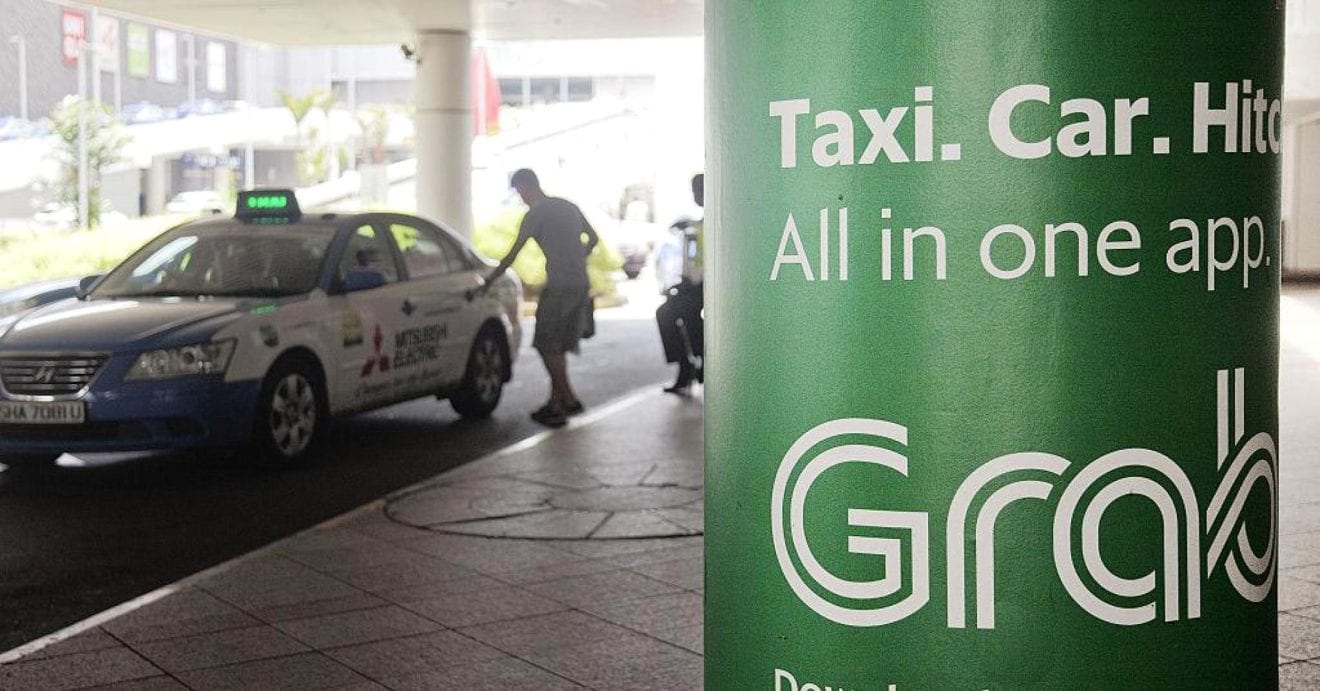
    Apart from the company contesting the department’s claims, the fact that it has sold its Southeast Asia business to its former competitor Grab adds to the difficult, department deputy director Tran Ngoc Tam said at a recent half-year review meeting.

    He said the department had sent documents to many local banks asking them to deduct the full amount of money transferred to Uber’s bank account as a form of tax enforcement, but it turned out that the firm had not opened any account in the country.

    After an inspection that it carried out in September 2017, the department had requested the Vietnamese branch of Uber International Services Holding B.V. based in the Netherlands to pay VND66.68 billion ($2.91 million) in back taxes and fines for violating tax laws.

    However, the company appealed that decision, telling the General Department of Taxation as well as the Ministry of Finance, that it is not subject to paying taxes according to Vietnam’s agreement on double taxation avoidance with the Netherlands, where it is based.

    The Ministry of Finance issued an official reply, which rejected Uber’s argument. In response, the company filed two lawsuits against the Ho Chi Minh City Tax Department.

    Tam said at the meeting that while the court was handling the lawsuit, there was no certain time frame within which the issue could be resolved. He said it would be difficult to collect taxes and fine from Uber even if the department were to win the lawsuit, because the company did not have a bank account in Vietnam.

    Furthermore, the company had sold its Southeast Asia operations to competitor Grab on April 8, which means it no longer had a presence in Vietnam.

  • US Supreme Court Widens Reach of Sales Tax for Online Retailers

    US Supreme Court Widens Reach of Sales Tax for Online Retailers

    Local governments in the US are now able to force online retailers to collect sales tax on purchases made in states where they have no physical presence, echoing the Australian government’s move to ‘level the playing field’ through the implementation of GST on low-value imports.

    In a 5-4 ruling on Thursday, the highest court in the US backed a South Dakota law enacted in 2016, which required out-of-state e-commerce companies to collect sales tax if they generated $100,000 or more in sales, or conducted 200 separate transactions in the state.

    The law was challenged by online furniture and homewares business, Wayfair, on the basis of a 1992 ruling, which barred states from forcing businesses with no local physical presence in the state to collect state sales tax.

    This created a legal loophole benefiting online retailers in particular, since they could offer consumers an overall lower price on items than their bricks-and-mortar competitors.

    The reversal of the 1992 ruling is being praised as a win for ‘main street’, that is, traditional bricks-and-mortar retailers, which have struggled to compete with the increased choice and attractive prices offered by e-commerce companies, leading to record closures in recent years.

    Indeed, pureplay online retailers, including Ebay, Etsy, Overstock, Wayfair and Amazon, saw their share prices fall on Thursday, following the decision.

    Small online businesses are expected to suffer most, as they face the increased cost and complexity of collecting various state and local taxes.

    And while the ruling has immediate implications only for online retail sales in the state of South Dakota, other states in the US – 45 of which collect state sales tax – are now expected to introduce similar laws.

  • Vietnam tax on sweetened drinks hurts the business

    Vietnam tax on sweetened drinks hurts the business

    A Finance Ministry proposal to slap a 10 percent special consumption tax on sweetened drinks would hurt small and medium businesses, critics say.

    Business representatives and some experts say the beverage industry is already taxed heavily, and the latest addition could prove to the last straw.

    The tax proposal, first announced last year and expected to take effect in 2019, aims to promote healthier habits by discouraging the consumption of sweetened drinks. The Ministry has cited reports from the World Health Organization, saying overconsumption of sweetened drinks lead to obesity and that a fourth of Vietnam’s population are already obese or overweight adults.

    “The tax will help regulate the consumption of sweetened beverages, and it’s also an international norm,” the proposal says.

    However, the Vietnam Association of Liquor, Beer and Beverage (VBA) has protested the move, saying the tax could hurt small and medium businesses by promoting circulation of fake products.

    “The tax proposal would lead to higher production costs, allowing fake and low-quality products to thrive,” it said in a statement.

    Many industry insiders also say they are already paying no less than 10 different types of taxes.

    “If this tax proposal passes, we won’t be able to survive,” a Thursday report by the Tuoi Tre newspaper quoted an unnamed vice director of a beverage firm in the southeast province of Binh Duong as saying.

    Nguyen Van Viet, president of VBA, suggested an incremental imposition of the tax in order to reduce the burden on businesses.

    The industry stand has been backed by several ministries, who rejected the Finance Ministry’s rationale that sweetened drinks contain an unhealthy amount of sugar, warranting a special consumption tax.

    The Ministry of Industry and Trade said in a statement that imposing a special consumption tax on sweetened drinks because they contain sugar was not a convincing enough reason.

    It said the Finance Ministry needs to give clearer explanations for its proposal.

    The Trade Ministry statement echoed the argument made last October by the Vietnam Chamber of Commerce and Industry (VCCI) that a special tax should only be imposed after adequate studies have been made on the drinks’ impacts on consumer health and if the tax could help reduce the risks significantly.

    The Ministry of Planning and Investment is also against the proposal, which it says could adversely affect the beverage industry and its large workforce.

    In Vietnam, special consumption taxes are levied on items and services considered unhealthy or luxurious, like tobacco, liquor and cars.

    Many Southeast Asian countries have already imposed taxes on sugary drinks, according to the Finance Ministry. The current rate is 20-25 percent in Thailand, 5-10 percent in Laos and 10 percent in Cambodia.

    Myanmar, the Philippines and Indonesia are considering a similar tax.

  • Aeon adopts wait-and-see approach over GST

    Aeon adopts wait-and-see approach over GST

    Japanese retailer AEON Co (M) Bhd is adopting a wait-and-see approach when it comes to the upcoming abolishment of the Goods and Services Tax (GST) on June 1.

    Executive director Poh Ying Loo said Aeon was still seeking greater clarity from the Pakatan Harapan government.

    “The GST question was something that was also posed by shareholders earlier and our stand right now is that it is too early to decide right now,” Poh said at a press briefing after the group’s 33rd annual general meeting here today.

    “We understand that other policies and tax regime such as the Sales and Services Tax (SST) will be reintroduced. We can’t really comment on whether of not our pricing would be cheaper until those things are made more clear,” he added.

    The group has allocated between RM300 million and RM500 million in capital expenditures (capex) this year.

    According to Poh, this was slightly lower than last year’s capex of some RM500 million.

    “The capex is inclusive of our newest mall in Kuching, Sarawak which we have already opened in April this year,” said Poh.

    With three levels of retail floors and four levels of car park, the Kuching mall is AEON’s debut presence in East Malaysia.

    The remaining capex will be for the expansion of Taman Maluri Shopping Centre and the refurbishment of Tebrau City, Bandar Utama and Bandar Sunway.

    As of the end of 2017, AEON has 26 malls across the country.

    A big part of AEON’s drive this year is to further strengthen its omni-channel strategy that will leverage onto its physical stores for offline experiences, logistics and convenience.

    “We had partnered with online concierge and delivery service Honestbee in January, and the response has been encouraging. We expect this business will grow with time,” said managing director Shinobu Washizawa.

    The firm is also set to roll out a “groceries drive-thru” service in Bukit Indah, Johor whereby customers can order groceries online from Aeon and pick them up themselves through a drive-thru window, starting next month.

    Aeon posted a net profit of RM105 million on the back of RM4 billion revenue for the year ended 31 December 2017.

  • Grab refuses to release details of Uber buy-out

    Grab refuses to release details of Uber buy-out

    The deal has left tax payments unresolved and questions remaining about a potential market monopoly. Tax authorities in Ho Chi Minh City have once again sent a request to Grab in Vietnam asking the company to provide details concerning its recent acquisition of rival Uber’s Southeast Asia business.

    The reason for the request is due to the fact that Grab is legally obliged to pay tax on the transfer of capital and business market share following the deal.

    Vietnam’s tax law states that all income generated by foreign companies operating in the country should be subject to tax, regardless of where they are based.

    Organizations and individuals that receive capital from foreign organizations are required to declare and pay tax on behalf of those foreign organization, tax authorities cited the law as saying.

    With details of the Uber- Grab deal remaining undisclosed, authorities are still unsure how to calculate how much the latter owes in tax.

    Uber also allegedly still owes Vietnam’s government $2.3 million in taxes required, but claims that according to Vietnam’s agreement on double taxation avoidance with the Netherlands, that figure is inflated.

    Grab has previously said that the $2.3 million is down to Uber, and has refused to pay the firm’s outstanding debt.

    Grab’s decision violates Vietnamese law and international practices, said lawyer Doan Van Hau, chairman of the Vietnam Lawyers’ Commercial Arbitration Center.

    Quoting Vietnamese law, Hau said that Grab was responsible for paying all of Uber’s back taxes.

    Ho Chi Minh’s tax department previously asked five local commercial banks to help it collect the outstanding sum from Uber, but failed to do so as the company did not have a bank account in Vietnam.

    Uber has since filed two lawsuits against Ho Chi Minh’s tax department.

    Grab is also under investigation by Vietnam’s Ministry of Industry and Trade for violating the Competition Law in its acquisition of Uber.

    Malaysia, the Philippines and Singapore are all requesting details of the acquisition.

  • Vietnam exempts import tax for Emirates Airline

    Vietnam exempts import tax for Emirates Airline

    Deputy Prime Minister Vuong Dinh Hue has agreed with the Ministry of Finance’s proposal to exempt tax on imported goods of Emirates Airline.

    Hue assigned the Ministry of Finance to implement the proposal and has instructed the customs forces to supervise and closely control the import and use of duty-free goods of the airline to ensure that they are used for right purposes and in line with the law.

    Under the direction of the Deputy PM, the import and use of duty-free goods by Emirates must be for the right purposes as described in Article 6 of the Agreement on Air Transport, signed between the Governments of Vietnam and the United Arab Emirates.

    It is the fifth airline to receive exemption from import tax. Previously, the Deputy PM had agree to exempt the tax for imported goods of Hong Kong Dragon, Cathay Pacific Airways, Federal Express Corporation and Japan Airlines.

  • High air freight costs for Vietnamese fruit exporters

    High air freight costs for Vietnamese fruit exporters

    The shipping fee per kilogram of fruit can be three times higher than the price at farmer’s garden. Vietnamese fruit exporters are struggling to stay competitive due to high air freight costs compared to other countries.

    Fruit exports from Vietnam to European countries are subject to a $3.2 per kilogram shipping fee, 44 percent higher than Thailand’s at $1.8, Dam Quang Thang, CEO of Agrice VN, told. Thang’s company is exporting mango, longan, dragon fruit and lychee at a cost up to three times higher than their price at farmer’s garden.

    Exports to Shanghai, China are also facing high air freight fee of $1.8 per kilogram, while the cost is $2.6 from Vietnam to Australia, Thang said.

    As fruits are preferred to be consumed fresh, shipping by sea is not appropriate as the long duration can rotten the produce. However, high air freight costs are pushing up prices of Vietnamese agricultural products overseas, said Ta Duc Minh, Vietnam’s commercial counsellor in Japan at an agriculture conference in February.

    In Japan, Vietnamese mango is priced higher than that of Ecuador and Thailand, even though the distance from Vietnam to Japan is shorter compared to those countries, Minh said.

    Additionally, promotion of agricultural trade is also facing many difficulties due to the increase of protectionism in countries such as the U.S., China, Japan and the European Union, said Tran Van Cong, deputy director of the Department of Agricultural Product Processing and Marketing under the Ministry of Agriculture and Rural Development.

    Negotiations to open foreign markets to Vietnamese agricultural products are difficult and usually take five to seven years to complete. Competition is increasingly fierce in terms of price, quality, design and food safety, Cong said.

    Vietnam’s agriculture products export turnover reached $36.3 billion last year. This year, the country plans to reach $40.5 billion.

  • Vietnam e-commerce grows but taxes hard to collect

    Vietnam e-commerce grows but taxes hard to collect

    Experts have recommended amending e-commerce regulations that would allow authorities to better manage and collect tax as well as develop the sector.

    Mạch Thị Tuyết Mai from the General Department of Taxation’s policy division, said: “We have encountered difficulties in tax collection.”

    The issuance of business licenses for e-commerce firms remains confusing because some kinds of e-commerce are not included on the tax list. Therefore, it is hard for tax authorities to determine the appropriate tax collection form.

    Most businesses in Việt Nam still use paper invoices, while some businesses have used e-invoices but do not have a system to connect with the tax agency.

    As a result, tax agencies found it hard to identify the revenue of these businesses, she told the Vietnam Online Business Forum held in HCM City on March 17.

    “We are now conducting an electronic invoice project to submit to the Government. The project will encourage all businesses to use e-invoices connected to tax agencies. This will make management easier and we will have to avoid using fake invoices,” she said.

    Another issue is tax collection from cross-border service providers and organisations that have income in Việt Nam, according to the official.

    The sale of products on Facebook, Zalo and websites has grown strongly, but sellers do not issue invoices and declare their revenue, leaving difficulties for tax agencies to collect tax.

    Nguyễn Thanh Hưng, deputy chairman of the Việt Nam E-Commerce Association, said that a number of significant issues in public administration occurred last year.

    He said that it was time for policy and law makers to create a more favourable macroeconomic environment for e-commerce to develop.

    The challenges for policymakers are clearly very different from than those in previous years, according to Hưng.

    Since e-transactions are now commonly used, direct participation of most government departments in developing e-commerce policies and laws is needed.

    “Along with development technology, many new and different kinds of businesses are based on cloud computing, mobile technology, big data, social networks, the Internet of Things, and blockchain technology,” he said, adding that these are all available in the country.

    He said Vietnam should urgently promote research on and application of blockchain technology, and at the same time, should not manage virtual currencies simply by prohibiting and then punishing violators.

    Virtual currencies should be controlled under methods that are in line with the market economy during the interim period as the business community waits for new legal documents on management of virtual assets and digital and virtual currencies, Hưng added.

    At the same time, accepting the experimental use of cryptocurrency in a few international transactions might be a careful but advantageous approach for the policy amendment process, he said.

    “If organisations and enterprises do not participate, they may become too slow in conducting research about and investing in blockchain applications, and Việt Nam could be quickly left behind if cryptocurrency becomes a significant payment method for e-commerce.”

    “In addition, Việt Nam needs to conduct research on the benefits of the sharing economy and make appropriate policies to encourage enterprises as well as other organisations to provide such services for the common purpose of raising socio-economic efficiency,” he said.

    Last year, the Ministry of Finance made public a draft of a proposal submitted to the Government to amend the Law on Tax Administration, which calls the law to be simple, clear, transparent, convenient and systematic.

    The proposal, which requires the use of international standards, electronic tax administration, and a more favourable environment for taxpayers, was an important first step in tax administration for e-commerce.

     

  • Indonesia Governement to Slash Taxes on Electric Cars

    Indonesia Governement to Slash Taxes on Electric Cars

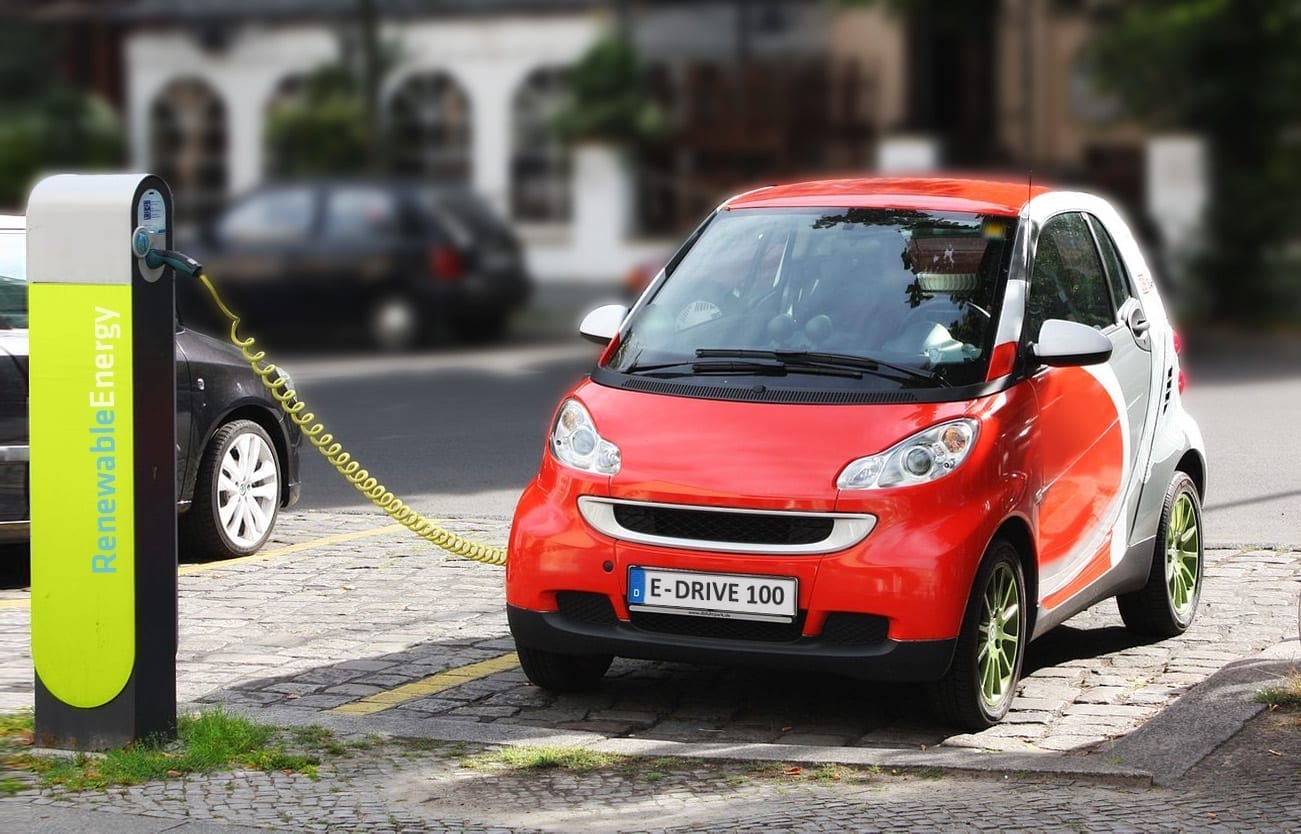
    Indonesia plans to scrap some taxes on electric cars as part of efforts to realize the country’s vision of low-emission models making up at least a fifth of all vehicles produced in the archipelago by 2025.

    Depending on the model, electric vehicles are currently subject to up to 40 percent luxury tax and up to 40 percent import tax.

    Prestige Image Motorcars, the importer of Tesla electric cars, is currently selling the Tesla Model X 75D sports utility vehicle for $200,000 in Indonesia – at almost double its price in the United States, due to the added taxes.

    This severely limits the adoption of electric vehicles in Indonesia, restricting it to a niche market, but the government is adamant that it wants to change this.

    “The luxury tax on electric vehicles will be zero percent and import tax will be 5 percent. But [it is not yet final], as we are still discussing it,” Industry Minister Airlangga Hartanto said on Monday (26/02).

    Lower-priced electric vehicles are expected to increase demand and encourage more people to purchase them. This may in turn convince automakers to establish production facilities here.

    Airlangga said the government is currently formulating a roadmap to encourage the local industry to produce more low-emission vehicles, including electric cars.

    “We have completed a stage where we produce cheap and energy-efficient cars. Now we need to move fast to build hybrid cars and electric vehicles,” Airlangga said.

    The minister said the government has set a target requiring 20 percent of all vehicles produced in Indonesia to be hybrid or electric by 2025.

  • Singapore to impose tax on digital services from 2020

    Singapore to impose tax on digital services from 2020

    Singapore’s Finance Minister Heng Swee Keat announced at the country’s Budget 2018 yesterday, Feb 19, that Goods and Services Tax (GST) will be imposed on businesses providing digital services from Jan 1, 2020.

    These services include mobile applications, and the streaming of music and shows. It is likely that firms affected by the measure to pass on the extra cost to consumers.

    The move is aimed at making tax system in Singapore “fair and resilient” in today’s digital economy, said Heng. “Today, services such as consultancy and marketing purchased from overseas suppliers are not subject to GST. Local consumers also do not pay GST when they download apps and music from overseas. This change will ensure that imported and local services are accorded the same treatment.”

    Measure will not apply to online sale of goods

    It is reported that according to a statement by the Ministry of Finance, this new measure will not affect online sale of goods.

    With regards to online retail, Mr Heng commented that international discussions are ongoing to see how taxes could be applied. There would also be a review before a decision is made.

  • Many Korean goods to receive Vietnam tax exemption

    Many Korean goods to receive Vietnam tax exemption

    Many goods imported from the Republic of Korea (RoK) into Việt Nam will be exempted from import taxes in 2018, due to the Việt Nam-Korea Free Trade Agreement (VKFTA).

    The Government recently issued Decree No149/2017/NĐ-CP, which regulates a new special preferential import tariff, as agreed upon in the VKFTA, and to be put in place between 2018 and 2022.

    Under the decree, import taxes imposed on 704 types of products imported from the RoK to Việt Nam, will be eliminated in 2018. The groups of commodities that will enjoy tax exemptions this year are mainly in seafood, wheat flour, confectionery, diesel fuel, jet fuel, paint, laundry detergent, plastic, iron and steel products, power machinery and equipment, and electronic products.

    In 2018, an additional 653 products imported from the RoK will also have their tax rates lowered from last year.

    The preferential tax rates will be applied to commodities directly transported from the RoK to Việt Nam. The goods must also meet origin regulations, as stated in the agreement, and exporters must provide certificates of origin in a form stipulated by the Vietnamese Ministry of Industry and Trade.

    This year, Việt Nam has set several new preferential import tariffs to implement bilateral and multilateral FTAs with partner countries and territories, such as mainland China, Hong Kong, Japan and RoK.

    Under the Việt Nam-Japan Economic Partnership Agreement (VJEPA) and the ASEAN-Japan Comprehensive Economic Partnership Agreement (AJCEP) for 2016-19, nearly 4,000 import tariff lines for many groups of commodities imported from Japan will be also eliminated this year.


  • Indonesian Gov’t to Lower Income Tax for Conventional, Online SMEs

    Indonesian Gov’t to Lower Income Tax for Conventional, Online SMEs

    Indonesia will cut final income tax on small and medium enterprises by half and also impose taxes on e-commerce businesses to even the playing field between traditional brick and mortar and digital businesses, Finance Minister Sri Mulyani Indrawati said on Friday last week (19/01).

    Under a current regulation, businesses earning less than Rp 4.8 billion ($360,600) a year are exempted from paying income tax and value added tax. They only have to pay a final tax of 1 percent of their total sales. The current income tax rate stands at 25 percent of profit, while the VAT is at 10 percent of sales.

    “We are currently formulating [the rules] with the players […] The basic principle is to have the playing of field on the same level,” Sri Mulyani told reporters.

    The minister said the government is planning to lower the income tax for small and medium enterprises (SME) to 0.5 percent of their sales. SMEs or individuals selling exclusively on e-commerce marketplaces will also be required to pay the tax.

    Sri Mulyani said the sales threshold will also be lowered.

    In the e-commerce roadmap rolled out in 2016 as part of the 14th economic policy reform package, the government expects up to $130 billion in e-commerce transactions in 2020.

    “The majority of supplier merchants [for the e-commerce business] are SMEs. We are planning to revise the government regulation to lower the level,” Sri Mulyani said, adding that the regulation will not burden businesses.

    The government has also included an income tax reduction for SMEs to be implemented in this year’s state budget.

    Sri Mulyani said the process of collecting the tax has not been decided yet.

    The Ministry of Finance is currently formulating details on future tax regulations on e-commerce businesses. The government aims to issue the regulation by mid-year, as it is still coordinating with other related ministries and agencies.

  • Vietnam to tighten tax control as it legalizes Grab, Uber after 2-year trial

    Vietnam to tighten tax control as it legalizes Grab, Uber after 2-year trial

    Ride-hailing apps Grab and Uber are to be officially authorized in Vietnam after completing trial runs, but the government has pledged to impose the stricter controls it currently imposes on local transport firms.

    The phone-based transport services have created healthy competition but they need to be regulated, the Ministry of Transport said.

    Director of the ministry’s transport department, Tran Bao Ngoc, said that ride-hailing services will have to register their businesses with investment authorities and the transport ministry and the tax authorities.

    “Tax agencies will keep track of fares so management can be more transparent,” said Ngoc.

    Ho Chi Minh City’s Tax Department is looking to collect more than VND53 billion ($2.34 million) in suspected back taxes from Uber by January 10. The department has asked five commercial banks to help retrieve the money.

    Uber Vietnam, a subsidiary of Uber International Services Holding B.V. based in the Netherlands, filed a lawsuit last month, saying that it is not subject to taxes according to Vietnam’s agreement on double taxation avoidance with the Netherlands.

    But the city court dismissed the lawsuit earlier this week, saying Uber Vietnam does not have the legal status for such action.

    Grab and Uber arrived in 2014 and operate both car and motorbike taxi services. The two services have been running on a trial basis since early 2016, but have been caught up in a war with traditional taxi drivers.

    Many taxi firms have accused Grab and Uber of “unfair competition” that has hindered their businesses and caused thousands of drivers to quit.

    Last September, Hanoi Taxi Association said Uber and Grab had been transferring around $150 million overseas every year to evade taxes. Grab denied the accusation.

  • Time to win for Vietnam Tax Department on Facebook e-commerce case

    Time to win for Vietnam Tax Department on Facebook e-commerce case

    Ho Chi Minh City’s tax department has handed a bill of VND9.1 billion ($401,300) to a Facebook retailer in a rare successful attempt to levy sales on social media.

    A source from the department said that the tax declaration submitted by the cosmetics retailer was millions of dollars short compared to information acquired from the retailer’s banks.

    Le Thi Thu Huong, deputy director of the department, said the sum was the biggest amount ever to be claimed by her agency from an online retailer for tax evasion.

    The department contacted nearly 13,800 Facebook accounts earlier this year asking them to pay tax for businesses they were running on the social network, but few complied.

    Facebook is the most popular social network in Vietnam with more than 52 million active accounts, and is also used as an e-commerce platform that tax authorities have struggled to keep track of.

    Vietnam levies a 0.5 percent income tax and a 1 percent value added tax on sales of more than VND100 million ($4,400) per year.

    Local tax authorities have recently stepped up efforts to collect taxes from online businesses that use Facebook and other social media sites such as Instagram and YouTube.

    Tax departments in both Hanoi and Ho Chi Minh City have sent out tax demands to around 27,000 Facebook retailers in a move to target tax avoidance by online businesses.

    Online sales in Vietnam have expanded rapidly in recent years, currently accounting for 3.39 percent of the country’s retail market. The total retail market grew 10.2 percent last year to $118 billion, mainly fueled by a growing middle-class with expanding disposable incomes and an increasing number of internet users.

    In an effort to minimize tax losses, the Ministry of Finance is considering a plan to impose value added tax and income tax on sales with a value of VND1 million ($44) upwards, or multiple sales of a lesser value.

  • Gucci confirms tax evasion probe

    Gucci confirms tax evasion probe

    Italian fashion giant Gucci on Monday said police raided its offices over suspected tax evasion, confirming a report in the Italian press.

    The Milan public prosecutor suspects the fashion house of declaring several years worth of Italian sales in Switzerland, thereby saving around 1.3 billion euros ($1.5 billion) in domestic tax, La Stampa daily said.

    The investigation is reportedly based on information from a former senior Gucci employee who has since left the company, which is part of French luxury group Kering.

    La Stampa said financial police had spent at least three days searching Gucci’s new, ultra-modern Milan headquarters and also other offices.

    “With respect to an article concerning an audit by the local tax police conducted at Gucci’ls offices in Florence and Milan published in an Italian newspaper today, Gucci confirms that it is providing its full cooperation to the respective authorities and is confident about the correctness and transparency of its operations,” Gucci said in a statement.

    Four years ago, fellow Italian fashion behemoth Prada had to pay 470 million euros to the Italian taxman after it declared a decade’s worth of home revenue abroad.

    The Italian tax dragnet has since extended to tech giants — 318 millions euros of Italian revenue for Apple and 306 million for Google while investigations are also under way regarding Amazon and Facebook.

    Gucci has turned in a strong recent performance with third quarter organic growth of 49.4 percent on 1.5 billion euros of sales.