Tag: Technology

  • Zozo unveils body measurement suit for perfect-fit clothes online

    Zozo unveils body measurement suit for perfect-fit clothes online

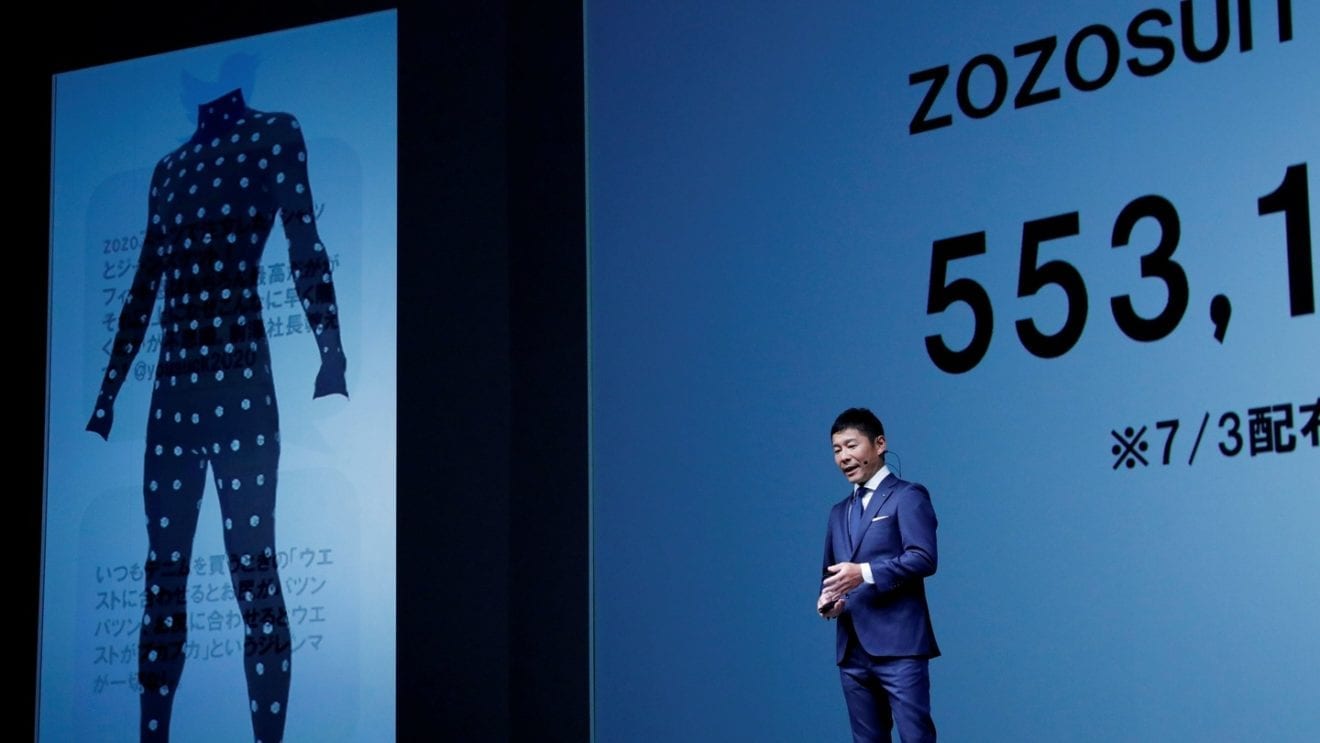
    Japanese online fashion retailer Zozo is expanding its offer of tailor-fitted clothing with skin-tight bodysuits that help users upload their measurements online.

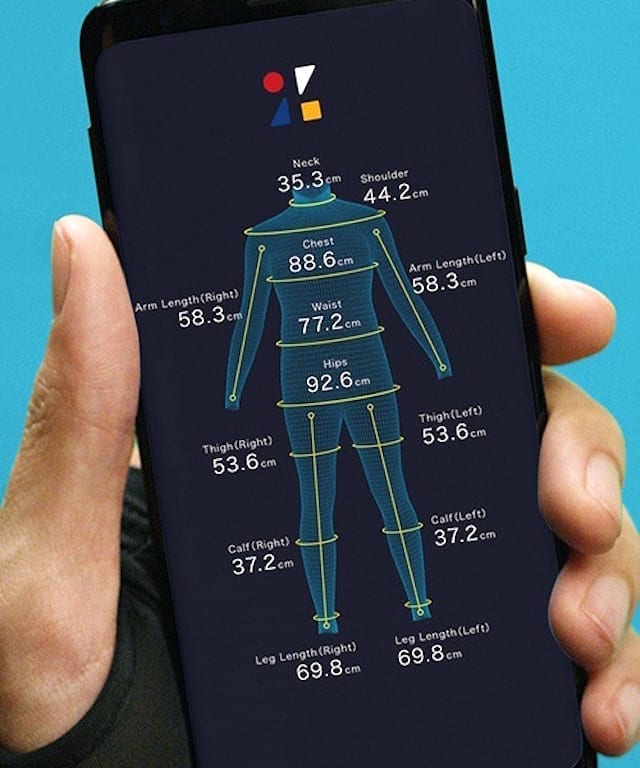
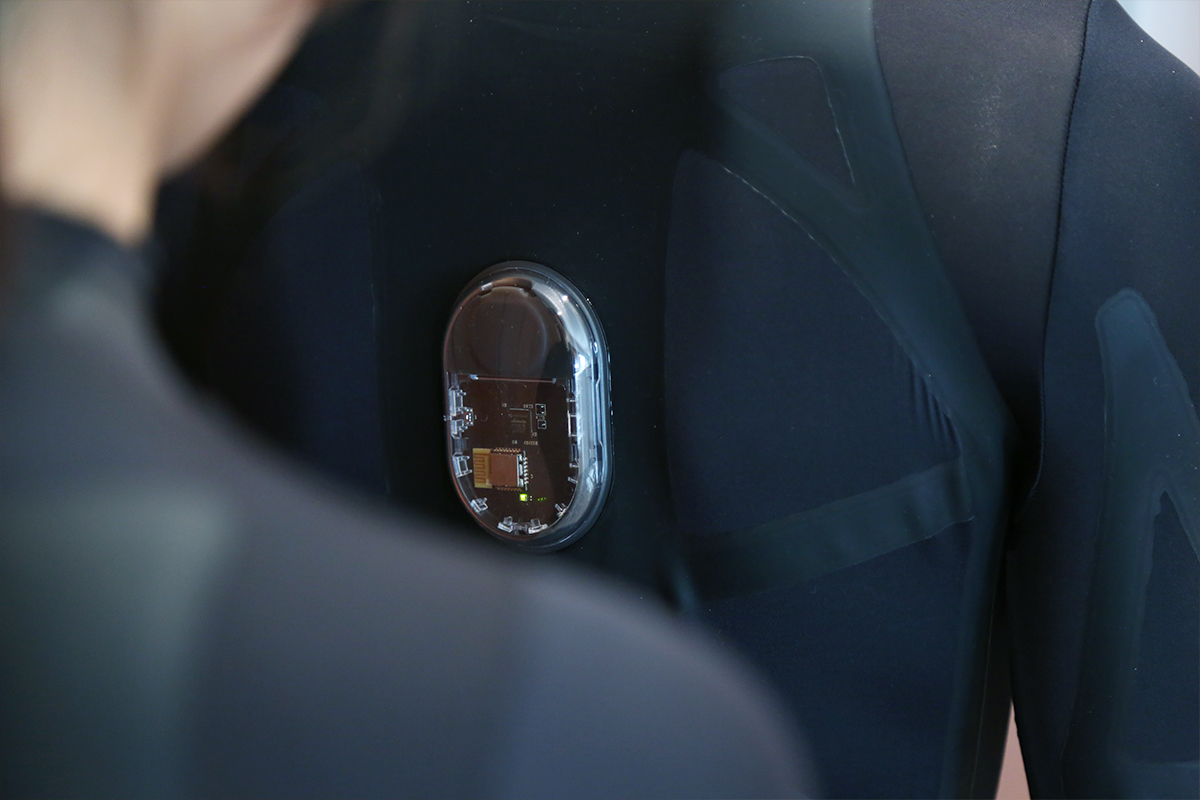
    Called the Zozosuit, the garment is covered in polka dots reminiscent of motion-capture leotards. Shoppers don the suit and photograph themselves wearing it, uploading the picture via a smartphone app for Zozo’s software to calculate their exact body shape.

    Zozo, which sells clothes from other brands, envisages bespoke items as being the way forward for online fashions. The platform has already added business suits and formal shirts to its range, which can be tailored to fit customers based on Zozosuit data.

    Zozo CEO Yusaku Maezawa said: “The time where people adapt to clothing is over. This is a new era where clothes adapt to people.”

    The move coincides with Zozo’s potential partnership with clothing manufacturer Shima Seiki, whose whole-garment knit-on-demand technologies can produce seamless items of clothing to order. The firm is also making efforts to expand its business in other countries.

    The company will ship 1 million Zozosuits to customers within the next fortnight.

  • US hits Chinese firm Sinovel with US$1.5m fine for stealing technology

    US hits Chinese firm Sinovel with US$1.5m fine for stealing technology

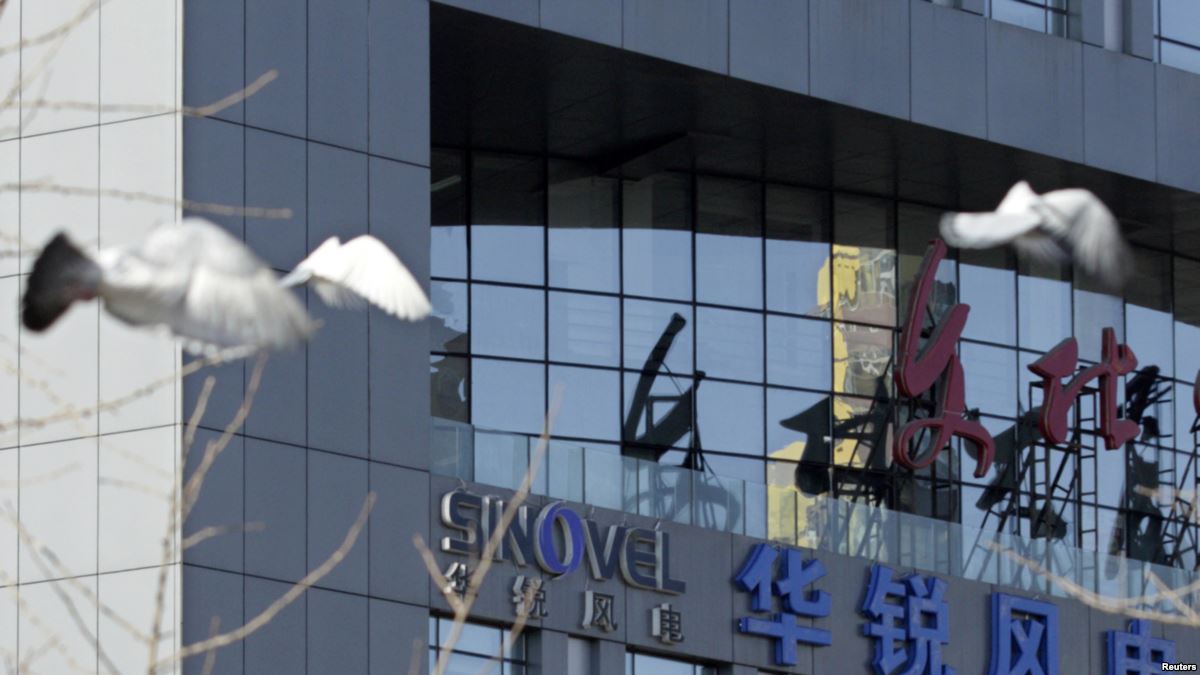
    A US court on Friday imposed the maximum fine of US$1.5 million (RM6.06 million) of Chinese firm Sinovel for stealing trade secrets from an American company producing wind turbines, the Justice Department said.

    The decision comes on the day Washington unleashed 25% import tariffs on US$34 billion (RM137.36 billion) in Chinese products to punish the country for what President Donald Trump has said is the rampant theft of American technology.

    After being charged in 2013, Sinovel was convicted in January by a US court of stealing the trade secrets of AMSC, a US-based company formerly known as American Superconductor, which lost US$550 million and 700 jobs — more than half its global workforce — as a result, the Justice Department said in a statement.

    The two companies this week reached a settlement and Sinovel has one year to pay US$25 million to AMSC, after paying US$32.5 million this week. The Chinese firm also will repay US$850,000 to other victims.

    “Rather than pay AMSC for more than US$800 million in products and services it had agreed to purchase, Sinovel instead hatched a scheme to brazenly steal AMSC’s proprietary wind turbine technology, causing the loss of almost 700 jobs and more than US$1 billion in shareholder equity at AMSC,” acting Assistant Attorney General John Cronan said in statement.

    “As demonstrated by this prosecution, intellectual property theft poses a serious threat to American companies.”

    Sinovel used the stolen technology, including software, to regulate the flow of power from turbines to electrical grids, to produce its own wind turbines and retrofit existing turbines, prosecutors said.

    The company also hired away an AMSC engineer to help steal source code for the key software in 2011, the statement said.

  • Alibaba Says Its AI Copywriting Tool Passed the Turing Test

    Alibaba Says Its AI Copywriting Tool Passed the Turing Test

    Alibaba’s digital marketing arm Alimama has unveiled an artificial intelligence-powered copywriting tool.

    Tapping the huge pool of content on Alibaba’s e-commerce sites Tmall and Taobao, the AI copywriter uses deep learning and natural language-processing technologies learn from millions of top-quality existing samples to generate copy for products. Brands and advertisers can insert a link to any product page, and click the “Produce Smart Copy” button to see multiple copy ideas.

    Currently, the AI copywriter technology has passed the ‘Turing test’ and is capable of producing 20,000 lines of copy in a second, said Alimama. Brands using the new tool, such as Hong Kong-listed fashion chain Esprit and Texas-born clothing brand Dickies, can adjust the length and tone of their copy, such as dictating whether they want the tone to be “promotional, functional, fun, poetic or heartwarming.”

    The tool is used on average nearly a million times per day, by merchants and marketers on Alibaba-owned sites such as Taobao, Tmall, Mei.com (a fashion flash sale website) and 1688.com (Alibaba’s Chinese-language wholesale buying site).

    “For merchants, from today onwards, AI can take care of a portion of their copywriting needs. And it significantly changes the way [copywriters] work: They will shift from thinking up copy – one line at a time – to choosing the best out of many machine-generated options, largely improving efficiency,” Alimama said in a statement.

    As with design, copywriting involves a certain degree of repetitive, low-value work that can be made made more efficient, Alimama added. A single product might require up to 10 versions of copy for different ad formats, like posters, web banners, product pages and other special event pages.

    “All the content produced by the AI Copywriter is the result of applying deep learning models, trained with large volumes of quality content created by humans. Human creativity is the cornerstone for the machine, which isn’t able to replace the creativity of people,” said Christina Lu, GM of Alimama marketing. “AI for marketing… allows people to devote more energy to richly creative work.”

    “The AI copywriter is a really amazing tool,” said Shaozhang Ding, head of e-commerce for the Asia Pacific market at Esprit. “Based on a massive database of existing copy and advanced AI technologies, the tool can reduce the repetitive and tedious copywriting workload for our teams.

    The AI Copywriter is the latest in a suite of technologies Alimama has developed to assist small to mid-sized businesses on Alibaba’s e-commerce platforms, including a “smart banner designer” released in April that can resize and reformat promotional website banners with the slide of a mouse (drag a corner of the banner to change the shape of the box, and the system automatically reproportions the images and copy to fit the new format). In the same vein, Alibaba released an AI-powered video-editing tool for brands to generate – in less than a minute – 20-second videos to use for promotion on Taobao.

  • How biometrics improves customer engagement in retail

    How biometrics improves customer engagement in retail

    A new age of identification technologies has arrived, giving physical stores an opportunity to level the playing field with online retailers.

    And identification technologies, such as biometrics in retail, can create deeper customer engagement more in line with an e-commerce experience.

    A recent Walker study found that by 2020, customer experience will overtake price and product as the key brand differentiator. Today’s customers will expect companies to know their individual needs and to personalise the experience to meet those needs. Equally significant: 86 per cent of these consumers are willing to pay more for it.

    Simply put, customer experience is now the new battleground, and every retailer should think about how to jump on the bandwagon sooner rather than later.

    E-commerce has traditionally held an edge over brick-and-mortar stores, with its ability to provide quality digital customer service and personal experience through the use of algorithms.

    An algorithm can easily detect a shopper who prefers white over black, or jeans over skirt, through past browsing and purchasing history. The next time he/she visits the online store, more personalised recommendations can be made accordingly.

    Now, the same function can be replicated across physical stores, and it doesn’t involve the use of any loyalty programs, membership cards or vouchers.

    To start, imagine entering one of your favourite stores and getting a new pair of jeans. If the store can identify you at the point of sale, through biometrics for example, this can then be the gateway to a data and analytics engine. It will enable the store to recall your purchase history and generate predictive analytics on your consumption habits and preferences.

    The store can recommend new stock which has arrived, like a shirt that would go perfectly with the pair of jeans you bought. And it is in black, your favourite colour. As a loyal customer, you receive a personalised recommendation or offer via an email newsletter, prompting you to visit the store again.

    In traditional cash or card payments, that data would be lost. With more sophisticated identification at the point of transaction, all a customer has to do is to sign up and register their credit cards. When they next transact with that store, restaurant or hotel, the data can be used to create bespoke experiences for that customer. Patterns of behaviour can be identified and digital marketing tactics developed around those insights.

    To top it off, customer-loyalty program entitlements are also applied automatically at every interaction and the customer is notified of the loyalty benefits or credit card promotional offers.

    This eliminates the need for an additional membership card or voucher, making the shopping experience fast, convenient and seamless.

    Biometrics will take the lead

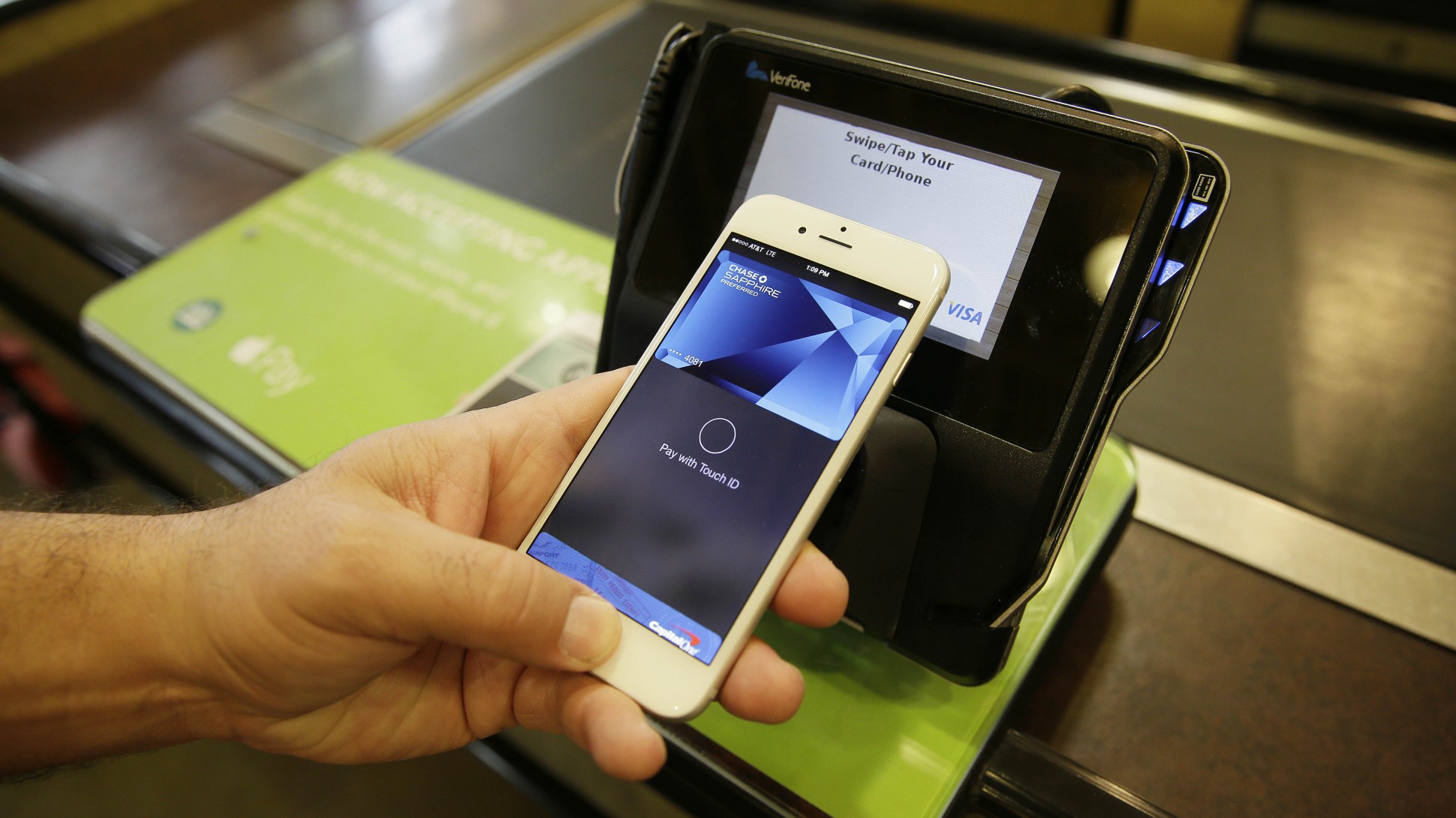
    The next issue is which kind of identification technology will become the norm in the future? In my view, biometric payment systems are a good choice as they can be highly secure if applied correctly. Of those, using fingerprints for payments is by far the least intrusive.

    A recent Visa survey found that 96 per cent of consumers in Singapore would like to use biometrics for making payments, and 41 per cent said it is more secure compared to passwords and personal identification numbers. For a region where cash and credit cards dominate payments, the payment ecosystem remains inconsistent and inefficient. Customers are increasingly concerned with security and privacy issues.

  • AS WATSON unveils new foodservice-focused concept store in China

    AS WATSON unveils new foodservice-focused concept store in China

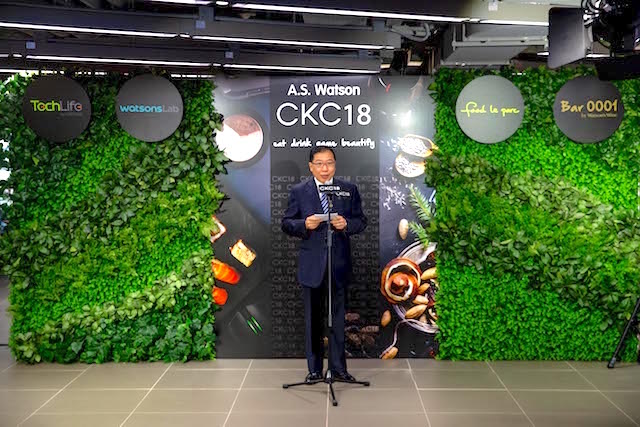
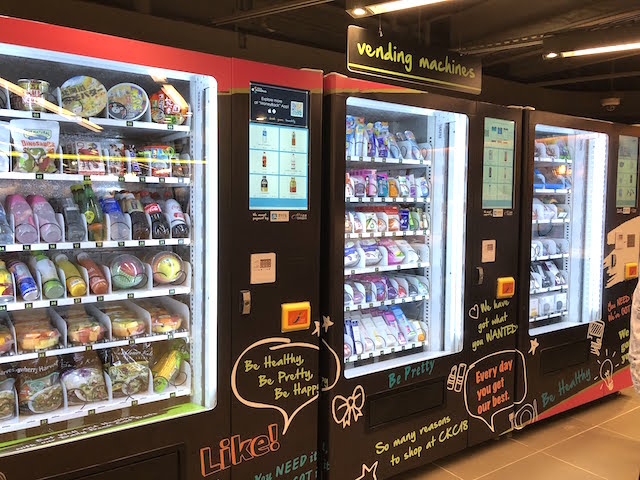
    Located on B2 of the Cheung Kong Center, the store, called CKC18, groups together four AS Watson retail brands in a way which makes each store appear independent, but connected.

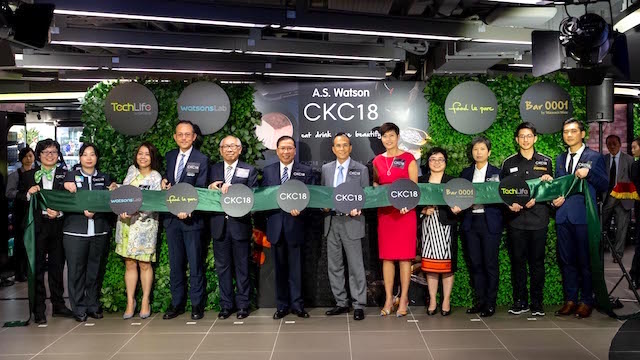
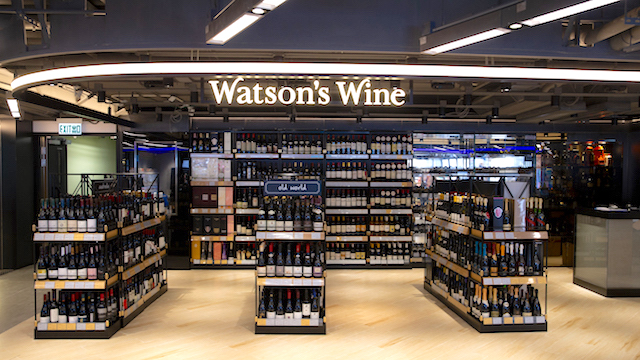
    The 26,000sqft CKC18 is home to international food emporium Food Le Parc, health and beauty outlet WatsonsLab, a TechLife by Fortress and Bar 0001 by Watson’s Wine.

    CK Hutchison Holdings chairman and group MD Victor Li and AS Watson Group MD Dominic Lai led the management team at a grand opening event last week.

    “As one of the landmarks in Hong Kong, Cheung Kong Center is located at the heart of the business district in Central with top notch financial institutions,” said Lai. “The grand opening of CKC18 indicates that Cheung Kong Center will soon become a hotspot for dining, shopping, entertaining and self-pampering.”

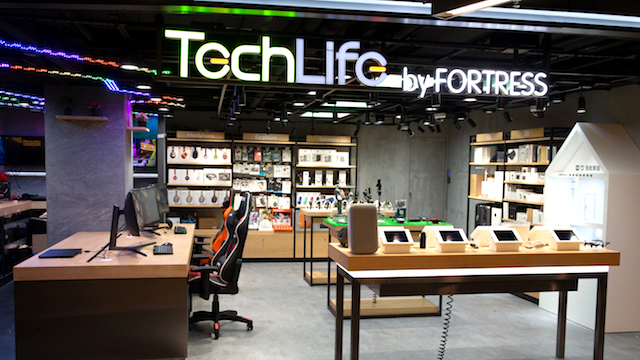
    TechLife by Fortress

    The electronics store brings together what AS Watson describes as “the trendiest and most innovative lifestyle gadgets”, eSports products and exclusive products from Xiaomi. There is also a GameZ area that allows customers to try on the international renowned eSports gear.

    Food Le Parc

    Food Le Parc – which translates to food park in English, offers 8500 choices of food from around the world, of which 1600 products are exclusive to CKC18.

    WatsonsLab

    A specialised Watsons boutique, WatsonsLab includes a ‘beauty bar’ that carries leading global cosmetics brands. A ‘Style Me’ app available in-store leverages Augmented Reality technology to offer virtual make-up services, offering more than 100 mix-and-match looks.

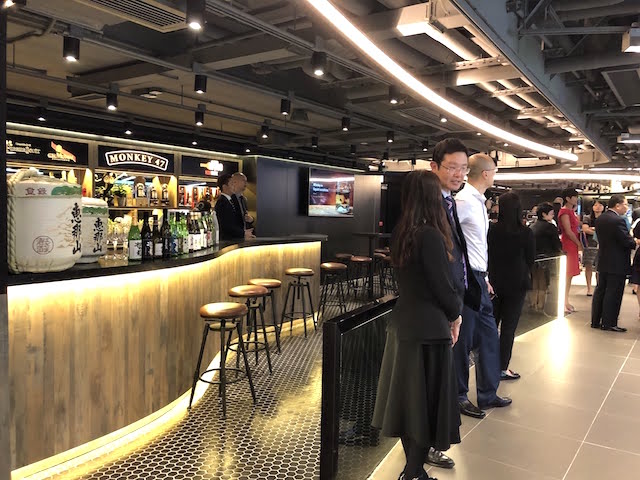
    Bar 0001

    Watson’s Wine and its in-shop Bar 0001 offers almost 100 wines, sakes and spirits sourced from around the world by the glass and more than 700 wines to take away.


    New technologies

    Lai says the team which created CKC18 wanted the store to demonstrate AS Watson’s determination to speed up digital transformation.

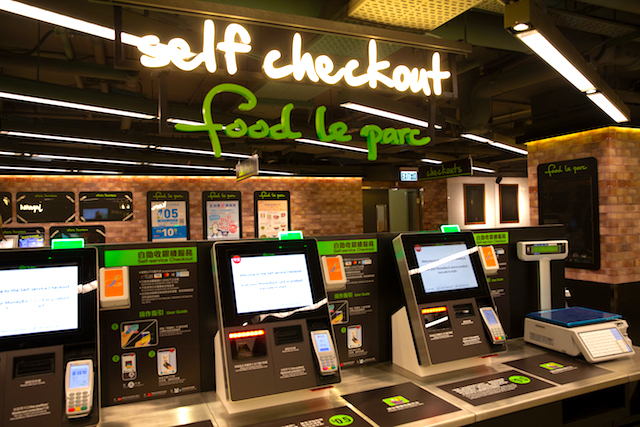
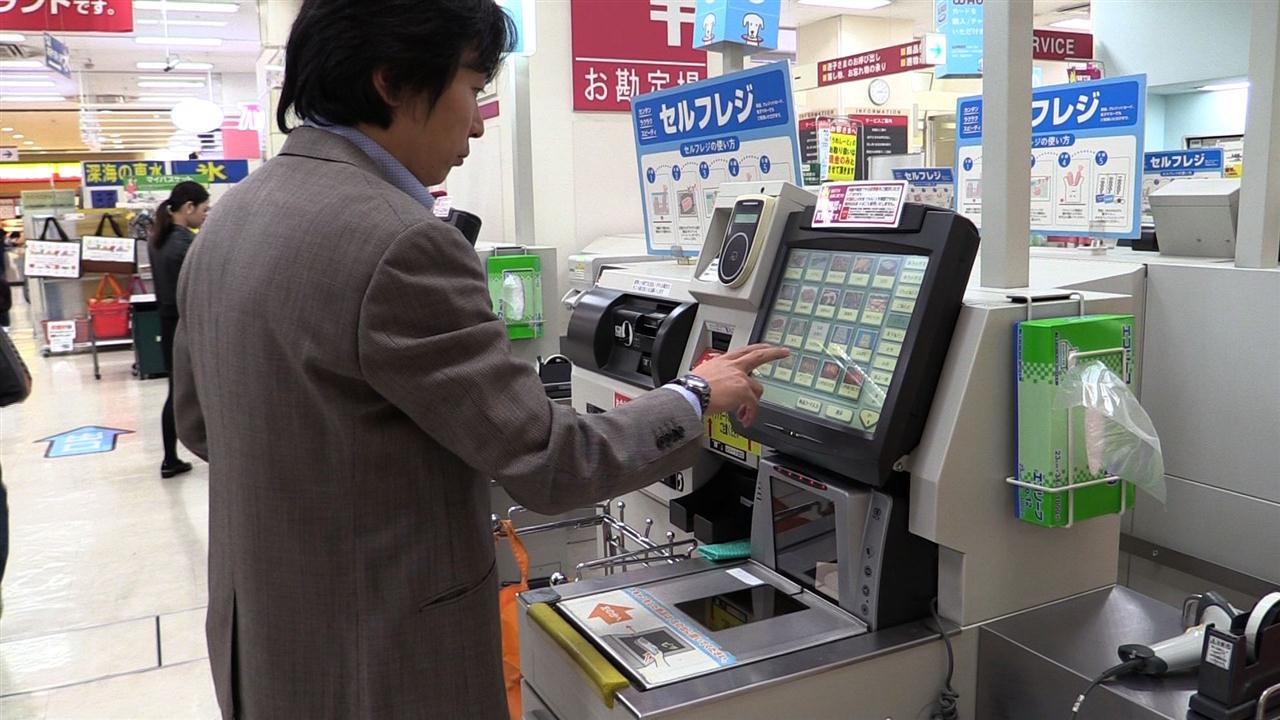
    The Scan & Go function in the app MoneyBack allows customers of Food Le Parc to simply take the products, scan the barcodes with their phones and pay at self-checkout counters. And at WatsonsLab, the Style Me tablet equipped with AR technology instantly and virtually shows customers how they look like when applying different makeup products.

    “We are glad to introduce the latest retail technologies to optimise shopping experience in a convenient and innovative approach. CKC18 applies technologies intensively. Besides the use of Alipay and other mobile payments, unmanned checkout counters are also available at WatsonsLab.

    Customers can simply checkout by placing their shopping baskets on checkout counters that automatically scan and tally up the total, and electronic payments are supported.

    “In addition, customers can use the TasteToGo function in MoneyBack app to reserve their meals in advance at Food Le Parc, minimising their waiting time during rush hours.”

    The store will also host events such as cooking exhibitions, gaming shows by eSports players, sake tasting and personalised make-up designs.

    AS Watson Group is the world’s largest international health and beauty retailer, currently opening a new retail store somewhere in the world on average every seven hours. That equates to 1300 this year, including more in Hong Kong.

  • Tmall and Intersport launch interactive megastore in Beijing

    Tmall and Intersport launch interactive megastore in Beijing

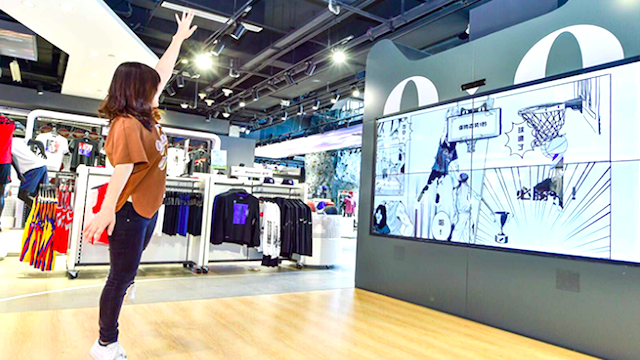
    Tmall and Intersport unveiled a co-branded store in Beijing yesterday, complete with interactive features that offer consumers in China a more engaging and informative shopping experience.

    Under the new name “Tmall x Intersport,” the two-story, 1300sqm space that sits in Beijing’s tourist hotspot Qianmen has been transformed into a futuristic megastore. The revamp underscores that more global brands are recognising the power of New Retail—tech-driven retail model pioneered by Alibaba that captures the best of online and offline shopping experiences.
    “We believe Tmall is the ideal partner in our endeavour to further our engagement with Chinese consumers by providing them the best-quality and most-fashionable sports goods in the market,” said Victor Duran, CEO of the Switzerland-based sportsgoods retailer Intersport.

    Established in 1968, Intersport has more than 5000 branches in 44 countries. It sells sports brands such as Nike, Puma, Reebok, Adidas, North Face and Dynatour. Intersport made its foray into China in 2013 and opened its Tmall flagship store in September 2016.

    “These new in-store technologies provide consumers in China an unprecedented shopping experience that is both entertaining and educational so they can have fun while shopping for the exact products that meet their unique demand,” the CEO said.

    Currently, Intersport has 24 stores in China with the goal of expanding to at least 100 – a combination of larger flagship stores in major cities and smaller specialty stores – during the next couple of years. “It makes sense to have Tmall technologies to be the link to connect all the stores together,” Duran said.

    New Retail is the new solution

    Many industry watchers have pointed to New Retail as the solution for brick-and-mortar retailers feeling the squeeze from e-commerce. By harnessing engaging technologies, store owners can attract more customers through both online and offline channels. Moreover, these technologies can generate insights to help businesses gain a more-precise view of China’s market trends and customer preferences.

    “We are excited to see an extensive range of Tmall’s New Retail technologies and features under one roof in Intersport’s store,” said Jessica Liu, president of Tmall Fashion and Luxury. “What’s even more encouraging is to see our merchants embracing the New Retail concept and exploring its potential. When customers try out these features firsthand, we are confident that they will see the convergence of online and offline shopping as the future of retail.”

    The Tmall and Intersport store is the latest example of how Alibaba’s New Retail technology is helping brands build up and reimagine their business in China since the push began in late 2015. To date, Tmall Fashion has collaborated with over 400 brands, including top names such as Burberry and Zara, and upgraded more than 50,000 storefronts all over China. Liu said the goal is to increase the collaboration to 1000 brands and help digitise 200,000 storefronts nationwide in the next year.

    Educate your customers

    At the grand reopening yesterday, customers were welcomed by an array of state-of-the-art technologies and augmented reality-powered interactive games. For example, the Smart Shelf and the Smart Shoe Mirror can instantly tell customers all the information they need about a certain shoe they pull from the shelf. This way, the customer can make a more-informed decision on whether or not the products fit their individual demands.

    Education on how a product suits an individual’s needs is an especially crucial element in the sportswear and gear market in China, said Tom Birtwhistle, director of China digital strategy at PricewaterhouseCoopers.

    With a government-led mandate to become more physically fit, and as China gears up to host the 2020 Summer Olympic and the 2022 Asia Games, Chinese customers are becoming more interested in adopting an active lifestyle, he added.

    “Chinese consumers are massively curious in learning about new brands and products. For new sports they want to be educated on the activity and understand how technical features can enhance their performance,” said Birtwhistle.

    His research indicates growth in the athletic fashion category is outpacing China’s overall fashion market. The segment is forecast to see 9 per cent growth annually in sales between 2017 to 2020, versus just 4 per cent for men’s and women’s fashion.

    At the smart megastore, shoppers can also get wardrobe tips from an AI Shopping Assistant – an interactive mirror that recommends related accessories or items that complement the article of clothing they are trying on.

    Can’t find what you want in the store? No problem. The megastore is equipped with Cloud Shelf technology, a virtual shelf that quadruples the volume and production selection customers can choose by simply tapping on the touchscreens, according to Tmall.

    A 24-hour interactive window display at the store’s main entrance means people can shop at the megastore around the clock. By using motion-sensor technology, the giant screen wall can distinguish the gender and approximate age of the passersby and recommend the best type of shoes for that person.

    Those who don’t want to lug heavy shopping bags or bulky shoe boxes around the streets of Beijing can opt to have their purchases delivered to a designated address anywhere in the country. Cainiao, Alibaba’s logistics service, can make the delivery in as quickly as two hours for locations within 5km of the store. Next-day delivery is also available for locations outside of Beijing.

    By scanning the QR code of a product on their phones, customers of the Tmall and Intersport store can also place the products in their Virtual Shopping Bag, so they can still buy the item online after they leave the store.
  • Alibaba demonstrates smart ordering in cafe and restaurants using voice AI

    Alibaba demonstrates smart ordering in cafe and restaurants using voice AI

    Alibaba Machine Intelligence Technologies has unveiled an intelligent speech interaction technology aimed at “smart ordering” in cafes and restaurants. The new technology lets buyers order their food item or coffee by speaking to a smart ordering machine.

    The Alibaba DAMO Academy unit, which focuses on fundamental AI research, said the machine will understand the customer order requests and display the order onscreen in a split second.

    Buyers can modify their orders as many times as they want, and the machine is expected to catch all the changes and update immediately. For example, a customer might say: “I want to order two large cups of cappuccino. Oh, please make them with less sugar and decaf. To go. And sorry. That should be three cups of cappuccino, two large and one small.” The smart ordering machine will then display the full order as two large cups and one small cup of decaf cappuccino, all with less sugar than usual and note that it’s for takeout.


    Smart ordering is possible through the team’s latest research in spoken language understanding (SLU), a field that involves both speech processing and natural language processing. First, the team develops a multi-modal speech interaction solution that can capture both voice and visual features, taking into account such things as the speaker’s pace, pauses between words, pronunciation, breaths and facial expression. Next, the team builds a reinforcement-learning model that allows for revisions and intent detection. All are important in the SLU field, making it possible to apply the latest SLU technology into commercial use.

    The solution is currently only for Chinese-speaking customers. The smart ordering machine is expected to roll out to the market in the next few months, and the technology solution will be available on Alibaba Cloud to benefit small and medium-size enterprises.

    Zhijie Yan, Head of Intelligent Speech Interaction at Alibaba Machine Intelligence Technologies said, “Our multi-modal speech interaction solution, underpinned by our insights in spoken language understanding, can be used in different scenarios including food and beverage ordering, customer service, voice commands for home appliances and in smart cars, and voice response to inquiries in shopping malls or airports.” “With the smart ordering machine as a perfect example, we believe the solution would greatly enhance the customer experience and make running a business more efficient,” added Yan.

    In December last year, Alibaba introduced far-field voice-recognition technology to ticketing kiosks in Shanghai metro stations, allowing passengers to use their voices to tell the kiosks their destination, and the machines will recommend the best route.

  • Vietnam tech firms to expand in Japan

    Vietnam tech firms to expand in Japan

    Japan, one of the global leaders in implementing the 4.0 industrial revolution, is witnessing strong investment from Vietnam’s information technology (IT) firms.

    Currently, there are some 20 IT companies in Vietnam with branches in Japan.

    The Japanese market holds tremendous potential for Vietnam’s information technology (IT) sector, said Trương Gia Bình, chairman of FPT Corporation.

    He said this at the inauguration ceremony of the firm’s sixth representative office in Japan’s Hamamatsu, Shizuoka Prefecture on Tuesday.

    Vietnam’s software exports turnover to Japan is expected to increase from US$300 million to $1 billion by 2020, while the number of programmers working for the Japanese market in the future may increase from 10,000 to 300,000, Bình said.

    For FPT, the Japanese market accounts for more than half of the company’s global sales.

    At present, FPT has more than 400 Japanese customers, including 50 companies on the list of the largest enterprises in the world. FPT’s annual growth rate in Japan is consistently around 30 per cent.

    The Vietnam Software and IT Services Association is encouraging the trend, which will hopefully lay the foundation for turning Vietnam into a software-export country, according to Bình.

    Regarding Vietnam’s advantages when investing in Japan, Bình said “the two countries have similar cultures and strong political and socio-economic relations”. Moreover, “Vietnam, with its young population and low-wage human resources, can help Japan rejuvenate its work force in the software industry. Vietnam is also the source for many Japanese companies in the latest technology fields, such as artificial intelligence, robotics and data analysis”.

    On November 7, 2017, the CMC Corporation opened its first office in Yokohama City, Kanagawa Prefecture. It is expected that by 2020, there will be some 1,000 Vietnamese employees working for the Japanese market.

    Smaller businesses, such as NAL Vietnam Joint Stock Company, are also planning to expand in Tokai after opening representative offices in Tokyo and Nagoya.

    “Vietnam has been the second-largest partner of Japan in software and service outsourcing since 2014”, FPT Software CEO Hoàng Nam Tiến spoke at the recent Việt Nam IT Day 2018 in Japan.

    According to statistics from the Japanese Ministry of Economy, Trade and Industry, the country lacks 100,000 technicians in the fields of information safety, cloud computing and mobile technology.

    In terms of new technology, including artificial intelligence, big data, Internet of Things and robotics, the country is estimated to be short of 600,000 information technology professionals by 2030.

    “It is a huge opportunity for Vietnamese enterprises to join hands with their Japanese counterparts to solve the problem of inadequate human resources in this field,” Tiến added.


  • McDonald’s to open 1,000 new restaurants, speed up tech upgrades

    McDonald’s to open 1,000 new restaurants, speed up tech upgrades

    Burger chain McDonald’s announced it will open about 1,000 new McDonald’s restaurants starting 2018 after posting strong sales and earnings for the fourth quarter ending December 31, 2017 fueled by strong interest in its value promotions and new menu items.

    Kevin Ozan, McDonald’s chief financial officer, said it is part of their development plans for 2018 to open about 1,000 new McDonald’s restaurants, 75 per cent of which will be funded by their expanded network of developmental licensees and affiliates around the world.

    Ozan added they also plan to continue making meaningful investments in technology to modernise the company’s customer experience and redefine convenience.

    “I’m confident that now is the opportune time to strategically invest in our business and our restaurants to drive profitable growth and become an even better McDonald’s,” he said.

    McDonald’s posted a 5.5 per cent increase in global same-store sales for the quarter, it’s fastest pace in six years. Systemwide sales increased eight per cent in constant currencies.

    In the US, fourth quarter comparable sales increased 4.5 per cent as a result of strong performance of core menu items featured under the McPick2 platform and beverage value, as well as strong consumer response to the new Buttermilk Crispy Tenders and delivery. Operating income for the quarter increased four per cent, reflecting higher franchised margin dollars and G&A savings, partly offset by lower company-operated margin dollars.

    Comparable sales for the international lead segment increased 6.0 per cent for the quarter, led by continued momentum in the UK and Canada, as well as positive results across all other markets. The segment’s operating income increased 14 per cent (seven per cent in constant currencies), fueled by sales-driven improvements in franchised margin dollars.

    Due to the impact of the company’s strategic refranchising initiative, McDonald’s stated its consolidated revenues decreased 11 per cent.

    Steve Easterbrook, McDonald’s president and CEO, said 2017 was a strong year for McDonald’s.

    “Customers responded to the many ways we are making their experience more convenient and enjoyable,” Easterbrook said. “We served more customers more often, achieved our best comparable sales performance in six years, gained share in markets around the world and made tremendous progress with growth platforms such as delivery, mobile order and pay and Experience of the Future.”

    On January 25, 2018, the company’s Board of Directors declared a quarterly cash dividend of $1.01 per share of common stock payable on March 15, 2018.

  • Retail Stores in the near future will have no employees

    Retail Stores in the near future will have no employees

    Have you ever imagined walking into a D-Mart store in the middle of the night, selecting an item, paying and leaving without any human interaction?

    Still, there’s a detailed data footprint of the transaction from which actionable insights can be drawn. The store is equipped with a responsive technology suite that includes smart shelves, intelligent cameras, gateways and sensors, smart counters for frictionless checkout and smart digital signage.

    Across the globe, retailers are modernising by embracing technologies such as IoT, AI and analytics to personalise the customer experience and reshape the supply chain. One example is JD, one of the online retailers in China. It has opened its first staff-free store called D-Mart at its company headquarters. Staff-free stores are a growing international trend bringing the conveniences of online retailing into the physical shop.

    JD’s staff-free store leverages a suite of Intel responsive technologies that range from edge computing to digital signage to point of sale (POS) solutions. The two companies will continue to collaborate on developing IoT solutions that reimagine the future of brick-and-mortar stores to help over 6.8 million mom-and-pop retailers throughout China meet customers’ expectations and remove existing sales barriers.

    Intel-powered solutions help retailers transform their supply chains. G-Star has plans to scale globally to an additional 100 stores. Used in tandem with RIOT insight software for analytics, the Intel-based solution provides data-driven insights into what’s selling and what’s not and which items need to be replenished so the retailer can make informed inventory management decisions.

    Lolli & Pops, a retailer of gourmet candies, uses computer vision and AI to provide the next generation of personalised customer experience. Through computer vision, Lolli & Pops “Magic Makers” recognise loyalty members in real time as they enter the store. Using AI-enhanced analytics, the retailer accesses members’ preferences and makes personalised product recommendations — giving shoppers the sweet VIP treatment, while ensuring they keep coming back.

    Point of sale equipment can lower the cost of doing business while simultaneously improving productivity. These innovative solutions will also enable transactions at the point of conversion and give customers the power to decide when, where and how they purchase.

    At NRF 2018, over 30 Intel partners will feature Intel-based solutions designed to help solve retail’s biggest challenges.

  • Facebook opens new London hub, creating 800 jobs

    Facebook opens new London hub, creating 800 jobs

    Social media titan Facebook will open a new office in London on Monday that is set to be its biggest engineering hub outside America, the company has announced.

    The investment in the office, near Oxford Street in the heart of the city’s West End district, will also lead to the creation of 800 jobs, more than half of which will be in engineering.

    The company, which opened its first office in the British capital ten years ago, said the new site would allow its local workforce to reach 2,300 by the end of next year, a sign that it “is more committed than ever to the U.K.”.

    The country “has been a huge part of Facebook’s story over the past decade”, Nicola Mendelsohn, Facebook’s vice president for Europe, the Middle East and Asia.

    “The U.K.’s flourishing entrepreneurial ecosystem and international reputation for engineering excellence makes it one of the best places in the world to build a tech company,” she said.

    The 23,000 square meters (247,000 square feet) of office space was designed by architect Frank Gehry, and is spread over seven floors while also incorporating a new public square.

    It includes an incubator space called “LDN_LAB” for technology start-ups.

    Finance minister Philip Hammond said it showed that Britain is “the best place” to grow new businesses.

    “It’s a sign of confidence in our country that innovative companies like Facebook invest here, and it’s terrific news that they will be hiring 800 more highly skilled workers next year,” he said.

    London Mayor Sadiq Khan said Facebook’s commitment indicated the city remained “at the forefront of global innovation”, while predicting that the incubator would “pave the way for the next generation of successful start-ups”.

  • Hong Kong to be one of world’s earliest adopters of 5G technology

    Hong Kong to be one of world’s earliest adopters of 5G technology

    Hong Kong will be one of the world’s earliest adopters of next generation 5G mobile broadband services, which will run 10 times faster than existing high-speed mobile internet when the technology is ready for commercial use in 2020, local officials revealed on 1 December 2017.

    The Office of the Communications Authority said the city would “grasp” 5G’s benefits after service allocation details are finalised in 2019.

    The International Telecommunication Union (ITU), a UN body, will convene the World Radiocommunication Conference in 2019 to decide global allocation of the 5G spectrum. Commercial 5G services are expected to roll out the following year.

    The current mobile broadband standard, 4G-LTE, is only capable of download speeds of 1 gigabit per second. The 5G standard is expected to have a maximum download rate of 10 gigabits per second and will have significantly less latency, giving people faster load times for content, such as for full, high-definition videos.

    Information technology sector legislator Charles Mok said once the 5G spectrum is finalised, it would be relatively simple to install on existing 4G-LTE networks, without needing to replacing entire cellular towers.

    Mok expected the 2019 conference to go smoothly because many vendors and developers were already preparing products for 5G as they had an idea which spectrums would most likely be allocated.

    “The ITU announcement will be just a formality because where the industry is going is pretty certain,” he added.

    Meanwhile, the communications authority has set up a licensing scheme for companies that wish to use wireless bands for Internet of Things (IoT) devices.

    IoT products are constantly connected to the internet, collecting data for use on other devices or for companies’ later analysis to develop upgrades or new products.

    The licence would give the government regulatory oversight of products that use wireless communications to generate, exchange and consume data. This would include smart meters, smart waste management systems and autonomous vehicles.

    Two international companies have applied for the licence, according to authority deputy director general Chaucer Leung Chung-yin, but he declined to name them.

  • Alibaba, New Hua Du supermarkets forming JV

    Alibaba, New Hua Du supermarkets forming JV

    To accelerate its roll-out of new high-tech retail, Alibaba Group is establishing a JV company with supermarket chain New Hua Du Supercenter.

    It will be a co-operative platform to pool their resources and respective advantages in the supply chain.

    The controlling shareholder of New Hua Du Supercenter, Newhuadu Industrial group, has transferred 10 per cent equity at lower than market price to Alibaba (Chengdu) Software Technology Company in concert with Hangzhou Hanyun Xinling Equity Investment Fund Partnership, and signed a co-operation framework agreement with Hangzhou Alibaba Zetai Information Technology Company.

    After the deal, the proportion of shares held by Newhuadu Industrial Group will decline to 45.8 per cent, and Alibaba (Chengdu) Software Technology and Hangzhou Hanyun Xinling Equity Investment Fund Partnership will own 5 per cent equity of the company respectively.

    Newhuadu Industrial Group hopes to introduce strategic investors to advance resource integration and expand business channels through taking advantage of Alibaba’s resources in e-commerce.

    New Hua Du Supercenter has also signed a co-operation framework agreement with Alibaba Zetai Information Technology. The two parties have proposed to establish a JV company to invest, open and run innovative stores under the tentative name Fujian New Box Network Technology Company, with a registered capital of RMB200 million (US$30 million). Its business scope will include technical development, technical consulting and technical service in the field of computer networks.

    New Hua Du Supercenter and Alibaba Zetai Information Technology will make capital contributions in cash, each by RMB100 million, accounting for 50 per cent of the stake.

  • New Zeeland among world’s technology elite

    New Zeeland among world’s technology elite

    New Zealand is among the world’s stand out digital economies, according to the Digital Evolution Index 2017 launched yesterday by The Fletcher School at Tufts University and Mastercard.

    The research tracks the progress countries have made in developing their digital economies and integrating connectivity into the lives of billions – and put New Zealand with a group of digital elites – characterised by high levels of digital development and a fast rate of digital evolution.

    “We all know technology can do more to improve economies and make our lives better, but growth is only achievable if everyone has confidence in the developing ecosystem,” said Ajay Bhalla, president, global enterprise risk & security, Mastercard. “In our pursuit of a truly connected world, trust and security are critical to successful digital development.”

    With nearly half of the world’s population online, the research examined the development of 60 countries, demonstrating their competitiveness and market potential for further digital economic growth. The Index measures four key drivers and 170 unique indicators to chart each country’s respective course:

    •         Supply (or internet access and infrastructure)
    •         Consumer demand for digital technologies
    •         Institutional environment (government policies/laws and resources)
    •         Innovation (investments into R&D and digital start-ups etc.)

    “Adoption, the quality of digital infrastructure and institutions, and innovation collectively shape a country’s digital competitiveness, but governments also play a key role,” said Bhaskar Chakravorti, senior associate dean of international business & finance at The Fletcher School at Tufts University. “The report also found that consumers’ trust in digital technologies correlates with digital competitiveness.”

    According to their overall digital evolution scores, Norway, Sweden, Switzerland, Denmark, Finland, Singapore, South Korea, the United Kingdom, Hong Kong, and the United States make the top ten list of advanced digital economies.

    The research found developed countries including in Western Europe, the Nordics, Australia and South Korea have a history of strong growth, but their momentum is slowing and are at risk of falling behind. Countries such as South Africa, Peru, Egypt, Greece and Pakistan face significant challenges, constrained both by low levels of digital advancement and a slow pace of growth.

  • Pizza Hut’s new “Pie Tops” shoes can order pizza for you

    Pizza Hut’s new “Pie Tops” shoes can order pizza for you

    Ordering a pizza has stepped up a notch with new “Pie Tops” sneakers being launched by fast-food chain Pizza Hut.

    It is just a matter of the wearer pressing a special button on the tongue of the shoe. This makes a connection with a Pie Topps app, which then arranges to have a pizza delivered to the wearer wherever they are via geolocation technology.

    Dreamed up by advertising agency Droga5, the limited-edition shoes were made by US customised sneaker expert Dominic Chambrone, known as “The Shoe Surgeon”. Alas, they are unlikely to find their way to Hong Kong any time soon.

    Pie tops = pizza hut

    “This is one of those ideas that as soon as we saw it, we wanted to buy it,” says Pizza Hut VP of media and advertising David Daniels.

    The shoes are part of a two-month online ordering promotion for Pizza Hut, and tie in with the March Madness national basketball event in the US. As there are 64 teams in the field for the event, only 64 pairs of the shoes have been made.

    These are being given out to media members and influencers mainly, reports industry magazine Adweek, which says only a few Pizza Hut regulars are likely to score a pair.

    There is no word on who foots the bill for the pizza deliveries.