Tag: Thailand

  • American ice cream to the rescue

    American ice cream to the rescue

    American ice cream is coming to the rescue of a coal trader in Thailand, as the company diversifies in the face of volatility in its segment.

    Thai Capital Corporation (TCC) has diversified into F&B retail after totally acquiring NYC-Thai BD from its shareholders for 33.82 million baht (about US$950,000).

    It is TCC’s first foray into the F&B sector, while NYC has retail outlets specialising in frozen desserts, smoothies and ice creams under the Emack & Bolio’s trademark. This is an American brand founded in 1975 and brought to Thailand in 2012. It has six stores in Bangkok.

    TCC CFO Kamphol Patana-anukul says the company bought 400,000 shares of NYC with a par value of 10 baht each. After the transaction is complete, it will increase NYC’s registered capital from 4 million to 20 million baht, which will be used as working capital and for expansion.

    TCC had 203.7 million baht in sales revenue for the first quarter, down 27.4 per cent from the same period last year, hit by fierce competition in the coal business and a drop in global coal prices.

    Several other Thai companies have also diversified into F&B, including Impact Exhibition Management, which has expanded into the frozen bakery business.

  • Indonesia sells 35 containers of kerupuk at Thaifex 2016

    Indonesia sells 35 containers of kerupuk at Thaifex 2016

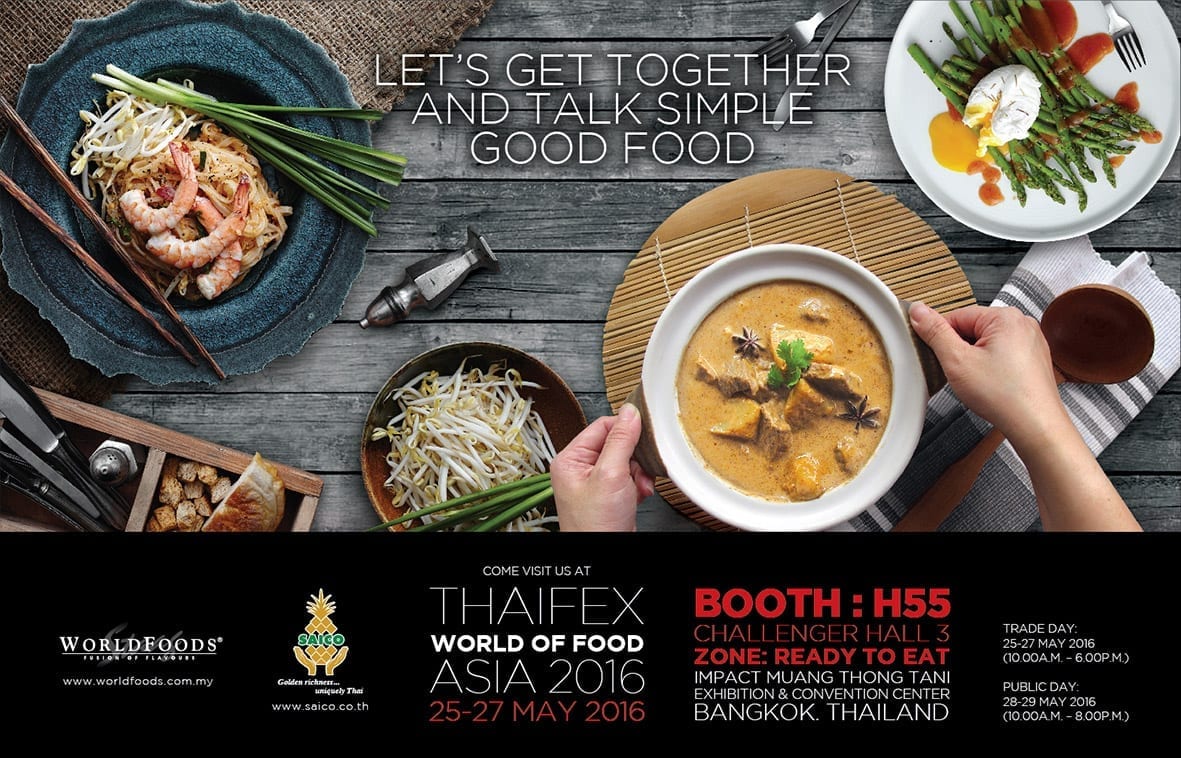
    Indonesia’s traditional kerupuk (crackers) have become the star among other food commodities displayed at the Indonesian booth during Asia Thaifex 2016 in Bangkok, which is known as Asia’s biggest food and beverage expo.

    The snacks registered total orders of 35 containers worth Rp 12.9 billion ( US$950,000 ) at the event held from May 25 to 29, said an Indonesian trade attaché member in Bangkok, Rita Tri Mutiawati. The Trade Ministry and Industry Ministry collaborated on sponsoring Indonesian companies joining the event.

    “Thanks to the sponsorship of the Central Java administration’s trade and industry service center, Indonesia Selamat Sejahtera booked orders from China for 15 containers of prawn crackers, and South Korea also ordered 20 containers of fish crackers,” she said.

    Aside from kerupuk, Rita further said Indonesian seafood products manufactured by Fresh On Time were able to gain international buyers from the US, Mexico, and the European Union ( EU ) while similar products by Medan Tropical sealed a distribution agent in Thailand and the EU.

    From the 41 Indonesian companies who joined Thaifex, 21 were sponsored by the Industry Ministry, 10 were sponsored by the trade attaché and four were sponsored by the Central Java administration. Only six companies joining the event were without government sponsorship.

    The companies showcased their products ranging from seafood, instant seasonings, confectionaries, hot sauces, coffees, herbal medicines, biscuits, snacks, wafers, green tea, to cashew nuts. Indonesia’s representatives competed with 964 other companies in the event.

    “Thaifex is the door to export food and beverages products to other countries. Indonesian food and beverage manufacturers should not miss this opportunity,” Rita said, adding that there were one-to-one business matchings being made between Indonesian firms with other countries’ firms.

  • Restaurant Review: Downtown Bangkok Cafe

    Restaurant Review: Downtown Bangkok Cafe

    This Phoenixville restaurant delivers Thai cuisine with unexpected elegance and an authentic experience.

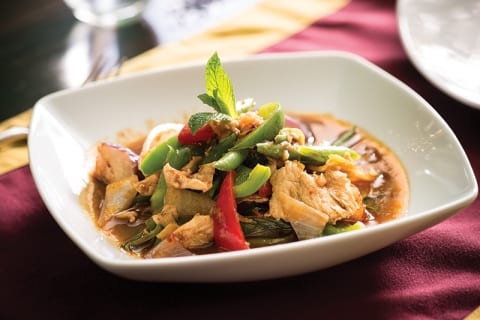
    Spicy Thai Basil Chicken//All photos by Steve Legato

    “A best-kept secret!”

    Online critics are forever clinging to exhausted, simplistic superlatives. And yet, how else to describe Downtown Bangkok Café, other than to peg this Thai yearling as a quaint hidden gem or a surprising off-the-radar find on the outskirts of Phoenixville?

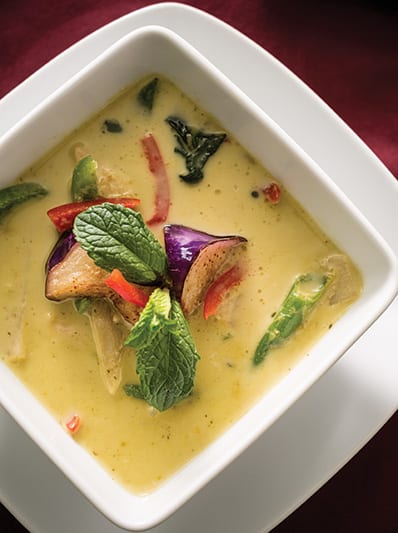
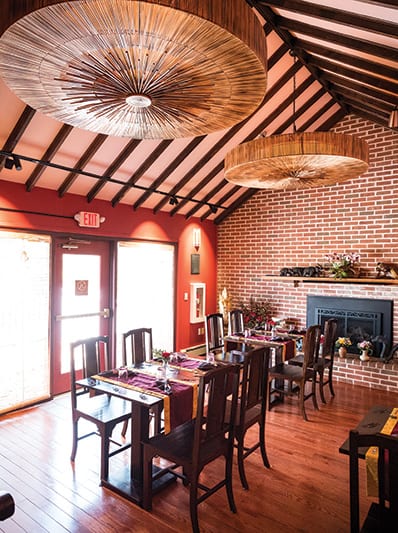
    From Left: Downtown Bangkok Café’s casually elegant interior; green curry

    Owners Yaowapa and Jerry Kowal—the chef and manager, respectively—didn’t set out to become restaurateurs. They first opened Yaowapa Thailand Treasures, a retail gift shop of handmade imports, in 2009. Six years later, they have an artfully decorated 48-seat eatery on the store’s second floor. It was inspired by a passion for cooking rooted in Yaowapa’s  heritage. It became a reality thanks to Jerry’s skill as an engineer and a direct merchants’ pipeline from Thailand.

    Impressive wall mountings and hand-carved statues from the Kowals’ native Chiang Mai region can be found through-out the café’s four tastefully appointed dining spaces and waiting room. That attention to authentic detail continues with the etched wooden tables and chairs, logo embroidered napkins and silverware handles bearing elephants.

    The grilled tofu cubes are the perfect accompaniment to Yaowapa’s fragrant curries. Her onion-pineapple-potato-and- peanut-studded massaman, in particular, is a pungently ruddy lava flow, gushing creamily over fluffy jasmine rice. Hot and crispy coconut shrimp top a chilled Thai salad, providing a unique contrast in flavor and temperature.The cuisine is well prepared and delicious. Our three skewered chicken strips came with an addictive peanut sauce. Another app, the Crying Tiger, combines tender slices of grilled beef and assorted crunchy veggies with a sweet chili-lime sauce. The “medium” spice offers just the right heat. The Pad Thai tastes authentic, as does the Drunken Man—a hearty tangle of flat soba noodles, egg, basil and vegetables, served with a choice of shredded beef, chicken, pork or tofu.

    From Left: Thai tea; the casual elegant interior

    Desserts are simple and sparse. The honeyed banana, rolled into fried wonton skins and served with vanilla ice cream custard is the best of the lot.

    THE SKINNY: Comprised of a series of lavish rooms nestled above Thailand Treasurers, this surprising find goes well beyond run-of-the-mill superlatives. Both the fare and the peaceful aesthetics are emblematic of Thailand.

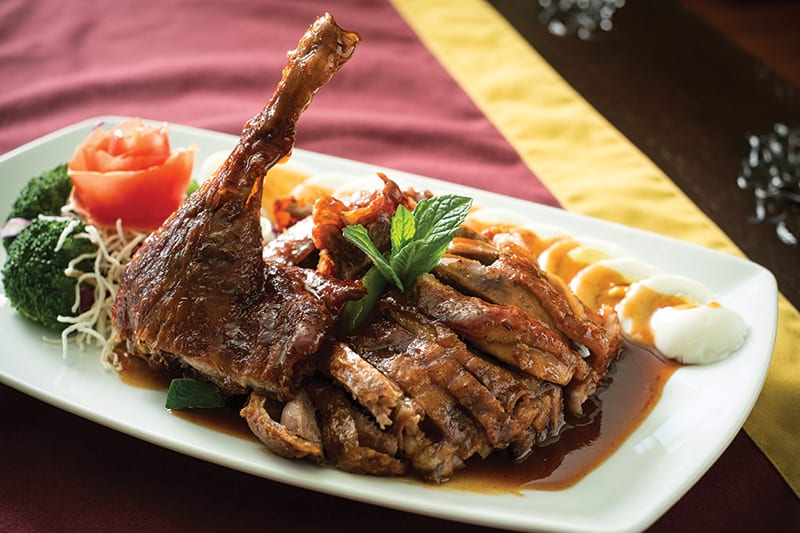
    Crispy duck with tamarind sauce.

  • Lalamove Attracts Thai Investor Confidence

    Lalamove Attracts Thai Investor Confidence

    Hong Kong based on-demand delivery app Lalamove has successfully secured USD 10 million with the help of a new Thai investor, along with the company’s existing investors.

    Thai financial and investment services company, Asia Plus Group Holdings has invested in Lalamove to drive the app delivery company to profitability and to complete Lalamove’s third-round funding within the last 18 months.  The latest cash injection brings Lalamove’s total funding up to USD 30 million.

    The latest round of funding, attracting Thai investor Asia Plus Group Holdings, was led by existing investor MindWorks with participation from other existing investors including China’s Crystal Stream, Taiwan’s AppWorks and Hong Kong’s Aria Group.

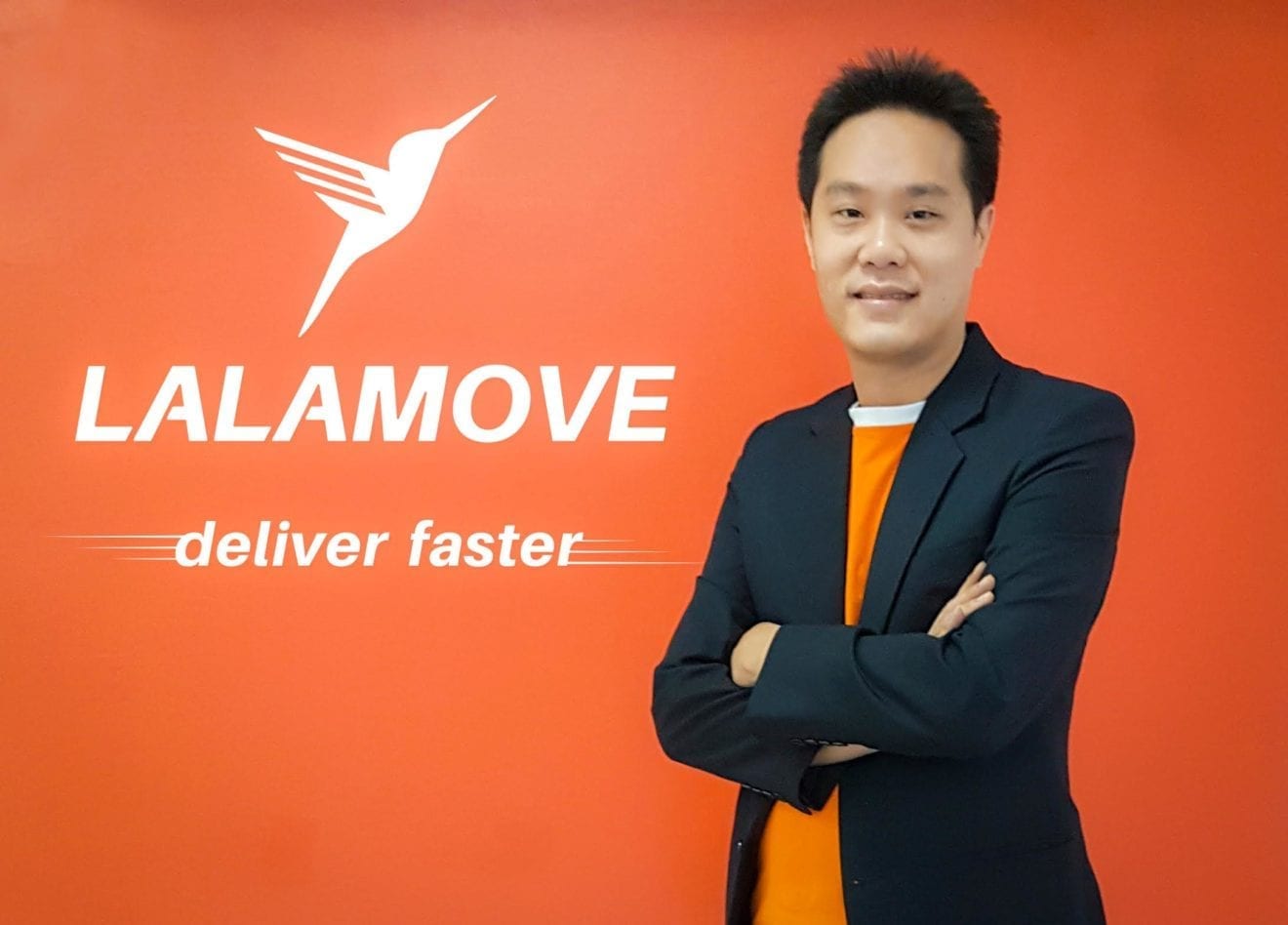
    Following Lalamove’ s recent partnership with LINE to launch LINE Man app, the funding success reveals the speed at which Lalamove is growing, as CEO Shing Chow expressed.

    We began as a small start-up in Hong Kong working out of my apartment and have grown to 21 cities across Asia in the last two years.   When we began, we targeted lots of small businesses, but since then we have developed enterprise solutions to allow companies like Google, IKEA, and now LINE to make their delivery much faster and simpler”, said Chow. 

    Chow continued, “There is so much potential in making delivery more efficient as mobile internet is changing the way mobile assets are utilized.  This funding will be used to accelerate our leadership position and expansion efforts throughout China and other SEA countries.  It’s really a vote of confidence from our existing investors in our model and team.  It is our goal to be profitable this year, and it’s quite rare that you see a startup growing at our speed achieving that in less than three years. We are on track to deliver that.

    The investment of Asia PlusGroup Holdings is the first time the Thai company has invested in a tech company, demonstrating the company’s belief in Lalamove. 

    Asia Plus Group Holdings’ CEO Dr. Kongkiat Opaswongkarn is positive about the investment. “The fact that we are investing in an app company for the first time really demonstrates how much we believe in the success of Lalamove and the e-logistics market in Thailand and within Southeast Asia. We have followed the expansion, strategy and successes of Lalamove and we like what we see and the great potential for profitability. We are excited to be helping to make that happen and to be part of that success story.”

    Santit Jirawongkraisorn, Co-founder and Managing Director of Lalamove Thailand states that the investment from Asia Plus Group Holdings reveals great confidence in Lalamove. “We are involved in a fast-moving company in an expanding market with huge potential. The recent funding reveals investor confidence in our business plans, including Thai investor confidence. The app, logistics and mobile markets in the region are booming and Lalamove is at the forefront of that drive. Investors like Asia Plus Group Holdings are helping us steer where we want to go in the future, which is ultimately towards profitability.”

    With the largest footprint across Asia, Lalamove is well positioned to capitalize on the growing trend of businesses looking to out-source their delivery needs.  Additionally, with more and more consumers looking to have their items delivered faster, Lalamove’ s average delivery time of 46 minutes is changing the landscape of intra-city delivery in Asia.

    Lalamove can be downloaded for free from Google Play store and Apple Store.

  • Central Group Vietnam halts buying spree

    Central Group Vietnam halts buying spree

    Thai retailer Central Group Vietnam is putting the brakes on its acquisition spree to focus on consolidating profit, according to media reports.

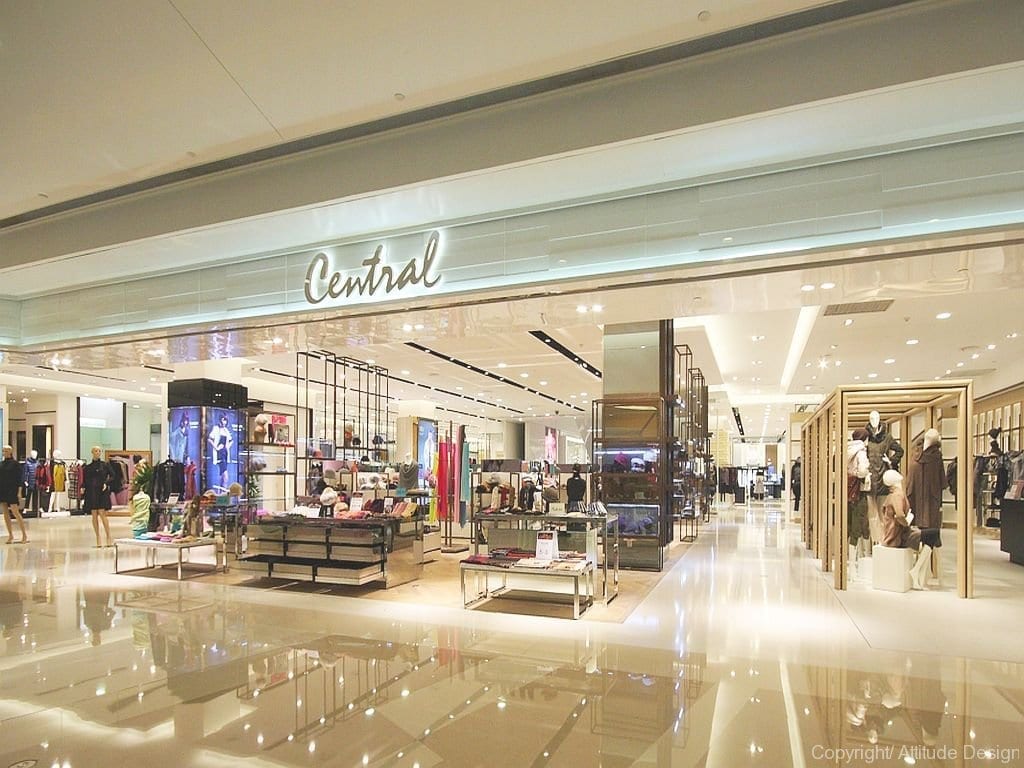
    Deputy group CEO Prin Chirathivat says Vietnam is shaping up as a second home for the Central Group, with the company having established three Robins Department Stores there, acquired a 49 per cent stake in electronics retailer Nguyen Kim, taken over fashion eCommerce site Zalora Vietnam from Germany’s Rocket Internet, and bought out Big C Vietnam for $1.1 billion.

    Prin has told The Nation that he realises it is time to reap profit from the businesses in Vietnam, with the depreciation of fixed assets putting pressure on profitability despite positive cash flow.

    But while Central has decided to pull back on buying, he says it does not want to miss any interesting inorganic growth opportunities.

    Its biggest equity investment has been taking over 30 Big C Vietnam supermarkets, for which it secured a bridging loan from Bangkok Bank, according to the Bangkok Post. Central will use Zalora to strengthen the channels of local partner Nguyen Kim as well as its Robins stores.

    The Thai group still considers Vietnam as an important market, buoyed by a growing economy and high purchasing power. But it still has plans for Indonesia, including opening five more department stores in Jakarta and Surabaya by 2017.

    Back in Thailand, Central Group no longer owns Big C SuperCentre, but has acquired the Zalora business there.

  • JTG Holdings buys Jones the Grocer global rights

    JTG Holdings buys Jones the Grocer global rights

    JTG Holdings, the master franchisee for Jones the Grocer in the Middle East and North Africa, has bought the global rights to the brand.

    In a separate transaction LVMH investment arm, L Capital Asia has taken a minority stake in JTG Holdings with the aim of backing the brand in its international expansion.

    Another subsidiary of L Capital Asia has taken master franchise rights for the brand in various markets in north Asia, Southeast Asia, Australia and New Zealand.

    While its base in the UAE will give JTG Holdings a global footprint, it aims to stay true to its Australian roots and is committed to supporting franchisees as true partners.

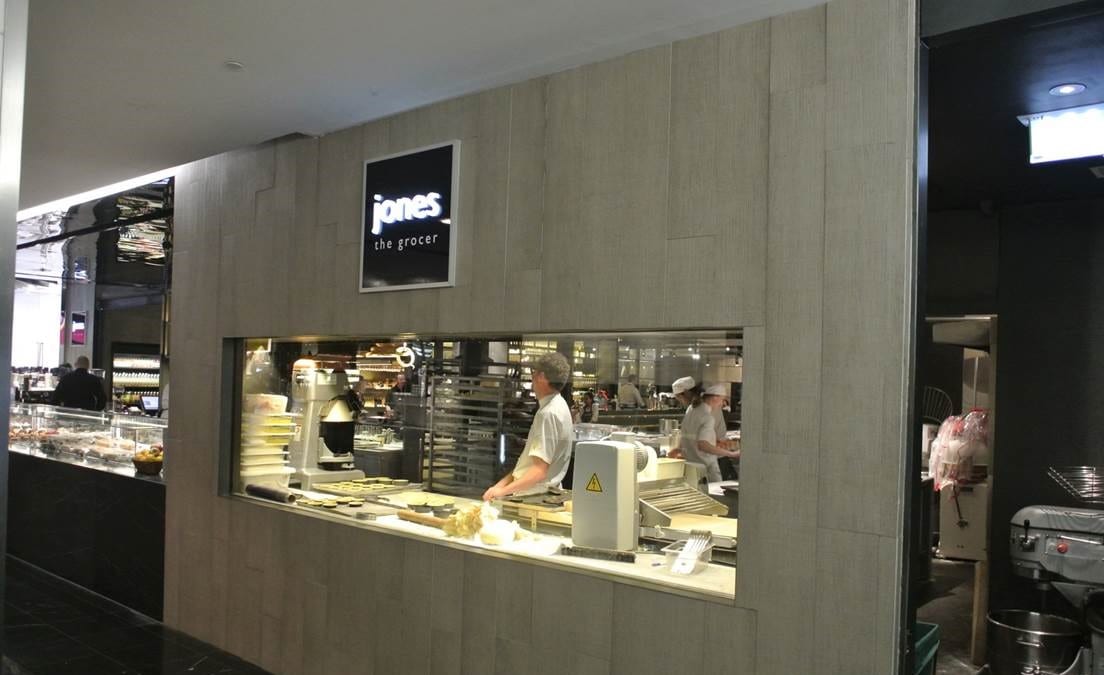
    Jones the Grocer is a cafe and retail outlet specialising in hand-selected specialty products, its flagships featuring a signature walk-in cheese room, charcuterie and deli. Established in 1996 with the launch of its flagship Australian store in Woollahra, Sydney, Jones the Grocer has now has 19 stores across Australia, New Zealand, Singapore, Thailand, Qatar, Bahrain and the UAE.

  • New Toys’R’Us Asia-Pacific president named

    New Toys’R’Us Asia-Pacific president named

    The new Toys’R’Us Asia-Pacific president is Andre Javes.

    Taking up the role on May 27, Javes will oversee all operations and business activities for the company’s growing number of stores in Japan, Southeast Asia, Greater China and Australia, and he will be responsible for the profitability and success of the company in these markets. He will report directly to chairman and CEO Dave Brandon.

    A seasoned retail executive with more than 30 years of merchandising and management experience, Javes most recently served as MD of Toys’R’Us, Southeast Asia and Greater China, where he oversaw all operations and business activities for the company’s more than 170 wholly-owned stores and some 2500 employees in Brunei, China, Hong Kong, Malaysia, Singapore, Taiwan and Thailand.

    “Since joining Toys’R’Us, Andre has made significant contributions to the continued growth and success of our business throughout Asia and Australia,” said Brandon. “With his extensive retail background, drive for results, commitment to building and leading high-performing teams and proven track record, we expect to further grow and strengthen our brands’ position in the global marketplace.”

    Javes first joined the company in Australia in 2008 as GM merchandising with responsibility for toy and baby products. After a brief hiatus, he returned to the company in April 2013 as MD, overseeing all operations and business activities for the company’s more than 30 stores, eCommerce site, corporate office and more than 1700 employees.

    Prior to joining Toys’R’Us, Javes served as CEO at Anaconda Group from 2009 to 2012, a retail chain of camping, outdoor and adventure gear stores across Australia. Earlier in his career, he spent three years at Kmart as divisional merchandising manager first for seasonal and consumable items and later for the company’s toy and outdoor product categories throughout Australia and New Zealand. He also served as group merchandise manager, grocery at Coles Supermarkets Australia.

  • Central Watson plans 250+ new stores

    Central Watson plans 250+ new stores

    An aggressive Central Watson expansion plan just unveiled will see more than one new store a week opened in Thailand from now to 2020.

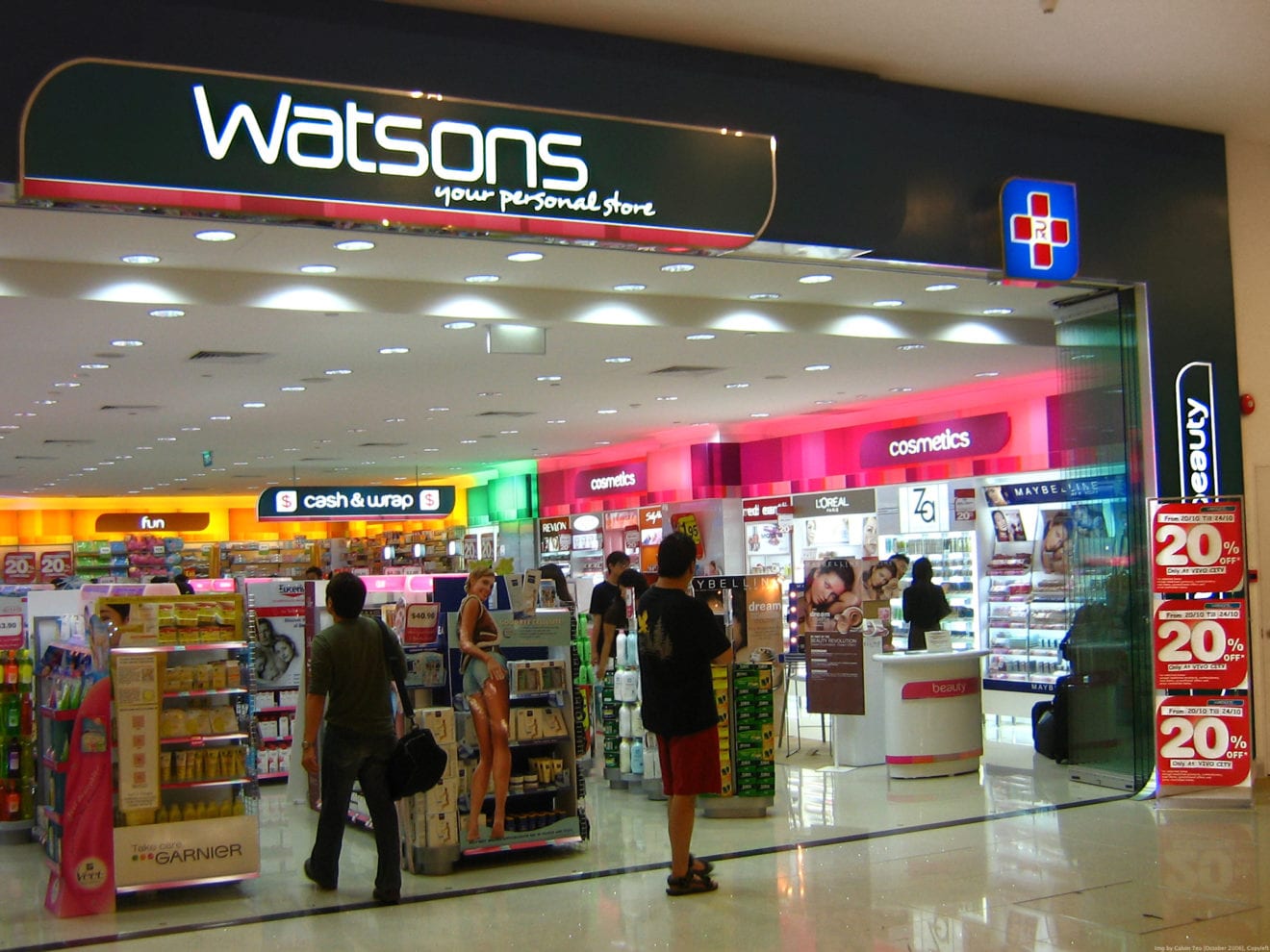
    The Hong Kong retail giant’s Thai joint venture with Central Group says it has allocated 1 billion baht (US$28 million) to new stores – enough to fund up to 275 new outlets.

    In an interview with The Nation newspaper, MD Rod Routley said despite the Thai retail market remaining competitive, Central Watson has confidence in the retail growth potential of the nation.

    “We will continue to invest more here,” he said. “With a positive outlook, we are looking forward to 2016 being another year of great performance,”.

    The growth focus will be on metropolitan Bangkok, tourist destinations and provincial cities.

    In addition to building up its physical store network – which reached 375 at the end of 2015 – the company is investing on enhancing its eCommerce offer, expanding its private label offer and improving digital communications. Private label sales grew 30 per cent last year, with the addition of 200 new lines.

    Routley said Watsons achieved solid growth in the first four months of this year and expects double-digit growth for the full year.

  • Big C Thailand plans major expansion

    Big C Thailand plans major expansion

    Berli Jucker Group, the new owners of Big C Thailand, have announced a major expansion plan targeting the regions.

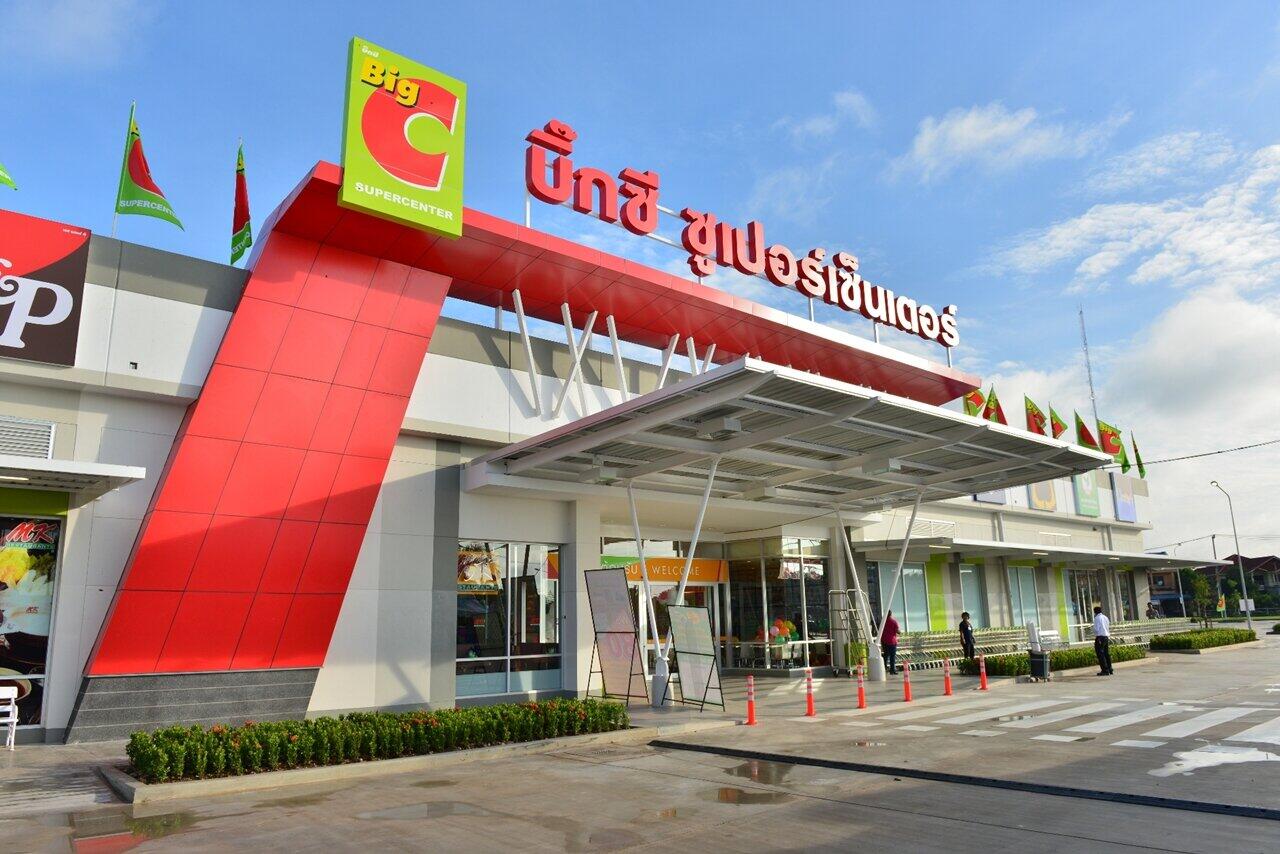
    Big C Supercenter’s board, now controlled by Berli Jucker Group after it bought stakes from Group Casino and Central Group, over recent months, have signed off on a budget of up to THB6 billion (US$168 million) for store expansion.

    New stores are planned for what the company describes as “blue ocean” sites, including border cities and major districts where the brand is not well represented.

    Last weekend, Big C opened its 126th hypermarket, in Ranong, only the first new store this calendar year.  The 4000 sqm store anchors a 10,000 sqm development, aiming to attract 10,000 shoppers a day, most of them Burmese from across the border or living and working in the province. The complex also houses a three-screen Major Cineplex cinema

    Big C Thailand plans to open five more hypermarkets this year, mostly in the south and northeast of the nation. Another three smaller Big C Market stores are planned for the north and 75 mini Big C convenience stores, two thirds of them franchised.

    “BJC will help strengthen Big C via its diversified products and in the area of logistics. It may help the company to speed up its expansion in the future,” said Songsak Wijaithammarit, assistant VP for operations.

    “Our shareholders were impressed by the new major shareholder of Big C, which is Thai.”

    Big C currently operates 125 large format stores (Big C Supercenter, Extra and Jumbo), 55 Big C Market stores, 397 Mini Big C stores (including 164 in Bangchak service stations) and 147 Pure drugstores.

    Big C Supercenter’s operating profit rose 1.2 per cent to THB2.01 billion last quarter on sales down 1.1 per cent to THB 32.8 billion. Same-store sales dropped 2.9 per cent.

  • Coach Asia revamps duty free network

    Coach Asia revamps duty free network

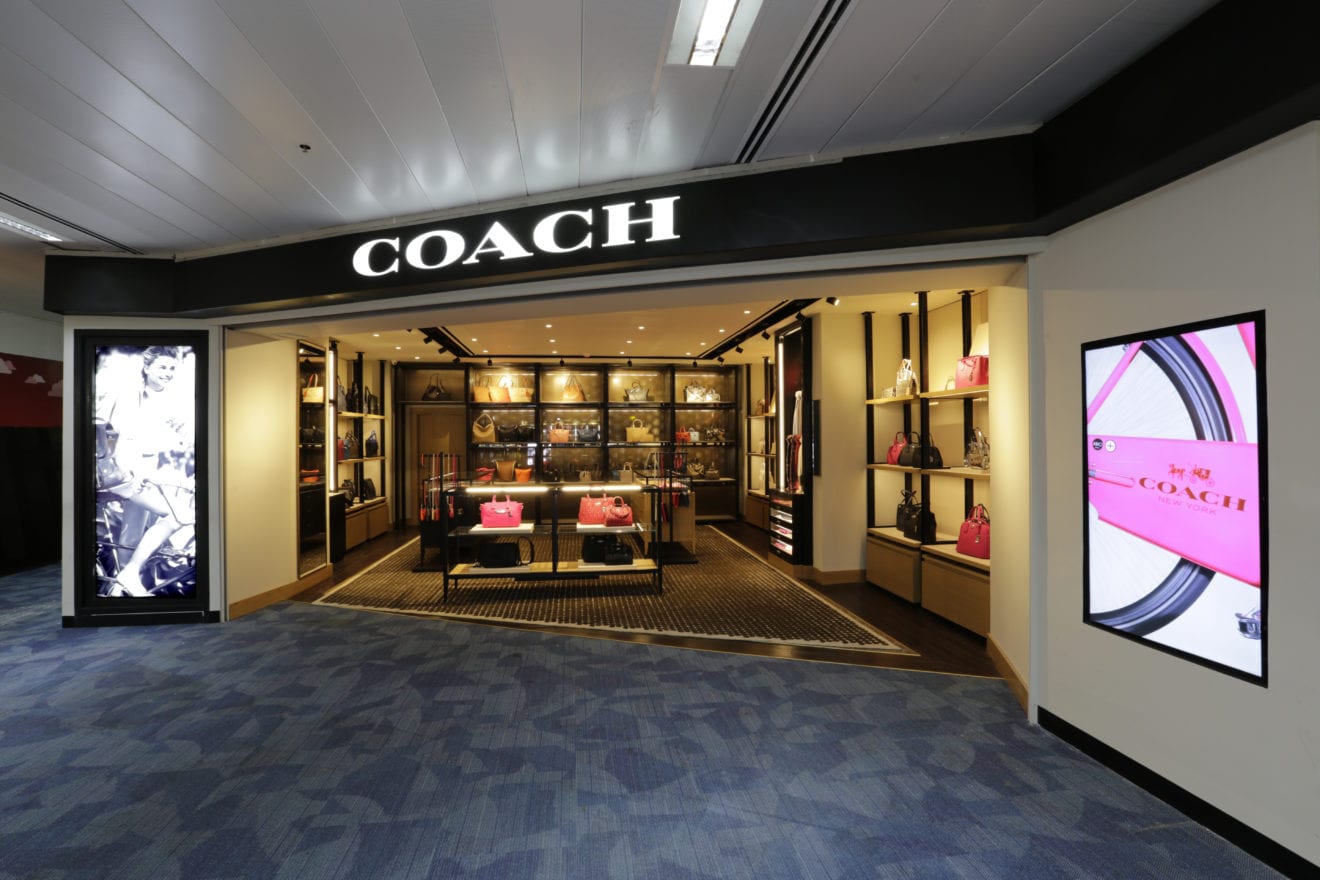
    US accessories and lifestyle label Coach Asia is remodelling its duty-free and travel retail stores to tie in with its new “modern luxury” concept, and is planning further expansion in the region.

    The company says the aim is to provide a “warm and inviting” environment in which to showcase the latest products from Coach creative director Stuart Vevers.

    “The performance of the renovated stores has been very strong, and the concept has been extremely well received by the Asian consumer,” Coach International division vice-president of sales Paulo Colino said.

    “We are pleased with the progress we have made updating the stores and expect to have nearly half of our shops in the region remodelled by the summer of next year.”

    Coach has nearly 80 shops spread over 15 countries, including airport and cruise-ship locations.
    Key stores for the renovation include DFS and China Duty Free in Siem Reap, Ginza with Lotte in Tokyo, Kansai Airport with JatCo, Hongqiao Wing 5 with Dufry and Kunming Airport with Lagardere TR, Phuket downtown with King Power, Sentosa Plaza with Valiram in Singapore, and Sunplaza and Chinachem with DFS in Hong Kong.

    “Given the success we have seen in this region, we plan to expand into additional countries in Asia, including India and Myanmar,” says Colino.

    Coach is now a quarter way through the refit program.

  • Central Group halts its acquisition spree in Vietnam, gets bridge loan for Big C deal

    Central Group halts its acquisition spree in Vietnam, gets bridge loan for Big C deal

    The recent forays in Vietnam include the establishment of three Robins Department Stores, the acquisition of a 49 per cent stake at Vietnam’s largest electronics retailer Nguyen Kim, the takeover of fashion e-commerce site Zalora Vietnam from German group Rocket Internet, and a $1.1 billion buyout of Big C Vietnam.

    Vietnam was now shaping up as a second home for Central, Prin Chirathivat, deputy group CEO, reportedly said.

    He realised it was time to reap profit from the businesses in the neighbouring country, adding that the depreciation of fixed assets was enough to put pressure on profitability, despite the positive cash flow, according to a report on The Nation.

    However, according to the executive, Central Group will not want to miss any interesting inorganic growth opportunities in Vietnam even as it has decided to slow down the buying pace.

    Its biggest equity investment in Vietnam was the $1.1 billion deal to own over 30 Big C Vietnam supermarkets, which was reported to be accommodated by the sale of Big C Thailand unit to rival TCC Holding and its subsidiary Berli Jucker. But the 50 billion baht realisation from offloading the remaining 25 per cent in Big C Thailand will be used for other purposes, while Central Group secured a bridge loan from Bangkok Bank to finance the Vietnam deal, according to the Bangkok Post.

    Meanwhile, it will use Zalora to strengthen the channels of its local partner Nguyen Kim and Central Marketing Group’s unit in Robins, the media reports said.

    Despite the halt in further acquisitions, the Thai group still considers Vietnam as a very important market, buoyed by a growing economy and high purchasing power.

    “In Indonesia, we don’t have an opportunity to acquire retail businesses because there are no sellers unlike in Vietnam. Our expansion in Indonesia is slower than in Vietnam,” The Nation cited Prin as he compared Vietnam with Southeast Asia’s largest market.

    However, he also revealed the group’s plan to have five more department stores in Jakarta and Surabaya by 2017, as the retailer is currently operating only one store in the capital city.

    In Thailand, Central Group no longer has ownership in Big C Supercentre but has also acquired Zalora business in the country.


  • Lion Air should not just return passengers` tickets

    Lion Air should not just return passengers` tickets

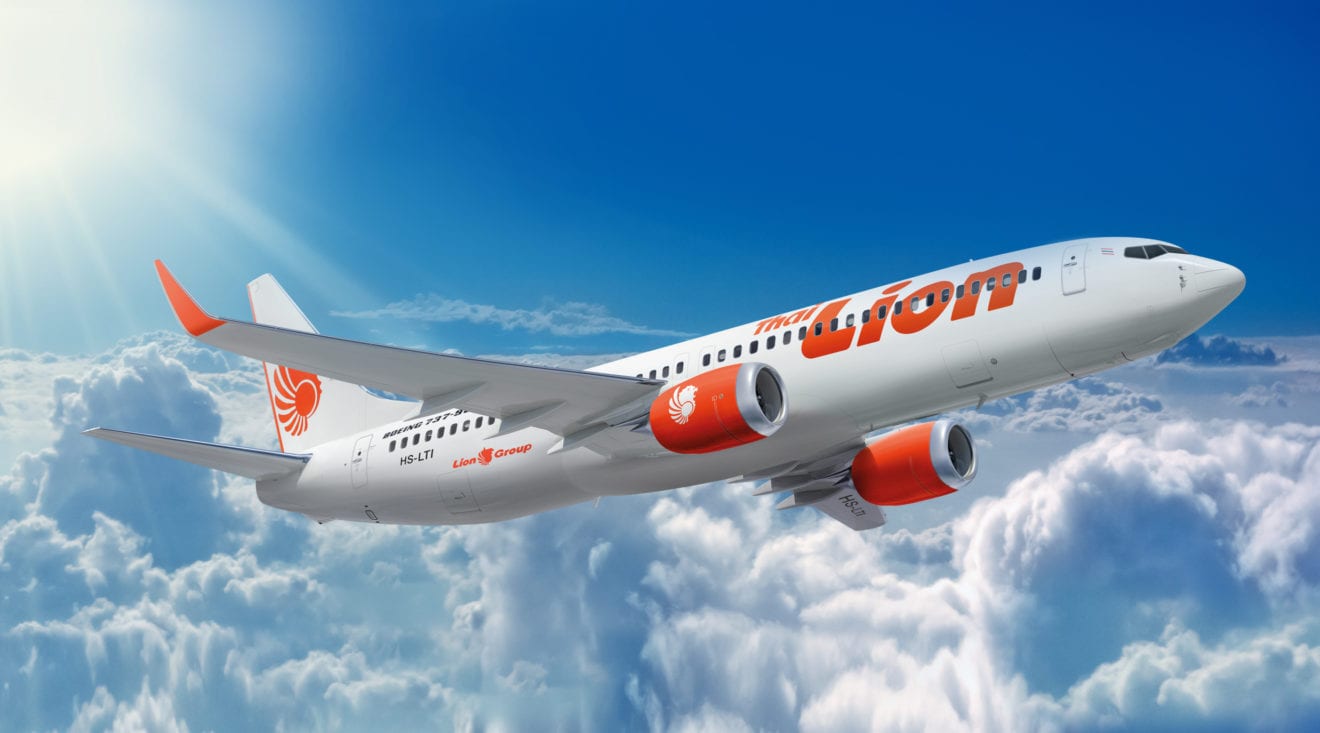
    The airline company, Lion Air, should not resort to merely returning passengers tickets after it postponed 277 flights following sanctions imposed by the ministry of transportation, a consumer institute has said.

    “The Lion Air management should transfer the passengers tickets to other airlines, instead of only returning the tickets purchased by them,” Chairman of the Indonesian Consumers Institute (YLKI), Tulus Abadi, demanded here on Monday.

    He argued that while the Lion Airs decision to postpone 277 of its flights for one month did not basically violate any rule, it should also not violate consumers rights.

    “The ministry of transportation should supervise this strictly to prevent the company from violating consumers rights,” he stressed.

    The ministry of transportation has imposed a sanction on the Lion Air, freezing its flights for five days for having recently disembarked international passengers from Singapore at the domestic terminal of Soekarno Hatta Airport.

    The management of Lion Air opposed the sanction by reporting the directorate general of air transportation to the police and postponed 277 of its flights for a month.

    Tulus was of the view that the Lions legal move to oppose the ministry of transportations sanction was rather awkward.

    “It is rather an anomaly. Probably this is the only case of its kind in the world where the operator is taking a stand against the regulator.”

    On May 10, Lion Air pilots went on strike at the Soekarno-Hatta Airport on Tuesday, leading to a delay in the low-cost carriers flights to several regions in Indonesia.

    The corporate secretary of state airport operator, Angkasa Pura I, Farid Indra Nugraha, explained in a press statement released on Tuesday that his side has been in close touch with the representatives of the Lion Air Group at the airport.

    Farid claimed that his side had made efforts to ensure that the airline is able to serve the passengers despite the delay in flights.

    “In response to the Lion Air pilots strike at several airports under the purview of Angkasa Pura I, we call on the passengers to understand the conditions and be patient,” he pleaded.

    The strike led to a delay in Lion Air flights from Sam Ratulangi Ariport in Manado, North Sulawesi, Sultan Hasanuddin Airport in Makassar, South Sulawesi, Lombok International Airport in West Nusa Tenggara, I Gusti Ngurah Rai Airport in Bali, and Adisutjipto Airport in Yogyakarta.

    Public relations manager of the Lion Air Group, Andy M Saladin, denied that the pilots had gone on strike because they had not received transport allowances.

    “There is no strike. The airlines operations have returned to normal,” he pointed out.

    Meanwhile, Lion Air President Director Edward Sirait insisted that the fact that some of the airlines pilots fell sick, coupled with an administrative problem, was what had led to flight delays.

    “We, on behalf of the Lion Air Management, apologize for the inconvenience,” he said.

  • AirAsia, budget carrier set to soar in Asean open skies

    AirAsia, budget carrier set to soar in Asean open skies

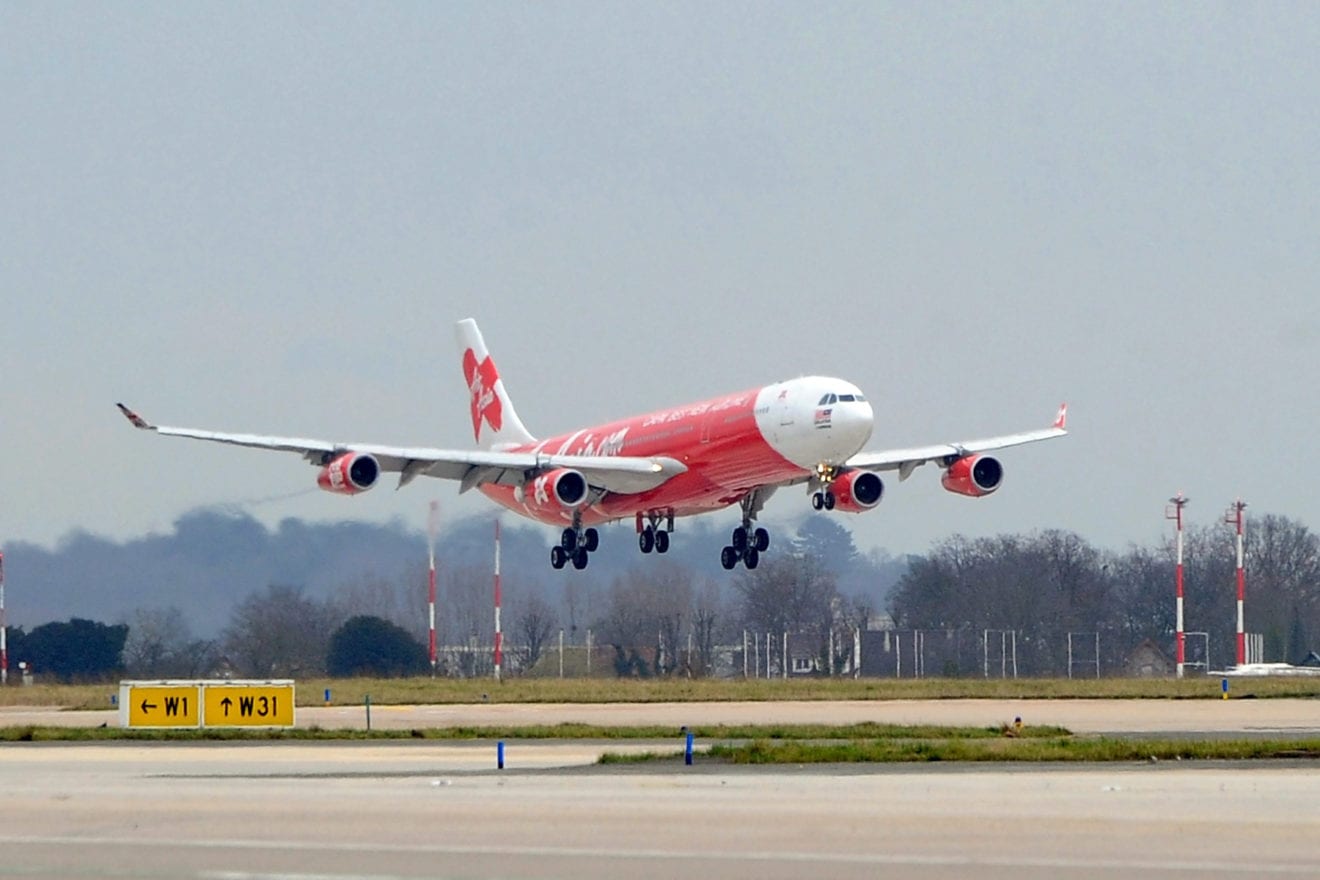
    Low-cost airline groups and manufacturers of smaller passenger aircraft will be among the main winners after Southeast Asia’s open skies agreement finally came into effect last month, although airport capacity constraints could limit the benefits.

    Ratification of the Association of Southeast Asian Nations (ASEAN) open skies agreements by Indonesia and Laos in April lifts restrictions on capacity and competition, allowing airlines to launch unlimited flights from their home to any point in the region subject to airport slot availability.

    Hubs like Singapore, which have a clear expansion plan, could gain from an increase in air services, as will budget carriers which are ideal for a region where no two points are more than a few hours apart, say analysts.

    “Airlines can launch any number of international flights as the market can support,” said Alan Tan, an aviation law professor at the National University of Singapore. “Travellers can thus look forward to more flights at more competitive prices.”

    Dominant low-cost airlines like Malaysia’s AirAsia , Indonesia’s Lion Air, and Philippine carrier Cebu Pacific plan to do just that.

    AirAsia, for example, wants more international flights from the Philippines and Indonesia, a spokeswoman said. This will help its affiliates, which have found it tough to break into the domestic market in those countries.

    “Improved connectivity in the region will be a boon to tourism and strengthen ASEAN as an economic union,” the spokeswoman said.

    Full service airlines like Thai Airways, Garuda Indonesia and Philippine Airlines, which have lost market share to budget carriers over the last decade, say they plan to use their long-haul network to connect passengers to their Southeast Asia services.

    The Singapore Airlines group has an additional advantage, given its ability to operate services using two premium brands and two low-fare subsidiaries, analysts say.

    The opening up of regional destinations can also boost manufacturers of 70-130 seater aircraft, like Brazil’s Embraer , Canada’s Bombardier and ATR, a joint venture between Airbus and Italy’s Finmeccanica.

    These planes can serve some routes more profitably than the larger Airbus A320s and Boeing 737s, they say.

    “Many of the region’s airlines are beginning to recognise the potential advantage of right-sizing and the ratification of ASEAN open skies, we feel, will simply accelerate the process,” said Mark Dunnachie, who leads Embraer’s aircraft sales in the Asia-Pacific.

    HUBS LIMIT GROWTH

    While there will clearly be winners from the open skies deal, the full gains could be limited by airport constraints.

    Bangkok’s Suvarnabhumi Airport, Ninoy Aquino International Airport in Manila, and Jakarta’s Soekarno-Hatta International Airport serve Southeast Asia’s three biggest domestic markets of Thailand, the Philippines and Indonesia respectively.

    All have reached full capacity with congestion and delays the norm, creating spillover problems for smaller airports in those countries as well.

    “Unlimited flight capacity is meaningless if airport and slot congestion remains unaddressed by governments,” Tan said.

    Singapore’s Changi Airport is the exception. Despite having relatively little domestic traffic, it has three terminals which can handle 66 million passengers and served 55 million in 2015, the most in Southeast Asia. Work has begun on two more terminals.

    Such long-term national aviation policies are needed due to the lengthy gestation period for terminals and runways, said Vinoop Goel, Asia Pacific director for airports at the International Air Transport Association (IATA), a global airline trade body.

    IATA estimates that ASEAN countries can add almost 25 million jobs and $298 billion to the region’s GDP by 2035 if they invest in aviation infrastructure. This is up from 11.6 million jobs and $144.4 billion to GDP in 2014.

    “Clearly, failing to tackle airport infrastructure will have an economic cost,” Goel said.

  • Thailand’s AIS launches prepaid broadband

    Thailand’s AIS launches prepaid broadband

    Thailand’s AIS has launched the nation’s first prepaid fixed broadband service, introducing a 15Mbps speed plan for a 500 baht ($14) monthly top-up fee.

    AIS has set a target of becoming Thailand’s second largest broadband player by 2019, citing comments from a senior executive at the company.

    The operator launched commercial fixed broadband services in April last year and had 450,000 subscribers as of December. AIS plans to increase this to 1 million by 2018 and 2 million by 2019.

    In order to achieve its growth ambitions AIS has allocated 7 billion baht to extend its fiber network to cover 24 provinces this year, and a further 10 billion baht to expand this to 40 provinces in 2017.

    Meanwhile rival Jasmine International, whose subsidiary Triple T Broadband operates landline broadband services under the 3BB brand – has retaliated by slashing the price of its 50Mbps plans to 700 baht per month, from 2,500 baht.

  • Singapore, Indonesia, Cambodia, Thailand Seek Free Trade Zone With EEU

    Singapore, Indonesia, Cambodia, Thailand Seek Free Trade Zone With EEU

    Singapore, Indonesia, Cambodia, and Thailand are interested in creating a free trade zone with the Eurasian Economic Union, Russian Deputy Foreign Minister Igor Morgulov said Thursday.

    “The desire to sign such an agreement has been expressed by a number of countries in southeastern Asia, including Cambodia, Singapore, Thailand, and Indonesia,” Morgulov said during a briefing at the Russia-ASEAN Summit in Sochi.